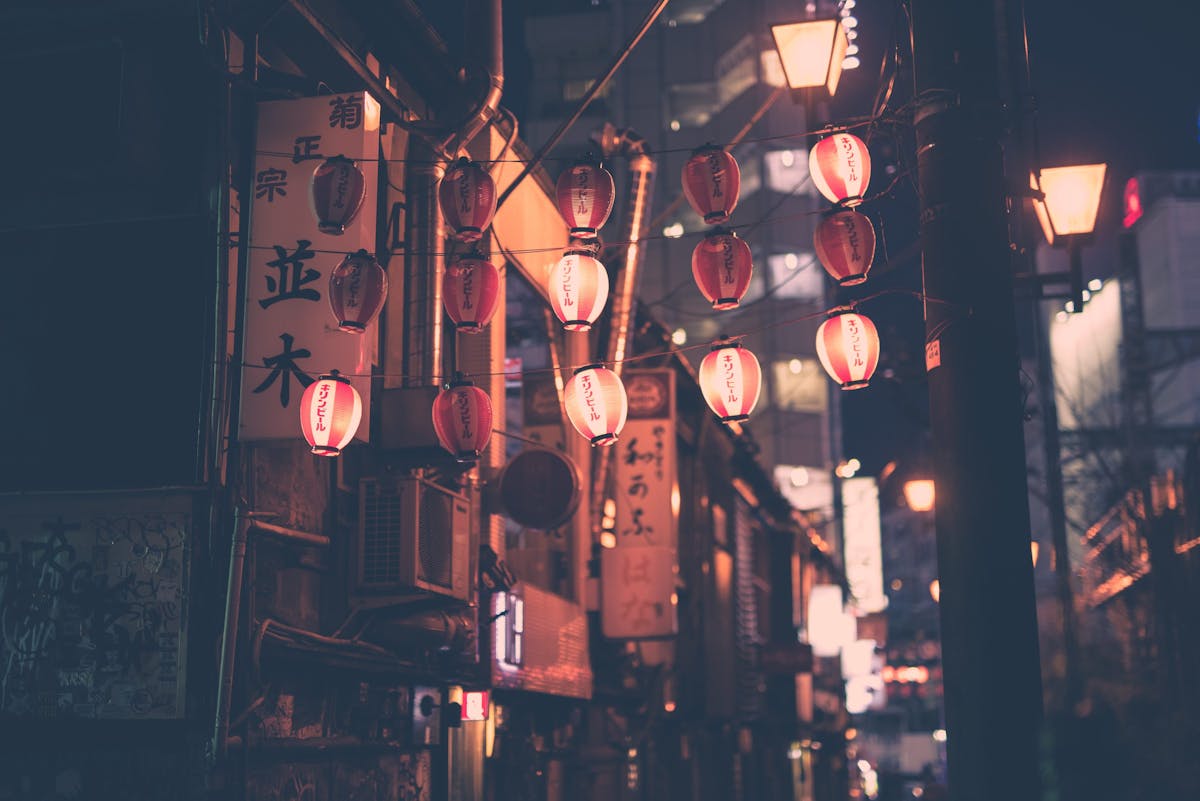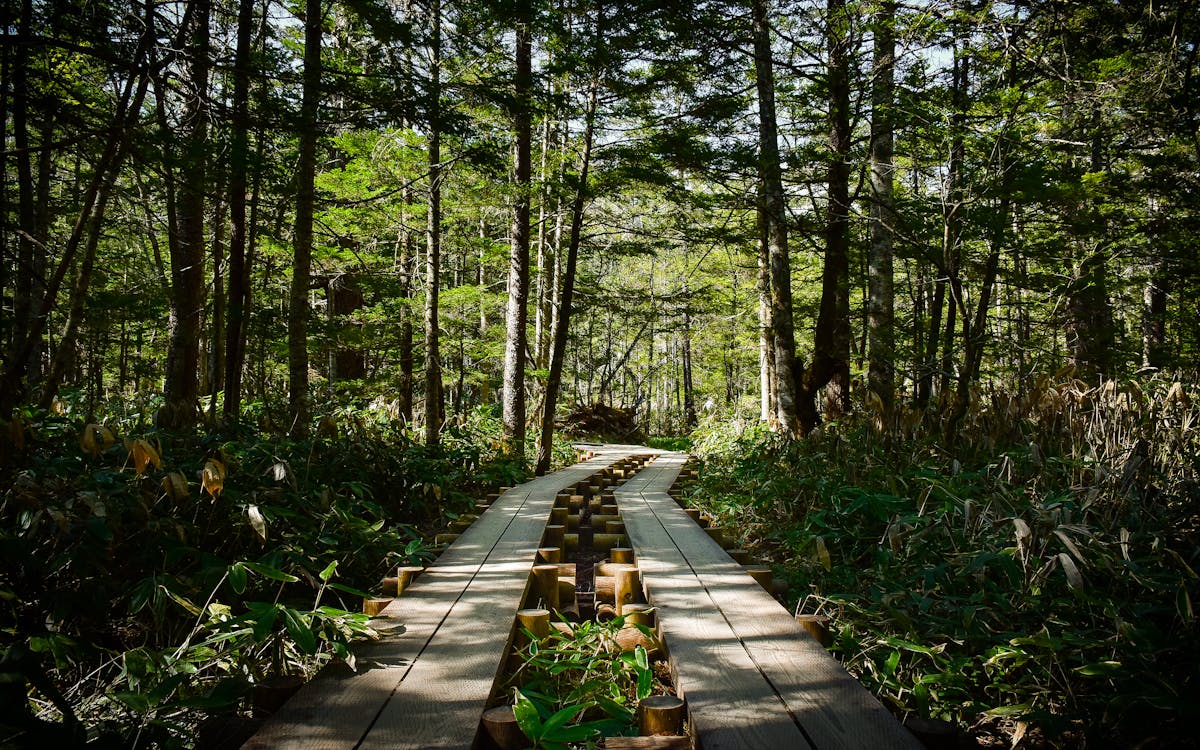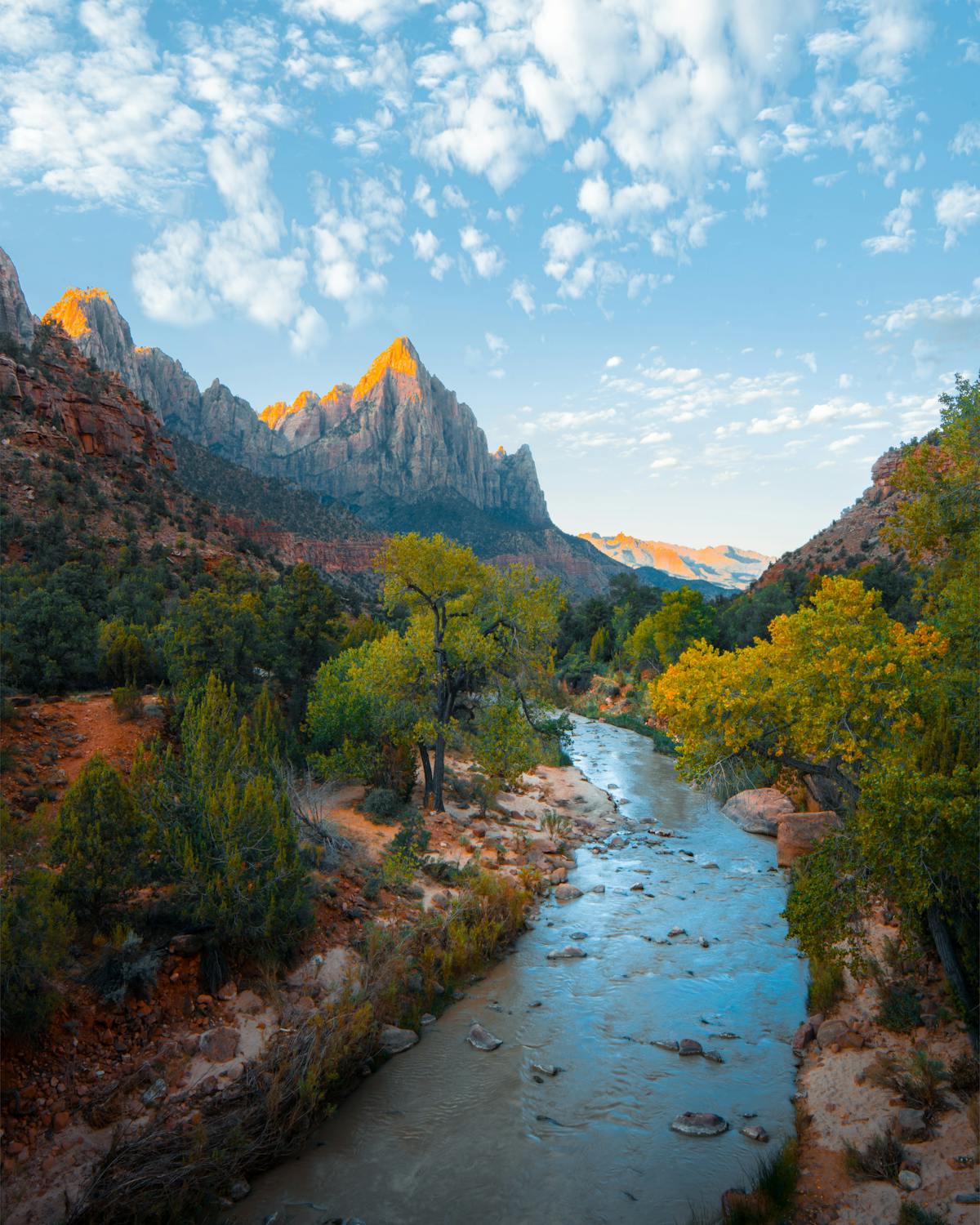
Just 80 minutes by train from the skyscrapers of Tokyo, the mountain-ringed basin of Chichibu feels like a different country. This pocket of western Saitama Prefecture trades neon and crowds for limestone peaks, a sacred wolf shrine wrapped in cloud, hillsides that turn shocking pink with moss phlox each spring, and one of Japan’s three greatest float festivals lighting up the December night. It is, quite simply, one of the best and most underrated day trips — or relaxed overnight escapes — from the capital.
Yet Chichibu still flies under the radar for most international visitors, which is exactly its charm. You can ride a steam train along a river gorge, soak in a quiet onsen, eat a cutlet the size of your face, and visit a world-famous whisky distillery, all without the queues you would face closer to Tokyo. This complete 2026 guide covers how to get to Chichibu, its unmissable sights across every season, where to eat and stay, a sample itinerary, practical tips, and a thorough FAQ so first-timers can plan with confidence.
Why Visit Chichibu?
Chichibu’s appeal lies in how much it packs into a compact, easy-to-reach area. Surrounded by the mountains of Chichibu-Tama-Kai National Park, the town sits in a wide river basin watched over by the distinctive grey pyramid of Mount Buko, a limestone peak that has been quarried for over a century yet still presides over the valley like a guardian.
Here you will find genuine spiritual heritage in the form of Chichibu Shrine and the mountaintop Mitsumine Shrine, a celebrated 34-temple Kannon pilgrimage, and folk traditions that have survived intact for centuries. You will also find serious natural beauty: river-boating through the rock formations of Nagatoro, fields of seasonal flowers, dramatic autumn foliage, and even winter ice columns. Add a beloved local food scene and Japan’s most awarded craft whisky, and Chichibu rewards everyone from culture seekers to outdoor lovers to curious eaters. Because it is so close to the capital, it slots neatly into almost any itinerary — see how on our Tokyo travel hub and our wider Japan destinations guide.
What truly sets Chichibu apart, though, is its sense of authenticity. This is a place where people still live and work by the rhythms of the mountains and the seasons, where festivals are community events rather than tourist performances, and where a stranger is as likely to be greeted with a warm smile as a sales pitch. For visitors who have grown weary of crowded photo spots and want to feel something real, Chichibu offers an antidote: traditions held close, landscapes left wild, and a pace of life that invites you to slow down and actually notice where you are. It is the rare day trip that lingers in the memory long after you have returned to the bright lights of Tokyo.
How to Get to Chichibu from Tokyo
Reaching Chichibu is refreshingly simple, and the journey itself — gliding out of the city and into the mountains — is part of the pleasure.
By Limited Express (the easy way)
The most comfortable option is the Seibu Railway “Laview” Limited Express from Ikebukuro Station to Seibu-Chichibu Station. The futuristic, panoramic-windowed train makes the trip in about 80 minutes for roughly ¥1,500 (about $10) one way, including the reserved-seat surcharge. Reserve a seat in advance during cherry-blossom and autumn weekends, when it fills up.
By Regular Train (the cheap way)
Budget travellers can take the regular Seibu Ikebukuro Line, usually changing at Hanno, and reach Seibu-Chichibu in about 1 hour 50 minutes for around ¥800 ($5.30). It is slower and may involve standing, but it is perfectly comfortable and easy.
By JR and the Chichibu Railway
Alternatively, take a JR train to Kumagaya and transfer to the local Chichibu Railway, which trundles scenically through the valley to Chichibu Station and onward to Nagatoro. This route is handy if you are coming from the north or want to ride the line’s seasonal Paleo Express steam train.
Stay connected: mobile signal is good in town but can drop in the mountains around Mitsumine. Setting up a prepaid Japan & Global eSIM before you travel keeps your maps and train apps working the whole way.
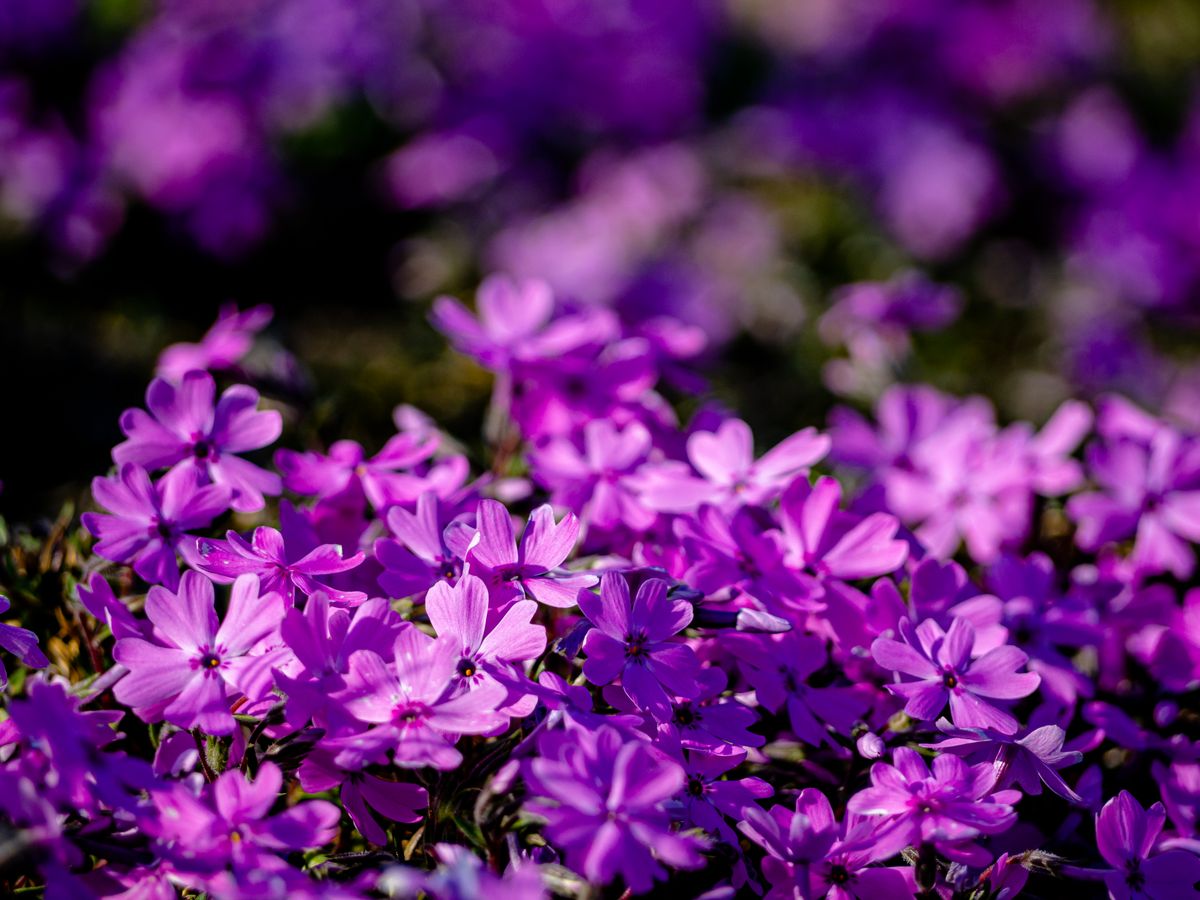
Hitsujiyama Park & the Shibazakura Hill
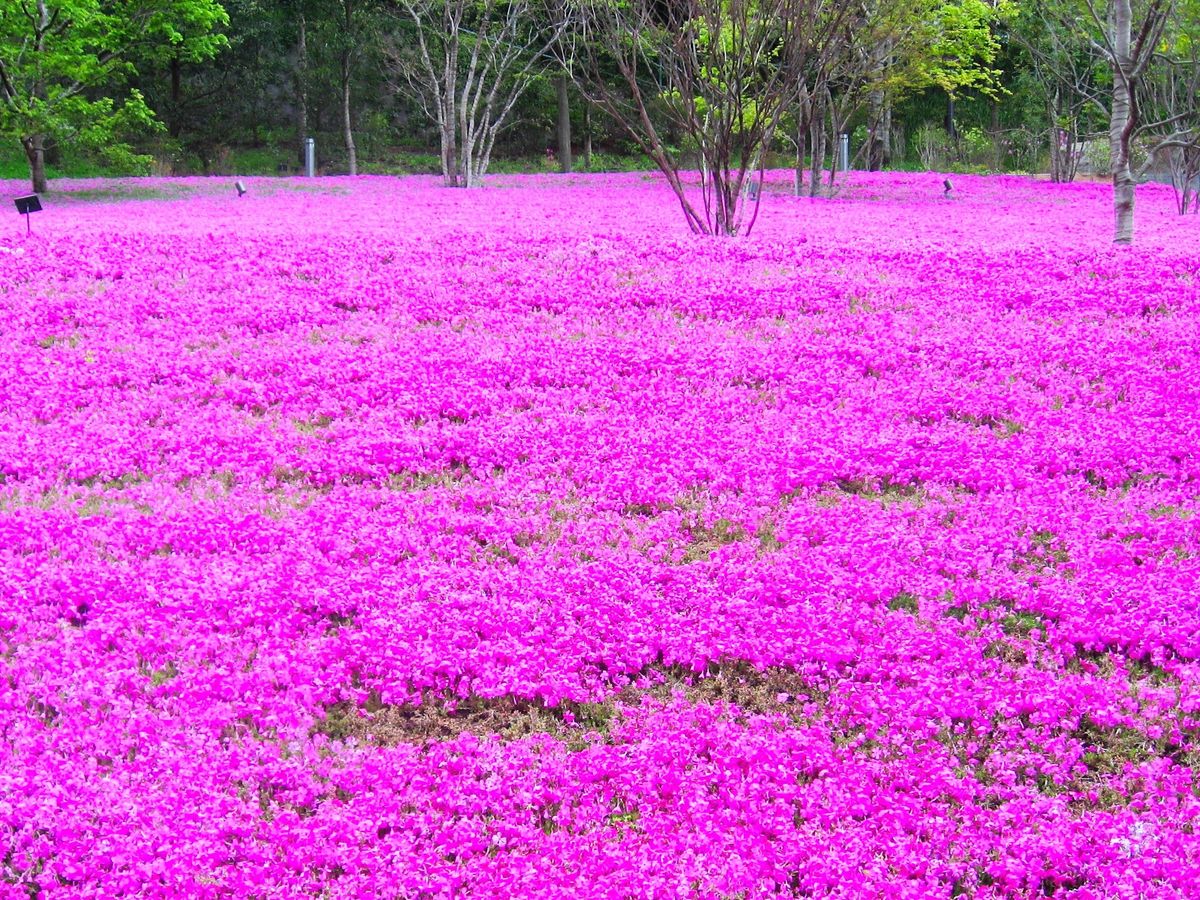
If there is one image that has put Chichibu on the map for Japanese travellers, it is the Shibazakura Hill at Hitsujiyama Park. Each spring, a gently sloping hillside is blanketed with around 400,000 shibazakura (moss phlox) plants in shades of pink, white, and purple, arranged in flowing patterns that ripple across the slope with Mount Buko rising behind them. It is a genuinely breathtaking sight and one of the most photographed flower scenes in the Kanto region.
The bloom typically runs from mid-April to early May, peaking around late April, and coincides with a lively festival featuring local food stalls. Entry to the Shibazakura area costs about ¥300 ($2) during the season, while the rest of Hitsujiyama Park — named for the sheep once pastured here, which you can still meet in a small enclosure — is free year-round. Arrive early, ideally before 9:00 a.m. on a weekday, to enjoy the flowers before the crowds and to catch the best light on Mount Buko. The park is about a 20-minute walk from Seibu-Chichibu Station, or a short taxi ride.
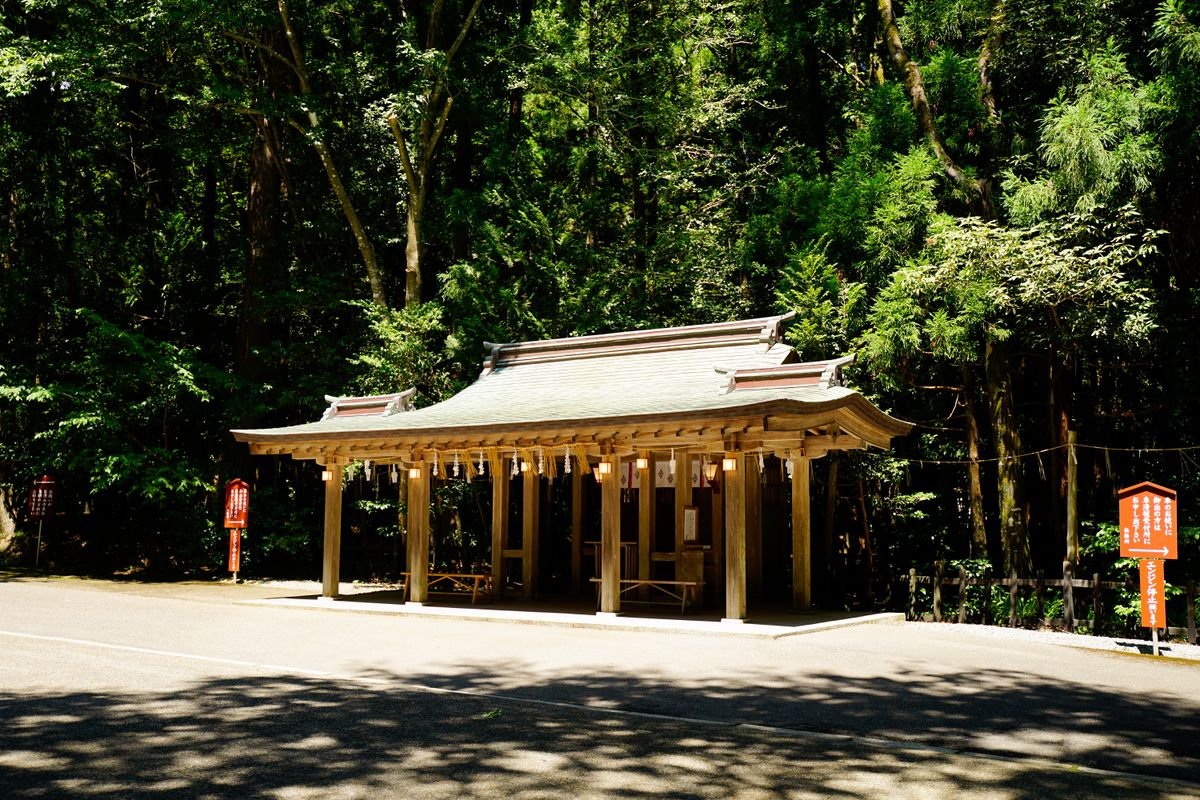
Mitsumine Shrine: A Sacred Wolf Shrine in the Clouds
High in the mountains above Chichibu, at an elevation of around 1,100 metres, stands Mitsumine Shrine — one of the most atmospheric and revered power spots in the entire Kanto region. Founded according to legend nearly two thousand years ago, the shrine is reached through a striking triple torii gate (mitsu-torii) and guarded not by the usual stone lion-dogs but by wolves, honoured here as messengers of the gods and protectors against fire, theft, and misfortune.
The setting is unforgettable. Towering cedars, ornately carved and brightly painted shrine buildings, and a frequent veil of mountain mist combine to create a deeply mystical mood. On clear, cool mornings, visitors are sometimes rewarded with a spectacular sea of clouds filling the valleys below. Many Japanese visitors make the journey specifically to recharge their spirits, and the shrine sells a famous protective amulet associated with its wolf guardians.
Getting to Mitsumine Shrine
The shrine is about a 75-minute bus ride from Seibu-Chichibu Station, with buses running several times a day; the fare is roughly ¥930 ($6) each way. The mountain road is winding, so those prone to motion sickness should sit near the front. Allow a good half-day for the round trip and time to explore. Combine it with the nearby observation deck and the small museum on site. Because buses are limited, check the return timetable carefully when you arrive so you do not get stranded.
Chichibu Shrine & the Town Centre
Back down in the valley, the in-town Chichibu Shrine is well worth an hour. With a history said to stretch back more than 2,000 years, the current ornate hall dates to 1592 and is famous for its exquisite, brightly coloured woodcarvings — look for the “Tsunagi-no-ryu” (chained dragon), the three wise monkeys, and other masterworks attributed to the celebrated carver Hidari Jingoro and the Tatsukawa school. The shrine is also the spiritual centre of the famous Chichibu Night Festival.
The surrounding town centre is compact and walkable, dotted with old sake breweries, miso shops, retro cafes, and the lovingly preserved Chichibu Meisenkan, which celebrates the area’s history of Meisen silk weaving. It is an easy, pleasant place to wander between bigger sights, and a good spot to pick up local souvenirs and snacks.
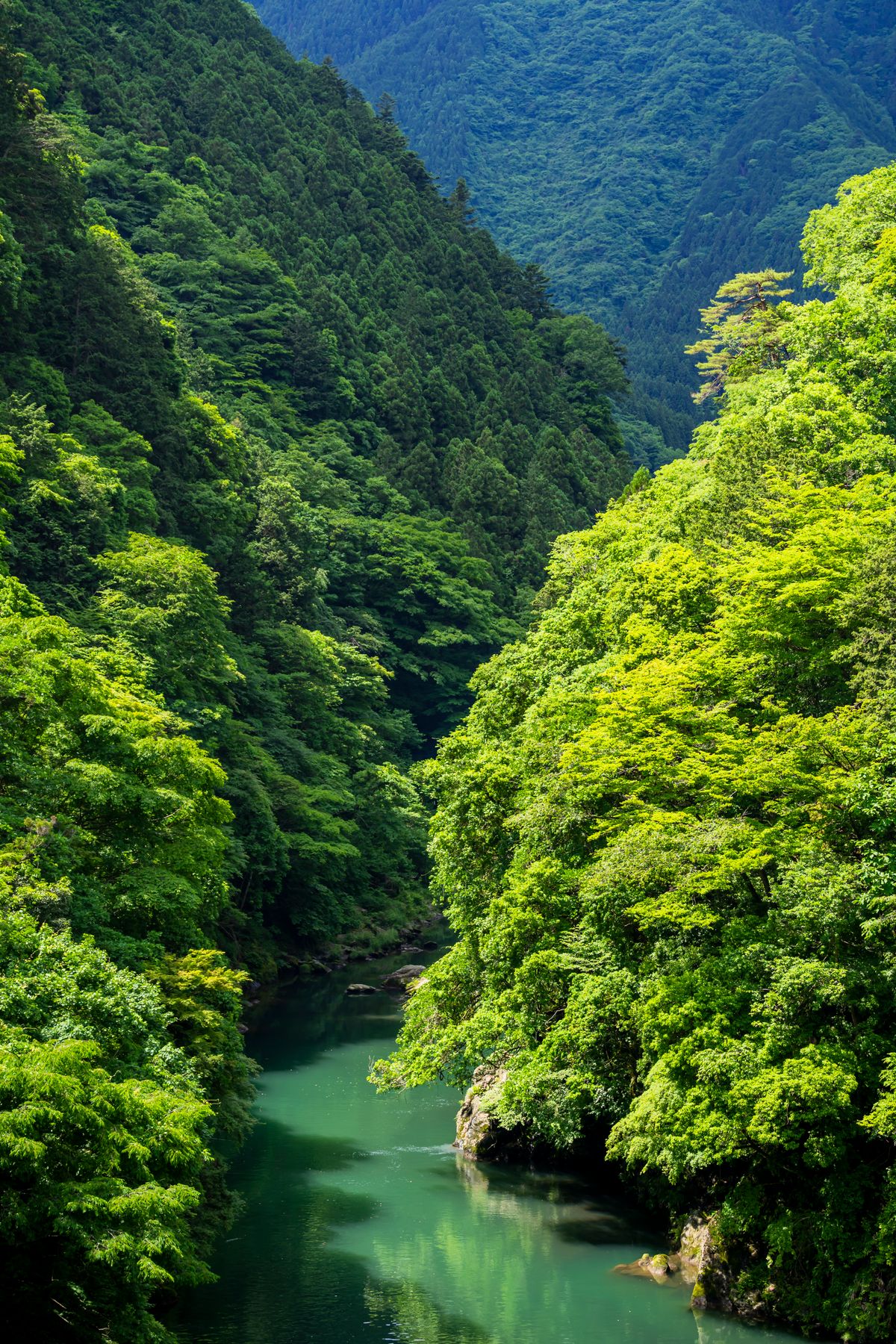
Nagatoro: River Boating, Rocks & a Steam Train
A short hop north of Chichibu town lies Nagatoro, a riverside gem built around the clear, emerald waters of the Arakawa. The signature experience here is the traditional line-kudari boat ride: a skilled boatman poles and steers a long wooden vessel down the river, gliding past dramatic rock formations and through gentle rapids. Short courses run about ¥2,000 ($13) and last 20–30 minutes, operating from spring through autumn (and replaced by cosy heated “kotatsu boats” in winter).
Along the banks you will find the famous Iwadatami, vast flat shelves of layered rock that look like tatami mats and have been designated a natural monument. It is a lovely place to picnic, paddle, and photograph. Nearby Hodosan Shrine and its ropeway offer mountain views and fresh air, while autumn turns the whole valley into a riot of red and gold.
Railway fans should time their visit for the Paleo Express, a genuine steam locomotive that runs along the Chichibu Railway between Kumagaya and Mitsumineguchi on select days, mostly weekends and holidays from spring to autumn. Riding it through the river valley is a nostalgic highlight, especially for families.
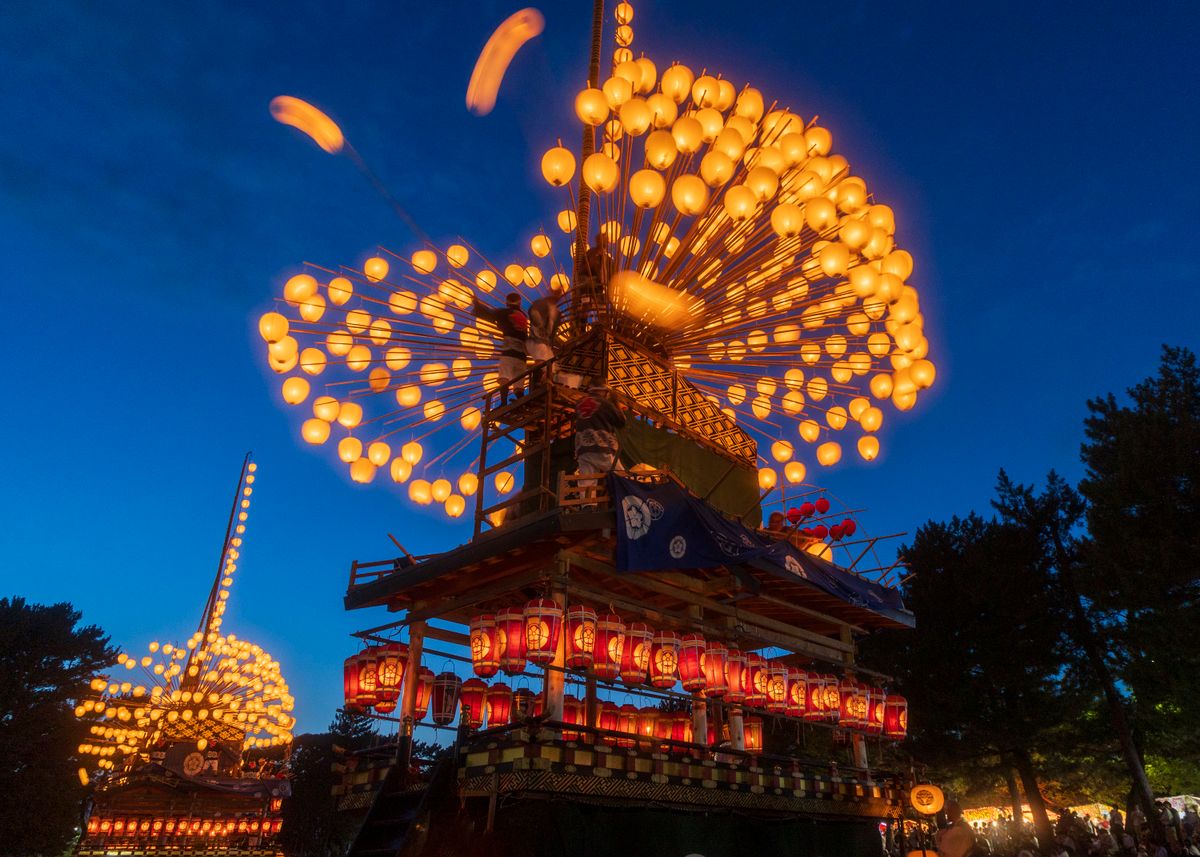
The Chichibu Night Festival (Chichibu Yomatsuri)
If you can time your visit for December 2nd and 3rd, the Chichibu Night Festival is an unforgettable spectacle and the town’s crowning event. Held for over 300 years, it is counted among Japan’s three greatest float festivals and is inscribed on UNESCO’s list of Intangible Cultural Heritage. Enormous, ornately decorated wooden floats (kasaboko and yatai) weighing up to 15 tonnes are hauled through the streets by teams of chanting locals, lit by lanterns and accompanied by flutes and drums.
The climax comes on the night of the 3rd, when the floats are dragged up a steep slope toward Chichibu Shrine while a rare winter fireworks display bursts overhead — a magical combination of fire, light, and tradition against the cold night air. It is one of very few major festivals held in winter, which makes it all the more special.
Be prepared for big crowds and book accommodation months in advance if you want to stay overnight, as the town’s limited lodging sells out far ahead. Dress very warmly, arrive early to secure a good viewing spot, and bring cash for the food stalls. Even if you cannot make the main festival, the year-round Chichibu Matsuri Kaikan museum displays the floats and tells their story.
Chichibu Whisky & Local Sake
Here is something that surprises many visitors: Chichibu is home to one of the most acclaimed craft whisky producers in the world. The Chichibu Distillery, founded by Ichiro Akuto, produces the celebrated Ichiro’s Malt, whose bottles have won top international awards and now fetch eye-watering prices among collectors. While distillery tours are extremely limited and hard to book, whisky lovers can sample and buy bottlings at specialist bars and shops in town — a genuine bucket-list tipple for enthusiasts.
The area also has a long tradition of sake brewing, helped by clean mountain water and cold winters. Historic breweries such as Buko Masamune welcome visitors for tastings and sales, and a warming cup of local sake pairs perfectly with Chichibu’s hearty mountain food. Whether your taste runs to world-class whisky or honest local nihonshu, Chichibu drinks far above its size.
What to Eat in Chichibu
Chichibu’s food is rustic, generous, and built for mountain appetites. The most famous dish is waraji katsudon — a rice bowl topped with one or two enormous, sandal-shaped (waraji) deep-fried pork cutlets that spill over the edges of the bowl, glazed in a sweet-savoury sauce. It is as much a challenge as a meal, and utterly delicious.
Other local specialities include miso poteto (chunks of fried potato slathered in sweet miso sauce), a beloved street snack you will find at festivals and stalls; Chichibu soba, buckwheat noodles made with local water; freshly grilled river fish; and amazake, a warm, sweet, lightly fermented rice drink perfect on a cold day. Save room for dessert: the town’s old-fashioned cafes serve excellent shaved ice in summer and rich, retro sweets year-round. Eating your way around Chichibu is half the fun — for more regional flavours, see our Japan street food guide.
Best Time to Visit Chichibu (Season by Season)
Chichibu genuinely shines in every season, so the best time depends on what you want to see:
Spring (April–May): The headline act. Cherry blossoms give way to the famous shibazakura at Hitsujiyama Park, and the mountains turn fresh green. Easily the most popular time, so expect crowds on weekends.
Summer (June–August): Lush and green, ideal for river boating at Nagatoro and escaping the city heat in the cooler mountains. Early August brings the dramatic Ryusei hand-made rocket festival.
Autumn (October–November): Spectacular foliage around Nagatoro, Mitsumine, and the surrounding peaks, with comfortable hiking weather. A wonderful, slightly quieter alternative to spring.
Winter (December–February): The Night Festival on December 2–3 is the big draw, and in late winter the area’s famous illuminated ice columns (such as Misotsuchi no Tsurara) glitter along the valleys. Cold but magical.
Where to Stay: Day Trip or Overnight?
Chichibu works beautifully as a day trip from Tokyo, but staying overnight lets you reach Mitsumine Shrine without rushing, enjoy a quiet onsen, and experience the town after the day-trippers have left. Lodging falls into a few categories:
Onsen ryokan and resort hotels: The hills around Chichibu and toward Mitsumine hide some lovely hot-spring inns with mountain views and kaiseki dinners, typically ¥12,000–¥28,000 ($80–$185) per person with meals. There is even shukubo-style lodging near Mitsumine Shrine for those wanting an early-morning sea-of-clouds experience.
Business hotels and guesthouses: Near Seibu-Chichibu and Chichibu stations you will find simple, well-priced business hotels and friendly guesthouses from around ¥6,000–¥11,000 ($40–$73) per room, ideal for budget travellers and a flexible base.
Because Chichibu has limited rooms, anything during the shibazakura season or the December Night Festival books up far in advance. Compare options and prices on Agoda, and for value-focused deals and packages it is worth checking Yahoo! Travel as well.
Getting Around Chichibu
The town centre and Hitsujiyama Park are easily walkable from the stations, but the wider area is spread out, so plan your transport:
Local trains: The Chichibu Railway links the town with Nagatoro and Mitsumineguchi, making it the backbone for river and steam-train trips. A one-day pass is good value if you are hopping along the line.
Buses: Buses are essential for Mitsumine Shrine and some outlying sights but run only a handful of times per day, so always note the return times.
Rental car or bike: Driving gives you the most freedom for the mountain shrines, ice columns, and scattered viewpoints. In the warmer months, rental bicycles and e-bikes are a fun way to explore the flatter valley around town and Nagatoro.
For door-to-door comfort — especially if you arrive at a Tokyo airport and want a smooth ride toward the area — a private airport transfer can take the stress out of the logistics; services like NearMe airport shuttle are worth a look.
A Suggested Chichibu Itinerary
Classic One-Day Trip
Catch an early Laview from Ikebukuro and arrive at Seibu-Chichibu by mid-morning. Walk to Hitsujiyama Park for the flowers (or the Mount Buko view) and the sheep enclosure. Head into town for a waraji katsudon lunch and a stroll past Chichibu Shrine and the old sake breweries. In the afternoon, take the Chichibu Railway to Nagatoro for a line-kudari boat ride and a wander along the Iwadatami rocks. Finish with miso poteto and amazake before catching an evening train back to Tokyo, tired and happy.
Relaxed Two-Day Trip
Spend day one as above but at a slower pace, and stay overnight in a Chichibu onsen ryokan. On day two, rise early and take the morning bus up to Mitsumine Shrine, aiming to catch the mountain mist or sea of clouds, then explore the triple torii and wolf guardians at leisure. Return to town for lunch and any sights you missed — the float museum, a whisky bar, Hodosan Shrine — before heading back to the capital in the afternoon. This two-day version is far more rewarding if your schedule allows.
The Chichibu 34 Kannon Pilgrimage
For travellers drawn to spiritual journeys, Chichibu is home to a historic 34-temple Kannon pilgrimage that has been walked for centuries. Together with the pilgrimages of Bando and Saigoku, it forms part of a grand circuit of 100 Kannon temples across Japan. You do not need to complete the whole route to appreciate it — visiting even a few of the atmospheric temples scattered around the valley, collecting their distinctive goshuin stamps, offers a quiet, meditative way to experience Chichibu’s deep religious heritage and beautiful countryside. Maps and stamp books are available locally, and the gentle walks between temples double as a lovely way to see the rural landscape.
Practical Tips for Visiting Chichibu
- Reserve Laview seats on busy weekends. Spring and autumn weekends and the Night Festival period sell out; book the limited express in advance for a guaranteed comfortable seat.
- Check bus times to Mitsumine first. Buses run only a few times daily and the ride is long — note the last return bus before you set off so you are not stranded.
- Carry cash. Many small eateries, the boat rides, shrine stamps, and festival stalls are cash-only. Withdraw yen before you leave Tokyo or at a convenience-store ATM in town.
- Consider a Seibu rail pass. Discount round-trip and area passes can save money and bundle the limited-express surcharge — check current options at Ikebukuro Station.
- Dress for the mountains. Mitsumine is over 1,000 metres and noticeably colder than the town; bring layers, and serious winter gear for the December festival.
- Time the steam train. The Paleo Express runs only on selected days — check the Chichibu Railway schedule if riding it matters to you, and reserve ahead.
- Set up data in advance. A prepaid Japan eSIM keeps maps and timetables working in the valleys.
- Book accommodation early for big events. The shibazakura season and the Night Festival fill the town’s limited rooms months ahead.
- Start early. The best light, the quietest flowers, and the morning sea of clouds all reward an early start.
- Bring an appetite. Portions here are mountain-sized — the waraji katsudon is not a meal to face on a full stomach.
A Sample Budget for a Chichibu Day Trip
One of Chichibu’s joys is how affordable it is compared with a day inside Tokyo. Here is a realistic per-person estimate for a classic one-day trip from the capital:
Round-trip Limited Express from Ikebukuro: about ¥3,000 ($20). Take the regular train instead and this drops to roughly ¥1,600 ($11).
Hitsujiyama shibazakura entry: ¥300 ($2) in season; free outside it.
Nagatoro boat ride: about ¥2,000 ($13) for a short course.
Lunch, snacks, and a drink: around ¥2,000–¥3,000 ($13–$20), including a hearty waraji katsudon and some miso poteto.
Local transport, stamps, and souvenirs: about ¥1,500–¥3,000 ($10–$20).
All in, a full and satisfying day in Chichibu costs roughly ¥9,000–¥12,000 ($60–$80) per person, and noticeably less for budget travellers who take the regular train and pack light on extras. Adding the Mitsumine bus or an overnight stay will raise the figure, but Chichibu remains excellent value for everything you get. For more ways to travel Japan affordably, see our budget travel guide.
Combining Chichibu with Nearby Destinations
Because Chichibu lies on the western edge of the Kanto plain, it pairs naturally with several other day-trip favourites for travellers building a longer itinerary out of Tokyo.
Kawagoe, the “Little Edo” castle town with its handsome clay-walled merchant streets and bell tower, sits between Tokyo and Chichibu on the Seibu network and makes an easy add-on.
Okutama and the Tama river valley offer more mountain hiking and riverside scenery just to the south, for those who cannot get enough of the outdoors.
Tokyo itself is so close that you can comfortably base in the city and treat Chichibu as a single big day out, returning in time for dinner. However you arrange it, Chichibu adds a genuine breath of mountain air and rural tradition to any Kanto trip — explore more options on our destinations hub.
Frequently Asked Questions
Is Chichibu worth visiting as a day trip from Tokyo?
Absolutely. At only about 80 minutes from Ikebukuro, Chichibu delivers mountains, shrines, river scenery, and excellent food without an overnight commitment. A single day is enough for Hitsujiyama Park, the town centre, and Nagatoro. The one thing a day trip cannot easily include is Mitsumine Shrine, which sits far up in the mountains — for that, an overnight stay is much more comfortable.
What is the best time of year to visit Chichibu?
Late April is the headline season, when the shibazakura at Hitsujiyama Park is in full bloom, but every season has its draw: green riverscapes and festivals in summer, brilliant foliage in autumn, and the famous Night Festival and ice columns in winter. If you want flowers and the liveliest atmosphere, aim for spring; for fewer crowds and great scenery, autumn is a wonderful choice.
How do I get from Chichibu to Mitsumine Shrine?
Take a bus from Seibu-Chichibu Station, which takes about 75 minutes and costs roughly ¥930 ($6) each way. Buses run only a few times per day, so plan around the timetable and confirm the last return service when you arrive. The mountain road is winding, so sit toward the front if you are prone to motion sickness, and allow a relaxed half-day for the round trip.
Can I see the shibazakura and ride the steam train on the same trip?
Often yes, but it depends on timing. The shibazakura blooms from mid-April to early May, and the Paleo Express steam train runs on selected days from spring through autumn. Check the train’s schedule against your visit dates; on a spring weekend you may well be able to enjoy both. Always reserve steam-train seats in advance, as they are popular.
Do I need to book accommodation far in advance?
For ordinary visits, a week or two ahead is usually fine. But for the shibazakura peak and especially the December 2–3 Night Festival, the town’s limited rooms sell out months in advance, so book as early as you can if your trip falls in those windows. If you cannot find a room in Chichibu itself, consider staying along the rail line toward Tokyo and travelling in.
Is Chichibu good for families?
Yes. The sheep at Hitsujiyama Park, the steam train, the gentle river boats at Nagatoro, and the giant cutlets are all big hits with children, and the area is safe and relaxed. Just plan around bus times for the mountain shrine and bring layers for cooler elevations. A two-day visit lets families enjoy it without rushing.
Is English spoken in Chichibu?
English is less common here than in central Tokyo, but major sights have some English signage and staff at tourist facilities can usually help. A translation app and a few basic Japanese phrases will smooth your visit and are genuinely appreciated by the friendly locals.
Chichibu for Anime Fans
Chichibu has quietly become a favourite destination for anime pilgrims. The much-loved series often translated as “Anohana: The Flower We Saw That Day” is set in Chichibu, and fans come to seek out real-world locations that appear in the show — the old Chichibu Bridge, the town’s residential streets, and quiet shrines all feature. Even if you have never seen the series, these spots offer a gentle, locals’ eye view of the town that day-trippers often miss, and the tourist information centre near the station can point you toward a map of the key scenes. It is a charming reminder that Chichibu’s appeal spans the sacred, the natural, and the pop-cultural all at once. For more on this kind of travel, our wider guides cover Japan’s many anime-pilgrimage hotspots.
The Meisen Silk Heritage
Long before tourism, Chichibu thrived on Meisen silk, a durable, boldly patterned textile that became enormously popular across Japan in the early twentieth century for everyday kimono. The surrounding mountains were ideal for sericulture, and the town grew prosperous weaving and dyeing this distinctive cloth. Today you can explore that legacy at the Chichibu Meisenkan, where exhibits explain the ikat-style dyeing process and display gorgeous vintage garments, and where visitors can sometimes try hands-on dyeing or weaving experiences. Picking up a Meisen-patterned souvenir — a scarf, a pouch, or a length of cloth — supports a living craft and gives you something genuinely local to take home. It is a lovely, low-key cultural stop between the bigger sights, and it deepens your understanding of why this mountain town grew where it did.
A Few More Questions Answered
How long should I spend in Chichibu?
One full day covers the town highlights and Nagatoro comfortably. Two days is ideal if you also want to visit Mitsumine Shrine, enjoy an onsen, and travel at a relaxed pace. Dedicated hikers, pilgrims, or anime fans could happily fill three days exploring the temples, trails, and filming locations without ever feeling they had run out of things to do.
Can I visit Chichibu in winter?
Yes, and it is wonderful if you come prepared for the cold. December brings the famous Night Festival with its winter fireworks, and late winter reveals the illuminated ice columns that form in the valleys, a magical and uniquely Chichibu sight. Dress in serious warm layers, check that seasonal attractions and buses are running, and you will enjoy a quieter, atmospheric side of the area.
Is Chichibu accessible for travellers with limited mobility?
The town centre, stations, and Hitsujiyama Park’s main paths are reasonably manageable, though the flower hill itself has gentle slopes. Mountain sights like Mitsumine Shrine involve steps and uneven ground and are more challenging. With some planning around the flatter, central attractions and using taxis where helpful, many travellers with limited mobility can still enjoy the essence of Chichibu.
Chichibu’s Year-Round Festival Calendar
Few towns of its size pack in as many festivals as Chichibu, and timing your trip to catch one adds a memorable layer to the visit. Beyond the famous December Night Festival, the calendar is dotted with events worth planning around.
In April, the shibazakura festival accompanies the bloom at Hitsujiyama Park with food stalls and local produce. Spring also brings lively shrine rites and the start of the river-boating and steam-train seasons. In early October, the Ryusei Festival at Muku Shrine sees locals launch enormous hand-built rockets into the sky in a thrilling, smoky display of folk craftsmanship that has been designated an Important Intangible Folk Cultural Property. Autumn layers brilliant foliage over the whole valley, especially around Nagatoro and Mitsumine, drawing leaf-peepers from across the region.
Then comes the winter highlight on December 2nd and 3rd, the Chichibu Night Festival, followed in the cold heart of winter by the eerie beauty of the illuminated ice columns at sites such as Misotsuchi, Onouchi, and Ashigakubo, where mountain spring water is encouraged to freeze into vast glittering curtains that are lit up after dark on select evenings. Whatever month you choose, there is a good chance some corner of Chichibu is celebrating, and joining in — respectfully — is one of the most rewarding ways to feel the living culture of this mountain community.
Because festival dates and seasonal events can shift slightly year to year, confirm the exact schedule with the Chichibu tourism office or your accommodation before locking in travel dates, especially if a specific festival is the reason for your trip. And remember that the most popular events fill the town’s limited lodging quickly, so the earlier you can commit, the better your choice of places to stay and the smoother your visit will be.
Responsible & Respectful Travel
Chichibu’s traditions and natural beauty are kept alive by a small local community, so travel gently. At the shrines, follow the simple etiquette of bowing, cleansing your hands, and keeping your voice low, and never climb on or touch the carvings or floats. In the flower fields and along the river, stay on marked paths, take your rubbish with you, and do not pick the plants. Support the people who make Chichibu special by eating local specialities, buying directly from the sake breweries and craft shops, and using local guides and boatmen. During the Night Festival in particular, be patient in the crowds, follow the marshals’ directions, and respect that this is first and foremost a sacred community event, not a show staged for tourists. Travelling this way keeps Chichibu welcoming and authentic for everyone who follows.
Final Thoughts
Chichibu proves that you do not have to travel far from Tokyo to find a completely different side of Japan. In a single short train ride you swap the city for limestone mountains, a wolf-guarded shrine in the clouds, hillsides of pink moss phlox, a river you can drift down by wooden boat, world-class whisky, and a winter festival of fire and light. It is the kind of place that turns a Tokyo trip into a real adventure, and it rewards the curious traveller again and again across the seasons.
Whether you come for the spring flowers, the autumn colours, or the December festival, give yourself a little extra time to slow down, eat well, and breathe the mountain air. When you are ready to plan, lock in your accommodation early if you are visiting in peak season — compare stays on Agoda or hunt for deals on Yahoo! Travel, set up a Japan eSIM so you are connected the whole way, and start planning your wider trip on our Tokyo travel hub. The mountains of Chichibu are closer than you think, and once you have breathed their cool, pine-scented air and tasted their hearty mountain cooking, you may well find yourself plotting a return before you have even boarded the train home.
🗾 Planning your trip? Get our free 7-Day Japan Itinerary (PDF)
Day-by-day Tokyo → Kyoto → Osaka plan with real prices and essential phrases — sent straight to your inbox.

Plan your Japan trip
Two things every first-timer should book
Some links are affiliate links. If you book through them we may earn a small commission at no extra cost to you.