Welcome to Japan’s Subtropical Secret: Aoshima and the Nichinan Coast
If you’ve spent time in Tokyo, Kyoto, or Osaka, you already know Japan can be dazzling. But Miyazaki Prefecture offers something different — a slower, warmer, wilder Japan that most foreign visitors have never encountered. Along the Nichinan Coast in the southern reaches of Kyushu, palm trees line roads that wind above a Pacific Ocean the color of hammered turquoise, and ancient Shinto shrines perch on islands so surrounded by bizarre rock formations that they look like they belong in a fantasy novel. This is one of Japan’s most underrated coastal destinations, and Aoshima Island is at its heart.
The Nichinan Coast stretches roughly 100 kilometers south of Miyazaki City, passing through sea-carved cliffs, small fishing villages, and subtropical forest before reaching the Udo Jingu Shrine cliff complex near the town of Nichinan. Along the way, Aoshima Island — accessible by a short footbridge — offers one of Japan’s most photogenic shrine experiences alongside the geological wonder known as Oni no Sentakuita, or the Devil’s Washboard.
This guide covers everything: how to get to Miyazaki, how to plan the Nichinan Coast road trip, what to see at Aoshima, where to eat, where to stay, and how to make the most of a region that rewards curiosity and rewards it generously.
What Makes Aoshima Island Special?
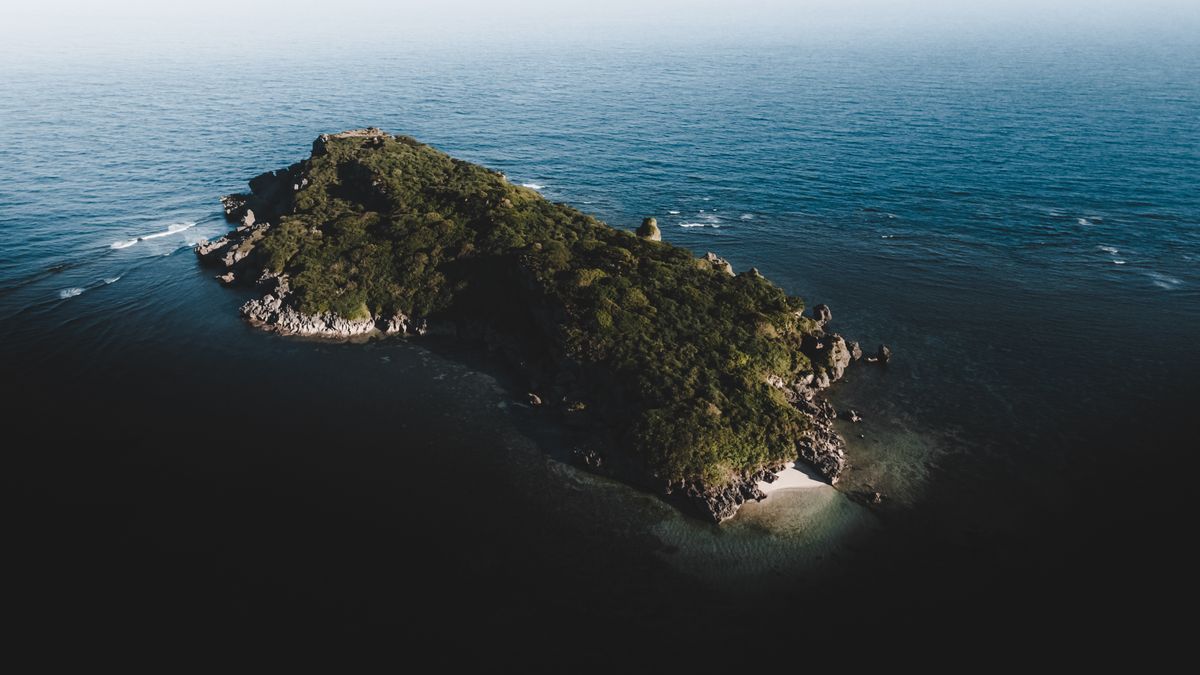
Aoshima is a tiny island — it takes less than 15 minutes to walk around the perimeter — sitting about 300 meters offshore from the Miyazaki coast. What makes it extraordinary is the combination of three very different things that somehow coexist on this small piece of land.
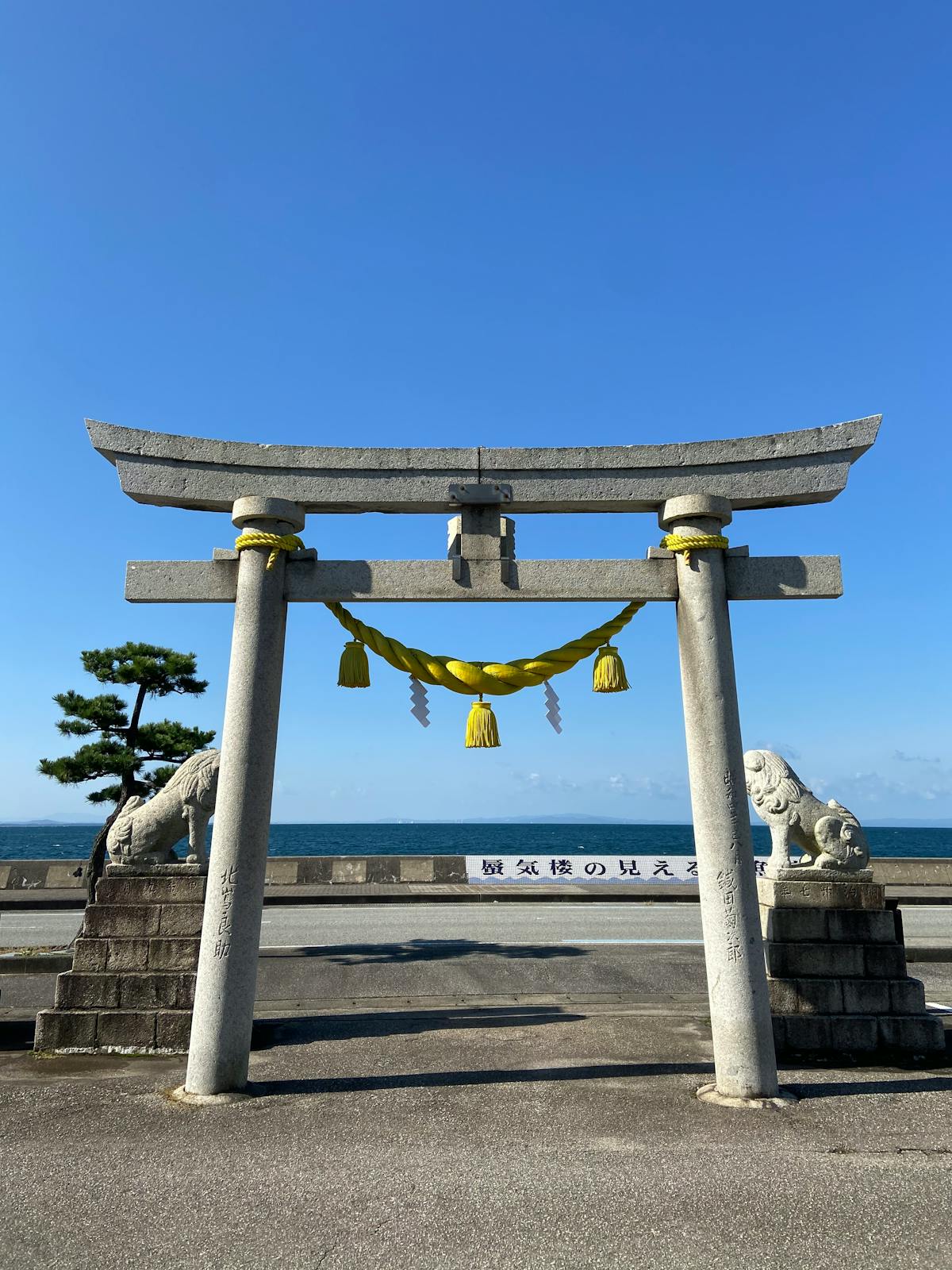
First, the shrine. Aoshima Jinja is one of Kyushu’s most beloved Shinto shrines, dedicated to Yamasachi-hiko, a deity associated with the sea, marriage, and good fortune. The main shrine building at the center of the island is surrounded by dense subtropical jungle — tree ferns, banyan trees, and palms that create a vivid green canopy unlike anything you’d see at temples and shrines farther north in Japan. The contrast between the vermillion torii gates and the lush greenery is genuinely stunning.
Second, the geology. The ocean flat surrounding the island is covered by an extraordinary pattern of rippled rock called Oni no Sentakuita — “the Devil’s Washboard.” These are ancient seabed sedimentary layers of alternating hard and soft rock, tilted by geological forces to stand nearly vertical and then eroded by the sea into perfect corrugated ridges, like a giant washboard stretching across the tidal flat. At low tide, you can walk across these formations — the ridges are sharp and the patterns geometric, creating surreal photographs. At high tide, the sea washes over them in sheets of white foam.
Third, the subtropical atmosphere. Unlike most of Japan, Miyazaki has a genuinely warm climate even in winter, and the vegetation around Aoshima reflects this. Walking across the footbridge to the island and into the jungle feels like stepping into a different country — lush, warm, humid in summer, and alive with birdsong. It’s a refreshing contrast to the manicured gardens and orderly architecture of Japan’s more famous destinations.
How to Get to Miyazaki
Miyazaki is one of Japan’s more remote prefectures, which is part of why it remains so uncrowded. Getting there requires a bit of planning, but the journey is straightforward.
By Air
Flying is by far the fastest and most practical way to reach Miyazaki. Miyazaki Airport (KMI) has direct flights from Tokyo Haneda (about 1 hour 35 minutes), Osaka Itami (about 1 hour), Nagoya (about 1 hour 10 minutes), and several other Japanese cities. All Nippon Airways (ANA) and Japan Airlines (JAL) serve the route, with fares varying from ¥10,000–25,000 / $67–167 USD depending on how far in advance you book. The airport is only about 30 minutes from central Miyazaki City.
By Shinkansen and Limited Express
The Kyushu Shinkansen runs from Hakata (Fukuoka) to Kagoshima-Chuo, and you can connect from Shin-Tosu to Miyazaki via the Nippo Main Line (a limited express service called the Nichirin or Sonic). The total journey from Hakata to Miyazaki takes about 2.5–3 hours and costs around ¥6,500–8,000 / $43–53 USD. This is a great option if you’re combining Miyazaki with a broader Kyushu itinerary — Fukuoka, Kumamoto, and Kagoshima all make natural companions.
By Ferry
A scenic — if slow — option is the overnight ferry from Osaka Nanko Port to Miyazaki Port, operated by Miyazaki Car Ferry. The journey takes about 13 hours, and cabins range from basic to comfortable. Prices start at around ¥8,000 / $53 USD for a basic berth. If you enjoy sea travel and have time, this can be a memorable experience — you wake up in Miyazaki after a night at sea.
Getting from Miyazaki City to Aoshima
Aoshima is easily accessible from Miyazaki City, making it a perfect day trip or a natural stop on a Nichinan Coast itinerary.
By JR Train
The JR Nichinan Line runs from Miyazaki Station south to Aoshima Station. The journey takes about 25–30 minutes and costs ¥540 / $3.60. Trains run roughly every 60–90 minutes, so check the schedule in advance. The ride itself is pleasant, passing through coastal scenery as you head south. From Aoshima Station, the island and shrine are about 10 minutes on foot.
By Car
Renting a car is strongly recommended for exploring the full Nichinan Coast, as the distances between attractions are significant and train service is infrequent south of Aoshima. From Miyazaki City, Aoshima is about a 30-minute drive via Route 220. The coastal road (Sun Messe Nichinan is also along this route) offers excellent views as you go. Car rental at Miyazaki Station from major agencies starts at around ¥5,000–7,000 / $33–47 USD per day.
By Bus
Local buses run from Miyazaki Bus Terminal to Aoshima, with journey times around 40–50 minutes. The Sun Messe Nichinan Bus is a tourist bus that also covers several Nichinan Coast attractions. Check the Miyazaki City tourist information center for current schedules.
Exploring Aoshima Island in Detail
The Footbridge and Approach
A concrete footbridge connects the Aoshima mainland area to the island. As you cross it, the full geological drama of the Oni no Sentakuita rock formations becomes visible stretching out on both sides — especially striking at low tide when the full extent of the corrugated rock surface is exposed. The walk across takes about 3 minutes, but most people stop several times to look and photograph.
Admission to Aoshima Island is free. The shrine itself does not charge entry, though donations at the main hall are customary (¥100–500 / $0.67–3.35 is typical).
Aoshima Jinja Shrine
The shrine complex has several buildings set among the subtropical forest. The main hall — rebuilt in traditional style but regularly renovated, as Shinto shrines typically are — is dedicated to three deities connected with sea, luck, and relationships. The most popular prayer request at Aoshima Jinja is for good romantic fortune, and the shrine sells a distinctive ceramic pot-shaped ema (prayer plaque) that visitors fill with their wish and smash against a designated target. It’s cathartic and oddly satisfying.
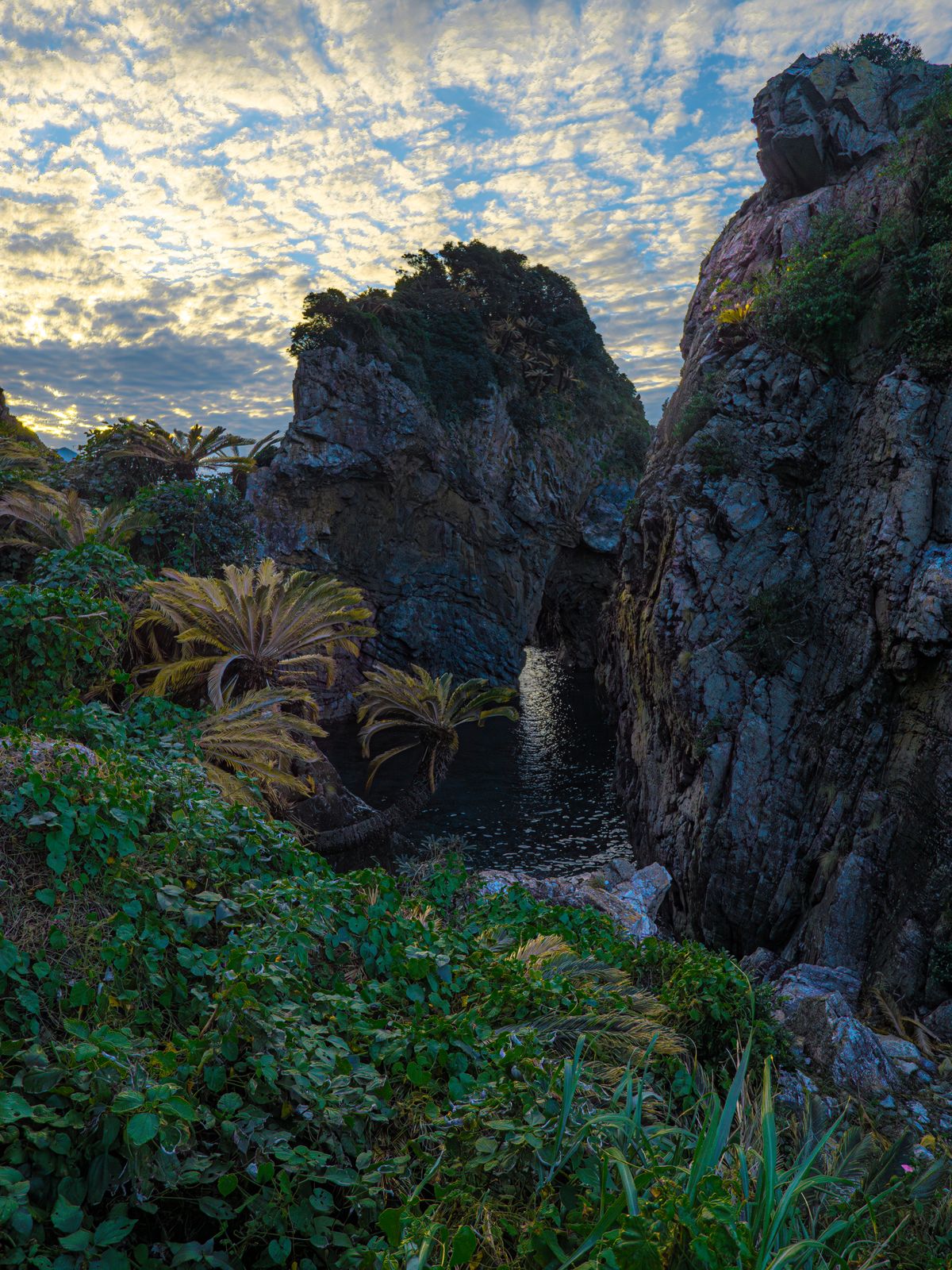
The tropical garden surrounding the shrine is worth exploring slowly. Many of the trees are centuries old, their roots spreading in dramatic formations across the dark volcanic soil. Cycads (a type of ancient palm-like plant) thrive here in conditions they could not survive farther north in Japan, giving the garden a genuinely prehistoric atmosphere. In summer, the air under the canopy is thick and green-scented.
Oni no Sentakuita at Low Tide
If you can time your visit to coincide with low tide, walking on the Devil’s Washboard is an experience that’s difficult to describe to someone who hasn’t done it. The ridges are typically 20–40 centimeters high, perfectly regular, extending for hundreds of meters in both directions. The surfaces between ridges are smooth rock with tidal pools full of small marine life — sea anemones, small crabs, starfish. The sound of the sea around you, the volcanic rock under your feet, and the visual strangeness of the landscape create a combination that feels genuinely otherworldly.
Check the tide times before you go: a simple search for “Aoshima tide times” will bring up Japan Coast Guard tide prediction data. The best time to walk on the formations is the hour before and after the lowest tide of the day.
Wear shoes with reasonable grip — the rock can be slippery in places. Sandals are fine for dry conditions but can be difficult on wet rock.
Beyond Aoshima: The Nichinan Coast Road Trip
Aoshima is the most famous stop on the Nichinan Coast, but the road south offers several more spectacular destinations. If you have a full day and a rental car, this coastal drive is one of the best in Kyushu.
Sun Messe Nichinan
About 15 minutes south of Aoshima, Sun Messe Nichinan is a theme park built around seven full-size replica moai statues — the only moai in the world that have been officially replicated with permission from Easter Island authorities. This sounds quirky, and it is, but the setting is genuinely beautiful: the moai stand on a clifftop facing the Pacific Ocean, and the views from the site are spectacular. Admission ¥1,000 / $6.70 for adults. Open daily 9:00 AM–5:00 PM.
Udo Jingu Shrine
This is perhaps the most dramatically located shrine in Kyushu. Udo Jingu is built inside a sea cave on a cliff face above the Pacific, accessible via a steep staircase carved into the rock. The shrine itself is tucked into the cave interior, its vermillion buildings contrasting with the raw rock face surrounding them. Dedicated to a sea deity and associated with safe childbirth and good fortune, Udo Jingu is a genuinely sacred place that also happens to be breathtaking.
The approach involves walking down a steep path — about 10 minutes from the parking area — and the return uphill takes a similar time. You can purchase small clay balls at the shrine and try to land them in a specific hollow in the rock: legend says if you succeed, your wish will be granted. Men throw with their left hand, women with their right. The success rate is lower than most tourists expect. Entry is free; the shrine is open 6:00 AM to 7:00 PM (shorter hours in winter).
Nichinan City and Obi Castle Town
About 40 minutes south of Aoshima, the small castle town of Obi preserves a remarkably intact samurai district from the Edo period. Known as the “Little Kyoto of Kyushu,” Obi’s winding streets are lined with samurai residences, merchants’ houses, and the ruins of Obi Castle on a forested hilltop above. It’s quiet, uncrowded, and genuinely beautiful — the kind of historic town that would be extremely famous if it were closer to Kyoto, but here sits largely undiscovered. Entry to the castle ruins area ¥500 / $3.35.
What to Eat in Miyazaki: The Full Food Guide
Miyazaki has a food culture that should be considerably more famous than it is. The prefecture’s warm climate produces exceptional agricultural and coastal products.
Miyazaki Wagyu Beef
Miyazaki Prefecture has won the national Wagyu beef competition multiple times, and local restaurants serve it with understandable pride. Look for Miyachiku brand beef, raised on local feed in Miyazaki’s warm grasslands. A wagyu yakiniku (grilled beef) meal at a quality restaurant in Miyazaki City will cost ¥4,000–10,000 / $27–67 USD per person — significantly less than the same quality in Tokyo.
Chicken Nanban
This is Miyazaki’s most famous dish and deserves its reputation. Fried chicken pieces are dipped in sweet vinegar, then topped with a generous amount of homemade tartar sauce. It’s simultaneously crispy, tangy, rich, and completely addictive. You’ll find it on virtually every restaurant menu in the city, from convenience stores to dedicated restaurants. Budget around ¥900–1,500 / $6–10 USD for a proper meal. The original is said to have been created in the city of Nobeoka, but Miyazaki City’s restaurants have made it their own.
Miyazaki Mango
Miyazaki Prefecture produces the finest mangoes in Japan — specifically a variety called “Taiyo no Tamago” (Egg of the Sun), which are harvested in limited quantities and sell for extraordinary prices (individual mangoes can fetch ¥5,000–10,000 / $33–67 USD). The mangoes are allowed to fall naturally from the tree into nets, ensuring they reach perfect ripeness. Even budget-friendly mango products — mango soft serve, mango juice, mango desserts — are exceptional here because the base product is so good. Look for mango-themed items at souvenir shops from May through August.
Fresh Seafood
The fishing town of Aoshima has several small seafood stalls and restaurants along the beachside area near the footbridge. Grilled shellfish, fresh sashimi plates, and Miyazaki specialty fish are all available at prices that feel remarkably reasonable after eating in larger Japanese cities. A simple sashimi set runs about ¥1,200–2,000 / $8–13 USD.
Cold Udon
Miyazaki has its own regional udon tradition featuring thick noodles served cold with a spicy, slightly sweet sauce. It’s particularly refreshing on warm days, which Miyazaki has plenty of. Many local udon shops serve this style from late spring through autumn.
Where to Stay Along the Nichinan Coast
Most visitors base themselves in Miyazaki City and day-trip to Aoshima, which works well given the train connection. For something more atmospheric, consider these options:
Miyazaki City Hotels
Miyazaki City has a good range of hotels from business hotels (¥7,000–12,000 / $47–80 USD per night) to mid-range chains. The area around Miyazaki Station has the most options. Agoda lists a comprehensive range of Miyazaki accommodation, often with good last-minute availability given the lower tourist volumes compared to major cities.
Seaside Ryokan near Aoshima
Several small ryokan and minshuku (family guesthouses) operate in the Aoshima beach area itself, offering tatami rooms, traditional meals, and morning views of the Pacific. These tend to book out during holiday periods but are excellent value outside of Golden Week and Obon. Rates typically ¥12,000–20,000 / $80–133 USD per person including dinner and breakfast. Ikyu.com is particularly good for finding quality traditional accommodation in this area.
Nichinan City Accommodations
If you want to use the castle town of Obi as a base, Nichinan City has a small number of hotels and guesthouses. It’s a slower-paced option that puts you closer to Udo Jingu and the southern coast, though with fewer restaurant options in the evenings.
Best Seasons to Visit Aoshima and the Nichinan Coast
Miyazaki’s subtropical climate means it’s a genuinely year-round destination, though each season has its character.
Spring (March–May)
Pleasant temperatures in the high teens to mid-20s Celsius (65–77°F), excellent for walking the coast and exploring shrines. The subtropical vegetation is at its most vivid green. Cherry blossoms appear in late March and early April, though Miyazaki’s varieties bloom slightly earlier than the famous spots in Honshu. Spring is also one of the best seasons for mangoes — they start appearing in late May.
Early Summer (June–July)
Miyazaki receives significant rainfall during the June–July rainy season (tsuyu), but this is also when the vegetation around Aoshima becomes lushest. The tidal pools on the Devil’s Washboard are at their most alive during this season. Rain often comes in short bursts rather than all-day drizzle, and misty mornings on the coast can be particularly atmospheric. Mango season peaks in June and July — the best time for mango desserts.
Late Summer/Early Autumn (August–October)
The heat and humidity in August is significant, so early morning and late afternoon visits to outdoor sites are advisable. September and October are arguably the best months: temperatures cool to pleasant levels, the summer crowds thin, and the ocean remains warm enough for swimming. The coast is particularly beautiful in late September light.
Winter (November–February)
Miyazaki winters are mild by Japanese standards — temperatures rarely drop below 10°C (50°F), and snow is essentially unknown. This makes it one of Japan’s best winter coastal destinations: you can walk the Nichinan Coast in relative comfort while much of the rest of the country is buried in snow. Winter is also peak season for Miyazaki’s citrus fruits, and local markets are piled with beautiful yuzu, ponkan, and other varieties.
Practical Tips for the Nichinan Coast
- Tide timing matters: For the best Devil’s Washboard experience, check low tide times before you visit. The rock formations are impressive at any tide, but truly spectacular at low water. Japan Coast Guard provides accurate tide prediction data online.
- Rent a car: Seriously, rent a car. The Nichinan Coast is designed for driving, and the trains and buses south of Aoshima become very infrequent. A car lets you stop wherever the scenery catches your eye, visit Udo Jingu and Obi on the same day, and generally experience the coast at its best.
- Stay connected: Rural coastal areas can have patchy signal with some carriers. JAPAN&GLOBAL eSIM provides reliable coverage throughout Miyazaki Prefecture and is particularly recommended for road trips where you’ll need navigation apps like Google Maps or Apple Maps.
- Sunscreen: Miyazaki receives significantly more UV radiation than northern Japan due to its latitude. Even in spring, apply sunscreen before walking the coast. This is a harder-learned lesson than it sounds.
- Combine with Kagoshima: The Nichinan Coast is about 1.5–2 hours from Kagoshima City, making it an excellent addition to a Kagoshima itinerary that includes Sakurajima volcano and Ibusuki sand baths. The two prefectures together make a wonderful 4–5 day southern Kyushu trip.
- Beach season: If swimming is on your agenda, the beaches near Aoshima are popular in summer. Aoshima Beach (Aoshima Hama) is one of Miyazaki’s best swimming beaches, with reasonably clean water and lifeguards during July–August.
Combining Miyazaki with Broader Kyushu
Miyazaki fits naturally into a Kyushu circuit itinerary. Here’s a suggested 6-day route that combines Miyazaki with the region’s other highlights:
Day 1–2: Fukuoka and Dazaifu — Arrive at Fukuoka Airport, explore Hakata’s famous ramen scene, visit Dazaifu Tenmangu Shrine. See our full guide to Japan destinations for more detail.
Day 3: Kumamoto and Aso — Drive south to Kumamoto Castle (under ongoing reconstruction after the 2016 earthquake) and up to the dramatic Aso caldera crater.
Day 4: Kagoshima and Sakurajima — Take the ferry to the Sakurajima volcano and explore Kagoshima City’s samurai history.
Day 5–6: Miyazaki and Nichinan Coast — Drive the coast, spend the night near Aoshima, visit Udo Jingu and Obi Castle Town before flying home from Miyazaki Airport.
For getting between cities in Kyushu, the Kyushu Shinkansen covers the western spine efficiently. Check whether a Japan Rail Pass makes sense for your itinerary — for a full Kyushu circuit, it often does.
Aoshima Island and Nichinan Coast FAQ
Is Aoshima Island free to visit?
Yes, completely free. There is no admission charge to cross the footbridge or enter the island. The Aoshima Jinja shrine does not charge entry, though a small donation (¥100–500) is customary when praying at the main hall. The Devil’s Washboard rock formations are accessible to walk on at low tide at no charge.
How long should I spend at Aoshima?
Budget at least 1.5 to 2 hours for Aoshima itself: 30 minutes crossing the footbridge and exploring the Devil’s Washboard, 45 minutes in the shrine complex and jungle garden, and time for photos and any food at the nearby stalls. If you combine it with Udo Jingu, Sun Messe, and Obi on a coastal road trip, allow a full 8–9 hour day.
Can I swim at Aoshima Beach?
Yes — Aoshima Hama (the beach adjacent to the island) is a popular swimming beach from July through early September when lifeguards are present. The water is clear and relatively calm inside the rocky outcrops. Outside official swimming season, swimming is not recommended due to currents and the absence of lifeguards.
Is Miyazaki suitable as a solo travel destination?
Very much so. Miyazaki is safe, easy to navigate, and friendly to international visitors. English signage is present at major tourist sites though more limited in smaller towns. A smartphone with Google Translate handles most situations easily. Solo drivers will find the coastal road trip particularly enjoyable — this is the kind of landscape that rewards taking your time.
What is the best way to do the Nichinan Coast without a car?
The Sun Messe Nichinan Bus (also called the Nichinan Kaigan Bus) covers Aoshima, Sun Messe, and some stops further south. However, Udo Jingu is not well served by public transport, and Obi requires an additional train connection. For a car-free trip, focus on Aoshima and the local area (reachable by JR train) and consider a guided tour for the broader coastal route — several tour operators in Miyazaki City offer half-day and full-day Nichinan Coast tours.
Are there any events or festivals in Miyazaki worth timing a visit around?
The Aoshima Jinja shrine holds several annual festivals, with the most spectacular being the Hadaka Matsuri (Naked Festival) in December, where participants wade into the cold sea as a purification ritual. Miyazaki City’s main summer festival in August features outdoor stages, traditional dance performances, and fireworks. The mango harvest festivals in June–July are worth seeking out if you’re a food enthusiast — farmers’ markets and special restaurant menus celebrate the season’s harvest.
How does Miyazaki compare to Okinawa?
Both destinations offer subtropical scenery and a warmer, more relaxed atmosphere than central Japan. Okinawa has more famous beaches, distinct Ryukyu culture, and excellent snorkeling. Miyazaki offers a more authentically Japanese mainland experience with significant natural drama (the volcanic landscape, the Nichinan Coast cliffs) and much lower tourist volumes. They’re complementary rather than competing destinations — if you love one, you’ll likely love the other.
The Unexpected Reward of Going South
The Japan most visitors experience — the one with the bullet trains and the famous gardens and the celebrated ryokan — is genuinely wonderful. But Miyazaki and the Nichinan Coast offer a Japan that most travelers never see: raw coastal scenery, ancient shrines in jungle settings, food traditions shaped by warmth and ocean rather than mountain winters, and a pace of life that still has room for lingering over a good bowl of chicken nanban.
Aoshima Island isn’t going to appear on many international travel bucket lists this year. That’s exactly why it’s worth going. The Devil’s Washboard at low tide, the vermillion shrine gates against tropical green, the sound of Pacific waves on volcanic rock — these are experiences that belong in your Japan memories alongside the Fushimi Inari dawn and the Arashiyama bamboo grove, and they come without the crowds.
Ready to explore southern Kyushu? Book your Miyazaki accommodation through Agoda for the best selection of hotels and guesthouses, or look for atmospheric traditional ryokan through Ikyu.com. For getting around, don’t forget to set up your mobile data connection before you go — JAPAN&GLOBAL eSIM works reliably throughout rural Miyazaki and is perfect for a coastal road trip where navigation is everything. And for arrivals at Miyazaki Airport, NearMe offers shared and private transfer options to the city and surrounding areas.
For more ideas on exploring Japan’s less-visited regions, see our complete Japan destinations guide and our curated list of Japan hidden gems that most tourists miss.
The History and Mythology of Aoshima Jinja
To really understand why Aoshima Jinja matters, it helps to know a little of the mythology behind it. The shrine is dedicated to Yamasachi-hiko (also known as Hoori no Mikoto), a figure from the Kojiki — Japan’s oldest chronicle, compiled in 712 CE — who is associated with one of the great foundational myths of Japanese civilization.
In the myth, Yamasachi-hiko was a hunter who accidentally lost his brother’s fishhook. Searching for it, he descended to the underwater palace of the sea god Watatsumi, where he met and married the sea god’s daughter, Toyotama-hime. After living in the undersea realm for three years, he returned to earth with the fishhook, armed with two magical jewels that allowed him to control the tides. The descendants of this union are said to have included Emperor Jimmu, Japan’s legendary first emperor.
This myth makes Aoshima’s location — an island surrounded by the sea, with bizarre rock formations that look like something from another world — feel entirely appropriate as the earthly home of a deity so connected with the ocean. The shrine has been here in some form for many centuries, though like most Shinto shrines it has been rebuilt and renovated multiple times over its history.
The modern shrine complex dates largely from the Meiji period onwards, when many shrines across Japan were either elevated in status or restructured as part of the new government’s reorganization of Shinto as a national religion. Aoshima Jinja’s status as a venerated site for marriage and romantic fortune has deep roots — offerings of the distinctive earthenware pots bearing prayers for relationships are a visible constant throughout the year.
Photography at Aoshima: Tips for the Best Shots
Aoshima is one of the more photogenic places in Kyushu, and a little planning can make the difference between snapshots and genuinely striking images.
Golden hour at the footbridge: Sunrise over the Pacific — visible from the footbridge and the beach area — can be spectacular on clear mornings. Arrive before 6:00 AM in summer (around 7:00 AM in winter) for the best light. The morning mist that sometimes forms over the rock formations in cooler months adds an atmospheric layer to images.
Low tide on the Washboard: As mentioned earlier, low tide is essential for photographing the full extent of the Oni no Sentakuita formations. A wide-angle lens (or the ultra-wide setting on a smartphone) captures the mesmerizing geometry best. Polarizing filters help cut through the glare of sun on wet rock and reveal the colors in the tidal pools.
Inside the shrine jungle: The dappled light filtering through the subtropical canopy creates beautiful conditions for close-up photography of the cycad palms and tree roots. Midday is actually not bad inside the jungle, as the canopy filters the harsh light into something more even. Look for the contrasts between the dark volcanic soil, vivid green moss, and the vermillion of shrine buildings visible through gaps in the trees.
Drone considerations: Drone flight is restricted around Aoshima Jinja shrine as it is a sacred religious site. Even outside the shrine boundary, check local restrictions before flying — much of the coastal area has restrictions related to proximity to populated areas and the national road. When in doubt, photograph from the ground; the perspectives available on foot are more than enough.
Surfing and Water Sports on the Nichinan Coast
The Miyazaki coastline has a significant surf culture that might surprise visitors expecting only shrine tourism. The prefecture has produced several Japanese surfing champions, and the consistent Pacific swells that arrive along the Nichinan Coast make it one of Japan’s prime surfing destinations.
The most popular surf spots are concentrated around Kirishima-zan Beach (about 30 minutes north of Aoshima), Aoshima Beach itself, and several points along the coast near Kushima. Waves tend to be most consistent in autumn and winter when Pacific typhoon swells reach their peak, but summer surfing is common too.
For non-surfers, the beaches near Aoshima offer stand-up paddleboarding and kayaking in calmer conditions during the summer swimming season. Several surf schools and board rental operations are based near Aoshima Beach and cater to beginners. Prices for a beginner surf lesson typically run ¥5,000–8,000 / $33–53 USD including board and wetsuit rental.
Day Trips from Miyazaki City: Beyond the Nichinan Coast
While the Nichinan Coast is the star attraction, Miyazaki Prefecture offers several other destinations worth incorporating into a longer visit.
Takachiho Gorge and Shrine
About 90 minutes inland by car from Miyazaki City (no easy public transport option), Takachiho Gorge is an extraordinary volcanic gorge where the Gokase River has cut through layers of columnar basalt, creating sheer walls up to 100 meters high. You can rent rowboats to explore the gorge from the water — a perspective that reveals the towering basalt columns in all their drama. The adjacent Takachiho Shrine is one of Kyushu’s most important, associated with the myths of the gods hiding in a cave that caused the sun to disappear. Our separate complete Takachiho guide has full details.
Kirishima Mountains
The Kirishima mountain chain on the Miyazaki-Kagoshima border offers excellent hiking around a series of active volcanic peaks, the most famous being Karakunidake. The hiking season runs roughly April through October, and the spring azalea bloom turns the mountain slopes brilliant pink. Day trips from Miyazaki City are feasible by car.
Miyazaki City Itself
Don’t rush through Miyazaki City on your way to the coast. The city has several worthwhile sites: Miyazaki Jingu (a serene Shinto shrine set in forest), Heiwadai Park (featuring a tower built of stone gathered from Micronesia as a World War II memorial, now a park famous for haniwa clay figurines), and the lively Tachibana-dori shopping street. The city has an easy, pleasantly laid-back atmosphere — it’s the kind of Japanese city where you can stroll without a plan and still find something interesting.
Budget Planning for Miyazaki and the Nichinan Coast
Miyazaki is notably more affordable than Japan’s major tourist cities. Here’s a realistic daily budget breakdown:
Budget traveler (hostel/guesthouse + self-catering + public transport): ¥7,000–10,000 / $47–67 USD per day. This covers a basic private room at a guesthouse, convenience store meals plus one sit-down restaurant meal, and local train/bus fares.
Mid-range traveler (business hotel + casual restaurants + day car rental): ¥20,000–30,000 / $133–200 USD per day. This covers a comfortable business hotel, two or three restaurant meals including local specialties, and a day car rental for the coastal drive.
Comfortable traveler (ryokan + full-service dining + car): ¥40,000–60,000 / $267–400 USD per day. This covers a traditional ryokan with meals included (a significant value given the quality of the dinner and breakfast), mid-range restaurants for other meals, and car rental.
For comparison purposes, these budgets run roughly 20–30% lower than equivalent experiences in Kyoto or Tokyo. This affordability, combined with the quality of Miyazaki’s food and natural scenery, makes it one of Japan’s best-value destinations for international visitors who do their research.
For booking accommodation at good prices, Yahoo! Travel Japan often has excellent deals on Miyazaki hotels and ryokan, particularly outside peak season. It’s worth comparing prices across platforms before booking.
For more tips on keeping costs down during your Japan trip overall, our comprehensive Japan budget travel guide covers strategies that work whether you’re visiting Miyazaki or anywhere else in the country.
Going to Japan? Talk to locals with confidence.
Hirameki Japanese — instant offline translation, camera translation, furigana + romaji, and 314 free flashcards. No login. Works without internet.

Plan your Japan trip
Two things every first-timer should book
Some links are affiliate links. If you book through them we may earn a small commission at no extra cost to you.