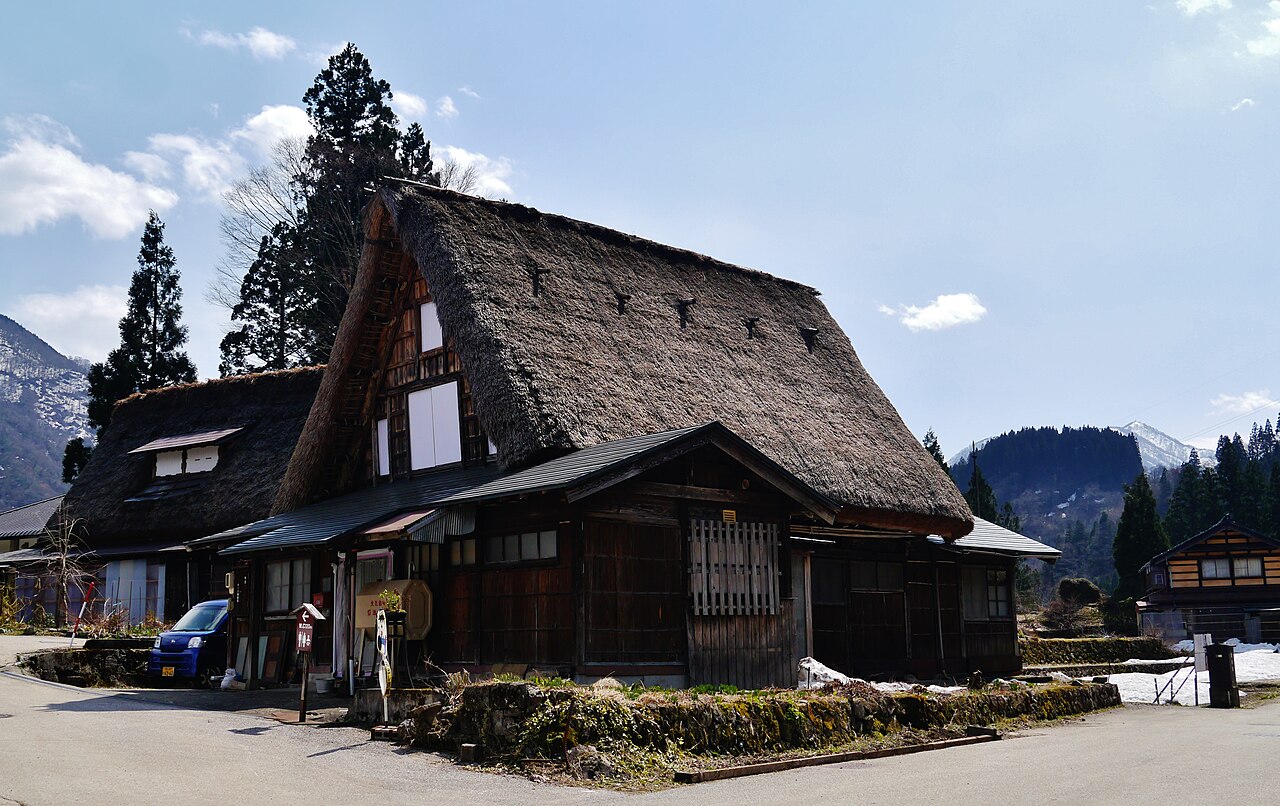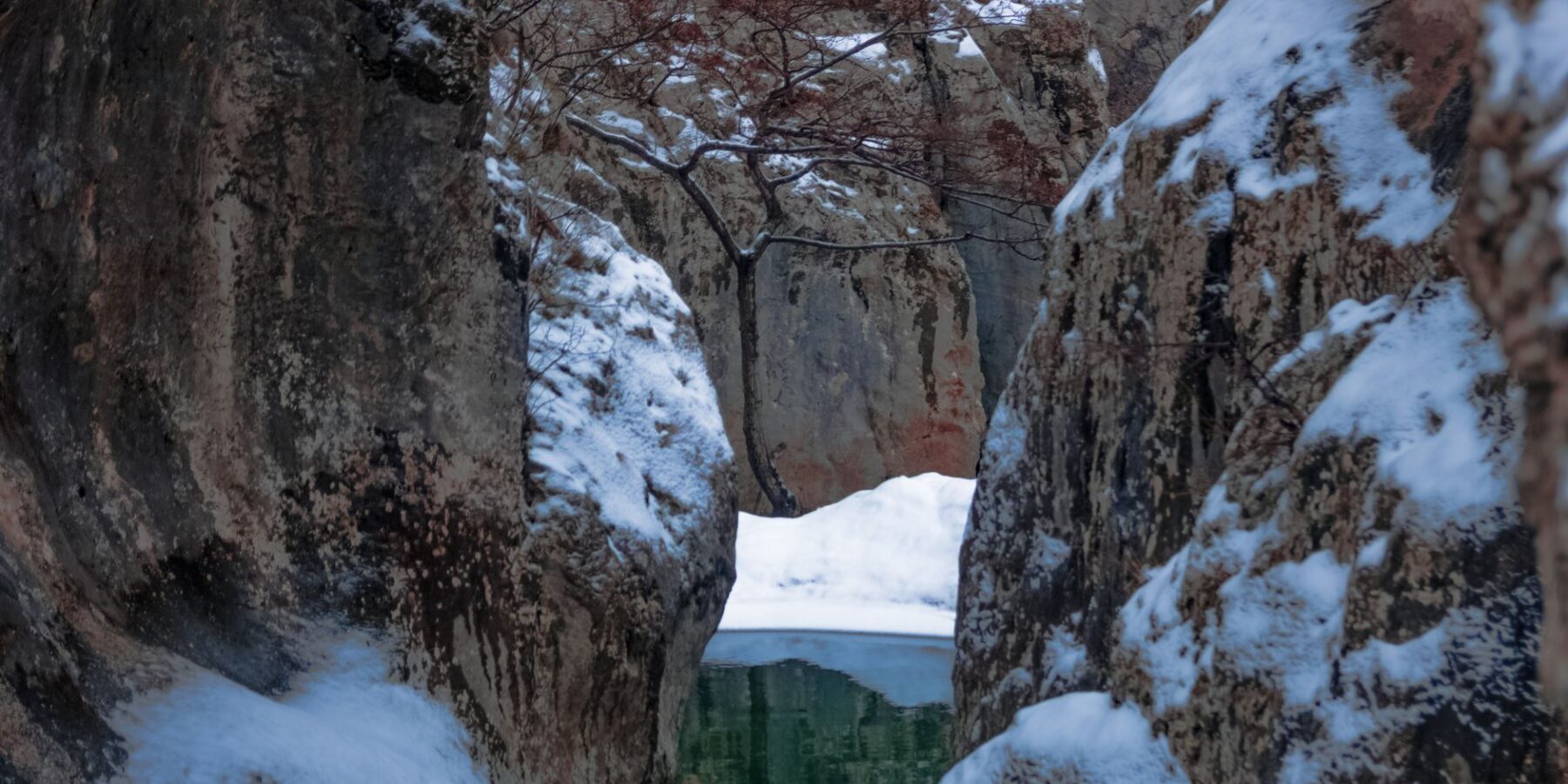
Hidden deep in the mountains of Miyazaki Prefecture, Takachiho Gorge is one of Japan’s most breathtaking and spiritually charged landscapes. Carved by the Gokase River over thousands of years, this narrow canyon stretches for roughly 7 kilometres through sheer columnar basalt cliffs draped in lush greenery. The gorge reaches depths of up to 100 metres, its emerald waters tumbling over ancient volcanic rock that formed more than 120,000 years ago during the eruption of Mount Aso.
For first-time visitors to Japan, Takachiho offers something genuinely rare: a destination where extraordinary natural beauty and living mythology intertwine at every turn. According to Japan’s oldest chronicles, the Kojiki and Nihon Shoki, this region is where the gods descended from heaven and where the Japanese islands themselves were born. Walking through Takachiho, you feel it — there is a stillness here, a sense of the primordial, that few places in Japan can match.
This guide covers everything you need to plan a perfect visit: rowboating under the famous Manai Falls, experiencing the all-night Takachiho Yo-Kagura sacred dance, standing at the cave where the sun goddess hid, and choosing the right season for your visit. Whether you’re travelling from Fukuoka, Kumamoto, or Miyazaki City, this remote highland valley is absolutely worth the journey.
Why Takachiho Gorge Belongs on Every Japan Itinerary
Most first-time Japan visitors follow the Golden Route: Tokyo, Kyoto, Osaka, Hiroshima. These are magnificent destinations, but Takachiho offers something those cities cannot — raw, unmediated nature combined with living mythology and traditional performing arts practised continuously for over a thousand years.
The gorge is spectacular at any time of day. In the early morning, tendrils of mist rise between the dark basalt cliffs, creating an otherworldly atmosphere that recalls a Studio Ghibli film. By midday in summer, sunlight reaches the canyon floor and turns the water vivid jade green. In autumn, the maples along the cliff tops blaze red and orange, their reflections rippling in the river below.
Beyond the gorge, Takachiho Town is the mythological heartland of Japan. The area is mentioned more than 60 times in the Kojiki (compiled in 712 CE, Japan’s oldest text). Every shrine, rock formation, and mountain carries creation mythology. Takachiho Shrine, Amano Iwato Shrine, and Amano Yasugawara are not simply tourist sites — they are living sacred spaces where rituals have been performed without interruption for well over a millennium.
The Takachiho Kagura sacred dance is perhaps the greatest hidden gem of all. Performed annually from November to February as all-night village ceremonies, a nightly performance at Takachiho Shrine makes this ancient tradition accessible to visitors year-round. Seeing the costumed, masked dancers re-enact the mythology you have just been exploring at the shrines is a profoundly moving and uniquely Japanese experience.
Getting to Takachiho requires some effort, which is part of its appeal. The mountain roads keep it from being overrun. For those planning a Japan itinerary that goes beyond the typical tourist trail, Takachiho is one of the country’s most rewarding destinations.
How to Get to Takachiho: All Transport Options
Takachiho sits in northern Miyazaki Prefecture at around 500 metres elevation in the Kyushu Mountain Range. There is no train service — the old Takachiho Railway was permanently closed after a 2005 typhoon — so access is entirely by bus or car.
From Kumamoto (Recommended Gateway)
From Kumamoto Station, take the Sanko Bus Takachiho Express. Journey time: approximately 2 hours. Cost: approximately ¥2,000–2,400 one way (~$13–16 USD). Around 4–6 buses run daily. Book in advance during spring and autumn peak seasons.
From Fukuoka (Hakata Station)
Take the JR Kyushu Shinkansen from Hakata to Kumamoto (about 32–50 minutes, ¥5,310 non-reserved), then transfer to the Takachiho Express bus. Total: approximately 2 hours 45 minutes. A Nishitetsu Express Bus also runs occasionally from Fukuoka direct to Takachiho (3.5–4 hours, approximately ¥3,200 / $21 USD) — check the schedule as this service is limited.
From Miyazaki City
Train or limited express to Nobeoka (approximately 1 hour 30 minutes, ¥1,840 / ~$12 USD), then a Takachiho-bound bus from Nobeoka Station (3–4 buses daily, 1 hour 30 minutes, ¥1,290 / ~$8 USD). Total: approximately 3–4 hours.
By Rental Car (Most Flexible)
From Kumamoto: approximately 1 hour 45 minutes via National Route 218, a scenic road through the mountains east of Kumamoto. From Fukuoka: 2.5–3 hours. From Miyazaki City: 2 hours. Parking near the gorge costs approximately ¥500. Navigation through the mountain roads is much easier with working mobile data: Get your Japan eSIM (Stay connected from day 1) →
Getting Around Takachiho
The gorge, Takachiho Shrine, and central restaurants are all within walking distance of the bus terminal. Amano Iwato Shrine (about 8 km away) requires a taxi (approximately ¥2,000–2,500 one way), rental car, or bicycle. Bicycle rentals are available near the bus terminal at approximately ¥1,500–2,000 per day.
Exploring Takachiho Gorge: The Complete Visitor Experience
The Takachiho Gorge walking trail stretches for approximately 1 kilometre along the cliff edge. Entry is free. The paved path is well-maintained and takes 30–45 minutes to walk comfortably. Most visitors start from the main car park and walk south along the gorge before returning.
The Walking Trail and Key Viewpoints
The basalt columns lining the cliff walls are striking and unusual — formed when ancient volcanic lava cooled and contracted into geometric vertical formations. Three main viewpoints punctuate the trail:
- Takachiho Bridge Viewpoint: The arched red Takachiho Bridge framed by gorge walls — one of Kyushu’s most photogenic compositions.
- Manai Falls Viewpoint: Overhead view of the falls plunging 17 metres, the sound of rushing water echoing off basalt.
- Boat Landing Viewpoint: The lower section where rowboats depart — from here the full vertical scale of the gorge is most apparent.
Rowboating on the Gokase River
Rowboating is the definitive Takachiho experience. Paddling under the overhanging basalt cliffs with Manai Falls ahead is unlike anything else in Japan. Boat rentals cost ¥4,100 (weekdays) to ¥5,100 (weekends and peak days) per boat for 30 minutes, for up to 3 people. Boats operate from 8:30 AM to 5:00 PM (last rental 4:30 PM), weather and water levels permitting. During peak seasons (spring cherry blossom and autumn foliage), queues can reach 2–3 hours by mid-morning. Arrive before 8:00 AM or after 3:00 PM for shorter wait times.
Manai Falls (真名井の滝)
One of Japan’s most beautiful waterfalls — 17 metres of white water framed by columnar basalt in a uniquely Japanese composition. The name “Manai” refers to the sacred spring water the gods used in their rituals. From the viewpoint above it is dramatic; from the rowboat directly below, with mist on your face, it is utterly unforgettable.
Takachiho’s Sacred Sites: Where Mythology Becomes Real
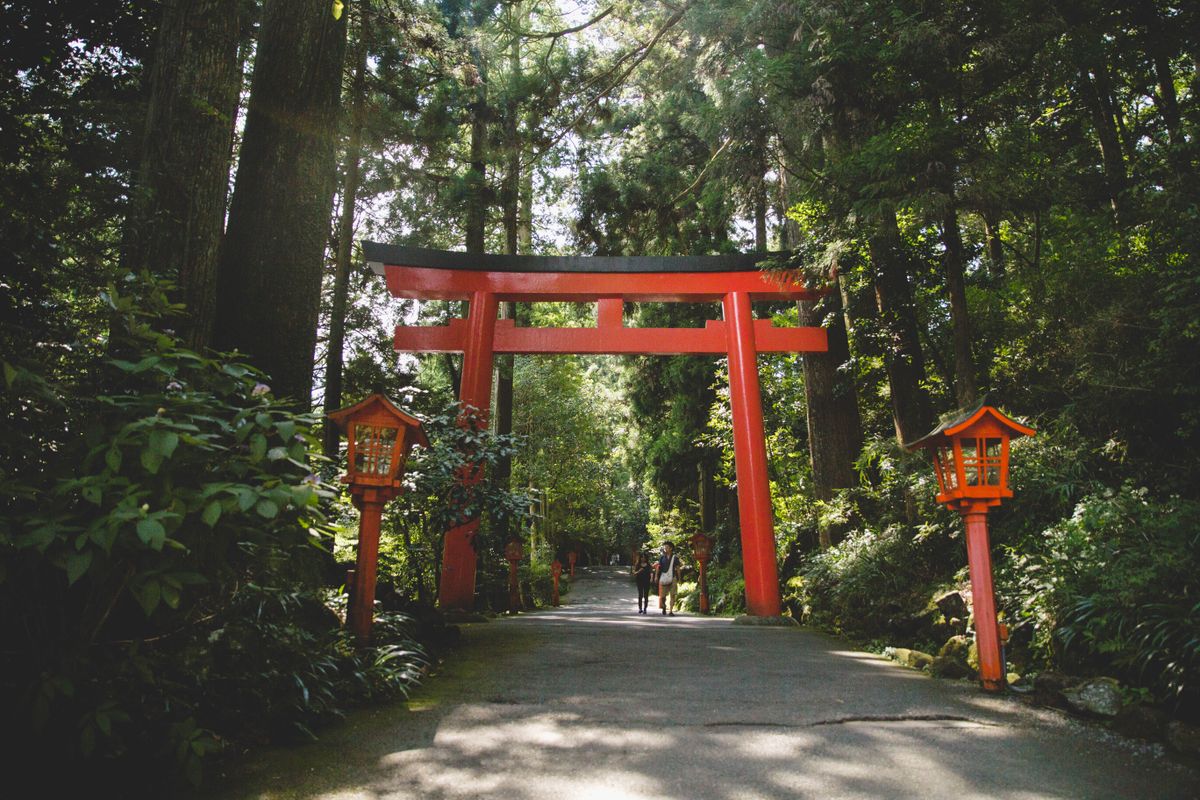
Takachiho Shrine (高千穂神社)
Founded over 1,900 years ago, this shrine at the heart of town is surrounded by enormous cryptomeria cedars hundreds of years old. The approach through the cedar grove at dawn or dusk is deeply atmospheric. The nightly Takachiho Yokagura performance runs at 8:00 PM every night except Nov 22–23 (entry: ¥1,000 per person, cash only). Book online ahead, or arrive early for a limited same-day place in the Kaguradon hall, where seating is on tatami mats.
Amano Iwato Shrine (天岩戸神社)
About 8 km from central Takachiho, this shrine marks the cave where the sun goddess Amaterasu hid from the world — plunging it into darkness. The West Shrine has a viewing platform looking directly at the cave across the Iwato River (priests alone may enter). The East Shrine marks where the eight million gods gathered. The forest walk between them takes about 10 minutes. Free entry; guided tours run approximately every 30 minutes during the day.
Amano Yasugawara (天安河原)
A 10-minute walk upstream from Amano Iwato Shrine leads to one of the most quietly powerful places in Japan: a cathedral-like cave opening over the Iwato River, its floor blanketed with thousands of small stone cairns left by visitors over generations. There is no entrance fee. Visit early morning for silence and the best light. You may add a small stone cairn of your own as a personal wish.
Kunimigaoka Viewpoint (国見ヶ丘)
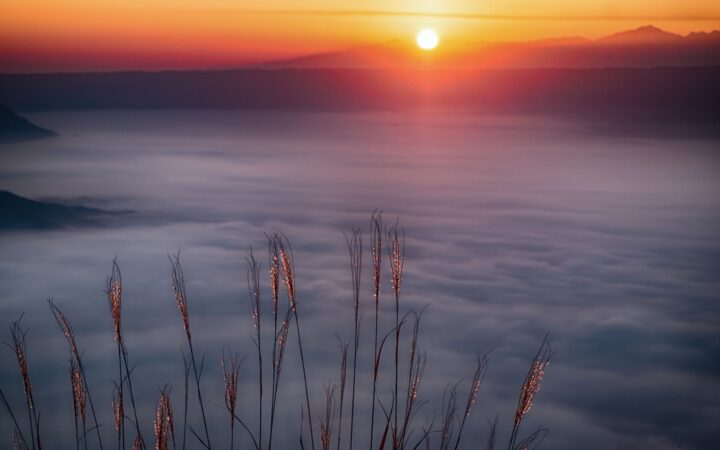
About 3 km northwest of central Takachiho, Kunimigaoka (“Country-viewing Hill”) is one of the most spectacular viewpoints in Kyushu. At an elevation of 513 metres, the platform looks out over the entire Takachiho highlands — a vast panorama of mountains, valleys, and the characteristic unkai (sea of clouds) that fills the lowlands in autumn and winter mornings.
The sea of clouds at Kunimigaoka is a natural phenomenon that occurs most reliably from late September through November, when the temperature differential between the cold mountain air and the warmer valley air creates thick fog banks that pour into the valleys and completely obscure the lowlands. Seen from Kunimigaoka at sunrise, with the mountain peaks emerging from the cloud ocean and the first light turning everything gold, this is one of the most spectacular sights in Japan.
To see the unkai, you need to arrive before sunrise — typically 5:30–6:30 AM depending on the season. The phenomenon typically lasts until about 9:00 AM before the rising sun burns off the fog. The best months are October and November. Access by taxi (approximately ¥1,000 from the town centre) or bicycle.
Takachiho Kagura: Japan’s Living Sacred Dance Tradition
Designated an Important Intangible Folk Cultural Property, the Takachiho Kagura is a Shinto ritual dance tradition more than 1,000 years old. The full annual kagura season runs November through February, when farming villages hold all-night ceremonies involving 33 separate dances performed from dusk to dawn. The nightly shrine performance condenses this into four representative dances for visitors year-round.
The four dances at Takachiho Shrine nightly:
- Teno Tori: The dance of Tajikarao, god of strength
- Uzu-me no Mai: The wild dance of Ame-no-Uzume that drew Amaterasu’s curiosity and returned light to the world
- Gogon no Mai: The dance celebrating the five grains and agricultural abundance
- Daidai Kagura: A joyful dance marking the celebration when sunlight returned
Understanding the mythological stories before watching the kagura — visiting Amano Iwato Shrine first and reading about the cave story — dramatically deepens the experience. The masked dances become not performance but re-enactment of events you have just stood at the site of, and the connection between place, story, and ritual is unlike anything available elsewhere in Japan.
Best Time to Visit Takachiho
Spring (March–May)
Cherry blossoms frame the gorge in late March and early April. Late spring brings intensely green new foliage. The most popular period overall; Golden Week (late April to early May) is extremely crowded — book accommodation months in advance.
Summer (June–August)
The most dramatic morning mist appears in summer. The valley is lush and vibrant. The rainy season (June–July) can close the gorge path and boat rentals; August is hot (30–35°C) but popular with domestic tourists.
Autumn (October–November): Best Season
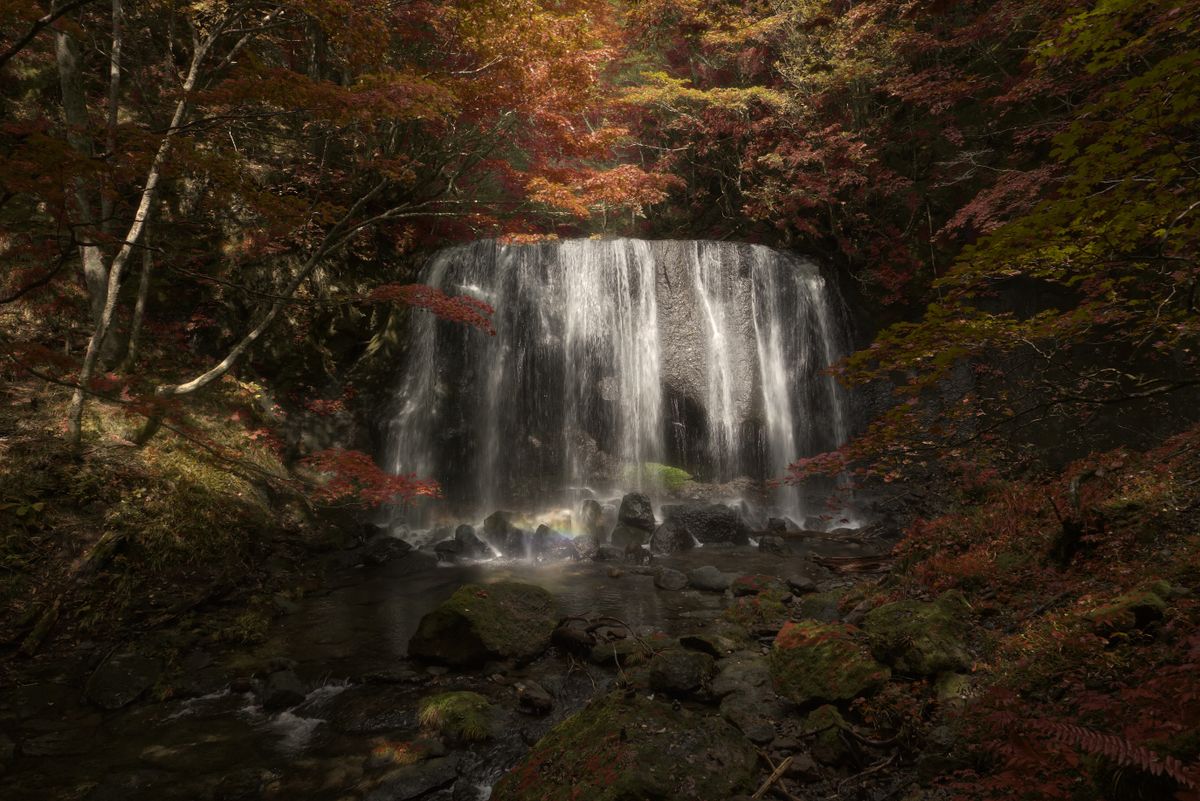
Autumn foliage (mid-October to mid-November) turns the cliff tops vivid red and orange. Comfortable temperatures (10–20°C). The full kagura season begins in November, and the Kunimigaoka sea of clouds peaks in October. The finest overall season — book well in advance for weekends.
Winter (December–February)
Quietest crowds, occasional snow, and the full traditional kagura season. Cold (0–8°C) but peaceful. Ideal for visitors prioritising the spiritual and cultural dimension of Takachiho.
Suggested Takachiho Itineraries
One-Day Itinerary
A single day is tight but possible if you arrive on the first bus from Kumamoto and stay for the evening kagura before returning the next morning. Here is a suggested schedule:
- 8:00 AM: Arrive at the gorge entrance — join the rowboat queue early to get a boat before the crowd builds. Walk the 1 km trail while waiting.
- 9:00–10:00 AM: Rowboat experience and up-close view of Manai Falls.
- 10:30 AM: Walk to Takachiho Shrine (15 minutes from the gorge). Explore the cedar grove and shrine grounds.
- 12:00 PM: Lunch in the town centre — soba noodles or Takachiho beef at a local restaurant.
- 1:30 PM: Taxi to Amano Iwato Shrine (approximately ¥2,000). Guided tour to the cave viewpoint, then walk to Amano Yasugawara.
- 4:00 PM: Return by taxi to Takachiho Town. Check in to accommodation or explore the town.
- 7:30 PM: Arrive at Takachiho Shrine for the nightly kagura performance (8:00–9:00 PM).
- Next morning: Early bus back to Kumamoto or Fukuoka.
Two-Day Itinerary (Recommended)
Two days allows a much more relaxed and complete experience:
- Day 1 Morning: Arrive early; rowboat in the gorge before 9 AM.
- Day 1 Afternoon: Amano Iwato Shrine and Amano Yasugawara. Take time to sit quietly at the cave grotto.
- Day 1 Evening: Kagura at Takachiho Shrine. Dinner at a local izakaya with Takachiho beef and shochu.
- Day 2 Pre-dawn: Taxi or bicycle to Kunimigaoka before sunrise (around 5:30–6:00 AM in autumn) to see the sea of clouds. This alone is worth a second night.
- Day 2 Morning: Return to town for breakfast, then walk the gorge trail again in the calmer morning light.
- Day 2 Afternoon: Explore the town, visit the roadside station’s local produce, and take the afternoon bus onward.
Where to Stay in Takachiho
Budget: Takachiho Guesthouse Mifune — dormitory beds from ¥3,500 ($23 USD), private rooms from ¥7,000 ($46 USD). Friendly, conveniently located, and popular with solo travellers and cyclists.
Mid-range: Kamiagehime Hotel — Japanese-style rooms at approximately ¥10,000–15,000 ($65–100 USD) per person with dinner and breakfast. Reliable quality with convenient location.
Splurge: Ryokan Kikusuikan — tatami rooms, in-house onsen, and kaiseki dinners featuring local highland ingredients. From approximately ¥18,000–25,000 ($120–165 USD) per person with two meals.
Book early, especially for autumn weekends: Book your Takachiho hotel on Agoda (Best prices guaranteed) →
What to Eat in Takachiho
Takachiho’s highland setting produces a distinct local cuisine based on mountain vegetables, wild mushrooms, river fish, and wagyu beef from Miyazaki’s world-renowned cattle farms.
Takachiho Beef (高千穂牛)
Miyazaki is one of Japan’s premier wagyu beef-producing regions. Takachiho’s high-altitude cattle graze on clean mountain grass and are prized for exceptional marbling. Simple charcoal-grilled yakiniku is the most direct way to appreciate the quality. Budget ¥1,500–3,000 ($10–20 USD) for a beef set at local restaurants.
Chicken Tataki
A Miyazaki speciality — raw or barely seared certified local chicken, sliced and served with ponzu. The texture is silky and the flavour clean and subtly rich. It is a beloved local dish, but raw chicken carries a real food-poisoning risk, so order it only at reputable restaurants.
Handmade Soba
The mountain spring water and cool highland air make Takachiho excellent soba country. Several small restaurants serve hand-rolled buckwheat soba, either cold with dipping sauce or hot in clear dashi broth.
Mountain Vegetables and Wild Mushrooms
Spring brings fiddlehead ferns, bamboo shoots, and seasonal greens; autumn brings prized wild maitake and shiitake mushrooms. These seasonal ingredients give Takachiho’s cuisine a distinctive character impossible to replicate in the cities.
Combining Takachiho with a Kyushu Itinerary
Takachiho + Kumamoto (2 nights): Kumamoto Castle, counted among Japan’s three great castles, is worth a half-day visit. A 2-night Kumamoto/Takachiho itinerary covers Kyushu’s inland heartland beautifully, connecting volcanic landscape, ancient mythology, and samurai history.
Takachiho + Beppu Onsen (3 nights): After Takachiho’s mountain spirituality, Beppu’s thermal abundance is a perfect contrast. The drive east takes about 2 hours. Three nights (Kumamoto, Takachiho, Beppu) makes an excellent Kyushu introduction circuit.
Takachiho + Miyazaki City (2 nights): Miyazaki City offers excellent subtropical beaches, Aoshima Island, and the atmospheric cliff shrine of Udo Jingu — a 2-hour drive south through increasingly dramatic coastal scenery. Explore more Japan destinations to complete your Kyushu plan.
Practical Tips for Visiting Takachiho Gorge
- Arrive early for rowboats: Queues of 2–3 hours are common by 10 AM on peak days. Arrive at 8:00 AM opening for the shortest wait.
- Wear comfortable shoes: The gorge path and shrine approaches have stairs and uneven surfaces.
- Bring yen cash: Many local businesses do not accept cards. Have enough for boat rental (¥2,000), kagura (¥1,000), meals, and taxis.
- Check weather: Heavy rain closes the gorge path and boat rentals. Confirm before travelling, especially in summer and typhoon season.
- Book kagura seats early: Arrive at Takachiho Shrine by 7:30 PM for the 8:00 PM performance.
- Plan for a full day minimum: Gorge + shrines + kagura requires at minimum 8–10 hours.
- Stay overnight: Morning gorge + afternoon shrines + evening kagura = the complete Takachiho experience that no day trip can replicate.
- Avoid autumn weekends if possible: October and November weekends are extremely crowded; weekdays are dramatically calmer.
- Insect repellent in summer: The gorge and forested shrine paths have mosquitoes from June through September.
- Observe shrine etiquette: Bow at the torii gate, approach the main hall quietly, and speak in low voices within the grounds.
Frequently Asked Questions About Takachiho Gorge
What is the entrance fee for Takachiho Gorge?
The gorge walking trail is entirely free. Rowboat rental costs ¥2,000 for 30 minutes (up to 3 people). The nightly kagura at Takachiho Shrine costs ¥1,000 per person. Amano Iwato Shrine and Amano Yasugawara are free to enter.
How long does it take to see Takachiho Gorge properly?
The main walking trail takes 30–45 minutes. Add 30 minutes for a rowboat ride. For the complete experience — gorge, shrines, and kagura — plan a full day or ideally an overnight stay.
Can you visit Takachiho as a day trip from Fukuoka?
Technically possible but demanding — the bus from Kumamoto alone is 2 hours each way. Staying at least one night is strongly recommended. Kumamoto as a base (1 night) then Takachiho (1 night) is the ideal approach.
Is Takachiho accessible by public transport?
Yes, by bus from Kumamoto, Nobeoka (Miyazaki direction), and occasionally from Fukuoka. The sites within Takachiho Town are walkable from the bus terminal. Amano Iwato Shrine requires a taxi, rental car, or bicycle from the town centre (10 km).
When are rowboats available?
From 8:30 AM to 5:00 PM (last rental 4:30 PM, earlier when queues are long), weather permitting. During peak autumn weekends, queues of 2–3 hours are common by 10 AM. Arrive at opening time for the shortest wait.
Is Takachiho suitable for families with children?
Excellent for families. Children love the rowboats and the visual drama of the gorge. The walking trail suits most age groups. The kagura’s colourful masked performances appeal to older children, and the mythological stories provide wonderful context for a Japan trip.
What is the Kunimigaoka sea of clouds and when can you see it?
Kunimigaoka is a viewpoint 3 km northwest of Takachiho Town where, on autumn and early winter mornings (late September through November), the warm valleys below fill with thick cloud while the mountain peaks remain clear above. Seen from the platform at sunrise, it is one of Japan’s most spectacular natural sights. Arrive before sunrise — typically 5:30–6:30 AM depending on the season — and wait for the golden light to illuminate the cloud ocean below you.
What should I know about the traditional all-night kagura?
The full village all-night kagura (November–February) is a genuine religious ceremony held in private homes and community halls. Visitors are occasionally welcome with advance arrangement through the local tourism office, but these occasions are rare and require appropriate sensitivity. The nightly shrine performance is the accessible year-round alternative and is an excellent introduction to the tradition.
Is there WiFi in Takachiho?
Hotels and guesthouses have WiFi, but public WiFi in the town and at the remote shrines is unreliable. An eSIM is essential for navigation on the mountain roads and between sites. Get your Japan eSIM (Stay connected from day 1) →
What is the best season for photography at the gorge?
Autumn (October–November) offers the finest photography: colourful foliage, morning mist, and beautiful light. Early morning in any season — when low mist fills the canyon — produces the most magical images. Golden hour in late afternoon gives warm-toned light on the basalt cliffs.
Final Thoughts: Why Takachiho is Worth Every Effort
Japan has no shortage of beautiful landscapes and ancient shrines. But Takachiho occupies a uniquely profound place among them. It is where geological spectacle, living mythology, and a performing arts tradition over 1,000 years old converge in a single mountain valley. Where you can row through a dramatic gorge at dawn, stand at the cave where the sun was said to hide in the afternoon, and watch the sacred dances re-enacting Japan’s creation in the evening.
The effort required to reach Takachiho is precisely what keeps it from being overwhelmed by mass tourism. This is one of the few places in Japan where you can still feel the ancient soul of the country breathing. For travellers who seek destinations that go deeper than the postcard, Takachiho is one of Japan’s very finest rewards. Book early, arrive with time to spare, and let the mythological heartland of Japan work its quiet magic on you.
Book your Takachiho accommodation on Agoda →
The Geology of Takachiho Gorge: How a Volcano Created a Canyon
To understand why Takachiho Gorge looks the way it does, you have to go back roughly 120,000 years to one of the most dramatic volcanic events in Japan’s geological history. The eruption of Mount Aso — the world’s largest active volcanic caldera, still smoking today 50 kilometres to the northwest — sent massive flows of pyroclastic material (superheated rock, ash, and gas) streaming across the landscape at hundreds of kilometres per hour.
These ignimbrite flows covered the entire Takachiho plateau, filling river valleys and creating a thick blanket of volcanic rock up to 100 metres deep. As this material cooled and contracted over the following centuries, it fractured into the characteristic columnar formations you see in the gorge today — vertical, mostly hexagonal columns of welded volcanic tuff, packed tightly together like a giant’s bundle of pencils. This formation style is called columnar jointing and is found in volcanic rock formations worldwide, from the Giant’s Causeway in Northern Ireland to Fingal’s Cave in Scotland, but Takachiho’s version is particularly dramatic due to the scale and the river-carved setting.
Once the volcanic rock had solidified into the plateau, the Gokase River began its slow work of cutting downward through it. Over tens of thousands of years, the river carved the narrow gorge you walk beside today — slicing straight down through the hard basalt to create sheer vertical walls rather than the gentle V-shape that softer rock would produce. The result is the dramatic drop from cliff-top to waterline, the almost architectural quality of the walls, and the characteristic emerald-green colour of the water, which is tinted by dissolved minerals from the volcanic rock upstream.
The geology of Takachiho is inextricably linked to Mount Aso, and many visitors combine the two sites in a single day or across a two-day itinerary: morning at Aso’s volcanic caldera, afternoon drive across the highland plateau (where the ancient lava flows create the characteristic broad, flat landscape of the Kyushu highlands), and arrival at Takachiho in the evening for dinner and the next morning’s gorge visit. The drive between the two — National Route 265 through the Aso highlands — is one of Kyushu’s most spectacular road journeys, particularly in autumn when the volcanic grasslands turn a deep golden brown.
Takachiho’s Role in Japanese Mythology: The Full Story
To visit Takachiho without understanding its mythology is to see only the surface of what makes this place extraordinary. The region is the setting for the two most important episodes in Japan’s foundational myth cycle: the descent of the gods to earth, and the hiding of the sun.
The Descent of Ninigi-no-Mikoto
According to the Kojiki and Nihon Shoki, after the gods had pacified the earth and made it ready for divine rule, the sun goddess Amaterasu-Omikami sent her grandson Ninigi-no-Mikoto to descend from the High Plain of Heaven (Takamagahara) to the earth below. Ninigi descended with the three sacred imperial regalia — the mirror, the jewels, and the sword — and landed in the Takachiho highlands. This event is known as Tenson Korin (“the descent of the heavenly grandchild”) and is considered the founding moment of Japan’s imperial lineage.
The precise site of Ninigi’s descent is disputed between two places in Kyushu: Takachiho-no-mine in the Kirishima mountains on the Kagoshima-Miyazaki border, and Kushifuru Peak in Takachiho Town itself, and has been a matter of scholarly and religious debate for centuries. But the town of Takachiho’s claim to the name and to the mythology is ancient and deep: it is here that the spiritual lineage of this story is celebrated in an unbroken line of rituals and performances stretching back over a thousand years.
The Cave Story: Darkness and the Return of the Sun
The mythology’s most dramatic episode concerns the sun goddess Amaterasu’s brother, Susanoo-no-Mikoto, whose violent and destructive behaviour — destroying rice paddies, defiling sacred spaces, and causing the death of one of Amaterasu’s weaving maidens — drove Amaterasu to take refuge in the cave of Ama-no-Iwato. With the sun goddess hiding, the world fell into complete darkness. Crops failed. Evil spirits roamed freely. The gods in heaven and the people on earth were in despair.
The eight million gods assembled at the riverbed of Ama-no-Yasugawara — the site you can visit today just upstream from Amano Iwato Shrine — to devise a plan. The goddess Ame-no-Uzume, known for her irreverent humour, climbed onto an upturned tub and performed an increasingly wild and unrestrained dance. The assembled gods burst into uproarious laughter. Puzzled by the sounds of laughter and celebration from a darkened world, Amaterasu peeped out of the cave to see what was happening. At that moment, the god Tajikarao (Ame-no-Tajikarao), renowned for his enormous strength, grabbed the cave door and forced it open. Light flooded back into the world.
Every element of this story has its physical counterpart in the Takachiho landscape. The cave itself is visible (from a respectful distance) at Amano Iwato Shrine. The river gorge where the gods assembled is Amano Yasugawara. The dance of Ame-no-Uzume is re-enacted nightly in the kagura at Takachiho Shrine. The story is not mere legend here — it is living geography and living ritual, and standing in these places while knowing the story creates a profound connection between myth, land, and human meaning that is genuinely rare anywhere in the world.
Takachiho Local Festivals and Annual Events
Beyond the nightly shrine performances, Takachiho hosts several annual festivals and events that are worth planning your visit around if the timing aligns.
Takachiho Yokagura Season (November–February)
The traditional all-night kagura ceremonies run from November through February in the agricultural villages surrounding Takachiho Town. These are genuine Shinto ritual events held on auspicious dates in each community’s agricultural calendar, performed in private homes and village halls rather than for tourist audiences. They are deeply sacred and community-centred, lasting from sunset to sunrise and including all 33 dances in the complete ritual repertoire. Visitors may occasionally be permitted to attend with advance arrangement through the Takachiho Tourism Office — check their website in October for that year’s schedule and any public invitation events.
Takachiho Shrine Grand Festival (Reitaisai)
Held annually in late October or early November, Takachiho Shrine’s Grand Festival (Reitaisai) includes processions, sacred ritual, and traditional performances within the shrine grounds. The date varies yearly according to the lunar calendar — confirm the exact date through the shrine’s official announcements. This is a significant community event and an excellent opportunity to witness shrine culture in an authentic context.
Spring Cherry Blossom Season
Takachiho’s cherry blossom season runs from late March through early April, with the gorge and surrounding hillsides providing spectacular blossoms against the dark basalt backdrop. The timing varies year to year — follow Japan’s official cherry blossom forecast sites (available in English) for the most accurate current season predictions.
Autumn Foliage (Koyo) Peak
Takachiho’s autumn foliage typically peaks from mid-October to mid-November. The combination of maple and zelkova trees above the gorge cliffs turning vivid red and orange, the mist filling the canyon in the morning, and the Kunimigaoka sea of clouds in the valley below makes this the finest time of year to visit.
Takachiho for Longer-Stay Visitors: Living the Highland Life
For visitors who have the luxury of three or more nights in Takachiho, the experience shifts from sightseeing to something more like immersion. The town has a small but growing community of artisans, organic farmers, and creative professionals who have moved to the highlands seeking a slower pace of life. Several local farms welcome visitors for brief experiences of rural Japanese highland agriculture — rice planting in spring, harvest in autumn, mushroom cultivation year-round.
The surrounding highland plateau, with its clear rivers, forests of cedar and oak, and working farms, is excellent hiking and cycling country beyond the main gorge. Several local guides offer half-day and full-day walking tours through the highland forests and to viewpoints not mentioned in standard tourist literature. These experiences — walking forest tracks with a local naturalist who knows the names of every tree and the calls of every bird — are available through the Takachiho Tourism Office.
The hot springs of nearby Takachiho Onsen are modest compared to Beppu or Kurokawa but genuinely restorative after a day of walking between the shrines and through the forest. The small public bathhouse in town charges approximately ¥350 ($2.30 USD) for a soak — one of the great values in Japanese travel.
For those with a serious interest in Japanese mythology and religious studies, Takachiho has been increasingly attracting academic visitors and Shinto practitioners from across Japan and abroad. The local tourism office can connect interested visitors with guides who specialise in the mythological landscape of the region, offering interpretive walks to less-visited sites that deepen the standard itinerary considerably.
Essential Resources for Planning Your Takachiho Visit
Before you go, a few resources that will make your trip smoother. The Takachiho Tourism Website (takachiho-kanko.info, available in English) provides current information on the gorge access status, boat rental availability, bus schedules, and the nightly kagura schedule. It is worth bookmarking and checking within 48 hours of your planned visit, particularly during the rainy season (June–July) when the gorge may close at short notice after rainfall.
The Sanko Bus website (sankobus.jp) has English-language timetables for the Kumamoto–Takachiho service. For those arriving via the Miyazaki direction, the Miyazaki Kotsu bus company website provides Nobeoka–Takachiho schedules. Bus services in rural Japan operate on fixed schedules that do not always align conveniently with gorge opening times, so checking timetables before you arrive and planning your departure bus in advance is strongly recommended.
For those driving, Google Maps routes to Takachiho Gorge work reliably in English. Note that the mountain roads are narrow in sections — drive carefully and give way to oncoming traffic on the narrower passes. Fuel up before leaving Kumamoto or the nearest major town, as petrol stations become sparse in the highlands. An eSIM ensures you have navigation support throughout the journey: Get your Japan eSIM (Stay connected from day 1) →
Related guides
- Tomonoura Travel Guide 2026: A First-Timer’s Guide to Japan’s Best-Preserved Edo-Era Port Town in Hiroshima
- Chichibu Travel Guide 2026: A First-Timer’s Guide to Shibazakura, a Sacred Wolf Shrine, and Tokyo’s Best Mountain Day Trip in Saitama
- Kirishima Travel Guide 2026: A First-Timer’s Guide to Sacred Shrines, Volcanic Trails, and Kyushu’s Best Onsen in Kagoshima
Going to Japan? Speak Japanese with confidence.
Hirameki Japanese — camera translate for menus and signs, a two-way conversation mode, and furigana + romaji on every phrase. Free to download with kana charts, conversation mode and starter words; a one-time purchase unlocks everything.

Plan your Japan trip
Two things every first-timer should book
Some links are affiliate links. If you book through them we may earn a small commission at no extra cost to you.