Hidden deep in the forested mountains of Tokushima Prefecture on Japan’s island of Shikoku, the Iya Valley (祖谷渓) is one of the most dramatic and atmospheric destinations in all of Japan — and one of the least visited by international travelers. That combination makes it one of the most rewarding places you can add to your Japan itinerary.
Carved over millennia by the emerald-green Iya River, this deep mountain gorge is home to ancient vine bridges, traditional thatched farmhouses perched on impossibly steep slopes, legendary historical connections to Japan’s medieval samurai period, and some of the most unspoiled natural scenery anywhere in the country. While the rest of Japan welcomes ever-growing crowds to its famous cities and temples, the Iya Valley offers the rarest of gifts: solitude, wilderness, and an encounter with a Japan that feels genuinely unchanged by modernity.
This complete guide to the Iya Valley covers everything you need to plan your visit: getting there, the famous kazurabashi vine bridges, where to stay, what to eat, the best hiking and outdoor activities, seasonal highlights, and practical tips for making the most of this extraordinary destination.
Before you set off into Shikoku’s mountains, make sure you have reliable mobile connectivity. Get your Japan eSIM (Stay connected from day 1) → — essential for navigation in rural areas where English signage is limited.
What Makes the Iya Valley So Special?
To understand why the Iya Valley is worth the journey, you need to understand a little about Japanese history and geography.
Shikoku, Japan’s smallest main island, has always been slightly apart from the mainstream of Japanese history and culture. The Iya Valley in particular — deep, steep-walled, and accessible only via narrow mountain roads — was for centuries a place of refuge. According to historical tradition and legend, it sheltered defeated samurai clans fleeing persecution, including members of the Taira (Heike) clan after their catastrophic defeat in the 12th-century Genpei War, one of Japan’s defining historical conflicts.
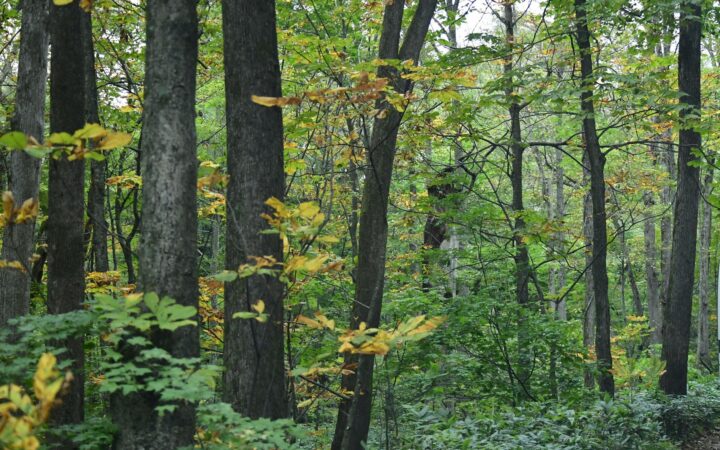
The valley’s relative inaccessibility preserved not just its people but its landscape. Today, Iya is part of a broader area that has been designated as one of Japan’s three most remote and scenic regions (the others being Shirakawa-go in Gifu and Shiiba in Miyazaki). The rich biodiversity of the surrounding Shikoku Mountains — dense forests of cedar, cypress, and broad-leaf deciduous trees — forms a backdrop that changes dramatically with each season.
But perhaps the most important thing that makes Iya special is simply its atmosphere. This is a place of genuine quietude and beauty where you can walk mountain paths, cross vine bridges built in a centuries-old tradition, and sit in natural hot spring baths gazing at gorge walls hundreds of meters high — often with very few other people around.
Getting to the Iya Valley
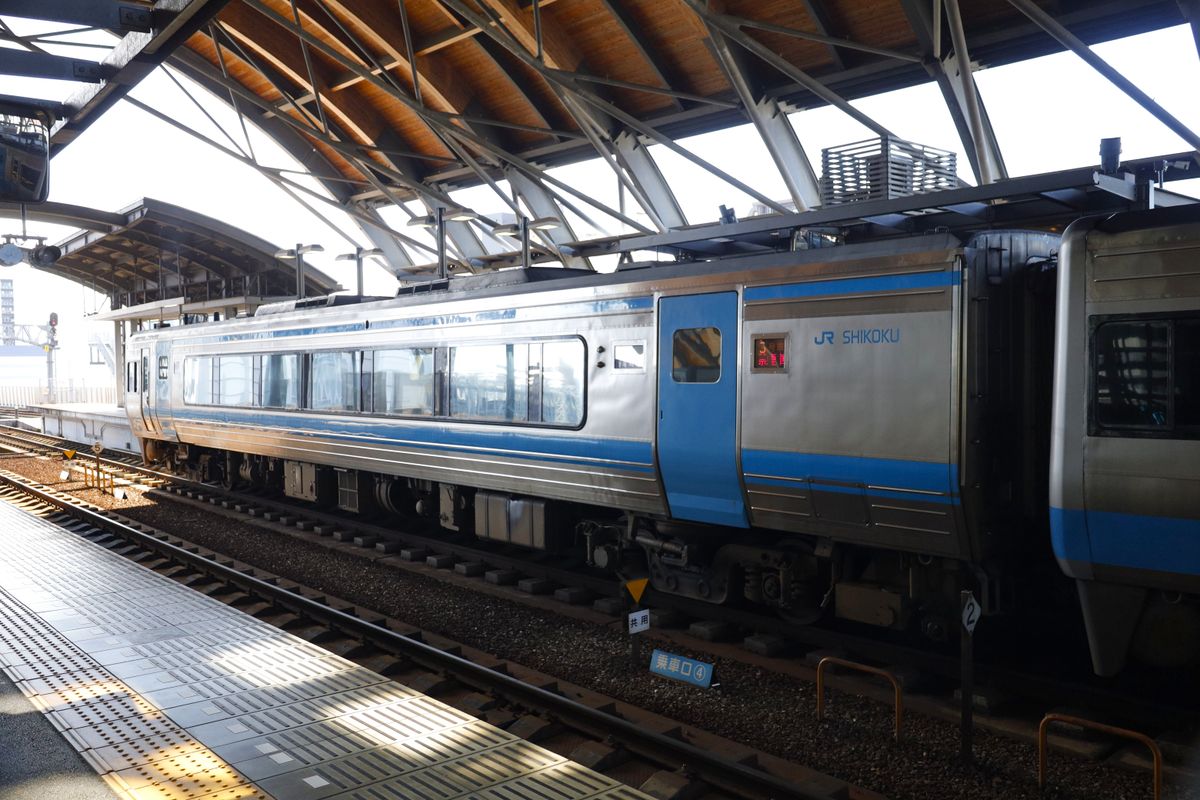
Reaching the Iya Valley requires some planning — it’s genuinely remote, and that’s part of its appeal. Here are the main access routes:
By Train and Bus from Tokushima City
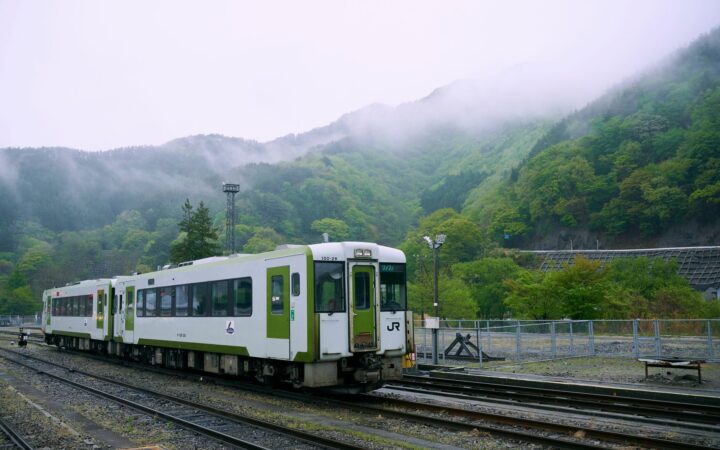
The nearest major city is Tokushima, the prefectural capital on the northeastern coast of Shikoku. From Tokushima Station, take the JR Tokushima Line to Awa-Ikeda, then change to the JR Dosan Line for Oboke Station (大歩危駅) — a spectacular journey through mountain scenery that takes approximately 1.5 to 2 hours and costs around ¥2,000–¥2,500 ($13–17 USD) one-way. The Japan Rail Pass covers this route.
From Oboke Station, buses connect to the main Iya Valley areas. The Iya Valley bus route (operated by Shikoku Kotsu) serves the valley, but services are infrequent — typically 3–5 times per day — so plan your timing carefully and check the latest timetable before traveling.
By Train from Osaka or Kyoto via the Seto-Ohashi Bridge
From the Kansai region (Osaka, Kyoto, Kobe), take the Shinkansen to Okayama, then the JR Limited Express Nanpu across the Seto-Ohashi Bridge, which runs directly to Oboke Station. Total journey time from Osaka is approximately 2.5 to 3 hours.
There are also direct Highway Bus services from Osaka and Kyoto to Awa-Ikeda that can be convenient and cost-effective.
By Car (Strongly Recommended)
For the Iya Valley specifically, renting a car is strongly recommended if at all possible. The valley’s most spectacular viewpoints, hidden onsen, traditional farmhouses, and secondary vine bridges are spread across a large area connected only by very narrow mountain roads — some sections barely wide enough for a single vehicle. Public transport reaches the main attractions but leaves many of the best spots inaccessible without a car.
Driving time from Tokushima is approximately 1.5 hours; from Takamatsu (Kagawa), about 1.5 hours; from Kochi, about 1.5 hours. Car rental is available in all major Shikoku cities. Note that mountain roads in the Iya Valley can be challenging — narrow, steep, and winding — so drive carefully and allow plenty of extra time.
Oboke Gorge Access
The Oboke Gorge (大歩危峡) — a dramatic section of the Yoshino River just below the Iya Valley — is often visited en route. Boat tours of the gorge run from near Oboke Station and offer spectacular views of the turquoise water and striking schist rock formations, taking about 30 minutes and costing approximately ¥1,200 ($8 USD). This is a beautiful complement to the Iya Valley proper.
The Kazurabashi Vine Bridges: Iya Valley’s Most Famous Attraction
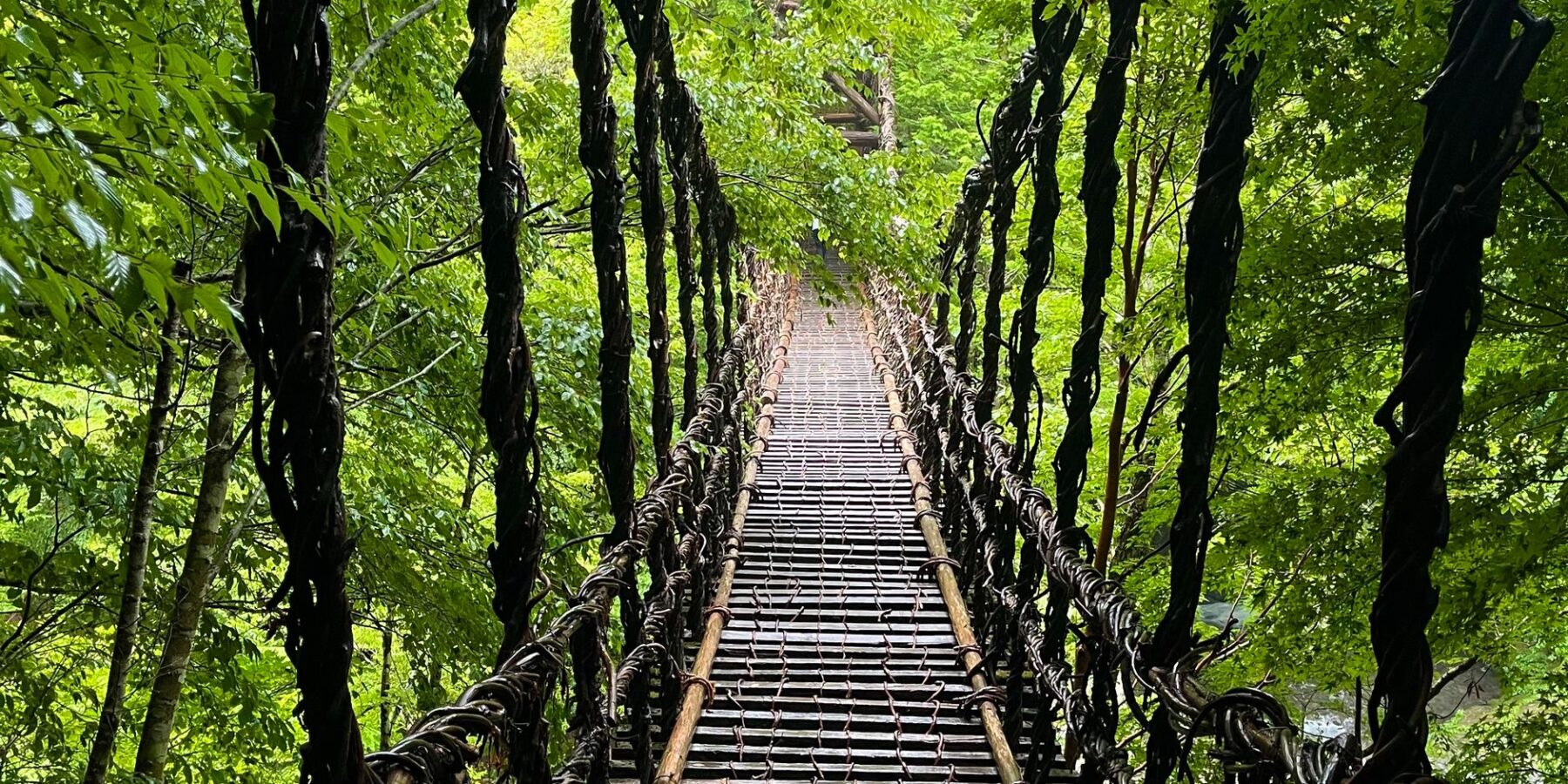
The vine bridges — kazurabashi (かずら橋) — are the iconic symbols of the Iya Valley and one of the most striking sights in all of Japan. These remarkable structures are woven from shirakuchi kazura, a wild hardy-kiwi vine, stretched across the river gorge, supported by wooden planks underfoot and hand-ropes woven from the same vines on either side. They sway gently as you walk, the river rushing far below, with forest closing in on both sides.
The bridges are thought to date back more than 800 years, traditionally built by local communities (and, by legend, by the defeated Taira clan members who needed river crossings they could quickly destroy if pursued by enemies). The bridges in use today are rebuilt using traditional methods every three years — authenticity maintained not by preservation but by living practice.
Iya Kazurabashi (祖谷のかずら橋) — The Main Bridge
The primary Iya Kazurabashi is the most accessible and most visited vine bridge. Located in the Nishi-Iya (West Iya) area, it spans approximately 45 meters in length, hangs about 14 meters above the river, and has a width of just 2 meters — narrow enough that crossing feels like a genuine adventure. The bridge deliberately sways and gives underfoot, and the gaps between the wooden planks let you look straight down to the rushing water below.
Crossing is straightforward and safe — the bridges are thoroughly maintained and hundreds of visitors cross every day — but those with a serious fear of heights may find it daunting. Crossing in both directions gives you two different perspectives on the gorge.
Hours: Open year-round, 7:00 AM–6:00 PM (adjusted seasonally; check ahead in winter)
Admission: ¥550 ($4 USD) per person
Time needed: Allow 30–60 minutes including the crossing and the riverside walk
Oku-Iya Niju Kazurabashi (奥祖谷二重かずら橋) — The Twin Bridges
Deep in the Higashi-Iya (East Iya) area, reached by a longer drive into the mountains, the Oku-Iya Twin Bridges are two vine bridges (a man’s bridge and a woman’s bridge) positioned close together in a particularly remote and beautiful gorge setting. Far fewer tourists reach these bridges than the main Iya Kazurabashi, making the experience significantly more atmospheric and peaceful.
An old-fashioned yaen (a hand-pulled wooden cable cart) connects the near bank to a small island between the bridges — a thrilling and unique way to cross. Young children and those uncomfortable with heights should note this crossing requires some confidence.
Hours: 8:00 AM–5:00 PM (April–November only; closed December–March due to weather)
Admission: ¥550 ($4 USD)
Getting there: Only accessible by car; allow at least 40 minutes from the main Iya Kazurabashi
More Things to See and Do in the Iya Valley
Peeing Boy Statue (小便小僧)
One of Iya’s quirky landmarks is a small statue of a boy urinating over the edge of a sheer cliff — perched on a rock outcropping above a stomach-dropping precipice. The statue is a beloved local icon and a popular photo subject, but reaching it requires careful footwork along a narrow path. The view from this point looking down into the valley below is genuinely vertiginous and spectacular.
Iya Onsen (祖谷温泉)
One of the most extraordinary onsen experiences in Japan, Iya Onsen is accessible via a cable car that descends 170 meters into the bottom of the Iya River gorge. At the base, a natural hot spring bath has been built directly alongside the rushing river — the sound of water fills the air, the gorge walls soar hundreds of meters above you, and the mineral-rich water (of the alkaline simple spring type, excellent for skin) steams in the mountain air.
The Iya Onsen Ryokan operates the facility; day-use bathing is available for approximately ¥1,500 ($10 USD) per person without a reservation, though overnight guests of the ryokan get priority access. This is one of the most memorable onsen experiences in Japan and absolutely should not be missed if you’re visiting the Iya Valley.
Kazuragawa Canyon (Oboke/Koboke Gorge)
The Oboke and Koboke gorges along the Yoshino River, just before the river enters the Iya Valley proper, offer spectacular scenery accessible both by boat tour and by walking. The water is a remarkable emerald-turquoise color created by fine mineral particles in suspension — one of the most vivid river colors in Japan.
The Oboke Gorge boat tour (大歩危峡観光遊覧船) runs approximately every 20–30 minutes and gives excellent close-up views of the schist rock formations carved by the river over the ages. Duration approximately 30 minutes; cost ¥1,200 ($8 USD).
Chiiori Farmhouse
In 1973, American author and Japan resident Alex Kerr purchased and restored an abandoned traditional farmhouse (minka) deep in the Iya Valley hills. This property, Chiiori (篪庵), has since become one of the most famous heritage restoration projects in Japan and is available for overnight stays by groups. Staying at Chiiori means sleeping in a 300-year-old thatched-roof farmhouse with an open irori (sunken hearth) fireplace at the center, traditional wooden architecture, and complete mountain silence around you.
Chiiori accepts bookings for groups of 4–10 people (minimum 4 nights in some seasons); see their official website for current availability and pricing. Even if you can’t stay, the story of Chiiori and its role in reviving interest in traditional Japanese rural architecture is worth learning about — Alex Kerr’s book “Lost Japan” (which features the Iya Valley prominently) is required reading for anyone with a serious interest in Japanese culture.
Hiking in the Iya Valley
The forested mountains surrounding the Iya Valley offer excellent hiking, though trails are often unmarked and navigation requires some experience or a local guide. Popular routes include:
- Tsurugi-san (剣山) — at 1,955 meters, this is the second-highest peak on Shikoku and one of the “100 Famous Mountains of Japan.” A ropeway carries you most of the way up, with the final section a 40-minute walk to the summit. Clear days reward with 360-degree panoramas. Accessible by bus from Awa-Ikeda station (seasonal).
- Iya Valley rim trails — several walking paths along the valley rim offer views down into the gorge, though many are informal and require careful navigation.
- Kazura area river walks — short nature walks along the river near the main vine bridge are gentle and suitable for all ages.
Seasonal Highlights
The Iya Valley is magical in all seasons, but each has a distinct character:
Spring (April–May): The valley erupts in fresh green as new leaves unfurl across the forested slopes. Cherry blossoms appear in early April at lower elevations. The vine bridges are photogenic against the clear, pale spring sky.
Summer (June–August): The forest reaches its maximum lushness. River kayaking and canyoning in the Yoshino River gorge below are popular outdoor activities. Mountain elevations stay cooler than lowland cities.
Autumn (September–November): This is many visitors’ favorite season. The maple and beech forests surrounding the valley turn extraordinary shades of red, orange, and gold — the contrast with the dark vine bridges and turquoise river below is stunning. Peaks in 2026 are forecast at or later than normal, so check forecasts.
Winter (December–February): Snow transforms the valley into a world of stark beauty. The vine bridges acquire a dusting of white. Visitor numbers drop to almost nothing, making this the most atmospheric time if you can handle the cold. Some mountain roads may be closed by snow; check conditions carefully.
Where to Stay in the Iya Valley
Accommodation in the Iya Valley is deliberately limited — this is not a resort area with hundreds of hotel rooms. That scarcity makes booking ahead essential and actually contributes to the valley’s unspoiled atmosphere.
Iya Onsen Hotel (祖谷温泉)
The only full-service ryokan hotel directly in the valley gorge, Iya Onsen Hotel offers traditional Japanese rooms with kaiseki meals and exclusive access to the extraordinary cable-car onsen by the river. This is the premium option for experiencing the valley with maximum comfort. Prices start at approximately ¥30,000 per person per night including meals ($200 USD). Book well in advance — availability is limited.
Chiiori (千秋楽)
Minshuku and Guesthouses
Several small family-run guesthouses (minshuku) operate in the valley, offering simple but comfortable Japanese-style accommodation with home-cooked meals. These provide the most direct contact with local valley life. Prices range from ¥8,000–¥15,000 ($55–$100 USD) per person including dinner and breakfast. Cash payment is typically required, and reservations should be made well in advance (often by phone — you may need help from your accommodation or a translation app).
Staying in Oboke or Awa-Ikeda
If Iya Valley accommodation is full (which happens in peak autumn foliage season), consider staying in the nearby town of Awa-Ikeda or at one of the ryokans by Oboke Station and making day trips into the valley. Awa-Ikeda has a better range of business hotels and more reliable transport connections. Book your hotel on Agoda (Best prices guaranteed) → for options in the wider Tokushima area.
Food and Local Cuisine in the Iya Valley
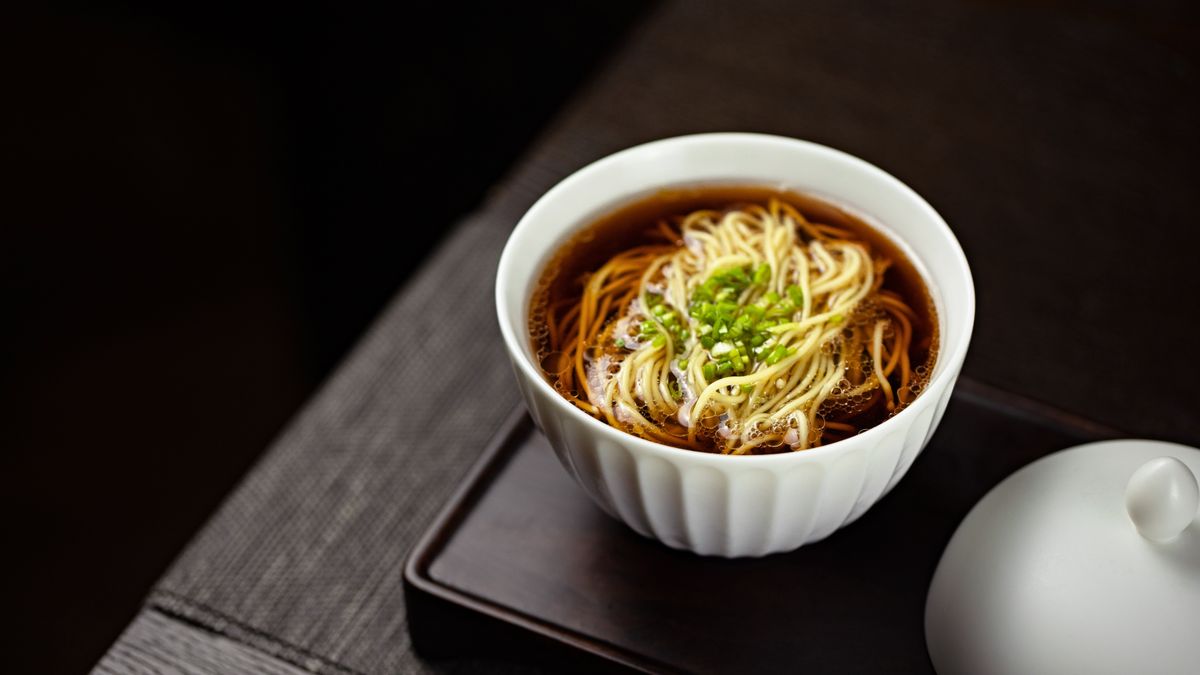
The Iya Valley has its own distinct regional cuisine that draws on the mountain environment and the self-sufficient traditions of its historically isolated communities.
Soba (Buckwheat Noodles)
Iya soba is the valley’s most famous food product. Local buckwheat is grown in the mountain fields and milled fresh for hand-cut noodles. The flavor is distinctive — earthier and more intensely nutty than urban soba. Served in a simple dashi broth with mountain vegetable toppings, it’s a bowl that speaks completely of its place. Look for small soba restaurants near the vine bridge and along the main valley road; many are only open for lunch.
Sansai (Mountain Vegetables)
The forests around Iya yield an abundance of wild mountain vegetables (sansai) — ferns, butterbur shoots, mountain yam, and various wild greens that appear in soups, tempura, rice dishes, and soba toppings. Eating sansai in Iya is eating the forest itself, in the best possible sense. Spring is the peak season for sansai foraging and the dishes that use freshest seasonal ingredients.
Dengaku (Grilled Skewers with Miso)
Dengaku is a traditional mountain food found throughout rural Shikoku — vegetables, tofu, and konnyaku (konjac) threaded on bamboo skewers, grilled over charcoal, and glazed with sweet miso paste. It’s rustic, warming, and utterly delicious. Several small restaurants near the vine bridges serve dengaku alongside soba — the perfect mountain lunch.
Awa Beef (阿波牛)
Tokushima Prefecture produces Awa beef — a regional wagyu (Japanese beef) breed with excellent marbling and flavor. While the finest Awa beef is found in Tokushima City’s better restaurants, ryokans in the Iya Valley typically include it in kaiseki dinners when in season. It’s a significant local pride ingredient.
Sudachi (スダチ)
Tokushima is famous throughout Japan for sudachi — a small, intensely fragrant citrus fruit used as a condiment. A squeeze of fresh sudachi over grilled fish, noodles, or even whisky on the rocks adds a uniquely Tokushima flavor that’s hard to forget. Buy a bag at any local market to take home.
Combining Iya Valley with the Shikoku 88 Temple Pilgrimage
The Iya Valley sits on the island of Shikoku, home to Japan’s most famous pilgrimage route — the Shikoku 88 Temple Pilgrimage (四国八十八ヶ所巡礼), a circuit of 88 Buddhist temples associated with the monk Kobo Daishi (Kukai) that stretches approximately 1,200 kilometers around the entire island.
While completing the full pilgrimage takes 30–60 days on foot, many visitors follow portions of it by bus or car. Temple 66, Unpen-ji (雲辺寺), is the highest-elevation temple on the pilgrimage circuit and is accessible by the Unpenji Ropeway from Kan’onji in neighboring Kagawa Prefecture — an excellent addition to an Iya Valley itinerary for those interested in Japanese Buddhism and pilgrimage culture.
Tokushima city itself is home to several pilgrimage temples in the first section (temples 1–23), making the prefecture an ideal starting point for anyone wishing to begin the pilgrimage experience even briefly before heading into the mountains.
Getting Around the Iya Valley
As mentioned above, a rental car is by far the most practical way to explore the Iya Valley comprehensively. Here’s what to know about driving in the area:
- National Route 32 follows the Yoshino River through the Oboke/Koboke gorges and is the main access road — this is a normal two-lane road despite the dramatic mountain setting.
- The road into Nishi-Iya (West Iya), where the main vine bridge is located, becomes narrow and winding but is manageable with care.
- The road into Higashi-Iya (East Iya), where the twin bridges are located, is genuinely challenging in sections — extremely narrow, steep, and with sharp curves. Some sections are single-lane with passing bays. Drive slowly and use your horn on blind corners.
- GPS navigation works in the valley, but rural addresses in Japan can confuse navigation systems. Have the Japanese characters for your destination on your phone to confirm with locals if needed.
If you don’t have a car, the Iyakei bus from Oboke Station covers the main vine bridge and the Iya Onsen Hotel. Taxis can be arranged from Oboke Station for wider exploration (expect to pay ¥5,000–¥15,000/$33–$100 USD for a half or full day charter).
Practical Tips for Visiting the Iya Valley
- Book accommodation months in advance for autumn foliage season (mid-October to late November) — the valley’s limited rooms fill up extremely quickly during peak season.
- Cash is essential — many restaurants, attractions, and smaller accommodations in rural Tokushima are cash-only. Withdraw yen before leaving Tokushima City or Awa-Ikeda.
- Mobile signal can be patchy in the deepest parts of the valley. Download offline maps (Google Maps or Maps.me) for the area before you go. A reliable eSIM connection through major carrier networks will help in areas where signal exists.
- The vine bridges close in bad weather — strong winds or heavy rain may result in temporary closure. If you have limited time, check conditions and have a backup plan.
- Allow a full day minimum for the main Iya Kazurabashi, Iya Onsen, and the Oboke gorge. Two days allows you to also reach the twin bridges in Higashi-Iya and explore at a more relaxed pace.
- Gasoline — if driving, fill your tank before heading deep into the mountains. Gas stations are very sparse in the valley interior.
- Road closures after heavy rain or snow are possible on mountain roads; check conditions at your accommodation or with local authorities before driving into the valley.
- English signage is limited beyond the main vine bridge area. Having a translation app (Google Translate with camera function works well for Japanese signs) is very useful.
- Insect repellent is recommended in summer — the valley’s dense forest provides ideal conditions for mosquitoes from June through August.
How Much Does a Visit to the Iya Valley Cost?
A rough budget guide for a one to two day Iya Valley visit:
Transport to/from Tokushima by train + bus: ¥4,000–6,000 ($27–40 USD) each way
Main vine bridge admission: ¥550 ($4 USD)
Twin bridges admission: ¥550 ($4 USD)
Oboke gorge boat tour: ¥1,200 ($8 USD)
Iya Onsen day use: ¥1,500 ($10 USD)
Soba lunch near vine bridge: ¥1,000–1,500 ($7–10 USD)
Accommodation (minshuku with 2 meals): ¥10,000–15,000 ($67–100 USD) per person
Total estimated cost for one day trip (no overnight): approximately ¥10,000–15,000 ($67–$100 USD)
Total estimated cost for two days/one night: approximately ¥25,000–35,000 ($167–$233 USD)
Recommended Itinerary: Two Days in the Iya Valley
Day 1 — West Iya (Nishi-Iya):
- Morning: Arrive at Oboke Station; take the gorge boat tour
- Mid-morning: Drive/bus to Iya Kazurabashi main vine bridge; cross and walk the riverside
- Lunch: Iya soba and dengaku at a restaurant near the bridge
- Afternoon: Visit the Peeing Boy statue viewpoint; explore the surrounding forest walks
- Late afternoon: Check in at Iya Onsen Hotel or a minshuku in the valley
- Evening: Take the cable car down to the gorge-bottom onsen; kaiseki dinner at your ryokan
Day 2 — East Iya (Higashi-Iya):
- Morning: Early morning onsen (the light in the gorge at dawn is exceptional)
- Mid-morning: Drive the mountain road into Higashi-Iya to the twin vine bridges (Oku-Iya Niju Kazurabashi)
- Lunch: Picnic lunch or small restaurant in Higashi-Iya
- Afternoon: Walk to the Chiiori farmhouse area; view the traditional thatched rooftops
- Late afternoon: Return to Oboke Station and onward transport
For more hidden gem destinations across Japan, explore our full guide at Japan Real Guide — Destinations.
Iya Valley FAQ
How difficult is it to cross the vine bridges?
Crossing the main Iya Kazurabashi is very manageable for most people, including older visitors and children old enough to be surefooted on uneven surfaces. The bridge sways gently and the gaps between planks reveal the river below — this is part of the experience. People with a significant fear of heights may find it uncomfortable, but the bridge is entirely safe and thoroughly maintained. The twin bridges in East Iya involve slightly more challenging conditions, including the goguruma bucket crossing. Children should be supervised throughout.
When is the best time to visit the Iya Valley?
The most spectacular season is autumn foliage (mid-October to late November) when the valley’s forested slopes turn red, orange, and gold. The contrast with the vine bridges and the turquoise river is extraordinary. Spring (April–May) is the second-best season for scenery and milder crowds. Summer is lush and green but can be hot at lower elevations and brings insects to the forest trails. Winter is atmospheric and beautiful in snow, but road conditions may limit access.
Is the Iya Valley suitable for solo travelers?
Absolutely, but some extra planning is required. Without a car, solo travelers need to plan carefully around limited bus times. The main vine bridge area is easily accessible by bus from Oboke, but the twin bridges and deeper valley areas require either a car or an expensive private taxi hire. That said, many solo travelers find the Iya Valley’s quiet, unhurried atmosphere particularly appealing — it’s one of the few places in Japan where you can genuinely feel alone in the landscape.
What should I know about the Iya Onsen cable car?
The Iya Onsen cable car descends 170 meters into the gorge at a steep angle — it’s an exciting ride. The cable car operates 24 hours for hotel guests and during daytime hours for day-use visitors. Day-use onsen admission (¥1,500/$10 USD) allows a single descent and return trip. The outdoor bath at the bottom of the gorge is separated by gender; mixed outdoor bathing is not available. The setting — river on one side, sheer gorge wall on the other, forest above — is genuinely unlike any other onsen in Japan.
Can I visit the Iya Valley as a day trip from Osaka or Kyoto?
Technically yes, but it makes for an extremely long and tiring day that doesn’t do justice to the valley. The journey from Osaka to Oboke is 2.5–3 hours each way, leaving limited time in the valley for a day tripper. We strongly recommend at least one overnight stay in the valley or nearby — the experience of being in the mountains after the day-trippers have left, eating a traditional evening meal, and waking early to walk the misty forest paths is what the Iya Valley is really about. If you can only spare one night, make it count with an Iya Onsen stay.
Are there guided tours of the Iya Valley?
How does the Iya Valley compare to other Japanese “hidden gem” destinations?
The Iya Valley is unusual even among Japan’s “off-the-beaten-path” destinations in the depth of its remoteness and the authenticity of its traditional culture. Unlike destinations that have been “discovered” and developed for tourism, Iya has deliberately maintained its character — in large part because its geography makes large-scale development difficult. Compared to, say, Shirakawa-go (which is UNESCO-listed and now receives enormous tour bus crowds), the Iya Valley still feels genuinely wild and undiscovered, particularly in the East Iya area.
Final Thoughts: Why the Iya Valley Is Worth Every Effort
Getting to the Iya Valley takes some planning. Getting around it requires either careful bus scheduling or a rental car. Finding accommodation requires advance booking. The roads are narrow, the signage is sparse, and English is spoken less frequently than in Japan’s famous tourist cities.
None of that should put you off. In fact, every small friction of reaching the Iya Valley adds to the sense of arrival when you finally stand at the edge of that deep gorge, watching the vine bridge sway in the mountain breeze over the emerald river far below. This is Japan at its most ancient and beautiful — a landscape that rewards effort with experiences unavailable anywhere else.
The Shikoku pilgrimage tradition has drawn seekers to this island for over a thousand years. The Iya Valley, in its own way, offers the same invitation: come, leave the easy road, and find something remarkable.
For more extraordinary destinations across Japan, visit Japan Real Guide — Destinations.
Going to Japan? Speak Japanese with confidence.
Hirameki Japanese — camera translate for menus and signs, a two-way conversation mode, and furigana + romaji on every phrase. Free to download with kana charts, conversation mode and starter words; a one-time purchase unlocks everything.

Plan your Japan trip
Two things every first-timer should book
Some links are affiliate links. If you book through them we may earn a small commission at no extra cost to you.