Most first-time visitors to Japan build their trip around Tokyo, Kyoto and Osaka, and then run out of days before they ever cross to Shikoku, the smallest of Japan’s four main islands. That is a shame, because the city of Takamatsu rewards the small effort it takes to get there. It is home to Ritsurin Garden, regularly ranked among the most beautiful landscape gardens in all of Japan, a castle whose moat is filled with seawater, a noodle culture so beloved that locals nickname their prefecture “Udon Prefecture,” and a working port that is the main gateway to the art islands of the Seto Inland Sea.
This guide is written for travelers who have never been to Takamatsu and want a clear, friendly plan: what to see, how much it costs in both yen and US dollars, how to get there, where to eat, and how to fold the city into a wider Japan itinerary. Takamatsu is calm, walkable and refreshingly uncrowded compared with the big three cities, and a single day here can feel like a deep breath in the middle of a busy trip.
Why Visit Takamatsu and Ritsurin Garden?
Takamatsu is the capital of Kagawa Prefecture and the largest city on the northern coast of Shikoku. For travelers, it works on three levels at once. First, it is a destination in its own right, anchored by Ritsurin Garden and a relaxed waterfront. Second, it is the most convenient base for exploring the Seto Inland Sea, the gentle stretch of water dotted with islands that has become world famous for its contemporary art museums. Third, it is a genuine food town, where a bowl of hand-cut udon can cost less than a cup of coffee back home.
Takamatsu also has one of the longest covered shopping arcades in the country, a 2.7-kilometer web of roofed streets where locals shop, sip coffee and meet friends regardless of the weather. This gives the city a lived-in, everyday feel that contrasts with the more touristy lanes of Kyoto. You are not visiting a preserved postcard so much as a real working town that happens to hold a national treasure of a garden. That authenticity, combined with genuine warmth toward the relatively few foreign visitors who make it this far, is exactly what so many travelers end up loving about the place.
What makes the city especially friendly for first-timers is its scale. You can walk or take a short tram or bus ride between almost every major sight. The pace is slow, the people are used to helping lost visitors, and prices for food, transport and even hotels run noticeably lower than in Tokyo or Kyoto. If your trip so far has been a blur of crowded temples and packed trains, a day or two in Takamatsu is the antidote.
Before you go, it is worth setting up mobile data so you can navigate the trams, ferries and udon shops without stress. A simple Japan & Global eSIM installs in minutes and saves you from hunting for Wi-Fi the moment you step off the train. For more general first-trip preparation, our Japan travel tips for first-timers covers everything from cash to etiquette.
Ritsurin Garden: One of Japan’s Most Beautiful Strolling Gardens
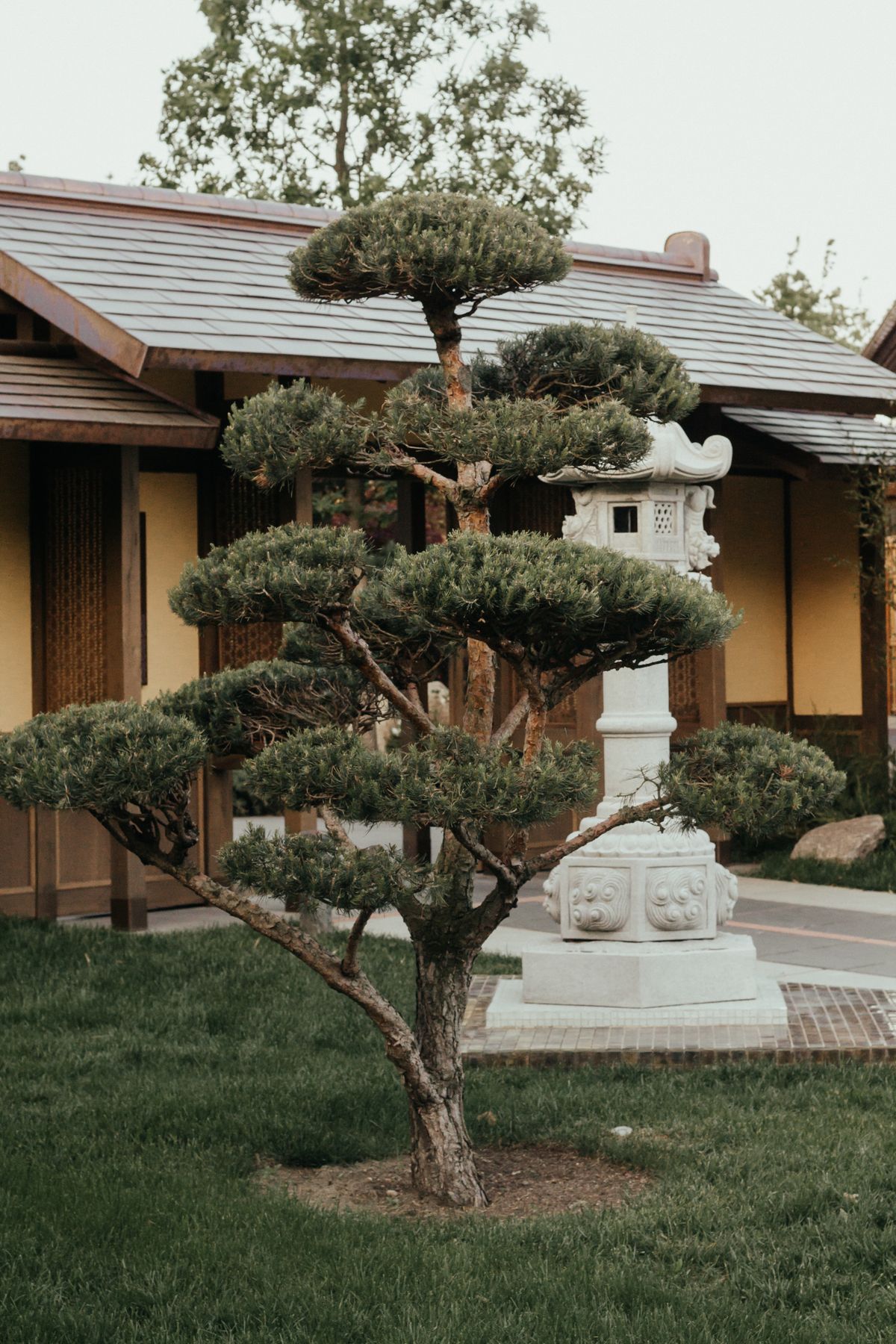
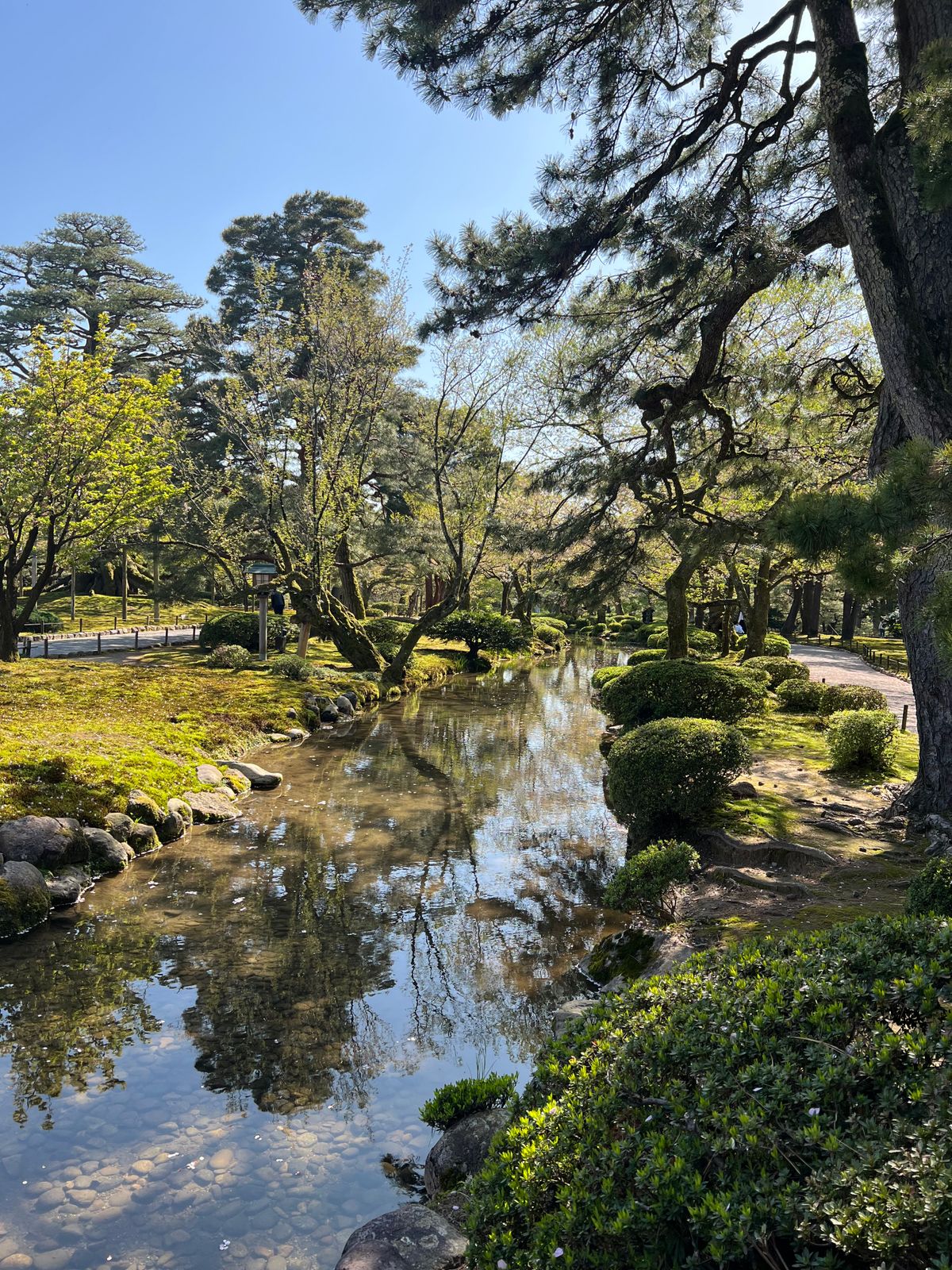
If you only do one thing in Takamatsu, make it Ritsurin Garden (栗林公園, Ritsurin Kōen). Begun by the local feudal lords in the early 1600s and completed roughly a century later, it is a classic Edo-period “strolling garden,” designed to reveal a new composed view at every turn of the path. The name means “chestnut grove,” though it is the pine trees that steal the show today: more than a thousand of them, many hand-pruned for generations into living sculptures.
The South Garden and the North Garden
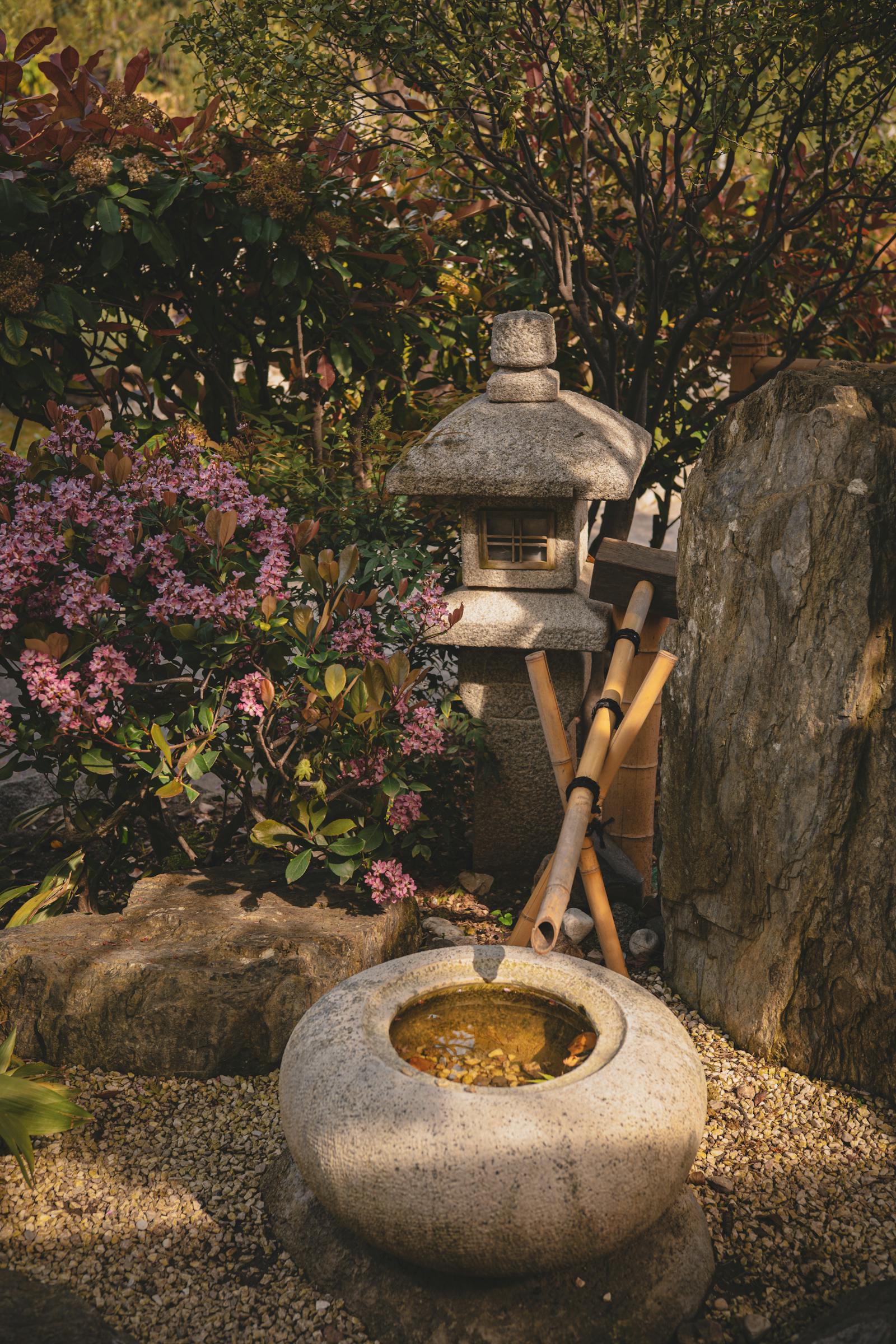
Ritsurin is split into two distinct areas. The South Garden is the older, more formal half, built in the traditional Japanese style around six ponds and thirteen landscaped hills, with the wooded slope of Mt. Shiun rising behind as “borrowed scenery” (shakkei). This is where the most photographed scenes live, including the arched Engetsukyo bridge and the perfectly groomed Hakomatsu “box pine.” The North Garden was redesigned in a more open, partly Western-influenced style and tends to be quieter, with broad lawns and seasonal flowers.
Kikugetsu-tei Teahouse
The highlight for many visitors is Kikugetsu-tei, a 17th-century teahouse perched at the edge of the South Pond. For an extra charge of around ¥700 (about US$4.70) you can sit on the tatami, sip matcha and a small sweet, and look out over the water exactly as the ruling family once did. It is one of the most peaceful experiences in the entire city and well worth the short wait.
Tickets, Hours and Best Times to Visit
Admission to Ritsurin Garden is ¥410 for adults (about US$2.75) and ¥170 for children, which is remarkable value for a garden of this caliber. It opens early, generally from around 7:00 in summer and 7:30 in winter, and closes near sunset, with hours shifting by season. Arriving right at opening gives you soft light, cool air and near-empty paths before the tour groups arrive around mid-morning.
Every season has its case. Spring brings cherry and plum blossoms; early summer the deep green of irises and the lotus on the ponds; autumn the fiery maples that are illuminated at night during special evening openings in November; and winter a quiet, frost-touched beauty with the fewest visitors of all. Budget at least 90 minutes for a relaxed loop, or a half day if you plan to take tea and a boat ride. Small wooden boats glide across the South Pond for around ¥620 (about US$4.15), offering a view of the pines from the water that you cannot get on foot.
What Else Is Inside the Garden
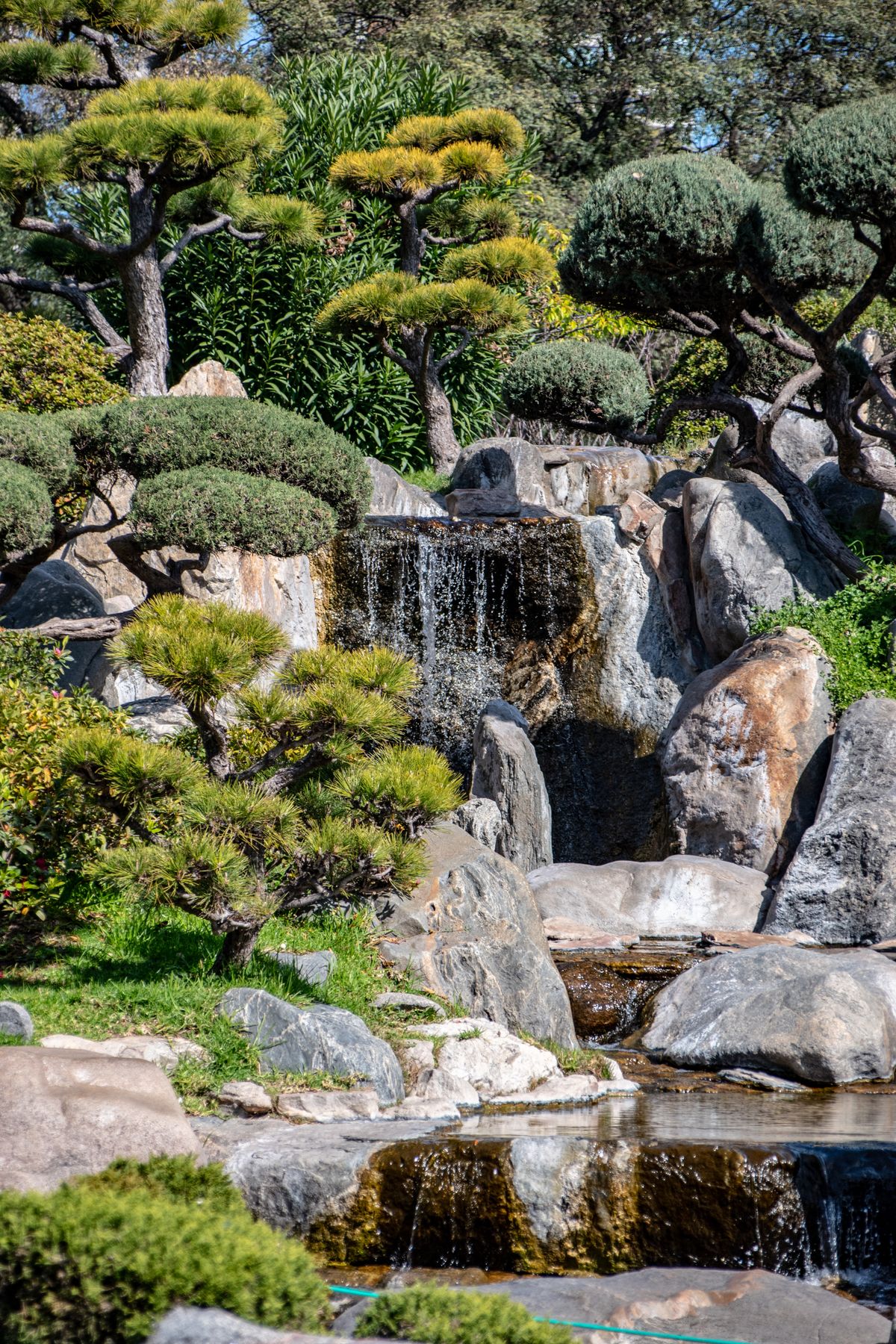
Ritsurin is large — around 75 hectares including the wooded hill — so it rewards slow exploration beyond the headline views. Within the grounds you will find the Sanuki Folk Craft Museum, a free exhibition of regional ceramics, lacquerware, textiles and the local uchiwa fans that makes a good rainy-weather stop. There is a commercial gallery and shop selling Kagawa crafts, a wisteria trellis that erupts in purple in late spring, a plum grove that flowers before the cherries, and quiet corners where you can buy a small bag of feed and watch the carp swarm. Benches and teahouses are dotted throughout, so you can break the walk into gentle stages rather than marching through. Many travelers are surprised that what looks like a city park on the map turns into a half-day experience once they are inside.
One practical note: the paths are mostly flat gravel and quite accessible, though the arched bridges have steps. Strollers and wheelchairs can manage the main loop with a little planning. There is a luggage storage area near the east gate, so the garden also works well as a stop between trains if you are passing through with bags.
How to Get to Takamatsu
Reaching Takamatsu is easier than its off-the-beaten-path reputation suggests, because Shikoku is connected to the main island of Honshu by the Great Seto Bridge, one of the longest combined road-and-rail bridges in the world.
By Train from Okayama (the Most Common Route)
Most travelers come via Okayama, which sits on the San’yo Shinkansen line. From Okayama, the Marine Liner rapid train crosses the Great Seto Bridge to Takamatsu in about 55 minutes for roughly ¥1,660 (about US$11) in ordinary seats. If you are coming from Tokyo, you would ride the Shinkansen to Okayama (around 3 hours 15 minutes) and transfer; from Osaka it is about 45 minutes to Okayama by Shinkansen, then the Marine Liner. The whole trip from Osaka takes well under three hours door to door.
If you are weighing whether a rail pass makes sense for this kind of multi-leg journey, our guide to the Japan Shinkansen and bullet train system breaks down routes, seat types and reservations in plain English.
By Air
Takamatsu Airport (TAK) has domestic flights from Tokyo (Haneda and Narita), Okinawa and a handful of international routes from elsewhere in Asia. The airport sits about 30–40 minutes south of the city center. A limousine bus to JR Takamatsu Station costs around ¥1,000 (about US$6.70). If you are arriving late, carrying luggage, or traveling as a family, a pre-booked NearMe airport shuttle can take you door to door without the stress of figuring out bus timetables on arrival.
By Highway Bus (the Budget Option)
Overnight and daytime highway buses connect Takamatsu with Tokyo, Osaka, Kyoto, Kobe and other cities, and they are the cheapest way to reach Shikoku. An overnight bus from Tokyo to Takamatsu takes roughly 10 hours and can cost as little as ¥6,000–¥10,000 (about US$40–67), saving you a night’s accommodation. From Osaka or Kobe, daytime buses run frequently for around ¥3,500–¥4,500 (about US$23–30). Buses are comfortable, with reclining seats and rest stops, though the train is far faster if your budget allows. If you are traveling Japan on a tight budget overall, our budget travel guide to Japan has more tactics for stretching your yen.
By Ferry
Takamatsu’s port is a hub for Seto Inland Sea ferries, and there are also longer-distance ferries connecting the region, including overnight services to and from the Kansai and Kyushu areas. For most visitors, however, the ferries matter most as the way out to the art islands, covered below. The port is an easy two- to five-minute walk from JR Takamatsu Station, so connections between train and boat are painless even with luggage.
Sanuki Udon: Kagawa’s Legendary Noodles
You cannot understand Takamatsu without eating udon. Kagawa was historically known as Sanuki Province, and “Sanuki udon” — thick, chewy, square-edged wheat noodles with a firm bite — is the regional obsession. The prefecture consumes more udon per person than anywhere else in Japan, and unofficially rebranded itself “Udon Prefecture” to draw visitors. Locals eat it for breakfast, lunch and a late-night snack.
How Self-Service Udon Shops Work
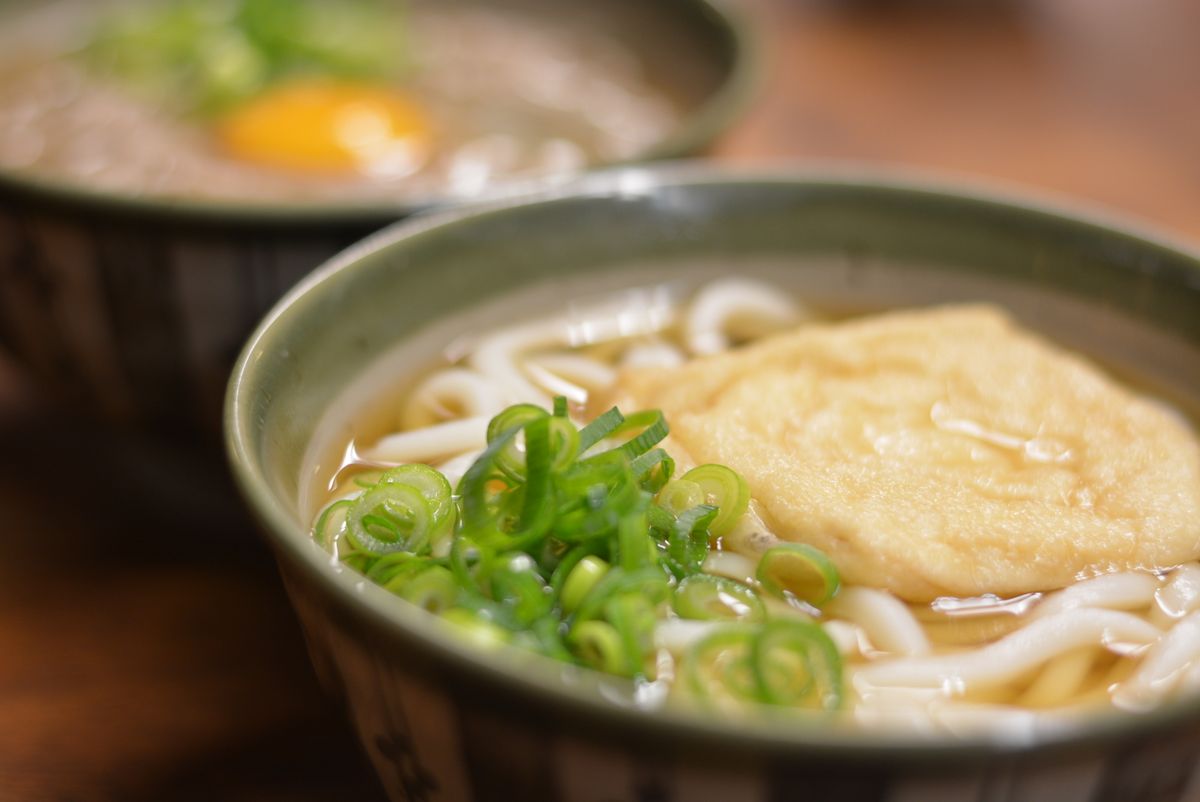
Many of the best udon shops are self-service (serufu), and the system can baffle first-timers, so here is the drill. You grab a tray, tell the staff what size you want (small/medium/large), and they hand you a bowl of plain hot noodles. You then dip the noodles into hot water yourself to reheat, add them to broth or sauce, pile on free toppings like green onion and grated ginger, and pick up tempura side dishes from a counter. You pay at the end based on what you took. A basic bowl of kake udon can cost as little as ¥250–¥400 (about US$1.70–2.70), and even with two pieces of tempura you will rarely spend more than ¥700.
Popular Styles to Try
Order kake udon for noodles in hot dashi broth, bukkake for a smaller amount of concentrated sauce poured over the top, kamatama for hot noodles tossed with raw egg and soy (carbonara-like and addictive), or zaru/sanuki cold noodles with dipping sauce in summer. Many famous shops sit out in the countryside near the hills, and some travelers even join an “udon taxi” tour to reach the legendary rural spots. In the city center, you will find excellent options within walking distance of the station and the covered shopping arcades.
If food is a major motivator for your trip, you will enjoy our wider Japan street food guide, which puts Sanuki udon in the context of regional specialties across the country.
Takamatsu Castle and the Waterfront
A short walk from JR Takamatsu Station sits Tamamo Park, the grounds of Takamatsu Castle (Takamatsu-jō). Built in the 1580s, it is one of only a few Japanese castles whose moats are filled with seawater drawn directly from the sea, and historically you could even sail a boat from the castle straight out into the harbor. The main keep no longer stands, but the stone walls, turrets, moats and elegant Tsukimi-yagura (moon-viewing turret) remain, and you can take a small boat ride on the seawater moat where koi and sea bream swim together.
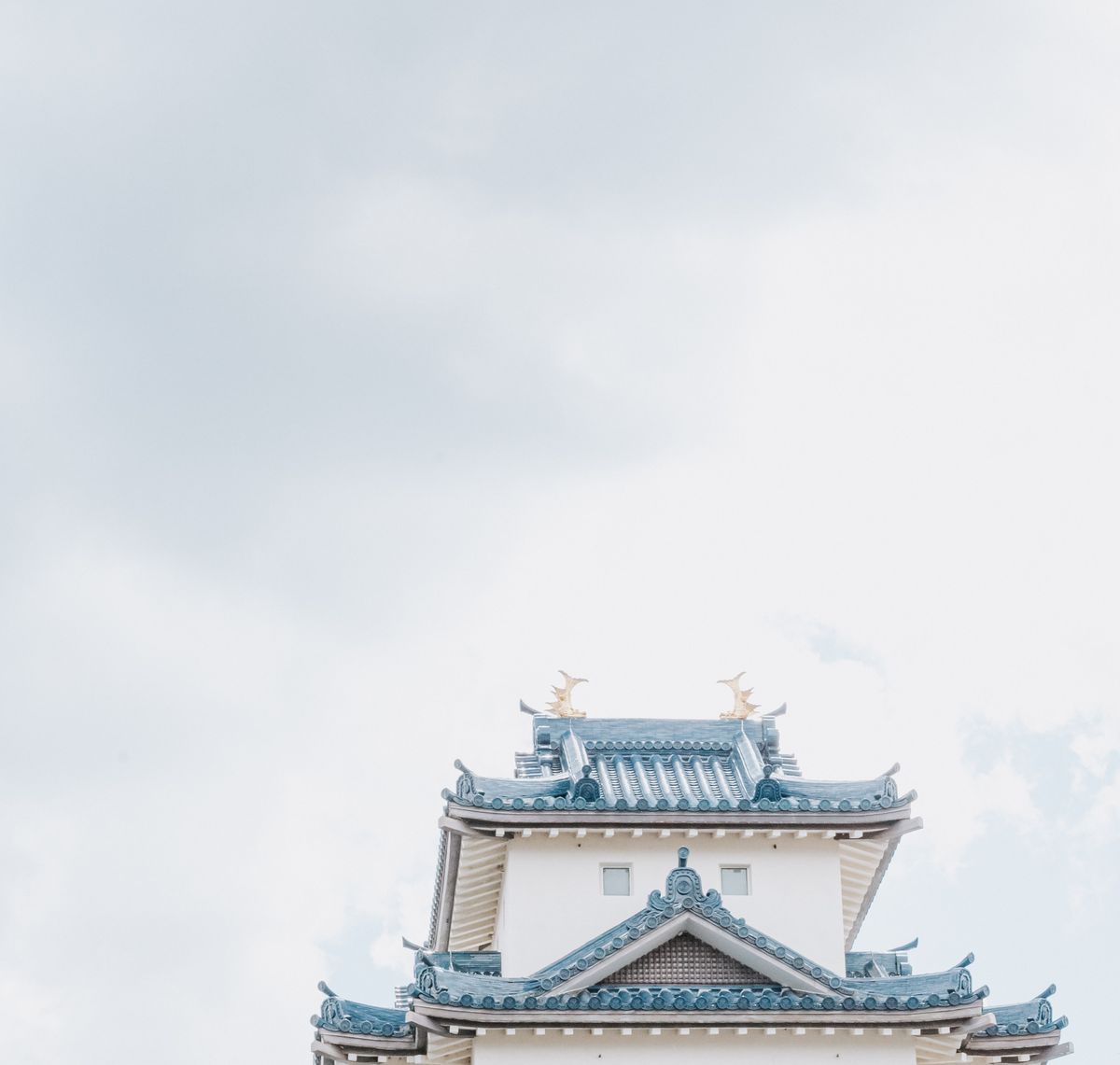
Admission to Tamamo Park is just ¥200 (about US$1.35). Beyond the castle, the Sunport Takamatsu waterfront development next to the station has wide promenades, a tall observation deck with free views over the Inland Sea, and a symbol tower. At sunset the harbor glows, ferries come and go, and it is an easy, free way to end a day. The covered shopping arcades stretching south from the waterfront — among the longest in Japan — are perfect for an evening stroll, with cafes, izakaya and souvenir shops sheltered from any weather.
Beyond the City: The Seto Inland Sea Art Islands
For many international travelers, Takamatsu is the launchpad to the islands of the Seto Inland Sea, a scattering of green islets that have been transformed into open-air galleries of contemporary art. Ferries depart right from Takamatsu Port, a two-minute walk from the station.
Naoshima
The most famous is Naoshima, home to the Chichu Art Museum, the Benesse House complex and Yayoi Kusama’s iconic yellow pumpkin sculpture on a pier. The high-speed ferry from Takamatsu takes about 30–50 minutes and costs roughly ¥520–¥1,220 (about US$3.50–8.20) depending on the boat. Note that major museums close on Mondays and tickets for some are best reserved in advance, so plan your day carefully.
Megijima and Ogijima
Closer and cheaper, Megijima (linked in legend to the “demon island” of the Momotaro folk tale, with caves to explore) and Ogijima (a hillside village of narrow lanes and small artworks) make wonderful half-day trips for travelers who want island scenery without a full museum itinerary. Megijima is only about 20 minutes away by ferry.
Shodoshima
The largest island in the area, Shodoshima, is known for olive groves, a dramatic gorge, soy sauce breweries and a photogenic “Angel Road” sandbar that appears at low tide. It deserves most of a day and is best with a rental car or local bus pass.
Wherever you island-hop, check the ferry timetables the night before — boats can be infrequent, and missing the last return is a classic first-timer mistake. To slot these islands into a longer route around the country, browse our full list of Japan destinations.
The Setouchi Triennale Art Festival
If your trip happens to fall in a festival year, the Seto Inland Sea around Takamatsu hosts the Setouchi Triennale, one of the most ambitious contemporary art festivals in the world. Held across roughly a dozen islands and the Takamatsu and Uno port areas in three seasonal sessions (spring, summer and autumn) every three years, it scatters site-specific installations, museums and performances across fishing villages, abandoned schools and hillside terraces. Takamatsu is the natural base, since most festival ferries radiate out from its port.
During festival sessions, a multi-island passport ticket gives discounted entry to dozens of artworks and is far cheaper than paying site by site. Even outside festival years, many of the permanent works on Naoshima, Teshima and Inujima remain open, so you do not need to time your trip to a Triennale to enjoy the art islands — but if you can, the atmosphere is electric, and booking accommodation many months ahead becomes essential because rooms across the whole region sell out.
Beyond Takamatsu: Exploring More of Kagawa
With an extra day, Kagawa rewards you with sights that very few overseas visitors ever reach. All of the following are easy half-day or day trips by local train from Takamatsu.
Kotohira and Konpira-san
About an hour southwest by the Kotoden or JR line lies the town of Kotohira, home to Kotohira-gu, affectionately known as Konpira-san. This mountainside Shinto shrine, dedicated to the guardian deity of seafarers and travelers, is reached by climbing a famous flight of stone steps — 785 of them to the main shrine, and a lung-busting 1,368 if you continue to the inner shrine. Souvenir shops, sweet stalls and porters with palanquins line the lower steps, and the views over the Sanuki plain from the top are a genuine reward. It is one of Shikoku’s most atmospheric pilgrimages and pairs beautifully with a bowl of udon in the surrounding town.
Zentsuji and the 88-Temple Pilgrimage
Kagawa is the final stretch of the celebrated Shikoku 88-Temple Pilgrimage, the 1,200-kilometer Buddhist circuit associated with the monk Kūkai (Kōbō Daishi). Zentsuji, his reputed birthplace and Temple 75, is a grand complex with a five-story pagoda and an eerie underground passage you walk in total darkness. Even non-pilgrims find it moving, and it is an easy train ride from Takamatsu.
Marugame Castle and Chichibugahama Beach
Marugame preserves one of only twelve original wooden castle keeps left in Japan, perched atop towering stone walls. Further west, Chichibugahama is a long tidal beach that has gone viral as Japan’s “mirror beach”: at low tide on a calm evening, a thin film of water turns the sand into a giant reflective surface, and the sunset photos rival the salt flats of Bolivia. Both make memorable additions if you have a rental car or extra time.
Yashima Plateau
Closer to the city, the flat-topped Yashima plateau rises just east of central Takamatsu and was the site of a famous 12th-century battle between the Genji and Heike clans. Today it offers sweeping panoramas over the Inland Sea, a historic temple on the pilgrimage route, and a quirky aquarium. A bus or short drive brings you to the top in around 30 minutes from the station.
Getting Around Takamatsu
Once you arrive, you will rarely need anything more than your own two feet plus the occasional tram. The privately run Kotoden railway has three lines fanning out from the central Kawaramachi area and is the handiest way to reach Ritsurin Garden (get off at Ritsurin-Koen station) and Kotohira. Single fares start around ¥200 (about US$1.35), and a one-day Kotoden pass of roughly ¥1,250 (about US$8.40) pays off quickly if you are hopping around.
IC cards make life simple: the local IruCa card works on Kotoden, and nationwide cards such as ICOCA and Suica are widely accepted on JR and many buses, so the card you already used in Osaka or Tokyo will work here too. The flat, compact city center is also extremely bike-friendly, and the municipal rental-cycle scheme lets you pick up and drop off bicycles at ports around town for a low daily fee — a pleasant way to roll between the castle, the arcades and the garden. Taxis are plentiful at the station but, given the short distances, you will seldom need one within the city itself.
Best Time of Year to Visit Takamatsu
Takamatsu enjoys one of the mildest, sunniest climates in Japan, thanks to the sheltering effect of the Inland Sea, which keeps rainfall lower than much of the country. That means there is no truly bad time to come, but each season has its own character.
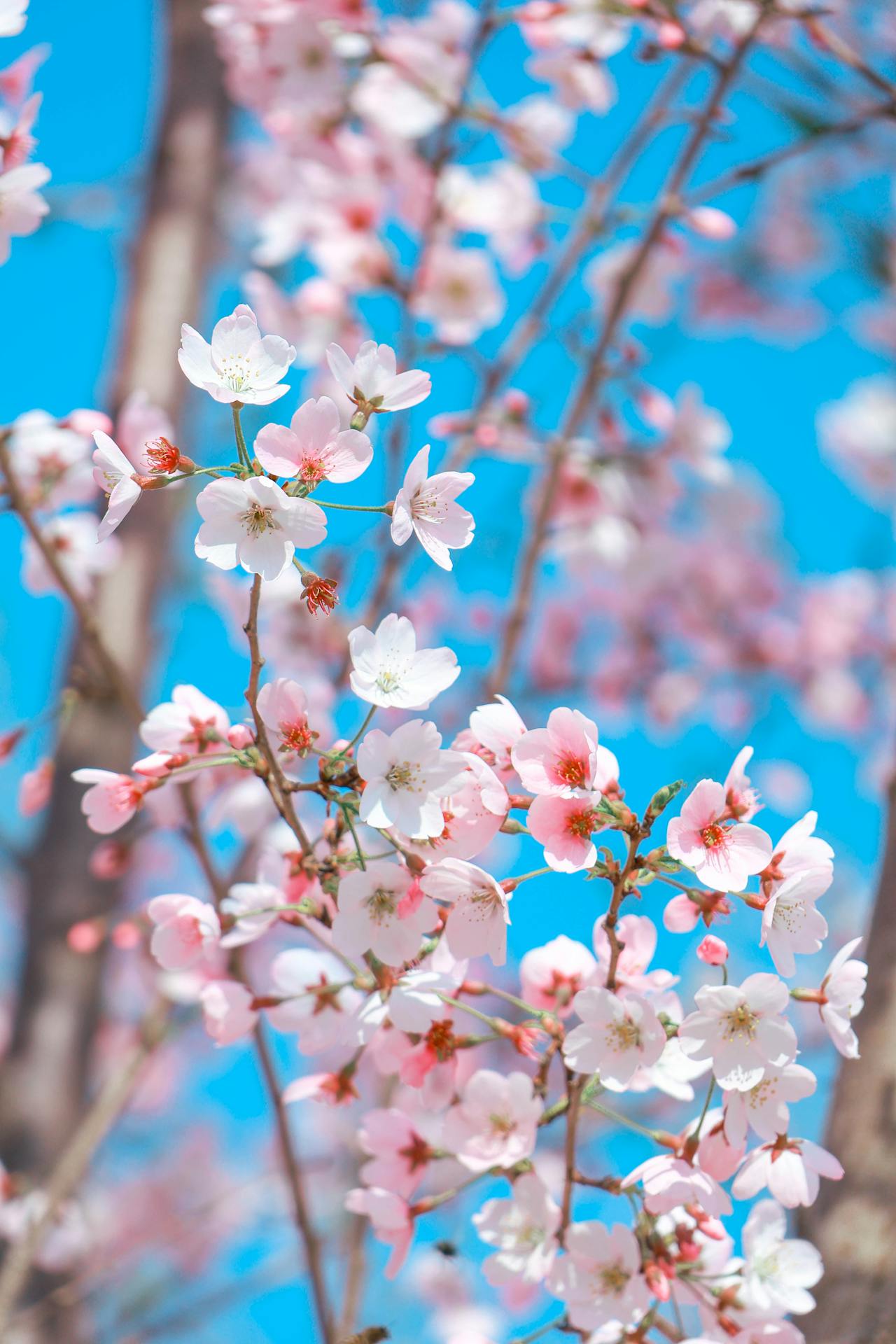
Spring (March to May) is arguably the finest window. Plum and cherry blossoms light up Ritsurin and Tamamo Park in late March and early April, the air is fresh, and the islands are green. Temperatures sit comfortably in the high teens to low twenties Celsius (around 60–72°F). This is peak season for the garden, so arrive early.
Summer (June to August) brings the brief rainy season in June, then hot, humid days in July and August with temperatures near 32–34°C (about 90–93°F). The upside is festival energy, lotus on the garden ponds, refreshing cold udon, and the summer session of the Setouchi Triennale in festival years. Carry water, use the eSIM-powered maps to find air-conditioned cafes, and plan island visits for the morning.
Autumn (September to November) rivals spring. The heat fades, skies clear, and the maples of Ritsurin turn brilliant red, crowned by special evening illuminations in November when the garden stays open after dark and the pines and bridges glow over the still ponds and pools of light on the water. It is a magical, slightly cool time to visit.
Winter (December to February) is quiet, crisp and rarely snowy on the coast, with daytime temperatures often around 8–10°C (about 46–50°F). Crowds thin out, hotel prices dip, and the bare structure of the garden reveals the artistry of the pruned pines. Pack a warm layer for the breezy waterfront and you will have major sights nearly to yourself.
A Suggested Two-Day Takamatsu Itinerary
Here is a relaxed plan that captures the best of the city and one art island without feeling rushed.
Day 1: The City
Start early with a self-service udon breakfast near the station, then head to Ritsurin Garden at opening time for cool air and quiet paths; allow two hours and take matcha at Kikugetsu-tei. Return to the center for a second udon lunch (you are in Udon Prefecture, after all), then explore Tamamo Park and Takamatsu Castle in the afternoon. As the day cools, wander the covered shopping arcades for souvenirs and coffee, and finish at the Sunport waterfront for sunset and free harbor views from the observation deck. Dinner is an easy choice of izakaya in the arcade district, perhaps trying honetsuki-dori, Kagawa’s juicy bone-in roast chicken.
Day 2: An Art Island
Catch a morning ferry from Takamatsu Port to Naoshima (or Megijima for a lighter, cheaper day). Spend the day among the museums and outdoor sculptures, rent a bicycle to reach the more distant works, and have lunch at an island cafe. Return to Takamatsu in the late afternoon. If you have a third day, swap in Kotohira and the climb up Konpira-san, or the mirror beach at Chichibugahama for sunset.
More Local Food Beyond Udon
Udon may be the headline, but Kagawa’s table has more to offer. Honetsuki-dori is a whole chicken leg roasted with garlic and pepper until the skin crisps and the meat falls off the bone — order the tougher “oya” (parent) bird for flavor or the tender “wakadori” (young) bird for ease. Being a port city, Takamatsu also serves excellent Inland Sea seafood, including sawara (Spanish mackerel) and the prized olive-fed yellowtail and olive beef raised on nearby Shodoshima. For dessert, look for wasanbon, a refined fine-grained sugar produced in the region and pressed into delicate, melt-in-the-mouth sweets that make ideal gifts to carry home.
Where to Stay in Takamatsu
Takamatsu is compact, so the best area for first-timers is right around JR Takamatsu Station and the Sunport waterfront. Staying here puts you minutes from the ferries to the art islands, the castle, the shopping arcades and the airport bus stop. Business hotels in this zone are clean, reliable and inexpensive, often ¥7,000–¥13,000 per night (about US$47–87) for a double room, frequently with breakfast included.
You can compare a wide range of these hotels and read recent guest reviews on Agoda, which tends to have strong coverage of regional Japanese cities like Takamatsu. If you would rather treat yourself to a higher-end ryokan or a design hotel with Inland Sea views — a lovely way to celebrate reaching Shikoku — the curated luxury stays on Ikyu.com are worth a look. Whichever you choose, booking a few weeks ahead is wise during the cherry-blossom, autumn-foliage and Setouchi Triennale art-festival seasons, when rooms fill quickly.
Practical Tips for Visiting Takamatsu
- Arrive at Ritsurin Garden early. Gates open around 7:00–7:30. The first hour offers the best light and the quietest paths before tour groups appear.
- Carry some cash. Many self-service udon shops and small island cafes are cash-only, even though larger hotels and stations accept cards and IC cards like ICOCA and Suica.
- Use the Kotoden tram and JR loop. The private Kotoden line and local buses link the station, Ritsurin and the suburbs cheaply; a single ride is around ¥200–¥350.
- Check ferry timetables the night before if you plan to visit the art islands, and remember that many island museums close on Mondays.
- Eat udon for breakfast. It is completely normal here, and many shops open by 7:00 or 8:00. A morning bowl is cheap, filling and very local.
- Pack layers in spring and autumn. Mornings on the water can be cool even when afternoons are warm.
- Set up data before you arrive with a travel eSIM so you can read live ferry schedules and maps on the move.
- Allow a full two days if you want both the city and one art island without rushing. One day is enough for Takamatsu itself.
Money, Connectivity and Etiquette
Takamatsu is firmly part of modern Japan, but a few habits will make your visit smoother. Cards are accepted at hotels, department stores, JR ticket machines and chain restaurants, yet plenty of the most charming spots — countryside udon counters, island cafes, small shrines and the boat-ride kiosk at the garden — still run on cash. Withdraw yen from a 7-Eleven or post office ATM (both reliably accept foreign cards) before you head out for the day, and keep some coins handy for the trams and lockers.
Connectivity is excellent in the city and patchier on the islands and rural udon trails, exactly where you most need a map and a ferry timetable. A prepaid travel eSIM activated before departure keeps you online the moment you land, with no SIM-swapping or pocket-Wi-Fi pickup required. As for etiquette, the basics you have used elsewhere in Japan apply here too: keep your voice down on trams, do not eat while walking in crowded arcades, remove your shoes where indicated in teahouses and ryokan, and tipping is neither expected nor necessary anywhere. A friendly “arigatō gozaimasu” goes a long way in this welcoming corner of Shikoku.
Frequently Asked Questions
Is Takamatsu worth visiting for first-time travelers to Japan?
Yes, especially if you want a calmer counterpoint to the big cities. Takamatsu offers a world-class garden, famous noodles, an unusual seawater-moat castle and easy access to the Seto Inland Sea art islands, all at a relaxed pace and lower prices than Tokyo or Kyoto. It is most rewarding for travelers on a second visit or those with at least 10 days, but even a one-night stop is memorable.
How much time do I need in Takamatsu?
One full day is enough to see Ritsurin Garden, Takamatsu Castle, the waterfront and eat plenty of udon. If you want to add a day trip to Naoshima or another art island, plan for two nights so you are not rushing the ferries.
How do I get from Takamatsu to Naoshima?
Ferries leave directly from Takamatsu Port, a short walk from JR Takamatsu Station. The trip takes about 30–50 minutes and costs roughly ¥520–¥1,220 (about US$3.50–8.20) depending on whether you take the regular ferry or the high-speed boat. Check the latest timetable in advance, as departures are not frequent.
What is Sanuki udon and why is Kagawa famous for it?
Sanuki udon is the thick, chewy wheat noodle style of Kagawa Prefecture (historically Sanuki Province). The region has ideal wheat, salt and water for noodle-making, and udon is so central to local life that Kagawa eats more of it per person than anywhere else in Japan and even markets itself as “Udon Prefecture.” A bowl can cost as little as ¥250–¥400.
When is the best time to visit Ritsurin Garden?
Ritsurin is beautiful year-round. Spring brings blossoms, early summer brings lotus and irises, autumn brings vivid maples with special evening illuminations in November, and winter offers crisp, quiet scenery. For the best light and smallest crowds in any season, arrive right when the gates open in the morning.
Is Takamatsu expensive compared with Tokyo and Kyoto?
No. Food, local transport and hotels are all noticeably cheaper. Garden and castle admissions are only a couple of dollars, a hearty bowl of udon is well under US$5, and comfortable business hotels near the station often run US$50–85 per night. Takamatsu is one of the better-value city stops in Japan.
Do I need to speak Japanese to visit Takamatsu?
No. Major sights, stations and the airport have English signage, and hotel staff usually manage basic English. Self-service udon shops and small island cafes may have less English, but the systems are visual and easy to follow once you watch one or two customers ahead of you. A translation app and a data connection smooth over any gaps, which is one more reason to set up an eSIM before you arrive.
Is Takamatsu a good base for the Shikoku 88-Temple Pilgrimage?
Kagawa contains the final temples of the circuit, including Zentsuji (Temple 75), so Takamatsu is a sensible base for the closing stretch. Casual visitors can sample the experience by visiting one or two temples by train without committing to the full route, while dedicated pilgrims often pass through the area near the end of their journey.
What should I buy as a souvenir in Takamatsu?
Look for wasanbon sugar sweets, locally made udon you can cook at home, Shodoshima olive products and soy sauce, and the region’s distinctive uchiwa fans, of which Kagawa produces the vast majority in Japan. The covered shopping arcades and the station shops are the easiest places to find them all in one stop.
Can I visit Takamatsu as a day trip from Osaka or Okayama?
From Okayama it is an easy day trip — under an hour each way on the Marine Liner. From Osaka it is doable but long for a single day (roughly 2.5–3 hours each way), so an overnight stay is more relaxed and lets you enjoy the city at its quiet best in the early morning and evening.
Takamatsu proves that some of Japan’s most rewarding experiences sit just one bridge away from the famous routes. Spend a morning among the pines of Ritsurin, a lunch slurping Sanuki udon, an afternoon on an art island and an evening by the glowing harbor, and you will leave wondering why you ever thought of skipping Shikoku.
Going to Japan? Talk to locals with confidence.
Hirameki Japanese — instant offline translation, camera translation, furigana + romaji, and 314 free flashcards. No login. Works without internet.

Plan your Japan trip
Two things every first-timer should book
Some links are affiliate links. If you book through them we may earn a small commission at no extra cost to you.