Tucked between the green Kitakami Mountains and the rushing waters of three rivers, Morioka is the kind of city that quietly steals your heart. It is the capital of Iwate Prefecture in northern Tohoku, a region that most first-time visitors to Japan still skip entirely — and that is exactly why those who do venture here find themselves walking through samurai history, slurping three completely different noodle dishes in a single day, and ending the evening at a craft coffee bar that would not look out of place in Portland or Melbourne. When The New York Times named Morioka the world’s second-best place to visit, locals reportedly responded with a polite shrug. Why wouldn’t you visit? It is, after all, a city built for wandering.
This complete Morioka travel guide is designed for first-time foreign visitors to Japan. It covers how to reach Morioka by Shinkansen, what to eat (the famous three noodles — reimen, wanko soba and jajamen), the historic samurai district and castle ruins, the best day trips into Iwate’s wilder corners, where to stay across every budget, and the small practical tips that make a Japan trip work. If you are planning a Tohoku itinerary, looking for an authentic alternative to crowded Kyoto and Osaka, or simply hunting for a city in Japan where you can still feel like the only tourist on the street, Morioka deserves a serious place on your map.
Why Morioka Was Named One of the World’s Best Places to Visit
In early 2023, The New York Times published its annual “52 Places to Go” list and placed Morioka at number two — behind only London. The list went viral in Japan, partly because the choice was so unexpected. Morioka is not on the standard Tokyo-Kyoto-Osaka tourist circuit. It is not famous for its skyline, its skiing or any single must-see temple. Travel writer Craig Mod, who recommended the city, described Morioka as a place where you can simply walk, eat well, drink coffee in handsome cafés and feel like you are in a real, lived-in Japanese town. That description sums up the appeal perfectly.
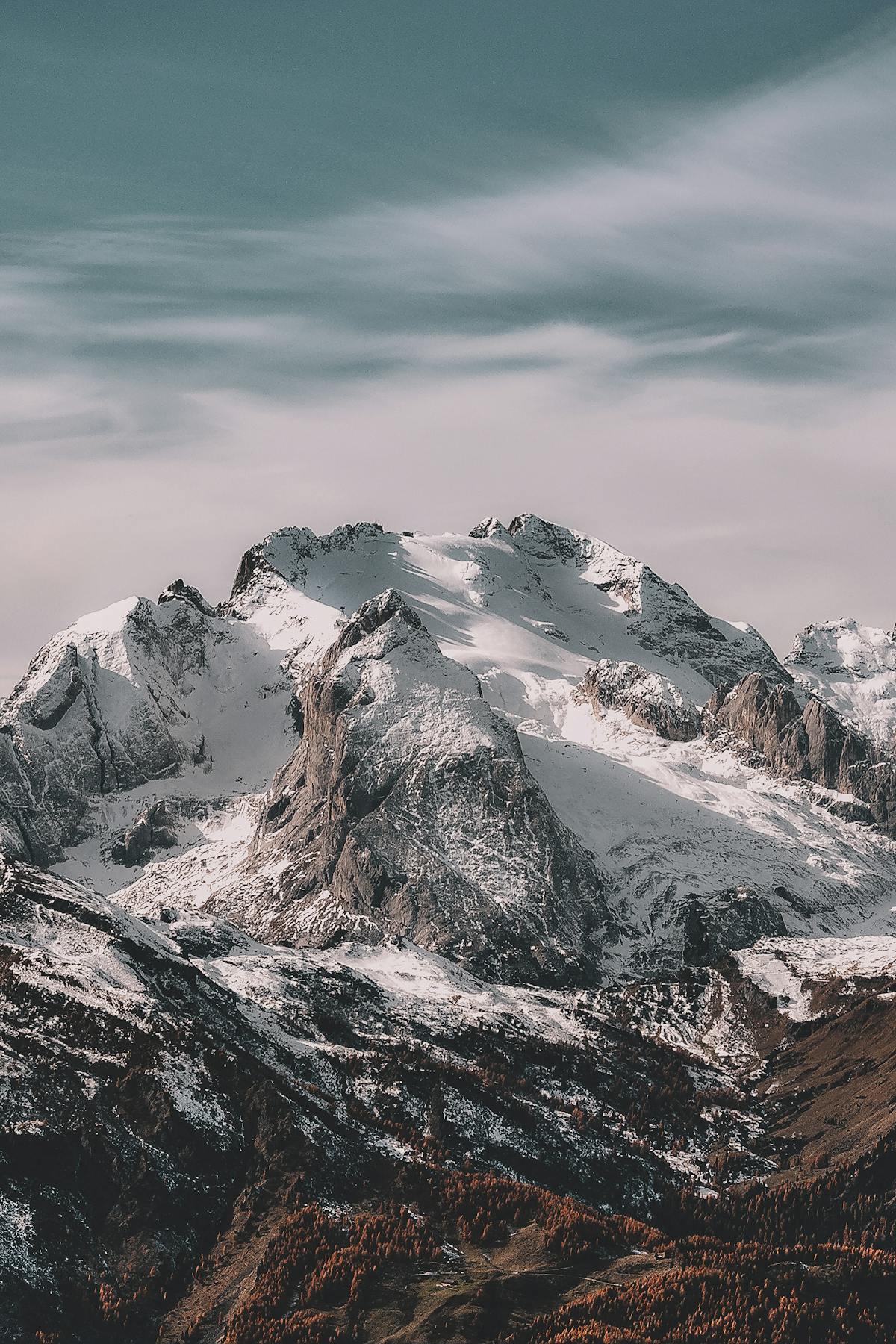
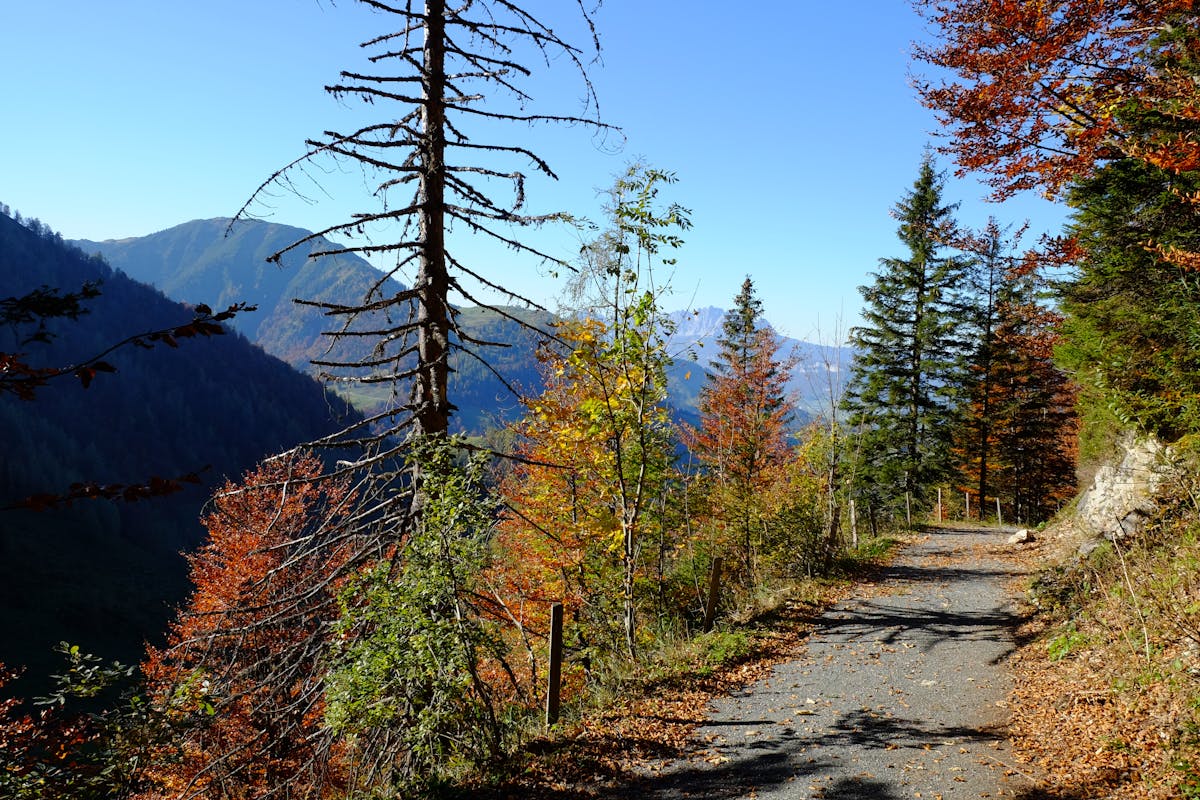
Morioka is a city of about 280,000 people, large enough to have a full Shinkansen station, department stores and an excellent restaurant scene, but small enough that you can cross the central area on foot in twenty minutes. Three rivers — the Kitakami, the Nakatsu and the Shizukuishi — slice through the city, lined with cherry trees that explode into pink in late April. Old merchant houses with thatched eaves stand a few blocks from boutique coffee roasters. Most of the cool things in Morioka are run by families who have been here for three or four generations.
The other reason Morioka is special is that it is the gateway to the rest of Iwate Prefecture, which contains some of Japan’s wildest landscapes — the rugged Sanriku Coast, the limestone caves of Ryusendo, the temples of UNESCO-listed Hiraizumi and the deep blue waters of Lake Towada. Using Morioka as a base for two or three nights gives you Tohoku in a way no other Japanese city does.
How to Get to Morioka
From Tokyo by Shinkansen
Morioka is one of the easiest “off the beaten path” destinations in Japan because the bullet train goes directly there. The Tohoku Shinkansen Hayabusa service runs from Tokyo Station to Morioka in roughly two hours and ten minutes — that is faster than most Tokyo airport transfers. Trains depart frequently from morning until late evening. A one-way reserved seat costs approximately ¥15,000 (about USD 100), though prices fluctuate by season and seat class.
If you hold a Japan Rail Pass, the Hayabusa service is fully covered, although you still need to make a seat reservation (which is free for pass holders). The Hayabusa is a fully reserved train, so you cannot just hop on — booking in advance is essential during cherry blossom season and Golden Week. For a deeper look at whether the pass makes sense for your itinerary, see our Japan Rail Pass guide and our complete Shinkansen guide for first-timers.
From Sendai and other Tohoku cities
From Sendai, the Tohoku capital and biggest city in the region, the Shinkansen reaches Morioka in about forty minutes (¥6,500, around USD 43). If you are doing a Tohoku loop — Sendai, Matsushima, Hiraizumi, Morioka, Aomori — this is a natural stop, and many travellers visit Hiraizumi as a day trip from Morioka rather than going the other way.
From Akita on the Sea of Japan coast, the Akita Shinkansen runs in just over two hours through dramatic mountain scenery (¥8,000). From Aomori in the north, the Tohoku Shinkansen reaches Morioka in about an hour (¥6,500).
By plane
Hanamaki Airport, about 45 minutes south of Morioka by airport bus, has domestic flights from Tokyo Haneda (Japan Airlines), Osaka Itami, Nagoya, Sapporo, Kobe and Fukuoka. Tickets from Tokyo start around ¥12,000 if booked in advance, but the Shinkansen is almost always more convenient because it deposits you in the city centre. Hanamaki also handles a small number of international flights, including seasonal routes to Taipei.
By night bus
Overnight buses from Tokyo’s Shinjuku Bus Terminal to Morioka Station take seven to eight hours and cost ¥5,500–¥10,000 depending on the operator and seat class. They are the cheapest option and arrive in Morioka around 6 a.m. — useful if you want to maximise time but tough on sleep. For a deeper look at saving money on transport, see our budget travel guide for Japan.
To stay connected on the train and once you arrive, sort out mobile data before leaving home: Get your Japan eSIM (Stay connected from day 1) →
Morioka’s Three Famous Noodles
If Morioka has a single defining food obsession, it is noodles. Not one kind of noodle but three completely different dishes, each so distinctive that they are collectively called the “three great noodles of Morioka” (Morioka no san-dai-men). A serious eater can knock out all three in a single day — and many visitors do exactly that, treating it as a low-stakes culinary pilgrimage.
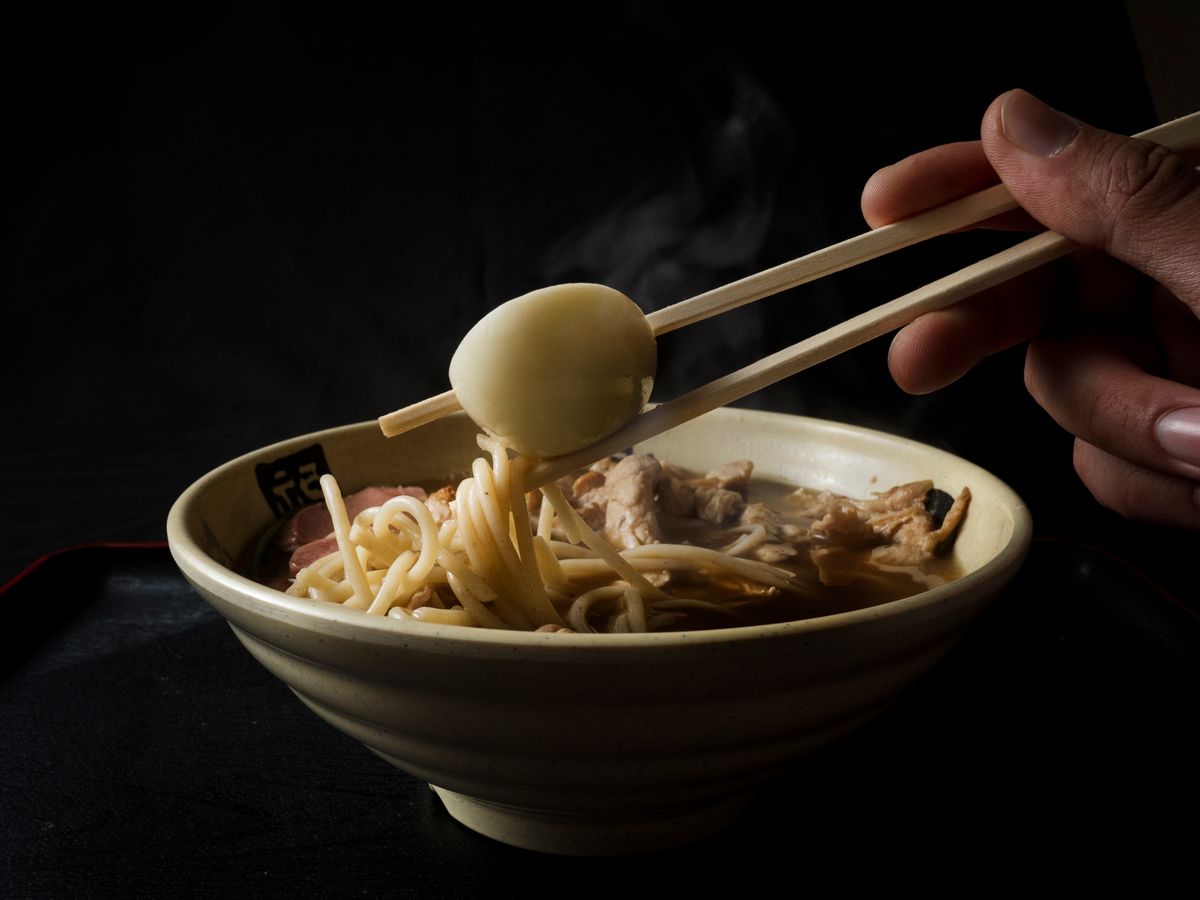
Morioka Reimen — Cold Spicy Noodles With Kimchi and Fruit
Reimen is the dish that put Morioka on the food map. It is a cold noodle dish with Korean roots, created in 1954 by Yang Yong-cheol, a North Korean immigrant who opened a restaurant called Shokudoen and adapted the cold Pyongyang-style naengmyeon for Japanese tastes. The result is a uniquely Morioka invention: chewy, almost translucent wheat-and-starch noodles served in a clear, ice-cold beef broth, topped with sliced beef brisket, half a boiled egg, cucumber, kimchi and — the surprise — a wedge of fresh fruit (usually watermelon, pear or apple) that cuts the spice.
The texture is the key. Morioka reimen noodles are kneaded by hand and pressed through a perforated cylinder directly into boiling water, producing a noodle that snaps cleanly between your teeth. Restaurants will ask you how spicy you want it — kara kunai (not spicy), futsu (normal), karaii (spicy), or geki kara (extra spicy). For first-timers, “futsu” is the safe choice. A bowl costs ¥900–¥1,300 (about USD 6–9).
Best places to try reimen: Pyongyang Reimen Shokudoen near the south exit of Morioka Station is the original; Yagyu near Iwate Park serves a slightly milder version often praised by locals; and Sennari, a few blocks from the station, is known for its especially clear broth.
Wanko Soba — The All-You-Can-Eat Buckwheat Marathon
Wanko soba is more theatre than meal. You sit at a low table while a kimono-clad waitress stands beside you holding a small wooden bowl of broth and a tray of single-bite portions of buckwheat noodles. As soon as you slurp one bowl empty, she shouts “Hai, jan-jan!” and tips another portion into your bowl. The challenge is to keep eating until you cannot anymore — and the only way to stop is to slam the lid onto your bowl before she can refill it.
The average diner finishes around 50 to 60 bowls (each is just a couple of mouthfuls). Wanko soba veterans push past 100. Restaurants display rankings of the top eaters, and several Morioka shops have hosted competitive eating champions who have cleared 400. The all-you-can-eat course typically costs ¥3,000–¥4,000 (USD 20–27) and comes with a printed certificate noting your final tally.
The two most famous wanko soba restaurants are Azumaya (Honten branch near Morioka Station, in operation since 1907) and Chokurian, near Iwate Park. Both have multiple branches and are tourist-friendly with English menus. Reservations are recommended on weekends and during cherry blossom season.
Jajamen — The Comfort Food Hybrid
Jajamen is the locals’ favourite — the dish Morioka residents eat when they want comfort. It was invented in the 1950s by a Japanese soldier who, after being repatriated from Manchuria, tried to recreate the Chinese zhajiangmian he had eaten there. He could not get the right ingredients, so he improvised: thick udon-like wheat noodles served at room temperature, topped with a salty miso-and-pork paste (niku-miso), shredded cucumber and green onion. You stir everything together yourself, season it with chilli oil, vinegar and grated ginger, and slurp it down.
The twist comes at the end. Before you finish, leave a little noodle and paste in the bowl, crack a raw egg into it, and call the waiter for “chitantan” — they pour hot broth into the bowl, transforming it into an egg-drop soup. Two dishes for the price of one. Jajamen is around ¥600–¥800 (USD 4–6).
The shrine of jajamen is Pairon, a no-frills shop in a basement near the Morioka Bus Centre that has been making the dish since 1953. Hot Jaja and Shirayuri are also locally beloved. For more on Japan’s regional noodle cultures, see our complete Japan ramen guide.
Best Things to See and Do in Morioka
Morioka Castle Ruins (Iwate Park)
The samurai lords of the Nanbu clan ruled this region from Morioka Castle for nearly 300 years until the Meiji Restoration in 1868, when the wooden castle keep was dismantled. What remains is something arguably more beautiful: massive moss-covered stone walls, deep moats, and a quiet park (Iwate-koen) at the centre of the city. The stones were cut from local granite and stacked without mortar — a style called nozura-zumi, which gives Morioka Castle a rougher, more rustic look than the iconic white-walled castles of central Japan.
The park is free, open all hours, and is at its loveliest during cherry blossom season in late April, when more than 200 sakura trees flower along the moats. In autumn (mid-October to early November), the maples turn deep red. Visit early in the morning to have the upper terraces almost to yourself — Morioka’s tourism rhythm is slow and most locals are at work, so even peak weeks rarely feel crowded.
The Sakuranbu and Iwate Bank Akarenga-kan
One of the city’s most photographed buildings is the Iwate Bank Red Brick Hall, completed in 1911 in elegant Meiji-era European style. The building still functions as a small museum (¥300 entry, open 10 a.m.–5 p.m.) where you can wander through the old banking hall, vault and second-floor exhibits about Morioka’s economic history. It is two minutes’ walk from Morioka Castle and a useful indoor break on a rainy day.
Sakurayama Shrine and the Splitting Rock
Right next to the castle ruins is Sakurayama Shrine, dedicated to the Nanbu lords. Behind the main hall sits Ishiwarizakura — the “rock-splitting cherry tree” — a 350-year-old wild cherry tree that has, over centuries, grown out of a crack in an enormous granite boulder, prying it apart. It is now a designated natural monument of Japan and one of the most photographed trees in Tohoku, especially during late April when it blossoms. The shrine itself is small, friendly and free to enter.
The Konyacho District — Morioka’s Edo-Era Streets
Just east of the castle, Konyacho is an old merchant district that has somehow survived Japan’s twentieth-century rebuilding waves. Wooden storefronts house tofu makers, soy sauce brewers, sake breweries, miso shops and traditional sweets stores that have been run by the same families for generations. The Goishu Brewery has been making sake here since 1816, and you can taste tiny cups for ¥200–¥300 each.
One of the absolute highlights is the Kogensha craft shop and café, located in a beautifully restored 1920s building. The shop sells folk crafts from across Tohoku — Nanbu cast iron teapots, lacquered chopsticks, hand-thrown pottery — and the café upstairs serves a small but excellent menu of local food on craft ceramics. It is the kind of place travellers come for ten minutes and stay an hour.
Nakatsugawa River and Cherry Blossom Trail
Walking along the Nakatsugawa River is the single best thing to do in Morioka if you only have a few hours. From Kaiun-bashi Bridge, you can follow the river upstream past the castle ruins and into a quiet residential neighbourhood where old fishermen sometimes cast for trout. Salmon (sake) actually swim up this river in autumn — a remarkable sight for a river running through the middle of a Japanese capital city.
Hashimoto Museum of Art
About fifteen minutes from the city centre by taxi, the Hashimoto Museum of Art is housed in a striking modernist building designed by Iwate-born artist Hashimoto Yaoji. The collection focuses on his own work alongside paintings of Iwate’s mountains, rivers and folk culture. Entry is ¥800 and the surrounding garden is worth lingering in. For first-timers who want a quiet, atmospheric stop, this is a gem.
Morioka Handi-Works Square
For a deeper dive into Iwate’s craft traditions, head to Morioka Handi-Works Square (also called Morioka Tezukuri Mura) on the western edge of the city. Inside the complex, 15 workshops let you try Nanbu cast iron casting, indigo dyeing, traditional doll painting, sembei (rice cracker) baking and even brewing sake. Most workshops cost ¥500–¥3,000 depending on the activity, and many are walk-in. It is one of the most hands-on experiences for first-time visitors who want to take home something they made themselves.
Mount Iwate and the Surrounding Landscape
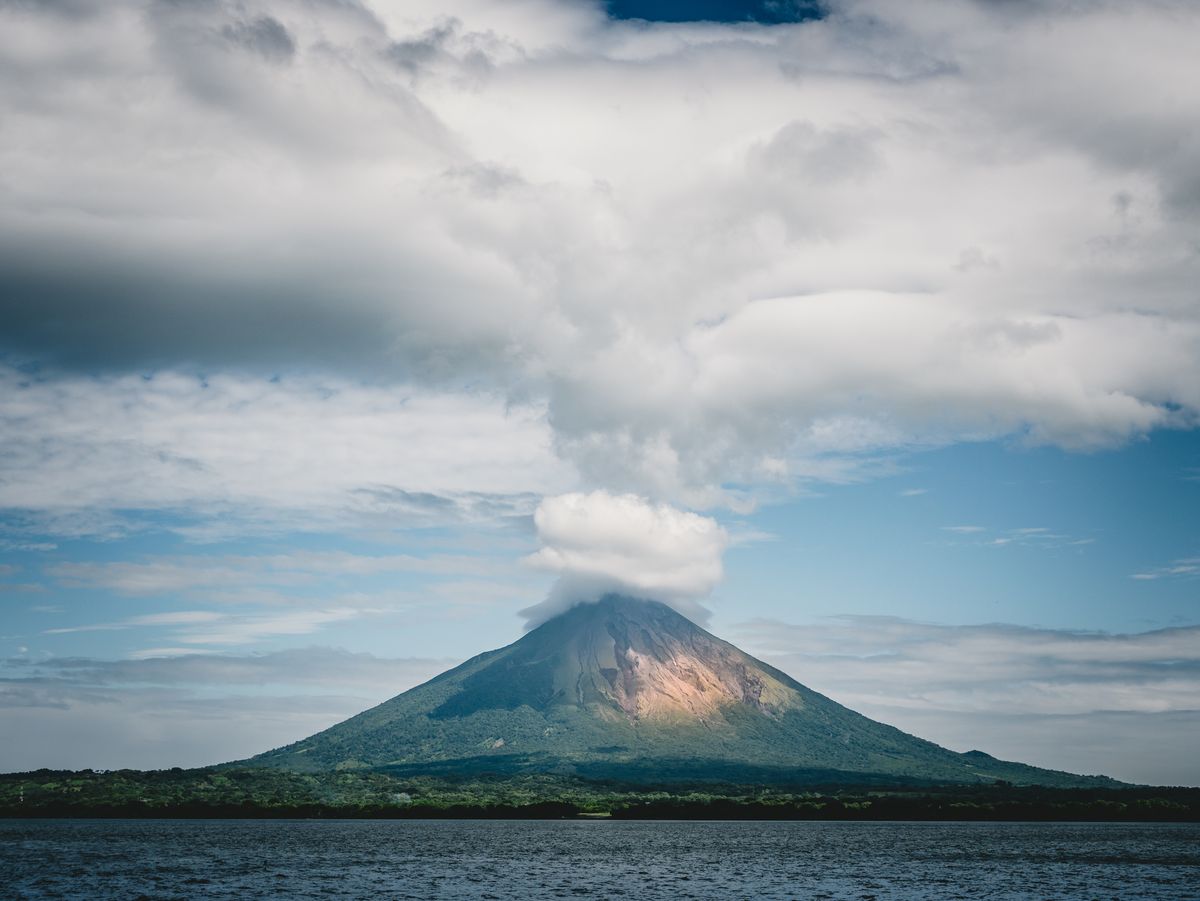
On a clear morning, Morioka sits at the foot of one of the most beautiful volcanic peaks in Japan: Mount Iwate, 2,038 metres tall, with a conical silhouette so similar to Mount Fuji that it is known as Nanbu Fuji. From almost any point along the river you will catch glimpses of it. The mountain is climbable from June to October via trails that begin at Yakehashiri or Amihari Onsen, both reachable by local bus from Morioka Station in about an hour. The full summit hike takes 6–8 hours and is moderately challenging, with the reward of unobstructed views across all of northern Tohoku.
For visitors who prefer a more relaxed introduction, the foothills around Amihari Onsen offer easier walking trails through birch forest and natural hot spring baths where you can soak with mountain views. A bus from Morioka Station takes about 50 minutes (¥1,400 each way).
Day Trips From Morioka
Hiraizumi — UNESCO World Heritage Temples
Just 35 minutes south of Morioka on the Tohoku Shinkansen (¥3,300 one way), Hiraizumi was once the political and cultural rival of Kyoto. In the late Heian period, the Northern Fujiwara clan built a Buddhist capital here that, at its peak, had a population of more than 100,000. Most of it was destroyed in war, but two temples survived: Chuson-ji, home of the gold-lacquered Konjikido (Golden Hall), and Motsu-ji, with its perfectly preserved Pure Land garden. Together they form one of Japan’s best one-day cultural experiences. For the full story, see our Hiraizumi guide.
Ryusendo Cave
Two hours from Morioka by bus, Ryusendo is one of Japan’s three great limestone caves. Visitors walk along illuminated paths past underground rivers and pools so clear they are sometimes called “dragon-blue”. Entry is ¥1,100 and the cave is a constant 10 °C year-round, so bring a jacket even in summer.
Tono — Folk Tales and Rural Japan
An hour east of Morioka by JR train (¥1,700), Tono is the setting of the Tono Monogatari, a 1910 collection of folk tales that introduced the world to kappa water spirits, oshira-sama mulberry-tree deities and the lonely lives of mountain farmers. The countryside around Tono still feels like a place where these stories could be true. Rent a bicycle at the station and pedal among thatched-roof farmhouses, ancient watermills and kappa-fuchi, a forested stream where, according to legend, a kappa still lives.
Lake Tazawa
The deepest lake in Japan (423 metres), Lake Tazawa is a 40-minute Akita Shinkansen ride west of Morioka (¥3,500). Its almost unnaturally blue water sits in a near-perfect circle ringed by mountains. The lake is beautiful in any season but especially in autumn, when the surrounding maples flare red and orange. Nyuto Onsen, one of the most atmospheric hot spring villages in Tohoku, sits just up the road. See our Nyuto Onsen guide for a complete walk-through.
Geibikei and Genbikei Gorges
Two strikingly different gorges sit about 90 minutes south of Morioka. Geibikei is a calm, narrow ravine where flat-bottomed boats are punted along by singing boatmen, while nearby Genbikei is a wild, rocky stretch of river famous for “flying dango” — sweet rice dumplings delivered by a basket on a zip wire from a hut on the opposite bank. Both make excellent half-day trips and pair well with a morning in Hiraizumi.
Where to Stay in Morioka
Morioka is small enough that staying anywhere in the central area is convenient. Most travellers base themselves either near Morioka Station (best for arriving and departing) or in the Odori / Iwate Park district (best for nightlife and walking access to the historic core). Hotel prices are dramatically lower than Tokyo or Kyoto — even on weekends and during cherry blossom season, you can find solid options for under ¥10,000 per night.
Luxury and Mid-range
Hotel Metropolitan Morioka, attached to Morioka Station, is the city’s most popular business-luxury option. Rooms start around ¥14,000 ($95) and include access to a top-floor lounge with city views. The Hotel Royal Morioka, a few minutes’ walk from the station, offers larger family rooms and an in-house onsen-style public bath. La Iris and Hotel Ace are reliable mid-range picks in the ¥8,000–¥12,000 range.
If you want a real splurge, head 25 minutes outside the city to Tsunagi Onsen, a hot spring district on the shores of Lake Gosho. Ryokans like Hotel Morinokaze Tsunagi serve elaborate Iwate kaiseki dinners and have open-air baths overlooking the water. Expect to pay ¥22,000–¥35,000 per person with two meals included.
Book your hotel on Agoda (Best prices guaranteed) →
Budget
Morioka has a growing hostel scene. Sansa Inn, Akari Hostel Morioka and Mossy Hostel offer dorm beds from ¥3,000 and private rooms from ¥6,000. Most are within ten minutes’ walk of the station, run by friendly young hosts and have shared kitchens. Several APA Hotels and Toyoko Inns in the city also offer functional private rooms in the ¥5,500–¥7,000 range — fine if you just want a clean bed near the station.
Search hotel deals on Yahoo! Travel →
Ryokan and traditional inns
For a deeper Japanese experience, a night at a ryokan in Tsunagi Onsen, Amihari Onsen or nearby Hanamaki Onsen is hard to beat. You sleep on a futon laid out on tatami, eat a multi-course dinner of Iwate seafood and mountain vegetables, and soak in a hot spring bath before bed. Our best ryokan in Japan guide explains how to book and what to expect.
Find luxury hotels on Ikyu.com →
Eating and Drinking Beyond Noodles
While the three noodles dominate the headlines, Morioka’s food scene goes much further. The cold mountain water and pristine rice fields of Iwate produce some of the country’s best sake, and breweries like Asabiraki, Nanbu Bijin and Iwate-no-Kura have tasting rooms within easy reach of the city. Iwate’s coastal areas yield superb seafood — wakame seaweed from Sanriku, abalone from Kuji, and oysters from Hirota Bay — much of which lands in Morioka’s restaurants within hours of being harvested.
Korean barbecue (yakiniku) is also unexpectedly excellent. Many Morioka yakiniku restaurants were founded by Korean families who fled the Korean War, and the city now claims the highest yakiniku-restaurant-per-capita rate in Japan. Don’t miss the local horumon (offal) cuts at restaurants like Tonsui or Yakiniku Mosamosa.
Coffee deserves its own paragraph. Morioka is genuinely one of the best small coffee cities in Asia. Nagasawa Coffee, Shokudo Cafe Marusen and Machimori roast their own beans, pull careful espressos and serve them in handmade Iwate ceramics. The cafés themselves — quiet, wood-panelled, lined with vinyl or books — feel like proof of the New York Times’ point: Morioka rewards slow afternoons.
Best Time to Visit Morioka
Spring (April–May): Cherry Blossoms
Morioka’s cherry blossoms peak in mid-to-late April, a couple of weeks after Tokyo and Kyoto. This staggered timing makes Morioka a useful add-on for travellers who arrive in Japan too late to catch sakura further south. The most beautiful viewing spots are the Nakatsugawa River, Iwate Park around the castle ruins, and the rock-splitting cherry at Sakurayama Shrine. Tickets and hotels rarely sell out the way they do in Kyoto.
Summer (June–August): Festivals
Summer in Morioka is warm (highs around 28 °C) but rarely brutal, especially compared to Tokyo’s humidity. The biggest event is the Sansa Odori Festival in early August, a four-night dance and drum parade that holds a Guinness World Record for the largest number of taiko drummers in one place. Dancers in colourful yukata fill the central streets, and visitors are encouraged to join in. The Chagu Chagu Umakko horse festival in June is another quirky highlight — hundreds of brightly decorated horses parade with their owners.
Autumn (October–November): Foliage
For many returning visitors, autumn is Morioka’s best season. The maples around Morioka Castle and along the Nakatsugawa turn brilliant red in late October. Day trips to Geibikei Gorge, Genbikei and the Hachimantai plateau become spectacular. Hotel prices stay reasonable, and the weather is crisp but comfortable. See our Japan autumn foliage guide for timing across the country.
Winter (December–March): Snow and Onsen
Morioka gets serious snow — a metre or more is common in January and February. The city stays functional, but it does mean bundling up. The reward is steaming hot spring baths in nearby Tsunagi and Amihari, snow-covered castle ruins, and a chance to ski at Geto Kogen or Appi Kogen, two of the best powder resorts in Tohoku. Roads to remote attractions like Ryusendo can occasionally close, so check ahead.
Practical Tips for Visiting Morioka
- Getting around the city: Most of central Morioka is walkable in 20 to 30 minutes. The Denden-mushi loop bus circles the main attractions every 10 minutes for a flat ¥120 per ride. A one-day pass costs ¥350.
- Cash vs card: Morioka is more cash-friendly than card-friendly, especially at small noodle shops and ryokans. Withdraw cash at 7-Eleven or Japan Post ATMs, both of which accept foreign cards. For more, see our Japan cash vs card guide.
- Language: English signage is limited outside the station area. Download Google Translate’s offline Japanese pack before arriving.
- Suica/Pasmo: Both IC cards work on local buses and the Morioka Castle area. They can also be used at most convenience stores and many smaller shops.
- Connectivity: Mobile coverage in the city is excellent; in the surrounding mountains it is spotty. A Japan eSIM gives you reliable data from arrival, with no need to swap physical SIMs. Get your Japan eSIM →
- Luggage: Coin lockers at Morioka Station fit suitcases up to medium size (¥600–¥800 per day). For day trips, leaving luggage at the hotel is usually easiest.
- Tipping: Not done in Japan. Round numbers on bills, no tip.
- Tours and experiences: Many craft workshops, sake tastings and food tours can be booked in advance.
- Airport transfer: If you are flying directly into Hanamaki Airport, pre-booking a shared transfer to your hotel is the smoothest option, especially with luggage. Book airport transfer with NearMe →
Sample Two-Day Morioka Itinerary
Day 1 — City Centre and Noodles
Morning: Arrive on the early Hayabusa from Tokyo, drop bags at the hotel, walk through Iwate Park and the Morioka Castle ruins. Pause for a coffee at Nagasawa Coffee. Lunch: jajamen at Pairon. Afternoon: explore the Konyacho district, visit Goishu Sake Brewery and Kogensha, then cross the river to the Iwate Bank Red Brick Hall. Evening: dinner of reimen at Shokudoen, followed by a sake tasting at Asabiraki.
Day 2 — Day Trip + Wanko Soba Finale
Take the early Shinkansen to Hiraizumi (35 minutes). Spend the morning at Chuson-ji, with lunch at one of the temple-area noodle shops. Optional afternoon side trip to Geibikei Gorge for a boat ride. Return to Morioka by late afternoon. Dinner: tackle wanko soba at Azumaya. Try to clear 50 bowls.
For first-time visitors building a longer Japan itinerary, see our two-week Japan itinerary for ideas on how to pair Morioka with the rest of the country.
Morioka and the Wider Japan Trip
Morioka works beautifully as either a two-night stand-alone trip from Tokyo, or as a stop on a longer Tohoku loop combining Sendai, Matsushima, Hiraizumi, Lake Towada and Aomori. It also makes a logical bridge if you are travelling from Tokyo up to Hokkaido by Shinkansen — splitting the journey with a night or two in Morioka turns a long travel day into a memorable one. For full destination ideas, browse our destinations page and our hidden gems in Japan roundup.
Frequently Asked Questions
Is Morioka worth visiting for first-time visitors to Japan?
Yes — particularly if you are spending two weeks or more in Japan and want to escape the crowds of Tokyo, Kyoto and Osaka. Morioka offers a complete, authentic Japanese city experience: castle ruins, distinct local cuisine, samurai history, traditional crafts and easy access to Iwate’s mountains and coast. It is also one of the easiest off-the-beaten-path destinations because the Shinkansen drops you in the centre. If you have less than ten days, Morioka may be a stretch, but for longer trips it is highly recommended.
How many days do I need in Morioka?
Two nights (with effectively two full days) is the sweet spot. Day one for the city itself, day two for a day trip — usually Hiraizumi or Ryusendo. Three nights lets you add Lake Tazawa, Tono or an onsen stay. A single night is doable for a quick taste but feels rushed.
Is Morioka expensive?
Morioka is significantly cheaper than Tokyo or Kyoto. Mid-range hotel rooms cost ¥7,000–¥12,000 per night, noodle meals are ¥600–¥1,500, taxis start at around ¥700, and museum admission is usually under ¥800. A frugal traveller can do Morioka on ¥7,000–¥9,000 per day; a comfortable mid-range budget is ¥15,000–¥20,000.
What language do people speak in Morioka, and is English spoken?
Japanese is the primary language. Tourist information centres, the larger hotels, the Shinkansen station and a handful of restaurants near major sights have English staff or signage. Outside those areas, communication is mostly gesture-and-translation-app. Locals are exceptionally patient and friendly, and a few words of Japanese (“konnichiwa”, “arigatou gozaimasu”, “kore wo kudasai”) go a long way.
Can I do Morioka as a day trip from Tokyo?
Technically yes — the Shinkansen runs in two hours and ten minutes each way — but you would only have about six hours on the ground, which is enough for one noodle dish and a quick castle walk but not for the city’s slower pleasures. An overnight stay is strongly recommended.
What is the best food souvenir to bring home from Morioka?
Nanbu senbei (lightly salted rice crackers), Iwate-brewed sake (Nanbu Bijin and Asabiraki ship internationally), and Nanbu cast iron items, especially small teapots (tetsubin), which are prized by tea drinkers worldwide. Most can be bought at Morioka Station’s souvenir hall or at Kogensha in the Konyacho district.
Do I need to book wanko soba in advance?
On weekdays usually not. On weekends, holidays, during the cherry blossom or autumn foliage seasons, yes — Azumaya and Chokurian fill up fast. A reservation can be made by phone (the hotel front desk can call for you) or, in some cases, through the OMAKASE or TableCheck apps.
Is Morioka safe for solo travellers?
Extremely. Morioka is consistently ranked among the safest cities in Japan, with negligible street crime even late at night. Solo female travellers, in particular, report feeling more comfortable here than in larger Japanese cities. For more on solo travel basics, see our Japan travel tips for first-timers.
Final Thoughts
Morioka is not the kind of place that screams for your attention. There is no single must-see attraction, no Instagram landmark, no festival you have to plan a year ahead for. What it offers is something rarer: a complete, lived-in Japanese city of mountains, rivers and noodle shops where you can spend several days slipping into a quieter version of Japan. The samurai walls keep their secrets, the cherry trees keep their schedule, and the locals — proud but never showy — keep doing exactly what they have always done. Two hours from Tokyo on a bullet train, you can find a different country, and it is one of the great underrated joys of travelling in Japan. Pack a jacket, charge your eSIM, book a hotel, and come hungry.
Related Tohoku Travel Guides
Explore more of Tohoku with these related guides: Hiraizumi’s golden UNESCO temples, Tono, Japan’s folklore capital, Kakunodate’s samurai district, the Oirase Gorge in Aomori, and Nyuto Onsen in Akita.
Going to Japan? Talk to locals with confidence.
Hirameki Japanese — instant offline translation, camera translation, furigana + romaji, and 314 free flashcards. No login. Works without internet.

Plan your Japan trip
Two things every first-timer should book
Some links are affiliate links. If you book through them we may earn a small commission at no extra cost to you.