Tucked into the quiet hills of southern Iwate, the small town of Hiraizumi once rivaled Kyoto as a center of wealth, art and Buddhist devotion. For about a hundred years during the Heian period, the Northern Fujiwara clan poured the region’s gold into building a “Pure Land” on earth — a network of temples and gardens designed to recreate the Buddhist paradise. Most of those buildings are gone now, lost to fire and war, but what remains is so remarkable that UNESCO inscribed Hiraizumi as a World Heritage Site in 2011. For first-time visitors to Japan who want to step beyond Tokyo and Kyoto into the calmer, greener heart of the Tohoku region, Hiraizumi is one of the most rewarding day trips or overnight stays you can make.
This guide walks you through everything a first-timer needs: the history that makes these temples so moving, exactly what to see at Chuson-ji and Motsu-ji, how to get there on the Shinkansen, when to visit for autumn colors or summer green, where to stay, what to eat, and a set of practical tips and frequently asked questions to make your trip smooth. You will not need to be a Buddhist scholar or a history buff to enjoy Hiraizumi — but understanding a little of its story turns a pretty temple visit into something genuinely unforgettable.
Why Visit Hiraizumi?
Japan has thousands of temples, so why make the trip north to this one small town? The answer is that Hiraizumi offers something most famous temple towns cannot: a sense of quiet, a deep historical story, and a UNESCO-level concentration of treasures without the crowds of Kyoto or Nikko. On a weekday in spring or autumn you can stand in front of one of Japan’s national treasures with only a handful of other people beside you.
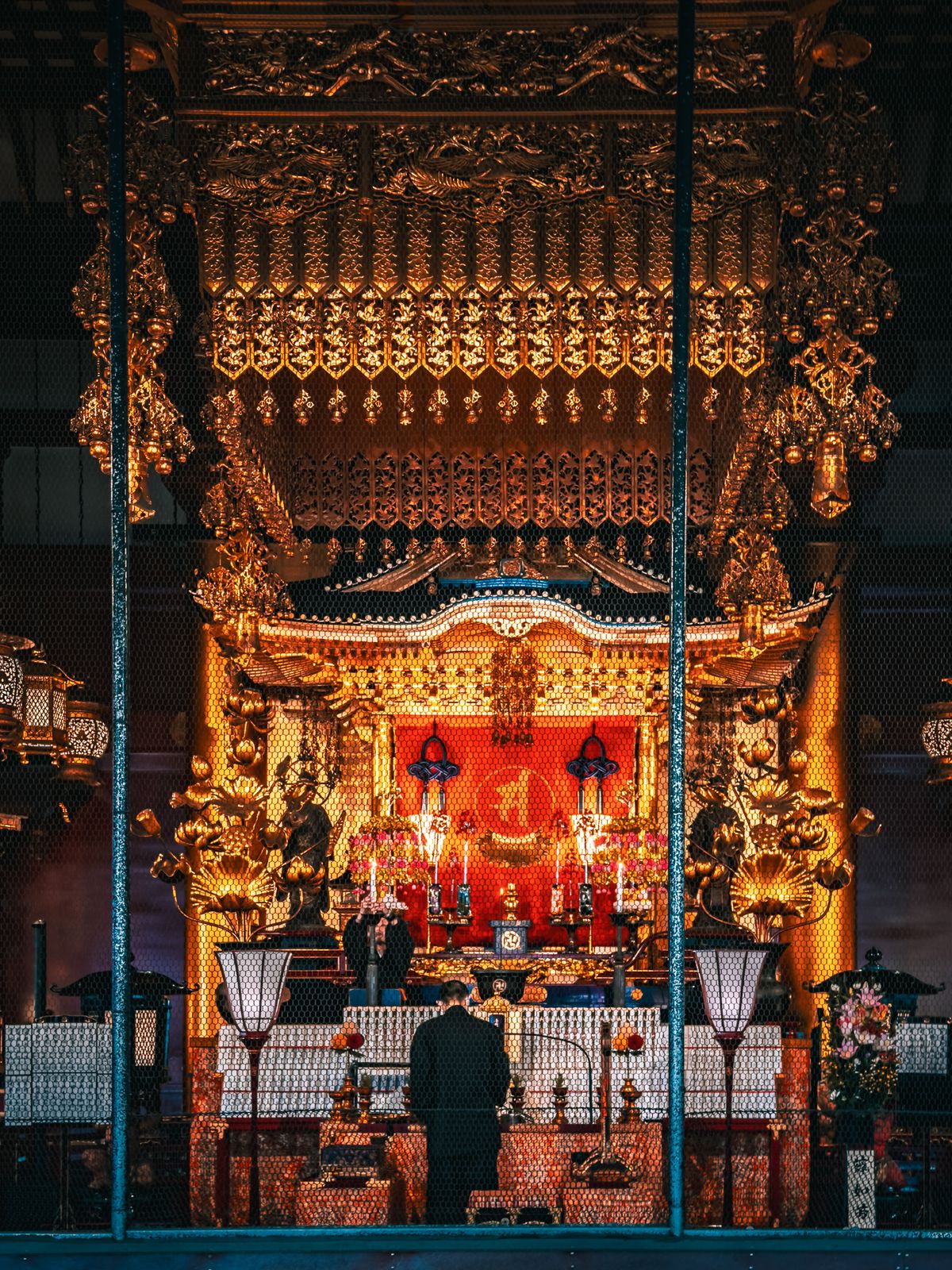
The headline attraction is the Konjikido, or Golden Hall, at Chuson-ji temple — a small building entirely covered inside and out in gold leaf, inlaid with mother-of-pearl and decorated with imported African ivory and South Asian woodwork. It has survived almost intact since 1124, which makes it one of the oldest and most precious wooden structures in all of Japan. Seeing it in person, protected inside a modern concrete hall, is a quietly astonishing experience.
Beyond the gold, Hiraizumi is a place of gardens and walking. Motsu-ji preserves one of the finest “Pure Land gardens” in the country, designed so that a stroll around its pond mirrors a journey toward enlightenment. The whole town is compact, walkable and surrounded by green hills, making it a peaceful counterpoint to the neon and bustle of Japan’s big cities. For travelers building a route through the Tohoku region, it pairs naturally with nearby Morioka, Matsushima and the hot-spring towns of the north. You can find more northern itineraries on our destinations hub.
A Brief History: The Golden Age of the Northern Fujiwara
To understand why Hiraizumi matters, it helps to know who built it. In the late 11th and 12th centuries, a regional dynasty called the Oshu Fujiwara (the Northern Fujiwara) controlled the far north of Honshu. Their power rested on something the rest of Japan envied: gold. The mountains of Tohoku held rich gold deposits, and the Fujiwara used that wealth to make Hiraizumi a glittering capital that, at its peak, may have been the second-largest city in Japan after Kyoto.
The first lord, Fujiwara no Kiyohira, had lived through brutal wars that killed much of his family. Haunted by that violence, he set out to build a realm guided by Buddhist ideals of peace, where the souls of all who died in battle — friend and enemy, human and animal alike — could find rest. Chuson-ji and its Golden Hall were the heart of that vision. His successors, Motohira and Hidehira, expanded the project, adding Motsu-ji and other temple complexes laid out to embody the Buddhist Pure Land.
The dynasty’s fall is one of the most famous tragedies in Japanese history. The warrior Minamoto no Yoshitsune, fleeing his jealous brother, took refuge in Hiraizumi under Hidehira’s protection. After Hidehira’s death, his son Yasuhira betrayed Yoshitsune and forced him to take his own life — only to be destroyed himself a few months later when the great shogun Minamoto no Yoritomo marched north and crushed the Fujiwara in 1189. Within a single year, the golden city lost its protector and its rulers. Centuries later, the famous poet Matsuo Basho stood among the ruins and wept, writing one of the most quoted haiku in Japanese literature about how the summer grasses were all that remained of warriors’ dreams. That sense of glory faded into grass still hangs gently over Hiraizumi today.
Understanding the “Pure Land”: What Makes Hiraizumi Unique
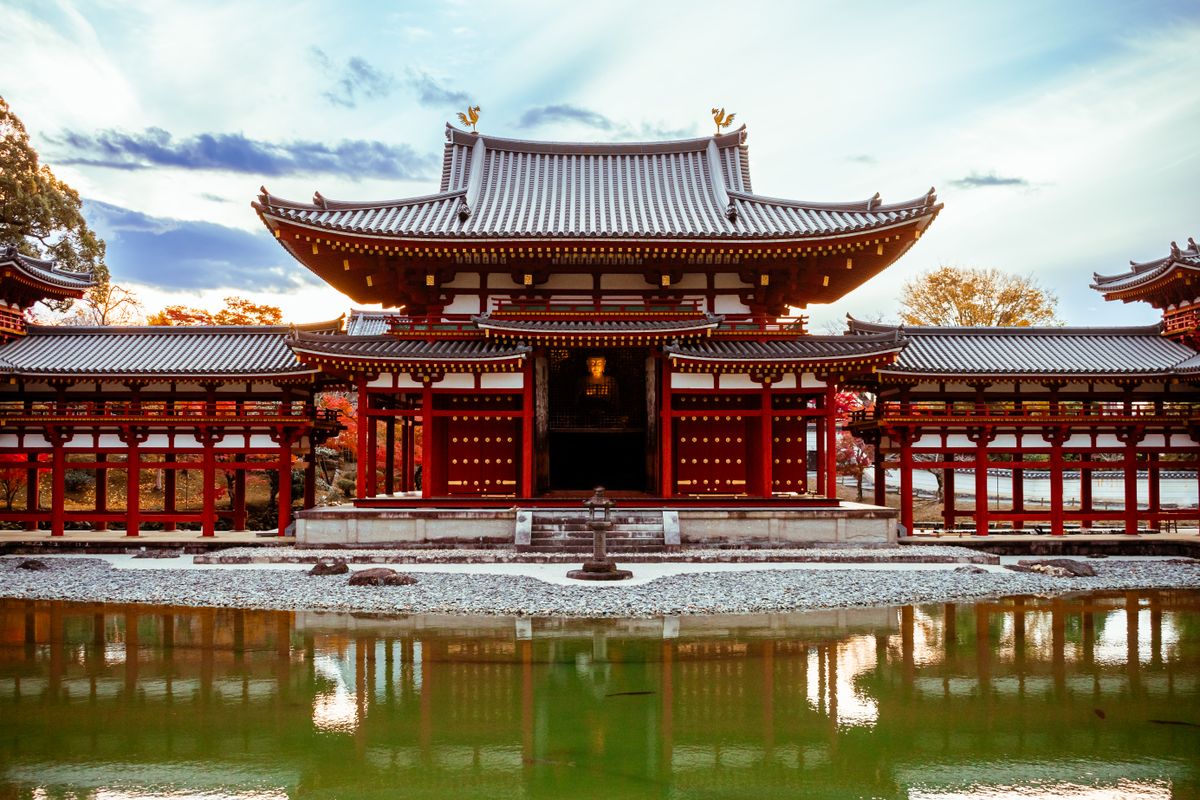
To appreciate why Hiraizumi looks and feels the way it does, it helps to understand the religious idea behind it. The temples and gardens here were built according to the principles of Pure Land Buddhism, a strand of Buddhism that became enormously popular in Heian-period Japan. Its central promise was comforting and accessible: by sincere faith in the Buddha Amida, ordinary people — not just monks — could be reborn after death in a paradise called the Pure Land, free from suffering. In an age torn by war and instability, this was a powerful and hopeful message.
The Fujiwara lords did not just believe in this paradise; they tried to build a physical model of it on earth. That is the key to understanding what UNESCO recognized at Hiraizumi. The combination of temples, ponds, islands and carefully composed landscapes was designed to represent the Pure Land in this world, so that visitors could glimpse paradise while still alive. The Golden Hall, glittering with gold to evoke Amida’s radiant realm, and the Motsu-ji garden, laid out so a walk around the pond becomes a spiritual journey, are both expressions of the same vision. Hiraizumi is, in effect, the most complete surviving example anywhere of this Pure Land planning — a townscape conceived as heaven made visible. Knowing this transforms the experience: you are not just looking at old buildings, but at a 900-year-old attempt to make a paradise you could walk through.
Chuson-ji Temple and the Golden Hall (Konjikido)
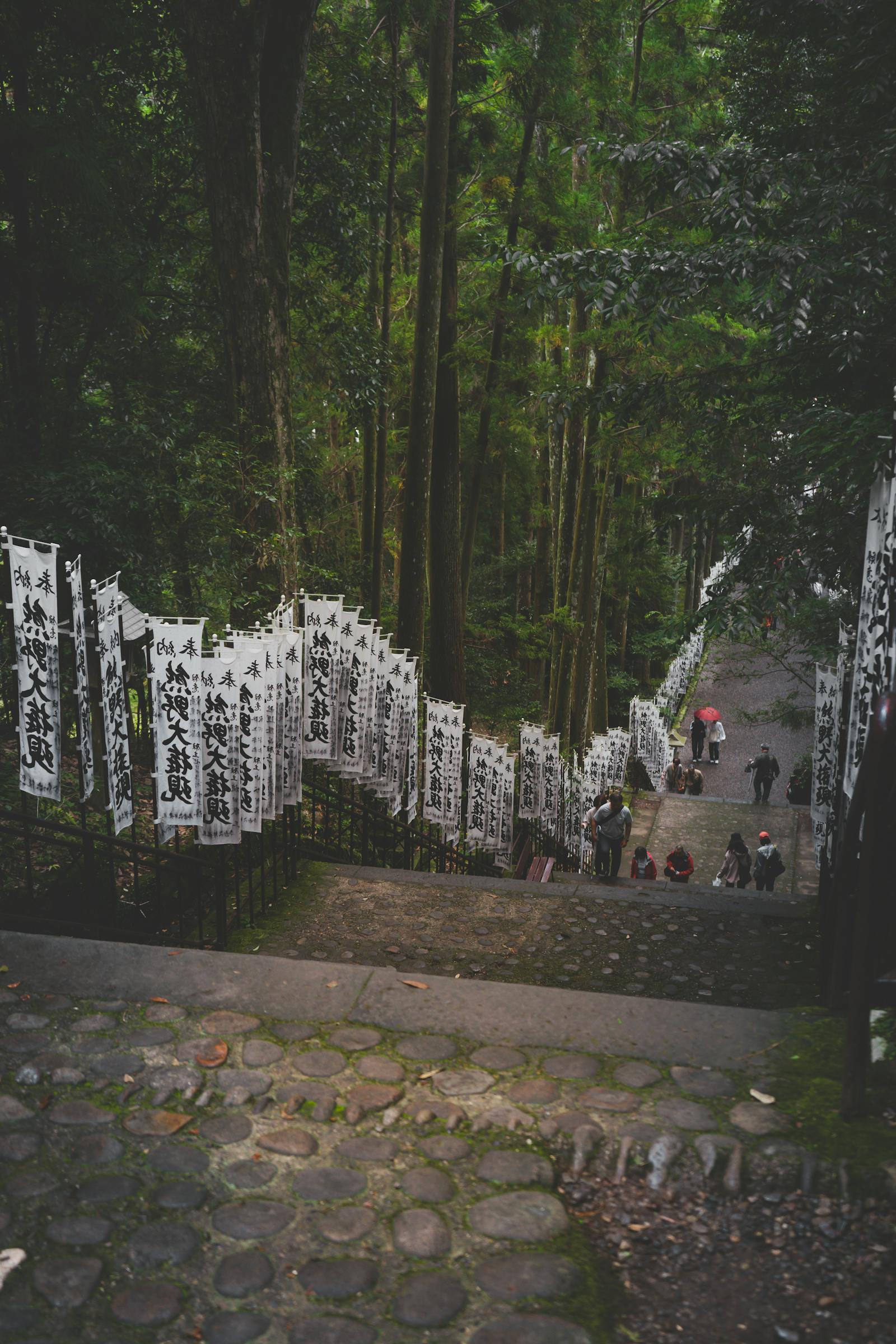
Chuson-ji is the must-see site of Hiraizumi, and most visitors start here. The temple complex sits on a wooded hillside, and the approach is part of the experience: a steep, cedar-lined path called the Tsukimizaka (“moon-viewing slope”) climbs for about 800 meters past a series of smaller sub-temples before reaching the main grounds. Take your time on the walk — the towering old cedars, some centuries old, give the whole place a hushed, sacred atmosphere, especially in morning mist or autumn light.
At the top you reach the Konjikido, the Golden Hall, completed in 1124. From the outside today you see a modern protective building (built in 1965) that shelters the original structure from weather. Inside, behind glass, the Golden Hall glows: every surface covered in gold leaf, its altars holding rows of Buddhist statues, the pillars inlaid with mother-of-pearl and decorated with materials traded from as far away as Africa and Southeast Asia. Beneath the three altars lie the mummified remains of the first three Fujiwara lords, making the hall both a work of art and a mausoleum. Photography is not allowed inside, which only adds to the feeling that you are seeing something rare and protected.
Also on the grounds is the Sankozo, the temple museum, which displays thousands of National Treasures and Important Cultural Properties: Buddhist statues, sutras written in gold and silver ink on indigo paper, and artifacts recovered from the Golden Hall. The Kyozo (sutra repository) and the old covered hall that once protected the Konjikido are nearby, along with a small Noh theater stage where performances are still held on certain summer evenings.
Admission and hours: Entry to the Konjikido and Sankozo costs around ¥1,000 (roughly US$7) for adults as a combined ticket. The grounds are generally open from about 8:30 a.m. to 5:00 p.m. (closing around 4:30 p.m. in winter). Budget at least 90 minutes to two hours here, more if you linger in the museum or walk slowly up the cedar path.
Motsu-ji Temple and the Pure Land Garden
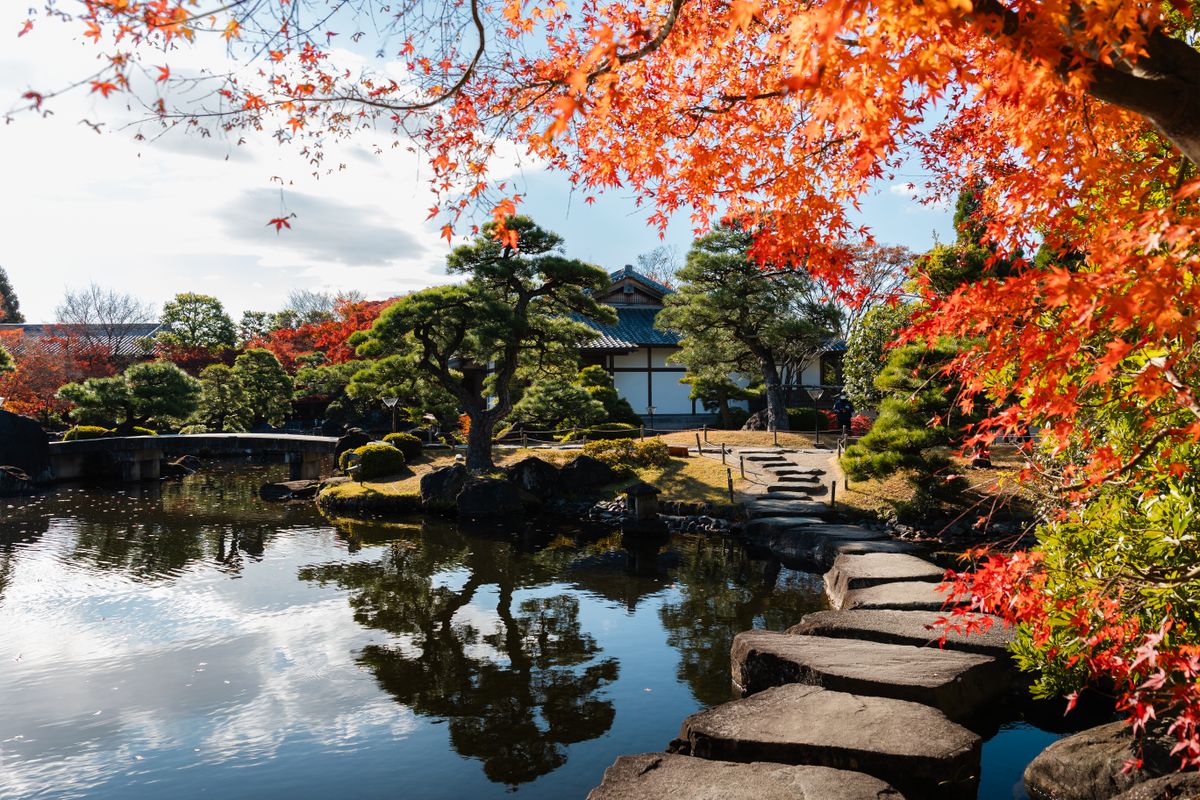
If Chuson-ji is about gold and devotion, Motsu-ji is about serenity and space. Founded in the 9th century and rebuilt by the Fujiwara, Motsu-ji once held a vast complex of halls, almost all of which burned down centuries ago. What survives is its garden — and it is extraordinary. The Jodo-teien, or Pure Land Garden, is centered on a large pond called the Oizumi-ga-ike, designed in the Heian style to represent the Buddhist paradise. Strolling the path around the water, with islands, carefully placed stones and a recreated stream where poetry games were once held, is meant to be a meditative journey.
Because so few Heian-period gardens survive anywhere in Japan, Motsu-ji’s is considered one of the most important and best-preserved examples in the country. It changes beautifully with the seasons: irises and lotus in summer, fiery maples in autumn, snow-dusted stillness in winter. In late June the temple holds an iris festival when thousands of irises bloom around the grounds, and in late spring it stages an elegant recreation of the ancient “floating cup” poetry ceremony along the garden stream.
Admission and hours: Entry to Motsu-ji is around ¥700 (about US$5) for adults, with the garden and a small museum open roughly 8:30 a.m. to 5:00 p.m. Motsu-ji is about a 10-minute walk from Hiraizumi Station, or one stop on the local loop bus, making it easy to combine with Chuson-ji in a single day. Allow about an hour to walk the garden at an unhurried pace.
Other Sites: Takkoku no Iwaya, Geibikei Gorge and More
Hiraizumi rewards travelers who stay a little longer. A few worthwhile additional sites round out the UNESCO core:
Takkoku no Iwaya Bishamondo: A dramatic temple hall built directly into a cliff face, founded according to legend more than a thousand years ago to celebrate a military victory. The wooden structure clinging to the rock is unusual and photogenic, and it sits a short bus ride or bicycle trip from the town center. Nearby is a large Buddha image carved into the cliff itself.
Muryoko-in Ruins and Kanjizaio-in Ruins: These are the foundations of grand Pure Land temple-gardens that no longer stand, now peaceful grassy parks with ponds that still trace the original Heian designs. They are part of the UNESCO inscription and offer a quiet, contemplative walk — exactly the “summer grasses” landscape that moved Basho.
Mount Kinkeisan: A small conical hill at the heart of Hiraizumi, long considered sacred. A short climb gives you a gentle viewpoint over the town and its temple sites.
Geibikei Gorge: A short train ride from Hiraizumi (toward Ichinoseki and beyond), this scenic river gorge offers a famous flat-bottomed boat ride where the boatman poles you upstream between towering cliffs while singing a traditional folk song. It is a lovely half-day add-on, especially in autumn. Do not confuse it with the similarly named Genbikei Gorge, another pretty river spot nearby known for its rapids and for a “flying dango” rope that delivers sweet dumplings across the water.
Takadachi Gikeido and the Legend of Yoshitsune
No visit to Hiraizumi is complete without understanding the story of Minamoto no Yoshitsune, one of the most beloved and tragic heroes in Japanese history — and Hiraizumi was the stage for his final act. Yoshitsune was a brilliant young general who won the decisive battles that brought his elder half-brother Yoritomo to power. But Yoritomo grew suspicious and jealous of his popular younger sibling, and Yoshitsune was forced to flee for his life across Japan. He found sanctuary in Hiraizumi under the protection of Fujiwara no Hidehira, who admired him.
When Hidehira died, his son Yasuhira buckled under pressure from Yoritomo and turned on the man his father had sworn to protect. In 1189, surrounded at his Hiraizumi residence, Yoshitsune took his own life along with his family. His loyal retainer, the warrior-monk Benkei, is said to have died standing upright, pierced by countless arrows while guarding the gate — an image so powerful that “Benkei’s standing death” became a Japanese idiom. The small hilltop hall called Takadachi Gikeido, built in the 17th century to honor Yoshitsune, marks the spot traditionally associated with his death and offers a lovely view over the Kitakami River below.
It was here, standing among the grassy ruins of the Fujiwara’s fallen glory and remembering Yoshitsune, that the poet Matsuo Basho composed his famous lines on his 1689 journey recorded in The Narrow Road to the Deep North. The sense that great ambitions and heroic dreams all fade into quiet grass is the emotional heart of Hiraizumi, and visiting Takadachi Gikeido brings that feeling to life. For travelers who love history and literature, this small, easily missed hall is one of the most moving stops in town.
How to Get to Hiraizumi
Hiraizumi is far easier to reach than its remote, peaceful feel suggests — the Tohoku Shinkansen has made it a comfortable day trip even from Tokyo.
From Tokyo: Take the Tohoku Shinkansen (the Hayabusa or Yamabiko services) from Tokyo Station to Ichinoseki Station. The fastest Hayabusa trains reach Ichinoseki in about two hours and ten minutes. From Ichinoseki, transfer to the local JR Tohoku Main Line for the short eight-minute ride to Hiraizumi Station. A one-way trip costs roughly ¥14,000–15,000 (about US$95–100) for a reserved seat. If you are planning to ride the Shinkansen several times, it is well worth reading our complete guide to the Shinkansen before you go to understand seats, luggage and ticket types.
From Sendai: If you are already in the Tohoku region, Hiraizumi is an easy hop. The Shinkansen from Sendai to Ichinoseki takes about 30–40 minutes, followed by the local transfer to Hiraizumi. This makes Hiraizumi a very doable day trip from Sendai, with time to see both main temples.
By local train: Budget travelers can reach Hiraizumi entirely on local JR lines without the Shinkansen, which is far cheaper but much slower. The local train along the Tohoku Main Line stops directly at Hiraizumi Station.
Rail passes: If you hold a Japan Rail Pass or a regional JR East pass that covers the Tohoku Shinkansen, the trip to Hiraizumi is fully included, making it almost free to add on. This is one reason Hiraizumi fits so neatly into a wider rail-based Tohoku trip.
Getting Around Hiraizumi
Hiraizumi itself is tiny, and once you arrive everything is close together. You have three easy options:
On foot: Motsu-ji is about a 10-minute walk from Hiraizumi Station, and Chuson-ji is roughly 20–25 minutes on foot. Walking between the two and back is entirely manageable for most visitors and lets you soak up the rural scenery.
Loop bus: A convenient “Runrun” sightseeing loop bus circles the main sites — the station, Motsu-ji, Chuson-ji and other stops — for a small flat fare per ride, with a cheap all-day pass available. It runs frequently enough to be useful, especially in summer heat or winter cold.
Rental bicycle: In the warmer months, renting a bicycle near the station is a popular and pleasant way to get around. The town is flat and compact, and a bike makes it easy to reach the more distant sites like Takkoku no Iwaya at your own pace.
When to Visit: Best Season for Hiraizumi
Hiraizumi is beautiful year-round, but each season offers something different.
Autumn (late October to mid-November): This is arguably the finest time to visit. The cedar path at Chuson-ji and the maples around Motsu-ji’s pond turn brilliant red and gold, and the cooler air is perfect for walking. Autumn is the most popular season, so weekends can be busier, but it is still far calmer than Kyoto in foliage season. See our first-timer travel tips for advice on traveling Japan during peak foliage and avoiding crowds.
Summer (June to August): Lush and green, with the Motsu-ji iris festival in late June and lotus blooms on the pond. Tohoku summers are milder than Tokyo’s, though still warm and sometimes humid. Summer is also when special Noh performances are held by firelight at Chuson-ji.
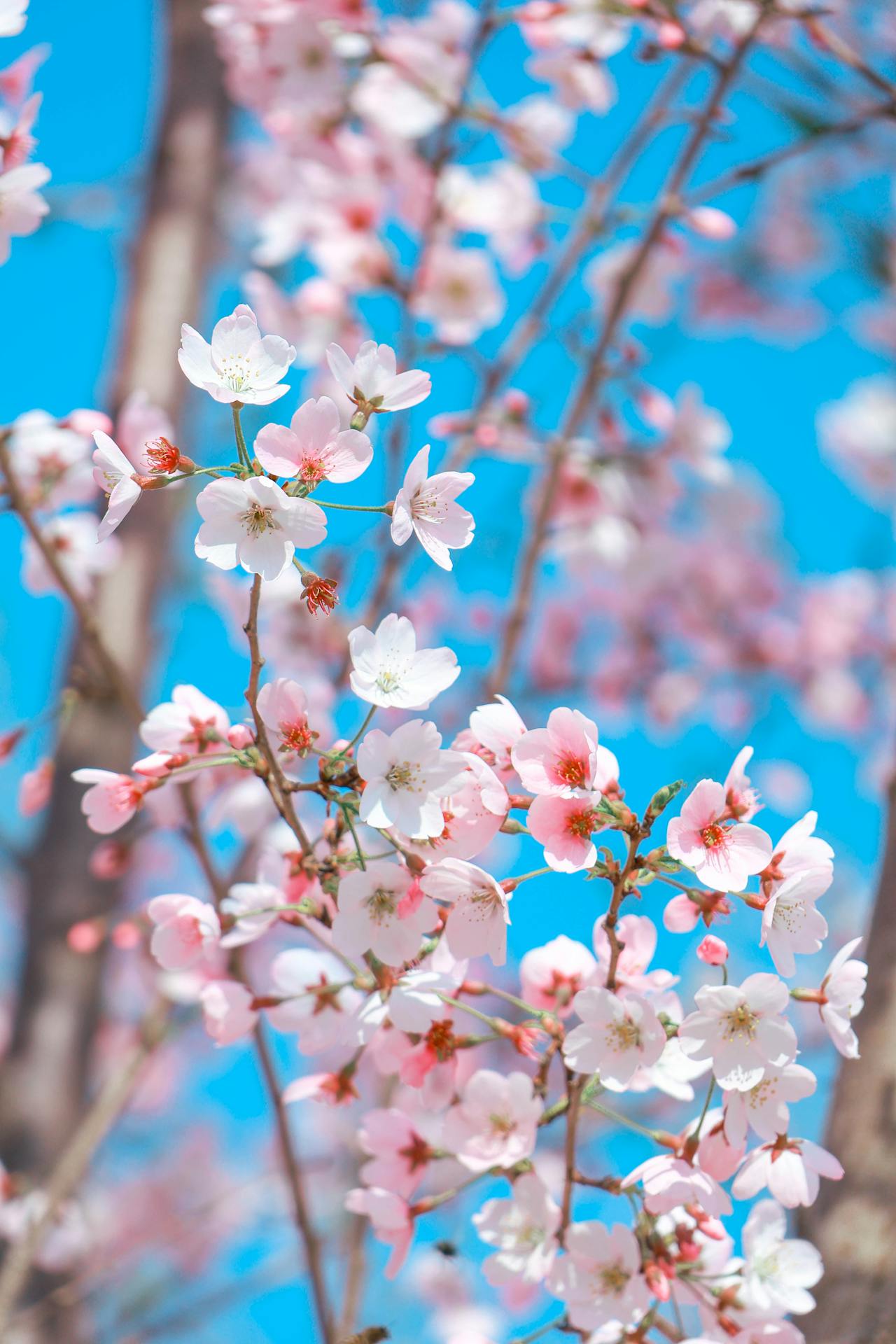
Spring (April to May): Cherry blossoms arrive later in the north than in Tokyo, often in mid to late April, and the fresh green of new leaves is lovely. Spring also brings the elegant Fujiwara Spring Festival, a major event with a costumed historical procession.
Winter (December to February): Quiet, cold and often snowy. A dusting of snow on the Golden Hall’s protective building and the silent garden at Motsu-ji has a stark, meditative beauty — but dress warmly and check that buses are running on a normal schedule.
Where to Stay Near Hiraizumi
Many travelers visit Hiraizumi as a day trip, but staying overnight in the area lets you experience the temples in the early morning calm before the day-trippers arrive — and gives you time for the surrounding hot springs and gorges.
In Ichinoseki: The nearby city of Ichinoseki, just a few minutes away by train, has the widest choice of business hotels and is the most convenient base, with easy Shinkansen access. It is practical, affordable and well connected.
Hot-spring ryokan: For a more memorable stay, look toward the onsen areas around Ichinoseki and Hiraizumi, where traditional inns offer tatami rooms, hot-spring baths and multi-course local dinners. Staying in a ryokan is one of the great pleasures of traveling in Tohoku.
It is worth comparing options and booking ahead, especially in autumn foliage season when rooms fill quickly. You can browse and compare hotels and ryokan in the Hiraizumi and Ichinoseki area on Agoda, which tends to have strong coverage and frequent deals for regional Japan. Booking your accommodation early also locks in better rates and saves you scrambling on arrival.
What to Eat in Hiraizumi
Tohoku has a hearty, distinctive food culture, and Hiraizumi has a few specialties worth seeking out.
Wanko soba: A famous Iwate tradition (especially around nearby Morioka and Ichinoseki) in which a server keeps refilling your bowl with small portions of buckwheat noodles, one after another, until you signal you are full by closing the lid. It is part meal, part friendly challenge, and a fun, social way to eat.
Mochi cuisine: The Ichinoseki and Hiraizumi area is renowned for its mochi (pounded rice cake) culture, with dozens of traditional ways of serving it — sweet with red bean paste or walnut sauce, savory with vegetables, or in soups. A mochi set meal lets you sample many varieties on one tray.
Local soba and seasonal vegetables: Small restaurants near the temples serve fresh handmade soba and mountain vegetable dishes. After climbing the cedar path at Chuson-ji, a warm bowl of soba is exactly what you will want.
Sweets and tea: Tea houses around the temple grounds offer matcha and local sweets — a pleasant way to rest and take in the garden views.
How Much Does a Hiraizumi Trip Cost?
One of the pleasant surprises of Hiraizumi is how affordable it is compared with Japan’s marquee destinations. Here is a rough breakdown for a first-time visitor, in yen with approximate US dollar equivalents.
Transport: The biggest single cost is usually the Shinkansen. A one-way reserved seat from Tokyo to Ichinoseki runs about ¥14,000–15,000 (US$95–100), so a round trip is roughly ¥28,000–30,000 (US$190–200). If you hold a Japan Rail Pass or a JR East regional pass, this is effectively free, which dramatically changes the math. From Sendai the round-trip Shinkansen fare is far lower, around ¥5,000–6,000 (US$35–40) total.
Temple admissions: Chuson-ji’s combined Golden Hall and museum ticket is about ¥1,000 (US$7), and Motsu-ji is about ¥700 (US$5). Even adding a couple of minor sites, you are unlikely to spend more than ¥2,500 (US$17) on entry fees for a full day.
Local transport: The loop-bus day pass is only a few hundred yen, and bicycle rental is similarly cheap. Many visitors simply walk.
Food: A bowl of soba or a mochi set lunch costs roughly ¥1,000–1,800 (US$7–12). A wanko soba experience or a fuller meal runs ¥2,000–3,500 (US$14–24).
Accommodation: A business hotel in Ichinoseki typically costs ¥7,000–12,000 (US$48–82) per night, while a hot-spring ryokan with dinner and breakfast included ranges from about ¥15,000 to ¥30,000 (US$100–205) per person depending on quality and season. Comparing options in advance on Agoda helps you find the right balance of price and comfort, especially in autumn when good rooms book out fast.
All told, a day trip from Sendai with admissions and lunch can be done comfortably for under ¥12,000 (US$82) per person, while a more leisurely overnight trip with a ryokan stay naturally costs more. Either way, Hiraizumi delivers extraordinary value for a UNESCO World Heritage experience.
Souvenirs and Shopping in Hiraizumi
Hiraizumi’s shops reflect its golden heritage and its rural setting. Around the temple grounds and near the station you will find a handful of gift shops worth a browse. Popular souvenirs include items decorated with gold leaf, echoing the Konjikido — everything from lacquerware and chopsticks to small gilded ornaments. Local sweets are another good choice, particularly mochi-based treats and confections flavored with regional ingredients, beautifully packaged for gift-giving. You will also find Buddhist goods such as protective amulets and beautifully printed sutra-copying sets sold at the temples themselves. Because Tohoku is known for high-quality crafts, keep an eye out for locally made textiles, ironware from the wider Iwate region (the area is famous for cast-iron Nambu tekki kettles and bells), and seasonal produce. Buying directly from the small shops near the temples is a nice way to support the local community.
Suggested Itineraries
Half-day (the essentials): Arrive at Hiraizumi Station mid-morning, walk or take the loop bus to Chuson-ji, climb the cedar path and see the Golden Hall and museum (about two hours), then head to Motsu-ji for the Pure Land Garden (about an hour). Grab a bowl of soba or a mochi set near the station before catching your train back. This is enough to cover the two UNESCO highlights.
Full day: Do everything above at a relaxed pace, then add the Muryoko-in ruins and a climb of little Mount Kinkeisan, or take the train to Geibikei Gorge for the scenic boat ride in the afternoon. Finish with a leisurely dinner of wanko soba in Ichinoseki.
Two days (with onsen): Spend day one on the temples and gardens at an unhurried pace, then stay overnight in a hot-spring ryokan near Ichinoseki. On day two, visit Takkoku no Iwaya, Geibikei or Genbikei Gorge, and soak in the onsen before moving on to your next Tohoku stop — Morioka, Matsushima or the coast. This is the ideal way to experience Hiraizumi without rushing.
Practical Tips for Visiting Hiraizumi
- Start early. Chuson-ji is most magical in the morning, when mist hangs in the cedars and the first light hits the path. You will also beat the tour groups that arrive by late morning.
- Wear comfortable shoes. The cedar path to the Golden Hall is a real uphill walk on uneven stone, and you will do a lot of strolling between sites.
- Bring cash. Smaller temple shops, tea houses and the loop bus may not accept cards. Have some yen on hand, and read our advice on paying for things in Japan before you go.
- Buy a loop-bus day pass if you plan to hit several sites — it quickly pays for itself and saves fumbling for coins.
- Combine with the Shinkansen. Because Ichinoseki is a Shinkansen stop, Hiraizumi slots neatly into a larger Tohoku rail itinerary.
- Respect temple etiquette. Speak quietly, do not photograph inside the Golden Hall, and follow signs about where you may and may not walk.
- Check seasonal hours. Closing times are earlier in winter, and some festivals or Noh performances need advance planning.
- Dress for the weather. Tohoku is cooler than Tokyo year-round and genuinely cold and snowy in winter; layers are your friend.
Staying Connected in Rural Tohoku
Hiraizumi is rural, and while the temples and station have decent coverage, you will want reliable mobile data for maps, train times and translation as you move around the Tohoku countryside. The easiest solution for most first-time visitors is an eSIM you set up before you even land — no hunting for a SIM card at the airport, no swapping tiny chips. You can activate a Japan travel eSIM in minutes through this Japan & Global eSIM service, which keeps you online for navigation and translation throughout your trip. Having data is especially handy here for checking the loop-bus timetable and looking up train connections at Ichinoseki.
Exploring More of Tohoku
Frequently Asked Questions
Is Hiraizumi worth visiting for first-time travelers to Japan?
Yes, if you have time beyond the standard Tokyo–Kyoto route. Hiraizumi offers a UNESCO World Heritage Site of real historical and artistic importance, with far fewer crowds than the famous temple cities. It pairs especially well with a Tohoku rail trip. If your visit is short and focused only on the major cities, you may not be able to fit it in — but if you want a quieter, deeper slice of Japan, it is absolutely worth the detour.
Can I visit Hiraizumi as a day trip from Tokyo?
It is possible but long. The Shinkansen reaches Ichinoseki in about two hours and ten minutes, plus the short local hop to Hiraizumi, so a determined day-tripper could leave Tokyo in the morning, see both main temples, and return at night. It makes for a full day with a lot of travel. Hiraizumi is much more comfortable as a day trip from Sendai, or as an overnight stay combined with other Tohoku sights.
How much time do I need in Hiraizumi?
To see the two UNESCO highlights — Chuson-ji with the Golden Hall, and Motsu-ji with its Pure Land Garden — allow about half a day, roughly three to four hours of sightseeing. A full day lets you add the ruins, Mount Kinkeisan and a scenic gorge boat ride. Two days, with an onsen stay, is ideal if you want to slow down and explore the wider area.
What is the best time of year to visit Hiraizumi?
Autumn (late October to mid-November) is the most spectacular, when the cedars and maples turn red and gold. Summer is lush and green with the Motsu-ji iris festival in late June, spring brings later-blooming cherry blossoms and the Fujiwara Spring Festival, and winter offers a quiet, snow-dusted beauty. Any season works; autumn is simply the showstopper.
Do I need to book tickets in advance for the temples?
No. You buy admission tickets on arrival at Chuson-ji and Motsu-ji, and there is rarely a wait. What is worth booking ahead is your Shinkansen reserved seat and, in busy seasons, your accommodation. The temples themselves are walk-up.
Is Hiraizumi accessible for visitors who prefer not to walk uphill?
The cedar path up to the Golden Hall at Chuson-ji is a genuine uphill climb on stone, which some visitors find tiring. The loop bus drops you reasonably close to the main grounds, and Motsu-ji’s garden is largely flat and easy. If mobility is a concern, focus on Motsu-ji and use the bus, and take the Chuson-ji climb slowly with rest stops along the way.
Can I combine Hiraizumi with other Tohoku destinations easily?
Absolutely, and you should. Because Ichinoseki is a Tohoku Shinkansen stop, Hiraizumi sits on the main rail spine of the region, making it simple to link with Sendai and Matsushima to the south or Morioka and the deeper north. A popular route is to base in Sendai, day-trip to both Matsushima and Hiraizumi, then continue north to Morioka and the hot springs of Akita and Iwate. With a rail pass covering the Tohoku Shinkansen, adding Hiraizumi to such an itinerary costs almost nothing extra in transport.
What should I not miss if I only have a couple of hours?
If time is very tight, prioritize the Konjikido Golden Hall at Chuson-ji — it is the single most important sight and the reason Hiraizumi is world-famous. If you can squeeze in one more thing, make it the Pure Land Garden at Motsu-ji, which is close to the station and quick to walk. Those two together capture the essence of Hiraizumi: gold and garden, devotion and serenity.
Is Hiraizumi suitable for families with children?
Yes. The grounds are spacious and outdoors, the cedar path and gardens give kids room to walk, and the boat ride at nearby Geibikei Gorge is a hit with children. There is a fair amount of walking, so plan for breaks, but the relaxed pace and open spaces make Hiraizumi an easy and pleasant stop for families compared with crowded city sightseeing.
Is English signage available?
Yes, the major sites have English signs and explanatory panels, and the main temples provide some English-language information. As with much of rural Japan, having a translation app and offline maps on your phone makes everything smoother, which is another reason to set up mobile data before you arrive.
Final Thoughts
Hiraizumi is a place that rewards a slower kind of travel. It does not overwhelm you with size or spectacle; instead it draws you in with gold that has survived nine centuries, gardens designed to feel like paradise, and the gentle melancholy of a once-great city now wrapped in summer grass. For first-time visitors willing to venture north of the usual route, it offers a window into a Japan that is quieter, greener and steeped in history — and a reminder that some of the country’s greatest treasures are found well away from the crowds. Pair it with the Shinkansen, give yourself time to walk, and let Hiraizumi work its quiet magic.
🗾 Planning your trip? Get our free 7-Day Japan Itinerary (PDF)
Day-by-day Tokyo → Kyoto → Osaka plan with real prices and essential phrases — sent straight to your inbox.
Going to Japan? Talk to locals with confidence.
Hirameki Japanese — instant offline translation, camera translation, furigana + romaji, and 314 free flashcards. No login. Works without internet.

Plan your Japan trip
Two things every first-timer should book
Some links are affiliate links. If you book through them we may earn a small commission at no extra cost to you.