Hiraizumi is one of Japan’s most surprising hidden treasures. Tucked away in the quiet hills of Iwate Prefecture in northern Tohoku, this small town once rivalled Kyoto as the cultural and political heart of medieval Japan. Today, four of its ancient sites are inscribed on UNESCO’s World Heritage list — yet international visitors remain remarkably rare, which means you can wander through 900-year-old gardens, gilded Buddhist halls, and forest temple ruins with almost no crowds. For first-time travellers willing to step a little off the Tokyo–Kyoto–Osaka triangle, Hiraizumi delivers a deeply rewarding day or overnight trip.
This complete guide explains exactly how to visit Hiraizumi from Tokyo (yes, it’s an easy day trip on the Shinkansen), what to see at each UNESCO site, how to get around, where to eat regional Iwate cuisine, where to sleep, and the small cultural rituals that will help you enjoy temples respectfully. Prices are listed in Japanese yen and approximate US dollars (¥150 ≈ $1), with current 2026 figures wherever possible.
Why Hiraizumi Matters: A Five-Minute History
To understand why a small town of barely 7,000 residents holds World Heritage status, you need a quick history lesson. In the late 11th and 12th centuries, three generations of the Northern Fujiwara clan ruled a vast territory across northern Honshu from Hiraizumi. They grew immensely wealthy from gold mining and trade, and they used that fortune to build a Buddhist paradise on earth — quite literally. The Fujiwara lords were devout followers of Pure Land Buddhism, which teaches that the faithful are reborn into a celestial “Pure Land” of perfect beauty after death. Their grand project at Hiraizumi was to recreate that paradise here in the mortal world.
For roughly 100 years, Hiraizumi was the cultural rival of Kyoto. Temples were covered in gold leaf, gardens were laid out as physical maps of Buddhist cosmology, and craftsmen from across Japan came north to work on the lords’ projects. The poet Matsuo Basho wandered through the ruined site in 1689 and wrote one of the most famous haiku in Japanese literature — a lament that “summer grasses” were all that remained of the warriors’ dreams. Centuries of war, fire, and time had stripped most of the town away.
What survives today is remarkable. Two original temple structures, two extraordinary gardens, and an entire sacred mountain remain — enough that UNESCO inscribed the area as a World Heritage Site in 2011 under the title “Hiraizumi – Temples, Gardens and Archaeological Sites Representing the Buddhist Pure Land.” The official designation includes five separate places: Chuson-ji Temple, Motsu-ji Temple, Kanjizaio-in Ruins, Muryoko-in Ruins, and Mount Kinkeisan. Most visitors focus on the first two, which are easy to combine in a single day.
How to Get to Hiraizumi from Tokyo
The good news for first-time visitors: Hiraizumi is genuinely easy to reach. The town sits on the JR Tohoku Shinkansen line, the bullet train route that runs from Tokyo up the eastern spine of Honshu. Travel times below assume departure from Tokyo Station.
By Shinkansen (Recommended)
The fastest option is the Tohoku Shinkansen Hayabusa or Yamabiko train from Tokyo Station to Ichinoseki Station, then a short local train ride to Hiraizumi Station.
- Tokyo → Ichinoseki: About 2 hours 10 minutes on the Hayabusa, or 2 hours 30 minutes on the Yamabiko
- Ichinoseki → Hiraizumi: 8 minutes on the local JR Tohoku Main Line, runs roughly every 30 minutes
- One-way fare: ¥13,640 (~$91) for a non-reserved seat from Tokyo to Ichinoseki
- Round trip: ¥27,280 (~$182)
If you have a Japan Rail Pass, both the Hayabusa and Yamabiko are fully covered, as is the local train onward to Hiraizumi. A 7-day JR Pass currently costs ¥50,000 (~$333), so even just one round trip to Hiraizumi plus a Tokyo–Kyoto round trip easily justifies the pass. For a deeper comparison of options, see our guide to whether the Japan Rail Pass is worth it in 2026, and our complete Japan Shinkansen guide for booking tips.
By Highway Bus (Budget Option)
Overnight buses run from Tokyo to Ichinoseki and take 8–9 hours, with one-way fares from about ¥6,500 (~$43). This is significantly cheaper, but most travellers prefer the speed and comfort of the Shinkansen unless they are very tight on budget.
From Sendai (For Tohoku Travellers)
If you are already exploring the Tohoku region, Hiraizumi is just 35 minutes from Sendai by Shinkansen plus 8 minutes on the local line — making it an extremely easy half-day or day trip from Sendai. The one-way Shinkansen fare from Sendai to Ichinoseki is around ¥3,500 (~$23).
Getting Around Hiraizumi
Hiraizumi itself is small. The two main UNESCO sites — Chuson-ji and Motsu-ji — are about 2 kilometres apart, with the train station roughly in between. You have three good options for getting around.
Run-Run Bus (loop bus): The most useful option for visitors. A small loop bus called “Run-Run” departs from Hiraizumi Station and stops at all major sites including Chuson-ji, Motsu-ji, the Takadachi Gikei-do, and the Heritage Museum. Tickets are ¥160 (~$1) per ride, or ¥450 (~$3) for an unlimited 1-day pass — buy from the driver. Buses run roughly every 15–30 minutes from about 9:30 a.m. to 4:30 p.m.
Rental bicycle: Several shops near the station rent bikes for around ¥500–700 (~$3–5) per hour or ¥1,500 (~$10) per day. Hiraizumi is largely flat between the major sites, making this a pleasant option in spring, summer, and autumn. Skip the bike if snow or rain is forecast.
On foot: Walking is doable but takes time. Station to Motsu-ji is about 10 minutes; station to the base of Chuson-ji is about 25 minutes. Add 15–20 more minutes to walk up the temple’s main avenue.
Chuson-ji Temple: The Golden Hall
Chuson-ji is Hiraizumi’s most famous destination and the absolute must-see of any visit. The temple was founded in 850 and dramatically expanded by the first Fujiwara lord, Kiyohira, beginning in 1105. Of the dozens of structures that once filled the mountain, only two original buildings remain — but one of them, the Konjiki-do or “Golden Hall,” is among the most extraordinary structures in Japan.
The Approach: Tsukimi-zaka
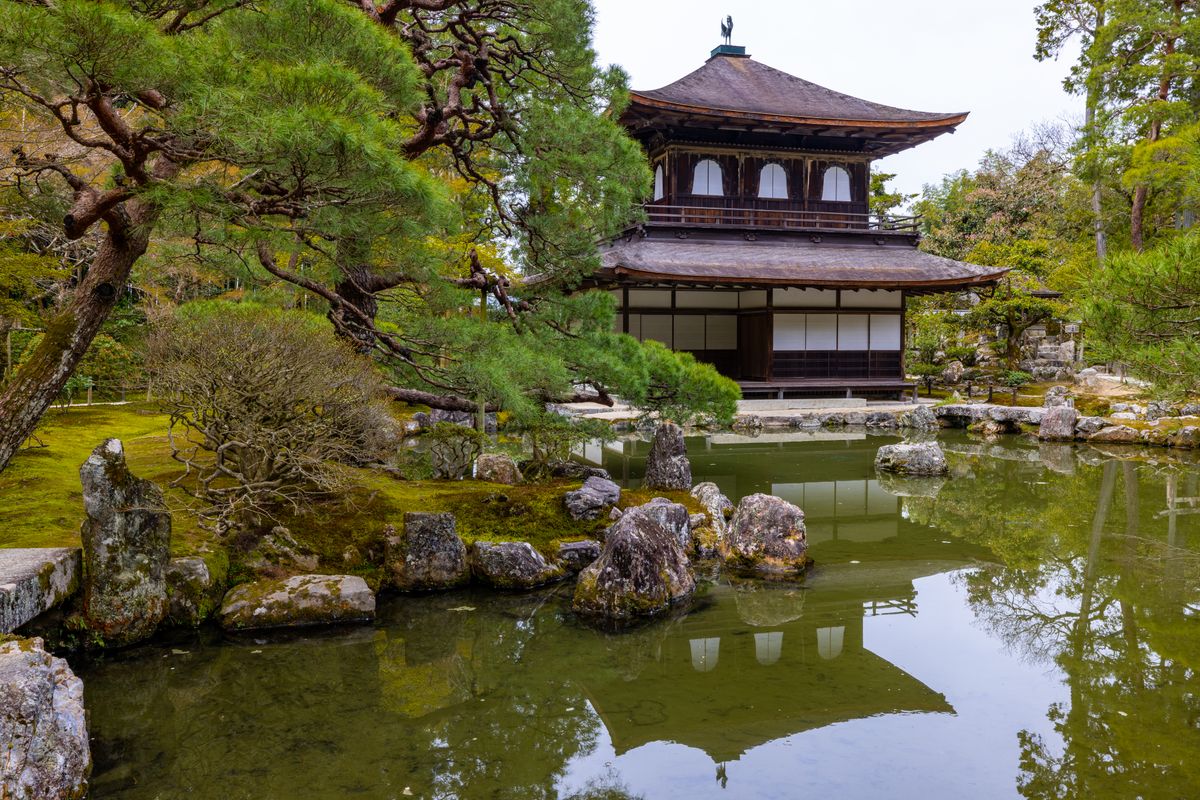
The visit begins at the foot of the mountain, where a long stone-paved slope known as Tsukimi-zaka (“Moon-Viewing Slope”) climbs gently uphill for about 800 metres. Towering cedar trees, some over 300 years old, line the path. Small subsidiary temples — Hondo, Benkei-do, Jikido — appear in clearings along the way, and several have their own modest entry fees. Take your time: this approach is one of the most beautiful temple paths in Japan and is half the experience.
The Konjiki-do (Golden Hall)
Near the top of the path you’ll reach the entrance to the Konjiki-do area, which also includes the temple’s small but excellent museum. A combined ticket of ¥1,000 (~$7) for adults grants access to both the Golden Hall and the Sankozo Treasure Hall.
Built in 1124, the Konjiki-do is one of just two original 12th-century Pure Land halls left in Japan. The entire structure — inside and out — was covered in gold leaf, inlaid with mother-of-pearl, decorated with lacquer, and adorned with imported tropical hardwoods. Today it is enclosed inside a larger protective concrete hall and viewed through a glass wall, but the effect is still startling: a dazzling, jewel-box reliquary glowing in the dim light. Three large altars house seated images of Amida Buddha flanked by attendant bodhisattvas, all in gold. Beneath the altars are the mummified remains of the three Fujiwara lords plus the head of the fourth — making the Konjiki-do simultaneously a chapel, a treasure box, and a mausoleum.
Photography is not allowed inside the protective hall. Plan to spend at least 20–30 minutes simply looking. There is a printed English-language audio guide for an additional fee, which is genuinely worthwhile because the symbolism is rich and largely invisible without explanation.
Sankozo Treasure Hall
Adjacent to the Konjiki-do, the Sankozo Treasure Hall houses many of the temple’s most important relics — including original Buddhist sculptures from the Fujiwara era, sutra rolls, paintings, and ritual objects. The display labels include English. Allow 30–45 minutes here. Together, the Golden Hall and the museum are an outstanding crash course in 12th-century Japanese Buddhist art.
Other Halls Worth Visiting
If time allows, explore some of the smaller halls along Tsukimi-zaka. The Hondo (main hall) is rebuilt in modern times but is the active centre of worship. The Benkei-do commemorates the warrior-monk Benkei, who, according to legend, died defending his master Yoshitsune nearby. The Kyozo sutra repository is one of just two surviving original structures — humble in appearance compared with the Golden Hall, but historically priceless.
Practical Information for Chuson-ji
- Hours: 8:30 a.m. – 5:00 p.m. (March–November), 8:30 a.m. – 4:30 p.m. (December–February)
- Admission: ¥1,000 adults, ¥500 high school, ¥300 junior high, ¥200 elementary
- Best time of day: Arrive at opening or after 3:00 p.m. to avoid Japanese tour buses
- Time needed: 2–3 hours to do it justice
- Photography: Forbidden inside Konjiki-do; allowed elsewhere
Motsu-ji Temple: The Pure Land Garden
If Chuson-ji is about Buddhist art, Motsu-ji is about Buddhist landscape. Founded in 850 by the same monk who founded Chuson-ji, Motsu-ji was rebuilt in the 12th century by the second Fujiwara lord, Motohira, and his son Hidehira. At its peak it was the largest temple complex in northern Japan, with more than 40 halls and 500 monks’ quarters. Almost all of the buildings were destroyed by fires over the following centuries — but the garden survived.
The Jodo Teien (Pure Land Garden)
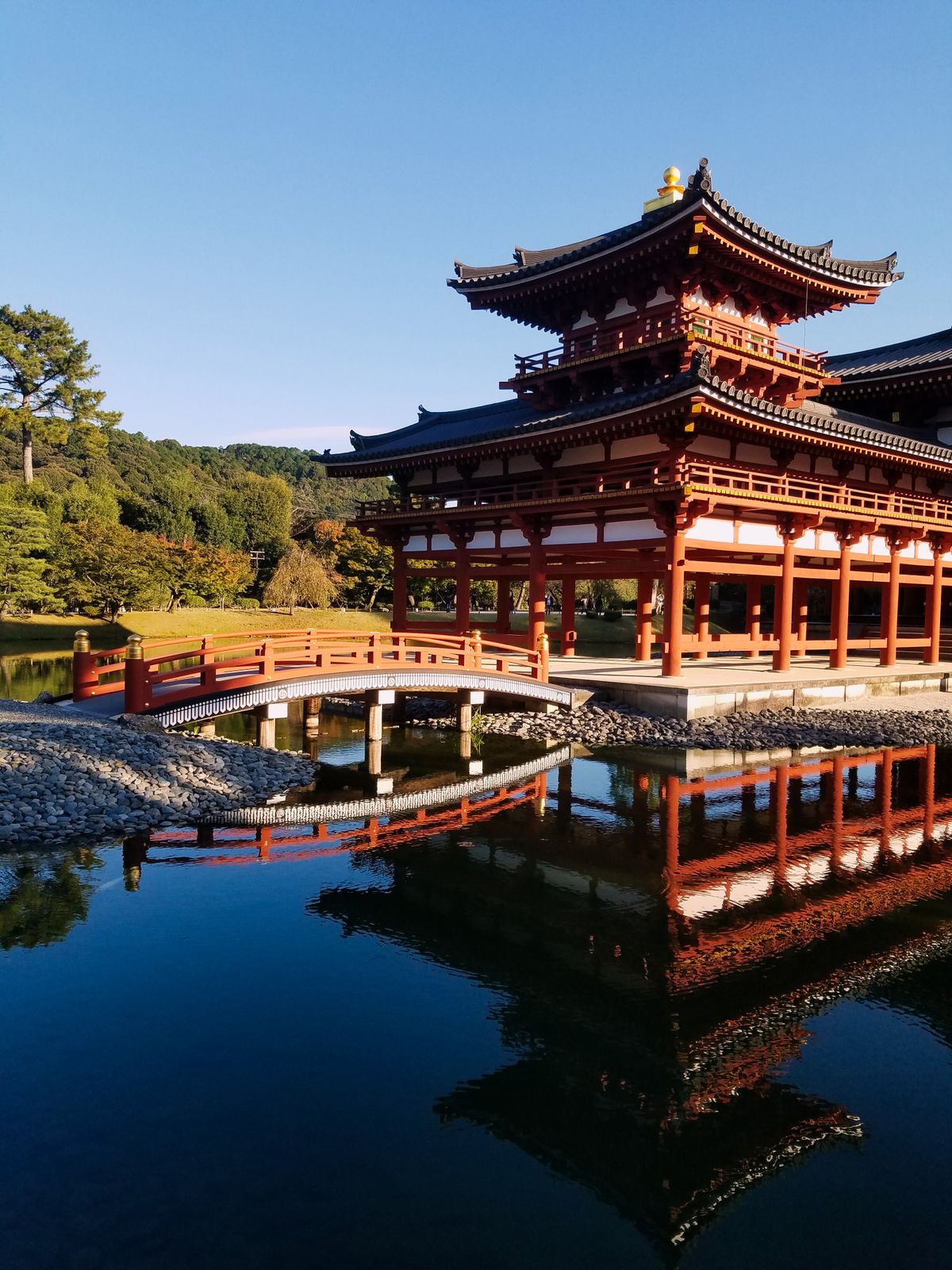
Motsu-ji’s central feature is its Jodo Teien — one of the oldest surviving examples of a Pure Land garden in Japan and the centrepiece of the UNESCO inscription. A large pond, called Oizumi-ga-Ike, is laid out as a physical map of the Buddhist paradise. The pond has carefully placed stones representing islands, a peninsula representing rocky coastlines, and an inlet that sends water tumbling over a small artificial waterfall — all of it positioned according to 12th-century landscape design rules preserved in the surviving manuscript Sakuteiki.
A small remnant of the original Yarimizu — a winding stream that fed the pond — survives nearby. It is one of the only known examples of this ancient garden feature still extant in Japan. The temple complex hosts an annual Gokusui no En festival in May, where poets in Heian-period costumes recite verses while cups of sake float down this stream — a recreation of an aristocratic pastime that died out almost everywhere else centuries ago.
What Else to See at Motsu-ji
The temple’s main hall, the Hondo, was rebuilt in 1989 in the original 12th-century style. Foundation stones of the original Kondo (main image hall) and Jogyo-do are visible around the pond — atmospheric ruins half-reclaimed by moss and grass. Basho’s famous poem about “summer grasses” is inscribed on a stone monument here. There is also a small museum and a tearoom near the entrance.
Practical Information for Motsu-ji
- Hours: 8:30 a.m. – 5:00 p.m. (April 5 – November 4), 8:30 a.m. – 4:30 p.m. (the rest of the year)
- Admission: ¥700 adults, ¥400 high school, ¥200 elementary/junior high
- Time needed: 1.5–2 hours
- Highlights by season: May–June for irises, July for lotus, October–November for autumn foliage
Beyond the Two Main Temples
Most day-trippers stop at Chuson-ji and Motsu-ji and head back to Tokyo. If you have a full day or stay overnight, several other UNESCO-listed sites and adjacent attractions deserve attention.
Kanjizaio-in Ruins
Just a few minutes’ walk west of Motsu-ji, Kanjizaio-in is the site of a temple founded by Lord Motohira’s widow in the late 12th century. The temple itself is long gone, but the original Pure Land garden has been excavated and restored. Entry is included in some combined tickets, and the site is rarely crowded.
Muryoko-in Ruins
A 10-minute bicycle ride from the station, the Muryoko-in Ruins mark where Lord Hidehira built a temple modelled on Kyoto’s famous Byodo-in. Only the foundation stones remain, but the layout — and its alignment with Mount Kinkeisan to the west — is visible. Bring an audio guide or printed map; without context, it’s an empty field.
Mount Kinkeisan
The fifth UNESCO site is the small forested mountain that rises west of the town. Mount Kinkeisan (“Golden Rooster Mountain”) was considered sacred, and the entire temple plan of Hiraizumi was oriented toward it. You can hike to the summit in about 30 minutes — a short, steep walk through cedar forest. The view from the top is modest but evocative, and you’ll usually have it to yourself.
Takadachi Gikei-do (Yoshitsune’s Last Stand)
On a low bluff above the Kitakami River, this small hall commemorates the death of Minamoto no Yoshitsune, one of Japan’s most beloved tragic heroes. After a falling out with his elder brother Yoritomo (the future first shogun of Japan), Yoshitsune fled to Hiraizumi and was sheltered by Lord Hidehira. After Hidehira’s death, Yoshitsune was betrayed and killed here in 1189. The view of the river from the hall is excellent, and it was here that Basho composed his most famous Hiraizumi haiku.
Hiraizumi Cultural Heritage Center
Located between the station and Chuson-ji, this small free museum is an excellent first stop if you want context before visiting the temples. Exhibits cover the rise and fall of the Northern Fujiwara, with bilingual English/Japanese signage. Allow 30 minutes.
Where to Eat in Hiraizumi
Hiraizumi is small but punches above its weight for regional Iwate cuisine. You will not find an overwhelming number of restaurants — perhaps 25 in town — but several specialize in dishes that are deeply tied to the region.
Wanko Soba
The most famous local dish is wanko soba, a participatory meal native to Iwate. Tiny bowls of buckwheat noodles — perhaps two bites each — are placed in front of you, and a server stands beside you slipping fresh bowls into your hands as fast as you can eat them. Lids are clapped down when you finally surrender. The challenge is to see how many you can eat: the average is around 50 bowls for adults, but champions can manage well over 100. Expect to pay around ¥3,000–3,500 (~$20–23) per person. Izumiya is the most popular wanko soba restaurant in town and serves the dish in a friendly, demonstration-style format that’s well suited to foreign visitors.
Hittsumi and Local Soup Dishes
Less famous but more traditional is hittsumi — a hand-torn flour dumpling stew with vegetables, mushrooms, and chicken. It is the kind of dish that survived in mountain Tohoku because it was cheap, filling, and warming through long winters. Several restaurants near the station and around Chuson-ji serve it as a set lunch for ¥1,200–1,800 (~$8–12). Try this if you visit in autumn or winter.
Mochi Cuisine
Mochi (pounded sticky rice) is a major Iwate specialty, and Hiraizumi takes it seriously. Several restaurants offer a mochi gozen — a multi-bowl meal of mochi prepared in ten or more different styles: with sweet red bean, walnut paste, fermented soybean (natto), grated daikon, mustard, ginger, sesame, and even oyster or shrimp sauce. It’s a remarkable way to taste the depth of one humble ingredient. A full set runs ¥2,500–3,500 (~$17–23).
Quick and Casual Options
For something simpler, the Chuson-ji approach area has small tea houses serving green tea and sweet snacks like mochi or zenzai (sweet red bean soup). Around Motsu-ji, you’ll find a cafe-style restaurant at the visitor centre. Hiraizumi Station has a small souvenir shop and a coffee corner. There are no convenience stores immediately at the station, but a small Lawson is a 7-minute walk north along the main road. For a wider look at Japan’s culinary highlights, our guide to the best Japanese food experiences covers regional specialties across the country.
Where to Stay: Hiraizumi or Ichinoseki?
Hiraizumi has a handful of small ryokan and minshuku (family-run inns), but the selection in Ichinoseki — just 8 minutes away by train — is broader and includes Western-style business hotels near the Shinkansen station.
If you stay in Hiraizumi, you can enjoy the town in the evening after the day-trippers leave, walk freely between sites in the cool early morning, and experience traditional Japanese hospitality at small inns. Expect to pay ¥10,000–18,000 (~$67–120) per person including breakfast and dinner. If you stay in Ichinoseki, you’ll find more dining options, business hotels from around ¥7,000 (~$47) per night, and easier access to onward Shinkansen connections in the morning.
For most visitors, the best plan is one night in a small Hiraizumi inn for the atmosphere, and to use Ichinoseki as a base if hopping around the wider Tohoku region for several days. To browse options across the country, book your hotel on Agoda (Best prices guaranteed) → — the platform has solid coverage of both Hiraizumi inns and Ichinoseki business hotels.
When to Visit Hiraizumi
Hiraizumi is a year-round destination, but every season has a very different feel.
Spring (April–Early May)
Cherry blossoms bloom in mid- to late April here — about two to three weeks later than Tokyo. Motsu-ji has lovely cherry trees that frame the Pure Land garden. The Gokusui no En garden poetry festival happens in late May. Daytime temperatures hover around 10–18°C (50–64°F); nights are still cold.
Summer (June–August)
Lush and green. Motsu-ji’s iris garden blooms in June; lotus flowers fill the pond in July. The summer humidity is much lower than Tokyo or Kyoto, making Hiraizumi a comfortable refuge. The annual Fujiwara Festival in early May reenacts a historical procession with samurai costumes. Daytime: 22–28°C (72–82°F).
Autumn (October–Early November)
The cedar-lined approach to Chuson-ji and the maples around Motsu-ji’s pond turn brilliant red and gold from mid-October to early November. This is arguably the most photogenic season. Daytime: 10–18°C (50–64°F). Bring a fleece for evenings.
Winter (December–March)
Snow blankets the temples and gardens. Some smaller halls close on shorter winter hours, but the main sites remain open. The Konjiki-do enclosed in its protective hall is unaffected by the cold. Crowds are at their lowest. Daytime: -2 to 5°C (28–41°F). Dress for genuine winter weather and wear shoes that can handle ice.
Suggested Itineraries
The Day Trip from Tokyo (Long but Doable)
If you are based in Tokyo and have a Japan Rail Pass, Hiraizumi works as a long but rewarding day trip.
- 06:30: Depart Tokyo Station on the first Hayabusa
- 08:50: Arrive Ichinoseki, transfer to local line
- 09:00: Arrive Hiraizumi Station; buy Run-Run pass
- 09:15: Motsu-ji opens — explore the Pure Land garden first while cool
- 11:00: Run-Run bus to Chuson-ji
- 11:30: Walk Tsukimi-zaka, visit Konjiki-do and Sankozo
- 13:30: Lunch (wanko soba or mochi gozen)
- 15:00: Visit Takadachi Gikei-do or Heritage Center
- 16:30: Return to station; catch local train to Ichinoseki
- 17:30: Shinkansen back to Tokyo
- 19:45: Arrive Tokyo Station
The Overnight Itinerary (Recommended)
With one night in Hiraizumi or Ichinoseki, you can travel more relaxed and add Geibikei Gorge — a beautiful river canyon with traditional flat-bottomed boats poled by singing boatmen, about 25 minutes from Hiraizumi by local train.
- Day 1: Late morning arrival; Motsu-ji and Heritage Center in afternoon; ryokan dinner; evening stroll
- Day 2: Early morning at Chuson-ji before crowds; Takadachi Gikei-do; lunch; afternoon Geibikei boat ride; return to Tokyo
The Tohoku Loop (5 Days)
For an extended trip, combine Hiraizumi with other northern highlights such as Sendai, Matsushima Bay, Yamadera Temple, and Aizu-Wakamatsu — see our guides to destinations across Japan for ideas. The 5-day JR East Tohoku Area Pass at ¥30,000 (~$200) is excellent for this kind of trip.
Practical Tips for Visiting Hiraizumi
- Cash: Most temples accept cash only at entry; bring enough yen. The Lawson convenience store ATM accepts foreign cards.
- Mobile data: Coverage is good throughout Hiraizumi, but you’ll want a dependable connection for maps and translation. Pick up a Japan eSIM before you fly — get your Japan eSIM (Stay connected from day 1) →
- Luggage: Coin lockers at Ichinoseki and Hiraizumi Stations fit most carry-ons; large suitcases may be tricky. Consider sending big bags ahead via takkyubin courier.
- Walking shoes: Tsukimi-zaka is a stone-paved slope. Comfortable shoes with grip are important, especially after rain.
- Language: English signage is available at the main UNESCO sites and inside the museums. Restaurants are more variable — having a translation app handy is useful.
- Photography: No flash, no tripods, no photos inside the Konjiki-do or in some halls. Always check signs.
- Crowds: Even in peak autumn weeks, Hiraizumi is far less crowded than Kyoto or Nikko. The biggest crowd days are mid-October weekends; early mornings and late afternoons are quieter.
- Tour guides: Volunteer English-speaking guides can sometimes be arranged in advance through the Hiraizumi Tourism Association — free, but tips for transport and lunch are appreciated.
- Airport transfers: If flying into Haneda or Narita, the simplest connection from the airport into Tokyo Station before your Shinkansen is via a private door-to-door shuttle: book airport transfer with NearMe →
Cultural Etiquette at Buddhist Temples
Hiraizumi’s sites are active Buddhist temples, not just museums. A few small acts of respect go a long way.
At the entrance gate (sanmon), bow slightly before passing through. At the purification basin (chozuya), if present, scoop water with the ladle in your right hand, rinse your left hand, switch hands and rinse the right, then pour a little water into your cupped left hand to rinse your mouth (do not drink from the ladle), and finally tip the ladle upright to rinse the handle. Inside main halls, voices low or silent. Phones on silent. Photography only where signs allow. If you wish to make an offering, a ¥5 coin (go-en, a homophone for “good luck/karmic connection”) is traditional.
Frequently Asked Questions
Is Hiraizumi worth visiting for foreign tourists?
Yes — especially if you want to see a UNESCO World Heritage site without the overwhelming crowds of Kyoto. Hiraizumi offers one of the most extraordinary single buildings in Japan (the Konjiki-do), an exceptional surviving Pure Land garden, deep historical resonance from the Northern Fujiwara era, and access to genuine Tohoku culture and food. It is one of the few places where you can stand alone in front of 900-year-old gardens. For travellers who have already done Kyoto on a previous trip, or who want something different on their first trip, Hiraizumi is highly recommended.
How long do I need in Hiraizumi?
A focused day trip can cover Chuson-ji and Motsu-ji, but you’ll feel rushed. Ideal is one overnight (about 1.5 days on the ground), which lets you see the main UNESCO sites at a calm pace, eat a proper local dinner, walk in the cool morning when temples first open, and add Geibikei Gorge or a smaller site nearby. Two nights is generous and lets you also do Geibikei and explore Ichinoseki.
Can I do Hiraizumi as a day trip from Tokyo?
Absolutely — about 4 hours of total travel by Shinkansen each way, with around 7–8 useful hours on the ground. Take the first Hayabusa out and the last reasonable Shinkansen back. The day trip is long, so it works best for travellers with a Japan Rail Pass who don’t mind the schedule.
Is the Konjiki-do really covered in gold?
Yes. The entire surface — interior pillars, walls, ceiling, altars, and even much of the exterior originally — was clad in gold leaf, with mother-of-pearl and lacquer detailing. Conservation has preserved a remarkable amount of the original 12th-century gold work. The hall is protected inside a larger climate-controlled concrete enclosure and viewed through glass. Photography of the gilded structure is forbidden, which is why most visitors are surprised when they finally see it in person.
Is Hiraizumi accessible for travellers with limited mobility?
Partially. The Run-Run bus is wheelchair friendly. Motsu-ji’s garden has paved level paths around the main pond. Chuson-ji is harder: the long stone-paved Tsukimi-zaka slope is a real climb, though a small bus runs partway up for those with mobility difficulties — check with the temple office on arrival. The Konjiki-do enclosure itself is wheelchair accessible once you reach the top.
Can I see Hiraizumi and Matsushima in one day?
Technically yes — both are on the Tohoku Shinkansen corridor — but it is a punishing schedule. Better to do Hiraizumi as a focused day trip or overnight, and Matsushima from Sendai on a different day. The two sites have very different atmospheres and deserve separate visits.
Are there English audio guides or English-speaking guides?
Yes, English audio guides are available at Chuson-ji (small additional fee). The Hiraizumi Cultural Heritage Center has English captions throughout its exhibits. Free volunteer English-speaking guides are sometimes available through the tourism association if booked in advance. Many small inns and restaurants do not have English-speaking staff, so a translation app is helpful.
What’s the difference between Hiraizumi and Nikko?
Both are UNESCO World Heritage temple complexes north of Tokyo, but they’re quite different. Nikko (in Tochigi) is famed for its dazzling Edo-period Toshogu Shrine — built in the 1600s — and for waterfalls and lakes nearby. Hiraizumi is 500 years older, much more austere outside of the Konjiki-do, and tied to Heian-era Pure Land Buddhism rather than Shogunate-era Shinto fusion. Hiraizumi is also dramatically less crowded.
Is there a single ticket that includes everything?
No, each site charges separately. The Chuson-ji ¥1,000 ticket bundles the Golden Hall with the Sankozo museum. Motsu-ji is a separate ¥700. Smaller halls along Tsukimi-zaka have small individual fees that add up if you visit each. Budget roughly ¥2,500–3,500 (~$17–23) per person for the main entry fees of a full visit.
Is Hiraizumi family friendly?
Yes for older kids and teens who enjoy history and walking. Younger children may find the long approach to Chuson-ji tiring, and the temples themselves are quiet contemplative spaces rather than active attractions. The Geibikei boat ride nearby is great for kids. Family-run inns in town are very welcoming to families.
Side Trips and Add-On Destinations Near Hiraizumi
If you have an extra day or two in the region, several destinations within easy reach of Hiraizumi deepen the visit considerably. None require an overnight, and most are reachable on local JR trains or short bus rides.
Geibikei Gorge
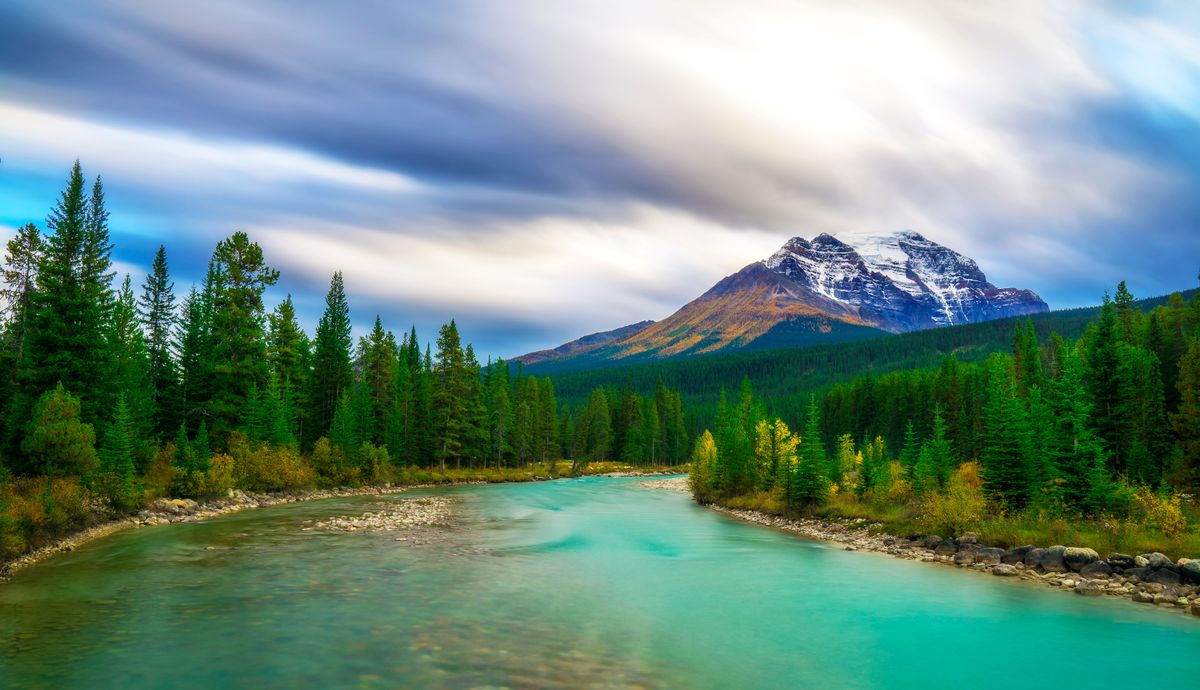
About 25 minutes east of Hiraizumi by local train, Geibikei is a mile-and-a-half-long limestone canyon carved by the Satetsu River. Visitors take 90-minute round-trip rides on traditional flat-bottomed wooden boats, poled (not motored) by local boatmen who often sing folk songs as they navigate the river. Towering 100-metre cliffs rise on either side, draped in pine and moss. Tickets are around ¥1,800 (~$12) per adult, and boats run hourly between roughly 8:30 a.m. and 4:00 p.m. depending on season. In summer the boats have sunshades; in winter, kotatsu-warmed seats with blankets. The gorge is also stunning in autumn for foliage. Allow 3–4 hours including travel time from Hiraizumi.
Genbikei Gorge (Not to Be Confused)
Despite the nearly identical name, Genbikei is a different and much shorter gorge closer to Ichinoseki. The signature attraction here is kakko dango — sweet rice dumplings delivered to your tableside from a shop on the opposite cliff via a flying basket pulled across the gorge on a rope. You wave a flag, the basket flies over loaded with snacks, and you send back coins in the same basket. It’s a quirky, very Japanese 20 minutes that pairs well with a Hiraizumi visit. Reachable by local bus from Ichinoseki Station in about 20 minutes.
Tono
An hour east of Hiraizumi by train, Tono is famous as the heartland of Japanese folklore — the setting for Kunio Yanagita’s 1910 collection The Legends of Tono, a foundational text in modern Japanese folklore studies. Kappa (water spirits), zashiki-warashi (house ghosts), and oshira-sama (silkworm gods) all have museum displays here, alongside thatched-roof farmhouse villages and a folklore village reconstructed for visitors. Tono is a deeper rural-Japan experience and is worth a full day on its own.
Morioka
The capital of Iwate, Morioka is one hour north of Ichinoseki by Shinkansen. The city has its own ruined-castle park, a famous riverside cherry tree (the Ishiwarizakura, growing dramatically out of a giant boulder), and three signature noodle dishes locally called the “three great noodles of Morioka” — wanko soba, reimen (a chewy cold noodle in chilled broth that originated here from Korean immigrants), and jajamen (a thick noodle topped with miso-and-meat sauce). Morioka has an easygoing city atmosphere and is a worthwhile add-on if you’re heading further north into Aomori or Hokkaido.
Hanamaki Onsen
About 40 minutes north of Ichinoseki, Hanamaki has a cluster of hot spring inns along a quiet river valley. It is also the hometown of beloved Japanese poet Kenji Miyazawa, whose museum and memorial spots dot the area. A relaxing 1-night onsen stay in Hanamaki pairs beautifully with a Hiraizumi day trip.
Festivals and Events Worth Planning Around
If your travel dates are flexible, several Hiraizumi events showcase Heian-era culture in ways you can’t see anywhere else.
Spring Fujiwara Festival (May 1–5)
The biggest annual event. A historical procession of about 100 people in 12th-century costume reenacts the welcoming of Yoshitsune to Hiraizumi by Lord Hidehira. Traditional dances, archery on horseback (yabusame), and Noh and Bugaku performances are staged at Chuson-ji and Motsu-ji. Many small temples open their treasures for special viewing during these days. Book accommodation months in advance for this period.
Gokusui no En (Late May)
The poetry-and-floating-sake-cups festival at Motsu-ji. A small number of participants in Heian-era court costume sit along the recreated winding stream, composing waka poems as cups float past on the current. Anyone can watch — admission is included in the regular Motsu-ji ticket.
Autumn Fujiwara Festival (November 1–3)
A smaller version of the spring festival, focused on traditional dance, Noh, and tea ceremonies in the autumn-coloured temple grounds. Less crowded than spring; gorgeous weather.
Daimonji Okuribi (August 16)
On the closing night of the Bon festival, a giant character meaning “Big” (大) is set alight on the hillside of Mount Tabashine, lighting up the night across Hiraizumi. Mochi and souvenir stalls line the streets. Free to attend; bring mosquito repellent.
Yabusame (Mounted Archery, May)
Part of the spring festival but worth singling out: archers in period costume gallop down a track at speed and shoot at three wooden targets in turn. A few generations ago, this art nearly died out across Japan. Watching it live in Hiraizumi is unforgettable.
A Deeper Look at the Northern Fujiwara
To appreciate Hiraizumi fully, it helps to know who built it and why. The Northern Fujiwara — distinct from the much more famous Fujiwara regents of Kyoto — were a regional military aristocracy that rose to dominance in northern Honshu in the late 11th century. Their first lord, Kiyohira, was the survivor of a brutal twelve-year civil war (the Later Three Years’ War) that nearly destroyed his family. According to his own writings, he founded Chuson-ji as a personal Buddhist atonement for the suffering caused by that war, dedicating it to the salvation of all who died on both sides of the conflict.
Kiyohira’s son Motohira and grandson Hidehira built Motsu-ji and Muryoko-in on a similar scale. At its peak in the mid-12th century, Hiraizumi was reportedly the second- or third-largest city in Japan, with a population that may have rivalled Kyoto’s. Visiting Chinese monks compared its temples to those in the capital, and Marco Polo’s later reports about a “Cipangu” rich in gold may have been ultimately traceable to Hiraizumi’s reputation.
The Fujiwara fell as dramatically as they rose. After sheltering the fugitive samurai hero Yoshitsune against the wishes of his elder brother Minamoto no Yoritomo, the fourth Fujiwara lord, Yasuhira, eventually killed Yoshitsune at the Takadachi residence in 1189 — but his loyalty to the shogun was already in question. Within months, Yoritomo led an army north and destroyed the dynasty. Yasuhira fled and was killed by a retainer. The temple complex was spared but slowly fell into ruin over the next centuries through fires and neglect.
What survives is more than enough to imagine the rest. The Konjiki-do, intact in its glass enclosure, lets you stand face to face with the actual mummified bodies of the men who built this place. Few other UNESCO sites offer that kind of direct, almost physical connection to the people who created them.
Pure Land Buddhism in Brief
Many visitors come to Hiraizumi assuming “Buddhism is Buddhism,” but the specific school that flourished here — Pure Land Buddhism (Jodo-shu in Japanese) — has its own beliefs and aesthetic that explain almost everything you’ll see.
Pure Land teaches that we live in a degenerate age in which enlightenment through ordinary self-effort is essentially impossible. Instead, salvation comes by faith in Amida Buddha, who in a previous life vowed that anyone who sincerely calls upon his name will be reborn into his Pure Land — a paradise where conditions for enlightenment are perfect. The simple practice of chanting Namu Amida Butsu (“Hail Amida Buddha”) is enough to secure rebirth there.
Because Pure Land paradise is described in scripture as a landscape of jewelled trees, golden pavilions, ponds with lotus flowers, and singing birds, Pure Land temples and gardens were built to physically evoke this paradise on earth. The gold-clad Konjiki-do is a fragment of paradise made visible; Motsu-ji’s pond garden is a literal map of paradise underfoot. Once you understand this, the imagery and symbolism throughout Hiraizumi clicks into place.
Sample Day-by-Day Itinerary with Hiraizumi as a Hub (3 Days)
Day 1: Tokyo → Hiraizumi
Morning Shinkansen from Tokyo. Drop bags at your inn or station coin lockers. Light lunch near the station. Afternoon at Motsu-ji and the Hiraizumi Cultural Heritage Center. Evening: dinner at your ryokan or a soba shop; quiet walk through Hiraizumi at dusk.
Day 2: Hiraizumi UNESCO Day
Early morning at Chuson-ji as soon as it opens — Konjiki-do is most atmospheric in the cool morning light. Tsukimi-zaka, the smaller subsidiary temples, and the Sankozo Treasure Hall. Mid-morning Buddhism break at the temple’s tea house. Lunch in town (wanko soba challenge or mochi gozen). Afternoon at Takadachi Gikei-do and a hike up Mount Kinkeisan. Evening at your ryokan; consider a soak in a nearby onsen.
Day 3: Side Trip and Return
Morning train to Geibikei Gorge for the famous boat ride. Lunch in Ichinoseki. Afternoon Shinkansen back to Tokyo or onward to Sendai/Aomori/Hakodate for further Tohoku/Hokkaido travel.
Combining Hiraizumi With a Bigger Trip
Hiraizumi sits roughly halfway between Tokyo and Hokkaido on the Tohoku Shinkansen line, which makes it perfect for travellers building a more ambitious Japan itinerary. A typical northern Japan route might run: Tokyo → Hiraizumi (1 night) → Sendai/Matsushima (1 night) → Yamadera/Yamagata (1 night) → Aomori (1–2 nights) → Hakodate/Hokkaido (2–3 nights). The total cost of Shinkansen fares for this kind of trip easily exceeds the price of a 7- or 14-day JR Pass, making the pass a clear win.
Alternatively, Hiraizumi pairs beautifully with a focused “Japan beyond the Golden Route” itinerary: Tokyo → Hiraizumi → Kanazawa → Takayama → Kyoto. This route gives a much fuller picture of Japan than the classic three-city loop and is doable in 10–12 days.
Final Thoughts: Why Hiraizumi Belongs on Your Japan Itinerary
Most first-time travellers spend their two weeks shuttling between Tokyo, Hakone, Kyoto, and Osaka. Those are wonderful places — but the experience of standing in front of a 900-year-old golden hall on a forested Tohoku hillside, with cedar branches creaking in the wind and almost no other visitors around, gives you a different sense of Japan altogether. Hiraizumi rewards travellers who want a quieter, more contemplative side of the country. It is genuinely easy to add — half a day on a Shinkansen with a JR Pass, two of the most extraordinary UNESCO sites in the country, and a glimpse of Tohoku culture you’d never otherwise meet.
Pack curiosity, comfortable shoes, an open mind, and a small ¥5 coin or two for the temple offerings. The summer grasses are still growing, just as Basho saw them — and the Pure Land paradise the Fujiwara lords built nine centuries ago is still here, waiting.
Going to Japan? Talk to locals with confidence.
Hirameki Japanese — instant offline translation, camera translation, furigana + romaji, and 314 free flashcards. No login. Works without internet.

Plan your Japan trip
Two things every first-timer should book
Some links are affiliate links. If you book through them we may earn a small commission at no extra cost to you.