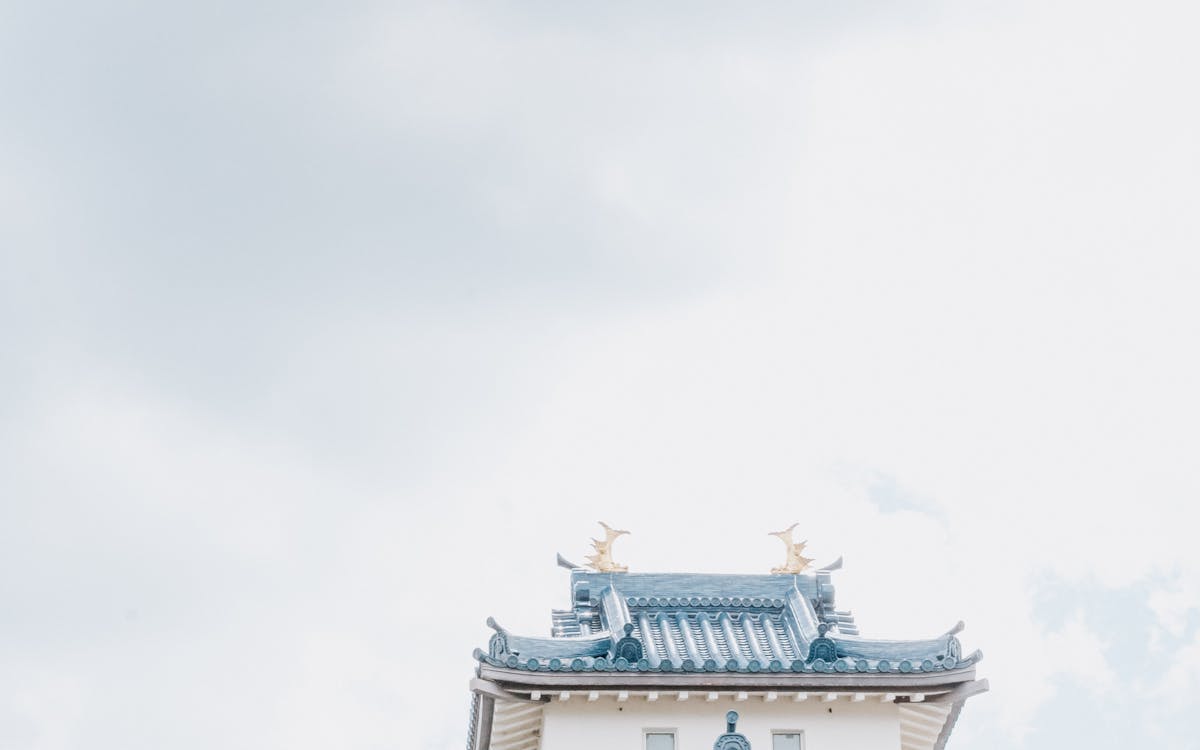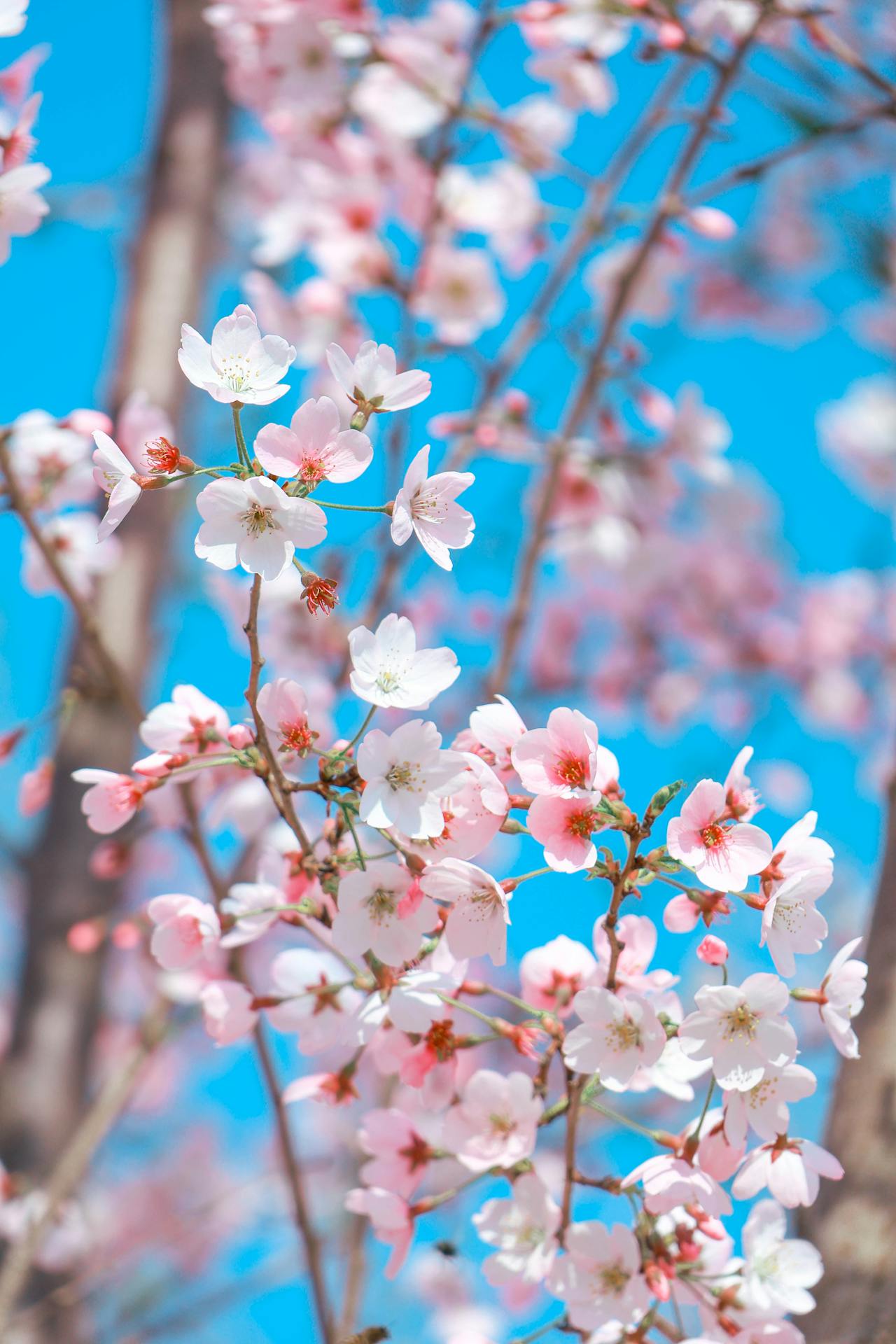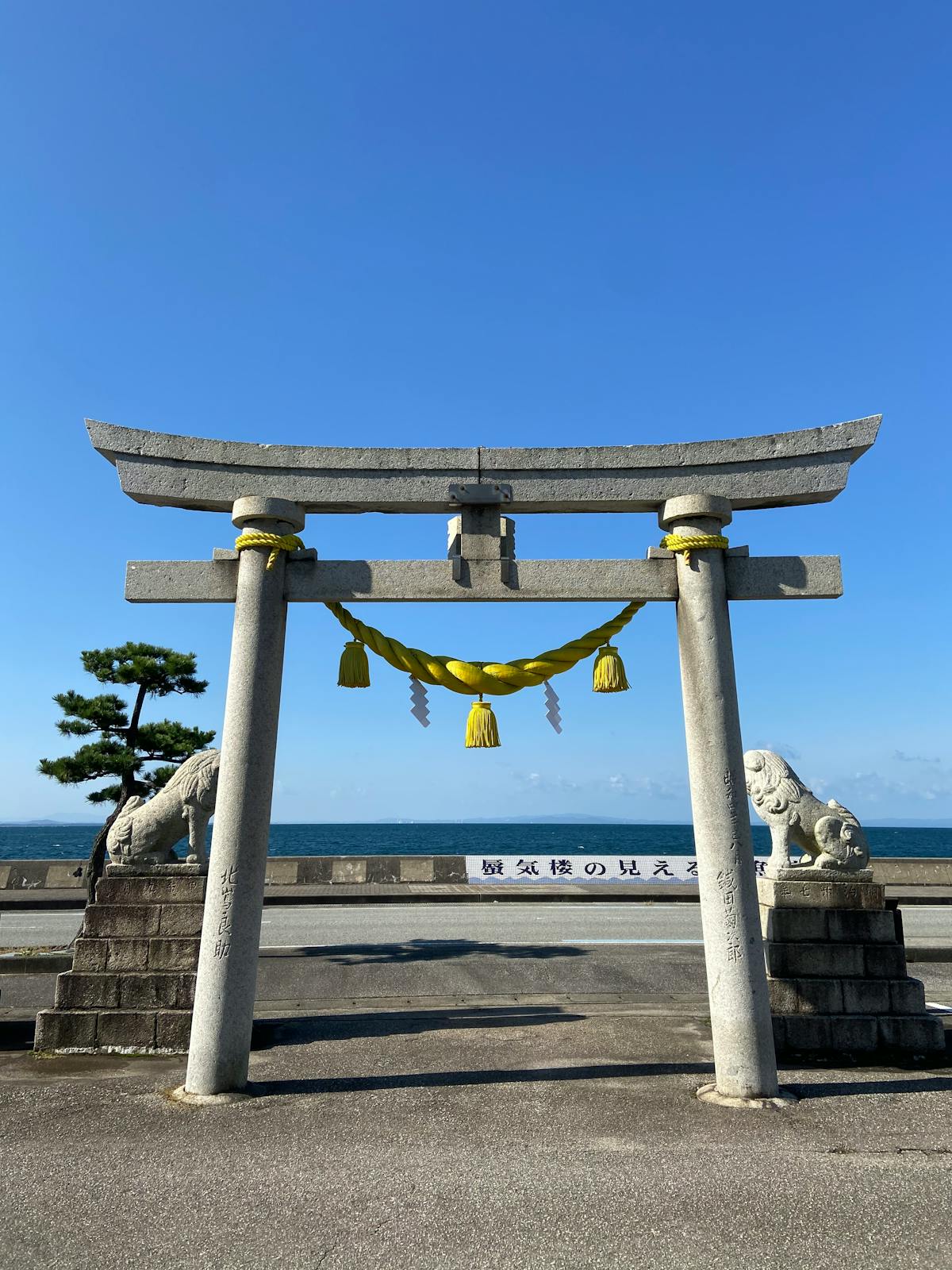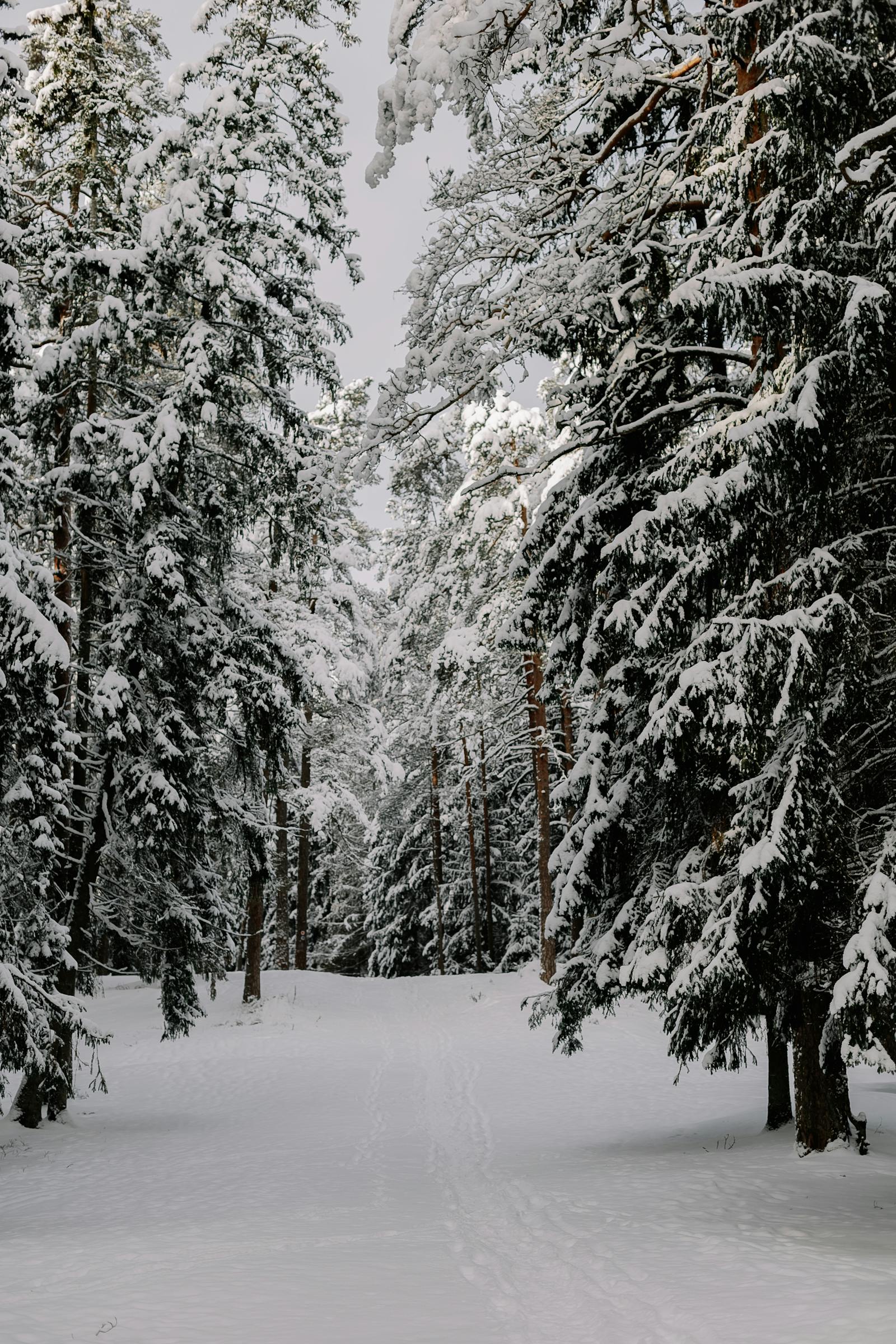
Tucked into the mountains on the border between Yamagata and Miyagi prefectures, Zao is one of Japan’s most distinctive and surreal destinations. In summer, it offers an emerald-green crater lake at 1,700 meters, alpine hiking through fields of wildflowers, and some of Tohoku’s most authentic hot spring villages. In winter, the mountain transforms into something altogether otherworldly: thousands of fir trees become encased in wind-blown rime ice, creating the famous juhyo — the “snow monsters” — silent, hulking white shapes that march down the slopes under the moonlight.
Even by Japan’s high standards, few destinations combine so many distinct experiences in such a compact area. You can ski some of Tohoku’s best powder in the morning, soak in a 1,900-year-old sulfur onsen in the afternoon, and end the day eating Yamagata wagyu and drinking local sake under a thick blanket of snow. This guide covers everything you need to plan a successful Zao trip — when to come, how to get there, where to stay, what to do, and how to make the most of this remarkable corner of Tohoku.
Why Visit Zao?
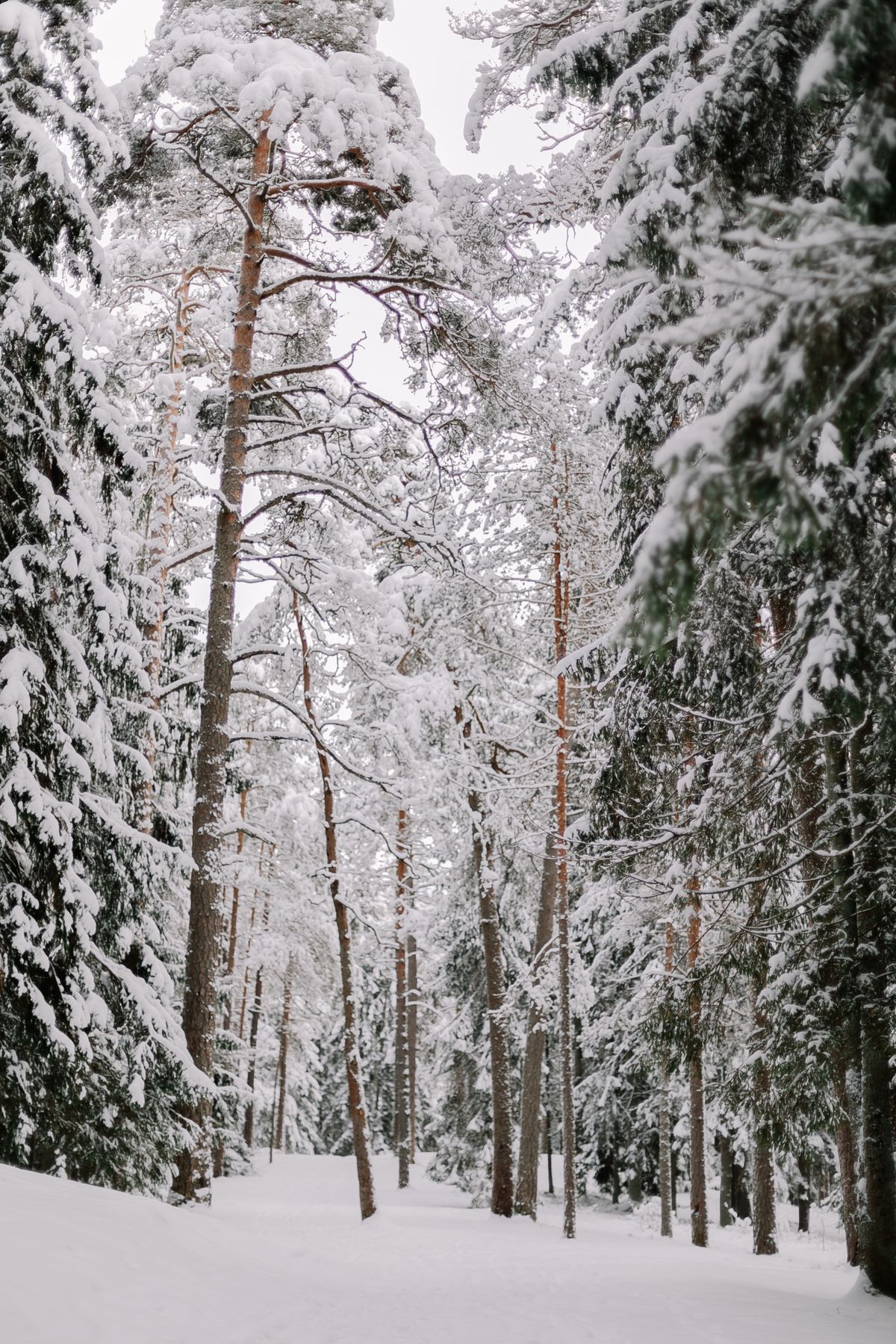
Zao is one of those rare places that reward you in every season. The most famous attraction — the juhyo or snow monsters — is a phenomenon found in only a handful of places worldwide. Zao’s juhyo are by far the most accessible and dramatic. From late December through mid-March, thousands of Maries’ fir trees on the mountain’s upper slopes become caked in wind-blown ice and snow, sculpted by gale-force winds into ghostly white forms three to four meters tall. From the ropeway-accessed observation deck, you walk among them as though wandering through a sculpture garden carved by the weather itself.
But Zao is far more than its winter spectacle. The Okama Crater Lake, a vivid emerald-green pool sitting in the perfectly circular crater of an active volcano, draws hikers and photographers from spring through autumn. Zao Onsen, the hot spring village at the base of the ropeway, has been welcoming bathers for nearly 2,000 years and is famous for its powerful sulfur water. The ski resort is one of the largest in eastern Japan with 14 lifts and 15 routes. And the surrounding region — Yamagata Prefecture — produces some of Japan’s best beef, sake, soba and cherries.
For travelers who have already done Tokyo, Kyoto and Osaka and want a deeper Japan experience, Zao delivers an authentic Tohoku winter that few foreign visitors ever see. Crowds are mostly Japanese; English signage is improving but still limited; and the entire pace feels closer to the country’s traditional rhythms.
How to Get to Zao
From Tokyo
The fastest route is the Yamagata Shinkansen (Tsubasa) from Tokyo Station to Yamagata Station — about 2 hours 30 minutes, costing around ¥11,000 ($72 USD) reserved seat. From Yamagata Station, the Zao Onsen Bus runs roughly hourly and takes 40 minutes to reach Zao Onsen village (¥1,000 each way).
Total travel time from Tokyo to Zao Onsen is about 3 hours 15 minutes, making Zao genuinely accessible as a weekend trip from the capital — even though it feels worlds away.
The Tsubasa Shinkansen is covered by the Japan Rail Pass. If you’re considering whether the JR Pass makes sense for your trip, see our honest Japan Rail Pass guide. For broader Shinkansen advice, our complete Shinkansen guide walks through the booking process step by step.
From Sendai
If you’re already in Sendai (Miyagi’s capital and a logical Tohoku hub), the Zao Onsen Bus runs direct from Sendai Station to Zao Onsen in about 1 hour 40 minutes, costing ¥1,700. There are also routes to the Miyagi side of Zao (Togatta Onsen, Tohoku/Miyagi-Zao), accessible by JR Tohoku Line trains and local buses.
Many Japan-experienced travelers actually prefer entering Zao from the Miyagi side via Sendai — it’s a less-traveled route with quieter onsen villages, though winter access can be more limited.
From Yamadera or Sendai by Day Trip
Zao Onsen makes an easy add-on if you’re visiting Yamadera (the famous mountain temple) or doing the Sendai–Yamagata corridor. Sendai → Yamagata is just 1 hour by train, with Yamadera (the mountain temple) 20 minutes east of Yamagata. Some travelers do Yamadera in the morning and Zao snow monsters in the evening, all on the same day.
By Car
The drive from Tokyo to Zao Onsen takes about 5 hours via the Tohoku Expressway, with tolls around ¥7,000 each way. From Sendai it’s just 90 minutes. Renting a car gives you the most flexibility, especially for exploring the Zao Echo Line (the scenic mountain road, open mid-April through early November) and the lesser-visited Miyagi-Zao region. Be aware that during winter, you’ll need a 4WD or snow tires, and the Echo Line itself closes November through April.
Airport Transfers
If you’re flying into Sendai Airport from Tokyo (or directly via international flights), the simplest connection to Zao is to take the airport access train to Sendai Station and switch to the Zao Onsen Bus. Book airport transfer with NearMe → can also be arranged for direct shared-shuttle service from the airport, particularly useful if you’re traveling with ski equipment or larger luggage.
The Famous Snow Monsters (Juhyo)
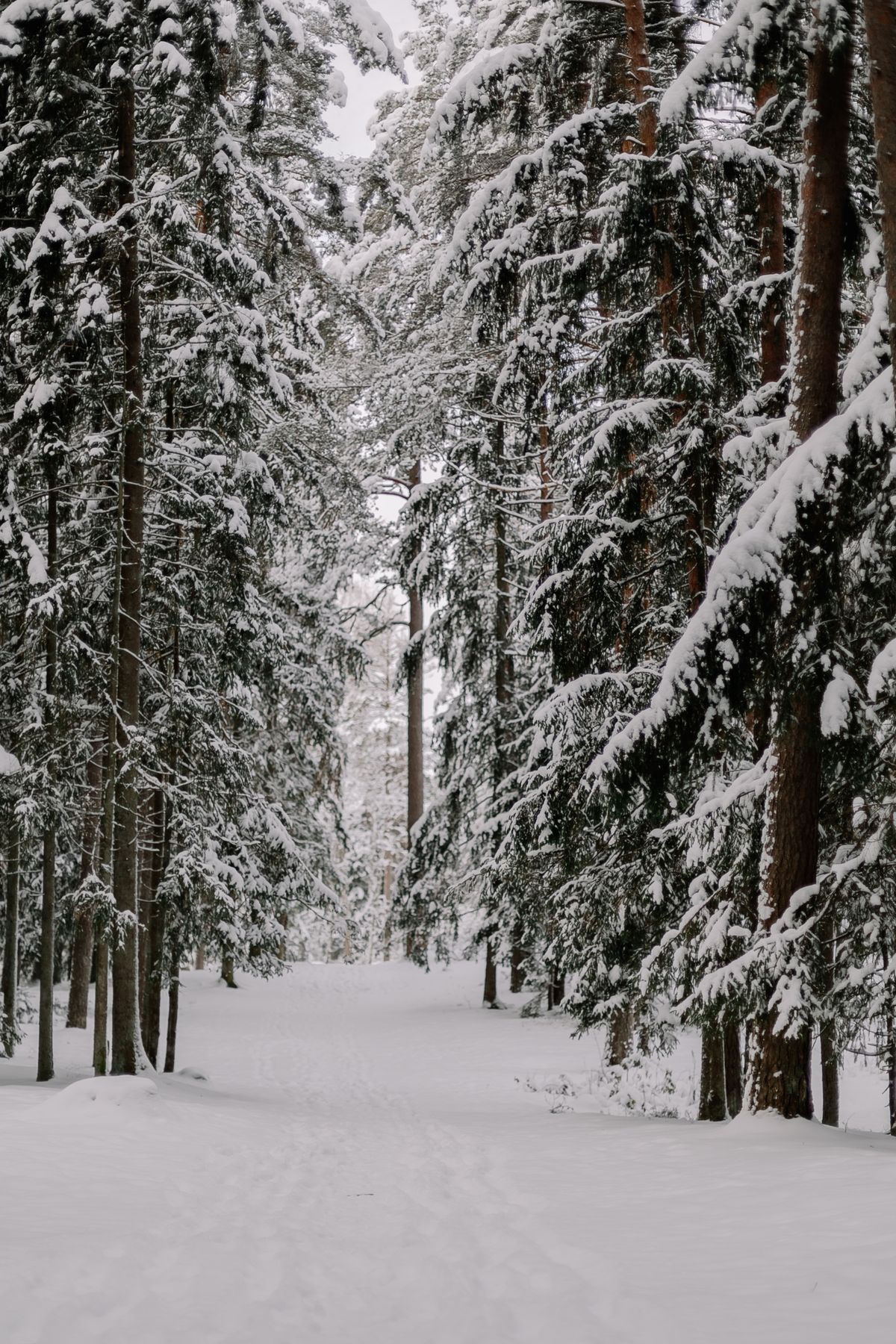
The juhyo, literally “ice trees,” form through a precise combination of conditions that exist almost nowhere else in the world. Maries’ fir trees grow in dense stands on Zao’s upper slopes. Throughout winter, supercooled clouds blown in from Siberia by powerful northwesterly winds slam into the mountain. The water droplets in these clouds — colder than freezing but still liquid — freeze instantly on contact with the fir branches, building up layer by layer into massive rime-ice formations. Then snow falls on top of the rime, and the wind shapes the whole assembly into the strange, slumped silhouettes that give the juhyo their nickname.
The phenomenon develops gradually through December, peaks from mid-January to early March, and begins to melt in mid-March. By late March, the juhyo are gone for another year.
How to See the Snow Monsters
The most popular access is via the Zao Ropeway, which runs from Zao Onsen village in two sections. The lower stage carries you to Juhyokogen Station; the upper stage takes you to Jizo Sancho Station at 1,661 meters — the heart of the juhyo zone. The round-trip ropeway ticket costs ¥3,500 for adults. Trips take roughly 15 minutes each way, and the full out-and-back with viewing time runs about two hours.
From Jizo Sancho Station, walkable trails lead through the snow monsters. In winter, conditions can be brutal — temperatures of -15°C and 80 km/h winds are not unusual — so dress for serious cold weather even if you’re not skiing. The cable car operates daily through the winter season, weather permitting; check the ropeway website the morning of your visit for status updates.
Night Illumination
For many visitors, the highlight is the Snow Monster Night Cruise, when the ropeway runs evening trips and the juhyo are lit with multi-colored lights. Walking among 4-meter ice-encased trees glowing pink, blue and green is one of the most surreal experiences in all of Japan. The night cruise runs select evenings from late December through early March; tickets are ¥4,500 and book out fast on weekends.
Snowcat Tours from Miyagi-Zao
The Miyagi side of Zao runs guided snowcat tours into juhyo zones not accessible by foot. These early-morning tours (around ¥6,500) take you deep into the fir forest at sunrise — when the trees are bathed in pink alpine light. For photographers, this is the prime experience.
Zao Onsen Village
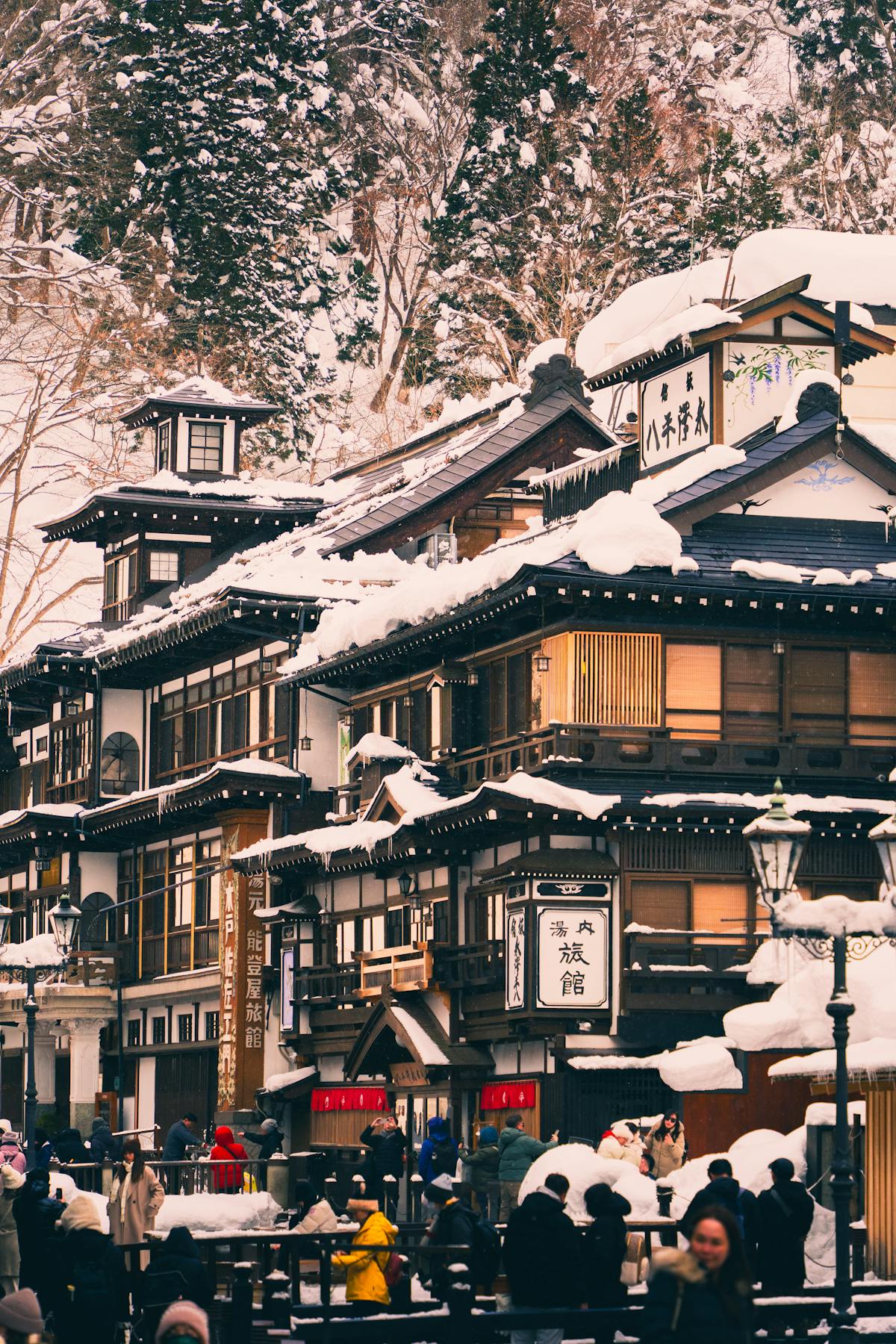
Zao Onsen is the hot spring village at the foot of the mountain, with roots going back to 110 CE — making it one of the oldest continuously operating hot springs in Japan. The legend says a wounded warrior, Wakeno Kiyomaro, was guided to the spring by a goddess and was healed by its waters. Whether legend or fact, generations of Japanese have come here ever since to soak in the famously sulfur-rich, slightly milky-blue water.
The water at Zao is extremely acidic — pH 1.25 to 1.8 — making it one of the most acidic onsens in Japan. It’s said to be good for the skin (locals call it “beauty bath water”) and for treating dermatitis, neuralgia and chronic muscular conditions. The strong sulfur smell is the giveaway: you can sniff out an onsen from a block away.
Public Baths Worth Visiting
Zao Daiokai-Yu (Grand Outdoor Bath): The signature outdoor bath, set in a forested valley with mountain stream views. Open mid-April through mid-November; ¥800.
Kawarayu: The smallest and most traditional of the village’s three public baths, in a 100-year-old wooden building. ¥400.
Shimo no Yu: An old-school neighborhood bath frequented by locals. ¥400.
Ashi-yu Foot Baths: Free public foot baths scattered through the village — perfect for warming up between sights without committing to a full soak. Look for the small wooden bench structures with running water.
For visitors uncertain about onsen culture, take a few minutes before your trip to review our guide to Japanese onsen etiquette — knowing the small rules makes the experience far more relaxing.
Ryokan Recommendations
Zao Onsen has roughly 60 ryokan and small hotels, ranging from rustic family-run inns at ¥10,000 per night with two meals to luxury kaiseki ryokan above ¥35,000. Most properties have their own onsen baths and many include outdoor baths with mountain views. Find luxury hotels on Ikyu.com → is the best platform for traditional ryokan bookings in Zao, including ones with private rotemburo (outdoor baths).
Skiing at Zao Onsen Ski Resort
Zao is one of Japan’s most storied ski areas, with 25 distinct courses, 14 lifts, and a vertical drop of around 880 meters. The season typically runs from late November to early May, with the best snow conditions from January through mid-March.
What Makes Zao Different
Unlike Hokkaido’s powder paradises (Niseko, Furano) or Nagano’s competition-grade resorts (Hakuba), Zao offers something rarer: skiing through the snow monsters themselves. The signature Juhyogahara run lets you ski past — and sometimes through — the ice-encased fir trees, an experience you cannot have anywhere else. The 9-kilometer Juhyogahara course is also one of the longest single ski runs in Japan.
The terrain mix suits intermediate skiers best. Beginners have several gentle long runs near the base; experts will find some steeper pitches and tree skiing on the upper mountain. The two main areas — Yokokura and Uwanodai — are connected by lifts and ropeways, though signage is largely in Japanese.
Lift Tickets and Rentals
One-day lift tickets cost around ¥6,500 for adults; full equipment rental (skis or snowboard + boots + poles) runs ¥5,500–7,500 per day. Many ryokan offer ski lockers and direct ski-in/ski-out access. Lessons in English are available through select ski schools but should be booked in advance.
Other Winter Activities
Beyond skiing and the snow monster ropeway, Zao offers snowshoeing tours through the fir forest (¥4,500 with guide), snowmobile rides, and ice fishing for wakasagi (smelt) on nearby Lake Goshikinuma. A unique local experience is the “snow village” built each January — a temporary collection of igloos and snow sculptures that host candle-lit dinners and small shops.
The Okama Crater Lake
From late April through early November, the most spectacular non-winter sight at Zao is the Okama Crater Lake — a perfectly circular volcanic lake 360 meters across and 60 meters deep, sitting in the crater of the dormant Goshiki-dake peak at 1,720 meters elevation. The water shifts in color from emerald green to milky turquoise depending on light and weather, earning Okama the nickname “Five Color Pond.”
How to See the Okama
The easiest access is by car along the Zao Echo Line, the famous mountain road that crosses Zao between Yamagata and Miyagi prefectures. You can drive to within 200 meters of the Okama observation deck, then walk up. Bus services from Yamagata Station and Zao Onsen run to the Okama in summer, taking about 75 minutes each way.
The Echo Line and Okama are open from late April to early November only — outside this window, the road is buried in snow.
The Zao Hiking Routes
Zao is a hiker’s paradise. The most popular trails include:
Jizo Sancho to Kumano-dake: An easy 1.5-hour return walk from the top of the ropeway. The trail crosses an alpine meadow with wildflowers in summer (early July to mid-August is peak).
Jizo Sancho to Okama: A more serious 4-hour return ridge walk with panoramic Sea of Japan views.
Sankoshi Pond Loop: A 2-hour loop through fir forest and grassy clearings, with stops at small alpine lakes. Best in autumn (late September–mid October) for foliage.
Pack layers — even in summer, the upper slopes are 10°C cooler than the village, and afternoon weather can change rapidly.
Yamagata Region: What to Eat and Drink
Yamagata is one of Japan’s most fertile prefectures, and its food culture is among the most distinctive in the country. Don’t leave Zao without trying:
Yamagata Wagyu (Yamagata Gyu): The prefecture produces some of Japan’s most renowned wagyu beef, prized for its delicate marbling and rich flavor. Several restaurants in Yamagata City and at higher-end ryokan in Zao Onsen serve sukiyaki, shabu-shabu and steak versions. A wagyu set lunch starts around ¥3,500.
Tamakon-yaku (Round Konjac): Yamagata’s famous skewered konjac, simmered in soy and ginger broth. Sold at street stalls in Zao Onsen for ¥150–250 per skewer — perfect winter warm-up food.
Imoni: Yamagata’s autumn-winter signature stew, made with taro, beef, konnyaku, mushrooms and a soy-based broth. The annual Imoni Kai (giant outdoor stew gathering) on the Mamigasaki River is a huge regional event each September.
Yamagata Soba: Yamagata is one of Japan’s top soba-producing prefectures. Try freshly hand-cut buckwheat noodles served cold with dashi-soy dipping broth, or hot in a clear winter broth.
Cherries: Sato-Nishiki cherries from Yamagata are the most prized in Japan — fragile, sweet, and seasonally available in late June. Cherry-themed everything (mochi, ice cream, kit-kats) is sold year-round.
Yamagata Sake: The pure mountain water and rice-growing tradition produce excellent sake. Junmai-style sake breweries open for tours at Tendo and Yonezawa, both within day-trip range of Zao.
For a wider view of Japan’s regional food specialties, our Japan food experiences guide covers the must-try dishes across the country, and our street food guide highlights the casual eats every visitor should sample.
Day Trips from Zao
Yamadera (Risshakuji Temple)
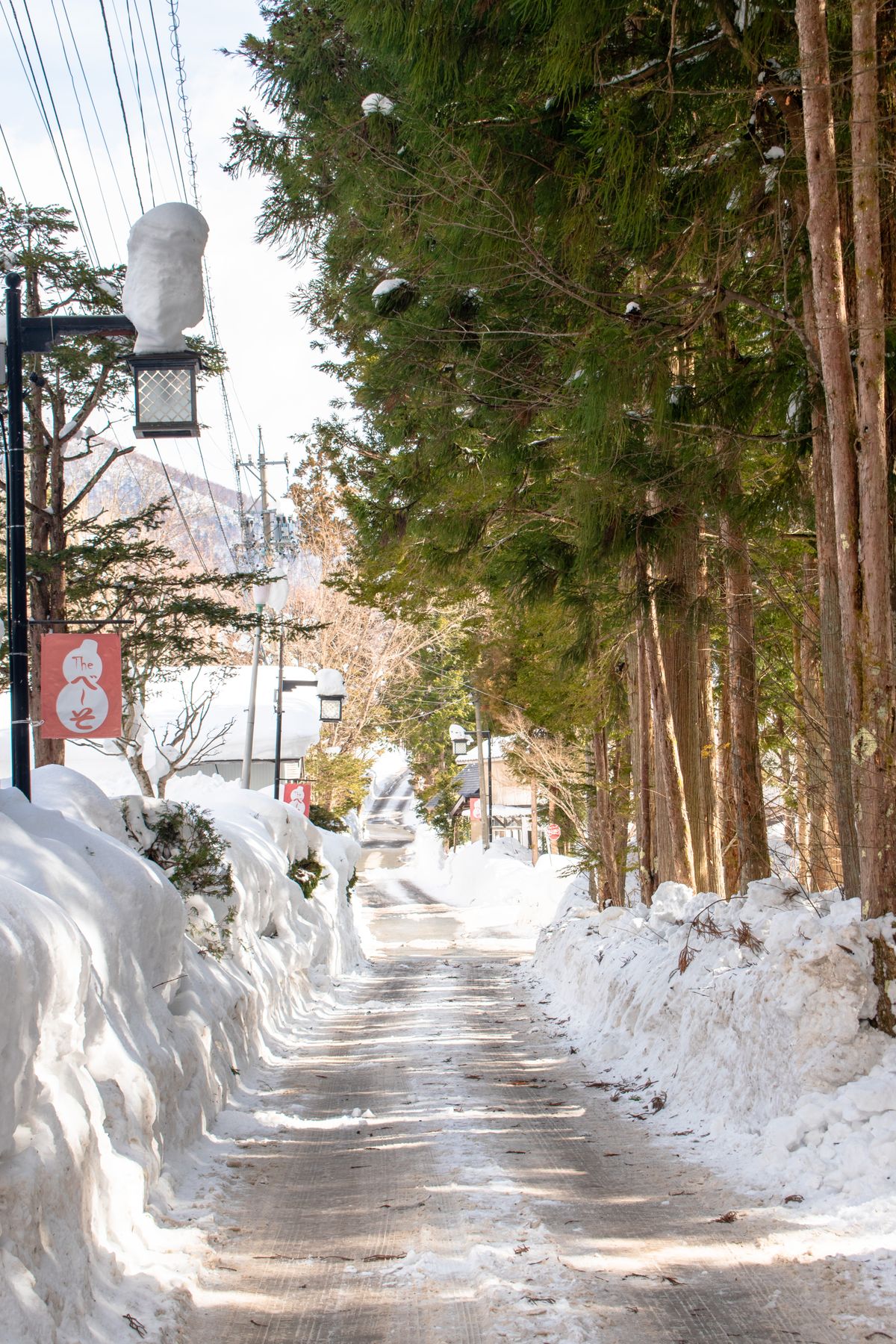
About 50 minutes by train from Yamagata Station, Yamadera is one of the most spectacular mountain temples in Japan. Built into the side of a steep cliff in 860 CE, the temple complex requires a climb of 1,015 stone steps — but the views from the upper platforms over the surrounding cedar forest are unforgettable. Allow 3–4 hours including travel.
The temple is the site where the famous haiku poet Matsuo Basho composed: “Stillness… soaking into the rocks… a cicada’s cry.” Yamadera is beautiful in any season, but particularly stunning under snow.
Ginzan Onsen
Ninety minutes north of Yamagata Station by train and bus, Ginzan Onsen is the fairy-tale lantern-lit hot spring village famous for its Taisho-era wooden ryokan facing a river. In winter, with gas lamps and falling snow, it looks like a film set. Pair it with Zao for a 2-spot Yamagata winter trip. Our dedicated Ginzan Onsen guide walks through the full visit.
Sendai
Just 90 minutes east by train and bus, Sendai is Tohoku’s largest city and the gateway to Matsushima Bay, the Date Masamune samurai legacy and the city’s famous gyutan (grilled beef tongue). It pairs well with Zao for a 3–4 day Tohoku itinerary.
Aizu-Wakamatsu
Two and a half hours south by train, Aizu-Wakamatsu is the historic samurai castle town of southern Tohoku with one of Japan’s most photogenic original castles, traditional sake breweries and the famous Ouchi-juku thatched-roof post town. See our Aizu-Wakamatsu travel guide for the full picture.
Where to Stay in Zao
Zao Onsen village is the natural base, with the widest range of ryokan, restaurants and bus connections. Within the village, prices and atmospheres vary considerably:
Budget (¥10,000–18,000 per person with two meals): Family-run minshuku and small ryokan. Simple tatami rooms, shared bathrooms in some cases, hearty home-style cooking. Examples: Yamagataya, Pension Yamasugata.
Mid-range (¥18,000–30,000): Established ryokan with private baths, onsen access and kaiseki dinners. Most have English-friendly booking via online platforms. Examples: Takamiya Ryokan, Kaikatei Tsutsujiya.
Upper Mid-range (¥30,000–50,000): Premium ryokan with rotemburo, in-room dining options and proper kaiseki. Examples: Takamiya Bouyou Resort, Lucent Takamiya, Hotel Mori-no-Kaze Zao.
Luxury (¥50,000+): A handful of upscale ryokan with personal in-room dining, private outdoor baths and concierge service.
For convenient bookings across this range, Book your hotel on Agoda (Best prices guaranteed) → covers most Zao ryokan, often with discounted last-minute deals. Search hotel deals on Yahoo! Travel → is also worth checking — domestic platforms often have inventory not available elsewhere.
Alternative Bases
Yamagata City: Cheaper hotels, more restaurant variety, but you commute 40 minutes to the mountain each day. Suitable if you’re balancing Zao with Yamadera and other regional sights.
Sendai: Best base for combining Zao with Matsushima Bay or wider Tohoku exploration. Trains to Yamagata are frequent.
Togatta Onsen (Miyagi side): Quieter onsen village on the Miyagi side with traditional ryokan and fewer crowds.
When to Visit Zao
Winter (December–March): Snow Monster Season
The defining experience. December is for early snow and pre-juhyo trips; January 15 to March 10 is peak snow monster viewing; mid-March is the last chance before they melt. Skiing is best mid-January through late February. Expect daytime temperatures of -3 to -10°C on the mountain and -8 to -20°C at the summit. Heavy snowfall is constant; pack waterproof everything.
Spring (April–May): Echo Line Reopens
The Zao Echo Line typically reopens around April 22, often with massive snow walls 8 meters high lining the road for the first weeks — Yamagata’s smaller version of the famous Tateyama Kurobe Alpine Route snow walls. The Okama becomes accessible, and the alpine meadows start to green. Cool but pleasant weather (8–15°C).
Summer (June–August): Hiking and Wildflowers
The mountain is alive with wildflowers — kingcup, nikkokisuge (alpine day lily) and azaleas — particularly stunning in July. Daytime temperatures are mild on the mountain (16–22°C) and you can hike directly from Jizo Sancho across the ridge to the Okama. Yamagata City is humid and hot (28–33°C), which makes Zao a popular summer escape.
Autumn (September–October): Foliage Peak
Among Japan’s most spectacular autumn foliage areas. The rowans and maples along the Echo Line and around the Okama turn red and gold from mid-September (upper slopes) to mid-October (village). This is the second-busiest season after the snow monsters, but with smaller crowds than winter.
For more on regional foliage timing, see our Japan autumn foliage guide.
Suggested Itineraries
2-Day Snow Monster Weekend
Day 1: Morning Shinkansen Tokyo → Yamagata, then bus to Zao Onsen. Lunch at the village, afternoon at Zao Daiokai-Yu public bath, evening night cruise ropeway to see illuminated snow monsters. Ryokan dinner.
Day 2: Morning ski (or daytime ropeway for non-skiers). Lunch in the village, return train to Tokyo via Yamagata in late afternoon.
3-Day Classic Yamagata Trip
Day 1: Tokyo → Yamagata → Yamadera Temple → Zao Onsen for the night.
Day 2: Full day at Zao — snow monsters by ropeway in the morning, ski or onsen tour in the afternoon.
Day 3: Morning return to Yamagata, lunch at a top soba restaurant in the city, afternoon train back to Tokyo (or onward to Sendai).
5-Day Tohoku Winter Loop
Day 1: Tokyo → Yamagata → Zao Onsen (overnight Zao).
Day 2: Snow monsters (day and night cruise) (overnight Zao).
Day 3: Travel north to Ginzan Onsen (overnight Ginzan).
Day 4: Bus to Yamagata, train to Sendai, gyutan dinner (overnight Sendai).
Day 5: Day in Matsushima Bay, evening return to Tokyo on the Shinkansen.
Practical Tips for Visiting Zao
- Stay connected: Mountain coverage is patchy. Pick up an eSIM before arriving. Get your Japan eSIM (Stay connected from day 1) → — JAPAN&GLOBAL eSIM works the moment you land at Haneda or Narita.
- Dress for serious cold: Even non-skiers need real winter gear at the top of the ropeway. Pack a heavyweight insulated jacket, waterproof gloves, a wool or fleece hat, and warm waterproof boots. The summit can hit -20°C with wind chill.
- Book the night ropeway weeks ahead: Snow Monster Night Cruise tickets sell out on every Friday and Saturday in peak season.
- Cash: Many smaller ryokan, food stalls and even the village foot bath cabinets are cash-only. Withdraw ¥30,000+ at the Yamagata Station ATM before heading up.
- Onsen towel: Ryokan provide them, but if you’ll do public-bath hopping in the village, bring your own small modesty towel or buy one for ¥300 at the entrance.
- Sulfur warning: Zao’s onsen water can tarnish silver jewelry. Remove rings, necklaces and watches before bathing.
- Plan around weather: The juhyo ropeway shuts down in heavy storms. Build a flexible 2-night minimum, ideally 3, so you have a backup viewing day.
- Bring slip-on shoes: You’ll constantly remove footwear at ryokan, restaurants and the public baths. See our Japan packing list for the full checklist.
- Hot drinks in coin lockers: Drink vending machines around the village have hot canned coffee and lemon-honey drinks — a small daily luxury when temperatures are below zero.
- Try amazake: Several village stalls sell warm sweet rice wine (low-alcohol or alcohol-free). It’s traditional winter comfort food.
Local Culture and Traditions
Zao Onsen is a working hot spring village that has retained its everyday rhythms despite being a major tourist destination. Spend an evening wandering the small lanes between baths and you’ll notice that this is a place where locals still gather at the public onsen most evenings, where shop owners greet customers by name, and where wood smoke from old-fashioned heating drifts through the narrow streets.
One small ritual that defines a Zao stay is the tradition of the yukata stroll. Most ryokan provide a yukata (light cotton robe) and tabi socks for guests to wear during their stay. It is completely normal — encouraged, in fact — to walk through the village in yukata, geta (wooden clogs) and a thick jacket on top, hopping between public baths, food stalls and shops. After dinner, the lantern-lit main street fills with bath-bound visitors clattering along in their wooden clogs, breath visible in the cold air. It is one of the most quintessentially Japanese moments you can have.
Local festivals worth timing your visit around include the Zao Onsen Snow Festival in early February, when the village stages snow sculpture contests, candle-lit night markets and a fireworks display over the lit-up ski slope. The Imoni Festival in nearby Yamagata City each September draws hundreds of thousands of locals to share the prefecture’s signature taro and beef stew. And on January 14, the village holds Dondo Yaki, a traditional fire festival where last year’s New Year decorations are ceremoniously burned in huge bonfires across the village.
Another quietly powerful tradition is “asayu” — the morning bath. Many longtime ryokan guests rise before sunrise, slip on their yukata, and walk through the still-dark village to soak in an outdoor bath under stars. Watching the steam rise into a navy sky as the first hint of dawn touches the snow-covered firs is the kind of experience that stays with you for years.
Photography Tips for Zao
Zao offers some of the most striking photography in Japan, but the conditions demand preparation. Camera batteries die fast in -15°C cold — keep spares in an inside pocket close to your body. Snow severely confuses auto-exposure, so dial in +1 to +2 stops of exposure compensation to keep snow looking white rather than gray. Bring a microfiber cloth — moving from cold mountain air into a warm cable car or lodge instantly fogs all your glass.
For the snow monsters, the magic hour is the 30 minutes around sunrise and the 30 minutes after sunset, when the low-angle light turns the ice forms pink, blue and gold. Mid-day light is harsher but offers the clearest views. The illuminated night cruise produces incredible images at slow shutter speeds (1/15 sec, ISO 1600) on a small tripod or stable surface.
At the Okama in warmer months, the lake color is most vibrant under direct overhead sunlight — counterintuitive for landscape photography but essential for that emerald-green look. Cloudy days produce a duller, gray-green that doesn’t show in photos.
Tour Options
Budget Estimate for a Zao Trip
A three-day Zao winter trip from Tokyo, per person traveling as a pair:
Transportation: Round-trip Shinkansen Tokyo–Yamagata + local buses = ¥22,000–25,000 ($145–165 USD).
Accommodation: Two nights at a mid-range ryokan with two meals = ¥40,000–60,000 per person.
Ropeway: ¥3,500 day pass, ¥4,500 night cruise.
Lift tickets and rentals (if skiing): ¥6,500–7,500 per day + ¥5,500–7,500 rental.
Food, snacks, public baths, transport extras: ¥6,000–9,000 per day.
Total: ¥80,000–110,000 per person ($525–725 USD) for two nights/three days.
For tighter budgets, see our guide to traveling Japan on a budget.
Frequently Asked Questions
When is the absolute best time to see the snow monsters?
Mid-January to mid-February is the prime window. By this point the juhyo are fully formed (4-meter heights are common), snow conditions are excellent, and the weather, while cold, is more stable than in March. Late February through early March is also reliably good. Avoid late December and late March, when the formations are still building up or starting to melt.
Are the snow monsters worth the trip if I can’t ski?
Absolutely. The ropeway lets non-skiers reach the heart of the juhyo zone in 15 minutes, and the snow monster boardwalk and viewing platforms are accessible to anyone in winter boots. Walking among the illuminated juhyo at night is the kind of experience that justifies the trip even on its own.
What if the weather is too bad to ride the ropeway?
This is the main risk. In peak winter, the ropeway closes for high winds or whiteouts roughly one day in five. Build a flexible 2–3 night stay so you have backup viewing days. If you have only one day and weather is bad, you can still walk the village onsen circuit, ski the lower slopes (which often run when the ropeway doesn’t), or visit Yamadera as a Plan B.
Is Zao good for families with kids?
Very much so. The ski school has separate kids’ programs, the ropeway is a fun ride at any age, and most ryokan welcome children. The night cruise illumination is particularly magical for kids 6+. The main consideration is cold — make sure children have full winter layers.
How does Zao compare to Niseko or Hakuba for skiing?
Niseko (Hokkaido) has deeper powder and more international infrastructure. Hakuba (Nagano) has more challenging terrain and bigger vertical. Zao wins decisively on uniqueness — no other ski area in the world lets you ski past 4-meter ice-encased fir monsters. For first-time Japan skiers wanting a culturally distinctive experience, Zao often beats both. See our dedicated Hakuba guide for comparison.
Can I do Zao on a day trip from Tokyo?
Technically yes — a 6 AM Shinkansen gets you to the ropeway by 10 AM, and you can be back in Tokyo by 10 PM. But you’ll miss the night illumination, the village onsen experience and any sense of slowing down. At least one overnight stay is strongly recommended.
Are tattoos a problem at Zao onsen?
It varies. The traditional public baths in the village still have signs prohibiting visible tattoos. However, increasingly many ryokan offer private rotemburo (outdoor baths) you can book for 45–60 minutes (¥1,500–3,000), which sidesteps the issue. Smaller tattoos under cover-up patches are usually fine.
Do I need to speak Japanese?
Basic English signage is now common in the ropeway and major ryokan, but small restaurants, public buses and shops remain mostly Japanese. A translation app (Google Translate or DeepL) is essential. The ropeway staff and most upper-mid-range ryokan have at least one English-speaking staffer.
What’s the difference between the Yamagata and Miyagi sides of Zao?
Yamagata-side Zao (where the snow monsters live, accessed from Yamagata Station) is by far the more developed and visited. Miyagi-side Zao (Togatta Onsen, Tohoku-Zao) is quieter, with traditional rural ryokan and a winter snowcat juhyo tour that visits less-photographed forest. For first-time visitors, stick to the Yamagata side; experienced Japan travelers might enjoy a mix.
Final Thoughts
Zao offers something very few destinations anywhere in the world can match: a phenomenon — the snow monsters — found in only a handful of places, paired with hot springs, mountain food and a still-traditional Tohoku atmosphere. For travelers willing to head north of the standard Tokyo–Kyoto–Osaka path, the rewards are enormous. You come away with photos and stories that other travelers don’t have, and a sense of Japan beyond its famous postcards.
If you’re planning a winter trip to Japan, build Zao into the itinerary. If you’re returning to Japan for a second or third visit, give it three nights and pair it with Ginzan Onsen or Yamadera for a deep Tohoku immersion. Either way, the moment you step out of the ropeway at Jizo Sancho into the strange forest of ice monsters, you’ll understand exactly why Japanese travelers have been coming here for two thousand years.
For more ideas on planning a Japan trip beyond the Golden Route, browse our full collection of destination guides, or start with our essential 30 tips for first-time visitors.
Going to Japan? Talk to locals with confidence.
Hirameki Japanese — instant offline translation, camera translation, furigana + romaji, and 314 free flashcards. No login. Works without internet.

Plan your Japan trip
Two things every first-timer should book
Some links are affiliate links. If you book through them we may earn a small commission at no extra cost to you.