Introduction: Why Arashiyama Should Be on Every First-Timer’s Japan Itinerary
Nestled at the foot of the Kyoto mountains, where the city gradually gives way to ancient forest and misty hillsides, Arashiyama is one of the most captivating destinations in all of Japan. For first-time visitors, it represents the ideal distillation of the Japan they dreamed about before they booked their flight: emerald bamboo groves that seem to glow from within, moss-covered temple gardens where time moves at a different pace, a broad river crossed by a graceful wooden bridge, and streets where the scent of freshly griddled mochi drifts through the air.
Arashiyama translates roughly as “Storm Mountain,” a name that captures the wild drama of the forested hills rising above the Oi River (also called the Katsura River as it flows further south). In spring, these hills blush pink with cherry blossoms. In autumn, they burn red and gold with maple leaves. Even on a grey winter morning or a scorching summer afternoon, Arashiyama holds a quiet magic that draws millions of visitors each year — and still, somehow, manages to feel worth the trip.
This guide covers absolutely everything you need to know to make the most of your time in Arashiyama: how to get there, where to spend your hours, what to eat, when to visit for the best experience, and how to avoid the most common tourist mistakes. Whether you have a few hours as part of a Kyoto day or you want to linger for a full two days, you will leave Arashiyama with photographs you will show people for the rest of your life.
Getting to Arashiyama: Transportation Options from Kyoto and Osaka
Arashiyama is easily reached from central Kyoto by multiple transport options, and getting there is half the fun if you choose the right route. The district sits about 9 kilometres west of Kyoto Station, and journey times range from around 15 to 30 minutes depending on which line you take.
By JR Train (Saga-Arashiyama Station)
The most convenient option from Kyoto Station is the JR Sagano Line (also called the JR San-in Line), which takes you to Saga-Arashiyama Station in about 15 minutes. Trains run every 20–30 minutes, and a one-way ticket costs ¥240 (approximately $1.60 USD). If you have a JR Pass, this ride is fully covered. From Saga-Arashiyama Station, it is a flat 10-minute walk to the Bamboo Grove. This is the fastest and most straightforward route, making it ideal if you are visiting Arashiyama as part of a longer day including Nijo Castle, Kyoto Station, or other JR-accessible spots.
By Keifuku Electric Railway (Arashiyama Station)
The Randen line, operated by Keifuku Electric Railway, connects Shijo-Omiya (near central Kyoto) to Arashiyama Station in about 20 minutes. The fare is a flat ¥250 (approximately $1.70 USD) and is not covered by the JR Pass. This charming single-car tram is beloved by visitors for its nostalgic, old-fashioned feel — it passes through residential neighbourhoods and even runs along a street-level track for part of the journey. Arashiyama Station on this line is right beside Togetsukyo Bridge, making it the best entry point if you want to start your visit at the river.
By Hankyu Railway (Arashiyama Station)
If you are staying near Gion, Kawaramachi, or Shijo — the central Kyoto entertainment district — the Hankyu Arashiyama Line offers a convenient direct service. Take the Hankyu Kyoto Line to Katsura, then transfer to the Arashiyama branch line for the final two stops. Total travel time from Kawaramachi is around 30 minutes. Single fare is ¥220–¥300 (approximately $1.50–$2.00 USD) and is not covered by JR Pass.
From Osaka
Day-tripping to Arashiyama directly from Osaka is very feasible. Take the JR Special Rapid to Kyoto Station (about 14 minutes from Shin-Osaka, ¥560 / $3.80 USD), then connect to the JR Sagano Line for Saga-Arashiyama. Total travel time from central Osaka to Arashiyama is roughly 50–60 minutes. Alternatively, take the Hankyu from Umeda to Kawaramachi in central Kyoto and use the Hankyu Arashiyama connection described above — this takes approximately 70–80 minutes but avoids changing at Kyoto Station. If you have a JR Pass, the Shinkansen from Shin-Osaka to Kyoto (12 minutes) plus the Sagano Line is the fastest overall option.
Before you head out, make sure you have a Japan eSIM sorted so you can navigate, translate menus, and share your photos in real time. Get your Japan eSIM (Stay connected from day 1) →
Getting Around Arashiyama
The main attractions of Arashiyama are all within comfortable walking distance of one another. From the Bamboo Grove to Tenryu-ji takes five minutes on foot. From Tenryu-ji to Togetsukyo Bridge takes another ten minutes. Renting a bicycle (available from several shops near both main station exits, typically ¥800–¥1,200 / $5.50–$8 USD per day) lets you cover more ground and explore the quieter lanes of the Sagano area at your own pace. Cycle rental is highly recommended, especially during the cherry blossom and autumn foliage seasons when pedestrian crowds on the main path can be intense.
The Arashiyama Bamboo Grove: Everything You Need to Know
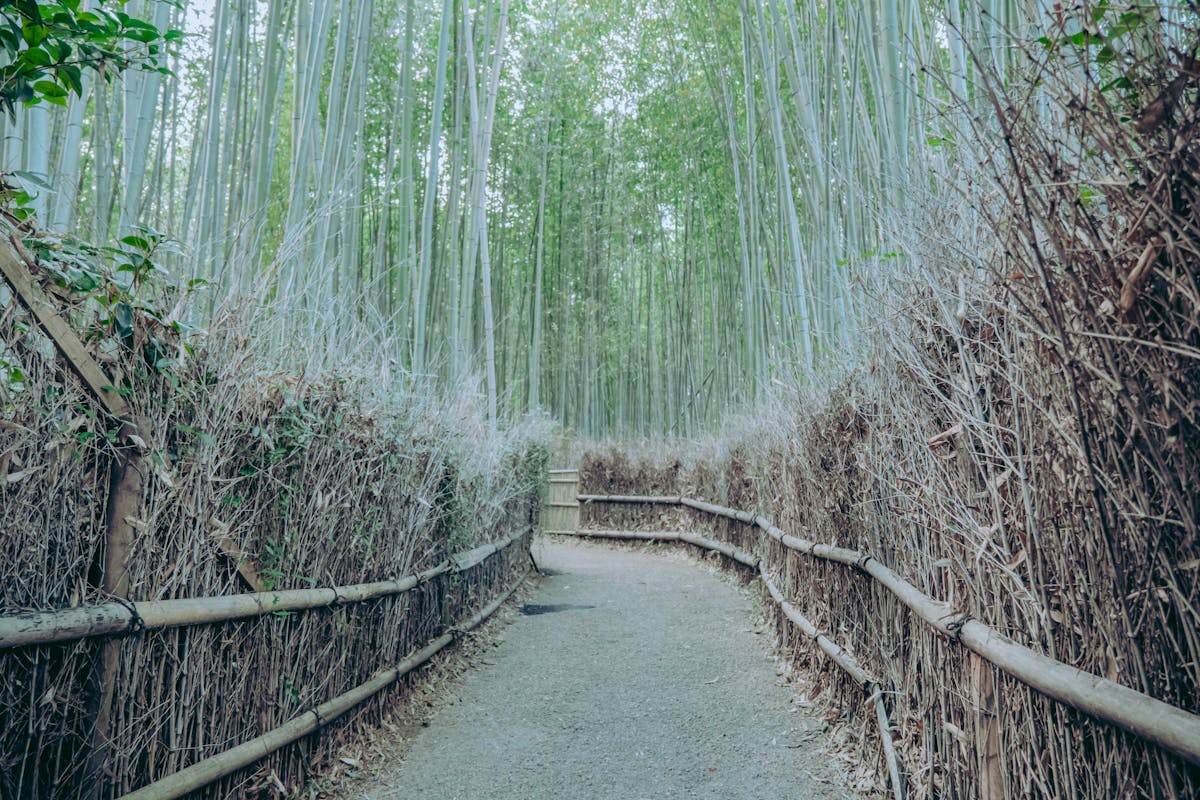
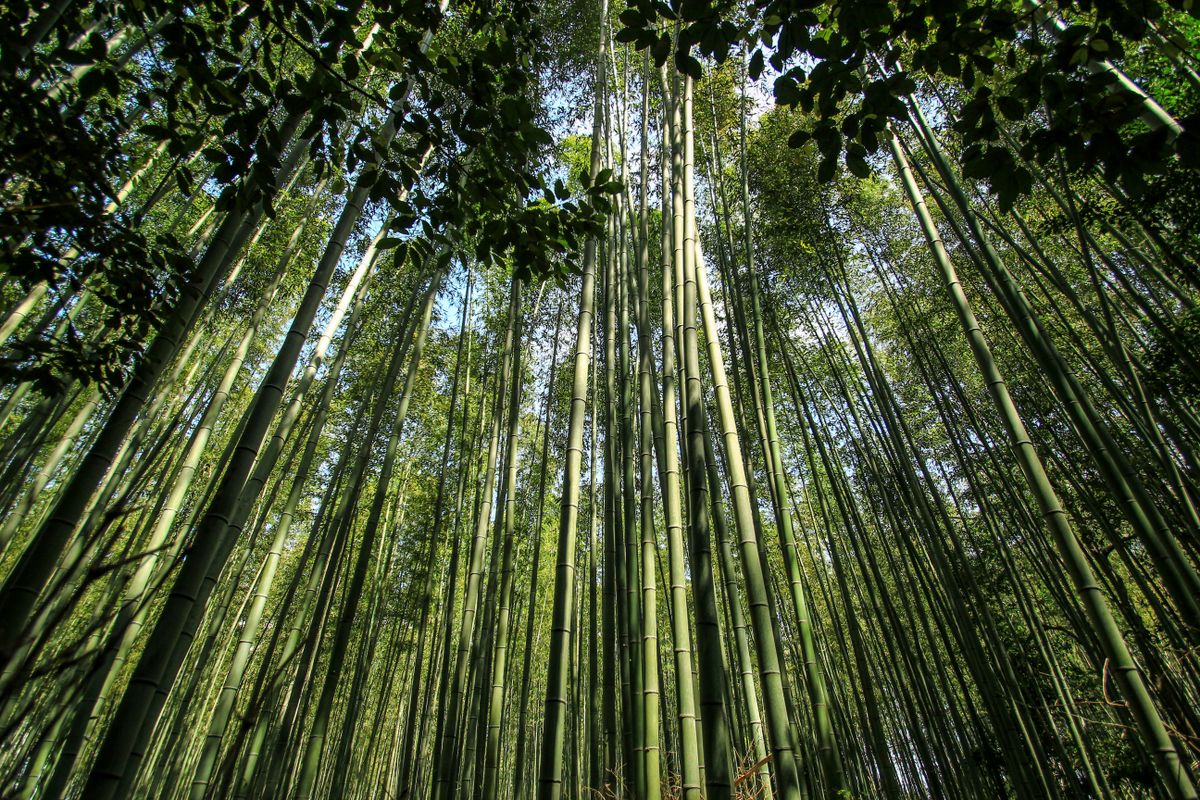
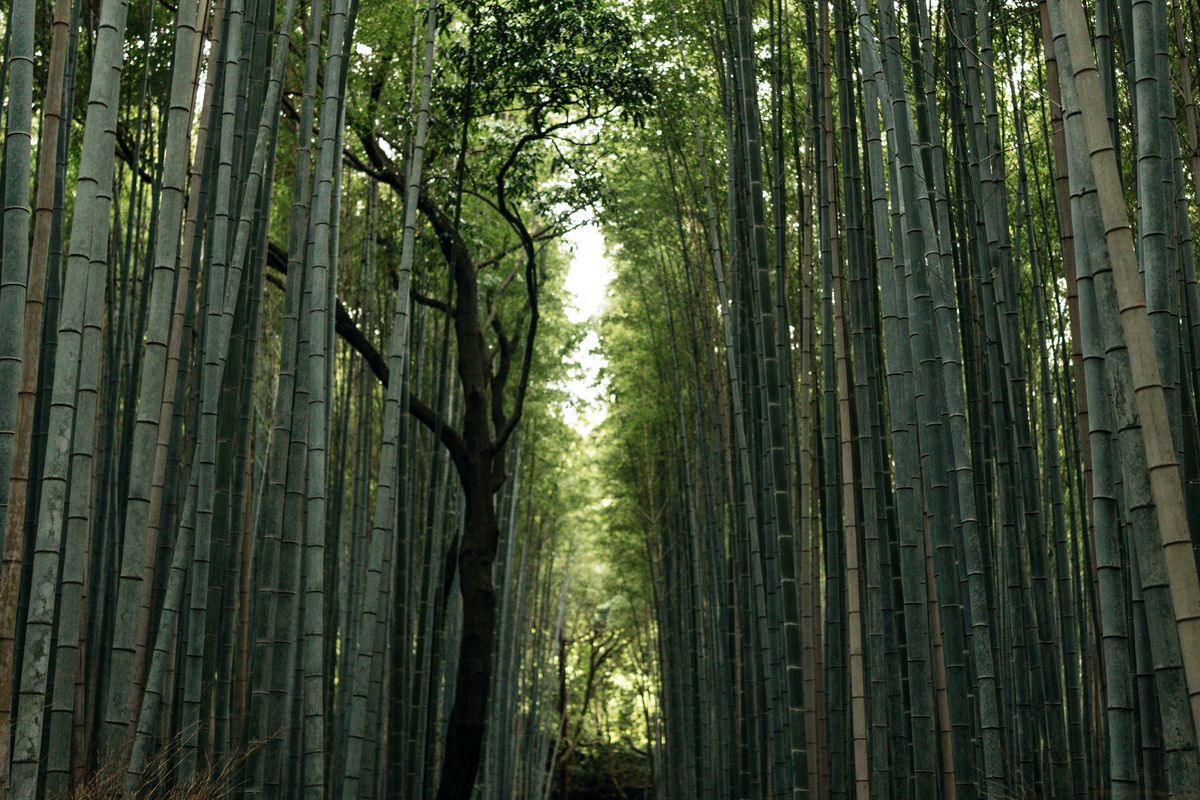
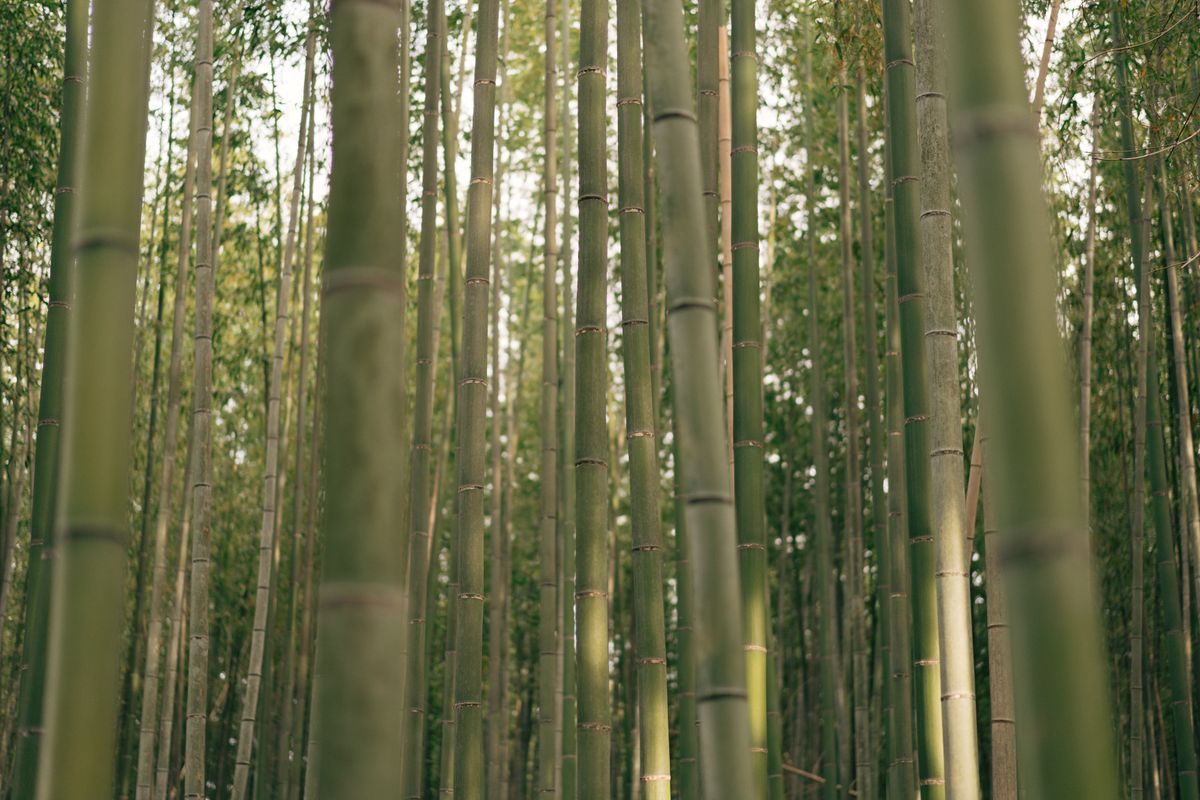
The Bamboo Grove (竹林の小径, Chikurin-no-Komichi) is without question the single most famous sight in Arashiyama, and arguably one of the most photographed landscapes in all of Japan. Towering poles of Moso bamboo rise 10–20 metres into the air on both sides of a narrow gravel path, filtering the light into a cool, greenish shimmer that creates an atmosphere unlike anywhere else on earth. When the wind moves through the grove, the bamboo canes creak and rustle in a sound so distinctive it has been designated an official “Sound of Japan” by the Ministry of the Environment.
The path itself is about 500 metres long and runs roughly north from Tenryu-ji’s bamboo grove entrance to Okochi Sanso Villa. Walking the full path takes about 10–15 minutes at a leisurely pace, though you will almost certainly stop many times for photographs. The path is free to walk and accessible at all hours, including early in the morning and late at night — both of which offer entirely different experiences from the midday rush.
How to Visit the Bamboo Grove Without the Crowds
The honest truth about the Bamboo Grove is that between 9 AM and 5 PM on any given day, the main path is crowded with tourists. This is especially pronounced on weekends and during the peak cherry blossom season (late March to mid-April) and autumn foliage season (mid-November to early December). If getting a photograph with no one else in the shot is important to you, arrive as early as possible — ideally by 7 AM, or even 6 AM in peak seasons. The path is at its most magical in the early morning, when mist sometimes clings to the bamboo and the light is softer and more golden.
Alternatively, visit after 5 PM in summer or during the special illumination events that Arashiyama holds on certain evenings — most notably during the Hanatoro light festival in March and November. During these events, the bamboo path and surrounding temples are lit with hundreds of lanterns, creating a breathtakingly beautiful atmosphere that is genuinely worth the extra effort to experience.
What Grows in the Bamboo Grove?
The bamboo in the Arashiyama grove is primarily Moso bamboo (孟宗竹, Mōsōchiku), the largest and most common bamboo species in Japan. Moso bamboo can grow up to one metre per day in peak growing season, reaching full height in just a few months. The canes (technically called culms) that form the grove are managed by the Nonomiya Shrine and Tenryu-ji, who thin the grove regularly to maintain the atmospheric density. Bamboo in Japan has been cultivated for over a thousand years for use in food (bamboo shoots are a Kyoto culinary staple), construction, basketry, and ceremonial purposes.
Tenryu-ji: The World Heritage Zen Temple at the Heart of Arashiyama
Tenryu-ji (天龍寺, “Heavenly Dragon Temple”) is the most important temple in Arashiyama and one of the great Zen temples of Japan. Founded in 1339 by the shogun Ashikaga Takauji to honour the spirit of the Emperor Go-Daigo, it is the head temple of the Tenryu-ji branch of Rinzai Zen Buddhism and has been designated a UNESCO World Heritage Site as part of the Historic Monuments of Ancient Kyoto.
The temple was burned to the ground multiple times over the centuries — a recurring misfortune that earned it the nickname “Burned Dragon Temple” in certain historical accounts — but the celebrated garden has survived in something close to its original form for nearly 700 years. This garden is widely regarded as one of the finest examples of Japanese landscape garden design in existence.
The Sogen Pond Garden
The centrepiece of Tenryu-ji is the Sogen Pond Garden, designed by the Zen monk Musō Soseki around 1340. The garden is composed around a large central pond (Sogen Pond or Sotetsuchi Pond) framed by carefully arranged stones, trimmed pine trees, and borrowed scenery from the Arashiyama hills beyond. The layered visual effect, known as shakkei (borrowed scenery), draws the mountains into the composition so seamlessly that the garden appears to extend indefinitely into the natural landscape. Walking around the pond on a clear morning, with the mountains reflected in the still water and the sound of wind in the pines, is one of the most quietly profound experiences available in Kyoto.
The garden is accessible for ¥500 (approximately $3.40 USD). To enter the main hall (Hojo) and additional buildings, the combined ticket costs ¥1,000 (approximately $6.80 USD). Tenryu-ji opens at 8:30 AM and closes at 5:30 PM (5 PM in winter), making it ideal for an early morning visit before the main crowds arrive.
Tenryu-ji’s Bamboo Grove Connection
Tenryu-ji has its own bamboo grove within the temple grounds, and the main Arashiyama Bamboo Grove path actually exits through the temple’s northern gate. Purchasing the ¥500 garden ticket at Tenryu-ji therefore gives you a calmer, more spacious introduction to bamboo than the public path — a strategy that many experienced Kyoto visitors recommend.
Togetsukyo Bridge: The Symbol of Arashiyama
If the Bamboo Grove is the soul of Arashiyama, Togetsukyo Bridge (渡月橋, “Moon Crossing Bridge”) is its face. This elegant 155-metre wooden bridge arches across the Oi River at the foot of the Arashiyama mountains, and its image — particularly framed by cherry blossoms in spring or by the blazing autumn hills in November — appears on more Kyoto postcards and travel features than almost any other single spot.
The bridge has existed in some form since the Heian period (794–1185), though the current structure dates from the 1930s and is made from reinforced concrete with a traditional wooden appearance. Its name, “Moon Crossing Bridge,” was given by the Emperor Kameyama in the 13th century, who reportedly watched the moon appear to cross the sky above the bridge while he stood on its banks. The poetic name stuck.
Walking across Togetsukyo Bridge is free and takes about three minutes at a relaxed pace. The views from the bridge are spectacular in every direction: downstream toward Kyoto and the distant city, upstream toward the forested mountains and the rocky gorge beyond, and across the wide, shallow river to the willow trees and boat landings on the northern bank. Cormorant fishing (ukai) is practised on the river during the summer months (June to September), a tradition over 1,000 years old in which trained cormorants on leashes dive for sweetfish (ayu) while fishermen in traditional wooden boats hold flaming torches to attract the fish to the surface.
Hozugawa River Boat Cruise
One of the most spectacular experiences in the Arashiyama area is the Hozugawa River Cruise (保津川下り), a two-hour boat journey through the Hozugawa Gorge from Kameoka to Arashiyama. Flat-bottomed wooden boats carry 10–15 passengers through dramatic river scenery — sheer rock walls, foaming rapids, pristine forest, and mountain vistas — all with skilled boatmen who have been navigating this river for centuries. The cruise covers approximately 16 kilometres of river and provides a genuinely thrilling and beautiful experience, especially in autumn when the gorge walls are aflame with changing leaves.
Tickets cost ¥4,100 per adult (approximately $28 USD), and advance booking is strongly recommended during peak seasons. The departure point is Kameoka Station (accessible from Kyoto Station by JR in about 15 minutes), so the cruise works well as a one-way journey ending at Arashiyama — you can start your day at the river and end it exploring the bamboo and temples. Boats run from approximately 9 AM to 3:30 PM (seasonal variations apply), and the experience operates year-round, with the spring and autumn runs being the most popular.
Monkey Park Iwatayama: Meet Japan’s Wild Macaques
Perched on the mountainside above the Togetsukyo Bridge, Iwatayama Monkey Park is home to a troop of approximately 130 wild Japanese macaques (nihonzaru) who roam freely across the hillside while visitors observe them at close range. This is not a zoo — the monkeys genuinely live here and are free to come and go as they please, with humans restricted to an indoor feeding station where the roles are strikingly reversed: you stand inside a cage and feed the monkeys through the wire mesh from the outside.
Reaching the park requires a 15-minute uphill hike on a fairly steep mountain path (about 160 metres of elevation gain), which deters some visitors but rewards those who make the climb with sweeping views over Arashiyama, the bridge, the river, and the Kyoto basin stretching away to the east. The view alone is worth the effort. The park opens at 9 AM and charges ¥600 admission (approximately $4 USD) for adults, ¥300 for children. Feeding pellets are available inside for ¥100 per handful. The monkeys are fascinating and very unafraid of humans, though touching them is strictly prohibited and the rules about behaviour around the animals are firmly enforced by staff.
The Sagano Romantic Train: A Scenic Railway Through the Gorge
Running along the north bank of the Hozugawa River between Torokko-Saga Station (a 5-minute walk from Saga-Arashiyama JR Station) and Torokko-Kameoka Station, the Sagano Scenic Railway (嵯峨野トロッコ列車, also known as the Torokko Train) offers a 7.3-kilometre journey through some of the most dramatic scenery in the Kyoto region. The open-sided carriages pass through the narrow Hozugawa Gorge, clinging to the cliff face above the rushing river, with views that shift between dense cedar forest, towering rock walls, and occasional glimpses of the Hozugawa boat cruise far below.
The journey takes about 25 minutes and costs ¥880 one way (approximately $6 USD) for adults. The train runs approximately 8 times daily in each direction and is extremely popular, so booking tickets well in advance is essential during spring and autumn. Tickets can be purchased up to one month in advance at the station windows or (sometimes) online. There are five stops along the route, with Torokko-Arashiyama Station offering particularly fine views of the gorge. If you cannot get a seat, standby tickets (for the glass-sided “The Rich” carriage) are sometimes available on the day, but this is not reliable during peak periods.
Nonomiya Shrine: A Serene Shinto Sanctuary in the Bamboo
Tucked at the entrance to the Bamboo Grove path, Nonomiya Shrine (野宮神社) is a small but deeply atmospheric Shinto shrine that has been a place of pilgrimage for over 1,200 years. The shrine is dedicated to the goddess Nonomiya-no-Kami and is historically associated with the Saio, the imperial priestesses who would spend years in ritual purification at Nonomiya before taking up their duties at the great Ise Shrine. The simple black torii gate, made from unbarked wood rather than the more common vermilion-painted gates, is one of the most distinctive in Japan.
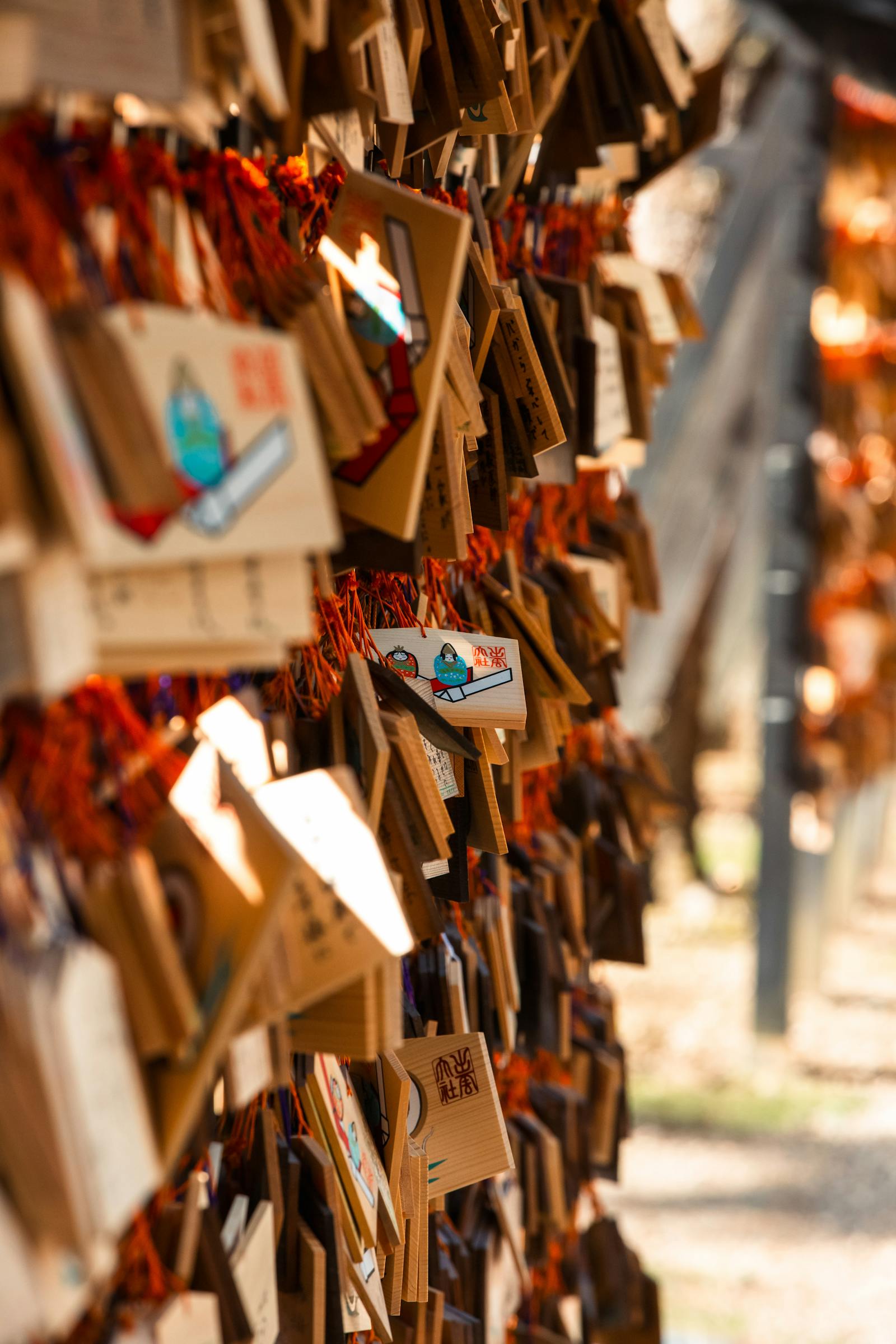
Nonomiya is famously associated with the novel The Tale of Genji (Genji Monogatari), written in the early 11th century, where it appears as the setting for one of the most celebrated scenes in Japanese literature. Today it is a popular shrine for prayers related to love, marriage, and academic success. Tying omamori (good luck charms) to the pine trees within the shrine grounds and writing wishes on ema (wooden votive tablets) are traditional practices here. Admission is free, and the shrine is open from sunrise to sunset.
Okochi Sanso Villa: Arashiyama’s Hidden Garden Gem
At the northern end of the Bamboo Grove path, most visitors turn back the way they came without knowing that one of Arashiyama’s finest experiences lies just a few minutes further: Okochi Sanso (大河内山荘), the private villa and garden of the silent film star Denjiro Okochi, who spent 30 years and much of his fortune creating a series of interconnected garden spaces on the mountainside above Arashiyama.
The gardens are a masterpiece of the strolling garden style, incorporating tea houses, viewing pavilions, stone lanterns, moss-covered paths, and meticulously pruned pines arranged to create perfectly composed views of the mountains, the bamboo groves below, and — from the highest point — a panorama that takes in Arashiyama, the Kyoto basin, and on clear days even the mountains of Tamba far to the north. The ¥1,000 admission fee (approximately $6.80 USD) includes a ticket for matcha tea and a Japanese sweet served in the main tea house, which makes this one of the genuinely best-value cultural experiences in Kyoto. Allow at least 45 minutes; many visitors spend well over an hour simply walking slowly and enjoying the stillness.
More Temples and Attractions in Arashiyama
Jojakko-ji Temple
One of the less-visited but most rewarding temples in Arashiyama, Jojakko-ji is a Nichiren Buddhist temple famous for its extraordinary autumn foliage display. A steep stone staircase leads through a forest of maple trees to the main hall and a wooden pagoda perched on the hillside, offering panoramic views over Arashiyama. In mid-November, when the maples turn deep red and orange, this temple produces some of the most beautiful autumn colour photography in Kyoto. Admission is ¥500 (approximately $3.40 USD). Opening hours are 9 AM to 5 PM.
Gioji Temple
Hidden down a narrow lane north of the main Arashiyama sightseeing area, Gioji is a tiny thatched-roof temple set in one of the most beautiful moss gardens in Kyoto. The entire temple grounds are carpeted in a thick layer of vivid green moss that glows in the filtered light filtering through the maples and bamboo above. Gioji has a melancholy history: it was the retreat of Gio, a dancer who fell out of favour with the warlord Taira no Kiyomori in the 12th century, as recorded in the Tale of the Heike. Admission is ¥300 (approximately $2 USD). Its small scale and slightly off-the-beaten-path location mean it is rarely crowded, making it an ideal early morning stop.
Daikaku-ji Temple
A 15-minute walk north of the Bamboo Grove, Daikaku-ji is a massive Shingon Buddhist temple complex built on the site of a 9th-century imperial villa. The highlight for most visitors is Osawa Pond, the oldest artificial garden pond in Japan, constructed for Emperor Saga around 810 CE. The pond and its surrounding gardens are particularly beautiful during the Autumn Moon Viewing event held each year in September and October, when lantern-lit boats circle the pond under the harvest moon. Admission to the temple buildings and garden is ¥500 (approximately $3.40 USD).
Arashiyama Food Guide: What to Eat and Where
Arashiyama sits in a part of Kyoto that has its own distinct food culture, shaped by centuries of temple cooking (shojin ryori) and the seasonal bounty of the surrounding mountains and rivers. Whether you are looking for a quick snack from a street stall or a refined kaiseki lunch with mountain views, the Arashiyama area delivers.
Yudofu (Hot Tofu)
Tofu cooked in a delicate kombu broth, then dipped in a simple ponzu sauce, is one of the quintessential foods of Kyoto temple cuisine. Several restaurants near Tenryu-ji specialize in yudofu set meals (¥1,500–¥3,000 / approximately $10–$20 USD per person). Shigetsu, the vegetarian restaurant inside Tenryu-ji itself, is highly regarded and offers both simple yudofu sets and full multicourse shojin ryori temple meals. Reservations are recommended for weekends.
Warabi Mochi
This translucent, wobbly confection made from bracken starch is one of Arashiyama’s signature street foods. Freshly made and dusted with kinako (roasted soybean powder), it has a soft, jelly-like texture unlike the more familiar rice-cake mochi. Street stalls selling warabi mochi are dotted throughout the main shopping street between Togetsukyo and the Bamboo Grove. Prices are typically ¥300–¥500 (approximately $2–$3.50 USD) for a small cup or box, making it an excellent and inexpensive souvenir to eat on the spot.
Matcha Sweets
Given Kyoto’s historic association with the Japanese tea ceremony, it is no surprise that matcha-flavoured everything appears on menus throughout Arashiyama. Look for matcha soft serve ice cream (¥400–¥600 / approximately $2.70–$4 USD), matcha parfaits at cafes along the main street, and matcha daifuku (soft mochi stuffed with sweet red bean paste and matcha cream). For a more complete matcha experience, visit one of the several tea houses that offer brief tea ceremony experiences for ¥800–¥1,500 (approximately $5.50–$10 USD).
Ayu (Sweetfish)
The Hozugawa and Oi rivers are renowned for ayu, the delicate river fish that is a seasonal delicacy throughout Japan from early summer through autumn. In Arashiyama, grilled ayu on a skewer (shio-yaki ayu) can be found at riverside restaurants and street stalls from June onwards. The fish are caught in the local rivers and grilled over charcoal, with the crispy skin, delicate flesh, and slightly bitter natural flavour making for one of Japan’s most authentic seasonal food experiences. Expect to pay ¥800–¥1,200 (approximately $5.50–$8 USD) for a single skewer.
Sagano Yudofu and Tofu Skin (Yuba)
Yuba — the delicate skin that forms on the surface of soy milk when it is heated — is another Kyoto speciality that appears frequently on Arashiyama menus. Fresh yuba has a subtle, creamy flavour and silky texture quite different from the dried sheets sold in supermarkets. Look for yuba ramen, yuba sashimi, and yuba-topped tofu dishes at specialist restaurants in the Sagano area, particularly along Sagano-cho just north of Tenryu-ji. Meals featuring yuba typically range from ¥1,500–¥3,500 (approximately $10–$24 USD).
If you plan to stay overnight in Arashiyama, there are some wonderful hotel options available. Book your hotel on Agoda (Best prices guaranteed) →
Shopping in Arashiyama
The main shopping area in Arashiyama runs along Saga-Tenryu-ji-Monzen-cho between Tenryu-ji’s main gate and Togetsukyo Bridge, as well as along the streets immediately east of the bridge. It is a mix of traditional craft shops, souvenir sellers, restaurants, and a handful of modern cafes that have grown up to serve the tourist trade. The quality ranges widely, so knowing what to look for helps.
Best Souvenirs
Bamboo products are the obvious local speciality — everything from bamboo steamers and chopsticks to sake cups, small baskets, and decorative items can be found in the specialist bamboo craft shops along the main shopping street. Prices range from ¥500 (approximately $3.40 USD) for small chopstick sets to ¥5,000+ (approximately $34+ USD) for handmade baskets. Nishiki textile accessories, Kyoto-style ceramics, and high-quality matcha sets are also well represented. For an interesting mid-range souvenir, look for the decorative washi paper products — fans, notebooks, and letter sets using traditional Kyoto patterns — that several shops along the main street carry.
Arashiyama by Season: When to Visit
Arashiyama is beautiful in every season, but each time of year offers a markedly different experience. Understanding the seasonal rhythms will help you decide not just when to visit, but what to prioritize when you arrive.
Spring (Late March to Mid-April): Cherry Blossom Season
Spring is the busiest and most spectacular time to visit Arashiyama. The Hanatouro festival in March illuminates the area with thousands of lanterns on select evenings, but the main attraction is the cherry blossom season that usually peaks between late March and mid-April (the precise dates vary from year to year and are closely tracked by the Japan Meteorological Corporation’s blossom forecast). The cherry trees along the Oi River banks, around Tenryu-ji, and on the hillsides above create a breathtaking pastel panorama. Crowds are at their most intense during this period — plan to arrive extremely early or book accommodation in Arashiyama itself to access the sites before the day-trippers arrive.
Summer (June to August): Greenery and River Activities
Summer brings intense heat and humidity to Kyoto (daily highs regularly exceed 35°C/95°F in July and August), but it also means uncrowded temples, vivid green bamboo, ayu fishing and cormorant fishing on the rivers, and the spectacular Manto-e illumination event at Tenryu-ji in August. Early morning visits are strongly recommended in summer; the combination of heat and crowds by mid-morning can make sightseeing uncomfortable. Carry a handheld fan (available at any convenience store), dress in light cotton, and hydrate frequently.
Autumn (Mid-November to Early December): Fall Foliage
For many visitors, autumn is the finest time to see Arashiyama. The maple trees that grow throughout the temple gardens and hillsides transform the entire area into a tapestry of red, orange, gold, and crimson that provides a dramatic backdrop for the bamboo grove, the bridge, and the river. The Arashiyama Hanatouro autumn illumination, held for about ten days in mid-November, is one of the most popular events in the Kyoto calendar. Accommodation books out months in advance during peak autumn foliage season.
Winter (December to February): Quiet Beauty
Winter is the least visited season in Arashiyama, and for independent travellers who prioritise the quality of their experience over perfect weather, it can actually be the best time to come. The temples are peaceful, the bamboo grove is largely uncrowded in the early morning, and on the rare occasions when snow falls on Arashiyama — which happens perhaps two or three times each winter — the white-dusted bamboo and snow-covered temple roofs create scenes of extraordinary beauty. Temperatures in January and February regularly dip to 0–5°C (32–41°F), so dress warmly.
Where to Stay in Arashiyama
Staying overnight in Arashiyama itself, rather than commuting from central Kyoto, allows you to experience the area at its most magical: in the early morning before the day-trippers arrive, and in the evenings after they have gone home. Several excellent accommodation options are available at a range of price points.
At the luxury end, a handful of world-class ryokan (traditional Japanese inns) along the Oi River offer tatami rooms, private onsen baths, and multi-course kaiseki dinners. Properties such as Hoshinoya Kyoto (accessible only by private boat) and Arashiyama Benkei represent the pinnacle of the Japanese inn experience — a night here typically costs ¥50,000–¥150,000 (approximately $340–$1,000 USD) per person including dinner and breakfast. Mid-range options include several boutique hotels and guesthouses in the Sagano area priced at ¥15,000–¥30,000 (approximately $100–$200 USD) per night for a double room. Budget travellers will find guest houses and shared accommodation from around ¥5,000–¥8,000 (approximately $34–$55 USD) per person per night.
You can also explore the wider Kyoto area and find excellent accommodation across different price ranges. Book your hotel on Agoda (Best prices guaranteed) → or
For a comprehensive overview of all the major sightseeing districts in Japan’s ancient capital, be sure to read our full Kyoto travel guide. You can also browse all our regional destination articles at Japan Real Guide Destinations.
Practical Tips for Visiting Arashiyama
- Arrive early: The single most effective thing you can do to improve your Arashiyama experience is to arrive before 8 AM. The Bamboo Grove, Tenryu-ji garden, and the bridge area are dramatically less crowded in the first hour or two of the day.
- Wear comfortable walking shoes: Arashiyama involves a lot of walking on uneven stone paths and gravel. The hike to the Monkey Park and up to Jojakko-ji involves significant elevation, so proper footwear is important.
- Bring cash: Many smaller shops, street food stalls, and temple admission booths are cash-only. A budget of ¥3,000–¥5,000 (approximately $20–$34 USD) per person for entry fees and food is realistic for a full day.
- Be respectful of the residents: Arashiyama is a real residential neighbourhood, not just a tourist attraction. Some streets leading to quieter temples pass directly in front of private homes. Noise and intrusive photography near residences are serious issues that the local community regularly raises.
- Stay connected: Having mobile data is essential for navigation in Arashiyama, as many of the side streets and hidden temples are not well signposted in English. Get your Japan eSIM (Stay connected from day 1) →
- Consider a half-day and full-day split: If you have two days in Kyoto, consider splitting your Arashiyama visit: the river, bridge, and boat activities in the morning of one day, and the temples and Bamboo Grove the following morning.
- Book the Hozugawa Boat Cruise and Sagano Scenic Railway in advance: Both of these are extremely popular and regularly sell out during spring and autumn. Book as early as possible.
Sample Itinerary: Full Day in Arashiyama
7:00 AM – Arrive at Saga-Arashiyama Station. Walk directly to the Bamboo Grove and Nonomiya Shrine before the crowds arrive.
8:30 AM – Enter Tenryu-ji when it opens. Spend an hour in the Sogen Pond Garden.
9:30 AM – Continue north through the Bamboo Grove to Okochi Sanso Villa. Enjoy tea and take in the panoramic views.
11:00 AM – Walk downhill to the Gioji Temple moss garden for a peaceful interlude.
12:00 PM – Lunch at one of the yudofu restaurants near Tenryu-ji’s main gate.
1:30 PM – Cross Togetsukyo Bridge and hike up to the Monkey Park for views and macaque encounters.
3:00 PM – Browse the main shopping street for bamboo crafts and warabi mochi.
4:00 PM – Optional boat cruise or Sagano Scenic Railway if not done earlier in the day.
5:30 PM – Riverside dinner at a restaurant overlooking the Oi River.
Frequently Asked Questions About Arashiyama
How long should I spend in Arashiyama?
For a focused visit covering the Bamboo Grove, Tenryu-ji, and Togetsukyo Bridge, a half-day (4–5 hours) is sufficient. To do justice to all the area’s major attractions including Okochi Sanso, the Monkey Park, a boat cruise or train ride, temple exploration, and a proper meal, you need a full day (8–10 hours). Overnight visitors can spread the experience across two relaxed mornings, which is the most comfortable and photogenic approach.
Is Arashiyama worth visiting in winter?
Absolutely. Winter Arashiyama offers a very different but equally rewarding experience. The temples and bamboo grove are far less crowded, the atmospheric mist that often settles in the valley adds a layer of mystery, and the possibility of snow — while not guaranteed — can produce genuinely spectacular scenes. The Monkey Park is also excellent in winter, when the macaques are more active in the cooler temperatures.
Can I visit Arashiyama and Nishiki Market in the same day?
Yes, though it makes for a long and busy day. Start with an early morning in Arashiyama (arriving by 7 AM), spend the morning at the bamboo and temples, then return to central Kyoto by around 1 PM for lunch and an afternoon at Nishiki Market and the surrounding Gion district. A full Kyoto day-pass transport card (¥1,200 / approximately $8 USD) covers most bus routes and makes the transfer straightforward.
Is the Bamboo Grove free to visit?
The main public path through the Bamboo Grove is entirely free to walk at any time of day. Some sections of bamboo grove are within the paid grounds of Tenryu-ji (¥500 entry required for the garden) and Okochi Sanso (¥1,000 entry required), but the famous 500-metre public path itself requires no ticket.
Are there any rules I should know about in Arashiyama?
Several important guidelines apply. Drone flying is prohibited throughout Arashiyama. Photography inside temple halls is often forbidden (signs are clearly posted). The narrow lanes of the Sagano residential area are not shortcut routes and should not be walked through in large groups late at night. Smoking is restricted to designated areas, and eating while walking (tabeayuki) is frowned upon and officially discouraged in some parts of the district. Littering is completely unacceptable — Japan’s public spaces are spotlessly maintained and visitors are expected to contribute to that standard.
What should I eat for breakfast in Arashiyama?
Several of the ryokan restaurants near the river offer morning meals open to non-guests. For a more casual early start, the 7-Eleven and Family Mart near Saga-Arashiyama Station (both open 24 hours) are perfectly serviceable for onigiri, coffee, and yoghurt. If you want a sit-down breakfast, the Arashiyama area’s cafe culture has grown substantially in recent years, with several small cafes opening from 8 AM serving Japanese breakfast sets (egg, rice, miso soup, pickles) for around ¥800–¥1,200 (approximately $5.50–$8 USD).
Is Arashiyama accessible for visitors with limited mobility?
The main path through the Bamboo Grove is paved and flat. Togetsukyo Bridge is flat and paved. The riverbank around the bridge is accessible. However, the paths leading to higher-elevation sites — Monkey Park, Jojakko-ji, Okochi Sanso, Gioji — all involve steep stairs or significant inclines that may be challenging for visitors with mobility limitations. Tenryu-ji’s garden is largely flat and well-maintained. Rented rickshaws (jinrikisha) pulled by human runners are available from near Togetsukyo Bridge as a traditional touring option that eliminates walking for those who prefer it — a 30-minute course costs approximately ¥5,000–¥8,000 (approximately $34–$55 USD) per person.
Where can I store my luggage in Arashiyama?
Coin lockers are available at both Saga-Arashiyama JR Station and the nearby Keifuku Arashiyama Station. Prices range from ¥300 (small) to ¥700 (large) per day. The lockers at Saga-Arashiyama are generally sufficient for most visitors, though during peak season they fill up quickly by mid-morning. Alternatively, the Sagano Scenic Railway also provides a luggage forwarding service for visitors doing the boat-and-train combination.
Related guides
- How to Read a Japanese Restaurant Menu (Even With Zero Japanese)
- Essential Japanese Phrases for Travelers (and How to Read Menus on the Spot)
- Aomori Nebuta Festival Guide 2026: A First-Timer’s Guide to Japan’s Giant Glowing Floats and How to Dance in the Parade
Going to Japan? Talk to locals with confidence.
Hirameki Japanese — instant offline translation, camera translation, furigana + romaji, and 314 free flashcards. No login. Works without internet.

Plan your Japan trip
Two things every first-timer should book
Some links are affiliate links. If you book through them we may earn a small commission at no extra cost to you.