For many travelers, eating wagyu beef is one of the bucket-list experiences of a trip to Japan — and rightly so. A single bite of properly prepared A5 wagyu, with its lattice of marbled fat melting at body temperature, is unlike any beef you have eaten before. But wagyu is also one of the most confusing things to order in Japan. What do the grades mean? Is Kobe beef really the best? Why does the same word appear on a ¥1,500 lunch set and a ¥30,000 dinner course? And how are you supposed to eat it — grilled, raw, in a hot pot, as sushi?
This guide answers all of that. It explains what wagyu actually is, how the grading system works, the difference between the famous regional brands like Kobe and Matsusaka, the many delicious ways to eat it, where to find it from the Kansai heartland of Hyogo to Osaka and Tokyo, and exactly how much you should expect to pay in both Japanese yen and US dollars. Whether you want to splurge on a once-in-a-lifetime A5 dinner or simply enjoy great beef on a modest budget, you will leave knowing how to order with confidence.
Wagyu is woven through Japan’s food culture, and tasting it is one of the great pleasures of travel here. For more ways to eat your way around the country, this guide pairs well with our Japan food experiences guide and our street food guide.
What Makes Wagyu So Special?
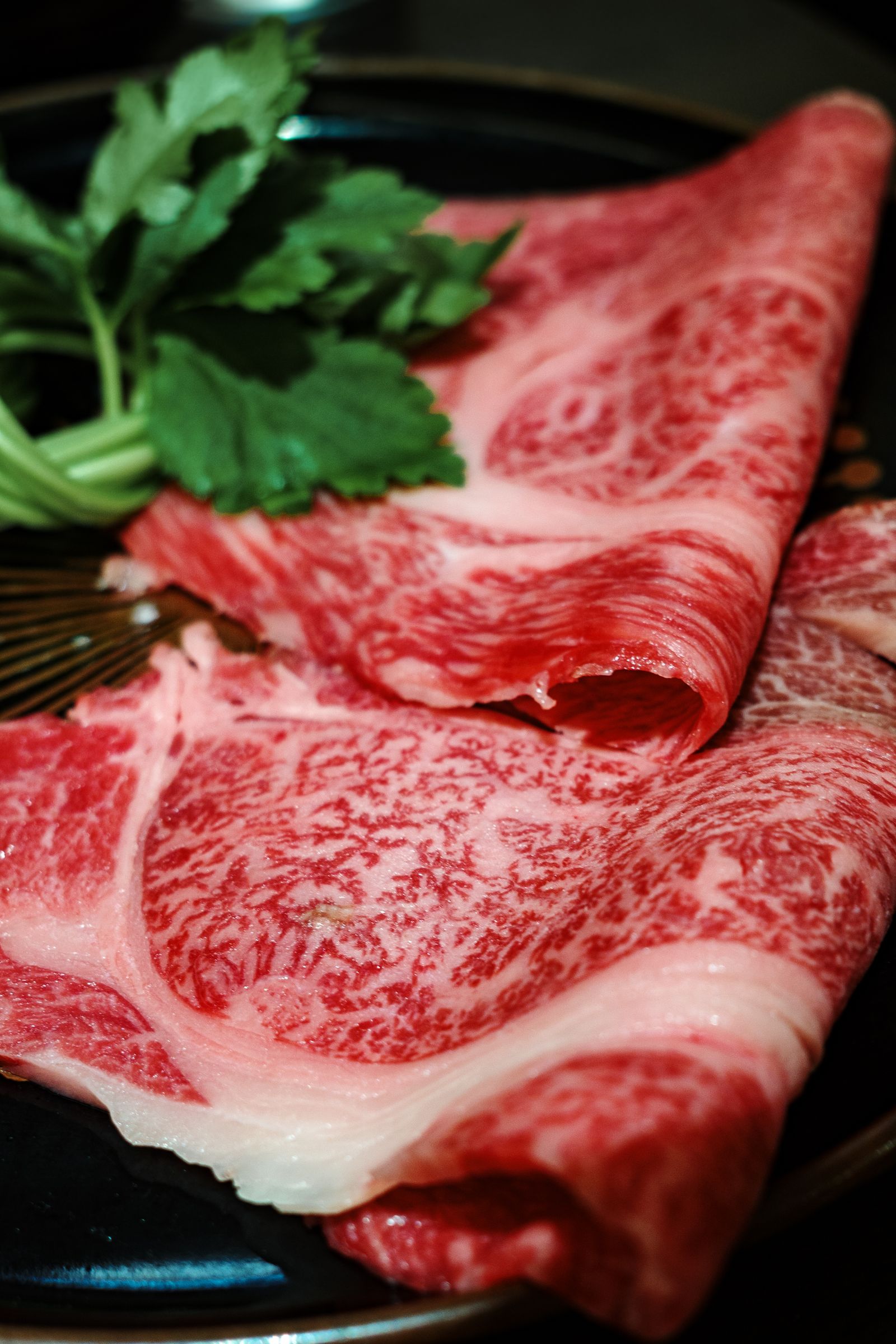
The word “wagyu” (和牛) literally means “Japanese cattle.” It refers to four specific native breeds of Japanese cattle, by far the most common being the Japanese Black (Kuroge Washu), which accounts for the overwhelming majority of the wagyu you will eat. These breeds have a genetic predisposition to develop intense intramuscular fat — the fine marbling, known as sashi, that is the defining feature of premium wagyu.
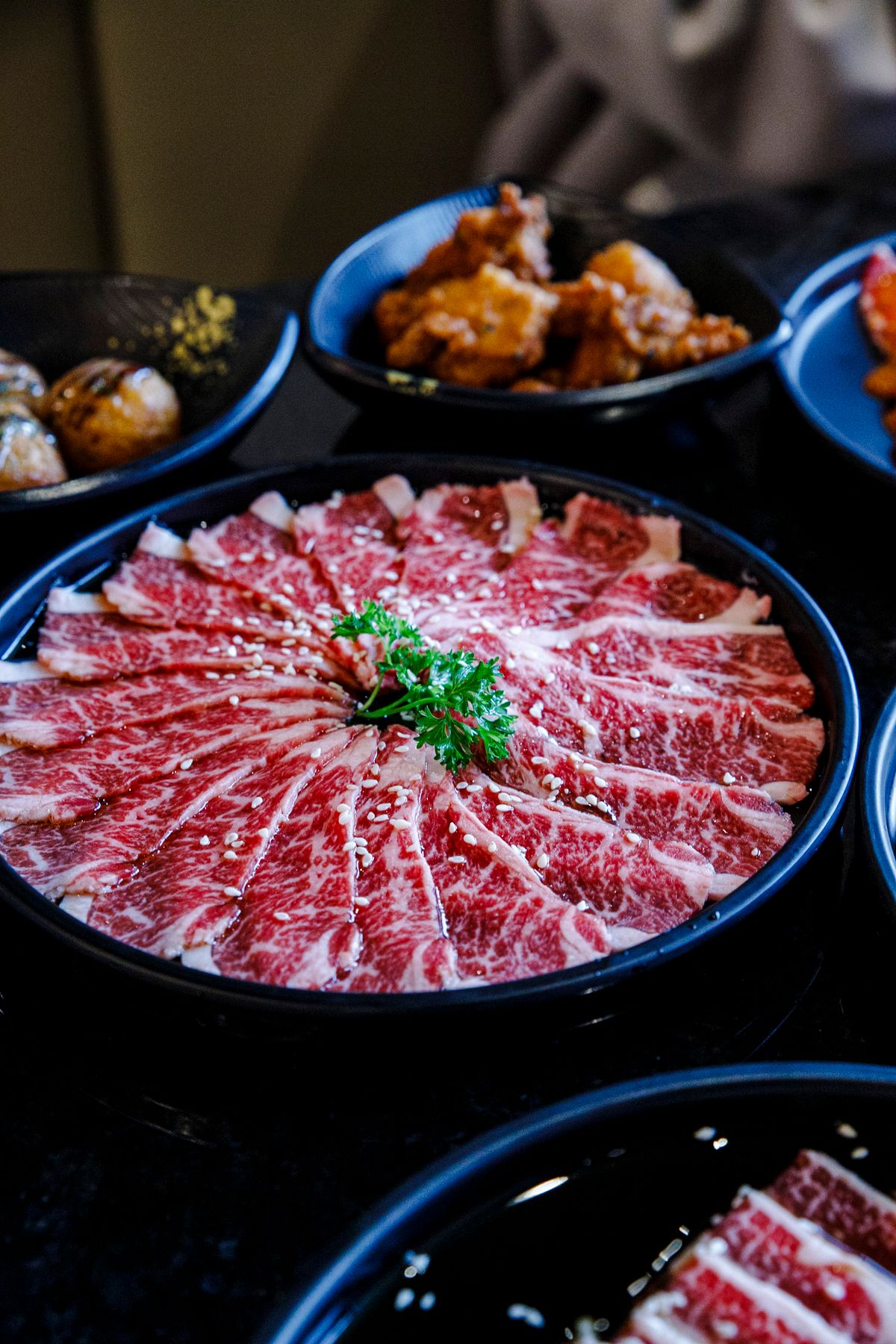
That marbling is what sets wagyu apart. In ordinary beef, fat sits in thick seams between the muscle. In wagyu, it is distributed in a delicate web throughout the meat, and crucially, wagyu fat has a lower melting point than the fat in other cattle — low enough that it begins to soften at the temperature of your hand. The result is the famous “melt-in-the-mouth” texture, a buttery richness, and a sweet, almost umami-laden flavor that lingers. It is less about chew and more about sensation.
Producing this beef is painstaking. Wagyu cattle are raised slowly over a much longer period than commercial beef, on carefully controlled diets, often by small farms that take enormous pride in their herds. This is why genuine high-grade wagyu is expensive: it is a low-yield, labor-intensive product, and the very top grades represent only a fraction of total production. Understanding that helps explain both the price and why it is worth experiencing at least once.
Understanding Wagyu Grading: A5, BMS, and What the Letters Mean
Japanese beef is graded by an official system that looks intimidating but is easy to understand once it is broken down. Every carcass receives a grade made of a letter and a number, such as the famous “A5.” The letter and the number measure two completely different things.
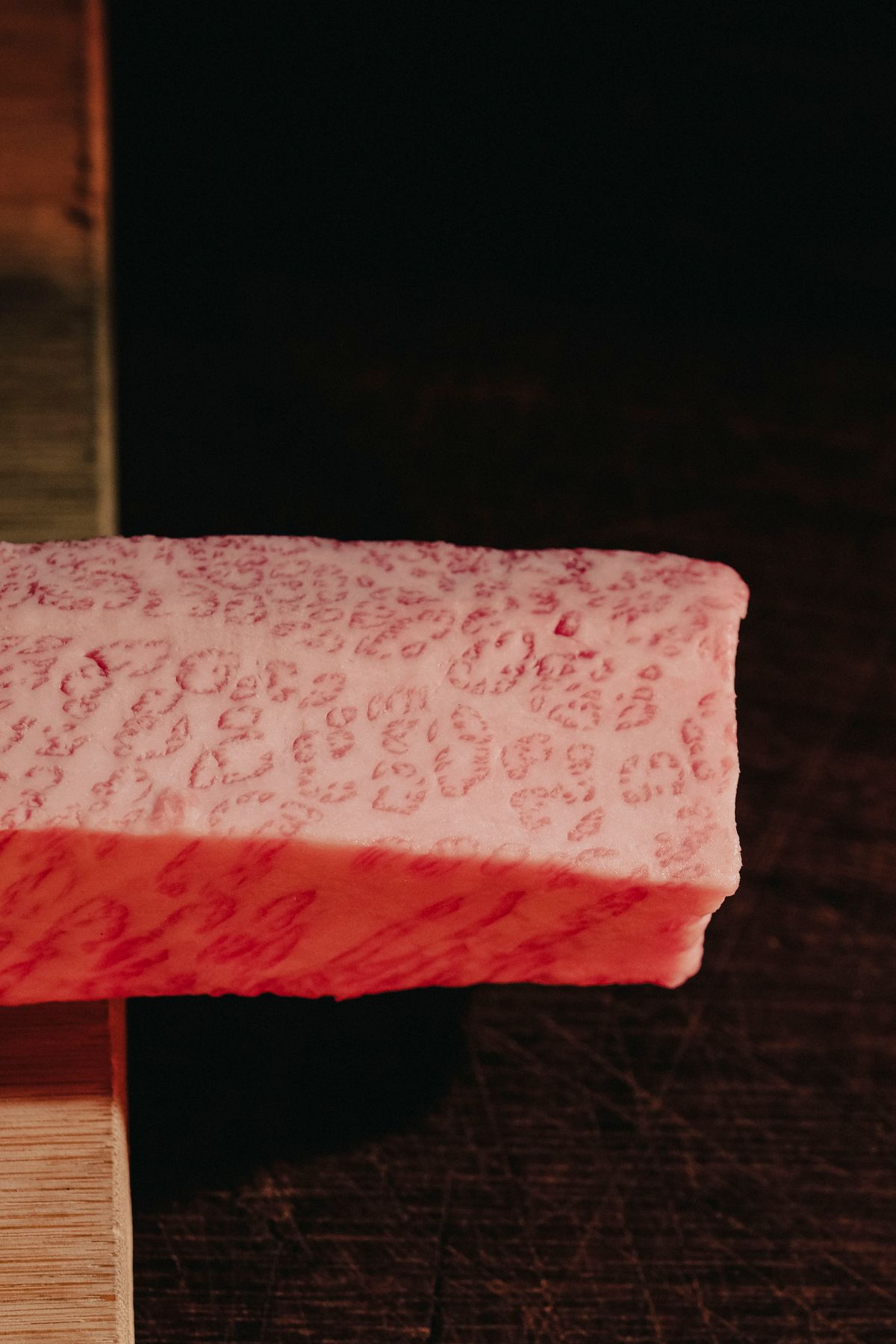
The letter (A, B, or C) is the yield grade — how much usable meat comes from the animal. “A” is the highest yield, “C” the lowest. For eating quality this matters far less than people assume; it mostly concerns the producer’s efficiency, not how the beef tastes on your plate.
The number (1 to 5) is the quality grade, and this is what you care about. It is based on four factors: marbling, meat color and brightness, firmness and texture, and the color and quality of the fat. A grade of 5 is the highest. So “A5” means the highest yield and the highest quality — the top tier, with the most intense marbling.
Within the quality grade there is an even finer measure called the BMS (Beef Marbling Standard), a scale from 1 to 12 that rates marbling specifically. A5 beef covers BMS 8 through 12, so a “BMS 12” steak is the absolute peak of marbling. Some restaurants proudly display the BMS number to distinguish their beef from merely “A5.”
One important note for first-timers: the very highest grades are extraordinarily rich. A5 BMS 12 is glorious in a few bites but can feel overwhelming as a large steak — the fat content is simply enormous. Many seasoned wagyu lovers actually prefer A4 or lower-BMS A5, which offers a better balance of beefy flavor and marbling and lets you eat more without fatigue. Do not assume that A5 is automatically the “right” choice; the best grade depends on how much you are eating and how you like your beef.
The Famous Wagyu Brands: Kobe, Matsusaka, Omi, Hida, and More
Beyond the grade, wagyu is sold under regional brand names, and these are tightly regulated. A brand like Kobe beef is not just “beef from near Kobe” — it must come from a specific lineage of Tajima cattle raised in Hyogo Prefecture and meet strict standards for grade and marbling. There are dozens of regional brands across Japan, each with its own character, but a handful are world-famous.
Kobe Beef (Hyogo)
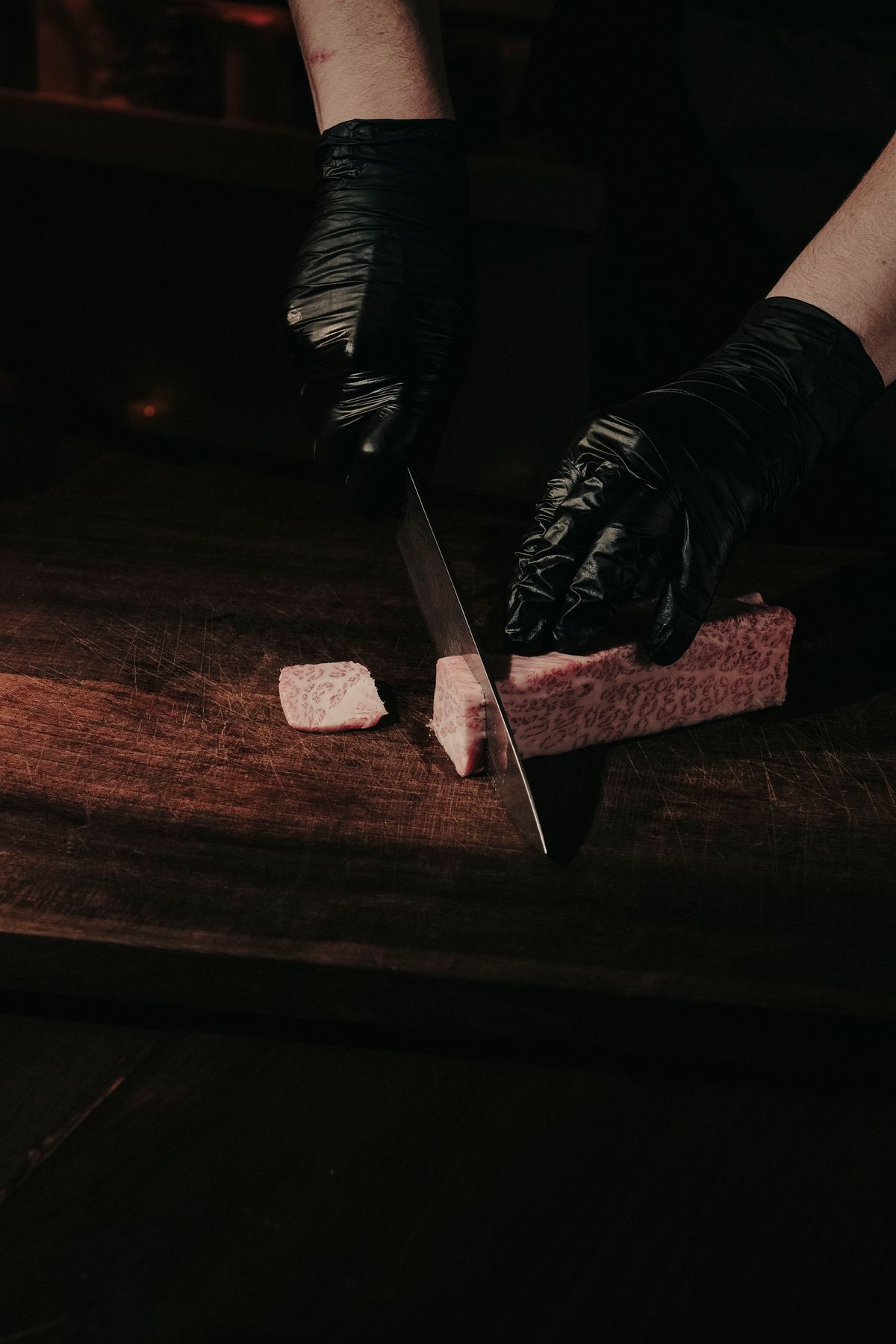
The most famous name of all, Kobe beef comes from Tajima-strain Japanese Black cattle raised in Hyogo Prefecture, of which the port city of Kobe is the capital. To be certified as Kobe beef, the meat must meet exacting standards for marbling (a BMS of 6 or higher) and other quality measures, and only a limited number of cattle qualify each year. Kobe beef is prized for its refined, delicate marbling and elegant flavor. Eating it in Kobe itself, where many restaurants serve it teppanyaki-style at a counter in front of you, is a genuine pilgrimage for beef lovers.
Matsusaka Beef (Mie)
From neighboring Mie Prefecture, Matsusaka beef is, to many connoisseurs, the equal or superior of Kobe. It comes from female cattle raised with famous attention to detail, and it is renowned for an exceptionally high fat content and a sweet, melting quality. Top-grade Matsusaka is among the most expensive beef in the world.
Omi Beef (Shiga)
One of Japan’s oldest wagyu brands, Omi beef from Shiga Prefecture, near Lake Biwa, has a long history dating back centuries. It is known for a fine texture and a fragrant, sticky-sweet fat. Together with Kobe and Matsusaka, Omi is often counted among Japan’s “three great wagyu.”
Hida Beef (Gifu)
From the mountainous Hida region of Gifu Prefecture — the same area as the famous old town of Takayama and the thatched-roof village of Shirakawa-go — Hida beef has surged in reputation in recent years, winning top national awards. It offers beautiful marbling and a clean, sweet flavor, and the towns of the region make it easy and atmospheric to enjoy.
Other excellent regional brands you may encounter include Yonezawa beef (Yamagata), Saga beef (Kyushu), Sendai beef (Miyagi), and Miyazaki beef (Kyushu), the last of which has repeatedly won Japan’s top wagyu competition. The takeaway: while Kobe is the household name abroad, Japan is full of superb regional wagyu, and trying a local brand wherever you happen to be travelling is one of the joys of a food-focused trip. Our destinations hub can help you match regions to their specialties.
How to Eat Wagyu: Every Style Explained
One of the most surprising things for first-timers is how many different ways wagyu is served in Japan. The same premium beef can become a sizzling steak, a delicate hot pot, a charcoal-grilled feast, or even a piece of sushi — and each style shows off a different side of the meat. Here are the main ones you will encounter.
Teppanyaki and Steak
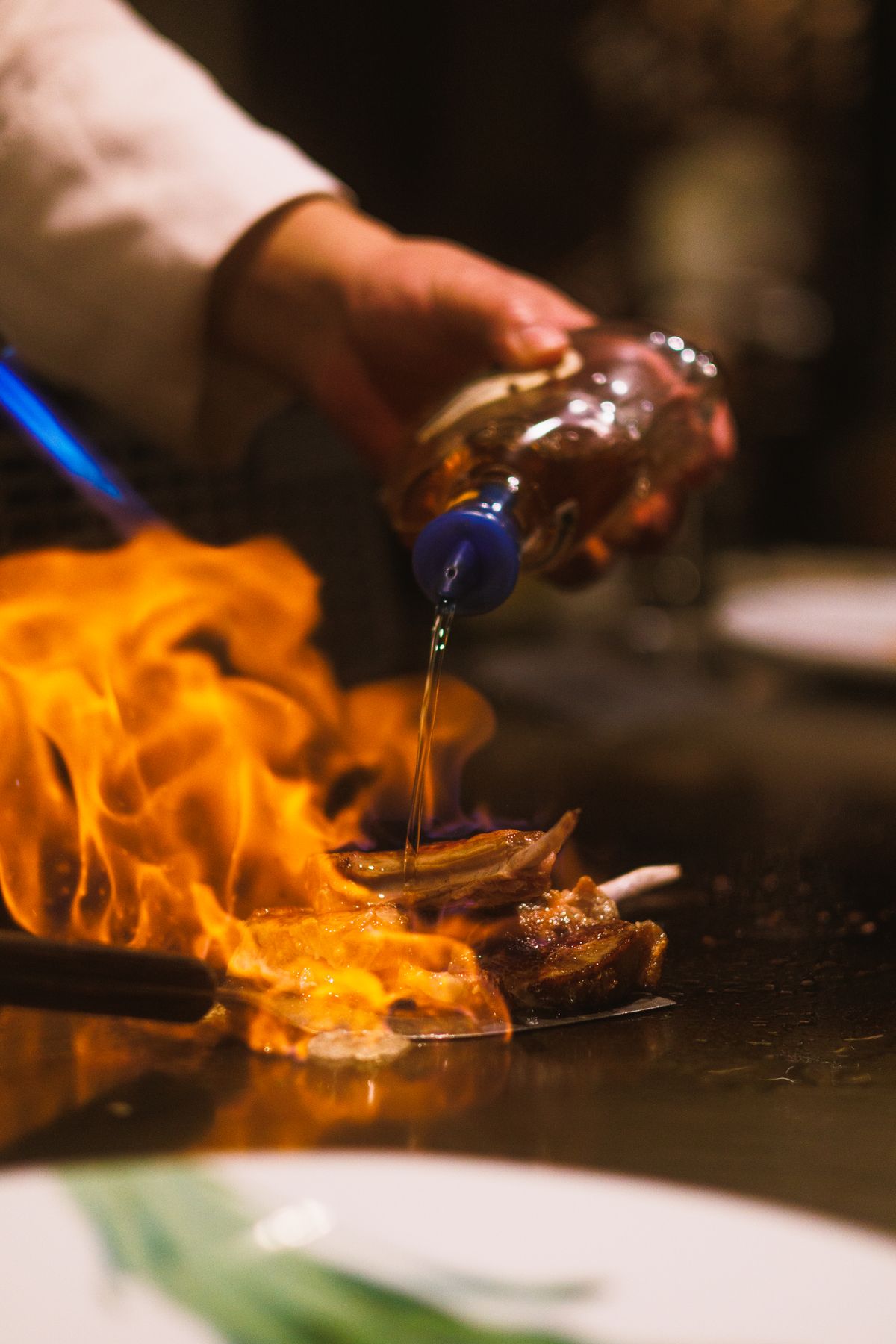
The most iconic way to eat high-grade wagyu, especially in Kobe, is teppanyaki: a chef cooks the beef on a flat iron griddle right in front of you, slicing it into bite-sized pieces and seasoning it simply with salt, pepper, wasabi, or a touch of soy. Because the marbling is so rich, portions are deliberately small — a teppanyaki course might feature 100 to 150 grams of beef as its centerpiece, which is plenty. This is the style to choose if you want the full theatrical, special-occasion experience.
Sukiyaki
In sukiyaki, thin slices of wagyu are cooked at the table in a shallow iron pot with a sweet-savory broth of soy sauce, sugar, and mirin, along with vegetables, tofu, and noodles. The cooked beef is then dipped in raw beaten egg before eating, which cools it and adds a silky richness. Sukiyaki is comforting, communal, and a wonderful way to enjoy wagyu in colder months.
Shabu-Shabu
Shabu-shabu uses similarly thin slices, but instead of a sweet broth, you swish each piece briefly through a pot of simmering kombu (kelp) stock — the name imitates the swishing sound — until it is just cooked, then dip it in ponzu or sesame sauce. It is lighter and cleaner than sukiyaki, letting the natural flavor of the beef shine, and it is a great option if A5 steak feels too heavy.
Yakiniku
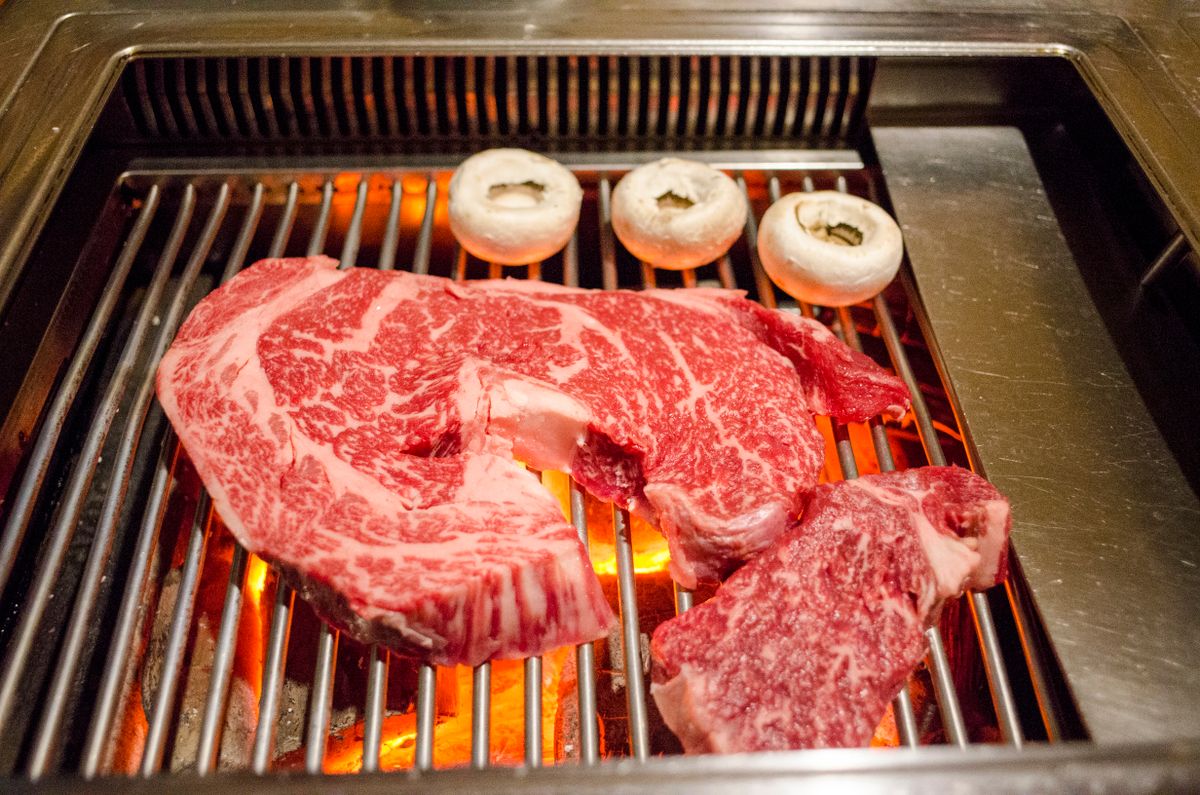
Yakiniku, or Japanese-style barbecue, is the most fun and sociable way to eat beef. You grill bite-sized pieces yourself over a charcoal or gas grill set into your table, choosing from different cuts — each with its own texture and fat content — and dipping them in tare sauce or salt. Yakiniku is also one of the most flexible ways to enjoy wagyu on a range of budgets, because you can order a few premium cuts alongside more affordable ones. It is endlessly customizable and a highlight for many travelers.
Wagyu Sushi and Other Modern Styles
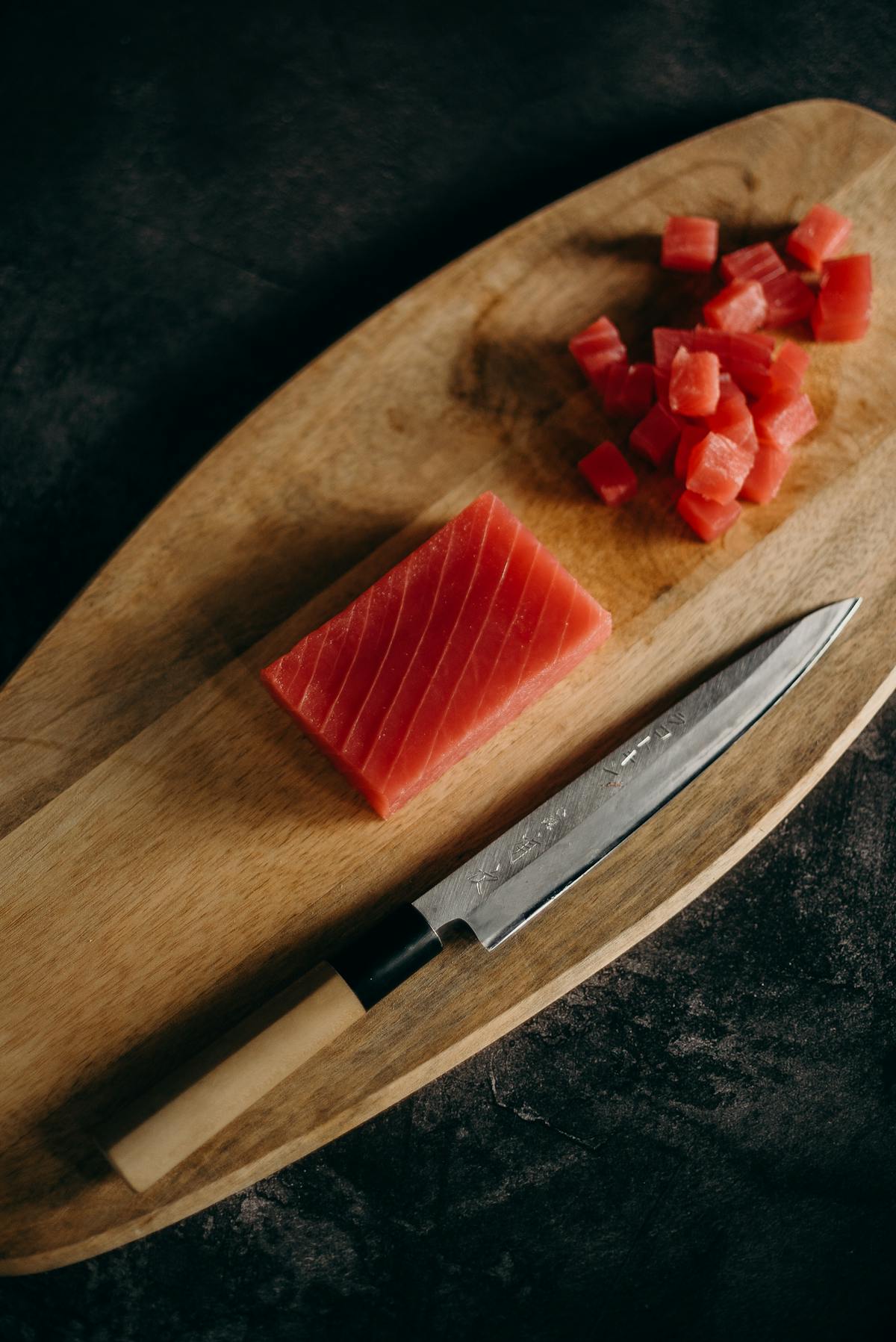
A newer but increasingly popular style is wagyu nigiri — a slice of lightly seared beef pressed onto sushi rice, sometimes with a dab of wasabi, soy, or a brush of sweet sauce. The sear melts the fat just enough to make it almost spreadable on the rice. You will also find wagyu in gourmet burgers, in croquettes, as roast-beef bowls (gyudon’s luxury cousin), and even skewered. These modern preparations are often more affordable and a delicious way to taste wagyu without committing to a full course.
Where to Eat Wagyu in Japan
You can eat excellent wagyu almost anywhere in Japan, but a few destinations stand out, and the Kansai region — with Kobe at its heart — is the spiritual home of the experience.
Kobe and Hyogo
Kobe is the obvious pilgrimage for Kobe beef. The city is full of certified restaurants, many specializing in teppanyaki, where you can watch a chef prepare your beef at a counter. Eating Kobe beef in Kobe is reassuring because certification is taken seriously here; look for the official Kobe Beef certificate and the rose-shaped logo displayed by approved restaurants. Kobe is an easy day trip or overnight from Osaka and Kyoto, and it pairs well with the city’s harbor, Chinatown, and the nearby castle town of Himeji. To compare it with Japan’s other great food cities, see our Osaka hub.
Osaka
Famous as Japan’s kitchen, Osaka is a fantastic place to eat wagyu across every format and budget, from high-end teppanyaki counters to lively yakiniku joints and casual wagyu-sushi bars. Its food-obsessed culture means quality is high and competition keeps things accessible. Combine a wagyu dinner with a street-food crawl through Dotonbori for the full Osaka eating experience.
Tokyo
As you would expect, Tokyo offers the widest range of all, from Michelin-starred wagyu kaiseki to neighborhood yakiniku. The capital draws beef from every region of Japan, so it is the best place to compare brands side by side — you might find Kobe, Hida, and Miyazaki beef all on one menu.
Regional Towns
How Much Does Wagyu Cost?
Wagyu spans an enormous price range, which is exactly why the same word confuses so many visitors. Here is a realistic breakdown to help you budget.
A wagyu lunch set — perhaps a small steak, a rice bowl, or a yakiniku lunch — is the great value entry point, often ¥1,500–¥4,000 (about US$10–$27). Many teppanyaki restaurants that charge a premium at dinner offer much cheaper lunch courses with the same beef, so lunch is the single best money-saving tip in this guide.
A mid-range wagyu dinner, such as a good yakiniku meal with several premium cuts or a shabu-shabu/sukiyaki course, typically runs ¥5,000–¥12,000 (about US$33–$80) per person with drinks.
A high-end teppanyaki or kaiseki course featuring certified Kobe or Matsusaka A5 beef generally starts around ¥15,000 and climbs to ¥30,000 or more (about US$100–$200+) per person. At the very top, exclusive counters serving the rarest BMS-12 beef can cost considerably more.
For casual tastes, wagyu street food and snacks — a wagyu skewer, a slice of wagyu sushi, a croquette, or a roast-beef bowl — can be enjoyed for just ¥500–¥1,500 (about US$3–$10) at markets and food stalls. This is the cheapest way to say you have tasted wagyu.
How to Enjoy Wagyu on a Budget
You absolutely do not need to spend ¥30,000 to experience real wagyu. The smartest strategy is to eat wagyu at lunch, when even famous restaurants offer dramatically cheaper sets of the same beef. Second, choose yakiniku, where you can order a couple of premium wagyu cuts alongside more affordable beef and vegetables, controlling the bill while still tasting the good stuff. Third, seek out wagyu street food at markets such as Kobe’s shopping streets, Kyoto’s Nishiki Market, or Osaka’s Kuromon Market, where a single skewer or slice of seared wagyu sushi delivers the experience for pocket change.
It also helps to remember that lower grades are not lesser experiences. An A4 yakiniku meal can be more enjoyable than an overwhelming A5 steak, and regional brands away from the big cities offer superb beef at gentler prices. Stretching your food budget this way leaves room for the rest of your trip; our budget travel guide has more strategies for eating well in Japan without overspending.
Wagyu Etiquette and Practical Tips
Eating wagyu in Japan is relaxed, but a few pointers will help you get the most from the experience and avoid common mistakes:
- Order it less done. Premium wagyu is best cooked rare to medium-rare so the fat softens without rendering away. Asking for well-done high-grade beef wastes what makes it special; trust the chef’s recommendation.
- Eat small portions. Because the fat content is so high, a little goes a long way. Resist the urge to over-order A5; 100–150 grams of top-grade beef is satisfying for most people.
- Season simply. Salt, wasabi, or a light dip is usually all you need. Let the beef speak for itself before drowning it in sauce.
- Choose lunch for value. The same restaurants are far cheaper at midday. This is the number-one budget tip.
- Look for certification. For brand-name beef like Kobe, reputable restaurants display official certificates and logos. If a deal looks too cheap to be real Kobe beef, it probably is not.
- Reserve high-end places ahead. The best teppanyaki counters are small and book up; reserve in advance, through your hotel if needed.
- Pace your trip. A rich A5 dinner is a lot. Plan lighter meals around it so you arrive hungry and leave happy.
- Stay connected to find and book. Looking up certified restaurants, reading reviews, and using map directions is much easier with mobile data. A prepaid Japan travel eSIM gives you connectivity from the moment you land, so you can find a great wagyu lunch wherever you are.
Where to Base Yourself for a Wagyu-Focused Trip
If wagyu is a priority, basing yourself in the Kansai region gives you the richest options. Kobe is the home of Kobe beef and a short train ride from both Osaka and Kyoto, making it easy to visit even on a day trip. Osaka makes an ideal hub for a food-focused stay, with superb wagyu in every format alongside its legendary street food, and it is well connected to Kobe, Kyoto, and Nara. A few nights in Osaka or Kobe lets you sample teppanyaki, yakiniku, and wagyu sushi without long journeys.
Accommodation across Kansai spans every budget, from capsule hotels to luxury properties, and booking ahead secures the best rates and locations, especially in spring and autumn. It is worth comparing options on a major platform such as Agoda, which has broad coverage of Kobe and Osaka hotels at every price point. Staying central, near a main station, keeps you close to the best restaurants and makes a wagyu day trip to Kobe effortless.
Frequently Asked Questions About Wagyu Beef
Is Kobe beef the best wagyu in Japan?
Kobe is the most famous internationally, but it is not objectively “the best” — it is one of several elite brands. Matsusaka, Omi, Hida, and Miyazaki beef are all world-class, and many connoisseurs rate them as highly as or higher than Kobe. The “best” wagyu depends on the specific animal, the grade, and your own taste. Trying more than one brand during your trip is the most rewarding approach.
What does A5 wagyu mean?
A5 is the top grade in Japan’s beef grading system. The “A” refers to the yield (how much usable meat the animal produced) and the “5” to the quality (marbling, color, texture, and fat quality), with 5 being the highest. A5 beef has the most intense marbling. It is superb but very rich, so for a large portion some people actually prefer A4 or lower-BMS A5 for better balance.
How much should I budget for a wagyu meal?
It varies widely. A wagyu lunch set can cost as little as ¥1,500–¥4,000 (US$10–$27), a mid-range yakiniku or hot-pot dinner ¥5,000–¥12,000 (US$33–$80), and a high-end A5 teppanyaki course ¥15,000–¥30,000 or more (US$100–$200+). Eating wagyu at lunch is the single best way to enjoy premium beef affordably.
Can I eat wagyu raw?
Some wagyu dishes are served lightly seared rather than fully raw, such as wagyu nigiri sushi or seared tataki. Traditional raw beef preparations are tightly regulated in Japan for safety, so trust restaurants to serve beef prepared to legal standards. Lightly seared wagyu is common and delicious, and the gentle searing is part of the appeal.
Is wagyu worth the price?
For most travelers, experiencing genuine high-grade wagyu at least once is well worth it — the texture and flavor are unlike any other beef, and it is a memorable part of Japanese food culture. You do not need to spend a fortune: a lunch set or a few premium yakiniku cuts give you the experience for a fraction of a luxury course. Whether the very top tier is “worth it” is personal, but tasting real wagyu is one of the highlights of eating in Japan.
What is the difference between wagyu and Kobe beef?
Wagyu is the broad category — any of the Japanese cattle breeds and the beef they produce. Kobe beef is a specific certified brand of wagyu: Tajima-strain Japanese Black cattle raised in Hyogo Prefecture that meet strict quality standards. In other words, all Kobe beef is wagyu, but only a small, certified fraction of wagyu is Kobe beef.
Where can I eat wagyu near Kyoto or Osaka?
Both cities are full of wagyu restaurants, and Kobe — the home of Kobe beef — is only a short train ride from each. Osaka in particular offers wagyu in every style and budget, and Kyoto’s Nishiki Market has wagyu street-food stalls. Basing yourself in the Kansai region puts all of these within easy reach.
A Brief History of Wagyu
Understanding where wagyu comes from adds depth to every bite. For much of Japanese history, cattle were working animals used in agriculture rather than raised for meat, and for centuries Buddhist influence meant that eating beef was uncommon or actively discouraged. That changed dramatically in the late nineteenth century, when Japan opened to the wider world and the government promoted the eating of beef as part of modernization. Foreign breeds were introduced and crossbred with native Japanese cattle, and over the following decades farmers selectively bred animals for the marbling and tenderness that the Japanese palate came to prize.
The isolation of many cattle-raising regions, separated by mountains, meant that distinct local lineages developed, which is the origin of today’s regional brands. The Tajima cattle of Hyogo, raised in remote valleys, became the foundation of Kobe beef; other regions cultivated their own celebrated strains. By the late twentieth century, Japan had built a rigorous grading and certification system and a culture of small-scale, obsessively careful cattle farming. The result is the wagyu we know today — a relatively modern creation that nonetheless feels deeply embedded in Japanese food culture, and one that has since spread around the globe even as Japanese wagyu remains the benchmark.
Understanding the Cuts of Wagyu
At yakiniku restaurants in particular, you will be presented with a menu of different cuts, and knowing a few of them makes ordering far more enjoyable. Each cut offers a different balance of marbling, tenderness, and beefy flavor, so a good strategy is to order a variety rather than a single type.
Loin cuts such as sirloin and ribeye are the classic premium choices, with abundant marbling and a luxurious, melting texture — these are what you typically get as a teppanyaki steak. Fillet (tenderloin) is the leanest and most tender of the prized cuts, with less fat, making it a good option if intense marbling feels like too much. Harami and saga (skirt and diaphragm) are flavorful, slightly chewier cuts beloved at yakiniku for their rich beefiness at a friendlier price. Karubi (short rib) is a fatty, juicy cut that is a yakiniku staple, while zabuton (chuck flap), sometimes called the “little blanket,” is a marbled shoulder cut considered a delicacy.
Beyond the famous cuts, adventurous eaters can explore offal and specialty cuts — tongue (tan), which is grilled and served with salt and lemon as a yakiniku opener, is especially popular. The variety is part of the fun: a well-ordered yakiniku spread walks you through the whole animal, from lean to rich, lighter to deeper, all cooked exactly to your liking on the grill in front of you.
Wagyu in Japan Versus Wagyu Abroad
You may have eaten “wagyu” at home, and it is worth understanding why eating it in Japan is different. Outside Japan, the term wagyu is used more loosely. Much of the wagyu sold internationally is crossbred — wagyu cattle bred with Angus or other breeds — which produces excellent, marbled beef but not the same thing as purebred Japanese wagyu graded under Japan’s strict system. Genuine Japanese A5 wagyu, raised and graded in Japan, represents the purest expression, and exporting it is limited and expensive, which is part of why it is so pricey abroad.
Eating wagyu in Japan also means eating it the way it is meant to be served: in modest portions, expertly cooked, in the styles that evolved alongside it, and often as a specific certified regional brand with a verifiable pedigree. The freshness, the skill of the chefs, the certification, and the lower prices compared with overseas all make Japan the place to have the definitive wagyu experience. If you have only ever had a wagyu burger at home, a teppanyaki counter in Kobe will be a revelation.
What to Drink With Wagyu
The richness of wagyu pairs beautifully with a range of drinks, and part of a great meal is choosing the right accompaniment. Sake is a natural match; a dry, clean junmai or a crisp sparkling sake cuts through the fat and refreshes the palate between bites. Japanese whisky, especially as a highball (whisky and soda), is a popular and effective pairing, its effervescence and light smokiness balancing the buttery beef. Red wine, particularly a structured style with good acidity, works well with grilled wagyu, and many higher-end restaurants keep thoughtful wine lists. For a simple, classic option, an ice-cold Japanese beer is never wrong, especially at yakiniku. Whatever you choose, the goal is the same: something with enough acidity, bubbles, or freshness to reset your palate, so the last bite of beef is as exciting as the first.
Common Mistakes First-Timers Make
A few avoidable errors can take the shine off a wagyu meal. The most common is over-ordering — the richness means a large A5 portion can become tiring, and many people wish they had ordered less, higher-quality beef rather than more. Another is ignoring lunch deals and paying full dinner prices for the same beef. Some visitors over-season or over-sauce premium wagyu, masking the very flavor they paid for. Others request well-done high-grade beef, which renders out the prized fat. And a number of travelers fall for suspiciously cheap “Kobe beef” at unverified spots; if the price seems impossible for certified Kobe beef, treat it with skepticism and look for official certification instead. Avoid these, and your wagyu experience will live up to the hype.
A Sample Wagyu Day in Kobe
To see how it all comes together, here is how a relaxed, beef-focused day in Kobe might unfold. Take a morning train from Osaka or Kyoto — both are well under an hour away — and arrive in Kobe in time for an early lunch. Book a certified teppanyaki restaurant for a midday course, when prices are at their gentlest, and enjoy watching the chef sear a perfectly marbled cut of genuine Kobe beef at the counter, seasoned simply with salt and wasabi. A lunch course like this lets you experience the city’s signature dish without the steep dinner premium.
Spend the afternoon walking off the meal: stroll the harbor at Meriken Park, wander Kobe’s atmospheric Chinatown (Nankinmachi), where you can pick up a wagyu skewer or steamed bun as an afternoon snack, and ride up to the Nunobiki Herb Gardens or a mountain viewpoint for a panorama of the city wedged between the sea and the hills. As evening approaches, if you still have an appetite, a casual yakiniku dinner lets you grill a few more cuts yourself and compare them with the morning’s teppanyaki. Pair it with a sake flight or a whisky highball, and you have tasted Kobe beef two ways in a single, unhurried day — then catch the short train back to your base in Osaka or Kyoto.
This kind of focused day trip is one of the most satisfying ways to build a memorable food experience into a Japan itinerary, and it requires no special planning beyond a lunch reservation. It also demonstrates the central lesson of this guide: with a little knowledge, world-class wagyu is accessible, affordable when you time it right, and endlessly enjoyable.
Seasonal Notes and Festivals
Wagyu is available all year, but the cooler months from autumn through winter are especially lovely for the hot-pot styles — sukiyaki and shabu-shabu — that warm you from the inside, and they coincide with some of the best travel weather in Kansai. Many regions hold beef and food festivals where local wagyu brands are showcased and sold at relatively accessible prices, and these can be a wonderful, festive way to taste top-grade beef alongside locals. If your trip overlaps with one, it is well worth seeking out. Throughout the year, department-store food halls (depachika) in cities like Osaka and Kobe also sell beautifully packaged wagyu and prepared wagyu dishes, which make for an excellent, lower-pressure tasting and a memorable picnic or hotel-room feast.
Final Thoughts
Finally, keep an open mind about which beef ends up being your favorite. Travelers often arrive fixated on ticking off Kobe beef, only to discover that a humble regional brand eaten in its home town, or a perfectly grilled cut of harami at a neighborhood yakiniku, becomes the meal they remember most. The wagyu world is wide and generous, and the surest way to find your own highlight is to taste broadly, ask the staff for their recommendation, and let curiosity rather than reputation guide your order. Approached that way, wagyu stops being an expensive box to tick and becomes a genuine thread of discovery running through your entire trip.
Wagyu is one of the great culinary experiences of a trip to Japan, but it does not have to be intimidating or ruinously expensive. Once you understand that the grade tells you about marbling, that brands like Kobe and Matsusaka are regional certifications rather than mysteries, and that the same beef can be enjoyed as a ¥1,500 lunch or a ¥30,000 course, ordering becomes easy and even fun. Try it in more than one style — a teppanyaki counter in Kobe, a sociable yakiniku in Osaka, a slice of seared wagyu sushi at a market — and you will understand why this beef has captivated the world.
Eat it less done, in modest portions, simply seasoned, and ideally at lunch to stretch your budget, and a wagyu meal will be one of the most memorable bites of your journey. For more of Japan’s finest food experiences and how to plan around them, explore our food experiences guide and the wider destinations hub.
🗾 Planning your trip? Get our free 7-Day Japan Itinerary (PDF)
Day-by-day Tokyo → Kyoto → Osaka plan with real prices and essential phrases — sent straight to your inbox.
Going to Japan? Talk to locals with confidence.
Hirameki Japanese — instant offline translation, camera translation, furigana + romaji, and 314 free flashcards. No login. Works without internet.

Plan your Japan trip
Two things every first-timer should book
Some links are affiliate links. If you book through them we may earn a small commission at no extra cost to you.