Hokkaido is Japan’s coldest, snowiest, and least densely populated prefecture, and it is also — by an honest mile — the country’s most exciting food destination. The island is wrapped by three seas that produce some of the world’s best seafood, blanketed in dairy pastures that supply Japan with most of its milk, butter, and cheese, and dotted with farms growing potatoes, corn, melons, asparagus, and onions that simply taste different from anywhere else in the country.
For first-time visitors to Japan who think Japanese food means Tokyo sushi and Osaka takoyaki, a week in Hokkaido is a revelation. The famous miso ramen with a butter-corn topping makes sense the moment you stand outside a Sapporo ramen shop in February with snow on your shoulders. Soup curry, an island invention from the 1970s, becomes a meal you crave for the rest of your life. A bowl of sea-urchin rice in a Hakodate harbor restaurant ruins every other uni you’ll ever eat, and a perfect ball of Hokkaido melon makes you understand why Japanese fruit gets shipped in custom-padded boxes.
This complete food guide is designed for first-time foreign visitors who want to eat exceptionally well in Hokkaido — whether that means a 3-day Sapporo food tour, a 10-day island road trip, or a focused detour built around one or two signature dishes. We’ll cover the iconic Hokkaido foods you must try, where to eat them, what they cost, how to order if you don’t speak Japanese, regional specialties beyond Sapporo, the best food markets, etiquette tips, and a practical FAQ section that covers everything from kani-gani (crab) season to whether you should book in advance.
Why Hokkaido Is Japan’s Best Food Destination
Hokkaido has a few structural advantages that no other Japanese region can match. First, geography: the island sits between the Sea of Japan, the Sea of Okhotsk, and the Pacific Ocean, with cold currents converging just offshore. That means dense, slow-growing fish and shellfish — the kind that has time to develop fat, sweetness, and flavor before being hauled aboard. Second, climate: Hokkaido is the only part of Japan with cool, long summers and very cold winters, which is fantastic for dairy, root vegetables, and certain temperate fruits like melons and grapes. Third, scale: the island is about the size of Austria but home to only around 5 million people, meaning farming and fishing happen with room to breathe.
The cuisine that emerges from these three factors is Japanese in spirit but distinct in ingredient. Hokkaido was only fully settled by mainland Japanese during the Meiji period (1868 onward), and many of the iconic local dishes were invented in the last 150 years rather than the last 1,500. That’s why you find Russian-inspired hot pots in Wakkanai, Western-style dairy cheeses in Niseko, French-inspired soup curry in Sapporo, and indigenous Ainu cooking techniques in eastern Hokkaido. It is a young food culture by Japanese standards, and that youth makes it remarkably creative.
The Iconic Hokkaido Foods You Have to Try
If you only have a few days in Hokkaido, the following dishes are the absolute must-eats. Each one represents a different facet of the island’s food identity and is genuinely best eaten in Hokkaido rather than imported back home.
1. Sapporo-style miso ramen
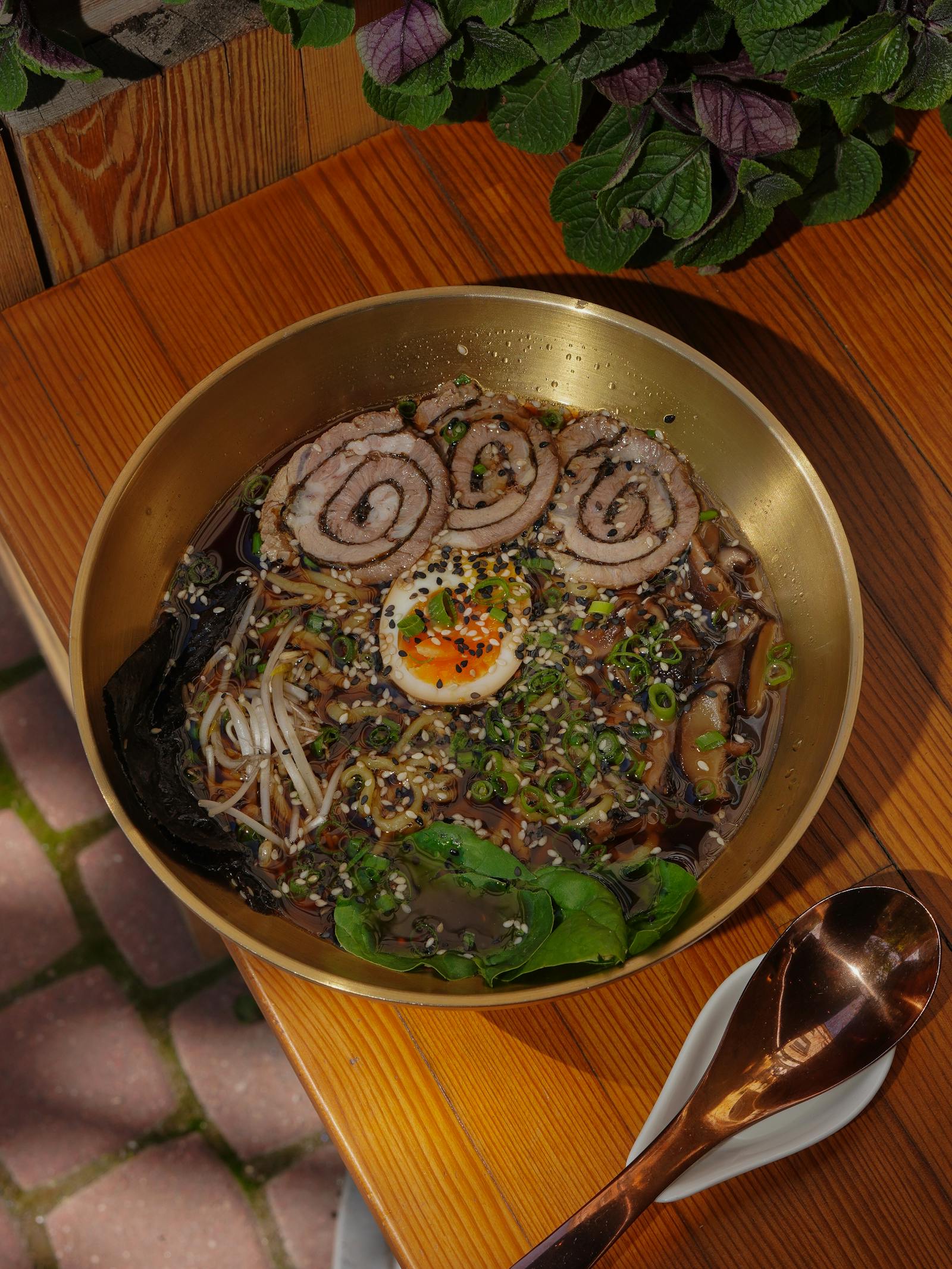
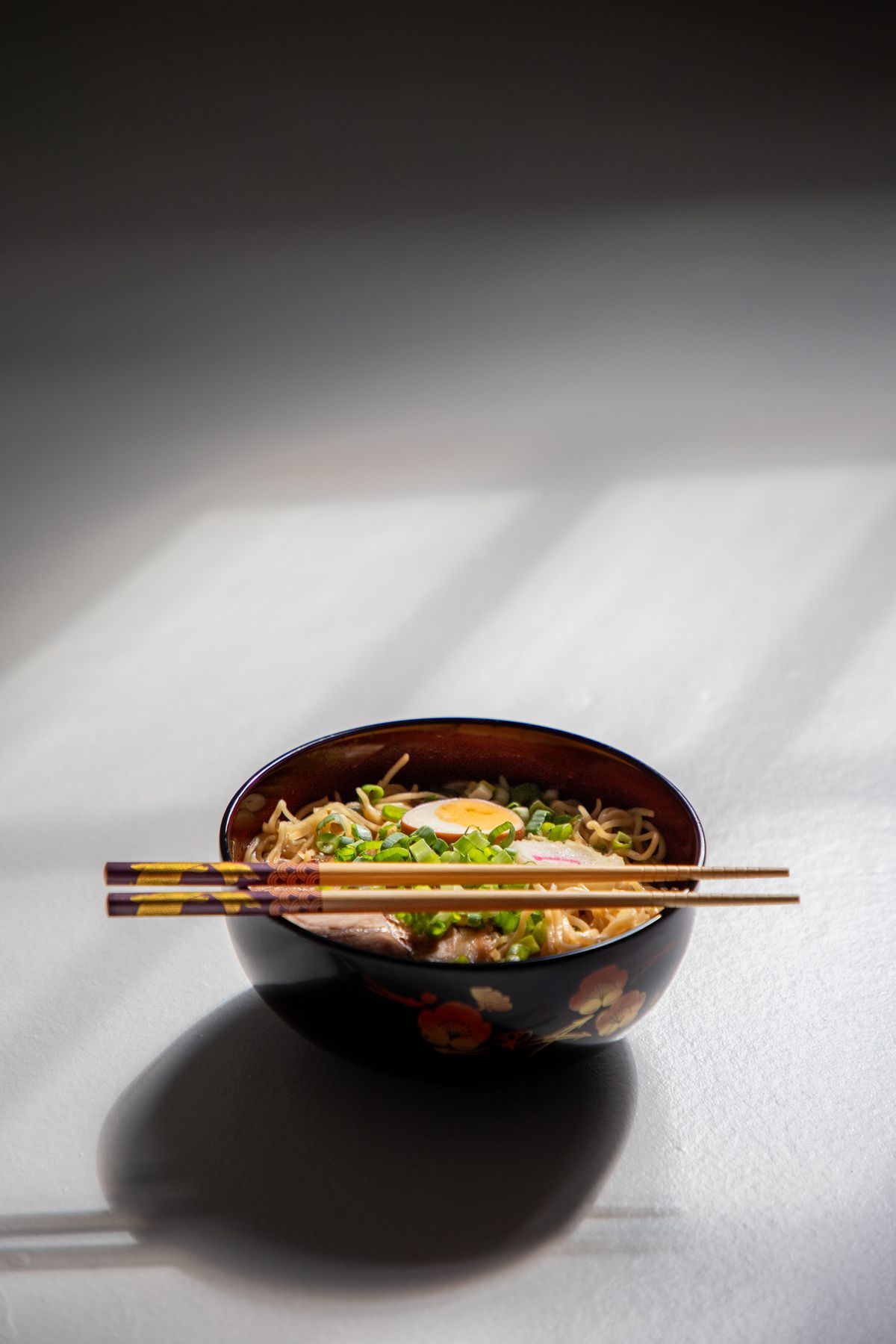
Miso ramen was invented in Sapporo in 1955, when a chef named Morito Omiya at a small shop called Aji no Sanpei combined a pork-based broth with red miso paste. The dish exploded across Japan in the 1960s and remains the city’s defining bowl. A classic Sapporo miso ramen has a deep, opaque soup made from a long-cooked pork-and-chicken broth combined with miso, lard, and aromatics, served with thick wavy noodles, ground pork, bean sprouts, corn, and (on cold days) a melting pat of butter on top.
The famous “Ramen Yokocho” alley in Susukino has around fifteen ramen counters squeezed into a single narrow strip. Expect to pay ¥900 to ¥1,400 (about $6 to $9 USD) for a basic bowl and another ¥150 to ¥300 for toppings like extra chashu pork, butter, or a soft-boiled egg. Lines are real at the famous shops — Ramen Shingen, Sumire, and Junren all draw 30- to 60-minute queues at peak hours.
2. Hakodate-style shio (salt) ramen
While Sapporo is famous for miso, the southern port city of Hakodate is the home of clear, salt-based shio ramen. The broth here is light gold, made from pork bones, chicken, and a strong kombu-and-seafood backbone, finished with a pinch of sea salt and thin straight noodles. The flavor is delicate but deep, and it shows off Hokkaido seafood broth in a way the bigger miso bowls don’t. Hakodate’s Aji no Ichiban and Hoseiken are two of the most famous old-school shio ramen shops, both pricing bowls around ¥850 ($6 USD).
3. Asahikawa shoyu ramen
To round out the holy trinity, the inland city of Asahikawa specializes in shoyu (soy sauce) ramen with a “double soup” technique: a pork-and-chicken broth combined with a separate kombu-dashi seafood stock, finished with a layer of melted lard on top to keep the bowl hot in Asahikawa’s brutal winters. Daytime temperatures in January regularly hit minus 15 °C here, and the bowl is engineered for the climate. Hachiya is the most famous shop.
4. Soup curry (sūpu karē)
Soup curry is a Sapporo invention from the 1970s that has become the city’s signature contemporary dish. Unlike the thick, gravy-like Japanese curry you’ll find elsewhere in the country, Hokkaido soup curry is a fragrant, spice-forward broth — heavy on cumin, coriander, cardamom, and chili — packed with whole vegetables and a protein, usually chicken leg, lamb, or pork. You eat it with a side of short-grain rice that you ladle the soup over, spoonful by spoonful.
The seminal shops are Magic Spice and Suage in Sapporo, where bowls cost ¥1,300 to ¥1,800 ($9 to $12 USD), with optional spice levels from 1 (mild) to 30+ (lethal). The vegetable variety in soup curry is impressive: a single bowl might contain potato, carrot, pumpkin, lotus root, broccoli, eggplant, pepper, mushroom, and a soft-boiled egg, all simmered separately so each piece keeps its texture.
5. Jingisukan (Genghis Khan grilled lamb)
Hokkaido is one of the only parts of Japan where lamb is widely eaten. The dish is jingisukan — thin slices of lamb (and sometimes mutton) grilled on a domed iron pan over a charcoal or gas flame, with vegetables ringing the base. The name comes from the pan’s resemblance to a Mongolian warrior’s helmet (Genghis Khan in Japanese is “Jingisu Kan”), although the dish is more Hokkaido invention than Central Asian import.
You find two main jingisukan styles. The Sapporo “tare-zuke” style pre-marinates the lamb in a sweet-savory soy sauce; the Asahikawa “ato-zuke” style serves the meat plain and lets you dip it after cooking. Daruma in Susukino is the most famous Sapporo jingisukan shop — expect to queue, and to leave smelling lightly of charcoal grease. Set meals run ¥1,500 to ¥3,500 ($10 to $24 USD) per person.
6. Genghis Khan-style at Sapporo Beer Garden
For a quintessential Sapporo experience, the Sapporo Beer Garden inside the historic 1890 brick brewery building offers all-you-can-eat jingisukan and all-you-can-drink fresh Sapporo Classic beer for around ¥4,000 to ¥4,800 ($27 to $32 USD) per person for 100 minutes. It’s touristy, it’s fun, and it pairs your jingisukan with one of the world’s best lager-with-meat combinations.
7. Kaisendon (seafood rice bowl)
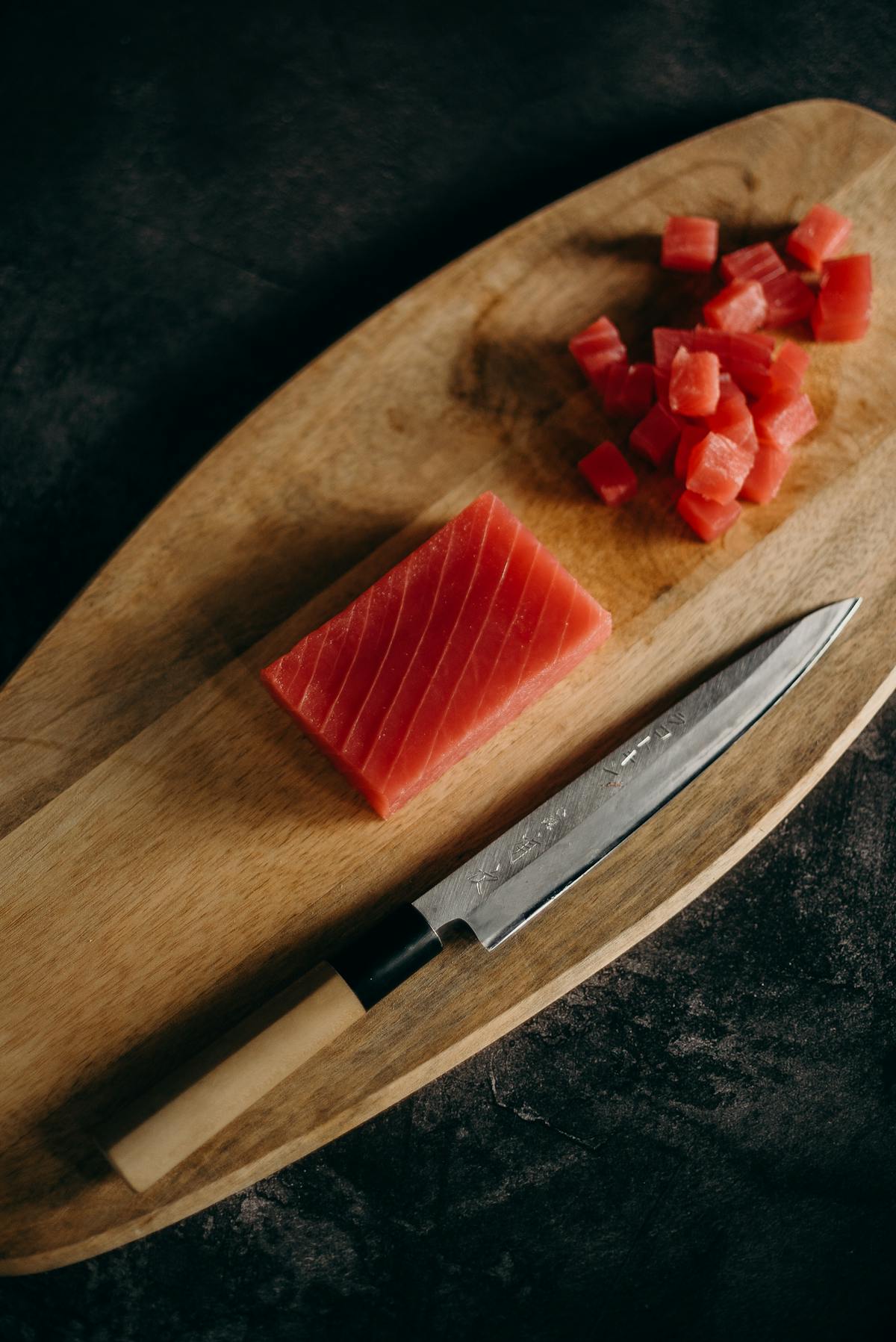
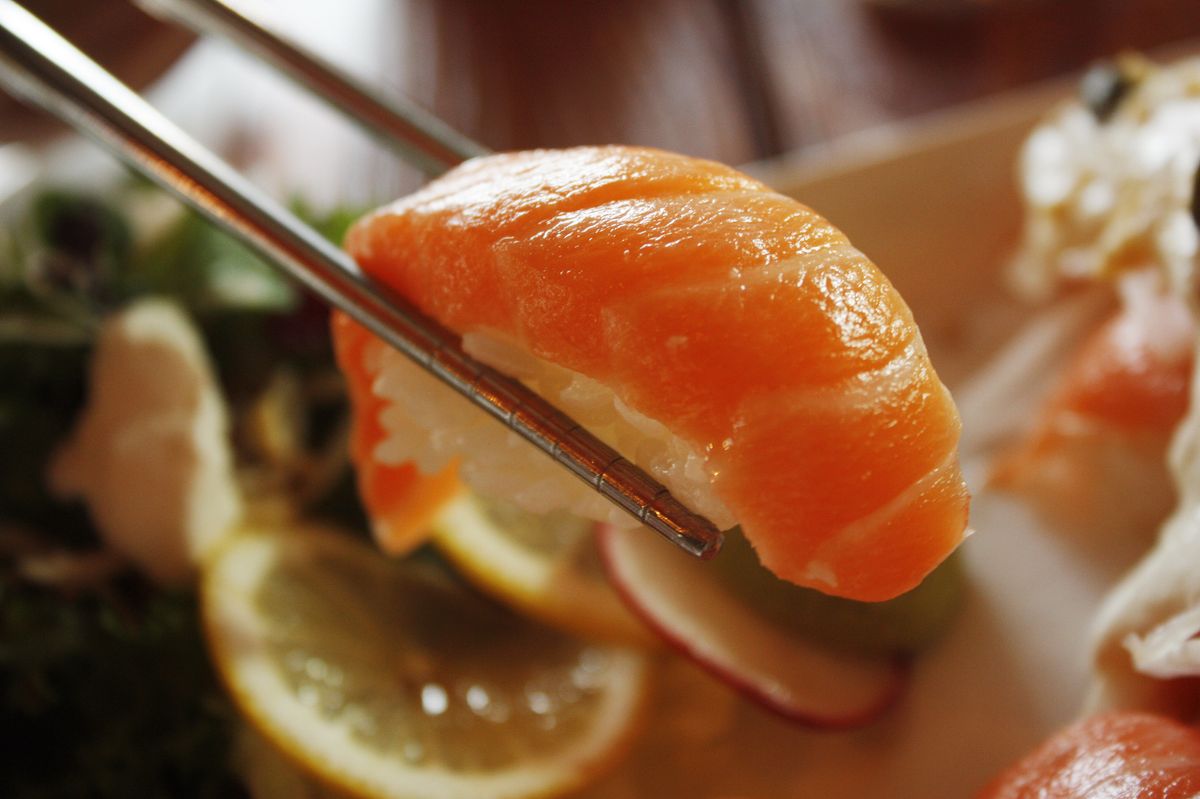
A kaisendon is exactly what it sounds like: a generous bowl of sushi rice topped with sashimi-grade seafood. In Hokkaido, the version you encounter is usually a “three-color” or “five-color” bowl piled high with ikura (salmon roe), uni (sea urchin), kani (crab), maguro (tuna), or hotate (scallop), often glistening with a sweet soy glaze. The classic Hokkaido morning ritual is to find a market kaisendon shop, sit at the counter at 7:30 a.m., and ask for whatever is freshest that day.
Hakodate Morning Market and Sapporo’s Nijo Market are the two go-to spots for first-timers. Prices vary by season and quality: a basic kaisendon is ¥1,800 to ¥2,500 ($12 to $17 USD), while a deluxe “all the toppings” version with premium uni can reach ¥6,000 ($40 USD). The flavor justifies the spend — Hokkaido sea urchin in season is genuinely unforgettable.
8. Sapporo crab (kani)
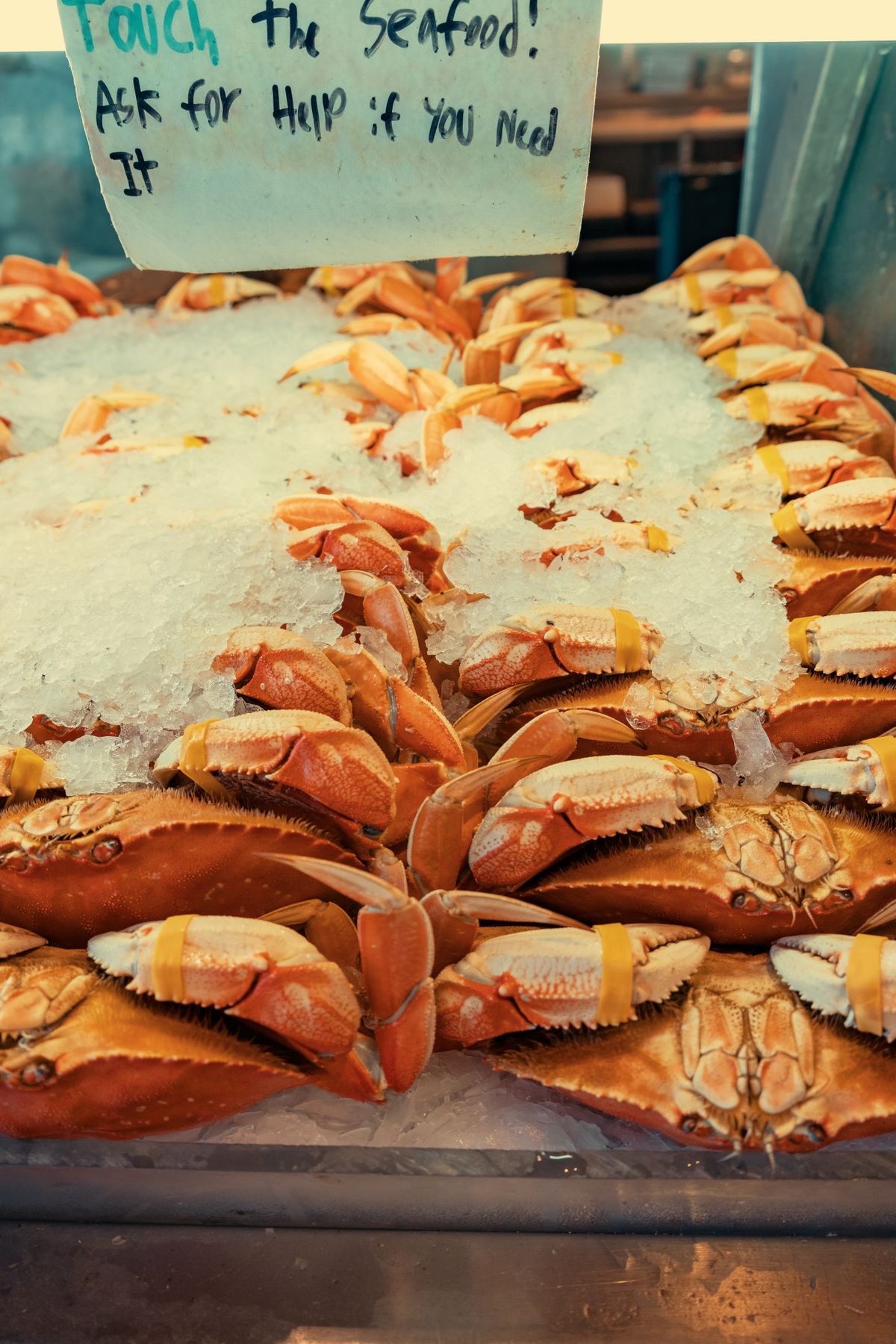
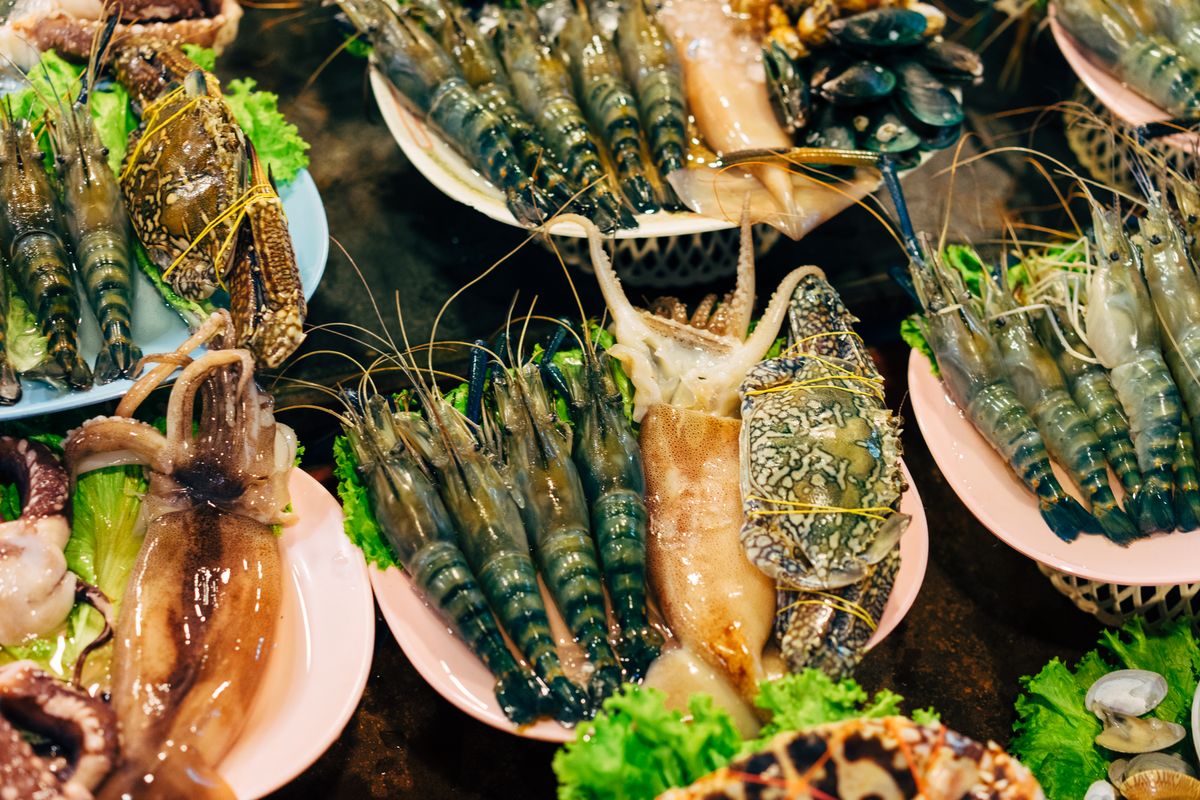
Hokkaido is the world capital of crab. Four main species dominate: tarabagani (red king crab, the giant with spiky legs), zuwaigani (snow crab, sweet and delicate), kegani (hairy crab, the local prize with concentrated flavor), and hanasakigani (a smaller, intensely sweet species from Nemuro). You can eat crab as boiled legs at a kani specialty restaurant, raw as kani-sashimi in winter, in shabu-shabu hot pot, or in a kaisendon. Specialist shops like Kani-honke and Hyosetsu no Mon in Susukino offer multi-course crab feasts for ¥6,000 to ¥15,000 ($40 to $100 USD) per person.
Crab season peaks in winter (December to February) and again in late autumn (November), though some species are available year-round thanks to seawater tanks. Always confirm the origin of the crab — Hokkaido crab is sometimes “rested” in Hokkaido after being caught further north in Russia or Alaska, and the price differs accordingly.
9. Hokkaido uni (sea urchin)
If you have eaten uni in Tokyo or Osaka and found it bitter, oily, or industrial-tasting, Hokkaido uni will reset your taste buds. The island produces two main varieties: bafun-uni, the smaller orange-red species with a deep umami punch, and murasaki-uni, the larger purple variety with a clean, sweet finish. The peak summer harvest in places like Rishiri, Rebun, and Shakotan produces uni so fresh it tastes like sea-flavored custard.
A perfect uni-don (sea urchin on rice) at a peninsula seafood restaurant costs ¥3,500 to ¥5,500 ($23 to $37 USD). The most spectacular eating is in summer (June to August), but you can find good uni year-round at the Sapporo central market.
10. Hakodate squid (ika)
Hakodate is famous for its squid, and the most theatrical version is “ika-sashi odorigui” — a fresh squid sashimi where the squid moves on the plate as the soy sauce hits its nerves. Less dramatic but more delicious for most palates is plain squid sashimi served minutes after the squid is caught, with sliced ginger and ponzu. Most Hakodate seafood restaurants serve it for ¥1,500 to ¥2,500 ($10 to $17 USD).
11. Hokkaido dairy: ice cream, cheese, milk
Hokkaido produces over 50 percent of Japan’s raw milk and a similar share of its cheese and butter. The dairy here is rich, sweet, and remarkably clean-tasting. You will find soft-serve ice cream stands (called “soft cream” in Japanese) everywhere — train stations, farms, even rural roadside stops — selling cones in flavors from milk to lavender, with prices around ¥400 to ¥600 ($3 to $4 USD). Look for the words “Hokkaido milk” (北海道牛乳) on signage to know you’re getting the real thing.
Niseko and Furano are home to small artisan cheese makers producing camembert, gouda, and Japanese-style “fromage” that rival imported European cheeses. A cheese-tasting flight at Kyodogaku Sha cheese factory in Niseko runs about ¥1,200 ($8 USD).
12. Yubari and Furano melons
Hokkaido melons — particularly Yubari melons grown in the volcanic soil of the Yubari area — are arguably the best in the world. The orange-fleshed cantaloupe-style fruit is sweet, perfumed, and grown one melon per vine to concentrate flavor. A single Yubari King melon at peak season costs ¥3,000 to ¥10,000 ($20 to $67 USD); the famous record-setting auction price reached over ¥3 million ($20,000 USD) for the first melon of the season in 2019. Even mid-range melons taste like nothing you’ve had in your home country.
Season: June to August. The Yubari melon festival in mid-July features tastings, melon-themed cocktails, and farm tours.
13. Seafood hot pot: ishikari nabe and kanichiri
Hot pots are made for Hokkaido winters. The two iconic local hot pots are ishikari nabe (a miso-based broth with chunks of salmon, vegetables, and tofu, named after the Ishikari River where salmon are caught) and kanichiri (a clear-broth crab hot pot where you cook crab legs and vegetables in front of you at the table). Both are usually shared dishes designed for two or more people, with set prices around ¥3,500 to ¥6,000 ($23 to $40 USD) per person at specialist restaurants.
14. Buta-don (pork rice bowl)
Buta-don is the signature rice bowl of Obihiro and the Tokachi Plain in eastern Hokkaido. Thick slices of pork loin are grilled over charcoal, brushed with a sweet soy-and-mirin glaze, and laid over a bowl of rice. The pork is local, the rice is local, and the glaze is intensely savory-sweet. Pork Don Ifune and Pancho are two of the most famous shops in Obihiro; bowls run ¥1,000 to ¥1,800 ($7 to $12 USD).
15. Hokkaido sweets: Royce’, Shiroi Koibito, and Letao
Hokkaido is famous for souvenir sweets. Royce’ nama chocolate (a soft chocolate ganache cut into squares and dusted with cocoa) is the iconic product, available at major train stations and the airport for around ¥800 to ¥1,500 ($5 to $10 USD) per box. Shiroi Koibito (“White Lover”), a white-chocolate-filled langue de chat biscuit, is the most photographed Hokkaido souvenir. Letao’s Double Fromage cheesecake from Otaru is the rich, layered cheese-cream dessert that locals queue for. Don’t leave Hokkaido without trying at least one of these.
Best Cities and Regions for Hokkaido Food
Hokkaido is large enough that different regions have noticeably different food specialties. Here’s a quick city-by-city breakdown to help you plan.
Sapporo
The capital of Hokkaido and the obvious anchor for any food trip. The standout dishes here are miso ramen, soup curry, jingisukan, Sapporo crab, and the wide array of izakaya-style dishes you’ll find in Susukino, the entertainment district. Plan three to four days in Sapporo to do the food properly.
Top food districts: Susukino (nightlife and ramen), Tanukikoji (covered shopping arcade with old-school izakaya), and the area around Sapporo Station for higher-end kaiseki and seafood restaurants. Read our Sapporo travel guide for the wider city context.
Hakodate
The southern port city is famous for shio ramen, morning seafood markets, and the freshest squid in Japan. Hakodate’s Morning Market opens at 5 a.m. (6 a.m. in winter) and runs until lunchtime, with hundreds of seafood stalls, kaisendon shops, and “do-it-yourself ika-tsuri” squid fishing tanks where you can catch your own squid and have it prepared on the spot. Plan one to two full days here.
Otaru
A historic canal town about 40 minutes by train from Sapporo, Otaru is famous for sushi (the Sushiya-Dori “Sushi Street” has over a dozen specialist sushi restaurants), Letao cheesecake, fresh oysters, and glassware-craft shops. It’s a perfect day trip from Sapporo.
Niseko
The ski resort area in central Hokkaido has become an internationally famous destination, and the food has followed the visitors. You’ll find world-class izakaya, French restaurants, Italian pizzerias, and high-end fusion places mixed in with the ski rental shops. Local specialties include Niseko cheese, asparagus (in season), and craft beer from Niseko Brewing.
Furano
Famous for lavender fields in summer and snowboarding in winter, Furano is also Hokkaido’s wine and cheese country. The Furano Cheese Factory offers tastings and a make-your-own-butter workshop; nearby vineyards produce surprisingly drinkable cold-climate whites and pinot noirs.
Obihiro and the Tokachi Plain
Eastern Hokkaido’s agricultural heartland is the home of buta-don, six-flower honey, sugar beets, and some of Hokkaido’s best dairy farms. The annual Tokachi Food Fair in October is a culinary highlight if your dates align.
Kushiro and the eastern coast
Best known for robatayaki — a charcoal-grill cuisine where you order seafood and vegetables across a counter and the chef cooks each item to order. Robata Renga in Kushiro Harbor is the most famous; expect ¥4,000 to ¥6,000 ($27 to $40 USD) per person for a full meal.
Wakkanai and the far north
Hokkaido’s northernmost city is famous for Russian-inspired hot pots, takoshabu (octopus shabu-shabu), and access to the seafood islands of Rishiri and Rebun. The summer uni from Rebun-Rishiri is widely considered the best in Japan.
The Best Food Markets in Hokkaido
Food markets are the most accessible introduction to Hokkaido’s seafood and produce. Three are absolute must-visits.
Hakodate Morning Market (Asaichi)
Located steps from Hakodate Station, this is the most famous seafood market in Hokkaido. Open from 5 a.m. (6 a.m. in winter) until 2 p.m., the market has roughly 250 stalls selling king crab, scallops, salmon roe, sea urchin, fresh fish, dried seafood, fruit, and prepared kaisendon at sit-down restaurants. The “DIY squid fishing” tank is a famous photo op, where you catch your own squid in a small pool and have it prepared as sashimi for ¥600 to ¥800 ($4 to $5 USD).
Sapporo Nijo Market
Smaller than Hakodate’s but very central, Nijo Market is in downtown Sapporo and operates from 7 a.m. to 6 p.m. It’s the most convenient market to combine with Sapporo sightseeing. Get a kaisendon at one of the counter restaurants inside the market for the freshest, most theatrical Sapporo breakfast.
Sapporo Central Wholesale Market and Curb Market
A few stops by tram from central Sapporo, the wholesale market itself is industry-only, but the adjacent “Curb Market” (Jogai Ichiba) is open to the public and is where many of Sapporo’s restaurants buy their seafood. Bigger selection and lower prices than Nijo, less English signage.
Otaru Sankaku Market
A small but charming market next to Otaru Station with about 16 stalls, mostly seafood-focused. The atmosphere is intimate and the kaisendon shops here have lower prices than Sapporo’s better-known markets.
Book your hotel on Agoda (Best prices guaranteed) →
Hokkaido Drinks and Sake Culture
Food in Hokkaido pairs naturally with the local drinks, and the drinks themselves are worth exploring.
Sapporo and Hokkaido craft beer
Sapporo Beer is one of Japan’s oldest and most internationally famous brewers, founded in 1876 in what is now the Sapporo Beer Museum (free entry, with paid tastings). Sapporo Classic, a lager only sold in Hokkaido, is widely considered the best beer in Japan by locals — crisper, drier, and more refreshing than the mainland version of the same brand. Pair it with jingisukan or fried karaage for the classic Sapporo combination.
Hokkaido has also developed a strong craft-beer scene over the last fifteen years. Otaru Beer (German-style lagers), Niseko Brewing (American-style IPAs), and Abashiri Beer (whose “Okhotsk Blue Beer” gets its color from natural seaweed extract) are three to seek out. Most major izakaya in Sapporo carry a local craft option.
Hokkaido sake
Hokkaido is not the most famous sake region in Japan, but its cold climate is excellent for slow fermentation, and there are around 12 active breweries producing distinctive styles. Look for labels from Otokoyama (Asahikawa), Kunimare (Mashike), and Tanaka Shuzo (Otaru). Most sake-focused izakaya in Sapporo offer tasting flights for ¥1,500 to ¥2,500 ($10 to $17 USD).
Nikka whisky
Yoichi Distillery, about an hour west of Sapporo, is one of the two foundational distilleries of Japanese whisky. Founded by Masataka Taketsuru in 1934 — the man credited with bringing whisky-making to Japan — Yoichi produces peated, full-bodied single malts that rival the best Scottish drams. Tours are free with reservation, and the bar at the end of the tour offers tastings of expressions you can’t buy anywhere else.
Hokkaido wine
The cold-climate wine industry in Furano, Niseko, and Yoichi has matured dramatically in the past two decades. Yoichi’s Domaine Takahiko is internationally celebrated for its pinot noir; Furano’s Hokkaido Wine produces serviceable everyday whites and roses. Vineyard tours are limited but possible in summer and early autumn.
A 3-Day Hokkaido Food Itinerary
If you have only three days in Hokkaido and want to focus on food, this itinerary covers the highlights without wasting a meal.
Day 1 — Sapporo
Breakfast: Kaisendon at Nijo Market. Lunch: Miso ramen at Sumire or Ramen Shingen in Susukino. Afternoon: Sapporo Beer Museum tour and tasting. Dinner: Soup curry at Magic Spice or Suage. Late-night snack: Sapporo Classic and yakitori in a Susukino alley izakaya.
Day 2 — Otaru day trip + Sapporo dinner
Morning: Train to Otaru (40 min). Walk the canal, visit Sankaku Market, and have an early sushi lunch at Sushiya-Dori. Afternoon: Letao cheesecake at the main shop, then return to Sapporo. Dinner: Jingisukan at Daruma or all-you-can-eat at Sapporo Beer Garden. Late-night: Hokkaido craft beer at a Susukino bar.
Day 3 — Hakodate day trip or extended Sapporo
If you have an early start, a long day-trip to Hakodate is possible (3.5 hours each way on the Hokkaido Shinkansen + limited express). Hakodate breakfast: Asaichi morning market kaisendon. Lunch: Shio ramen at Aji no Ichiban. Afternoon: Mt Hakodate viewpoint. Evening: Return to Sapporo, casual ramen or konbini dinner on the train.
If you prefer not to commute, spend Day 3 on more Sapporo specialties: a late-morning kani crab feast at Kani-honke, an afternoon coffee and sweets stop at Royce’ or Letao, and a final-night seafood izakaya dinner.
Search hotel deals on Yahoo! Travel →
Japanese Food Etiquette in Hokkaido
Hokkaido is more casual than Tokyo or Kyoto, but a few etiquette basics help you eat comfortably.
At ramen counters
Many Hokkaido ramen shops use vending-machine ordering: you put cash in the machine outside or by the door, press the button for your dish, and hand the printed ticket to the staff at the counter. Cash is essential — many machines don’t accept cards. Slurping noodles is normal and even appreciated. Eat quickly when the shop is busy; ramen is meant to be consumed while hot and the counter is meant to turn over.
At seafood markets
It’s fine (and expected) to look without buying. Don’t touch displayed seafood unless you intend to buy it. Most stalls will happily prepare cut sashimi or open scallops on the spot for you to eat right there — there are usually small wooden stools or counters nearby. Photos of the seafood are fine; photos of stall owners should be cleared first with a smile and a “sumimasen, ii desu ka?”
At jingisukan and yakiniku
You cook your own meat on a tabletop grill, with the staff bringing raw plates and you doing the rotation. Don’t crowd the grill with too much at once — give the meat space to char. The center dome on a jingisukan pan is for meat; the ringed channel at the base is for vegetables soaked in the lamb’s juices. If you don’t know where to start, ask the server to demonstrate; most are happy to help foreigners learn the rhythm.
Tipping and payment
There is no tipping anywhere in Japan, including Hokkaido. Don’t leave a tip on the table — it can confuse the staff. Pay at the cashier near the door for most restaurants; only the highest-end establishments accept payment at the table. Cards are widely accepted in cities but cash is still smart for small shops, ramen counters, and rural restaurants.
Reservations
Famous shops like Ramen Shingen and Daruma don’t accept reservations and operate on a first-come basis. For higher-end sushi, jingisukan, and crab restaurants, reservations are strongly recommended in peak season (December-February for snow festivals, July-August for summer); your hotel concierge can usually help you book in Japanese.
Seasonal Food Calendar for Hokkaido
Hokkaido has very distinct food seasons. Aligning your trip with a specific specialty can dramatically improve the experience.
Spring (April–May)
Asparagus and sansai (mountain vegetables) season. Niseko and the Tokachi plain are famous for thick green asparagus, often grilled simply with butter or soy. Spring is also the start of botan-ebi (spot prawn) season — sweet, almost gelatinous prawns served as sashimi.
Summer (June–August)
Peak Yubari melon and Furano cantaloupe season. Uni (sea urchin) season for both bafun and murasaki varieties. Sweet corn from Tokachi farms. Hokkaido sweet corn ice cream from Furano farms is a summer treat. Beer gardens open in Odori Park in late June and run until late August.
Autumn (September–November)
The biggest season. Salmon return to Hokkaido rivers and the famous “aki-zake” salmon sashimi appears at markets. Mushroom season for shiitake, maitake, and matsutake. Apple season in early October. Hairy crab (kegani) peaks in late autumn. Ishikari nabe hot pot starts appearing on menus.
Winter (December–February)
Crab season explodes. All four main species are at their peak, with snow crab and king crab dominating menus. Buri (yellowtail) season for both sashimi and shabu-shabu hot pot. The Sapporo Snow Festival in early February turns Odori Park into a culinary fairground with food booths selling everything from crab croquettes to hot sake.
Vegetarian, Vegan, and Allergy Considerations
Hokkaido is more challenging than Tokyo for strict vegetarians, vegans, and people with food allergies, because most local cuisine is built around seafood, dairy, or meat. That said, it is doable with planning.
Sapporo has several dedicated vegan and vegetarian restaurants, particularly in the Tanukikoji and Susukino districts. Soup curry is one of the most vegan-friendly local dishes: most soup curry shops offer a vegetable-only option with a plant-based broth (confirm at order time, as some bases use chicken stock). Hokkaido’s tofu, miso, and dairy-free seaweed products are excellent if you can find a kombu-dashi-based vegan ramen, which several Sapporo shops now offer.
For severe allergies (especially shellfish, which is widely cross-contaminated in Hokkaido kitchens), a “shokuhin allergy card” written in Japanese explaining your allergies is essential. Hotels and tourist information centers can provide a basic template.
Connectivity, Reservations, and Practical Tools
Most of your food research and bookings in Hokkaido will happen on your phone, and you’ll want reliable mobile data. The most reliable approach is a Japan eSIM activated before you arrive.
Get your Japan eSIM (Stay connected from day 1) →
For broader Japan-trip planning and itinerary structuring beyond just food, the practical tips in our Japan travel tips for first-timers guide cover everything from cash habits to onsen etiquette. And if you’re moving between cities, our Shinkansen guide explains seat reservations, Hokkaido Shinkansen access, and how to use IC cards in dining cars.
For a broader sampling of Japanese food experiences across the country, see our Japan food experiences guide — Hokkaido is one of the most rewarding stops on any culinary trip.
How Much Does Eating Well in Hokkaido Cost?
One of the surprises of Hokkaido is how reasonably priced exceptional food can be. Here’s a realistic daily food budget for different traveler styles.
Budget eater (¥3,000–¥4,500 / $20–$30 USD per day): Konbini breakfasts (rice balls, sandwiches, hot drinks), ramen for lunch (¥900–¥1,200), and a casual izakaya or chain-restaurant dinner for ¥1,500–¥2,500. You can still get one good kaisendon every few days as a splurge.
Mid-range eater (¥7,000–¥12,000 / $47–$80 USD per day): Kaisendon breakfast at the morning market (¥2,000–¥3,000), a quality ramen lunch (¥1,200–¥1,800), and a multi-course izakaya or jingisukan dinner with drinks (¥4,000–¥7,000). This is the sweet spot for most travelers.
High-end eater (¥15,000–¥30,000+ / $100–$200+ USD per day): Premium uni or crab kaisendon breakfasts, a high-end sushi or kaiseki lunch (¥8,000–¥15,000), and a kani feast or kaiseki dinner with sake pairing (¥12,000–¥25,000). This level of dining in Hokkaido is roughly half what equivalent meals cost in Tokyo.
Find affordable Japan tour packages →
Frequently Asked Questions about Hokkaido Food
What is the most famous food in Hokkaido?
Sapporo-style miso ramen and Hokkaido crab (kani) are the two most famous, with soup curry and jingisukan (Genghis Khan lamb) close behind. Among foreigners, the morning-market kaisendon (sashimi rice bowl) tends to be the standout experience. Among Japanese tourists, Yubari melons and Hokkaido dairy products dominate the souvenir conversation.
When is the best time to visit Hokkaido for food?
Late autumn (October-November) and winter (December-February) are the standout food seasons — autumn for salmon, mushrooms, and the start of crab season; winter for crab in full peak, yellowtail, and warming ramen. Summer (June-August) is excellent for uni, melon, asparagus, and craft beer gardens. Spring is the quietest food season but offers asparagus and the first prawns.
Is Hokkaido food more expensive than Tokyo?
No — generally cheaper than Tokyo for comparable quality. A premium kaisendon in Sapporo’s Nijo Market costs ¥3,000-¥5,000 ($20-$33 USD); the same quality in Tokyo’s Toyosu Market would be ¥6,000-¥10,000 ($40-$67 USD). Sapporo ramen, soup curry, and jingisukan are all 10-20 percent cheaper than equivalent Tokyo or Osaka restaurants, with portions often larger.
Can I eat sushi in Hokkaido even if I don’t like raw fish?
Absolutely. Most Hokkaido sushi restaurants serve a wide range of cooked options — boiled scallop, simmered eel (unagi), grilled tuna, omelette (tamago), and shrimp tempura nigiri. Soup curry, ramen, jingisukan, buta-don, and Hokkaido dairy desserts are all 100 percent cooked options. Hokkaido is one of the easiest places in Japan for non-raw-fish eaters.
Do I need to book Hokkaido restaurants in advance?
Top-tier sushi, crab specialists, and famous jingisukan restaurants benefit from reservations in peak season (snow festival in February, summer holidays in August). Most ramen shops, soup curry shops, and market restaurants are walk-in only — expect to queue 15-60 minutes at famous spots during meal hours. Reservations are not standard at casual Hokkaido eateries the way they are in some European countries.
What’s the difference between Hokkaido miso ramen and Tokyo ramen?
Tokyo ramen is usually a clear, soy-sauce-based broth (shoyu ramen) with thin straight noodles. Sapporo miso ramen is a thick, opaque, miso-rich broth with thick wavy noodles, served piping hot with bean sprouts, ground pork, and often corn or butter. The two are recognizably different bowls, and most ramen fans consider them complementary rather than competing styles.
Is there halal food in Hokkaido?
Sapporo has a small but growing number of halal-certified restaurants, mostly Indian, Turkish, and dedicated halal-Japanese spots in the Susukino area. Hokkaido University also has halal-friendly cafeterias. Outside Sapporo, halal options are limited; bring snacks if traveling to rural areas, and use Google Maps’ “halal” filter to plan. Many Sapporo hotels can recommend halal options at check-in.
How do I order in Japanese when I don’t speak the language?
Most Hokkaido restaurants in tourist areas have picture menus or English menus. At smaller shops, pointing at the item you want is universally understood. Useful phrases: “Osusume wa?” (What do you recommend?), “Kore o kudasai” (This one, please), “Tabemono no allergy ga arimasu” (I have a food allergy), and “Okaikei o onegaishimasu” (Check, please). Google Translate’s camera mode is excellent for kanji-only menus.
Where should I eat my first meal in Hokkaido?
If you land at New Chitose Airport, the airport itself has a famous ramen alley with several Hokkaido brands — a great first miso ramen if you want to skip the wait. If you head straight to Sapporo, dropping bags at the hotel and walking into a Susukino ramen shop for dinner is the classic move. Sumire and Junren both make textbook miso ramen and are tourist-friendly.
What’s the best Hokkaido food souvenir to bring home?
Royce’ nama chocolate (kept cold), Shiroi Koibito biscuits, Letao cheesecake (only outside of summer; refrigerator transport recommended), Hokkaido cheese vacuum-packed, and Yubari melon caramel candies are the most popular and travel best. New Chitose Airport has a massive duty-free souvenir floor where you can stock up before flying out. Some products like dairy and fresh seafood may have customs restrictions in your home country — check before buying.
Can I bring back Hokkaido seafood?
Most countries restrict the import of fresh or frozen meat and seafood, including from Japan. Dried seafood (saki-ika dried squid, dried scallops, kombu seaweed) and vacuum-sealed shelf-stable products are generally fine. Always check your home country’s customs rules before buying expensive products you cannot legally bring home.
Final Thoughts: Why Hokkaido Belongs on Every Foodie’s Japan Trip
Hokkaido is the kind of food destination that converts skeptics. The first miso ramen, the first soup curry, the first uni-don eaten at a market counter at 8 a.m. — these are the meals that travelers remember years after a Japan trip. The island combines the freshest seafood you will eat anywhere in Asia with farm-driven dairy and produce that rivals the best of Europe, and serves it all in a casual, often very affordable, deeply welcoming setting.
The smart approach is to plan at least three full days in Hokkaido — preferably four or five — and to anchor your itinerary around food rather than treating it as filler between sightseeing. Visit a morning market for breakfast. Queue for a famous ramen at lunch. Take an afternoon walk through a dairy farm or sake brewery. Eat dinner at an izakaya counter where the owner cooks one dish at a time. Drink a Sapporo Classic with friends in a smoky alley bar at midnight. This is what Hokkaido food culture actually looks like — and it is unforgettable.
For more on the wider Japan food scene, see our deep-dive guides to Japanese street food and the Japan ramen guide, which puts Hokkaido’s bowls in context with the rest of the country.
Going to Japan? Talk to locals with confidence.
Hirameki Japanese — instant offline translation, camera translation, furigana + romaji, and 314 free flashcards. No login. Works without internet.

Plan your Japan trip
Two things every first-timer should book
Some links are affiliate links. If you book through them we may earn a small commission at no extra cost to you.