At the southern tip of Hokkaido, where the island narrows to a slender spit of land between two bays, sits Hakodate — a port city that punches far above its size. It was one of the first harbors Japan opened to foreign trade in the 1850s, and that early international flavor still lingers in its hillside churches, clapboard mansions and red-brick warehouses. Add to that one of the most celebrated night views on earth, a morning market piled high with crab and sea urchin, a star-shaped fortress, and an onsen district where you can soak with a sea view, and you have a destination that feels like several cities in one.
For first-time visitors to Japan who want to experience Hokkaido without committing to a long northern road trip, Hakodate is the perfect introduction. It is compact, walkable, served by its own bullet-train gateway, and friendlier on the wallet than you might expect from Japan’s famous north. This guide walks you through everything: the sights, the food, how to get there, what it costs in yen and US dollars, when to go, and how to fold Hakodate into a wider trip.
Why Visit Hakodate?
Hakodate earns its place on a Hokkaido itinerary for three big reasons. First, the scenery: the city sits on a dramatic hourglass of land, and from the top of Mt. Hakodate the twin curves of the bays light up at night into a glittering ribbon that regularly appears on lists of the world’s best night views. Second, the food: as a working fishing port facing rich northern waters, Hakodate serves some of the freshest, cheapest seafood in the country, from morning-market rice bowls to squid pulled from the harbor hours earlier. Third, the history: as an early treaty port, it wears its 19th-century cosmopolitan heritage openly, in a way few other Japanese cities do.
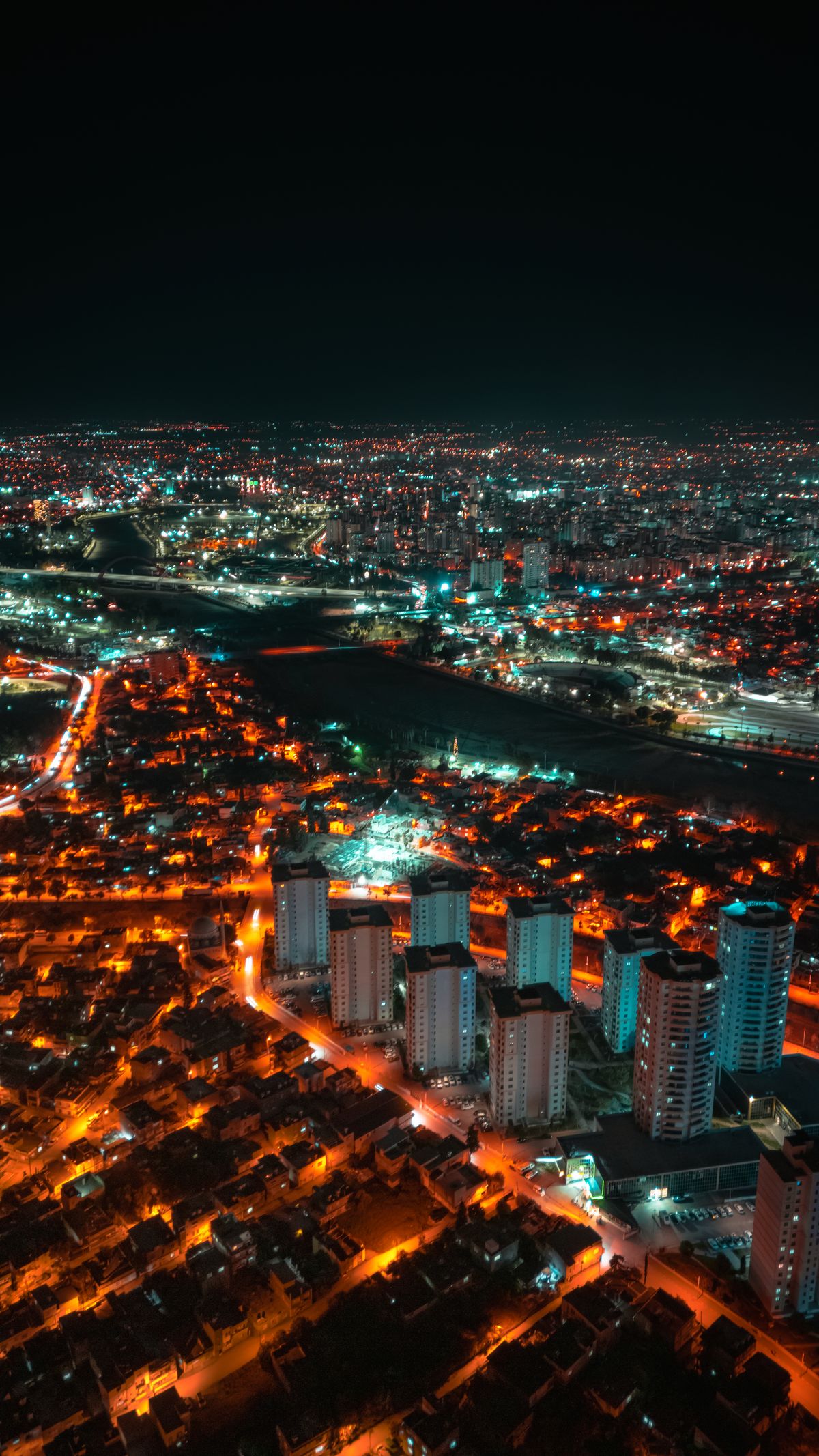
There is also a particular mood to Hakodate that travelers respond to. It is a city of slopes and sea air, of trundling streetcars and creaking wooden buildings, where the pace feels a notch slower than the mainland and the light off the water is soft and clear. It is romantic without being touristy, historic without being a museum, and delicious without being expensive. Many visitors arrive planning a single night and end up wishing they had booked two.
Just as importantly, Hakodate is easy. The main sights cluster into a few walkable areas linked by a charming old streetcar, the locals are welcoming, and you can see the highlights in a comfortable day and a half. Before you set off, it is worth arranging mobile data so you can ride the trams, check the ropeway weather and pull up market maps without hunting for Wi-Fi. A prepaid Japan & Global eSIM activates the moment you land, and our Japan travel tips for first-timers covers the wider basics of cash, etiquette and transport.
A Brief History: Japan’s Window to the World
To understand why Hakodate looks and feels different from most Japanese cities, it helps to know its story. For centuries Japan kept itself largely closed to the outside world, but in 1854, under pressure from foreign powers, the country signed a treaty that opened a handful of ports to international trade — and Hakodate was one of the very first. Almost overnight, American, Russian, British and other traders, diplomats and missionaries arrived, building consulates, churches, warehouses and homes on the hillside facing the harbor.
That sudden burst of international contact left a permanent mark. The Western-style buildings of Motomachi, the Russian Orthodox church, the brick warehouses along the bay and even the city’s appetite for novel foods all trace back to this era. A decade later, Hakodate also became the stage for the dramatic finale of the Boshin War, when forces loyal to the old shogunate made their last stand at the star-shaped fort of Goryokaku before the modern Meiji government took control. Walking the city today is, in effect, walking through the moment Japan turned to face the wider world — a layer of history you can feel in nearly every neighborhood.
The Mt. Hakodate Night View
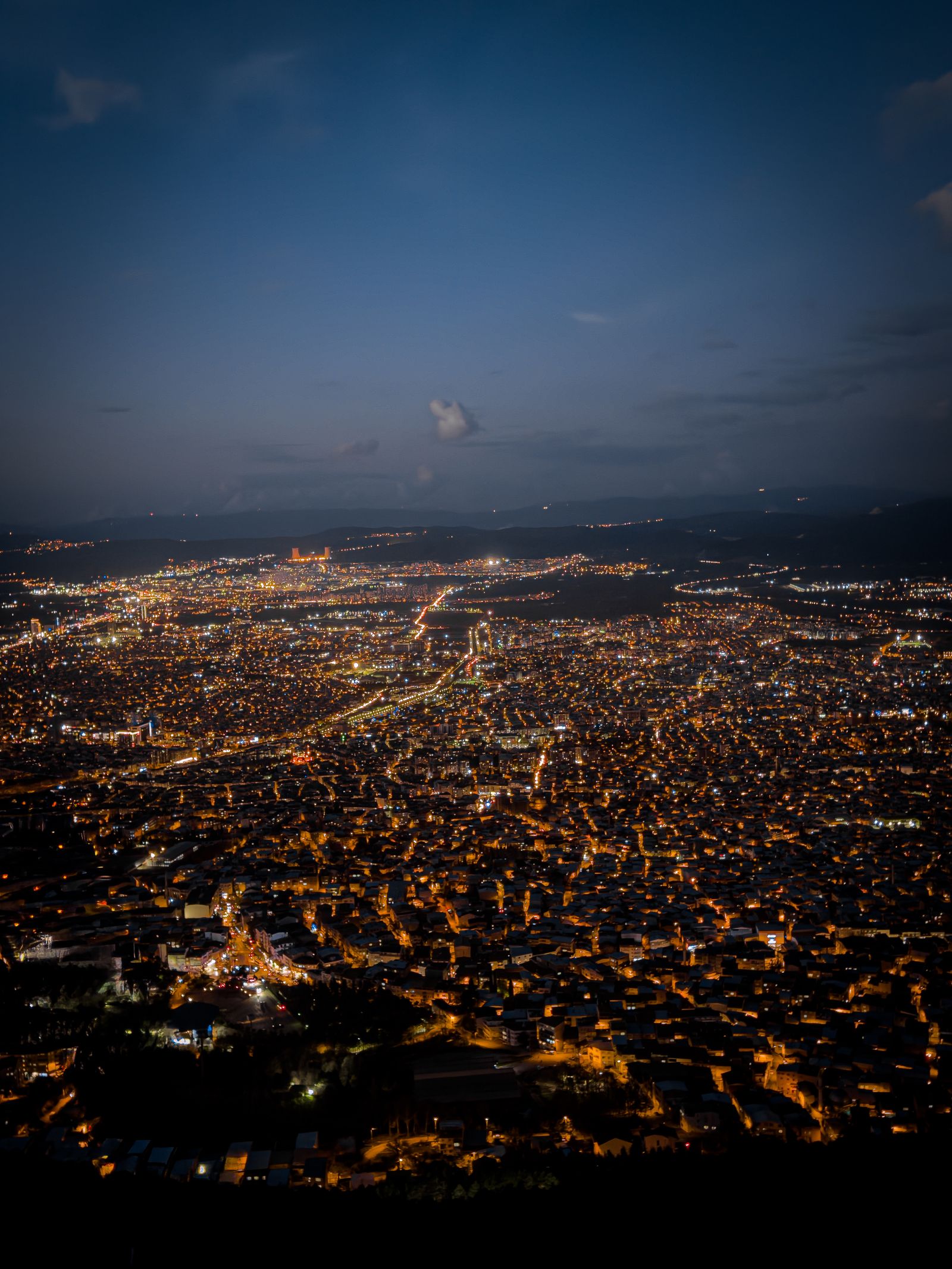
The single most famous thing to do in Hakodate is ride to the summit of Mt. Hakodate (334 meters) after dark. From the observation deck, the narrow waist of the city glows between the black water of the bays on either side, creating a shape often described as a jewel or a fan. On clear nights it is genuinely breathtaking, and it is the image that draws most visitors to the city in the first place.
The most popular way up is the ropeway, which climbs to the summit in about three minutes and costs around ¥2,000 (about US$13) for a round trip. Aim to arrive about 30 minutes before sunset so you can watch the sky fade from gold to indigo and the lights flicker on — but expect crowds and queues at that golden hour, so consider going up slightly later when the rush thins. In the warmer months you can also drive or take a bus to the top, though the road closes to private cars in the evening during peak ropeway hours and is shut entirely in winter.
What makes Hakodate’s panorama so distinctive is the geography. Because the city is pinched into a narrow neck of land with dark sea on both sides, the lit-up streets form a sharply defined glowing shape rather than the formless sprawl you see over most cities. The two black bays act like a frame, and on clear nights the lights of fishing boats add pinpricks of brightness out on the water. It is this contrast of light and dark that has earned the view comparisons with Naples and Hong Kong as one of the great night panoramas of the world.
If you would rather skip the ropeway crowds entirely, the view is also lovely at dusk, when there is still a band of color in the sky and the lights are just beginning to come on — this “magic hour” is, for many photographers, even more beautiful than full darkness. For a quieter alternative on a clear evening, the rooftop observation areas of some bay-area buildings and hotels offer their own attractive city-and-harbor views without the climb.
Tips for the Night View
Weather makes or breaks the experience: fog and low cloud are common, especially in early summer, and they can erase the view entirely. Check the live summit camera (easy with mobile data) before committing to the trip up. Bring a warm layer regardless of season, because the summit is windy and noticeably colder than the city below. If the night is clouded out, the view from the lower slopes or the bay area is still pleasant, and you can try again the following evening.
How to Get to Hakodate
Hakodate is far more accessible than its northern location suggests, thanks to the Hokkaido Shinkansen, which now tunnels under the strait separating Honshu from Hokkaido.
By Shinkansen
The Hokkaido Shinkansen runs from Tokyo to Shin-Hakodate-Hokuto Station in about four hours, passing through the undersea Seikan Tunnel. From Shin-Hakodate-Hokuto, the connecting “Hakodate Liner” local train reaches central Hakodate Station in about 20 minutes. The full one-way fare from Tokyo is roughly ¥23,000 (about US$155), so if you are doing a lot of long-distance rail it is worth checking whether a rail pass pencils out — our Japan Shinkansen guide explains how the network and reservations work.
By Air
Hakodate Airport (HKD) sits just 20 minutes from downtown and has frequent flights from Tokyo (around 80 minutes), as well as connections from Osaka, Nagoya and other cities. Flying is often faster and cheaper than the bullet train from western Japan. A shuttle bus from the airport to Hakodate Station costs around ¥500 (about US$3.35). If you are landing with heavy luggage, traveling as a family, or arriving after a long flight, a pre-booked NearMe airport shuttle takes you straight to your hotel door without juggling timetables.
From Sapporo
Many travelers combine Hakodate with Sapporo. Limited express trains link the two cities in about 3.5 to 4 hours, and highway buses take around 5 hours for less money. Hakodate makes a natural first or last stop on a Hokkaido loop, especially if you are entering the island by Shinkansen from the south.
Hakodate Morning Market and Seafood
No visit is complete without an early start at the Hakodate Morning Market (Asaichi), a sprawling cluster of stalls and small restaurants just steps from Hakodate Station. It opens around dawn — roughly 5:00 or 6:00 in summer, a little later in winter — and winds down by early afternoon, so this is a breakfast-and-brunch affair, not a dinner one.
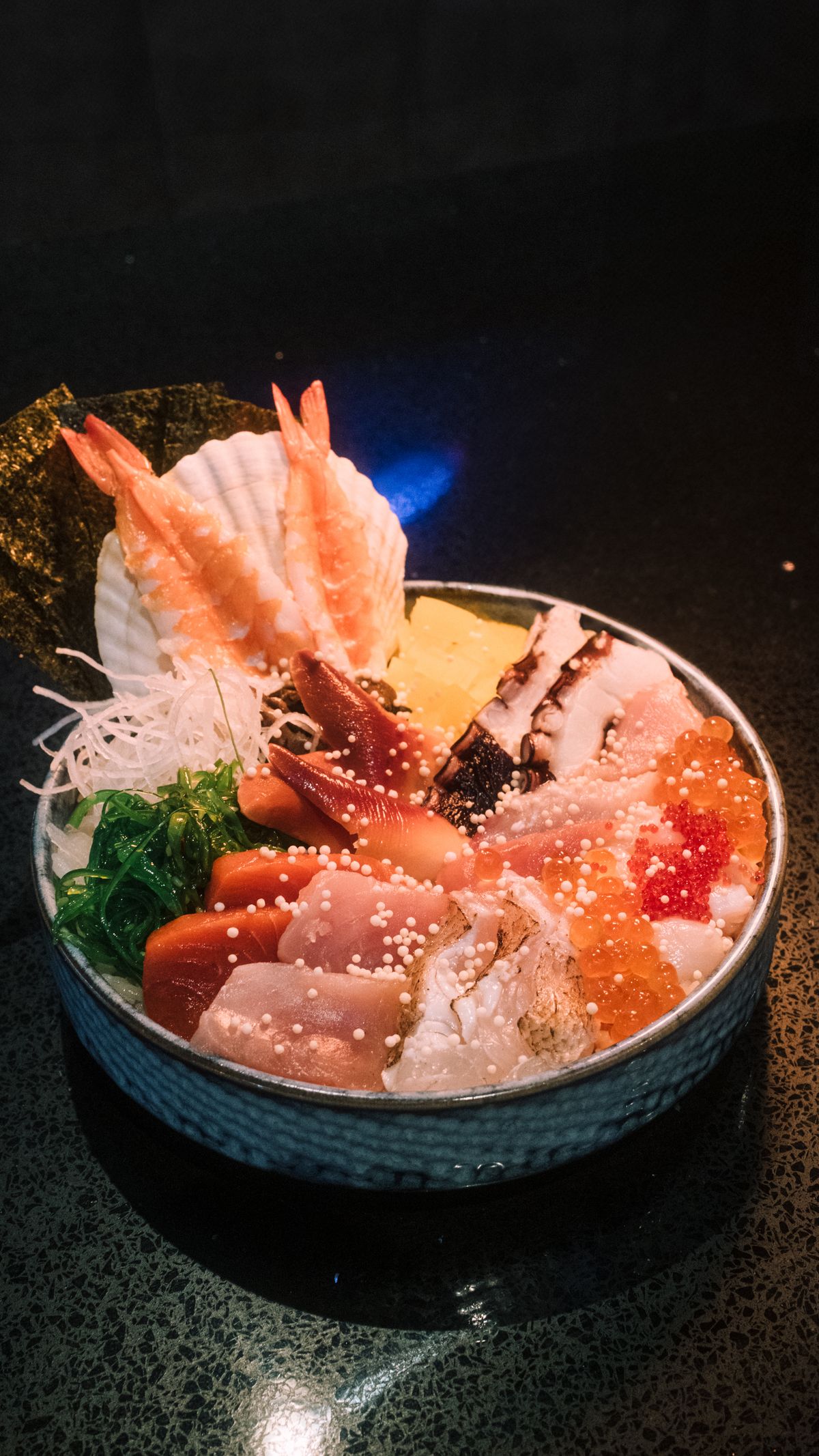
The heart of the market is the Donburi Yokocho Market, a covered alley of around twenty tiny restaurants that compete to serve the best rice bowls. Picking one can be overwhelming, so a good rule of thumb is to choose a busy counter with locals at it, point at the photos, and let the staff guide you. Many shops offer a “make-your-own” bowl where you select three or four toppings to combine, which is a fun way to taste several specialties at once. Outside the restaurants, the produce stalls sell Hokkaido melons (famously sweet and famously pricey), corn, dairy and dried seafood that make good gifts, and most vendors are happy to let you sample before you buy.
The market is famous for two things. The first is its seafood breakfast restaurants, where you can build a kaisendon — a bowl of rice topped with whatever you like, from glistening salmon roe (ikura) and sea urchin (uni) to crab, scallop and slices of raw squid. A generous bowl runs roughly ¥1,500–¥3,500 (about US$10–23) depending on the toppings. The second is the live squid fishing tanks, where for a small fee you can catch your own squid with a rod and have it sliced into translucent sashimi on the spot — it is so fresh the flesh is still moving, a quintessential Hakodate experience.
Beyond the market, Hakodate’s restaurants serve excellent crab (especially in winter), buttery scallops, salmon, and the local specialty shio (salt) ramen, a clear, delicate broth quite different from the rich miso ramen of Sapporo. To see how this fits into Japan’s wider food scene, our Japan street food guide is a tasty companion read.
Motomachi: The Historic Hillside District
Climbing the slopes of Mt. Hakodate is Motomachi, the old foreign quarter and the most atmospheric neighborhood in the city. Because Hakodate opened to the world so early, Western traders, diplomats and missionaries built homes, consulates and churches here, and many survive in beautifully preserved condition.
Wander the steep, photogenic slopes and you will pass the Gothic Catholic church, the Russian Orthodox Church with its distinctive green domes (whose bells gave Hakodate the nickname “the town of ringing bells”), the Episcopal church, and the pale-blue-and-yellow Old Public Hall, a grand colonial-style building from 1910 whose balcony offers a lovely view over the port. The streets that run straight down to the harbor — especially Hachiman-zaka slope — frame postcard views of the bay between rows of historic buildings and are among the most photographed spots in Hokkaido.
The neighborhood is small enough to explore on foot in a couple of hours, but the gradients are real, so wear comfortable shoes. Tucked among the landmarks are stylish cafes in converted Western houses, the Old British Consulate with its tearoom and rose garden, and the Motomachi Roman Catholic complex. Higher up, near the ropeway base, the Foreigners’ Cemetery looks out over the strait, a quiet reminder of the international community that once made this hillside home. Photographers should aim for late afternoon, when the low sun lights the slopes and the bay glows gold before the evening climb up the mountain.
The Kanemori Red Brick Warehouses and Bay Area
Down at the water’s edge, the Kanemori Red Brick Warehouses are a row of late-19th-century brick storehouses that once held the goods of this busy trading port. Today they have been converted into a stylish complex of shops, cafes, restaurants and a beer hall, with the canal and moored boats giving the whole area a relaxed, romantic feel — especially when the buildings are illuminated at night.
It is an easy, pleasant place to browse for souvenirs — local sweets, dairy products and crafts — or to sit with a coffee and watch the harbor. The bay area connects naturally with Motomachi above it and the morning market a short tram ride away, so many travelers spend a leisurely morning and early afternoon looping through all three.
Goryokaku: The Star-Shaped Fort
A short tram ride from the center brings you to Goryokaku, a fortress built in the 1860s in the shape of a five-pointed star, modeled on European military designs of the era. It was the site of the final battle of the Boshin War, the conflict that ended Japan’s feudal age, and today the moats and earthworks form a tranquil park.
The star shape is best appreciated from above, so climb the adjacent Goryokaku Tower (admission around ¥1,000, about US$6.70) for a bird’s-eye view of the perfect geometry below. The tower also houses exhibits explaining the fort’s history and the Boshin War in an accessible, visual way. Within the grounds you can visit the faithfully reconstructed Magistrate’s Office (Bugyosho), an elegant wooden building that recreates how the fort’s administration once operated. In spring, roughly 1,600 cherry trees turn the fortress into one of Hokkaido’s premier blossom spots, and the moats fill with petals; the trees are floodlit at night during the bloom. In winter, the “Goryokaku no Hoshi” illumination outlines the star in lights against the snow, and the moats sometimes freeze into a white version of the same five-pointed shape.
Yunokawa Onsen
On the eastern edge of the city lies Yunokawa Onsen, one of Hokkaido’s oldest hot-spring resorts, reachable by tram in about 30 minutes from the station. The waters were reputedly discovered centuries ago, and today the district is lined with ryokan and hotels drawing on the same mineral-rich springs. Here you can soak at an inn or a day-use bath, some with views over the sea, and several hotels offer open-air baths where you can watch the waves while you relax. It is the perfect antidote to a long day of sightseeing or a cold winter evening.
Even if you are not staying overnight, many establishments welcome day visitors for a few hundred to around a thousand yen, and there is a free public foot bath near the tram stop where you can dip your tired feet for nothing at all. A charming local detail: the nearby Yunokawa monkey park lets you watch Japanese macaques bathe in their own outdoor hot spring during the colder months, a delightfully Hokkaido scene. Combining an afternoon soak with the evening night view makes for a wonderfully relaxing end to a Hakodate day.
If you would like to stay overnight at a hot-spring inn, the curated higher-end ryokan listings on Ikyu.com are a good place to compare Yunokawa’s seaside options, while everyday hotels across the city can be browsed and booked on Agoda.
Day Trips from Hakodate
With an extra day, the area around Hakodate offers gentle nature and quiet coast.
Onuma Quasi-National Park
About 30 minutes north by train, Onuma is a serene landscape of island-dotted lakes beneath the volcanic peak of Mt. Komagatake. In the warmer months you can walk the connected islets on a series of pretty footbridges — short, well-marked loops take 15 to 50 minutes — rent a rowboat or canoe, or cycle the roughly 14-kilometer road around the main lake in a couple of relaxed hours. Pleasure boats also cruise among the islands. In winter the lake freezes and the area becomes a snowy wonderland for ice fishing, snowshoeing and snowmobiling. It is one of the easiest escapes into Hokkaido’s nature from the city, and the reflection of Mt. Komagatake in the still water on a calm day is unforgettable. Pack a picnic, or stop at one of the cafes near the station for the local specialty, a sticky sweet-bean dango.
Cape Tachimachi and the Coastline
Closer to town, Cape Tachimachi offers windswept cliffs and sea views at the southern end of the Mt. Hakodate peninsula, a quiet spot for a stroll away from the crowds. The fishing villages and coastline beyond reward anyone with a rental car and a free afternoon.
A Suggested Two-Day Hakodate Itinerary
Here is an easy plan that captures the city’s highlights without rushing, built around the all-important night view.
Day 1: Bay, Hills and Night View
Arrive and drop your bags near Hakodate Station. Take the streetcar to the bay area and browse the Kanemori Red Brick Warehouses, then climb the slopes into Motomachi to see the churches, the Old Public Hall and the famous Hachiman-zaka view down to the harbor. Have a relaxed lunch of shio ramen or a seafood set. In the late afternoon, rest at your hotel, then head to the ropeway about 30–45 minutes before sunset to ride up Mt. Hakodate and watch the city lights ignite. Come down for a dinner of crab or squid in the center.
Day 2: Market, Fort and Onsen
Start at dawn with a kaisendon at the Morning Market, then take the tram to Goryokaku, walking the star-shaped moats and climbing the tower for the view from above. In the afternoon, ride out to Yunokawa Onsen for a soak with a sea view, or visit Onuma Quasi-National Park if you prefer nature. If you have a third day, devote it fully to Onuma’s lakes and Mt. Komagatake, or a coastal drive to Cape Tachimachi.
Getting Around Hakodate
The star of local transport is the Hakodate streetcar, a historic tram system that has run for over a century and links almost every major sight: the morning market, the bay area, the foot of the ropeway, Goryokaku and Yunokawa Onsen. Single rides cost around ¥210–¥260 (about US$1.40–1.75), and a one-day tram pass of roughly ¥600 (about US$4) quickly pays for itself. There is also a combined tram-and-bus day pass if you plan to range more widely.
Trundling through the city on the old-fashioned streetcar is a pleasure in itself, and the central areas are flat and walkable between stops. IC cards such as Suica and ICOCA are accepted on the trams and buses, so the card you used elsewhere in Japan will work here too. For the night-view ropeway, the bay and Motomachi, you will mostly combine short tram hops with gentle walking.
Local Food Beyond the Morning Market
Hakodate’s flavors run deeper than its famous seafood bowls. Hakodate shio ramen is the city’s signature noodle dish — a clear, golden, salt-based broth that lets the quality of the stock shine, lighter and more elegant than the heavy ramen of other regions. Squid (ika) is practically the city’s mascot, served as sashimi, grilled, stuffed with rice, or in the local ika somen, where the squid is sliced into noodle-thin strands.
For something unexpected, seek out Lucky Pierrot, a beloved local burger chain found only around Hakodate, famous for its over-the-top Chinese-chicken burgers and quirky, circus-themed decor — a fun, cheap lunch that locals adore and visitors rarely forget. Hokkaido’s superb dairy also shines here, so save room for soft-serve ice cream, cheesecake and rich milk-based sweets, many sold at the bay-area shops as gifts to take home.
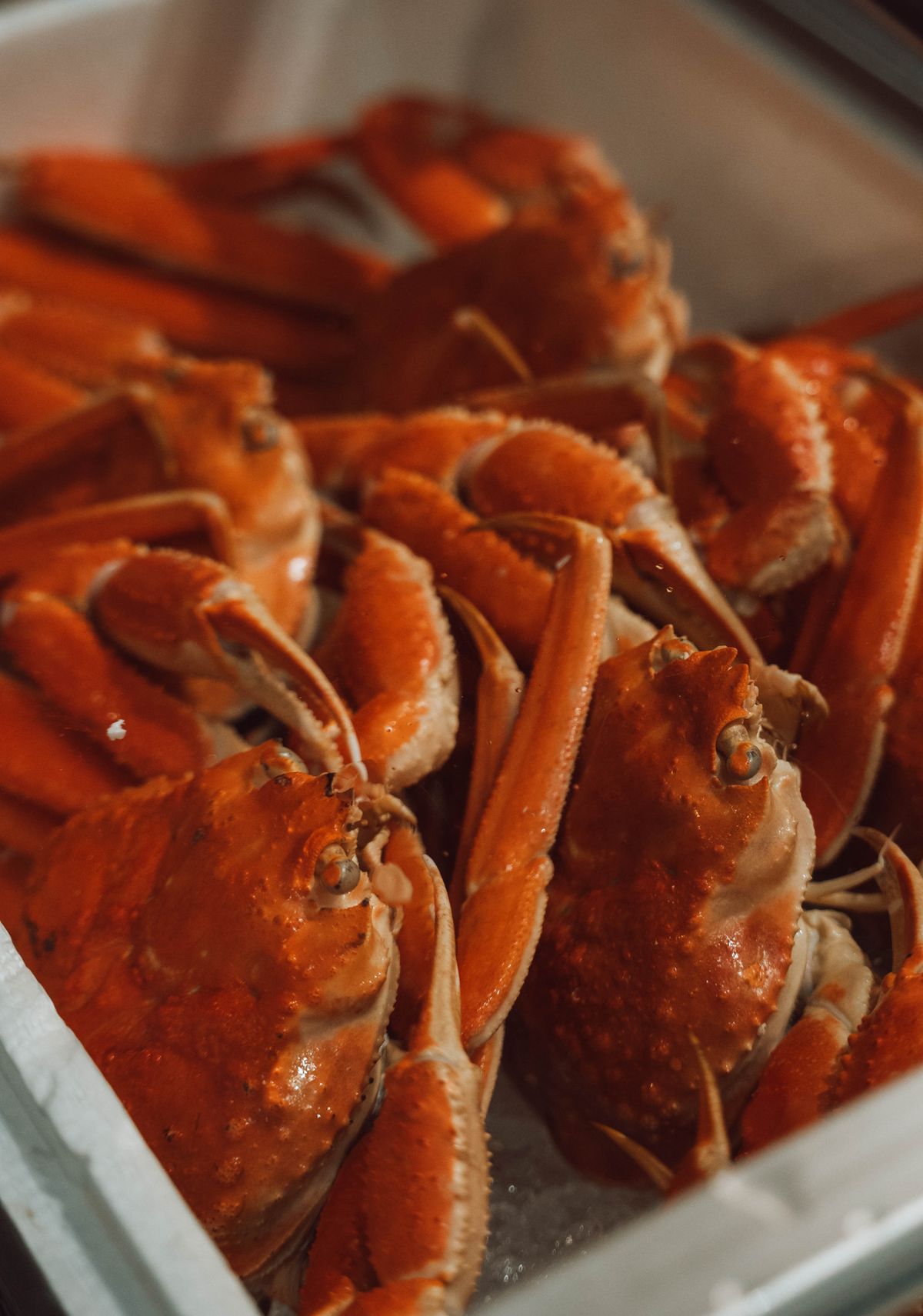
If you are visiting in the colder months, do not leave without a proper crab meal. From late autumn through winter, Hakodate’s restaurants showcase king crab, snow crab and the local hair crab (kegani), served boiled, grilled, in hot pots or as sashimi. A crab course can be a splurge — anywhere from ¥3,000 to ¥10,000 or more (about US$20–67) — but for many travelers it is the culinary highlight of a Hokkaido trip. For a lighter taste, the morning market and bay-area stalls sell grilled crab legs and scallops to eat on the spot. Pair any of it with a glass of Hokkaido’s crisp local beer or milk, and you have a meal that captures the north in a single sitting.
Where to Stay in Hakodate
For first-timers, the most convenient base is near Hakodate Station and the morning market, putting you within walking distance of breakfast, the bay and the tram lines. Business and mid-range hotels here typically run ¥8,000–¥16,000 per night (about US$53–107) for a double, often with bay views from the upper floors.
The bay area offers stylish hotels near the brick warehouses, while Yunokawa Onsen is ideal if you want a hot-spring ryokan experience with sea-view baths, a 30-minute tram ride from the center. Whichever area you choose, compare options and recent reviews on Agoda, and book ahead for the cherry-blossom season, the August fireworks and the winter illumination period, when the best rooms sell out early. You can fit Hakodate into a longer route using our overview of Japan destinations.
Best Time to Visit Hakodate
Spring (late April to May) brings the famous cherry blossoms to Goryokaku and Mt. Hakodate’s lower slopes; note that Hokkaido blooms weeks later than Tokyo, so this is when much of Japan has already finished. Summer (June to August) is cool and pleasant compared with the sweltering main islands, though early summer can be foggy, which threatens the night view; August brings a spectacular harbor fireworks festival.
Autumn (September to October) offers crisp air, fewer crowds and fall colors at Onuma, making it one of the best and most comfortable times to visit. Winter (December to February) is cold and snowy but magical: the city glitters under snow, the Goryokaku star is illuminated, the bay area twinkles with lights, and crab season is at its peak. Pack serious warm clothing and good footwear for the icy slopes if you come in winter.
Practical Tips for Visiting Hakodate
- Save the night view for a clear evening. Check the live summit webcam first; fog can hide everything, and you can simply try again the next night.
- Go to the morning market early. It is a breakfast institution that winds down by early afternoon — arrive before 9:00 for the best atmosphere and freshest pick.
- Buy a one-day tram pass if you are visiting more than two or three sights; it is cheaper than individual fares and lets you hop on and off freely.
- Dress warmly for the summit and for winter, which is far colder than Honshu; layers and non-slip shoes are essential from December to March.
- Allow at least a day and a half to enjoy the city without rushing — one evening for the night view and a full day for the market, Motomachi, the bay and Goryokaku.
- Carry some cash, as a few small market stalls and older shops are cash-only, even though hotels and larger restaurants take cards.
- Set up a travel eSIM before you arrive so you can check the summit weather and tram routes on the move.
Money, Connectivity and Etiquette
Hakodate is comfortably modern, but a few practical habits smooth the trip. Credit cards and IC cards are accepted at hotels, larger restaurants, the ropeway and chain stores, yet some morning-market stalls, older shops and small eateries still prefer cash, so carry a few thousand yen for the day. The most reliable ATMs for foreign cards are at 7-Eleven convenience stores and Japan Post offices, both common in the city center.
Mobile coverage is strong in town and weaker out at Onuma and along the coast, which is exactly where you will want maps and timetables, so a prepaid travel eSIM set up before arrival is the simplest solution. Etiquette here mirrors the rest of Japan: be quiet on the streetcar, do not eat while walking through busy areas, follow the wash-before-you-soak rules at the onsen, and remember that tipping is not practiced anywhere. Tattoos can still be an issue at some public baths, so if you have them, look for tattoo-friendly hotels or private family baths (kashikiri) at Yunokawa, which many ryokan offer.
Budgeting for Hakodate
Hakodate is one of the better-value cities in Hokkaido. Sightseeing costs are modest: the night-view ropeway is about ¥2,000 (US$13) round trip, Goryokaku Tower around ¥1,000 (US$6.70), and the moat-side park and the churches’ grounds are mostly free or a few hundred yen. A hearty seafood breakfast bowl is ¥1,500–¥3,500 (US$10–23), a bowl of shio ramen or a Lucky Pierrot burger meal well under ¥1,000 (US$6.70), and a one-day tram pass just ¥600 (US$4). Mid-range hotels near the station run roughly US$53–107 a night.
A careful traveler can enjoy a full day of sights, two seafood meals and unlimited tram rides for well under US$60 per person, excluding accommodation. If you are watching your overall budget across Japan, our budget travel guide to Japan has many more money-saving strategies that apply just as well in the north.
Frequently Asked Questions
Is Hakodate worth visiting on a first trip to Japan?
Yes, particularly if you want to experience Hokkaido without a long journey deep into the island. Hakodate combines a world-class night view, outstanding cheap seafood, a charming historic district and a star-shaped fort, all in a compact, walkable city with its own bullet-train gateway. It works beautifully as the start or end of a Hokkaido trip, or even as a two-night add-on from Tokyo.
How many days do I need in Hakodate?
A day and a half to two days is ideal. Spend one evening on the Mt. Hakodate night view, a full day on the morning market, Motomachi, the bay area and Goryokaku, and an optional extra day on Yunokawa Onsen or a trip to Onuma Park.
How do I get from Tokyo to Hakodate?
The fastest train is the Hokkaido Shinkansen to Shin-Hakodate-Hokuto (about four hours from Tokyo), then a 20-minute local train to Hakodate Station; the one-way fare is around ¥23,000 (about US$155). Flying from Tokyo to Hakodate Airport takes about 80 minutes and is often cheaper, with the airport just 20 minutes from downtown.
What is the Mt. Hakodate night view and how do I see it?
It is the panorama of the city’s lights spread across the narrow isthmus between two bays, seen from the 334-meter summit of Mt. Hakodate. Most people take the ropeway (about ¥2,000 round trip, US$13), arriving near sunset. Because fog is common, check the live summit camera before heading up, and bring a warm layer for the windy top.
When does the Hakodate Morning Market open?
The market opens around dawn — roughly 5:00–6:00 in summer and a little later in winter — and most stalls and restaurants wind down by early afternoon. Go early for the freshest seafood and the liveliest atmosphere, and come hungry for a kaisendon rice bowl or fresh-caught squid.
Is Hakodate good to visit in winter?
Very much so, if you are prepared for the cold. Winter brings peak crab season, snow-dusted streets, the illuminated Goryokaku star and a sparkling bay area, though you should pack heavy clothing and non-slip footwear for icy slopes. The night view over a snowy city is especially beautiful on a clear, calm evening.
What food is Hakodate famous for?
Fresh seafood above all — crab, sea urchin, salmon roe, scallops and squid, often eaten as a morning-market rice bowl. The city is also known for its delicate salt-based shio ramen, squid dishes, Hokkaido dairy sweets, and the local Lucky Pierrot burger chain found nowhere else.
Can I combine Hakodate with Sapporo in one trip?
Yes. Limited express trains connect the two cities in about 3.5–4 hours, so many travelers do Hakodate at one end of a Hokkaido itinerary and Sapporo at the other. Entering Hokkaido by Shinkansen from the south makes Hakodate a natural first stop.
Is Hakodate suitable for families with children?
Yes. The streetcar is a hit with kids, the morning market’s squid-fishing is a memorable hands-on activity, Goryokaku park has open space to run around, and Onuma offers boats and easy walks. Hokkaido’s dairy means excellent ice cream is never far away. Distances are short and the pace is gentle, which suits younger travelers and grandparents alike.
Do I need a car in Hakodate?
Not for the city itself — the streetcar and a bit of walking cover every major sight. A rental car only becomes useful if you want to explore the wider Oshima Peninsula coastline or reach Onuma and rural spots on your own schedule, and even Onuma is easily reached by train.
What festivals and events happen in Hakodate?
The biggest is the Hakodate Port Festival in early August, featuring a huge “ika odori” squid dance through the streets and harbor fireworks. The Goryokaku cherry blossoms in early May and the winter illuminations from December through February are also major draws. Crab and seafood are at their best in the cold months, making winter a delicious time to visit despite the chill.
Hakodate rewards the traveler willing to head a little farther north. Stand on the windy summit as the bays light up, slurp a bowl of seafood at dawn, wander the church-dotted slopes of Motomachi, and soak in a seaside onsen as the day ends — and you will understand why so many visitors call this small port one of their favorite cities in all of Japan. Whether you come as a gentle introduction to Hokkaido or as the grand finale of a long northern journey, Hakodate sends you home with the taste of the sea, the glow of a thousand lights and the quiet charm of a city that opened Japan’s door to the world.
Related Hokkaido Travel Guides
Discover more of Hokkaido with these related guides: Sapporo, Hokkaido’s capital, Furano and Biei’s lavender fields, Shiretoko National Park, Noboribetsu Onsen, and the Hokkaido food guide.
Going to Japan? Talk to locals with confidence.
Hirameki Japanese — instant offline translation, camera translation, furigana + romaji, and 314 free flashcards. No login. Works without internet.

Plan your Japan trip
Two things every first-timer should book
Some links are affiliate links. If you book through them we may earn a small commission at no extra cost to you.