Shiretoko National Park is Japan’s last great wilderness — a remote, raw, and untamed peninsula at the far northeastern tip of Hokkaido where brown bears outnumber tourists, sea ice drifts in from Siberia each winter, and primeval forests tumble down volcanic mountains straight into the cold blue sea. Designated a UNESCO World Natural Heritage Site in 2005, Shiretoko (知床, meaning “the end of the earth” in the language of the indigenous Ainu people) is the kind of place that fundamentally rewrites what most travelers think Japan looks like. There are no neon-lit shopping districts here, no bullet trains, no convenience stores around every corner. What you’ll find instead is one of the most ecologically intact ecosystems left in temperate Asia, a place where you can watch killer whales from a boat in the morning, soak in a wild riverside hot spring in the afternoon, and fall asleep to the sound of Steller’s sea eagles overhead. This complete guide walks you through everything you need to know to plan a Shiretoko trip — when to come, how to get there, what to do, where to stay, what to eat, and how to stay safe in genuine bear country.
Why Shiretoko Is Like Nowhere Else in Japan
Most travelers who come to Japan for the first time stick to the so-called “Golden Route” — Tokyo, Kyoto, Osaka, and maybe Hakone or Hiroshima. That route gives you Japan’s cultural and urban core, but it tells you almost nothing about the country’s natural side. Shiretoko sits at the opposite end of the spectrum. The peninsula juts northeast into the Sea of Okhotsk, ending at the rocky tip of Cape Shiretoko, where no roads reach and the only way to see the coastline is by boat. Roughly 70 kilometers long and 25 kilometers across at its widest, the peninsula is dominated by a chain of volcanic peaks, the tallest of which, Mount Rausu (1,661 meters), still steams gently from its sulphur vents.
The reason Shiretoko earned UNESCO World Natural Heritage status comes down to one extraordinary fact: this is the southernmost place on Earth where seasonal pack ice — sea ice that drifts down from the Russian Far East — reaches every winter. That sea ice carries enormous quantities of plankton, which seeds an explosion of marine life when it melts in spring. The plankton feed fish, the fish feed seals and seabirds, the seals and seabirds feed orcas, sea eagles, and (on land) brown bears. The result is one of the densest concentrations of large wildlife anywhere in Japan: roughly 600 brown bears live on the peninsula, along with Yezo sika deer, red foxes, Blakiston’s fish owls, white-tailed eagles, and the largest eagle in the world, the Steller’s sea eagle.
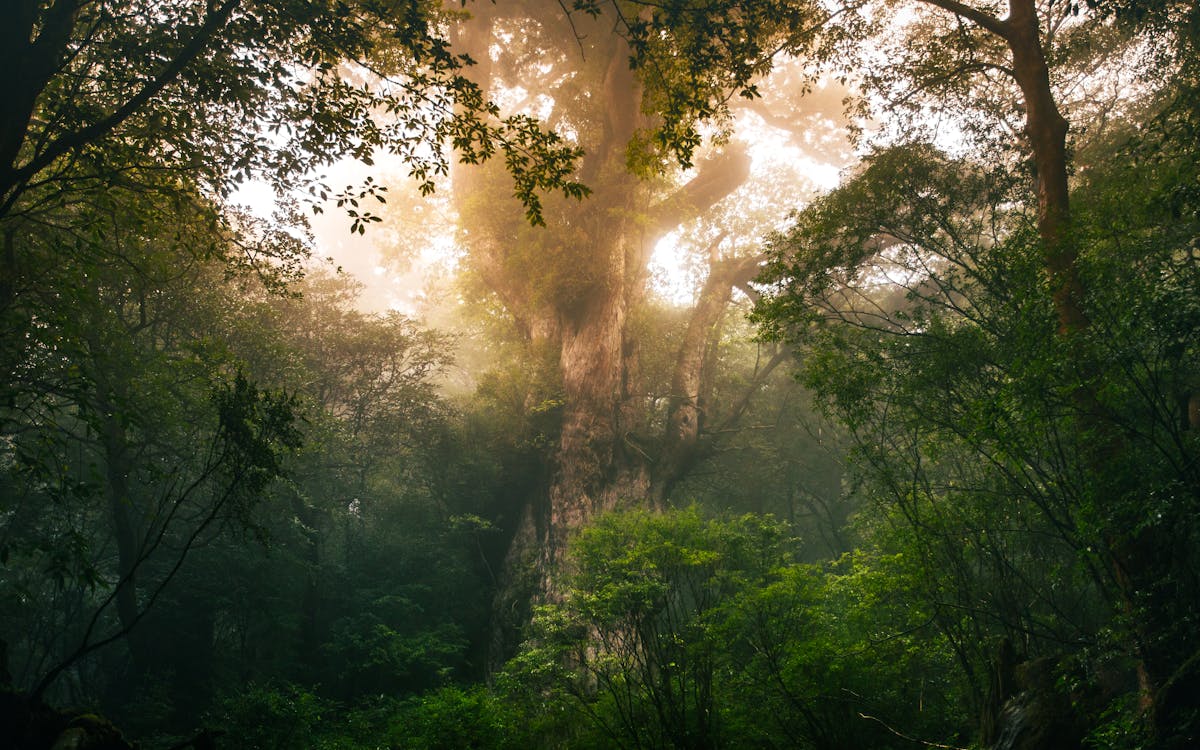
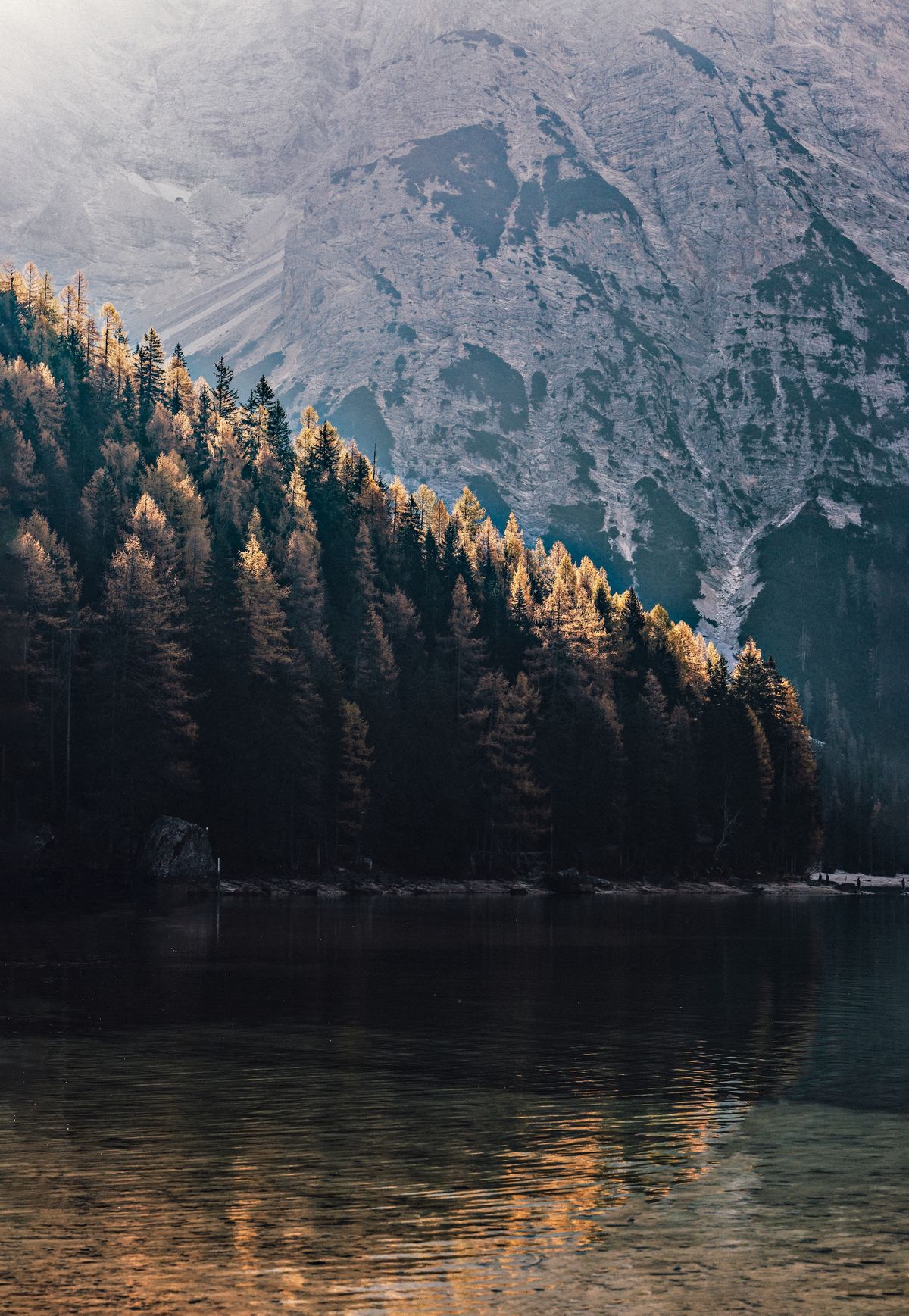
Beyond the wildlife, Shiretoko is simply beautiful in a way that few corners of Japan are. The interior of the peninsula is unpaved forest. The coastline alternates between dramatic 100-meter cliffs and hidden coves. Waterfalls drop directly from the mountains into the sea. In autumn, the forests turn fiery red and gold; in winter, everything is buried under meters of snow and the harbor at Utoro fills with crunching white ice. For travelers who want to see a Japan that feels truly wild — not landscaped, not curated, not bordered by vending machines — Shiretoko is the answer.
How to Get to Shiretoko: A Complete Transport Guide
Shiretoko is genuinely remote, and getting there is the single biggest planning challenge for first-time visitors. The peninsula sits in eastern Hokkaido, far from Sapporo and even farther from the rest of Japan. You essentially have three options, and the right one depends on how much time you have and where you’re coming from.
Option 1: Fly to Memanbetsu Airport (Recommended)
The fastest and most popular way to reach Shiretoko is to fly into Memanbetsu Airport (MMB), the small regional airport that serves the Abashiri region. From Tokyo (Haneda), direct flights take about 1 hour 45 minutes and cost roughly ¥18,000–¥35,000 (USD 120–230) one-way depending on season and how far in advance you book. ANA and JAL operate multiple daily flights; LCC options are limited. From Sapporo (New Chitose Airport), short hops run several times a day and take only 45 minutes, costing ¥10,000–¥18,000 (USD 67–120).
From Memanbetsu Airport, you’ll need to drive or take a bus to Utoro, the main gateway town in Shiretoko. By rental car, the drive is about 1 hour 45 minutes (105 km) on well-paved but quiet country roads. By bus, the Shari Bus Company runs a direct seasonal “Shiretoko Airport Liner” that takes around 2 hours 15 minutes and costs ¥3,800 (USD 25). If you’re traveling outside the peak summer season, the airport-to-Utoro bus may not run, so a rental car becomes nearly essential.
Option 2: Fly to Nakashibetsu Airport
Nakashibetsu Airport (SHB) is the alternative gateway, situated on the other side of the peninsula. It’s closer to Rausu, the fishing town on Shiretoko’s eastern (Pacific) coast. Flights connect Nakashibetsu to Tokyo and Sapporo, though schedules are sparser. The drive from Nakashibetsu to Rausu takes about 1 hour. Choose this option if your itinerary focuses on Rausu’s whale-watching boats or the eastern peninsula.
Option 3: Take the Train and Bus
If you have a Japan Rail Pass and plenty of time, the train-and-bus combination from Sapporo or Tokyo is possible but long. From Sapporo, take the JR limited express “Okhotsk” to Abashiri (about 5 hours 30 minutes, ¥10,540), then transfer to a local JR train on the Senmo Line to Shiretoko-Shari Station (about 50 minutes), and finally a bus to Utoro (50 minutes, ¥1,650). Total journey from Sapporo: around 8 hours. The route is scenic, especially the coastal stretch east of Abashiri, but it eats up most of a day.
For a deeper look at long-distance rail travel in Japan and whether the JR Pass is worth it for itineraries like this, see our guide to whether the Japan Rail Pass is worth it.
Getting Around Shiretoko Itself
Once you’re in Shiretoko, the practical truth is that you really want a car. Public buses serve Utoro–Iwaobetsu–Shiretoko Pass and Utoro–Shiretoko Five Lakes, but schedules are limited (often 3–5 runs per day in peak season, even less in shoulder seasons), and you cannot easily reach hot springs, waterfalls, or trailheads without one. Rental cars at Memanbetsu Airport start around ¥7,000 (USD 47) per day for a compact, plus fuel. Snow tires are mandatory in winter and are included in winter rentals; you do not want to drive Hokkaido roads in January with summer tires.
For airport transfers and pre-arranged transport between Hokkaido cities, services like NearMe offer shared shuttles that can be more comfortable than buses when you’re carrying luggage:
Book airport transfer with NearMe →
When to Visit Shiretoko: Seasonal Highlights
Shiretoko is one of those rare destinations where the season completely changes the experience. There is no “best” time to visit in the abstract — only the best time for what you want to see and do.
Summer (June to August): Hiking and Wildlife
Summer is by far the most popular time to visit. Daytime temperatures hover around 18–24°C (64–75°F), making it pleasant by Japanese standards but blissfully cool compared to mainland heatwaves. All hiking trails are open, the Shiretoko Five Lakes can be walked on the elevated boardwalk or, with a guide, on the lower ground trail, and sightseeing boats run multiple times a day. This is also the easiest time to see brown bears from a safe distance from a boat — they fish for salmon along the coast in mid-to-late summer. Book accommodation 2–3 months in advance for July and August; this is high season and Utoro fills up.
Autumn (September to mid-November): Color and Quiet
Autumn is my personal favorite. The crowds thin dramatically after the Obon holiday in mid-August, the air turns crisp, and the forests blaze with red maples and golden birches from late September into mid-October. Brown bears are still active, fattening up for hibernation. Boat tours continue running until late October. The downside: weather becomes increasingly unpredictable, and the Shiretoko Pass road can close on short notice if there’s an early snowfall.
Winter (December to March): Drift Ice and Snowscapes
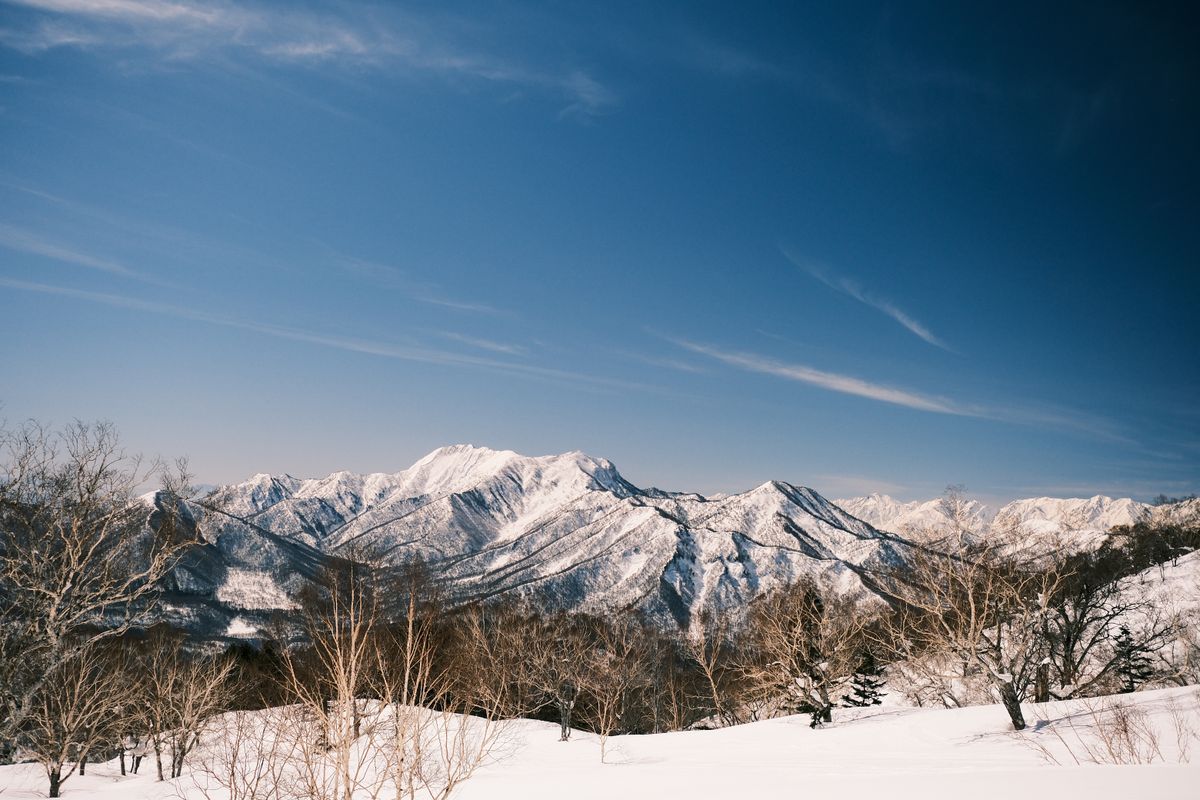
Winter in Shiretoko is utterly different from anywhere else in Japan. From late January through late March, the Sea of Okhotsk freezes over and pack ice drifts onto the shore. Specialized icebreaker cruises run from nearby Abashiri, and walking on the drift ice with a dry-suited guide (“drift ice walking”) is a signature Shiretoko experience. Snowshoe tours through the peninsula’s silent forests are magical. Brown bears are hibernating, but Steller’s sea eagles, white-tailed eagles, and red foxes are easy to see. Daytime temperatures sit around -5°C to -10°C (14°F to 23°F), and roads to the higher parts of the peninsula are completely closed.
Spring (April to May): Transition Season
Spring is the least-visited season and the trickiest to plan. Snow remains on the ground until late April at sea level and into May at higher elevations. The Shiretoko Pass road typically reopens in late April. Cherry blossoms bloom about a month later than in Tokyo — early May. Wildlife slowly emerges. If you don’t mind variable weather and closed trails, it can be a peaceful, cheap time to visit.
Top Things to See and Do in Shiretoko
Shiretoko Five Lakes (Shiretoko Goko)
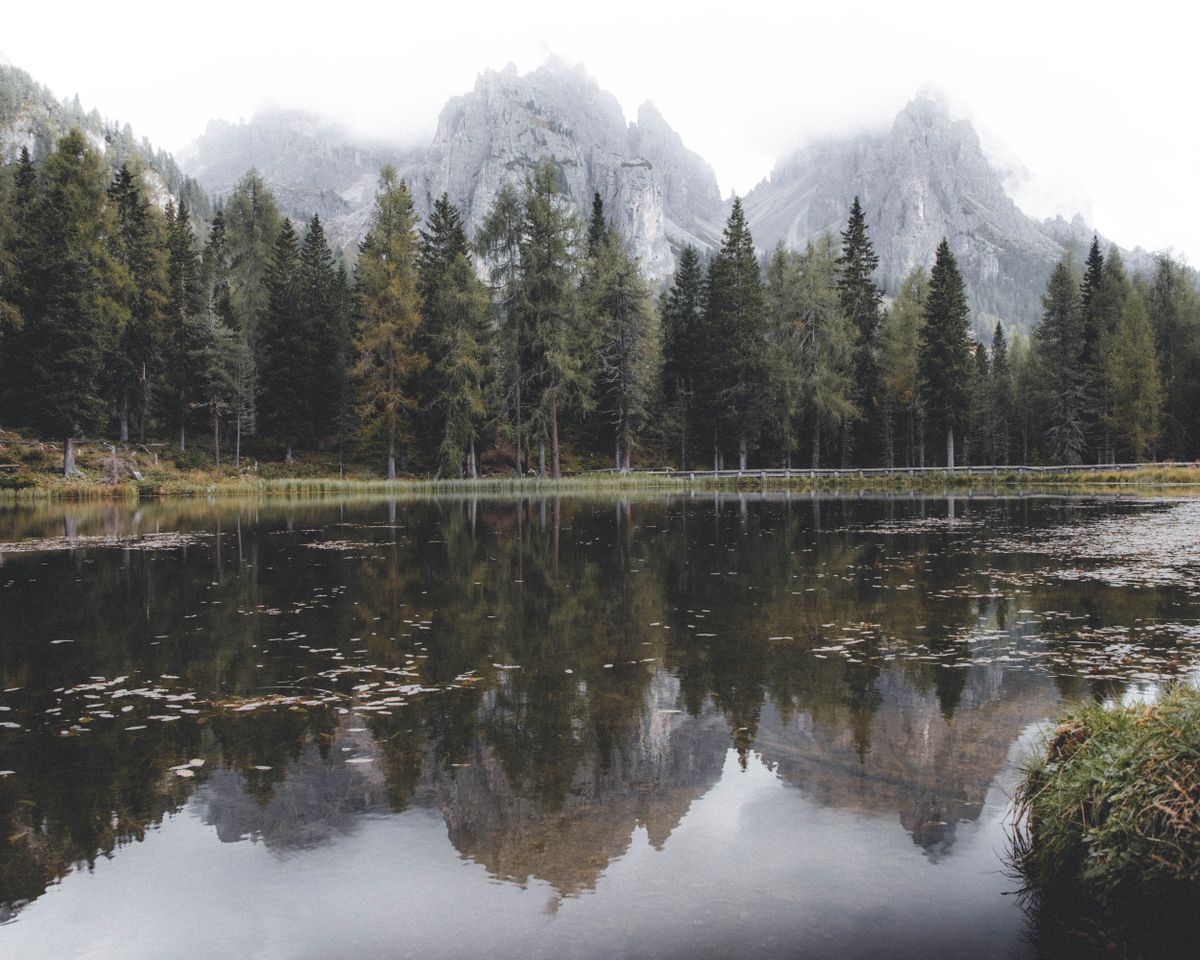
The signature attraction of the peninsula is a cluster of five small forest lakes, each reflecting the volcanic peaks of the Shiretoko Range. There are two ways to visit. The free elevated boardwalk loop runs about 800 meters past the first lake and is open year-round (except when buried under snow). It’s accessible to wheelchairs, takes about 40 minutes, and is electrified at ground level to keep bears off the path. The second option is the ground trail, a 3-kilometer loop visiting all five lakes that requires either a guided tour (¥5,000–¥6,000 per person, May to July) or a pre-arranged self-guided permit. From August onward, the ground trail is usually open without a guide, but rules change yearly — check the Shiretoko Five Lakes website before you go.
Sightseeing Boat Cruises from Utoro
The peninsula’s roadless tip can only be seen from the water. Three main operators run sightseeing boats out of Utoro Port. The short “Kamuiwakka Falls” cruise (about 1 hour 30 minutes, ¥3,500/USD 23) goes north along the coast to the famous hot waterfall. The longer “Cape Shiretoko” cruise (3 hours 45 minutes, ¥8,800/USD 59) reaches the very tip of the peninsula. Smaller “Fox & Bear” tours on rigid inflatables get you closer to wildlife on the cliffs and are excellent for photographers. Crossings are calmest in the morning; afternoon sailings can be choppy.
Furepe Falls and the Cliffside Walk
From the Shiretoko Nature Center on the road into Utoro, a flat 1-kilometer trail through grasslands leads to a viewing platform above Furepe Falls — a waterfall that pours directly out of the cliff face into the Sea of Okhotsk. Foxes are frequently seen on this walk, and the views back along the coast are some of the most photographed in the park. It’s free, takes about 40 minutes round trip, and is one of the easiest “wow” moments in Shiretoko.
Kamuiwakka Hot Falls
One of the most unusual destinations on the peninsula is Kamuiwakka, a series of natural hot springs that flow down a rocky stream. In peak summer (typically late June through late September), visitors can hike a short distance up the riverbed wearing grippy water shoes (or just bare feet for the bold) and soak in shallow, warm pools fed by volcanic heat. Access is via a paid shuttle bus from Utoro during peak season; private cars are not allowed up the road in summer to control traffic and protect bears. Bring a swimsuit and a quick-dry towel.
Shiretoko Pass Drive
Route 334 climbs from Utoro on the Sea of Okhotsk coast, crosses the volcanic spine of the peninsula at the Shiretoko Pass (738 m), and descends to Rausu on the Pacific coast. The drive takes about 40 minutes one way and offers spectacular views on a clear day — particularly the panorama from the Pass itself, where you can sometimes see the Kuril Islands shimmering on the horizon. The road is typically open from late April to late October. In good weather, do this drive at sunset.
Mount Rausu Climb
Serious hikers can attempt Mount Rausu, the highest peak on the peninsula at 1,661 meters. The standard ascent from the Iwaobetsu trailhead is a strenuous 9-hour round trip with around 1,400 meters of elevation gain, often involving snow patches even in mid-summer. The summit is volcanic and otherworldly. Bear encounters along this trail are common — sometimes very close — and a guide is strongly recommended for foreign visitors.
Whale and Orca Watching from Rausu
On the eastern (Pacific) side of the peninsula, Rausu is one of the few places in Japan where you can reliably see orcas. Cruises typically run June through August, when killer whale pods move through the Nemuro Strait. Sperm whales, minke whales, dolphins, and seabirds are also regular sightings. Cruises cost around ¥9,000–¥10,000 (USD 60–67) for a 2.5-hour tour. In winter, Rausu’s birdwatching boats specialize in Steller’s sea eagles, which gather on the ice in numbers found nowhere else in the world.
Where to Stay in Shiretoko: Utoro and Rausu
There are essentially two bases for a Shiretoko trip: Utoro on the Okhotsk side, and Rausu on the Pacific side. Most first-time visitors stay in Utoro, which has more accommodation, easier access to the Shiretoko Five Lakes and sightseeing boats, and a sunset view that’s one of Japan’s most beautiful.
Utoro (Recommended for First-Timers)
Utoro is a small fishing village strung along a curving harbor. It has roughly 30 ryokan, hotels, minshuku (family-run inns), and pensions ranging from cheap-and-cheerful to genuinely luxurious. Highlights include Kitakobushi Shiretoko Hotel, a large resort with onsen baths and dinner buffets featuring local seafood, and Iruka Hotel, a smaller boutique property near the harbor. Mid-range options like Hotel Shiretoko offer dinner-and-breakfast plans for around ¥18,000 (USD 120) per person per night. Budget travelers can find dormitory beds at Shiretoko Iwaobetsu Youth Hostel for around ¥4,500 (USD 30).
To search current rates and availability for Shiretoko hotels, ryokan, and pensions:
Book your hotel on Agoda (Best prices guaranteed) →
Rausu (For Whale Watchers and Hikers)
Rausu has a rougher, working-port feel — this is one of Japan’s most productive fishing harbors, and at dawn the seafood markets are spectacular. Stay here if your trip centers on whale watching or if you’re climbing Mount Rausu, which has its trailhead on this side of the peninsula. Accommodation is mostly small minshuku and pensions. Marumi Pension and Minshuku Rausu Daiichi are reliable mid-range options.
Shari Town (Budget Alternative)
About 40 minutes’ drive west of Utoro, Shari is a regional town with cheaper business hotels, supermarkets, and gas stations. Some travelers stay here to save money and drive into Shiretoko each day. The trade-off is missing Utoro’s sunsets and the experience of being immersed in the park.
What to Eat in Shiretoko: Seafood, Bear Country Cuisine, and Beyond
Eastern Hokkaido is a paradise for seafood, and Shiretoko in particular is famous for several local specialties. Most ryokan and hotels in Utoro and Rausu serve elaborate kaiseki-style dinners as part of the room rate; this is the best way to experience the regional cuisine.
Kinki (kichiji rockfish) is the prized fish of the region, a deep-red, fatty rockfish caught in the cold waters off Rausu. It’s most commonly served grilled with salt or simmered in soy-based broth. Expect to pay ¥4,000–¥8,000 (USD 27–53) for a single fish at a restaurant.
Hokke (Atka mackerel) is the everyman’s grilled fish in Hokkaido, large, oily, and incredibly satisfying. Order it grilled (yaki-hokke) at almost any izakaya.
Salmon and salmon roe (ikura) reach a peak here in autumn during the salmon run. Try ikura-don (a bowl of rice topped with glistening orange roe) or oyako-don (“parent-child bowl”) combining salmon sashimi with ikura.
Hairy crab (kegani) is one of Hokkaido’s three famous crabs, and Shari and Utoro are both major landing ports. A whole crab dinner runs ¥6,000–¥10,000 (USD 40–67).
Venison (Yezo shika) appears on many Shiretoko menus as the local deer population is managed by hunting. Try venison sashimi or grilled with miso.
Wakka Soft Cream — Hokkaido’s dairy reputation extends here, and roadside cafes serve incredibly rich soft-serve ice cream made from local milk. A small cone runs ¥350–¥500 (USD 2.30–3.30).
Wildlife Safety: Bears, Whales, and Responsible Tourism
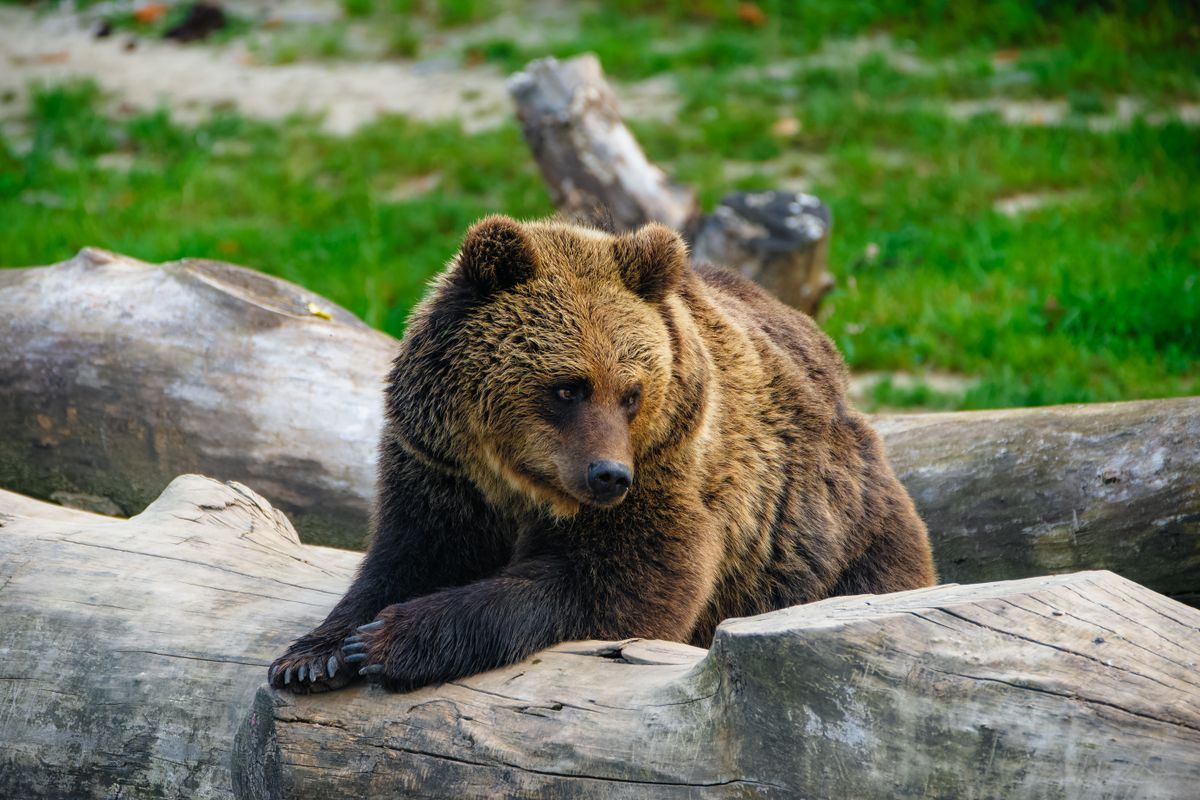
This is the part of the guide that genuinely matters. Shiretoko has the highest density of brown bears (higuma) in Japan, and encounters do happen, sometimes within meters of the trails. Brown bears here are smaller than Alaskan or Russian browns, but adults can still weigh 200–400 kg and run faster than any human. Almost all serious incidents involve people who fed bears, surprised bears at close range, or got between a sow and her cubs.
Simple Rules That Keep You Safe
Carry a bear bell (or talk loudly with a companion) so bears hear you coming. Never hike at dawn or dusk in summer. Stay on marked trails. Do not leave food or scented items unattended, even for a minute. Carry trash out — there are no trash cans on trails. If you see a bear, do not run; back away slowly while talking in a calm voice. If a bear charges, drop a backpack to distract it, never your camera. Bear spray is not commonly sold in Japan but can be rented from some guide companies in Utoro for around ¥3,000 per day. Most importantly: when in doubt, hire a guide. Local guides know which trails are currently active and can read bear sign.
The Wildlife Photography Code
Do not approach bears, foxes, or deer for photographs. Telephoto lenses exist for a reason. Foxes in particular have become habituated to begging at roadsides because tourists feed them. Habituated foxes are then frequently hit by cars or culled as nuisances. Feeding wildlife is illegal in Shiretoko National Park.
Sample 3-Day Shiretoko Itinerary
This itinerary assumes you have a rental car, are arriving from Tokyo or Sapporo via Memanbetsu Airport, and want a balanced mix of nature and comfort.
Day 1: Arrival and the West Coast
Fly into Memanbetsu Airport mid-morning. Pick up a rental car (book ahead). Drive 2 hours to Utoro, stopping for lunch in Shari town for a seafood rice bowl. After checking into your Utoro hotel, walk to Furepe Falls (the cliffside falls) for a gentle 1-hour stroll. In the evening, watch the Sea of Okhotsk sunset from Utoro Port — the sun drops behind a famous offshore rock called Godzilla Rock, and the silhouettes are unforgettable. Dinner is at your ryokan: expect six to eight courses of local seafood.
Day 2: Five Lakes, Hot Falls, and Sightseeing Boat
Start early with the Shiretoko Five Lakes ground trail (either guided or self-guided depending on season). Mid-morning, drive to Kamuiwakka Hot Falls for a wade in the warm river (if it’s the right season). After lunch back in Utoro, board the afternoon Cape Shiretoko sightseeing boat — a 3-hour 45-minute cruise around to the tip of the peninsula. Spot bears, sea eagles, and waterfalls plunging into the sea. Back at your hotel, soak in the onsen bath before dinner.
Day 3: Cross to Rausu, Then Home
Drive over the Shiretoko Pass to Rausu, stopping at the summit overlook. In Rausu, visit the dawn seafood market (it really does require an early start) and consider a 2.5-hour orca-watching cruise from late June through August. After lunch (try kinki or salmon donburi), drive back across the pass or south along the Nemuro coast to your departing airport. Allow at least 2.5 hours of driving time before your flight.
Practical Tips for Visiting Shiretoko
- Mobile data: Cell coverage in Shiretoko is excellent in Utoro and Rausu, but patchy or absent in the interior and on hiking trails. Bring an offline map. A Japan eSIM lets you check ferry times and weather on the go: Get your Japan eSIM (Stay connected from day 1) →
- Cash: Many small inns, market stalls, and remote attractions still operate on cash only. Withdraw ¥30,000–¥50,000 before leaving Memanbetsu or Sapporo.
- Weather: Hokkaido weather changes fast. Layered clothing is essential, even in summer. A waterproof shell is non-negotiable.
- Driving: Watch for deer, foxes, and bears on roads, especially at dawn and dusk. Speed limits are low (40–50 km/h on most rural roads) and strictly enforced.
- Tours: Multi-day Shiretoko-focused tours often include transport, lodging, and guided wildlife activities. Tour packages save planning time and ensure you don’t miss seasonal access windows:
- Trash: Carry out every wrapper. Locals are passionate about keeping the park clean.
- Bear spray: Available for rent from some guides; not generally allowed on commercial flights.
- Language: English signage exists at the major attractions, but small ryokan staff often speak limited English. Google Translate’s offline Japanese pack is invaluable.
- Trail closures: Check the Shiretoko National Park website for current trail conditions. Closures happen for bear activity, weather, and seasonal regulations.
Combining Shiretoko with Other Hokkaido Destinations
Shiretoko is far from everything, so it rewards travelers who build a longer Hokkaido loop. Popular combinations include adding Abashiri (1 hour 20 minutes from Utoro by car) for its drift ice museum and prison museum; the Akan-Mashu National Park (about 2 hours south) with its caldera lakes Mashu, Kussharo, and Akan; the Kushiro Wetlands (about 3 hours south) for crane watching in winter; and Sapporo (a full day away) for the Hokkaido capital. A classic eastern Hokkaido road trip combines Shiretoko, Akan, and Kushiro into a 6 to 8-day loop. If you want to add western Hokkaido (Furano, Biei, Niseko) you really need at least 10 days.
For more inspiration on Hokkaido and other off-the-beaten-path destinations across Japan, browse our full Japan destinations guide.
Shiretoko Budget Estimate
What does a typical three-day, two-night Shiretoko trip cost in 2026? Here’s a realistic per-person estimate for a mid-range traveler.
- Round-trip flight Tokyo–Memanbetsu: ¥35,000–¥50,000 (USD 230–330)
- Rental car (3 days, compact, with insurance): ¥21,000 (USD 140), split between 2 = ¥10,500
- Fuel: ¥4,000–¥6,000 (USD 27–40) total
- Two nights at a mid-range ryokan, dinner and breakfast included: ¥36,000 (USD 240)
- Sightseeing boat (Cape Shiretoko cruise): ¥8,800 (USD 59)
- Shiretoko Five Lakes guided ground trail: ¥5,500 (USD 37)
- One lunch per day plus snacks: ¥6,000 (USD 40)
- Misc. (parking, souvenirs, ice cream): ¥3,000 (USD 20)
Total estimate: roughly ¥110,000–¥125,000 (USD 730–830) per person for the three-day trip, excluding domestic-to-international travel costs. Budget travelers staying in hostels and skipping the longer boat cruise can do it for closer to ¥70,000 (USD 470). Luxury travelers at top-end ryokan with private guides can easily spend ¥250,000+ (USD 1,670+).
Frequently Asked Questions
Is Shiretoko worth visiting if I only have a week in Japan?
Probably not for most first-time visitors. Shiretoko requires at least 3 days to do justice, and getting there and back from Tokyo eats a full day in each direction. If this is your first trip and you have only seven days, your time is generally better spent on the Golden Route (Tokyo, Kyoto, Osaka) plus one day trip. Save Shiretoko for a return visit, or for a Japan trip of 10–14 days. For a deeper take on planning a first Japan trip, see our first-timers’ Japan travel guide.
Can I visit Shiretoko without a rental car?
Yes, but with significant trade-offs. In peak summer (mid-July through August), buses connect Utoro to the Five Lakes, Iwaobetsu trailhead, and Kamuiwakka Falls. Outside that window, buses run only 1–3 times per day, and reaching the Pass or hiking trailheads is much harder. Group day tours from Utoro can substitute for a car if you’re willing to follow a fixed schedule.
Is Shiretoko dangerous because of bears?
“Dangerous” is the wrong word. Bear encounters are common — sometimes within sight of the road — but bear attacks on tourists are very rare. Almost all serious incidents involve people who behaved badly (hiking alone at dusk, feeding wildlife, leaving food in tents). If you follow the basic safety rules and ideally hike with a guide for the more remote trails, your risk is low. That said, this is real wilderness, not a theme park, so respect the environment.
What is the best month to visit Shiretoko?
For most travelers, late September to mid-October offers the best combination of mild weather, autumn colors, low crowds, and full boat-tour schedules. July and August have the best access for hiking but the most crowds. Late January through mid-March is ideal if your priority is drift ice, snow landscapes, and Steller’s sea eagles.
Do I need a guide to hike in Shiretoko?
For most short, well-marked trails (Furepe Falls, the Five Lakes boardwalk, the Shiretoko Pass overlooks), no guide is necessary. For the ground trail at the Five Lakes during May–July, a guide is mandatory due to bear activity. For Mount Rausu and Mount Io, a guide is not legally required but is strongly recommended for safety and route-finding. Expect to pay ¥5,000–¥15,000 (USD 33–100) per person depending on the trail.
Are there onsen (hot springs) in Shiretoko?
Yes. Several Utoro hotels have their own onsen baths, fed by local geothermal sources. Iwaobetsu Onsen, a small open-air mountain bath about 25 minutes’ drive from Utoro, is one of the most atmospheric hot springs in eastern Hokkaido. Kamuiwakka Falls is essentially a river-fed onsen experience. Rausu also has wild riverside hot springs that locals frequent.
Can I see drift ice in Shiretoko or only in Abashiri?
You can see drift ice on both sides of the peninsula, but Abashiri’s port has the famous icebreaker tourist ships, while Shiretoko’s coast has the ice in a wilder setting. Many travelers do both: one day on the Abashiri icebreaker, one day in Utoro for drift-ice walking and Steller’s sea eagle watching. Mid-February is usually the peak ice month.
Is English spoken in Shiretoko?
Less than in Tokyo or Kyoto, but more than rural Japan as a whole because of UNESCO tourism. Major hotels, the Nature Center, and most tour operators have English-speaking staff or English written materials. Small ryokan and izakaya rely more heavily on translation apps. A few words of Japanese go a very long way here.
What should I pack for Shiretoko?
For summer: layered hiking clothing, waterproof shell, sturdy walking shoes, sun hat, insect repellent (mosquitoes can be intense), bear bell, swimsuit and water shoes for Kamuiwakka, binoculars. For winter: serious insulation (down jacket, base layers), waterproof shell, snow boots, gloves, hat, hand warmers, and traction cleats for icy ground. Camera with telephoto lens is highly recommended in any season.
How does Shiretoko compare to other Hokkaido national parks?
Daisetsuzan (central Hokkaido) is bigger and has more high-mountain hiking. Akan-Mashu has the famous calderas and a strong Ainu cultural presence. Shikotsu-Toya is closer to Sapporo and easier as a short trip. What makes Shiretoko unique is the combination of UNESCO wilderness, marine ecosystems, drift ice, and brown bear density. It feels rawer than the others.
Connectivity, Money, and Other Day-to-Day Logistics
One of the biggest surprises for first-time visitors to Shiretoko is how the practical, everyday side of travel — cell signal, ATMs, late-night food — works very differently from Tokyo or Kyoto. Plan around these realities and your trip will be smoother.
Mobile data. Coverage is solid in Utoro, Rausu, Shari, and along the main coastal roads. It is patchy on the Shiretoko Pass road and absent on most hiking trails, in side valleys, and on remote sections of the coast. Pre-download offline maps (Google Maps, Maps.me, or YAMAP for hiking trails) before you leave Utoro for the day. A reliable eSIM with a large data allowance lets you check ferry status, weather, and bus times from anywhere with signal: Get Japan eSIM on Saily →
ATMs. The 7-Eleven in Utoro accepts foreign cards 24/7. Japan Post Bank ATMs also work. There are no ATMs at the more remote hot springs, waterfalls, or trailheads, so carry enough cash for the day.
Food after hours. Utoro and Rausu mostly shut down by 9:00 pm. Convenience stores stay open, but full restaurants outside hotels are limited. If you check in late, ask your ryokan to hold a meal or pick up onigiri and snacks from the konbini in advance.
Tipping. No tipping in Japan, even in Shiretoko. Service is included.
Final Thoughts on Shiretoko
Shiretoko is not a tick-box destination, and it does not reward rushed itineraries. The peninsula gives its best to travelers who slow down, build in flexible days, and stay open to whatever the weather and the wildlife decide to do. A foggy morning on a deserted shoreline, the sudden silhouette of a sea eagle, salmon-pink clouds over the Pass at sunset, a brown bear strolling through a meadow on a distant slope — these are the moments people remember years later, long after the bullet trains and the temples blur together in memory. If you’re craving a side of Japan that very few visitors ever see, save space in your trip for the end of the earth.
Going to Japan? Talk to locals with confidence.
Hirameki Japanese — instant offline translation, camera translation, furigana + romaji, and 314 free flashcards. No login. Works without internet.

Plan your Japan trip
Two things every first-timer should book
Some links are affiliate links. If you book through them we may earn a small commission at no extra cost to you.