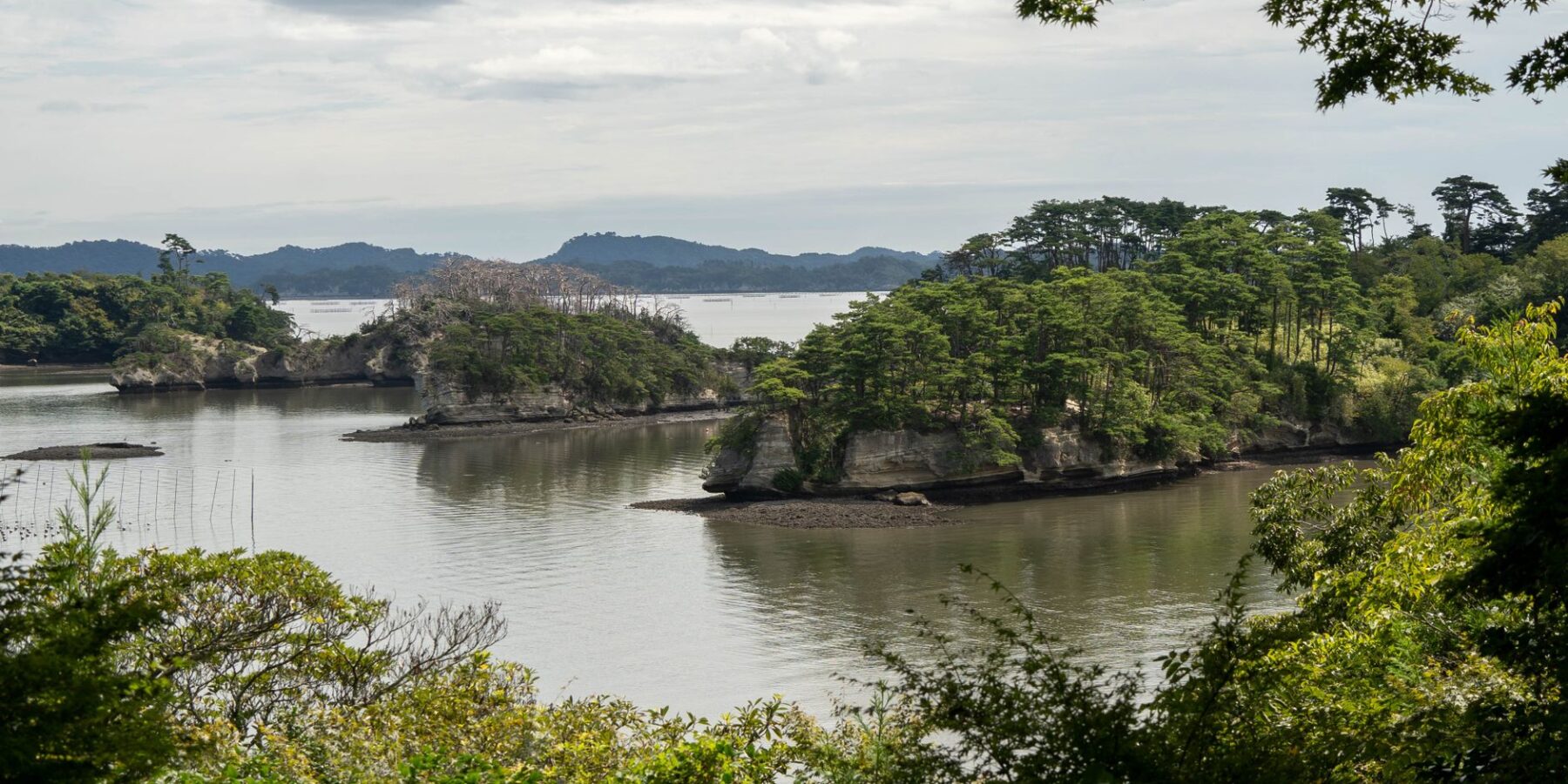
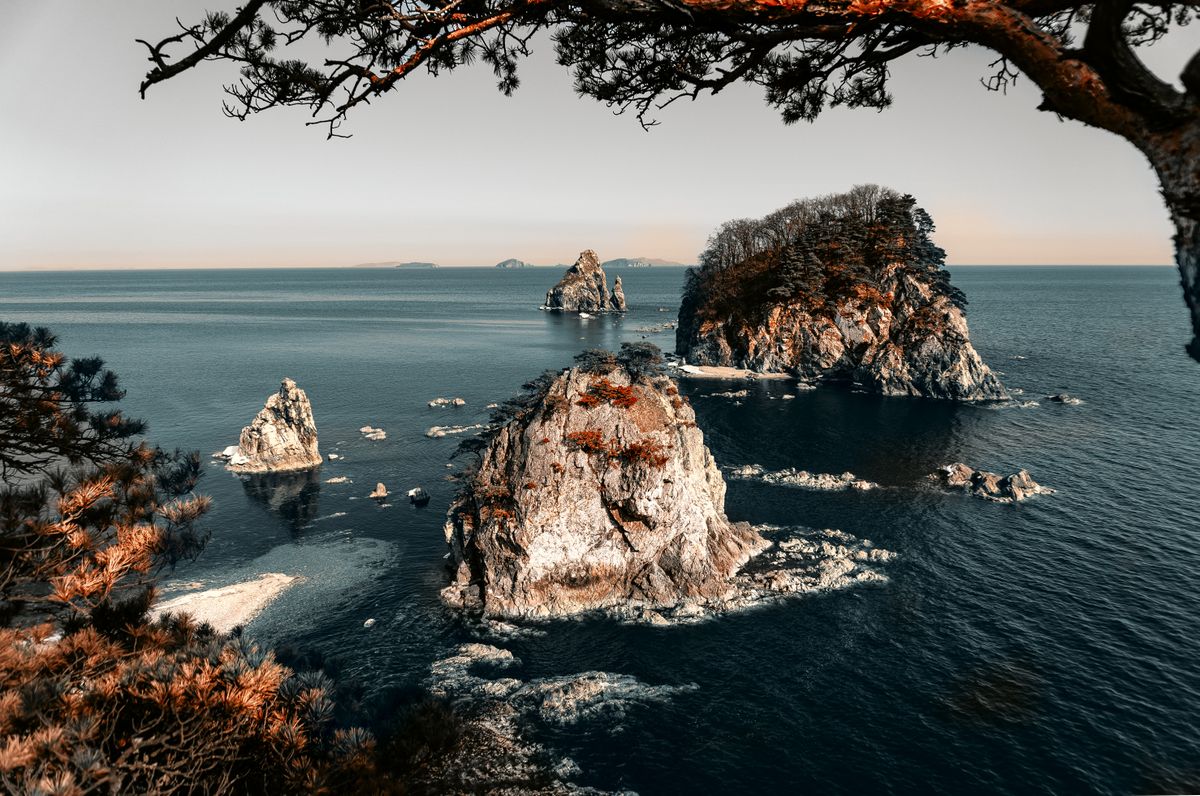
Tucked along the northeastern coastline of Honshu, in the heart of Japan’s Tohoku region, lies one of the most breathtaking natural and cultural landscapes in the entire country. Matsushima (松島) — literally meaning “Pine Islands” — is a bay dotted with approximately 260 small, pine-clad islands rising dramatically from calm, glittering waters. Declared one of Japan’s Nihon Sankei (日本三景), the Three Views of Japan, alongside Amanohashidate in Kyoto Prefecture and Miyajima near Hiroshima, Matsushima has captivated poets, artists, and travellers for centuries.
For first-time visitors to Japan, Matsushima offers something rare: an immersive combination of stunning natural scenery, deeply rooted Zen Buddhist heritage, extraordinary seafood, and a genuinely peaceful atmosphere far removed from the bustle of Tokyo and Osaka. The famous haiku poet Matsuo Bashō famously visited in 1689, and legend has it he was so overwhelmed by the beauty that he could not put it into words — leaving only a blank space in his journal where the Matsushima poem should have been.
This guide covers everything you need to know to plan your Matsushima visit, from how to get there from Tokyo or Sendai, what to see and do around the bay, where to eat the region’s celebrated oysters, how to plan an overnight ryokan stay, and the best times of year to visit. Whether you’re taking a day trip from Sendai or spending a night on the coast, Matsushima is an experience no Japan first-timer should miss.
Before you travel, make sure you’re connected from the moment you land. Get your Japan eSIM (Stay connected from day 1) →
Where Is Matsushima and Why Is It Famous?
Matsushima is located in Miyagi Prefecture, in the Tohoku (northeastern) region of Japan’s main island of Honshu. It sits roughly 25 kilometres northeast of Sendai, Tohoku’s largest city and regional hub. The bay itself stretches about 10 kilometres along the Miyagi coastline, with its scattered islands creating a dramatic seascape that changes mood with every hour of the day and every season of the year.
The “Three Views of Japan” designation dates back to a 1643 work by Confucian scholar Hayashi Gahō, who identified Matsushima, Amanohashidate, and Miyajima as the three most beautiful scenic spots in Japan. While this list is now over 380 years old, it remains deeply respected in Japanese culture, and Matsushima still draws over 3 million visitors per year from all over the world.
What makes Matsushima so visually arresting? It’s the interplay between the rough volcanic rock of the islands, the contorted, wind-shaped black pines (kuromatsu) that cling to every available surface, and the ever-changing light on the water. On calm mornings, the bay becomes a perfect mirror. In stormy weather, waves crash dramatically against ancient stone. At sunset, the sky turns orange and pink behind the silhouettes of hundreds of pine-covered outcrops. Every season transforms the scene: cherry blossoms in spring, lush green in summer, red and gold maples in autumn, and snow-frosted pines in winter.
How to Get to Matsushima from Tokyo, Sendai and Beyond
Getting to Matsushima is straightforward, and there are several good options depending on where you’re starting from.
From Tokyo
The fastest and most comfortable route from Tokyo is by Shinkansen (bullet train) to Sendai, followed by a local train to Matsushima. The Tohoku Shinkansen connects Tokyo Station to Sendai Station in approximately 1 hour 30 minutes to 1 hour 45 minutes. Trains depart frequently — roughly every 30 minutes — and a reserved-seat ticket costs more since JR East’s March 14, 2026 fare rise (about 7.1% on average), so check the current one-way price. If you have a Japan Rail Pass, the Tohoku Shinkansen is covered.
From Sendai, take the JR Senseki Line from Sendai Station to Matsushima-Kaigan Station (approx. 40–50 minutes, fare around ¥410 / USD $2.80). Alternatively, take the JR Senseki Line to Hon-Shiogama and then board a sightseeing ferry across the bay to Matsushima — this scenic boat trip takes about 50 minutes and costs ¥1,500–¥1,800 (approx. USD $10–$12), and is highly recommended as it gives you the chance to view the islands from the water.
From Sendai
If you’re based in Sendai, Matsushima makes an ideal half-day or full-day excursion. The JR Senseki Line runs regularly, and the journey is a comfortable 40–50 minutes. You can also drive; the distance is about 40 km and takes around 40 minutes via the Sanriku Expressway, or longer via the scenic coastal road.
Getting Around Matsushima
Once at Matsushima-Kaigan Station, the main sights around the bay are all within easy walking distance. Zuiganji Temple, Godaido, Fukuurajima Island, and the main waterfront promenade can all be reached on foot. For views of the bay from the water, board one of the regular sightseeing ferry cruises that depart from the pier near the shopping street.
The Main Sights of Matsushima
Zuiganji Temple (瑞巌寺)
Zuiganji Temple is the spiritual heart of Matsushima and one of the most important Zen Buddhist temples in the Tohoku region. Its history stretches back to 828 CE, though the stunning buildings you see today were constructed in 1609 under the orders of the powerful feudal lord Date Masamune. The temple is a designated National Treasure of Japan.
Walking through the approach to Zuiganji is an experience in itself. The path winds through a cryptomeria (Japanese cedar) forest, passing ancient cave sanctuaries carved directly into the cliff faces — these caves, known as sōtō or meditation caves, were used by monks for retreat and prayer. Inside the main hall, you’ll find stunning shōin-zukuri (study-style) architecture adorned with elaborate painted sliding doors depicting pine trees, peacocks, and plum blossoms — masterworks commissioned by Date Masamune from the leading artists of the Momoyama period.
Zuiganji is open year-round. Admission is ¥700 for adults (approx. USD $4.80), ¥400 for children. Opening hours are typically 8:00 am to 5:00 pm in summer months, with shorter hours in winter. Allow at least 45–60 minutes for a thorough visit.
Godaido (五大堂)
Godaido is perhaps the most photographed landmark in Matsushima. This small wooden hall, built of weathered dark wood with carved zodiac panels and set on a tiny rocky island reached by three short openwork bridges — dates to the early 17th century (1604) and was built by Date Masamune. It is the oldest surviving Momoyama-style building in the Tohoku region.
Inside the hall are five wooden statues of Buddhist deities, though these are only displayed to the public every 33 years (the next viewing is in 2039). Nevertheless, the exterior and the views from the tiny island are spectacular, and admission to walk across the bridges and around Godaido is free. Try to visit at sunrise or in the golden hour before sunset when the light catches the wooden panels and reflects on the water surrounding the hall.
Fukuurajima Island (福浦島)
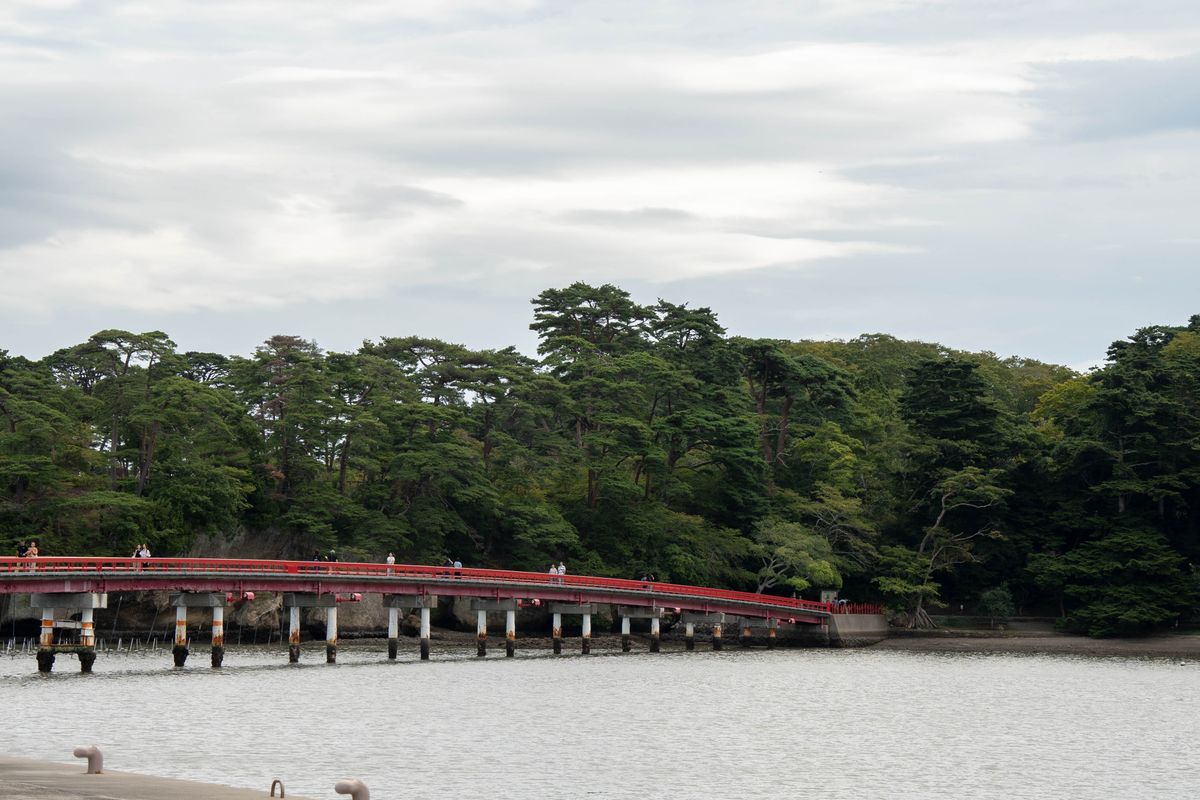
Connected to the mainland by a 252-metre wooden bridge, Fukuurajima is one of the larger islands in Matsushima Bay and one of the few you can walk across. The island is covered in natural vegetation — over 250 species of trees and plants — and a walking path winds through the forest, offering scenic viewpoints over the bay and nearby islands.
Entry to Fukuurajima costs ¥200 for adults (approx. USD $1.40). The island is open from around 8:00 am to 5:30 pm. It’s an excellent spot for peaceful walks, birdwatching, and photography. Allow about 30–45 minutes to walk the full circuit of the island.
Kanrantei (観瀾亭)
Kanrantei, which translates as “Pavilion to View Ripples on the Water,” is an historic wooden teahouse that originally formed part of Fushimi Castle in Kyoto before being gifted to Date Masamune by the warlord Toyotomi Hideyoshi. It was later moved to its current location overlooking the bay.
Today, Kanrantei is preserved as a museum and teahouse. For a small fee, you can enjoy traditional Japanese tea while gazing out over Matsushima Bay through the open wooden screens. The view from inside is arguably the finest in Matsushima — a serene composition of water, islands, and sky that feels like looking into a living painted scroll. Admission to the grounds and museum is ¥200 (USD $1.40); tea ceremony participation is additional.
Sightseeing Ferry Cruise of the Bay
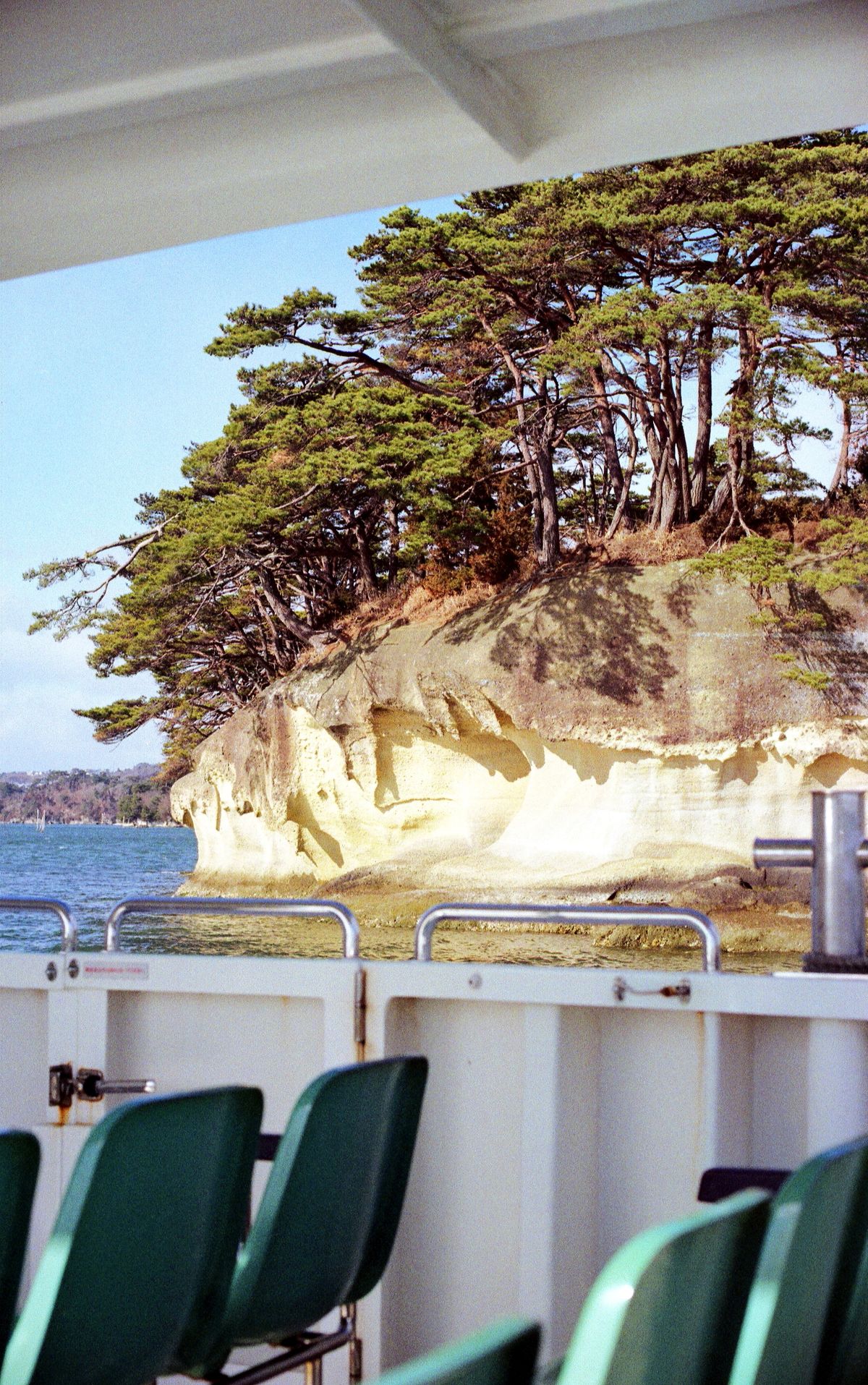
One of the best ways to appreciate Matsushima’s 260-plus islands is from the water. Regular sightseeing ferries depart from Matsushima Pier and cruise through the bay, allowing you to get up close to the sculpted rock formations and their wind-bent pines. The standard cruise lasts about 50 minutes and costs ¥1,500 per adult (approx. USD $10).
If you choose the Shiogama-to-Matsushima route, you can board the ferry at Marine Gate Shiogama, a short walk from JR Hon-Shiogama Station (on the Senseki Line from Sendai) and arrive at Matsushima by water — the most visually dramatic way to approach the bay. The JR train to Hon-Shiogama is covered by the JR Pass, but the sightseeing ferry is a separate fare paid at the pier.
There are also evening sunset cruises, romantic options for couples, and glass-bottomed boats in season. Book ahead during peak periods such as Golden Week (late April to early May), Obon (mid-August), and autumn foliage season (late October to November).
Saigyo Modoshi no Matsu Park (西行戻しの松公園)
For panoramic views over the entire bay without getting on the water, head to this hillside park about 15 minutes by bus or taxi from Matsushima-Kaigan Station. From the park’s elevated viewpoints, you can see the full sweep of the bay with its hundreds of islands spread out below — one of the most photographed vistas in Tohoku. The park is named for the famous monk-poet Saigyo, who was reportedly “turned back” (modoshi) here by a precocious child reciting poetry. The park is freely accessible and open year-round.
Matsushima’s Celebrated Oysters
No trip to Matsushima is complete without eating oysters. The cold, nutrient-rich waters of Matsushima Bay and the Sanriku Coast make this one of Japan’s premier oyster-farming regions, and the area’s kaki (牡蠣) are famous throughout the country for their plump, briny sweetness.
You’ll find oysters prepared every possible way in Matsushima: grilled over charcoal in their shells (yaki-gaki, ¥200–¥400 per piece), served raw with ponzu sauce, deep-fried in crispy breadcrumbs (kaki-furai), steamed, and incorporated into hearty miso soups and rice dishes. Many of the small seafood restaurants and street stalls along the waterfront promenade (Ura Ginza) specialize in oysters, and you can watch them being grilled right in front of you.
The best season for Matsushima oysters runs from October through March, when the cold water produces the richest flavour. Summer oysters are available but are smaller and less intensely flavoured. A full oyster set meal (kaki teishoku) — including grilled oysters, kaki-furai, rice, miso soup, and pickles — typically costs ¥2,000–¥3,500 (approx. USD $14–$24).
Some of the most popular oyster restaurants along the waterfront include Kakiya (牡蛎屋) and the cluster of stalls on the promenade leading from the ferry pier toward Godaido. Arrive early for lunch (before noon) on weekends and public holidays, as queues can form quickly during peak season.
Best Time to Visit Matsushima
Spring (March–May) — Cherry Blossoms
Spring is arguably the most popular and visually stunning time to visit Matsushima. Cherry blossoms (sakura) typically bloom from late March to mid-April, and the combination of pink blossoms against the backdrop of the pine islands and blue bay is breathtaking. Nishi Park and the grounds around Matsushima Shrine offer excellent cherry blossom viewing spots.
Golden Week (late April to early May) is extremely busy. If you plan to visit during this period, book accommodation and transport well in advance — at least 2 to 3 months ahead. Expect higher prices and larger crowds, especially on weekends.
Summer (June–August) — Green Islands
Summer brings lush greenery and warm temperatures (typically 24–30°C / 75–86°F in July and August). The bay is at its most vibrant, and this is a good time for boat tours and cycling around the area. Humidity can be high in July and August, so plan outdoor activities for early morning. Matsushima’s annual fireworks festival (hanabi taikai) is held in August and draws large crowds.
Autumn (October–November) — Foliage
Autumn transforms Matsushima into a canvas of red, orange, and gold. Maple and ginkgo trees around Zuiganji Temple and the hillside parks glow brilliantly from late October through mid-November. The contrast between the coloured leaves, dark pines, and water is stunning. This is a particularly good time for photography, and the weather is comfortably cool (12–18°C / 54–64°F).
Winter (December–February) — Snow and Oysters
Winter is the season for oyster lovers. The bay’s oysters reach their peak flavour in the cold months, and you can enjoy them at virtually every restaurant along the waterfront. Snow occasionally falls in January and February, dusting the pine islands with white and creating an ethereal, peaceful atmosphere. Crowds are thinnest in winter, and accommodation rates drop significantly — making this an excellent time for a budget-conscious visit.
Where to Stay in Matsushima
Matsushima offers a range of accommodation from waterfront ryokan (traditional Japanese inns) to business hotels and small guesthouses. Staying overnight allows you to experience the bay at dawn and dusk, away from the day-trippers, and to enjoy a traditional kaiseki dinner featuring local seafood.
Ryokan (Traditional Japanese Inn)
Staying in a ryokan is the most authentic Matsushima experience. You’ll sleep on a futon laid out on tatami mats, soak in an onsen or private o-furo (hot bath), and enjoy an elaborate multi-course kaiseki dinner highlighting Matsushima’s seasonal seafood — often including the bay’s famous oysters, abalone, sea bream, and more. Ryokan rates in Matsushima typically range from ¥15,000–¥40,000 (USD $100–$270) per person per night with two meals, depending on the property and season.
Some well-regarded ryokan include Matsushima Century Hotel (松島センチュリーホテル), known for its bay-view rooms, and the smaller boutique inns in the surrounding village. Book well ahead for weekends and public holidays. Book your hotel on Agoda (Best prices guaranteed) →
Business Hotels in Sendai
If budget is a priority, you’ll find a much wider range of business hotels, hostels, and capsule hotels in Sendai city. Sendai is just 40–50 minutes from Matsushima by train, so it makes an excellent base for day-tripping to the bay. Business hotel rates in Sendai start from around ¥7,000–¥12,000 per night (USD $47–$82) for a single room.
Day Trip Itinerary: Matsushima in One Day
If you’re visiting Matsushima as a day trip from Sendai, here is a suggested itinerary that covers the main highlights comfortably:
9:00 am — Arrive at Matsushima-Kaigan Station. Head directly to Zuiganji Temple before the crowds arrive. Explore the cave sanctuaries and the main hall.
10:30 am — Walk to Godaido. Cross the short openwork bridges and enjoy views back toward the bay.
11:15 am — Board a sightseeing ferry for a 50-minute bay cruise. This is the best way to see the islands up close.
12:30 pm — Lunch at one of the oyster restaurants along the waterfront promenade. Try grilled oysters (yaki-gaki) and a bowl of oyster rice (kaki-meshi).
2:00 pm — Explore Fukuurajima Island. Cross the wooden bridge and walk the forest trails.
3:30 pm — Visit Kanrantei teahouse for tea with a view over the bay.
4:30 pm — Take a taxi or bus to Saigyo Modoshi no Matsu Park for panoramic bay views, especially beautiful in late afternoon light.
5:30 pm — Return to Matsushima-Kaigan Station and head back to Sendai. If staying overnight, check into your ryokan for dinner and bath.
For more trip planning advice, visit our comprehensive guide at Japan Travel Tips for First-Timers and explore other stunning Japanese destinations.
Getting Around: Transport Tips
Once in Matsushima, all major sights are within a 20–25 minute walk of Matsushima-Kaigan Station. However, for the hillside parks and more distant viewpoints, you may want to use local buses or taxis.
The Marine Gate Bus operates a circular route around the main Matsushima sights during the tourist season (spring, summer, and autumn weekends). A day pass costs ¥500 (USD $3.40) and includes unlimited rides on the circuit. Taxis are readily available near the station; a typical fare from the station to Saigyo Modoshi no Matsu Park is around ¥800–¥1,200 (USD $5.50–$8.20).
Cycling is also a popular way to explore the area. Several shops near Matsushima-Kaigan Station rent bicycles for ¥1,000–¥1,500 per day (USD $7–$10). The coastal roads and hillside paths are relatively flat near the bay, making cycling a pleasant option for those who want to move at their own pace.
Practical Tips for Visiting Matsushima
- Best time to arrive: Aim for early morning (before 10:00 am) to beat the day-tripping crowds, especially during spring cherry blossom season and autumn.
- IC card payment: Keep your Suica or ICOCA card loaded for easy train and bus payment throughout the Sendai-Matsushima area.
- Carry cash: Many small oyster restaurants and stalls along the promenade are cash-only. ATMs are available at Japan Post (Japan Post Bank) near Matsushima-Kaigan Station.
- Footwear: Wear comfortable walking shoes. The approach to Zuiganji Temple involves a gravel path, and Fukuurajima Island’s forest trails can be uneven.
- Weather protection: The bay can be blustery even in summer. Bring a light jacket and be prepared for sudden rain, especially in June (rainy season) and autumn.
- Photography: For the iconic Matsushima shot, position yourself at the wooden bridges near Godaido at sunrise or at the viewing platforms above the bay during golden hour. A wide-angle lens is ideal for capturing the breadth of the bay.
- Luggage storage: Coin lockers are available at Matsushima-Kaigan Station and Sendai Station, allowing you to explore unencumbered.
Extending Your Tohoku Trip: What to See Near Matsushima
Matsushima sits in an excellent position for exploring more of Miyagi Prefecture and the broader Tohoku region. Here are the best nearby destinations to combine with your Matsushima visit:
Sendai
Miyagi’s capital city, Sendai, is just 40 minutes from Matsushima and is the most convenient base for exploring the region. Known as the “City of Trees” for its many broad, tree-lined avenues, Sendai is home to Sendai Castle ruins (Aoba Castle) with panoramic city views, Osaki Hachimangu Shrine, and the excellent Sendai Mediatheque gallery. The city is also famous for its local speciality dish: gyūtan (grilled beef tongue), which you’ll find in dedicated restaurants throughout the city centre.
Shiogama
Between Sendai and Matsushima, the small harbour city of Shiogama is famous for its fresh fish market and Shiogama Jinja (one of Tohoku’s most important Shinto shrines). Taking the sightseeing ferry from Shiogama Pier across the bay to Matsushima is one of the region’s great travel experiences.
Kinkazan Island and the Sanriku Coast
For those with more time in Miyagi, the sacred island of Kinkazan (金華山) — reachable by ferry from Oshika Peninsula — offers a completely different experience: a wilderness island inhabited by deer and monkeys, with a grand golden shrine at its heart. The rugged Sanriku coastline north of Matsushima features dramatic sea cliffs, fishing villages, and the Rias Ark Museum, which documents the 2011 Great East Japan Earthquake and the region’s remarkable recovery.
Budget Planning for Matsushima
Matsushima is one of Japan’s more affordable major tourist destinations. Here is a realistic budget breakdown for a one-day visit from Sendai:
Transport (Sendai round trip): ¥820 (approx. USD $5.60) by JR Senseki Line
Ferry cruise of the bay: ¥1,500 (approx. USD $10)
Zuiganji Temple admission: ¥700 (approx. USD $4.80)
Fukuurajima Island admission: ¥200 (approx. USD $1.40)
Kanrantei teahouse: ¥200 (approx. USD $1.40)
Lunch (oyster set meal): ¥2,000–¥3,000 (approx. USD $14–$20)
Snacks and drinks: ¥500–¥1,000
Total estimated day budget: ¥6,000–¥8,000 (approx. USD $41–$55)
For overnight stays, budget ryokan start around ¥12,000 per person including dinner and breakfast. For budget alternatives, stay in Sendai and commute. For luxury stays with full kaiseki dining and private onsen baths, budget ¥35,000–¥60,000 per person per night.
Frequently Asked Questions About Matsushima
Is Matsushima worth visiting?
Absolutely. Matsushima is one of the most beautiful natural landscapes in Japan and one of the country’s three officially designated “scenic views.” It’s particularly special because it combines natural beauty (the pine islands and bay) with rich cultural heritage (Zuiganji Temple, Godaido) and excellent food (the famous oysters). Even for travellers who have been to Miyajima and Amanohashidate, the other two “Three Views,” Matsushima has a distinctly peaceful, slightly off-the-beaten-path atmosphere that makes it feel genuinely rewarding.
How long should I spend in Matsushima?
A half-day (4–5 hours) is enough to see the main highlights: Zuiganji, Godaido, a boat cruise, and lunch. A full day (7–8 hours) allows you to explore more thoroughly, including Fukuurajima Island, Kanrantei, and the hillside viewpoints. An overnight stay is ideal if you want the most authentic experience — ryokan dining, a morning walk along the quiet bay before the crowds arrive, and time to absorb the atmosphere.
What are the Matsushima oysters like, and when is the best time to eat them?
Matsushima oysters are among the finest in Japan: plump, briny, and rich in flavour, with a clean oceanic sweetness. They are best from October through March, when cold water intensifies their flavour. You’ll find them grilled, raw, steamed, fried (kaki-furai), and in rice dishes (kaki-meshi). Most restaurants along the waterfront are open from late morning to mid-afternoon. Budget around ¥200–¥400 per oyster for grilled versions, or ¥2,000–¥3,500 for a full oyster set meal.
Is Matsushima easily accessible by public transport?
Yes, Matsushima is very well connected by train and ferry. From Sendai, the JR Senseki Line runs directly to Matsushima-Kaigan Station in about 40–50 minutes. The Tohoku Shinkansen connects Sendai to Tokyo in about 90 minutes. No car is needed — the main sights are all walkable from the station. IC cards (Suica, ICOCA) work on JR trains and most local transit in the area.
Can I visit Matsushima and Sendai in the same day trip from Tokyo?
Technically yes, but it makes for a long day. If you take the 7:00 am Shinkansen from Tokyo, you can be in Matsushima by 9:30 am and have 4–5 hours to explore before catching the train back to Sendai for dinner, then returning to Tokyo. However, this is a rushed itinerary. A better approach is to spend one night in Sendai, devoting a full day to Matsushima and the following morning to Sendai city sights before returning.
Are there good hiking or cycling options in Matsushima?
Yes. Bicycles can be rented near Matsushima-Kaigan Station for ¥1,000–¥1,500 per day and are an excellent way to reach more distant viewpoints and quieter corners of the bay. The road north from Matsushima toward Nobiru follows the coastline through pine forests and offers beautiful views. For hikers, the hillside parks above the bay — particularly Saigyo Modoshi no Matsu Park and the trails near Entsūin — provide gentle routes through mature forest with frequent views over the water.
What is Entsūin Temple and is it worth visiting?
Entsūin (円通院) is a Zen temple adjacent to Zuiganji, founded in 1647. Its beautiful garden — designed in the karesansui (dry landscape) style — is particularly famous for its rose garden and autumn illuminations, when the garden is lit up at night creating a magical atmosphere. Admission is ¥500 (approx. USD $3.40). If you are visiting in late October or November, don’t miss the autumn light-up event. The combination of Zuiganji and Entsūin in the same morning makes for a richly rewarding temple tour.
A Note on the 2011 Earthquake and Matsushima’s Resilience
The Great East Japan Earthquake and tsunami of March 11, 2011 devastated much of the Miyagi coastline. Remarkably, Matsushima Bay itself sustained relatively little tsunami damage compared to other parts of the coast. Researchers believe that the hundreds of small islands in the bay absorbed and diffracted much of the tsunami’s energy, protecting the main settlement. The bay’s very islands — which have been admired for their beauty for centuries — may have also served as a natural protective barrier in one of Japan’s most catastrophic disasters.
While Matsushima was largely spared, the surrounding region was not. Visiting Tohoku today is an act of support for a region that has undergone extraordinary recovery. Local tourism, restaurants, and accommodation all benefit from your travel. The Sanriku coast to the north, including the moving Tsunami Memorial areas in towns like Rikuzentakata and Kesennuma, offer deeply humbling and important experiences for visitors who want to understand modern Japan.
Final Thoughts
Matsushima is a place of quiet, enduring beauty. Unlike Japan’s more internationally famous destinations, it hasn’t been commercialised to the point of losing its character. The pine islands, the ancient temples, the charcoal-grilled oysters, and the long reflective views across the bay all combine to create an experience that stays with you long after you leave.
Whether you visit as a day trip from Sendai or spend a night in a traditional ryokan, Matsushima rewards slow travel and attentive presence. Come early, linger over lunch, take the ferry through the islands, and watch the light change over the bay as afternoon turns to evening. You’ll understand why Bashō — one of Japan’s greatest poets — found himself at a loss for words.
Plan your broader Japan journey with our First-Timer’s Japan Travel Tips and discover more beautiful destinations across Japan. For airport transfers, Book airport transfer on Kiwitaxi →
Entsūin Temple: Dazaifu’s Hidden Zen Garden
Adjacent to Zuiganji Temple and easily overlooked by visitors focusing exclusively on the more famous main temple, Entsūin (円通院) is one of Matsushima’s most beautifully serene experiences. Founded in 1647 as the mausoleum of Mitsumune, a grandson of the great feudal lord Date Masamune who died at just 19 years old, the temple houses a remarkable collection of sculpted gardens and historical artefacts.
Entsūin’s main draw is its karesansui (dry landscape) rock garden and its celebrated rose garden, which blooms with over 200 varieties of roses from May through October. The garden was designed using principles of sansui (mountain-and-water) composition and represents the Buddhist paradise in miniature. Inside the Sankeiden mausoleum, look closely at the decorative carvings on the altar — subtle depictions of playing cards, a telescope, and a sword that are said to have been smuggled in by craftsmen to represent the secret Christian faith that persisted in Japan despite official prohibition during the Edo period.
From late October through November, Entsūin holds a famous autumn illumination event where the garden is lit up after dark, turning the falling maple leaves into a breathtaking display of red and gold reflected in the temple’s pond. This is one of Tohoku’s most memorable autumn evening experiences. Admission to Entsūin is ¥500 for adults (approx. USD $3.40), and the garden is open daily from 8:30 am to 5:00 pm (until 9:00 pm during the autumn illumination period).
Matsushima’s Art and Cultural Scene
Beyond its ancient temples and natural scenery, Matsushima has a modest but rewarding cultural scene for those who take the time to explore. The Matsushima Museum (松島博物館), located near the waterfront, houses a collection of historical artefacts related to the Date clan, local folklore, and the maritime history of the bay. Admission is ¥500. While not large, the museum provides useful context for understanding the historical significance of the region and the people who shaped it.
The town also has a small but quality craft scene. Several shops along the waterfront promenade sell traditional Miyagi crafts including kokeshi dolls (the cylindrical painted wooden dolls traditional to Tohoku), lacquerware, and Sendai tansu (ornate wooden storage chests, a regional speciality). For those interested in Japanese ceramics, the nearby Shiogama area produces distinctive pottery that makes for a meaningful souvenir.
Local sake is another highlight. Miyagi Prefecture — particularly the Sendai basin — is one of Japan’s most respected sake-producing regions, benefiting from pure snowmelt water from the Ou Mountains and locally grown sake rice. Several shops in Matsushima and Sendai sell bottles from local breweries including Urakasumi, Ichinokura, and Date Masamune (named for the famous feudal lord), ranging in price from ¥1,500 for everyday varieties to ¥10,000+ for premium junmai daiginjo expressions.
Matsushima in Japanese Literature and Art
Few places in Japan carry quite the literary and artistic heritage that Matsushima does. The bay has been celebrated in art and literature since at least the 9th century, when it began appearing in waka poetry anthologies. But it was the haiku master Matsuo Bashō (1644–1694) who most famously encoded Matsushima’s beauty into the Japanese imagination.
In 1689, Bashō undertook his great northern journey — later recorded in the travel memoir Oku no Hosomichi (Narrow Road to the Deep North), considered one of the masterworks of Japanese literature — and visited Matsushima. His reaction to the bay has puzzled literary scholars ever since: in a work filled with beautifully observed haiku, there is an almost conspicuous absence of a Matsushima poem. Various explanations have been offered. Some scholars believe Bashō was so moved that he could not find adequate words; others suggest he quoted another poet’s verse, implying that all that could be said about Matsushima had already been said.
Regardless of the explanation, the story has become an essential part of Matsushima’s cultural identity. A stone monument near the bay bears the inscription “ah, Matsushima!” — a line often attributed to Bashō, though the attribution is itself debated. Walking along the bay and reflecting on the idea of a place so beautiful it defeats language is, in its own way, one of Matsushima’s most distinctive pleasures.
In traditional Japanese painting, Matsushima’s imagery — pine-clad islands, misty water, fishing boats at dawn — appears repeatedly in screens, scrolls, and woodblock prints across the centuries. The scene was a favourite subject of Rinpa school painters including Tawaraya Sōtatsu and Ogata Kōrin, whose interpretations of the Matsushima landscape are now held in major museum collections around the world.
Sustainable Tourism and Supporting Tohoku
When you visit Matsushima and the broader Miyagi and Tohoku region, your tourism spending directly supports communities that experienced significant disruption from the 2011 earthquake and tsunami. While Matsushima itself was relatively spared, the wider regional economy — including fishing, hospitality, and crafts — continues to benefit from visitor support more than a decade after the disaster.
There are several ways to make your Matsushima visit more sustainable and meaningful. Choose local family-run restaurants over chain eateries. Buy souvenirs from local craft shops rather than national souvenir chains. Stay in local ryokan rather than international hotel chains. If possible, extend your trip to include the Sanriku coast and other parts of Miyagi — regions that see far fewer tourists than Matsushima and appreciate every visitor. The people of Tohoku are warm, proud, and deeply hospitable; your curiosity and respect for their home is genuinely welcomed.
Matsushima with a Japan Rail Pass: Getting the Most Value
If you are travelling Japan with a Japan Rail Pass, Matsushima is an excellent destination to add to your itinerary, as the Tohoku Shinkansen from Tokyo to Sendai is fully covered. From Sendai, the JR Senseki Line to Matsushima-Kaigan is also covered by the JR Pass, meaning your only additional transport cost is the sightseeing ferry (¥1,500) if you choose to take it.
For those combining Matsushima with a broader Tohoku rail journey, consider the Tohoku Emotrans Pass or the JR East Tohoku Area Pass, which cover an extensive network of Tohoku’s scenic local lines in addition to the Shinkansen. With a Tohoku pass, you could travel from Tokyo to Matsushima, continue north to Morioka or Aomori, cross to the Sea of Japan coast via the scenic Ou Main Line, visit Ginzan Onsen or Yamadera, and return to Tokyo — a spectacular week-long Tohoku loop that covers some of Japan’s most beautiful and least visited countryside.
Matsushima Versus Miyajima: Which Should You Visit?
A common question among first-time Japan visitors is: if I can only visit one of Japan’s “Three Views,” which should it be? Comparing Matsushima with the more internationally famous Miyajima (near Hiroshima, with its iconic floating torii gate) is instructive.
Miyajima is more visually dramatic — the famous torii gate rising from the water at high tide is one of Japan’s most iconic images — and it is more easily accessible from the popular Osaka-Kyoto-Hiroshima tourist corridor. It is, however, extremely crowded, even by Japanese tourist destination standards, and can feel somewhat overcommercialized during peak periods.
Matsushima is gentler, wider, and in many ways more rewarding for those who want to go beyond the most famous images. The bay’s 260 islands offer a richer, more varied natural experience than a single torii gate. The temples are less photographed but extraordinarily beautiful. The oysters are world-class. The atmosphere — especially early morning and out of peak season — retains a genuine quietness. And as an added bonus, Matsushima sits in Tohoku, a region that rewards exploration and where your tourism spending makes a more meaningful difference to local communities.
The honest answer is: visit both if you can. But if you can only choose one and want the more authentic, contemplative, and ultimately satisfying experience, Matsushima is the choice that will stay with you longest.
Going to Japan? Speak Japanese with confidence.
Hirameki Japanese — camera translate for menus and signs, a two-way conversation mode, and furigana + romaji on every phrase. Free to download with kana charts, conversation mode and starter words; a one-time purchase unlocks everything.

Plan your Japan trip
Two things every first-timer should book
Some links are affiliate links. If you book through them we may earn a small commission at no extra cost to you.