Sapporo is the gateway to Hokkaido, Japan’s wild northern frontier, and one of the country’s most underrated cities for first-time visitors. Most travelers arrive in Tokyo, race down to Kyoto and Osaka, and then return home without ever experiencing the wide boulevards, mountain backdrops, world-famous ramen, and seasonal festivals that make Hokkaido’s capital so memorable. That is a mistake we want to help you avoid.
Sapporo is Japan’s fifth-largest city, but it feels nothing like Tokyo. The streets are laid out on a clear grid, the air is cleaner, and you are never more than a 30-minute drive from forests, ski slopes, or hot springs. Whether you visit in February for the legendary Snow Festival, in June for fresh sea urchin and lavender, or in October for crisp autumn leaves, Sapporo gives you a completely different side of Japan that no Tokyo-Kyoto-Osaka trip can match.
This complete guide covers everything a first-time foreign visitor needs to know: how to get to Sapporo from Tokyo, where to stay, what to eat (yes, the ramen is even better than you have heard), the must-see neighborhoods, day trips into the surrounding countryside, costs in yen and US dollars, seasonal advice, and a detailed FAQ at the end. We will keep things practical, friendly, and honest so you can plan a trip that fits your time and budget.
Why Sapporo Should Be on Your Japan Itinerary
Most foreign first-timers spend 10 to 14 days in Japan and stick to the so-called Golden Route: Tokyo, Hakone, Kyoto, Nara, Osaka. That route is wonderful for a reason, but it is also crowded, hot in summer, and increasingly expensive. Sapporo offers a completely different experience: cool summers, snowy winters, hearty food, and a more relaxed pace.
A City Designed for Walking and Easy Navigation
Unlike Tokyo’s labyrinth of train lines or Kyoto’s narrow lanes, Sapporo was planned in the late 1800s on an American-style grid. Streets are numbered north-south and east-west from a central point, so addresses like “Kita 5 Nishi 3” (North 5, West 3) tell you exactly where a building is. For a foreign visitor with limited Japanese, this is one of the easiest cities in Japan to find your way around.
Four Distinct Seasons, All Worth Visiting
Sapporo is one of the few places in Japan where each season feels dramatically different. Summers are mild (around 22-26°C / 72-79°F), making it a popular escape from the humidity of Tokyo and Osaka. Autumn brings vivid foliage from late September. Winter delivers powder snow from December through March. Spring lilac blossoms in May give the city its nickname “Lilac Capital.”
The Best Food in Northern Japan
Hokkaido’s cool climate and rich seas produce some of Japan’s finest ingredients: dairy, corn, melons, scallops, salmon, sea urchin, crab, and lamb. Sapporo concentrates the best of all this in one walkable city. We will go deep on what to eat below, but expect to gain a few kilos in a good way.
How to Get to Sapporo: From Tokyo, Osaka and Abroad
Sapporo is on the island of Hokkaido, separated from Honshu (Japan’s main island) by the Tsugaru Strait. There are essentially three ways to reach the city: fly, take the Shinkansen plus a connecting limited express, or take an overnight train. For most visitors, flying is by far the best option.
Flying to New Chitose Airport (CTS)
Sapporo’s main airport, New Chitose Airport (新千歳空港), sits about 50 km south of the city. It is one of the busiest domestic airports in Japan, with more than 50 daily flights from Tokyo’s Haneda alone, and direct international flights from Seoul, Taipei, Hong Kong, Shanghai, Bangkok, Singapore, and Helsinki, among others.
From Tokyo, the flight takes about 1 hour 30 minutes. Round-trip economy tickets typically cost ¥20,000-¥40,000 (US$135-$270) when booked through Peach, Jetstar Japan, or AirDo. ANA and JAL flights are pricier (¥30,000-¥60,000) but include free checked baggage and full service. From Osaka’s Itami or Kansai, expect 2 hours and similar pricing.
Don’t waste time on the Shinkansen unless you are already in Tohoku. The Hokkaido Shinkansen currently terminates at Shin-Hakodate-Hokuto, where you must transfer to a 3.5-hour limited express to Sapporo. Total trip time from Tokyo Station: around 8 hours, costing ¥27,000+ (US$182). Until the Shinkansen extension to Sapporo opens (now expected around the end of fiscal 2038), flying wins by every measure.
From New Chitose Airport to Central Sapporo
The cheapest and fastest option is the JR Rapid Airport train (快速エアポート), which runs every 15 minutes from the basement of the airport directly to Sapporo Station. The journey takes 33-37 minutes and costs ¥1,230 (about US$8). Reserved-seat U-Seat upgrades are available for an extra ¥1,000 (¥800 ticketless) if you have heavy bags or want guaranteed seating.
Limousine buses run by Hokkaido Chuo Bus serve major hotels and cost around ¥1,300, but they take 70-90 minutes depending on traffic. Taxis are not recommended unless you have heavy luggage and are sharing with three other people: expect ¥10,000-¥12,000 (US$67-$80) one way.
If you are arriving with bulky bags, you can book a private door-to-door airport transfer that drops you directly at your hotel. Book airport transfer on Kiwitaxi →
When to Visit Sapporo: A Month-by-Month Look
Winter (December – March): Snow and Festivals
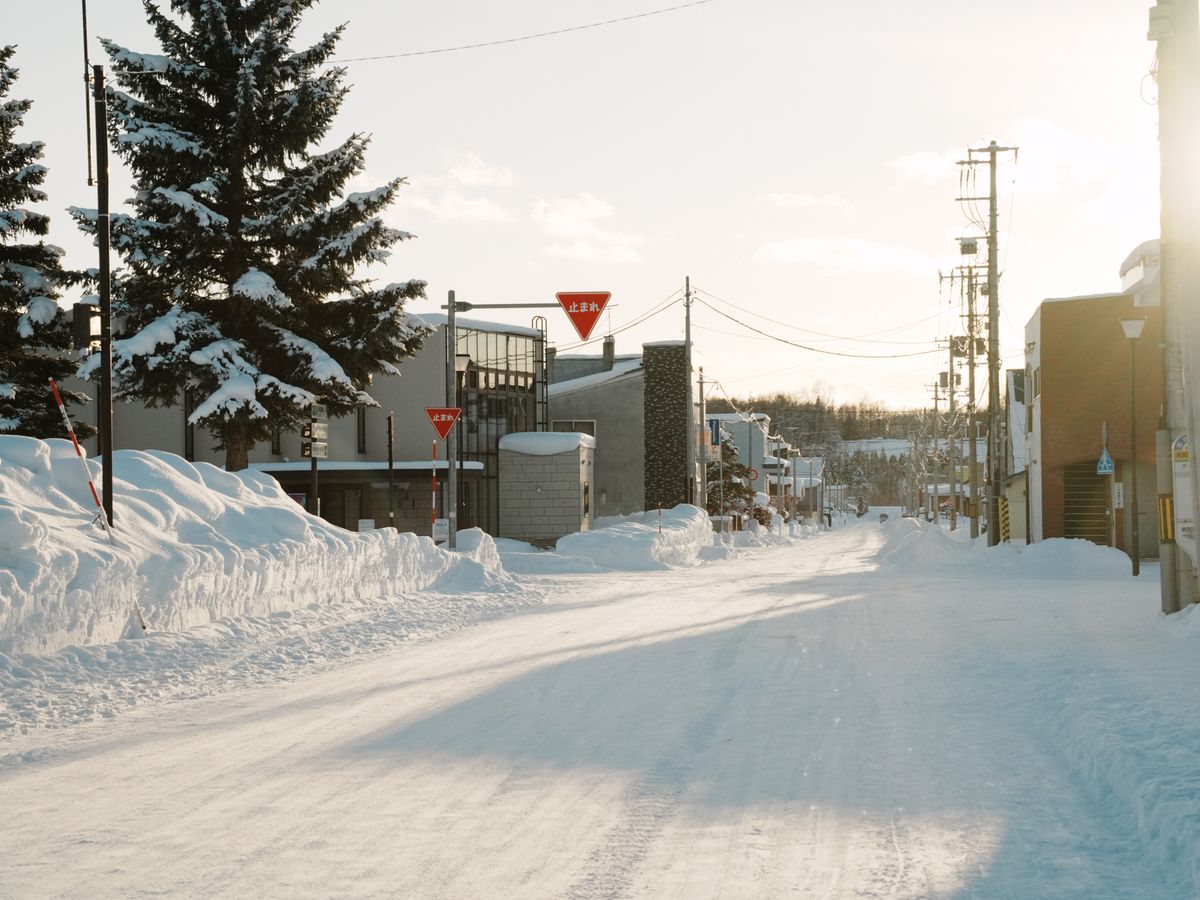
Winter is Sapporo’s signature season. Powder snow falls almost every day from late December through February, and average temperatures drop to between -7°C and 0°C (19°F-32°F). Pack a heavy coat, gloves, a hat, and waterproof boots with grippy soles. Locals walk slowly and cling to railings on icy days; you should too.
The headline event is the Sapporo Snow Festival (Yuki Matsuri, held in early February each year). Massive snow sculptures fill Odori Park for a week, while ice carvings line Susukino’s main street and family activities take over the Tsudome venue. Around 2 million visitors flock to the festival, so book hotels at least 6 months in advance and expect prices to triple.
Spring (April – May): Late Blooms and Lilacs
Cherry blossoms reach Sapporo in late April or early May, around 3 weeks later than Tokyo. Maruyama Park and the Hokkaido Shrine grounds are the best hanami spots. By mid-May, the city’s signature lilacs (lilac is Sapporo’s official flower) bloom across Odori Park, scenting the city with a sweet, gentle perfume.
Summer (June – August): Cool Escape and Beer Gardens
While Tokyo bakes at 35°C, Sapporo stays a comfortable 22-26°C (72-79°F). The Hokkaido Shrine Festival in mid-June fills the streets with traditional floats, and from late July through August, Odori Park hosts the Sapporo Summer Festival, including the largest open-air beer garden in Japan. Lavender fields in nearby Furano peak in mid-July.
Autumn (September – October): Crisp Air and Foliage
Autumn is the most underrated season. Daytime temperatures of 15-20°C (59-68°F) are ideal for walking, and koyo (autumn leaves) start in the highlands of Daisetsuzan in late September before reaching Sapporo’s parks by mid-October. Hokkaido University’s ginkgo avenue is a famous photo spot.
Getting Around Sapporo
Sapporo has three subway lines (Namboku, Tozai, Toho), one tram loop (the Streetcar), and dozens of bus routes. For most visitors, the subway plus walking is enough. Single subway rides cost ¥210-¥380 depending on distance.
One-Day and Tourist Passes
The most useful option is the Donichika Kippu (ドニチカキップ), a one-day subway pass valid on weekends and holidays for ¥520 (US$3.50). On weekdays, the equivalent costs ¥830. Both pay back after just three rides.
If you want to combine subway, tram, and bus, look at the Sapporo Walk Map and consider tap-to-pay using your existing Suica or Pasmo IC card from Tokyo, which works seamlessly across the system. If you do not have one yet, you can pick up a Kitaca card at any station kiosk for ¥2,000 (¥1,500 usable balance + ¥500 deposit).
Walking the Underground City
One of Sapporo’s hidden features is its underground walkway network, which connects Sapporo Station, Odori Park, and Susukino in a 1.9 km heated, weather-protected tunnel. In a Sapporo winter blizzard, this network is a lifesaver. Look for signs to “Chika-Hodo” (地下歩道) underground passage.
Top Things to Do in Sapporo
Odori Park: The Beating Heart
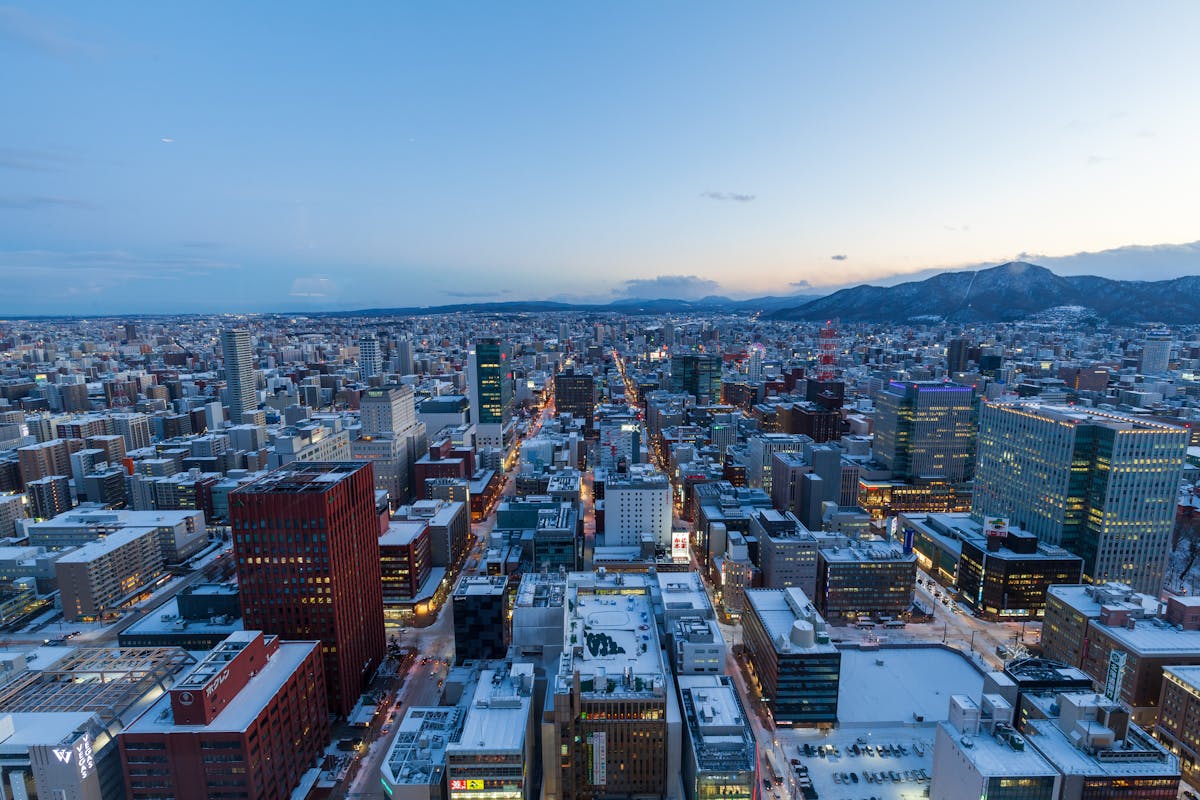
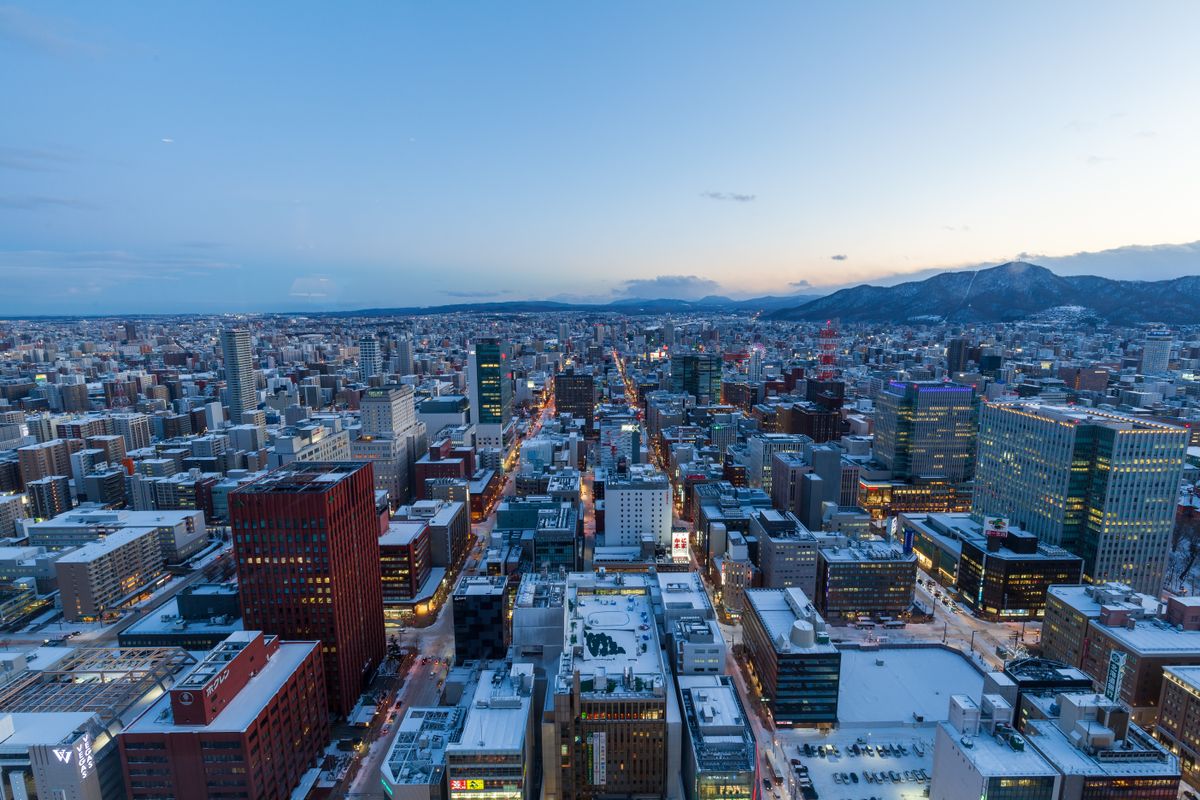
Odori Park is a 1.5 km long, tree-lined boulevard that splits the city in half. In summer it is a beer garden; in winter it is the Snow Festival venue; in spring it bursts with lilac. The Sapporo TV Tower at the eastern end gives you the classic city panorama for ¥1,000 (US$6.70). For a more modern view, climb the JR Tower’s T38 observatory above Sapporo Station (¥740 / US$5).
Hokkaido University Campus
Founded in 1876, this is one of Japan’s oldest and largest universities. The campus is open to the public and includes a beautiful poplar avenue, a working farm, and a museum of natural history (free admission). Students study under elm trees in summer; visitors photograph the famous ginkgo tunnel in autumn. From Sapporo Station, walk 7 minutes north.
Former Hokkaido Government Office (Akarenga)
Affectionately called the “Red Brick Building” (Akarenga), this 1888 American-style building is a National Important Cultural Property. The interior reopened in 2025 after major renovation, and entry is free. It is also one of the rare places in Japan where you can see how the Meiji-era government incorporated Western architecture and how the Ainu indigenous people influenced Hokkaido’s history.
Sapporo Beer Museum and Garden
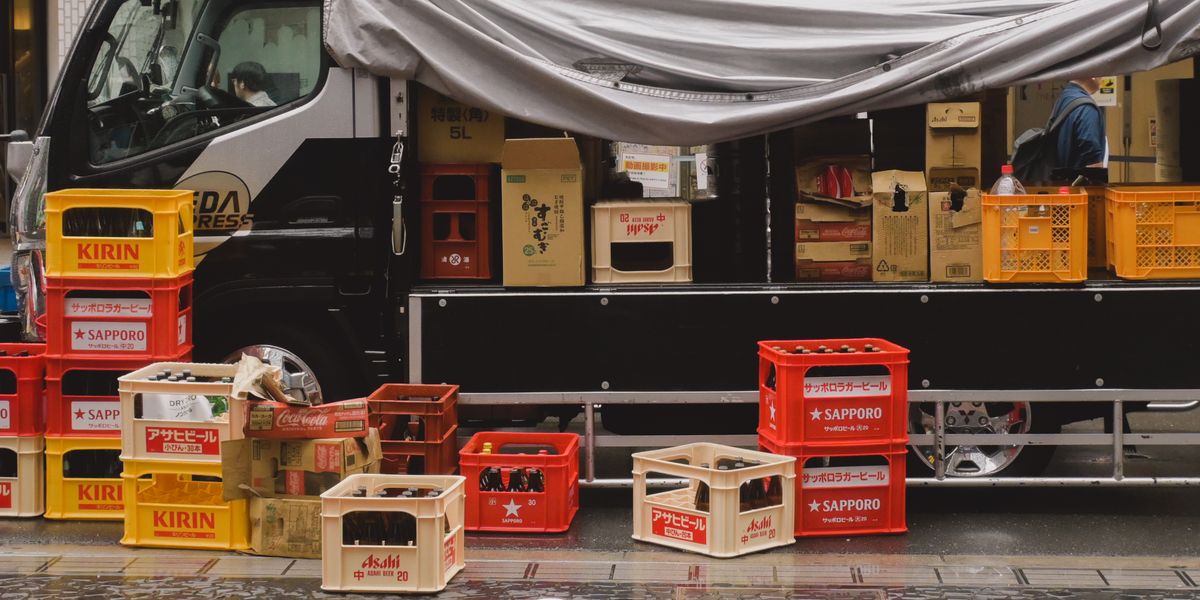
Sapporo Beer was founded in 1876, making it the oldest brand of beer in Japan. The Beer Museum (admission ¥1,000 for self-guided visits since July 2026, ¥2,000 for the guided tour with two tastings) tells the story through original brewing equipment and a beautiful red brick warehouse. Next door, the Sapporo Beer Garden serves all-you-can-eat-and-drink “Genghis Khan” lamb barbecue with classic and limited beers from ¥4,500 (US$30) per person for 100 minutes.
Mount Moiwa Ropeway
The night view from the top of Mount Moiwa is recognized as one of Japan’s “New Three Major Night Views,” a list that also includes Nagasaki. Take Sapporo’s tram to Ropeway Iriguchi station, transfer to the free shuttle, then ride the ropeway and mini cable car combo to the summit (¥2,100 / US$14 round trip). Best around sunset, when you can watch the city lights come on.
Susukino Nightlife District
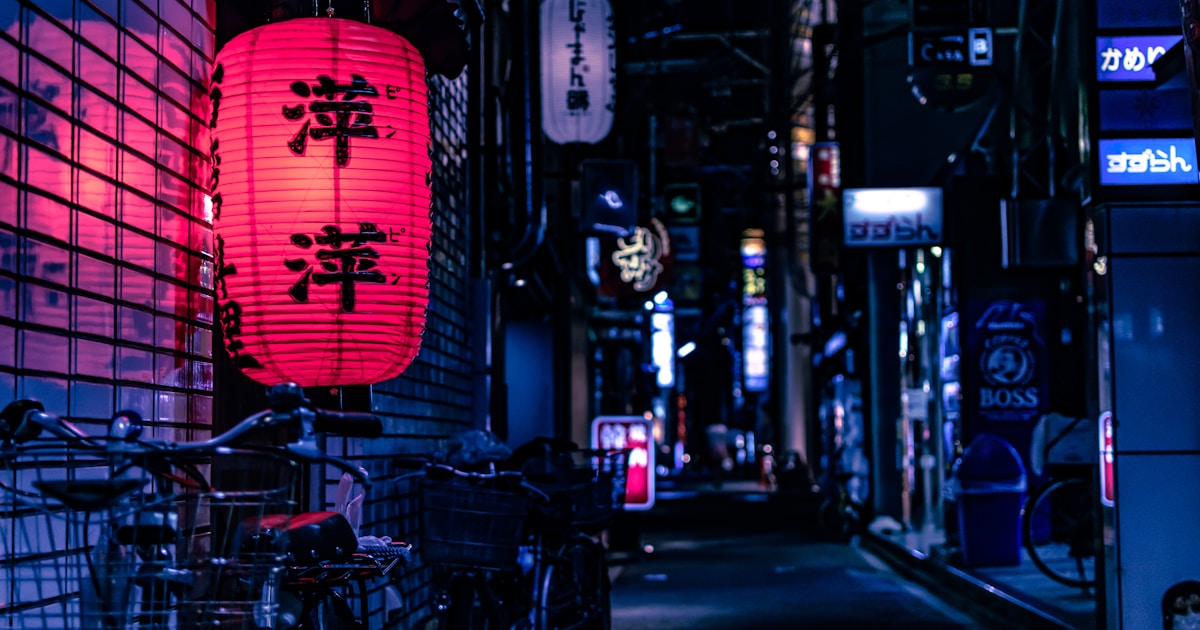
Susukino (すすきの) is one of Japan’s three biggest entertainment districts, alongside Tokyo’s Kabukicho and Fukuoka’s Nakasu. By day it is sleepy; after sunset, neon signs come alive and the streets fill with ramen shops, izakaya, sushi bars, and karaoke parlors. The famous “Ramen Yokocho” (Ramen Alley) sits in this neighborhood, with 17 tiny shops squeezed into a narrow corridor. Even if you don’t drink, walking through Susukino at night is a sensory experience.
What to Eat in Sapporo: A First-Timer’s Food Map
Sapporo’s food culture is one of the strongest reasons to visit. Hokkaido produces more than half of Japan’s milk and most of its butter and cheese, plus the country’s best scallops, salmon, sea urchin, and crab. Add European immigrant influences from the Meiji period and you get unique dishes you cannot find elsewhere in Japan.
Miso Ramen: Sapporo’s Signature Bowl
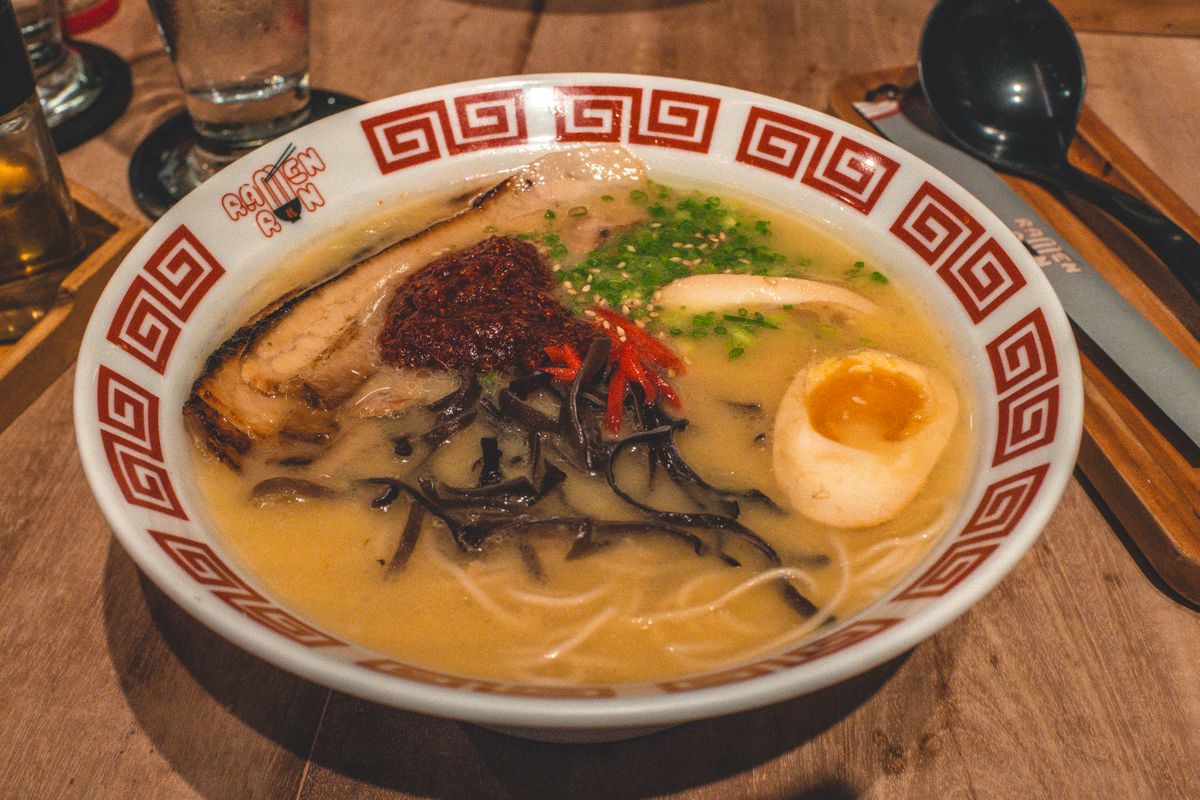
Sapporo invented miso ramen in 1955 at a small shop called Aji no Sanpei. The classic bowl combines a rich, fermented miso broth with thick, curly noodles, ground pork, bean sprouts, corn, and a pat of butter. Top names include Sumire (the bold, oily original), Menya Saimi (refined miso), and Ramen Shingen (a Sapporo-style favorite among locals). Expect to pay ¥900-¥1,300 (US$6-$9) per bowl.
For more on regional ramen styles across Japan, see our Japan Ramen Guide.
Soup Curry: A Sapporo Original
Soup curry was invented in Sapporo in the 1970s as a “medicinal food” mix of curry spices and broth. Order a chicken leg version at GARAKU, Suage, or Picante and choose your spice level (1-5 for first-timers). Rice is served on the side; you scoop it into the soup. A standard bowl costs ¥1,200-¥1,800 (US$8-$12).
Genghis Khan (Jingisukan)
Lamb barbecue cooked on a domed iron skillet that mimics a warrior’s helmet. The meat sears on the dome while vegetables (cabbage, onion, bean sprouts) cook in the juices around the edge. Daruma in Susukino is the most famous, but expect a long line. A solid alternative is Matsuo Jingisukan or the all-you-can-eat plan at Sapporo Beer Garden.
Seafood at the Sapporo Central Wholesale Market
The “Outer Market” (Jogai Shijo) opens at 6 AM with rows of seafood donburi (rice bowl) restaurants. Order a “Sea Urchin and Salmon Roe Bowl” (Uni-Ikura Don) at Daiichi Kaisensha or Kani-ya for around ¥3,000-¥4,500 (US$20-$30). The fresh Hokkaido scallops are sweeter than anywhere else in Japan.
Other Must-Try Foods
Other dishes to seek out: zangi (Hokkaido-style fried chicken with garlic), Ishikari nabe (salmon hot pot), Hokkaido melon (¥3,000 each, but worth it), Royce’ chocolate (Hokkaido’s famous chocolatier), and soft cream made from local Hokkaido milk. For more on Japanese food culture across the country, see our Japan Food Experiences guide.
Where to Stay in Sapporo
The city is compact, so you don’t need to overthink location. Three areas cover most travelers’ needs.
Sapporo Station Area: Best for First-Timers
The blocks within 500 m of Sapporo Station are the easiest base. You can walk to Hokkaido University, the underground concourse, JR Tower shopping, and Akarenga. Recommended hotels: JR Tower Hotel Nikko Sapporo (luxury, US$220+), Mitsui Garden Hotel Sapporo West (mid-range, US$130-$170), and Tokyu Stay Sapporo (budget mid, US$90-$120).
Odori/Susukino: Best for Food and Nightlife
If you want to wake up next to ramen alleys and izakaya, choose Susukino. Hotels here often face out toward the neon. Recommended: Cross Hotel Sapporo (boutique, US$170-$220), La’gent Stay Sapporo Odori (modern, US$110-$150), Premier Hotel Cabin Sapporo (budget, US$70-$90).
Maruyama: Best for a Quieter, More Local Stay
The Maruyama district, just 4 minutes by subway from downtown, has the city’s best mid-range cafes and a beautiful park. Stay at Royton Sapporo or one of the small ryokan-style guesthouses for a quieter, residential atmosphere.
For all hotel categories, we recommend booking through Agoda for Hokkaido properties, since their inventory and prices in Sapporo tend to beat other platforms. Book your hotel on Agoda (Best prices guaranteed) →
For luxury ryokan and high-end resort hotels in Hokkaido, Find luxury hotels on Agoda → tends to have exclusive Japanese-only inventory.
Sapporo Snow Festival: A Deep Dive
The Sapporo Snow Festival (さっぽろ雪まつり) started in 1950 when local high school students built six snow statues in Odori Park. Today it is one of the largest winter events in Asia, with over 2 million visitors and elaborate sculptures up to 15 m tall.
The Three Festival Sites
The festival uses three venues. The main Odori site (the 1.5 km park) features the largest, most photographed snow sculptures, including replicas of world landmarks and characters from popular anime and games. The Susukino site, 800 m south, focuses on ice sculptures lit up at night. The Tsudome site, a 35-minute bus ride east, is family-oriented with snow slides, rafting, and snow play areas.
Tips for Visiting
Visit Odori from 5 PM to 10 PM to catch the sculptures in both daylight and illumination. Wear waterproof boots with serious grip; the snow gets compacted into ice on the festival paths. Use the underground concourse to move between Odori and Susukino without exposure to wind. Reserve hotels 6-12 months in advance; same-week prices triple or quadruple.
Day Trips from Sapporo
Otaru (35 min by train)
This historic port town is famous for its picturesque canal lined with old stone warehouses, glass workshops, and a music box museum. The sushi alley near JR Otaru Station serves some of the best fresh seafood in Hokkaido at a fraction of Tokyo prices. Day trip cost: ¥640 each way by JR rapid train.
Jozankei Onsen (60 min by bus)
Tucked into the mountains southwest of Sapporo, Jozankei is the city’s hot spring backyard. Day-use bathing at most ryokan costs ¥1,000-¥1,500 (US$7-$10), and you can soak in mineral-rich baths surrounded by ravines that turn brilliant red in October.
Asahiyama Zoo and Furano (Day Tour)
For travelers with a full day, the Asahikawa-Asahiyama Zoo combined with summer lavender fields in Furano is one of Hokkaido’s most popular day trips. Best done as a guided tour or rental car since public transport is limited. Tour packages start around ¥10,000 (US$67) per person.
Niseko (Ski Day Trip in Winter)
Niseko, world-famous for its dry powder snow, is 2.5 hours by train and bus from Sapporo. Day-trippers can ski Hirafu, Hanazono, or Niseko Village for around ¥7,500-¥9,500 (US$50-$63) for a single-day lift pass. Multi-day passes save money. For non-skiers, the village’s restaurants and onsen are still worth the trip.
Practical Tips for Visiting Sapporo
- Bring layers, even in summer. Mornings can be 12°C (54°F) even in July.
- Book the Snow Festival early. Hotels fill up by August for the following February.
- Use the underground concourse. It connects Sapporo Station to Odori and Susukino without exposure to weather.
- Tap an IC card. Suica, Pasmo, ICOCA, and Kitaca all work on Sapporo’s transit system.
- Carry cash. While big hotels and chains accept cards, small ramen shops and izakaya often don’t.
- Stay connected. Mobile data is essential for navigation, restaurant searches, and translation. Get your Japan eSIM (Stay connected from day 1) →
- Watch out for ice. Sidewalks freeze even when streets are clear. Boots with rubber tread are mandatory in winter.
- Book ramen at off-peak times. The most famous shops have 30-60 minute lines during 12-1 PM and 7-8 PM.
- Try a kaitenzushi chain. Hokkaido kaiten sushi like Toriton and Nemuro Hanamaru rivals expensive Tokyo restaurants at a fraction of the cost.
How Much Does Sapporo Cost?
Sapporo is noticeably cheaper than Tokyo or Kyoto for similar quality. A rough daily budget per person:
- Backpacker: ¥7,000-¥9,500 (US$47-$63) – hostel, conbini meals, walking, free attractions
- Mid-range: ¥15,000-¥22,000 (US$100-$148) – 3-star hotel, two restaurant meals, transit, one paid attraction
- Comfort: ¥30,000+ (US$200+) – 4-star hotel, sushi dinner, Genghis Khan all-you-can-eat, Mt. Moiwa night view
For tips on budget travel across Japan, see our Japan on a Budget Guide. To compare Hokkaido hotel prices, Search hotel deals on Agoda →
Suggested Itineraries
Sapporo in 24 Hours
Morning: Hokkaido University and Akarenga. Lunch: Miso ramen at Sumire or Saimi. Afternoon: Sapporo TV Tower, Odori Park, Tanukikoji Shopping Arcade. Evening: Genghis Khan dinner at Sapporo Beer Garden, then night view from JR Tower T38.
Sapporo in 2-3 Days
Day 1 as above. Day 2: Otaru day trip (canal, glass museum, sushi lunch). Day 3: Mount Moiwa morning, soup curry lunch in Susukino, Sapporo Central Market or Jozankei Onsen afternoon, Susukino nightlife.
Sapporo + Hokkaido in 5-7 Days
Add Furano-Biei (lavender or autumn), Hakodate (port town with another famous ramen and night view), and either Niseko (winter skiing) or Daisetsuzan (summer hiking).
FAQ: Sapporo Travel Questions Answered
Is Sapporo worth visiting if I only have 10 days in Japan?
If you have already visited Japan once before, yes – it adds a completely different texture to your understanding of the country. For a true first-timer with 10 days, we usually recommend prioritizing Tokyo, Kyoto, and Hakone first, with Sapporo as a strong candidate for visit 2 or 3. That said, if you visit in February and want to see the Snow Festival, it is absolutely worth replacing one or two days from the Golden Route.
Do I need a JR Pass to visit Sapporo?
Almost certainly not, for two reasons. First, flying from Tokyo to Sapporo is faster and cheaper than the rail route. Second, the JR Pass does not cover much within Hokkaido itself; you would benefit more from a regional Hokkaido Rail Pass if you plan to combine Sapporo with Furano, Asahikawa, and Hakodate.
How many days do I need in Sapporo?
Two full days is the minimum to cover the city itself. Three to four days lets you add an Otaru day trip and either a Niseko ski day or a Jozankei onsen overnight. If you have a week, combine with central Hokkaido (Furano-Biei) or eastern Hokkaido (Akan, Shiretoko).
Is Sapporo safe for solo travelers and women?
Yes. Japan in general is one of the safest countries for solo travel, and Sapporo is no exception. Susukino at night is busier than dangerous; the usual advice (avoid touts, don’t follow strangers into bars) applies. Public transit is well-lit and women-only train cars are available in rush hour.
What language do they speak in Sapporo? Will I struggle without Japanese?
Japanese is the everyday language. English signage is good in Sapporo Station, the airport, and major attractions, but staff at small ramen shops may have limited English. Google Translate’s camera and conversation modes work well. Most restaurants have picture menus or food display windows.
What should I pack for Sapporo in winter?
Heavy down jacket, thermal base layers, wool socks, gloves, hat, scarf, and waterproof boots with rubber tread. Even short walks in -5°C feel brutal without proper gear. Disposable hand-warmers (Kairo) are sold cheaply at every conbini.
Can I see snow monkeys near Sapporo?
The famous Jigokudani snow monkeys are in Nagano, not Hokkaido. However, you can see Hokkaido brown bears at Noboribetsu Bear Park or red-crowned cranes in eastern Hokkaido near Kushiro.
Is Sapporo good for kids?
Excellent. The Snow Festival has dedicated family snow play areas, the Asahikawa zoo is famous for its enclosures designed to show animal behavior naturally, and the city’s parks are beautiful in summer. Hotels are family-friendly and most subway stations have elevators.
What credit cards work in Sapporo?
Visa and Mastercard are widely accepted at hotels and chain restaurants. American Express and JCB are accepted in many places but not all. Independent ramen shops, small izakaya, and traditional shops in Otaru often only take cash. Withdraw yen from 7-Eleven or Japan Post Bank ATMs (both accept foreign cards).
Can I do Sapporo as a day trip from Tokyo?
Technically yes via early flight + late return, but you will spend more time at airports than in the city. Two nights minimum is much more enjoyable. If you really only have a day, consider a same-day domestic flight package on a Japanese airline.
Sapporo Neighborhoods: A Closer Look
While Sapporo is laid out on an easy grid, each major district has its own personality. Understanding these neighborhoods helps you decide where to base yourself, where to wander after dinner, and which areas to explore on a slow morning.
Sapporo Station and the JR Tower District
Sapporo Station is the largest transit hub in Hokkaido, and the area immediately above and around it has been transformed into a polished retail and dining zone. The JR Tower complex includes Daimaru department store (look for the gourmet basement food hall, “depachika”), Stellar Place fashion levels, the Esta department building, and Apia underground shopping arcade. The T38 observation deck on the 38th floor offers the best high-up daylight view of the city. Hokkaido University sits a short walk to the north, and the Akarenga government building is 10 minutes south. If you have only one day in Sapporo and a heavy suitcase, basing yourself here is the most practical choice.
Odori and the Central Park Strip
The Odori neighborhood is where the city literally splits in two. Odori Park itself, the 1.5 km long greenway, is the focal point for festivals throughout the year. South of Odori sits Tanukikoji, a 1 km long covered shopping arcade that has operated since the 1870s. Tanukikoji blends old-school clothing stores, drugstores, ¥100 shops, souvenir specialists, and small cafes. It is fully covered, so it stays comfortable even during a snowstorm. The Sapporo TV Tower stands at the eastern end of Odori and is a useful landmark for orienting yourself.
Susukino: Neon, Ramen, and Late Nights
Susukino sits south of Odori and is recognized as one of Japan’s three biggest entertainment districts. Roughly 4,000 bars, restaurants, and clubs are crammed into a neon-soaked grid that comes alive after dark. The famous Susukino crossing, with its illuminated Nikka Whisky billboard, is one of the most-photographed spots in Hokkaido. Beyond the obvious: a deep bench of late-night ramen shops, hidden basement sushi counters with omakase courses for ¥4,000-¥6,000, jazz cafes, and old-school Showa-era kissaten coffee shops. Solo travelers are welcome at most counter-style izakaya, where the staff are used to foreign visitors pointing at the menu and laughing through Google Translate.
Maruyama: Sapporo’s Quieter Side
Just three subway stops west of Odori, Maruyama is a leafy residential district built around a roughly 70-hectare park and the Hokkaido Shrine. Maruyama Park is one of the city’s best cherry blossom spots in early May, and the surrounding cafes lean toward third-wave coffee, freshly baked bread, and cozy bistros. The neighborhood feels closer to a Tokyo “shitamachi” than to any other part of Sapporo, and it is where many residents and long-stay foreign visitors choose to live. The Maruyama Zoo is a low-key but charming attraction, especially for families.
Nakajima Park and the Southern Districts
South of Susukino, Nakajima Park provides the city’s most peaceful escape – a Japanese garden, a teahouse, a concert hall, and rowboat rentals on a tree-rimmed pond. From here, the southern subway extension takes you toward Makomanai, home to the city’s Olympic facilities from the 1972 Winter Games and the start of the bus route to Jozankei Onsen.
Sapporo’s Festivals Beyond the Snow Festival
The Snow Festival gets all the international press, but Sapporo’s calendar is full of seasonal events that often have a more local, intimate feel.
Sapporo Lilac Festival (May)
For 10 days in mid-to-late May, around 400 lilac trees in Odori Park are celebrated with concerts, wine tastings, tea ceremonies, and free saplings handed out at the closing event. Average temperatures hover around 15-20°C (59-68°F), making it one of the most pleasant times to walk the city.
Yosakoi Soran Festival (June)
For four days in early June, more than 25,000 dancers in colorful costumes perform a high-energy mix of traditional Japanese dance and modern choreography across multiple stages, including a stretch of Odori Park. Free to watch, family-friendly, and a great way to feel the city’s energetic side without alcohol.
Hokkaido Shrine Festival (mid-June)
The Hokkaido Shrine in Maruyama Park hosts a traditional festival with portable shrines (mikoshi) carried through the streets and food stalls lining the approach. The atmosphere is quieter and more grounded than the larger summer events.
Sapporo Summer Festival (late July – mid-August)
Odori Park hosts Japan’s largest open-air beer garden during this period, with separate sections operated by Sapporo, Asahi, Kirin, Suntory, and various craft brewers. Buy a beer ticket at the entrance, pick your section, and graze on yakitori, edamame, and grilled corn under the city lights. Wonderful even if you don’t drink alcohol; many breweries serve juice and non-alcoholic options.
Sapporo Autumn Fest (September)
For three weeks across late September and early October, Odori Park transforms into Hokkaido’s largest food festival, with stalls representing nearly every town in the prefecture. Ramen Street, Cheese Forest, and the Bar Street offer hundreds of dishes you would otherwise need a road trip to try.
Sapporo’s Coffee and Cafe Culture
While Tokyo and Kyoto get the press, Sapporo has quietly built one of Japan’s best independent coffee scenes. Hokkaido’s cooler climate is great for slow-roasting beans, and the city has a strong tradition of locally owned cafes that prioritize handcraft over chain efficiency.
Morihiko Coffee
The original Morihiko cafe, hidden in a residential side street in Maruyama, has the feel of a small library mixed with a wood-paneled grandmother’s living room. Pour-overs are made one cup at a time, and the cake selection rotates daily. Expect ¥600-¥800 (US$4-$5) for coffee and ¥500-¥700 for cake.
Barista Map Coffee
A bright, modern shop near Odori Park that focuses on single-origin pour-overs from named farms. Knowledgeable staff can guide you through the menu in basic English, and the espresso-based drinks are some of the best in the city.
Kissaten Old-School Coffee Houses
Sapporo retains many old-school “kissaten” coffee houses from the Showa era. These places typically serve thick, hand-drip coffee, hand-cut toast, and Naporitan spaghetti for around ¥1,000 (US$7). Look for plush velvet booths and waitresses in white aprons. Two reliable favorites: Marco-do near Odori and Yamanaka in central Susukino.
Shopping in Sapporo
Hokkaido products make for some of the best souvenirs in Japan, and Sapporo is the easiest place to find them all under one roof.
Hokkaido Specialty Foods
Top edible souvenirs include Royce’ chocolate (the famous nama chocolate is consistently excellent at any Royce’ counter), Shiroi Koibito biscuits (Sapporo’s signature white-chocolate sandwich cookie), Yoichi whisky (from Nikka’s birthplace west of Sapporo, past Otaru), Hakodate squid sashimi shu (jerky), and seasonal melons during summer. Most can be picked up at department store food halls or directly at New Chitose Airport on your way home.
Tanukikoji and Pole Town
Tanukikoji is the covered shopping street that runs eight blocks east-west through central Sapporo. Pole Town is the underground equivalent that connects Odori Subway Station to Susukino. Both are great rainy-day or snowy-day options. You will find Don Quijote (24-hour discount everything store), drugstores, ¥100 shops, character merchandise, and clothing.
Daimaru and Mitsukoshi Department Stores
For a more polished shopping experience, the Daimaru above Sapporo Station and Mitsukoshi in the Odori district both house high-end fashion and the city’s best basement food halls. Tax-free counters are well signposted; bring your passport. From November 1, 2026 you pay the full price including tax (minimum ¥5,000 before tax per store per day), have your purchases confirmed at the customs tax-free kiosk at New Chitose Airport (or whichever airport you leave from) before checking your bags, and the store or its refund agent then refunds the tax.
Sapporo for Photographers and Content Creators
Hokkaido’s wide skies, snow textures, and seasonal contrasts make Sapporo unusually photogenic, even for first-time visitors with smartphone cameras.
Best Photo Spots in Sapporo
- JR Tower T38: The wide-angle daytime view of the city against snow-capped mountains in winter or summer green is the iconic Sapporo skyline shot.
- Mount Moiwa Ropeway summit: Sunset and night photography over the city’s lattice of lights.
- Hokkaido University ginkgo avenue: Late October peak yellow leaves are stunning.
- Akarenga (Old Government Building): Symmetrical brick architecture with a reflecting pond out front.
- Susukino crossing at night: The classic neon street photography opportunity.
- Odori Park during the Snow Festival: Massive lit-up sculptures plus the TV tower in the background.
- Otaru Canal at dusk: A 35-minute train ride away, the gas-lit canal is one of Hokkaido’s most photographed spots.
Practical Tips for Photography
Carry a waterproof camera bag in winter; the temperature shock from cold outdoors to warm indoors causes condensation that can damage gear. Lens hoods and microfiber cloths help in light snow. For night photography, a small travel tripod is worth the bag space, especially for long exposures of the Susukino neon and Mount Moiwa view.
Connectivity, Money, and Practical Logistics
Foreign visitors to Sapporo benefit from solid infrastructure that makes everyday tasks easy.
Wi-Fi and Mobile Data
Free Wi-Fi is available at Sapporo Station, the airport, most major hotels, and many cafes. However, public Wi-Fi can be slow during peak hours and unreliable underground. The most stress-free option is to install a Japan eSIM before you fly, so your phone connects automatically the moment you land. Plans typically cost US$10-$30 for 5-30 GB depending on length of stay.
ATMs and Cash
7-Eleven ATMs (open 24 hours, found on most blocks) and Japan Post Bank ATMs accept foreign-issued Visa, Mastercard, JCB, UnionPay, and Cirrus cards. Withdraw enough cash for small restaurants, taxis, and machines that don’t accept cards. There is no need to exchange money in advance; airport rates are average and city ATMs are generally better.
Mobile Apps to Download
- Google Maps: Excellent for subway and walking directions in Sapporo.
- Japan Travel by Navitime: Better for showing exact transit transfers and station exits.
- Google Translate: Camera mode reads Japanese menus and signs in real time.
- Tabelog: Japanese restaurant ratings; even with limited Japanese, the star rankings filter the best ramen and sushi.
- Visit Sapporo: Official tourism app with festival schedules and discounted attraction tickets.
Combining Sapporo with the Rest of Japan
For first-time visitors with limited time, here are the most realistic ways to fit Sapporo into a Japan trip without making it a logistical nightmare.
Tokyo + Sapporo (5-7 days)
Spend 3-4 days in Tokyo, then take a 90-minute domestic flight to Sapporo for 2-3 days. Return to Tokyo for an outbound flight. This is the cleanest combo for first-timers who want both a major city experience and a Hokkaido taste.
Tokyo + Kyoto + Sapporo (10-14 days)
Tokyo (3-4 days), Kyoto (3 days), then fly Osaka-Sapporo (2 hours, ¥15,000-¥30,000) for 3-4 days in Hokkaido. End your trip flying back to Tokyo or directly home from New Chitose Airport (which has international connections to many Asian cities).
Sapporo as a Standalone Trip (5-10 days)
If you have already seen Tokyo and Kyoto, an entire trip focused on Hokkaido is rewarding: Sapporo as your base, with multi-day excursions to Otaru, Niseko (winter), Furano (summer), Hakodate (port town with night view), and Daisetsuzan or Shiretoko (summer hiking).
For broader trip planning, our Destinations Hub covers all major Japan regions in one place.
Final Thoughts: Why Sapporo Belongs on Your Map
Tokyo, Kyoto, and Osaka are spectacular for their density of culture and history. But Hokkaido offers something different: open horizons, sharper seasons, and a food scene rooted in some of the best produce in Asia. Sapporo concentrates all of that into one walkable city that is easy for foreign visitors to navigate.
Whether you visit for snow sculptures, lavender fields, ramen marathons, or as a base to explore Niseko or Otaru, you will leave Sapporo with a different image of Japan than you arrived with. Pack warm, plan around at least one of the city’s signature foods, and don’t try to fit too much into a single day. The pace here rewards travelers who slow down.
For more first-timer planning resources, see our Japan Travel Tips for First-Timers. Safe travels, and enjoy Hokkaido’s wide skies.
Related Hokkaido Travel Guides
Plan more of your Hokkaido trip with these related guides: Hakodate’s night view and morning market, Furano and Biei’s lavender fields, Shiretoko National Park, Noboribetsu Onsen, and the Hokkaido food guide.
Going to Japan? Speak Japanese with confidence.
Hirameki Japanese — camera translate for menus and signs, a two-way conversation mode, and furigana + romaji on every phrase. Free to download with kana charts, conversation mode and starter words; a one-time purchase unlocks everything.

Plan your Japan trip
Two things every first-timer should book
Some links are affiliate links. If you book through them we may earn a small commission at no extra cost to you.