Ramen is one of Japan’s most beloved culinary exports — and yet nothing you have eaten outside Japan fully prepares you for the real thing. Japan’s ramen culture is deep, diverse, and obsessive in the best possible way: there are over 35,000 ramen restaurants in the country, entire magazines devoted to the topic, regional styles that inspire fierce loyalty among local residents, and chefs who spend years perfecting a single bowl. For first-time visitors, the sheer variety can feel overwhelming. This guide cuts through the noise with everything you need to know: the main regional styles, how to read a ramen menu and order confidently, what the key ingredients are, where to find the best bowls in Japan’s top ramen cities, and practical tips that will make your ramen experience in Japan genuinely excellent.
Before diving in: make sure you have a working data connection while exploring Japan’s ramen alleys — Google Maps, Tabelog, and Ramen Beast are invaluable for finding the best shops near you. Get your Japan eSIM (Stay connected from day 1) →
What Is Ramen? A Brief History
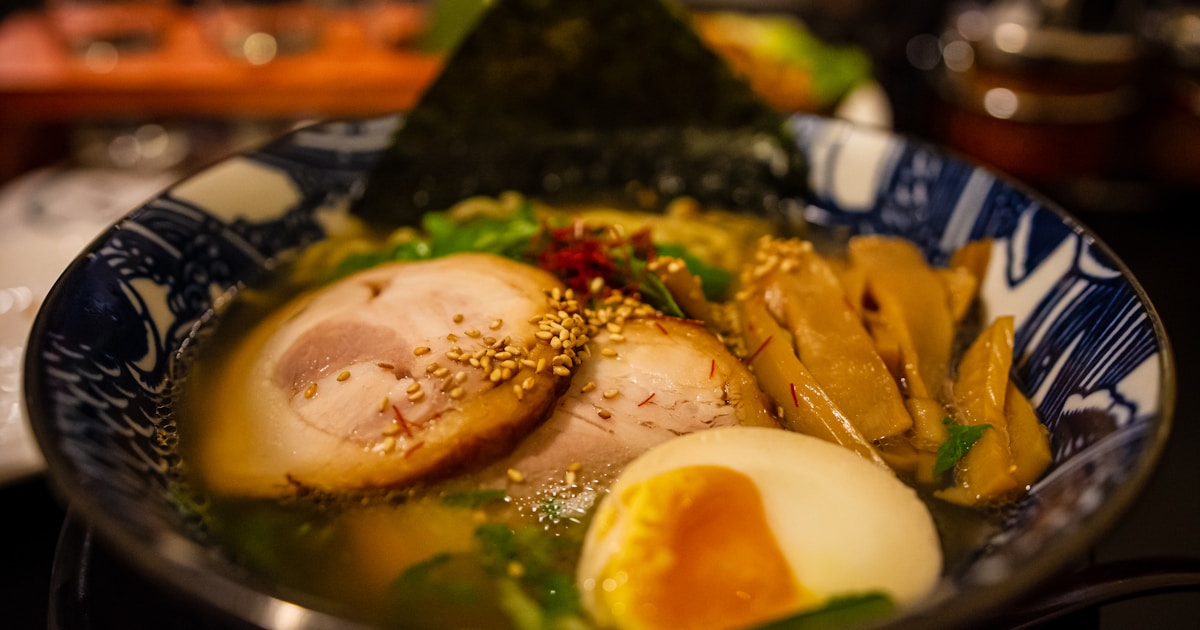
Ramen (ラーメン) is a Japanese noodle dish consisting of wheat noodles served in a meat or fish-based broth, typically flavored with soy sauce, salt, miso, or pork bone (tonkotsu), and topped with a variety of ingredients including sliced pork (chashu), soft-boiled egg (ajitama), bamboo shoots (menma), nori seaweed, spring onions, and sesame. The dish is widely believed to have evolved from Chinese noodle soups brought to Japan in the late 19th or early 20th century, and it developed its distinctly Japanese identity over the following decades, particularly during and after World War II when cheap wheat was available in abundance.
Today ramen occupies an unusual position in Japanese food culture: it is simultaneously humble everyday food — something a salaryman grabs for lunch in three minutes at a basement counter — and a subject of genuine gastronomic passion, with celebrated chefs elevating the form to extraordinary levels of complexity and craft. The best ramen shops in Japan have waiting times of an hour or more, and their chefs are as respected as those at Michelin-starred restaurants. When Japanese food writers compile lists of life’s great pleasures, a transcendent bowl of ramen always makes the cut.
The Four Classic Ramen Broths
The most important thing to understand about ramen is that it is not one dish but a family of dishes. The fundamental division is the broth — and this is determined primarily by the tare (seasoning sauce) used rather than the stock itself. Most stocks are made from chicken or pork bones (or both), dashi (fish stock), or a combination, but it is the tare that gives each style its defining character.
1. Shoyu Ramen (Soy Sauce Ramen)
Shoyu ramen (醤油ラーメン) is arguably the original Tokyo-style ramen and the one most widely available across Japan. The broth is typically a clear-to-brownish chicken or chicken-and-pork stock seasoned with soy sauce (shoyu) tare, resulting in a broth that is savory, slightly sweet, and deeply umami-rich without being heavy or fatty. The noodles are generally wavy and of medium thickness. Toppings typically include thinly sliced chashu pork, menma, nori, narutomaki (the pink-and-white fish cake), and spring onions.
Great shoyu ramen has a kind of elegant clarity — you can see through the broth and identify each ingredient, yet the flavor is complex and layered. It is often the first style visitors to Tokyo encounter, and it remains a benchmark against which other styles are measured. Classic Tokyo shoyu ramen shops worth visiting include Taishoken (Higashi-Ikebukuro, one of the oldest shops in Tokyo), Fuunji (Shinjuku), and the legendary Fuji Seiro in various locations.
2. Tonkotsu Ramen (Pork Bone Ramen)
Tonkotsu ramen (豚骨ラーメン) is the style most likely to blow the minds of first-time ramen eaters. Originating in Kurume, Fukuoka Prefecture, in the late 1930s and later refined in Hakata, tonkotsu is made by boiling pork bones at high heat for many hours — sometimes 12 to 18 hours — until the collagen in the bones dissolves into the broth, turning it a creamy, opaque white or pale beige. The result is extraordinarily rich, intensely savory, and almost buttery in mouthfeel, with a distinctive pork funk that tonkotsu devotees describe as deeply satisfying and that first-timers sometimes find overwhelming.
Hakata-style tonkotsu uses thin, firm noodles (because the rich broth would overwhelm thick noodles), and most shops offer inexpensive kaedama (replacement noodles) when you finish your noodles but have broth remaining — one of the great culinary rituals in Japanese food culture. Standard toppings include chashu, kikurage (wood ear mushrooms), green onions, and pickled ginger. Sesame seeds and a small pot of spicy karashi takana (mustard greens) are often placed on the counter for self-service.
In Fukuoka’s Hakata area, the city’s famous yatai (open-air food stalls) along the riverside serve tonkotsu until the early hours of the morning. Sitting at one of these tiny stalls with a bowl of ramen and a glass of Asahi beer, surrounded by the sounds of the city at night, is one of the definitive Japan travel experiences. Famous Fukuoka tonkotsu shops include Ichiran (solo-dining booths, consistent quality, many locations), Ippudo (available worldwide but significantly better in Hakata), and the more local, less-touristy Shin-Shin.
3. Miso Ramen
Miso ramen (味噌ラーメン) was invented in Sapporo, Hokkaido, in the 1950s and quickly became one of Japan’s favorite styles. The broth is seasoned with miso paste — sometimes a single variety, sometimes a blend of multiple types — resulting in a full-bodied, distinctly savory and slightly fermented flavor. Hokkaido miso ramen typically uses a chicken or lard-enriched broth to stand up to the cold climate, and the result is hearty and warming in a way that feels perfectly calibrated for snowy winters.
Sapporo-style miso ramen uses thick, wavy noodles and is traditionally topped with sweet corn, butter, bean sprouts, ground pork, and bamboo shoots. The butter, which melts slowly into the hot broth, is a particularly Hokkaido touch — it sounds indulgent but works beautifully with the miso’s saltiness. In Sapporo, the Susukino entertainment district and the famous Ramen Yokocho alley (also called “Ramen Alley”) near Susukino Station are the places to sample multiple miso ramen styles side by side. Most stalls in the alley open at 11:00 AM and stay open until midnight or beyond.
Beyond Sapporo, you’ll find regional miso ramen variations across Japan. Spicy miso ramen from Sapporo (using chili paste to add heat) has become particularly popular nationwide. In Tokyo, shops like Ramen Jiro serve massive, intensely flavored soy-and-pork bowls — more of a challenge than a conventional meal, with toppings piled so high they constitute a separate dish.
4. Shio Ramen (Salt Ramen)
Shio ramen (塩ラーメン) is the most delicate of the classic styles. Seasoned with salt tare rather than soy sauce or miso, shio broth is typically clear or very lightly colored, and its appeal lies in its refinement: a good shio ramen lets you taste the individual components of the broth — chicken fat, dashi, perhaps dried seafood or clams — without the robust seasoning of the other styles masking them. Shio ramen is considered the most technically demanding style to make well, which is why truly excellent versions are rarer than excellent shoyu or tonkotsu.
Hakodate, in southern Hokkaido, is known as the home of Japanese shio ramen. The local style uses a delicate salt-based broth made with chicken and occasionally seafood, resulting in a bowl that is light, clean, and deeply satisfying. In Tokyo, some of the most celebrated shio ramen comes from shops like Afuri, which uses a yuzu-citrus salt broth, and Konjiki Hototogisu, whose white truffle and clam-based shio ramen earned a Michelin star.
Beyond the Four Classics: More Ramen Styles to Know
Tsukemen (Dipping Ramen)
Tsukemen (つけ麺) is a variation in which cold or room-temperature noodles are served separately from a small bowl of rich, concentrated dipping broth. You take a pinch of noodles, dip them in the broth, and eat. The broth for tsukemen is typically much more intensely seasoned than regular ramen broth because it only covers the tips of the noodles rather than bathing the whole bowl. Many tsukemen broths use a combination of pork bone and chicken, seasoned with a deeply savory, slightly vinegary tare.
Tsukemen was invented at Taishoken in Tokyo’s Higashi-Ikebukuro in the early 1960s, and the style has since spawned countless variations. It is particularly popular in summer when the thought of eating a hot bowl of broth is less appealing. Noodles for tsukemen tend to be thicker than regular ramen noodles, and some shops serve them chilled, others at room temperature.
Tantanmen (Dan Dan Noodles)
Tantanmen (担々麺) is the Japanese adaptation of Chinese dan dan noodles. Unlike the original Sichuan version, Japanese tantanmen usually involves a sesame-and-spicy chili-based broth, often with minced pork, and the result is simultaneously creamy, nutty, and fiery. It has become enormously popular across Japan and most ramen shops offer it alongside their main styles.
Mazesoba (Dry Ramen / Brothless Ramen)
Mazesoba (まぜそば) dispenses with the broth altogether: the noodles are served with a concentrated sauce at the bottom of the bowl, topped with minced meat, egg yolk, green onions, nori, and other ingredients. The diner mixes everything together vigorously before eating. The result is intensely flavored and surprisingly filling. Mazesoba shops have proliferated across Tokyo and Osaka in recent years and represent one of the most exciting corners of contemporary ramen culture.
How to Order Ramen Like a Local
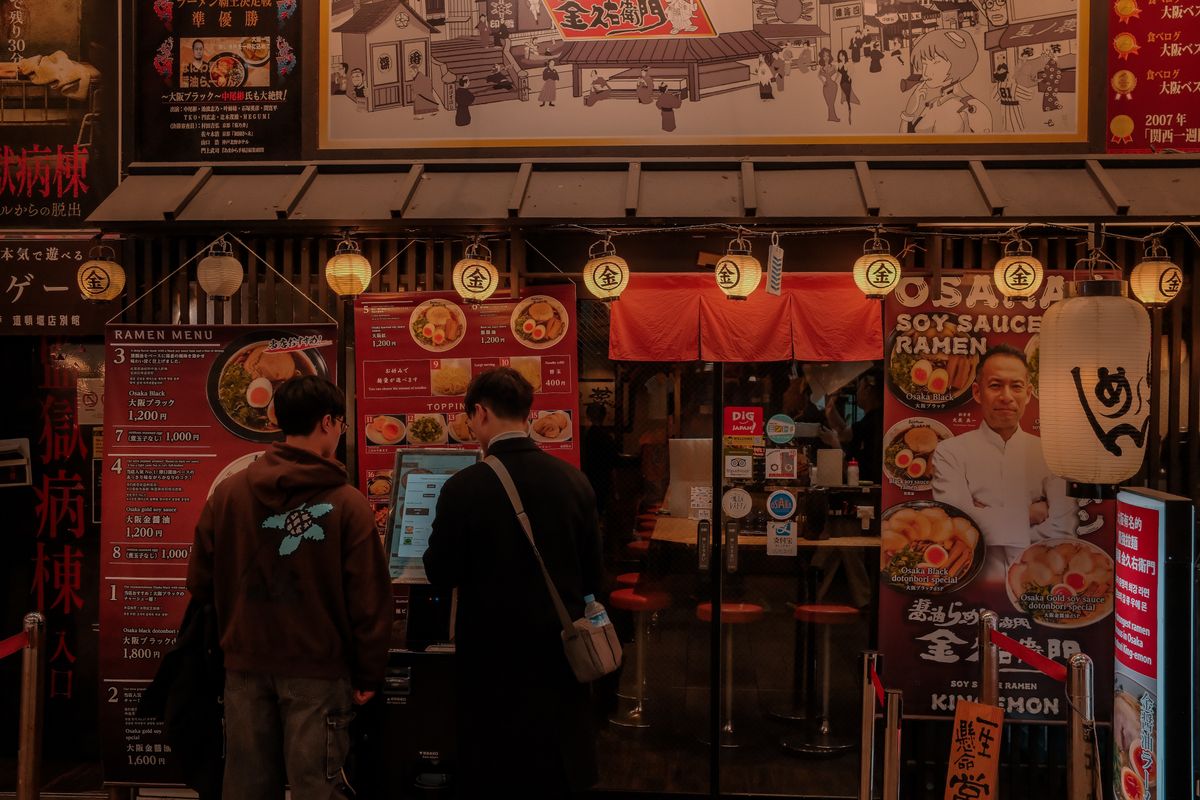
The experience of ordering at a ramen shop in Japan is itself part of the pleasure — and it is simpler than it might appear to first-time visitors.
The Ticket Machine (Jidōhanbaiki)
Most traditional ramen shops in Japan use a meal-ticket machine (券売機, kenbaiki) just inside the entrance. You purchase a food ticket before being seated rather than ordering from a server. Look for the button with the image or name of the ramen style you want — on older machines, buttons may have Japanese text only, so knowing your target in advance helps. The main bowl is usually the largest, most prominent button. Extra toppings (extra chashu, extra egg, extra noodles) are individual buttons. Pay with cash or, at newer machines, IC card (Suica). You hand the ticket to the kitchen staff when they call you to a seat.
At shops without ticket machines, a paper or laminated menu is presented at your seat. In areas with significant tourist traffic, English menus are increasingly common. Even without English, picture menus are universal and pointing is perfectly acceptable.
Customization Options
At many ramen shops — particularly tonkotsu and miso shops — the server will ask you for preferences regarding:
- Noodle firmness (katasa): From extra firm (harigane or barikata) to firm (kata) to regular (futsū) to soft (yawa). First-timers should try regular or firm.
- Broth richness: Lighter (うすめ, usume) or richer (こいめ, koime). Regular is usually the default and the best starting point.
- Oil level: Less oil (すくなめ, sukuname), normal (ふつう, futsū), or more oil (おおめ, ōme).
- Seasoning level: At some shops, especially Hakata-style tonkotsu shops, you can specify lighter or heavier seasoning.
As a first-timer, simply saying “futsū” (normal) for everything is perfectly fine. Many regulars do the same.
Counter Etiquette
Most ramen shops are designed for individual counter dining. If you have arrived with a group, it is perfectly normal to sit in a line along the counter. At some shops, individual partitions are placed between seats — popularized by Ichiran — creating a solo-focused atmosphere. It is not impolite; it simply allows each diner to focus completely on the bowl.
Slurping noodles is not rude in Japan — it is considered a sign of enjoyment and, culinarily, is said to enhance the flavors by aerating the noodles. First-time visitors who are self-conscious about slurping need not be: it is expected and entirely appropriate. When your bowl is empty, leaving the broth unfinished is normal. Saying gochisōsama deshita (ごちそうさまでした) — “thank you for the meal” — when you leave is a gracious touch that ramen shop owners genuinely appreciate.
Best Ramen Cities in Japan
While excellent ramen can be found everywhere in Japan, certain cities have developed particularly strong reputations for specific styles.
Fukuoka (Hakata): Tonkotsu Capital of the World
No ramen destination compares to Fukuoka for sheer density of excellent tonkotsu. The city’s Hakata district gave the style its name (Hakata ramen), and Fukuoka residents eat it multiple times per week. The yatai stalls along Nakasu Island’s riverside represent one of Japan’s great street food experiences: dozens of tiny covered stalls, each seating perhaps eight people, serving tonkotsu with sides of gyoza and cold beer until the small hours. For more on what to see and eat in Fukuoka, visit our complete Fukuoka Travel Guide.
Sapporo: Miso Ramen Heaven
Hokkaido’s capital city has the most famous miso ramen scene in Japan. The Susukino Ramen Yokocho (Ramen Alley) is a narrow atmospheric lane packed with stalls serving variations on Sapporo-style miso ramen from mid-morning until midnight. The combination of corn, butter, and a thick miso broth in the cold Hokkaido climate is one of the great regional food matches in Japan. For wider Hokkaido travel context, see our Hokkaido Travel Guide.
Tokyo: The World’s Most Competitive Ramen City
Tokyo may not have a single signature style, but it has the most competitive and innovative ramen scene in the world. The capital’s sheer market size attracts the country’s most ambitious ramen chefs, and the resulting diversity — from ultra-traditional shoyu to avant-garde fish-based broths to French-influenced consommé ramen — is extraordinary. Neighborhoods with notable ramen concentrations include Ikebukuro (excellent shoyu and tsukemen), Shinjuku (diverse styles, late-night options), Shimokitazawa (indie and experimental), and Shibuya (convenient, reliable quality).
Kitakata, Fukushima: Japan’s Most Surprising Ramen Town
Kitakata, a small city in Fukushima Prefecture with a population of around 50,000, has the highest ramen shop density per capita of any city in Japan. Kitakata ramen uses thick, flat, slightly chewy noodles in a soy sauce-based broth with a notably delicate, somewhat sweet character — very different from Tokyo or Fukuoka styles. The local tradition of eating ramen for breakfast (asa-ra, or “morning ramen”) is unique in Japan. A trip to Kitakata for ramen pilgrims is the equivalent of a wine lover making a detour to Beaune.
Ramen Ingredients: A Glossary
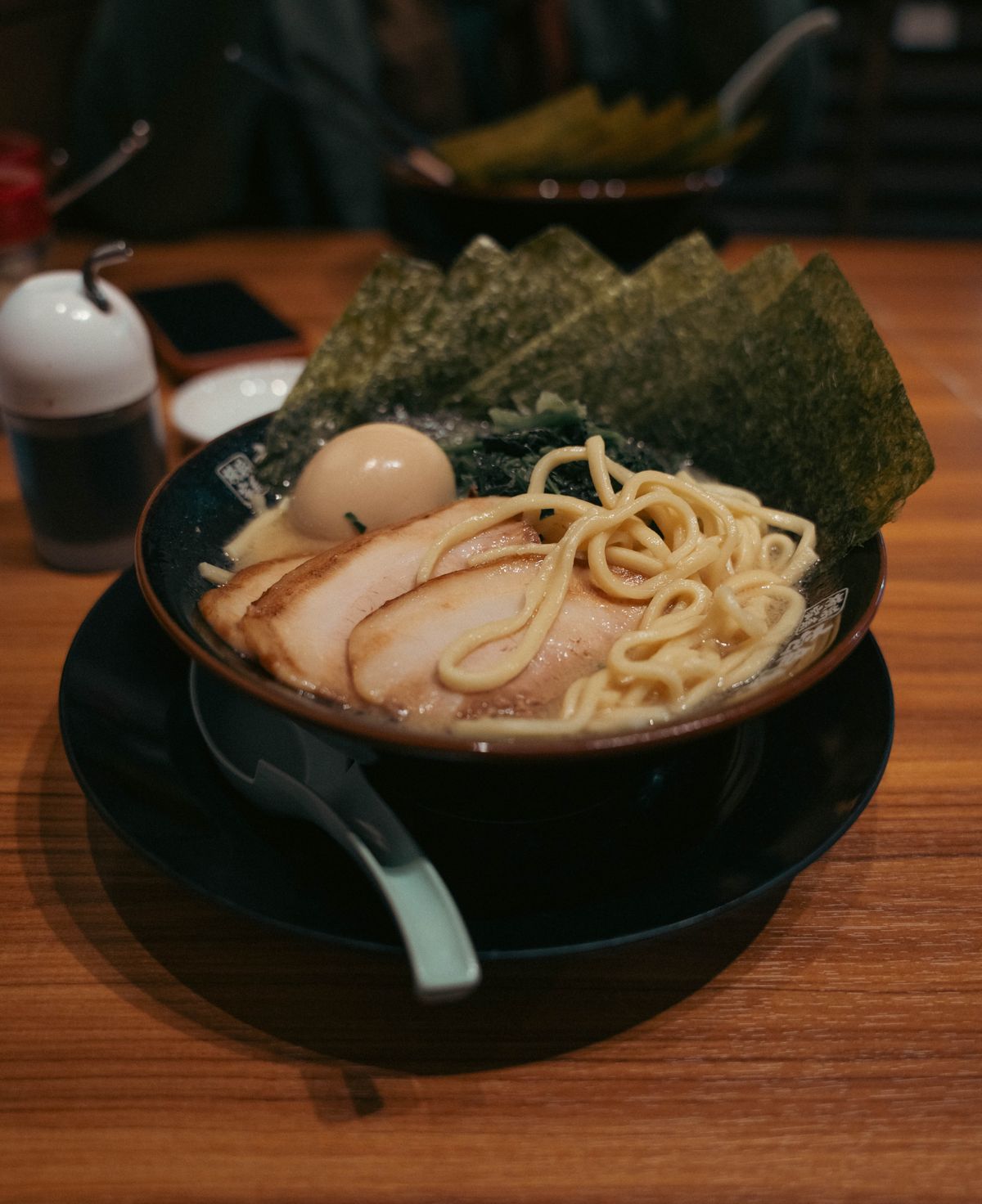
Understanding the key components of a ramen bowl helps you order more confidently and appreciate what you are eating.
- Chashu (チャーシュー) — braised or roasted pork belly or shoulder, the most common protein topping. Can range from thin, almost translucent slices to thick, fall-apart fatty cuts.
- Ajitama / Hanjuku tamago (味玉 / 半熟卵) — soft-boiled egg marinated in soy sauce and mirin. The yolk should be just set, running slightly at the center. Often one of the most enjoyable elements of the bowl.
- Menma (メンマ) — fermented bamboo shoots. Salty and slightly crunchy.
- Nori (海苔) — dried seaweed sheet, usually one or two pieces placed upright in the bowl. Dip it into the broth briefly before eating.
- Narutomaki (なると巻き) — white fish cake with a pink spiral, a nostalgic Showa-era topping that is less common than it used to be.
- Kikurage (木耳) — wood ear mushrooms, chewy and mildly flavored, standard in tonkotsu bowls.
- Negi (ネギ) — green onions, used as both garnish and flavor. Some shops let you add extra for free.
- Moyashi (もやし) — bean sprouts, used in miso ramen and some others for texture contrast.
- Corn (コーン) — particularly associated with Hokkaido miso ramen.
- Butter (バター) — a Hokkaido addition that melts into the broth, adding richness and a dairy sweetness.
- Kakuni (角煮) — thick-cut braised pork belly, common in premium bowls and distinct from the thinner chashu.
How to Find the Best Ramen in Japan
Several resources are indispensable for finding excellent ramen wherever you are in Japan.
Tabelog (tabelog.com) is Japan’s most comprehensive restaurant review site, with a ramen category that lists shops with user ratings, opening hours, price ranges, and customer photos. The ratings are Japanese-language but the photos speak for themselves. Shops rated 3.5 and above are reliably good; 3.8+ is excellent; 4.0+ is considered outstanding.
Ramen Beast (ramenbeast.com) is an English-language review site with curated lists of the best shops in major Japanese cities, written by ramen enthusiasts who test multiple bowls at each shop. Particularly useful for Tokyo recommendations.
Google Maps with user reviews is also helpful, especially for finding nearby shops in real time. Search “ramen near me” in Japanese areas and filter by rating.
Michelin’s Bib Gourmand list includes dozens of ramen shops across Japan — these are vetted recommendations for outstanding value and quality. The Tokyo Michelin guide in particular includes several remarkable ramen entries each year.
Japan’s biggest ramen event, the Tokyo Ramen Show (held in Komazawa Olympic Park each autumn), brings together shops from across Japan, each serving one or two specialty bowls. It is arguably the best way to sample regional styles in a single location.
Ramen Etiquette and Practical Tips
- Queue discipline: At popular shops with queues, wait your turn. Most shops have clear queue management systems; follow the staff’s instructions and do not push in. Queuing for 30–45 minutes for a truly exceptional bowl is entirely normal and worth it.
- Don’t linger: Ramen shops are high-turnover businesses. Finish your bowl, pay, and move on. Don’t occupy a counter seat for 45 minutes after finishing — other diners are waiting.
- Cash is king: Many traditional ramen shops are cash only. Always carry at least ¥2,000 (a standard bowl is about ¥950–1,350, and an egg topping adds about ¥100–150).
- Opening hours vary widely: Ramen shops are notorious for irregular hours. Always check before traveling to a specific shop — many close when their broth runs out for the day (often by 2:00–3:00 PM), and some are closed on random weekdays. Tabelog shows current hours reliably.
- Lunch is peak time: For popular shops, arriving at opening time (usually 11:00 AM–11:30 AM) or slightly before gives you the best chance of minimal waiting. The 12:00–1:30 PM window is the busiest.
- Allergies and dietary needs: Most ramen contains pork in some form (chashu and often the broth). Vegetarian or vegan ramen is available at specialist shops — search for yasai or shōjin ramen on Tabelog. Many shops use fish-based dashi even in ostensibly pork-free broths, so if you are vegetarian or vegan, it is worth confirming. Gluten-free ramen is extremely rare.
- Water is free: Self-service cold water pitchers are standard at virtually all ramen shops. Pour your own glass from the counter pitcher.
Ramen Budgeting: What to Expect to Pay
Ramen is one of Japan’s great value foods. A standard bowl at a typical shop now costs about ¥950–1,350, including tax. A deluxe (tokusei) bowl at a well-regarded Tokyo shop, with quality toppings, runs about ¥1,500–2,500. Even the most celebrated Michelin-recognized ramen shops typically charge around ¥1,500–2,500 for a bowl, making them exceptional value compared to other fine dining. Adding an extra egg, extra chashu, or extra noodles typically costs ¥100–300 (~$0.65–2) per item.
Regional pricing patterns: Tokyo tends to be slightly more expensive than regional cities. In Fukuoka, excellent tonkotsu ramen costs about ¥700–1,000, and top-rated shops mostly charge ¥999 or less. In Sapporo, miso ramen has risen with inflation, likely to around ¥900–1,300. Kitakata’s famous ramen is still fairly affordable, likely around ¥800–1,000 per bowl.
Ramen Gifts and Souvenirs
Japan’s passion for ramen extends to a thriving gift market. Instant ramen sold at Japanese convenience stores and supermarkets is vastly superior to the instant ramen available outside Japan: brands like Nissin, Maruchan, and regional producers like Sapporo Ichiban offer flavors and quality simply not exported. A bag of several varieties makes an excellent and lightweight souvenir.
Semi-fresh ramen kits sold by famous shops (available in their own shop, at department store basement food halls, or at airport shops) allow you to recreate specific ramen styles at home. Many famous shops — Ichiran, Ippudo, Fuunji — sell take-home kits, and these are among Japan’s best edible souvenirs.
Cup noodle customization at the Cup Noodles Museum in Yokohama lets you design and flavor your own cup noodle — a popular activity for food-obsessed visitors. The museum also has exhibits on the history of instant noodles and Nissin founder Momofuku Ando, universally credited with inventing the product in 1958.
For more food and souvenir ideas for Japan, see our guide to Best Japanese Food Experiences.
Planning accommodation for your Japan food trip? Book your hotel on Agoda (Best prices guaranteed) → — staying near a famous ramen district is always worth it.
For more on Japanese travel, explore our full Japan destinations guide.
Frequently Asked Questions About Ramen in Japan
Which type of ramen should I try first?
If you are completely new to ramen, start with shoyu ramen (soy sauce ramen): it is the most widely available style across Japan, has a balanced, approachable flavor, and gives you an honest benchmark against which to compare everything else. If you are in Fukuoka, start with tonkotsu. If you are in Sapporo, start with miso. Let geography guide you — Japan’s regional ramen styles developed in response to local tastes and ingredients, and they taste best in their home territory.
Is ramen vegetarian or vegan?
Traditional ramen is not vegetarian or vegan, as most broths contain pork, chicken, or fish in some form. However, Japan has a growing number of vegetarian and vegan ramen specialists — search for yasai ramen or vegan ramen on Tabelog or Google Maps in major cities. Options are most plentiful in Tokyo, Kyoto, and Osaka. Conveniently, some chains like T’s Tantan at Tokyo Station specialize exclusively in vegan ramen and are excellent.
What is the best ramen in Tokyo?
This is a fiercely debated question among Tokyo ramen enthusiasts, but shops that consistently receive top ratings and Michelin recognition include Konjiki Hototogisu (Shinjuku, Michelin star, white truffle shio broth), Fuunji (Shinjuku, remarkable tsukemen), Nakiryu (Otsuka, Michelin star, exceptional tantanmen), and Kagari (Ginza, luxurious chicken broth). For tonkotsu in Tokyo, Ichiran‘s Shibuya location is reliable, while Ippudo‘s original Hakata branches are the gold standard.
How long does it take to eat ramen?
A typical ramen meal takes 10–15 minutes. The broth is hot and the noodles are best eaten before they overcook in the heat — there is a genuine reason to eat quickly. This is not a leisurely two-hour dining experience; ramen is fast food at its most elevated. Eat with focus and intent.
Can I drink the broth directly from the bowl?
Yes, lifting the bowl to your lips to drink the remaining broth is perfectly acceptable and widely practiced. Using the provided ladle (renge) to sip the broth as you go is the standard approach, with direct bowl-drinking as a final flourish. Both are entirely appropriate at any ramen shop.
What is kaedama?
Kaedama (替え玉) is the practice, specific to Hakata-style tonkotsu ramen shops, of ordering replacement noodles when you have finished your noodles but have broth remaining. You pay a small surcharge (¥100–150, or sometimes nothing), say “kaedama!” to the counter staff, and a fresh portion of noodles is dropped into your remaining broth. This allows you to enjoy the broth twice without wasting it. It is one of the small rituals that makes Fukuoka ramen culture so engaging.
What is the difference between ramen and other Japanese noodle dishes?
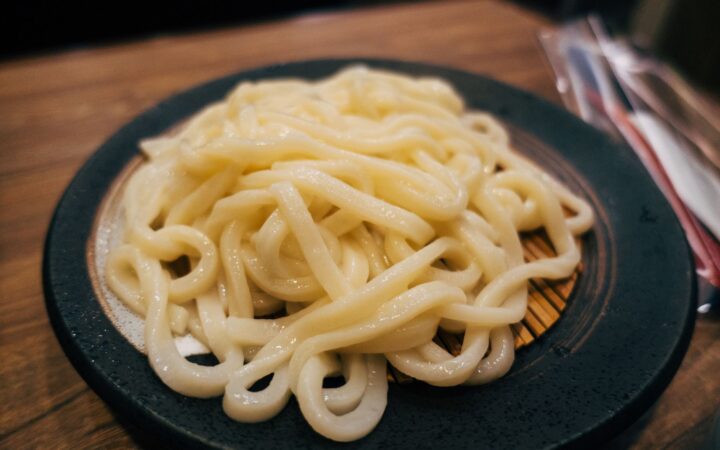
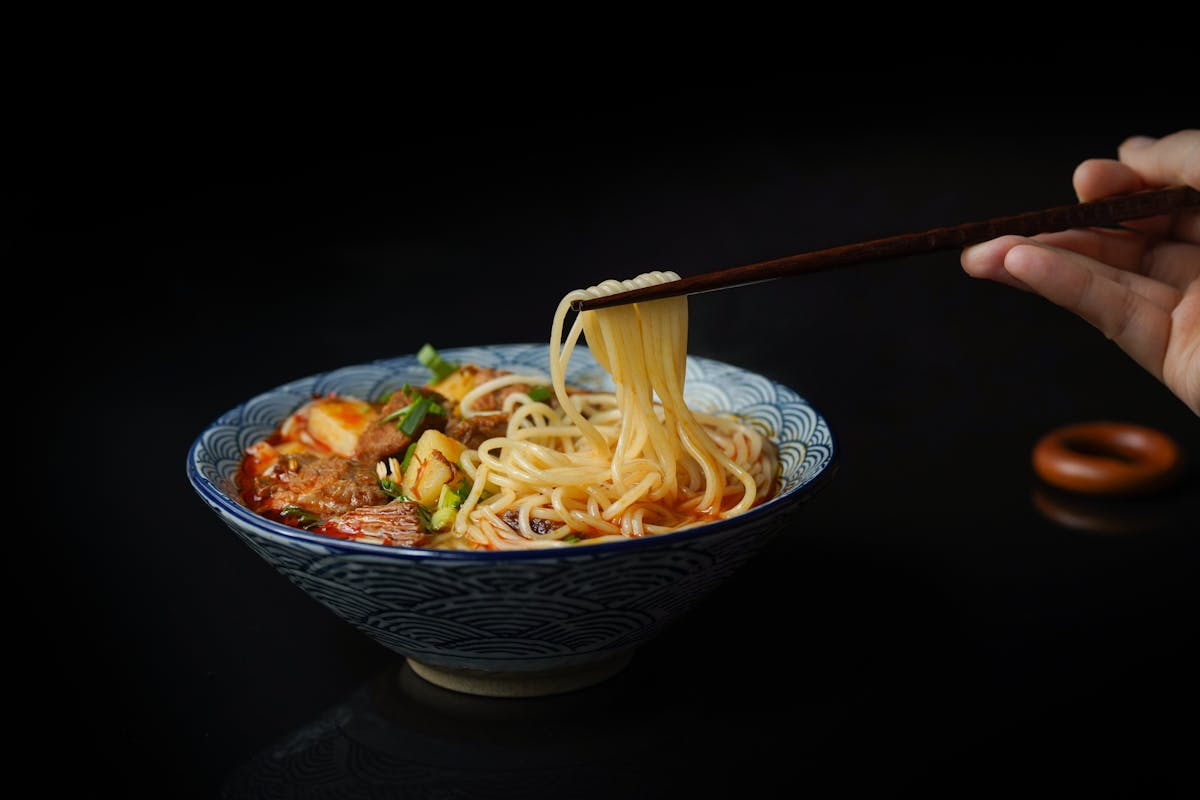
Japan has several major noodle traditions that are entirely distinct from ramen. Soba uses buckwheat noodles and is typically served in a delicate dashi broth. Udon uses thick wheat noodles in a milder, lighter broth. Sōmen are very thin wheat noodles, often served cold in summer. Ramen’s distinguishing characteristics are its Chinese-influenced wavy wheat noodles (containing kansui, an alkaline mineral water that gives them their yellow color and springy texture) and its complex, long-simmered broths. Each noodle tradition is worth exploring on its own terms.
Ramen by Season: What to Order When
Japan’s ramen culture is surprisingly attentive to seasonality. Shops often rotate special seasonal bowls throughout the year, and even the standard styles can be adjusted based on the weather.
In spring, lighter broths come into their own. Cherry blossom season brings a wave of pink-tinted “sakura ramen” specials at shops across Japan — more aesthetic than gastronomic, but fun. Shio ramen and chicken-based broths are particularly enjoyable when the weather is mild and the outdoors are beckoning.
In summer, cold ramen and tsukemen become the preferred choice. Hiyashi chuka (冷やし中華) — chilled noodles topped with julienned vegetables, ham, egg strips, and a vinegary sauce — is a classic hot-weather dish available at most ramen shops and Chinese restaurants from June through August. It is technically distinct from ramen but close enough that most ramen shops offer it seasonally. Cold tsukemen, where both noodles and dipping broth are served at room temperature or slightly chilled, is another excellent summer option.
In autumn, the richest broths come back into their own. This is the season for deeply flavored tonkotsu, miso-butter combinations in Hokkaido, and the warming effect of black garlic (mayu) oil drizzled into tonkotsu. Many shops introduce special autumn bowls featuring matsutake mushroom broth or seasonal vegetable toppings.
In winter, Hokkaido-style miso ramen with butter and corn is the ultimate comfort food. In colder northern regions, extra-fat and extra-rich broths are standard year-round, but winter visitors to Sapporo will find the miso ramen particularly fitting against the backdrop of snowstorms and -10°C streets. Kitakata’s famous morning ramen tradition is especially poignant in winter, when a hot bowl at 8:00 AM warms you from the inside out before the day begins.
The Instant Ramen Revolution: Japan’s Supermarket Ramen
Discussing Japanese ramen without mentioning instant noodles would be incomplete. Japan is the birthplace of instant ramen — Nissin founder Momofuku Ando invented chicken ramen in 1958 and changed how the world eats. The instant ramen available in Japanese supermarkets, convenience stores, and drug stores is categorically different from what is exported abroad. The variety is extraordinary: dozens of regional styles, limited-edition collaborations with famous ramen shops, seasonal flavors, ultra-premium versions with real freeze-dried ingredients, and everything in between.
A single packet of premium Japanese instant ramen costs ¥150–500 (~$1–3.30) and is one of the highest value-per-yen food experiences available. Walking the instant noodle aisle of any Japanese supermarket — the towering walls of colorful packages — is itself a cultural experience. For travelers who want to recreate a specific regional ramen style at home, supermarkets near famous ramen towns (Sapporo, Fukuoka, Kitakata) sell packets replicating their local style with surprisingly high fidelity.
The Cup Noodles Museum in Yokohama (and a second location in Ikeda, Osaka) is dedicated to the history and evolution of instant ramen, and includes a workshop where visitors can design and fill their own custom cup noodle — choosing soup base, noodle texture, and up to four toppings — sealed and packaged to take home. It is one of Japan’s best food-focused tourist experiences for ¥500 (~$3.30) and is particularly popular with families and food enthusiasts.
Ramen and Japanese Food Culture: Why It Matters
Understanding ramen helps you understand something important about Japanese food culture more broadly: the combination of obsessive perfectionism, deep regionalism, and genuine humility that characterizes the best Japanese cooking at every price point. The ramen chef who spends 15 years perfecting a single broth recipe is following the same philosophy as the sushi master who spends a decade learning to make rice correctly, or the soba maker who rises at 4:00 AM to work fresh dough before the flour’s moisture changes. Excellence in Japan is not about flash or novelty — it is about mastery, consistency, and the quiet satisfaction of doing one thing as well as it can possibly be done.
When you sit at a ramen counter and watch the chef work — the precise timing, the careful assembly of each bowl, the attention to the temperature of the broth and the texture of the noodles — you are watching this philosophy in action. That is why a ¥900 bowl of ramen in Japan can be as memorable as a ¥30,000 kaiseki dinner, and why so many visitors to Japan say that their most vivid food memory involves a simple bowl of noodles eaten at a small counter shop.
Don’t overthink it. Go early, queue patiently, slurp freely, and enjoy every drop.
Conclusion: One Bowl at a Time
Japan’s ramen culture rewards curiosity and patience. The best approach for first-time visitors is simple: eat often, explore different regions, be willing to queue, and pay attention to what you are tasting. Each bowl tells a story about the region it comes from — the pork bone richness of Fukuoka, the butter-and-corn warmth of Sapporo, the crystalline elegance of a great Tokyo shio ramen. Over the course of a two-week trip in Japan, it is entirely reasonable to eat ramen eight or ten times without repetition, exploring the width and depth of a culinary tradition that remains as vital today as it was 70 years ago.
Whether you are slurping hakata tonkotsu at a waterside yatai in Fukuoka, waiting in a Shinjuku queue at 11:00 AM for a tsukemen shop that runs out by 2:00 PM, or discovering an extraordinary regional style in a small city you’d never heard of before your trip, ramen in Japan is one of those experiences that changes how you think about food. May every bowl be perfect.
Traveling Japan by food is one of the most rewarding ways to explore the country. Each prefecture and city has something unique to offer, and ramen is the thread that connects them all — from the far north of Hokkaido to the subtropical islands of Kyushu. Take notes on each bowl, compare regional differences, and build your own mental map of Japan’s extraordinary ramen geography. You will return home with a collection of taste memories that rival any museum or temple visit in vividness and lasting pleasure.
For a broader perspective on the best of Japanese cuisine across all styles and regions, see our guide to Best Japanese Food Experiences. And when you are ready to book the Japan trip of your food dreams,
Going to Japan? Speak Japanese with confidence.
Hirameki Japanese — camera translate for menus and signs, a two-way conversation mode, and furigana + romaji on every phrase. Free to download with kana charts, conversation mode and starter words; a one-time purchase unlocks everything.

Plan your Japan trip
Two things every first-timer should book
Some links are affiliate links. If you book through them we may earn a small commission at no extra cost to you.