If you want to understand Tokyo’s appetite — both for fine food and for the finer things in life — spend a day in Ginza and Tsukiji. These two neighboring districts in central Tokyo sit side by side yet feel like different worlds. Tsukiji is the city’s most famous food destination, a maze of narrow lanes where vendors have been slicing tuna, grilling skewers and rolling sushi for generations. Ginza, just a few minutes’ walk away, is Japan’s most prestigious shopping and dining district, a glittering grid of flagship boutiques, century-old department stores, art galleries and the grand Kabukiza theater. Together they make one of the most rewarding half-day or full-day outings in Tokyo for first-time visitors.
This guide explains exactly how to enjoy both: what happened when the famous fish market moved, what to eat at the Tsukiji Outer Market and how to do it politely, how to navigate Ginza’s department stores and food halls, when to go, how to get there, where to stay, and a full set of practical tips and frequently asked questions. Whether you are a serious foodie chasing the freshest sushi breakfast of your life or a traveler who simply wants to soak up the energy and elegance of central Tokyo, Ginza and Tsukiji deliver.
Why Visit Ginza and Tsukiji?
Few pairings capture the range of Tokyo as neatly as these two districts. Tsukiji gives you the raw, delicious, sensory side of the city: the smell of grilling eel, the call of vendors, the joy of eating a skewer of grilled scallop or a slice of fatty tuna while standing in a crowded lane. Ginza gives you the polished, refined side: immaculate window displays, white-gloved department-store staff, basement food halls that look like jewelry counters, and some of the best restaurants in the world tucked into discreet upper floors.
For first-time visitors, the appeal is that you can experience both in a single, walkable outing. You can eat a spectacular seafood breakfast at Tsukiji in the morning, then stroll into Ginza to browse, people-watch and enjoy a coffee or a department-store lunch in the afternoon. It is central, easy to reach, packed with photo opportunities, and a wonderful introduction to how Tokyo balances tradition and luxury, street food and haute cuisine. To see how these districts fit into the wider city, our Tokyo guide maps out the neighborhoods and how to link them.
A Quick History: Silver Mints and Fish Markets
The two districts have very different origins. Ginza takes its name from a silver-coin mint established here in the early Edo period — “gin” means silver and “za” means guild or place. After a devastating fire in the 1870s, the area was rebuilt with Western-style brick buildings and became a showcase of modernity and fashion, a reputation it has never lost. Today Ginza is synonymous with luxury: the world’s leading brands consider a Ginza flagship a mark of prestige, and land here is famously among the most expensive in Japan.
Tsukiji’s story is tied to fish. For decades, the Tsukiji Fish Market was the largest wholesale seafood market on earth, handling an astonishing volume of tuna and other catch and drawing tourists to its pre-dawn tuna auctions. In October 2018, the wholesale “inner market,” including the famous auctions, relocated to a modern facility in Toyosu, a short distance away. This is the single most important thing for visitors to understand: the wholesale market is gone from Tsukiji, but the beloved Tsukiji Outer Market — the warren of retail shops and restaurants that visitors actually love — remains exactly where it always was and is as lively as ever. So you have not “missed” Tsukiji; the part that makes it fun for travelers is still thriving.
The Tsukiji Outer Market: What It Is Today
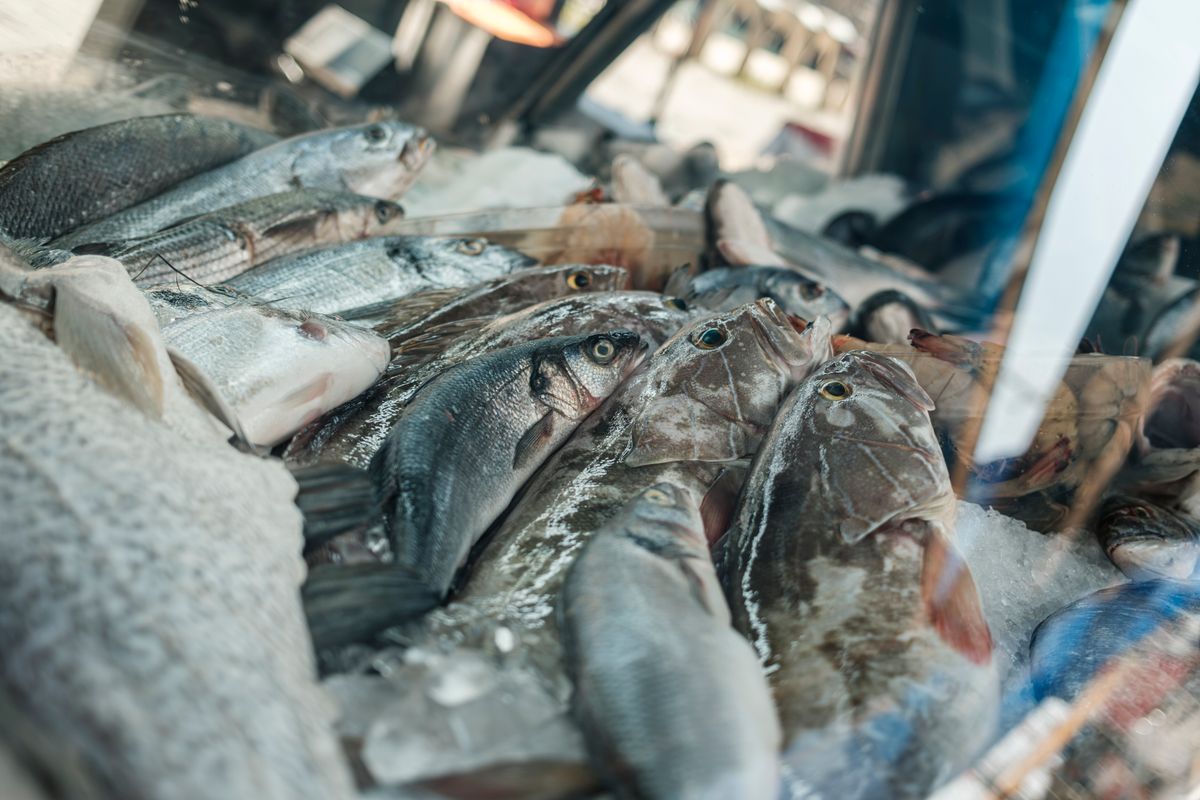
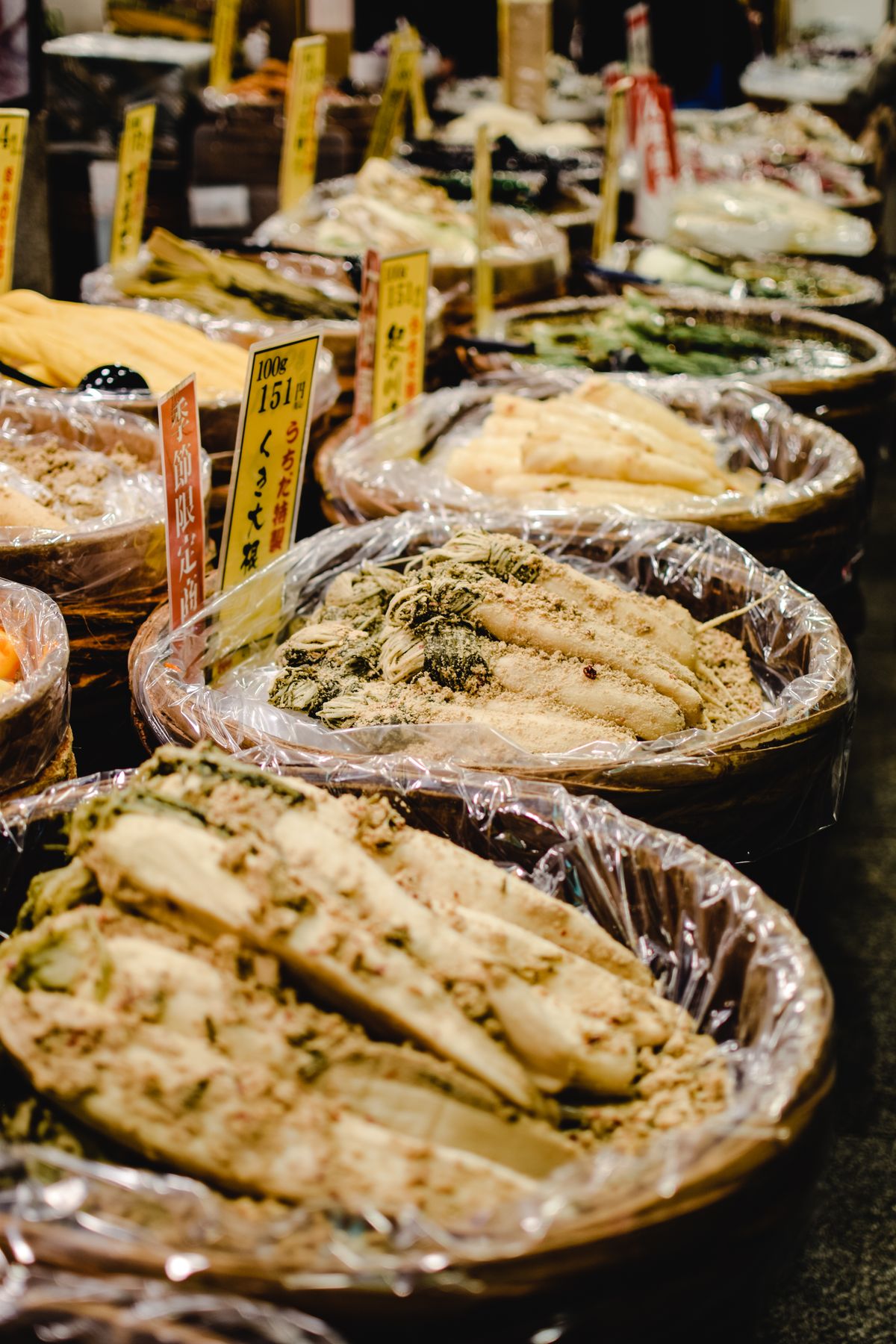
The Tsukiji Outer Market (Tsukiji Jogai Shijo) is a dense grid of several hundred small shops and eateries spread over a few blocks just outside where the old wholesale market stood. This is where you come to eat and browse. The vendors here sell everything a Japanese kitchen could want — fresh and dried seafood, knives, cookware, pickles, tea, seaweed, tamagoyaki (rolled omelet), produce and sweets — alongside dozens of small restaurants and standing-room food stalls serving some of the freshest seafood in Tokyo.
Walking the market is a feast for the senses. You will see whole tuna being portioned, vendors torching slices of fish to order, and steam rising from pots of seafood. Many stalls let you eat on the spot: a skewer of grilled scallop or wagyu, a cup of fresh uni (sea urchin), an oyster shucked in front of you, or a piece of tamagoyaki that tastes like sweet custard. It is the ideal place to graze, trying a little of many things rather than committing to one big meal — though the sit-down sushi and seafood-bowl restaurants here are also outstanding. For more on this style of eating across the country, see our Japan street food guide.
What to Eat at Tsukiji
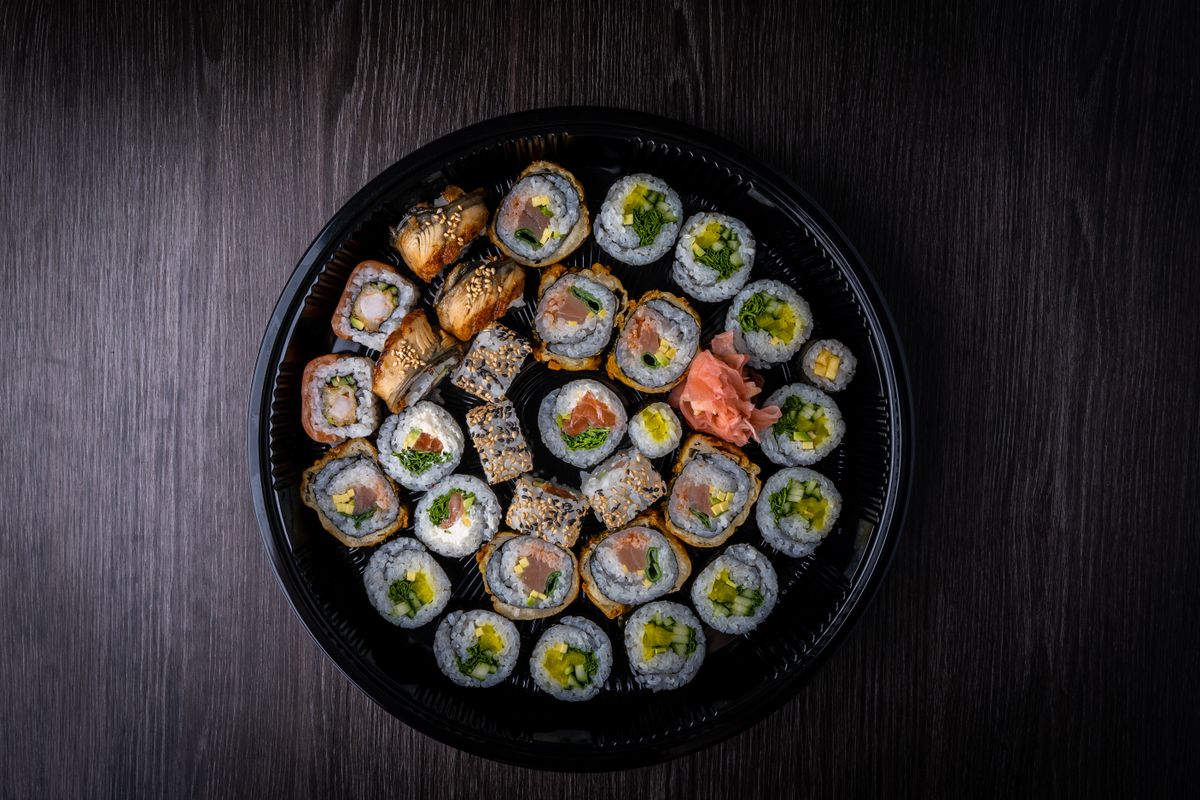
The hardest part of Tsukiji is choosing. Here are the specialties first-timers should prioritize:
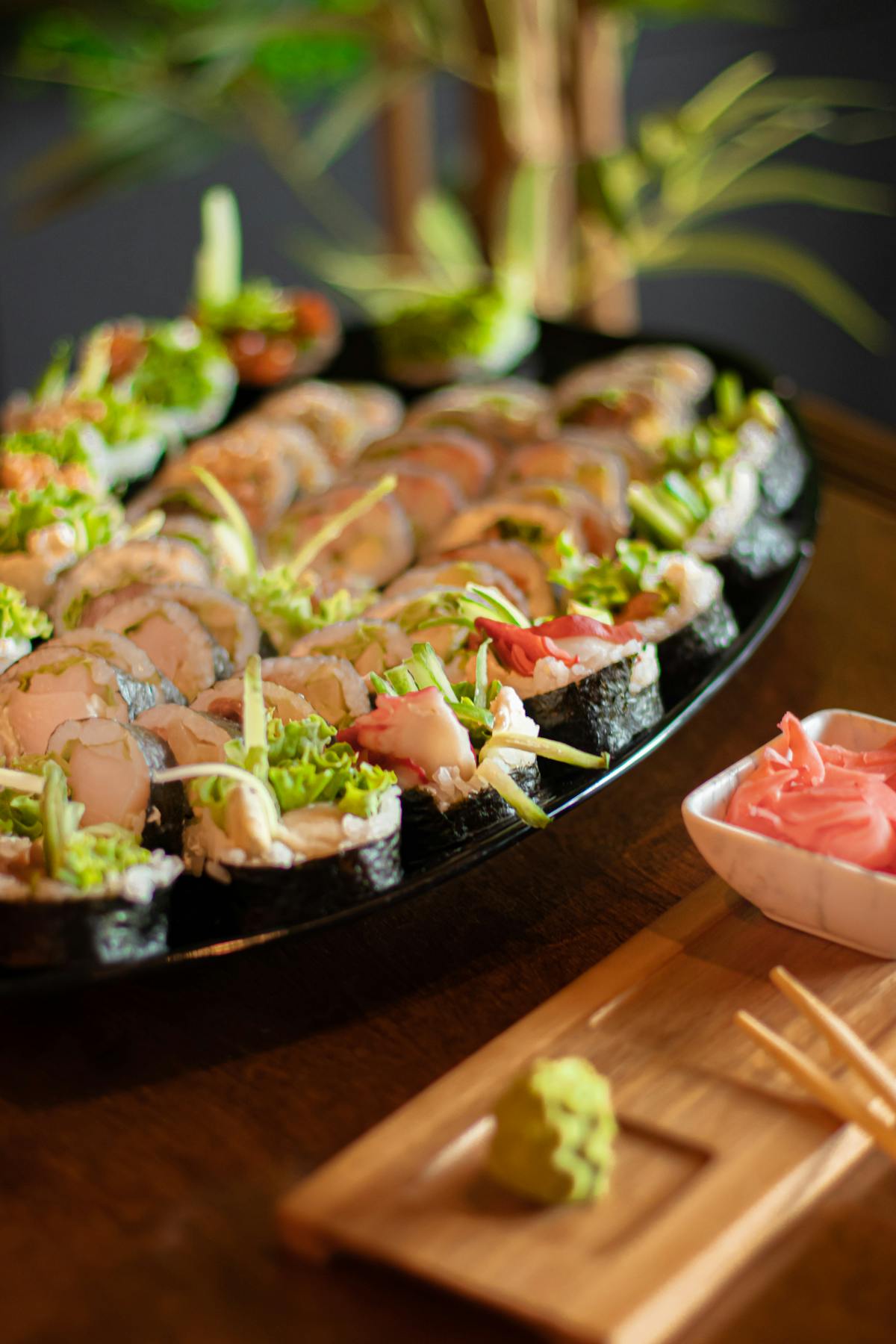
Sushi and sashimi: This is the obvious headliner, and it lives up to the hype. Small sushi counters serve nigiri made with fish bought that morning. Expect to pay roughly ¥3,000–6,000 (US$20–41) for a quality sushi set, more at the most famous counters where queues form early.
Kaisendon (seafood rice bowls): A bowl of vinegared rice topped with glistening sashimi — tuna, salmon roe, uni, scallop and more. These generous bowls run about ¥2,000–5,000 (US$14–34) depending on the toppings and are a Tsukiji classic.
Tamagoyaki: Sweet, fluffy rolled omelet sold warm on a stick for a few hundred yen. A cheap, delicious bite and a market institution.
Grilled seafood skewers: Scallops, eel, crab legs, oysters and even wagyu beef, grilled to order. Perfect for grazing as you wander.
Uni and ikura: Sea urchin and salmon roe, served fresh in small cups or on tiny rice bowls — a luxurious mouthful for those who love bold ocean flavors.
Tuna in every form: From lean akami to richly marbled otoro, tuna is the star of Tsukiji. Many shops specialize in it, and a tuna-focused bowl or set is a quintessential experience.
Sweets and tea: Finish with a strawberry daifuku, a matcha soft-serve or a freshly made dorayaki, and pick up some loose-leaf tea or dried goods to take home.
Tips for Visiting Tsukiji
- Go early. The market is at its best from around 8:00 to 10:00 a.m. Many shops open early and start closing in the early afternoon (often by 1:00 or 2:00 p.m.), so this is a morning destination. Arriving early also means smaller queues at the popular sushi counters.
- Avoid Sundays and Wednesdays. Many vendors close on Sundays, public holidays and some Wednesdays. Check before you go; a weekday morning is ideal.
- Bring cash. While more shops now take cards, plenty of small stalls are cash-only. Have yen on hand to avoid missing out.
- Eat where you buy. It is considered polite to eat your food at or near the stall where you bought it rather than walking long distances through crowds while eating. Use the bins or return points the vendors provide.
- Don’t touch the produce. Point and ask rather than handling the seafood or goods. The market is a working retail space, not a museum.
- Come hungry and graze. The joy of Tsukiji is variety. Skip breakfast at your hotel and eat your way through the lanes instead.
- Be patient and courteous. The lanes get crowded. Move with the flow, step aside to eat, and enjoy the buzz.
Beyond Food: Knives, Tea and Edible Souvenirs at Tsukiji
Tsukiji is not only about eating on the spot — it is one of the best places in Tokyo to shop for kitchen goods and food souvenirs. The market’s professional clientele means the quality is high and the selection is serious.
Japanese knives: Tsukiji is famous for its knife shops, where craftsmen sell professional-grade blades forged in the Japanese tradition. A good Japanese knife is a lifetime purchase and one of the most prized souvenirs a visitor can bring home. Staff will often help you choose the right type — a versatile santoku, a vegetable nakiri, or a long sashimi blade — and many shops offer engraving and explain how to care for the steel. Prices range widely, from accessible everyday knives to investment-grade pieces.
Dried goods and seasonings: Shops sell beautiful packages of dried bonito flakes, kombu seaweed, dried fish, nori, and seasoning blends that pack flat in a suitcase and last for months. These make excellent, lightweight gifts that capture the flavors of Japan.
Tea and matcha: Specialist shops offer loose-leaf green tea, hojicha and high-grade matcha, often vacuum-sealed for travel. A tin of good Japanese tea is a thoughtful and practical souvenir.
Tableware and tools: Beyond knives, you will find ceramics, chopsticks, grater plates, tamagoyaki pans and other specialist kitchen tools that are hard to find outside Japan.
Just remember the etiquette: handle goods carefully, ask before touching, and pack any knives in your checked luggage rather than your carry-on for the flight home.
Tsukiji Hongwanji Temple
Right beside the Outer Market stands one of Tokyo’s most unusual and striking temples, Tsukiji Hongwanji. Unlike the wooden temples most visitors picture, this Buddhist temple was rebuilt in the 1930s in a bold stone style inspired by ancient Indian and South Asian architecture, complete with domes, carved animals and stained glass. The contrast with its surroundings is remarkable, and the interior — with its grand golden altar and even a pipe organ — is well worth stepping inside to see. It is free to enter, makes a peaceful break from the market bustle, and offers a fascinating glimpse of how Japanese Buddhism embraced modern and international influences. There is also a popular cafe on site serving a much-loved breakfast set, making it an easy and atmospheric stop to pair with your Tsukiji morning.
Toyosu Market: Where the Tuna Auction Moved
If you specifically want to see the famous tuna auction and the wholesale operation, that now happens at Toyosu Market, a sleek modern facility about two kilometers from Tsukiji, easily reached on the Yurikamome line. Toyosu is a very different experience from Tsukiji’s atmospheric lanes: here you watch the action from glassed-in observation decks above the working floors, learning how the world’s most valuable fish are bought and sold.
The pre-dawn tuna auction is the headline draw. Visitors can watch from an upper observation window for free, or apply in advance for a limited number of spots on a lower viewing deck closer to the action. The auction takes place very early — you typically need to arrive before dawn — so it suits dedicated enthusiasts more than casual visitors. Toyosu also has its own restaurants serving excellent sushi and seafood bowls, plus a rooftop garden with views over Tokyo Bay. Many travelers do both: the auction and a sushi breakfast at Toyosu one morning, and a separate grazing trip to the Tsukiji Outer Market on another. For more curated food experiences and guided market tours in Tokyo, browse the options on our Japan food experiences guide.
Ginza: Tokyo’s Most Elegant District
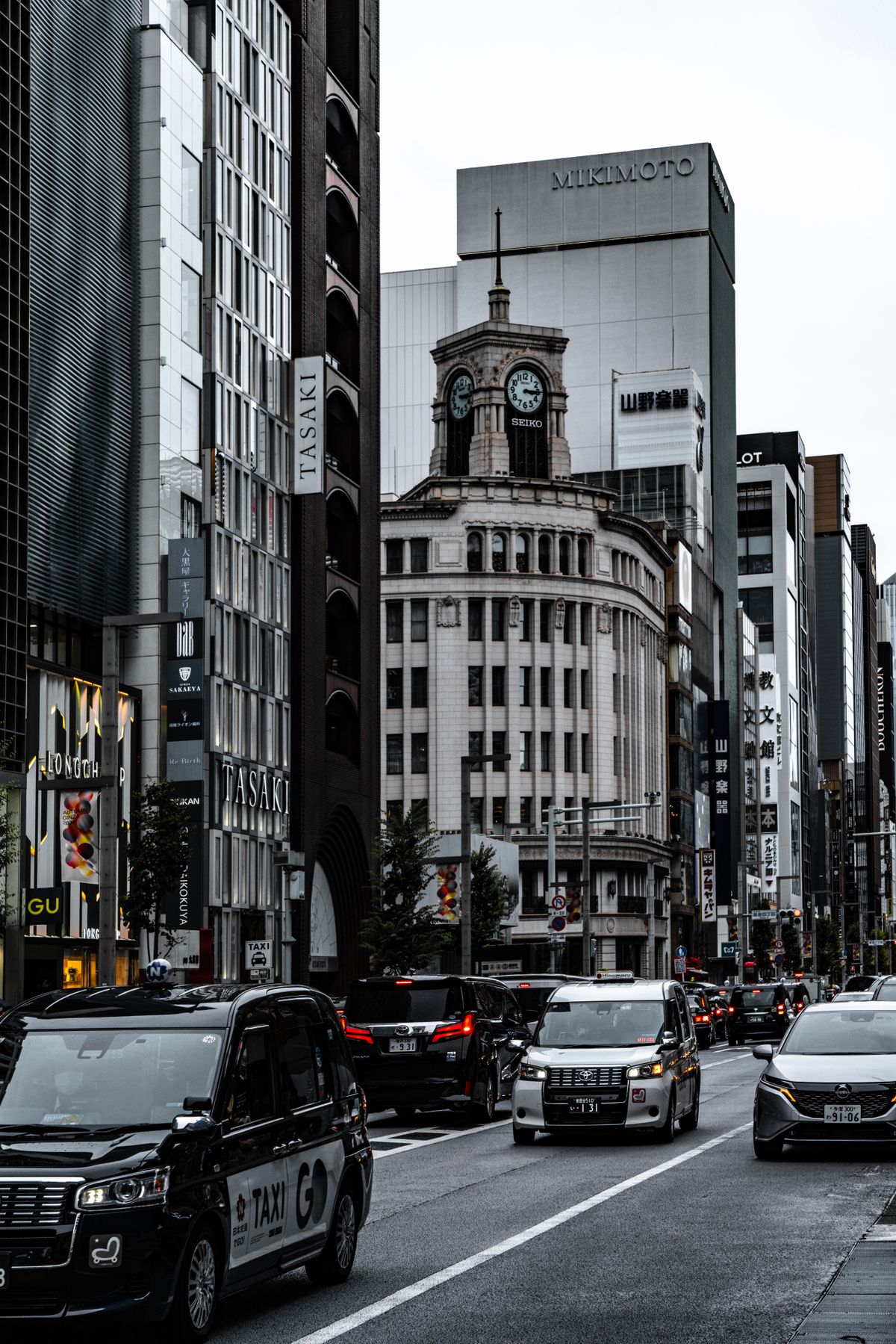
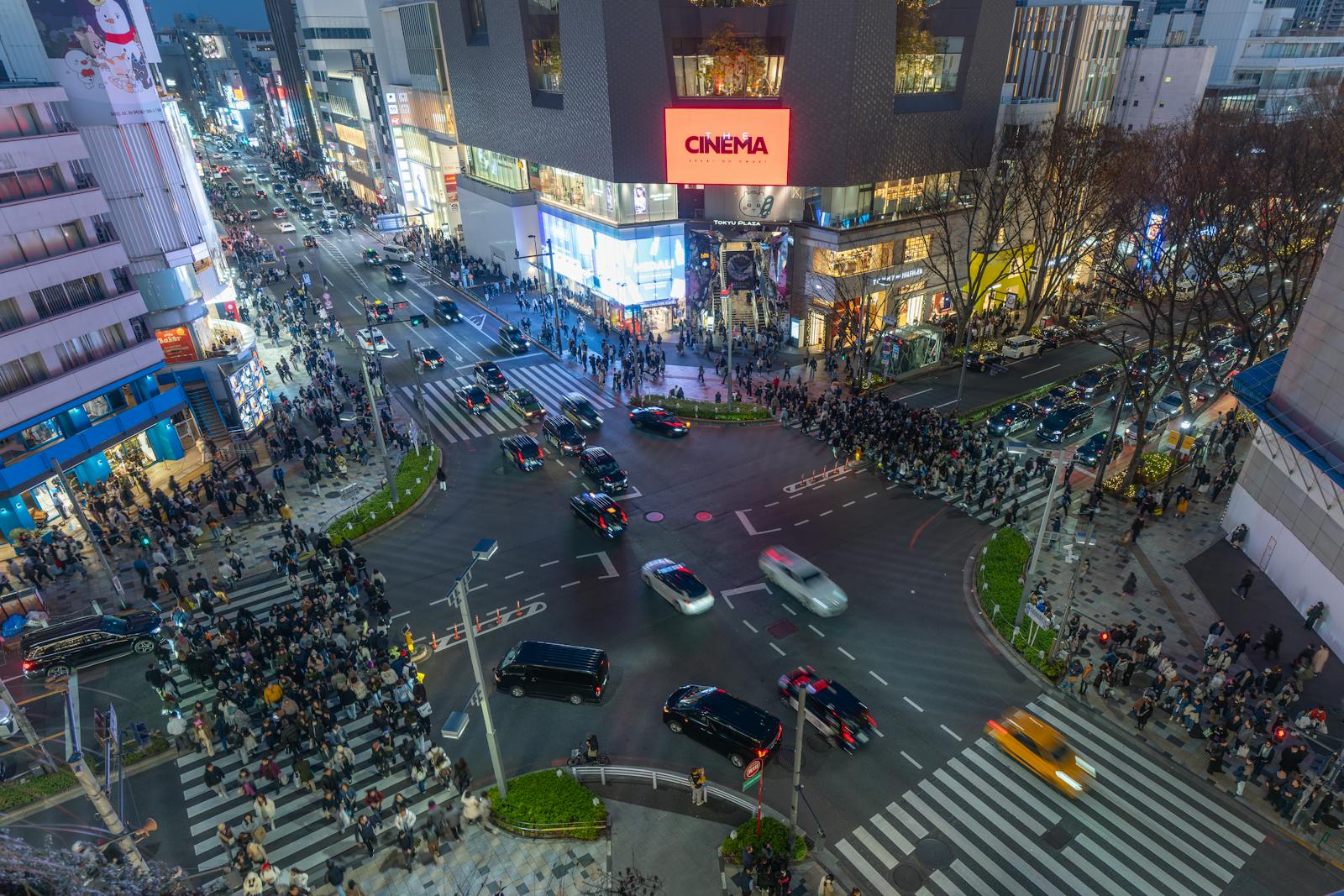
A short walk from Tsukiji brings you into a completely different mood. Ginza is Tokyo’s premier shopping, dining and entertainment district — refined, spacious and immaculately kept. Its wide main avenue, Chuo-dori, is lined with the flagship stores of Japanese and international brands, historic department stores, art galleries and elegant cafes. On weekend afternoons, Chuo-dori closes to traffic and becomes a pedestrian paradise, with tables set out in the middle of the street and shoppers strolling at leisure.
You do not need a luxury budget to enjoy Ginza. Much of its pleasure is simply in walking, window-shopping and admiring the architecture and displays. The department-store food halls are open to everyone, the views from upper-floor terraces are free, and there are affordable cafes and casual restaurants alongside the high-end ones. Ginza rewards browsers as much as buyers.
Ginza Highlights: What to See and Do
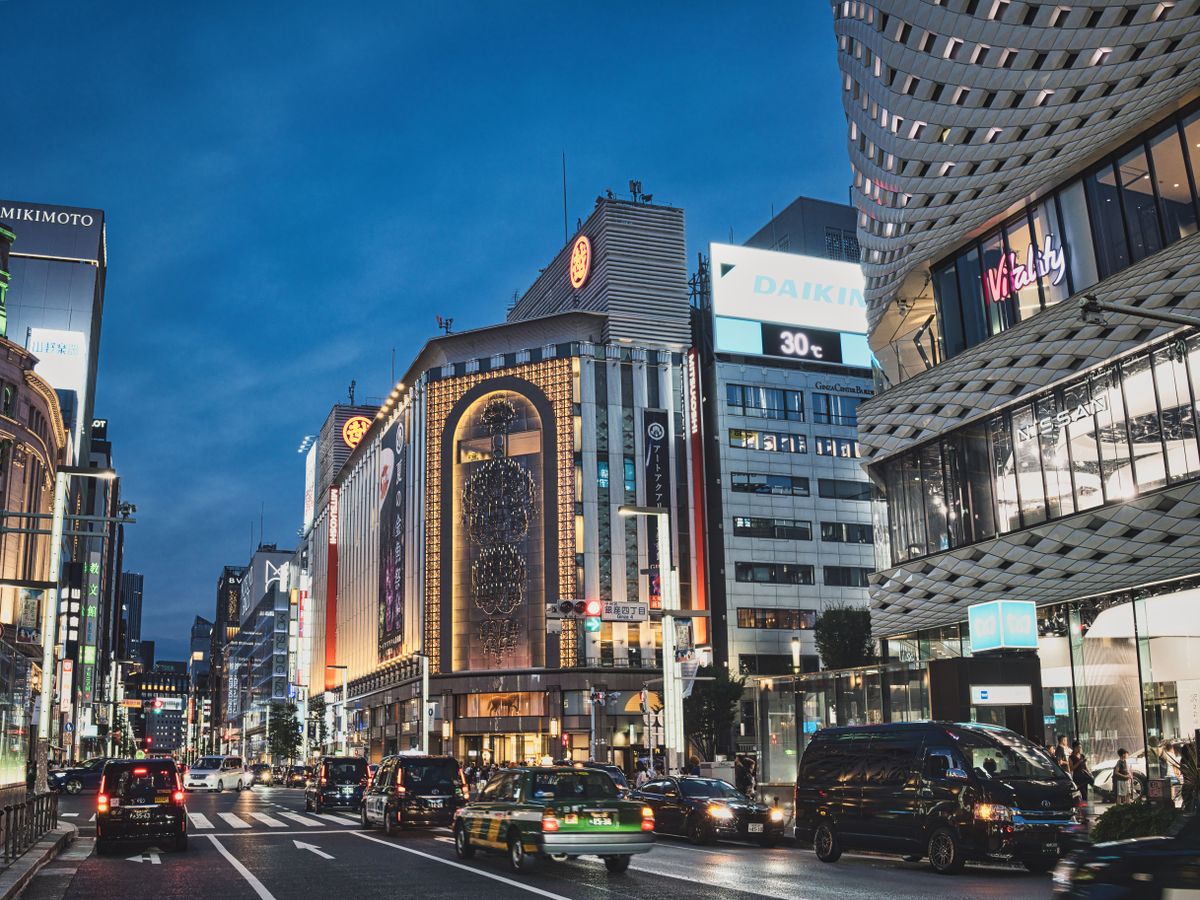
Ginza Six: The district’s largest and most stylish shopping complex, with a striking interior, rotating art installations, a rooftop garden with city views, and a spectacular basement food hall. Even if you buy nothing, it is worth walking through.
Wako and the Hattori Clock Tower: The elegant Wako department store, crowned by its famous clock tower at the Ginza 4-chome crossing, is the symbolic heart of Ginza and one of Tokyo’s most photographed corners.
Depachika food halls: The basement food floors (“depachika”) of department stores like Mitsukoshi and Matsuya are a wonderland of beautifully packaged sweets, bento, wagyu, fruit and prepared dishes. They are a fantastic place to assemble a gourmet picnic or buy stunning edible souvenirs.
Itoya: A beloved multi-floor stationery emporium, perfect for fans of Japanese pens, paper, notebooks and craft goods. It is one of the best souvenir-shopping stops in the city.
Flagship stores: Ginza hosts enormous flagship outlets of both luxury houses and accessible brands. Even popular high-street labels run their grandest, most complete stores here, often with exclusive items and beautiful design.
Kabukiza Theatre: The grand home of kabuki, traditional Japanese theater, sits on the edge of Ginza. You can attend a full performance, or buy a single-act ticket to sample the spectacle for a short time and a lower price. Even from outside, the dramatic facade is worth seeing, and the basement arcade has kabuki-themed shops and snacks.
Galleries and architecture: Ginza is dotted with art galleries, and its streets showcase bold contemporary architecture from leading designers. Simply wandering and looking up is a pleasure.
Dining in Ginza
Ginza’s food scene spans the full range. At the top end, it is home to some of the most celebrated sushi counters and fine-dining restaurants in the world, many holding Michelin stars and requiring reservations well in advance. But Ginza also offers excellent mid-range and casual options: department-store restaurant floors, stylish cafes, bakeries, ramen shops and the famous “lunch sets” that let you sample high-end kitchens at a fraction of dinner prices. Treating yourself to a refined lunch in Ginza — perhaps a beautifully presented tempura or sushi set at midday — is one of the smartest ways to experience the district’s quality without a splurge. For a deeper dive into the city’s neighborhoods and how Ginza compares with other Tokyo dining areas, see our Tokyo neighborhoods guide.
Hamarikyu Gardens: A Green Escape Between the Two
One of the best-kept open secrets of this area is Hamarikyu Gardens, a beautiful traditional landscape garden a short walk from both Tsukiji and Ginza, right on the edge of Tokyo Bay. Once the private duck-hunting grounds and seaside villa of the ruling Tokugawa shoguns, it is now a public garden that offers a striking contrast: manicured ponds, pine trees and a 300-year-old pine, all framed by the gleaming skyscrapers of the Shiodome district behind. The central pond is fed by seawater and rises and falls with the tide, an unusual feature for a Japanese garden.
The garden’s highlight is a teahouse set on an island in the pond, reached by wooden bridges, where you can enjoy a bowl of matcha and a traditional sweet while looking out over the water. For a modest entry fee of around ¥300 (US$2), Hamarikyu is one of the most relaxing and scenic stops in central Tokyo — an ideal place to rest your feet between a Tsukiji breakfast and a Ginza afternoon. You can even arrive or leave by water bus, which connects the garden to Asakusa along the Sumida River, turning your visit into a mini cruise. Adding Hamarikyu to your day gives you the full range of central Tokyo in a single walkable loop: market, garden and luxury district.
How to Get to Ginza and Tsukiji
Both districts are extremely easy to reach within central Tokyo. For Tsukiji, the most convenient stop is Tsukiji Station on the Hibiya subway line, or Tsukijishijo Station on the Oedo line, both of which put you steps from the Outer Market. For Ginza, the Ginza Station is a major hub served by three subway lines (Ginza, Marunouchi and Hibiya), and Higashi-Ginza Station sits right by the Kabukiza theater. Because Ginza and Tsukiji are only about a 10-to-15-minute walk apart, the easiest plan is to arrive at one, explore on foot, and walk to the other.
From Tokyo Station, Ginza is a single stop on the Marunouchi line or a pleasant 10-minute walk. From Toyosu Market, the Yurikamome line and subway connections make it simple to combine a Toyosu morning with a Ginza afternoon. A rechargeable Suica or Pasmo IC card makes hopping between these stops effortless.
When to Visit
Tsukiji is a morning destination — aim to arrive between 8:00 and 10:00 a.m. on a weekday for the best selection and atmosphere, and check that it is not a Sunday or a closure day. Ginza, by contrast, is best in the afternoon and evening, when the shops are fully open and, on weekends, the main street becomes a traffic-free promenade. This natural rhythm — Tsukiji for breakfast, Ginza for the afternoon — is exactly why the two pair so well in a single day.
Seasonally, Tokyo is enjoyable year-round, but spring and autumn offer the most comfortable weather for walking. Summer can be hot and humid, so plan indoor breaks in air-conditioned department stores, while winter is crisp and clear, ideal for the warm comfort food of Tsukiji.
Where to Stay Near Ginza and Tsukiji
Staying in or near Ginza puts you in the heart of central Tokyo, within walking distance of Tsukiji, Tokyo Station, the Imperial Palace gardens and excellent transport links to the rest of the city. The area offers everything from luxury hotels with skyline views to comfortable mid-range business hotels on its quieter side streets. Because it is so central and well connected, Ginza is one of the most convenient bases for first-time visitors who want to be close to the action.
It pays to compare options and book early, as central Tokyo hotels fill quickly in peak seasons. You can browse and compare a wide range of Ginza-area hotels on Agoda, which has strong coverage of central Tokyo across every price level. Booking ahead not only secures better rates but also lets you lock in the most convenient locations near the subway lines.
A Suggested Ginza and Tsukiji Itinerary
Morning: Start early at the Tsukiji Outer Market. Skip your hotel breakfast and instead graze your way through the lanes — a seafood bowl or sushi set, a tamagoyaki skewer, a grilled scallop, a cup of uni, and a matcha soft-serve to finish. Browse the knife and tea shops for souvenirs.
Midday: Walk the 10–15 minutes from Tsukiji into Ginza. Begin at the Ginza 4-chome crossing to photograph the Wako clock tower, then explore Ginza Six and a depachika food hall. If you are interested in kabuki, check the single-act ticket schedule at the Kabukiza theater.
Afternoon: Shop and stroll along Chuo-dori (closed to cars on weekend afternoons), visit Itoya for stationery, and stop for a coffee or a department-store lunch set. Pop into a gallery or two and admire the architecture.
Evening: Enjoy dinner in Ginza, from an affordable ramen or set meal to a special-occasion sushi or tempura counter, and take in the district’s elegant evening glow before heading back.
Practical Tips for Ginza and Tsukiji
- Do Tsukiji first, Ginza second. The market is a morning experience and Ginza shines in the afternoon, so the natural order is breakfast at Tsukiji, then shopping and dining in Ginza.
- Carry cash and an IC card. Tsukiji stalls are often cash-only, while a Suica or Pasmo card makes the short subway hops and many Ginza purchases effortless.
- Come hungry to Tsukiji. Skip your hotel breakfast so you can graze freely. Order small, try many things, and pace yourself.
- Check closure days. Tsukiji vendors commonly close on Sundays, holidays and some Wednesdays. A weekday morning is safest.
- Visit Ginza on a weekend afternoon if you can, when Chuo-dori is closed to traffic and becomes a relaxed pedestrian street.
- Use department-store restrooms and rest areas. Ginza’s department stores have clean, free facilities and comfortable seating — perfect for a mid-day break.
- Dress in layers and wear comfortable shoes. You will be on your feet a lot, walking between districts and through crowded market lanes.
- Pack knives in checked luggage. If you buy a Japanese knife at Tsukiji, it cannot go in your carry-on for the flight home.
- Look for lunch sets. Many high-end Ginza restaurants offer midday sets at a fraction of dinner prices — the best value way to taste fine Japanese cuisine.
- Mind market etiquette. Eat near where you buy, do not block the narrow lanes, and ask before photographing vendors or handling goods.
Best Photo Spots
This corner of Tokyo is wonderfully photogenic. At Tsukiji, capture the colorful seafood displays, the flames of a torched-tuna stall and the lively crowds in the lanes (always ask before photographing a vendor up close). In Ginza, the Wako clock tower at the 4-chome crossing is the classic shot, especially at dusk when the lights come on. The rooftop garden at Ginza Six offers elevated views over the district, and the striking facade of the Kabukiza theater is a favorite for travelers. At Hamarikyu Gardens, the contrast of the traditional teahouse and pine trees against the modern skyscrapers behind makes for one of Tokyo’s most memorable images. Bring a charged phone or camera and plenty of storage — you will use it.
What’s Nearby: Extending Your Day
One of the great advantages of Ginza and Tsukiji is their central location — some of Tokyo’s most famous sights are within easy reach, so you can extend your outing in any direction.
The Imperial Palace and East Gardens: A short walk or one subway stop from Ginza brings you to the Imperial Palace, the residence of Japan’s Imperial Family, surrounded by moats, stone walls and the beautiful free-to-enter East Gardens. It is a calm, green counterpoint to the shopping streets and a must for first-time visitors.
Marunouchi and Tokyo Station: The handsome Marunouchi business district, with its restored red-brick Tokyo Station building, upscale shopping streets and rooftop views, sits just beyond Ginza and is easily combined with it.
Hibiya: Between Ginza and the Imperial Palace lies Hibiya, home to a spacious Western-style park, a stylish shopping and cinema complex, and historic theaters — a pleasant area to wander or relax.
Asakusa by water bus: From Hamarikyu Gardens you can board a river cruise up the Sumida River to Asakusa and its famous Senso-ji temple, turning your day into a scenic boat journey across the city. This connection lets you pair the polished center of Tokyo with its older, more traditional east side in one memorable route.
With so much within walking or short subway distance, Ginza and Tsukiji make an ideal anchor for a day of central Tokyo sightseeing. For help stitching these areas into a longer trip, our destinations guide lays out how Tokyo connects to the rest of Japan.
Staying Connected in Tokyo
Navigating between Tsukiji, Toyosu and Ginza — checking shop hours, finding the right subway exit, translating menus and looking up restaurant reviews — all goes far more smoothly with reliable mobile data. The simplest option for most first-time visitors is an eSIM you set up before arrival, so you step off the plane already connected with no SIM-card hunting. You can activate a Japan travel eSIM in a few minutes through this Japan & Global eSIM service, which keeps your maps and translation apps running all day as you explore. In a food-focused area like Tsukiji, instant access to translation and reviews genuinely improves the experience.
Going Deeper: Food Tours and Experiences
Frequently Asked Questions
Did the Tsukiji fish market close? Is it still worth visiting?
The wholesale “inner” market, including the tuna auctions, moved to Toyosu in October 2018. But the Tsukiji Outer Market — the lanes of shops and restaurants that visitors love — is still open and thriving in its original location. So yes, Tsukiji is absolutely still worth visiting; the part that makes it fun and delicious for travelers never went away. If you want the wholesale auction specifically, head to Toyosu instead.
What time should I arrive at Tsukiji?
Aim for 8:00 to 10:00 a.m. on a weekday. The Outer Market is busiest and best in the morning, and many shops begin closing in the early afternoon. Arriving early also means shorter queues at the most popular sushi counters. Avoid Sundays, public holidays and some Wednesdays, when many vendors are closed.
How much should I budget for a meal at Tsukiji?
It depends on your appetite. Grazing on skewers, tamagoyaki and small bites might cost ¥2,000–3,000 (US$14–20). A sit-down sushi set or a loaded seafood rice bowl typically runs ¥3,000–6,000 (US$20–41), and the most famous counters can be higher. Bring cash, as many small stalls do not accept cards.
Can I see the famous tuna auction?
Yes, but at Toyosu Market, not Tsukiji. You can watch from a free upper observation window, or apply in advance for a limited spot on a lower deck closer to the floor. The auction happens before dawn, so it requires a very early start and suits dedicated enthusiasts. Toyosu also has excellent sushi restaurants for a post-auction breakfast.
Is Ginza expensive? Can I enjoy it on a budget?
Ginza has a luxury reputation, but you can enjoy it without spending much. Window-shopping, strolling the pedestrianized main street on weekends, visiting department-store food halls, browsing Itoya stationery and enjoying rooftop views are all free or cheap. Affordable cafes, bakeries, ramen shops and department-store lunch sets let you eat well without a splurge. Treat the luxury boutiques as free galleries if your budget is tight.
How do I get between Tsukiji and Ginza?
Just walk — they are only about 10 to 15 minutes apart on foot. Alternatively, the Hibiya subway line connects Tsukiji and Ginza stations directly. Higashi-Ginza Station, by the Kabukiza theater, sits roughly between the two, making the whole area easy to explore in one outing.
Is the area good for vegetarians or people who don’t eat seafood?
Tsukiji is heavily seafood-focused, so dedicated non-seafood eaters will find fewer options there, though you can find produce, sweets, tea, tamagoyaki and some grilled meat. Ginza, by contrast, has a huge variety of restaurants and department-store food halls catering to all tastes, including vegetarian-friendly choices, so plan to do most of your non-seafood eating there.
Is the Tsukiji Outer Market too touristy now?
It is undeniably popular with visitors, and the busiest lanes can feel crowded, especially mid-morning. But Tsukiji remains a genuine working market where Tokyo residents, chefs and shopkeepers still buy their goods, and the food quality is the real thing, not a tourist trap. To get the most authentic feel, arrive early before the crowds peak, venture down the quieter side lanes, and shop at the specialist stores the professionals use. A little effort rewards you with an experience that is still very much the real Tsukiji.
Are there good vegetarian or sweet options if I am not into raw fish?
Yes. Even at seafood-centric Tsukiji you will find tamagoyaki, grilled vegetables, fruit, mochi, matcha soft-serve, dorayaki and tea shops. And Ginza next door has endless choices, from bakeries and patisseries to department-store food halls and full restaurants covering every cuisine and dietary preference, so no one in your group needs to go hungry.
How busy does Ginza get, and when is it calmest?
Ginza is busiest on weekend afternoons, which is also when the main street is pedestrianized and at its most enjoyable, so the crowds are part of the fun. For a calmer visit, come on a weekday morning when the boutiques have just opened. Department-store food halls are busiest around lunch and early evening as commuters shop on their way home.
Can I do Ginza and Tsukiji in half a day?
Yes. A focused visitor can graze through Tsukiji in the morning and cover Ginza’s highlights in the early afternoon, making a satisfying half-day. If you want to shop seriously, attend kabuki or enjoy a leisurely lunch, give yourself a full day. Either way, the two pair naturally into one easy, walkable outing.
Final Thoughts
Ginza and Tsukiji are Tokyo at its most quintessential — the city’s love of food and its love of refinement, side by side and walkable in an afternoon. Start your day among the steam and sizzle of the Tsukiji Outer Market, eating the freshest seafood of your trip, then drift into Ginza’s elegant streets to browse, watch the world go by and treat yourself to something special. It is a combination that shows first-time visitors the soul of Tokyo: a city where a humble skewer of grilled scallop and a white-gloved department-store welcome belong to the same wonderful place. Come hungry, wear comfortable shoes, and give yourself time to wander.
🗾 Planning your trip? Get our free 7-Day Japan Itinerary (PDF)
Day-by-day Tokyo → Kyoto → Osaka plan with real prices and essential phrases — sent straight to your inbox.
Going to Japan? Talk to locals with confidence.
Hirameki Japanese — instant offline translation, camera translation, furigana + romaji, and 314 free flashcards. No login. Works without internet.

Plan your Japan trip
Two things every first-timer should book
Some links are affiliate links. If you book through them we may earn a small commission at no extra cost to you.