Introduction: Why Kakunodate Is Japan’s Most Rewarding Samurai Town
In the forested mountains of Akita Prefecture, more than three hours north of Tokyo by bullet train, sits one of Japan’s most perfectly preserved historical towns. Kakunodate (角館) has earned the nickname “Little Kyoto of Tohoku” (みちのくの小京都, Michinoku no Shokyo), a title that captures both its extraordinary cultural heritage and the sense of antiquity that pervades its streets — yet also undersells what makes this small city of 25,000 people truly special.
What Kakunodate offers is rare in modern Japan: a samurai district (bukeyashiki) where six original 17th-century samurai residences have been preserved essentially intact, complete with thatched and clay-tiled roofs, imposing gates, earthen walls, and specimen trees that are themselves several centuries old. Strolling the main boulevard of the samurai quarter on a clear morning, with black-walled yashiki (samurai compounds) on both sides and weeping cherry trees arching overhead, it is possible to experience something that has been largely lost from Japan’s more-visited historical cities: the feeling that time really has stood still here.
Kakunodate is also one of Japan’s top cherry blossom destinations. The 400 weeping cherry trees (shidarezakura) that line the bukeyashiki streets are registered as Natural Monuments of Japan, making the explosion of pale pink blossom in late April one of the most celebrated hanami (cherry blossom viewing) events in the entire country. In autumn, the same streets are carpeted in fallen maple leaves. In winter, the town wears a heavy blanket of Tohoku snow that transforms the black-and-white architecture into something from a woodblock print.
For first-time visitors to Japan who want to step beyond the crowded golden circuit of Tokyo-Kyoto-Osaka, Kakunodate represents exactly the kind of experience that Japan travel is ultimately about: discovering a place that is simultaneously deeply historical, genuinely local, and surprisingly moving — and then wondering why it isn’t on more people’s itineraries.
Getting to Kakunodate: Access from Tokyo, Akita, and Sendai
Kakunodate sits on the Akita Shinkansen line, one of the most scenic high-speed rail routes in Japan, which branches west from the main Tohoku Shinkansen line at Morioka and winds through the mountains to Akita City. This means that reaching Kakunodate from Tokyo is surprisingly convenient — far easier than most visitors expect for a destination this far north.
From Tokyo by Shinkansen
The Komachi Shinkansen service (named after the poet Ono no Komachi, a native of Akita Prefecture) connects Tokyo Station directly to Kakunodate in approximately 3 hours 20 minutes with a Nozomi connection, or about 3 hours 45 minutes on slower services. Tickets cost approximately ¥13,240–¥14,590 one way in unreserved standard class (approximately $90–$100 USD), or around ¥17,000–¥18,500 (approximately $116–$126 USD) for reserved seating. If you hold a JR Pass, the entire journey is covered.
The Kakunodate Shinkansen station is small and extremely convenient — the bukeyashiki (samurai district) is a flat 10–15 minute walk from the station exit, or a short ¥450–¥600 (approximately $3–$4 USD) taxi ride. Luggage lockers are available at the station.
From Akita City
Akita City, the prefectural capital, is about 50 minutes from Kakunodate by Komachi Shinkansen (¥3,240 / approximately $22 USD, JR Pass valid) or about 1 hour by regular JR train (¥1,520 / approximately $10 USD, JR Pass valid). Akita City has its own wealth of attractions — Senshu Park, the Akita Museum of Art, and the Namahage cultural experience among them — making it a practical base for visitors wanting to explore more of the prefecture.
From Sendai and the Tohoku Region
Sendai, the largest city in the Tohoku region, is about 2 hours from Kakunodate by Shinkansen (changing at Morioka), with fares around ¥8,900–¥9,800 (approximately $61–$67 USD). Visitors combining Kakunodate with Matsushima Bay (near Sendai, one of Japan’s three famous views) and Hiraizumi’s UNESCO temples can construct an excellent Tohoku circuit that covers three of the region’s top destinations in 3–4 days.
Getting Around Kakunodate
The town is very compact and easily walkable. The samurai district and the merchant town (Tamachi) are about 600 metres apart and connected by the main Ando-koji Street, a 15-minute walk on completely flat terrain. Rental bicycles are available from near the station for ¥800–¥1,000 per day (approximately $5.50–$7 USD) and are an excellent way to explore the Hinokinai River promenade and the more spread-out sections of the merchant district. A tourist loop bus runs in season (roughly April through November) for ¥100–¥200 per ride.
Make sure you have mobile data before you arrive in Tohoku — the region’s rural mountain towns can have limited English signage. Get your Japan eSIM (Stay connected from day 1) →
A Brief History of Kakunodate: Samurai Town of the North
Kakunodate was established in 1620 by Ashina Yoshikatsu, the lord of the Kakunodate Domain, who planned the town from scratch as a castle town (jokamachi) on a grid plan that clearly separates the samurai quarter (to the north) from the merchant quarter (to the south). This planned separation — the samurai zone elevated slightly on higher ground, the merchant zone on the lower ground below — reflects the strict social hierarchy of the Edo period, when Japan was divided into four social classes: samurai, farmers, artisans, and merchants.
The domain came under the control of the Satake clan in 1656, when the influential Satake Kita branch settled in Kakunodate and established the six major samurai residences that still stand today. The Satake clan governed Kakunodate through the entire Edo period (until the Meiji Restoration of 1868), during which time the town prospered as a centre of government, culture, and artisanal craft. The relative stability and prosperity of the Satake administration is reflected in the remarkable state of preservation of the samurai district, which survived the Meiji era’s sweeping social changes better than almost any comparable town in Japan.
Today, the bukeyashiki district is protected under Japan’s Law for the Protection of Cultural Properties, and six of the most significant original samurai residences are maintained and open to visitors. The town retains a thriving craft tradition, particularly in the production of kabazaiku (cherry bark craft) objects that are unique to Kakunodate and have been made here for over 200 years.
The Bukeyashiki: Exploring the Samurai District
The bukeyashiki (武家屋敷) is the soul of Kakunodate and the primary reason most visitors make the long journey north to Akita Prefecture. Running for approximately 700 metres along the broad, tree-lined Bukeyashiki-dori (Samurai Residence Street), it contains six open-to-the-public samurai residences surrounded by earthen walls and black-painted wooden fences that create an atmosphere of extraordinary stillness and dignity. The street’s canopy of ancient weeping cherry trees — most of them between 150 and 300 years old — provides a natural archway overhead that is sublime in spring and hauntingly beautiful in autumn and winter.
Ishiguro Residence (石黒家)
The oldest and most imposing samurai residence in Kakunodate, the Ishiguro family home has been occupied by descendants of the original samurai family continuously for more than 300 years — making it not just a museum exhibit but a living historical property. The main house features a formal reception room (ozashiki), living quarters, storerooms, and a remarkable collection of original Edo-period furnishings, implements, and personal effects that give an unusually intimate sense of how upper-ranking samurai actually lived day-to-day. Guided tours (in Japanese, with English pamphlet) are available. Admission is ¥400 (approximately $2.70 USD). The garden, with its centuries-old trees and stone lanterns, is particularly beautiful in morning light.
Aoyagi Residence (青柳家)
The largest of the six open residences, the Aoyagi family compound sprawls across a substantial plot that includes multiple buildings, a sake brewery, a ceramics collection, a firearms display, and storerooms that have been converted into small specialty museums covering topics from antique Western clocks to Meiji-era clothing. The compound gives the fullest picture of how a high-ranking samurai household organized its domestic and administrative life. Admission is ¥500 (approximately $3.40 USD) and includes access to all the buildings. Allow at least 45–60 minutes to do it justice.
Kawarada Residence (河原田家)
One of the more intimate residences, the Kawarada home offers a quieter, less museum-like experience than the larger compounds. The main tatami rooms overlook a small but beautifully maintained garden that epitomizes the Japanese art of enclosing nature: a stone lantern, a moss-covered boulder, a pruned pine, and a bamboo fence combine to create a complete visual world within a space of perhaps 30 square metres. Free to view from the street; small entrance fee of ¥300 (approximately $2 USD) for interior access.
Odano Residence (小田野家)
The Odano residence is particularly significant because of its connection to Odano Naotake (1749–1780), a samurai artist who became one of the pioneers of Western-style oil painting in Japan after meeting the Dutch scholar Hiraga Gennai in 1773. Naotake’s most famous work is his oil painting of the Mount Fuji-like Chokai mountain, which hangs in the Tokyo National Museum. The residence has exhibition materials relating to his life and work alongside the typical preserved samurai domestic spaces. Admission is ¥200 (approximately $1.40 USD).
Matsumoto and Iwahashi Residences
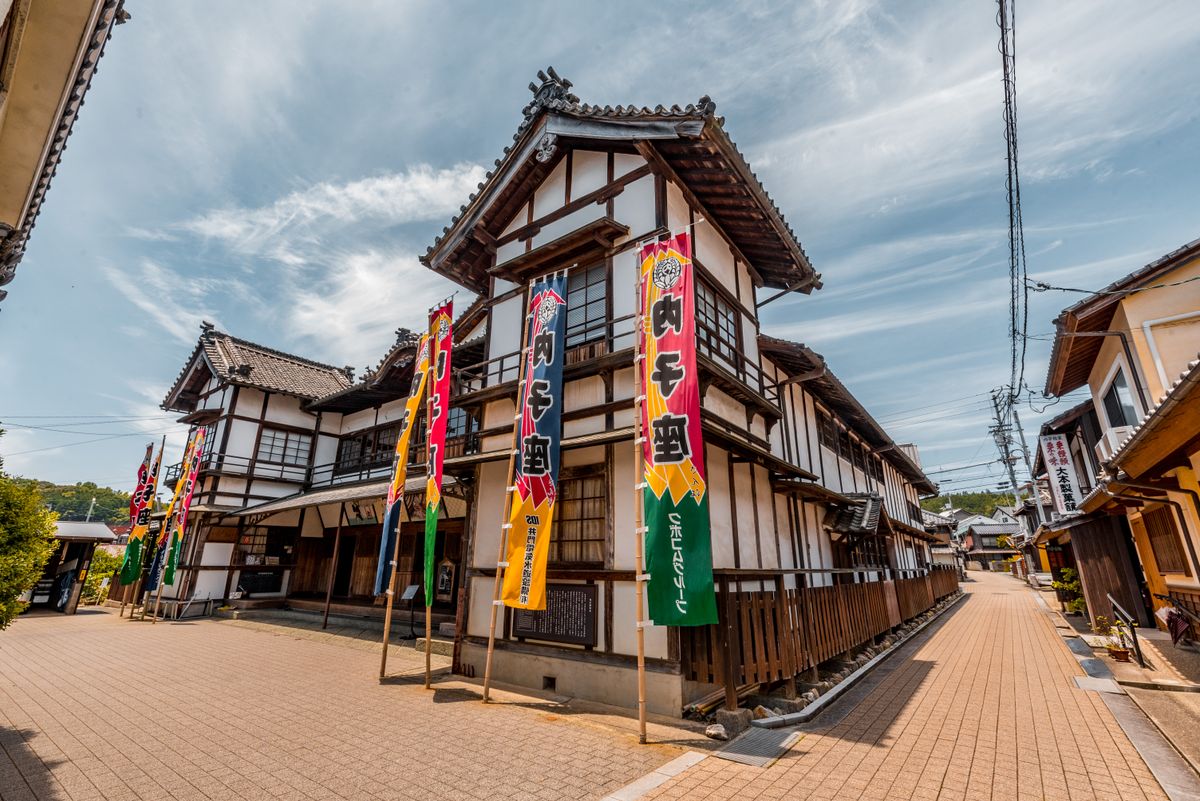
The Matsumoto and Iwahashi residences are smaller samurai homes that can be viewed from the exterior without an entrance fee, though both have sections open to the public at low cost. The Matsumoto residence is particularly noted for its unusually well-preserved main gate and earthen outer wall. Walking slowly past both in the early morning, before other visitors arrive, with only the sound of wind in the cherry trees overhead, is one of the most deeply atmospheric experiences available in the entire Tohoku region.
Cherry Blossoms at Kakunodate: One of Japan’s Great Spring Spectacles
Cherry blossom season in Kakunodate is not just a beautiful seasonal event — it is one of the great natural festivals of the Japanese calendar, and for those who have never seen Japan’s sakura at their peak, the bukeyashiki during late April is as good a place as any in the country to have that first encounter.
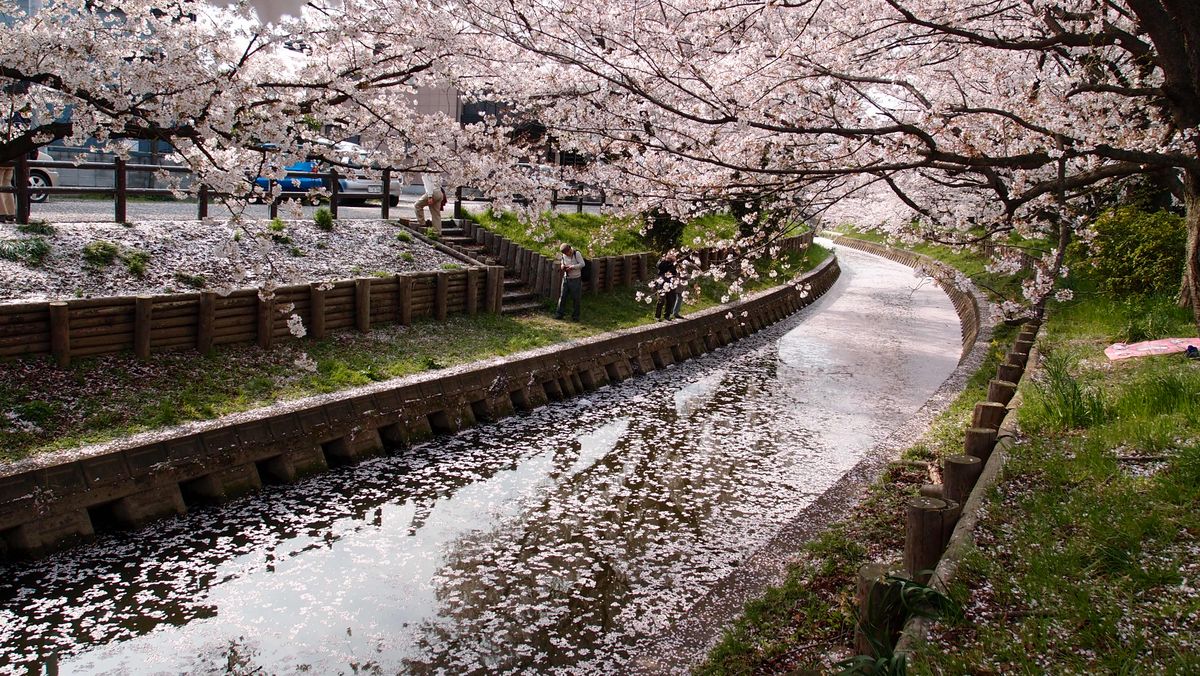
The weeping cherry trees (shidarezakura, 枝垂れ桜) of Kakunodate are different in character from the more commonly seen Somei Yoshino cherry trees found in parks across Japan. Shidarezakura have long, drooping branches that cascade towards the ground like pale pink waterfalls, creating a more intimate and dramatically vertical floral display than the spreading canopies of their more famous cousins. The 400 trees that line the bukeyashiki streets are registered as Natural Monuments of Japan, a recognition of their historical and ecological significance.
The cherry blossom season in Kakunodate typically peaks between late April and early May, approximately two to three weeks after the peak in Tokyo and Kyoto. This staggered timing is actually a significant advantage for visitors who have already seen the cherry blossoms further south: Kakunodate’s later blooming means it is possible to enjoy Japan’s most famous seasonal event twice in a single trip, first in Tokyo or Kyoto in late March/early April and then in Kakunodate in late April.
Cherry Blossom Timing and Tips
The Kakunodate cherry blossom forecast is published each year by the Japan Meteorological Corporation from late February onwards. Peak bloom typically falls between April 22 and May 5, though this varies by up to 10 days depending on the warmth of the spring. Book accommodation at least three months in advance if you want to visit during peak blossom — the town’s limited accommodation fills entirely, and prices increase substantially during this period. The Hinokinai River promenade (described below) offers a magnificent secondary blossom experience alongside the bukeyashiki, with hundreds of Somei Yoshino cherry trees lining both banks of the river.
The Tamachi: Kakunodate’s Historic Merchant Quarter
South of the samurai district, separated by the broad open space of Ando-koji and connected by a pleasant 15-minute walk, lies the Tamachi (田町) — the historic merchant and artisan quarter of Kakunodate. While less immediately dramatic than the samurai residences, the Tamachi offers equally valuable insights into the social and economic life of an Edo-period castle town from a non-samurai perspective.
The main artery of the merchant district is lined with traditional shop buildings (machiya) that have been repurposed as craft galleries, sake breweries, restaurants, and souvenir shops without losing their historical character. The buildings themselves are notably different from the samurai residences: lower, darker, with narrower frontages and deeper floor plans that reflect the merchant practice of displaying goods at the front of the building while conducting business and living in the rear.
Kabazaiku: The Cherry Bark Craft of Kakunodate
Kabazaiku (樺細工) — the distinctive craft of using the bark of mountain cherry trees to create lacquered boxes, tea caddies, small chests, and decorative items — is a tradition unique to Kakunodate that has been practised here for over 200 years. The craft was introduced by a samurai family in the late Edo period, originally as a way for lower-ranking samurai to supplement their incomes, and it flourished under the patronage of the Satake lords who recognised its artistic and commercial potential.
The technique involves peeling the smooth, reddish-brown bark from pruned cherry branches (the trees themselves are not damaged) and applying it in thin, carefully overlapping layers over a wooden frame, then polishing it to a deep, satiny lustre that is uniquely beautiful and completely natural. The resulting objects are warm to the touch, pleasantly aromatic with a faint scent of cherry wood, and have a depth of colour — ranging from pale honey to deep mahogany — that improves with age and handling.
Several kabazaiku workshops along the Tamachi welcome visitors to watch artisans at work and purchase finished pieces. Prices range from ¥1,500 for a small business card holder (approximately $10 USD) to ¥30,000–¥80,000 (approximately $200–$550 USD) for large lacquered boxes and tea caddies. The larger items make extraordinary gifts — genuinely unique to this one town in Japan, impossible to find elsewhere in the world.
The Densho-kan Traditional Craft Centre (角館町伝承館) on the main Tamachi street has free entry, shows kabazaiku demonstrations daily, and sells a curated selection of pieces from multiple local artisans. Even if you are not buying, visiting to watch the demonstration is a fascinating and unhurried experience.
The Hinokinai River Promenade: Cherry Blossoms and River Walks
Running for 2 kilometres along the western edge of Kakunodate’s historic centre, the Hinokinai River promenade is one of the town’s most beautiful and least crowded attractions. The river itself is modest — more stream than river in dry summer months — but its banks are lined with hundreds of Somei Yoshino cherry trees that create an magnificent blossom tunnel during peak spring season, in addition to the more famous shidarezakura of the bukeyashiki.
Outside cherry blossom season, the Hinokinai River walk is a peaceful escape from the busier tourist streets. The path is flanked by a mix of old farmhouses, modern residential properties, small gardens, and the occasional traditional storehouse (kura) that give a sense of how ordinary domestic life has continued alongside the heritage preservation. In autumn, the riverside trees turn gold and bronze, creating a colour display that reflects beautifully in the calm water. Fireflies (hotaru) appear along the river on summer evenings in June and July — an unexpected natural attraction that delights visitors who happen to be there at the right time.
Kakunodate Food Guide: Akita’s Distinctive Cuisine
Akita Prefecture has one of the most distinctive and least internationally known regional food cultures in Japan. Its cuisine is shaped by long, snowy winters, abundant mountain and river ingredients, and centuries of agricultural tradition in a region that was once considered something of a culinary backwater by southern Japanese standards — but which contemporary food writers increasingly recognize as producing some of Japan’s most interesting and honest dishes.
Kiritampo (きりたんぽ)
Kiritampo is Akita’s most famous dish and the one you absolutely must eat in Kakunodate. Freshly cooked rice is pounded, wrapped around cedar skewers, and grilled over a charcoal fire until golden and slightly crispy on the outside. The sticks can be eaten plain with miso paste, used as dipping instruments for various sauces, or cut into rounds and added to a rich chicken and vegetable hot pot (kiritampo nabe) that is the definitive winter comfort food of the Tohoku region.
Kiritampo nabe is served at several restaurants in both the samurai district and Tamachi areas, particularly during the cooler months from September through May. A full kiritampo nabe set for two people typically costs ¥2,500–¥4,000 (approximately $17–$27 USD) including rice, vegetables, and various accompaniments. Grilled kiritampo sticks on their own are available as street food from vendors near the bukeyashiki entrance from around ¥200–¥300 (approximately $1.40–$2 USD) each.
Hinai-Jidori Chicken
The broth base for kiritampo nabe and many other Akita dishes is typically made with Hinai-jidori (比内地鶏), a local free-range breed considered one of Japan’s three great specialty chickens (alongside Nagoya Cochin and Satsuma Jidori). Hinai-jidori has a notably firmer texture and more concentrated flavour than commercially farmed chicken, and its golden-coloured stock forms the backbone of many Akita hot pot and rice dishes. Look for restaurants advertising hinai-jidori specifically — the chicken is substantially more expensive than regular chicken (a full-course hinai-jidori dinner will cost ¥4,000–¥8,000 / approximately $27–$55 USD per person) but represents a genuine local speciality worth trying.
Inaniwa Udon
Akita Prefecture is famous throughout Japan for its Inaniwa udon (稲庭うどん), a style of flat, ribbon-like dried wheat noodle that is the most refined of Japan’s major udon varieties. Unlike the thick, chewy udon of Kagawa Prefecture’s Sanuki tradition, Inaniwa udon is thin, silky, and delicate — eaten cold in summer with a dipping sauce (tsuyu) and hot in a light soup in winter. The noodles are handmade in a process requiring three days of stretching, resting, and re-stretching, which gives them their characteristic translucency and smooth texture. Several restaurants in Kakunodate specialise in Inaniwa udon, with a basic serving costing ¥800–¥1,500 (approximately $5.50–$10 USD).
Akita Sake
Akita is one of Japan’s premier sake-producing prefectures, with over 40 active breweries (kura) producing sake from the high-quality local rice varieties and the exceptionally pure water that flows from the surrounding mountains. The regional style tends toward soft, clean, and mildly sweet profiles — a reflection of the soft local water — that pair well with the mild seafood and poultry dishes of Akita cuisine.
In Kakunodate, several sake breweries are located in the Tamachi district and welcome visitors. The Masu Yo brewery (まず酔) offers tasting sessions where you can sample several varieties before selecting a bottle to take home. Prices for a 720ml bottle of high-quality local ginjo or daiginjo sake range from ¥1,500–¥6,000 (approximately $10–$41 USD). Sake makes an excellent souvenir — particularly the Akita varieties with their distinctive regional character that cannot be found outside the prefecture.
Day Trips from Kakunodate
Tazawako (Lake Tazawa): Japan’s Deepest Lake
Just 25 minutes by JR train from Kakunodate (¥330 / approximately $2.30 USD, JR Pass valid) lies Tazawako, the deepest lake in Japan at 423 metres, and one of its most beautiful. The perfectly circular lake sits in a volcanic caldera surrounded by forested mountains, with an intense cobalt-blue colour on clear days that gives it an otherworldly appearance. The famous bronze statue of the legendary princess Tatsuko (said to have been turned into the spirit of the lake after praying for eternal beauty) stands on the western shore and is one of Tohoku’s most recognisable landmarks. Boat cruises around the lake operate from April through November (¥1,400 / approximately $9.60 USD), and the surrounding area has excellent hiking, cycling, and onsen (hot spring bathing) facilities.
Nyuto Onsen: Remote Mountain Hot Springs
Nyuto Onsen (乳頭温泉郷) is a collection of seven remote mountain hot spring inns (ryokan) located deep in the forests above Lake Tazawa, accessible by bus from Tazawako Station in about 50 minutes. The spring waters here are among the most distinctive in Japan: milky-white (nyunyubashi), yellowish, or crystal-clear depending on the source, with high concentrations of minerals that are said to have powerful therapeutic properties. Each of the seven inns has a different water chemistry and atmosphere, ranging from the famous open-air mixed baths of Tsurunoyu Onsen (the oldest and most celebrated inn, founded in the late 1600s) to the quieter and more modern facilities of Kuroyu and Magoroku. Tsurunoyu’s rustic thatched main building and outdoor baths surrounded by forest and snow is one of the iconic images of Japanese onsen culture. Day bathing (higoyu) is available at most of the inns for ¥600–¥800 (approximately $4–$5.50 USD); overnight stays range from ¥12,000–¥30,000 (approximately $82–$205 USD) per person including two meals.
Akita City
The prefectural capital of Akita City (50 minutes by Shinkansen, ¥3,240 / approximately $22 USD) is worth a day visit for its Senshu Park — built on the site of the former Kubota Castle, now a beautifully maintained garden and cherry blossom destination — and the Akita Museum of Art, which houses a spectacular large-scale painting by Akita-born artist Tsuguharu Foujita. The Kanto Matsuri Festival (August 3–6), in which performers balance towering bamboo poles hung with up to 46 lit paper lanterns, is one of the most spectacular festivals in the entire Tohoku region.
Where to Stay in Kakunodate
Accommodation options in Kakunodate range from simple guesthouses to traditional ryokan, with prices reflecting the town’s popularity during peak spring blossom season and relative quiet in other months. The town is small enough that all accommodation is within walking distance of the samurai district and the Tamachi.
Ryokan (traditional Japanese inns) are the recommended accommodation type for first-time visitors. A night in a ryokan includes sleeping on a futon on tatami mats, an elaborate multi-course dinner featuring local Akita ingredients, a Japanese breakfast, and access to communal baths (onsen or sento). Several ryokan in Kakunodate have their own natural hot spring facilities. Prices range from ¥12,000–¥25,000 (approximately $82–$170 USD) per person including two meals. Folino Kakunodate and Izumicho Bekkan are well-regarded mid-range options.
Budget travellers will find several guesthouses and minshuku (family-run inns) offering clean, simple Japanese-style accommodation from ¥5,000–¥8,000 per person (approximately $34–$55 USD), sometimes including breakfast. Western-style hotels are limited in Kakunodate but available at slightly higher prices. For all accommodation types, booking at least 2–3 months in advance is strongly recommended for any dates in late April through early May during cherry blossom season.
Book your hotel on Agoda (Best prices guaranteed) → or explore tour packages that include Kakunodate:
Kakunodate is one of the underappreciated gems of Japan’s northeastern Tohoku region. For a comprehensive overview of other remarkable destinations across Japan, browse our complete Japan destinations guide. And if this is your first visit to Japan, our essential Japan travel tips for first-timers will help you prepare for one of the world’s most rewarding travel experiences.
When to Visit Kakunodate: A Seasonal Guide
Spring (Late April to Early May): Cherry blossom season is peak season. The shidarezakura of the bukeyashiki and the Somei Yoshino lining the Hinokinai River are simultaneously in bloom, creating a spectacular double blossom event. Book accommodation early. Crowds are present but manageable — Kakunodate’s layout means it never feels as overwhelmed as Kyoto or Tokyo during cherry blossom season.
Early Summer (June): The fresh green foliage that follows the cherry blossoms is lush and beautiful. Fireflies appear along the river. Tourists are fewer. The weather is mild and pleasant (15–20°C / 59–68°F). This is one of the best times to visit for travellers who prioritise a peaceful experience and are not specifically chasing cherry blossoms.
Autumn (October to November): The maple trees in the samurai district gardens and the mountain slopes around Tazawako turn brilliant red and gold. Autumn foliage in Tohoku typically peaks in late October — about 3–4 weeks ahead of Kyoto — making a Kakunodate autumn trip a practical complement to a late-autumn southern Japan itinerary. The Kakunodate Festival (September 7–9) is a centuries-old tradition in which elaborately decorated festival floats parade through the town accompanied by drums and traditional music.
Winter (December to March): Kakunodate and the surrounding mountains receive heavy snowfall, with average snow depths of 50–80 cm and occasional accumulations exceeding 1 metre. The snow-covered samurai district is extraordinarily beautiful and almost completely unvisited by tourists. The contrast of black walls against white snow, with frozen branches and stone lanterns half-buried in drift, is some of the most dramatically beautiful winter scenery in Japan. Temperatures drop to -8°C to -12°C (18–10°F) on cold nights, so appropriate winter clothing is essential.
Practical Tips for Visiting Kakunodate
- Allow a full day minimum: The samurai district, Tamachi, and riverside promenade together require at least 4–5 hours to explore properly. Add half a day for a Tazawako or Nyuto Onsen excursion, and a full overnight stay lets you experience the town in morning and evening light when it is at its most atmospheric.
- Pick up the English map at the station: The Kakunodate Shinkansen station tourist information office has an excellent free English-language map that covers all the major attractions, including opening hours and admission prices.
- Bring cash: Many of the smaller samurai residences, craft shops, and street food vendors in Kakunodate are cash-only. Kakunodate has several ATMs (the Seven-Eleven near the station is reliable for international cards) and a post office ATM in the town centre.
- Dress for the weather: Tohoku weather is significantly cooler than central Japan, especially in spring and autumn. Even in late April during cherry blossom season, early mornings can be cold (5–10°C / 41–50°F). A light down jacket or warm layer is recommended for morning visits at any time of year.
- Visit residences early: Most samurai residences open at 9 AM. Arriving at 9 AM or slightly before gives you the best chance of exploring the main buildings without crowds. By 10–11 AM during peak season, group tours from Akita City and day-trip visitors from Tokyo begin to arrive in numbers.
- Try kiritampo before you leave: If you visit Kakunodate and leave without eating kiritampo, you have missed the single most essential local experience. Several restaurants in both the samurai and merchant districts serve it year-round; in winter it is often available as a hot pot from ¥1,200 (approximately $8 USD) per person.
- Combine with Tazawako or Nyuto Onsen: The 25-minute proximity to Tazawako makes a combined day trip extremely worthwhile, especially for hikers, onsen lovers, or visitors who want to see more of Akita’s extraordinary natural scenery.
Frequently Asked Questions About Kakunodate
Is Kakunodate worth visiting outside cherry blossom season?
Absolutely. In fact, many experienced Japan travellers argue that Kakunodate is at its best outside peak cherry blossom season precisely because the town can be enjoyed quietly, without the intense crowds that arrive in late April. The samurai residences, craft workshops, and local food culture are equally rewarding year-round. Autumn foliage in October rivals the spring blossom for pure visual impact, and winter visits — if you are prepared for the cold — offer a level of quiet beauty that is genuinely rare in accessible Japanese historical sites.
How does Kakunodate compare to Kyoto for traditional Japan experiences?
The two are very different in scale and character. Kyoto is an enormous city with hundreds of temples, shrines, and cultural districts spread across a wide area, best approached with 3–5 days and careful planning. Kakunodate is a compact town where the samurai heritage is concentrated in a small, walkable area that can be explored in a day or two. Kyoto is more comprehensive; Kakunodate is more intimate and, for many visitors, more emotionally resonant precisely because it is less crowded and more immediately accessible to non-expert visitors. If you can visit both — and combining a Kyoto trip with a Tohoku circuit is a perfectly sensible itinerary — both experiences are worth having.
Is Kakunodate covered by the JR Pass?
Yes. The Komachi Shinkansen (which serves Kakunodate directly) is a JR service and is fully covered by the JR Pass, including the reserved seating on the Shinkansen (seat reservations are free with the pass but must be made in advance). This makes Kakunodate one of the most JR Pass-efficient long-distance destinations in Japan, as the full-fare return ticket from Tokyo alone (approximately ¥28,000 / $192 USD) represents a significant portion of the pass value.
What is the Kakunodate Festival?
The Kakunodate Matsuri (角館のお祭り) is held annually on September 7, 8, and 9 and has a history of nearly 400 years. The festival centres on a tradition called kasaboko-hikiseri, in which two processions carrying elaborately decorated float poles (called kasaboko) meet at an intersection and attempt to force each other aside — a ritual that sometimes involves hours of shoving, chanting, and negotiation between the two sides. The floats are decorated with elaborate fabric hangings, gold lacquerwork, and traditional dolls, and are accompanied by drum and flute music. It is one of the most unusual and authentic local festivals in the Tohoku region, and well worth timing a visit around if your itinerary permits.
Can I visit Kakunodate as a day trip from Tokyo?
Technically yes — the Shinkansen journey from Tokyo to Kakunodate takes about 3 hours 20 minutes each way, giving you roughly 5–6 hours on the ground. However, this is a very long day (total travel time of nearly 7 hours) and leaves limited time to properly explore the samurai district, eat a good local meal, and appreciate the atmosphere at a relaxed pace. Spending at least one night — ideally two — in Kakunodate is strongly recommended if you have the flexibility. The evening atmosphere in the samurai district, after the day-trippers have departed, and the early morning stillness before the residences open are both experiences that reward overnight visitors considerably.
Are the samurai residences accessible for families with children?
Yes, the bukeyashiki district is excellent for families. Children are fascinated by the samurai costumes and weapons displays in the Aoyagi residence, and the open outdoor areas of the streets are safe and spacious. Several rental shops near the samurai district offer samurai and kimono costume hire for children and adults (¥1,500–¥3,000 / approximately $10–$20 USD), allowing for photographs against the historical backdrop that make excellent family memories. The Monkey Park at Tazawako (a short train ride away) is also a very popular family attraction.
What is the best way to photograph the bukeyashiki?
The best light for photographing the samurai district falls in the early morning (7–9 AM) when the low-angle sunlight catches the textured earthen walls and wooden gates from the side, and before the street fills with visitors. A polarising filter is useful for controlling reflections from the polished wood surfaces in early morning light. In cherry blossom season, the combination of pale pink blossoms against black walls is most dramatic from the central section of Bukeyashiki-dori. In autumn, telephoto shots that compress the layers of red and gold maple trees behind the dark compound walls create images of particular impact. Wide-angle shots from ground level looking up into the weeping cherry canopy are one of the iconic Kakunodate compositions in spring.
Frequently Asked Questions About Kakunodate
How do I get to Kakunodate from Tokyo?
Take the Akita Shinkansen (Komachi) from Tokyo Station directly to Kakunodate Station. The journey takes approximately 2 hours 40 minutes. Shinkansen passes such as the JR East-South Hokkaido Rail Pass cover this route.
How long should I spend in Kakunodate?
Most visitors find that one full day is sufficient to explore the samurai district, cherry blossom spots, and local craft shops. If you plan to combine it with Lake Tazawa, allow at least two days in the area.
When is the best time to visit Kakunodate?
Late April to early May is the most spectacular time, when around 400 weeping cherry trees (shidarezakura) along the samurai district streets burst into bloom. Autumn (mid-October) is also beautiful for foliage. Summer offers pleasant temperatures for cycling and exploring without crowds.
Is Kakunodate worth visiting?
Absolutely. Kakunodate is one of Japan’s best-preserved samurai towns and is far less crowded than famous alternatives like Kyoto’s Gion district. The combination of 400-year-old machiya (merchant townhouses), historic samurai estates, and weeping cherry trees creates an authentic atmosphere that’s difficult to find elsewhere in Japan.
What is Kakunodate famous for?
Kakunodate is famous for three things: its exceptionally well-preserved samurai district (bukeyashiki) with six estates open to the public, its spectacular weeping cherry blossoms in spring, and its traditional Kabamaziku (cherry bark craft) woodwork — a local artform designated as a Japanese traditional craft.
What should I buy in Kakunodate?
Kabamaziku (cherry bark craft) items are the signature souvenir — tea caddies, trays, and accessories made from wild cherry bark are unique to this region. Look for items at craft shops along Omotemachi bukeyashiki street. Hand-dyed textiles (tatebayashi silk) and local sake are also popular purchases.
Is there an admission fee to visit the samurai district?
Walking through the samurai district itself is free. However, entry fees apply to the six preserved samurai estates open to the public. The Aoyagi-ke estate charges around ¥500 per adult, while others range from ¥300–¥500. A combined ticket covering multiple estates is available and recommended for value.
Can I visit Kakunodate as a day trip from Tokyo?
Yes, it is technically possible as a day trip since the shinkansen takes under 3 hours each way — but it makes for a very long day. Staying overnight in Kakunodate or combining with nearby Lake Tazawa is strongly recommended to enjoy the town at a relaxed pace, especially at sunrise or after day-trippers depart.
Related guides
- How to Read a Japanese Restaurant Menu (Even With Zero Japanese)
- Essential Japanese Phrases for Travelers (and How to Read Menus on the Spot)
- Aomori Nebuta Festival Guide 2026: A First-Timer’s Guide to Japan’s Giant Glowing Floats and How to Dance in the Parade
Going to Japan? Talk to locals with confidence.
Hirameki Japanese — instant offline translation, camera translation, furigana + romaji, and 314 free flashcards. No login. Works without internet.
⬇ Download Free on the App Store
Plan your Japan trip
Two things every first-timer should book
Some links are affiliate links. If you book through them we may earn a small commission at no extra cost to you.