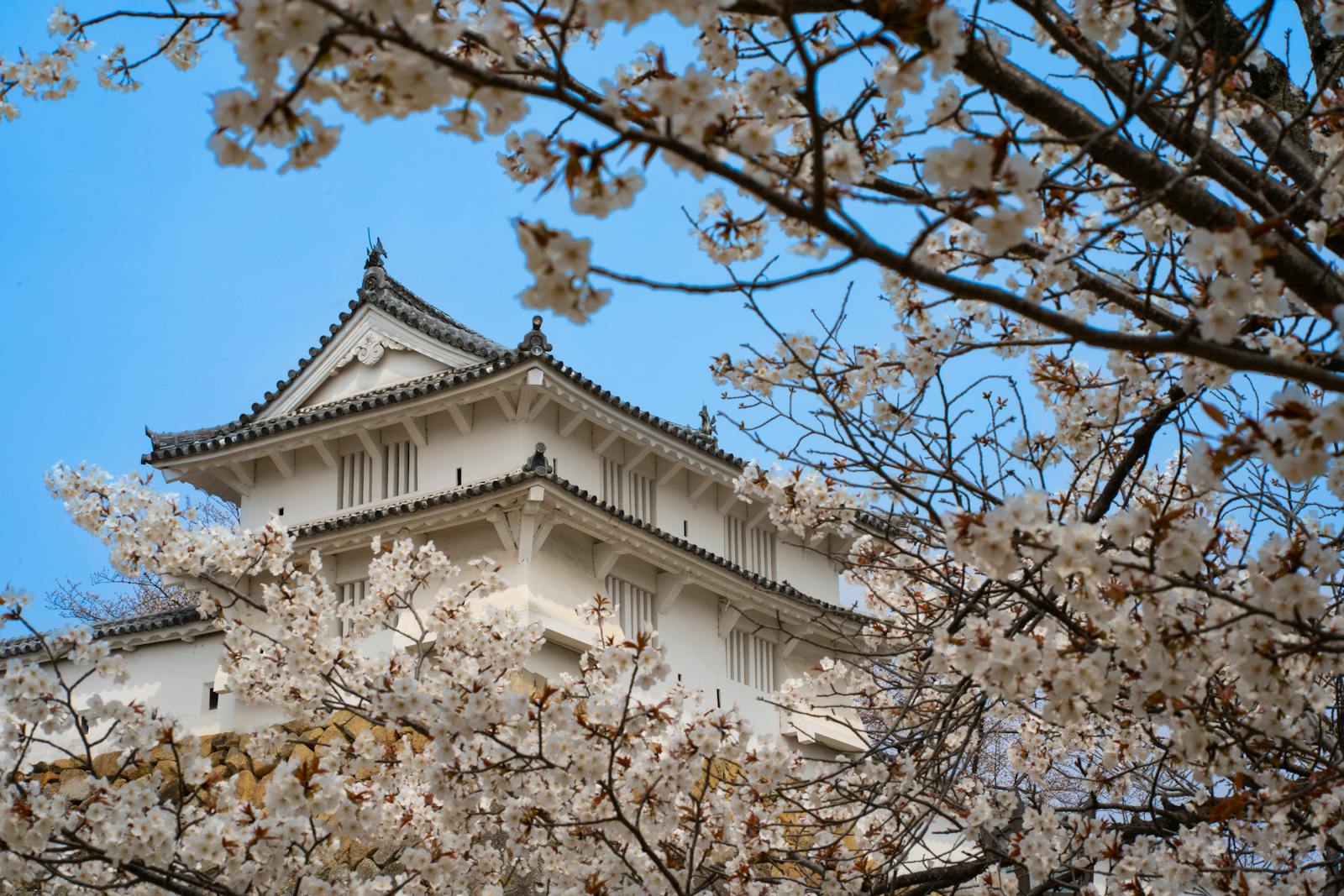
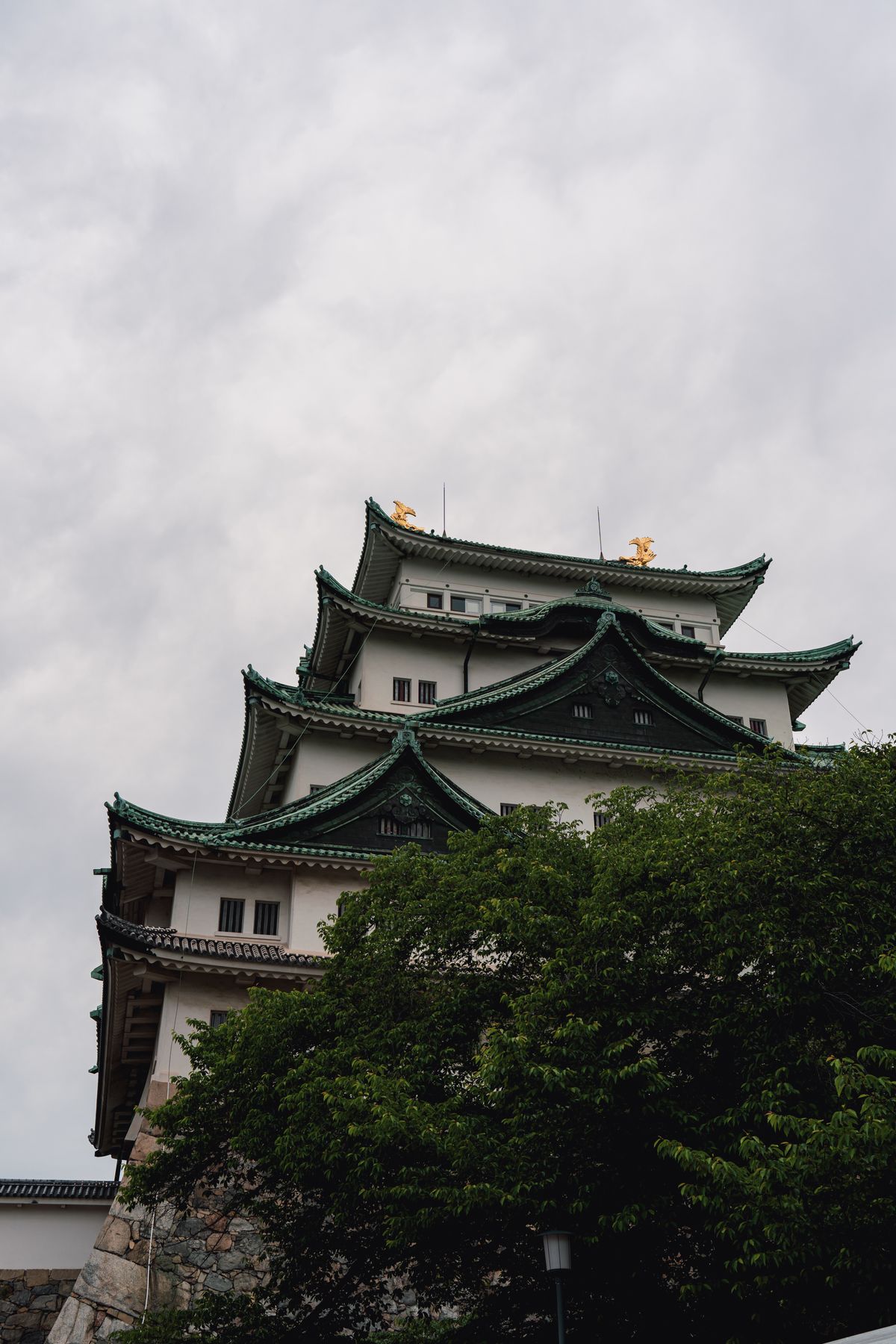
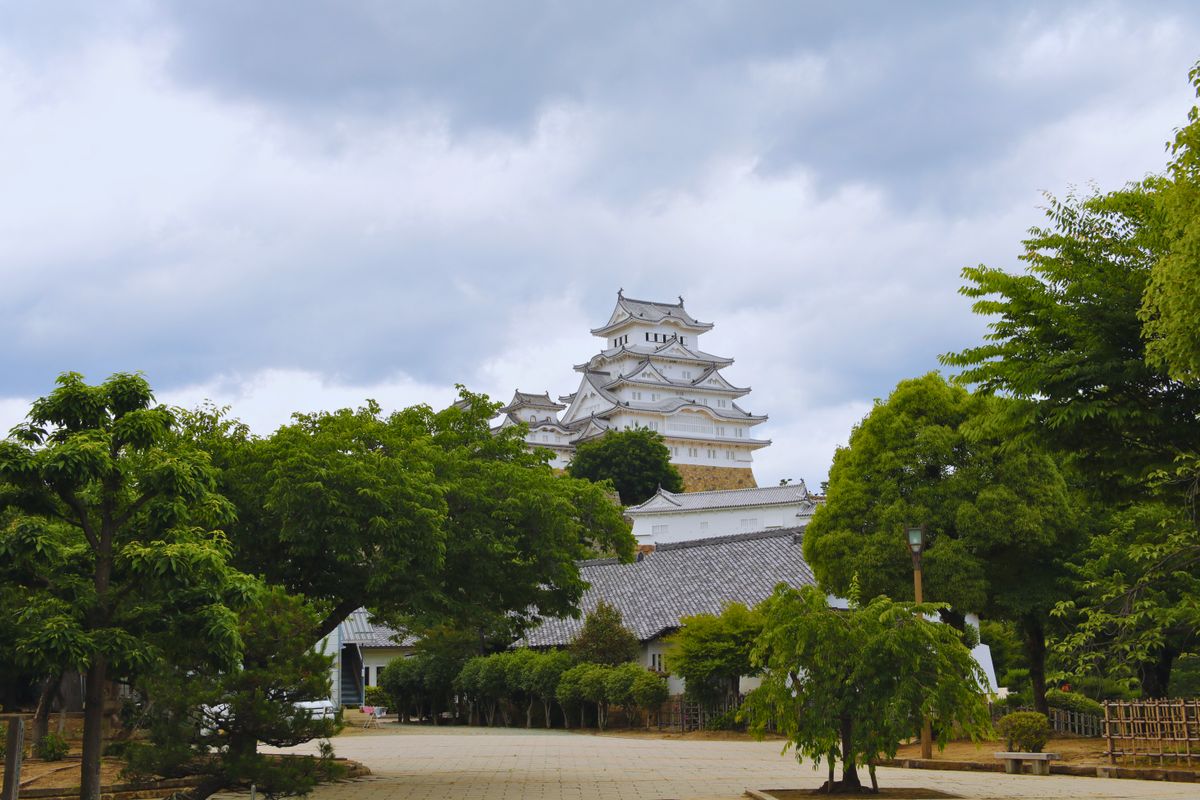
Most travelers to Japan tick off the famous castles — the brilliant white walls of Himeji, the reconstructed grandeur of Osaka, the moats of Nagoya. But the castle with arguably the best story of all sits quietly above the Kiso River in a small town in Aichi Prefecture. Inuyama Castle is widely regarded as Japan’s oldest original castle keep, one of just twelve castles in the entire country whose main tower has survived since the age of the samurai, and one of only five designated National Treasures. It was even privately owned by a single samurai family until as recently as 2004.
For first-time visitors, Inuyama is a near-perfect day trip: an authentic, climbable castle, a charming preserved old town full of street food and sweets, a National Treasure teahouse in a beautiful garden, and a famous summer tradition of fishing with cormorants on the river below — all within easy reach of Nagoya. This complete guide covers the castle’s remarkable history, how to visit, what to eat, what else to see, exactly how to get there with prices in yen and US dollars, and the practical tips that will make your visit smooth and memorable.
Why Inuyama Castle Is So Special
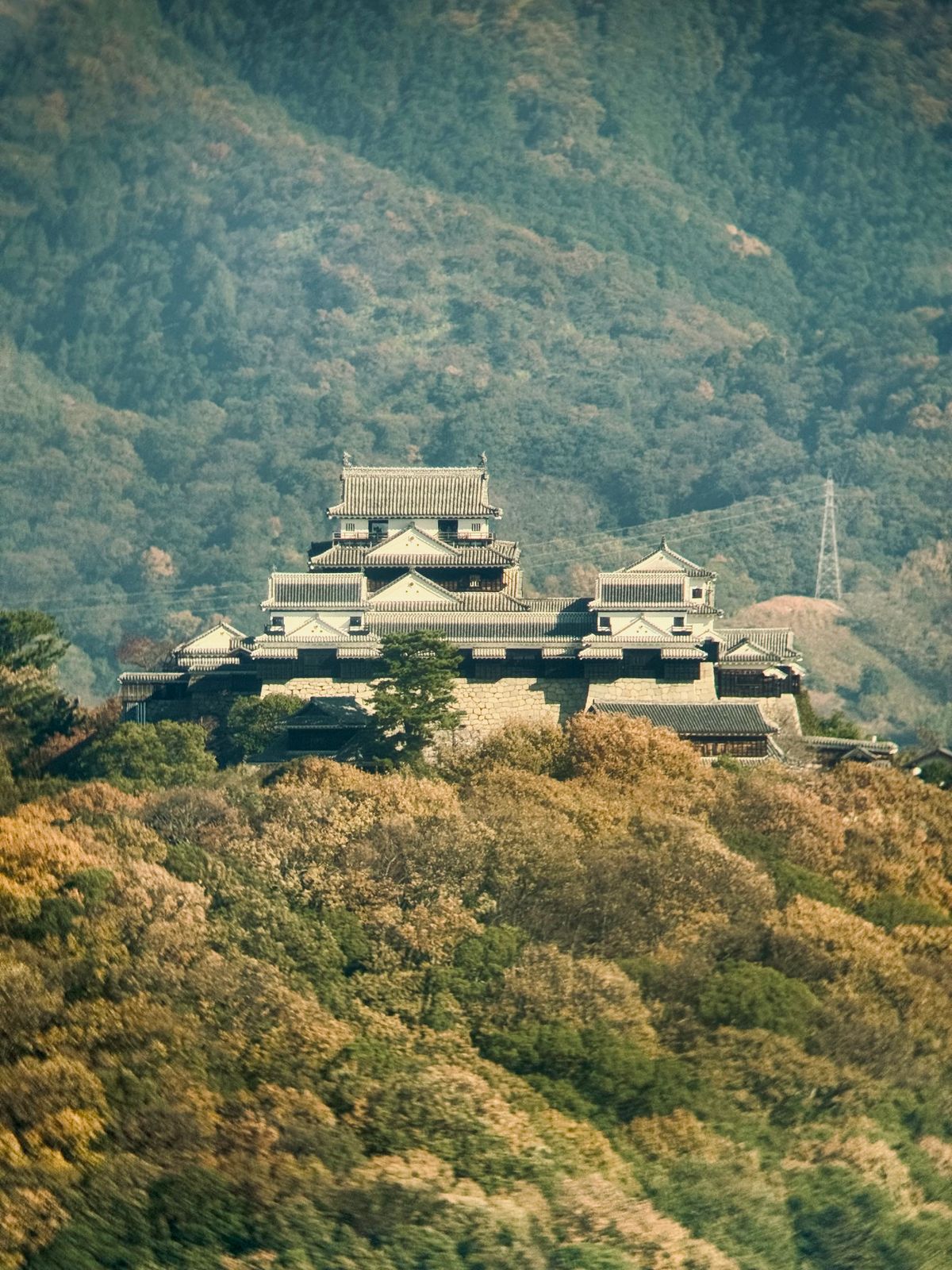
To understand why Inuyama matters, you need to know a hard truth about Japanese castles: most of them are not original. The great majority were destroyed over the centuries by fire, war, the anti-feudal demolitions of the Meiji era, or the bombing of World War II, and what visitors see today are 20th-century concrete reconstructions. Beautiful as those rebuilds are, only twelve castles in all of Japan still have their original wooden main keep (tenshu) standing as it did in the feudal age. Inuyama is one of them — and many historians consider it the oldest of all.
That originality is what makes a visit so different. When you climb Inuyama, you are climbing the same steep, polished wooden staircases that samurai climbed centuries ago. The structure creaks; the steps are nearly ladder-steep; the timber is dark with age. There is no elevator and no concrete — just an astonishingly well-preserved piece of living history.
Inuyama is further honored as one of only five castles designated a National Treasure of Japan, alongside Himeji, Matsumoto, Hikone and Matsue. It earned the nickname Hakutei-jo, or “White Emperor Castle,” because its perch on a wooded bluff above the Kiso River reminded a scholar of a famous Chinese poem about Baidicheng. The setting is genuinely lovely: from the top balcony, the river curls below and the plains of Gifu and Aichi stretch to the horizon.
If you are planning a wider trip through central Japan, Inuyama pairs beautifully with nearby highlights — see our destinations guide for ideas, and our Japan travel tips for first-timers for the essentials before you go.
The History of Inuyama Castle
Inuyama Castle’s origins reach back to 1537, when Oda Nobuyasu — an uncle of the warlord Oda Nobunaga, who would go on to begin the unification of Japan — built a fortress on this strategic bluff. (Some records trace an earlier fortification on the site to the 1440s.) Its position was no accident: the bluff commands the Kiso River, a vital boundary and transport route between the provinces of Owari and Mino, making the castle a coveted prize during Japan’s century of civil war.
A Castle Fought Over by Japan’s Great Unifiers
Because of its strategic value, Inuyama changed hands repeatedly during the turbulent Sengoku (“Warring States”) period. It featured in the maneuverings of all three of Japan’s great unifiers — Oda Nobunaga, Toyotomi Hideyoshi and Tokugawa Ieyasu. During the Komaki-Nagakute campaign of 1584, Hideyoshi himself used the castle as a base. Standing on its keep, you are looking out over land where the future of the entire country was contested.
The Naruse Family and Private Ownership
In 1617, the castle passed to Naruse Masanari, a senior retainer of the Tokugawa, and it remained associated with the Naruse family for generations. Here the story takes an unusual turn. After the feudal system was abolished in the Meiji period, the castle was damaged by the great Nobi earthquake of 1891 and the prefecture handed it back to the Naruse family on condition they repair it. Astonishingly, the Naruse family continued to privately own Inuyama Castle — making it the last privately owned castle in Japan — until 2004, when ownership finally transferred to a public foundation. Few castles anywhere can claim such an intimate, unbroken link to a single samurai lineage.
The Architecture: What to Look For
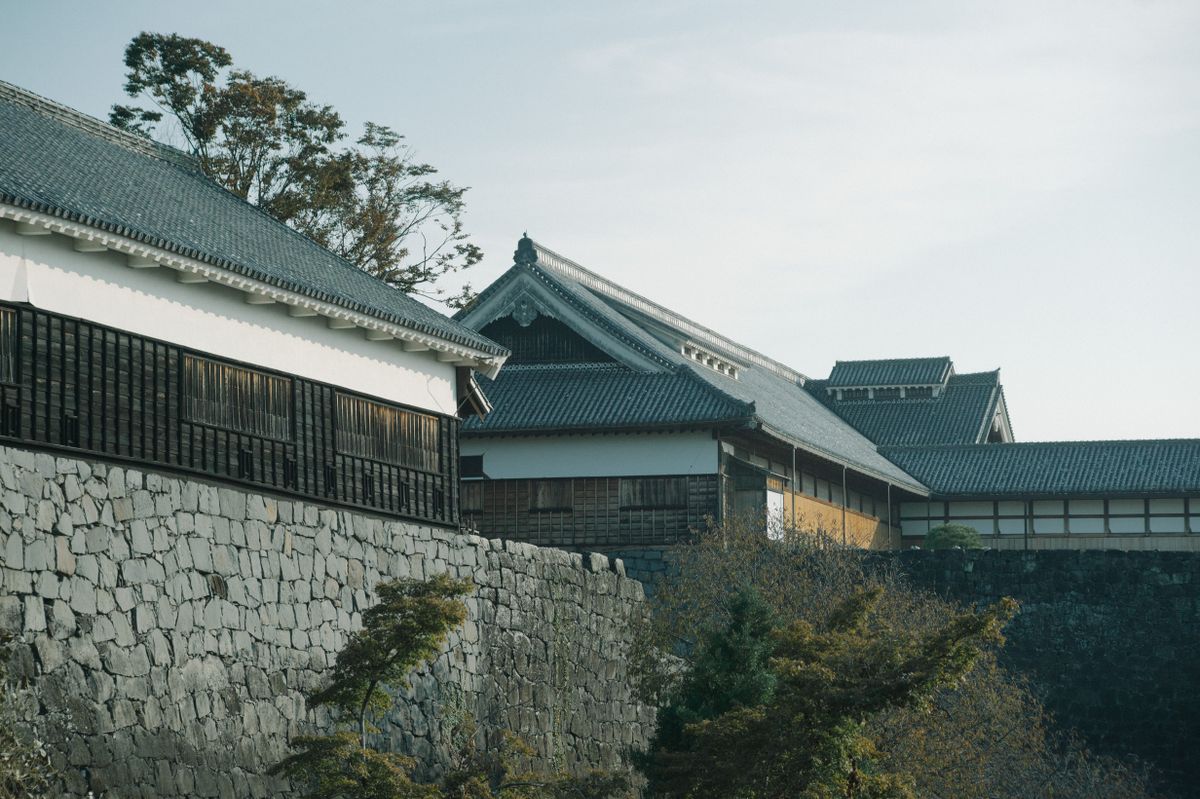
Part of what makes an original keep so special is that you can read its history in its very timber and stone. Inuyama’s keep stands four stories tall on the outside (with an internal layout that includes basement levels built into the stone base), and it shows the characteristics of early castle design from the Sengoku period — more fortress than palace, built for defense rather than display.
The Stone Base and Wooden Keep
The keep rises from a sloping stone foundation (ishigaki) built directly into the natural bluff above the river. Look closely at the stonework: these are roughly fitted, unmortared stones, an early style that relies on careful placement and gravity rather than cement. Above the stone, the wooden superstructure is plastered white in the upper levels with exposed dark timber below, a combination that gives Japan’s older castles their distinctive elegance.
Gables and Defensive Features
As you approach, notice the graceful curved gables known as karahafu and the triangular chidori-hafu that ornament the roofline. These were both decorative and functional, providing cover and sightlines. Inside, watch for the small windows and openings designed for defense, and the heavy beams that have held the structure together for centuries. Unlike a modern reconstruction, every element here was shaped by the practical demands of feudal warfare, and seeing it in person gives a vivid sense of how a real castle functioned.
The View as a Strategic Asset
When you reach the top balcony, remember that the view was not built for tourists — it was the castle’s eyes. From here, defenders could watch the Kiso River and the approaches across the plains, spotting any enemy movement long before it arrived. Today that same panorama is simply beautiful, but understanding its original purpose adds a layer of meaning to the moment you step out onto the balcony.
Inuyama Among Japan’s Twelve Original Castles
For travelers who fall in love with authentic castles, Inuyama is a gateway to a deeper pursuit. Of the thousands of castles that once dotted Japan, only twelve retain their original main keep: Hirosaki, Matsumoto, Maruoka, Inuyama, Hikone, Himeji, Matsue, Bitchu Matsuyama, Marugame, Matsuyama (Iyo), Uwajima and Kochi. Castle enthusiasts make a point of visiting all twelve, and Inuyama is one of the most accessible on the list.
Among those twelve, five are designated National Treasures — the highest honor — for their architectural and historical importance: Himeji, Matsumoto, Hikone, Matsue and Inuyama. To stand inside Inuyama is therefore to experience one of the five most significant surviving castle keeps in the entire country. If your travels take you elsewhere, our destinations guide can help you track down the others, several of which feature in detailed guides on this site.
Visiting Inuyama Castle: Hours, Tickets and What to Expect
Inuyama Castle is compact, and a visit to the keep itself takes around 45 minutes to an hour. Here is what you need to know to plan your visit.
Admission and Opening Hours
Admission to the castle is ¥550 for adults and ¥110 for children (roughly US$3.70 and US$0.75 at 2026 exchange rates). The castle is generally open from 9:00 a.m. to 5:00 p.m., with last entry at 4:30 p.m., and it is open year-round except for a few days over the New Year holiday. Tickets are bought at the entrance to the castle grounds; there is no need to book in advance.
Climbing the Keep
The heart of the experience is the climb to the top of the original four-story keep. Be prepared: the wooden staircases are extremely steep — closer to ladders than stairs in places — and you must remove your shoes at the entrance, so wear easy footwear and socks. The floors are bare timber, the rooms largely empty, which lets the architecture speak for itself. The reward is the top floor’s wraparound balcony, which you can walk around in the open air for sweeping 360-degree views of the Kiso River, the surrounding plains and, on a clear day, distant mountains. It is one of the few original keeps where you can step outside onto the balcony, and the experience is genuinely thrilling.
Accessibility Note
Because this is an original wooden structure with very steep stairs and no elevator, the keep is not wheelchair accessible and may be challenging for those with limited mobility or a fear of heights. The castle grounds and the views from the base, however, are pleasant and far easier to navigate.
Inuyama Castle Town: Honmachi Street
One of the best things about Inuyama is that the fun does not stop at the castle gate. Leading up to the castle is a beautifully preserved castle town centered on Honmachi-dori, a charming street of restored Edo- and Meiji-era machiya (wooden townhouses) now filled with shops, cafes and — the real draw — an irresistible parade of street food and sweets.
Street Food and Sweets to Try
Walking and grazing along Honmachi-dori is half the joy of an Inuyama visit. Look out for dango (chewy rice dumplings on skewers, often grilled with a sweet-savory glaze), the local Genkotsu-an brown-sugar snacks, soft-serve ice cream in flavors from matcha to local fruit, and savory bites like grilled rice balls and croquettes. Many shops sell items designed to be as photogenic as they are tasty — oversized rice crackers, colorful skewers and seasonal treats. Most snacks cost ¥300–¥600 (US$2–$4), so you can sample widely without spending much.
Kimono Rental and the Townscape
Inuyama’s old town is a popular place to rent a kimono or yukata and stroll, with several rental shops offering a half-day package (typically ¥3,000–¥5,000 including dressing). Wandering the historic streets in traditional dress, snack in hand, with the castle keep rising at the end of the lane, is exactly the kind of atmospheric experience first-time visitors hope for in Japan — and it photographs beautifully.
Things to Do Around Inuyama Beyond the Castle
Inuyama packs a surprising amount into a small area, and several attractions cluster within walking distance of the castle or a short ride away. Here is how to fill a full day.
Sanko Inari Shrine
Right at the foot of the castle hill sits Sanko Inari Shrine, a colorful Shinto shrine known for its tunnels of vermilion torii gates and rows of heart-shaped ema (prayer plaques) that have made it popular with couples praying for good relationships. It is free to enter and a lovely warm-up before climbing to the castle.
Urakuen Garden and the Jo-an Teahouse
A short walk from the castle, Urakuen is a serene traditional garden that houses Jo-an, one of Japan’s three most celebrated teahouses and itself a designated National Treasure. Built in the early 17th century by Oda Urakusai, a younger brother of Oda Nobunaga and a renowned tea master, the teahouse is a masterpiece of refined simplicity. Entry to the garden costs around ¥1,200 (US$8) and includes the chance to admire the teahouse and, for an extra fee, enjoy a bowl of matcha. It is a peaceful, cultured contrast to the energy of the castle town.
Meiji Mura Open-Air Museum
A bus ride from central Inuyama, Meiji Mura is one of Japan’s great open-air architectural museums, preserving more than 60 buildings from the Meiji era (1868–1912) — the period when Japan rapidly modernized and opened to the West. Highlights include the relocated original facade and lobby of Frank Lloyd Wright’s Imperial Hotel from Tokyo. You can ride a vintage steam train and an old Kyoto streetcar through the grounds. It is a half-day attraction in itself; admission is around ¥2,500 (US$17) for adults. History and architecture lovers should not miss it.
Cormorant Fishing (Ukai) on the Kiso River
From roughly June to mid-October, the Kiso River below the castle hosts ukai, the ancient and dramatic practice of fishing with trained cormorants. After dark, fishermen in traditional dress guide boats lit by flaming baskets while the birds dive for ayu (sweetfish). Spectators watch from pleasure boats, often while enjoying a meal. It is a centuries-old tradition that feels genuinely otherworldly, with the firelight reflecting on the water and the castle silhouetted above. Boat tickets typically cost ¥3,000–¥5,000 (US$20–$33); reservations are recommended in summer.
The Inuyama Festival
If you can time your visit for the first weekend of April, the Inuyama Festival is one of central Japan’s most spectacular. Dating to 1635, it features towering three-tiered wooden floats (yama) decorated with lanterns and topped by mechanical karakuri puppets that perform as the floats are hauled through the streets. At night, each float is lit by hundreds of paper lanterns. The festival is part of a group of float festivals recognized on UNESCO’s Intangible Cultural Heritage list, and it coincides with the cherry blossoms for a doubly memorable spectacle.
More Attractions Near Inuyama
If you have extra time or are traveling with family, a few more sights round out the area. The Japan Monkey Park, a short distance from the castle, combines a zoo focused on primates with a small amusement park — popular with children. Little World is an ambitious open-air ethnographic museum showcasing houses and cultures from around the globe, where you can try international foods and costumes. And just across the prefectural border, the playful Tagata Shrine is famous for its fertility-themed Honen Matsuri festival each March. None of these are essential to a castle visit, but they make it easy to extend a day trip into something longer.
Local Food Specialties
Beyond the snacks of the castle town, the Inuyama and wider Nagoya area has its own robust food culture worth sampling. The region is the heartland of Nagoya meshi — the city’s distinctive local cuisine — including miso katsu (pork cutlet with a rich red-miso sauce), tebasaki (peppery glazed chicken wings), hitsumabushi (grilled eel served three ways over rice), and kishimen (flat udon noodles). Many of these are easy to find in Nagoya before or after your Inuyama trip. In Inuyama’s old town itself, look for dengaku (skewered tofu or konnyaku grilled with sweet miso), a fitting traditional bite to enjoy in such a historic setting.
Photography Tips
Inuyama is highly photogenic, and a little planning yields better shots. For the classic castle-and-river composition, head to the riverbank below the keep, especially in the soft light of early morning or late afternoon. The cherry blossom season frames the keep in pink and is the most popular time for photographers, so arrive early to beat the crowds. Inside the keep, the steep wooden staircases and bare timber rooms make atmospheric subjects, and the balcony offers 360-degree panoramas — bring a wide lens if you have one. The torii tunnels of Sanko Inari Shrine and the lantern-lit floats of the April festival are other standout photo opportunities.
How to Get to Inuyama
Inuyama is wonderfully easy to reach, which is a big part of its appeal as a day trip. The hub for access is Nagoya, central Japan’s largest city.
From Nagoya
The simplest route is the Meitetsu (Nagoya Railroad) Inuyama Line from Meitetsu Nagoya Station. Limited express and express trains reach Inuyama in about 25–30 minutes for roughly ¥630 (US$4). Get off at Inuyama Station or, slightly closer to the castle, Inuyamayuen Station; both are about a 15–20 minute walk from the keep through the castle town. Trains run frequently throughout the day, so no advance planning is needed.
From Tokyo
From Tokyo, take the Tokaido Shinkansen to Nagoya (about 1 hour 40 minutes by Nozomi, around ¥11,300 / US$75 one way), then transfer to the Meitetsu line as above. The whole journey takes roughly two and a half hours. If you are using a rail pass or want to understand your bullet-train options, our Japan Shinkansen guide explains everything first-timers need to know.
From Kyoto and Osaka
From Kyoto, the Shinkansen to Nagoya takes about 35 minutes; from Shin-Osaka, about 50 minutes. Add the Meitetsu connection and Inuyama is an easy half-day reach from the Kansai region, making it a feasible stop between Kyoto/Osaka and Tokyo for travelers following the classic Golden Route.
From Central Japan Airport (Centrair)
If you fly into Chubu Centrair International Airport near Nagoya, the Meitetsu line connects the airport toward Nagoya and onward to Inuyama. For groups or those with luggage who prefer door-to-door convenience, a shared airport transfer can be worth it — you can book an airport transfer with NearMe → to start your trip stress-free.
Where to Stay and How to Plan Your Visit
Most visitors treat Inuyama as a day trip from Nagoya, which is entirely sensible given how close and well-connected it is. Nagoya offers the widest range of hotels at every price point and excellent transport links. For more on the city, see our Nagoya travel guide.
That said, staying overnight in Inuyama itself has real charm, especially if you want to experience the cormorant fishing in summer or the festival in April without rushing for a late train. There are ryokan and small hotels near the castle town and along the river. Whether you base yourself in Nagoya or stay in Inuyama, it pays to compare options early — you can book your hotel on Agoda (best prices guaranteed) → and lock in a well-located room.
Best Time to Visit
Inuyama is rewarding year-round, but a few seasons stand out. Late March to early April brings cherry blossoms, and the castle framed by pink blooms is one of the prettiest sights in the region — this also coincides with the famous Inuyama Festival in early April. Summer (June to October) is the season for cormorant fishing on the river. Autumn brings pleasant weather and foliage, while winter is quiet and crisp with the fewest crowds. Whatever the season, weekends and holidays draw the most visitors to the castle town, so arrive early for a calmer experience.
A Suggested One-Day Inuyama Itinerary
Here is how to make the most of a full day, assuming a morning arrival from Nagoya:
- Morning: Arrive by mid-morning and walk through the castle town along Honmachi-dori toward the castle, stopping for a coffee or a first snack.
- Late morning: Visit Sanko Inari Shrine at the foot of the hill, then climb Inuyama Castle (¥550) and enjoy the views from the keep’s balcony.
- Lunch: Graze your way back down Honmachi-dori, sampling dango, skewers and local sweets, or sit down for a proper meal at one of the town’s restaurants.
- Afternoon: Choose between the cultured calm of Urakuen Garden and the Jo-an teahouse (¥1,200) for a shorter day, or take the bus to Meiji Mura (¥2,500) if you want a deeper architectural experience.
- Evening (summer): In season, stay for the cormorant fishing on the Kiso River before heading back to Nagoya.
Practical Tips for Visiting Inuyama
A few practical pointers will help your visit run smoothly:
- Wear easy shoes and good socks. You must remove your shoes inside the castle, and the wooden stairs are steep, so slip-on footwear and clean socks make the climb far more comfortable.
- Bring cash. While larger shops take cards, many street-food stalls and small vendors in the castle town are cash-only. Carry some yen.
- Arrive early on weekends. The castle keep can get crowded, and because the stairs are narrow, queues form at busy times. A morning visit means smaller crowds.
- Use an IC card. A rechargeable transit card (such as Suica, ICOCA or the local manaca) works on the Meitetsu line and saves fumbling for tickets.
- Combine attractions thoughtfully. Meiji Mura is a half-day on its own; if you want to see it, consider arriving early or staying overnight rather than cramming everything into one rushed day.
- Reserve cormorant fishing in advance during the summer season, as boats fill up, especially on weekends.
- Stay connected. Maps, train times and translation are invaluable in a smaller town. Set up your data before you arrive — you can get a Japan eSIM and stay connected from day one →.
- Check festival dates. If the Inuyama Festival or cherry blossoms are a priority, confirm the current year’s dates and plan accommodation well ahead, as the town gets busy.
The Ancient Art of Cormorant Fishing, Explained
Cormorant fishing — ukai in Japanese — is one of the oldest fishing techniques still practiced anywhere in the world, with a history in Japan stretching back well over a thousand years. On the Kiso River at Inuyama it remains a living tradition, and understanding how it works makes watching it all the more compelling.
A master fisherman, called an usho, manages a team of trained cormorants from a wooden boat. As night falls, a basket of burning pinewood is hung from the bow, and the firelight both illuminates the water and attracts ayu (sweetfish) to the surface. The cormorants, tethered by long cords, dive after the fish. A snug ring fitted loosely at the base of each bird’s throat allows it to swallow small fish but holds the prized larger ayu, which the fisherman then retrieves. It sounds harsh, but the birds are highly valued, carefully looked after, and often live long lives in close partnership with their handlers.
For spectators, the experience is atmospheric and unforgettable. You board a separate pleasure boat — often with a boxed meal and drinks — and drift on the dark river as the fishing boats pass, sparks rising from the fire baskets, the usho calling to their birds in a rhythm unchanged for centuries, all beneath the silhouette of the floodlit castle. It runs in the warmer months, roughly June to mid-October, and reservations are strongly recommended in peak summer. If you visit Inuyama in season, it is well worth staying into the evening for this rare glimpse of old Japan.
Combining Inuyama with Central Japan
Inuyama sits in one of Japan’s richest regions for travel, and it slots neatly into a longer central Japan itinerary. Because it is so close to Nagoya, you can easily pair it with a day exploring the city’s castle, museums and famous local cuisine before or after — our Nagoya travel guide covers the highlights.
From this base, the wider Chubu region opens up. The historic post towns of the Kiso Valley, the thatched-roof villages of the Japanese Alps, the castle town of Matsumoto with its own original keep, and the hot-spring and mountain destinations of Gifu and Nagano are all within reach. Travelers following the classic Golden Route between Tokyo and Kyoto can treat Inuyama as a rewarding detour that adds genuine depth — an authentic feudal castle and a slice of small-town Japan most visitors never see. Because the area is a transport hub, moving on afterward is simple; understanding the rail network in advance helps, which is where our Japan Shinkansen guide comes in handy for planning your onward journey.
However you weave it in, Inuyama works as either a relaxed half-day add-on or a full, varied day of its own. Its compact size and excellent connections mean it rarely requires major itinerary surgery to include — one of the many reasons it punches so far above its weight as a destination.
How Much Does an Inuyama Day Trip Cost?
One of Inuyama’s great appeals is that it is genuinely affordable, even by Japan’s reasonable sightseeing standards. Here is a rough budget for a day trip from Nagoya for one adult, in yen with approximate US dollar equivalents at 2026 rates (¥150 = US$1):
- Round-trip train from Nagoya: about ¥1,260 (US$8)
- Castle admission: ¥550 (US$3.70)
- Street-food snacks along Honmachi: ¥1,000–¥1,500 (US$7–$10)
- Lunch: ¥1,000–¥1,800 (US$7–$12)
- Urakuen Garden and teahouse: around ¥1,200 (US$8)
- Optional Meiji Mura: around ¥2,500 (US$17)
- Optional cormorant fishing (summer): ¥3,000–¥5,000 (US$20–$33)
A simple day — train, castle, old-town snacking and a garden visit — comes in around ¥5,000–¥6,000 (US$33–$40) per person, which is excellent value for such an authentic and varied experience. Adding Meiji Mura or cormorant fishing raises the total, but each is worthwhile in its own right. Families and travelers who plan to see several paid attractions should budget accordingly, but the core experience of the castle and town remains very wallet-friendly.
For travelers watching their spending across a longer trip, this kind of low-cost, high-reward day trip is exactly what makes central Japan such good value — and pairing it with budget-conscious accommodation keeps the whole journey affordable. It is worth comparing rates and booking a well-located base in advance; you can find great-value hotels on Agoda → for either Nagoya or Inuyama.
Frequently Asked Questions
Is Inuyama Castle really Japan’s oldest castle?
Inuyama is widely described as having Japan’s oldest original castle keep, with origins dating to 1537 (and possibly earlier fortifications on the site). It is one of only twelve castles in Japan with an original keep that has survived since the feudal era, and one of only five designated National Treasures. While historians debate exactly which surviving keep is “oldest,” Inuyama is consistently cited among the very oldest and most authentic.
How much does it cost to enter Inuyama Castle?
Admission to Inuyama Castle is ¥550 for adults and ¥110 for children (about US$3.70 and US$0.75). The castle is open daily from 9:00 a.m. to 5:00 p.m., with last entry at 4:30 p.m., closed only for a few days around New Year. Tickets are purchased on site; no advance booking is needed.
How do I get to Inuyama from Nagoya?
Take the Meitetsu Inuyama Line from Meitetsu Nagoya Station. Express and limited express trains reach Inuyama in about 25–30 minutes for roughly ¥630. Get off at Inuyama or Inuyamayuen Station, both around a 15–20 minute walk from the castle through the old town. Trains run frequently, so you can go any time of day.
Can you visit Inuyama as a day trip?
Absolutely — Inuyama is one of the easiest and most rewarding day trips in central Japan. From Nagoya it is well under an hour each way, and the castle, old town, shrine and a garden can comfortably be seen in a day. If you want to add Meiji Mura, see cormorant fishing in summer, or attend the April festival, consider staying overnight to avoid rushing.
What is there to do in Inuyama besides the castle?
Plenty. Stroll and snack along the preserved Honmachi castle town, visit the colorful Sanko Inari Shrine, admire the National Treasure Jo-an teahouse in Urakuen Garden, explore the Meiji Mura open-air architecture museum, watch traditional cormorant fishing on the Kiso River in summer, or time your trip for the spectacular Inuyama Festival in early April.
When is the best time to visit Inuyama?
Late March to early April is magical, with cherry blossoms around the castle and the Inuyama Festival in early April. Summer (June to October) offers cormorant fishing on the river. Autumn brings comfortable weather and foliage, and winter is quiet with the fewest crowds. For any season, arriving early in the day means smaller crowds at the castle keep.
Is Inuyama Castle suitable for children and older visitors?
The castle town, shrine and garden are easy and enjoyable for all ages. The castle keep itself, however, has very steep original wooden stairs and no elevator, which can be difficult for young children, older visitors, or anyone with mobility issues or a fear of heights. Those who prefer not to climb can still enjoy the grounds and the views from the base.
Final Thoughts
Inuyama is the kind of place that rewards travelers who venture just slightly off the most well-trodden path. Here you get something the big-name reconstructed castles cannot offer — an authentic wooden keep that has stood since the age of Nobunaga, climbed by the same steep stairs as the samurai who held it, topped by a breezy balcony with one of the loveliest views in the region. Around it lies a town made for slow wandering, snacking and photographs, plus a National Treasure teahouse, a colorful shrine, and a river that comes alive at night with the ancient firelit drama of cormorant fishing.
Best of all, it is astonishingly easy to reach — under an hour from Nagoya and an effortless detour from the Tokyo–Kyoto–Osaka corridor. Sort out your transport and connectivity, set aside a full day, and let Inuyama show you a quieter, more authentic side of feudal Japan. It is a small town with an outsized story, and it deserves a place on any thoughtful first-timer’s itinerary through central Japan.
If you take just one idea away from this guide, let it be this: authenticity is worth seeking out. Japan’s reconstructed castles are impressive, but there is nothing quite like standing inside a keep that has genuinely survived from the era it represents, feeling the worn wood underfoot and looking out over the same river the castle was built to watch. Inuyama offers that rare, tangible connection to the past — and wraps it in a friendly, walkable town with great food, a serene garden and a riverside tradition found in only a handful of places on earth. Give it the day it deserves, and it will repay you many times over.
Going to Japan? Talk to locals with confidence.
Hirameki Japanese — instant offline translation, camera translation, furigana + romaji, and 314 free flashcards. No login. Works without internet.

Plan your Japan trip
Two things every first-timer should book
Some links are affiliate links. If you book through them we may earn a small commission at no extra cost to you.