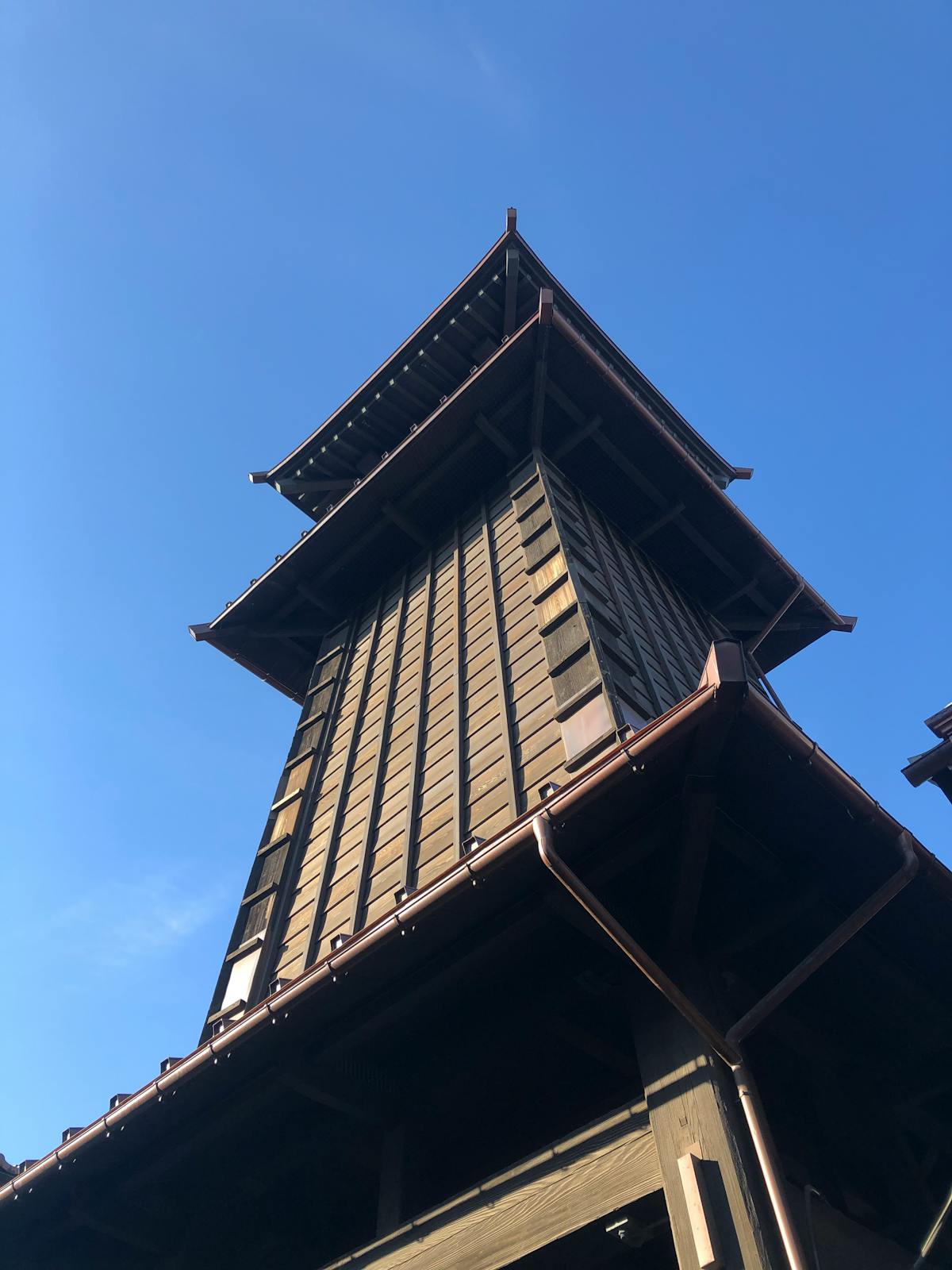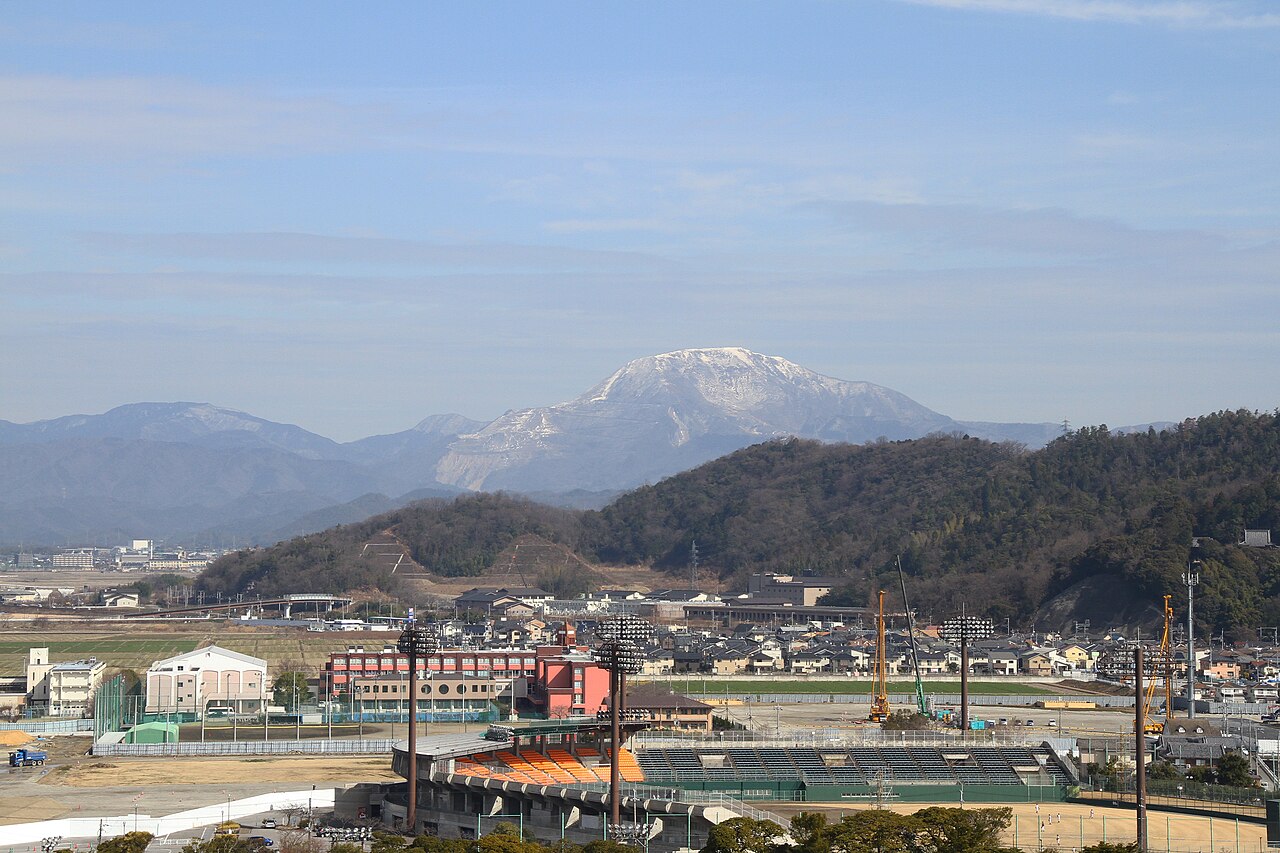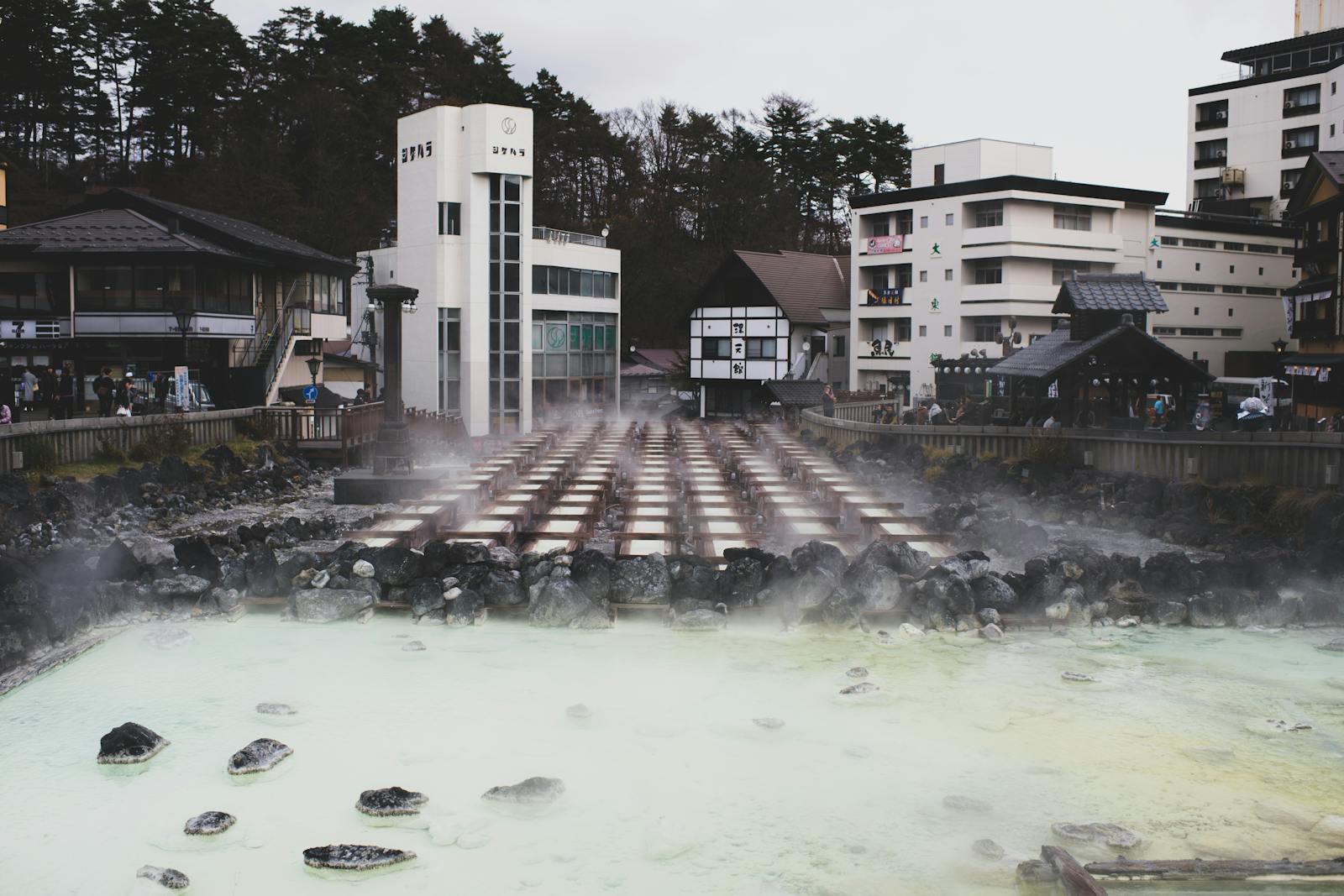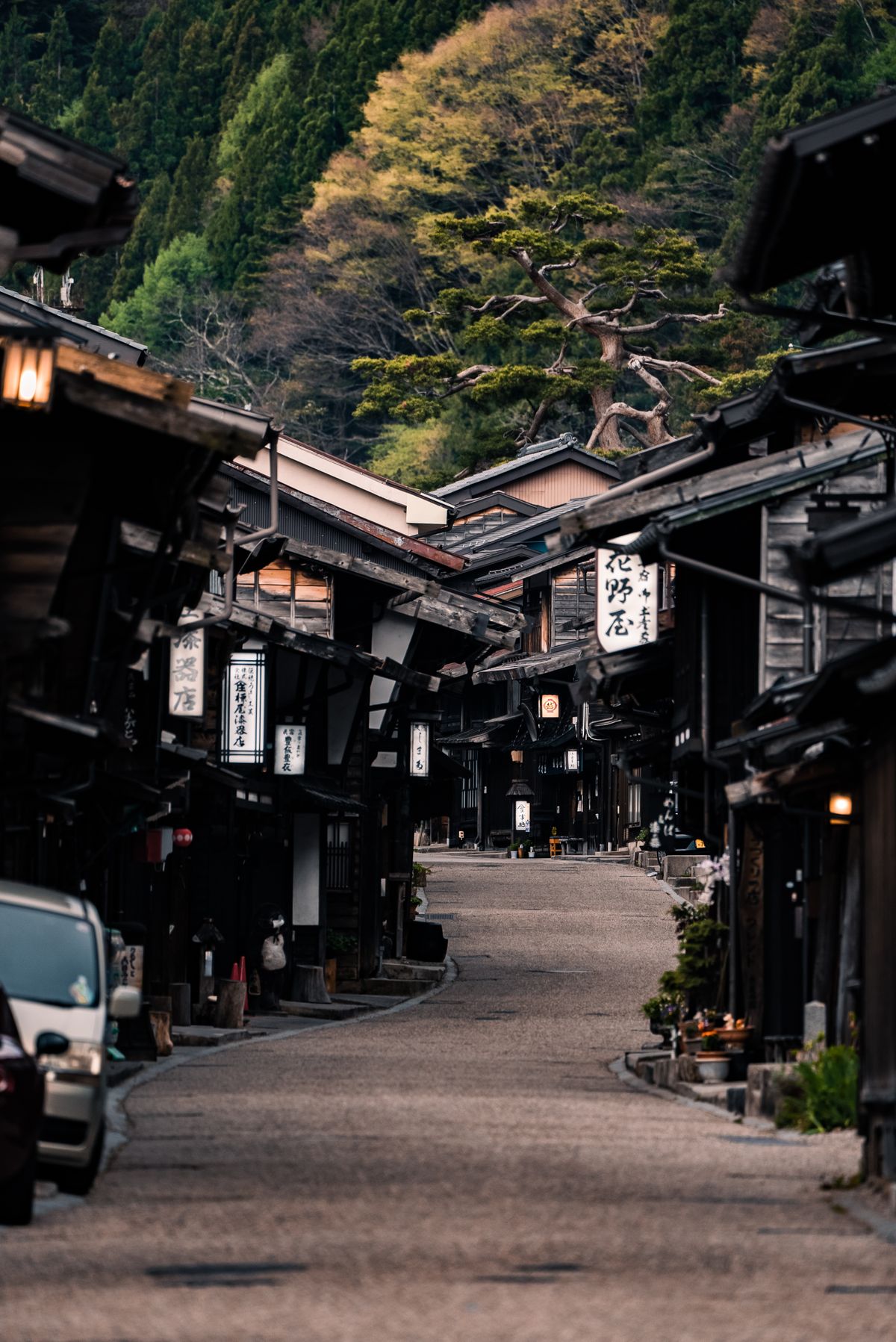
Some places in Japan shout for your attention with neon, crowds and bullet-train schedules. Uchiko (内子) does the opposite. Tucked into the hills of inland Ehime Prefecture on the island of Shikoku, this small former merchant town invites you to slow right down, wander a single beautifully preserved street, and imagine what rural Japan looked and felt like more than a century ago. If you have ever wished you could step into an old woodblock print, Uchiko is about as close as you can get.
For first-time visitors to Japan, Uchiko is a wonderful surprise. It is easy to reach as a day trip from Matsuyama, it is almost entirely walkable, and it rewards you with the kind of quiet, authentic atmosphere that gets harder to find in the big cities. This guide walks you through everything you need to know: the town’s fascinating history of candle wax and handmade paper, exactly how to get there, what to see street by street, where to eat and stay, when to visit, and a set of practical tips that will make your trip smooth and stress-free.
If you are still mapping out where to go on your trip, our wider Japan destinations guide is a good companion to this article, and our Japan travel tips for first-timers covers the basics of money, etiquette and getting around.
Why Visit Uchiko?
Uchiko earns its place on a Shikoku itinerary for one simple reason: it is one of the best-preserved historic townscapes in western Japan, and yet it remains genuinely uncrowded. While famous old towns like Takayama or Kawagoe can feel busy with tour groups, Uchiko’s main historic street, Yokaichi (八日市), is often peaceful enough that you can hear birdsong and the soft clatter of a craftsman at work behind a wooden lattice window.
The town flourished in the late Edo and Meiji periods on the back of two humble products: vegetable wax made from sumac berries, and washi, traditional Japanese handmade paper. The wealth those industries created was poured into elegant merchant houses with cream-and-ochre plaster walls, intricate latticework, and the curved fireproof gables known as udatsu. Walking Yokaichi today, you are essentially strolling through a living museum of nineteenth-century domestic architecture, except that real families still live and work behind many of these facades.
Add a jewel of a restored kabuki theatre, a clutch of hands-on craft museums, friendly cafes in converted townhouses, and a gentle river valley setting, and you have a destination that delivers a deep sense of place in just a few unhurried hours. It is the kind of stop that travellers remember long after the famous landmarks blur together.
A Quick History: Wax, Washi and Merchant Wealth
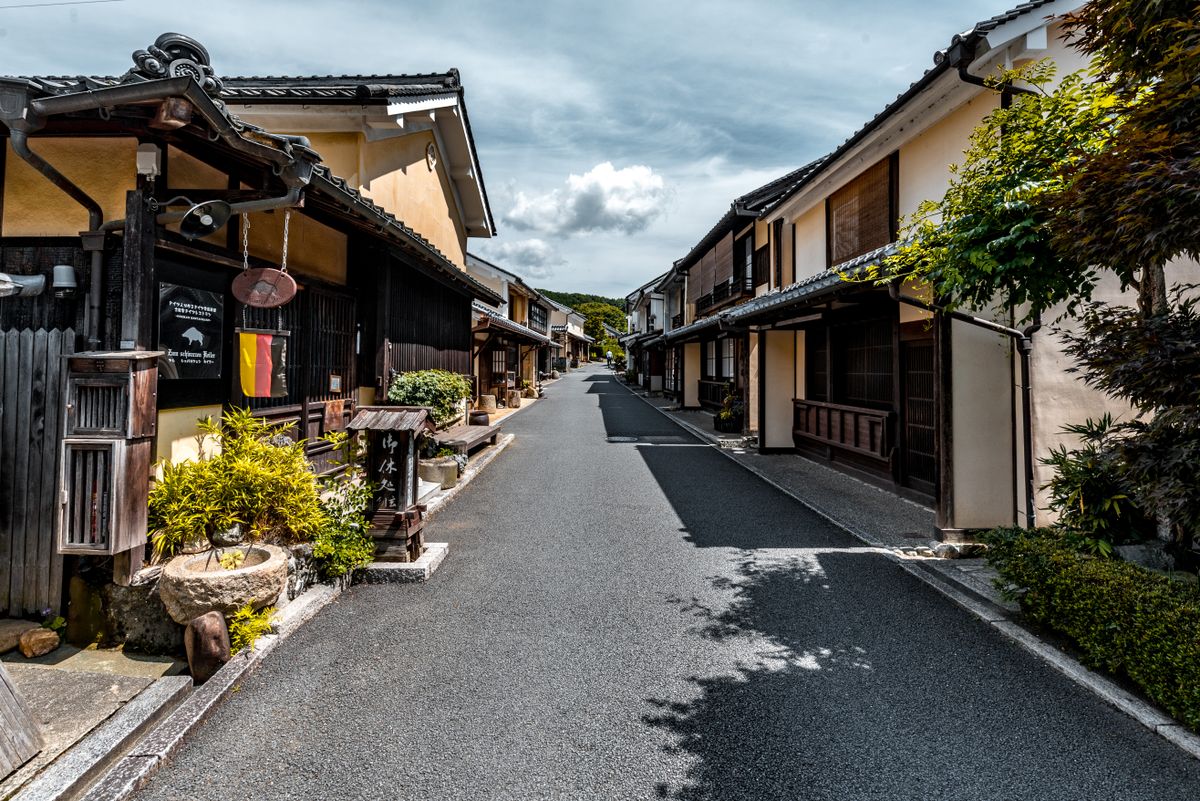
To understand Uchiko, it helps to understand what made it rich. From the early 1800s the town became a major centre for the production of mokuro, a pale vegetable wax pressed from the berries of the sumac (haze) tree. This wax was prized across Japan for making smokeless candles, polishes, cosmetics, crayons and medicines. At its peak, Uchiko supplied a remarkable share of the entire country’s wax, and the merchant families who controlled the trade grew wealthy enough to build the grand homes you still see today.
Alongside wax, Uchiko produced washi, the strong, beautiful handmade paper that has been used in Japan for everything from sliding doors and lanterns to calligraphy and printmaking. The combination of two thriving cottage industries, plus the town’s position on trade routes through the Ozu domain, turned a modest farming community into a confident, prosperous merchant town with money to spend on architecture and culture.
When cheaper paraffin wax and industrial paper arrived in the twentieth century, Uchiko’s old industries faded. In many towns that would have meant demolition and concrete redevelopment. Uchiko instead chose preservation. Local residents and the town government worked together from the 1970s onward to protect the Yokaichi district, and in 1982 it was designated an Important Preservation District for Groups of Traditional Buildings. That foresight is exactly why you can experience the town so vividly now.
The architecture you are looking at
As you walk, keep an eye out for a few recurring features. Udatsu are the raised, tiled fire-break walls that rise between neighbouring roofs; building one was expensive, so they doubled as a status symbol, giving rise to the Japanese expression about someone successful finally being able to raise their udatsu. Kote-e are decorative relief plasterwork designs, sometimes coloured, moulded above doorways and windows. And the warm ochre and cream tones of the walls come from a traditional plaster technique using local pigments. None of this is roped off in a museum; it is simply the street you are standing on.
How to Get to Uchiko
Uchiko sits on the JR Yosan Line in central Ehime, which makes it refreshingly easy to reach despite its small-town feel. Almost everyone arrives via Matsuyama, Ehime’s lively prefectural capital and the home of famous Dogo Onsen.
From Matsuyama
The fastest option is a limited express train (the Uwakai or Shiokaze service) from Matsuyama Station to Uchiko Station. The journey takes about 25 minutes and costs roughly ¥1,200–1,400 (about US$8–9) with a reserved or non-reserved seat. Local trains are cheaper at around ¥760 (about US$5) but take closer to 50–65 minutes and run less frequently, so for most visitors the limited express is well worth the small extra cost.
From Hiroshima or Okayama (mainland Honshu)
If you are coming from the main island, you will usually take the Shinkansen to Okayama and then the limited express Shiokaze across the Seto Ohashi bridges to Matsuyama, before changing for Uchiko. From Okayama the full trip runs around three hours. If you are planning this kind of multi-leg rail journey, it is worth reading our guide on whether the Japan Rail Pass is worth it before you buy, as Shikoku connections can tip the maths in your favour.
From Uchiko Station to the old town
Uchiko Station is a pleasant 15–20 minute walk (about 1 km) from the Yokaichi historic district. The route is well signposted in English, gently uphill, and takes you past local shops so the walk is part of the fun. If you have luggage or limited mobility, taxis usually wait outside the station and the short hop into town costs only a few hundred yen. Rental bicycles are also available near the station and are a lovely way to extend your visit into the surrounding countryside.
By car
Uchiko has its own exit on the Matsuyama Expressway, and driving from Matsuyama takes about 40 minutes. There is free and inexpensive parking near the old town. A car is not at all necessary for the town itself, but it opens up the wider Ozu and Hijikawa river valley if you want to explore deeper into rural Ehime.
Wherever you base yourself, booking accommodation early pays off in this part of Shikoku, where good rooms are limited. Comparing options in advance on a platform like Agoda makes it easy to find a base in Matsuyama or Ozu that suits your budget and your sightseeing plans.
Yokaichi Old Town: Uchiko’s Main Street
The heart of any visit is Yokaichi, a roughly 600-metre stretch of preserved street that gently curves uphill through the old merchant quarter. Set aside at least an hour and a half to walk it slowly, and far longer if you like to linger in shops and museums. The beauty of Yokaichi is that there is no single must-tick attraction that creates a queue; instead the whole street is the attraction, and you set your own pace.
Start at the lower end and let the architecture reveal itself. The plaster facades shift in colour as the light changes, the lattice windows hide workshops and homes, and small signboards (many with English) explain the history of individual houses. Look up to spot the udatsu fire walls and the decorative kote-e plasterwork, and look down to notice the stone gutters and worn thresholds that generations of feet have smoothed.
Kami-Haga Residence and the Wax Museum
The standout building on Yokaichi is the Kami-Haga Residence (上芳我邸), the former home of one of the town’s most successful wax-merchant families. This sprawling complex of house, storehouses and workshops has been turned into a museum that explains the entire wax-making process, from harvesting sumac berries to pressing, bleaching and shaping the finished mokuro. Entry costs around ¥500–600 (about US$4) and includes access to the elegant main house, where you can see how a wealthy nineteenth-century merchant family actually lived. It is the single best way to understand why this little town once mattered so much.
Omori Warosoku: a living candle workshop
A short walk away, the Omori Warosoku candle shop is a genuine working atelier where a family has hand-made traditional Japanese candles for generations. If you time it right you can watch a craftsman building up each candle layer by layer by hand, dipping and rolling the wax around a wick of washi paper and rush pith. The candles burn with a distinctive flickering flame and make a meaningful, lightweight souvenir. This is exactly the kind of small encounter that makes Uchiko special: no glass case, no barrier, just a maker happy to show you their craft.
Throughout Yokaichi you will also find craft shops selling washi paper goods, indigo-dyed textiles, ceramics and local food products, as well as a handful of cafes and galleries occupying restored townhouses. It is very much a place to browse, chat and buy directly from makers rather than tick off a checklist.
Uchiko-za: A Jewel of a Kabuki Theatre
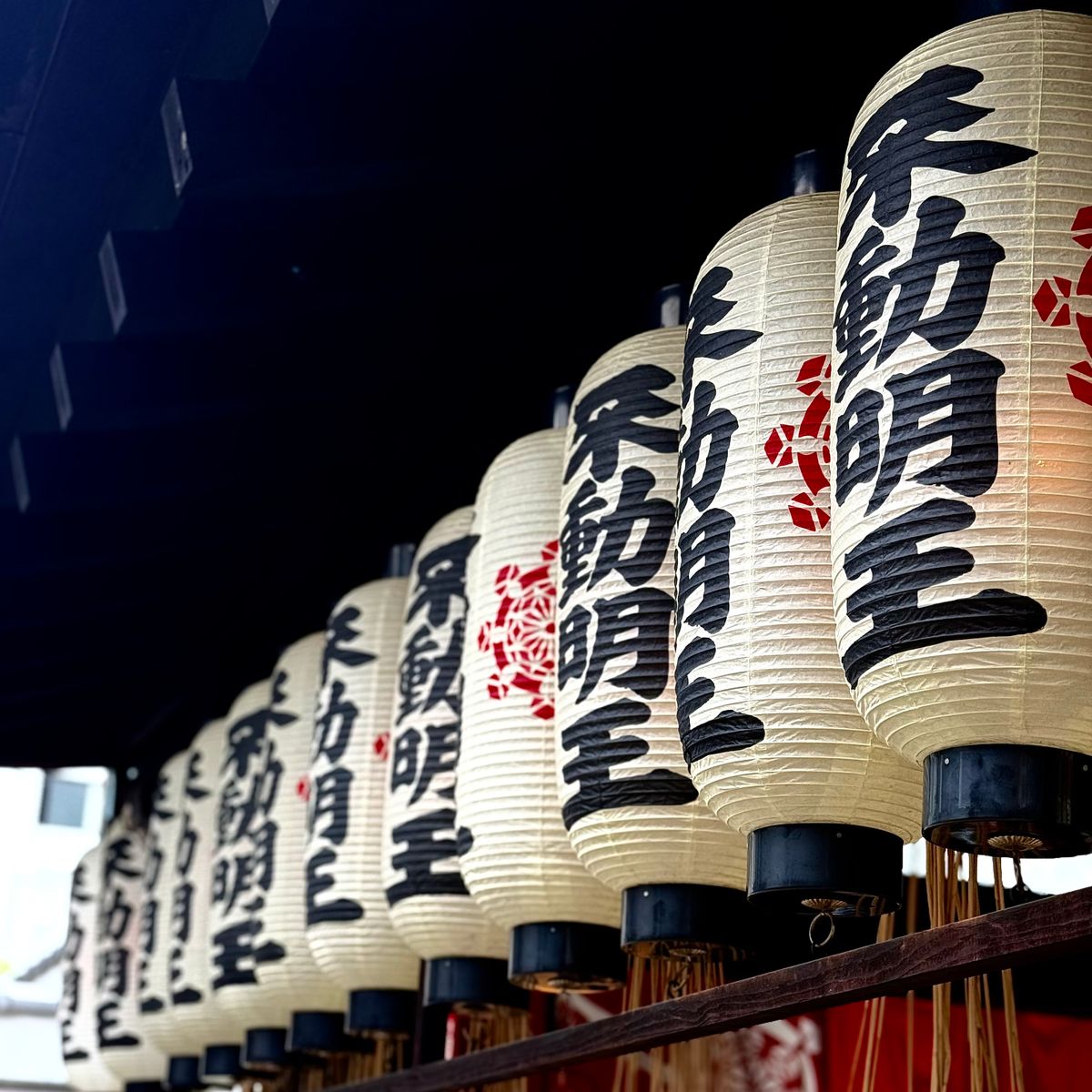
If you visit only one interior in Uchiko, make it the Uchiko-za (内子座). Built in 1916 to celebrate the enthronement of the Taisho Emperor, this two-storey wooden theatre is a glorious survivor from an age when even prosperous country towns supported their own live kabuki and bunraku puppet performances. After falling into disrepair it was restored in the 1980s and reopened as a working theatre that still hosts performances today.
Entry to look around costs about ¥400 (around US$3), and on non-performance days you are free to explore almost every corner. Walk out onto the main stage, stand where the actors stood, and then duck beneath it to see the hand-operated revolving stage mechanism (mawari-butai) and the trap doors, all powered by people pushing wooden beams in the cellar. Climb to the upper gallery to look down over the tatami-floored seating boxes, and admire the rows of sponsor lanterns and painted advertisements that decorate the walls.
What makes Uchiko-za so memorable is its human scale and its authenticity. This is not a reconstruction behind glass; it is a real theatre that the community fought to save and still uses. Standing alone on the stage in the quiet, with sunlight filtering through the wooden shutters, is one of those small, unforgettable Japan moments that you simply cannot plan for in advance.
Catching a performance
If your visit happens to coincide with a kabuki, bunraku, rakugo (comic storytelling) or music performance, jump at the chance. The intimate space means there is barely a bad seat, and watching traditional theatre in a century-old country playhouse is a world away from a slick big-city production. Check the current schedule at the theatre or the town tourist information centre when you arrive, as performance dates are limited.
Crafts, Museums and Hands-On Experiences
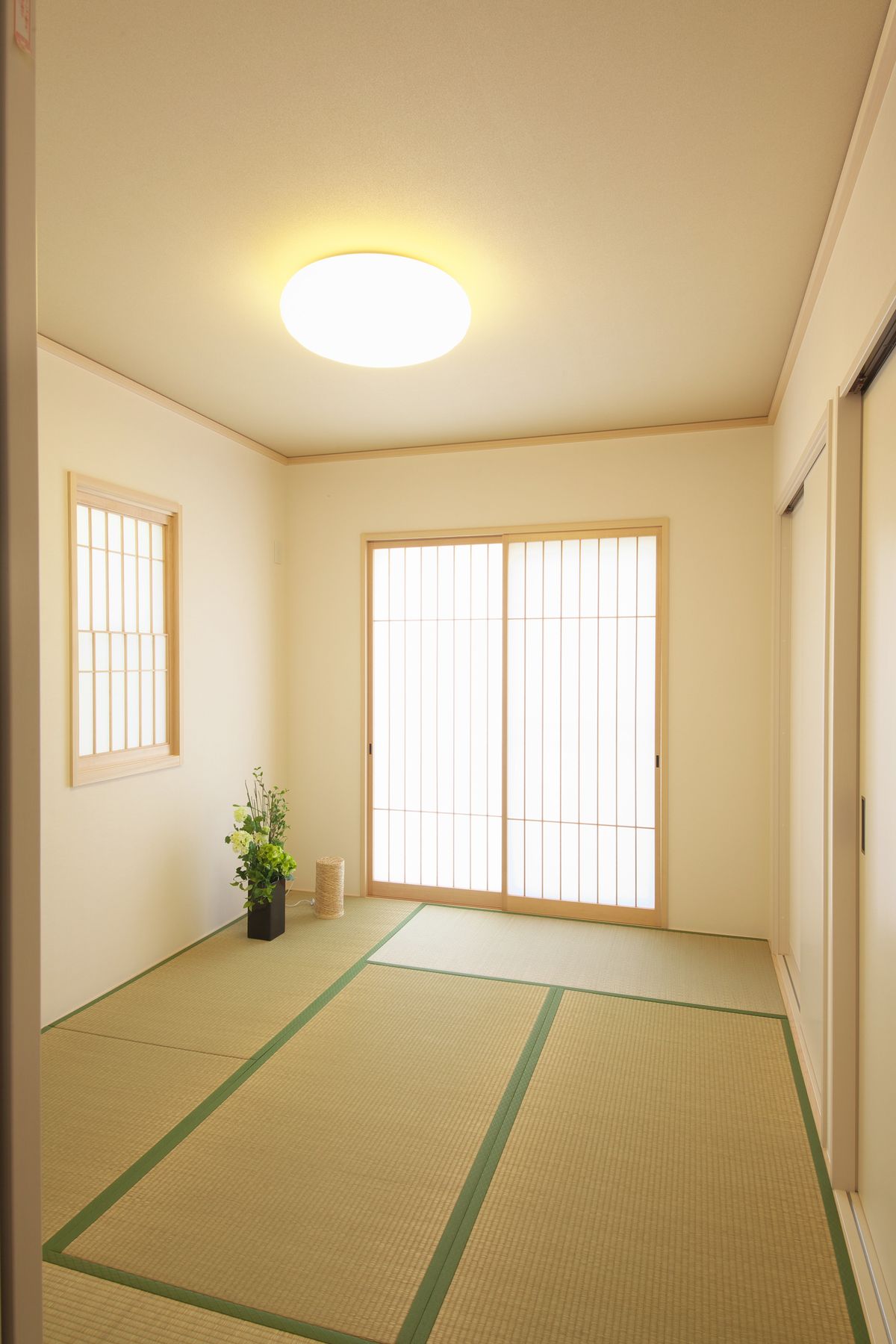
Uchiko is a place to do, not just to look. Several small museums and workshops let you get hands-on with the crafts that built the town, which makes it especially rewarding for families and curious travellers.
Machiya Museum
The Machiya Shiryokan (Merchant House Museum) is a restored townhouse furnished as it would have been in the late Edo period. Entry is free, and walking through the tatami rooms, kitchen and inner garden gives you an immediate, tactile sense of daily life: the low doorways, the soot-darkened beams, the cool earthen-floored entrance where business was conducted. It pairs perfectly with the grander Kami-Haga Residence to show both ends of the merchant social scale.
Washi paper making
Just outside the centre, the Tenjin Sanshi washi workshop and paper museum let you see traditional paper being made and, on some days, try making a sheet yourself. Pressing pulp across a bamboo screen and lifting out your own sheet of washi is a satisfying, child-friendly activity, and the results dry into a unique souvenir you actually made. Check ahead about hands-on sessions, as they may need to be arranged in advance.
Booking experiences in advance
Because Uchiko is small and its workshops are family-run, organised craft experiences and guided cultural tours can fill up or require booking ahead, especially in peak seasons. If you would rather have a craft session, guided walk or wider Shikoku cultural day arranged for you, browsing curated tours and activities on a platform such as NEWT can save time and remove the language barrier.
The Wax-Making Process, Explained
Because wax is the thread that runs through Uchiko’s whole story, it is worth understanding what you are actually looking at in the museums. Japanese vegetable wax, mokuro, is nothing like the petroleum-based paraffin most candles use today. It is pressed from the small berries of the haze, or wax sumac, a tree that grew well in the hills around Uchiko.
The process was painstaking. In autumn, farmers harvested the berries and brought them to the merchant houses. The berries were steamed and then crushed and pressed in heavy wooden presses to extract a crude greenish wax. This raw wax was then melted, filtered and, crucially, bleached. Bleaching was done the old-fashioned way: thin sheets of wax were laid out on racks in the sun and repeatedly wetted and turned over many days until they faded to the pale, creamy colour that commanded the highest prices. It was slow, weather-dependent, labour-intensive work, and the families who mastered it grew wealthy.
The finished wax travelled across Japan to become candles, hair pomade, the sizing that gave sumo wrestlers’ topknots their shine, polish for furniture and lacquerware, and even ingredients in medicines and cosmetics. When you stand inside the Kami-Haga Residence and see the scale of the storehouses and the elegance of the living quarters, you are seeing the physical result of decades of this exacting craft. It gives the pretty street outside a depth and meaning that is easy to miss on a quick glance.
Why it matters today
Traditional candle making has almost vanished from Japan, which makes Uchiko’s surviving workshops genuinely rare. The hand-rolled candles produced here burn cleanly with a large, gently flickering flame that many people find more beautiful than a modern candle. Buying one directly supports the survival of a craft that very nearly disappeared, which is part of why a Uchiko candle makes such a meaningful souvenir.
Beyond the Town: Countryside, Bridges and Day Trips
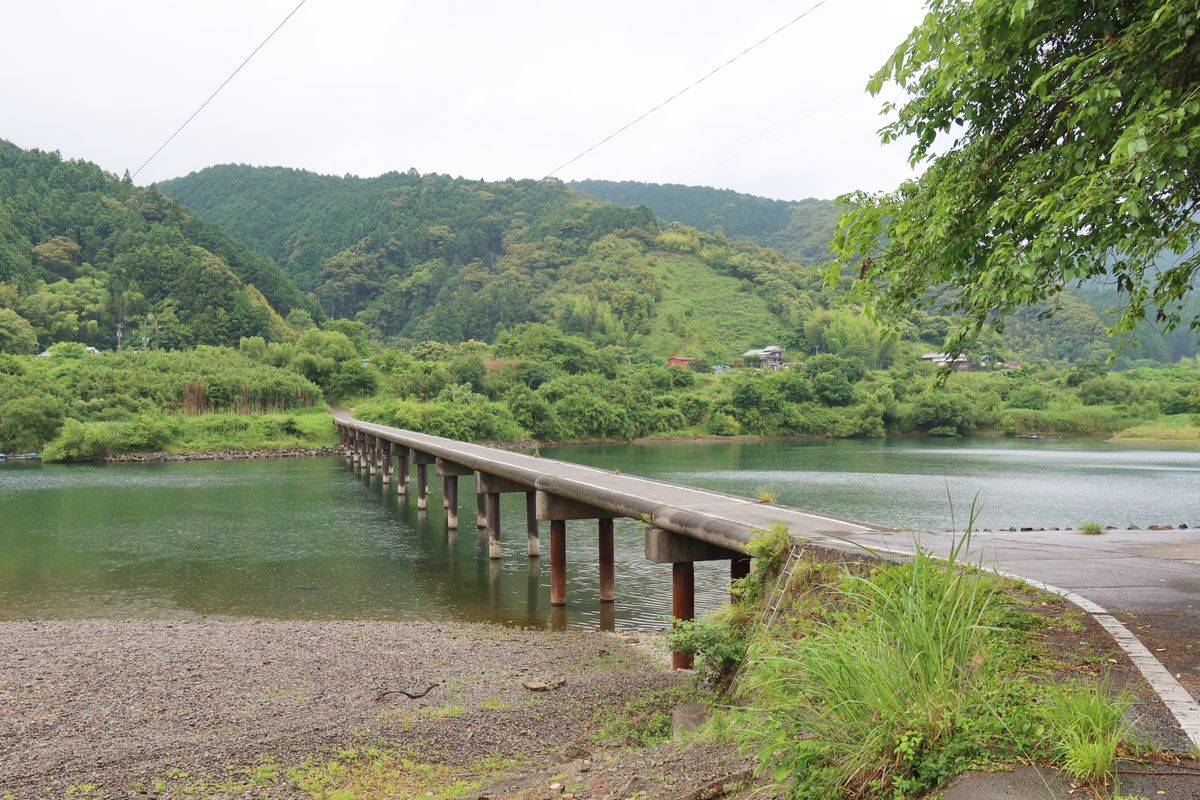
Uchiko sits in a soft green river valley, and a little time spent beyond Yokaichi reveals a peaceful countryside of terraced fields, persimmon orchards and old stone bridges. If you have a bicycle or car, follow the Oda River upstream to find the Ryuo Park area and a scattering of small farming hamlets. The countryside is especially lovely in autumn, when persimmons hang orange against the hills and the rice has just been harvested.
Ozu and the Hijikawa River
Just 15 minutes further down the rail line, the castle town of Ozu makes an excellent pairing with Uchiko. Ozu Castle is a faithfully rebuilt wooden keep you can climb, and in summer the town is famous for ukai cormorant fishing on the Hijikawa River. Many visitors combine Uchiko and Ozu into a single relaxed day out from Matsuyama.
Matsuyama and Dogo Onsen
Most travellers base themselves in Matsuyama, which means a soak at Dogo Onsen, one of Japan’s oldest and most atmospheric hot springs, is easily within reach at the end of the day. The contrast between Uchiko’s quiet streets in the afternoon and Matsuyama’s lantern-lit bathhouse in the evening makes for a beautifully balanced Shikoku itinerary.
What to Buy: Souvenirs and Crafts
Uchiko is a rewarding place to shop precisely because so much is still made locally and sold directly by the makers. Rather than mass-produced trinkets, you will find genuine craft items with a story behind them. Look out for:
- Hand-made warosoku candles – the signature Uchiko souvenir, lightweight, beautiful and steeped in local history.
- Washi paper goods – notebooks, fans, lanterns, postcards and writing paper made from the strong, soft local paper.
- Indigo-dyed textiles – scarves, tenugui hand towels and small bags in the deep blue tones of traditional Japanese dyeing.
- Citrus products – mikan juice, marmalades, citrus sweets and ponzu sauce that capture the flavour of Ehime.
- Local ceramics and woodcraft – small bowls, cups and utensils from regional makers.
Most of these items are light and easy to pack, making them ideal gifts to bring home from a Shikoku trip.
Where to Eat in Uchiko
Uchiko is not a place for flashy restaurants, and that is part of its charm. Instead you will find honest, home-style cooking, cafes in restored townhouses, and local specialities that reflect Ehime’s mild climate and citrus-growing tradition.
Look out for these local flavours:
- Mikan and citrus everything – Ehime is Japan’s citrus kingdom. Try fresh mikan oranges in season, mikan juice straight from roadside taps in some shops, and citrus sweets, jams and soft-serve ice cream.
- Tai-meshi – sea bream rice, an Ehime speciality served in two regional styles, either simmered with the rice or as fresh sashimi over rice with a savoury egg sauce.
- Local soba and udon – simple noodle shops along and near Yokaichi serve warming bowls perfect for lunch.
- Townhouse cafes – several machiya have been converted into characterful coffee shops serving hand-drip coffee, matcha and local sweets, ideal for a mid-walk rest.
Most eateries in the old town keep short daytime hours and may close by late afternoon, so plan lunch rather than dinner here. For more on navigating Japan’s regional specialities and how to order with confidence, our Japan food experiences guide is a handy reference.
Where to Stay In and Around Uchiko
Uchiko itself has only a small number of guesthouses and minshuku (family-run inns), which can be a wonderful, intimate way to experience the town once the day-trippers leave. Staying overnight means you get the old street almost to yourself in the early morning and evening, which is magical.
That said, many visitors choose to base themselves in Matsuyama, which offers the widest range of hotels, easy train access and the bonus of Dogo Onsen. Ozu is a quieter middle option with its castle-town atmosphere. Here is how to think about it:
- Matsuyama – best for variety, nightlife, onsen and transport links; ideal if Uchiko is one stop on a wider Shikoku trip.
- Ozu – atmospheric castle town with riverside ryokan and restored-townhouse stays, very peaceful.
- Uchiko – limited but characterful guesthouses for travellers who want to slow right down.
Because rooms in this region are limited and fill up around festivals and autumn foliage season, it pays to compare and book early. You can scan hotels and guesthouses across Matsuyama, Ozu and Uchiko on Agoda to lock in the best location for your itinerary.
Getting Around and Accessibility
The good news for travellers with limited mobility, young children in strollers, or simply tired feet is that Uchiko’s main attractions are concentrated along one street. Yokaichi is gently sloped rather than steep, and the surface is mostly even. Taxis can drop you near the top of the historic district so you can walk gently downhill rather than up.
Be aware that the historic buildings themselves are old, which means steps up into entrances, raised tatami floors and the requirement to remove your shoes inside. Uchiko-za in particular has stairs to its upper gallery and a low passage beneath the stage. Staff are helpful, but the century-old structures cannot all be made fully step-free. If stairs are a concern, you can still enjoy the ground floor of most buildings and the full length of the street.
There are clean public toilets near the station, the tourist information centre and within the old town. Vending machines and a couple of small shops provide drinks, but there are no large supermarkets or chain conveniences in the historic core, so bring any specific snacks or supplies you need, along with cash.
Best Time to Visit Uchiko
Uchiko is a year-round destination, but each season offers something different:
- Spring (March–May) – mild, comfortable weather and cherry blossoms in nearby parks. One of the most pleasant times for walking.
- Summer (June–August) – green and lush, but hot and humid. Mornings are best; this is also cormorant-fishing season in neighbouring Ozu.
- Autumn (October–November) – arguably the finest season, with ripe persimmons, harvest landscapes and gentle foliage colour framing the old town.
- Winter (December–February) – quiet and crisp, with very few visitors. Snow is rare but possible, and the candle workshop feels especially fitting in the cold.
Whatever the season, aim to arrive in the morning. Day-trippers tend to come midday, so an early start gives you the quiet, photogenic street you came for, and lets you finish in time for a Matsuyama onsen in the evening.
How Uchiko Fits Into a Shikoku Trip
Shikoku is the least-visited of Japan’s four main islands, and that is exactly why travellers who make the effort are so often rewarded. Uchiko fits beautifully into a slower, more rural itinerary that might also include Matsuyama and Dogo Onsen, the castle town of Ozu, the dramatic Iya Valley and its vine bridges further east, the udon shops of Kagawa, and the temples of the famous 88-temple pilgrimage that circles the whole island.
Where the big-city loop of Tokyo, Kyoto and Osaka shows you Japan at full volume, a Shikoku route built around towns like Uchiko shows you the country at a human pace: small communities, regional food, hot springs and landscapes that change with the seasons. Even two or three days on the island leaves most travellers wishing they had allowed more. If you are weighing up how to add Shikoku to a rail-based trip around Japan, planning your route and passes carefully in advance will make the connections painless and keep costs down.
Practical Tips for Visiting Uchiko
- Start at the tourist information centre. Pick up the excellent English walking map near Uchiko Station or in town; it marks every notable building and the museums’ opening hours.
- Carry cash. Many small shops, candle makers and museums do not take cards. Withdraw yen at a post office or convenience store ATM in Matsuyama before you come.
- Buy a combination museum ticket. If you plan to visit Uchiko-za, the Kami-Haga Residence and the Machiya Museum, ask about a discounted combined ticket, which saves a little money.
- Wear comfortable shoes. Yokaichi is gently sloped and you will be on your feet on stone and wooden floors; you will also remove your shoes inside several buildings, so slip-on footwear is ideal.
- Go in the morning. The street is quietest and most photogenic early, and many shops and cafes close by late afternoon.
- Allow half a day minimum. Three to four hours lets you enjoy the street, two or three museums and a relaxed lunch without rushing.
- Be a respectful guest. Real families live on Yokaichi. Admire from the street, do not enter private doorways, and ask before photographing people or shop interiors.
- Stay connected. Rural Shikoku has good coverage but few English signs once you leave the main attractions. Having mobile data for maps and translation makes everything smoother; a prepaid travel eSIM you set up before arrival is the simplest option, and you can compare plans through this Japan & global eSIM service.
- Combine your visit. Pair Uchiko with Ozu or Matsuyama to make a full, satisfying day rather than a single short stop.
Suggested Itineraries
Half-day from Matsuyama (3–4 hours)
Take a morning limited express to Uchiko, walk up Yokaichi, tour the Kami-Haga Residence and Uchiko-za, browse the candle and washi shops, and enjoy a townhouse-cafe lunch before returning to Matsuyama for a Dogo Onsen soak in the late afternoon.
Full day: Uchiko plus Ozu
Spend the morning in Uchiko as above, then hop one stop to Ozu after lunch to climb Ozu Castle and stroll the riverside old town. Return to Matsuyama in the evening. This is the ideal way to experience two of inland Ehime’s best small towns in one relaxed day.
Slow overnight
Stay in a Uchiko or Ozu guesthouse, enjoy the old street in the quiet of evening and early morning, and add a countryside cycle ride or a washi paper-making session. Perfect for travellers who want to escape the pace of Japan’s big cities entirely.
Frequently Asked Questions
Is Uchiko worth visiting for first-time travellers to Japan?
Yes, especially if you want to balance big-city sightseeing with something quieter and more authentic. Uchiko offers a beautifully preserved historic street, hands-on crafts and a genuine sense of old rural Japan, all in an easy, walkable half-day trip from Matsuyama. It is one of the most rewarding small towns on Shikoku.
How long do I need in Uchiko?
Plan for at least three to four hours to enjoy Yokaichi street, two or three museums and a relaxed lunch. If you want to add the washi workshop or combine it with nearby Ozu, give yourself a full day.
How do I get to Uchiko from Matsuyama?
Take a JR limited express train from Matsuyama Station to Uchiko Station (about 25 minutes, roughly ¥1,200–1,400). From the station it is a pleasant 15–20 minute walk, a short taxi ride, or a rental-bicycle hop to the old town.
What are the must-see sights in Uchiko?
The unmissable trio is the Uchiko-za kabuki theatre, the Kami-Haga Residence with its wax museum, and a stroll along the full length of Yokaichi street, ideally with a stop at a working candle workshop like Omori Warosoku.
Is Uchiko good for families with children?
Very much so. The candle and washi workshops are hands-on and engaging, the streets are quiet and safe to wander, and the human scale of the town means children are not overwhelmed. Watching a candle being hand-made or making a sheet of paper are memorable activities for all ages.
Can I visit Uchiko as a day trip and still see other places?
Absolutely. Uchiko pairs naturally with Ozu (one stop away) and with Matsuyama, where Dogo Onsen makes a perfect end to the day. Many travellers do all three in a single, well-paced day out.
Festivals and Events Worth Timing Your Visit Around
Like many old Japanese towns, Uchiko keeps its traditions alive through the calendar. While the historic street is rewarding on any ordinary day, catching a local festival adds colour and a sense of living community that photographs can never quite capture.
The town’s autumn festivals, held in October, are the highlight of the year. Ornate festival floats and portable shrines (mikoshi) are paraded through the streets, accompanied by drums and the energy of residents of all ages. Because Uchiko is small, you experience these events up close rather than from behind crowd barriers, and the backdrop of the preserved townscape makes them especially atmospheric. Performances at Uchiko-za are also more frequent around festival periods, so it is worth checking the schedule if your dates are flexible.
In summer, the surrounding river valleys come alive with fireflies in early evening, a quietly magical sight in the countryside around the town. And throughout the year the candle and craft workshops occasionally host special demonstrations and seasonal markets. None of this requires advance planning to enjoy, but a quick check with the tourist information centre when you arrive can help you line up your visit with whatever happens to be on.
Combining Uchiko with seasonal travel
If you are visiting Japan during a major travel season such as the cherry blossom weeks, Golden Week in late April and early May, the summer Obon holiday, or the autumn foliage peak, Uchiko makes a brilliant escape valve from the crowds. While the headline sights in Kyoto and Tokyo can feel overwhelming during these periods, Shikoku stays relatively calm, and a town like Uchiko lets you enjoy the season, blossoms in spring, ripe persimmons and gentle colour in autumn, without the crush. Just remember that accommodation across the whole island books up during these peaks, so reserve your rooms as early as you can.
A Sample Walking Route Through Uchiko
To help you picture a visit, here is a simple route that links the highlights in a logical order without backtracking. Begin at Uchiko Station and either walk or take a short taxi toward the old town, stopping first at the tourist information centre to grab an English map. From there, make your way to Uchiko-za, the kabuki theatre, ideally early when it is quiet, and take your time exploring the stage, the understage machinery and the upper gallery.
Next, walk up into the lower end of Yokaichi street and let it unfold gradually. Pause at the Machiya Museum for a free look at everyday merchant life, then continue uphill to the grand Kami-Haga Residence and its wax museum, the cultural and historical centrepiece of the town. Along the way, step into the Omori candle workshop to watch a craftsman at work, browse the washi and indigo shops, and stop at a townhouse cafe for coffee and a local sweet.
Finish at the top of the street, where the crowds thin and the views open toward the surrounding hills. From here you can loop back gently downhill toward the station, or, if you have time and energy, pick up a rental bicycle to explore the riverside countryside before catching your train back to Matsuyama or onward to Ozu. The whole route is relaxed, mostly flat to gently sloping, and easy to adjust to your own pace.
Final Thoughts
Uchiko is the kind of place that quietly steals your heart. There is no headline attraction designed to go viral, no crowds jostling for the same photo, just a single graceful street where the past has been carefully kept alive and where craftspeople still practise the trades that once made the town rich. For travellers willing to slow down and look closely, it offers one of the most genuine and human experiences in all of western Japan.
Add it to a Shikoku itinerary alongside Matsuyama, Dogo Onsen and Ozu, give yourself an unhurried morning, and let Uchiko show you a side of Japan that the bullet-train crowds rush straight past. For more ideas on building your route, browse our full Japan destinations guide, and check our first-timer travel tips before you go.
Going to Japan? Talk to locals with confidence.
Hirameki Japanese — instant offline translation, camera translation, furigana + romaji, and 314 free flashcards. No login. Works without internet.

Plan your Japan trip
Two things every first-timer should book
Some links are affiliate links. If you book through them we may earn a small commission at no extra cost to you.