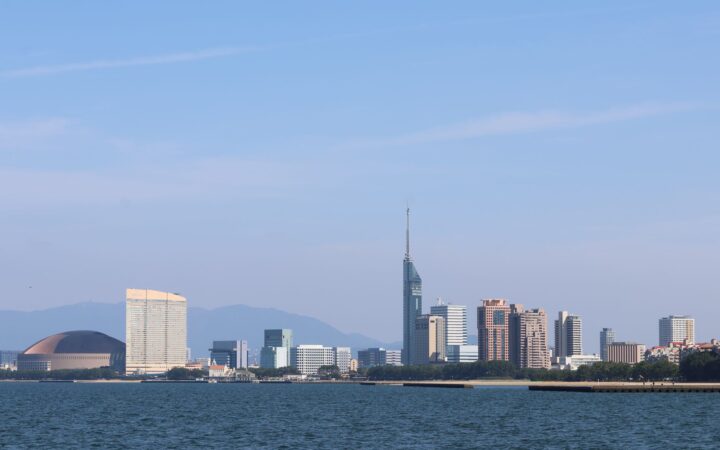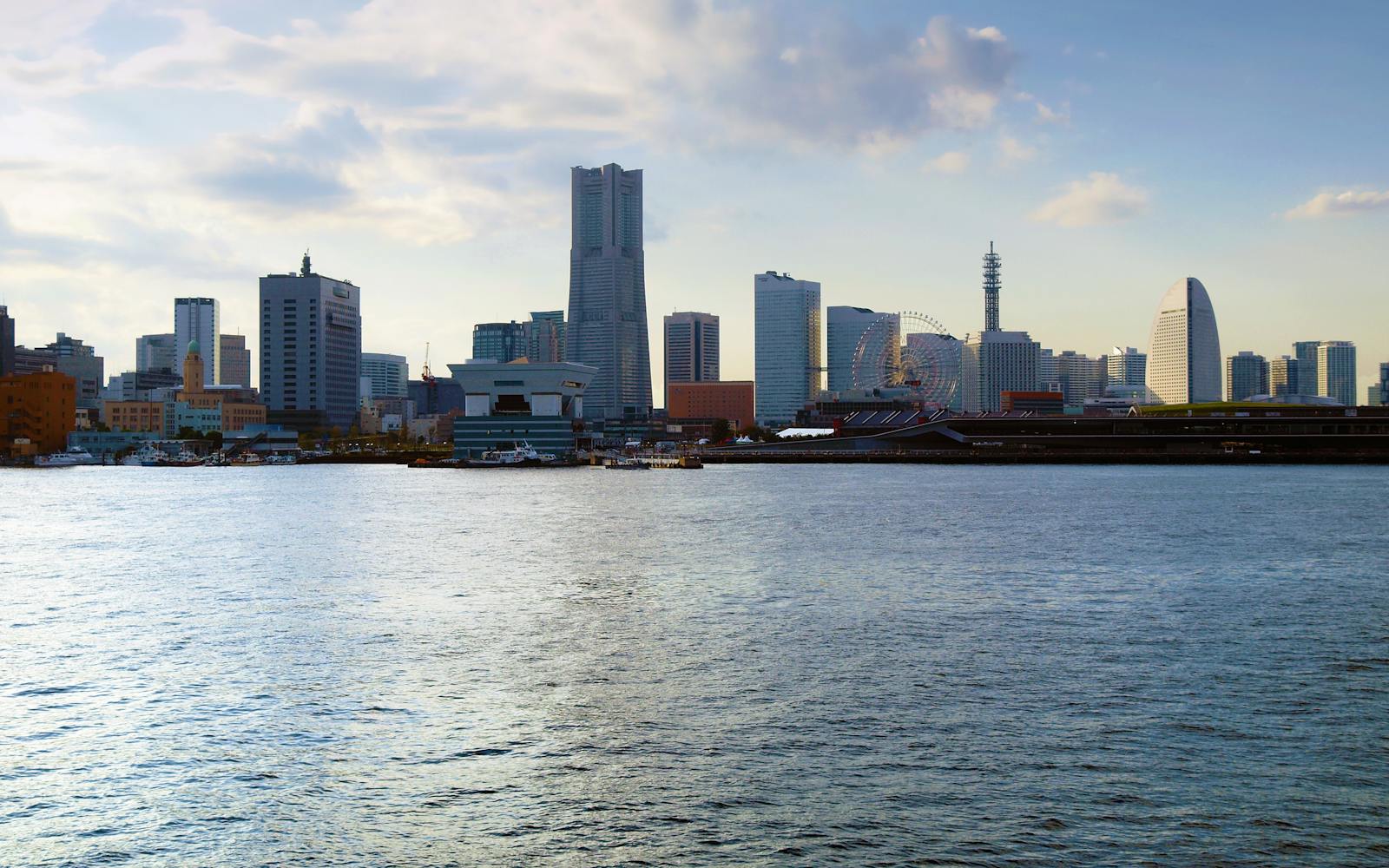
Just thirty minutes south of Tokyo by train, Yokohama offers something the capital can’t: wide open skies over a glittering bay, the country’s largest Chinatown, hundred-year-old red brick warehouses transformed into cafes and galleries, and a relaxed pace that feels worlds away from Shibuya’s crowds. Despite being Japan’s second-largest city, Yokohama still flies under the radar for many first-time visitors — and that’s exactly why it makes such a rewarding day trip or two-night base. This complete guide walks you through everything you need to know to explore Yokohama like a local, from the futuristic Minato Mirai skyline to the lantern-lit alleys of Chinatown, with practical tips on transport, costs, and the best places to stay.
Why Visit Yokohama?
Yokohama is Japan’s most cosmopolitan port city, and its history shows it. When the country opened to international trade in 1859 after more than two centuries of isolation, Yokohama was one of the first ports opened to foreign trade. That heritage is woven through the entire city — in the Western-style mansions of Yamate, the British and French gardens overlooking the bay, the Italianate brick warehouses of Akarenga, and of course the dragon gates of Chinatown. Walking through Yokohama feels like turning the pages of a 19th-century travel diary that someone keeps updating with neon, jazz bars, and craft coffee.
For first-time visitors to Japan, Yokohama is a brilliant counterpoint to Tokyo. You get the same world-class food, transport, and shopping, but with breathing room. The waterfront walks at Minato Mirai are wide and uncrowded. The Chinatown alleys are vibrant but never overwhelming. And the ferry rides across Yokohama Bay give you a perspective on Japan that the bullet train simply doesn’t offer. If your itinerary already includes Tokyo, adding a single day in Yokohama dramatically changes the rhythm of your trip.
How to Get to Yokohama from Tokyo
One of the best things about Yokohama is how easy it is to reach. Trains run constantly from multiple Tokyo stations, fares are inexpensive by Japanese standards, and you don’t need to plan ahead — just tap your IC card and go.
From Tokyo Station
The Tokaido Line and the Yokosuka Line both run from Tokyo Station to Yokohama Station. The fastest option is the Tokaido Line rapid service, which takes about 25 minutes and costs ¥490 (around $3.30 USD). If you have a Japan Rail Pass, this ride is fully covered. The Yokosuka Line is slightly slower at 28 minutes but stops at Shinagawa, which can be more convenient depending on where you’re staying.
From Shinjuku and Shibuya
The Shonan-Shinjuku Line is the most direct route from Shinjuku, taking around 30 minutes and costing ¥570 ($3.85 USD). From Shibuya, the Tokyu Toyoko Line runs to Yokohama Station in roughly 25 minutes for ¥320 ($2.15 USD) — this is the cheapest option and avoids JR transfers entirely.
From Haneda and Narita Airports
If you’re heading to Yokohama straight from the airport, the Keikyu Line from Haneda takes about 30 minutes and costs ¥370 ($2.50 USD). From Narita Airport, the Narita Express (N’EX) runs directly to Yokohama Station in roughly 90 minutes for ¥4,370 ($29 USD) — pricey but fully covered by the Japan Rail Pass. There’s also a limousine bus service that takes around 90 minutes to two hours depending on traffic and costs ¥3,700 ($25 USD).
Travel tip
If you’re arriving from outside Japan and plan to use Yokohama as a base for exploring the Tokyo area, consider getting an eSIM before you land so you can use Google Maps from the moment you step off the plane.
Get your Japan eSIM (Stay connected from day 1) →
Getting Around Yokohama
Yokohama is a sprawling city, but the main tourist areas are surprisingly walkable. Most first-time visitors only need to navigate a small, bay-side stretch from Yokohama Station down to Yamashita Park, with Minato Mirai, Akarenga (Red Brick Warehouses), Chinatown, and Motomachi all clustered along the waterfront.
Trains and the Minatomirai Line
The Minatomirai Line is your best friend in Yokohama. It runs through every major tourist neighborhood — Minatomirai Station for the Cosmo Clock 21 ferris wheel, Bashamichi for the Akarenga Warehouses, Nihon-odori for Yamashita Park and the Osanbashi cruise pier, and Motomachi-Chukagai for Chinatown. A single ride costs between ¥190 and ¥260 ($1.30–$1.75 USD), and a one-day Minatomirai Line pass costs ¥460 ($3.10 USD), which usually pays for itself by the second ride.
The Sea Bass Ferry
The Sea Bass is a small commuter ferry that runs between Yokohama Station, Minatomirai (Pukari Sanbashi pier), Akarenga, and Yamashita Park. It costs ¥600–¥800 per ride ($4–$5.40 USD) and gives you a stunning, sea-level view of the city. For first-time visitors, taking the Sea Bass at least once is one of the simplest, most photogenic ways to enjoy the city.
Buses and walking
The Akai Kutsu Loop Bus is a charming red retro bus that loops through Sakuragicho, Minatomirai, Akarenga, Chinatown, and Yamashita Park for ¥220 ($1.50 USD) per ride or ¥500 ($3.40 USD) for a one-day pass. Walking is also a brilliant option — the entire Minatomirai-to-Chinatown stretch can be done on foot in around 40 minutes, and the seaside paths are flat and beautifully landscaped.
Top Things to Do in Yokohama
Yokohama can be tackled in a single packed day or stretched into a relaxing weekend. Here are the experiences first-time visitors shouldn’t miss, ordered roughly by how visitors typically encounter them coming from the station southward.
1. Minato Mirai 21 — The Bayfront Skyline
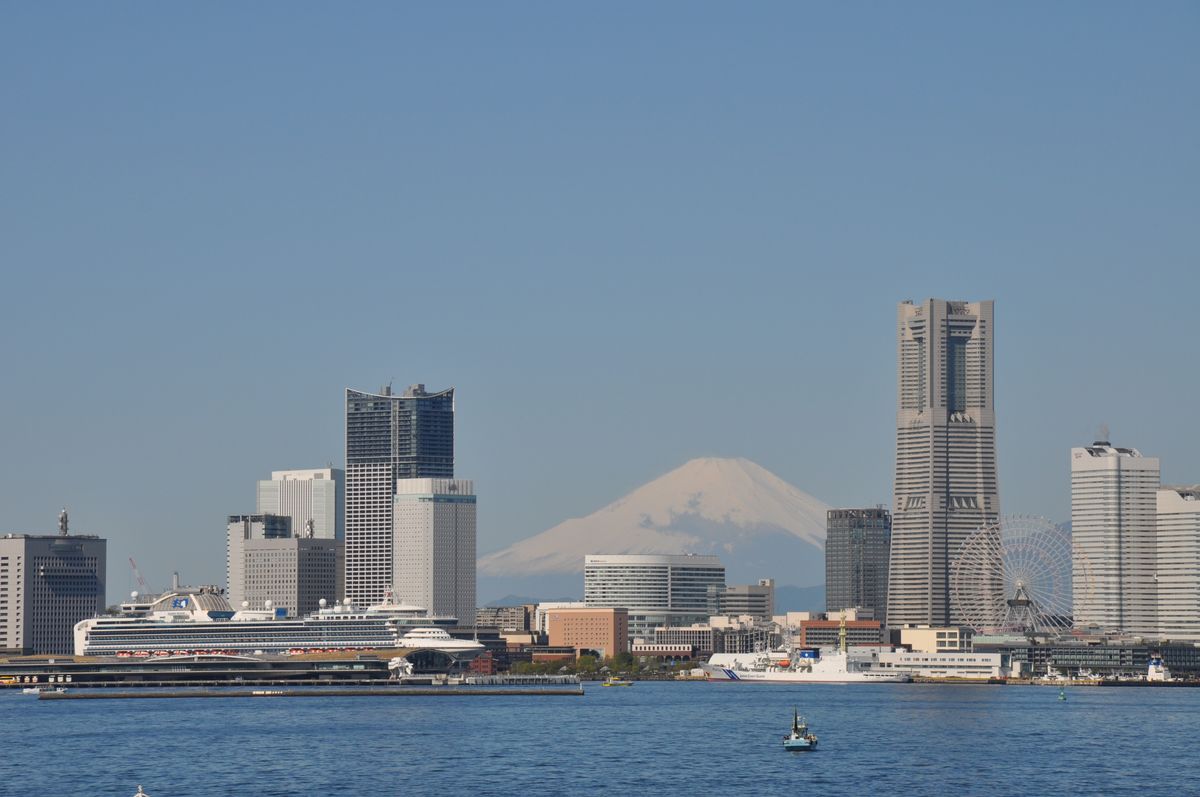
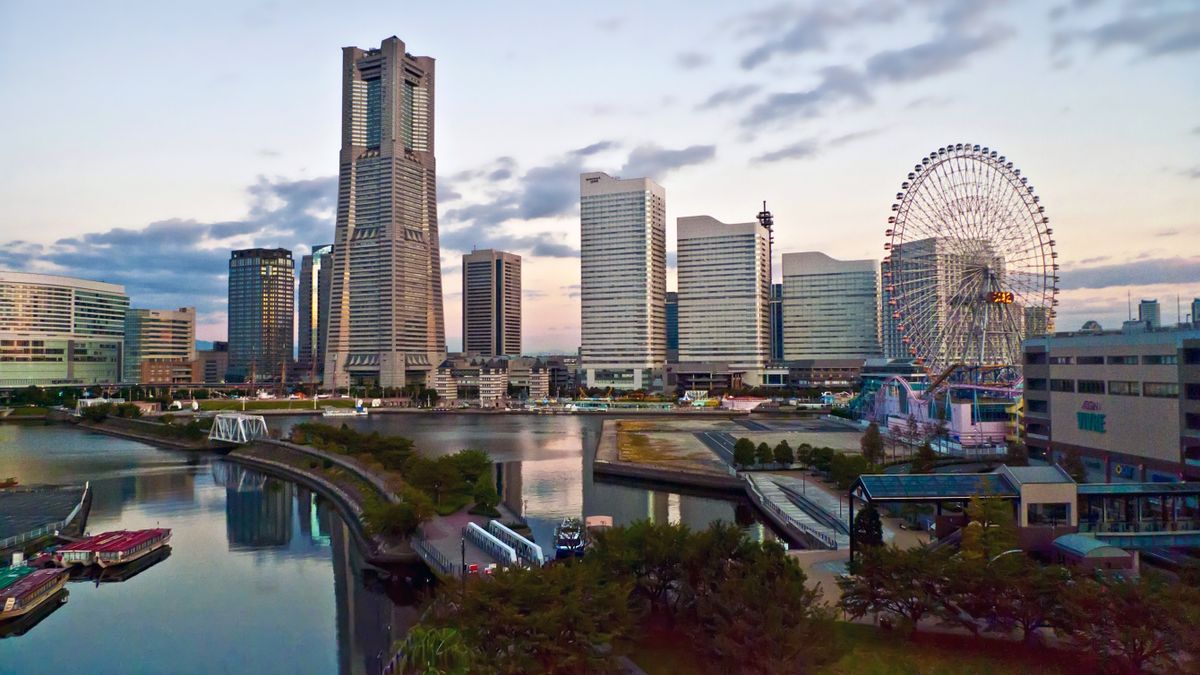
Minato Mirai 21 (“Harbor of the Future 21”) is the symbol of modern Yokohama: a futuristic waterfront district built on what used to be Mitsubishi shipyards. The area is anchored by Landmark Tower (Japan’s third-tallest building at 296 meters), the curving sail-shaped Yokohama InterContinental hotel, and the Cosmo Clock 21 ferris wheel, once the tallest in the world and billed as the world’s largest clock.
Entry to the Sky Garden observation deck on the 69th floor of Landmark Tower costs ¥1,000 ($6.75 USD) for adults. On clear days, you can see Mount Fuji to the west, the entire Tokyo Bay area to the north, and the Boso Peninsula across the water. Try to time your visit for sunset, when the entire skyline lights up and Cosmo Clock 21 begins its rainbow color sequence.
2. Akarenga (Red Brick Warehouse)
The Akarenga Soko, or Red Brick Warehouses, are two long, photogenic Meiji-era brick buildings that once stored cargo from steamships. After standing empty for decades, they were beautifully restored in 2002 into a complex of boutiques, cafes, restaurants, beer halls, and event spaces. The brick exteriors are gorgeous in any light, but they’re especially atmospheric at night when the warm lamps come on and the wide plaza outside fills with food trucks, ice rinks (in winter), or open-air markets.
Entry is free and the warehouses are open every day. The first floor of Warehouse 2 is the best for casual shopping — Japanese craft brands, design goods, sweets — while the upper floors have nicer restaurants. Don’t skip the small craft beer hall on the ground floor, which serves rotating Yokohama-brewed beers.
3. Yokohama Chinatown (Chukagai)
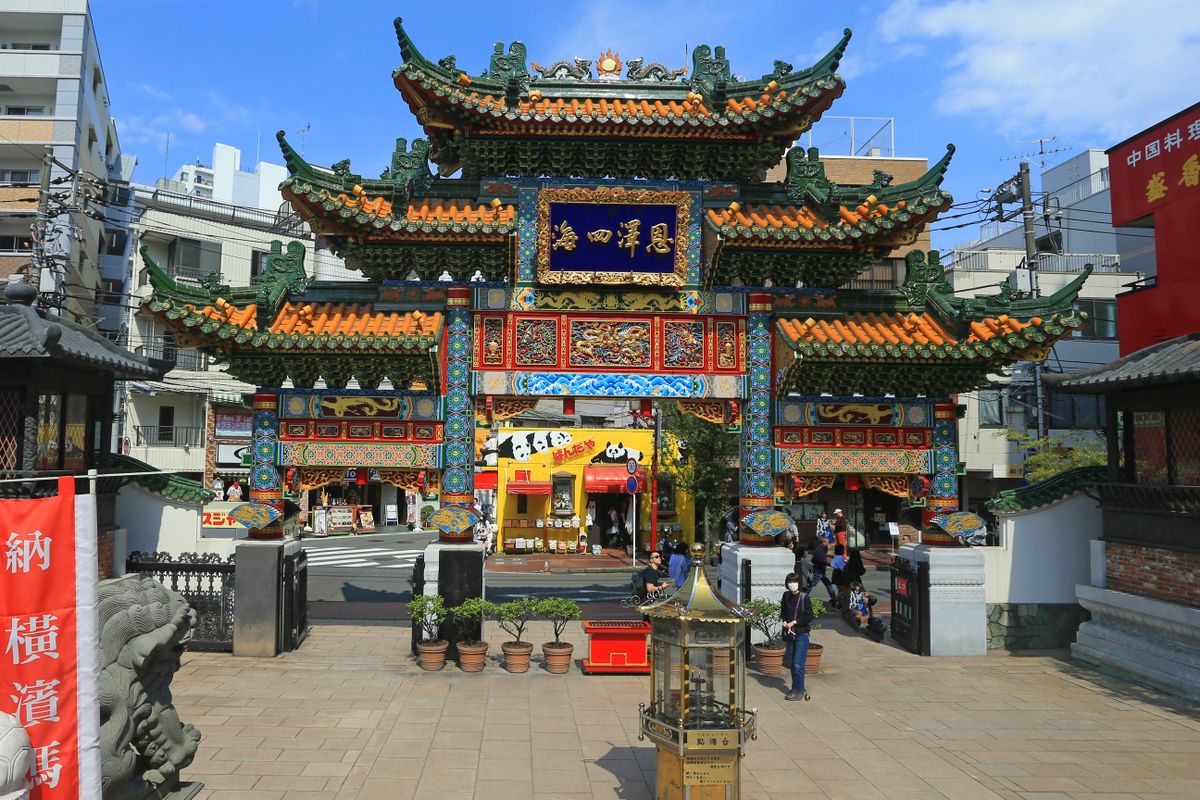
Yokohama’s Chinatown is the largest in Japan and one of the largest outside of China, with over 600 shops and restaurants packed into a few colorful blocks. It dates back to 1859, when Chinese traders settled near the newly opened port and brought their cuisine, temples, and festivals with them. Today, Chinatown is a sensory feast — neon dragons curling around lampposts, dim sum steam billowing from food stalls, the clatter of cleavers and chopsticks, and four ornate gates marking the cardinal points of the district.
Don’t miss Kanteibyo, the Chinese temple at the center of the district dedicated to Guan Yu, the deified general of Chinese folklore. Entry is free, and it’s especially beautiful in the early evening when the lanterns glow. For food, try the steamed pork buns from Edosei or the giant pork buns from Manchinro — both are takeaway favorites that you can eat as you wander. If you want to sit down, head to the upper floors of any of the major restaurants for proper Cantonese, Sichuan, or Shanghai cuisine.
4. Yamashita Park and the Hikawa Maru
Yamashita Park is a long ribbon of greenery running along Yokohama’s harbor, perfect for a slow walk after a heavy Chinatown lunch. The park was actually built in the 1930s on rubble from the Great Kanto Earthquake, and it’s been Yokohama’s seaside living room ever since. Locals walk dogs, photograph wedding parties, and spread out picnic blankets on weekends.
Permanently moored at the western end of the park is the Hikawa Maru, an elegant 1930s ocean liner that once carried passengers between Yokohama and Seattle. Charlie Chaplin sailed on it. Today the ship is a museum (¥300 / $2 USD entry) where you can wander through the original art deco dining room, first-class cabins, and the engine room. It’s small but charming, and the engine room is unexpectedly cool for kids.
5. Osanbashi International Passenger Pier
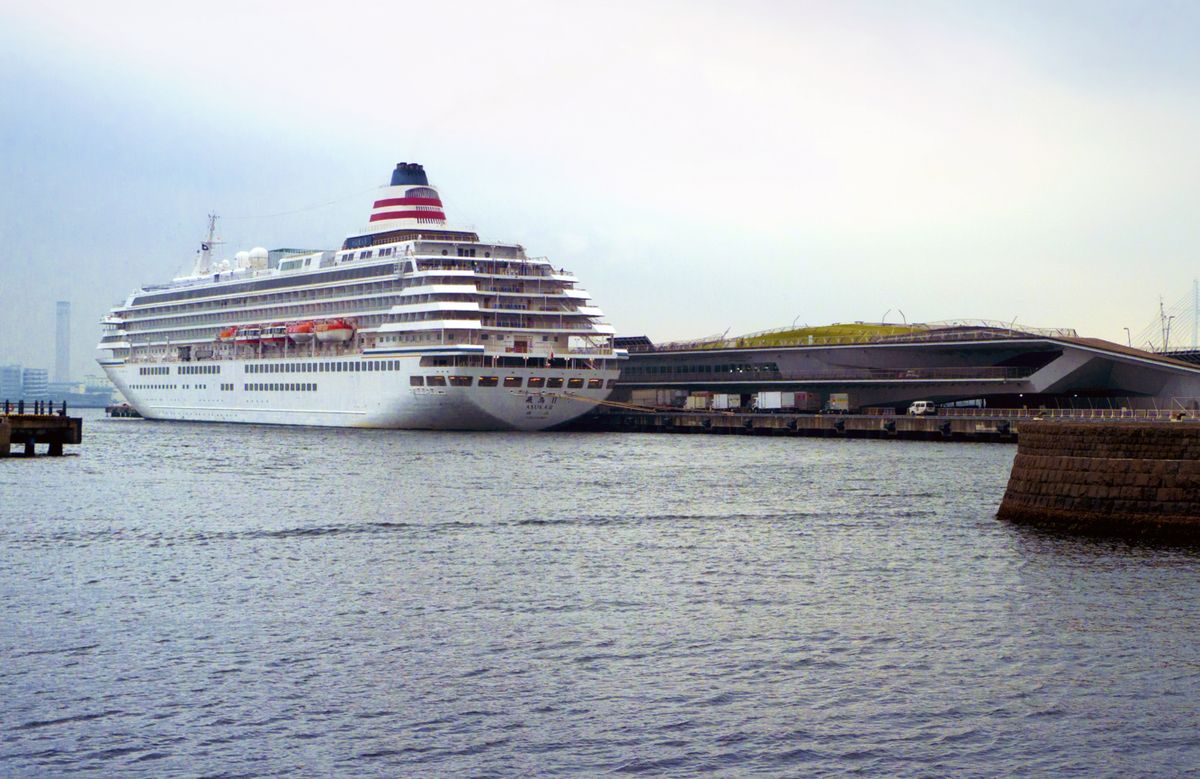
Osanbashi is one of the most underrated viewpoints in all of Japan. The pier is the international cruise terminal, but the rooftop is a free public space — a vast wooden deck that flows in soft hills out into the bay. From the rooftop you can see the entire Yokohama skyline curving around the bay: Minato Mirai to the left, Akarenga and Yamashita Park to the right. Sunset and blue hour are unbeatable here, especially if a cruise ship happens to be docked.
There are no shops or admission fees on the rooftop. Bring a coffee from a Minato Mirai cafe and stay for an hour. Photographers should especially time this for “blue hour” — the 20 minutes after sunset when the city lights up but the sky still has color.
6. Sankeien Garden
If you have time for one cultural escape, make it Sankeien. Located about 35 minutes by bus from Yokohama Station, this 17-hectare traditional Japanese garden was created in 1906 by silk merchant Hara Sankei, who used his fortune to buy and relocate historic buildings from Kyoto, Kamakura, and elsewhere — including a 500-year-old three-story pagoda that is one of the oldest in eastern Japan. Wandering the garden’s ponds, teahouses, and thatched farmhouses, you’d never guess you were in Japan’s second-largest city.
Entry is ¥900 ($6 USD) for adults. The garden is breathtaking in cherry blossom season (early April), iris season (June), and autumn foliage (mid-November to early December). Allow at least 90 minutes; longer if you stop for matcha at the on-site teahouses.
7. Yamate (The Bluff) and the Foreign Residences
Yamate, also called “The Bluff,” is the historic foreign residential district that spread up the hill behind the port in the 1860s. Today it’s a quiet neighborhood of European-style mansions, churches, and gardens, many of which are now free public museums. Berrick Hall, the Diplomat’s House and the Bluff No. 18 Residence are open to the public at no cost, while the nearby Iwasaki Museum charges a small admission fee. The Harbor View Park (Minato no Mieru Oka Koen) at the top of the hill is a lovely place to rest and take in the view of Yokohama Bay Bridge from above.
8. Cup Noodles Museum
Yes, there’s an entire museum dedicated to instant ramen — and it’s surprisingly excellent. Located in Minato Mirai, the Cup Noodles Museum tells the story of Momofuku Ando’s 1958 invention of instant noodles in a clean, beautifully designed space. The highlight is the My Cup Noodles Factory, where for ¥500 ($3.40 USD) you design your own cup, pick four toppings, and seal your one-of-a-kind cup noodle to take home as a souvenir. Entry to the museum itself is ¥500 ($3.40 USD) for adults; children under high school are free.
Where to Eat in Yokohama
Yokohama’s food scene reflects its layered history — Chinese, Western, and Japanese influences all coexist comfortably. Here’s a curated list of where first-timers should eat to get a sense of the city’s flavor.
For Chinese food: Yokohama Chinatown
This is the obvious starting point. For dim sum, Manchinro Honten (a 130-year-old institution) is famous for its giant pork buns and crab shumai. For affordable dumplings and noodles, Heichinrou is a reliable mid-range choice with a good lunch course. Street food lovers should try the giant niku-man (steamed pork bun) from Edosei, the soup dumplings from Kingen Lou, and the egg tarts from Roushuki. Expect to spend ¥1,500–¥3,000 ($10–$20 USD) per person for a full sit-down meal.
For ramen: Shin-Yokohama Ramen Museum
Shin-Yokohama, about 10 minutes from Yokohama Station on the JR Yokohama Line, is home to the Shin-Yokohama Ramen Museum — a charming “ramen theme park” set inside a recreated 1958 Tokyo shitamachi street. Entry is ¥450 ($3 USD), and once inside you can sample bowls from rotating ramen shops representing every region of Japan. Most bowls cost ¥800–¥1,200 ($5.40–$8 USD), and many shops offer mini-sized half bowls so you can try several styles in one visit. It’s a perfect introduction to Japan’s regional ramen culture in a single afternoon.
For yoshoku: Center Grill and Hotel New Grand
Yoshoku — Japanese-style Western food — was essentially invented in Yokohama in the late 1800s, when chefs adapted European dishes to Japanese tastes and ingredients. The city is the historical home of dishes like neapolitan spaghetti, doria (a baked rice gratin), and hayashi rice. Center Grill in the Noge area is a beloved old-school yoshoku diner with reasonable prices. For a special-occasion experience, Hotel New Grand’s Coffee Shop “The Cafe” is the literal birthplace of doria — created in the 1930s for a guest who requested something light. A doria here costs around ¥3,000 ($20 USD) and feels like a bite of Yokohama history.
For nightlife dining: Noge district
Noge is Yokohama’s bar and izakaya district — a few blocks of narrow alleys packed with grilled-meat counters, sake bars, and tiny standing-room-only spots called tachinomi. It’s where locals go after work, and unlike Tokyo’s Golden Gai, it’s easy for foreign visitors to wander in without reservations. Budget ¥3,000–¥5,000 ($20–$34 USD) for a fun food-and-drink crawl across two or three spots.
Where to Stay in Yokohama
Yokohama is a viable base for exploring the wider Tokyo area, especially if you want quieter mornings and easy access to Hakone, Kamakura, and the Izu Peninsula. Here are the best neighborhoods to stay in for first-time visitors.
Minato Mirai — best for views
Staying in Minato Mirai puts you in the heart of the bayfront, with skyline views from your window and immediate access to the Akarenga Warehouses, the Cosmo Clock 21 ferris wheel, and Sakuragicho Station. The InterContinental Yokohama Grand and the Yokohama Royal Park Hotel inside Landmark Tower are top-end choices with spectacular views. Mid-range options in the area include the Hyatt Regency Yokohama and the Niwa Hotel.
Book your hotel on Agoda (Best prices guaranteed) →
Yokohama Station area — best for transport
If you’re using Yokohama as a hub for day trips around the Tokyo region, staying near Yokohama Station gives you access to dozens of train lines including the Tokaido, Yokosuka, Shonan-Shinjuku, and Keikyu lines. Hotels here tend to be more business-oriented and a little cheaper than Minato Mirai. The Sotetsu Grand Fresa Yokohama and the JR-East Hotel Mets Yokohama are reliable mid-range options.
Motomachi-Chinatown — best for atmosphere
Staying around Motomachi-Chukagai puts Chinatown’s restaurants on your doorstep and gives you easy access to Yamashita Park and Yamate. Smaller, more atmospheric hotels here include the Rose Hotel Yokohama (which has a great Chinese restaurant attached) and Hotel Edit Yokohama, a chic boutique option a short walk away.
Booking tips
Yokohama gets busiest on weekends, when families come down from Tokyo for day-and-night trips. If your dates include a Saturday night, book at least three to four weeks ahead for the best rates. For luxury options, browsing Ikyu.com often surfaces special packages that don’t appear on international booking sites.
Best Day Trips from Yokohama
Once you have Yokohama as a base, a whole new region opens up — many of these spots are actually closer from Yokohama than from central Tokyo.
Kamakura (25 minutes by train)
The ancient seaside capital of Kamakura, with its Great Buddha, dozens of Zen temples, and beach atmosphere, is just 25 minutes from Yokohama Station on the JR Yokosuka Line for ¥350 ($2.40 USD). It’s an easy half-day trip — see our complete Kamakura day-trip guide for an itinerary.
Hakone (60 minutes via Romance Car)
The hot-spring resort area of Hakone, with its views of Mount Fuji and the open-air sculpture museum, takes about an hour from Yokohama. The fastest route is the Shinkansen from Shin-Yokohama or the JR Tokaido Line to Odawara, then the Hakone Tozan Line or bus. Total cost from Yokohama is roughly ¥2,000–¥3,000 ($13–$20 USD). For details, see our Hakone day-trip guide.
Enoshima and the Shonan Coast (40 minutes)
The little tidal island of Enoshima, with its sea caves, shrines, and beach views of Mount Fuji, makes a beautiful half-day from Yokohama. Take the JR Tokaido Line to Ofuna, then the Shonan Monorail to Shonan-Enoshima Station — about 40 minutes total for ¥600 ($4 USD).
Tokyo’s central neighborhoods (30 minutes)
You don’t have to base yourself in Tokyo to see Tokyo. Shibuya, Shinjuku, Ginza, and Asakusa are all reachable in 30–45 minutes by train from Yokohama. If you want a calmer base from which to explore the capital, Yokohama works beautifully — see our Tokyo day trips guide for ideas in the other direction.
Best Time to Visit Yokohama
Yokohama’s bayside location means it has a milder, breezier climate than central Tokyo, especially in summer. Each season has its own character, and you can plan your visit around weather, festivals, or both.
Spring (March–May)
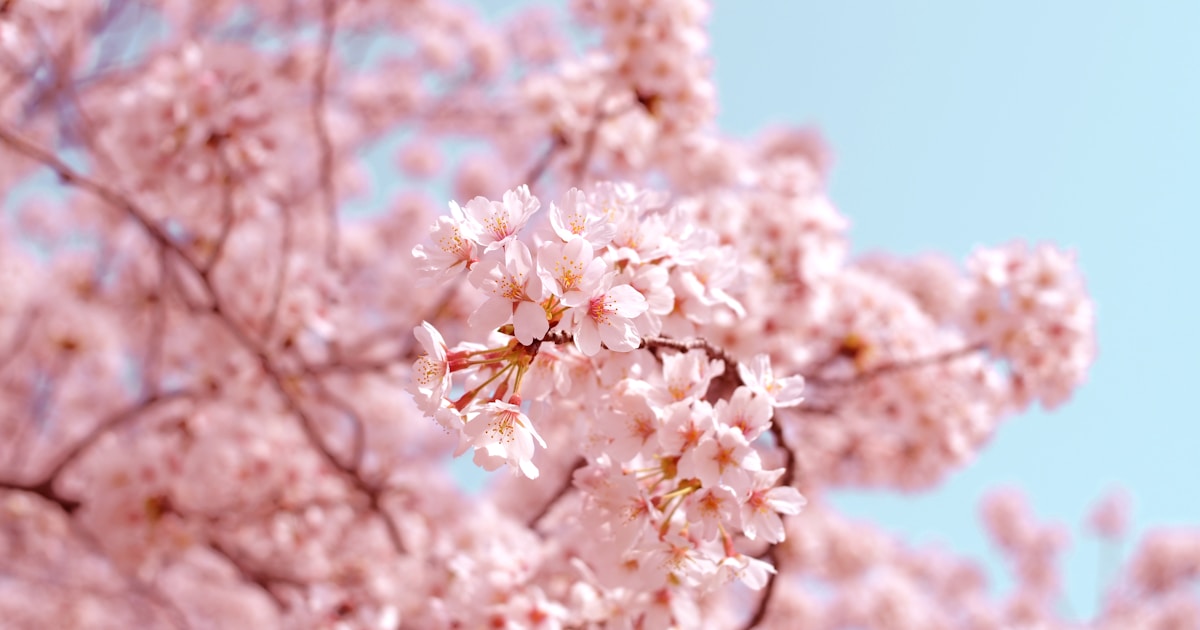
Cherry blossom season usually peaks in late March or early April. Sankeien Garden and the canal at Ooka River (Ooka-gawa) become tunnels of pink. Mihonoura and the area around Yamate also have lovely blossoms. Daytime temperatures range from 15–22°C (59–72°F), so light jackets are perfect.
Summer (June–August)
Summers in Yokohama are hot and humid, but the bayside breeze makes it more bearable than central Tokyo. The Yokohama Sparkling Twilight Festival in mid-July features fireworks over the bay, and the Pikachu Outbreak in early August is a quirky family event in Minato Mirai.
Autumn (September–November)
This is arguably the best time to visit. The humidity drops, skies clear, and temperatures hover around 15–23°C (59–73°F). Sankeien Garden’s autumn leaves peak in mid-November to early December and rival anything in Kyoto.
Winter (December–February)
Yokohama’s winters are crisp and dry. Temperatures range from 4–11°C (39–52°F). The Akarenga Christmas Market is one of the most beloved in Japan, running through most of December, and the Yamashita Park area is dressed in lights from late November.
Budget Guide: How Much Does Yokohama Cost?
One of the best things about Yokohama is how affordable it is compared to Tokyo. Hotels are 15–30% cheaper for similar quality, food is comparable, and entrance fees to most attractions are modest. Here’s a realistic daily budget for first-time visitors.
Backpacker / budget (¥7,000–¥9,000 / $47–$60 USD per day)
This includes a hostel or capsule hotel bed, two convenience-store meals plus one casual ramen or Chinese lunch, two or three train rides, and one paid attraction. For more on stretching yen, see our Japan budget travel guide.
Mid-range (¥18,000–¥25,000 / $122–$170 USD per day)
This includes a 3–4 star hotel, three sit-down meals (one in Chinatown), unlimited train rides via day pass, two or three paid attractions, and a coffee or two.
Luxury (¥45,000+ / $305+ USD per day)
This includes a 5-star bayside hotel, a kaiseki or fine-dining dinner, taxis between attractions, and premium experiences like the Sky Garden, a Sea Bass cruise, and afternoon tea at Hotel New Grand.
Sample 1-Day and 2-Day Itineraries
Here are two suggested itineraries depending on how much time you have.
1-Day Yokohama Itinerary
9:00 AM — Arrive at Sakuragicho Station from Tokyo. Walk along the moving sidewalk over to Minato Mirai.
9:30 AM — Coffee with a bay view at one of the cafes in Queen’s Square or Mark Is.
10:30 AM — Take the elevator up Landmark Tower to Sky Garden for skyline panoramas.
12:00 PM — Walk to Akarenga Red Brick Warehouses for lunch and a browse.
2:00 PM — Stroll along the seafront to Yamashita Park; visit Hikawa Maru if interested.
3:30 PM — Wander Yokohama Chinatown for snacks and souvenirs.
5:30 PM — Walk to Osanbashi rooftop for sunset.
6:30 PM — Dinner in Chinatown or Noge, then head back to Tokyo.
2-Day Yokohama Itinerary
Day 1: Follow the 1-day itinerary above but stretch it out, with extra time for the Cup Noodles Museum and an evening walk.
Day 2: Morning at Sankeien Garden (90 minutes including travel), then lunch in Motomachi, then Yamate (The Bluff) for the foreign residences and Harbor View Park. Afternoon dessert at one of Yokohama’s famous Western patisseries. Optional: evening Sea Bass ferry ride and sunset at Osanbashi before dinner.
Practical Tips for First-Time Visitors
- Get a Suica or Pasmo IC card if you don’t already have one. Yokohama’s trains and buses all accept tap-to-pay IC cards, and you can also use them in convenience stores and most cafes.
- Walk the bayside whenever you can. Yokohama’s harbor walk from Sakuragicho through Akarenga to Yamashita Park is one of the most pleasant urban strolls in Japan.
- Carry some cash. Most places take cards, but some Chinatown food stalls and small Noge bars are still cash-only. ATMs at 7-Eleven inside any train station accept foreign cards.
- Book Sankeien tea ceremonies in advance if you want to experience an authentic tea session — walk-ins can be turned away during peak times.
- Watch the Cosmo Clock 21 light show. Every hour after sunset, Cosmo Clock 21 puts on a short sequence of color changes. Catch it from Akarenga’s plaza for the best angle.
- Avoid weekend crowds at Chinatown. Saturday afternoons get genuinely packed; visit on weekdays or mornings if possible.
- Try the Sea Bass ferry as transport. It’s not just for tourists — locals use it as a commute, and it’s the most scenic way to move between Yokohama Station and Yamashita Park.
- Bring layers in winter. The bayside winds can be cold even when central Tokyo feels mild.
- Use luggage delivery if you’re moving on. Yamato Transport’s takkyubin service can send your bags from Yokohama to your next hotel for around ¥2,000 ($13.50 USD), so you can roam unburdened.
- Pre-book airport transfers. If you’re heading to Haneda or Narita with a lot of luggage, a shared shuttle from your hotel is more pleasant than wrestling bags through trains.
Book airport transfer with Welcome Pickups →
Yokohama Compared to Other Cities
Yokohama vs. Tokyo
Yokohama has roughly a quarter of Tokyo’s population and feels much more open, with wide bay views, fewer crowds, and a slower pace. Tokyo wins on dining variety, nightlife depth, and museum quality, but Yokohama wins on atmosphere, walkability, and breathing room. Pair them: spend most of your time in Tokyo and dedicate one to two days to Yokohama as a refreshing change of scene.
Yokohama vs. Kobe
Both are former treaty ports with international history, hillside foreign residential districts, and famous Chinatowns. Kobe has the better mountain backdrop and arguably the best beef in Japan; Yokohama has the better bay views, the larger Chinatown, and easier access from Tokyo. If you’ve already been to Kobe, you’ll find Yokohama familiar but with more space and a different energy. Read more in our Kobe and Himeji travel guide.
Yokohama vs. Nagasaki
Nagasaki is Japan’s other great port city of foreign exchange and has a more dramatic, hillside setting and a much heavier historical weight. Yokohama is more modern-feeling and easier to combine with Tokyo. Both are worth visiting; if you only have time for one, pick the one closest to your existing itinerary.
Frequently Asked Questions (FAQ)
Is Yokohama worth visiting?
Absolutely yes. Yokohama is one of the easiest, most rewarding day trips you can take from Tokyo, and it shows you a side of Japan — international, port-city, layered with history — that you won’t see from Shibuya or Asakusa. If you have at least 7–10 days in Japan, allocating one full day or an overnight to Yokohama is a brilliant decision.
Is one day enough for Yokohama?
One day is enough to hit the highlights — Minato Mirai, Akarenga, Chinatown, Yamashita Park, and an evening at Osanbashi. To add Sankeien Garden, Yamate, the Cup Noodles Museum, or a Sea Bass cruise, plan two days.
Can I do Yokohama as a day trip from Tokyo?
Yes, easily. Trains run every few minutes, the journey takes 25–35 minutes, and you can be back in your Tokyo hotel by dinner. Most travelers do exactly this. For a slightly slower experience, consider an overnight stay so you can enjoy Yokohama after dark.
Is Yokohama Chinatown bigger than Tokyo’s Chinatown?
Yokohama Chinatown is by far the largest Chinatown in Japan and one of the largest in the world. Tokyo doesn’t have a Chinatown of comparable size — for that experience, you go to Yokohama.
Is Yokohama safe for tourists?
Yokohama is extremely safe. Like the rest of Japan, you can walk almost anywhere at night without worry. Standard travel precautions apply (don’t leave valuables unattended in cafes), but violent crime is very rare.
Do people in Yokohama speak English?
More than in many parts of Japan, especially in Minato Mirai, Chinatown, and major hotels. Restaurant staff in tourist areas usually have at least some English, and most popular sites have English signage. Learning a few Japanese phrases (“sumimasen” — excuse me, “arigatou gozaimasu” — thank you) is appreciated everywhere.
Is Yokohama covered by the Japan Rail Pass?
Travel from Tokyo Station to Yokohama Station on JR lines (Tokaido, Yokosuka, Shonan-Shinjuku) is covered by the JR Pass. The Minatomirai Line, the Tokyu Toyoko Line, and the Keikyu Line are not — these are private operators. For a single day in Yokohama, the JR Pass is convenient if you already have one, but the savings on this route alone don’t justify buying one. See our Japan Rail Pass guide for a deeper analysis.
What’s the best souvenir from Yokohama?
Yokohama-specific souvenirs include moon cakes from Chinatown’s old-school bakeries, custom-made Cup Noodles from the museum, Yokohama Beer (Yokohama Bashamichi Beer is the best-known craft brand), and the elegant cookies and chocolates from Hotel New Grand’s pastry shop. For something quirky, a Cosmo Clock 21 ferris wheel keychain or a Pikachu Outbreak souvenir from Minato Mirai will date your trip nicely.
Is Yokohama good for families?
Excellent for families. The Cup Noodles Museum, the Cosmo Clock 21 ferris wheel, the Pacifico Yokohama complex, the Hikawa Maru ship, and the Hara Model Railway Museum are all family-friendly. The wide, flat seaside paths are stroller-friendly, and Chinatown offers plenty of kid-friendly food.
Can I see Mount Fuji from Yokohama?
Yes — on clear winter days, you can see Mount Fuji from the Sky Garden observation deck of Landmark Tower, from the Osanbashi rooftop, and from the upper floors of bayside hotels. The best months are December and January when humidity is lowest. For full Mount Fuji viewing experiences, see our Mount Fuji guide.
Festivals and Events Throughout the Year
Yokohama hosts a packed calendar of events, and timing your visit around one of them can transform an ordinary city break into a memorable cultural experience.
Chinese New Year (late January–February)
Yokohama Chinatown’s Chinese New Year celebrations are the most elaborate in Japan. The festivities span two weeks and include the spectacular lion dance and dragon dance parades, fireworks, and a midnight countdown ceremony at Kanteibyo Temple. Restaurants serve special celebratory menus, and the streets are even more vividly decorated than usual. Hotels book up far in advance, so plan early.
Yokohama Port Festival (late April–early May)
Held during Golden Week, this festival celebrates Yokohama’s history as a port. The highlight is the international ship parade through Yokohama Bay, often featuring tall ships and naval vessels from around the world. Live music stages set up at Yamashita Park, Akarenga, and Minato Mirai, and there’s a huge fireworks display over the bay on the evening of May 3rd.
Yokohama Sparkling Twilight (mid-July)
This summer festival features bayside food trucks, live music, and a 4,000-firework display launched over the harbor. The best viewing spots are Yamashita Park, Osanbashi Pier, and the upper floors of Akarenga.
Pikachu Outbreak (early August)
For about ten days each August, Minato Mirai is overrun by hundreds of Pikachu in a quirky family-friendly event. There are parades, water shows, photo spots, and limited-edition Pokemon merchandise. It’s especially loved by Japanese millennials and families with young kids.
Yokohama Marathon (late October)
If you’re a runner, the Yokohama Marathon’s flat bayside course is one of the most scenic in Japan. Even if you’re not running, the city has a wonderful festive atmosphere on race weekend, with music, food stalls, and street performances along the route.
Akarenga Christmas Market (late November–December 25)
Modeled on the German markets in Stuttgart and Munich, the Akarenga Christmas Market features dozens of wooden chalets selling glühwein, sausages, stollen, and Christmas ornaments. There’s an enormous Christmas tree in the center plaza and skating rinks nearby. Entry to the market itself is free, though some events require advance tickets.
Lesser-Known Yokohama Experiences
Once you’ve seen the headline sights, these slightly off-the-beaten-path experiences will give your trip extra depth.
Mihonoura Park and Negishi Forest
Tucked away on a southern hillside, Negishi Forest Park is a former horse-racing course turned public park, with sweeping views of Yokohama Bay and a peaceful atmosphere that few tourists ever discover. The adjacent Negishi Forest Park is one of the largest in Yokohama, with a small pond, walking trails, and the historic Yokohama Foreign General Cemetery nearby — a fascinating, atmospheric place where many of the foreign settlers who shaped modern Yokohama are buried.
The Negishi Equine Museum
If you have an interest in horses or 19th-century history, this small museum at the edge of Negishi Forest tells the surprising story of how Western horse racing was introduced to Japan in 1862 by foreign residents in Yokohama. Entry is just ¥100 ($0.70 USD), and the building itself is a charming late-Meiji structure.
Hara Model Railway Museum
Tucked inside a Yokohama office tower near Yokohama Station, this is the world’s largest collection of model trains, gathered over decades by a single passionate engineer. The centerpiece is a giant working diorama where dozens of trains run simultaneously across detailed European, American, and Japanese landscapes. Entry is ¥1,200 ($8 USD) for adults; kids will lose their minds.
Bashamichi historic street
Bashamichi was Yokohama’s main avenue when foreign trade first opened, and many of the city’s “firsts” happened on this street — the first ice cream sold in Japan, the first gas streetlight, the first telephone pole. Today it’s a quiet stretch of Western-style 19th and early-20th-century buildings, with information plaques in English. Walk it after a Akarenga visit for a quiet history lesson before heading on to Chinatown.
Sake tasting at Yokohama brewery tours
Kirin Beer has its main brewery in Yokohama and runs free tours (with paid tasting at the end) several times a day. The 60-minute tour walks you through the brewing process and ends in a tasting room with three small glasses of fresh, never-bottled Kirin. It’s a fun, affordable activity for adults; reservations recommended on weekends.
Sustainable and Responsible Travel in Yokohama
Yokohama has been investing heavily in sustainable urban tourism for the past decade. As a visitor, you can support these efforts in small but meaningful ways.
Use public transport rather than taxis whenever possible — Yokohama’s network is extensive and reliable. Bring a reusable water bottle; refill stations are appearing at major attractions. When eating in Chinatown, sit down at a single restaurant rather than buying many small takeaway portions, which generates a lot of single-use packaging. Tip generously at small Noge bars and family-run shops by ordering enough to make their evening worthwhile (Japan doesn’t have tipping culture, but ordering a couple of extra dishes goes a long way).
If you’re staying overnight, consider hotels with green certifications — the Niwa Hotel Yokohama and Hotel Edit Yokohama have been particularly active in reducing waste and energy use. Browsing booking sites can help you filter for sustainability features.
Find great hotel deals on Agoda →
Yokohama Travel Apps and Resources
Aside from the standard Japan travel apps (Google Maps, Google Translate, Japan Travel by Navitime), a few Yokohama-specific tools help. The Yokohama Visitor’s Guide is published in English, Chinese, and Korean and is available free at Yokohama Station’s tourist information desk and most hotel lobbies. The Akai Kutsu Loop Bus has a printed route map at every stop. And the Sea Bass ferry’s timetables are posted at the piers and on its official website.
For deeper Japan travel preparation, see our 30 essential Japan travel tips for first-timers and our destinations hub for ideas beyond Yokohama.
Final Thoughts: Why Yokohama Should Be on Your Itinerary
Yokohama is the easiest “second city” in Japan for first-time visitors. It’s close to Tokyo. It’s affordable. It’s safe. And it gives you something Tokyo can’t — a view of Japan looking outward to the world, layered with the architecture of foreign trade and the food of every culture that arrived through this port. Whether you carve out a single day or settle in for a relaxed weekend, Yokohama rewards you with bay breezes, neon dragons, brick warehouses, and skyline views that will stay with you long after the bullet train pulls back into Tokyo Station.
If you’re planning a Japan itinerary that already includes Tokyo, Hakone, and Kamakura, slotting Yokohama in is the easiest upgrade you can make. Pair it with a Sea Bass ride and a Chinatown dinner and you’ll have one of the most memorable evenings of your trip — without ever leaving the bay.
Safe travels, and enjoy Yokohama.
Going to Japan? Speak Japanese with confidence.
Hirameki Japanese — camera translate for menus and signs, a two-way conversation mode, and furigana + romaji on every phrase. Free to download with kana charts, conversation mode and starter words; a one-time purchase unlocks everything.

Plan your Japan trip
Two things every first-timer should book
Some links are affiliate links. If you book through them we may earn a small commission at no extra cost to you.