There are places in Japan that feel untouched by the frantic pace of modern travel — places where narrow coastal roads wind through fishing villages where the same families have harvested the sea for generations, where terraced rice paddies spill down cliffsides to the shoreline, and where the evenings bring a silence broken only by waves and the call of seabirds. The Noto Peninsula in Ishikawa Prefecture is one of those places.
Jutting into the Sea of Japan from the northern half of Ishikawa Prefecture, the Noto Peninsula is a finger of land about 100 kilometres long that has been shaped over centuries by its isolation, its fierce winters, and the extraordinary productivity of its surrounding sea. It is home to the Wajima morning market — one of Japan’s three great markets — to the Senmaida terraced rice paddies, part of the FAO-recognised Noto agricultural heritage area, to Wajima lacquerware (one of Japan’s most prestigious traditional crafts), and to some of the most breathtakingly rugged coastal scenery anywhere in the country.
Noto is not a destination that draws enormous crowds. It has no famous castle or internationally known temple, and it does not appear on most first-timer Japan itineraries. That is precisely what makes it special. For travellers who have done the Tokyo–Kyoto–Osaka circuit and are looking for something genuinely different, or for those drawn to Japan’s rural traditions, coastal culture, and artisanal crafts, Noto Peninsula offers one of the country’s most rewarding travel experiences.
This complete guide covers everything you need to visit Noto Peninsula: how to get there, what to see, where to eat, where to stay, and all the practical advice that will help you get the most from this underappreciated corner of Japan.
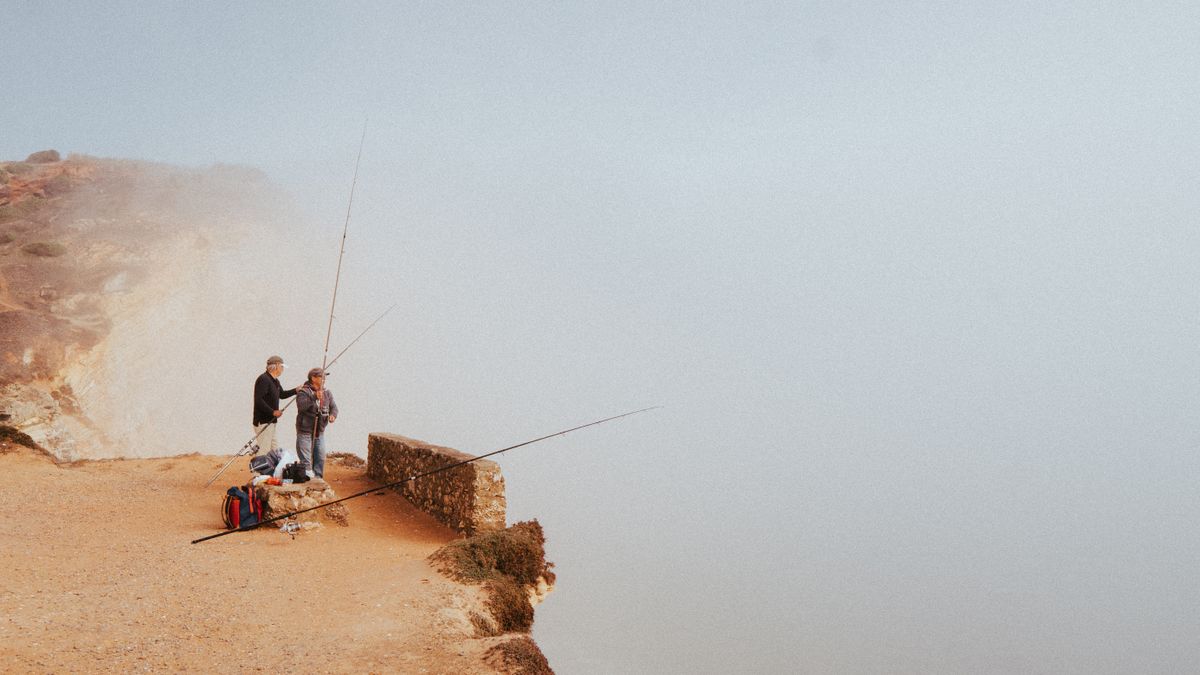
Why Noto Peninsula Deserves a Place on Your Japan Itinerary
The Noto Peninsula offers a window into a Japan that is slowly disappearing: rural, craft-based, seasonally attuned, and deeply tied to the sea. Wajima lacquerware, produced here for over 1,000 years, is considered one of Japan’s finest traditional crafts and is used in the most prestigious kaiseki restaurants in the country. Noto’s seafood — particularly the oysters, snow crab (kani), and yellowtail (buri) — is regarded as among the best in Japan, a reputation earned by the nutrients-rich waters of the Sea of Japan.
The peninsula was designated a Globally Important Agricultural Heritage System (GIAHS) by the UN’s FAO in 2011, recognising its satoyama and satoumi (traditional landscape management practices) as systems of outstanding universal value. Senmaida, the terraced rice paddy landscape on the peninsula’s northern coast, has about 1,000 individual paddies carved into hillsides above the sea — a sight that is genuinely unlike anything else in Japan.
Noto also has a powerful cultural calendar. The Wajima Taisai festival (late August) and Suzu Kiriko Festival are among the peninsula’s signature events, both featuring the spectacular kiriko lantern floats that are unique to the Noto region — massive wooden structures up to 15 metres tall, carried through the streets at night by teams of dozens of people to the beat of drums and flutes.
For travellers looking for authenticity, craft, scenery, and seafood, Noto Peninsula delivers all four in abundance — and does so without crowds.
Best Time to Visit Noto Peninsula
Noto Peninsula has a distinct four-season climate shaped by its exposure to the Sea of Japan. Each season has its character and its attractions:
Spring (March–May): Cherry blossoms appear in late March and early April, and the countryside turns fresh and green. Spring is one of the best times to visit — weather is mild, crowds are light, and the landscape is at its most photogenic. The Senmaida terraces begin being flooded for rice planting in late April–May, which creates beautiful mirror reflections of the sky.
Summer (June–August): Hot and occasionally humid, particularly in July and August. The Sea of Japan’s beaches and rocky coastline are at their most inviting. The summer festival season runs through August with multiple kiriko festivals. This is the busiest season, but “busy” on Noto Peninsula is still a fraction of a major city’s crowds.
Autumn (September–November): One of the best times to visit. Temperatures are comfortable, the rice terraces are golden before harvest, and the foliage colours in the peninsula’s forested areas are beautiful. October features some of the peninsula’s most important festivals.
Winter (December–February): Noto’s winters are cold and often snowy, with the Sea of Japan bringing heavy snowfall to the western coast in particular. Winter is, however, a remarkable season for seafood — it is snow crab season (November–March), and Noto’s fish markets are at their most spectacular. The peninsula has a raw, austere beauty in winter that appeals to photographers and travellers who enjoy Japanese winter experiences. Expect icy roads if you are driving.
How to Get to Noto Peninsula
Noto Peninsula is reached via Kanazawa, the capital of Ishikawa Prefecture, which is itself well-connected to Japan’s main cities.
Getting to Kanazawa
From Tokyo: The Hokuriku Shinkansen connects Tokyo to Kanazawa in approximately 2.5 hours. This is the most convenient option for most visitors and is covered by the Japan Rail Pass. Trains run frequently throughout the day, with unreserved one-way fares that rose after JR East’s March 2026 fare increase (or included in your JR Pass).
From Osaka/Kyoto: The Thunderbird limited express runs from Osaka to Tsuruga, where you change to the Hokuriku Shinkansen to reach Kanazawa (check current through fares before you travel). Alternatively, Kanazawa can be included as part of a Hokuriku arch pass route connecting the Kansai region with Kanazawa and beyond.
From Tokyo by bus: Overnight highway buses operate between Tokyo and Kanazawa (approximately 8 hours, fares from ¥3,000–¥6,000 / $20–$40), a budget-friendly option.
You can read our full guide to planning your Japan trip at our destinations hub, and find transport tips at Japan travel tips for first-timers.
Getting from Kanazawa to Noto Peninsula
From Kanazawa, Noto Peninsula is most comfortably explored by rental car. The drive from Kanazawa Station to Wajima (the peninsula’s main town) takes approximately 1.5–2 hours via the toll-free Noto Satoyama Kaido. Car rental is available at Kanazawa Station from all major Japanese car rental companies (Toyota, Nissan, Times Car, etc.) at rates from approximately ¥5,000–¥8,000 / $33–$53 per day.
For those not wishing to drive, Hokutetsu Bus operates services from Kanazawa to Wajima (about 2.5 hours, fare approximately ¥2,800 / $18.70 one-way). However, bus services to other parts of the peninsula are infrequent, making a rental car strongly recommended if you want to explore Senmaida, the Noto Kongo coast, Cape Rokkozaki, and the eastern shore.
Top Attractions in Noto Peninsula
1. Wajima Morning Market (Asa-ichi)
The Wajima Morning Market is one of Japan’s three most famous morning markets (alongside Katsuura in Chiba and Yobuko in Saga), currently operating indoors at Wai Plaza Wajima from 9:00 AM to 1:00 PM, closed on Wednesdays. The market once ran along the 360-metre Honmachi Street, which burned in 2024, and now runs indoors with stalls operated primarily by local women (called “obaasan no mise” — grandmother stalls) selling fresh seafood, dried fish, local vegetables, pickles, Wajima lacquerware, and handmade crafts.
The market is both a shopping destination and a genuine window into Noto’s traditional culture. The vendors are local women who have been running their stalls for decades, often in the same family for generations. The produce is extraordinary — dried shellfish, fresh yellowtail, abalone (awabi), sea urchin (uni), and varieties of seafood found nowhere else in Japan. Morning markets specialties to try include broiled oysters (kaki) available from vendors with small charcoal grills, and age-age (deep-fried Wajima speciality snacks).
Arrive early (around 8:00–9:00 AM) for the best selection and the most lively atmosphere. The market tends to wind down by 11:00 AM. Parking is available at the Wai Plaza shopping center.
2. Wajima Lacquerware (Wajima-nuri)
Wajima is the home of Wajima-nuri, a form of lacquerware considered one of Japan’s finest traditional crafts and characterised by its extraordinary durability, depth of colour, and distinctive decorative techniques. The production process involves over 120 separate steps, with multiple layers of lacquer applied over a wooden base reinforced with hemp cloth — a process so labour-intensive that high-quality Wajima pieces take months to complete and command prices from ¥10,000 / $67 for small items to several million yen for large display works.
The Wajima-nuri no Sato (Wajima Lacquerware Museum, entry ¥600 / $4) provides an excellent overview of the craft’s history and production techniques, with live demonstrations by lacquerware artisans. Several workshops in Wajima allow visitors to try basic lacquer-painting for themselves at reasonable cost (from ¥1,500 / $10 for a 1-hour experience). The resulting piece, once dried, can be mailed home.
For shopping, lacquerware shops line the main streets of Wajima. Prices range widely — from affordable chopsticks and small bowls to museum-quality collectible pieces. Authentic Wajima-nuri carries a certification stamp from the Wajima Lacquerware Industry Cooperative, which is worth looking for when purchasing.
3. Senmaida Terraced Rice Paddies
The Senmaida (“thousand rice paddies”) are one of Noto’s most iconic and photographed landscapes: about 1,000 small rice paddies carved into a hillside above the Sea of Japan on the Noto Peninsula’s western coast, near Shiroyone Village. The paddies range from tiny plots the size of a tatami mat to larger conventional fields, all terraced down a hillside to a rocky shoreline, where the paddy walls seem to merge directly into the ocean.
The best times to visit are:
- May–June: The paddies are flooded and reflecting the sky, giving an extraordinary mirror-like effect at sunrise and sunset.
- August–September: The rice is green and lush, giving the hillside a intensely verdant, layered appearance.
- Late September–October: Harvest time, when the terraces turn golden and the entire hillside glows at dusk.
- Winter nights: The paddies are illuminated with solar-powered LED lights from dusk, creating a magical effect even in the snow season.
The main viewing area has a small car park, a gift shop, and a cafe. There is no entry fee. The viewing path winds down through the paddies to the sea; early morning visits offer the best light and the quietest experience. The Senmaida are about 20 minutes by car from Wajima.
4. Noto Kongo Coast (Noto Kongo Kaigan)
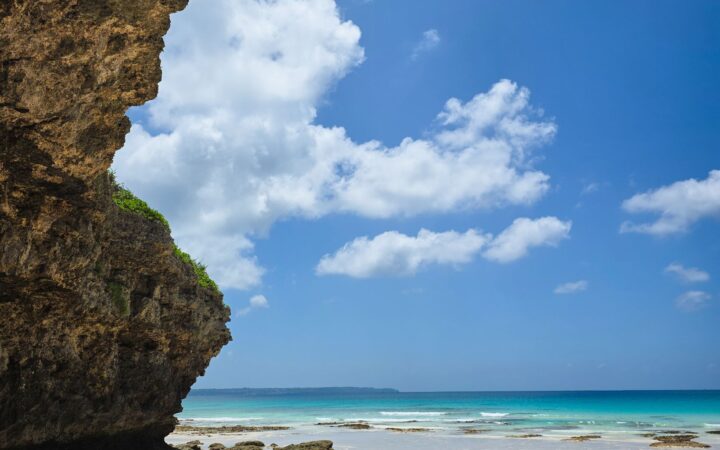
The Noto Kongo Coast is a 11-kilometre stretch of dramatic cliffs on the peninsula’s western shore, designated a scenic area and accessible via the Noto Kongo Drive Road. The coast features extraordinary rock formations shaped by centuries of Sea of Japan erosion: columnar basalt columns, sea caves, natural arches, and wave-carved platforms, set against the constant backdrop of rolling waves.
Key viewpoints along the Noto Kongo Coast include:
- Ganmon Rock: A sea cave with an opening cut directly through a large rock outcrop, best viewed from a charter boat (seasonal sightseeing boat tours operate from Fukura Port, approximately ¥800 / $5.35 per person).
- Tarumi Falls: A rare waterfall that drops straight into the sea, said to blow back upward in strong winter winds, visible from a roadside viewpoint.
- Mitsukejima Island, the ‘battleship rock’ off Suzu on the eastern tip, is a separate highlight best combined with a Suzu visit.
The Noto Kongo Drive Road runs the full length of the scenic coast and is one of the most beautiful coastal drives in Japan, particularly at sunset when the west-facing cliffs are bathed in golden light.
5. Cape Rokkozaki and the Lighthouse
At the very tip of the Noto Peninsula, Cape Rokkozaki (Rokkozaki Todai) offers the most dramatic and exposed views of the Sea of Japan from the entire peninsula. The lighthouse stands on a headland above wave-cut rock platforms that are exposed at low tide, with a walking path through the formations to the lighthouse itself.
The limestone columns at Cape Rokkozaki are a geological wonder: these layered rock shelves stretching out from the shoreline, give the headland an almost lunar appearance. The lighthouse is one of Japan’s designated “lighthouse sightseeing” sites and can be climbed for panoramic views (entry ¥200 / $1.35).
Cape Rokkozaki is about 1 hour 15 minutes by car from Wajima, making it most conveniently visited as part of a circular driving tour of the outer Noto Peninsula.
6. Kiriko Festival Lantern Floats
The kiriko festivals are unique to the Noto Peninsula and represent some of the most spectacular regional festivals in Japan. Kiriko are enormous wooden lantern floats — typically 5 to 15 metres tall — elaborately painted and carved, carried through the streets at night by teams of 40–100 people to the accompaniment of Japanese drums, flutes, and chanting.
There are around 200 kiriko festivals held across the Noto Peninsula between late July and October, concentrated in August and September. Major festivals include the Wajima Taisai (22–25 August), the Nanao Otozo (mid-August), and multiple village festivals along both coasts of the peninsula. Visiting a kiriko festival in the evening, as the enormous illuminated floats are carried through narrow coastal village streets against a backdrop of sea and stars, is one of the most memorable cultural experiences available in rural Japan.
Festival dates and locations are available from the Noto Tourism Association in Wajima.
7. Suzu City and the East Coast Fishing Villages
The eastern coast of the Noto Peninsula — the side facing Toyama Bay rather than the open Sea of Japan — has a gentler, quieter character than the dramatic western cliff coast. Suzu City, at the tip of the peninsula, is a small fishing city known for its salt production: Noto salt (Noto no shio) is harvested using a traditional method called “agehama-style salt making,” one of Japan’s oldest and most labour-intensive salt-making traditions, designated a national Important Intangible Folk Cultural Property.
The Shiji-hama salt fields at Suzu, operated by the Noto no Shio company, offer guided tours of the traditional salt-making process during the summer season (July–September). The salt produced is exceptional — a complex, mineral-rich finishing salt prized by Japanese chefs — and makes an excellent and distinctive souvenir. Tours cost approximately ¥500 / $3.35 and include a tasting. The salt is available for purchase (around ¥800–¥1,200 / $5.35–$8 for 200g).
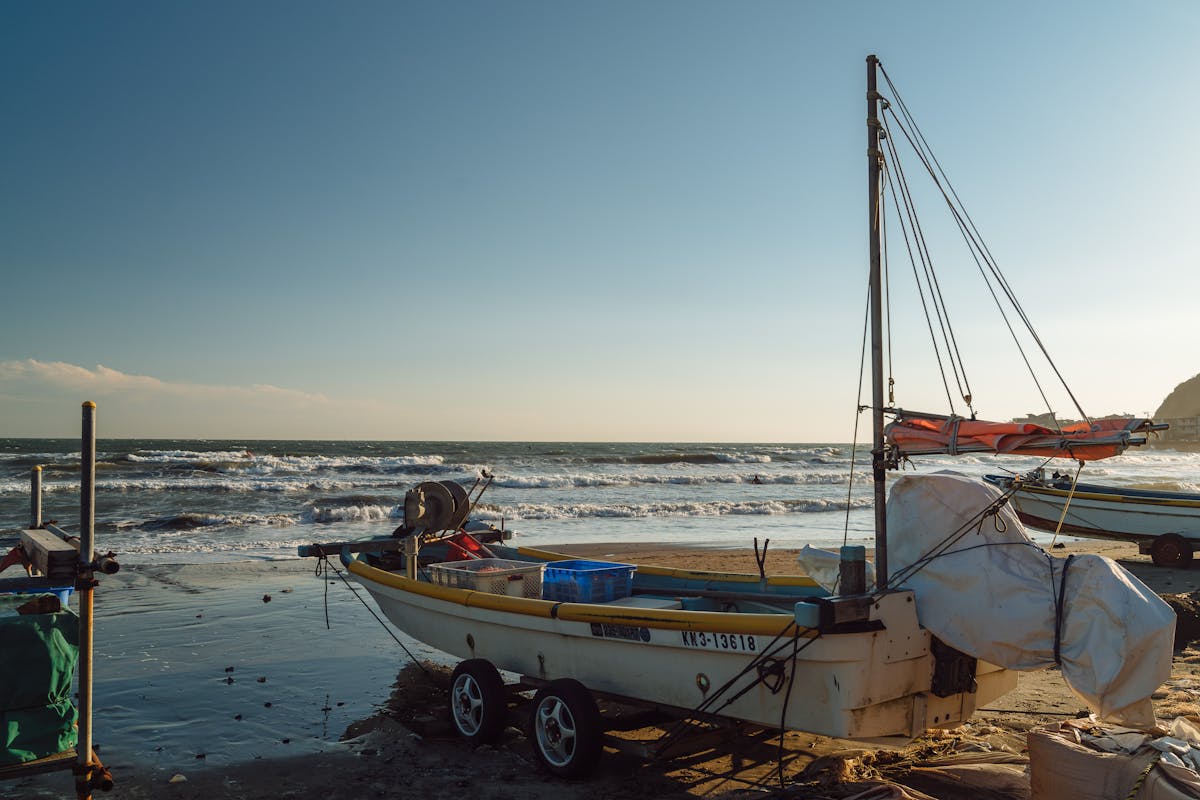
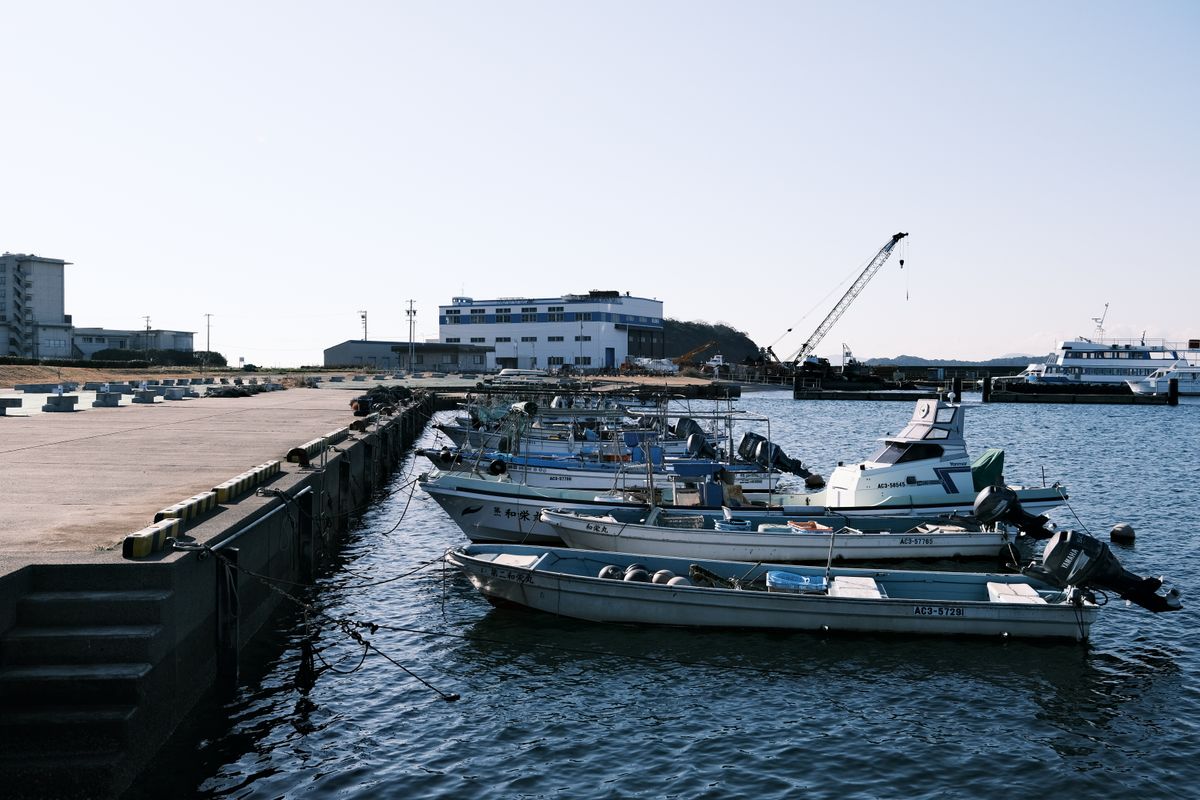
The coastal villages between Wajima and Suzu — particularly Sosogi, Machino, and Kamishimo — are beautifully preserved fishing communities with traditional houses with distinctive black glazed-tile roofs that have resisted modernisation. Driving slowly through these villages, stopping to photograph the harbour scenes and speak (with patience and translation apps) with the elderly residents who still fish the traditional ways, is one of the quietest pleasures Noto has to offer.
8. Natadera Temple
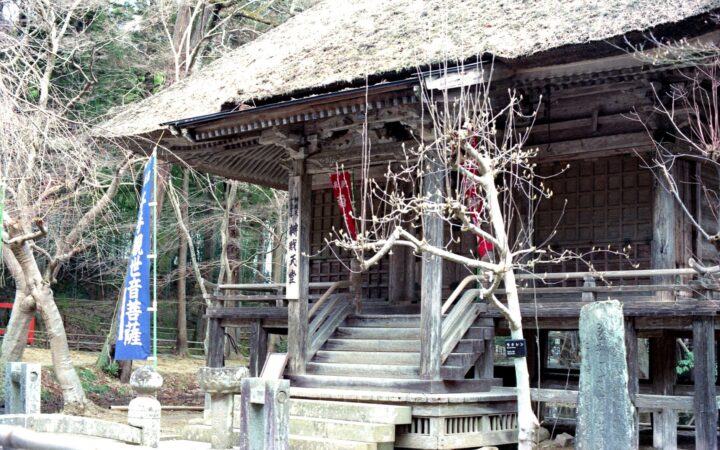
Located well south of the peninsula, in Komatsu south-west of Kanazawa, Natadera Temple (Natadera-ji) is one of the most dramatically situated religious sites in the entire Hokuriku region. Founded in 717 CE according to legend by the monk Taicho, the temple complex is built into and around a series of enormous tuff rock formations, with halls, caves, pagodas, and carved Buddhas integrated directly into the cliffs.
The resulting effect — of traditional Japanese temple architecture growing organically out of ancient rock, with moss, ferns, and trees growing in every crevice — is extraordinary. Entry costs ¥600 / $4 for adults. The full circuit of the temple complex takes about 45 minutes to an hour. Natadera is most beautifully visited during the autumn foliage season (mid-October to mid-November) when the maples surrounding the rock formations turn vivid red and gold.
Where to Eat in Noto Peninsula: A Seafood Paradise
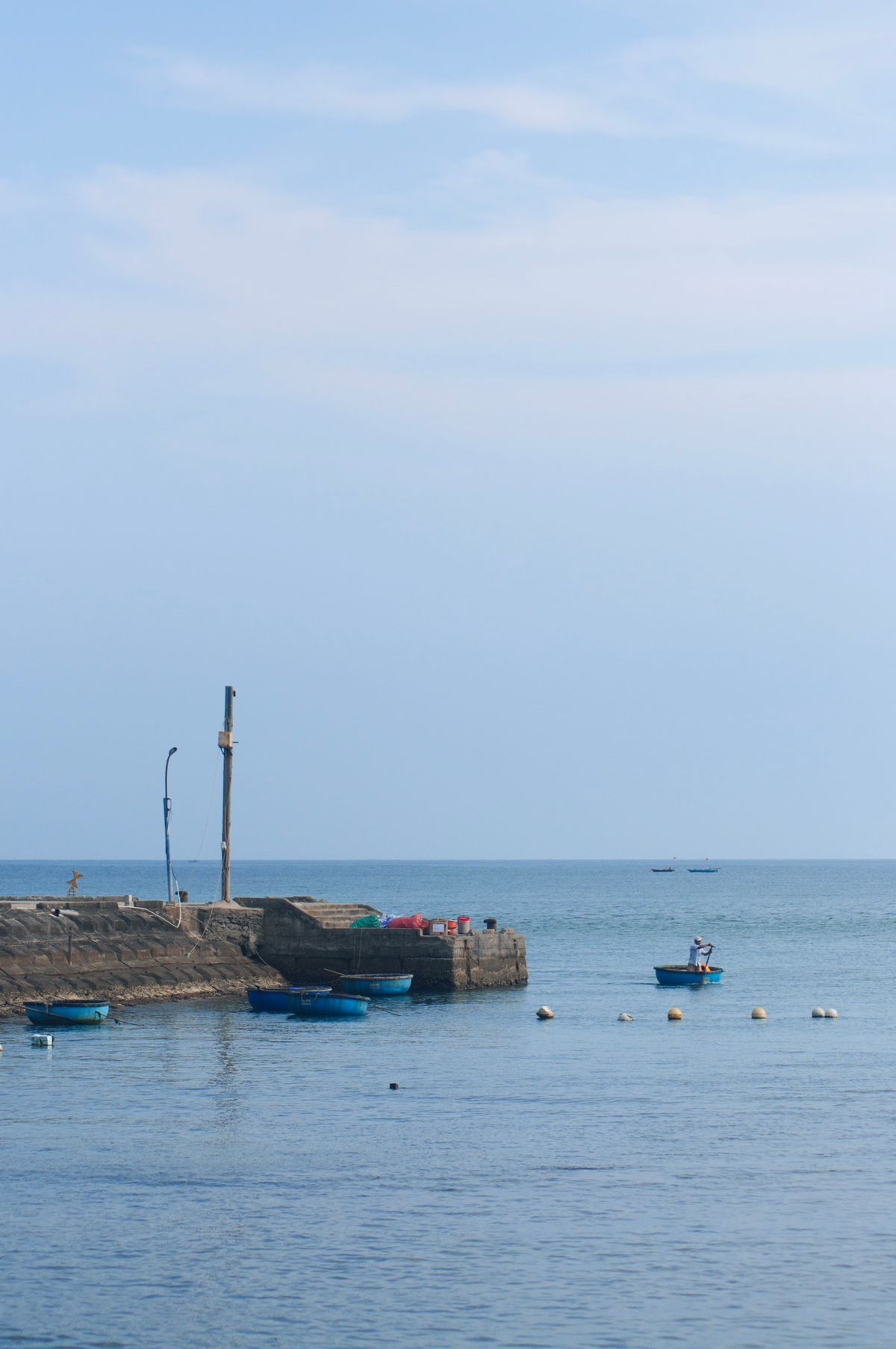
Noto Peninsula is considered one of Japan’s premier seafood destinations, benefiting from the extraordinarily rich waters where the cold Liman Current and warm Tsushima Current converge in the Sea of Japan. The result is seafood of exceptional quality and variety.
Signature Foods of Noto
Yellowtail (Buri): Noto’s most prized seafood. “Kanaburi” (winter yellowtail, caught from December–February when the fish are fat with cold-water feeding) is regarded as the finest yellowtail in Japan. Served as sashimi, as sushi, or as buri daikon (simmered with daikon radish), it is rich, buttery, and magnificent. Available at virtually every seafood restaurant on the peninsula.
Oysters (Kaki): Noto’s Nanao Bay produces outstanding oysters, farmed in the bay’s exceptionally clean, nutrient-rich water. The season runs from autumn through spring (October–April). Nanao oysters are notably large, sweet, and creamy — exceptional both raw and grilled. The Wajima morning market has charcoal-grilled oyster stalls that serve them immediately off the grill for around ¥300–¥500 / $2–$3.35 per piece.
Snow Crab (Zuwaigani): The Sea of Japan’s snow crab season (November–March) brings some of Japan’s finest crab to Noto’s fish markets and restaurants. A full snow crab kaiseki dinner at a good Wajima inn can run ¥15,000–¥30,000 / $100–$200 per person including a crab course — expensive but genuinely spectacular.
Abalone (Awabi): Noto has a long tradition of ama (women divers) harvesting abalone and sea urchin by free diving. Wajima’s ama divers still operate, and their harvested abalone — grilled in the shell at shoreside restaurants — is a regional delicacy. Available from approximately ¥2,000–¥5,000 / $13–$33 per piece depending on size.
Kabura-zushi: A traditional Kanazawa/Noto dish made by fermenting yellowtail and turnip with malted rice, producing a mildly funky, complex flavour unique to the region. An acquired taste that adventurous food travellers will appreciate.
Where to Eat in Wajima
Wajima has several excellent restaurants, most concentrated along the main shopping street and harbour area. Prices are modest compared to city restaurants. A good seafood lunch in Wajima costs ¥1,500–¥3,000 / $10–$20; a full seafood dinner course at a local izakaya ¥4,000–¥8,000 / $27–$53.
For the full Noto ryokan experience — dinner and breakfast of seasonal local seafood served in a traditional tatami room — look for ryokan accommodations that include two meals (called “2-shoku tsuki”). This is one of Japan’s great pleasures, and Noto’s ryokan kitchens are of a very high standard.
Where to Stay in Noto Peninsula
Accommodation on the Noto Peninsula ranges from simple business hotels in Wajima and Nanao to exquisite traditional ryokan with full kaiseki dinner service. The ryokan experience is particularly recommended here — Noto’s ryokan kitchens take great pride in seasonal local seafood, and a two-meal ryokan stay is one of the best ways to experience the region’s cuisine.
Budget accommodation: Simple guesthouses and business hotels in Wajima and Nanao from approximately ¥5,000–¥8,000 / $33–$53 per night. Most include breakfast.
Mid-range ryokan: Traditional Japanese inns with tatami rooms, yukata robes, shared or private baths, and dinner and breakfast service. Expect to pay ¥15,000–¥25,000 / $100–$167 per person including two meals for a good mid-range Noto ryokan.
Luxury ryokan: Noto has a handful of exceptional top-tier ryokan with private outdoor baths, multi-course seafood kaiseki dinners, and stunning coastal views. Rates from ¥30,000–¥60,000 / $200–$400 per person including meals.
For the best selection and prices on Noto Peninsula accommodation:
Book your Noto Peninsula hotel on Agoda (Best prices guaranteed) →
Booking well in advance is recommended for autumn and winter visits (October–February), when snow crab season and foliage viewers create high demand. For tour packages that include Noto Peninsula with Kanazawa:
Suggested Noto Peninsula Itineraries
1-Day Noto Drive from Kanazawa
If you only have one day to spare from a Kanazawa base, this route covers the highlights by car:
- 7:00 AM: Depart Kanazawa and drive north toward Wajima via the Noto Satoyama Kaido (about 2 hours).
- 10:30 AM: Continue to Senmaida Terraced Paddies (about 1.5 hours drive). 30-minute visit.
- 12:30 PM: Arrive Wajima. Lunch at a local seafood restaurant (try yellowtail sashimi).
- 2:00 PM: Wajima Lacquerware Museum (1 hour).
- 3:30 PM: Drive south along the Noto Kongo Coast. Stops at Ganmon Rock and Hayashi Falls viewpoints.
- 6:00 PM: Return to Kanazawa (approximately 1.5 hours driving).
2-Day Noto Peninsula Loop
Day 1: Depart Kanazawa. Drive the western (outer) Noto coast: Senmaida, Noto Kongo Coast, arrive Wajima by early afternoon. Visit the lacquerware museum. Overnight in Wajima.
Day 2: Wajima Morning Market (8:00–10:00 AM). Drive the northern outer coast via Sosogi to Cape Rokkozaki. Return via the eastern shore through Suzu (salt farm visit if timing works). Return to Kanazawa by evening.
3-Day Noto Peninsula Immersion
Day 1: Arrive Nanao or Wajima. Afternoon: Senmaida and Noto Kongo Coast drive. Overnight in Wajima ryokan with seafood dinner.
Day 2: Morning market in Wajima. Full day exploring eastern coast: Sosogi, Cape Rokkozaki, Suzu salt farm. Overnight at a ryokan near the cape.
Day 3: Return via Natadera Temple. Afternoon back to Kanazawa for onward travel.
Practical Tips for Visiting Noto Peninsula
- Rent a car. The Noto Peninsula is not easily explored without your own transport. Bus services exist but are infrequent, and the best sights — Senmaida, Cape Rokkozaki, the Noto Kongo coast — require a car. Rent from Kanazawa Station before heading to the peninsula.
- Roads can be narrow. The scenic coastal routes are often single-lane or very narrow. Drive slowly and courteously; locals use these roads constantly for daily life. A compact car is better than an SUV for the tightest coastal village lanes.
- Carry cash. Noto’s smaller villages, morning market vendors, and rural ryokan often prefer cash. ATMs are available at Japan Post offices in Wajima and Nanao. Stock up in Kanazawa or Wajima before heading to the outer peninsula.
- Book ryokan with dinner well in advance for peak seasons. Snow crab season (November–February) is particularly popular. Good ryokan fill up fast; book 2–3 months ahead for these dates.
- Stay connected on the road. Mobile coverage is generally good along the main roads but can be patchy in some coastal village areas. Download offline maps before departure. For reliable Japan internet access:
Get your Japan eSIM (Stay connected from day 1) →
- Plan for the January 2024 earthquake. The Noto Peninsula was struck by a major earthquake on January 1, 2024, causing significant damage, particularly in Wajima and Suzu. As of 2026, recovery and restoration is well advanced and the peninsula is open to visitors, but some specific facilities or roads may remain affected. Check the Ishikawa Prefecture Tourism website for the latest updates before your trip, and consider that visiting Noto now actively supports the local economy and communities that are rebuilding.
- Weather changes quickly. The Sea of Japan side of Japan is known for rapid weather changes, particularly in autumn and winter. Cloud, fog, and rain can move in fast; waterproof layers are recommended year-round.
- Respect the community. Many Noto villages are small, ageing communities. Drive slowly through residential areas, don’t photograph people without permission, and support local businesses over chain restaurants and shops.
Noto Peninsula and the 2024 Earthquake: Supporting Recovery Tourism
On January 1, 2024, the Noto Peninsula was struck by a 7.6-magnitude earthquake that caused devastating damage, particularly in Wajima and Suzu. The disaster claimed over 200 lives and damaged or destroyed thousands of homes and buildings. The Wajima morning market street was destroyed by fire in the aftermath of the earthquake; road reconstruction began in March 2026, with a return to the street targeted for around 2030.
One of the most meaningful reasons to visit Noto Peninsula now is to actively support the recovery of this community. Tourism spending in local restaurants, ryokan, craft shops, and morning market stalls directly supports artisans, farmers, and fishermen who are rebuilding their livelihoods. The resilience of Noto’s people — their determination to restore the morning market, continue producing lacquerware, and welcome visitors — is itself a remarkable story worth witnessing and supporting.
The Noto Peninsula is open, its landscapes are as beautiful as ever, and its seafood, crafts, and coastal villages are as extraordinary as they have always been. Visiting Noto is a way to help ensure that this irreplaceable corner of Japan continues to thrive.
Combining Noto Peninsula with Kanazawa
Noto Peninsula is most naturally combined with a visit to Kanazawa, one of Japan’s most beautiful and rewarding mid-size cities. Kanazawa — often called “little Kyoto” — is home to Kenroku-en (one of Japan’s three great landscape gardens), the preserved samurai and geisha districts of Nagamachi and Higashi Chaya, and one of Japan’s finest seafood markets at Omicho. Read our full Kanazawa guide for detailed information on the city.
A combined Kanazawa–Noto Peninsula itinerary of 5–6 days offers one of the most satisfying regional Japan experiences available: Kanazawa’s culture and cuisine, followed by Noto’s wild coastline, traditional crafts, and extraordinary seafood. Together they represent the very best of the Hokuriku region and a Japan that most first-time visitors never discover.
Frequently Asked Questions About Noto Peninsula
Is Noto Peninsula safe to visit after the 2024 earthquake?
Yes, Noto Peninsula is safe to visit. While the January 2024 earthquake caused significant damage, the peninsula has been substantially restored and is open to visitors. Some individual roads or buildings may still be under repair; check the Ishikawa Tourism website for current conditions before your trip. Visiting Noto now is actively encouraged as a way to support the recovering local economy.
How long should I spend on Noto Peninsula?
A minimum of 2 days is needed to experience the key highlights — the Wajima morning market, Senmaida terraces, Noto Kongo coast, and Cape Rokkozaki. For a fuller experience including the eastern coast, fishing villages, a ryokan stay with seafood dinner, and the salt farms, 3 days is ideal. Noto Peninsula can be combined with 2–3 days in Kanazawa for a very satisfying 5–6 day regional itinerary.
Can I visit Noto Peninsula without a car?
It is technically possible using buses from Kanazawa to Wajima, but the experience will be significantly limited. Bus services to Senmaida, Cape Rokkozaki, and the Noto Kongo coast are infrequent or nonexistent. For visitors who do not drive, a guided tour is the best alternative. Several Kanazawa-based tour operators offer day tours to Noto Peninsula that cover the main highlights by minibus.
What is the best season for seafood on Noto Peninsula?
For snow crab (zuwaigani), the season is November through March — the cold winter months bring the best crab. Oysters are at their finest from October through April. Yellowtail (buri) is best in the winter (December–February). Summer (July–September) brings excellent prawns, squid, and ama-diver abalone. In short, Noto’s seafood is outstanding in every season.
Is Wajima lacquerware expensive?
It varies enormously. Small items like chopsticks and bowls start from around ¥2,000–¥5,000 / $13–$33. Mid-range serving bowls and decorative items run ¥10,000–¥50,000 / $67–$333. High-quality collector pieces by named artisans can reach several hundred thousand yen. There are Wajima lacquerware products at every price point, and even an inexpensive piece is a beautiful and durable souvenir of exceptional quality.
What is the Wajima morning market like?
The market is lively, colourful, and genuinely local — not a tourist fabrication. Over 200 stalls operated mostly by older local women line the main shopping street, selling fresh and dried seafood, vegetables, pickles, and crafts. It operates every morning except the 10th and 25th of the month, from around 8:00 AM to noon. Arrive early for the best selection and the most authentic atmosphere.
Are there onsen (hot springs) on Noto Peninsula?
Yes, several. Wajima has a small public bath and several ryokan with onsen facilities. The most notable hot spring area on the peninsula is Wakura Onsen in Nanao, a hot spring town on Nanao Bay with multiple ryokan, a full hot spring town with multiple ryokan. For a proper onsen experience combined with Noto, staying at a ryokan with a natural hot spring bath in Wajima or the Noto interior is recommended.
Conclusion: Noto Peninsula — Japan’s Best-Kept Coastal Secret
The Noto Peninsula is not the Japan of postcards and tourist brochures. It is something more valuable: the Japan of deep roots, extraordinary flavours, traditional crafts produced as they have been for a thousand years, and landscapes of rugged, uncompromising beauty. It is a peninsula where the pace is set by the tides and the fishing season, where the best meal you’ll eat all trip might come from a charcoal grill at an outdoor morning market, and where the people have shown, in the face of disaster, a resilience and community spirit that is genuinely humbling.
For travellers willing to rent a car, drive some narrow coastal roads, and venture beyond Japan’s most famous cities, Noto Peninsula offers one of the country’s most rewarding and authentic travel experiences. Add it to your Japan itinerary: you will not regret it.
Related guides
- Kanazawa Travel Guide 2026: A First-Timer’s Guide to Kenrokuen, Geisha Districts, Samurai Streets and Sea of Japan Seafood
- Eiheiji Temple Guide: Japan’s Most Sacred Zen Monastery in Fukui (Complete 2026 Guide)
- Jigokudani Snow Monkey Park: A First-Timer’s Guide to Nagano’s Bathing Monkeys and Onsen Towns
Going to Japan? Speak Japanese with confidence.
Hirameki Japanese — camera translate for menus and signs, a two-way conversation mode, and furigana + romaji on every phrase. Free to download with kana charts, conversation mode and starter words; a one-time purchase unlocks everything.

Plan your Japan trip
Two things every first-timer should book
Some links are affiliate links. If you book through them we may earn a small commission at no extra cost to you.