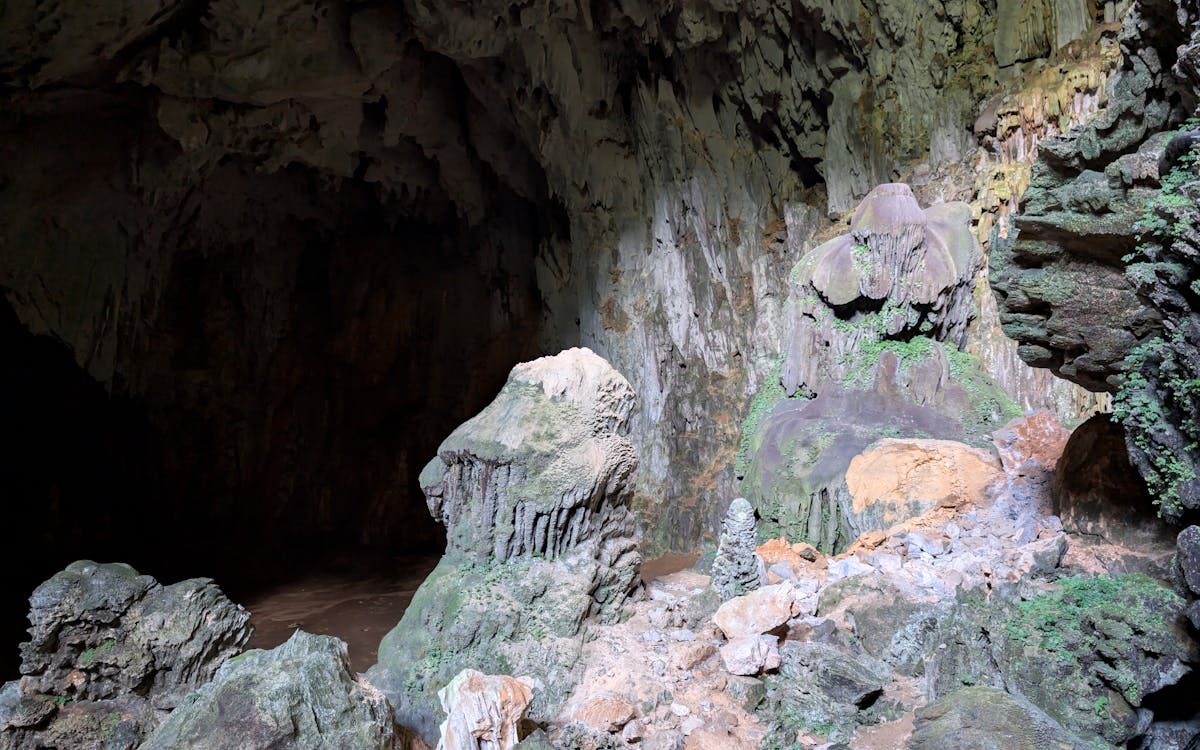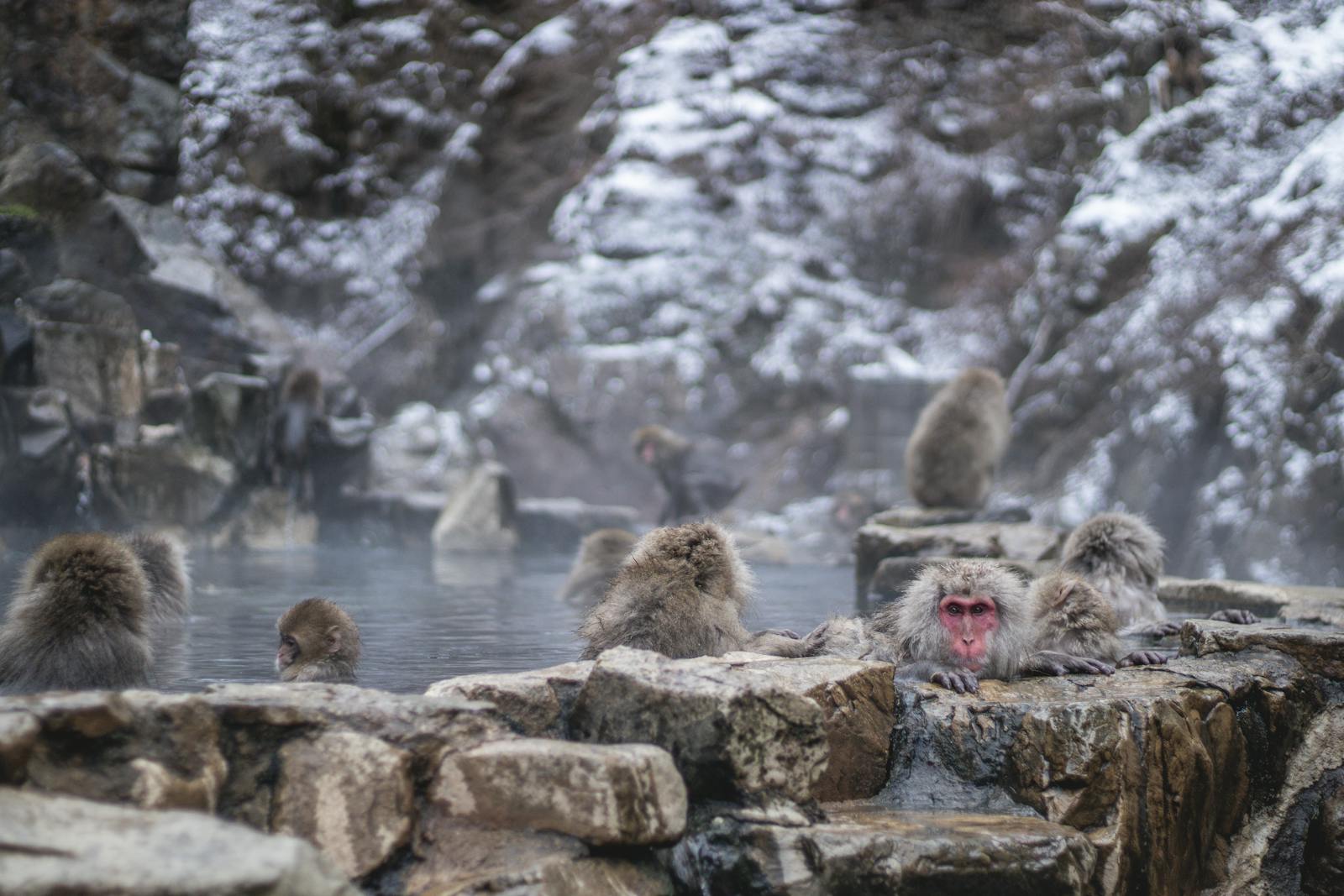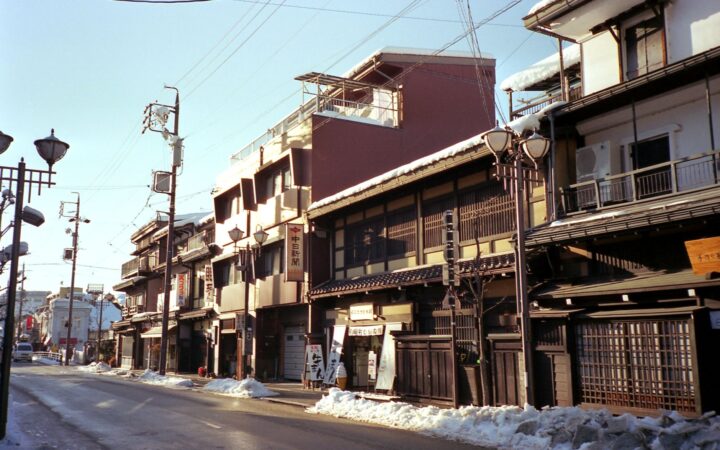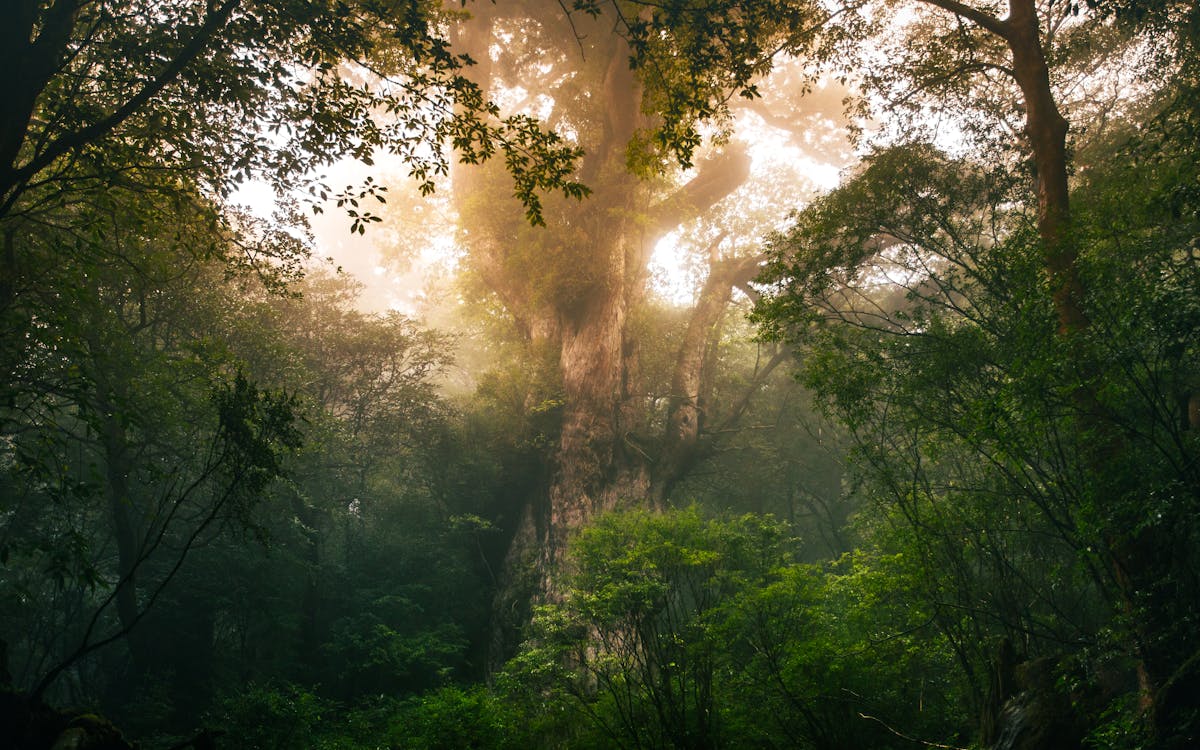
Imagine standing inside a forest so ancient, so deeply green, so dripping with moss and mystery that it feels like another world entirely. That is Yakushima — a small island off the southern tip of Kyushu that has captivated visitors, scientists, and storytellers for centuries. Covered in primeval cedar forests, laced with crystal-clear rivers, and inhabited by wild deer and monkeys that show no fear of people, Yakushima is unlike anywhere else in Japan.
Designated a UNESCO World Natural Heritage Site in 1993, Yakushima is home to some of the oldest living trees on Earth — among them, Jomon Sugi, a cedar tree believed to be over 2,000 years old and possibly as old as 7,200 years. The island inspired the setting for Hayao Miyazaki’s beloved animated film Princess Mononoke, and the similarities between the film’s haunting forest and the reality of Yakushima’s Shiratani Unsuikyo Ravine are genuinely breathtaking.
For first-time visitors to Japan, Yakushima represents something very different from the country’s famous temples and cities: it is raw, wild, primordial Japan. It is not an easy destination — getting there takes effort, and hiking Yakushima’s trails can be demanding — but for those who make the journey, the reward is one of the most unforgettable experiences Japan has to offer.
This complete guide covers everything you need to know about visiting Yakushima: how to get there, what to see, which trails to hike, where to stay, what to eat, and all the practical information that will make your trip smooth and memorable.
Why Yakushima Should Be on Every Japan Itinerary
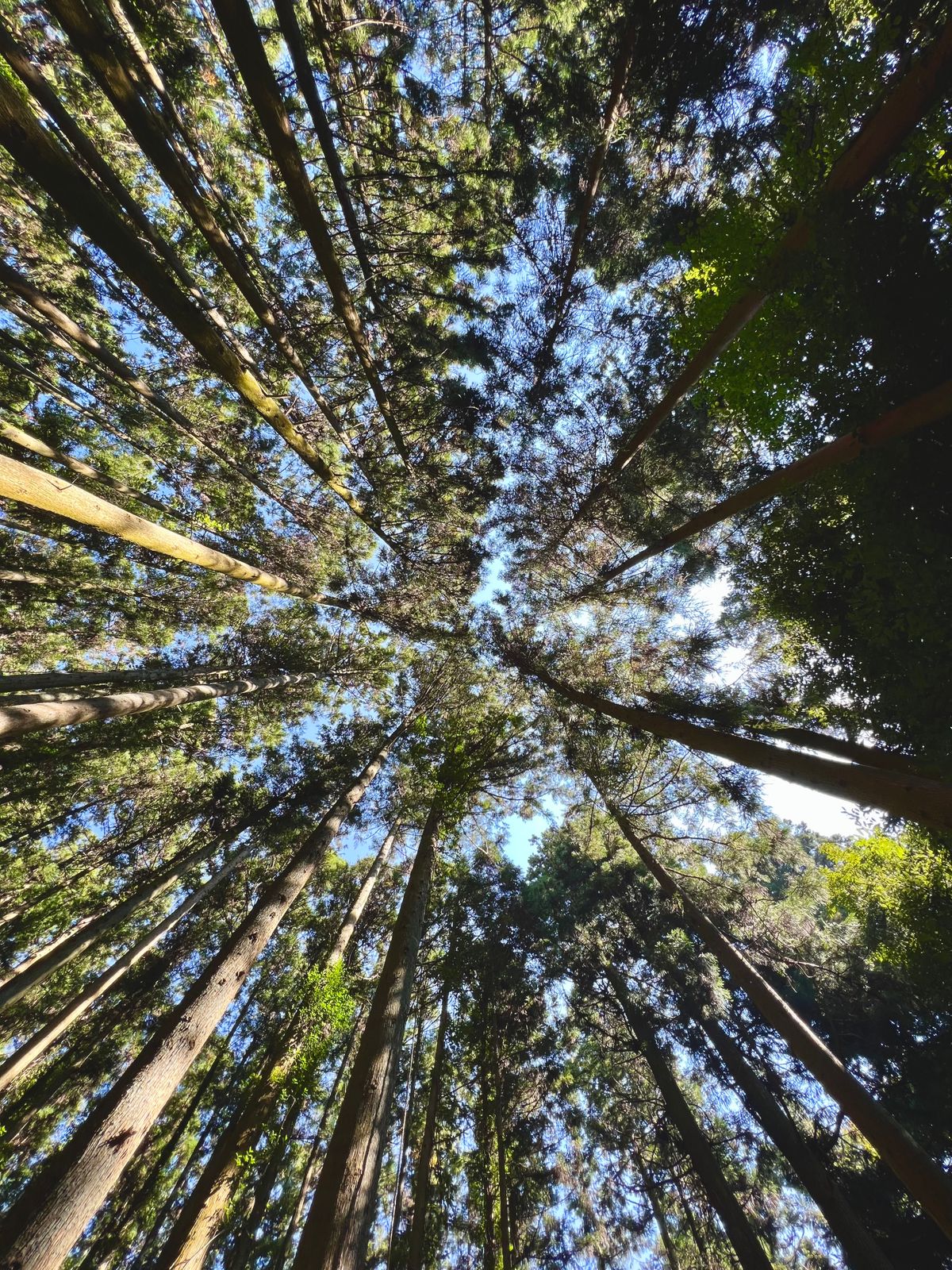
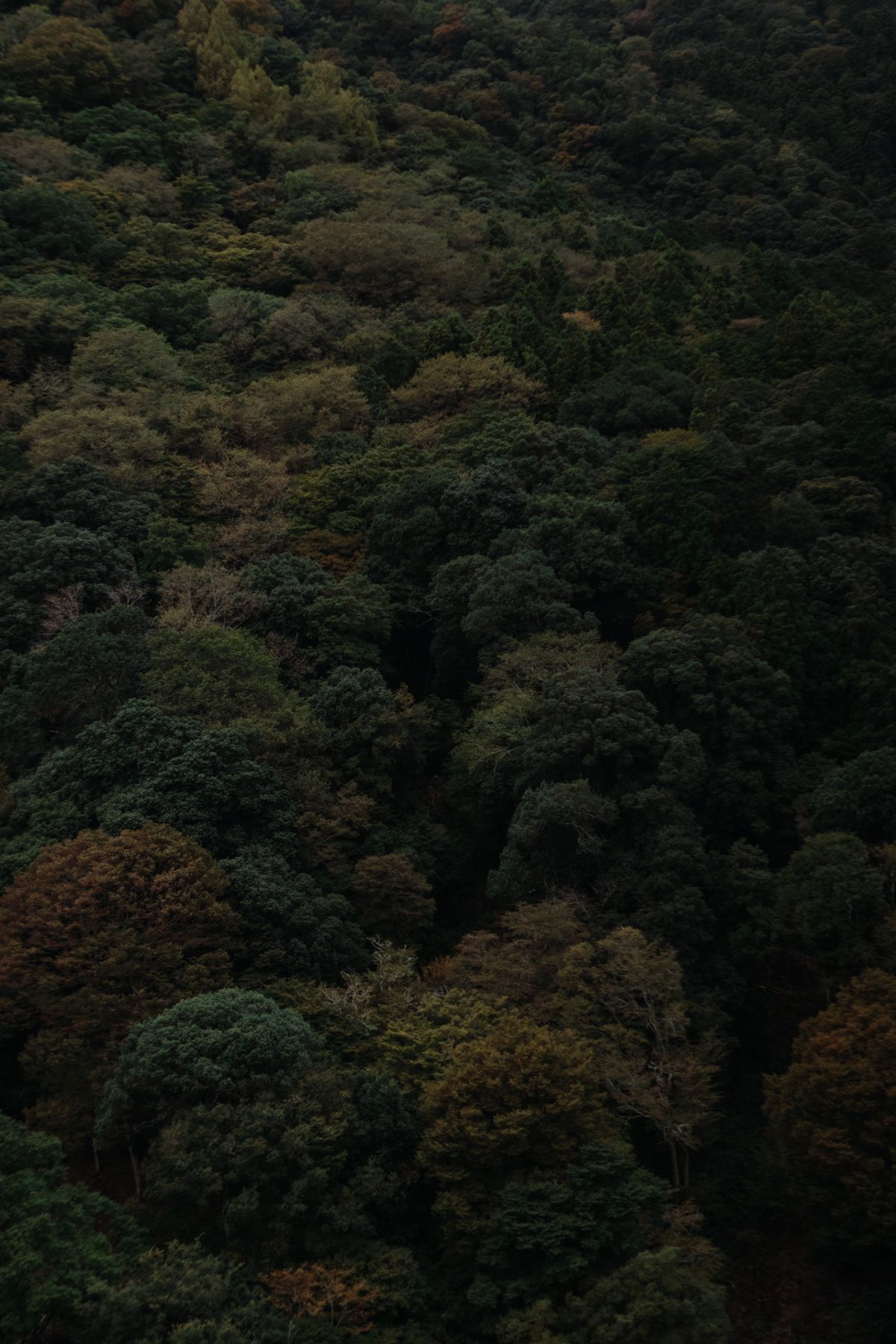
Yakushima occupies a special place even within Japan’s extraordinary natural landscape. While Hokkaido has its wide-open wilderness and the Japanese Alps have their dramatic peaks, Yakushima offers something different: a subtropical island covered almost entirely in UNESCO-protected forest, rising from sea level to a 1,936-metre mountain summit within the space of a few kilometres.
The island is roughly circular, measuring about 28 kilometres in diameter, but its terrain is so varied that it encompasses sub-tropical beaches, lush river gorges, dense cedar forests, and near-alpine mountain summits all within one small landmass. Yakushima receives extraordinary amounts of rainfall — locals joke that it rains “35 days a month” — which is precisely what feeds the extraordinary vegetation and keeps the forests so spectacularly green.
Beyond the scenery, Yakushima offers the rare pleasure of encountering wildlife entirely on its own terms. The island is home to the Yakushika (Yakushima deer), a smaller subspecies of the sika deer, and the Yakuzaru (Yakushima macaque), a subspecies of Japanese macaque. Both species are endemic to the island and live in remarkably high numbers — you are virtually guaranteed to encounter both on any forest trail, often in large groups, going about their daily business with complete indifference to human visitors.
For first-time Japan visitors who have been to Tokyo and Kyoto and want something completely different, or for nature lovers making Yakushima their primary Japan destination, the island delivers an experience that is genuinely world-class.
When Is the Best Time to Visit Yakushima?
Yakushima can be visited year-round, but different seasons offer very different experiences, and the island’s famous rainfall makes timing important for hikers and outdoor lovers.
March to May (Spring): One of the best times to visit. The weather is mild, the forests are vibrant, and the crowds are manageable outside of Golden Week (late April to early May). Temperatures range from around 10°C (50°F) in the mountain forests to 20°C (68°F) on the coast. Spring is ideal for the Jomon Sugi hike.
June to July (Rainy Season): Yakushima’s rainy season is the rainiest on all of Japan’s rainy places — this is not a time for casual visitors. However, the forests reach their most intensely green during this period, and the rivers run magnificently full. Serious hikers who enjoy moody, dramatic landscapes can find June and July magical, provided they are properly equipped.
August to September (Summer): Hot and humid on the coast (around 28–32°C / 82–90°F), but cooler in the forests. Sea turtles nest on the northwestern beaches around Nagata between late May and July, with hatching occurring through late September — one of Yakushima’s most extraordinary natural spectacles. The island is busiest in August, and accommodation books out quickly.
October to November (Autumn): Arguably the best overall time to visit. The rainy season is over, typhoon risk drops significantly, temperatures are comfortable, and the mountain areas take on beautiful autumn colours. October and November offer the clearest skies and the best conditions for photography.
December to February (Winter): Cold in the mountain forests (near freezing at night), but the coastal areas remain mild (around 13–17°C / 55–63°F). The island is quiet, accommodation is cheapest, and the forests have an ethereal, misty quality. Higher trails may require traction devices in icy conditions.
How to Get to Yakushima
Yakushima is an island, which means getting there requires either a flight or a ferry. Neither is particularly difficult, but planning ahead is essential, especially during peak travel seasons.
By Plane
The fastest and most convenient option is to fly into Yakushima Airport (KUM). The airport is small but well-connected to Kagoshima (about 35 minutes, fares from approximately ¥5,000 to ¥15,000 / $35–$100 depending on booking timing) and Osaka Itami Airport (about 1.5 hours, fares from ¥15,000 to ¥30,000 / $100–$200). Japan Air Commuter (JAC) operates most routes to Yakushima. Book well in advance, particularly for peak seasons — the small planes sell out.
From Tokyo, the most efficient routing is Tokyo Haneda to Kagoshima (about 1.5 hours with ANA or JAL), then Kagoshima to Yakushima (35 minutes). This can be done as a single day’s travel, arriving in Yakushima by mid-afternoon if you take early flights.
By Ferry
Most ferries and jetfoils depart from Kagoshima Main Port (South Pier area) near the city centre. Options include:
- Toppy high-speed ferry: About 1 hour 40 minutes, operating 2–3 times per day. Fares approximately ¥7,900 / $53 one-way. Book at check our Japan travel tips guide for booking advice.
- Rocket high-speed hydrofoil: About 2 hours, with stops at Yakushima’s Miyanoura and Anbo ports.
- Slow ferries: Ferry Yakushima 2 runs a daytime crossing of about 4 hours, and Orita Kisen’s Hibiscus departs Kagoshima in the early evening and arrives the next morning via Tanegashima. Both are cheaper than the jetfoils.
Ferries do not operate in rough weather, and Yakushima’s location in the East China Sea means cancellations are more common than on other island routes. If you have a tight schedule, flying is the more reliable choice.
Getting Around Yakushima
Yakushima has no rail network. The main ways to get around the island are:
- Rental car: By far the most convenient option. Yakushima has several rental car agencies at the airport and near Miyanoura Port. Budget around ¥5,000–¥8,000 / $33–$53 per day. A car allows you to explore remote coastal areas and reach trailheads at your own pace.
- Bus: An affordable option (¥200–¥880 / $1.35–$6 per journey depending on distance), but services are infrequent, particularly to the main hiking trailheads.
- Taxi: Available but expensive for longer distances.
- Bicycle: The island’s circumference road (about 100 km) is popular with cycle-tourers, but the hills are steep and the weather unpredictable.
For most visitors, renting a car is strongly recommended, particularly if you want to hike Jomon Sugi and explore the island fully in a limited time.
Top Attractions and Things to Do in Yakushima
1. Jomon Sugi — The Ancient Cedar That Defines Yakushima
The single most famous sight on Yakushima — and one of the most awe-inspiring natural encounters anywhere in Japan — is Jomon Sugi. This enormous cedar tree stands in the heart of Yakushima’s protected forest, accessible only on foot via a demanding but deeply rewarding trail.
The tree itself is staggering in scale: it stands 25.3 metres tall, has a trunk circumference of 16.4 metres, and is estimated to be between 2,170 and 7,200 years old (scientific estimates vary, but even the conservative figure makes it Japan’s oldest known living tree). It is named for the Jomon period of Japanese prehistory (roughly 14,000 BCE to 300 BCE), and standing before it induces a powerful sense of being in the presence of deep time.
The hike to Jomon Sugi starts from Arakawa Trailhead (also called Arakawa Tozan-guchi), which is accessible from Yakushima town via shuttle bus during peak season. The hike covers about 22 km round-trip and involves an elevation gain of around 600 metres, with a significant portion of the trail following an old forestry rail track. Most hikers should budget 8–10 hours for the round trip. The trail is well-maintained and clearly marked, but proper hiking boots, rain gear, and plenty of food and water are essential.
Access to the trailhead is restricted — private vehicles are not permitted during peak hiking season (March to November), and visitors must take a shuttle bus from Yakushima Town Hall (fare approximately ¥310 / $2 each way). Shuttles begin at 5:00 AM, and it is strongly recommended to catch an early bus to have the tree to yourself in the morning light and ensure you return before dark.
2. Shiratani Unsuikyo Ravine — The Princess Mononoke Forest
If Jomon Sugi is Yakushima’s most iconic destination, Shiratani Unsuikyo Ravine is its most beautiful. The ravine is a mossy, stream-laced gorge in the northern mountains of the island, accessible via several trails ranging from easy 1-hour strolls to more demanding 4–5 hour hikes.
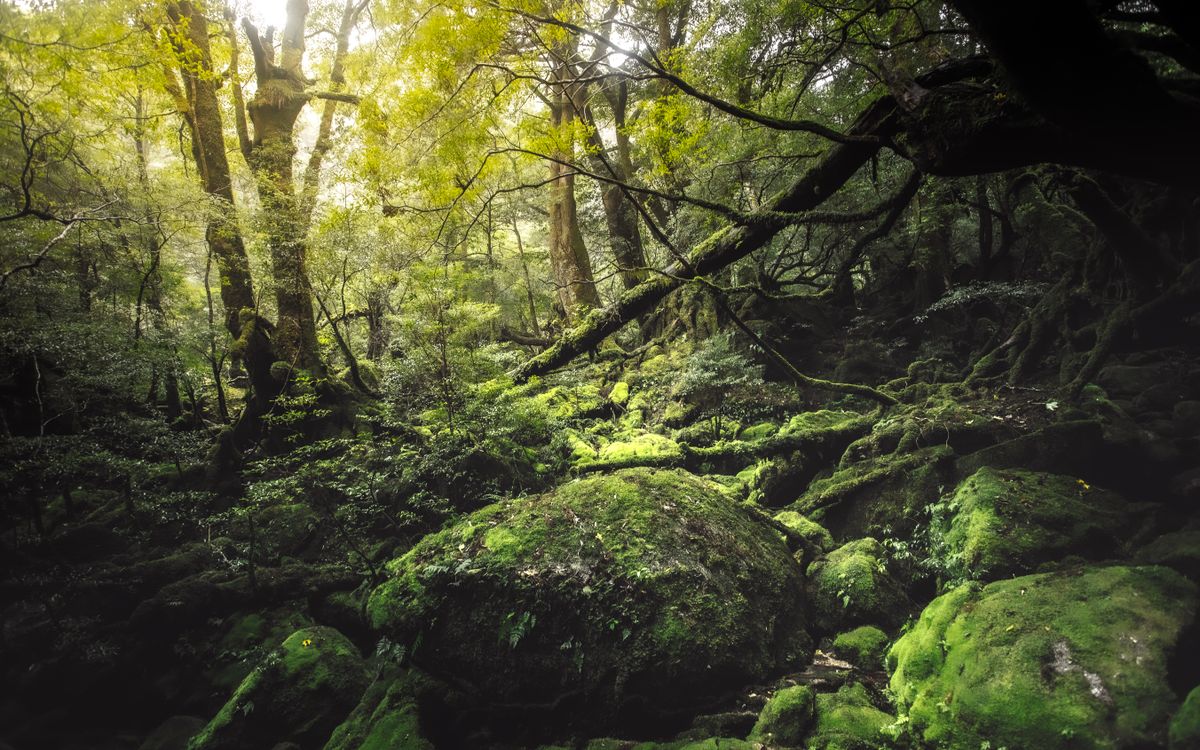
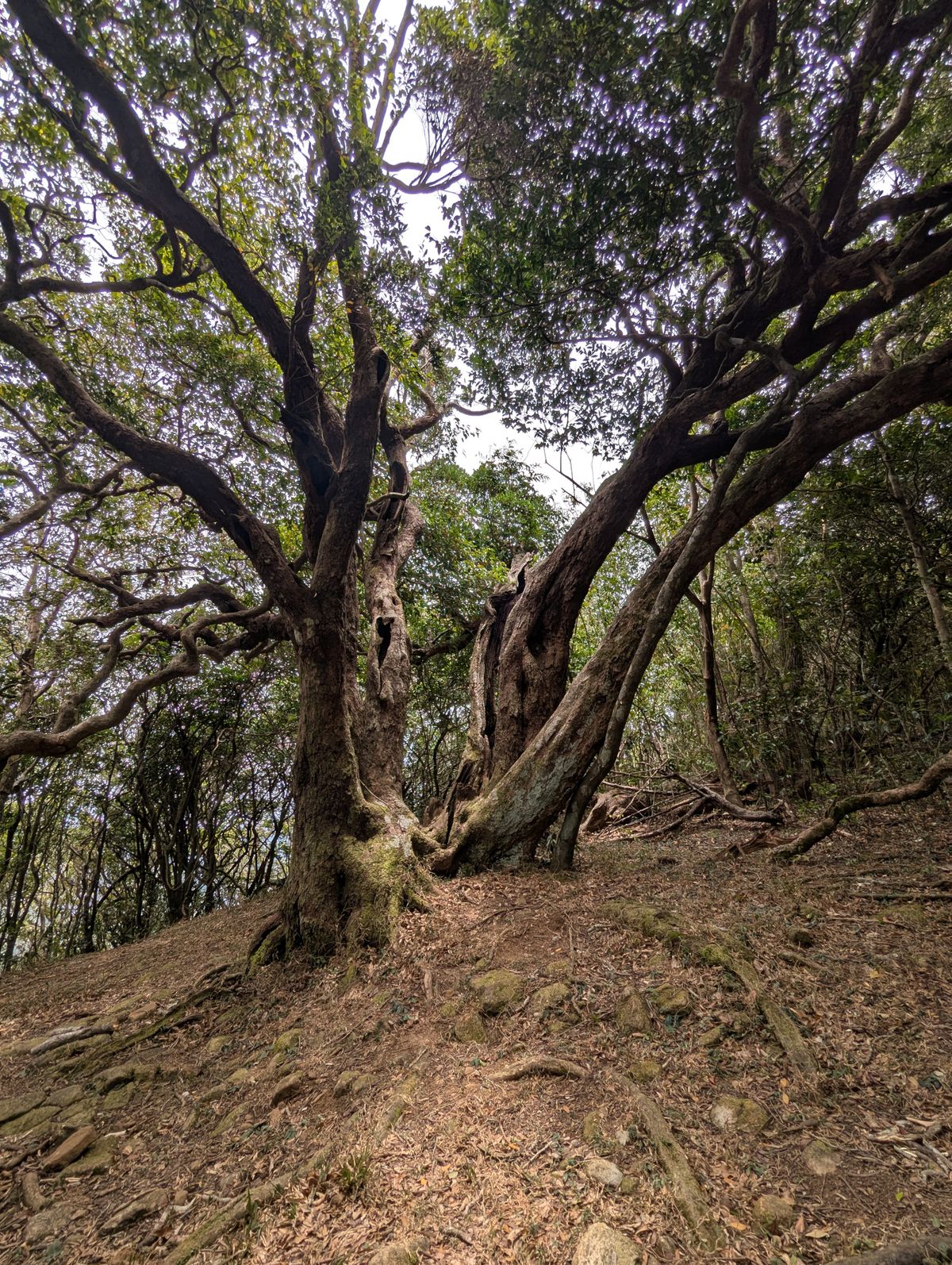
Hayao Miyazaki and his team are said to have drawn direct inspiration from Shiratani Unsuikyo when creating the forest world of Princess Mononoke, and the resemblance is immediately apparent. Every surface — rocks, fallen logs, the ground itself — is covered in deep, vivid moss. Ancient cedar trees rise from the green carpeting. Rivers rush clear and cold through the gorge. In low light or mist, the effect is genuinely otherworldly.
Entry to the ravine costs ¥500 / $3.35 per person. The trail network is well-maintained and offers three main course options: a 1.5 km easy loop (about 1 hour), a 4 km medium course (about 2 hours), and a 7 km extended course that includes Taikoiwa Rock (about 4 hours with a panoramic mountain view at the summit). Most first-time visitors find the medium course the ideal combination of depth and manageable effort.
3. Yakusugi Land — Ancient Cedars Without the Full Day Hike
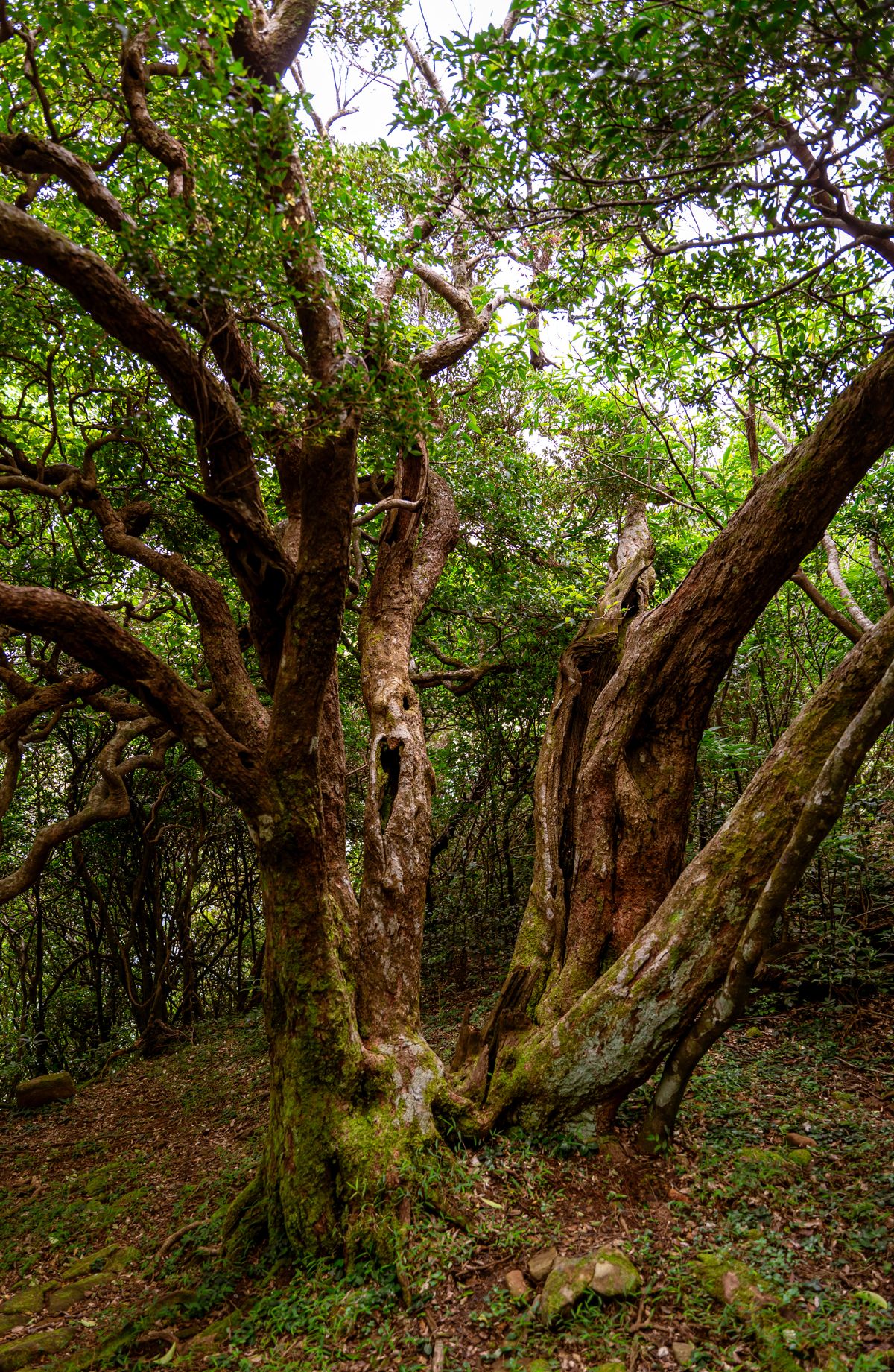
For visitors who want to experience Yakushima’s ancient forest without committing to the full Jomon Sugi hike, Yakusugi Land offers an excellent alternative. Located in the island’s central forest at around 1,000 metres elevation, this area features several ancient yakusugi cedars (yakusugi is the term for Yakushima cedars more than 1,000 years old) accessible via well-maintained paths.
Entry is ¥500 / $3.35 per person. Four course options are available: a 30-minute accessible course, a 50-minute course, an 80-minute course, and a demanding 150-minute course. Even the shortest course provides close encounters with trees over a thousand years old. Yakusugi Land is particularly good for families with young children or older visitors for whom the Jomon Sugi hike would be too demanding.
4. Senpiro Falls — The Island’s Most Spectacular Waterfall
Senpiro Falls (Senpiro-no-taki) is one of Yakushima’s most photographed landmarks: a 60-metre waterfall tumbling down a vast sheer granite cliff, viewed from an observation deck across the gorge. The falls are located on the eastern side of the island and are easily accessible from the main coastal road — a short 5-minute walk from the car park brings you to the viewing platform and swimming area.
Swimming is not possible at the falls, which are viewed from a distant platform, but the island’s clear rivers are popular for a dip in summer, when the crystal-clear water (maintained at refreshingly cool temperatures even in July and August) offers relief from the coastal heat. The setting — with the falls backed by lush green forest and dramatic grey granite — makes for outstanding photography at almost any time of day.
5. Onoaida Onsen — A Wild Outdoor Hot Spring at the Sea’s Edge
Yakushima has several hot spring baths (onsen), but the most extraordinary is Hirauchi Kaichu Onsen, a series of outdoor rock pools carved directly into the volcanic rock on the island’s southern coast — and submerged entirely at high tide. The timing of your visit is dictated by the tidal schedule: the pools are accessible for about two hours either side of low tide.
Entry is by voluntary donation (a box is provided — ¥200–¥300 is customary). Mixed bathing is the tradition here, and the setting — soaking in naturally heated water while the Pacific Ocean surges around you — is unlike any hot spring experience you will find elsewhere in Japan. Check local tide tables before you go; arriving at the wrong time means the pool is simply underwater.
Yakushima Town also has several conventional indoor onsen facilities, including the popular Yui no Sato onsen (¥500 / $3.35 entry, with clean facilities and mountain views), which is a good choice after a long day of hiking.
6. Nagata Beach — Sea Turtle Nesting Site
Nagata Beach (Nagata Inakahama) on the northwestern coast of Yakushima is one of Japan’s most important sea turtle nesting sites. From late May through July, female loggerhead sea turtles (umigame) come ashore at night to lay their eggs, with hatchlings emerging from August through October.
Witnessing sea turtles nesting or hatching is a genuinely moving natural spectacle and an experience you are unlikely to find anywhere else in Japan. Guided turtle-watching tours operate during the nesting and hatching season (typically May–October), with strict rules about lighting and approach distance to protect the turtles. Tours must be booked in advance through the Yakushima Umigame-kan (Sea Turtle Museum). Cost is approximately ¥1,500–¥2,000 / $10–$13 per person.
7. Miyanoura-dake — Summit Hike for Serious Hikers
At 1,936 metres, Miyanoura-dake is the highest peak in Kyushu and one of the most dramatic mountain summits in Japan. The hike to the summit from the Yodogawa Trailhead (accessible by shuttle bus from Yakushima Town) is strenuous: approximately 12 km round trip with around 800 metres of elevation gain. Most hikers complete the summit hike in 6–8 hours.
The summit views, when not obscured by cloud (which is frequently, given Yakushima’s weather), are spectacular — on clear days you can see Kyushu to the north and Tanegashima Island to the east. The high-altitude zone above the tree line has a distinctive alpine character that feels completely different from the lower cedar forests. Mountain huts (Shintakatsuka and Ishizuka) provide basic overnight shelter for those wishing to make a two-day summit excursion.
Yakushima Wildlife: Deer, Monkeys, and Sea Turtles
Yakushima’s wildlife is one of its great joys, and the accessibility of encounters with wild animals makes it a genuine highlight of any visit. The island’s two most characteristic species — the Yakushima deer and the Yakushima macaque — are so habituated to human presence (though not domesticated, and not fed by visitors) that you can observe them at very close range going about their daily lives.
The Yakushika deer are smaller than mainland sika deer, with shorter legs and rounder ears — an adaptation to Yakushima’s dense forest habitat. They graze openly in forest clearings, along roadsides, and even around hotel grounds, usually in small groups. The macaques are equally visible, often sitting in family groups on forest trails, grooming each other, playing, and searching for food with complete indifference to watching humans.
It is important to respect the wildlife: do not feed either species, do not attempt to touch them, and maintain a respectful distance. The deer can be surprisingly brave about approaching humans — particularly if food is visible — and while they are generally harmless, bucks with antlers during rutting season (autumn) should be given a wider berth.
Yakushima also has green and loggerhead sea turtles in its surrounding waters, and snorkelling and diving around the island offers the chance to encounter turtles, colourful reef fish, and occasional whale sharks. Several diving operators in Miyanoura offer guided dives for certified divers (prices from ¥8,000 / $53 for a single dive including equipment).
Where to Stay in Yakushima
Yakushima has accommodation options ranging from budget guesthouses and camping to mid-range hotels and traditional Japanese inns. The island has three main areas where accommodation clusters:
Miyanoura (Northern Port Area)
The island’s main arrival and service hub, with the widest range of accommodation. Convenient for ferry arrivals and the airport, and a good base for northern trails including Shiratani Unsuikyo. Staying here puts you close to the main supermarket, shops, and restaurants.
Yakushima Town (Central-South Area)
The administrative centre of the island, with several hotels, guesthouses, and restaurants. A reasonable base for exploring the island by car, and close to Yakusugi Land and Senpiro Falls.
Onoaida / Southern Coast
The quietest part of the island, with smaller guesthouses and minshuku (Japanese family-run inns). Ideal for those wanting a more remote, peaceful experience and proximity to Hirauchi Kaichu Onsen.
Budget accommodation (guesthouses/hostels): From ¥3,000–¥5,000 / $20–$33 per person per night, usually including a shared bathroom and sometimes breakfast.
Mid-range hotels: From ¥8,000–¥15,000 / $53–$100 per person, often including breakfast and dinner (particularly ryokan-style inns).
Recommended: Sankara Hotel & Spa Yakushima is the island’s only true luxury resort, set in a forest setting with stunning views and a world-class restaurant. Rates from approximately ¥50,000 / $333 per person including meals — a splurge, but extraordinary for a special occasion.
Book well in advance for any visit during peak season (August, cherry blossom season, Golden Week). The island has limited accommodation overall, and good options sell out months ahead.
Book your Yakushima hotel on Agoda (Best prices guaranteed) →
Where to Eat in Yakushima
Yakushima’s food scene is modest compared to mainland Japan, but it has some genuinely excellent options — particularly if you enjoy fresh seafood.
Flying fish (tobiuo): Yakushima’s culinary signature dish. Flying fish are caught in the surrounding waters and appear on menus in every form — grilled whole, as sashimi, in soup, in fish balls (satsuma-age), and even in ramen. The flavour is clean and mild, and the grilled version is simple but delicious. Look for it at local restaurants around Miyanoura and Yakushima Town.
Yakushima ramen: A local variation of ramen using flying fish broth, lighter and more delicate than most ramen styles. Several ramen shops in Miyanoura serve this as a regional speciality.
Tankan citrus: A sweet, mandarin-like citrus fruit grown on the island, available from January through March. Yakushima tankan juice is sold widely and makes an excellent souvenir.
Shochu: Yakushima produces its own local shochu (Japanese spirit) using locally grown sweet potato, which makes an excellent travel souvenir.
Most restaurants in Yakushima close relatively early (by 9:00 PM). For dinner, either choose a hotel or ryokan with dinner service (highly recommended for ryokan stays), or make early dinner reservations. The main dining strip is in Miyanoura, with around 15–20 restaurants including izakayas, ramen shops, and casual Japanese dining.
Hiking Preparation: What You Need to Know
Hiking is the primary reason most visitors come to Yakushima, and proper preparation makes the difference between a safe, enjoyable experience and a genuinely difficult one.
Essential Gear for Yakushima Hiking
- Waterproof jacket and trousers: Non-negotiable. Yakushima can go from sunshine to heavy rain within minutes at any time of year. A good quality waterproof jacket is the single most important item to pack.
- Waterproof hiking boots: The trails are often wet and muddy, with river crossings on some routes. Waterproof boots with ankle support are essential for the Jomon Sugi and Miyanoura-dake hikes.
- Trekking poles: Helpful on steep descents, particularly on wet trails. Available for rent in Miyanoura.
- Headlamp: For early morning starts on the Jomon Sugi trail — you will begin in darkness if you catch the first shuttle bus.
- Sufficient food and water: There are no shops or vending machines on the mountain trails. Bring at least 2 litres of water and enough food for a full day.
- Portable rain cover for your bag: Everything in your pack will get wet if it rains — which it will, at some point.
Trail Registration
For all trails that venture into the central mountain area (including the Jomon Sugi hike and Miyanoura-dake), hikers are strongly encouraged to register their plans at the trailhead registration boxes. This is not legally required for foreign visitors, but it provides a safety record in case of emergency.
Leave No Trace
Yakushima is a UNESCO World Heritage Site, and the forest is fragile. All litter must be carried out. Stay on marked trails at all times. Do not feed or approach wildlife. Use the designated toilet facilities (available at major trailheads — a ¥100 / $0.70 contribution is requested for maintenance).
Suggested Yakushima Itineraries
3-Day Yakushima Itinerary
Day 1: Arrive in Yakushima. Afternoon visit to Shiratani Unsuikyo Ravine (2-hour medium course). Evening: explore Miyanoura, dinner at a local flying fish restaurant, early night before hiking day.
Day 2: Jomon Sugi hike. Catch the first shuttle bus (5:00 AM) from Yakushima Town Hall. Hike the 11 km trail to the tree, spend 30 minutes at the viewing platform, return to the trailhead. Allow 8–10 hours total. Evening: hot spring bath at Yui no Sato onsen.
Day 3: Morning visit to Yakusugi Land (medium 80-minute course). Drive around the southern coast, stopping at Senpiro Falls and (if tides allow) Hirauchi Kaichu Onsen. Afternoon ferry or flight departure.
5-Day Yakushima Itinerary
Day 1: Arrive. Afternoon visit Shiratani Unsuikyo Ravine extended course (4 hours, including Taikoiwa summit view). Dinner in Miyanoura.
Day 2: Jomon Sugi hike (full day).
Day 3: Rest day. Morning: Yakusugi Land. Afternoon: coastal drive, Senpiro Falls, Nagata Beach (turtle museum visit). Evening: Hirauchi Kaichu Onsen (check tide tables).
Day 4: Miyanoura-dake summit hike (full day, 6–8 hours). Best on a clear day — check the forecast carefully.
Day 5: Relaxed morning. Optional snorkelling or kayaking tour in the afternoon. Depart in the evening.
Practical Tips for Visiting Yakushima
- Book accommodation early. Yakushima’s good guesthouses and hotels fill up quickly, especially for weekends and peak months. Book at least 2–3 months ahead for July, August, and October.
- Carry cash. Many smaller restaurants, guesthouses, and onsen facilities on Yakushima are cash-only. ATMs are available at the Japan Post offices in Miyanoura and Yakushima Town. Stock up before heading to the more remote parts of the island.
- Stay connected. Mobile coverage on the island is generally good in the coastal areas, but patchy in the mountain interior. Download offline maps (Maps.me or Google Maps offline) before you go.
- Weather changes quickly. Never set out on a mountain hike without checking the weather forecast, and always carry rain gear even if the morning is clear.
- Shuttle bus schedules change seasonally. Confirm the current shuttle bus timetables for the Arakawa Trailhead (Jomon Sugi) at the Yakushima Environmental Culture Village Center in Miyanoura upon arrival.
- Respect the ecosystem. Do not pick plants, disturb wildlife, or go off-trail. The forest is as old as civilisation itself — treat it accordingly.
Before you travel, make sure you have a working data connection sorted. Every visitor to Yakushima needs reliable internet access for trail maps, weather forecasts, and translation tools:
Get your Japan eSIM (Stay connected from day 1) →
Getting to Yakushima from Major Cities: Costs and Journey Times
Here is a quick reference guide for travellers planning their journey to Yakushima:
From Tokyo: Fly Tokyo Haneda → Kagoshima (approximately 1 hour 40 minutes, from ¥10,000–¥25,000 / $67–$167 return depending on booking). Then Kagoshima → Yakushima by ferry (1 hour 40 minutes high-speed) or plane (35 minutes). Total travel time: approximately 4–5 hours including connections.
From Osaka: Fly Osaka Itami → Yakushima direct (approximately 1 hour 30 minutes, from ¥15,000–¥30,000 / $100–$200). Alternatively, take the Shinkansen to Kagoshima-Chuo (about 4 hours from Shin-Osaka, covered by the Japan Rail Pass), then ferry to Yakushima.
From Kagoshima: Closest gateway city. Ferry (approximately 1 hour 40 minutes, ¥7,900 / $53 one-way) or plane (35 minutes, from ¥5,000 / $33).
Book your airport transfer from Kagoshima seamlessly: Book airport transfer on Kiwitaxi →
For full guidance on planning your broader Japan trip and making the most of transport options, visit our Japan destinations guide and our Japan travel tips for first-timers.
Frequently Asked Questions About Yakushima
Is the Jomon Sugi hike suitable for beginners?
The Jomon Sugi hike is long (22 km round trip) but not technically demanding — it doesn’t involve any scrambling or steep sustained climbs. However, the distance and the long return journey mean that physical fitness is important. Most moderately fit adults can complete it, but should allow the full 8–10 hours and start early. Proper waterproof hiking boots and rain gear are essential. If you are unsure of your fitness, begin with Shiratani Unsuikyo Ravine’s medium course to gauge how your body handles Yakushima’s trails before committing to Jomon Sugi.
How many days should I spend in Yakushima?
A minimum of 3 days is needed to experience Yakushima’s highlights. With 3 days you can do the Jomon Sugi hike, visit Shiratani Unsuikyo Ravine, and explore the coastal southern areas. If you also want to hike Miyanoura-dake or spend a leisurely day snorkelling or kayaking, 4–5 days is ideal. Unlike many Japanese destinations, Yakushima rewards slow travel.
Can I visit Yakushima as a day trip from Kagoshima?
Technically yes, but it’s not advisable. The early ferry from Kagoshima arrives in Yakushima mid-morning, and the last ferry back leaves in the afternoon, giving you only 4–5 hours on the island — not enough to do the Jomon Sugi hike (8–10 hours) and barely enough to visit Shiratani Unsuikyo properly. A day trip is really only viable if your goal is to see the island’s coastline and visit Yakusugi Land. If you are making the journey all the way to Yakushima, an overnight stay is strongly recommended.
What is the weather like in Yakushima?
Yakushima is famously rainy — it receives some of the highest annual rainfall totals in all of Japan, averaging around 4,000–5,000 mm per year in the mountains (compared to Tokyo’s 1,500 mm). Rain can occur at any time of year. The coastal areas have a warm, subtropical climate, while the mountain forests can be cold and foggy year-round. Always pack waterproof gear regardless of the season or the forecast when you leave.
Do I need to speak Japanese to visit Yakushima?
English signage is available at the main trail entrances, tourist centres, and ferry terminals. The Yakushima Environmental Culture Village Center in Miyanoura has English-speaking staff and excellent free maps. Many guesthouse owners in Yakushima have basic English, and translation apps are very helpful for menus and incidental conversations. You do not need to speak Japanese to navigate Yakushima successfully, though a few basic phrases (arigatou gozaimasu — thank you; sumimasen — excuse me) are always appreciated.
Is Yakushima suitable for families with young children?
Yes, with the right planning. Yakusugi Land’s shortest course (30 minutes, fully paved and accessible) is excellent for young children. Senpiro Falls and Nagata Beach are easy visits for all ages. The Jomon Sugi hike is too long and demanding for most children under 10–12. Families with younger children tend to find Yakushima most rewarding with a rental car, which allows them to explore the coastline, waterfalls, and accessible forest sites at their own pace.
What should I bring to Yakushima that I can’t buy there?
The island has a reasonable supermarket in Miyanoura, but specialist hiking gear and medications are not readily available. Bring all prescription medications, high-quality waterproof clothing, proper hiking boots, and any specific dietary foods with you. Sunscreen, insect repellent, basic first aid supplies, and electrolyte drinks are available at Miyanoura’s supermarket and pharmacies.
Final Thoughts: Why Yakushima Is Worth Every Effort
Yakushima is not an easy destination. It takes effort, planning, and a willingness to hike through rain (possibly) to experience its wonders. But for those who come, it delivers something that very few places in Japan — or the world — can match: genuine wilderness, prehistoric forests, wildlife encounters, and a silence broken only by birdsong and rushing rivers.
Standing at the foot of Jomon Sugi, looking up at a tree that was alive when the Roman Empire fell, when the Pyramids were already ancient, when the word “Japan” didn’t yet exist — this is a moment that stays with you. So does the sight of a family of macaques crossing your path without a second glance, or soaking in a rock pool as the Pacific Ocean surges around you at sunset.
Yakushima is the Japan that exists before civilisation, alongside it, and in defiance of it. That alone makes it one of the most extraordinary destinations on Earth.
Going to Japan? Speak Japanese with confidence.
Hirameki Japanese — camera translate for menus and signs, a two-way conversation mode, and furigana + romaji on every phrase. Free to download with kana charts, conversation mode and starter words; a one-time purchase unlocks everything.

Plan your Japan trip
Two things every first-timer should book
Some links are affiliate links. If you book through them we may earn a small commission at no extra cost to you.