Why Eiheiji Temple Should Be at the Top of Your Japan Bucket List
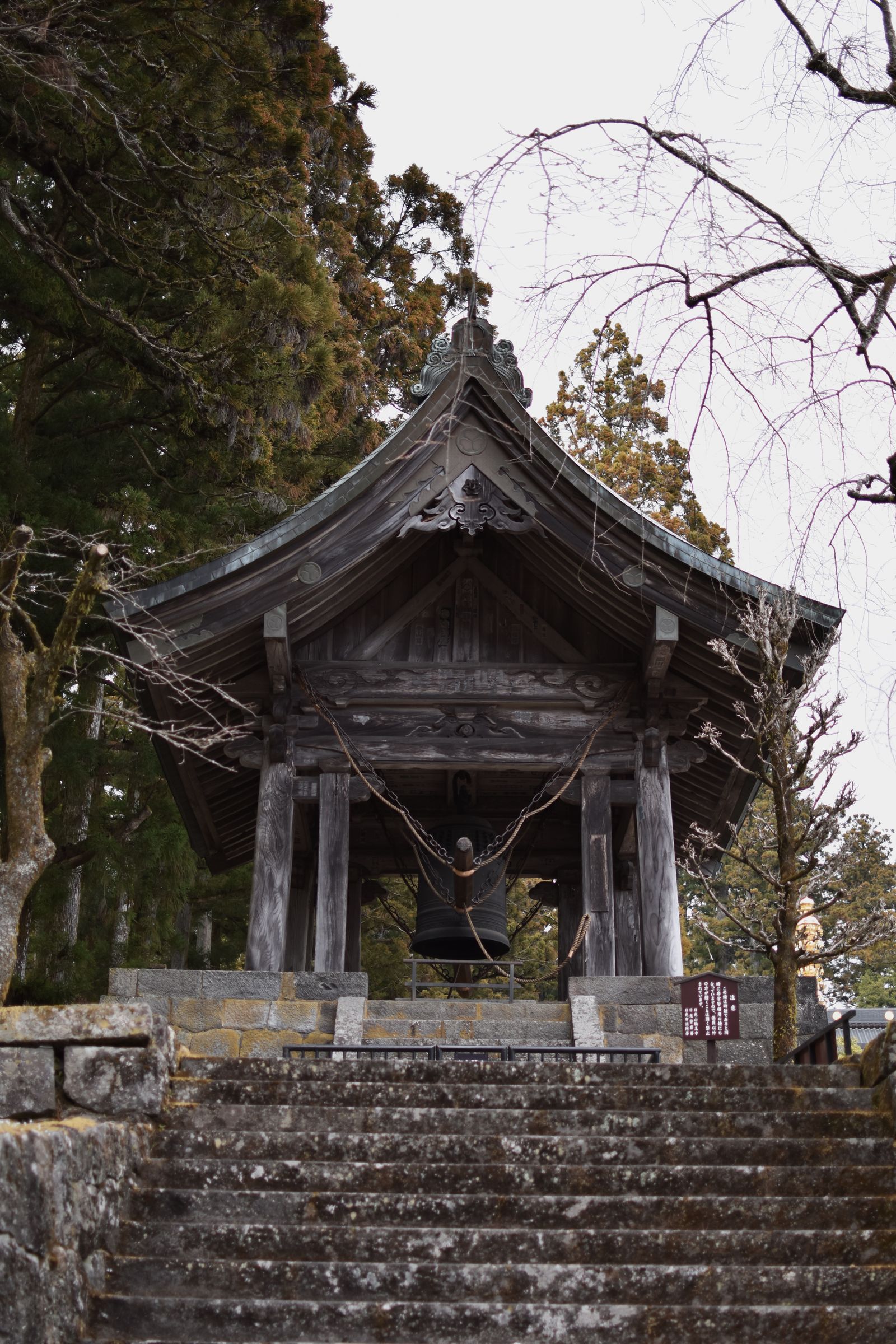
There are temples, and then there is Eiheiji. Tucked into a cedar-forested valley in Fukui Prefecture, this ancient Zen monastery isn’t a place you simply visit — it’s a place you experience. The smell of damp cedar and incense, the distant echo of monks chanting, the creak of wooden corridors that have witnessed nearly 800 years of devotion — Eiheiji has a way of quietly rearranging your priorities in the best possible way.
Most first-time visitors to Japan skip Fukui entirely, rushing between Tokyo, Kyoto, and Osaka. That’s understandable, but it’s also a genuine shame. Eiheiji is one of the two head temples of the Soto school of Zen Buddhism (the other being Soji-ji in Yokohama), and it remains a living, breathing monastery where more than 200 monks in training practice rigorous Zen disciplines every single day. This isn’t a museum — it’s one of Japan’s most spiritually active places.
This complete guide covers everything you need to know: how to get there, what to see inside the sprawling complex, how to book an overnight stay, what to eat in the area, and the best times to visit. Whether you have a few hours or a full day, Eiheiji will leave an impression that lasts far longer than any souvenir.
A Brief History of Eiheiji Temple
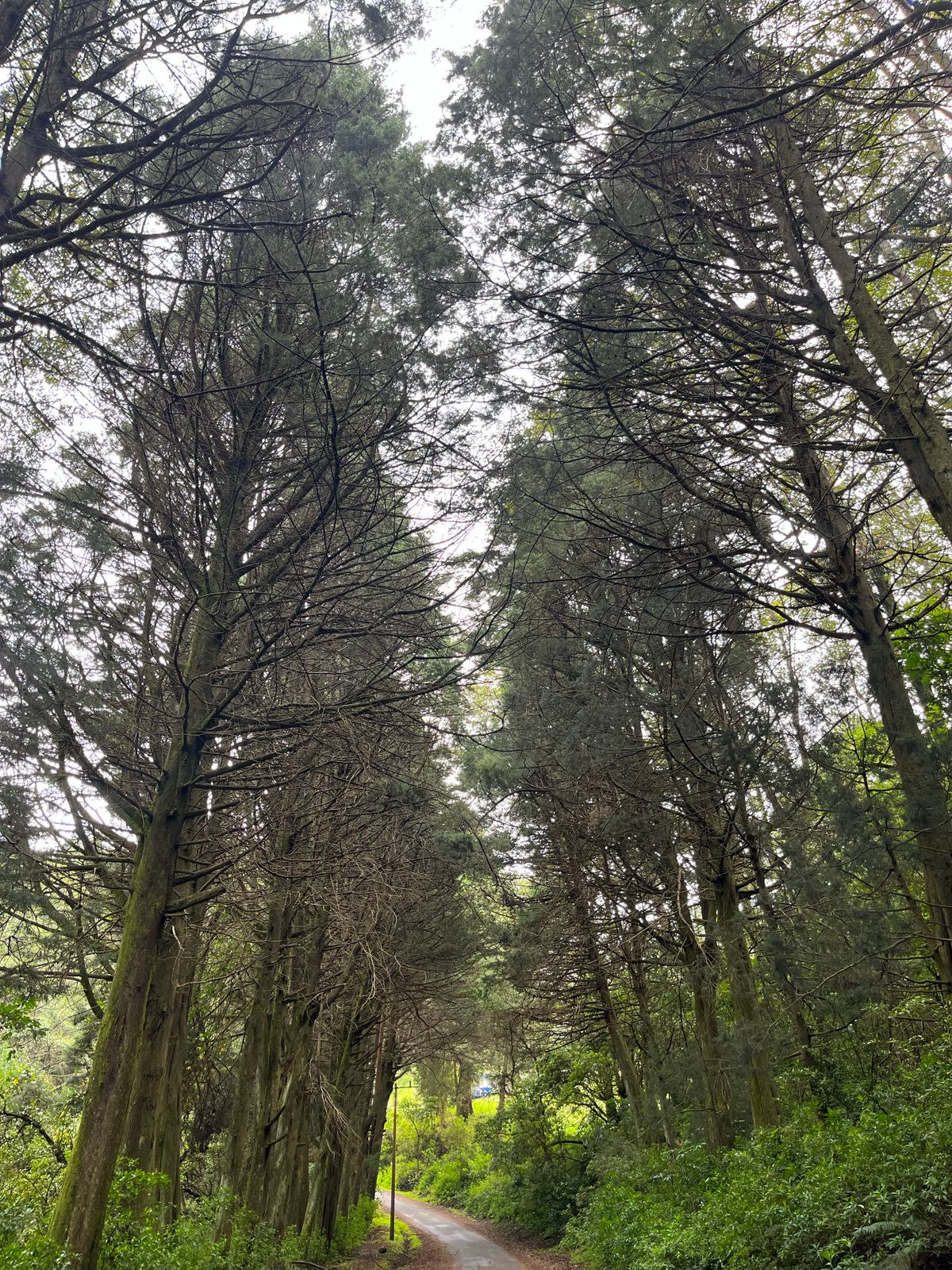
Eiheiji was founded in 1244 by the monk Dogen Zenji, widely regarded as one of the most important figures in Japanese Buddhism. After studying Zen in China, Dogen returned to Japan convinced that authentic Zen practice required complete separation from worldly distractions. He chose this remote valley in Echizen Province (modern-day Fukui) precisely because of its isolation — the mountains, forests, and distance from the capital made it an ideal place for single-minded spiritual practice.
The name “Eiheiji” (永平寺) translates roughly as “Temple of Eternal Peace,” though the monks here would probably argue that peace comes through effort, not ease. The Soto Zen tradition emphasizes zazen — seated meditation — as the core practice, along with careful attention to every daily activity, from eating to cleaning. Even the way monks wash their faces is considered a form of spiritual practice.
Over the centuries, Eiheiji survived fires, political upheavals, and the turbulence of Japanese history to remain one of the country’s most revered religious sites. Today, the temple complex contains more than 70 buildings spread across a forested hillside, connected by a network of covered walkways that allow monks to move between halls regardless of weather. The oldest existing structures date back several centuries, though many buildings have been rebuilt multiple times.
What makes Eiheiji particularly special is that it has never become a purely ceremonial place. Hundreds of monks live here year-round, and the rhythms of daily life — rising before dawn, communal meals eaten in silence, hours of zazen, endless cleaning duties — have changed remarkably little since Dogen’s time. When you walk through the complex, you are genuinely stepping into a living tradition.
Getting to Eiheiji Temple: All Your Options
Eiheiji is located about 15 kilometers east of Fukui City, in a valley that has preserved much of its rural character. The journey from major cities takes some planning, but it’s entirely manageable.
From Kyoto or Osaka
The fastest route is by Thunderbird limited express train from Kyoto Station or Shin-Osaka Station to Fukui Station. Journey times are approximately 75 minutes from Kyoto (¥5,610 / around $37 USD) and 105 minutes from Shin-Osaka (¥6,270 / around $42 USD). This service runs several times per hour and is covered by the JR Pass. From Fukui Station, take the Echizen Railway Katsuyama Eiheiji Line to Eiheiji-guchi Station (about 25 minutes, ¥540 / $3.60), then a local bus or taxi to the temple (around 10 minutes by bus, ¥280 / $1.85).
Alternatively, a direct bus called the Keifuku Bus runs between Fukui Station and Eiheiji Temple about once per hour and takes approximately 30-35 minutes (¥730 / $4.90 one way). This is often the most convenient option as it drops you right at the temple entrance.
From Kanazawa
Kanazawa and Eiheiji make an excellent combination for a day trip or overnight stay. Take the Hokuriku Shinkansen from Kanazawa to Fukui (about 23 minutes, ¥2,530 / $17 USD), then continue to Eiheiji as described above. Kanazawa Station is also on the Thunderbird line if you’re coming by conventional train.
From Tokyo
The opening of the extended Hokuriku Shinkansen in March 2024 now makes Fukui directly accessible from Tokyo in about 2 hours 20 minutes (from around ¥15,000 / $100 USD, varies by class). This was a game-changer for Fukui tourism and makes a Fukui-Eiheiji trip much more feasible as part of a longer Japan itinerary.
By Car
If you’re renting a car — always a good idea in Fukui Prefecture — Eiheiji is a straightforward drive from Fukui City via Route 364. Parking is available near the temple for around ¥600 / $4. A car gives you freedom to combine Eiheiji with other Fukui attractions like Tojinbo Cliffs and Maruoka Castle in a single day.
Exploring the Eiheiji Temple Complex
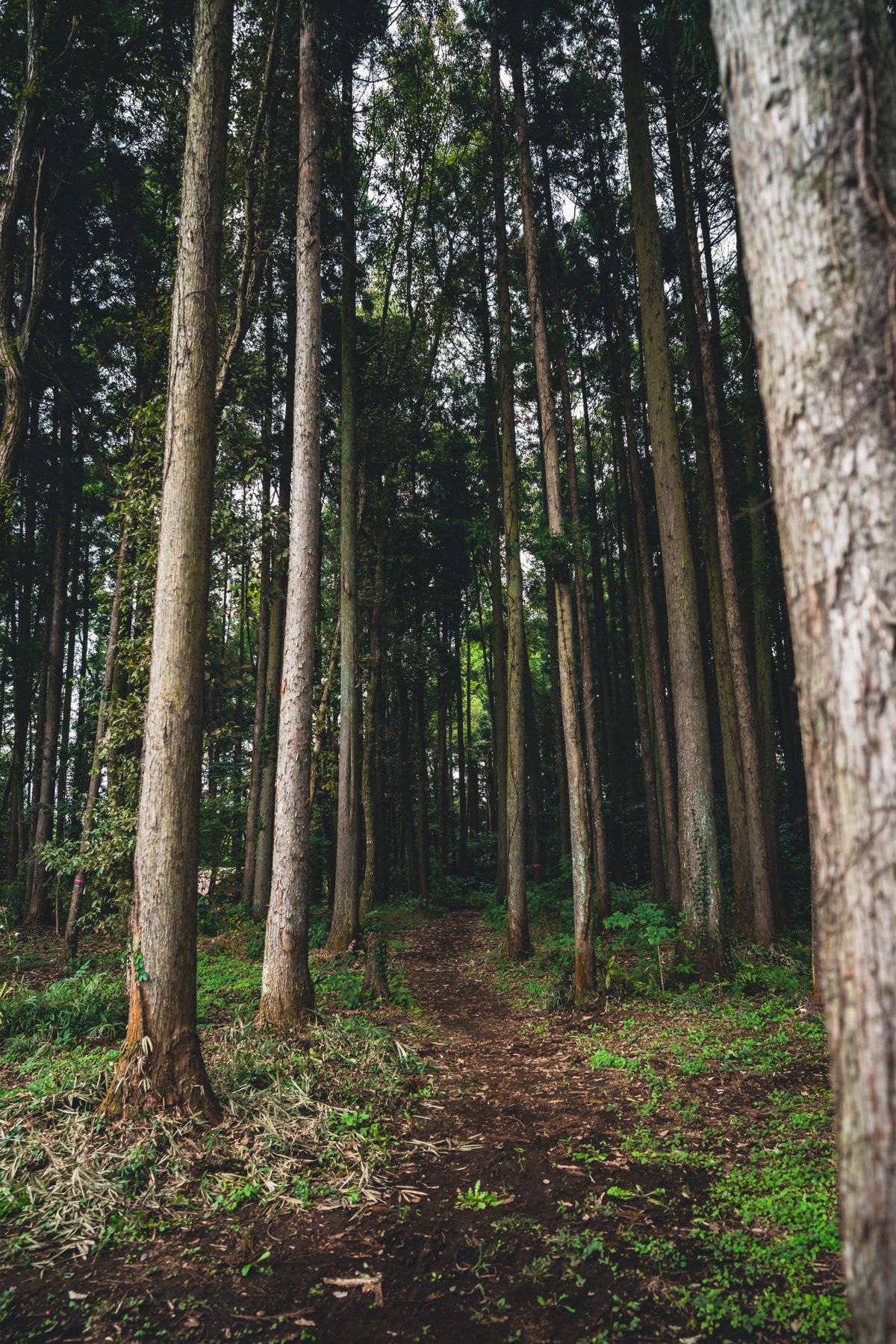
The temple complex is genuinely large, spreading up a forested hillside with buildings connected by covered wooden corridors (called kairo). Admission is ¥700 for adults / $4.70, ¥400 for high school students / $2.70, and free for elementary school students. The complex is open daily from 5:00 AM to 5:00 PM (last entry 4:00 PM).
Plan to spend at least 1.5 to 2 hours exploring properly. Here are the key areas to know:
The Sanmon Gate (山門)
The massive main gate is your official entry point to the sacred precinct. Dating from 1749, this imposing two-story structure sets the tone for everything that follows. As you pass through, you’ll notice that the atmosphere immediately shifts — this is a place where people have been seeking something for centuries, and it shows. The gate houses a set of wooden statues including the 500 Rakan (Buddhist disciples), each one uniquely expressive.
The Butsuden (仏殿) — Buddha Hall
The central worship hall houses the main object of veneration: a carved wooden figure of the Shakyamuni Buddha (the historical Buddha). This building sits at the heart of the complex and is where public ceremonies take place. If you visit in the morning, you may be able to witness monks conducting morning services — a chanting ceremony that has been performed here every day without interruption for nearly eight centuries.
The Hatto (法堂) — Dharma Hall
The largest building in the complex, the Hatto is where the head priest delivers teachings and major ceremonies take place. The ceiling features a massive dragon painting that draws gasps from visitors — the dragon is said to watch over those who enter. This building is particularly atmospheric on foggy mornings when the cedar forest disappears into mist around it.
The Joyodo (承陽堂)
This hall enshrines the remains of Dogen Zenji himself, making it one of the most sacred spots in the entire Soto Zen world. Monks bow deeply as they pass this building. While visitors can view it from the outside, the inner sanctum is reserved for religious ceremonies.
The Sodo (僧堂) — Monks’ Hall
This is where the resident monks sleep, meditate, and eat. It’s not open to visitors during regular temple hours, but you can see it from the adjacent corridors. Understanding that real monks are living and practicing just on the other side of that wall gives the entire experience a different weight.
The Covered Corridors
Honestly, just wandering the covered wooden walkways is one of the great pleasures of Eiheiji. These corridors connect all the major buildings across the hillside, and walking through them — especially when rain is falling on the cedar forest outside — produces a kind of meditative calm that no tourist attraction really replicates. Allow yourself to slow down here.
Witnessing Monk Life at Eiheiji
One of Eiheiji’s most moving aspects is that it’s not staged. The monks you see moving silently through the corridors — eyes down, moving in the particular gliding walk they learn as part of their training — are genuinely in the middle of their daily schedule, not performing for tourists. That said, there are moments when visitor experience and monastic life intersect more explicitly.
Morning Ceremonies
If you can get yourself to the temple by 5:00 AM (it opens at 5:00 AM for visitors), you can sometimes witness portions of the morning chanting services. The sound of dozens of monks chanting in unison, reverberating through the wooden halls in the predawn light, is genuinely extraordinary. Overnight guests (see below) have better access to these ceremonies.
Oryoki Meal Practice
Meals at Eiheiji are highly ritualized affairs, with monks eating in silence using a specific set of lacquered bowls and following a precise set of movements. During your visit, you may be able to eat a simple shojin ryori (Buddhist vegetarian cuisine) meal served at the temple’s visitor dining area — it’s not the full monastic meal, but the food is excellent and deeply connected to the temple’s traditions. A meal set costs around ¥1,500–3,000 / $10–20 USD.
Staying Overnight at Eiheiji: Sanzen Experience
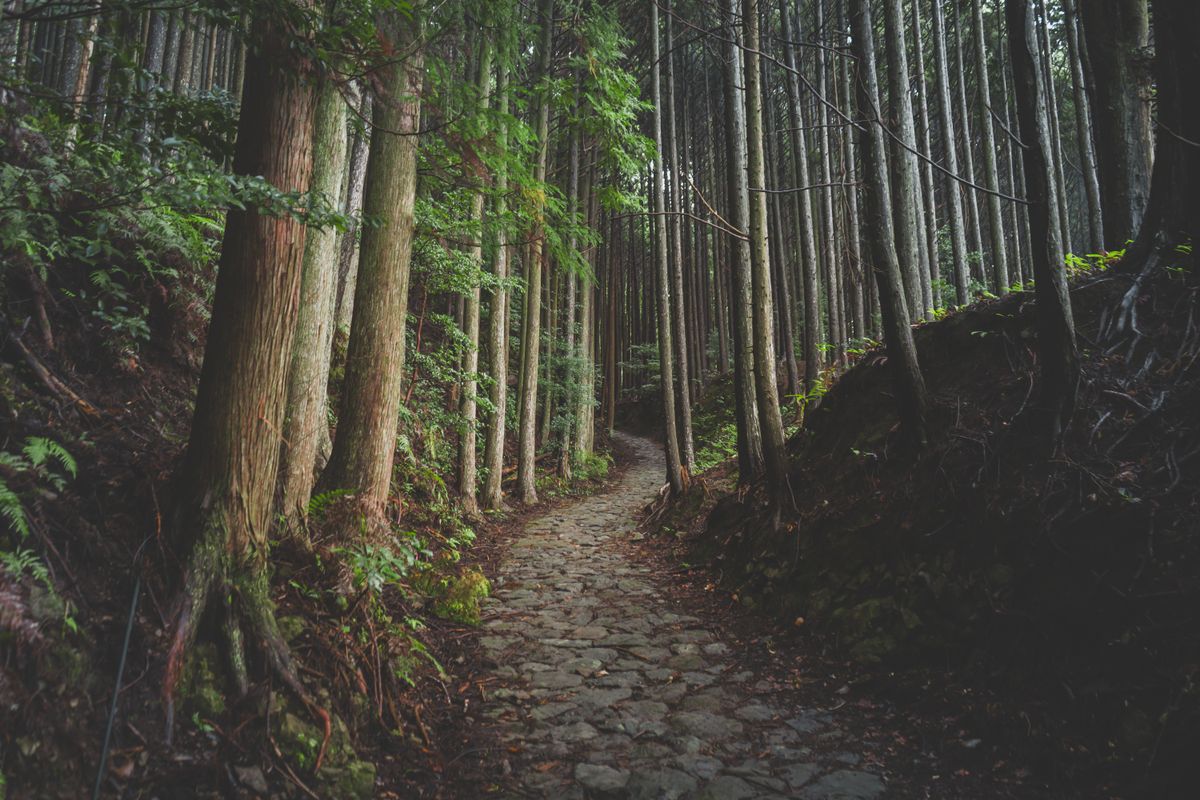
This is where Eiheiji truly sets itself apart from any other temple experience in Japan. The temple offers an overnight zazen retreat called Sanzen, allowing visitors to stay within the temple grounds, participate in zazen meditation, wake for early morning ceremonies, and eat simple Buddhist vegetarian meals. It is, by a significant margin, one of the most unique overnight experiences available anywhere in Japan.
What to Expect
Guests stay in traditional tatami rooms within the temple’s guest facilities. The schedule is strict: lights out by 9:00 PM, wake-up around 3:30–4:00 AM, participation in morning zazen and services, then a simple breakfast of rice gruel, pickles, and miso soup eaten in the monastic style. Phones and cameras are not permitted during ceremonies or meditation sessions.
The experience is designed to give guests a genuine — if brief — taste of monastic discipline. Don’t expect a luxury ryokan. The point is simplicity, silence, and presence. That said, the rooms are comfortable and the food, while plain, is nourishing and beautifully prepared.
Booking the Sanzen Experience
Reservations must be made well in advance, especially for peak periods (spring and autumn). Contact the temple directly through their official website or by phone. English support is limited, so if you need assistance, consider asking your hotel’s concierge or using a booking service like Agoda to find nearby accommodation alternatives in Fukui if the temple is fully booked. Rates for the Sanzen experience typically run ¥8,000–12,000 / $53–80 USD per person including meals.
Note that the experience requires some physical flexibility — you’ll be sitting on tatami and zazen cushions — and is conducted entirely in Japanese with very limited translation. However, the experiential nature of it means that language isn’t the barrier you might expect.
Best Times to Visit Eiheiji
Eiheiji is beautiful in every season, but certain times offer particularly special experiences.
Spring (March–May)
Cherry blossoms appear in early April, creating a striking contrast between the delicate pink flowers and the dark, ancient cedar trees. Crowds are manageable compared to the famous cherry blossom spots in Kyoto, making this one of Fukui’s great advantages. Spring mornings here are cool and misty — ideal conditions for contemplative temple walking.
Summer (June–August)
The cedar forest provides natural shade, keeping the temple grounds noticeably cooler than nearby towns. Summer evenings can be warm, but the lush greenery of the forest is at its most vivid. Avoid mid-August national holidays if possible, as domestic tourism peaks.
Autumn (September–November)
Arguably the most spectacular season. The maple trees throughout the complex turn brilliant shades of red and gold from late October into November, and the contrast between autumn foliage and the deep green cedars is genuinely stunning. This is peak tourist season for Eiheiji, so book accommodations and the Sanzen experience well in advance.
Winter (December–February)
Fukui Prefecture receives heavy snowfall, and Eiheiji in the snow is extraordinary — the cedar-lined paths become snow corridors, and the silence of the temple complex deepens. Winter weekdays see very few tourists, giving you an almost private experience of one of Japan’s great religious sites. Bundle up: the corridors are cold and the tatami rooms rely on traditional heating.
What to Eat Near Eiheiji: Fukui Food Guide
Fukui Prefecture has a food culture that deserves far more international attention than it gets. Here are the must-try items:
Shojin Ryori (Buddhist Vegetarian Cuisine)
The temple’s own dining area serves shojin ryori, the vegetarian cuisine developed in Japanese monasteries over centuries. Using only plant-based ingredients (no meat, fish, garlic, or onions), these dishes achieve remarkable depth of flavor through fermentation, drying, and expert seasoning. A meal here isn’t just food — it’s a lesson in Zen philosophy applied to cooking. Price: around ¥1,500–3,000 / $10–20 USD.
Echizen Crab (越前ガニ)
Fukui’s most famous food export is Echizen crab, considered by many Japanese people to be the finest crab in the country. The crab fishing season runs from November through March, and during that period Fukui’s restaurants fill with visitors making pilgrimage for the crab alone. A full crab meal at a proper restaurant in Fukui City costs ¥15,000–30,000 / $100–200 USD, and locals will tell you it’s worth every yen. If you’re visiting in season, this is unmissable.
Sauce Katsudon
Fukui’s quirky regional specialty is sauce katsudon — a breaded pork cutlet dipped in a sweet Worcestershire-based sauce (not eggs and dashi as in most of Japan) served over rice. It sounds simple; it’s deeply satisfying. Every tonkatsu shop in Fukui does their own version. Budget around ¥1,000–1,500 / $7–10 USD.
Oroshi Soba
Fukui is also famous for its soba noodles, particularly “oroshi soba” — cold buckwheat noodles topped with grated daikon radish and a sharp, slightly spicy sauce. The local buckwheat has a robust, earthy flavor that pairs beautifully with the clean citrus notes of the daikon. A bowl runs about ¥800–1,200 / $5–8 USD.
Combining Eiheiji with Other Fukui Attractions
Fukui is small enough to explore thoroughly in two days, and Eiheiji pairs naturally with several other exceptional destinations:
Tojinbo Cliffs
About 40 minutes by car from Eiheiji (or accessible by bus from Fukui City), Tojinbo is a dramatic stretch of volcanic basalt columns rising from the Sea of Japan. The cliffs are up to 25 meters high, and the sound of the sea crashing against the rock is unlike anything else in Fukui. Visit at sunset for particularly memorable light. Admission is free; food stalls sell fresh seafood snacks for ¥200–500 / $1.35–3.35.
Maruoka Castle
One of Japan’s twelve surviving original castles, Maruoka Castle is a compact, atmospheric hilltop fortress about 20 minutes from Fukui City. During cherry blossom season, the castle is surrounded by hundreds of blooming trees — it’s one of the most beautiful castle views in Japan and remains relatively unknown to international visitors. Entry ¥450 / $3.
Fukui Dinosaur Museum
This sounds like a children’s attraction, but the Fukui Dinosaur Museum is genuinely world-class. Fukui Prefecture has produced an extraordinary number of dinosaur fossils, and the museum’s collection and presentation are sophisticated enough to fascinate adults. It’s particularly good on rainy days. Entry ¥720 for adults / $4.80.
For accommodation in the area, Agoda lists a good range of options in Fukui City from budget guesthouses to business hotels. For a more atmospheric stay near Eiheiji, search for traditional ryokan in the area — there are several small inns in the surrounding valley that offer hot spring baths and traditional multi-course dinners.
Before or after your Fukui visit, make sure you’re set up with a reliable mobile connection. Japan’s cell signal is excellent even in rural areas like Eiheiji, and having data for navigation and translation is genuinely useful. JAPAN&GLOBAL eSIM is a popular choice for travelers — easy to set up before you arrive and works throughout Fukui Prefecture without any issues.
Practical Tips for Visiting Eiheiji
- Dress appropriately: This is an active monastery. Cover your shoulders, avoid short skirts or shorts, and remove shoes when entering buildings (slippers are provided). Loud colors and busy patterns feel out of place — neutral tones are respectful.
- Silence and phones: Keep voices low throughout the complex. Photography is permitted in most outdoor areas and many buildings, but follow any posted restrictions, especially during ceremonies. If monks are in the area, don’t photograph them without clearly implied permission.
- Arrive early: The temple opens at 5:00 AM, and the first hour or two — especially on weekdays — offers a profoundly peaceful atmosphere before tour groups arrive around 9–10 AM. Serious visitors who want the full experience come at dawn.
- The corridors are unheated: In winter and early spring, the covered wooden corridors can be quite cold. Wear layers and bring warm socks (you’ll be removing shoes regularly).
- Respect the monks: Do not speak to monks unless they approach you first. They are in the middle of intensive training, and unasked conversation disrupts their practice. A respectful bow is always appropriate.
- Time your visit: Allow at least 2 hours for a meaningful visit. Budget 3 hours if you want to have a meal and explore the surrounding forest paths at a contemplative pace.
- JR Pass coverage: The Thunderbird limited express to Fukui is covered by the JR Pass. The Echizen Railway is not covered, but fares are modest.
Getting Around Fukui: Transportation Tips
Fukui is a relatively small city, and the prefecture is best explored with a combination of trains, buses, and — ideally — a rental car. The main JR Fukui Station is the hub for most transportation connections. Car rental is available directly at the station from major agencies including Toyota Rent a Car and Times Car Rental, with daily rates from around ¥5,000–8,000 / $33–53 USD for a compact car.
For those doing a day trip from Kanazawa or Kyoto, the train-and-bus combination to Eiheiji is perfectly manageable. For exploring Tojinbo Cliffs, Maruoka Castle, and the coastal areas of Fukui, a rental car makes the day dramatically more efficient.
If you’re incorporating Fukui into a broader Chubu or Hokuriku itinerary, consider the Hokuriku Arch Pass, which covers the Hokuriku Shinkansen route between Tokyo and Osaka via Kanazawa and Fukui. It’s particularly good value for a 7–14 day trip that covers the Japan Alps region.
Eiheiji Temple: Frequently Asked Questions
Can I just show up without a reservation?
Yes, for a standard daytime visit you don’t need a reservation — just pay the entry fee at the gate and explore at your own pace. The overnight Sanzen experience and the guided meditation programs require advance booking, often weeks or months in advance for peak periods.
Is photography allowed inside the temple?
Photography is generally permitted in outdoor areas and most indoor spaces that are open to visitors. However, you should avoid photographing monks without their permission, and some halls have posted signs prohibiting cameras. Always err on the side of discretion — if something feels like it shouldn’t be photographed, it probably shouldn’t be.
How long does a visit take?
A basic visit takes about 1 to 1.5 hours. If you have a meal at the temple, add another 45–60 minutes. If you’re walking the surrounding cedar forest paths and truly taking your time, 3 hours passes quickly. For an overnight Sanzen experience, you’re committing to roughly 16 hours at the temple from afternoon check-in to post-breakfast checkout.
What is the best season to visit?
All four seasons have their appeal. Cherry blossom season (early April) and autumn foliage (late October–November) are the most visually spectacular but also the busiest. Winter offers the most atmospheric snow-covered experience with the fewest crowds. Summer is pleasant thanks to the cedar forest shade, and the greenery is at its richest.
Can children visit Eiheiji?
Absolutely — children are welcome, and many Japanese families visit Eiheiji as a cultural experience. The large complex, the impressive buildings, and the atmospheric forest keep even younger visitors engaged. Just make sure children understand the importance of quiet and respectful behavior. Strollers can be challenging given the stairs and elevated walkways.
Is it easy to combine Eiheiji with Kanazawa?
Very much so. With the Hokuriku Shinkansen connection, Kanazawa and Fukui/Eiheiji make a natural two-day pairing. Stay in Kanazawa on day one, visit Kenroku-en and the Higashi Chaya district, then take the shinkansen to Fukui on day two for Eiheiji. It’s one of the better lesser-known Japan itinerary options. See our full destinations guide for more ideas on building your Japan trip.
What should I wear to Eiheiji?
Comfortable, somewhat conservative clothing is appropriate. You’ll be removing shoes frequently, so footwear that slips on and off easily is helpful. In cold months, dress warmly in layers — the covered corridors are not heated. In summer, light layers are fine, but avoid very short shorts or sleeveless tops out of respect for the setting.
The Spirit of Eiheiji: A Final Thought
Japan has hundreds of beautiful temples. Eiheiji is something different. It’s one of the few places in the country where you genuinely feel the weight of a living tradition — not just historical artifacts and architectural beauty, but actual human beings doing the same things that human beings have done here for nearly eight centuries.
Visiting Eiheiji doesn’t require any particular religious belief or familiarity with Buddhism. What it requires is a willingness to slow down, observe carefully, and let the atmosphere do its work. Most visitors — even skeptical ones — leave feeling that they’ve encountered something genuinely rare: a place that hasn’t been diluted by the modern world’s tendency to turn everything into a performance.
Plan your Fukui trip carefully, arrive at dawn if you can, and give Eiheiji the time it deserves. It will give something back.
Ready to book your stay in Fukui? Browse accommodation options on Agoda for everything from budget business hotels to traditional ryokan. For airport transfers and private transport, NearMe offers reliable shared shuttle services from Kansai and Chubu airports to Fukui. And don’t forget to sort your data connection before you go — JAPAN&GLOBAL eSIM works seamlessly throughout rural Fukui and is easy to activate before departure.
For more inspiration on exploring beyond the usual Japan tourist trail, visit our complete Japan destinations guide, and check out our essential Japan travel tips for first-timers.
Understanding Zen Buddhism for the Curious First-Timer
You don’t need to be Buddhist to appreciate Eiheiji, but a little context makes the experience much richer. Zen Buddhism — known in Japan as Zen Shu — is one of the most distinctively Japanese expressions of Buddhist thought, even though it originally developed in China (where it was called Chan). The word “Zen” itself derives from the Sanskrit dhyana, meaning meditation, and meditation remains central to everything that happens at Eiheiji.
The Soto school of Zen that Dogen Zenji brought to Japan emphasizes a form of seated meditation called shikantaza — literally “just sitting.” Unlike some meditation traditions that involve visualization, mantras, or concentration on a specific object, shikantaza is pure awareness: you sit, you breathe, you let thoughts arise and pass without grasping at them. It sounds deceptively simple. The monks at Eiheiji practice this for many hours each day, year after year.
What makes Soto Zen particularly interesting is its insistence that meditation isn’t separate from the rest of life. The way you cook, eat, clean, and even sleep can all be forms of practice if done with full attention and care. This is why visiting Eiheiji feels different from visiting a regular tourist site — everything happening around you has intention behind it, from the precise way monks arrange their bowls at mealtimes to the careful, unhurried sweep of brooms across the temple’s wooden floors.
Dogen’s most famous teaching, compiled in a text called the Shobogenzo, is also one of Buddhism’s most memorable: “To study the self is to forget the self.” Spending even a few hours at Eiheiji can give you a visceral sense of what that might actually mean.
The Seven Halls of Eiheiji: A Deeper Look
Traditional Zen monasteries are organized around a set of seven essential halls, each serving a specific function in monastic life. Eiheiji preserves this structure, and understanding the seven halls helps you navigate the complex more meaningfully.
The Sanmon (Mountain Gate) marks the boundary between the secular world and the sacred space of the monastery. Crossing through it is meant to be a conscious transition — you are entering a different mode of being. The Butsuden (Buddha Hall) is the central devotional space, where the main Buddha image is enshrined and services are conducted. The Hatto (Dharma Hall) is the largest and most imposing structure, used for teaching, major ceremonies, and assemblies of the monastic community.
The Kurin (Kitchen) is considered one of the most sacred spaces in the monastery — a point that surprises most Western visitors. In Soto Zen, the role of head cook (tenzo) is a spiritual office that Dogen treated with the same seriousness as abbot or head monk. The quality of one’s attention while preparing food is considered as important as one’s attention during formal meditation. The Yokushitsu (Bathhouse) and Tosu (Toilet) also carry ceremonial significance — even bathing and using the bathroom are conducted with ritual care and accompanied by specific recitations. Finally, the Sodo (Monks’ Hall) is where monks sleep on narrow platforms, meditate, and eat — all in the same space, with no separation between rest and practice.
Etiquette at Eiheiji: Do’s and Don’ts
Eiheiji receives visitors warmly, but it is first and foremost an active religious institution, and certain behaviors are genuinely disrespectful to the community living here. The rules aren’t complicated, but they’re worth understanding before you go.
Do: Bow slightly when passing through gates or entering buildings. Remove shoes when signs indicate and wear the slippers provided. Keep your voice low or silent throughout the complex. Move slowly and attentively — this is not a place for rushing. Express genuine interest in the monks’ work, even if only through your demeanor.
Don’t: Block doorways or corridors for photos. Photograph monks up close without clear permission. Eat or drink outside the designated areas. Touch sacred objects. Use your phone for calls — text messages are generally fine, but speaking on the phone feels egregiously out of place. Point at monks or other visitors in a way that could be seen as rude.
These guidelines reflect a simple underlying principle: you are a guest in someone’s home and spiritual practice. Most visitors who understand this find that Eiheiji gives them far more than they expected.
What to Buy: Souvenirs at Eiheiji
The temple’s souvenir shops are worth browsing, particularly for items that have a genuine connection to monastic life rather than the generic Japan tourist fare you’ll find elsewhere. Look for:
Eiheiji sesame tofu (goma dofu): A dense, silky tofu made from sesame paste rather than soybeans — it’s a signature dish of Zen temple cuisine, and Eiheiji’s version is considered among the best. Available in vacuum-sealed packages for travel. Around ¥500–1,000 / $3.35–6.70.
Lacquerware: Fukui Prefecture has a long history of lacquerware production (the nearby town of Sabae is particularly famous for glasses frames, and the broader region for urushi lacquer work). The temple shop carries selected pieces including the lacquered bowls (oryoki) used in monastic meals. These make genuinely meaningful souvenirs — functional, beautiful, and connected to the tradition you just experienced.
Incense: Temple-quality incense for home use, in styles appropriate for both regular burning and ceremonial use. The scents used at Eiheiji are specific to the Soto Zen tradition.
Calligraphy and seals: The temple offers goshuin (temple stamps) for those keeping a temple stamp book — a popular Japanese tradition where travelers collect stamps and calligraphy from the significant temples and shrines they visit. Eiheiji’s goshuin is a beautiful one. Basic stamp books cost around ¥1,200–2,000 / $8–13.
Planning Your Fukui Itinerary: Sample Day Plans
Half-Day Visit (from Kanazawa or Fukui City)
08:30 — Depart from Kanazawa or Fukui Station by express train or bus. 09:30 — Arrive at Eiheiji Temple. Explore the complex at a leisurely pace: Sanmon Gate → Butsuden → Hatto → covered corridors → Joyodo. 11:00 — Shojin ryori lunch at the temple dining area. 12:30 — Begin return journey, arriving back at base by 14:00.
Full Day in Fukui
09:00 — Arrive at Eiheiji by the first morning buses, when the atmosphere is most peaceful. 09:00–11:30 — Full temple exploration including corridors and outer cedar forest walk. 12:00 — Lunch in Fukui City (sauce katsudon or oroshi soba). 14:00 — Drive or bus to Tojinbo Cliffs for the coastal scenery and fresh seafood snacks. 16:00 — Stop at Maruoka Castle on the return. 18:00 — Dinner in Fukui City, potentially featuring Echizen crab if visiting in season.
Overnight Retreat
Day 1, 15:00 — Check in to the Sanzen overnight program. Participate in afternoon zazen, dinner service, and evening sitting. Day 2, 03:30 — Wake for pre-dawn ceremonies and morning zazen. Breakfast and checkout by 08:00. Then proceed with a full Fukui day as above, starting freshly recharged after the most unusual morning of your Japan trip.
Accessibility at Eiheiji
It’s worth knowing in advance that Eiheiji is spread across a hillside, and the temple complex involves significant stair climbing and uneven stone walkways. Visitors with mobility limitations may find some areas inaccessible. However, many of the key halls — including the Butsuden and the Hatto — can be reached without extreme stair climbing, and the temple staff are generally accommodating and helpful if you explain your needs.
The covered corridors, while atmospheric, also have steps at regular intervals where levels of the hillside change. Wear comfortable footwear with good grip. Wheelchairs would face significant challenges throughout the complex, though portions of the outer grounds are accessible.
If you have specific accessibility questions, contact the temple administration in advance — they will give you an honest assessment of what you’ll be able to see and enjoy.
Going to Japan? Talk to locals with confidence.
Hirameki Japanese — instant offline translation, camera translation, furigana + romaji, and 314 free flashcards. No login. Works without internet.

Plan your Japan trip
Two things every first-timer should book
Some links are affiliate links. If you book through them we may earn a small commission at no extra cost to you.