In this guide
- When and where typhoons hit
- What actually happens before a typhoon
- Your 48-hour playbook
- Money: cancellations & insurance
- FAQ
When and where typhoons hit
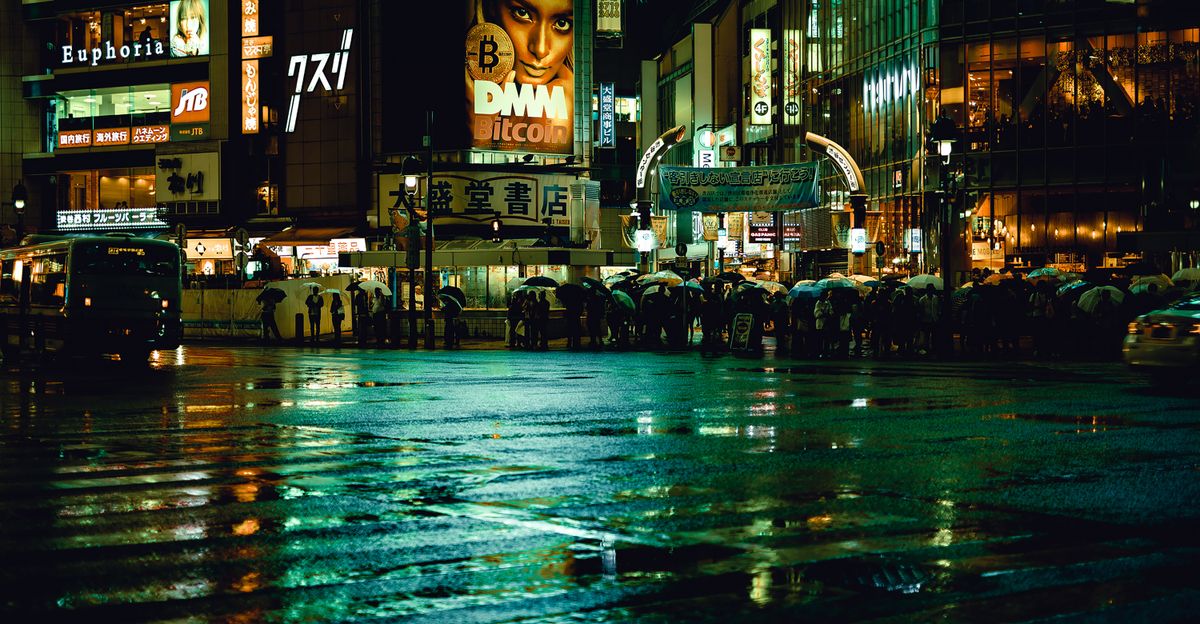
Japan sees numerous typhoons form in the Pacific each year, but only a handful make direct landfall — most brush past with a day of rain and wind. September is the riskiest month, August and October close behind. Okinawa and Kyushu take the most hits; Tokyo and Kansai get several near-misses a season; Hokkaido rarely sees full-strength storms. Should you avoid these months? No — late summer has festivals, fewer crowds than spring, and cheaper rooms. You just need slack in the plan.
What actually happens before a typhoon
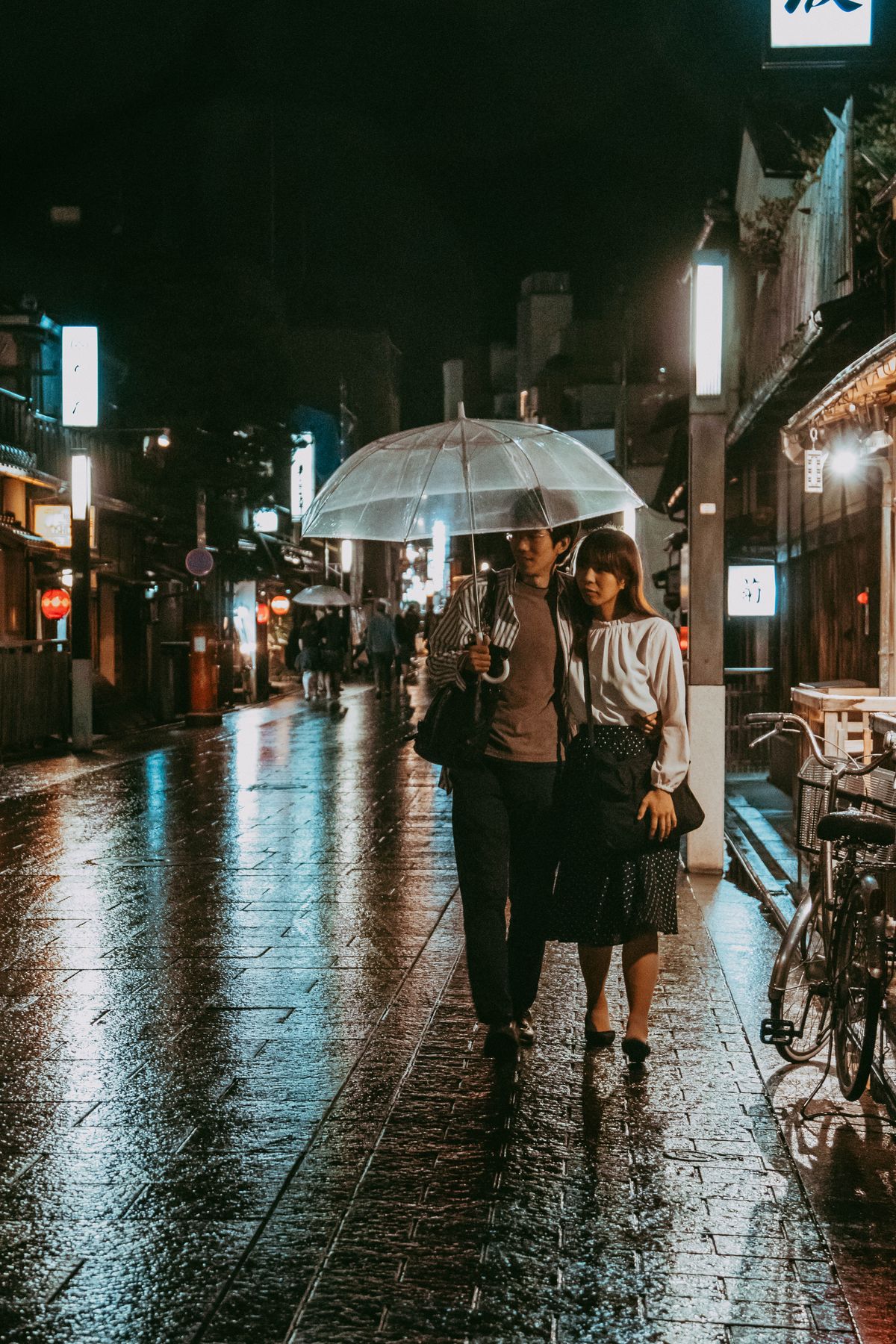
Japan is the world’s best-prepared country for this, and the system is predictable:
- Trains announce planned suspensions (“keikaku unkyu”) 1–2 days ahead. Shinkansen and airlines publish exactly what stops and when — check the JR and airline sites the moment a storm is forecast. Our shinkansen guide explains how to change reserved tickets (typhoon changes and refunds are handled generously).
- Flights cancel early, rebooking is orderly — airlines waive change fees around typhoons.
- Shops shut, konbini heroically stay open — but shelves empty the evening before. Buy your storm-day food early.
- The JMA (Japan Meteorological Agency) English site and NHK World give accurate, calm information — forecasts are reliable 3–4 days out.
Your 48-hour playbook
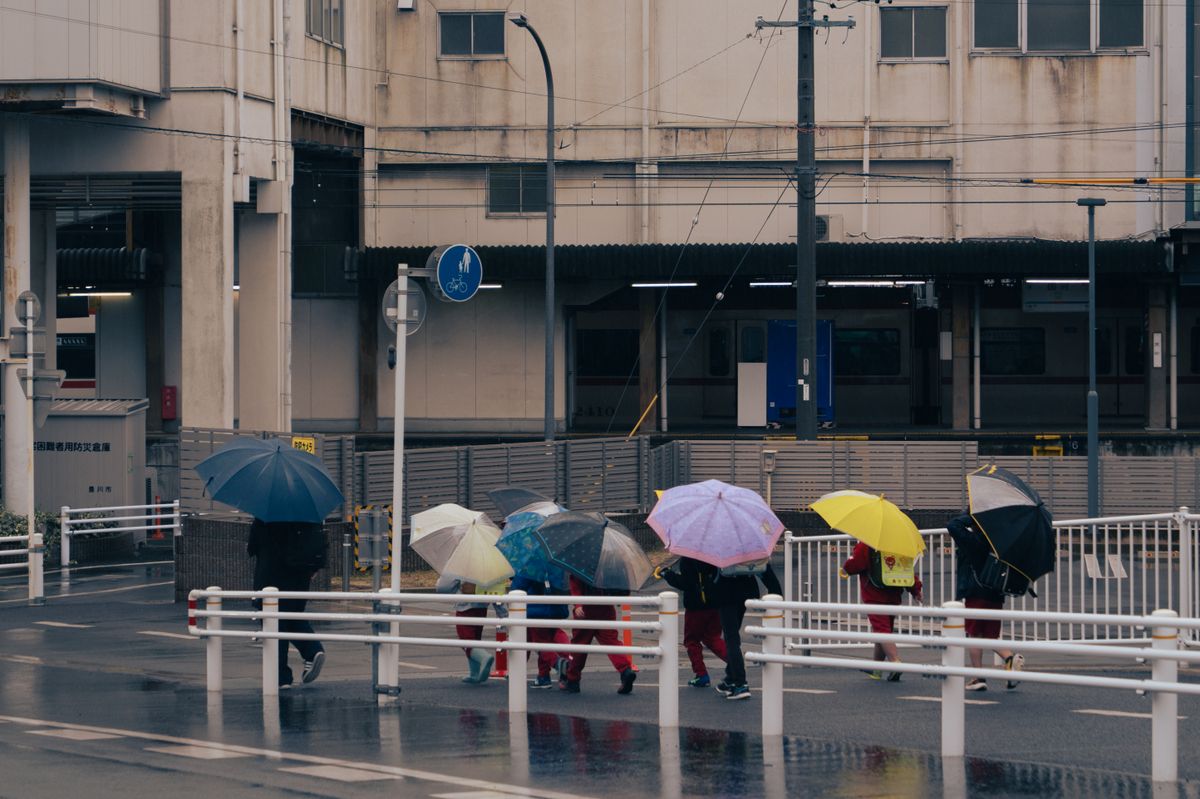
- T-2 days: storm confirmed heading your way? Rearrange so travel days don’t collide with landfall day. Move city-to-city before the storm, not during.
- T-1 day: stock snacks and water, charge everything, download offline maps. Confirm your hotel night — being somewhere beats being between cities.
- Storm day: stay in. It’s usually 6–12 rough hours. Hotels function normally; consider it a forced rest day (great day for a long bath and laundry).
- Day after: skies are often stunning. Trains restart within hours; expect crowds on the first services, then normality.
Money: cancellations & insurance
Three layers protect your wallet. First, refundable bookings: in typhoon months, the free-cancellation filter on Agoda is worth the small premium. Second, airline/rail policies: weather cancellations are refunded or rebooked free — keep documentation. Third, travel insurance for what those don’t cover: extra hotel nights when you’re stranded, missed connections, or a typhoon-season illness. We use SafetyWing Nomad Insurance as a baseline — it’s designed for exactly this kind of trip disruption; check their policy details to confirm what applies to your itinerary and country. A typhoon that costs you two unplanned Tokyo nights is a ¥30,000+ problem; insurance turns it into paperwork.
Frequently asked questions
Should I avoid Japan during typhoon season? No. Direct hits on your exact dates and city are unlikely; flexibility matters more than avoidance.
How much warning do I get? Forecast tracks are solid 3–4 days out; rail suspension plans are announced 1–2 days ahead.
Do trains refund tickets during typhoons? Yes — unused shinkansen tickets for suspended services are refunded or changed without fees.
What if I’m mid-trip when one hits? Get to your next hotel early, stock up, stay in for storm day, resume the day after. Build one buffer day into any typhoon-season itinerary.
Going to Japan? Talk to locals with confidence.
Hirameki Japanese — instant offline translation, camera translation, furigana + romaji, and 314 free flashcards. No login. Works without internet.

Plan your Japan trip
Two things every first-timer should book
Some links are affiliate links. If you book through them we may earn a small commission at no extra cost to you.