Fukuoka Travel Guide: Japan’s Most Livable City & Gateway to Kyushu
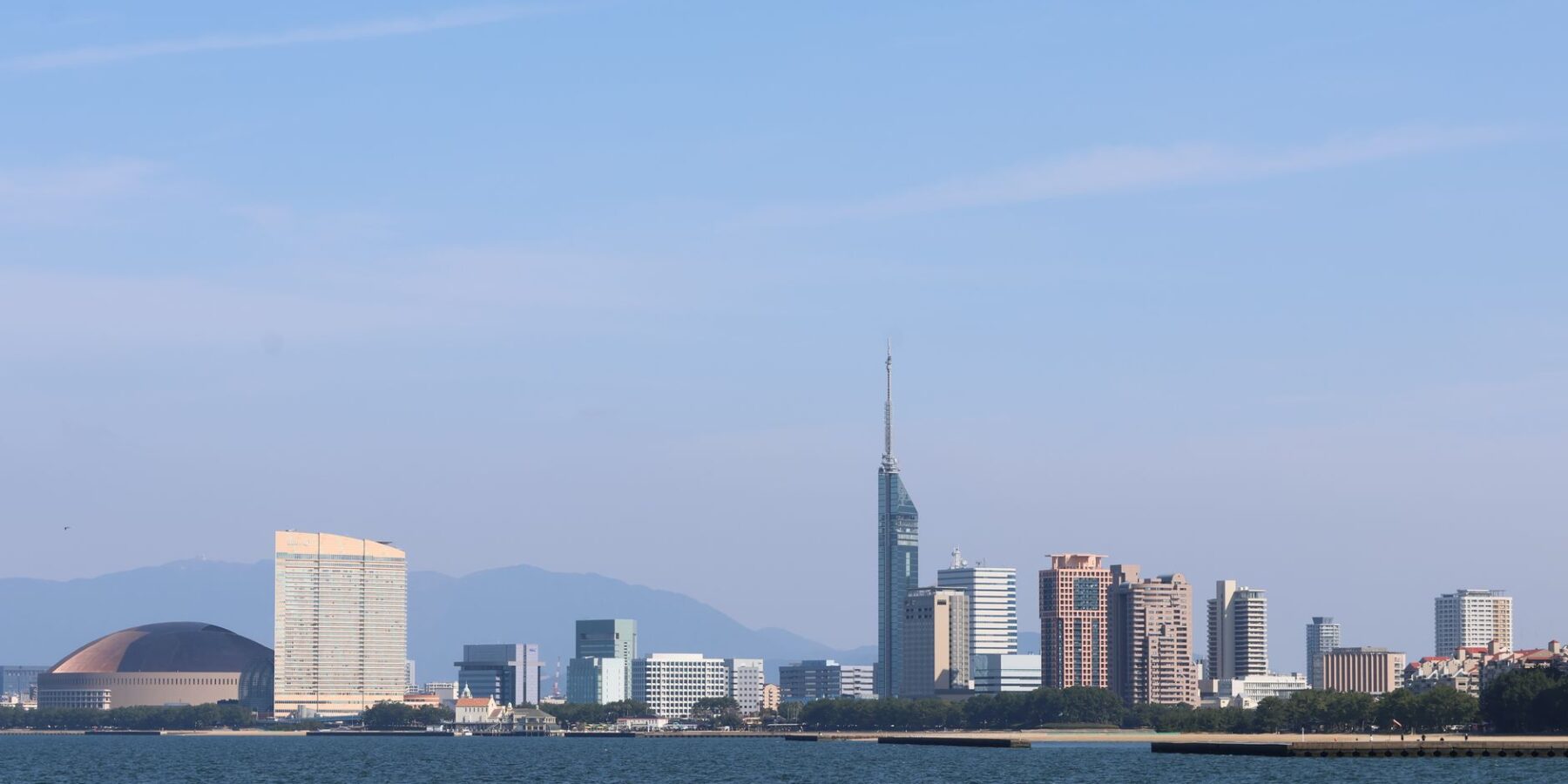
Fukuoka is a city that surprises every visitor. Consistently ranked among Asia’s most livable cities and Japan’s fastest-growing metropolis, this dynamic port city on the northern coast of Kyushu island offers a rare blend of ancient history, cutting-edge modernity, and some of the best food in all of Japan. Whether you’re biting into a bowl of the original Hakata ramen, exploring centuries-old temples, or watching the sun set over the East China Sea, Fukuoka delivers experiences that stay with you long after you’ve left.
A note from Jack, editor of Japan Real Guide:
Fukuoka surprised me. I had treated it as a stopover city on the way to other parts of Kyushu, and then found myself lingering there for three extra days on my second visit because the food and the atmosphere were better than I had expected from any pre-trip reading.
The yatai (outdoor food stalls) along the Naka River in Nakasu are the most atmospheric eating experience I have had in any Japanese city. The combination of sitting at a low counter outdoors, drinking cold beer, eating ramen or oden or grilled skewers, and watching Fukuoka life pass by at 10 PM is hard to replicate elsewhere. They open from roughly 6 PM and are at their best on weekday evenings when the crowds thin out.
Fukuoka is also Japan’s gateway to South Korea — ferry services to Busan take around three hours. Worth knowing if you are planning a multi-country trip.
Unlike Tokyo’s overwhelming scale or Kyoto’s museum-like reverence for tradition, Fukuoka feels genuinely alive. The locals here are famously friendly and proud — proud of their city, their food, and their distinct Kyushu identity. This guide covers everything you need to plan the perfect Fukuoka trip, from the best neighborhoods to explore, to hidden food gems, seasonal festivals, and practical travel logistics.
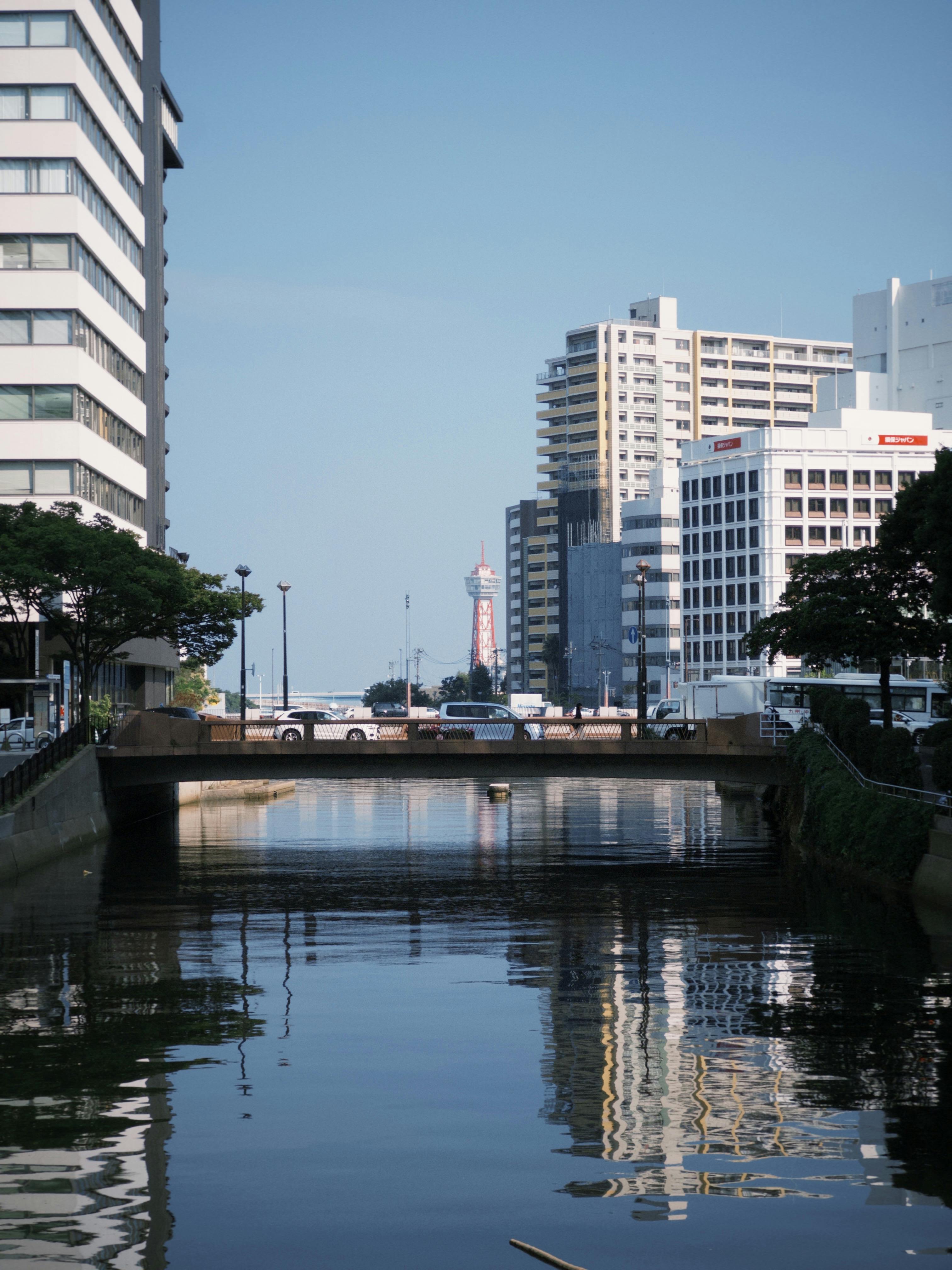
Why Fukuoka Deserves a Spot on Your Japan Itinerary
Ask any experienced Japan traveler about their favorite city and Fukuoka consistently comes up. The reasons are many: Fukuoka has the energy of a major city without the crowds or costs of Tokyo or Osaka. The city’s compact layout means you can walk or cycle between many of its top attractions. Its food scene is legendary — from yatai street food stalls to Michelin-starred kaiseki restaurants — and its proximity to the rest of Kyushu makes it the perfect base for island-hopping and regional exploration.
Fukuoka is also historically significant as Japan’s closest major city to the Asian continent. For centuries it served as the primary gateway for cultural exchange between Japan, Korea, and China. Much continental culture, including Buddhist learning, passed through this region on its way to the capital. Chinese pottery and Korean metalworking techniques transformed Japanese culture through this port city. That continental connection is still visible today in the city’s architecture, cuisine, and cosmopolitan attitude.
The city is split into two distinct districts that were only merged in 1889: Hakata, the traditional merchant and temple district on the eastern bank of the Naka River, and Fukuoka proper, the old castle town and samurai district on the western bank. Today these two personalities blend seamlessly, giving the city a layered character that rewards slow exploration.
Book your Fukuoka accommodation early: Book your hotel on Agoda (Best prices guaranteed) →
Top Attractions and Neighborhoods in Fukuoka
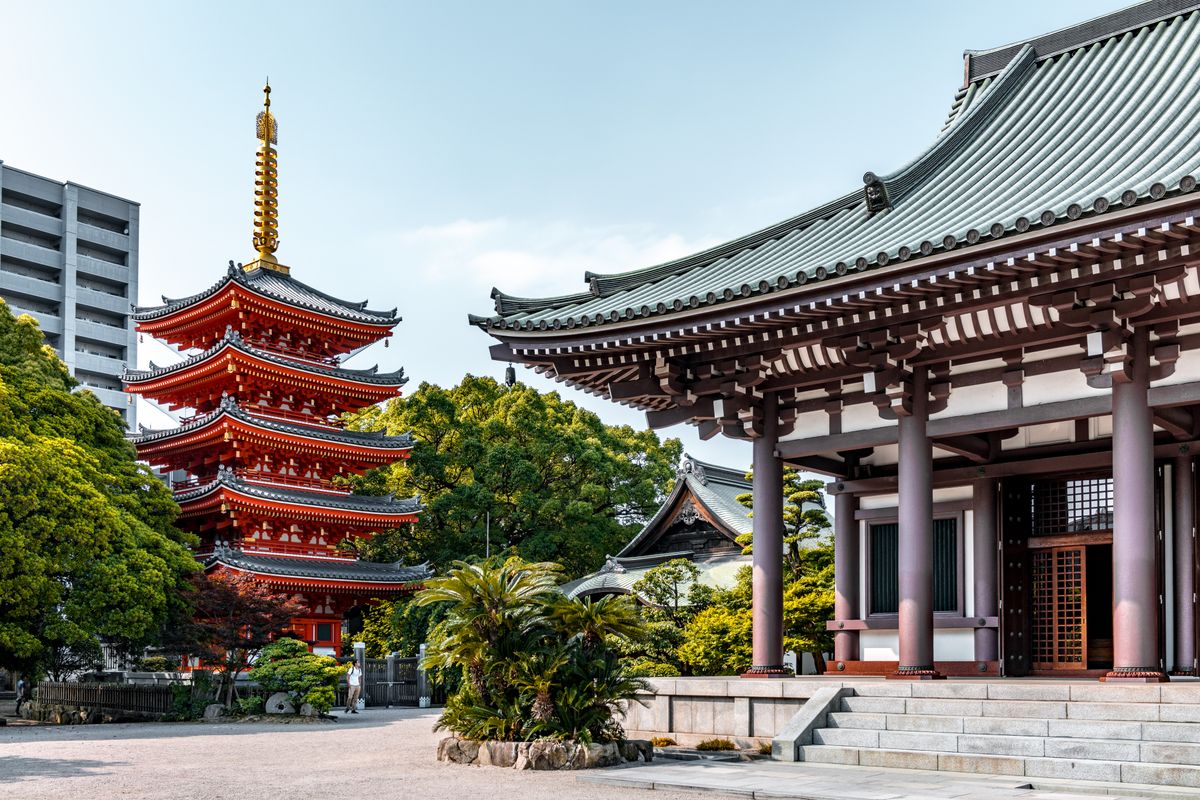
Hakata District: The Historic Heart
Hakata is where Fukuoka’s roots run deepest. The district takes its name from the ancient port settlement that once stood here, and its winding streets still follow the medieval town plan. The centerpiece is Hakata Station, one of Japan’s largest and busiest rail hubs, surrounded by the Hakata City shopping complex and countless restaurants that keep travelers fed at all hours.
A short walk from the station brings you to Tochoji Temple, founded in 806 CE by the monk Kukai (also known as Kobo Daishi), the founder of Shingon Buddhism in Japan. The temple houses Japan’s largest wooden Buddha statue — a seated figure measuring 10.8 meters (about 35 feet) tall — as well as a five-story pagoda that dominates the surrounding rooftops. Admission is free, and the quiet temple grounds offer a meditative escape from the busy streets outside.
Nearby Kushida Shrine is another must-visit. Dating back to 757 CE, this Shinto shrine is the spiritual home of the famous Hakata Gion Yamakasa festival. Inside the shrine grounds you can view one of the massive festival floats (kazariyama) that are displayed year-round — towering constructions of painted figures and decorations that rise seven meters high and weigh several tons. The shrine also features a traditional Noh theater stage and a small museum documenting the festival’s 770-year history.
The Hakata Machiya Folk Museum, housed in a beautifully restored traditional merchant’s house just steps from Kushida Shrine, offers detailed insights into Hakata’s commercial history through exhibits on traditional crafts, merchant life, and neighborhood culture. Admission: ¥200 (approximately $1.35 USD). Open daily 10:00–18:00.
Tenjin: The Modern Commercial Core
Cross the Naka River heading west and you enter Tenjin, Fukuoka’s modern downtown district. This is where the city’s contemporary energy is most concentrated: towering department stores, underground shopping arcades, rooftop bars, live music venues, and the endless stream of well-dressed locals who make Fukuoka’s fashion scene one of Japan’s most underrated.
The Tenjin Underground Shopping Mall (Tenjin Chikagai) runs for 590 meters beneath the main streets, connecting train stations and department stores through a network of climate-controlled passages lined with shops, cafes, and restaurants. During Fukuoka’s hot, humid summers or typhoon-season downpours, these underground arcades become lifelines for shoppers and commuters alike.
Fukuoka Asian Art Museum, located in the Hakata Riverain complex near the Naka River, houses the world’s largest permanent collection of modern and contemporary Asian art. The collection spans artwork from across Asia — China, Korea, India, Southeast Asia, and beyond — making it a genuinely unique museum experience. Admission: ¥200 (approximately $1.35 USD). Closed Wednesdays.
Ohori Park and Fukuoka Castle Ruins
Ohori Park is Fukuoka’s lungs — a beautiful 40-hectare urban park built around a large central lake that was once part of the castle’s outer moat (the park’s name literally means “large moat”). The 2-kilometer path circling the lake is one of the city’s most popular jogging routes, and the park fills with picnicking families and elderly couples feeding the ducks on weekends.
Within the park stands Fukuoka Castle (Maizuru Castle), constructed in 1607 by Lord Kuroda Nagamasa. Though the main keep was destroyed centuries ago, several turrets, gates, and stone walls remain standing, and the elevated castle mount offers sweeping views over the park and the city’s modern skyline. The castle ruins are particularly stunning during cherry blossom season (late March to early April) when hundreds of sakura trees explode into bloom across the grounds.
In the Momochi seaside area, a short ride from the castle ruins, is the Fukuoka City Museum, which displays an extraordinary collection of artifacts documenting the city’s long history as a gateway to continental Asia. The museum’s prize exhibit is the “King of Na Gold Seal” — a tiny but historically momentous gold seal bearing Chinese characters, reportedly given to a Japanese king by the Han Emperor in 57 CE. This seal, discovered by a farmer on Shikanoshima Island in 1784, is one of Japan’s most important National Treasures. Admission: ¥200 (approximately $1.35 USD).
Yanagibashi Market and Daimyo District
Between Hakata and Tenjin lies Yanagibashi Market, often called “Hakata’s Kitchen.” This covered market has supplied the city’s restaurants and households with fresh seafood, produce, and local specialties for generations. Early mornings are best — arrive before 8:00 AM to see the market at its most vibrant, with vendors hawking fresh fish from the local catch, seasonal vegetables from Kyushu farms, and specialty ingredients that form the backbone of Fukuoka cuisine.
The Daimyo district, just west of Tenjin, is Fukuoka’s hipster heartland — a neighborhood of narrow streets packed with independent coffee shops, vintage clothing stores, artisan bakeries, and creative restaurants. This is where Fukuoka’s young creative class hangs out, and the density of interesting small businesses per block rivals any trendy neighborhood in Tokyo or Osaka. Come here for brunch, afternoon coffee, or early evening cocktails before the yatai stalls open.
Fukuoka’s Legendary Food Scene
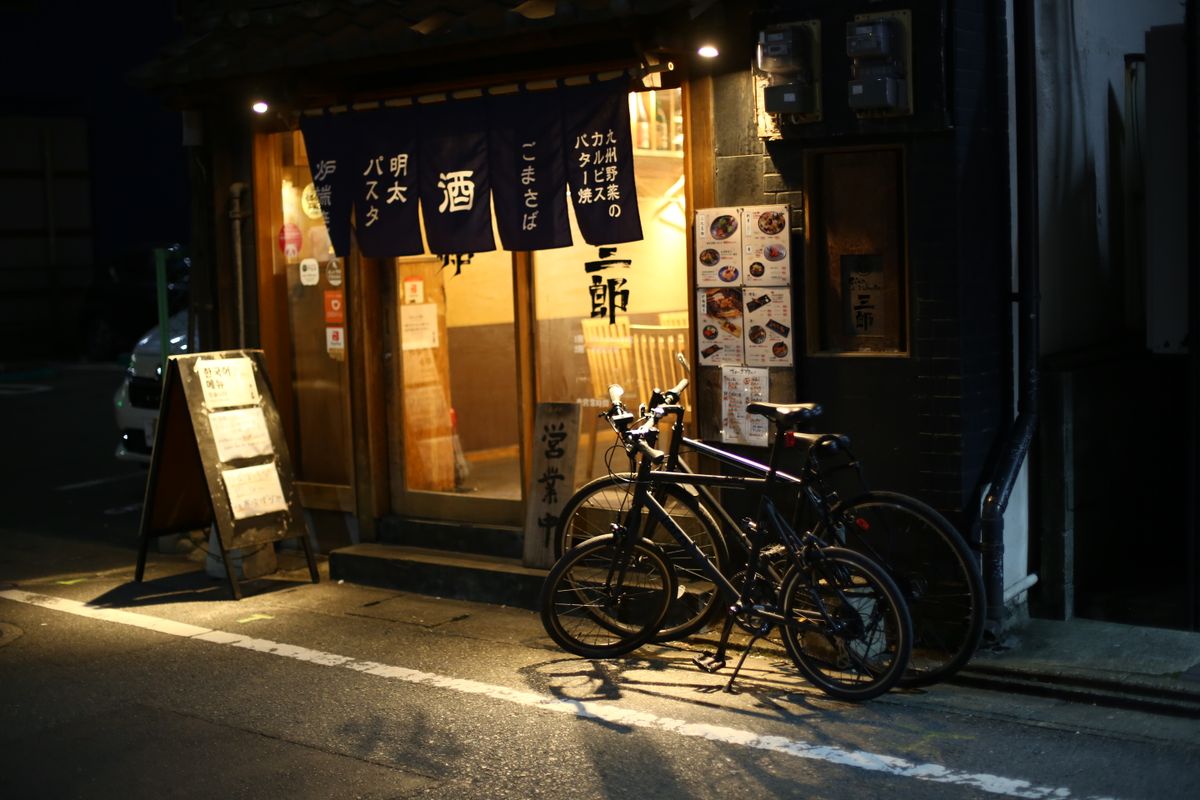
No travel guide to Fukuoka is complete without substantial attention to food. This city is one of Japan’s most important culinary capitals, and locals take enormous pride in their distinctive food culture. The defining characteristic of Fukuoka cuisine is its depth of flavor — rich pork bone broths, fermented fish pastes, bold spices — reflecting the city’s centuries of trade with the Asian continent.
Hakata Ramen (Tonkotsu Ramen)
The most famous food export from Fukuoka is Hakata ramen — the original tonkotsu ramen that has since spawned a global phenomenon. The Fukuoka version is distinct: a cloudy, creamy white broth made by boiling pork bones for hours at high heat, served with thin straight noodles, chashu pork slices, green onions, pickled ginger, and sesame seeds. The broth is intensely rich and porky, with a depth of flavor that cheap imitations never achieve.
The home of Hakata ramen is arguably Shin-Shin, a chain with multiple Fukuoka locations known for its clean, refined broth. Ippudo, now internationally famous, started in Fukuoka in 1985 and still has its flagship restaurant here. Ichiran, the famous solo-booth ramen chain, also originated in Fukuoka. But locals often swear by smaller neighborhood shops with handwritten menus and broth recipes passed down through generations. Expect to pay ¥700-1,200 ($4.70-8.10 USD) for a bowl.
The true Hakata ramen experience includes “kaedama” — when you finish your noodles, you call out and for a small additional fee (around ¥100/$0.67), fresh noodles are added to your remaining broth. This is standard practice and part of the ritual.
Yatai: Fukuoka’s Famous Street Food Stalls
Fukuoka is the last city in Japan where the yatai culture — mobile street food stalls that set up outdoors each evening — remains vibrant and central to city life. Approximately 100 yatai stalls operate across the city, concentrated mainly along the Naka River in Tenjin and along the waterfront in Nakasu. From around 6:00 PM until midnight (or later on weekends), these canvas-roofed stalls transform the city’s streets into open-air dining rooms.
Each yatai is run by a single proprietor — sometimes a husband and wife team — and seats only 6-12 customers on stools around a counter. The menu is usually limited: ramen, yakitori, oden, gyoza, and seasonal specialties. The real draw isn’t just the food; it’s the communal atmosphere. Salarymen decompress after work, tourists strike up conversations with locals, and the city’s barriers come down over shared bowls and cold beer. Budget around ¥1,500-3,000 ($10-20 USD) per person for a yatai dinner with drinks.
The Nakasu yatai strip, running along the canal on Nakasu island between the Naka and Hakata rivers, is perhaps the most picturesque setting. The Tenjin area stalls, scattered along streets such as Watanabe-dori and around Tenjin’s main intersections, tend to be slightly more local and less touristy. Both are excellent.
Mentaiko: Fukuoka’s Other Culinary Export
Alongside tonkotsu ramen, mentaiko — spicy marinated pollock roe — is Fukuoka’s other great culinary contribution to Japan. The pink, slightly spicy roe is eaten as a side dish with rice, used as a pasta sauce, baked on top of baguettes, stuffed into onigiri rice balls, and incorporated into a seemingly infinite variety of dishes. It’s sold in beautifully packaged gift boxes throughout the city and makes the perfect souvenir — most vacuum-packed versions will survive the journey home with simple refrigeration.
The Hakata area near the station is lined with shops specializing in mentaiko. Fukuya, one of the city’s most famous producers, has been making mentaiko since 1949. Their flagship store near Hakata Station offers tastings and sells dozens of varieties, from the classic mildly spiced version to intensely fiery preparations for heat lovers.
Mizutaki Hotpot and Other Local Dishes
Fukuoka’s food culture extends well beyond ramen and mentaiko. Mizutaki is a delicate chicken hotpot unique to the region — whole chicken pieces simmered in a clean, clear broth, eaten with ponzu dipping sauce and seasonal vegetables. Unlike other Japanese hotpots, mizutaki uses no soy sauce or strong seasonings in the broth, allowing the pure chicken flavor to shine. It’s a dish best experienced in autumn and winter. Specialty restaurants serve elaborate multi-course mizutaki meals for ¥4,000-8,000 ($27-54 USD) per person.
Goma saba (sesame mackerel) is another Fukuoka specialty — fresh raw mackerel marinated in a rich sesame-based sauce, eaten with rice. Because Fukuoka has access to exceptionally fresh mackerel from the surrounding sea, this dish achieves a richness and freshness that can’t be replicated elsewhere. Motsu nabe (offal hotpot) is a third local specialty: a hearty, deeply savory hotpot of beef or pork offal, cabbage, garlic chives, and tofu in a rich soy or miso broth.
Explore Fukuoka’s culinary scene with a guided tour: Book Japan tours and activities on Klook →
Day Trips and Nearby Attractions
Dazaifu: Ancient Capital and Plum Blossoms
About 30 to 40 minutes from Nishitetsu Fukuoka (Tenjin) Station by Nishitetsu train, usually changing at Futsukaichi, Dazaifu was the administrative capital of Kyushu during Japan’s ancient period (7th-12th centuries). The town’s main attraction is Dazaifu Tenmangu, a grand Shinto shrine dedicated to Sugawara no Michizane, the deified patron of learning and scholarship. The shrine attracts millions of visitors annually — students pray here before university entrance exams, and the grounds are perpetually busy with school trips and families seeking academic blessings.
The approach to the shrine is lined with shops selling Dazaifu’s signature treat: umegaemochi, a rice cake stuffed with sweet red bean paste and pressed into a shape that bears the plum blossom mon (crest) of the shrine. The cakes are made fresh and served warm, and they’re delicious. In late February and early March, the shrine’s famous plum orchards bloom in spectacular fashion, drawing crowds from across Kyushu. Admission to the shrine grounds is free.
Also in Dazaifu is the Kyushu National Museum, Japan’s fourth national museum and the only one outside the Tokyo-Kyoto-Nara triangle. The museum focuses specifically on the cultural exchange between Japan and Asia, housing an impressive collection of artifacts from prehistoric to early modern periods. Admission: ¥700 (approximately $4.70 USD).
Karatsu: Castle, Pottery, and Sea Views
Located about 80 minutes from Fukuoka by car or train, Karatsu sits on Saga Prefecture’s northern coast and offers a dramatically different experience from urban Fukuoka. The city is famous for Karatsu-yaki pottery — one of Japan’s most celebrated ceramic traditions, closely linked to the Korean potters who were brought to Japan during the 16th century. Dozens of pottery studios and kilns operate in and around the city, and the annual Karatsu Kunchi festival (early November) features a procession of massive decorated floats that is among Kyushu’s most impressive cultural spectacles.
Karatsu Castle, a graceful white-walled fortification perched on a promontory above the sea, offers sweeping views over the surrounding coastline. The castle was originally built in 1608 and reconstructed in 1966. Its coastal setting — visible from the beach below — makes it one of Japan’s most photogenic castle locations. Admission: ¥500 (approximately $3.35 USD).
Itoshima: Beaches, Local Food, and Instagram Scenery
Itoshima Peninsula, 30-40 minutes west of Fukuoka by commuter train, has evolved into one of the Kyushu’s most fashionable weekend destinations. What was once a quiet farming and fishing area is now dotted with stylish farm-to-table restaurants, craft breweries, organic produce markets, and beach cafes that attract Fukuoka’s creative and design communities.
The peninsula’s coastline is beautiful — white sand beaches, dramatic rock formations, and clear water that turns turquoise in summer. The famous Futamigaura “couple rocks” (Meoto Iwa) sit just offshore at Futamigaura Beach, two large rocks connected by a ceremonial rope (shimenawa) that must be replaced each year — a ritual echoing the famous Ise version in Mie Prefecture. Sunset over the rocks is particularly magical.
Get connected from your first day in Japan: Get your Japan eSIM (Stay connected from day 1) →
Best Time to Visit Fukuoka
Fukuoka can be visited year-round, but each season offers a distinctly different experience. Understanding the seasonal rhythms helps you plan a trip that matches your interests and comfort level.
Spring (March-May) is arguably the best time to visit. Cherry blossom season (late March to mid-April) transforms Ohori Park, Maizuru Park (the castle ruins), and dozens of smaller parks into pink wonderlands. The weather is warm and pleasant with temperatures ranging from 10-22°C (50-72°F), the crowds are festive but not overwhelming, and the city’s outdoor culture comes fully alive. Golden Week (late April to early May) brings enormous crowds and higher hotel prices, so book well in advance if visiting during this period.
Summer (June-August) is hot and humid — temperatures regularly reach 33-36°C (91-97°F) with high humidity that makes the heat feel more intense. July brings the spectacular Hakata Gion Yamakasa festival, one of Japan’s most dramatic matsuri events, with early morning races through the streets involving teams of men carrying enormous decorated floats. The festival is worth the summer heat. Beaches at Itoshima and nearby Shikanoshima Island are popular escapes.
Autumn (September-November) is another excellent time to visit. Typhoon season peaks in September but typically passes by October, when the weather becomes ideal: clear skies, temperatures in the 15-25°C (59-77°F) range, and stunning autumn foliage in the city’s parks and in Dazaifu. November’s Karatsu Kunchi festival is worth combining with a Fukuoka visit for a Kyushu cultural double-header.
Winter (December-February) is mild by Japanese standards — temperatures rarely drop below 5°C (41°F) — making Fukuoka one of Japan’s most comfortable winter destinations. The New Year period sees special shrine rituals at Kushida and Dazaifu Tenmangu that attract massive crowds. Plum blossoms at Dazaifu typically bloom in late February, announcing the coming of spring.
Getting to Fukuoka
By Air
Fukuoka Airport (FUK) is one of Japan’s most conveniently located major airports — it’s just two subway stops from Hakata Station, with the journey taking approximately 6 minutes. International flights connect Fukuoka with major Asian hubs including Seoul, Shanghai, Beijing, Hong Kong, Taipei, Bangkok, Singapore, and others. Domestic flights connect to Tokyo (Haneda and Narita), Osaka (Itami and Kansai), Nagoya, Sapporo, Okinawa, and dozens of other Japanese cities.
From the international terminal, take the free shuttle bus to the domestic terminal (or a direct bus to Hakata), then the Fukuoka City Subway Kuko Line to Hakata Station. The fare is ¥260 (approximately $1.75 USD) and trains run every few minutes from early morning to late night. A taxi from the airport to central Fukuoka costs approximately ¥1,500-2,000 ($10-13.50 USD).
Book your airport transfer with ease: Book airport transfer on Kiwitaxi →
By Shinkansen
Fukuoka (Hakata Station) is the western terminus of Japan’s Sanyo Shinkansen line, making it directly accessible from Tokyo, Kyoto, Osaka, Hiroshima, and other major cities on the main Honshu island. From Osaka to Hakata takes approximately 2 hours 15 minutes by Nozomi shinkansen (¥15,000-17,000 / $101-115 USD). From Tokyo, the journey is approximately 5 hours (¥22,500-28,000 / $152-189 USD). The JR Pass covers the Hikari, Sakura and Kodama on the Sanyo Shinkansen, and pass holders can ride the Nozomi or Mizuho by adding a one-way NOZOMI MIZUHO Ticket (¥4,960 Shin-Osaka–Hakata, ¥8,140 Tokyo–Hakata), so these routes are good value for rail pass holders.
Fukuoka is also the northern end of the Kyushu Shinkansen, which runs south to Kumamoto, Kagoshima, and beyond. If you’re planning to explore Kyushu after Fukuoka, the Kyushu Rail Pass offers excellent value for multiple shinkansen journeys within the island.
By Ferry
Several ferry services connect Fukuoka with nearby destinations. Overnight ferries to Osaka leave from Shin-Moji port in Kitakyushu (about an hour from Hakata), arriving in Osaka the next morning after roughly 12 hours. JR Kyushu Jet Ferry operates high-speed hydrofoil services to Busan, South Korea from Hakata port, with crossings taking approximately 3 hours. The international ferry connection to Busan makes Fukuoka a popular starting point for combined Japan-Korea trips.
Getting Around Fukuoka
Fukuoka has an excellent public transportation network that makes getting around easy and affordable. The Fukuoka City Subway system has three lines covering all major tourist areas, with fares starting at ¥210 (approximately $1.40 USD). One-day passes for the subway cost ¥640 (approximately $4.30 USD) on weekdays and ¥520 (approximately $3.50 USD) on weekends and holidays — excellent value if you’re making multiple trips.
Nishitetsu buses cover areas not reached by the subway, with routes throughout the city and to suburban destinations including Dazaifu. A one-day bus pass is available for ¥900 (approximately $6 USD). Nishitetsu trains (a private rail company separate from JR) connect the city center with southern destinations including Dazaifu and Yanagawa.
Cycling is an increasingly popular way to explore Fukuoka. The city has invested in cycling infrastructure, and the flat terrain around Ohori Park, Hakata, and Tenjin makes biking comfortable. Rental bikes (including e-bikes) are available from several operators near major stations, typically for ¥500-1,500 ($3.35-10 USD) per day.
For longer day trips to Karatsu, Itoshima, or other surrounding areas, JR trains are generally the most convenient option. IC cards (Suica, ICOCA, or the local Hayakaken card) work across all subway, JR, and most bus services in the city, making them essential for hassle-free travel.
Where to Stay in Fukuoka
Best Area to Stay
For most visitors, staying near Hakata Station offers the best combination of convenience and connectivity. The station area has excellent dining and shopping, direct subway access to the airport, and shinkansen connections to the rest of Japan. The area around Tenjin is slightly more central for exploring downtown Fukuoka on foot and is closer to the yatai stalls. Nakasu island, between the two districts, puts you within walking distance of both areas.
Accommodation Recommendations by Budget
Budget (¥4,000-8,000 / $27-54 USD per night): Fukuoka has excellent hostel options, particularly in the Hakata and Tenjin areas. Many offer private rooms as well as dormitory beds, with communal lounges that facilitate meeting other travelers. The Nishitetsu Inn chain offers reliable budget business hotels near Hakata Station from around ¥6,000 ($40 USD).
Mid-range (¥8,000-20,000 / $54-135 USD per night): This price range offers excellent value in Fukuoka. The JR Kyushu Hotel Blossom Hakata, Dormy Inn Hakata, and Cross Hotel Fukuoka are all well-reviewed options with good locations and comfortable rooms. Most major Japanese business hotel chains (APA, Dormy Inn, Daiwa Roynet) have multiple Fukuoka properties in this range.
Luxury (¥20,000+ / $135+ USD per night): Fukuoka’s top-end hotels include the Grand Hyatt Fukuoka (connected to Canal City shopping mall), the Hilton Fukuoka Sea Hawk (with dramatic waterfront views), and the Solaria Nishitetsu Hotel. For a traditional ryokan experience, several properties in the surrounding rural areas of Fukuoka Prefecture offer kaiseki dinners and hot spring baths.
Find the best hotel deals in Fukuoka: Find luxury hotels and ryokan on Agoda →
Practical Tips for Visiting Fukuoka
Money and Costs
Fukuoka is generally more affordable than Tokyo or Osaka. A comfortable daily budget for most travelers is ¥8,000-15,000 ($54-101 USD) covering accommodation (mid-range), meals, transportation, and a few attractions. Budget travelers can get by on ¥4,000-6,000 ($27-40 USD) using hostels, convenience store meals, and free attractions. For those who want to splurge on kaiseki dinners, upscale ryokan, and premium shopping, daily budgets of ¥30,000+ ($202+ USD) can be easily accommodated.
ATMs at 7-Eleven, Family Mart, and Japan Post offices accept most international debit and credit cards. While cash remains important at smaller restaurants and traditional shops, the city’s major attractions, department stores, and many restaurants accept credit cards. The ICOCA and Suica transit cards can be loaded at station machines and used for both transit and purchases at convenience stores.
Language and Communication
English signage is available at the airport, major stations, and most tourist attractions. However, English proficiency among the general population is more limited than in Tokyo, particularly at smaller restaurants and traditional shops. Having a translation app (Google Translate with offline Japanese downloaded, or DeepL) is invaluable. Learning a few key Japanese phrases — “sumimasen” (excuse me), “arigatou gozaimasu” (thank you), and basic food vocabulary — will earn significant goodwill from locals.
Most yatai stalls are run by older proprietors who speak little or no English, but these encounters are part of the experience. Point at dishes, smile, and let the atmosphere take over. Menus at more tourist-oriented establishments often have photos or English descriptions.
Useful Apps and Resources
Download the Fukuoka City subway app for offline route planning. Google Maps works well for most navigation in Fukuoka, including transit directions. The Tabelog app (available in English) helps locate restaurants with user reviews, though the interface is somewhat complex. The Japan Official Travel App by JNTO provides general travel information and real-time translation.
Safety and Etiquette
Fukuoka is an extremely safe city. The usual Japan travel safety rules apply: leave valuables in your hotel safe, be aware of your surroundings in crowded areas, and be cautious around the Nakasu entertainment district late at night, where some establishments may try to overcharge tourists. The Fukuoka City Police have a multilingual information line for emergencies.
When eating at yatai stalls, it’s considered good etiquette to order at least one dish and one drink. Don’t occupy a seat during peak hours without ordering. Tipping is not practiced in Japan — do not leave money on the table after a meal. At ramen shops, the universal custom is to eat quickly and efficiently, especially when there’s a line outside.
Fukuoka Festivals and Events Calendar
Fukuoka’s festival calendar is one of Japan’s richest, anchored by several major matsuri that have been celebrated for centuries.
Hakata Dontaku Port Festival (May 3-4): Japan’s largest festival by attendance (estimated 2 million visitors over two days), Dontaku features elaborate costumed parades through the city streets, multiple performance stages, and a citywide atmosphere of celebration. The festival dates back to the Heian period (over 1,000 years ago) and the name derives from the Dutch word “zondag” (Sunday holiday), a name adopted in the Meiji era from the Dutch word that had entered Japanese via Nagasaki’s Dutch traders.
Hakata Gion Yamakasa (July 1-15): Fukuoka’s most visually spectacular festival culminates on July 15 with the Oiyama race, in which teams of men in traditional fundoshi loincloths race through the Hakata streets carrying decorated floats called kakiyama, each weighing about a ton. The race begins at 4:59 AM and covers a 5-kilometer course through the old Hakata district. Arriving the night before to claim a viewing spot is essential. The festival traces its origins to 1241 and has been held almost every year since, with rare interruptions including World War II and the 2020 and 2021 pandemic years.
Fukuoka International Film Festival (September-October): One of Japan’s most important film festivals, screening new works from across Asia alongside international cinema. The city’s theaters host screenings with English subtitles throughout the festival period.
Hakata Traditional Craft Show (November): An annual showcase of Hakata’s traditional crafts including Hakata ori silk weaving, Hakata ningyo dolls, and Hakata maki-e lacquerware. The show brings together master craftspeople and offers demonstrations, workshops, and opportunities to purchase authentic traditional items.
Frequently Asked Questions About Fukuoka
How many days do I need in Fukuoka?
Two full days allow you to hit the major highlights: Hakata’s temples and shrines, a yatai dinner, the castle ruins and Ohori Park, Tenjin shopping, and a half-day in Dazaifu. Three to four days give you time to explore more thoroughly — including Itoshima, Karatsu, and some of the smaller neighborhoods. If you’re using Fukuoka as a base for Kyushu exploration, plan for four to five days to accommodate day trips to Nagasaki (approximately 1.5 hours by shinkansen), Kumamoto (45 minutes), and Beppu (2 hours).
Is Fukuoka better than Osaka?
It’s a comparison that Fukuoka locals love and Osaka locals dismiss, but the truth is both cities have distinct strengths. Fukuoka offers a more intimate scale, arguably better ramen, and a stronger sense of local identity. Osaka has more famous attractions, a larger food scene overall, and better connections to Kyoto and Nara. Both reward extended visits. If your itinerary allows, spend two to three days in each — they complement each other perfectly.
What is the best way to get from Tokyo to Fukuoka?
The shinkansen is the most comfortable option for those with JR Passes, taking approximately 5 hours on the Nozomi express (with a JR Pass, add a one-way NOZOMI MIZUHO Ticket for ¥8,140 to ride it). Flying is faster door-to-door for most travelers (approximately 1.5 hours flight time, plus airport processing), with multiple daily flights from Tokyo Haneda and Narita. Budget airlines including Peach and Jet Star offer competitive fares if booked in advance — sometimes as low as ¥3,000-8,000 ($20-54 USD) one way. For overnight trips, the ferry from Osaka to Shin-Moji in Kitakyushu is a comfortable and economical option.
Do I need to book yatai stalls in advance?
No reservations are needed or possible for most yatai stalls — simply arrive, find an open seat, and sit down. Some popular stalls may have short waits during peak dinner hours (7-9 PM on weekends). If you’re a large group (4+ people), be aware that many stalls only seat 6-10 customers total, and groups may need to split up across neighboring stalls. Arriving early (6:00-7:00 PM) avoids the busiest period and ensures you get a seat.
Is Fukuoka good for families with children?
Yes, Fukuoka is very family-friendly. Ohori Park has excellent play areas and pedal boats on the lake. Fukuoka City Zoo and Botanical Garden within the park is excellent for children. Marine World Uminonakamichi, an aquarium and amusement park on a small peninsula east of the city, is a full day’s entertainment for families. The ramen culture (children generally love ramen) and mild, walkable city layout make Fukuoka particularly suitable for families. During festival periods, children’s programming is extensive.
What souvenirs should I buy in Fukuoka?
Mentaiko (spicy pollock roe) in vacuum-sealed packaging is the quintessential Fukuoka souvenir and is available at the airport, Hakata Station’s shopping areas, and specialty shops throughout the city. Hakata ori silk products — ties, scarves, bags — are beautiful traditional craft items. Hakata ningyo dolls, painted ceramic figurines in traditional dress, are another classic. For food lovers, local shochu (a distilled spirit from Kyushu), local craft beer, and umegaemochi rice cakes from Dazaifu are all excellent choices. The Hakata City shopping complex attached to Hakata Station has the largest concentration of gift shops.
Fukuoka Travel Budget Guide
Understanding costs helps you plan a realistic budget for your Fukuoka trip. Here’s a breakdown by category:
Accommodation: Hostels/capsule hotels ¥2,500-5,000/night ($17-34 USD). Budget business hotels ¥6,000-9,000/night ($40-61 USD). Mid-range hotels ¥10,000-18,000/night ($67-121 USD). Luxury hotels ¥20,000-50,000+/night ($135-337+ USD).
Meals: Convenience store breakfast ¥300-600 ($2-4 USD). Ramen at a local shop ¥700-1,200 ($4.70-8.10 USD). Set lunch at a restaurant ¥800-1,500 ($5.40-10 USD). Dinner at a mid-range restaurant ¥2,000-5,000 ($13.50-34 USD). Yatai dinner with drinks ¥1,500-3,000 ($10-20 USD). Kaiseki dinner ¥10,000-30,000 ($67-202 USD).
Transportation: Subway single journey ¥210-310 ($1.40-2.10 USD). Day pass ¥640 ($4.30 USD). Airport to Hakata Station ¥260 ($1.75 USD). Hakata to Dazaifu (Nishitetsu train) ¥420 ($2.85 USD) each way.
Attractions: Most temples and shrines are free or charge minimal admission (¥200-500 / $1.35-3.35 USD). The Kyushu National Museum in Dazaifu ¥700 ($4.70 USD). Marine World Uminonakamichi ¥2,400 ($16 USD) for adults.
Book your Fukuoka hotel now: Book your hotel on Agoda (Best prices guaranteed) →
Fukuoka is a city that rewards both the first-time visitor seeking to understand Japan’s diversity beyond Tokyo and the returning traveler who wants to experience a more authentic, local side of Japanese life. Its food is extraordinary, its people are welcoming, its festivals are spectacular, and its position as the gateway to Kyushu makes it the ideal launchpad for exploring one of Japan’s most underrated regions. Once you’ve spent a few days here, you’ll understand why so many people list Fukuoka among their favorite cities in Asia.
Related guides
- Dazaifu Guide: Tenmangu Shrine, Plum Blossoms and Fukuoka’s Ancient Cultural Capital
- Hakata Ramen Guide (2026): Best Tonkotsu Shops & Yatai Food Carts
- Kirishima Travel Guide 2026: A First-Timer’s Guide to Sacred Shrines, Volcanic Trails, and Kyushu’s Best Onsen in Kagoshima
Going to Japan? Speak Japanese with confidence.
Hirameki Japanese — camera translate for menus and signs, a two-way conversation mode, and furigana + romaji on every phrase. Free to download with kana charts, conversation mode and starter words; a one-time purchase unlocks everything.

Plan your Japan trip
Two things every first-timer should book
Some links are affiliate links. If you book through them we may earn a small commission at no extra cost to you.