Introduction to Shimane Prefecture
Shimane Prefecture, stretching along the San’in coast of western Honshu facing the Sea of Japan, is one of Japan’s least visited and most spiritually significant prefectures. Home to Izumo Taisha, one of the oldest and most important Shinto shrines in Japan, the UNESCO World Heritage Iwami Ginzan silver mine, the magnificently preserved castle town of Matsue, and the extraordinary landscapes of the Oki Islands, Shimane offers a depth of historical and natural experience that few prefectures can match.
The San’in region’s relative remoteness from Japan’s main tourist circuits is, paradoxically, one of its greatest attractions. Izumo Taisha’s mystical atmosphere is undiluted by crowds, Matsue’s canals and samurai districts retain a genuine Edo-period character, and the Iwami Ginzan mine ruins lie in pristine mountain forest largely untouched by mass tourism development. Shimane rewards visitors who make the effort to reach it with experiences of Japanese culture, nature, and spirituality that feel authentic and unhurried — qualities that are increasingly rare in Japan’s most popular destinations.
Top Attractions in Shimane Prefecture
Izumo Taisha: The Shrine of the Gods
Izumo Taisha is one of Japan’s most ancient and revered Shinto shrines, second in sacred importance only to Ise Jingu and possibly predating it in historical terms. Dedicated to Okuninushi no Mikoto, the deity of nation-building, marriage, and relationships, the shrine is the gathering place for all eight million Shinto deities every October, when they converge at Izumo from across Japan to determine the marriages and human relationships for the coming year. Because of this association, October is known throughout Japan as Kannazuki (the month without gods) everywhere except Izumo, where it is called Kamiari-zuki (the month with gods).
The grand main hall (Honden) of Izumo Taisha is one of the largest shrine buildings in Japan and represents one of the oldest forms of traditional Shinto architecture. The current structure dates to 1744, but the architectural style reflects a tradition extending back more than 1,500 years. The massive shimenawa (sacred rope) suspended in the Kaguraden hall — weighing approximately 5 tons and measuring 13.6 meters in length — is the largest in Japan and one of the most dramatic visual symbols of Shinto sacred space anywhere in the country.
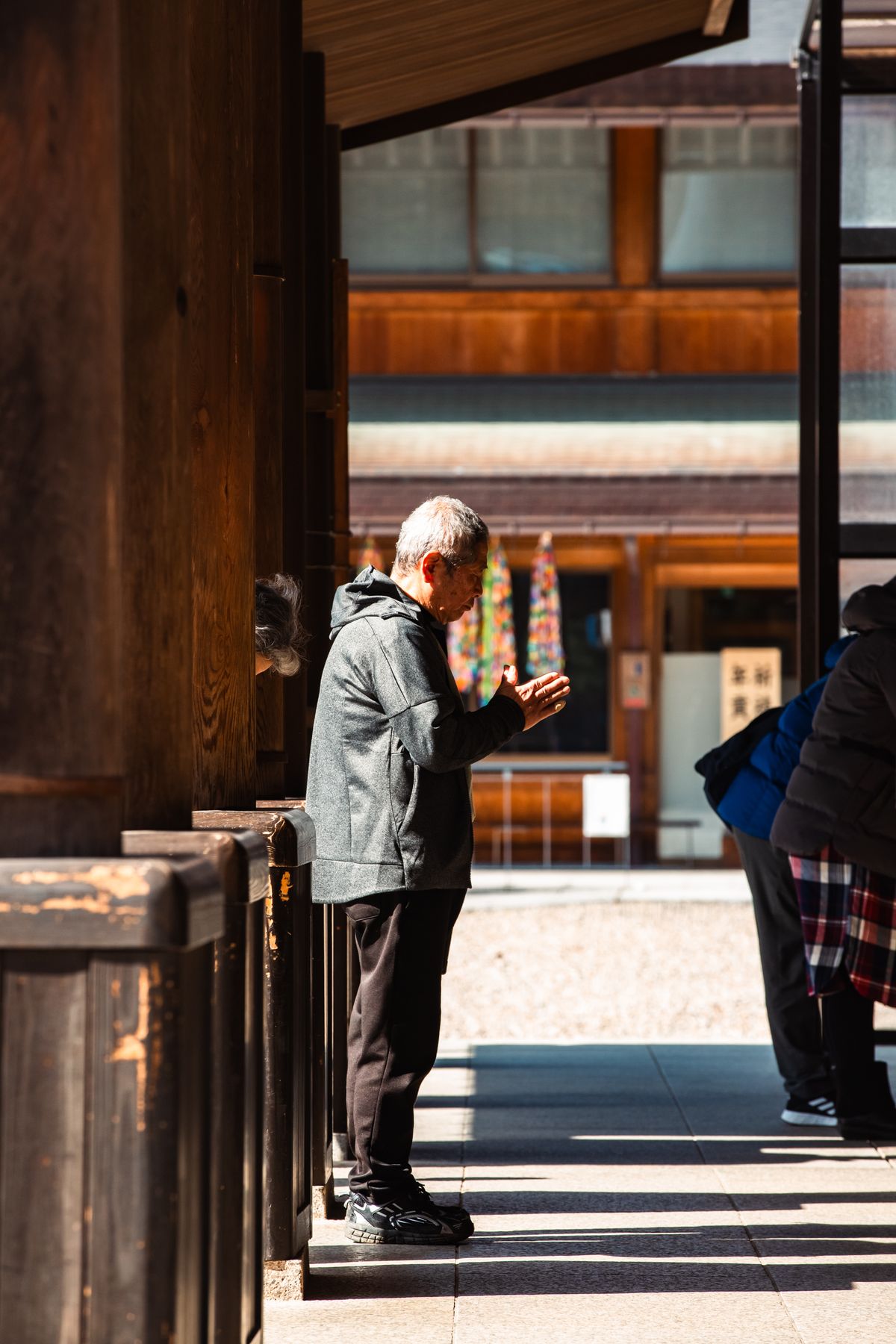
A unique characteristic of prayer at Izumo Taisha is the four-clap salutation (two bows, four claps, then one final bow) rather than the two-clap form used at most Shinto shrines. This distinctive ritual reflects Izumo Taisha’s special status within the Shinto tradition. The shrine’s approach along a tree-lined avenue of ancient pine trees (sando) creates a sense of transition from the ordinary world to the sacred that is among the most atmospheric shrine approaches in Japan.
Matsue Castle: The Black Pearl
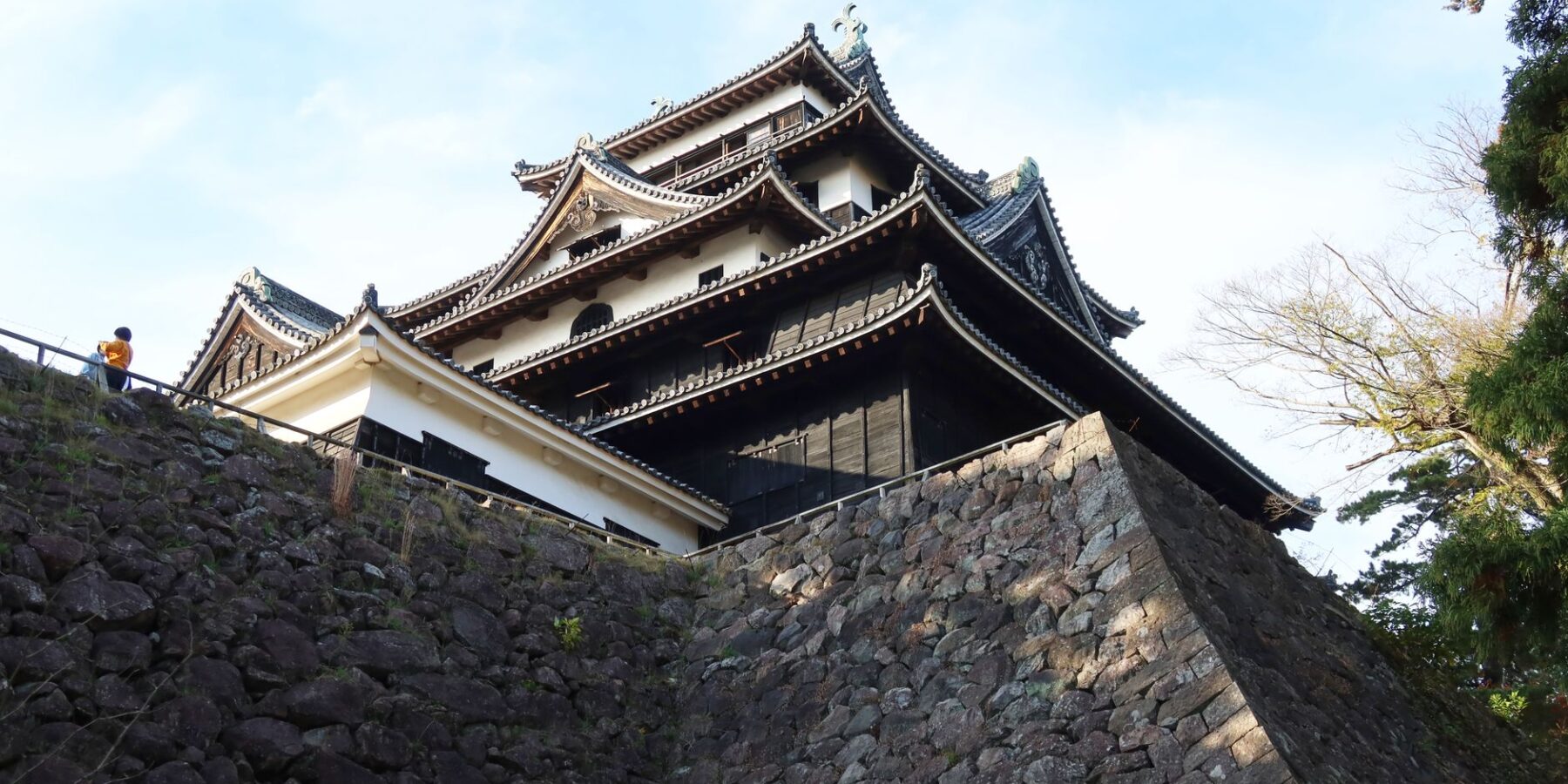
Matsue Castle, nicknamed Chidori-jo (Plover Castle) for the plover-like shape of its gables, is one of Japan’s twelve surviving original castle towers and one of only five designated as National Treasures. Built between 1607 and 1611 by Horio Yoshiharu, the castle occupies a strategic position on a hill between Lake Shinji and Lake Nakaumi, commanding views in all directions across the castle town that has grown around its base over four centuries.
The castle’s four-tiered exterior belies an interior of five floors plus a basement, with each level decreasing in size as the tower tapers to its top. The interior is unusually well preserved and displays an outstanding collection of feudal period weapons, armor, and artifacts related to the castle’s history and the succession of lords who held Matsue domain. The view from the top floor across the castle town and the twin lakes beyond provides one of Shimane’s finest panoramic vistas.
The castle grounds are particularly beautiful in cherry blossom season, when the moat’s water reflects the pink blossoms of hundreds of trees in a classic composition that has made Matsue Castle one of Japan’s celebrated spring viewing destinations. The neighboring Lafcadio Hearn Commemorative Museum celebrates the writer Patrick Lafcadio Hearn (Koizumi Yakumo), who lived in Matsue in 1890 and 1891 and produced some of the most evocative English-language writing about Japan’s traditional culture and spiritual life, including his celebrated collection of Japanese ghost stories, Kwaidan.
Iwami Ginzan: The UNESCO Silver Mine
The Iwami Ginzan Silver Mine, inscribed as a UNESCO World Heritage Site in 2007, was one of the world’s most important silver mines during the 16th and 17th centuries, producing approximately one-third of the world’s silver supply at its peak output. The mine is remarkable not only for its historical significance but for the extraordinary state of preservation of the surrounding landscape — unlike many industrial heritage sites, Iwami Ginzan and its associated mining towns, transport routes, and port facilities are preserved within a setting of pristine mountain forest that has recovered completely from the mining era.
Visitors can explore the mine tunnels themselves at Ryugenji Mabu, the largest accessible mine shaft, and walk between the mining area and the preserved merchant town of Omori through an ancient transport route through cedar forest. Omori’s remarkable streetscape of Edo-period buildings — merchant houses, samurai residences, and a Buddhist temple — has been preserved by the area’s economic stagnation following the mine’s closure in 1923, which inadvertently protected the historic fabric from modern development.
Adachi Museum of Art: Japan’s Most Beautiful Garden
The Adachi Museum of Art in Yasugi, established in 1970 by entrepreneur and art collector Adachi Zenko, houses an outstanding collection of modern Japanese art — particularly works by Yokoyama Taikan, one of Japan’s most celebrated modern painters — and is famous throughout the world for its extraordinary Japanese garden. The garden has been ranked the No.1 Japanese garden in Japan by the Journal of Japanese Gardening’s annual ranking every year since the survey began in 2003, making it the most consistently recognized Japanese garden on the international stage.
The garden is experienced exclusively through the museum’s windows and carefully positioned viewing frames — visitors never enter the garden itself, which is maintained to a standard of perfection that would be impossible if it were open to foot traffic. This approach transforms the viewing of the garden into an act of aesthetic contemplation, with each window framing a composition of dry landscape, moss garden, white sand, shaped pines, and borrowed scenery from the mountains beyond that is as carefully composed as any painting in the museum’s collection. The experience is genuinely unique and deeply moving.
Oki Islands: Japan’s Remote Archipelago
The Oki Islands, accessible by ferry from Sakaiminato Port, are a remote archipelago in the Sea of Japan that served historically as a place of exile for emperors and political enemies — the retired Emperors Gotoba and Godaigo were both sent here during times of political upheaval, and Go-Daigo later escaped to lead the Kenmu Restoration. Today the islands offer extraordinary natural scenery including dramatic sea cliffs, pristine beaches, and ancient cryptomeria cedar forests, along with a unique cultural heritage and the traditional Oki bullfighting (the bulls push against each other, with no matador involved) that continues as a living tradition.
Getting to Shimane
Shimane Prefecture is one of Japan’s less accessible prefectures, which contributes significantly to its unspoiled character. The most convenient gateway is Izumo Enmusubi Airport, which receives flights from Tokyo Haneda in approximately 1 hour 20 minutes. Izumo Taisha is accessible from the airport in approximately 40 minutes by bus. Alternatively, the JR Super Matsukaze limited express train connects Tottori and Matsue along the San’in coast, and the JR Yakumo limited express connects Matsue to Okayama via the Hakubi Line in approximately 2 hours and 40 minutes.
Before heading out, make sure you have a Japan eSIM ready to navigate, translate, and share photos without worrying about connectivity. Get your Japan eSIM (Stay connected from day 1) →
The San’in Kinki Tourism Pass covers rail and bus travel throughout the San’in region including Shimane and Tottori and represents good value for visitors planning multi-day exploration of the region. Highway buses also operate between major Kansai cities and Matsue or Izumo, with overnight bus options available that save accommodation costs while covering the long distance from Kyoto or Osaka.
Getting Around Shimane
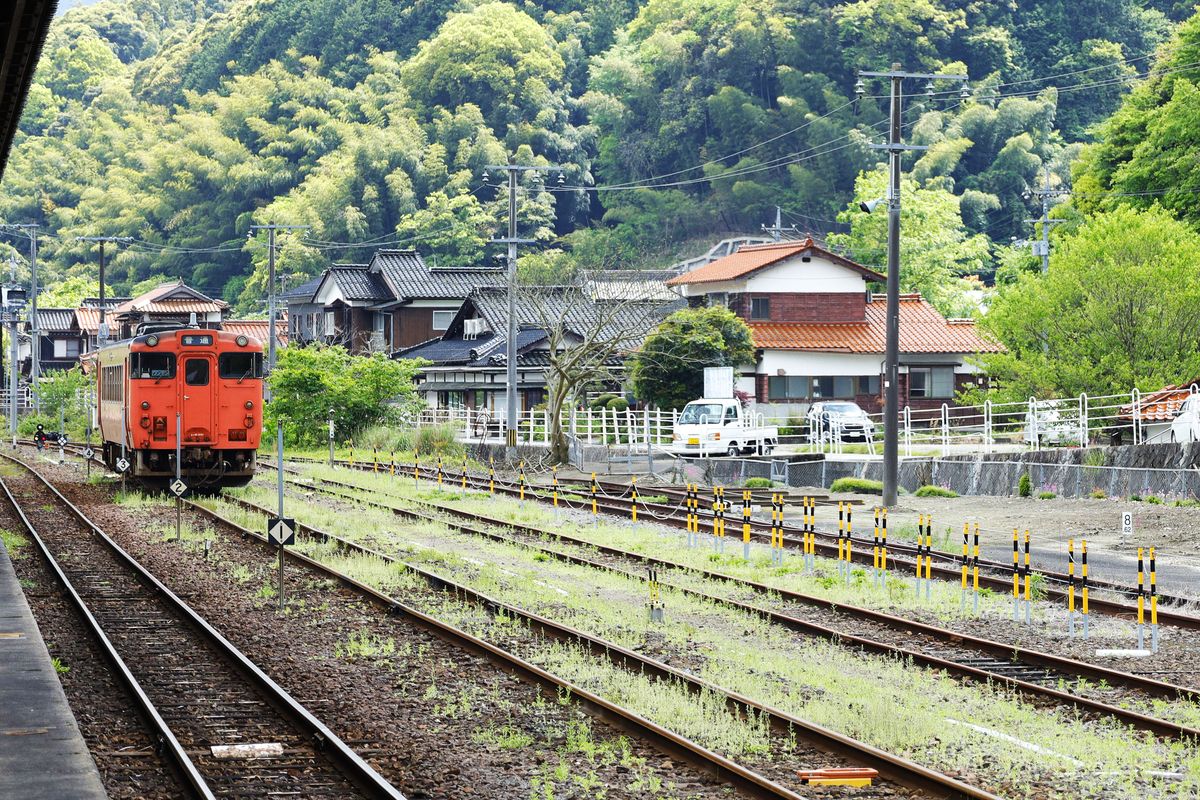
Within Shimane, local trains connect the major towns along the San’in coast, and the Ichibata Electric Railway connects Matsue and Izumo Taisha directly. However, for reaching Iwami Ginzan, the Oki Islands ferry terminal at Sakaiminato (technically in Tottori Prefecture), and the more remote natural attractions of western Shimane, a rental car is strongly recommended. The San’in coast drives are spectacularly scenic and the roads are well-maintained, making self-driving a rewarding way to explore the region.
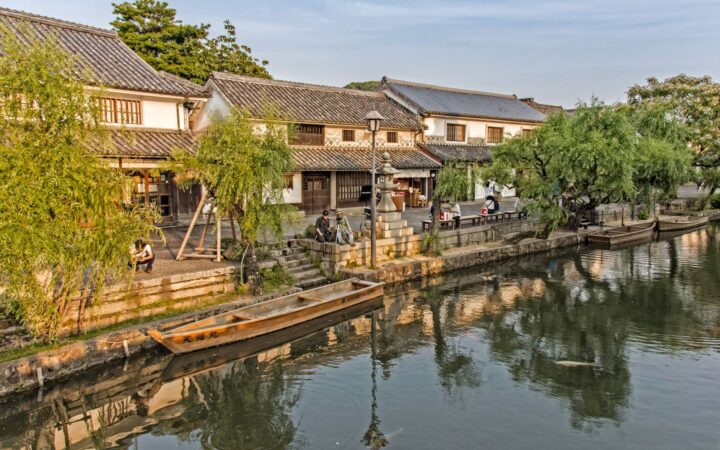
The Horikawa Sightseeing Boat operates on Matsue’s historic moat system, providing a 50-minute tour of the castle moat and surrounding waterways from a low-angled boat that passes through bridge arches at nearly water level. This boat tour is one of the most distinctive sightseeing experiences in all of Japan and should not be missed by visitors to Matsue.
Where to Stay in Shimane
Matsue is the most practical accommodation base for exploring Shimane, with business hotels and ryokan concentrated in the city center. The lakeside ryokan on the shores of Lake Shinji are particularly recommended, offering views of the famous Shinji-ko sunset — one of Japan’s three great sunsets — from their rooms and outdoor baths. The setting sun over Lake Shinji, with the silhouettes of wading birds and fishing boats against the orange-red sky, is one of Japan’s most celebrated natural spectacles and best viewed from the lakeside on a clear evening.
Near Izumo Taisha, several traditional inns and guesthouses cater specifically to shrine pilgrims, offering an atmospheric stay in the shadow of the sacred complex. For Iwami Ginzan, the Omori district has a small number of guesthouses converted from historic merchant houses, offering an extraordinarily atmospheric accommodation in the preserved mining town that most visitors experience only as a day trip.
Food and Local Specialties in Shimane
Shimane’s food culture draws on the exceptional seafood of the Sea of Japan and the agricultural traditions of the San’in region. Shijimi clams from Lake Shinji are one of Shimane’s most celebrated local products — these small freshwater clams are harvested from the lake by traditional methods and made into miso soup, rice dishes, and sake-steamed preparations. Shijimi miso soup, served at traditional inns throughout Matsue, has a distinctive mineral richness and depth of flavor that reflects the unique ecosystem of the brackish-water lake.
Izumo soba is a distinctive regional noodle style — the buckwheat is milled with the hull included, giving the noodles a darker color and more robust flavor than the pale soba of Tokyo. Izumo soba is traditionally served in a stack of three small lacquered bowls (warigo soba), with the soup poured over each bowl rather than dipping the noodles. This serving style is unique to Izumo and reflects the town’s ceremonial traditions surrounding hospitality for shrine pilgrims. The noodles themselves are considered by soba connoisseurs to be among the finest in Japan.
Day Trips and Nearby Destinations
From Matsue, Tottori’s sand dunes and the extraordinary Tottori Sand Museum are accessible in approximately 1 hour 30 minutes by JR limited express. The Hiroshima Peace Memorial is reachable by JR Yakumo and shinkansen in approximately 3 hours from Matsue, making a Shimane-Hiroshima itinerary viable over several days. The Oki Islands ferry from Sakaiminato connects Shimane to one of Japan’s most remote and rewarding island experiences, requiring at least two nights on the islands to appreciate their extraordinary nature and culture properly.
Best Time to Visit Shimane
October is Shimane’s most spiritually significant month — the gathering of the eight million gods at Izumo Taisha creates an atmosphere of heightened sacred energy that pilgrims and spiritually oriented visitors find particularly meaningful. The autumn foliage from late October into early December is outstanding, particularly in the cedar forests around Iwami Ginzan and the maple trees surrounding Matsue Castle. Spring brings cherry blossoms to Matsue Castle in late March and early April. Summer on the Oki Islands is excellent for swimming, diving, and exploring the sea cliffs, but requires advance planning as ferry capacity is limited.
Hidden Gems and Local Tips for Shimane
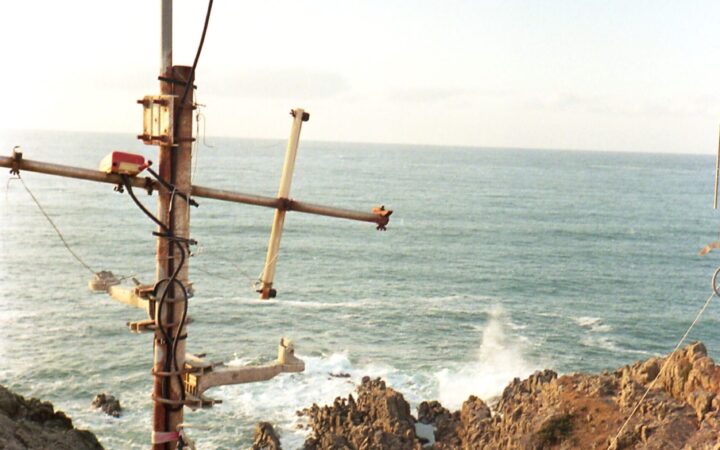
Hinomisaki Shrine, a coastal Shinto shrine 8 kilometers from Izumo Taisha, is one of the most atmospheric and least visited shrine complexes in the San’in region. The vivid vermilion shrine buildings against the dramatic sea cliff backdrop and the ancient lighthouse beyond create a composition of extraordinary beauty. The cape itself offers views of the Sea of Japan in both directions along a coastline of striking geological drama. Visit at dusk when the lighthouse beam begins to sweep across the darkening sea for a particularly memorable experience.
The Tamatsukuri Onsen, one of Japan’s oldest hot spring resorts with records of imperial bathing visits dating back to the 8th century, is just 20 minutes by bus from Matsue and makes an excellent complement to a Matsue castle visit. The hot spring water here is said to have skin-beautifying properties, and the small resort town along the Tamayu River has an intimate, traditional atmosphere quite different from larger onsen resorts. Local tip: the evening sunset cruise on Lake Shinji from Matsue, available on clear evenings from spring through autumn, provides the best possible vantage point for Shinji-ko sunset and costs only a few hundred yen for the boat crossing.
Practical Information for Shimane
Shimane Prefecture operates on Japan Standard Time (JST, UTC+9). English-language materials are available at Izumo Taisha and Matsue Castle, but the deeper you venture into Shimane’s countryside, the less English signage you will encounter. The Shimane Prefecture Tourism Association website provides comprehensive English-language planning resources. International credit cards are accepted at major accommodation establishments, but smaller restaurants and rural facilities are often cash-only. Carry sufficient yen, particularly when visiting Iwami Ginzan or the more remote coastal areas.
Budget Guide for Shimane
Shimane is one of Japan’s more affordable prefectures for travel. Izumo Taisha is free to enter, with the treasury museum costing 300 yen. Matsue Castle entry is 1,200 yen for adults (free for elementary and junior high school students) and the Adachi Museum of Art is 2,300 yen. Budget travelers can manage on 8,000 to 12,000 yen per day. Mid-range ryokan accommodation with two meals in Matsue or near Izumo Taisha typically costs 15,000 to 25,000 yen per person. The Oki Islands ferry costs approximately 4,000 to 6,000 yen each way depending on the ferry class and destination island.
Frequently Asked Questions About Shimane
Why is Izumo Taisha important?
Izumo Taisha is one of Japan’s oldest and most sacred Shinto shrines, dedicated to the deity Okuninushi no Mikoto who is associated with nation-building, marriage, and human relationships. Every October, all eight million Shinto deities are believed to gather at Izumo for a divine congress to determine human relationships for the coming year, making the shrine especially significant for those praying for love, marriage, and personal connections. The shrine’s history extends back more than 1,500 years and its architectural traditions represent some of the oldest forms of Shinto sacred space.
Is the Adachi Museum garden really the best in Japan?
The Adachi Museum garden has been rated the finest Japanese garden in the world by the Journal of Japanese Gardening’s annual survey every year since 2003, which is remarkable consistency. Whether it is subjectively the most beautiful garden in Japan is a matter of personal taste, but it is certainly one of the most meticulously maintained and conceptually sophisticated. The unique experience of viewing the garden exclusively through windows and framed viewpoints, never entering it, creates an aesthetic distance that transforms garden viewing into something closer to painting appreciation.
What is Izumo soba and how is it served?
Izumo soba is a dark, robust buckwheat noodle style unique to the Izumo area, made by milling the buckwheat grain with the hull included rather than removing it as in most other soba-producing regions. This gives the noodles a deep grey-brown color and a stronger, earthier buckwheat flavor. They are traditionally served in warigo style — three small lacquered bowls stacked on top of each other, with the tsuyu soup poured over the noodles in each bowl and toppings including grated daikon, green onions, and dried seaweed added according to taste. Soba connoisseurs rank Izumo-style among the finest in Japan.
How do I get to Iwami Ginzan?
Iwami Ginzan is most easily reached by car or taxi from Oda Station on the JR San’in Main Line. The World Heritage Site encompasses several separate areas including the Omori townscape, the Ryugenji Mabu mine tunnel, and various transport routes through the forest, so a car (or a long day of walking) is necessary to see everything. Buses connect Oda Station to Omori on a limited schedule. The round trip from Matsue takes approximately 2 to 3 hours by car each way, making it a long but worthwhile day trip.
Is Shimane safe for solo female travelers?
Yes, Shimane is very safe for solo travelers of all genders. Japan’s overall safety record is excellent, and Shimane’s rural communities are known for their warmth and hospitality toward visitors. The main practical consideration for solo travelers in Shimane is transportation — the prefecture’s public transport network, while functional, is limited in frequency and coverage, making a driving license and rental car strongly recommended for those who want to explore freely. Accommodation options in smaller towns can be limited, so advance reservation is recommended.
What is the significance of October at Izumo Taisha?
October is the month when all eight million Shinto deities (yaoyorozu no kami) are believed to gather at Izumo Taisha from across Japan for the divine Kamiari-zuki congress. During this month, the gods determine human relationships — marriages, partnerships, and connections — for the coming year. This makes Izumo Taisha particularly busy with pilgrims in October, when special ceremonies and rituals mark the gods’ arrival and the conduct of their divine business. The main Kamiarisai ceremonies follow the lunar calendar and usually fall in November, when the shrine is at its busiest.
Can I visit Shimane without a car?
You can visit the main attractions of Shimane without a car if you focus on the Matsue and Izumo Taisha areas, which are connected by the Ichibata Electric Railway. The Matsue sightseeing boat and local buses cover the main city attractions. However, reaching Iwami Ginzan, the Oki Islands ferry terminal, Hinomisaki Shrine, and the more remote coastal and mountain landscapes of western Shimane without a car is difficult or impossible within a normal tourism timeframe. For a thorough exploration of the prefecture, a rental car is strongly recommended.
What is the best way to combine Shimane with other destinations?
The most natural Shimane itinerary combines it with Tottori Prefecture to the east and/or Hiroshima to the southwest. A San’in coast itinerary starting in Tottori, moving through Matsue and Izumo, and then heading south to Hiroshima by JR creates a logical arc through some of western Japan’s most distinctive and least-visited landscapes. Allow a minimum of 4 to 5 days to do this circuit justice. Alternatively, flying to Izumo Airport from Tokyo and spending 3 to 4 days in Shimane before taking the JR to Hiroshima for a further 2 days creates an excellent western Japan circuit.
3-Day Shimane Itinerary: Ancient Shrines, Samurai Towns, and Hidden Coastlines
Day 1: Izumo and the Grand Shrine
Fly into Izumo Enmusubi Airport (connections from Tokyo Haneda, about 70 minutes) or take the limited express from Okayama. Begin at Izumo Taisha Grand Shrine — one of Japan’s oldest and most sacred Shinto shrines, dedicated to Okuninushi-no-Mikoto, deity of relationships and marriage. The main hall stands 24 meters tall and follows the oldest architectural style (taisha-zukuri) in Japan. The approach passes through a forested avenue lined with stone lanterns donated by worshippers over centuries. The shrine is particularly famous for the annual Kamiari-zuki (Month of the Gods, October by the lunar calendar) when the deities of Japan’s 80,000 shrines are said to gather at Izumo to decide the marriages and relationships of humans for the coming year. The adjacent Shimane Museum of Ancient Izumo houses extraordinary bronze ritual objects and documents the mythological history of the Izumo region as Japan’s earliest recorded cultural heartland.
Day 2: Matsue – Water Castle Town
Travel to Matsue — the only original castle town in western Japan that retains its castle, samurai district, and historic canal system intact. Matsue Castle (Matsue-jo, “Plover Castle”) is one of Japan’s 12 original surviving castle towers and the only one in the San’in region — a magnificent five-story black-painted tower completed in 1611. The surrounding moat system runs for about 3.7 km in total, and Horikawa Sightseeing Boat tours drift slowly through the canal system under low stone bridges and past samurai and merchant townhouses for 50 minutes — one of Japan’s most atmospheric boat experiences. The Irish-Greek writer Lafcadio Hearn (Koizumi Yakumo) lived in Matsue in the 1890s and wrote extensively about Japanese ghost stories and culture — his preserved residence (Koizumi Yakumo Kyukyo) and the adjacent Lafcadio Hearn Memorial Museum provide a fascinating window into Meiji-era Japan as seen by a Western literary observer. Evening: try the Lake Shinji “seven delicacies” (shinjiko shichichin), local lake seafood such as shijimi clams, sea bass, and eel, then sample the wagashi (Japanese confections) made by master confectioners who have served the tea ceremony culture for centuries.
Day 3: Adachi Museum of Art and Iwami Ginzan
Visit the Adachi Museum of Art in Yasugi — famous not only for its collection of modern Japanese nihonga painting (particularly works by Yokoyama Taikan) but for its Japanese garden, which has been rated the finest in Japan by the Journal of Japanese Gardening for 20 consecutive years. The garden is maintained to a standard of perfection rarely seen anywhere — every stone, tree, and moss arrangement is precisely controlled and viewed from fixed “picture window” perspectives inside the museum building, ensuring the garden is always seen as a framed composition. Afternoon: drive to Iwami Ginzan Silver Mine in Oda City — a UNESCO World Heritage site, Japan’s most productive silver mine in the 16th–17th centuries, which supplied silver that funded Japan’s participation in the emerging global trade network. The preserved mining landscape, processing sites, and the preserved merchant and samurai town of Omori-cho (where traditional craft shops and cafes now operate in 300-year-old buildings) create one of Japan’s most authentic historical environments.
Shopping Guide: Shimane Souvenirs
Shimane’s most distinctive souvenirs reflect its deep historical and culinary heritage. Izumo Taisha o-mamori (shrine amulets) — especially the red-envelope marriage and relationship amulets — are prized across Japan and make meaningful spiritual souvenirs. Izumo soba (buckwheat noodles served in a unique three-tier lacquer box, wari-ko soba) noodle packs and soba flour are excellent food souvenirs. Matsue wagashi (Japanese confections) from long-established Matsue confectioners such as Fuuryudo, Saiundo, and Ichirikido represent the highest level of Japanese sweets craftsmanship. Shimane washi paper and Yasugi-bushi (a traditional comic song style unique to Yasugi City) themed goods are locally distinctive. Adachi Museum gift shop stocks art books, prints, and garden-inspired ceramics and lacquerware of excellent quality.
Family-Friendly Activities in Shimane
The Izumo Taisha shrine complex’s long tree-lined approach, large sacred rope (shimenawa), and atmospheric old town create an engaging experience for children curious about Japanese religion and myth. The Shimane Museum of Ancient Izumo has impressive displays of ancient bronze bells and weapons that older children find genuinely fascinating. Matsue’s Horikawa Boat Tour is delightful for children — the low bridges require passengers to duck flat, and the slow pace through the historic canal is magical. Tottori Sand Dunes (just east of Shimane in Tottori Prefecture) are easily added to a Shimane itinerary and provide spectacular sand-play opportunities that children absolutely love. The Iwami Ginzan mine tunnels — visitors can walk into actual mine shafts — are thrillingly dark and atmospheric for older children interested in historical industry.
Solo Travel Tips for Shimane
Shimane rewards solo travelers with a sense of discovery rare in Japan’s more famous destinations. The prefecture receives relatively few international visitors, making genuine local interactions more likely. Solo cyclists can explore the Shimane Peninsula coastal route between Matsue and the Sea of Japan in a day — dramatic cliffs, hidden fishing villages, and sea views reward the effort. The Lafcadio Hearn ghost story tradition of Matsue makes it an especially atmospheric destination for solo evening exploration — old temple districts and canal-side paths after dark have a genuinely eerie beauty that suits solitary wandering. Solo train travelers should note that the JR San’in Line connecting Shimane’s coast is infrequent — planning around train schedules is important. A rental car from Matsue or Izumo significantly expands access to the prefecture’s dispersed sites.
Frequently Asked Questions About Shimane
Why is Izumo Taisha so important in Japanese culture?
Izumo Taisha is one of Japan’s two most important Shinto shrines (alongside Ise Jingu in Mie) and predates written Japanese history — the shrine appears in Japan’s oldest written records (the Kojiki, compiled 712 CE) as a mythologically significant site. Its deity, Okuninushi, is associated with relationships, marriage, and the bonds between people — making it the most popular shrine in Japan for those seeking blessings in matters of love and partnership. The extraordinary scale of the main hall (rebuilt in its current form in 1744) and the sacred atmosphere created by its forest setting make it spiritually powerful for visitors of any background.
How do I get to Shimane from Tokyo or Osaka?
From Tokyo: fly to Izumo Enmusubi Airport (JAL only, about 80–90 minutes, fares vary by date) or take the Shinkansen to Okayama and transfer to the Yakumo Limited Express to Matsue (total about 6 hours). From Osaka: take the Yakumo Limited Express from Okayama (reached by Shinkansen in 45 minutes) to Matsue (about 3 hours) or fly from Osaka Itami to Izumo. The Izumo-Taisha Grand Shrine Ticket packages combining train and bus access from Matsue are convenient for shrine-focused visits.
Shimane’s Hidden Coastal Landscapes
The Shimane Peninsula extending east from Matsue into the Sea of Japan creates some of San’in coast’s most dramatic scenery. The cliffs at Hinomisaki Cape — where Japan’s tallest lighthouse (43.65m, built 1903) stands above wave-cut platforms and rock arches — are especially spectacular at sunset when the lighthouse beam begins to sweep the darkening sea. The peninsula’s northern coast features hidden beaches, dramatic sea stacks, and the extraordinary Izanami Sacred Forest surrounding Hinomisaki Shrine, creating an atmosphere of coastal mystery unique in Japan. The Gaka Tanemaru coastal road winding around the peninsula offers spectacular sea views throughout and passes several fishing villages where fresh seafood can be purchased directly from boats in the early morning hours.
Shimane’s San’in Kinenbukan geological coast features volcanic rock formations, ancient fossils, and dramatic erosional scenery that earned UNESCO Geopark designation. The Rausu Coast north of Masuda in western Shimane preserves ancient rock formations dating back 250 million years — some of Japan’s most significant geological exposures — within a stunning coastal landscape accessible on foot from small parking areas along the coastal road.
Shimane Prefecture rewards every type of traveler — whether drawn by history, art, nature, or gastronomy. With excellent transport connections and a wealth of authentic experiences unavailable in Japan’s overcrowded tourist centers, this is one of western Japan’s most compelling and underappreciated destinations. Plan at least two to three days to experience the full depth this remarkable prefecture has to offer.
From the divine atmosphere of Izumo Taisha to the samurai elegance of Matsue and the refined art of the Adachi Museum garden, Shimane delivers an authenticity and depth that few Japanese prefectures can match. The San’in coast’s dramatic scenery, ancient culinary traditions, and warm local hospitality complete a picture of Japan at its most genuine and unhurried.
Related guides
- Tomonoura Travel Guide 2026: A First-Timer’s Guide to Japan’s Best-Preserved Edo-Era Port Town in Hiroshima
- Shimanami Kaido Cycling Guide 2026: How to Ride Japan’s Island-Hopping Bike Route Across the Seto Inland Sea
- Miyajima Travel Guide 2026: A First-Timer’s Guide to the Floating Torii, Itsukushima Shrine, Mount Misen and Hiroshima’s Sacred Island
Going to Japan? Speak Japanese with confidence.
Hirameki Japanese — camera translate for menus and signs, a two-way conversation mode, and furigana + romaji on every phrase. Free to download with kana charts, conversation mode and starter words; a one-time purchase unlocks everything.
⬇ Get it on the App Store
Plan your Japan trip
Two things every first-timer should book
Some links are affiliate links. If you book through them we may earn a small commission at no extra cost to you.