Shizuoka Prefecture sits at the heart of Japan’s Pacific coast, stretching from the slopes of Mount Fuji in the north to the rugged Izu Peninsula in the south and the broad Enshu plain in the west. It is one of those rare places where a single prefecture can offer volcanic grandeur, tropical-feeling coastlines, ancient hot spring towns, terraced tea fields, and some of the country’s finest seafood — all within a short journey from Tokyo. Whether you are planning a day trip from the capital or a multi-day regional exploration, Shizuoka rewards visitors with landscapes and flavours that linger long after the journey home.
The prefecture stretches approximately 155 kilometres from east to west and is home to around 3.6 million people. Its name is virtually synonymous with green tea — Shizuoka produces roughly 40 percent of Japan’s total tea output — and with sakura ebi (cherry blossom shrimp), wasabi, and eel cuisine. Yet beyond the culinary identity, Shizuoka holds three UNESCO World Heritage components (as part of the Fujisan inscription), hosts the starting point of one of Japan’s most celebrated steam railways, and guards coastlines dramatic enough to have inspired centuries of Japanese artists.
Why Visit Shizuoka?
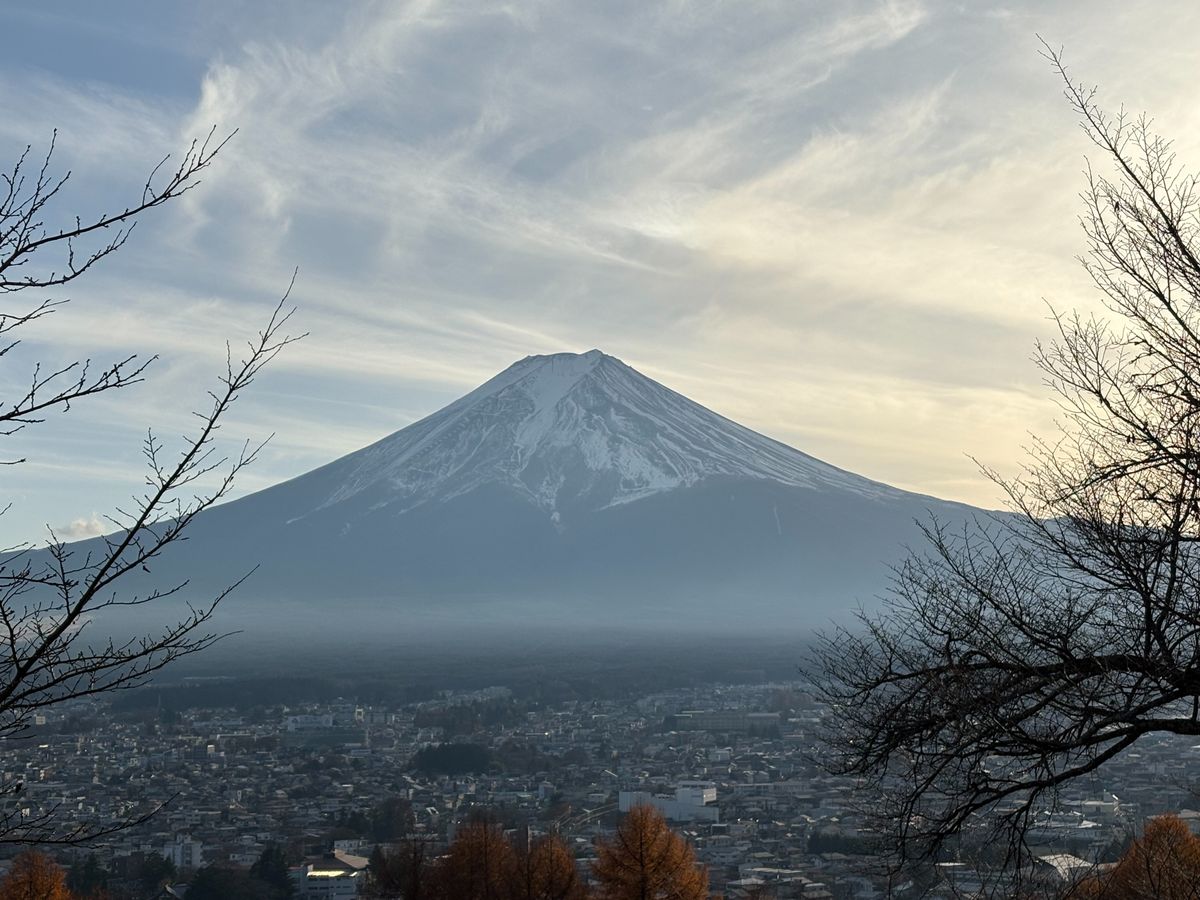
Travellers who focus their Japan itinerary on the classic Tokyo-Kyoto-Osaka corridor sometimes pass through Shizuoka on the Shinkansen without stopping. That is a genuine missed opportunity. Shizuoka offers a gentler, less crowded alternative to the major tourist hubs while still delivering iconic Japanese scenery. Mt. Fuji’s southern face is viewed from Shizuoka Prefecture. The Izu Peninsula’s hot spring ryokan were frequented by writers and artists during the Meiji and Taisho eras and remain among the country’s most atmospheric places to spend a night. Hamamatsu in the west has earned a place on the culinary map with its unagi (freshwater eel) grilled over charcoal, while Shimizu Port brings some of Japan’s freshest tuna to the table.
The proximity to Tokyo is another major advantage. Shizuoka City is roughly 1 hour from Tokyo Station on the Hikari Shinkansen; Atami, the gateway to the Izu Peninsula, is reachable in under an hour. This makes Shizuoka one of the most accessible escape-from-the-city destinations in the whole country.
Top Attractions in Shizuoka Prefecture
Mount Fuji (Fujisan)
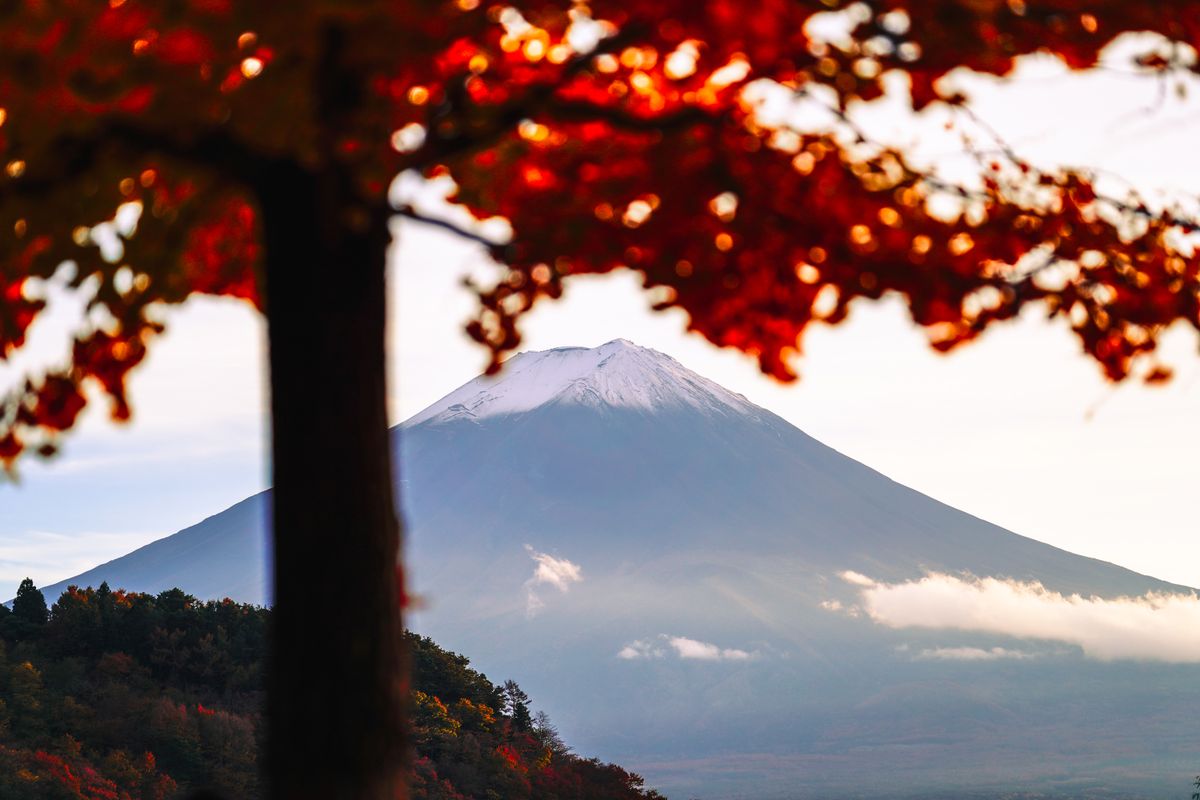
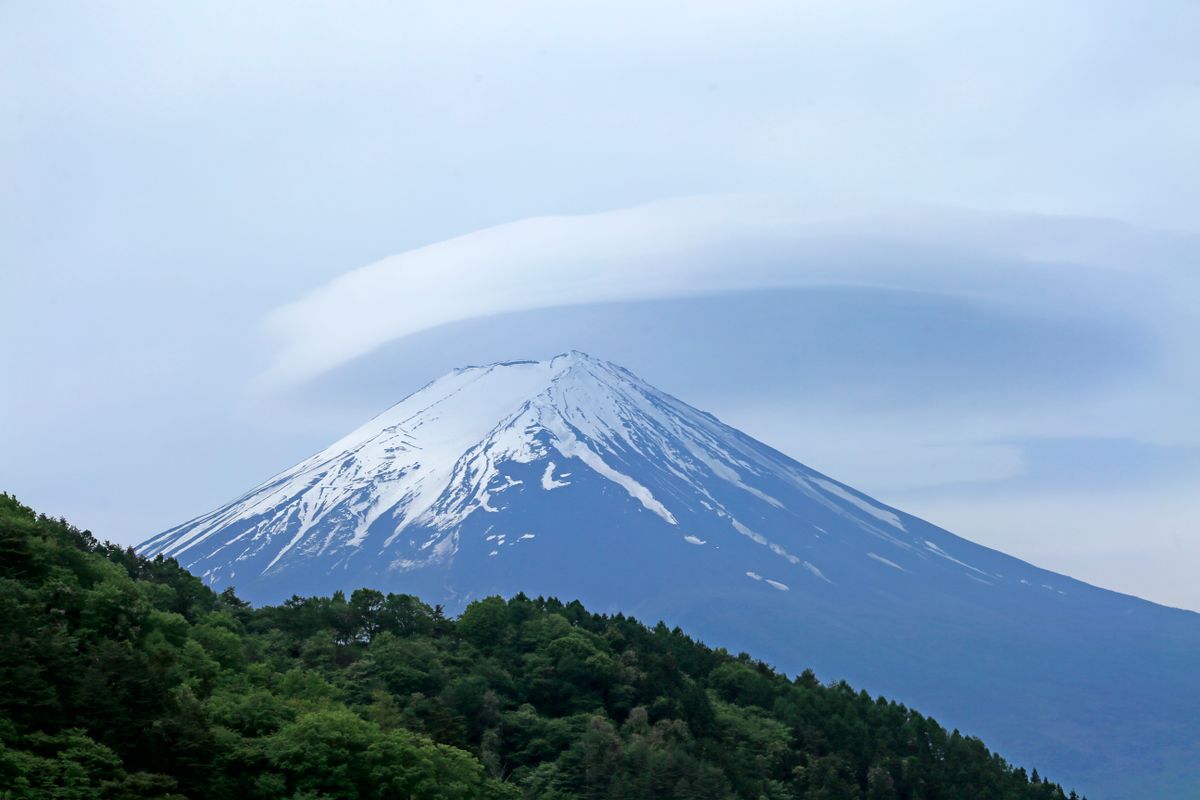
Japan’s most recognisable landmark straddles the border between Shizuoka and Yamanashi prefectures, but the two main climbing routes on the Shizuoka side — the Fujinomiya Trail and the Subashiri Trail — together account for a significant share of the roughly 200,000 climbers who ascend the mountain each summer season. In 2026 the official climbing season ran from July 1 (Subashiri) or July 10 (Fujinomiya and Gotemba) to September 10, when the mountain huts are staffed and the trails are maintained. That season, climbers on the Shizuoka-side trails had to register, complete a short e-learning course through the FUJI NAVI app (or on site) and pay a ¥4,000 fee; the 2027 rules have not been announced yet. Outside this window, winter and spring ascents require serious mountaineering experience and equipment and are not recommended for casual visitors.
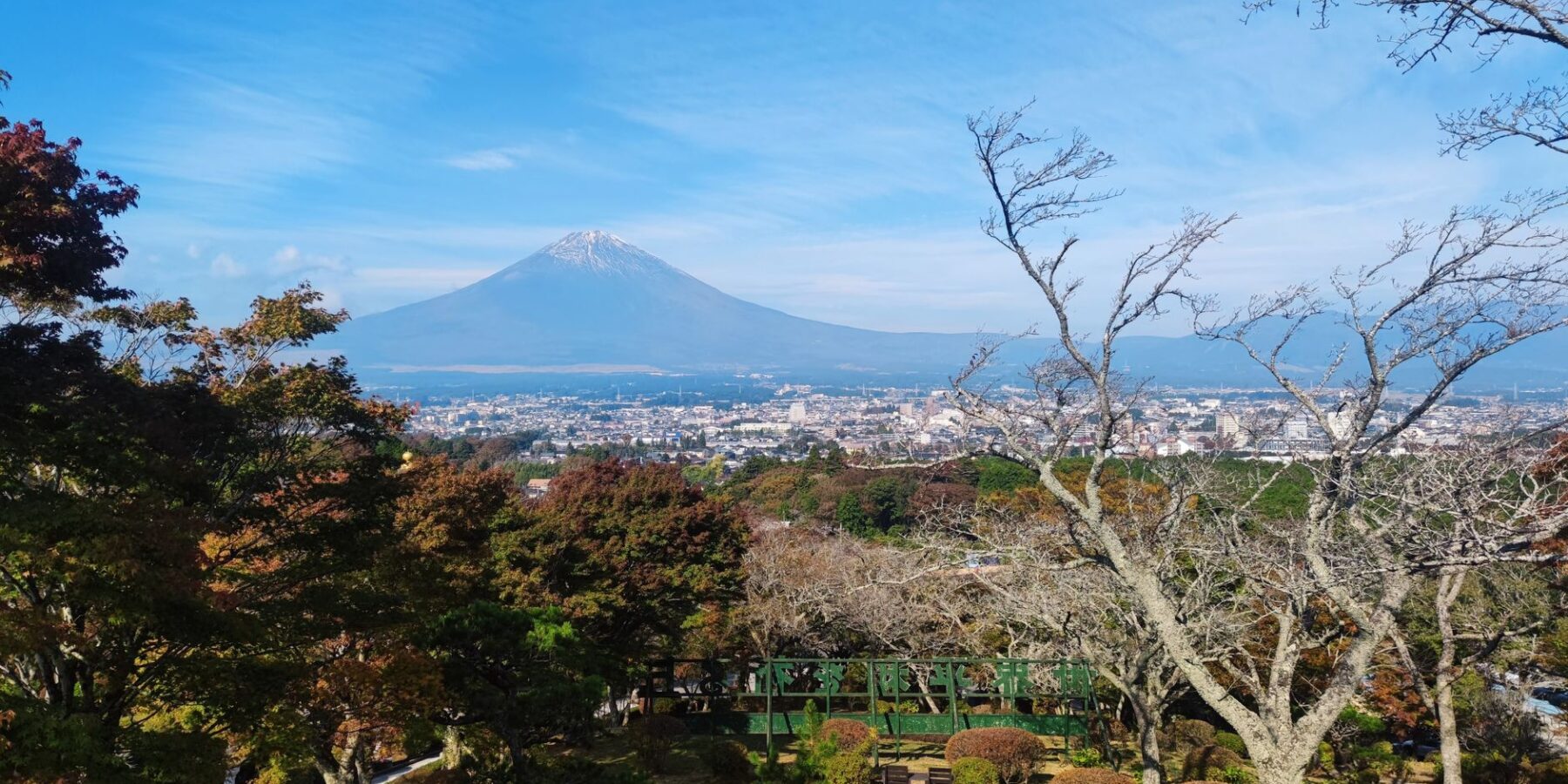
Even for those who have no intention of climbing, the views of Fuji from Shizuoka are outstanding. The mirror reflection in Lake Tanuki (Tanuki-ko) near Fujinomiya is one of the classic compositions favoured by photographers. The Miho no Matsubara pine grove frames the mountain’s cone across Suruga Bay in a composition so celebrated that UNESCO recognised it as part of the Fujisan World Heritage Site. The Shinkansen ride itself, particularly between Shin-Fuji and Shizuoka stations on clear days, delivers unexpected window-seat views of the summit.
Fujinomiya City, on the southern slope, is also the home of Fujisan Hongu Sengen Taisha, the head shrine of roughly 1,300 Sengen shrines across Japan. The shrine has worshipped the mountain as a deity for over a millennium and its forested precinct, set against the backdrop of the mountain, is deeply atmospheric. Admission to the shrine grounds is free; the inner sanctuary charges a small fee of 500 yen.
Izu Peninsula
The Izu Peninsula juts southward from the eastern edge of Shizuoka into the Pacific Ocean, and it rewards exploration at every turn. Its rugged volcanic coastline is lined with hot spring towns, hidden beaches, dramatic sea cliffs, and sub-tropical vegetation that gives the landscape a character quite distinct from the rest of Japan. The peninsula is divided informally into the eastern Izu coast (Higashi-Izu), the southern tip (Minami-Izu), the western Izu coast (Nishi-Izu), and the central plateau.
Atami sits at the top of the peninsula and was for much of the postwar era Japan’s most popular honeymoon destination. Its hot spring hotels cascade down steep hillsides toward the sea, and its MOA Museum of Art holds an outstanding collection of Japanese and East Asian art set within gardens with sweeping bay views. The Atami Cherry Blossom Festival in late January and early February is among the earliest cherry blossom events in the entire country.
Ito further down the east coast was where English navigator William Adams (known in Japan as Miura Anjin) built Western-style ships for the Tokugawa shogunate in the early 1600s. Today the town blends traditional hot spring culture with a comfortable small-city atmosphere. The nearby Jogasaki Coast offers a 9-kilometre coastal walking trail past dramatic lava cliff formations, suspension bridges over rocky inlets, and tide pools alive with marine life.
Kawazu, further south, has become famous across Japan for its Kawazu-zakura cherry trees — a variety that blooms unusually early, typically from early February to early March. During the Kawazu Cherry Blossom Festival, approximately 850 trees line the Kawazu River in a tunnel of deep pink blossoms, attracting over a million visitors each season. The combination of pink blossoms, yellow rapeseed flowers, and the rushing river makes it one of Japan’s most photogenic spring scenes.
Shimoda at the southern tip of the east coast holds a special place in Japanese history as the port where Commodore Perry’s Black Ships arrived in 1854, forcing Japan to open to foreign trade after over two centuries of isolation. The Ryosenji Kurofune Museum and the Perry Road — a cobblestone street lined with willow trees and old merchant buildings — bring this history to life. Shimoda also has some of Izu’s finest white sand beaches, including Shirahama Beach, popular with surfers and swimmers in summer.
The western Izu coast (Nishi-Izu) is less visited but arguably more dramatic, with deep-cut bays, fishing villages, and the Dogashima sea caves accessible by tourist boat. The sunsets over the Pacific from the western coast are extraordinary, painting the ocean in shades of orange and gold that reflect off the rocky outcrops.
Miho no Matsubara
On the Miho Peninsula on the western side of Suruga Bay near Shimizu, a 7-kilometre crescent of white sand beach is backed by a dense grove of approximately 30,000 pine trees — some of them several centuries old. This is Miho no Matsubara, one of Japan’s most celebrated scenic spots and a component of the Fujisan UNESCO World Heritage Site.
The view from the beach on a clear day is considered one of the finest in Japan: the graceful white cone of Mt. Fuji rises across the bay, framed by pine branches, with Suruga Bay’s deep blue waters in the foreground. The site has inspired Japanese poetry, painting, and the legend of the Hagoromo (celestial feather robe), in which a celestial maiden left her robe on one of the pines. A memorial pine marks the spot. The beach and pine grove are free to enter and are easily reached from Shimizu Station by bus in about 20 minutes.
Shimizu Port and Nihondaira
Shimizu Port, part of Shizuoka City, is one of Japan’s major tuna landing ports, and the S-Pulse Dream Plaza market near the waterfront is a superb place to eat extraordinarily fresh sashimi at very reasonable prices. A large plate of tuna sashimi might cost 800 to 1,200 yen. The Uoichiba Fish Market here opens to the public on weekends with tasting tours and fresh seafood sales.
Above the port, the Nihondaira plateau offers sweeping panoramic views across Suruga Bay, Mt. Fuji, and the Izu Peninsula on clear days. A ropeway (one-way 600 yen, round-trip 1,100 yen) connects Nihondaira to the Kunozan Toshogu shrine — the first Toshogu shrine built in honour of Tokugawa Ieyasu, and considered by many to be more intimate and atmospheric than its more famous counterpart in Nikko. The shrine’s colourful carved halls set among ancient cedars are worth the journey alone.
Hamamatsu
At the western end of Shizuoka, Hamamatsu is the prefecture’s second-largest city and has a character distinct from the eastern tourist areas. It sits at the mouth of Lake Hamana, a vast brackish lagoon connected to the ocean that produces eel, oysters, and clams. Hamamatsu is Japan’s undisputed capital of unagi (grilled eel), with hundreds of restaurants specialising in the dish. A standard unaju (eel on rice in a lacquered box) costs approximately 2,500 to 4,000 yen and is one of Japan’s great culinary experiences — rich, smoky, tender, and deeply satisfying.
The Nakatajima Sand Dunes, one of the three great sand dunes of Japan, stretch for about 4 kilometres along the coast just south of the city. While smaller than the famous Tottori dunes, they are dramatic in their own right and offer a surprisingly wild coastal landscape just minutes from central Hamamatsu. The dunes are free to visit and accessible by bus from Hamamatsu Station.
Hamamatsu Castle, a reconstructed keep set in a pleasant park in the city centre, is associated with Tokugawa Ieyasu, who ruled the domain for 17 years before becoming shogun. The castle museum (admission 200 yen) holds historical displays about Ieyasu’s time in the city, and the park’s cherry trees are lovely in spring. Hamamatsu is also home to the Hamamatsu Museum of Musical Instruments (free admission), one of the world’s finest collections of musical instruments from across the globe, reflecting the city’s heritage as a manufacturing centre for Yamaha and Kawai pianos.
The annual Hamamatsu Festival in early May is one of Japan’s largest kite festivals, when teams from across the city fly enormous decorated kites over the Nakatajima Sand Dunes in a spectacular display of colour, competition, and civic pride.
Oigawa Railway — Steam Trains Through Tea Country
One of Shizuoka’s most unique and beloved experiences is the Oigawa Railway, a historic line running through the Ohi River valley from Kanaya Station into the mountains. The railway’s most famous feature is its fleet of genuine steam locomotives — not replicas, but real steam engines retired from mainline service decades ago — that still pull passenger carriages through landscapes of terraced tea fields, wooden bridges, and deep river gorges.
The SL steam train runs on the lower main line between Shin-Kanaya and Senzu (approximately 37 kilometres). A round trip takes most of the day, with the journey one-way taking about 1 hour 40 minutes. Tickets cost approximately 3,000 to 4,000 yen one-way and must be reserved in advance, especially during weekends and school holidays. The train also passes through several small stations where local vendors sell tea-flavoured soft-serve ice cream, green tea sweets, and fresh produce.
Above Senzu, the Abt-section railway climbs steeply into the mountains using a rack-and-pinion system, the only such line still operating in Japan — to reach the remote settlement of Ikawa, passing through dramatic tunnels and over high trestle bridges. This upper section is a genuine engineering marvel and gives the journey an adventurous quality that most tourists never expect to find in a prefecture this close to Tokyo.
A Note on Hakone
Many Shizuoka travel guides mention Hakone in the same breath as Shizuoka attractions. It is important to clarify, however, that Hakone sits within Kanagawa Prefecture, not Shizuoka. That said, it is one of the easiest and most rewarding day trips accessible from Shizuoka’s eastern gateway cities of Atami and Mishima. From Mishima Station (Shizuoka Prefecture), you can reach Odawara (the gateway to Hakone) in approximately 20 minutes by Shinkansen, making the two areas natural travel companions on a wider regional itinerary. Visitors staying on the Izu Peninsula or in eastern Shizuoka commonly combine both areas in a single trip.
Getting to Shizuoka
By Shinkansen from Tokyo
The Tokaido Shinkansen is the primary way most travellers arrive in Shizuoka Prefecture, and it is fast, frequent, and comfortable. Key journey times and approximate fares from Tokyo Station include:
- Atami: approximately 45 to 50 minutes on the Kodama or Hikari; around 4,000 to 4,500 yen unreserved
- Mishima: approximately 55 minutes on the Kodama; around 4,810 yen unreserved
- Shin-Fuji: approximately 60 minutes on the Hikari; around 5,170 yen unreserved
- Shizuoka City: approximately 60 to 75 minutes on the Hikari or Kodama; around 5,720 yen unreserved
- Kakegawa: approximately 80 minutes on the Hikari; around 6,260 yen unreserved
- Hamamatsu: approximately 80 to 90 minutes on the Hikari; around 6,680 yen unreserved
The JR Pass covers Shinkansen travel on the Hikari and Kodama services; the fastest Nozomi needs an extra one-way NOZOMI MIZUHO Ticket. For travellers with a Japan Rail Pass, Shizuoka fits naturally into a broader itinerary between Tokyo and Kyoto or Osaka. Note that no Shizuoka station is served by the Nozomi, so pass holders can reach every stop here without any restriction.
By Limited Express to Izu
For the Izu Peninsula specifically, the Odoriko Limited Express train runs direct from Tokyo and Shinjuku to Ito and Shimoda without requiring a Shinkansen transfer. The journey from Tokyo to Shimoda takes approximately 2 hours 40 minutes and costs around 4,500 to 5,500 yen. The JR Pass is valid for most Odoriko services. This is the most relaxing and scenic way to travel the length of the Izu Peninsula.
By Highway Bus
Highway buses connect Tokyo (primarily from Shinjuku Expressway Bus Terminal) to Shizuoka City, Hamamatsu, and several Izu Peninsula destinations. Fares are significantly lower than the Shinkansen — a Tokyo to Shizuoka highway bus ticket costs approximately 2,000 to 3,000 yen — but journey times are longer, typically 2.5 to 3.5 hours depending on traffic. Bus services operated by Shizuoka Bus and JR Bus Kanto run frequently and can be booked through Japan Bus Online or Willer Express.
By Car
Shizuoka is easily accessible by car from Tokyo via the Tomei Expressway (approximately 2 to 3 hours to Shizuoka City depending on traffic) or the Shin-Tomei Expressway. Driving gives maximum flexibility for exploring the Izu Peninsula’s coastal roads and mountain passes, the tea country around the Ohi River valley, and rural areas not served by rail. Rental cars are available at all major Shinkansen stations in the prefecture. Expressway tolls from Tokyo to Shizuoka run approximately 3,000 to 4,000 yen one-way.
Before heading out, make sure you have a Japan eSIM ready. Get your Japan eSIM (Stay connected from day 1) →
Book your hotel on Agoda (Best prices guaranteed) → or
Getting Around Shizuoka
By Train
The JR Tokaido Line connects the major coastal cities from Atami in the east to Hamamatsu in the west, with frequent local services. This is the most practical way to travel between Shizuoka City, Shimizu, Kakegawa, and Hamamatsu. For the Izu Peninsula, the JR Ito Line (covered by the JR Pass) runs from Atami to Ito, where it continues as the Izu Kyuko Railway (Izukyu) to Shimoda, which requires a separate fare. The Izukyu also offers the Kinme Train, a glass-roofed sightseeing carriage with ocean views, on certain services.
By Bus
Local buses fill in the gaps where trains do not reach — particularly for Miho no Matsubara from Shimizu, the Nihondaira plateau, and various hot spring towns on the western Izu coast. Bus schedules can be infrequent in rural areas, so checking timetables in advance is important. The Shuzenji area in central Izu is served by Tokai Bus from Mishima Station.
By Rental Car
A rental car is genuinely the best option for exploring the Izu Peninsula beyond the main east coast tourist trail, and for the Ohi River valley around the Oigawa Railway. The Nishi-Izu coast’s cliff-hugging roads offer some of Japan’s finest coastal driving scenery. Petrol stations are reasonably plentiful throughout the peninsula and mountain areas. International driving permits are required for foreign visitors driving in Japan.
Where to Stay in Shizuoka
Atami
Atami is the most accessible hot spring destination from Tokyo and has the greatest concentration of onsen ryokan on the eastern Izu coast. Accommodation ranges from large resort hotels with multiple onsen baths and buffet meals to smaller family-run ryokan where the owner cooks dinner personally. Expect to pay 15,000 to 30,000 yen per person per night for a mid-range ryokan with two meals included; luxury properties can exceed 50,000 yen per person. Atami is particularly popular for couples and is best visited on weekdays to avoid weekend crowds and higher prices.
Ito and Shuzenji
Ito offers a slightly quieter ryokan experience than Atami with a more authentic small-town atmosphere. Shuzenji, in the mountains of central Izu, is perhaps the most classically beautiful of Izu’s hot spring towns — a narrow valley with a bamboo grove, a historic temple, and a shallow river running through the centre, lined with stone lanterns. Both towns have excellent ryokan options in the 18,000 to 35,000 yen per person range with meals included.
Shimoda
Shimoda at the peninsula’s tip is the best base for exploring southern Izu, with a combination of ryokan, small boutique hotels, and minshuku (Japanese bed-and-breakfast style guesthouses). The town has a relaxed beach-town atmosphere in summer and a pleasant quietude in the cooler months. Budget travellers can find guesthouses and hostel-style accommodation from around 5,000 to 8,000 yen per person per night.
Shizuoka City
Shizuoka City itself has a good range of business hotels suitable for travellers using the city as a transport hub or exploring central Shizuoka’s tea country and Shimizu Port. Major chains including APA Hotel, Dormy Inn, and Comfort Hotel all have properties here. Prices typically range from 6,000 to 12,000 yen per night for a standard business hotel room.
Hamamatsu
Hamamatsu has a comprehensive range of business hotels suitable for one or two nights. Act City Hotel is the most conveniently located, directly connected to the central station complex. Most business hotels here fall in the 7,000 to 14,000 yen per night range. For a more scenic stay, the lakeside resort hotels around Lake Hamana offer panoramic views and often include onsen facilities.
Best Time to Visit Shizuoka
Shizuoka’s mild Pacific coast climate means it is a viable year-round destination, but each season has its particular highlights.
January and February — Early Cherry Blossoms and Winter Onsen
Winter is the quietest season for most of Shizuoka, but late January and February bring the extraordinary Kawazu Cherry Blossom Festival (typically late January to early March). This early-blooming variety creates a spectacle weeks before the national cherry blossom season. Hot spring ryokan in Atami and along the Izu coast are at their most appealing in winter — the contrast between cold sea air and steaming indoor baths is deeply satisfying. Expect lower ryokan rates on weeknights in winter outside of the Kawazu festival period.
March and April — Cherry Blossoms and Tea Harvest
Standard cherry blossoms arrive in Shizuoka City and Hamamatsu in late March to early April, roughly in line with Tokyo. Hamamatsu Castle Park and the riverside promenades in Shizuoka City are lovely during peak bloom. By late April, the tea harvest season begins in the hills above Shizuoka and Kakegawa, when the brilliant yellow-green of new tea shoots covers the terraced hillsides. This is an excellent time to visit tea farms and participate in tea-picking experiences, which typically cost 2,000 to 3,000 yen for a guided session.
May and June — Kite Festival and Rainy Season
The early May Golden Week holidays bring large crowds and higher prices throughout Shizuoka. The Hamamatsu Festival (kite battles over the Nakatajima dunes) is a major draw in early May. From mid-June, the rainy season brings persistent drizzle and humidity. Hot spring ryokan remain appealing regardless of weather, and the tea country looks lush and green in the mist.
July and August — Summer Beaches and Fuji Climbing
The Izu Peninsula’s beaches draw large crowds in July and August, particularly at Shimoda’s Shirahama Beach. This is also the prime Mt. Fuji climbing season, and the mountain’s trails can be extremely busy on weekends. The Pacific coast climate keeps temperatures slightly more moderate than inland Japan, but August can still reach 33 to 35 degrees Celsius. Accommodation should be booked well in advance for summer coastal stays.
September and October — Ideal Autumn Conditions
Autumn is arguably the most pleasant time to visit Shizuoka. Crowds thin significantly after the summer rush, the weather is clear and mild (18 to 26 degrees Celsius), and the autumn foliage in the Izu mountains and along the Ohi River valley is beautiful in October and November. Mt. Fuji is often at its most visually striking in autumn and early winter when the lower slopes are clear of summer haze and the peak is capped with fresh snow.
November and December — Snow-capped Fuji and Quiet Ryokan Season
By November, Mt. Fuji typically receives its winter snow cap and the mountain looks its most majestic from the Miho no Matsubara beach and Nihondaira plateau. December is a quiet month for tourism, with ryokan prices dropping significantly. The winter illuminations at Atami’s Itosaka area are a local attraction worth experiencing if you are in the area.
Food and Drink Specialties
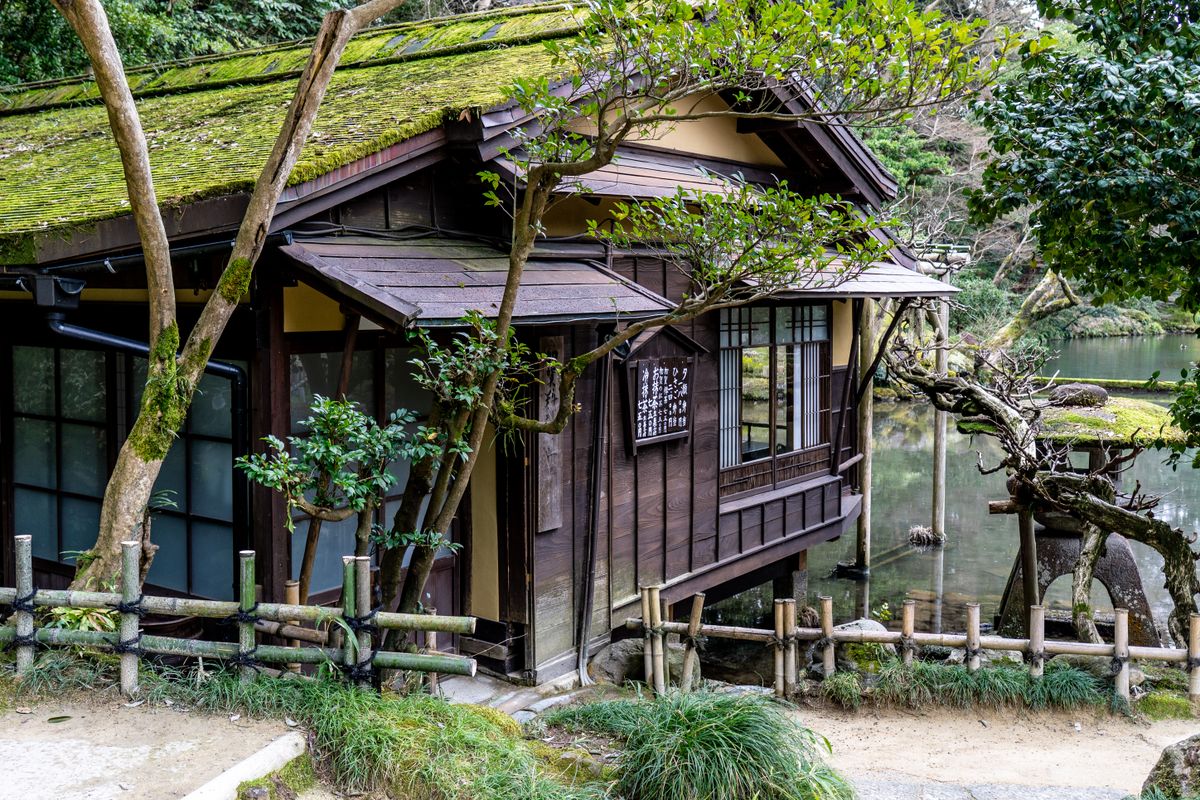
Shizuoka’s geography — ocean, river, mountain, and plain — produces an extraordinary range of local ingredients, and eating well here requires very little effort.
Sakura Ebi (Cherry Blossom Shrimp)
Suruga Bay, which Shizuoka’s coast borders, is one of the world’s deepest bays and the only place in Japan where sakura ebi are commercially fished. These tiny, semi-transparent shrimp turn a beautiful pink when cooked and have a delicate, sweet flavour quite unlike larger prawns. They are eaten fresh as sashimi during the fishing seasons in spring and autumn, dried as toppings for rice and noodles, deep-fried as kakiage tempura, and folded into savoury pancakes. A bowl of sakura ebi kakiage-don (tempura shrimp on rice) at a Shimizu Port restaurant costs approximately 1,200 to 1,800 yen and is not to be missed.
Real Wasabi
Shizuoka accounts for approximately 70 to 80 percent of Japan’s real wasabi production, grown in clear mountain spring water in the valleys around Izu and the Abe River area north of Shizuoka City. Fresh-grated real wasabi is a revelation for visitors accustomed only to the green horseradish paste served outside Japan — it has a complex, aromatic heat that blooms gradually and dissipates cleanly rather than burning. Try it grated fresh over tofu, with sashimi, or on chilled soba noodles. Many restaurants in the prefecture use locally sourced real wasabi as a matter of pride.
Green Tea
Shizuoka green tea is synonymous with quality in Japan. The prefecture’s major tea-growing areas — Makinohara, Kakegawa, Shizuoka City’s northern hills — produce a wide range of sencha, fukamushi (deep-steamed) sencha, and gyokuro varieties. Many tea farms welcome visitors for picking and tasting experiences, particularly in April and May. The Makinohara plateau, the largest tea-producing tableland in Japan, offers sweeping views over rows of perfectly trimmed tea bushes and is beautiful at any time of year. Tea-flavoured sweets, ice cream, and noodles appear throughout the prefecture’s cafes and shops.
Unagi (Freshwater Eel)
Hamamatsu’s unagi is revered throughout Japan. The eels are raised in the warm, shallow waters of Lake Hamana and grilled over charcoal using the Kanto-style method — steamed before grilling to produce an exceptionally soft texture. A standard unaju set (eel on rice in a lacquered box with miso soup and pickles) costs 2,500 to 4,500 yen at a mid-range specialist restaurant, while top-end unagi kaiseki dinners can exceed 15,000 yen per person. Unagi is particularly popular in summer, traditionally eaten on the Midsummer Day of the Ox to replenish energy in the heat.
Maguro (Tuna) from Shimizu Port
Shimizu Port is one of Japan’s top tuna-landing ports, and the tuna here is extraordinarily fresh. The S-Pulse Dream Plaza market at the port has numerous small restaurants and stalls serving tuna sashimi, tuna don (tuna on rice), and tuna sushi at prices far lower than Tokyo’s tourist sushi bars. A generous tuna sashimi set runs approximately 800 to 1,500 yen. Tuna from Shimizu is considered among the finest in the country by Japanese food enthusiasts.
Shizuoka Oden and Hamamatsu Gyoza
Shizuoka oden is a local variant of the classic Japanese hot pot, distinguished by its dark, intensely flavoured dashi broth made from beef tendons and dried bonito, served with a sprinkle of dried bonito flakes and aonori (green seaweed powder). It is available at specialist oden shops throughout the city, particularly around the Aoba Oden Street near Shizuoka Station, where a skewer typically costs 150 to 350 yen. Hamamatsu gyoza (pan-fried dumplings) are another regional specialty, distinguishable by being arranged in a circular pattern in the pan and served with bean sprouts — a presentation unique to the city.
Day Trips from Tokyo to Shizuoka
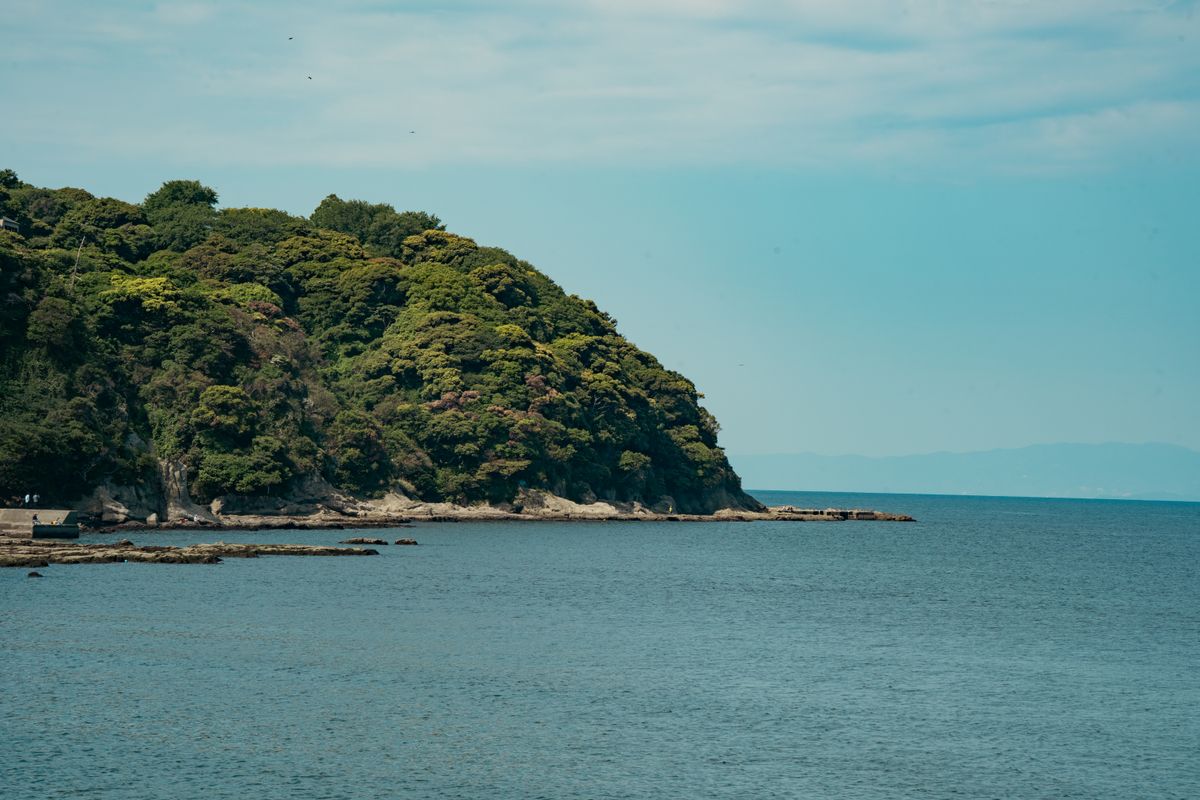
Shizuoka Prefecture is exceptionally well-positioned for day trips from Tokyo, and this is one of the region’s greatest practical advantages. Several areas deserve particular mention for day-trip suitability.
Atami and Eastern Izu
Atami is one of the easiest day trips from Tokyo — approximately 45 to 50 minutes on the Shinkansen or just over an hour on the JR Tokaido Limited Express. A day in Atami can comfortably include the MOA Museum of Art, a stroll through the old town, lunch with fresh seafood, and a dip in a day-use onsen (approximately 1,000 to 2,500 yen) before returning in the evening. Ito is just 25 minutes further south on the JR Ito Line and is a natural extension of an Atami day trip.
Shimizu Port and Miho no Matsubara
From Tokyo, Shimizu is approximately 80 to 90 minutes by Shinkansen to Shizuoka Station, then a short local train ride to Shimizu. A day trip here can combine fresh tuna at the port market, a bus ride to Miho no Matsubara for the Fuji view and the legendary Hagoromo pine, and a return via the Nihondaira ropeway and Kunozan Toshogu shrine. This makes for an exceptionally rewarding day that spans natural beauty, cultural heritage, and outstanding food.
Oigawa Railway Steam Train
The Oigawa Railway is reachable from Tokyo via Shinkansen to Kakegawa (approximately 90 minutes), then 15 minutes on the JR Tokaido Line to Kanaya. A day trip focused on the steam train is feasible if you take an early Shinkansen and book reserved SL train seats in advance. The round-trip steam train journey to Senzu and back accounts for roughly 3.5 hours of travel, leaving time to explore Kanaya’s tea country surroundings and have lunch at one of the tea farm restaurants nearby.
Fujinomiya and the Mt. Fuji Area
Fujinomiya is reachable from Tokyo via Shinkansen to Shin-Fuji (approximately 60 minutes), then a local bus to Fujinomiya City. A day in the area can include the Sengen Taisha shrine, a walk in the ancient forest around the shrine precinct, and lunch featuring Fujinomiya yakisoba (stir-fried noodles with a local meat sauce, a regional specialty sold at roadside stalls throughout the city). In summer, this base also gives access to the Fujinomiya trailhead for Mt. Fuji if an early start allows for a summit attempt.
Suggested Itineraries
One Day in Eastern Shizuoka
08:00 — Depart Tokyo Station on the Hikari Shinkansen to Shizuoka (approximately 70 minutes)
09:30 — Arrive Shizuoka; take local train to Shimizu (8 minutes)
10:00 — Bus to Miho no Matsubara; walk the pine grove, view Mt. Fuji across the bay (1.5 hours)
11:30 — Return to Shimizu; lunch at S-Pulse Dream Plaza — fresh tuna sashimi and sakura ebi
13:30 — Bus to Nihondaira plateau (30 minutes)
14:00 — Take ropeway down to Kunozan Toshogu shrine; explore the colourful carved halls and cedar grove
16:00 — Return to Shimizu and train to Shizuoka Station
16:30 — Shizuoka oden at Aoba Oden Street for an early dinner
18:00 — Shinkansen back to Tokyo
Two Days on the Izu Peninsula
Day 1: Tokyo to Atami by Shinkansen (45 minutes). Morning at MOA Museum of Art. Afternoon stroll through Atami’s old town and waterfront. Evening dinner and overnight at an onsen ryokan with dinner and breakfast included.
Day 2: JR Ito Line from Atami south to Ito (25 minutes). Walk the Jogasaki Coastal Trail (2 to 3 hours). Lunch in Ito. Afternoon Izukyu train south to Shimoda. Walk Perry Road and visit the Ryosenji Kurofune Museum. Late afternoon at Shirahama Beach. Return to Tokyo by Odoriko Limited Express (approximately 2.5 hours).
Three Days Across the Prefecture
Day 1: Tokyo to Mishima by Shinkansen (55 minutes); rent a car. Drive south through Shuzenji (lunch, temple and bamboo grove walk) to Matsuzaki on the west Izu coast. Overnight at a small Nishi-Izu ryokan with Pacific sunset views.
Day 2: Morning at Dogashima sea caves by boat tour (1,300 yen). Drive south and across to Shimoda for lunch and historical sightseeing. North via the east Izu coast; check into Ito or Atami ryokan for overnight.
Day 3: Morning Shinkansen west to Shizuoka City. Shimizu Port for tuna lunch. Miho no Matsubara in the afternoon. Shinkansen to Hamamatsu for unagi dinner. Return to Tokyo by Hikari Shinkansen.
Budget Breakdown
Budget Traveller (8,000 to 15,000 yen per day)
- Accommodation: hostel or budget guesthouse, 3,000 to 5,000 yen per night
- Meals: convenience store breakfasts, ramen or soba lunches, set dinners, 2,000 to 3,500 yen per day
- Transport: local trains and buses, 1,000 to 2,500 yen per day
- Attractions: mostly free or low-cost (beaches, pine groves, temple grounds)
Mid-Range Traveller (20,000 to 40,000 yen per day)
- Accommodation: business hotel or budget ryokan, 8,000 to 15,000 yen per night
- Meals: sit-down restaurants including one specialty meal (unagi, tuna sashimi), 4,000 to 8,000 yen per day
- Transport: Shinkansen segments, local rail, occasional taxi, 3,000 to 8,000 yen per day
- Attractions: museum entries, ropeway, steam train ticket, 2,000 to 5,000 yen per day
Luxury Traveller (60,000 yen and above per day)
- Accommodation: premium onsen ryokan with kaiseki dinner and breakfast, 30,000 to 60,000 yen per person per night
- Meals: kaiseki multi-course dining, specialist unagi restaurants, 10,000 to 20,000 yen per day
- Transport: reserved Shinkansen Green Car, private car hire or taxi, 5,000 to 15,000 yen per day
- Experiences: private tea ceremony, guided wasabi farm tour, 3,000 to 8,000 yen per activity
Practical Tips
Language
English signage is good at major railway stations, tourist attractions, and many restaurants in the larger cities. In rural areas and small hot spring towns, English menus are less common but staff are generally helpful and most establishments now have translation apps or picture menus available. Learning a few key Japanese phrases goes a long way toward a more enjoyable experience.
Cash and Cards
Cashless payments now cover most consumer spending in Japan, but cash-only places remain common, and many smaller ryokan, rural restaurants, and craft shops in Shizuoka do not accept credit cards. Carry sufficient yen cash, particularly when heading into the Izu Peninsula’s quieter areas or the Ohi River valley. 7-Eleven and Japan Post ATMs reliably accept foreign-issued debit and credit cards.
Onsen Etiquette
Shizuoka’s many hot spring facilities follow standard Japanese onsen etiquette: wash thoroughly at the shower stations before entering the communal bath, do not bring towels into the water, and keep noise to a minimum. Policies vary by bath, and most traditional onsen still restrict visible tattoos, though a clear shift toward allowing them is under way. Private-room baths (kashikiriburo) are often available for guests with tattoos at an additional cost of approximately 2,000 to 3,000 yen for a 45-minute session.
Booking Ryokan in Advance
Quality ryokan in Atami, Ito, Shuzenji, and Shimoda book up quickly, particularly for weekends, public holidays, and the Kawazu Cherry Blossom season in February and March. For the most popular properties, booking 2 to 3 months in advance is advisable. Most can be booked through international platforms including Booking.com and Agoda, or through specialist Japan travel booking sites.
Mt. Fuji Climbing Preparation
If planning to climb Mt. Fuji from the Shizuoka side, access the Fujinomiya or Subashiri 5th Station by bus from Shin-Fuji or Mishima Station (approximately 2,000 to 2,500 yen one-way). Begin ascending by late afternoon for a summit sunrise experience, ensuring a reservation at one of the mountain huts (approximately 7,000 to 9,000 yen per person including dinner, breakfast, and a basic bunk) — under the 2026 rules, climbers without a hut booking could not start from the 5th station between 2 p.m. and 3 a.m., so climbing straight through the night without a hut is no longer possible. These fill up weeks in advance during peak summer. Bring warm layers, rain gear, a headlamp, and sufficient water.
Useful Japanese Phrases
These phrases will help you navigate Shizuoka’s attractions, restaurants, and transport with confidence:
- Shizuoka made ikura desu ka? — How much to Shizuoka?
- Onsen wa doko desu ka? — Where is the hot spring?
- Unagi teishoku wo hitotsu kudasai — One eel set meal, please.
- Sakura ebi wa arimasu ka? — Do you have cherry blossom shrimp?
- Fujisan ga miemasu ka? — Can you see Mt. Fuji?
- Yoyaku shitai no desu ga — I would like to make a reservation.
- Kore wa nani desu ka? — What is this?
- Shashin wo totte mo ii desu ka? — May I take a photo?
- Eigo no menyu wa arimasu ka? — Do you have an English menu?
- Ikura desu ka? — How much does it cost?
Frequently Asked Questions
Is Shizuoka worth visiting on a first trip to Japan?
Absolutely. Shizuoka combines some of Japan’s most iconic scenery with genuine cultural depth and outstanding food. It is less crowded than Kyoto or Tokyo and offers experiences — particularly in the hot spring ryokan and tea country — that are deeply authentic. Even a single day trip from Tokyo to Shimizu or Atami will leave a strong impression.
How many days should I spend in Shizuoka?
The prefecture is large enough to justify 3 to 5 days if you want to explore both the Izu Peninsula and the western areas around Hamamatsu. For most travellers on a broader Japan itinerary, 2 days focusing on one or two areas is an excellent use of time. The prefecture also rewards day trips from Tokyo for those on tighter schedules.
Is the JR Pass useful in Shizuoka?
Yes, particularly for Shinkansen travel between Shizuoka’s stations and for the JR Tokaido Line connecting coastal cities. The JR Pass does not cover the Izukyu Railway south of Ito, the Oigawa Railway, or private bus services. For the Izu Peninsula specifically, the Izu Pass (available from Ito Station) can be a cost-effective option for touring by bus and train within the peninsula.
Can I see Mt. Fuji clearly from Shizuoka?
Mt. Fuji is most visible in winter (November through March) when the air is clear and dry. Summer heat and humidity frequently produce haze that obscures the summit. Miho no Matsubara on a clear winter morning offers one of Japan’s finest Fuji views. Checking a Fuji webcam online on the morning of your visit helps set realistic expectations for the day.
What is the best way to experience Shizuoka’s tea culture?
Several tea farms in the Makinohara and Kakegawa areas offer guided picking experiences in April and May, and year-round tasting sessions. The Fuji no Kuni Tea Museum in Shimada (admission 800 yen) provides excellent context on Shizuoka’s tea history and production methods. Most farm experiences cost 1,500 to 3,000 yen per person and are bookable through the Shizuoka Tourism Board website or at the farms directly.
How do I book the Oigawa Railway steam train?
Reserved seats on the SL steam train can be booked directly through the Oigawa Railway website (ooigawa.jp), where an English booking option is available. Reservations open approximately one month in advance and fill quickly for weekends and holidays. It is strongly recommended to book before arriving in Japan rather than trying to purchase tickets on the day of travel.
Is Shizuoka safe for solo travellers?
Shizuoka is extremely safe for all types of travellers, including solo visitors. Japan’s overall safety record is exceptional, and Shizuoka’s mix of cities and rural areas presents no particular concerns. Solo travellers staying at ryokan should note that some properties prefer a minimum two-person booking — confirming when booking is worthwhile. Many budget-friendly guesthouses welcome solo travellers warmly and at fair single rates.
What souvenirs should I buy in Shizuoka?
Shizuoka’s most distinctive souvenirs revolve around its food culture. High-quality loose-leaf sencha green tea from the Makinohara or Kakegawa area makes an elegant and lightweight gift. Wasabi products — freeze-dried wasabi, wasabi furikake seasoning, wasabi pickles — travel well and are difficult to find in this quality elsewhere. Dried sakura ebi and small jars of real wasabi paste are other excellent food souvenirs. For non-food items, Suruga lacquerware and Suruga bamboo crafts are traditional Shizuoka crafts available at craft shops in the Shizuoka City area.
Is Hakone in Shizuoka Prefecture?
No — Hakone is in Kanagawa Prefecture, not Shizuoka. However, it is very easily accessible from eastern Shizuoka. From Mishima Station (Shizuoka), the journey to Odawara (the main gateway to Hakone) takes just about 20 minutes by Shinkansen. Many travellers combine a stay on the Izu Peninsula with a Hakone day trip, making the two areas natural companions despite being in different prefectures.
Final Thoughts
Shizuoka Prefecture is one of Japan’s great under-appreciated travel destinations. It sits in the shadow of the famous Tokyo-Kyoto corridor, yet holds within its borders some of the country’s most spectacular natural landscapes, most deeply rooted culinary traditions, and most atmospheric traditional accommodation. The combination of the world’s most famous mountain, a Pacific coastline as dramatic as anywhere in Japan, food that ranges from oceanic freshness to volcanic terroir, and the slow-moving charm of a genuine steam train through tea-garden landscapes makes Shizuoka a destination that has something distinctive for every kind of traveller.
Whether you come for a single day from Tokyo to breathe the salt air at Miho no Matsubara and eat tuna by the harbour, or spend a week winding slowly down the Izu Peninsula from hot spring town to hidden beach, Shizuoka will reward your attention far beyond what its modest tourist profile might suggest. Put it on your Japan itinerary — you will not regret it.
Related guides
- Kanazawa Travel Guide 2026: A First-Timer’s Guide to Kenrokuen, Geisha Districts, Samurai Streets and Sea of Japan Seafood
- Eiheiji Temple Guide: Japan’s Most Sacred Zen Monastery in Fukui (Complete 2026 Guide)
- Jigokudani Snow Monkey Park: A First-Timer’s Guide to Nagano’s Bathing Monkeys and Onsen Towns
Going to Japan? Speak Japanese with confidence.
Hirameki Japanese — camera translate for menus and signs, a two-way conversation mode, and furigana + romaji on every phrase. Free to download with kana charts, conversation mode and starter words; a one-time purchase unlocks everything.
⬇ Get it on the App Store
Plan your Japan trip
Two things every first-timer should book
Some links are affiliate links. If you book through them we may earn a small commission at no extra cost to you.