Why Hakuba Belongs on Every Japan Itinerary
Tucked into the heart of the Northern Japanese Alps in northwestern Nagano Prefecture, Hakuba (白馬) is the closest thing Japan has to a complete year-round mountain destination. Most visitors hear about Hakuba in connection with skiing — and rightly so, given that the area hosted alpine events for the 1998 Nagano Winter Olympics and continues to attract thousands of international powder hounds every winter. But to think of Hakuba as a winter-only destination is to miss the larger picture. From May through October, the same dramatic 3,000-metre peaks that frame the ski runs offer some of the finest hiking, cycling, paragliding, and lake scenery in Japan. The valley floor blooms with wildflowers, the rivers run clear and cold, and the small farmhouses and onsen ryokan that nestle between the peaks return to a slow, deeply rural rhythm.
This guide is written for first-time foreign visitors who want to understand Hakuba in full — what to do in winter, what makes the summer and autumn seasons quietly extraordinary, where to base yourself, how to get there from Tokyo, what to eat, and how to combine a visit with the wider sights of central Japan. Whether you arrive in January for the legendary powder snow or in October for the autumn foliage, Hakuba will reward your time. Here is everything you need to know.
Where Is Hakuba and How Does It Fit Into Japan?
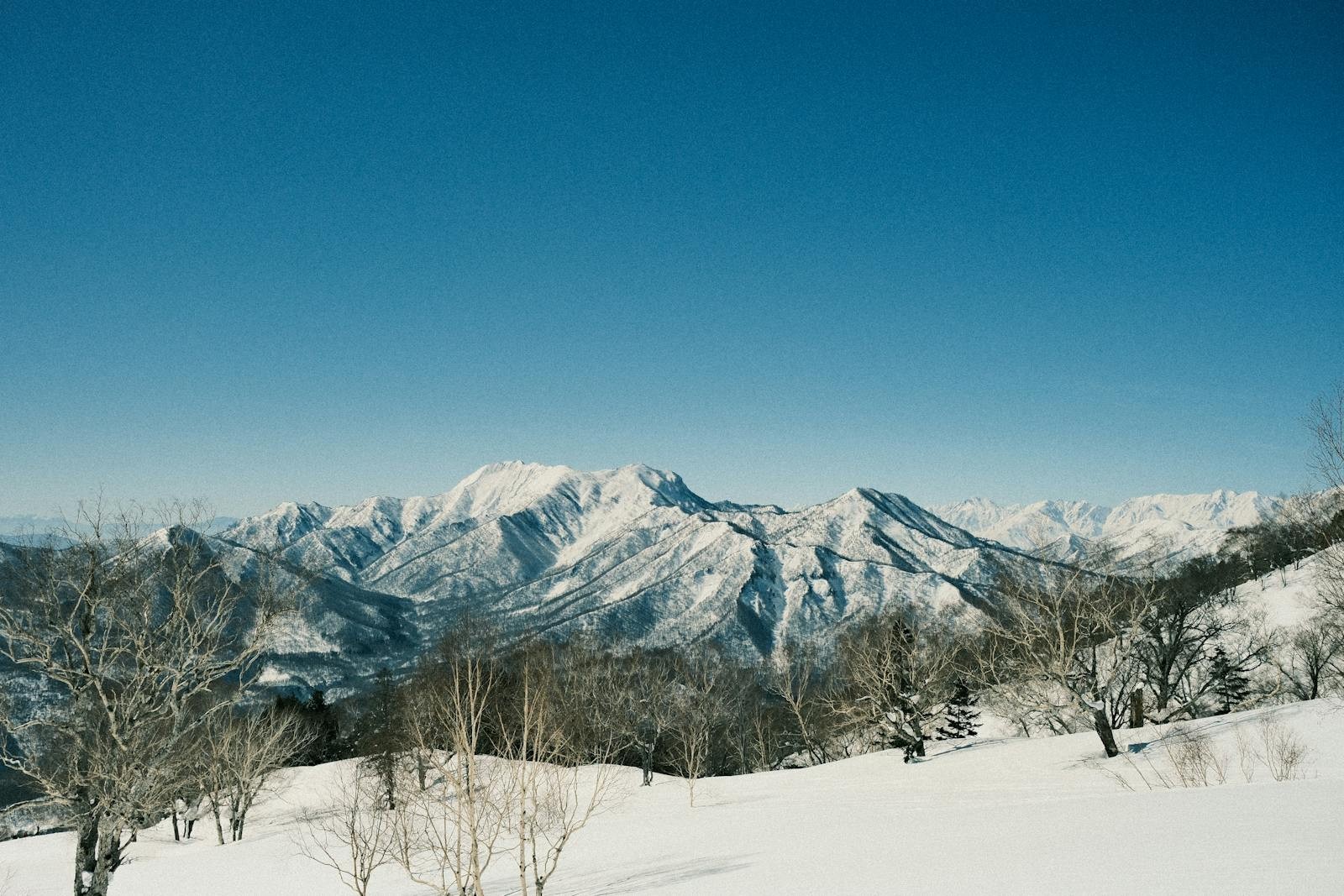
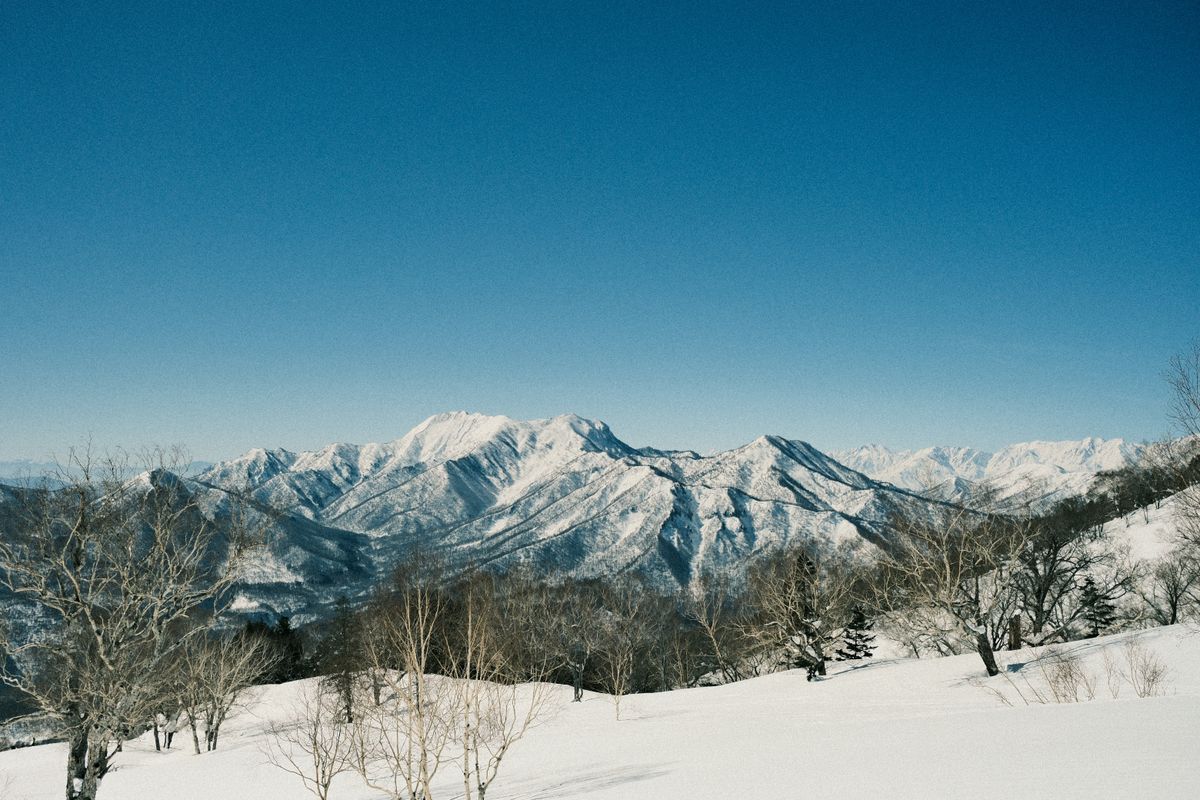
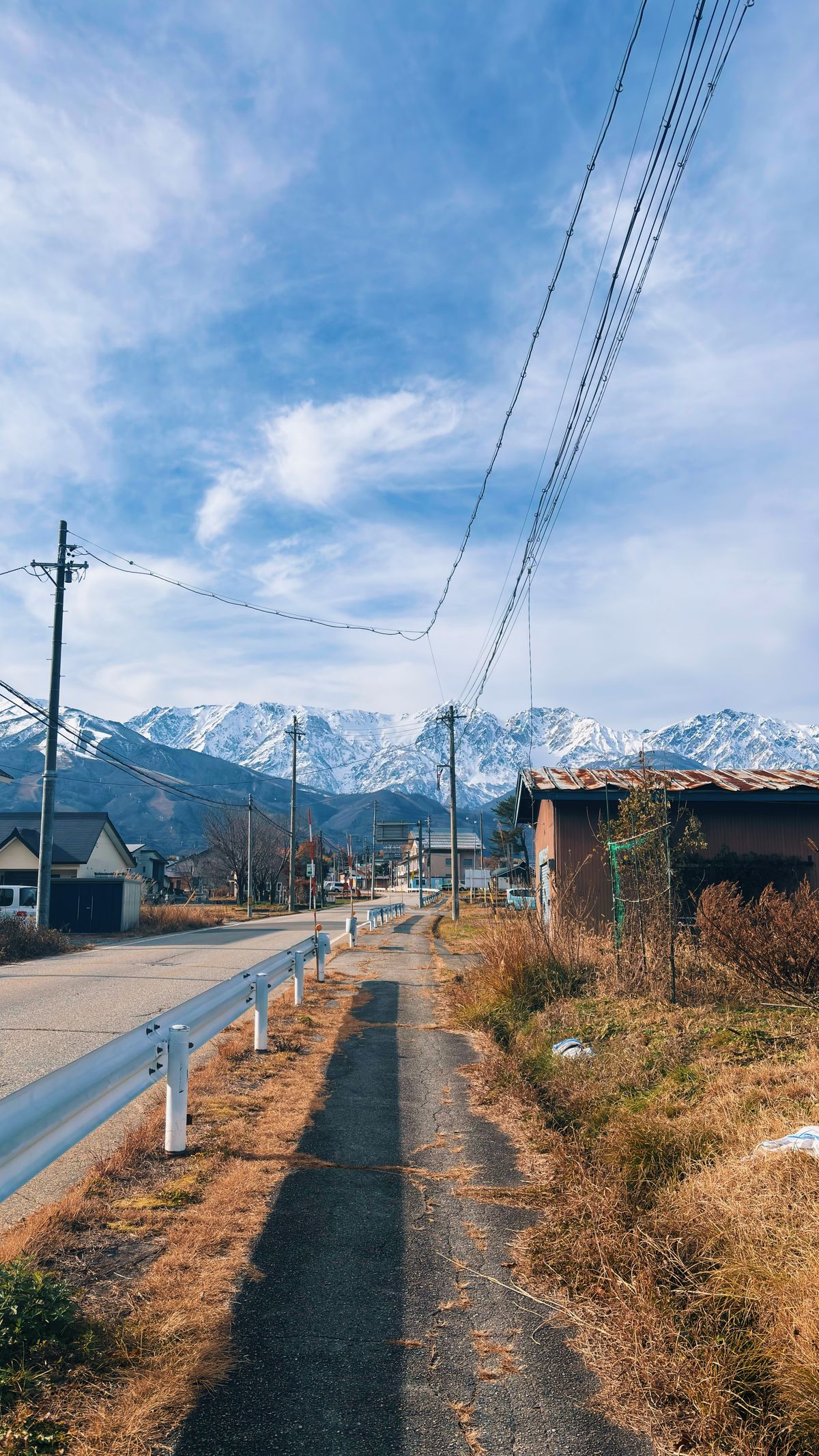
Hakuba Village (白馬村) is a small mountain community of approximately 8,500 permanent residents in the northwestern corner of Nagano Prefecture, sitting in a long, narrow valley directly beneath the Northern Japanese Alps. The valley runs roughly north–south for about 25 kilometres, with ten distinct ski resorts, several traditional onsen villages, and a string of small hamlets connected by a single main road (Route 148) and the JR Oito Line railway. To the immediate west rise the iconic peaks of Shirouma-dake (2,932 m), Goryu-dake (2,814 m), Karamatsu-dake (2,696 m), and Kashimayari-ga-take (2,889 m) — the dramatic spine of mountains that defines the entire valley.
Geographically, Hakuba is roughly 250 kilometres northwest of Tokyo and about 30 kilometres west of Nagano City. It sits between two larger cultural and tourism centres — Matsumoto (with its famous black-and-white castle) to the south, and Toyama (gateway to the Tateyama Kurobe Alpine Route) to the west. This central position makes Hakuba an excellent base for combining serious mountain time with the wider sights of central Japan.
Getting to Hakuba from Tokyo and Other Cities
Hakuba is well-connected to Tokyo and the rest of central Japan, with multiple practical transport options to suit different budgets and travel styles.
From Tokyo by Shinkansen and Bus (Recommended)
The fastest route from Tokyo to Hakuba is to take the Hokuriku Shinkansen (Asama, Hakutaka, or Kagayaki services) from Tokyo Station to Nagano Station, then transfer to a direct express bus from Nagano to Hakuba. Total journey time is approximately 3 hours 15 minutes (1 hour 30 minutes by shinkansen + 1 hour 15 minutes by bus including transfer). Total cost: approximately ¥9,000–¥10,500 (USD $60–$70) one way.
The express bus runs roughly every 1–2 hours from Nagano Station’s east exit and is timed to connect with shinkansen arrivals. During the winter ski season (December to early April), services run more frequently. Reserve seats in advance for peak periods. Holders of the Japan Rail Pass can use the pass to cover the Tokyo–Nagano shinkansen leg, paying for the bus separately.
From Tokyo by Direct Bus
Direct overnight and daytime express buses run from Shinjuku Bus Terminal (Busta Shinjuku) and other Tokyo locations to Hakuba several times daily. Journey time is approximately 4 hours 30 minutes to 5 hours. One-way fare: ¥5,000–¥7,500 (USD $33–$50). This is the most budget-friendly option and a popular choice for skiers and snowboarders carrying gear. Alpico Kotsu and Nagaden Kotsu are the main operators. Overnight buses are particularly useful for arriving in time for first chairlifts on a ski day.
From Tokyo by Local Train
The slow but scenic option is to take the JR Chuo Line Limited Express from Shinjuku to Matsumoto (2 hours 30 minutes), then transfer to the JR Oito Line local train to Hakuba (1 hour 30 minutes). Total journey time: approximately 4 hours. Cost: somewhat higher since JR East’s March 2026 fare rise if paying without a rail pass; covered fully by the Japan Rail Pass. This route passes through some of central Japan’s most beautiful mountain scenery, but is significantly slower than the shinkansen-plus-bus combination.
From Osaka and Kyoto
From Osaka or Kyoto, the most practical route is the Tokaido Shinkansen to Nagoya, then transfer to the JR Shinano Limited Express to Matsumoto (2 hours), and finally the JR Oito Line local train to Hakuba (1 hour 30 minutes). Total journey time: approximately 5 hours 30 minutes. Cost: approximately ¥14,000 (USD $93) one-way. The Japan Rail Pass covers it all on Hikari or Kodama; Nozomi needs an extra fee.
From Toyama
From Toyama, you can take the Hokuriku Shinkansen to Nagano (40 minutes), then connect to the express bus to Hakuba. Total journey time: approximately 2 hours 30 minutes.
Before You Travel: Get Connected
Hakuba is well-served by mobile networks throughout the main valley, with reliable LTE coverage in the village centres, ski resorts, and major hiking trailheads. For navigation between resorts, restaurant searches, ski lift status updates, and weather forecasts, having a Japanese SIM or eSIM ready before you arrive at Hakuba Station is strongly recommended.
Get your Japan eSIM (Stay connected from day 1) →
Getting Around Hakuba
Hakuba’s resorts and accommodation are spread across a long valley, so understanding local transport is important for planning your days efficiently.
Shuttle Buses
During the ski season (typically late November to early May), free and inexpensive shuttle buses connect the main accommodation areas, the ski resorts, and Hakuba Station. The Hakuba Resort Liner shuttle covers the major resorts and runs frequently in season; many hotels run their own complimentary shuttles to specific resorts. Outside of the ski season, shuttle services are reduced significantly.
Local Buses
Year-round local buses operated by Alpico Kotsu connect Hakuba Station to Happo, Iwatake, Wadano, Echo Land, Goryu, Hakuba 47, and Tsugaike. Single fares range from ¥200 to ¥780 (USD $1.30–$5.20) depending on distance. The Hakuba Valley Pass (¥1,500 / USD $10 for one day) covers unlimited rides on Alpico buses across the valley and is well worth it on busy sightseeing or resort-hopping days.
Rental Car
For travelers planning to combine Hakuba with day trips to Matsumoto, Tateyama, or other Nagano sights — and for visitors travelling outside of the ski season when shuttle services are reduced — a rental car offers maximum flexibility. Daily rates from ¥5,500–¥7,500 (USD $37–$50) for a compact car. Note that winter snow tires (or chains) are essential from November through early April; rental companies in the Nagano region include them by default during winter months. Driving in heavy snow requires confidence and caution; if this is your first winter Japan trip, consider relying on shuttles and trains instead.
Bicycles
From May through October, the valley is wonderful for cycling. Several rental shops in central Hakuba offer mountain bikes and electric-assist road bikes for ¥3,000–¥5,000 (USD $20–$33) per day. Cycling between the smaller villages, along the river, and to nearby attractions like the Aokiko lake (12 km south) is one of the best ways to experience the valley in summer.
Hakuba in Winter: The Ski Resorts
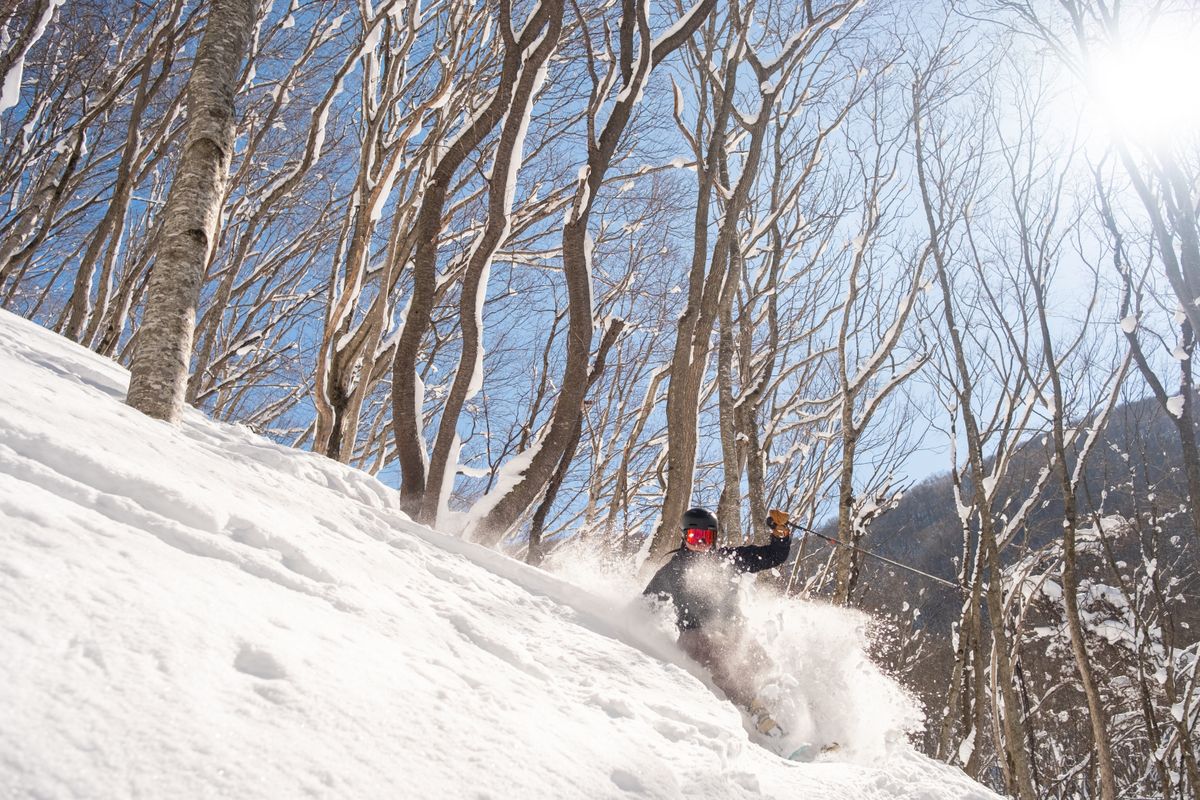
The Hakuba Valley is one of Asia’s premier ski destinations, with ten resorts, linked by a shared lift ticket and shuttle buses, offering over 200 marked runs and hundreds of kilometres of skiable terrain. The Hakuba Valley region’s combination of substantial elevation (the highest lifts approach 2,000 metres), reliable powder snowfall (averaging 11 metres of snow per season), genuinely steep terrain on the upper mountains, and excellent tree skiing has earned it a global reputation. Here is what each of the major resorts offers.
Happo-One
The largest and most famous resort in Hakuba, Happo-One was the host site for the 1998 Olympic alpine events. The resort offers 13 lifts, 13 km of trails, a long vertical drop of 1,071 metres, and direct access to some of the steepest in-bounds terrain in Japan. The lower mountain has wide, gentle beginner runs, while the upper mountain (Usagidaira plateau and the Olympic Course) attracts strong intermediates and experts. Happo-One is the most international of the resorts, with English-speaking ski schools, English signage, and a wide range of restaurants. Day pass: approximately ¥7,000 (USD $47).
Hakuba 47 and Goryu (Connected)
Hakuba 47 and Goryu sit on adjacent slopes and share a unified lift pass. Together they offer 23 lifts, 23 km of trails, excellent terrain park facilities (Hakuba 47 is famous in Japan for its halfpipe and freestyle features), and some of the best north-facing tree skiing in the valley. Goryu’s lower slopes are particularly good for beginners and families. The connected resort is generally less crowded than Happo-One. Combined day pass: approximately ¥6,800 (USD $45).
Tsugaike Kogen
Tsugaike Kogen, at the northern end of the Hakuba Valley, is famous for its enormous open beginner area at the base — a wide, gentle apron of nursery slopes that is ideal for first-time skiers and families with young children. Beyond the beginner zones, Tsugaike has substantial intermediate terrain and a popular backcountry program out of the upper lifts. Combined with the relatively shorter lift queues and the slightly cheaper food in resort restaurants, Tsugaike represents excellent value for families and beginners. Day pass: approximately ¥6,500 (USD $43).
Iwatake
Iwatake, in the central valley above Wadano, is famous for its summit panorama — the resort’s lifts deliver you to one of the most spectacular viewpoints in the Hakuba Valley, with the entire spine of the Northern Alps visible to the west and the valley spread out below. The skiing terrain is moderate, with mostly wide intermediate cruisers and a small number of advanced runs. The summit-area “Mountain Harbor” deck and cafe are a destination in their own right, and in summer the lift operates for hikers, sightseers, and stargazers. Day pass: approximately ¥5,500 (USD $37).
Cortina and Norikura (Connected)
At the far northern end of the valley, the connected Cortina and Norikura resorts are the snowiest in Hakuba — they receive significantly more snow than the southern resorts and have a well-deserved cult following among powder skiers and snowboarders. The terrain is mostly intermediate to advanced, with excellent off-piste tree skiing on powder days. Cortina’s hotel and resort village is more compact than the larger southern resorts; Norikura is even smaller. Combined day pass: approximately ¥5,500 (USD $37).
Hakuba Valley Lift Pass
For visitors planning to ski multiple resorts during their stay, the Hakuba Valley All-Mountain Pass (approximately ¥9,000 / USD $60 per day, with multi-day discounts) covers all ten resorts in the valley including free shuttle bus access between them. This is excellent value if you intend to ski for three or more days and want to explore.
Hakuba in Summer: Hiking, Cycling and Mountain Adventures
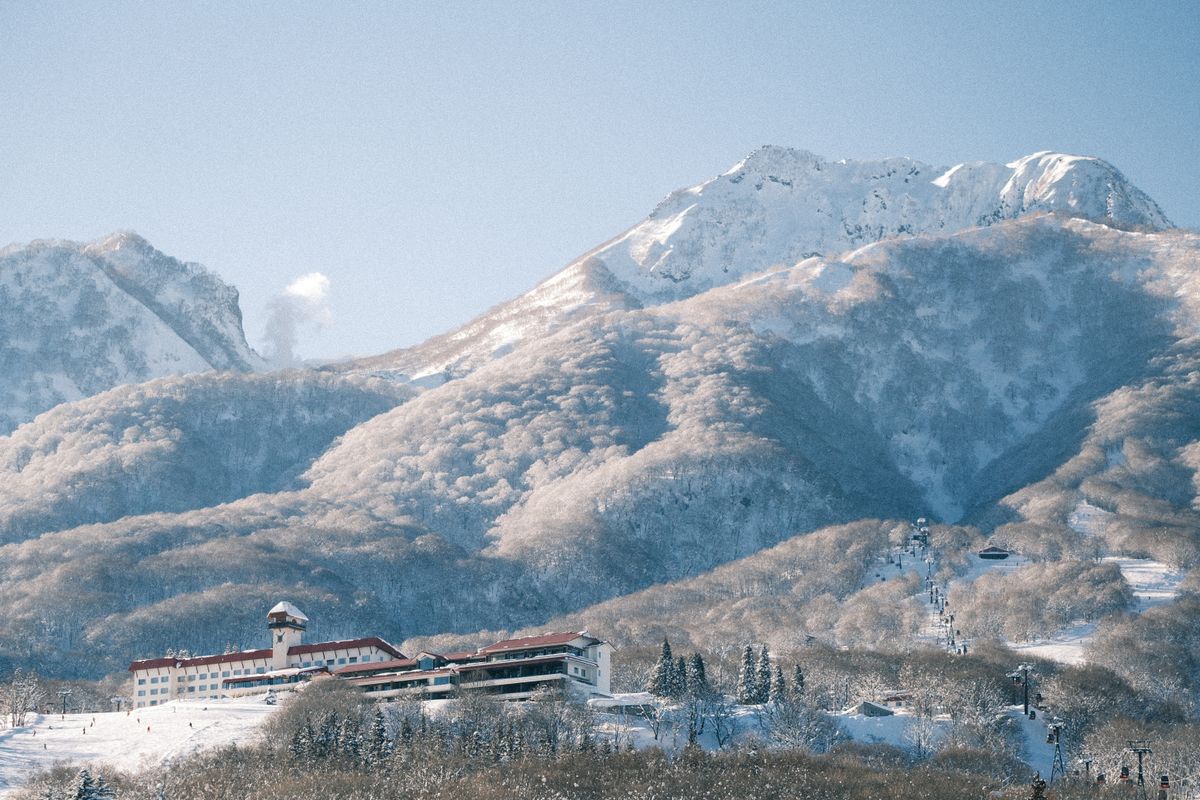
From late June through October, the Hakuba Valley becomes one of the most rewarding mountain adventure destinations in Japan. The same lifts that carry skiers in winter operate for hikers and sightseers in summer, dramatically reducing the effort needed to reach the high alpine country. The trails range from easy strolls suitable for casual visitors to multi-day traverses across the spine of the Northern Alps for serious mountaineers.
Happo Pond (Happo-Ike) Trail
The most accessible high-alpine experience in Hakuba is the hike to Happo Pond — a small alpine tarn at 2,060 metres elevation that perfectly mirrors the surrounding peaks on calm days. Take the Happo-One ski resort lifts up to the Usagidaira plateau (¥3,200 / USD $21 round trip), then hike a well-marked trail through alpine flower meadows to the pond. The walk takes roughly 1 hour to 1 hour 30 minutes each way (about 2 to 3 hours round trip) and is suitable for anyone in reasonable fitness with appropriate footwear. The reflection of the peaks in the still water on a calm morning is one of the iconic mountain images in Japan. Best season: late June (when the snow has cleared and the alpine flowers begin) through October.
Karamatsu-dake (2,696 m)
For more experienced hikers, Karamatsu-dake is one of the great accessible peak climbs of the Hakuba Valley. Take the Happo-One lifts to the Usagidaira plateau, then follow the well-marked alpine ridge for approximately 4 hours to the summit, with views that extend across the entire spine of the Northern Alps. The route is steep in places and exposed on the upper sections — appropriate for fit hikers comfortable with a long mountain day, but not for casual walkers. The Karamatsu-Goya mountain hut on the route offers overnight accommodation for those who want to break the climb into two days. Best season: July through September.
Cycling and Mountain Biking
The valley floor offers excellent road cycling, with well-paved roads connecting the smaller villages along the river. Several rental shops offer electric-assist road bikes that make the gentle uphill route to the more elevated southern villages comfortable even for casual cyclists. Mountain biking has become increasingly popular too, with the Iwatake resort offering lift-served downhill mountain bike trails through the summer months. Bike rentals: ¥3,000–¥6,000 (USD $20–$40) per day.
Paragliding
Hakuba is one of the best paragliding destinations in Japan, with several professional schools offering tandem flights for first-time visitors. Lift up from one of the resort base areas, take a short instructional briefing, then enjoy a 15–30 minute tandem flight over the valley with a certified pilot. Tandem flights cost approximately ¥10,000–¥14,000 (USD $67–$93). The most magical season for paragliding is late September to mid-October, when the autumn foliage paints the entire valley in golden, red, and orange.
Lake Aokiko (Aoki Lake)
Twelve kilometres south of central Hakuba, Lake Aokiko is the largest of the chain of three lakes that punctuate the southern Hakuba Valley. The water is famously clear — visibility regularly exceeds 5 metres on calm days — and the lake supports kayaking, paddleboarding, and gentle swimming during summer. A small forest path circumnavigates the lake (approximately 6 km) and offers a peaceful half-day walking experience. The lake is reachable by local bus from Hakuba Station or by rental car or bicycle from central Hakuba.
Onsen Hot Springs in Hakuba
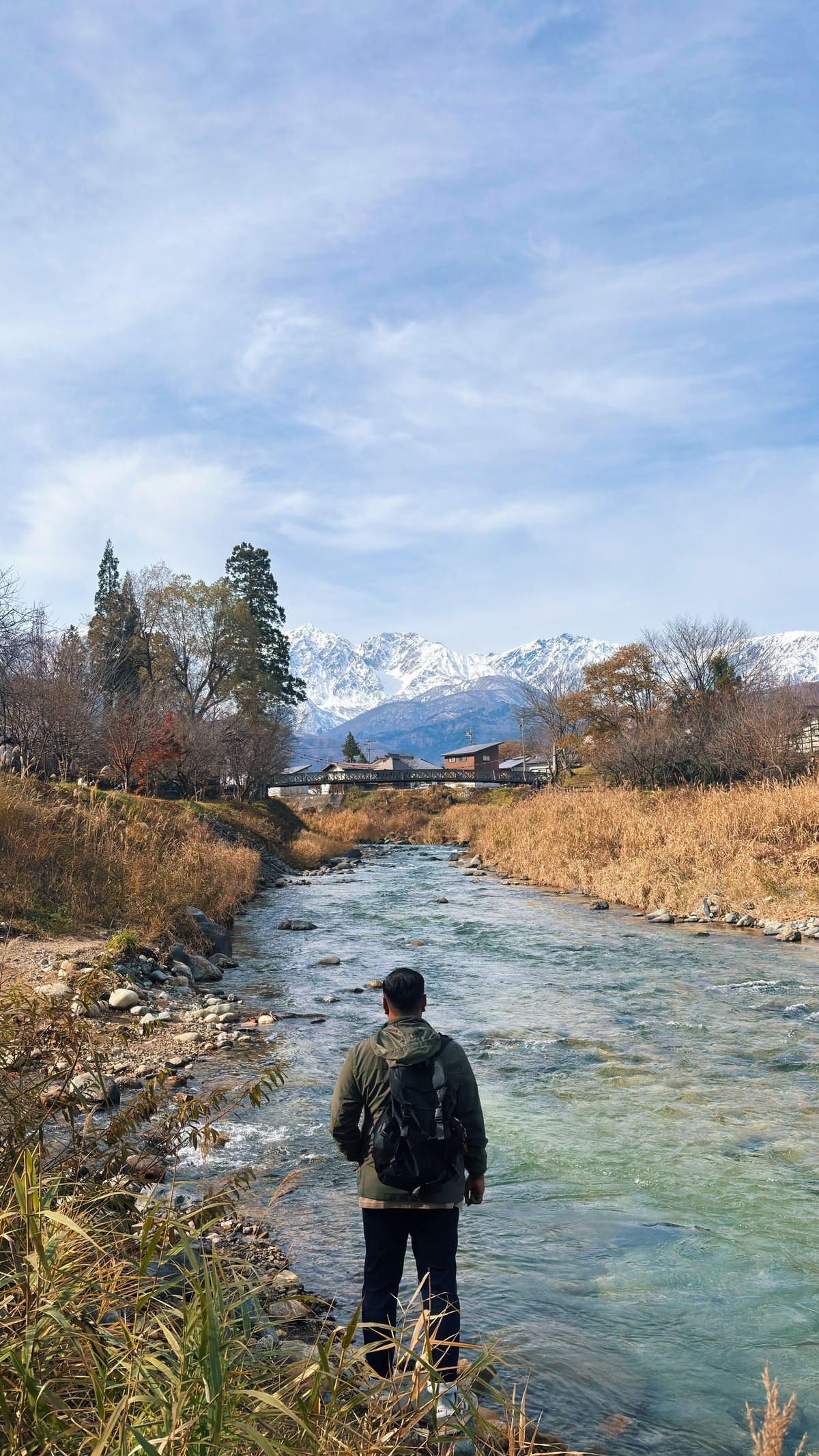
Hakuba sits in one of Japan’s most active geothermal regions, and the valley has a generous selection of onsen hot springs ranging from grand resort-style bath complexes to small family-run ryokan baths and free outdoor wild baths. After a long day on the slopes or on the trail, an onsen soak is one of the great pleasures of a Hakuba visit.
Hakuba Happo Onsen
The most accessible cluster of onsen in Hakuba sits at the base of the Happo-One ski resort. Several public bathhouses (sento-style with onsen-quality water) offer day-use access for ¥600–¥900 (USD $4–$6). Mimizukunoyu is a popular and well-maintained option with both indoor and outdoor (rotenburo) baths and beautiful views of the surrounding peaks. The waters here are alkaline simple springs that are particularly known for their soft, silky texture on the skin.
Tsugaike Onsen
At the northern end of the valley, the Tsugaike Onsen area offers several quieter bath complexes with views over the Tsugaike ski terrain. The Yumeguri-no-sato bath complex is a particularly atmospheric option, with multiple indoor and outdoor pools at varying temperatures.
Ryokan Onsen Stays
For the deepest onsen experience, book a night at a traditional ryokan with its own private onsen baths. Several family-run ryokan along the valley offer two-meal accommodation packages (kaiseki dinner and traditional Japanese breakfast included) with unlimited use of the in-house onsen baths. Rates typically range from ¥18,000–¥35,000 (USD $120–$233) per person per night. This is the quintessential Japanese mountain experience and is highly recommended for at least one night of any Hakuba visit.
Where to Stay in Hakuba
The Hakuba Valley has accommodation across the full price range — from budget hostels and pensions popular with backpackers and budget skiers, through mid-range family-run hotels and lodges, up to luxury international ski-in ski-out properties.
Wadano (Best for Most First-Time Visitors)
The Wadano area, immediately adjacent to the Happo-One ski resort base, has the highest concentration of accommodation in Hakuba and the best balance of access, dining, and infrastructure for international visitors. English-speaking lodges, modern hotels, traditional pensions, and luxury ski-in ski-out properties all cluster here. Walking distance to the Happo-One main lifts. Mid-range double rooms typically run ¥10,000–¥22,000 (USD $67–$147) per night during the ski season.
Echo Land
Echo Land is a popular international restaurant and bar district just south of Wadano with a particularly lively winter evening atmosphere. Many of the more international-oriented lodges and hotels are located here, often run by Australian or other foreign owners with experienced English-speaking staff. Free shuttles to Happo-One and other resorts during the ski season.
Happo Village
The traditional village of Happo, with its century-old farmhouses, small minshuku (family-run B&Bs), and authentic onsen bathhouses, offers the most quintessentially Japanese Hakuba experience. Smaller properties, cosier atmospheres, and excellent traditional dinners are the trade-off for slightly less direct ski-resort access. Highly recommended for visitors particularly interested in traditional Japanese hospitality.
Tsugaike (Best for Families and Beginners)
The Tsugaike Kogen area, at the northern end of the valley, has a quieter family-friendly atmosphere with direct access to the excellent beginner ski terrain. Ideal for visitors travelling with young children or those for whom skiing is the primary focus rather than dining and nightlife.
Goryu
The Goryu and Hakuba 47 area, in the southern valley, offers a slightly more compact, self-contained ski village atmosphere with excellent snowboarding facilities and a popular freestyle terrain park. The area has good restaurants and easy access to the connected Goryu and Hakuba 47 ski terrain.
For the widest range of accommodation in the Hakuba Valley:
Book your hotel on Agoda (Best prices guaranteed) →
For traditional ryokan and luxury mountain accommodations:
What to Eat in Hakuba
Hakuba’s food scene is shaped by two influences: traditional Nagano mountain cuisine, with its emphasis on soba noodles, mountain vegetables, and freshwater fish; and the international ski-resort scene, with a remarkably good selection of Italian, Mexican, Australian, and Asian-fusion restaurants developed for the long winter season’s international clientele.
Shinshu Soba
Nagano (also known as Shinshu) is famous throughout Japan for the quality of its buckwheat and the resulting soba noodles. Several dedicated soba restaurants in central Hakuba serve hand-cut, freshly made soba noodles using locally grown Shinshu buckwheat. The classic preparations are zaru soba (cold noodles served on a bamboo mat with dipping sauce), kake soba (in hot broth), and tororo soba (with grated yam). A bowl of soba at a good local restaurant costs ¥800–¥1,500 (USD $5.30–$10) and is one of Hakuba’s most authentic food experiences.
Sansai (Mountain Vegetables)
Mountain vegetables — wild ferns, bracken shoots, butterbur, and other foraged plants — are a particular speciality of Nagano cuisine. Many traditional restaurants serve seasonal sansai dishes, and ryokan kaiseki dinners almost always feature several preparations. The flavours are bracingly bitter, deeply earthy, and unmistakably tied to the surrounding mountains. Try them in tempura, simmered in dashi, or as a topping for soba.
Oyaki Dumplings
Oyaki are pan-fried dumplings filled with seasoned vegetables (most often nozawana pickled greens, pumpkin, or eggplant) — a quintessential Nagano street food perfect for a quick lunch on the slopes or on a hiking day. Several small shops in central Hakuba sell freshly made oyaki for ¥200–¥350 (USD $1.30–$2.30) per piece. They are the perfect pocket food for a long mountain day.
Wasabi and Wasabi Cuisine
Nagano grows a significant portion of Japan’s commercial wasabi, with the famous Daio Wasabi Farm in nearby Azumino providing tours and a remarkable range of wasabi-themed products and dishes. Several Hakuba restaurants serve wasabi-themed menus including wasabi soba, wasabi ice cream, and fresh-grated wasabi served beside locally caught char (iwana) sashimi.
International Restaurants
Hakuba’s international scene during the ski season is genuinely impressive. The Echo Land restaurant district has Italian wood-fired pizzerias, Mexican burrito and taco bars, Australian-style brewpubs, Indian curries, and several excellent Japanese-international fusion options. After a hard day on the slopes, a mid-tier dinner at a Hakuba restaurant typically costs ¥3,000–¥5,000 (USD $20–$33) per person including a drink.
Local Sake
Nagano is one of Japan’s premier sake-producing regions and several local breweries deserve attention. Try Hakkaisan (from neighbouring Niigata, but widely available), Masumi (a famous Suwa brewery), and the smaller local Hakuba-region breweries that some specialist liquor shops in central Hakuba carry.
Best Time to Visit Hakuba
Hakuba is genuinely a year-round destination, but each season offers a fundamentally different mountain experience.
December to March (Peak Ski Season)
The classic Hakuba experience. Snowfall typically arrives in early December and continues reliably into March, with the best snow conditions usually in late January and February. Temperatures during the day on the slopes typically range from -10°C to -2°C (14°F to 28°F). Accommodation prices peak during the New Year and Lunar New Year periods (mid-December through early January and early February), so book well in advance for these windows. International school holidays (mid-February through early March) are also extremely busy.
April (Shoulder Spring)
Late spring brings mixed conditions — some upper-mountain ski terrain remains open into early May, but the valley floor is rapidly thawing and many off-mountain businesses scale back operations. A genuinely lovely time to visit if you can ski in the morning and enjoy the early spring warmth on the valley floor in the afternoon.
May (Quiet Shoulder)
The quietest month in Hakuba. Most ski operations have closed for the season, but the high mountains remain snowy and not yet accessible to summer hikers. Many businesses close for maintenance during May. Accommodation rates are at their lowest of the year. Worth visiting only if you have a specific cultural or off-season travel motivation.
Late June to August (Summer Mountain Season)
Wildflowers bloom in the alpine zones, the lifts to the high country reopen for hikers and sightseers, and the green valley floor offers excellent cycling, paragliding, and lake activities. Temperatures are pleasantly cool by Japan summer standards (daytime highs of 22–28°C / 72–82°F in the valley, much cooler at altitude). The peak summer holiday period (mid-July to mid-August) brings significantly higher hotel prices and busier trails.
September to Mid-November (Autumn Foliage)
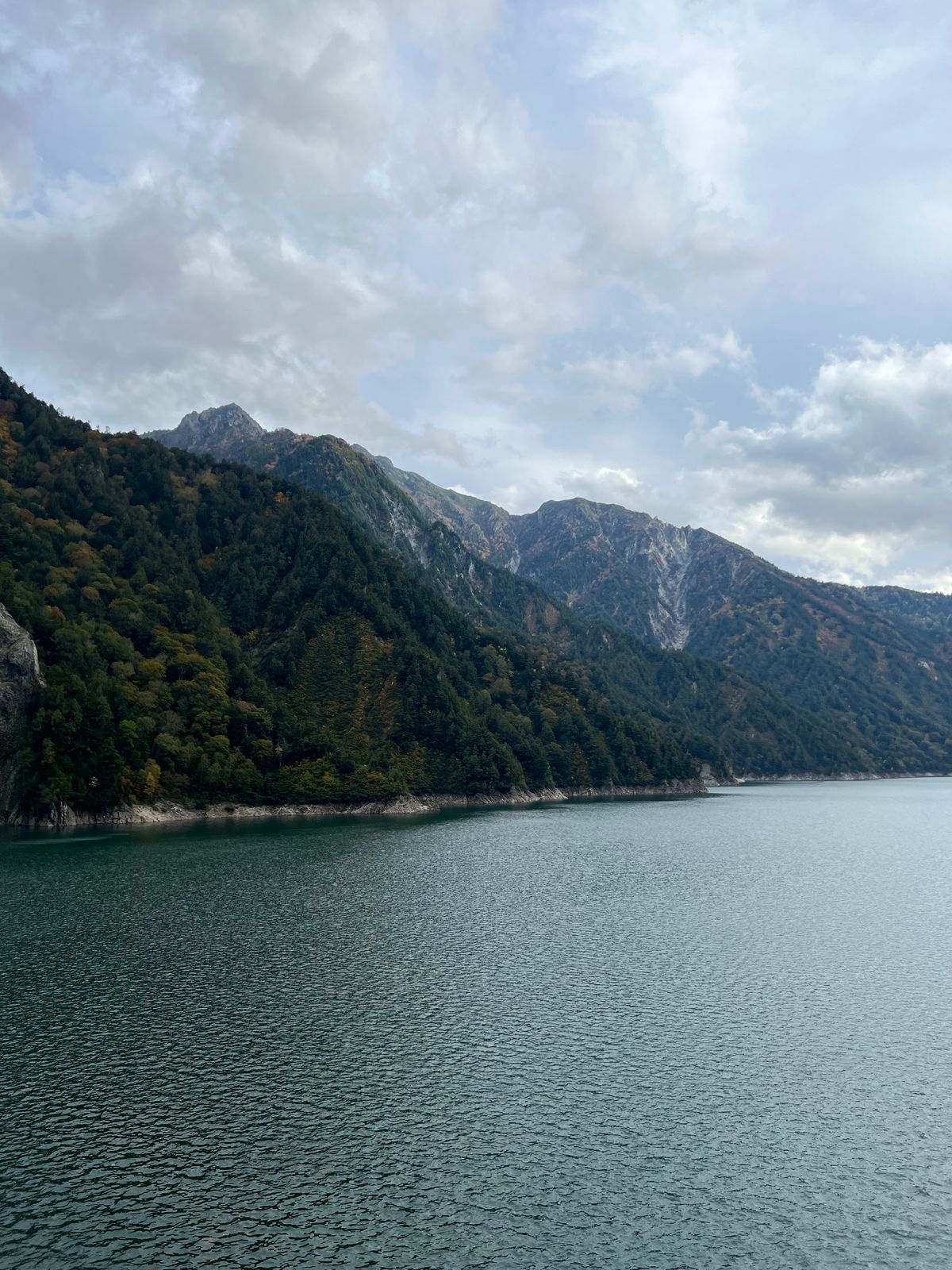
Arguably the most beautiful season in Hakuba. The high alpine country begins changing colour in mid-to-late September, with the colours descending the mountainsides into the valley by mid-October. The peak foliage period in the central valley is typically the last week of October and the first week of November. The combination of crystal-clear autumn skies, blazing red and gold leaves, and the snow-capped Northern Alps in the background is one of the most photogenic mountain experiences in Japan.
Combining Hakuba with the Wider Region
Hakuba’s central position in Japan makes it an excellent base for exploring some of the country’s most rewarding off-the-beaten-path destinations.
Matsumoto (1.5 hours)
The historic castle city of Matsumoto, with its remarkable original 16th-century black castle, is an essential complement to a Hakuba visit. The JR Oito Line train from Hakuba reaches Matsumoto in 1 hour 30 minutes; spend a full day exploring the castle, the well-preserved Nakamachi historic shopping street, and the excellent Matsumoto City Museum of Art (with its outstanding Yayoi Kusama collection).
Tateyama Kurobe Alpine Route (3 hours)
The famous Tateyama Kurobe Alpine Route, which traverses the spine of the Northern Alps via a series of cable cars, ropeways, buses, and trolley buses, is one of Japan’s most spectacular high-alpine experiences. The route is open from mid-April to late November; the dramatic snow-walled corridors of late spring (when the snow walls along the route can exceed 15 metres in height) are world-famous. Best done as a 1-2 night trip from Hakuba via Toyama or Nagano.
Kamikochi (2.5 hours)
The pristine alpine valley of Kamikochi, on the southern flank of the Northern Japanese Alps, is one of Japan’s most beautiful mountain destinations. Accessible from mid-April through mid-November, Kamikochi offers easy walking trails along the Azusa River, dramatic views of the Hotaka and Yari mountain ranges, and remarkable peace and quiet given its accessibility. Visit on a day trip from Hakuba via Matsumoto.
Nagano City and Zenkoji Temple (1.25 hours)
Nagano City, gateway to Hakuba and home to the historic Zenkoji Temple, is worth at least a half day on your way to or from the valley. Zenkoji is one of the most important Buddhist temples in Japan and the famous Omotesando shopping street leading up to it offers excellent regional food, traditional crafts, and souvenirs.
Shirakawa-go (3 hours)
The UNESCO World Heritage village of Shirakawa-go, with its famous gassho-zukuri thatched-roof farmhouses, is a longer day trip but completely worthwhile for visitors deeply interested in traditional Japanese rural architecture and culture.
Practical Tips for Visiting Hakuba
A few practical considerations will improve your trip.
Money and Payments
Hakuba has 7-Eleven, Lawson, and Japan Post ATMs that accept international debit cards. Credit cards are widely accepted in international restaurants, ski resorts, and major hotels, but smaller local restaurants, traditional ryokan, and onsen bathhouses often remain cash-only. Carrying ¥20,000–¥30,000 (USD $133–$200) in cash gives comfortable flexibility.
Layered Clothing
Hakuba weather can change rapidly, particularly in the shoulder seasons. Layered clothing — base layer, insulation layer, waterproof shell — is essential for any outdoor activities. In winter, ski-specific waterproof outerwear is necessary. Rental ski clothing is available at most ski resorts for travelers who don’t want to invest in their own gear.
Ski Equipment Rental
Ski rental shops in central Hakuba and at each resort base offer everything from basic packages (skis, boots, poles) for around ¥4,500 (USD $30) per day to high-performance powder ski packages for around ¥8,500 (USD $57) per day. Pre-booking through major rental services (such as Snow Sports Hakuba or RHYTHM) often saves money and guarantees better-quality equipment than walk-in rentals.
For Travelers Without Their Own Car
For travelers planning to combine Hakuba with onward travel through other parts of Japan, a Japan Rail Pass can dramatically reduce transport costs and is well worth considering for trips of two weeks or more. Read our detailed analysis at our Japan Rail Pass guide.
Frequently Asked Questions About Visiting Hakuba
How many days should I spend in Hakuba?
For a winter ski trip, four to seven days is the sweet spot — enough time to ski multiple resorts, take advantage of weather windows, and enjoy the off-mountain dining and onsen culture. For a summer or autumn mountain visit, two to three days lets you tackle the main hiking trails, experience the lake areas, and enjoy at least one ryokan onsen night. Visitors trying to combine Hakuba with a wider Japan trip can do a meaningful 2-night visit; deeper engagement rewards longer stays.
Is Hakuba good for beginner skiers and snowboarders?
Yes, very much so. Tsugaike Kogen has one of the largest beginner areas in Japan, while Goryu, Iwatake, and the lower sections of Happo-One all offer excellent beginner terrain. English-speaking ski schools operate at all major resorts, with private lessons typically costing ¥30,000–¥40,000 (USD $200–$267) per half day for one or two people, and group lessons significantly cheaper.
Can I visit Hakuba without renting a car?
Absolutely. The shinkansen-plus-bus combination from Tokyo, the local shuttle buses between resorts, and the year-round Alpico bus network make Hakuba completely accessible without a car. A car only becomes necessary if you want to combine Hakuba with day trips to multiple outlying destinations.
Is Hakuba suitable for non-skiing winter visitors?
Yes. Non-skiing winter visitors enjoy snowshoe tours, sightseeing rides up the resort lifts to the panoramic summit decks, snow festivals in nearby villages, day trips to the famous Jigokudani snow monkey park (about 2 hours from Hakuba), onsen bathing, and the deeply atmospheric snowy village ambiance. Many couples and families balance one skiing partner with one non-skiing partner perfectly comfortably.
What is the difference between Hakuba and Niseko?
Niseko (in Hokkaido) is famous for the lightest, driest powder snow in Japan and the most internationalized resort infrastructure. Hakuba has slightly heavier (but still excellent) snow, more dramatic vertical terrain, and a deeper sense of being in genuine traditional Japanese mountain country. Hakuba is also significantly easier to reach from Tokyo. Many visitors who have done both report that Hakuba feels more authentically Japanese, while Niseko offers the most reliable powder.
Are there ATM and currency exchange facilities in Hakuba?
Yes. The 7-Eleven and Lawson convenience stores in central Hakuba have ATMs that accept international cards 24/7. The Hakuba Tourism Information Center can also assist with currency exchange and basic banking enquiries during business hours. There is no full-service bank with foreign-currency exchange counters in the immediate Hakuba area; do major currency exchange before you arrive.
Is travel insurance recommended for a Hakuba ski trip?
Strongly recommended. Skiing and snowboarding carry significant injury risk, and emergency medical evacuation from the mountains is expensive without coverage. Verify that your travel insurance specifically covers winter sports (some basic policies exclude them), and that the coverage limits are sufficient for emergency hospital treatment and air evacuation. Japanese hospital care is excellent but costs add up quickly without insurance.
Final Thoughts: Why Hakuba Is Worth the Journey
Hakuba has earned its global reputation among skiers and snowboarders, but the deeper truth is that the valley delivers an extraordinary mountain experience in any season. The drama of the Northern Japanese Alps, the warmth of traditional Japanese hospitality at the family-run ryokan and pensions, the depth of the local food and onsen culture, and the genuine ease with which international visitors can navigate the area make Hakuba one of the most consistently rewarding destinations in central Japan.
Come for the powder and discover the soba. Come for the autumn foliage and discover the local sake. Come for one full day on a mountain hike and find yourself extending your stay because the valley keeps revealing more. Hakuba is not a destination you check off a list — it is a place you return to.
For more central Japan inspiration, browse our complete guide to Japan destinations across all 47 prefectures, our practical first-timer travel tips, and our detailed shinkansen guide for travel between Tokyo and the rest of Japan.
Going to Japan? Speak Japanese with confidence.
Hirameki Japanese — camera translate for menus and signs, a two-way conversation mode, and furigana + romaji on every phrase. Free to download with kana charts, conversation mode and starter words; a one-time purchase unlocks everything.

Plan your Japan trip
Two things every first-timer should book
Some links are affiliate links. If you book through them we may earn a small commission at no extra cost to you.