Kurokawa Onsen Guide: Japan’s Most Charming Riverside Hot Spring Village in Kumamoto
Tucked deep in the forested mountains of Kumamoto Prefecture in northern Kyushu, Kurokawa Onsen (黒川温泉) is widely regarded as one of the most beautiful and perfectly preserved hot spring villages in Japan. Unlike the large, commercial onsen resorts found elsewhere in Japan, Kurokawa has maintained a rare sense of authenticity and intimate charm — a living picture of what Japanese hot spring culture looked like a century ago. Here, 30 independent ryokan cluster along a narrow, winding valley, their lantern-lit entrances reflected in the dark waters of the Tanoharu River that flows between them, while steam rises from private and public baths hidden among the riverside rocks and ancient cedar trees.
Kurokawa Onsen has attracted devoted Japanese visitors for decades, but it remains refreshingly off the radar for most international travelers — which means that when you visit, you’ll experience an authenticity and serenity that is increasingly rare in Japan’s most famous tourist destinations. This guide will tell you everything you need to know to plan a perfect visit: how to get there, what to expect, the famous nyuto tegata bath-hopping pass, where to stay, what to eat, and how to make the most of every moment in this extraordinary little valley.
Whether you’re a first-time visitor to Japan or a returning traveler looking to discover something genuinely different, Kurokawa Onsen offers one of Japan’s most deeply satisfying travel experiences. The combination of traditional architecture, superb mineral waters, refined Japanese cuisine, and absolute immersion in nature creates something that’s hard to describe in words but impossible to forget once experienced.
What Makes Kurokawa Onsen Unique?
Japan has hundreds of onsen (hot spring) towns — from the enormous resort complexes of Beppu to the famous snow monkey baths of Nagano. What makes Kurokawa Onsen stand apart is a combination of physical setting, architectural character, and a community philosophy that has deliberately prioritized quality and authenticity over commercial expansion.
The Setting
Kurokawa is nestled in a deep, narrow valley in the Minami-Oguni region of Kumamoto Prefecture, at an altitude of approximately 650 meters. The surrounding mountains are heavily forested with cedar, pine, and broadleaf trees that turn spectacular colors in autumn. The Tanoharu River runs through the village, and many of the most prized outdoor baths (rotenburo) are positioned directly on its banks or accessible via small stone paths carved into the riverside cliffs. The air at Kurokawa is cool, clean, and lightly scented with sulfur — the unmistakable signature of quality hot spring waters.
The Architecture
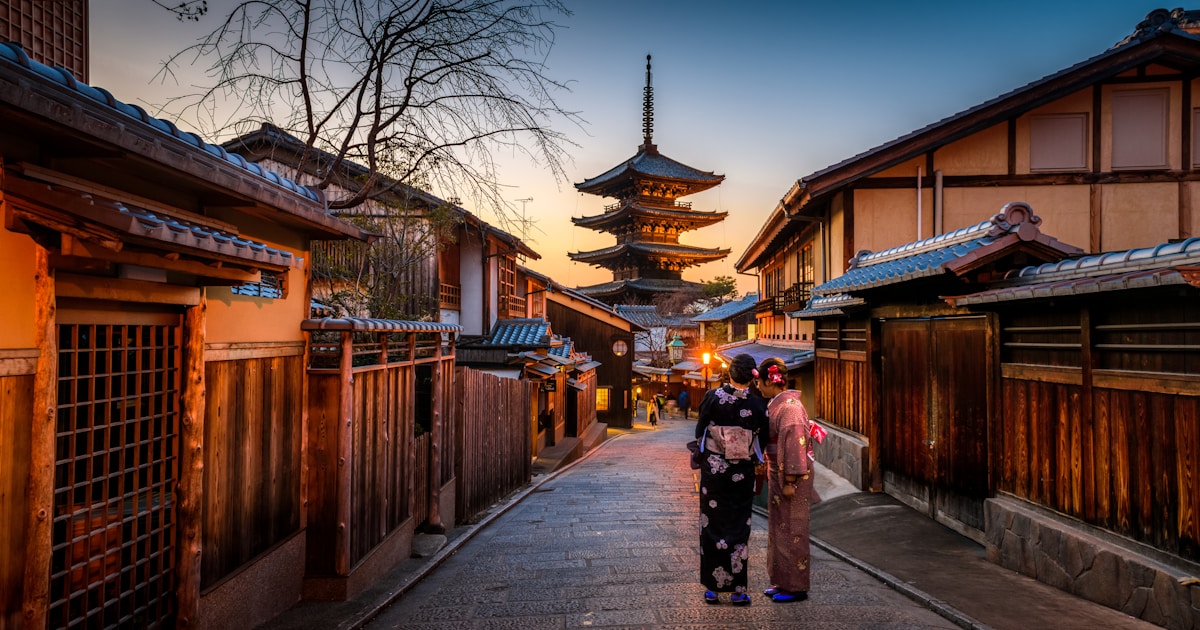
Every ryokan in Kurokawa has been designed or renovated to maintain a cohesive aesthetic of traditional Japanese mountain architecture. Dark timber facades, thatched-roof entrances, stone lanterns, bamboo screens, and carefully tended rock gardens define the visual character of the village. There are no convenience stores, chain restaurants, or modern commercial buildings in Kurokawa itself. Even the Lawson convenience store at the village entrance has been redesigned with a dark timber facade and traditional signage to blend in. This level of community-wide design discipline is extraordinary and is a large part of what makes walking through Kurokawa feel like stepping into another era.
The Nyuto Tegata System
Perhaps Kurokawa’s most famous innovation is the nyuto tegata — a wooden bath token (literally “enter-hot-spring hand-plate”) that grants the holder access to the outdoor baths of any three ryokan in the village, even if they’re not staying as guests. For ¥1,500 (approximately USD 10), visitors can choose any three of the 30 participating ryokan and spend the day bath-hopping through the village, sampling different water temperatures, mineral compositions, outdoor settings, and bath designs. Each nyuto tegata features a distinctive burnt-wood design unique to that year’s edition and makes a wonderful souvenir. The system is a brilliant piece of community tourism management that generates income for all ryokan while encouraging exploration of the whole village.
Getting to Kurokawa Onsen: Complete Transportation Guide
Kurokawa Onsen’s remote mountain location means that getting there requires some planning, but the journey through Kyushu’s mountain scenery is a pleasure in itself.
From Fukuoka (Hakata)
Fukuoka (Hakata) is the main entry point for most international visitors to Kyushu. From Hakata Station, there are several options:
By Express Bus (Most Convenient): Nishitetsu Bus operates direct express buses from Hakata Bus Terminal (next to Hakata Station) to Kurokawa Onsen. The journey takes approximately 2 hours 40 minutes and costs around ¥2,680 one way (USD 18) or ¥4,900 return (USD 33). Buses run several times daily, with increased frequency during peak seasons. This is the most practical option for visitors without a car — book seats in advance during autumn and public holiday periods.
By Train + Bus: Take the Kyushu Shinkansen or limited express to Kumamoto (approximately 35–45 minutes from Hakata), then connect to a bus toward Aso or Minami-Oguni. This route involves a transfer and takes longer than the direct bus, but is covered by the JR Pass.
From Kumamoto City
From Kumamoto City, the journey to Kurokawa Onsen takes approximately 2 to 2.5 hours by bus. The Sanko Bus service operates regular departures from Kumamoto Kotsu Center. The bus passes through spectacular mountain scenery as it climbs into the Minami-Oguni highlands, offering views of volcanic peaks and pastoral farmland.
From Beppu and Yufuin (Oita)
If you’re doing a Kyushu onsen tour, Kurokawa can be combined perfectly with Yufuin and Beppu in neighboring Oita Prefecture. The journey from Yufuin to Kurokawa takes about 1.5 hours by car via the scenic mountain roads. By public bus, it takes approximately 2 hours with a transfer at Kokonoe Town.
By Car (Recommended for Flexibility)
Renting a car gives you the most flexibility and allows you to stop at viewpoints along the way and explore the surrounding mountain area including the Kikuchi Gorge and the Minami-Oguni highlands. From Fukuoka, the drive to Kurokawa takes about 2 hours via the Kyushu Expressway and Route 57. Parking is available near the village entrance — private vehicles are not permitted in the central village area, and you’ll walk in. During peak seasons (Golden Week, summer holidays, autumn foliage), mountain roads can become congested on weekends.
For hassle-free transport from your arrival airport, consider pre-booking an airport transfer: Book airport transfer with NearMe →
Before arriving in Japan, set up mobile data — you’ll need it for navigation in Kurokawa’s remote mountain setting: Get your Japan eSIM (Stay connected from day 1) →
The Baths: Understanding Kurokawa Onsen Waters
The hot spring waters at Kurokawa Onsen are classified as sodium bicarbonate-sulfate springs (sodium hydrogen carbonate type) and are known locally for their skin-softening properties — giving them the flattering nickname “bijin-yu” or “beautiful skin water.” The water temperature varies by bath from around 39°C to 44°C (102°F–111°F), and different ryokan offer different water compositions ranging from milky white (containing suspended sulfur) to clear and slightly sulfurous.
Types of Baths Available
Rotenburo (Open-Air Outdoor Bath): This is the crown jewel experience at Kurokawa. Soaking in a steaming outdoor bath surrounded by ancient cedar trees, mossy rocks, and the sound of the river below is one of Japan’s most sublime pleasures. Most ryokan have one or more rotenburo, and the best ones are accessible via the nyuto tegata system.
Nozoki-buro (Rock Cave Bath): Some of Kurokawa’s most famous baths are carved directly into the natural rock faces of the valley walls. Soaking in these cave-like baths while peering out through the steam at the forested valley creates an almost otherworldly atmosphere. Ryokan Oku-no-yu is particularly famous for its cave baths.
Hinoki Bath (Japanese Cypress): Hinoki wood baths are a luxury feature found in many premium ryokan. The wood releases a clean, fresh aroma that blends beautifully with the mineral spring water. These are typically indoor baths but often open onto garden views.
Private Baths (Kashikiri-buro): Most ryokan offer the option to reserve a private bath for an hour or so, giving couples or families complete privacy. This typically costs an additional ¥2,000 to ¥5,000 (USD 13–33) on top of the standard rate and must be reserved at check-in or in advance.
Onsen Etiquette at Kurokawa
For first-time visitors to Japanese hot springs, the etiquette can seem confusing. Here’s what you need to know:
- Rinse before entering: Always shower or thoroughly rinse your body before entering any communal bath. Wash stations with soap, shampoo, and conditioner are provided at each bath entrance.
- Tattoos: Many Japanese onsen, including some at Kurokawa, have policies restricting tattooed visitors from communal baths. If you have visible tattoos, check individual ryokan policies in advance or ask about private bath options.
- No swimwear: Japanese onsen are enjoyed in the nude. Wearing swimwear in public baths is not customary and is generally not permitted.
- Towels: A small hand towel is provided and is used to protect modesty while walking between baths. It must not be submerged in the bath water — fold it and place it on the bath edge or on your head while soaking.
- Photography: Photography in any bathing area is strictly prohibited. Respect the privacy of other guests completely.
- No alcohol in the water: Drinking alcohol immediately before soaking in very hot water can be dangerous. Most ryokan serve sake and beer in common areas — enjoy it after, not before, your bath.
- Time limit: If using the nyuto tegata at a busy ryokan, be mindful of others waiting. A standard soak of 15–30 minutes is typical.
Where to Stay: Ryokan at Kurokawa Onsen
Staying at a ryokan is the definitive Kurokawa Onsen experience. Unlike day-tripping on the nyuto tegata pass, an overnight stay gives you access to your ryokan’s baths at any hour — including the magical experience of a midnight or pre-dawn soak when the village is completely silent and fog hangs over the river valley. It also includes breakfast and dinner (with most packages), giving you a full immersion in Japanese hospitality.
Luxury Tier (¥40,000–80,000+ per person per night with meals)
Yamabiko Ryokan (山びこ旅館): One of Kurokawa’s most prestigious addresses, Yamabiko is known for its exceptional kaiseki cuisine, superb rotenburo set among ancient stones and cedars, and impeccably attentive service. The rooms are elegantly appointed with tatami floors, fine lacquerware, and private garden views. Reservations are essential, often months in advance during peak periods.
Ryokan Oku-no-yu (旅館 奥の湯): Famous throughout Japan for its cave baths and atmospheric riverside setting, Oku-no-yu is a pilgrimage destination for onsen enthusiasts. The rotenburo here are carved directly into natural rock faces and accessible via stone steps winding down to the riverside — bathing here at night, with the sound of the river and the light of stone lanterns reflected in the steam, is unforgettable.
Mid-Range Tier (¥20,000–40,000 per person per night with meals)
Yamamizuki (山みず木): A beautifully maintained ryokan with excellent food and a variety of rotenburo including a particularly lovely cedar-wood bath overlooking the valley. Staff here often speak some English and are welcoming to international guests.
Ikenoyu (いけのゆ): A charming, smaller ryokan with a lovely outdoor bath and excellent home-style kaiseki cooking. The atmosphere here is more intimate and personal than the larger establishments.
Budget-Friendly Options (¥12,000–20,000 per person per night)
Several smaller ryokan and guesthouses in and around Kurokawa offer more affordable rates while still providing access to excellent onsen baths. Accommodation in the town of Minami-Oguni (about 5 km from Kurokawa) can also be more budget-friendly. Some guesthouses serve a simpler breakfast only rather than the full kaiseki dinner, which reduces costs significantly.
For the best rates and availability at Kurokawa Onsen ryokan, Book your hotel on Agoda (Best prices guaranteed) →
For luxury ryokan options with premium service, Find luxury hotels on Ikyu.com →
Kaiseki Cuisine: Eating at Kurokawa Onsen
A ryokan stay at Kurokawa includes dinner in the form of kaiseki — Japan’s most refined and elaborate multi-course cuisine. For many visitors, the evening meal is as memorable as the baths themselves. A typical Kurokawa kaiseki dinner progresses through 10 to 12 courses over 1.5 to 2 hours, each course showcasing seasonal local ingredients prepared with extraordinary care and artistry.
What to Expect in a Kurokawa Kaiseki Dinner
The meal typically begins with an appetizer course (sakizuke) featuring exquisite small bites arranged like a work of art — perhaps a jewel of simmered bamboo shoot, a slice of cured local ayu fish, and a single pickled mountain vegetable on a lacquered dish. This is followed by a soup course (suimono) with a delicate dashi broth, then a sashimi course featuring the freshest possible seafood — in landlocked Kumamoto, this often includes river fish as well as ocean varieties.
The grilled course (yakimono) is a highlight — at Kurokawa this might be locally sourced Akaushi beef (the prized red wagyu cattle native to Kumamoto Prefecture) grilled over charcoal, or mountain trout marinated in sake and miso. Akaushi is one of Japan’s most highly regarded beef varieties — leaner than Kobe beef but deeply flavorful — and Kumamoto is its homeland. If your ryokan offers an Akaushi beef option, it is strongly recommended.
The meal concludes with rice, pickles, and a light dessert — perhaps fresh seasonal fruit with a small wagashi confection and a cup of delicate sencha tea. Sake is the traditional pairing for kaiseki, and many ryokan stock excellent local Kyushu varieties.
Breakfast at Kurokawa Ryokan
The traditional Japanese ryokan breakfast is itself a lavish affair — a spread of rice, miso soup, grilled fish, pickled vegetables, rolled egg, tofu, and nori seaweed that feels simultaneously deeply nourishing and surprisingly light. Eat well at breakfast; you’ll need the energy for a morning of bath-hopping through the village.
Dining Outside Your Ryokan
For day visitors using the nyuto tegata pass, and for those who want to eat outside their accommodation, the village has several small restaurants and teahouses. Dango sweet rice dumplings and soft-serve ice cream are popular snack-time favorites among Japanese visitors. A couple of small restaurants serve local chicken dishes and Kumamoto’s famous karashi renkon — lotus root stuffed with spicy mustard and deep-fried — which makes an excellent accompaniment to cold beer.
The Nyuto Tegata Bath-Hopping Experience: Complete Guide
The nyuto tegata system is Kurokawa’s most distinctive feature and what many visitors find most memorable about the place. Here’s everything you need to know to make the most of it:
How It Works
Purchase a nyuto tegata (¥1,500, USD 10) at any participating ryokan or at the village’s central Kaze no Sato office. The tegata — a disc of cedar wood with the Kurokawa Onsen logo burned into it and a decorative lanyard — entitles you to use the rotenburo (outdoor baths) of any three participating ryokan of your choice. Present it at the reception of each ryokan you want to visit, and a portion will be stamped or torn off at each bath. The tegata is valid for 6 months from purchase.
Choosing Your Three Baths
With 30 ryokan participating, the choice can feel overwhelming. Here are some strategies:
Ask the staff at your ryokan (if staying) for recommendations based on your preferences — cave bath, riverside bath, forest bath, mixed or gender-separated only, distance from the village center, and so on. Staff who live in the village have excellent insider knowledge of which baths are best in each season and at different times of day.
Day visitors (not staying overnight) should consider visiting on weekday mornings when ryokan baths are generally least crowded. Peak weekend afternoons during autumn or Golden Week can result in long waits at the most popular baths.
For first-timers, a recommended combination is: Ryokan Oku-no-yu (for the famous cave bath experience), Yamabiko (for the atmospheric riverside rotenburo), and one smaller ryokan of your own discovery as a wildcard.
What to Bring for Bath-Hopping
A small cloth bag with your hand towel, a compact body soap, your nyuto tegata, cash for any drinks or snacks purchased at ryokan lounges, and comfortable footwear for the short walks between establishments. In cooler weather, a light jacket to wear between baths is helpful. Most ryokan provide small baskets or hooks for clothes in the changing rooms adjacent to the outdoor baths.
Kurokawa Onsen in Every Season
Like Japan’s greatest natural and cultural destinations, Kurokawa Onsen offers a distinct and equally compelling experience in every season. There is genuinely no bad time to visit, though each season has its own character and considerations.
Spring (March – May)
Spring brings cherry blossoms to the mountain slopes around Kurokawa, typically in early to mid-April — about two weeks later than Tokyo and Kyoto due to the higher altitude. The combination of pink blossoms, steaming outdoor baths, and cool mountain air is deeply romantic. The surrounding mountains produce fresh mountain vegetables (sansai) in spring, and ryokan kaiseki menus highlight these seasonal ingredients — bamboo shoots, butterbur, and wild fern are common spring delicacies. Golden Week (late April to early May) is busy; book accommodation months in advance.
Summer (June – August)
Summer at Kurokawa is considerably cooler than the coastal cities of Fukuoka or Kumamoto — temperatures typically stay below 28°C (82°F), making it a popular retreat from the lowland heat. Evening baths are particularly wonderful in summer, with cool mountain air keeping the experience comfortable. The surrounding forests are at their deepest, richest green, and the Tanoharu River runs fast and clear with snowmelt. Fireflies (hotaru) appear along the riverbank in June and early July, creating a magical natural light show after dark.
Autumn (October – November)
Autumn is peak season and arguably the most beautiful time to visit. The surrounding mountains erupt in vivid colors of red, orange, and gold, and the combination of autumn foliage, evening lantern light, and steaming outdoor baths creates an atmosphere of extraordinary beauty. October and November weekends book out many months in advance — if you want to visit during koyo (autumn foliage) season, plan and book early. Weekday visits even in autumn are significantly calmer and more enjoyable than peak weekends.
Winter (December – February)
Winter at Kurokawa is a revelation. Snow blankets the village and surrounding mountains, and the visual contrast of warm orange lantern light against deep blue winter dusk — with steam rising from outdoor baths and the river flowing darkly between snow-covered banks — is simply stunning. This is one of Japan’s most beautiful winter travel experiences. Indoor and outdoor baths feel even more luxurious in the cold, and the village is calmer and more intimate than during peak seasons. Some mountain roads can be icy; take care when driving, and check road conditions before visiting.
Exploring Beyond Kurokawa: Day Trips and Nearby Attractions
Kurokawa Onsen’s location in the mountains of northern Kumamoto places it within easy reach of several world-class natural attractions that make excellent day trips or additions to a wider Kyushu itinerary.
Aso Caldera and Mount Aso
The Mount Aso volcanic region is about 40 minutes by car from Kurokawa Onsen and is one of Japan’s most dramatic natural landscapes. Aso contains the world’s largest active caldera — a vast volcanic depression roughly 24 km across — and the central volcanic cone of Nakadake continues to emit sulfurous gases and occasionally erupt. The Aso Ropeway (when open — check current status, as closures due to volcanic activity are common) whisks visitors to the crater rim for an extraordinary close-up view of the active crater. The surrounding Aso Kujyu National Park offers superb hiking and cycling across open grasslands (sōgen) that feel completely unlike the rest of Japan.
Kikuchi Gorge (菊池渓谷)
Located about 45 minutes drive from Kurokawa, Kikuchi Gorge is a pristine mountain river valley with crystal-clear water renowned as some of Japan’s cleanest. A 3-km walking trail follows the river through ancient beech forest, past small waterfalls and enormous mossy boulders. The gorge is especially beautiful in summer (when it’s refreshingly cool) and autumn (when the foliage is spectacular). Entrance fee: ¥300 (USD 2).
Yufuin (湯布院)
Yufuin in neighboring Oita Prefecture is another of Kyushu’s most beloved onsen towns and pairs perfectly with a Kurokawa itinerary. The drive between the two onsen towns takes about 1.5 hours through beautiful mountain scenery. Yufuin has a more commercial character than Kurokawa — with boutique shops and cafes lining the main street — but retains genuine charm and has excellent ryokan with views of Mount Yufu.
Practical Tips for Visiting Kurokawa Onsen
- Book ryokan accommodation early: During peak autumn foliage (October–November) and Golden Week (late April–early May), Kurokawa’s ryokan sell out 3–6 months in advance. Off-season bookings (winter, rainy season) can be made with much shorter notice.
- The nyuto tegata costs ¥1,500 (USD 10): Purchase at any participating ryokan or the Kaze no Sato visitor center in the village center. It’s valid for 6 months and covers three baths of your choice.
- Cash is essential: Many ryokan and smaller establishments in Kurokawa still do not accept credit cards. Bring ample yen cash — there is one ATM in the village (at the post office) but it may not accept international cards reliably. Withdraw cash before leaving Fukuoka or Kumamoto.
- Tattoo policies: Check individual ryokan policies before booking if you have visible tattoos. Some ryokan offer private bath options for tattooed guests.
- Yukata robe: When staying at a ryokan, you’ll be provided with a yukata (light cotton robe) and tanzen (quilted jacket for winter). Wearing these within the ryokan and to walk to the baths is entirely customary and expected.
- Hydration: Hot spring soaking is dehydrating. Drink water regularly between baths, and don’t over-soak if you feel lightheaded or dizzy. A 15–30 minute soak is standard; experienced visitors may extend this, but first-timers should start conservatively.
- No children in public baths at some ryokan: Some establishments restrict the public baths to adults only. Check policies when making reservations if traveling with young children.
- Private village character: Kurokawa’s 30 ryokan owners have collectively agreed to strict rules about commercial development in the village to preserve its character. Respect this: don’t litter, keep noise low in the village lanes, and treat the space with care.
- Check volcanic activity if combining with Aso: Mount Aso is an active volcano. Before visiting the Aso crater, check the Japan Meteorological Agency’s volcanic alert status (in English at jma.go.jp).
How to Plan a Perfect 2-Night Kurokawa Onsen Itinerary
Two nights at Kurokawa is ideal — enough time to deeply relax, explore the village thoroughly, use the nyuto tegata at three different ryokan, visit a day-trip attraction, and still feel unhurried.
Day 1 – Arrival and First Immersion: Arrive at Kurokawa by early afternoon. Check in at your ryokan, change into your yukata, and enjoy your first outdoor bath before the other guests return from sightseeing. Explore the village lanes in the late afternoon as lanterns begin to glow. Enjoy the full kaiseki dinner at your ryokan. After dinner, soak again in the moonlit outdoor bath as the village falls into quiet. Sleep early on the futon — the deep mineral bath sleep is like nothing else.
Day 2 – Bath-Hopping and Day Trip: Rise early for the morning bath before breakfast. After breakfast, spend the morning using your nyuto tegata to visit two additional ryokan baths — experiencing the contrast between different water types and settings. After lunch, take a drive or bus to Kikuchi Gorge for a walk in the forest. Return to Kurokawa for the late afternoon bath before dinner.
Day 3 – Leisure and Departure: A final morning bath, breakfast, and check-out (typically by 11 AM). Depending on your onward plans, visit the Aso area for lunch and a view of the caldera before heading back to Fukuoka or Kumamoto.
Kurokawa Onsen Within a Wider Kyushu Itinerary
Kurokawa Onsen fits beautifully into a broader Kyushu tour. Kyushu is Japan’s southernmost major island and offers an exceptional diversity of experiences — from the ancient shrines of Dazaifu and the vibrant food culture of Fukuoka to the dramatic volcanic landscapes of Aso and the subtropical beauty of Kagoshima and its active volcano, Sakurajima.
A suggested 7-day Kyushu circuit incorporating Kurokawa could look like this: Fukuoka (2 nights, exploring Hakata ramen and Dazaifu Tenmangu) → Kurokawa Onsen (2 nights, onsen immersion and Aso day trip) → Kumamoto City (1 night, Kumamoto Castle and local food) → Kagoshima (1 night, Sakurajima views and ibusuki sand baths) → Fly home from Kagoshima Airport.
This circuit covers the most compelling highlights of Kyushu at a relaxed pace, using mostly local trains and buses with a rental car for the Kurokawa–Kumamoto section. For more inspiration on Japanese destinations and itinerary planning, visit our complete Japan Destinations Guide and our essential Japan Travel Tips for First-Timers.
Frequently Asked Questions About Kurokawa Onsen
Q: What is the nyuto tegata and how much does it cost?
The nyuto tegata is a wooden bath-hopping pass unique to Kurokawa Onsen. For ¥1,500 (approximately USD 10), it grants access to the outdoor baths of any three of the 30 participating ryokan, even if you’re not a staying guest. It’s valid for 6 months from purchase and can be bought at any participating ryokan or at the Kaze no Sato visitor center in the village. The tegata itself is a beautifully crafted piece of cedar wood with a traditional design — it makes an excellent souvenir even after the bath visits are used. Children’s prices are approximately ¥750.
Q: Can I visit Kurokawa Onsen as a day trip without staying overnight?
Yes, absolutely. Many visitors come for just a day using the nyuto tegata to experience three different ryokan baths. Day visits are best done on weekdays when the village is less crowded. If visiting on a weekend during autumn or Golden Week, arrive as early as possible (before 10 AM) to avoid peak congestion. While a day visit is entirely enjoyable, staying overnight allows you to experience the village at its most magical — the early morning and late evening hours when day-trippers have departed and the lantern-lit lanes are peaceful.
Q: Are the baths mixed-gender (konyoku) or gender-separated?
This varies by ryokan and by specific bath. Most ryokan have gender-separated indoor baths and at least one gender-separated outdoor bath. Some outdoor baths may be designated as konyoku (mixed-gender), which is traditional in Japanese onsen culture. Mixed-gender baths at Kurokawa typically attract Japanese couples and families comfortable with the tradition. When purchasing your nyuto tegata, you can ask the staff which of the available baths are mixed and which are separated, and choose accordingly. All mixed baths are clearly signed.
Q: How far in advance should I book accommodation at Kurokawa Onsen?
For autumn foliage season (mid-October through mid-November) and Golden Week (late April through early May), book 3 to 6 months in advance. Kurokawa’s most desirable ryokan fill extremely quickly for these peak periods. For summer visits, 1 to 2 months ahead is usually sufficient. For winter and early spring (January through March), you can often find availability with just a few weeks’ notice. Weekday availability is always better than weekends. International visitors can book through Booking.com, Jalan, or the individual ryokan websites directly — some ryokan also accept reservations via email in English.
Q: Is Kurokawa Onsen suitable for solo travelers?
Kurokawa Onsen is excellent for solo travelers, though note that most ryokan rates are quoted per person and single occupancy may incur a small supplement compared to shared rooms. Some smaller ryokan do not accept single bookings during peak season. The nyuto tegata bath-hopping experience is perfectly suited to solo exploration, and there is a genuinely meditative quality to spending a full day walking the village lanes alone, moving from bath to bath, and sitting quietly beside the river. Japanese guests at Kurokawa tend to be respectful and quiet, and the atmosphere is conducive to peaceful solo contemplation.
Q: What should I bring to Kurokawa Onsen?
If staying overnight, your ryokan will provide yukata robes, towels, toiletries, and everything needed for bathing. Pack light — a small bag with a change of clothes, any personal medications, your phone and charger, and enough cash for meals and purchases outside your ryokan. If bath-hopping with the nyuto tegata as a day visitor, bring a small towel, some soap, and a bag to carry your belongings between ryokan. In autumn and winter, bring layers — the mountain air can be very cool once the sun sets.
Q: Is Kurokawa Onsen child-friendly?
Kurokawa can work well for families with children, but check individual ryokan policies before booking — some restrict children from public baths or have minimum age requirements, and some prefer adult-only guests. The quiet village atmosphere and natural surroundings are genuinely enjoyable for older children, and many ryokan can provide futon bedding for children alongside parents in the same room. Younger children may find the kaiseki dinner format (long and formal) challenging. Ryokan with private bath options are the most family-friendly choice.
Q: What is the water quality like at Kurokawa Onsen and what are its supposed health benefits?
Kurokawa Onsen waters are classified as sodium bicarbonate-sulfate springs. The water is naturally rich in bicarbonate, which is said to soften and smooth the skin — hence the “bijin-yu” (beautiful skin water) nickname. Sulfate content supports circulation, and the minerals are thought to relieve muscle tension and joint pain. These traditional claims are widely believed among Japanese onsen enthusiasts, though they should not replace medical advice for any serious conditions. From a purely experiential standpoint, emerging from a long outdoor mineral bath feeling deeply relaxed, with surprisingly soft skin, is a near-universal experience — whatever the mechanism, the effect is real and delightful.
Final Thoughts: Why Kurokawa Onsen is Worth the Journey
There are onsen towns in Japan that are larger, more accessible, and more internationally famous. Beppu, with its famous “hells,” draws enormous crowds. Hakone is easily reachable from Tokyo. Kinosaki has its distinctive street yukata culture. But Kurokawa Onsen occupies a unique position — remote enough to retain genuine authenticity, intimate enough to feel personal, and beautiful enough in every season to justify the effort of getting there.
The reward for the extra journey is extraordinary: a village that has resisted the temptation to commodify itself, where the 30 ryokan families have collectively agreed to put the long-term character of the place above short-term commercial gain. Where the baths are genuinely outstanding and set in natural surroundings of real beauty. Where the food is a serious art form and the service comes from genuine hospitality rather than scripted efficiency. And where the experience of sitting in a steaming outdoor bath beside a mountain river in the dark of a winter night, or beneath a canopy of autumn gold, connects you to something timeless in Japanese culture.
Kurokawa Onsen is not a backup plan or a consolation prize for travelers who missed out on more famous destinations. It is a destination in its own right — one that rewards those who seek it out with a Japan experience that is quietly, profoundly unforgettable.
Planning a trip to Kyushu? Explore all of Japan’s destinations in our Japan Destinations Guide, and prepare for your first trip with our complete Japan travel tips for first-timers.
Going to Japan? Talk to locals with confidence.
Hirameki Japanese — instant offline translation, camera translation, furigana + romaji, and 314 free flashcards. No login. Works without internet.

Plan your Japan trip
Two things every first-timer should book
Some links are affiliate links. If you book through them we may earn a small commission at no extra cost to you.