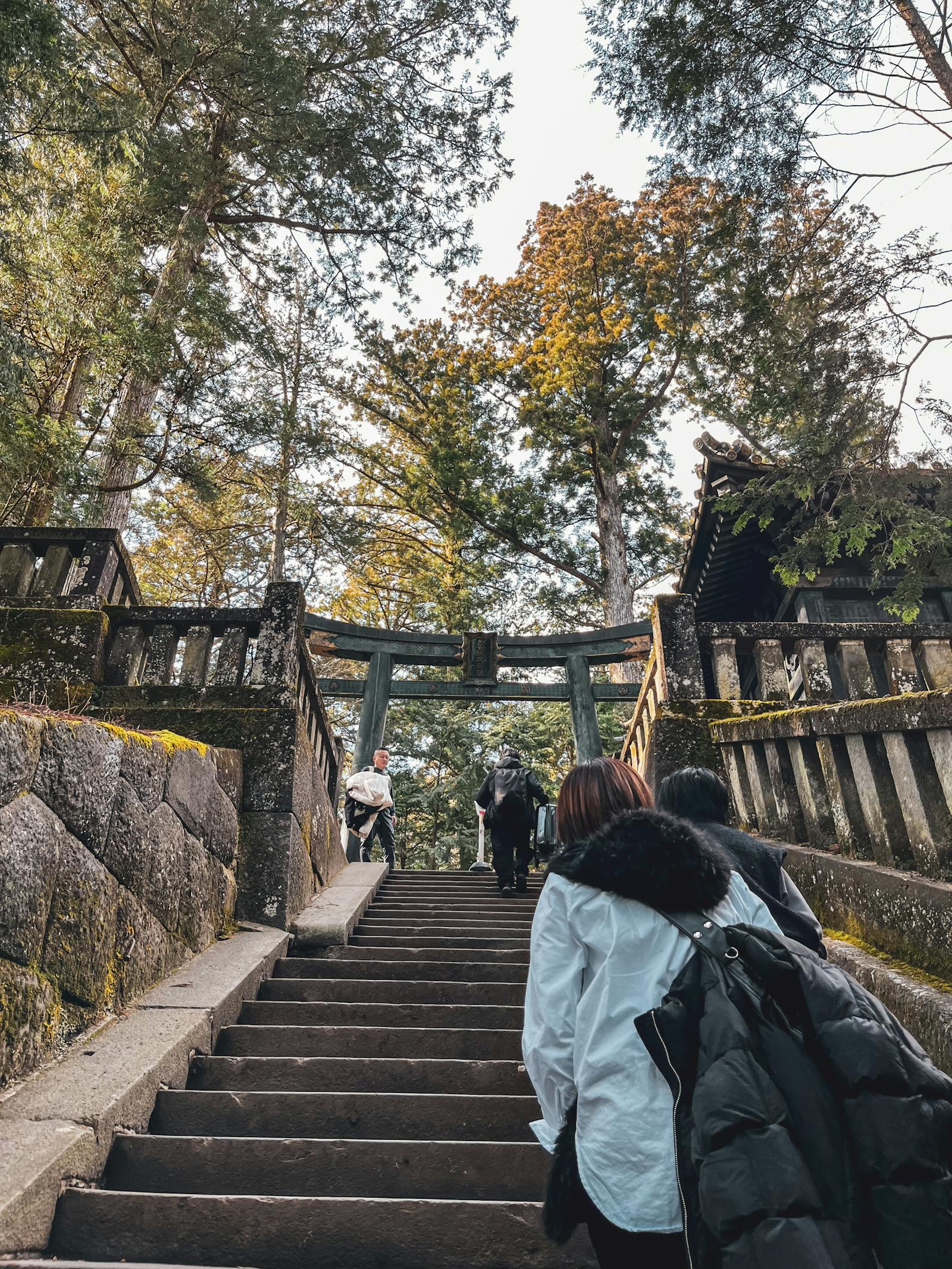
On the island of Shikoku, in the small town of Kotohira, a long stone staircase climbs the forested slopes of Mount Zozu toward one of Japan’s most beloved shrines. This is Konpira-san — officially Kotohira-gu — the great shrine of seafarers, and reaching its main hall means climbing 785 stone steps, with another 583 beyond that for the truly determined who press on to the inner shrine. It is part pilgrimage, part workout, and entirely rewarding.
For first-time visitors to Japan looking beyond Tokyo and Kyoto, Kotohira offers something special: a centuries-old sacred mountain, a charming traditional town built around the approach, the oldest surviving kabuki playhouse in the country, and easy access to Kagawa Prefecture’s famous sanuki udon noodles. It is one of Shikoku’s signature experiences and surprisingly easy to reach.
This complete first-timer’s guide covers everything you need to plan your visit: the full story of the shrine and its 1,368 combined steps, exactly how to get there, what to see along the climb, the best time to go, where to stay, what to eat, costs in yen and US dollars, practical tips, and a detailed FAQ. By the end you’ll know exactly how to make the most of a day — or two — in Kotohira.
The Story of Konpira-san, Shrine of the Sea
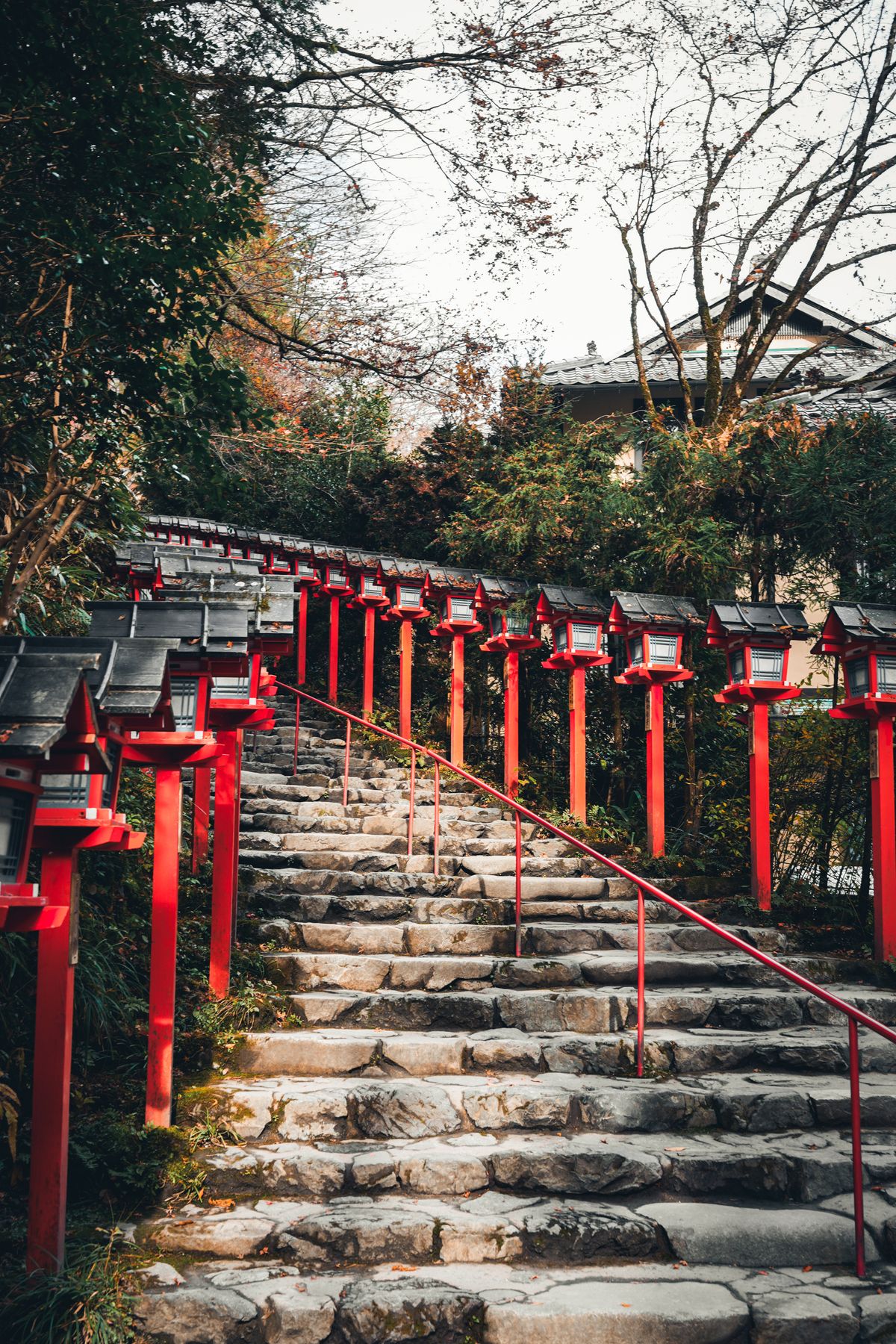
Konpira-san sits on the wooded slopes of Mount Zozu in Kotohira, Kagawa Prefecture. For centuries it has been revered as the guardian of sailors, fishermen and seafarers, and to this day mariners and shipping companies from across Japan come to pray for safe voyages. You’ll spot model ships, ship propellers and maritime offerings dedicated within the grounds — tangible reminders of the shrine’s deep connection to the sea, even though it stands far up a mountain.
During the Edo period, a pilgrimage to Konpira-san was one of the great journeys an ordinary person might hope to make in a lifetime, ranking alongside the famous pilgrimage to Ise. Those who could not travel themselves sometimes sent a dog in their place — the so-called “Konpira dogs” carried money and offerings on behalf of their owners, cared for by fellow travellers along the way. This charming piece of history is still celebrated in the town today.
The shrine is also closely tied to good fortune, prosperity and the granting of wishes, which is part of why it draws around three to four million visitors a year. Whether you come for the spiritual significance, the history, or simply the sense of achievement at the top, Konpira-san rewards the climb many times over.
The Climb: 785 Steps to the Main Shrine (and 1,368 to the Top)
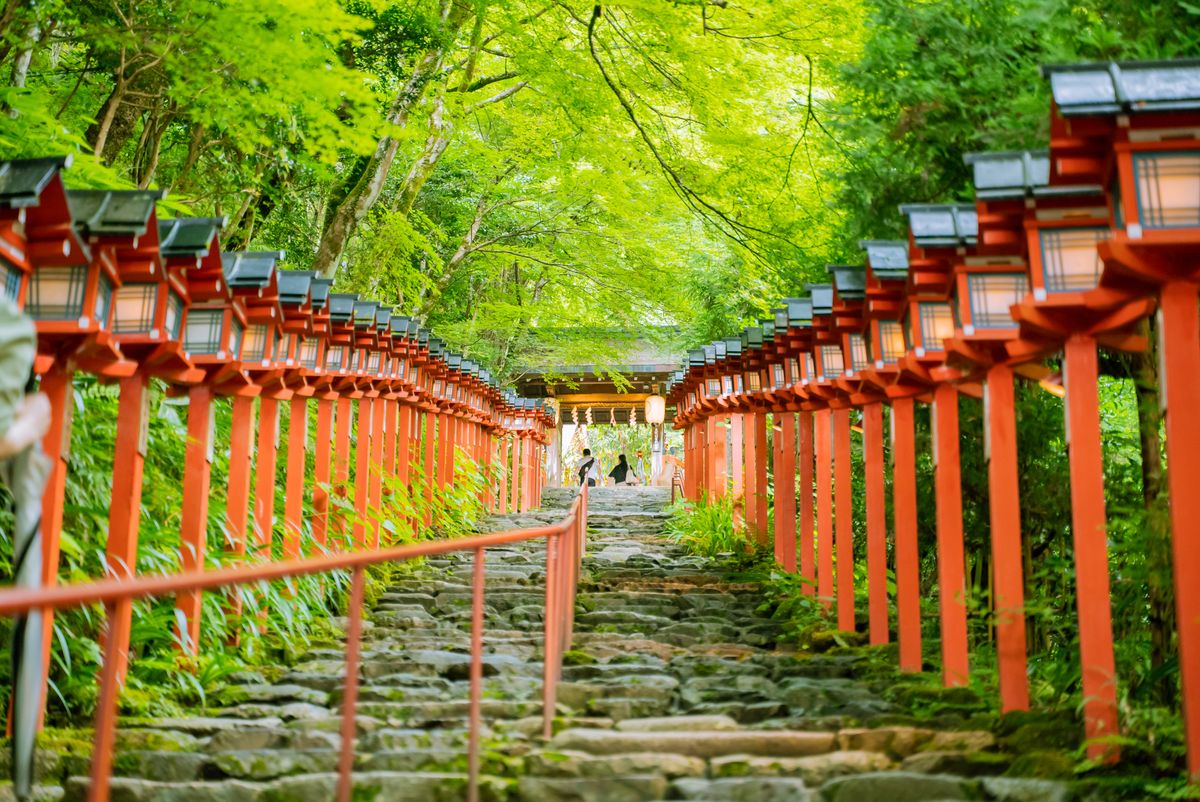
The numbers are famous, so let’s be precise. From the bottom of the approach to the main shrine (Hongu) is 785 steps. If you continue to the inner shrine (Okusha), the total reaches 1,368 steps. Most visitors aim for the main shrine, which already offers the grand halls and the sweeping view; only a minority push on to the quieter inner sanctuary.
Don’t let the numbers intimidate you. The climb is broken up by landmarks, shops and resting points, and you can take it at any pace. Allow roughly 45 minutes to an hour to reach the main shrine at a relaxed pace with photo stops, and a similar amount of time to come back down. Reaching the inner shrine and returning adds about another hour.
What You Pass Along the Way
The lower approach, the omotesando, is lined with souvenir shops, sweet stalls and udon restaurants. As you climb you reach the Daimon, a large gate marking the formal entrance to the shrine precinct, beyond which selling is restricted — except for five traditional vendors known as the Gonin Byakusho, descendants of families granted the right centuries ago, who sell kaido-ame candy from large white parasols.
Further up you’ll find the Shoin (a reception hall with notable screen paintings), the impressive Asahi-no-Yashiro (Shrine of the Rising Sun) with its detailed wood carvings, and finally the broad terrace of the main shrine, where a famous view opens over the Sanuki Plain toward the distinctive cone of Mt. Iino, nicknamed “Sanuki-Fuji.”
A practical note: you’ll see kago (palanquin) carriers near the bottom who, for a fee, will carry visitors partway up. For most people, though, the steps are very much part of the experience — and the sense of arrival at the top is all the sweeter for having earned it.
How to Get to Kotohira
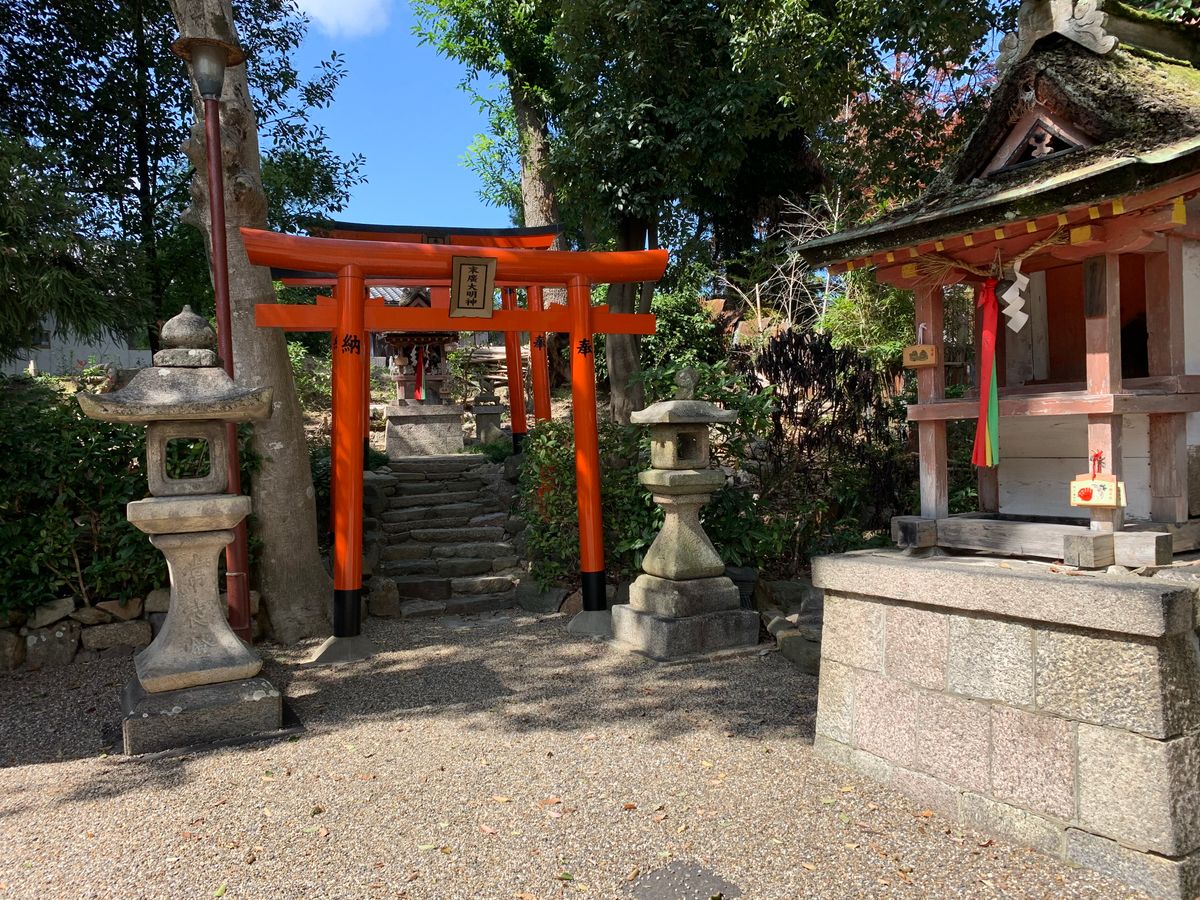
Kotohira is well connected by rail and makes an easy trip from the main cities of Shikoku and even from the Kansai region across the famous Seto Ohashi Bridge.
From Takamatsu (Kagawa’s Capital)
The most common gateway is Takamatsu. From Takamatsu Station, the JR Dosan Line reaches Kotohira Station in about 55–70 minutes for around ¥880 (US$5.70). There is also the private Kotoden railway, whose Kotohira line ends at Kotoden-Kotohira Station, right by the town centre.
From Okayama and the Kansai Region
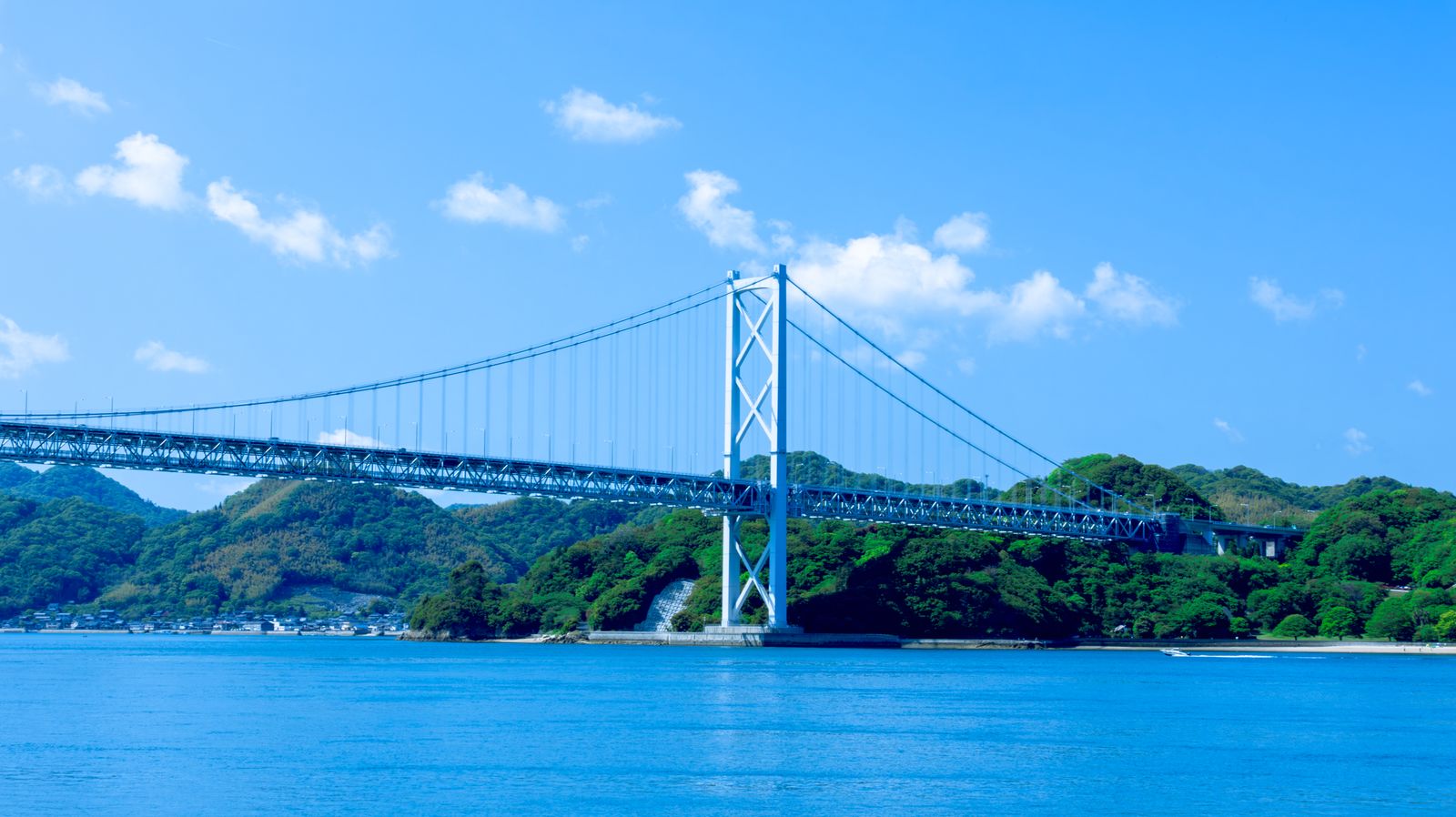
If you are coming from Honshu, take the Sanyo Shinkansen to Okayama, then transfer to the JR Marine Liner and Dosan Line across the spectacular Seto Ohashi Bridge to Kotohira. The full journey from Okayama takes roughly 1 hour and 15 minutes. From Osaka, allow about 2.5 to 3 hours in total via Okayama. The limited express “Nampu” and other services connect the region conveniently.
From Tokyo
From Tokyo, the simplest route is the Tokaido/Sanyo Shinkansen to Okayama (about 3 hours 15 minutes), then the transfer described above, for a total of roughly 4.5 to 5 hours. Flying into Takamatsu Airport from Tokyo (about 80 minutes) and continuing by bus or train is a faster alternative if you’d rather not spend the day on rails.
Getting around tip: Both Kotohira Station (JR) and Kotoden-Kotohira Station are a short, flat walk from the foot of the shrine approach — about 10–15 minutes. Look for the tall wooden lantern tower, the Takadoro, near the river as your landmark.
What Else to See in Kotohira
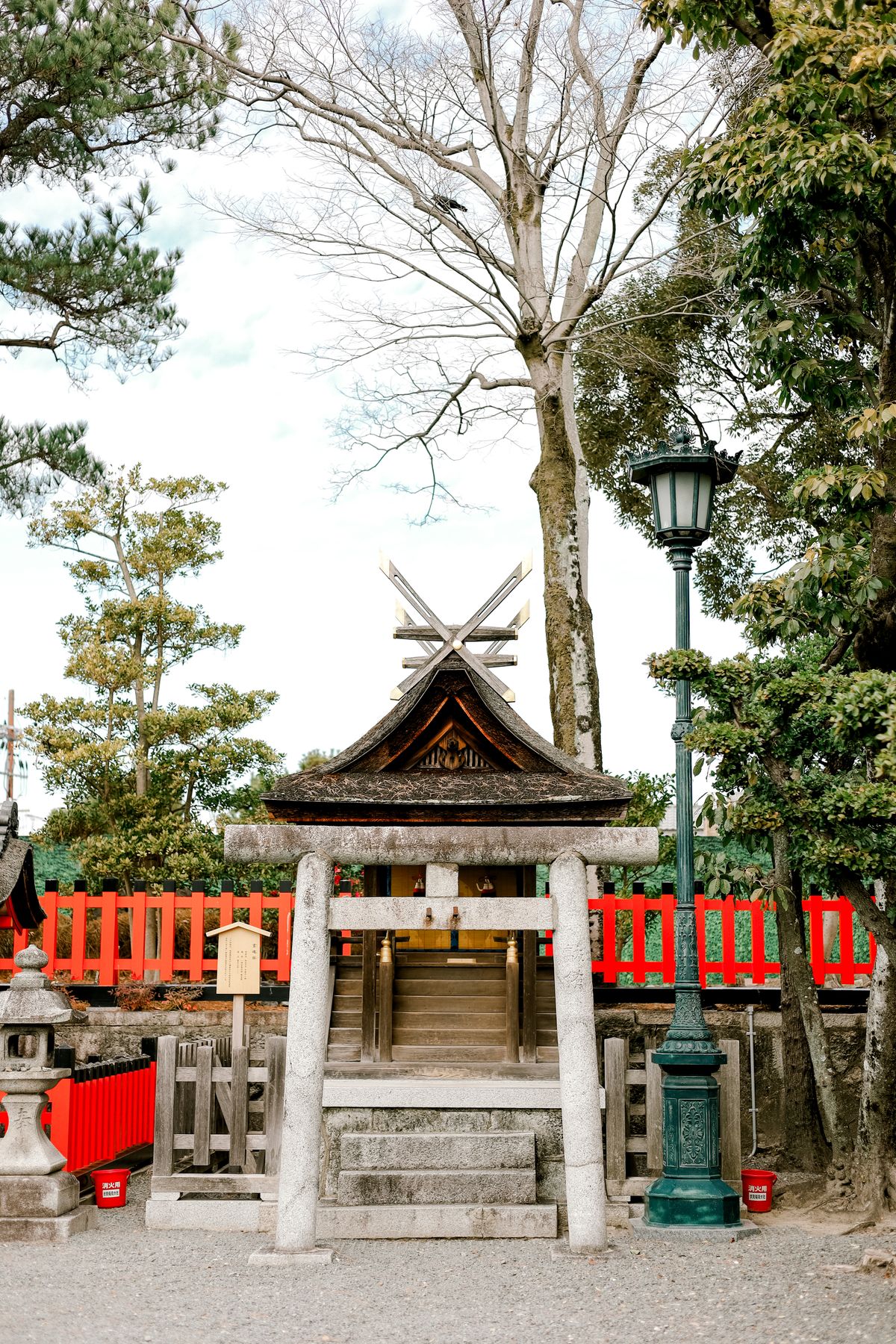
Konpira-san is the star, but the town has more to offer, and combining a few sights makes for a fuller day.
Kanamaruza: Japan’s Oldest Kabuki Theatre
A short walk from the shrine approach stands the Kyu-Konpira Oshibai, known as Kanamaruza — the oldest surviving kabuki playhouse in Japan, dating to 1835. Even outside performance season you can tour the beautifully preserved wooden interior, including the revolving stage, the trapdoors and the under-stage machinery operated by hand. Admission is about ¥500 (US$3.20). It is a fascinating glimpse into Edo-period entertainment and a highlight for anyone interested in traditional theatre.
Sake, Sweets and the Old Approach
The approach and surrounding streets are dotted with traditional shops. Visit the Konpira local sake breweries and museums, sample warabi-mochi and other regional sweets, and browse crafts and souvenirs. Look out for the iconic “Shiawase-san Konpira-san” charms and the yellow happiness amulets the shrine is famous for — popular gifts to bring home.
Kotohira Onsen
After all those steps, your legs will thank you for a soak. Kotohira Onsen is a small hot-spring district at the foot of the mountain, with several ryokan and day-use baths, some offering rooftop tubs with views over the town and Mt. Zozu. It is the perfect way to end a day of climbing.
Best Time to Visit Konpira-san
Kotohira is rewarding year-round, but each season has its character. Spring (late March–April) brings cherry blossoms to the shrine grounds and approach, making the climb especially scenic. Autumn (November) is arguably the finest time, when the maples on Mount Zozu turn fiery red and orange — ideal for photography and comfortable climbing weather.
Summer (June–August) is hot and humid, and the many steps can be tiring in the heat, so start early, carry water, and rest often. The rainy season in June can make stone steps slippery. Winter (December–February) is cool and quiet, with crisp air and clear views; snow is uncommon at this elevation but possible, so wear shoes with grip if the forecast looks cold.
Whatever the season, aim to start your climb in the morning. You’ll beat both the crowds and the midday heat, and you’ll have plenty of time to explore the town, see Kanamaruza and enjoy a leisurely udon lunch afterward. Weekdays are noticeably quieter than weekends and holidays.
What to Eat: Sanuki Udon and Local Flavours
Kagawa Prefecture proudly calls itself “Udon Prefecture,” and its sanuki udon — thick, chewy, square-edged wheat noodles — are considered the best in Japan. Eating a bowl in Kotohira is practically part of the pilgrimage.
You’ll find udon served many ways: kake (in hot broth), zaru or bukkake (chilled with dipping or pour-over sauce), and kamatama (hot noodles with raw egg and soy, carbonara-style). Many shops are remarkably cheap, with a basic bowl costing as little as ¥300–¥600 (US$2–US$4); at self-service counters you add your own toppings and tempura. Don’t miss adding a piece of crispy chikuwa or kashiwa-ten (chicken tempura).
Beyond udon, look for honetsuki-dori (a juicy, garlicky bone-in grilled chicken that is a Kagawa speciality), wasanbon (an exquisitely fine local sugar made into delicate sweets), olives and olive products from nearby Shodoshima, and fresh seafood from the Seto Inland Sea. The town’s old shopping street is the place to graze between sights.
Where to Stay in and Around Kotohira
You can comfortably visit Konpira-san as a day trip from Takamatsu, but staying overnight in Kotohira lets you climb early, soak in the onsen and enjoy the quiet evening atmosphere once the day-trippers leave.
Traditional ryokan in Kotohira Onsen. The most atmospheric choice. Several historic inns at the foot of the mountain offer tatami rooms, hot-spring baths and multi-course Kagawa cuisine, typically from ¥15,000–¥30,000 (US$97–US$194) per person per night with two meals. For these traditional and higher-end inns, Ikyu.com (premium ryokan & hotels) is a great place to compare rooms and meal plans.
Hotels and guesthouses. Kotohira also has simpler business hotels and friendly guesthouses from around ¥6,000–¥12,000 (US$39–US$78) per night, ideal for budget-minded travellers. You’ll find the widest selection and easy price comparison on Agoda.
Base in Takamatsu. If you prefer a larger city with more dining and nightlife, stay in Takamatsu and day-trip to Kotohira by train. Takamatsu also puts you within reach of Ritsurin Garden and the art islands of the Seto Inland Sea.
For winter weekends, cherry-blossom season and the autumn foliage peak, book early, as the best ryokan fill quickly.
Sample Itinerary: A Full Day in Kotohira
Here is a relaxed plan that combines the shrine with the town’s other highlights.
• Morning: Arrive in Kotohira and walk to the foot of the approach. Begin the climb early while it is cool, stopping for photos, the Daimon gate and the candy sellers. Reach the main shrine, take in the view, and (if you have energy) continue to the inner shrine.
• Late morning: Descend at a relaxed pace, browsing the shops on the way down.
• Lunch: A bowl of authentic sanuki udon at one of the town’s noodle shops.
• Afternoon: Tour the historic Kanamaruza kabuki theatre, sample local sake and sweets, and pick up a “happiness” charm as a souvenir.
• Evening: Soak away the climb in Kotohira Onsen, then enjoy a Kagawa-style dinner before resting at your ryokan — or catch the train back to Takamatsu.
If you have a second day, combine Kotohira with Takamatsu’s Ritsurin Garden, a day trip to the “art island” of Naoshima, or the udon-tasting trail through the Kagawa countryside.
Practical Tips for Climbing Konpira-san
- Wear comfortable shoes. You’ll climb hundreds of stone steps, some worn smooth and uneven. Trainers or hiking shoes are far better than sandals or smooth-soled footwear.
- Start early. Mornings are cooler and far less crowded, leaving the afternoon free for the town and a relaxed lunch.
- Pace yourself and rest. There are plenty of landmarks, shops and benches to pause at. There is no prize for rushing — enjoy the climb in stages.
- Bring water, especially in summer. Vending machines and shops thin out as you climb higher.
- Borrow a walking stick. Shops near the bottom lend or sell sturdy wooden walking sticks (often returnable) that make the steps easier on the knees, both up and down.
- Carry some cash. Small shops, the kabuki theatre and some eateries prefer cash, though larger places increasingly take cards.
- Mind the descent. Going down stone steps is harder on the knees than going up — take your time and use the handrails where provided.
- Stay connected. For maps, train times and translation on the go, set up a prepaid Japan & Global eSIM before you arrive so you have data the moment you land.
- Consider a guided experience. If you want context on the history and rituals, or a hassle-free day trip with transport included, you can browse tours and cultural experiences through .
Understanding Shrine Etiquette
Konpira-san is an active place of worship, so a little etiquette goes a long way. At the temizuya (purification fountain) near the entrance, rinse your left hand, then your right, then pour a little water into your cupped left hand to rinse your mouth, and finally let the water run down the handle to clean it — all from a single scoop. When praying at the main hall, the custom is to offer a small coin, bow twice, clap twice, make your wish or give thanks, and bow once more.
Walk to the sides rather than the centre of the path, which is traditionally reserved for the deities, and dress and behave respectfully within the precinct. Photography is generally fine in the open grounds, but look for signs where it is restricted, particularly inside halls. These small courtesies are easy to follow and deeply appreciated.
Combining Kotohira with the Rest of Shikoku
Kotohira pairs naturally with the wider highlights of Shikoku and the Seto Inland Sea. In Kagawa alone you can add Ritsurin Garden, one of Japan’s most celebrated landscape gardens, and the contemporary art islands of Naoshima and Teshima. Push further and Shikoku offers the dramatic Iya Valley, the historic Dogo Onsen in Matsuyama, and sections of the 88-temple Shikoku pilgrimage.
Because Kotohira sits on the rail line between Takamatsu and the Dosan Line into the mountains, it slots easily into a multi-day Shikoku itinerary. Many travellers combine it with a crossing of the Seto Ohashi Bridge to or from Okayama, making it a convenient bridge between Honshu and the island’s quieter pleasures.
Costs at a Glance
Konpira-san itself is free to enter — there is no admission charge to climb the shrine, which is part of its appeal. Here is a rough per-person guide for a day visit:
- Shrine admission: free (the Shoin reception hall and treasure museum have small separate fees of a few hundred yen if you wish to enter).
- Kanamaruza kabuki theatre: about ¥500 (US$3.20).
- Round-trip train from Takamatsu: about ¥1,760 (US$11).
- Udon lunch: ¥500–¥1,000 (US$3–US$6.50).
- Walking stick, charms and snacks: ¥1,000–¥2,000 (US$6.50–US$13).
A full day visiting from Takamatsu therefore costs only around ¥4,000–¥6,000 (US$26–US$39) per person, making Kotohira one of the most affordable major sights in the region. Add an onsen ryokan stay if you want to turn it into a relaxing overnight.
The Konpira Dogs and the Great Edo Pilgrimage
One of the most endearing chapters in Konpira-san’s history is the story of the Konpira dogs (Konpira inu). In the Edo period, a pilgrimage to the shrine was a cherished but difficult journey, and not everyone could make the long trip on foot. People who were too old, ill or busy would sometimes send a dog in their place. The dog wore a pouch around its neck containing money for offerings, a travel tag, and provisions, and was passed along from traveller to traveller heading toward Kotohira, each caring for the animal until it reached the shrine and then began its journey home.
That such a system worked at all says a great deal about the trust and shared devotion of the era’s travellers. Today you’ll see the friendly figure of the Konpira dog on charms, statues and souvenirs throughout the town — a small, warm reminder of how deeply this shrine was woven into ordinary life across Japan.
The pilgrimage itself was so popular that whole industries grew up to support it: inns, teahouses, guides and the souvenir shops whose descendants still line the approach. Walking the same steps that millions have climbed over the centuries, you become part of a living tradition that stretches back hundreds of years — one of the things that makes Konpira-san feel so different from a simple sightseeing stop.
Landmarks Along the Climb, Step by Step
Knowing what you’ll encounter helps you pace the climb and appreciate each stage. Here is roughly what unfolds as you ascend.
The approach (omotesando), steps 1–100: A lively, gently rising street packed with udon shops, sweet stalls and souvenir stores. This is where you can borrow a walking stick and fuel up before the real climbing begins.
The Daimon gate, around step 365: A grand two-storey wooden gate marking the formal entrance to the sacred precinct. Just beyond it you’ll meet the Gonin Byakusho, the five licensed candy vendors selling kaido-ame from beneath big white parasols — a centuries-old sight.
The Sakuranobaba and Shoin, around steps 400–500: A pleasant avenue lined with cherry trees (glorious in spring), leading past the Shoin reception hall, whose interior screen paintings are among the shrine’s cultural treasures.
Asahi-no-Yashiro, around step 650: The richly carved Shrine of the Rising Sun, dedicated to the sun goddess, with intricate woodwork and bronze detailing that reward a pause before the final push.
The main shrine (Hongu), step 785: The broad terrace opens to the famous view over the Sanuki Plain toward Sanuki-Fuji. This is the goal for most visitors, and a wonderful place to catch your breath, make an offering and enjoy your achievement.
The Inner Shrine: Is the Extra Climb Worth It?
From the main shrine, a quieter path continues upward through the forest to the inner shrine (Izutama-jinja, the Okusha) at step 1,368. The crowds thin dramatically beyond the main hall, and the final stretch has a peaceful, almost meditative atmosphere among tall trees.
Is it worth it? If you have the time and energy, yes — the solitude and the sense of completing the full pilgrimage are deeply satisfying, and you’ll pass interesting features including rock carvings of tengu (mythical mountain spirits) set into the cliff near the top. That said, the inner shrine is smaller and the view is more limited than at the main hall, so travellers short on time or energy can comfortably turn back at the main shrine without feeling they have missed the essence of Konpira-san. Allow about an extra hour round-trip if you decide to continue.
Festivals and Special Times to Visit
Konpira-san hosts events throughout the year that can add color to your visit. The grand Reitaisai autumn festival in October is the shrine’s most important annual rite, featuring a solemn night procession down the long staircase by lantern light — an unforgettable spectacle if your trip coincides with it. New Year (hatsumode) sees huge numbers of worshippers climbing to pray for the year ahead, lending a festive, bustling energy to the town.
Seasonal highlights include cherry blossoms along the approach in early April and brilliant foliage on Mount Zozu in November. If you prefer quiet over spectacle, avoid New Year and major festival days and visit on an ordinary weekday morning, when the steps are calm and you can take your time.
A Deeper Look at Kagawa’s Udon Culture
It is hard to overstate how central udon is to Kagawa’s identity. The prefecture consumes more udon per person than anywhere else in Japan, and locals debate their favourite shops with real passion. For visitors, this means an abundance of excellent, astonishingly cheap noodles — but the customs can be unfamiliar, so here is how it works.
Many of the best shops are self-service (serufu). You typically order your portion size at the counter, sometimes blanch the noodles yourself in a basket of hot water, then pour over broth or sauce, add free toppings like green onion, ginger and tempura crumbs, and pick up skewers of chikuwa or pieces of tempura to pile on your tray, paying at the end. It can feel confusing the first time — just watch what locals do and follow along; staff are used to helping visitors.
Signature styles to try include kamaage (freshly boiled noodles served in their hot cooking water with a separate dipping sauce), kamatama (hot noodles tossed with raw egg and soy), and chilled bukkake in summer. Pair it all with the local honetsuki-dori grilled chicken for a fuller meal. Eating your way through a few udon shops is, for many travellers, as memorable as the shrine itself.
Exploring the Seto Inland Sea from Kotohira
Kotohira’s position makes it an excellent springboard for the Seto Inland Sea, a calm, island-dotted body of water famous for its gentle scenery and contemporary art. The “art islands” of Naoshima and Teshima, reachable via Takamatsu’s port, are home to striking museums and outdoor installations set among fishing villages and olive groves — a fascinating contrast to Konpira-san’s ancient atmosphere.
Closer at hand, Ritsurin Garden in Takamatsu is one of the finest stroll gardens in Japan, with pine-clad hills, ponds and teahouses that reward a slow morning. The bridge crossing to Okayama over the Seto Ohashi is itself a scenic highlight, gliding high above the islands. Building two or three days around Kotohira lets you weave together shrine, garden, sea and art into a rich Shikoku-and-Setouchi itinerary.
Getting Around Kotohira and Accessibility
The town itself is small, flat and very walkable. Both the JR and Kotoden stations are within a 10–15 minute stroll of the foot of the shrine approach, and everything — udon shops, the kabuki theatre, the onsen and the souvenir streets — clusters around the river and the base of Mount Zozu. You will not need taxis or buses to get around the town on foot.
The main accessibility challenge is, of course, the staircase. While the lower approach and the town are easy for everyone, the climb to the main shrine is unavoidably a long flight of stone steps, with no elevator or vehicle access to the upper halls. Travellers with mobility limitations can still enjoy the lively approach, the lower gates, the kabuki theatre and the udon culture, and can hire a kago palanquin for part of the lower ascent. If steps are difficult for you, plan to savour the town and the atmosphere rather than aiming for the summit, and you’ll still have a wonderful day.
Luggage can be a nuisance on the climb, so if you are arriving with bags, use a coin locker at the station or check in to your accommodation first. Climbing unburdened makes the whole experience far more pleasant.
How Kotohira Fits a First-Timer’s Japan Trip
For travellers venturing beyond the well-trodden Tokyo–Kyoto–Osaka route, Kotohira is an ideal introduction to a quieter, more traditional Japan. It delivers a major cultural landmark, genuine local food, living history and a relaxed pace, all without the crowds of the big-city temples. Because it connects easily to Okayama and the Sanyo Shinkansen on one side and the rest of Shikoku on the other, it slots neatly into a wider journey rather than requiring a dedicated detour.
A common and rewarding approach is to ride the shinkansen west from Kyoto or Osaka, cross the Seto Ohashi Bridge to Shikoku, spend a day or two around Kotohira and Takamatsu, and then continue exploring the island or loop back to Honshu. However you weave it in, the climb to Konpira-san is the kind of memory — equal parts effort and reward — that defines a great trip.
What to Pack for Your Visit
Packing well makes the climb and the day far more enjoyable. Wear comfortable, well-cushioned walking shoes with decent grip, since you’ll be tackling hundreds of stone steps both up and down. Bring a refillable water bottle, especially in the warmer months, and a small towel to wipe away sweat. In summer, add a hat, sunscreen and a hand fan; in winter, a warm layer and gloves for the cooler upper slopes.
Carry a small amount of cash for the kabuki theatre, small udon counters and souvenir shops, along with a few coins for offerings at the shrine. A lightweight daypack keeps your hands free for the handrails and for photos, and a fully charged phone with an active data plan covers maps, train times and translation. Travel light overall — the less you carry up those steps, the more you’ll enjoy the climb and the view that waits at the top.
Photography and the View from the Top
The reward at the main shrine is a sweeping panorama over the Sanuki Plain, with the small, perfectly shaped cone of Mt. Iino — “Sanuki-Fuji” — rising in the distance. It is one of the most photographed views in Kagawa, and especially lovely in the soft light of morning or late afternoon. Bring a camera or smartphone with room to spare; you’ll want shots of the gates, the lantern-lined steps, the carved halls and the candy sellers as well as the summit view. On clear days the patchwork of rice fields and the glimmer of the Seto Inland Sea make the whole climb feel worthwhile in a single glance.
Frequently Asked Questions
How many steps is Konpira-san, really?
It is 785 steps to the main shrine (Hongu) and 1,368 steps if you continue all the way to the inner shrine (Okusha). Most visitors stop at the main shrine, which already has the major halls and the famous viewpoint. The inner shrine is quieter and more for those seeking the full pilgrimage.
How long does it take to climb?
Allow about 45 minutes to an hour to reach the main shrine at a relaxed pace with photo and shopping stops, and a similar time to descend. Going all the way to the inner shrine and back adds roughly another hour. Fit walkers can do the main shrine faster, but there is no need to rush.
Is the climb difficult? Can older people or children manage it?
It is moderately tiring rather than technically hard — just a lot of steps. With breaks, many older travellers and children complete it comfortably. The steps are wide and well maintained. Those who prefer not to walk can hire a kago palanquin for part of the lower section, and walking sticks are available to borrow near the base.
Is there an entrance fee for the shrine?
No — climbing Konpira-san and visiting the main shrine is free. Only certain optional attractions, such as the Shoin reception hall, the treasure museum and the nearby Kanamaruza theatre, charge small separate admission fees.
Can I visit Kotohira as a day trip?
Yes. Kotohira is an easy day trip from Takamatsu (under 70 minutes by train) and very doable from Okayama. From Osaka it is a long but feasible day; from Tokyo it is better as part of a longer Shikoku trip or with an overnight stay.
What is the best souvenir to buy?
The shrine’s yellow “happiness” amulets (Shiawase-san Konpira-san charms) are the classic keepsake, said to bring good fortune. Other popular buys include local wasanbon sugar sweets, sake from Kotohira’s breweries, and the traditional kaido-ame candy sold by the historic vendors on the approach.
When is the best time of year to go?
Late March to April for cherry blossoms and November for autumn foliage are the most scenic and comfortable times. Spring and autumn also have pleasant temperatures for the climb. Summer is hot and humid, so start early and carry water if you visit then.
Are there coin lockers and luggage storage in Kotohira?
Yes. Both Kotohira Station and Kotoden-Kotohira Station have coin lockers, and many accommodations will hold luggage. Store your bags before climbing — you’ll be far more comfortable on the steps without them.
Can I do Konpira-san and Takamatsu’s Ritsurin Garden in one day?
It is possible but busy. With an early start you can climb Konpira-san in the morning, return to Takamatsu by early afternoon, and tour Ritsurin Garden before evening. Splitting them over two days, however, lets you enjoy each at a relaxed pace and add a great udon lunch.
Is English signage available at the shrine?
Major points have some English signage and pamphlets, and the climb is straightforward to follow. A translation app and an active data connection are still handy for menus at small udon shops and for reading historical placards in full.
Final Thoughts
Climbing the long stone staircase to Konpira-san is one of those experiences that stays with you: the cool of the forest, the chatter of the shops along the approach, the candy sellers under their white parasols, and the quiet satisfaction of reaching the main shrine and looking out over the Sanuki Plain. Add a bowl of Kagawa’s legendary udon, a tour of Japan’s oldest kabuki theatre, and a soak in the local onsen, and you have a perfect, affordable day in one of Shikoku’s most rewarding towns.
Take the steps at your own pace, start early, wear good shoes, and let the climb be part of the pilgrimage. You’ll come back down with tired legs, a happiness charm in your pocket, and a deeper sense of a Japan that lies well beyond the big cities.
For more help planning your journey, see our guide to riding the shinkansen and our essential travel tips for first-timers, or browse all of our destination guides to keep building your Shikoku itinerary.
🗾 Planning your trip? Get our free 7-Day Japan Itinerary (PDF)
Day-by-day Tokyo → Kyoto → Osaka plan with real prices and essential phrases — sent straight to your inbox.
Going to Japan? Talk to locals with confidence.
Hirameki Japanese — instant offline translation, camera translation, furigana + romaji, and 314 free flashcards. No login. Works without internet.

Plan your Japan trip
Two things every first-timer should book
Some links are affiliate links. If you book through them we may earn a small commission at no extra cost to you.