Imagine pedalling a bicycle across a soaring suspension bridge, the Seto Inland Sea glittering blue beneath you, tiny islands scattered to the horizon, and a fragrant citrus orchard waiting on the far shore. This is the Shimanami Kaido, a roughly 70-kilometre cycling route that hops from island to island across the sea between Honshu and Shikoku — and it is, without exaggeration, one of the most beautiful and beginner-friendly long-distance bike rides on Earth.
Unlike most of Japan’s famous sights, the Shimanami Kaido is something you do rather than simply look at. You do not need to be a serious cyclist; the route is gently graded, exceptionally well signposted, and dotted with rental stations, cafés, hot springs, and rest stops. Families, casual riders, and first-time visitors complete it every day, and you can ride as much or as little of it as you like. This complete guide explains exactly how it works: where to start, how to rent a bike, how long it takes, what to see along the way, where to stay and eat, and all the practical details you need to plan a smooth, joyful ride.
What Is the Shimanami Kaido and Why Ride It
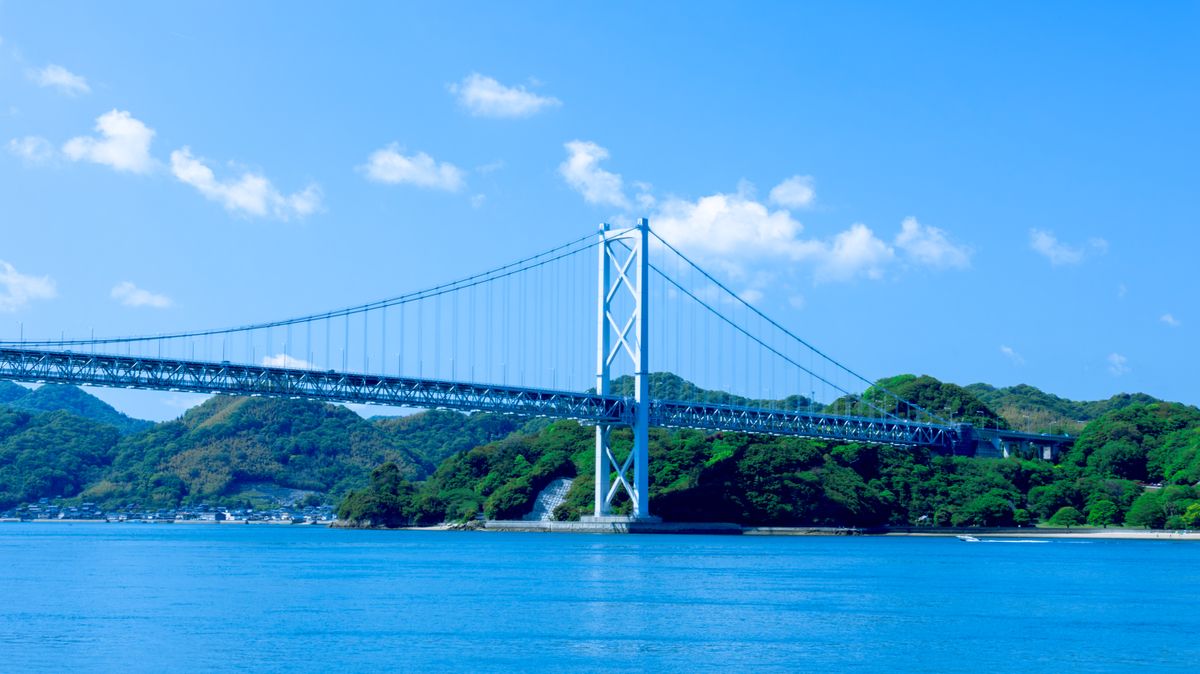
The Shimanami Kaido (officially the Nishiseto Expressway) is a toll road that connects the city of Onomichi in Hiroshima Prefecture on the main island of Honshu with Imabari in Ehime Prefecture on the island of Shikoku. What makes it special is that, alongside the car expressway, it has dedicated cycling and pedestrian lanes running the entire way, crossing six islands and the famous bridges that link them. It was the first route in Japan to allow cyclists to cross a strait between major islands, and it has since become a world-renowned cycling destination.
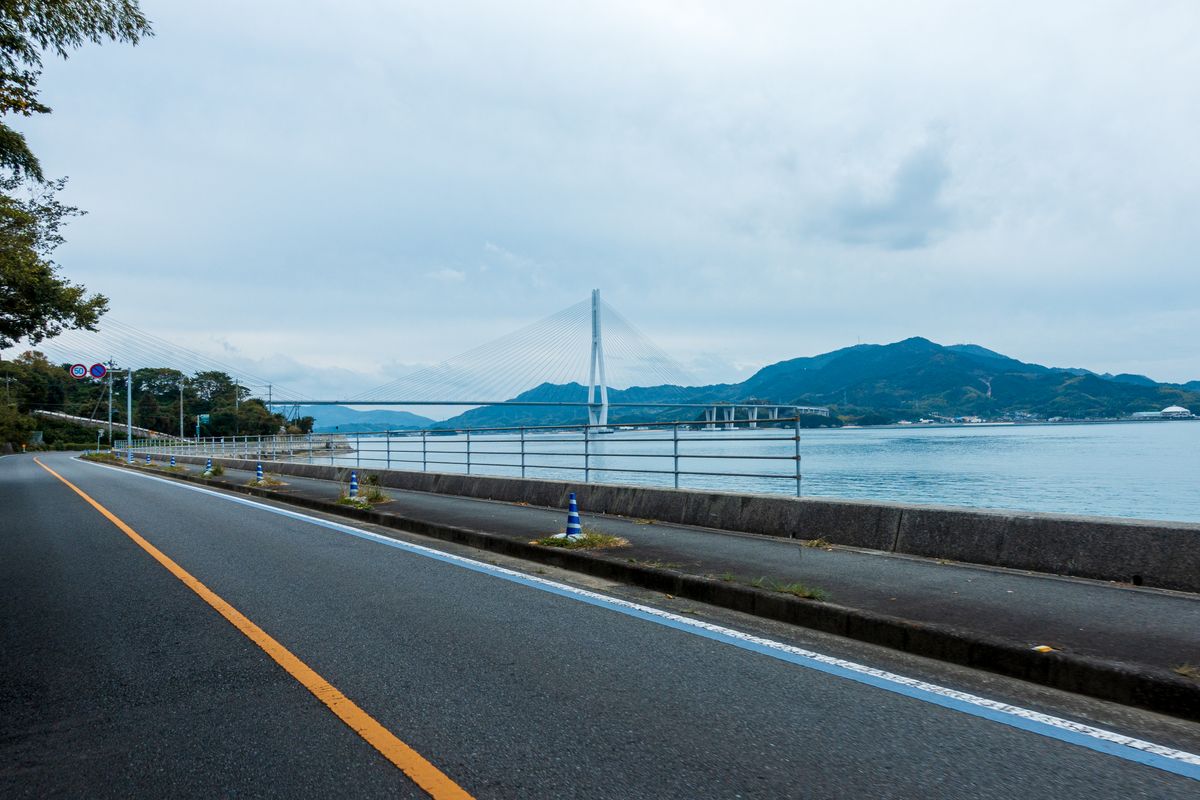
The full route is about 70 kilometres (roughly 43.5 miles) from end to end. The cycling course is marked the whole way by a continuous blue line painted on the road, so you literally just follow the blue line and you cannot get lost. The bridges are engineering marvels — graceful suspension and cable-stayed spans — and the approaches to them are gently sloping ramps designed so cyclists never have to climb steep hills, even though some bridges sit high above the water.
Why ride it? Because it combines genuinely world-class scenery with a sense of freedom and accomplishment that few sightseeing activities can match. You pass sleepy fishing villages, terraced citrus groves, sandy beaches, art installations, and viewpoints that make you stop and gasp. You can pause whenever you like for a soft-serve ice cream made from local oranges, a soak in a sea-view hot spring, or a plate of fresh seafood. It is active, affordable, flexible, and suitable for almost anyone — a rare combination in travel.
How to Get to the Shimanami Kaido
The two ends of the route are Onomichi (Hiroshima side) and Imabari (Ehime side). Most cyclists start in Onomichi and ride south to Imabari, partly because it is easier to reach by train and partly because the prevailing approach feels slightly more downhill-favourable, though honestly the route is balanced enough that direction barely matters.
Reaching Onomichi (the usual starting point)
Onomichi is easy to reach by train. Take the Sanyo Shinkansen to Shin-Onomichi Station, or, more conveniently for the cycling route, ride the regular JR Sanyo Line to Onomichi Station, which sits right by the waterfront where the route begins. From Hiroshima, Onomichi is about 1.5 hours by local train or faster by shinkansen plus a connection. From Osaka, allow roughly 2 to 2.5 hours by shinkansen and local train. A short ferry hop from Onomichi pier takes you across to Mukaishima, the first island, where the cycling course truly begins.
Reaching Imabari (the Shikoku end)
Imabari is reachable by train from Matsuyama, Ehime’s main city, in about 40 minutes, and Matsuyama has its own airport with flights from Tokyo and Osaka. If you are travelling around Shikoku, starting from Imabari and riding north to Onomichi is equally viable.
Planning tip: Whether you ride the whole route in a day or split it across two days with an overnight on one of the islands, it pays to book accommodation early — island guesthouses and the popular cycling hotels fill up fast, especially in spring and autumn. You can compare island stays and Onomichi or Imabari hotels on Agoda.
Renting a Bicycle: Everything You Need to Know
You do not need to bring your own bike — the rental system along the Shimanami Kaido is excellent and designed with tourists in mind. Here is how it works.
Where to rent: There are public rental terminals at both ends (Onomichi and Imabari) and at several points on the islands in between. The main Onomichi terminal is near the station and ferry pier. Private shops also rent higher-quality road bikes and e-bikes.
Types of bikes: You can choose from standard cross bikes (the most popular all-rounder), road bikes for faster riders, comfortable city bikes, tandems, and — the game-changer for casual riders — electric-assist bikes (e-bikes). An e-bike makes the bridge ramps and any headwind almost effortless and is highly recommended if you are not a regular cyclist.
Price: Standard bike rental from the public terminals costs around ¥2,000 (about US$13) per day plus a refundable deposit of around ¥1,100. E-bikes and premium road bikes cost more, typically ¥3,000–5,000 (about US$20–33) per day, and often must be reserved in advance and returned to the same shop.
One-way rentals: A huge convenience is that standard bikes rented from the public terminals can be picked up at one end and dropped off at the other (or at any of the island terminals along the way), so you do not have to cycle back. Note that this one-way drop-off generally applies to the standard public-terminal bikes; many e-bikes and premium road bikes must be returned to where you rented them, so check the policy when you book.
Reservations: Standard bikes are usually available on the day, but e-bikes and good road bikes sell out, especially on weekends and in peak seasons, so reserve ahead. Helmets are provided or available, and using one is strongly recommended.
How Long Does It Take and Which Route to Choose
The full 70-kilometre route takes most casual cyclists around 6 to 8 hours of total time including stops, or roughly 4 to 5 hours of actual riding at a relaxed pace. Fit riders on road bikes can do it in 3 to 4 hours; families with children or anyone stopping frequently for photos, food, and sightseeing should plan for a full, leisurely day or split it over two.
You have several options depending on your time and energy:
The full day ride (Onomichi to Imabari): The classic, most rewarding choice. Start early, follow the blue line, take plenty of breaks, and reach the far end by late afternoon. Drop your one-way rental and take a train onward. This gives you the full sense of having crossed the sea by bicycle.
The two-day ride: Spread the route over two days with an overnight stay on one of the central islands such as Ikuchijima (Setoda) or Omishima. This is the most relaxed and arguably most enjoyable way to do it, letting you linger at temples, museums, beaches, and hot springs without rushing.
A half-route or out-and-back: If you are short on time, ride just the first two or three islands and bridges from Onomichi, then return by bus or local ferry. Even a couple of bridges gives you a real taste of the experience. Buses fitted to carry bicycles run along the route, so you always have a bail-out option if you tire.
The shortest taste: Cross just the first bridge or two and back. Perfect if you only have a few hours but want to say you cycled across the Seto Inland Sea.
The Islands and Bridges Along the Way
The journey crosses six inhabited islands, each linked by a spectacular bridge. Here is what awaits you, in order from Onomichi.
Mukaishima: The first island, reached by a quick ferry from Onomichi (the cycling course officially begins here). It eases you in with flat coastal riding.
Innoshima: Connected by the Innoshima Bridge, this island has a flower park and a historical connection to the Murakami “pirates” (more accurately, a powerful clan of medieval sea lords who controlled these waters).
Ikuchijima (Setoda): A favourite stop, famous for its citrus orchards, the dazzling Kosanji Temple with its marble “Hill of Hope,” and the Setoda Sunset Beach. This is a great place to overnight or take a long lunch break. Try the local lemon products everywhere here.
Omishima: Home to the ancient Oyamazumi Shrine, one of the most important shrines in the region, with a treasure hall full of samurai armour and weapons. The island also has an excellent cycling-friendly hot spring and museums.
Hakatajima: Known for its salt production and a pleasant beach, this is a quieter island ideal for a peaceful stretch of riding.
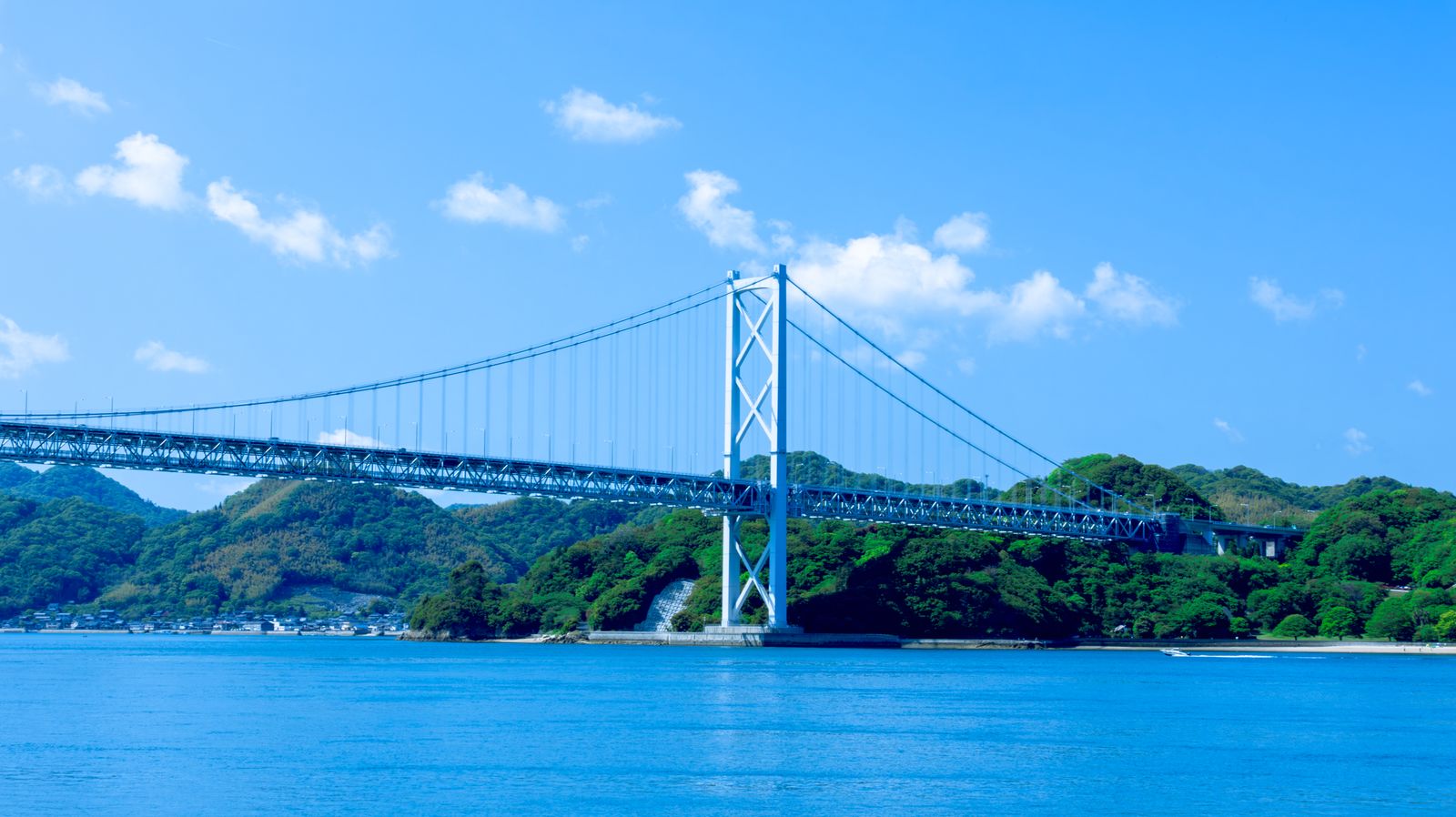
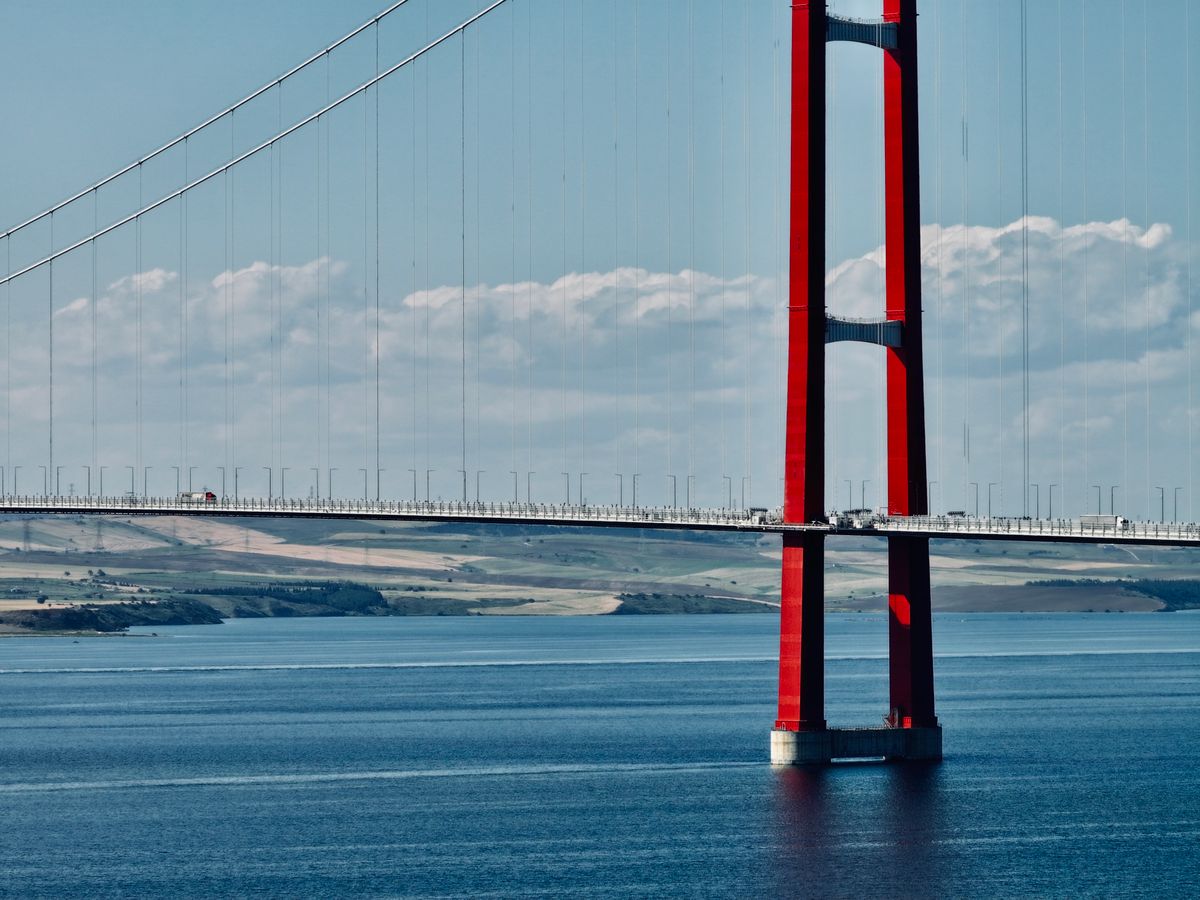
Oshima: The last island before Imabari, crossed via the magnificent Kurushima-Kaikyo Bridge — at roughly 4 kilometres, one of the longest suspension bridge structures in the world. The view from this bridge, especially the whirlpools in the strait below and the islands stretching into the distance, is the grand finale of the ride.
Crossing each bridge, you ride along a dedicated cycling lane separated from car traffic. A small toll for cyclists once applied to the bridges, but in recent years cycling tolls have been waived, making the crossings free — always a nice surprise. Each bridge approach is a gently spiralling or sloping ramp, so you gain height comfortably rather than grinding up a steep climb.
What to See and Do Beyond Cycling
While the ride itself is the headline, the islands reward those who slow down and explore.
Kosanji Temple and the Hill of Hope (Ikuchijima): An eccentric, colourful temple complex topped by a hillside of gleaming white Italian marble sculptures — utterly unlike anywhere else in Japan and worth the stop.
Oyamazumi Shrine (Omishima): Ancient, atmospheric, and packed with nationally important historical treasures, set among giant camphor trees said to be over 2,000 years old.
Cycling-themed art and the “Cyclist’s Sanctuary”: The route is dotted with sculptures, viewpoints, and the famous shrine where cyclists pray for safe journeys. The whole region embraces bike culture warmly.
Beaches and hot springs: Setoda Sunset Beach and the island onsen are perfect for a refreshing break. Few cycling routes anywhere let you end a day’s ride with a soak overlooking the sea.
Citrus everything: This region is Japan’s citrus heartland. Lemon, mikan (mandarin), and hassaku flavour the soft-serve, juices, cakes, and even savoury dishes. Do not leave without trying the local citrus products.
Where to Stay Along the Shimanami Kaido
You can sleep at either end or, better still, on the islands themselves. Your choice depends on whether you are doing a one-day or two-day ride.
Onomichi: A charming hillside port town with temples, cat-filled lanes, stylish cafés, and a famous cyclist-focused hotel right on the water. It is a lovely place to spend the night before you set off.
Island guesthouses and hotels (Ikuchijima/Setoda, Omishima): Staying mid-route lets you break the ride and experience island life. Setoda in particular has boutique stays and guesthouses popular with cyclists. These book out quickly in peak season.
Imabari: The Shikoku-side city has business hotels convenient for finishing the ride and catching an onward train, plus its own famous towel industry and castle to explore.
For a more luxurious treat at either end, a ryokan with its own bath is a wonderful way to soothe tired legs; you can browse higher-end inns on Ikyu.com, while everyday island guesthouses and cyclist hotels are easy to compare on Agoda. Wherever you stay, reserve ahead and confirm whether they offer secure bike storage.
What and Where to Eat
Refuelling is half the fun on the Shimanami Kaido, and the region’s food is excellent and distinctive.
Citrus soft-serve and sweets: The lemon and mikan soft-serve at stops along the route is legendary among cyclists — the perfect mid-ride pick-me-up.
Fresh Seto Inland Sea seafood: The calm, nutrient-rich waters produce superb fish and shellfish. Sea bream (tai) is a local speciality, served as sashimi, grilled, or over rice.
Onomichi ramen: Before or after your ride, try this regional ramen style, made with a soy-based broth flavoured with small-fish stock and topped with pieces of pork back fat. It is rich, savoury, and beloved across Japan.
Imabari yakitori and local dishes: The Shikoku end has its own grilled-chicken culture, often pressed flat on a hot plate rather than skewered.
Many island cafés cater specifically to cyclists, with bike racks, generous portions, and friendly staff used to hungry riders. Carry some cash, as smaller island establishments may not accept cards, and bring snacks and water for stretches between towns.
Best Time to Ride the Shimanami Kaido
The route is rideable year-round, but some seasons are better than others.
Spring (March–May) is arguably the best time, with mild temperatures, cherry blossoms, and fresh greenery. April and May are especially pleasant for long rides.
Autumn (October–November) is the other prime season — cool, crisp, and clear, with comfortable riding weather and the citrus harvest underway. The skies tend to be at their bluest, ideal for those bridge views.
Summer (June–August) is hot and humid, and June brings the rainy season. If you ride in summer, start early, carry plenty of water, use sun protection, and take frequent shaded breaks. The sea breezes help, but midday heat is no joke.
Winter (December–February) is quiet and can be cold and windy on the exposed bridges, but clear winter days offer crisp visibility and almost no crowds. Dress in warm, windproof layers if you ride in winter.
Whatever the season, check the wind forecast — strong crosswinds on the high bridges are the main weather factor to watch, and bridges occasionally close to cyclists in severe conditions.
Practical Tips for a Smooth Ride
A handful of pointers will make your Shimanami Kaido experience far smoother:
- Follow the blue line. The continuous blue line painted on the road marks the recommended cycling course the entire way. Trust it and you will not get lost; it even shows the distance remaining to Imabari at intervals.
- Consider an e-bike if you are not a regular cyclist. It transforms the bridge ramps and headwinds from a workout into a breeze and lets you focus on the scenery.
- Start early. Beginning in the morning gives you a comfortable buffer of daylight, beats the heat in summer, and leaves time for stops.
- Book e-bikes and good road bikes in advance, especially on weekends and in peak seasons.
- Carry cash, water, sunscreen, and a light rain jacket. Island shops can be sparse between towns.
- Use the bicycle-carrying buses as a bail-out if you tire or run short on time — they let you skip a section without stress.
- Stay connected. A reliable data connection helps with maps, weather, train times, and translation. Setting up a travel eSIM before you arrive means you are online from the moment you land, with no hunting for a physical SIM card.
- Wear a helmet and bring gloves and padded shorts if you have them — small comforts make a big difference over 70 kilometres.
- Check bridge and ferry status in windy weather before committing to a long stretch.
Sample Itineraries
One full day (classic): Spend the night in Onomichi. Rent a bike early, ferry across to Mukaishima, and follow the blue line south, stopping at Kosanji Temple on Ikuchijima for lunch and the citrus soft-serve. Push on across Omishima, Hakatajima, and Oshima, finishing with the epic Kurushima-Kaikyo Bridge into Imabari by late afternoon. Drop your one-way rental and take a train onward, or stay the night in Imabari.
Two relaxed days: Ride from Onomichi to Setoda (Ikuchijima) on day one, exploring the temple, beach, and citrus orchards, and overnight on the island. On day two, continue at leisure to Imabari, with time for Oyamazumi Shrine and a hot-spring soak. This is the most enjoyable way to savour the route.
Half-day taster: From Onomichi, ride the first two or three islands and bridges, enjoy lunch and a citrus soft-serve, then return by bicycle-carrying bus or ferry. A great option if you are squeezing the ride into a packed Japan itinerary. For ideas on linking this with nearby destinations, see our wider destinations guide.
Combining the Shimanami Kaido With the Rest of Your Trip
The route sits between two regions worth exploring. On the Hiroshima side, Onomichi pairs beautifully with the city of Hiroshima and the famous “floating” torii of Miyajima, both within easy reach. The historic canal town of Kurashiki and the art island of Naoshima are also nearby in the wider Seto Inland Sea area.
On the Shikoku side, Imabari opens the door to Matsuyama with its hilltop castle and the venerable Dogo Onsen, one of Japan’s oldest hot springs, as well as the wider charms of Shikoku — the 88-temple pilgrimage, the Iya Valley, and Kagawa’s famous udon. Slotting the Shimanami Kaido between Honshu and Shikoku makes for a wonderfully varied multi-region trip. If you are organising flights, accommodation, and experiences, tour platforms such as NEWT can bundle the logistics for you.
A Brief History of the Route and the Sea Lords
The waters the Shimanami Kaido crosses are not just scenic — they are steeped in history. The Seto Inland Sea was for centuries one of Japan’s most important maritime highways, the route by which goods, people, and ideas moved between the capital region and the western provinces. Controlling these straits meant controlling trade, and that is where the Murakami clan comes in.
The Murakami were a powerful family of medieval sea lords who dominated the Seto Inland Sea from roughly the 14th to the 16th centuries. Western histories sometimes label them “pirates,” but they were far more sophisticated than that suggests: they operated a kind of maritime toll and pilotage system, guiding ships safely through the treacherous, whirlpool-strewn channels in exchange for fees, and providing naval muscle to whichever feudal lords they allied with. Their navigational knowledge of the tides and currents around these islands was unmatched, and their influence shaped the region’s culture for generations. Museums on Innoshima and Oshima tell their story, and riding past the very straits they once controlled adds a satisfying layer of meaning to the journey.
The modern route itself was completed in 1999, the final link in a decades-long project to connect Honshu and Shikoku by road across the Seto Inland Sea. Of the three bridge routes built to join the two islands, only the Shimanami Kaido was designed with continuous cycling and pedestrian lanes, which is precisely why it has become a cycling icon. What began as an infrastructure project has blossomed into one of the most celebrated cycling experiences in the world, drawing riders from across Japan and increasingly from overseas.
The Bridges in Detail
Part of the magic of the Shimanami Kaido is the variety and grandeur of its bridges, each an engineering achievement in its own right. As you ride, you will cross several distinct structures, and noticing their differences becomes part of the fun.
The Innoshima Bridge is a classic suspension bridge with the cycling lane running beneath the road deck — a slightly unusual arrangement that gives you an interesting perspective. The Tatara Bridge, linking Ikuchijima and Omishima, is a stunning cable-stayed bridge that was, at the time of its completion, among the longest of its type in the world; its slender white towers fan out cables in a graceful pattern, and there is a popular spot beneath it where the acoustics let you hear an echo. The Kurushima-Kaikyo Bridge at the Imabari end is the showstopper: a continuous chain of three suspension bridges stretching about four kilometres across one of the fastest tidal straits in Japan, where powerful whirlpools form as the tide rushes through. Riding across it, high above the swirling water with islands receding into the haze, is a genuinely awe-inspiring finale.
Because the bridges sit high above the sea to let ships pass beneath, each one is reached by a gently curving approach ramp rather than a steep climb. These ramps are a clever piece of design: they let cyclists and pedestrians gain 40 or 50 metres of height at a comfortable gradient, spiralling up from the island roads to the bridge deck. The result is that even though you cross water again and again, you never face a punishing hill.
Safety and Cycling Etiquette
The Shimanami Kaido is very safe by the standards of long-distance cycling, but a few sensible habits keep it that way for you and everyone else on the route.
One more note while we are on safety: even a minor spill on the bridge ramps can mean a clinic visit, and Japanese hospitals bill foreign visitors in full. A lightweight travel medical plan such as SafetyWing, priced by the week, is cheap peace of mind for a cycling trip like this.
Keep to the left, as is standard in Japan, and stay within the marked cycling lane, especially on the bridges where cyclists and occasional pedestrians share the path. Signal or call out when overtaking slower riders, and be especially considerate around families and children. On the bridge approaches and descents, control your speed — the descents can build pace quickly, and there are gentle curves. Watch for crosswinds on the exposed spans, which can push a lightweight bike around; slow down and grip firmly if it is gusty.
Obey traffic signals and stop signs where the cycling course crosses or merges with island roads, and be alert at junctions where the blue line turns. Japanese drivers in the region are generally very used to cyclists and courteous, but you still share some stretches of island road with cars. Use lights if you are riding near dusk, carry a small repair kit or know where the nearest rental terminal is in case of a flat, and do not ride faster than your skill allows. A relaxed, attentive pace is the whole point of this route.
What to Pack for the Ride
You do not need much specialised gear, but a little preparation makes the day far more comfortable:
- Comfortable, breathable clothing suited to the season, ideally something you can layer. Padded cycling shorts are a luxury your legs will thank you for over 70 kilometres.
- A light, windproof, water-resistant jacket. The bridges are breezy and weather can shift, so a packable layer is invaluable.
- Sun protection: sunscreen, sunglasses, and a cap or buff. Much of the route is exposed, and the sea reflects a lot of light.
- Water and snacks. Stay hydrated, especially in summer, and carry an energy snack for the stretches between island towns.
- Cash for island cafés, soft-serve stops, and small shops that may not take cards.
- A phone with a full charge and a power bank. You will want it for navigation, photos, and weather checks.
- Gloves, which reduce hand fatigue and improve grip, and a small first-aid item or two.
- A daypack or panniers kept light — you do not want to haul heavy luggage across the bridges. Many travellers send their main bags ahead by takkyubin (luggage forwarding) to their next accommodation.
Alternatives to Cycling the Whole Route
Cycling is the classic way to experience the Shimanami Kaido, but it is not the only way, and it is worth knowing the alternatives if a full ride does not suit you.
You can walk sections of the route, as the bridges have pedestrian access, though covering the full distance on foot is impractical. Buses run along the expressway and can carry bicycles, so you can ride part of the way and bus the rest, or simply take in the scenery from a bus window if you prefer not to cycle at all. Guided cycling tours are available for those who want support, luggage transfer, and local knowledge, taking the planning off your hands. There are even sea kayak and boat tours for a different perspective on the islands and bridges from the water. And for the time-pressed, simply basing yourself in Onomichi and riding the first bridge or two before returning still delivers a real sense of the place. The flexibility is part of what makes the Shimanami Kaido so welcoming — there is a version of the experience for almost every traveller.
The Cycling Culture That Surrounds the Route
One of the quiet joys of the Shimanami Kaido is how thoroughly the region has embraced cycling. This is not a place where bikes are merely tolerated; it is a place built around them. You will notice it everywhere: dedicated bike racks outside cafés and shops, rest stations stocked with pumps and basic tools, signage designed for cyclists, and locals who wave and offer directions. Hotels advertise secure bike storage and in-room bike racks, restaurants keep cyclists in mind with hearty portions and quick service, and the whole route is sprinkled with the small touches that make a long day in the saddle feel supported rather than solitary.
This culture has grown alongside the route’s international fame. The Shimanami Kaido is now frequently ranked among the world’s great cycling experiences, and it draws a friendly, mixed crowd: hardcore road cyclists in full kit, families on rented cross bikes, solo travellers on e-bikes, and curious first-timers who had never thought of themselves as cyclists at all. There is a genuine camaraderie on the bridges and at the rest stops, a shared sense of doing something a little special. For many visitors, that atmosphere — the feeling of being welcomed into a community of riders for a day — ends up being just as memorable as the scenery itself. It is a reminder that the best travel experiences are often the ones you participate in rather than simply observe.
Frequently Asked Questions
Do I need to be a fit or experienced cyclist to ride the Shimanami Kaido?
No. The route is famous precisely because it is beginner-friendly. The grades are gentle, the bridge approaches are sloped ramps rather than steep climbs, and the course is flat for long stretches. Casual riders, families, and first-timers complete it regularly. If you are unsure about your fitness, rent an electric-assist bike, which makes the whole route comfortable, and remember you can ride only part of it and use a bus to skip sections.
Can I rent a bike at one end and return it at the other?
Yes, with standard bikes from the public rental terminals — you can pick up in Onomichi and drop off in Imabari (or at island terminals along the way), so you do not have to cycle back. This one-way option generally does not apply to premium road bikes and many e-bikes, which usually must be returned to the shop you rented from, so confirm the policy when you book.
How long does the full Shimanami Kaido take?
Most casual cyclists take about 6 to 8 hours including stops, or 4 to 5 hours of actual riding, to cover the roughly 70 kilometres. Fit riders on road bikes can finish in 3 to 4 hours. If you want to sightsee, eat, and relax along the way, plan a full day or split the ride across two days with an overnight on one of the islands.
Is it expensive to cycle the Shimanami Kaido?
It is very affordable. A standard bike rental is around ¥2,000 per day plus a refundable deposit, e-bikes cost more, and the bridge cycling tolls have been waived in recent years, making the crossings free. Your main costs are the bike, food, and accommodation. It is one of the best-value bucket-list experiences in Japan.
What should I do if I get tired or run out of time?
You have easy bail-out options. Buses fitted to carry bicycles run along the route, letting you skip a section or return to the start. There are also ferries between some islands and the mainland. Because rental bikes can be dropped at island terminals, you are never committed to finishing the whole thing if your legs or schedule give out.
Which direction should I ride — Onomichi to Imabari or the reverse?
Either works well, and the route is balanced enough that direction makes little difference. Most people start in Onomichi because it is slightly easier to reach by train from Hiroshima and Osaka, and the town makes a pleasant pre-ride base. If you are coming from Shikoku or Matsuyama, starting in Imabari is just as good.
Is the Shimanami Kaido suitable for children?
Yes, for families with children who can ride confidently, or with child seats and tandems available from rental shops. The protected cycling lanes, gentle gradients, and frequent rest stops make it manageable, though the full 70 kilometres is a lot for small children — many families ride a shorter section and use the bus for the rest.
Final Thoughts
The Shimanami Kaido is that rare travel experience that lives up to every bit of its reputation. It is scenic without being difficult, adventurous without being risky, and accessible to almost anyone willing to spend a day in the saddle. Gliding across those great bridges with the Seto Inland Sea spread out beneath you, pausing for citrus ice cream in a sleepy island town, and arriving at the far shore with a genuine sense of having crossed the sea under your own power — it is the kind of day you remember for years.
If you are planning a trip through western Japan, build in time for this ride; it may well become the highlight of your journey. For more help planning your overall trip, take a look at our first-timer travel tips, and explore more of the region in our destinations guide. Happy riding, and enjoy every kilometre of the blue line.
Going to Japan? Talk to locals with confidence.
Hirameki Japanese — instant offline translation, camera translation, furigana + romaji, and 314 free flashcards. No login. Works without internet.

Plan your Japan trip
Two things every first-timer should book
Some links are affiliate links. If you book through them we may earn a small commission at no extra cost to you.