For millions of travellers, Japan begins and ends at Narita International Airport. Yet most rush straight past one of the country’s most atmospheric and historic destinations, a place barely ten minutes from the runways. Naritasan Shinshoji is a sprawling, thousand-year-old Buddhist temple complex in the city of Narita, in Chiba Prefecture, and it is one of the most visited temples in all of Japan. With grand wooden halls, a towering vermillion pagoda, tranquil gardens, dramatic fire rituals and a charming old approach street lined with eel restaurants, it offers a perfect first taste of Japanese culture, or a memorable final stop before you fly home.
This complete first-timer’s guide explains exactly why Naritasan deserves a place on your itinerary, how to reach it from the airport or central Tokyo, what to see across the vast temple grounds, the meaning behind its famous goma fire ceremony, and where to eat the local speciality of grilled eel. Whether you have a long layover, an early-morning departure, or simply want a half-day escape from the intensity of Tokyo, Narita rewards the visit with prices, journey times and practical tips included so you can plan with confidence.
Why Naritasan Shinshoji Is the Perfect First or Last Stop in Japan
There is a wonderful logic to visiting Naritasan at the very start or very end of a trip. Because it sits so close to the airport, you can experience a genuinely significant slice of traditional Japan without committing a whole day of precious sightseeing time elsewhere. Jet-lagged on arrival? A gentle wander through the temple grounds and the old town is a soothing, low-effort introduction to the country. Facing a long layover or a late flight? Storing your bags and heading into Narita beats sitting in a departure lounge for hours.
But Naritasan is far more than a convenient time-filler. Founded in the year 940, it is a major centre of Shingon Buddhism and draws over ten million worshippers and visitors every year. During the first three days of the New Year alone it welcomes more than three million people for hatsumode, the first shrine and temple visit of the year, making it one of the most popular pilgrimage destinations in the entire country, second only to Tokyo’s Meiji Shrine. This is a living, breathing place of worship with deep spiritual significance, not a museum piece, and that authenticity is exactly what makes it special.
As with anywhere in Japan, having mobile data from the moment you land makes navigating trains, maps and translation effortless. Sorting a Japan eSIM before departure means you are connected the instant your plane touches down at Narita.
Get your Japan eSIM (Stay connected from day 1) →
How to Get to Naritasan Shinshoji
From Narita Airport
Naritasan is astonishingly close to the airport. From Narita Airport, take a train to either Keisei Narita Station or JR Narita Station, which sit side by side in the centre of town. On the Keisei Line, the ride from the airport to Keisei Narita Station takes only about 10 to 15 minutes and costs around ¥280 (under US$2) one way. JR Narita Station is just one stop from Narita Airport Terminal 2 Station on the JR line. From either station, it is a pleasant 10 to 15 minute walk down the old approach street to the temple gate.
This proximity is what makes Naritasan such a brilliant layover destination. If you have four hours or more between flights, you can comfortably store your luggage in an airport locker, ride into town, explore the temple and the old street, enjoy a bowl of grilled eel, and be back at the gate with time to spare.
From Central Tokyo
Coming from the city, Narita is easily reached on the same lines that serve the airport. The Keisei Main Line and the JR lines both run from central Tokyo out to Narita, with journey times of roughly 60 to 80 minutes depending on the service and your starting point. The Keisei Skyliner is the fastest option towards the airport area, while regular limited-express and rapid services are cheaper and still convenient. Budget roughly ¥1,000 to ¥2,500 each way depending on the train type and class.
If you are travelling on a Japan Rail Pass, the JR route to Narita is covered, making a day trip from Tokyo effectively free. For first-timers basing themselves in Tokyo, Narita pairs naturally with the last day of a city stay before flying out.
By Private Transfer
If you are arriving with heavy luggage or a family and want maximum comfort, a private or shared airport transfer can take you directly to your Narita hotel or onward to Tokyo without the hassle of changing trains while jet-lagged. This is particularly worth considering after a long-haul flight, when the simplicity of a door-to-door ride is welcome.
Book airport transfer with NearMe →
A Thousand Years of History: The Story of Naritasan
Naritasan Shinshoji was founded in the year 940, making it more than a thousand years old. Its origins lie in a turbulent moment of Japanese history. During a rebellion led by the warrior Taira no Masakado, a Buddhist priest was sent east from Kyoto carrying a sacred statue of Fudo Myoo, the fierce, flame-wreathed Guardian King of Wisdom, said to have been carved and consecrated by the great monk Kobo Daishi (Kukai), founder of Shingon Buddhism. The priest performed a goma fire ritual praying for peace, and when the rebellion was quelled, the statue is said to have become immovable, a sign that it should remain at Narita. A temple was built around it, and that same Fudo Myoo statue remains the principal object of worship to this day.
Over the following centuries, Naritasan grew into a major pilgrimage destination, its popularity surging during the Edo Period when the famous kabuki actor lineage of Ichikawa Danjuro adopted Fudo Myoo as a patron deity and helped spread the temple’s fame to the masses of old Edo (now Tokyo). The temple has been rebuilt and expanded many times, and today its grounds span a remarkable variety of architecture and gardens accumulated over its long life, a layered record of Japanese Buddhist devotion.
Exploring the Temple Grounds
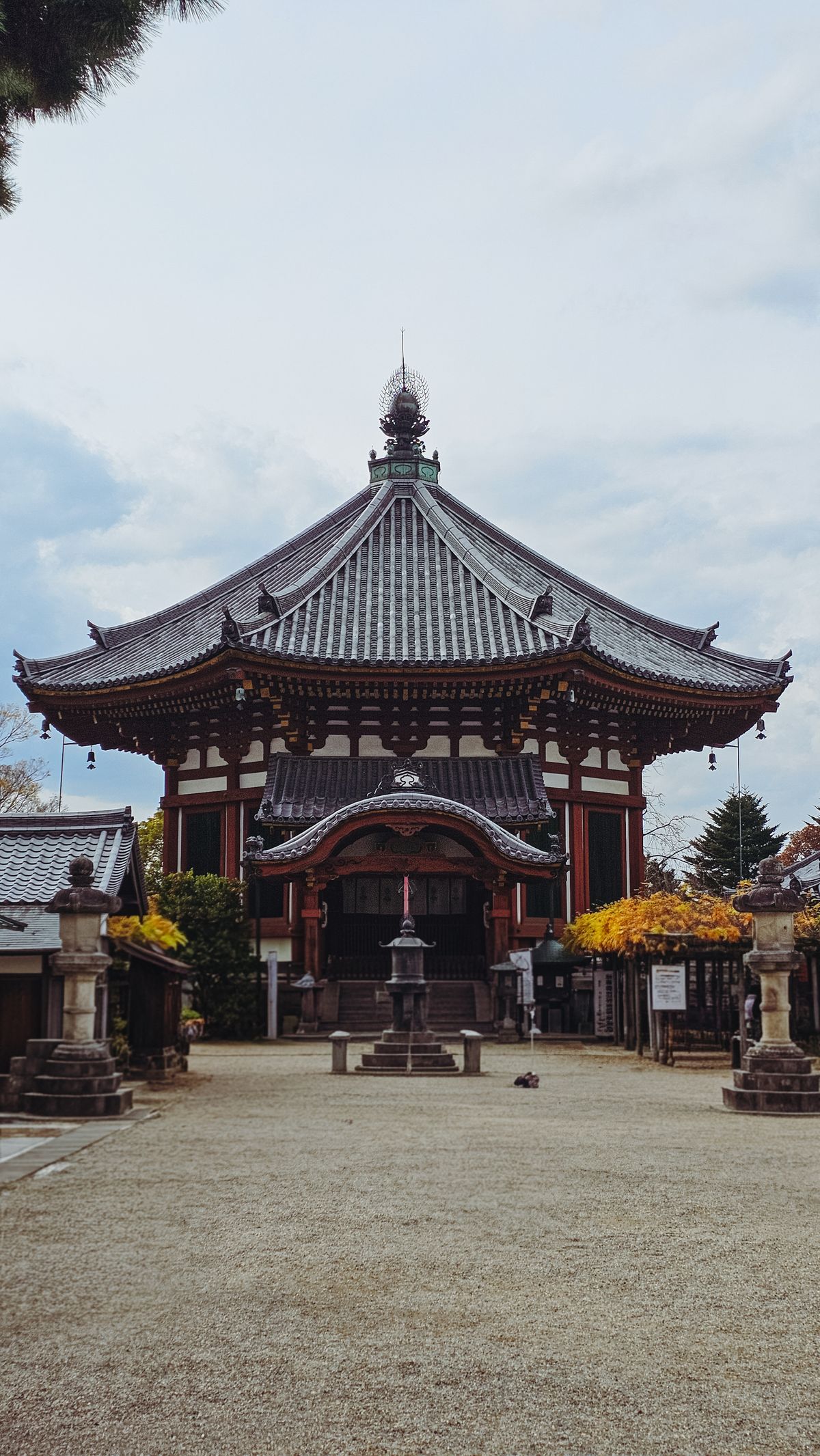
Naritasan is not a single building but a vast complex of gates, halls, pagodas and gardens, and the joy of a visit lies in wandering through it at your own pace. The entrance is marked by the imposing Niomon Gate, guarded by fierce statues and hung with an enormous red lantern, a popular photo spot. Beyond it, a flight of stone steps leads up to the heart of the temple.
The centrepiece is the Great Main Hall (Daihondo), a large and impressive modern hall completed in 1968 where the principal Fudo Myoo statue is enshrined and where the daily fire rituals take place. Nearby stands the beautifully ornate Three-Storied Pagoda, dating from 1712, its richly carved and gilded eaves a masterpiece of Edo-Period decoration. The former main hall, the Shakado, and the older Komyodo hall, are also worth seeking out for their weathered, intricate woodwork, offering a striking contrast to the grander modern structures.
There is no admission fee to enter the main temple grounds, so you are free to explore the halls, watch worshippers offer prayers and incense, and soak up the devotional atmosphere at no cost. Pick up a goshuin, a hand-brushed temple seal, in your stamp book if you are collecting them on your travels, a lovely memento of your visit.
The Great Pagoda of Peace and Naritasan Park
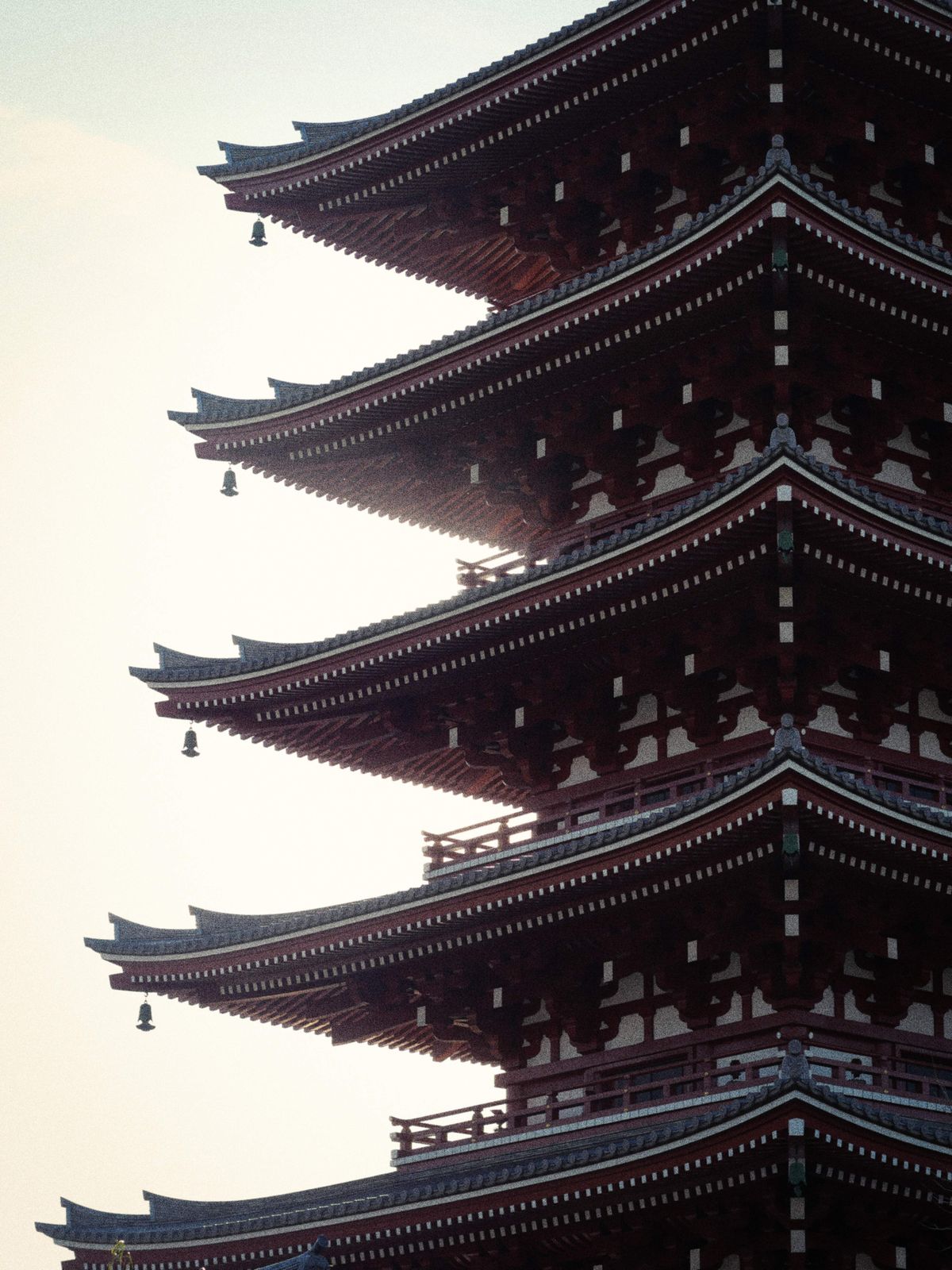
Behind the main halls rises one of Naritasan’s most striking structures, the Great Pagoda of Peace (Heiwa Daito). Built in 1984 and standing 58 metres tall, this vermillion, multi-tiered pagoda represents the teachings of Shingon Esoteric Buddhism. Inside it houses statues of Fudo Myoo and the Four Great Wisdom Kings, along with the Showa Great Mandala and a Tibetan sand mandala, and its upper levels are sometimes open for closer viewing.
Spreading out behind the pagoda is the wonderful Naritasan Park, a landscaped garden of about 165,000 square metres, roughly the size of nearly four Tokyo Domes. Far from the bustle of the halls, this is a green oasis of ponds, waterfalls, winding paths, calligraphy museum and seasonal beauty. In spring the plum and cherry blossoms bloom, while autumn paints the maples in fiery reds and oranges, making it one of the most photogenic and peaceful corners of the entire complex. Many visitors are surprised by the park’s scale and tranquillity, and it is well worth allowing an extra 30 to 60 minutes simply to stroll here.
The Goma Fire Ritual: A Powerful Living Tradition
One experience sets Naritasan apart from a typical temple visit: the goma fire ritual. Performed several times every day in the Great Main Hall, this dramatic Shingon Buddhist ceremony involves priests chanting sutras, beating great drums, and feeding wooden prayer sticks into a roaring sacred fire before the Fudo Myoo statue. The flames are believed to burn away earthly desires and misfortune, and worshippers bring personal items, from handbags to wallets to lucky charms, to be passed through the purifying smoke for blessing.
Visitors are warmly welcome to observe the ritual free of charge, and it is a genuinely moving and memorable spectacle, the deep resonance of the drums and chanting filling the hall as the fire blazes. Ceremony times are posted at the temple and vary through the day, so check the schedule when you arrive and aim to attend one if you can. Photography is generally restricted inside the hall during the ritual, so simply sit, watch and absorb the atmosphere. It is the kind of authentic cultural encounter that lingers in the memory long after your trip.
Narita Omotesando: The Old Approach Street and Its Famous Eel
Connecting the station to the temple gate is the Narita Omotesando, a gently winding approach street roughly 800 metres long and lined with more than 150 shops, restaurants, inns and souvenir stores. Many of the buildings retain a charming retro and traditional look, and walking down this slope towards the temple, past the aroma of grilling food and the chatter of pilgrims, is an experience in itself, a window into the world of an old Edo-Period temple town.
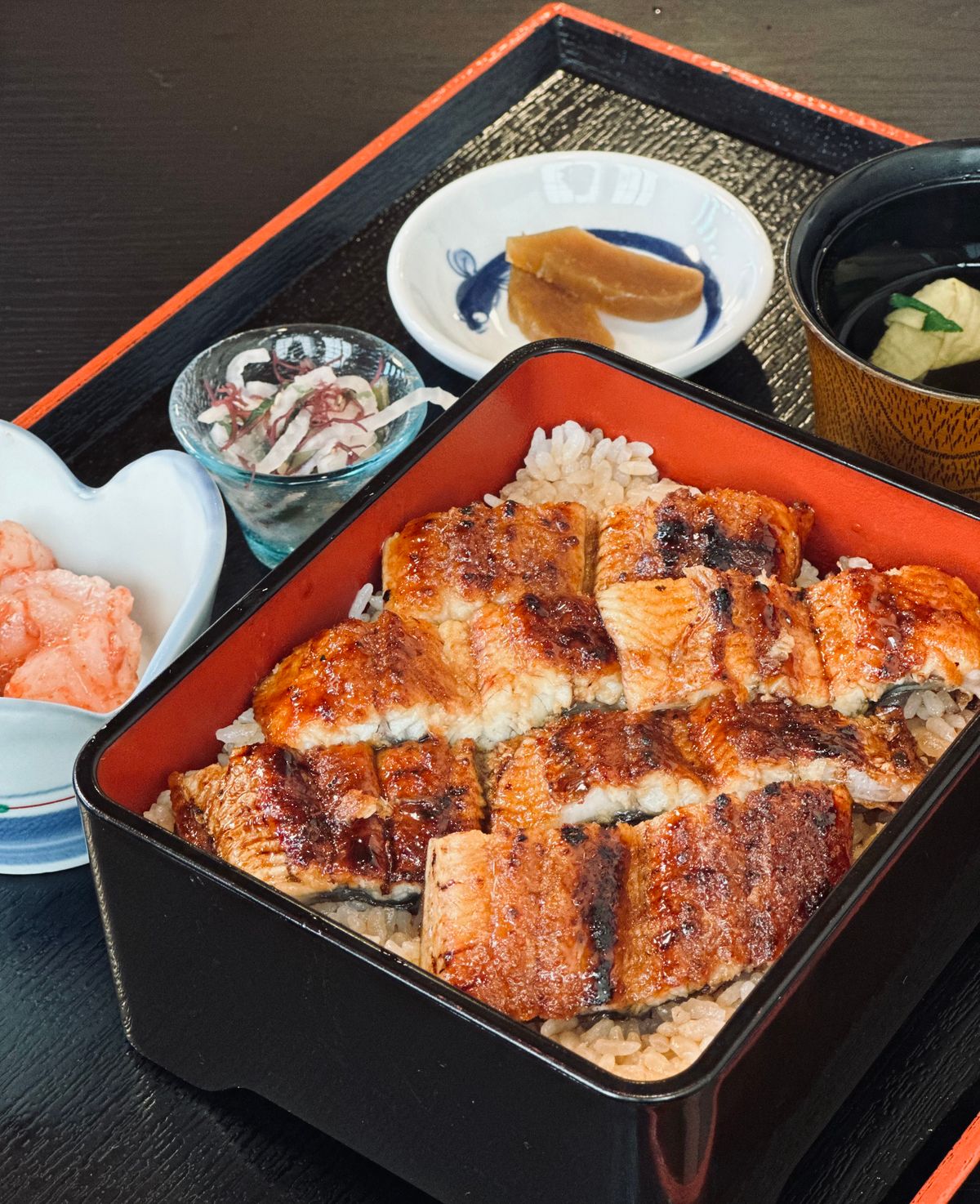
The street’s most famous speciality is unagi, freshwater eel. Narita’s connection to eel dates back centuries, when pilgrims arriving after a long journey were served this nourishing, energy-rich dish, traditionally caught in the rivers and marshes of the surrounding Chiba countryside. Today around sixty eel restaurants line the approach, and at many of them you can watch artisans skilfully filleting, skewering and grilling the eel right in the front of the shop. The eel is glazed with a sweet-savoury tare sauce and grilled until the outside is caramelised and the inside meltingly tender, then served over rice as unadon or unaju.
One of the most celebrated establishments is Kawatoyo, a long-running eel restaurant founded in 1910, where the eel is grilled out front and served with a clear soup made from the innards. Expect to queue at popular spots, especially on weekends, but the meal is worth it. A bowl of grilled eel over rice typically costs in the region of ¥2,500 to ¥4,000 (about US$17 to US$27), reflecting the skill and the rising price of eel, but it makes for an unforgettable lunch and a fittingly local way to round off a temple visit.
Beyond eel, the street is a treasure trove of souvenirs and snacks, from yokan sweet bean jelly and senbei rice crackers to pickles, sake and traditional crafts. It is the perfect place to pick up last-minute gifts before a flight.
Festivals and the Best Times to Visit
Naritasan is rewarding year-round, but certain dates bring it especially to life. The most famous is the Setsubun festival on 3 February, when celebrities, sumo wrestlers and kabuki actors join priests in throwing roasted soybeans to drive out evil and invite good fortune, drawing enormous crowds. The New Year period, from 1 to 3 January, sees more than three million visitors arrive for hatsumode, an extraordinary atmosphere but extremely crowded.
For a more relaxed visit, spring (late March to April) brings cherry and plum blossoms to Naritasan Park, while autumn (November) sets the maples ablaze with colour, both magical and far less hectic than the festival peaks. The Gion Festival in early July is another lively highlight, with floats and processions through the town. On a normal day, mornings are quietest, and arriving early lets you enjoy the halls and gardens before the day-trippers and tour groups appear.
Where to Stay Near Narita
Because of its location, Narita has an excellent range of accommodation, particularly useful if you have an early-morning departure or a late-night arrival. Options range from international airport hotels with shuttle buses to comfortable business hotels near the station and a handful of traditional inns close to the temple. Staying near Narita Station or along the approach street lets you enjoy the town in the evening, after the day-trippers have left, when the lantern-lit street is at its most atmospheric.
For travellers with early flights, an airport-area hotel removes all the stress of a pre-dawn dash across Tokyo. For those who want to soak up the old-town charm, an inn near the temple is the more romantic choice. Comparing prices in advance is the smart move, as rates near a major international airport can vary widely by date.
Book your hotel on Agoda (Best prices guaranteed) →
Suggested Itineraries: Layovers and Half-Days
The Layover Plan (4 to 6 hours)
If you have a long layover, Naritasan is one of the best uses of your time anywhere near a major world airport. Store your bags in an airport locker or luggage service, ride the Keisei or JR line into Narita (about 10 to 15 minutes), and walk down the Omotesando to the temple. Spend an hour or so exploring the main halls, the pagoda and a corner of the park, then enjoy a bowl of grilled eel on the approach street before heading back. Allowing a comfortable buffer for security and immigration, four to six hours between flights is plenty for a relaxed visit.
The Half-Day Trip from Tokyo
As a half-day excursion from Tokyo, Narita pairs beautifully with your departure day or as a change of pace from the city. Take a morning train out, explore the temple grounds and Naritasan Park thoroughly, browse the approach street for souvenirs, and settle in for a leisurely eel lunch. You will be back in central Tokyo by mid-afternoon, or you can continue straight to the airport with your bags if it is your flying-out day. It is one of the most efficient and satisfying day trips in the Tokyo area.
Practical Tips for Visiting Naritasan
- Use the airport lockers. If you are on a layover, store your luggage at the airport or use a luggage delivery service rather than dragging it around the temple and approach street.
- Check the goma ritual schedule. Fire ceremony times are posted at the temple and vary through the day; aim to attend one for the full experience.
- Arrive early. Mornings are calmest. Tour groups and day-trippers tend to arrive from late morning onwards.
- Mind your flight buffer. On a layover, always leave ample time for re-entering the airport, security and immigration before your onward flight.
- Carry some cash. Smaller eel restaurants and souvenir shops on the approach street may not take cards, and you will want yen for offerings and charms.
- Expect queues for eel. The most famous restaurants get busy at lunchtime, especially on weekends; go early or be prepared to wait.
- Dress respectfully. This is an active place of worship, so be considerate when prayers and rituals are taking place.
- Stay connected. Mobile data makes navigating trains, schedules and maps simple from the moment you land.
Understanding Fudo Myoo: The Fierce Guardian at the Heart of Naritasan
To get the most from a visit, it helps to understand the deity at the centre of it all. Fudo Myoo, the Immovable Wisdom King, is one of the most important figures in Esoteric Buddhism. He is depicted as a fearsome, often blue or black figure wreathed in flames, holding a sword in his right hand to cut through ignorance and a coiled rope in his left to bind and restrain evil. His furious expression is not anger for its own sake but compassionate ferocity, a determination to lead all beings towards enlightenment, even by force if necessary.
The flames that surround Fudo Myoo are why fire is so central to worship at Naritasan. The goma ritual, in which prayer sticks are burned in a sacred fire, channels this symbolism: the fire burns away delusion and worldly attachments, just as Fudo Myoo himself does. Knowing this transforms the experience of watching the ceremony, the roaring flames, the thunderous drums and the rhythmic chanting all become expressions of this single powerful idea. When worshippers pass their belongings through the smoke, they are seeking Fudo Myoo’s protection and the burning away of misfortune.
The Kabuki Connection: How Naritasan Won the Heart of Old Edo
One of the more colourful chapters in Naritasan’s history explains why it became so wildly popular among the common people of Edo-Period Tokyo. The legendary kabuki actor Ichikawa Danjuro I, who lived in the late 17th century, is said to have prayed at Naritasan for a child, and when his wish was granted, he became a devoted patron of the temple and its Fudo Myoo deity. He even performed plays celebrating the temple and adopted Naritaya as his stage-house name, a name the Ichikawa Danjuro lineage uses to this day.
Through the immense popularity of kabuki, word of Naritasan spread rapidly through Edo, and pilgrimages to the temple became fashionable among townsfolk. Travelling out to Narita on foot was a major undertaking in those days, turning the journey into a celebrated outing and helping the approach street and its inns and eel restaurants flourish. This deep link between the temple and the performing arts is part of why Naritasan feels so woven into the cultural fabric of the wider Tokyo region, and why its festivals still draw famous actors and performers today.
Beyond the Temple: More to See Around Narita
While the temple is the star, the Narita area has a few more attractions worth knowing about if you have extra time. Aviation enthusiasts and families love Sakura no Yama Park, a grassy hill at the edge of the airport where you can lie on the lawn and watch jumbo jets thunder directly overhead as they land, a surprisingly thrilling and free experience.
For a deeper dive into the region’s past, Boso no Mura is a sprawling open-air museum that recreates an Edo-Period village, complete with thatched farmhouses, merchant shops and craft demonstrations, where you can try traditional activities and get a vivid sense of old rural Japan. The Narita area is also dotted with quiet shrines, rice paddies and countryside that feel a world away from the neon of central Tokyo, despite being so close to one of the planet’s busiest airports.
If you are a fan of Japanese food culture more broadly, the Narita region sits within Chiba Prefecture, a major agricultural area known for peanuts, soy sauce production in nearby Choshi and Noda, and fresh produce, so the local culinary scene rewards exploration well beyond the famous eel.
Temple Etiquette: How to Visit Respectfully
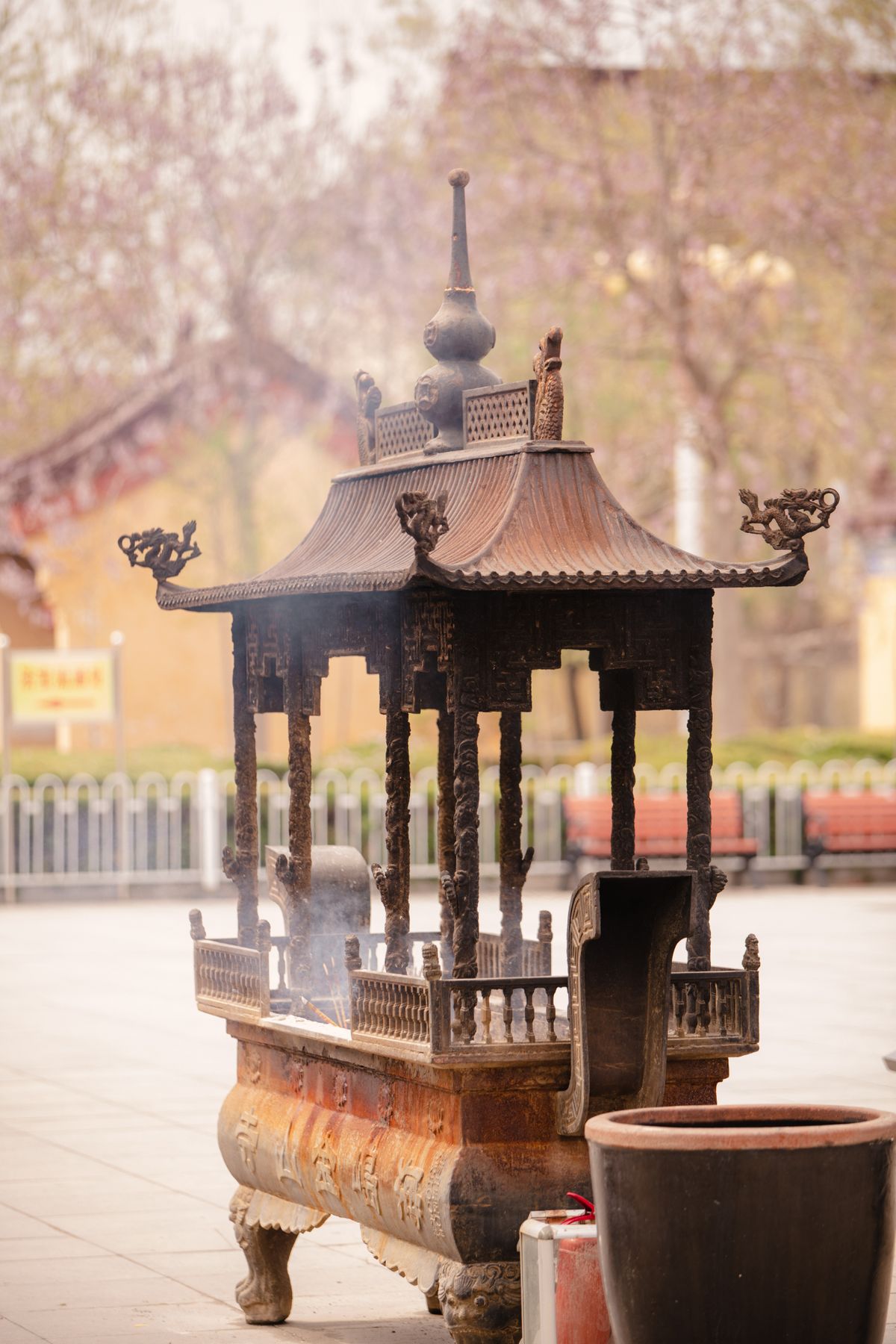
Naritasan is a working temple where people come to pray, so a little etiquette goes a long way and is much appreciated by locals. At the temple, you will often see a large incense burner; it is customary to waft the fragrant smoke towards yourself, as it is believed to bring health and good fortune. Before approaching the main hall, you may purify your hands at the water pavilion.
When making an offering, toss a coin gently into the offertory box, then put your hands together quietly in prayer; unlike at Shinto shrines, you do not clap at a Buddhist temple. Speak softly, avoid blocking worshippers, and follow any signs about photography, which is usually fine in the grounds but restricted inside halls during rituals. Dress is casual, but tidy and modest clothing is respectful. None of this is complicated, and observing these small courtesies makes your visit smoother and more meaningful. For a fuller primer on temple and shrine manners across Japan, our first-timer guides are a useful starting point.
Narita and Tokyo: How the Two Compare
First-timers sometimes wonder how a visit to Naritasan stacks up against the famous temples of central Tokyo, such as Sensoji in Asakusa. Both are major, historic and atmospheric, but they offer quite different experiences. Sensoji sits in the dense heart of the city, surrounded by Tokyo’s energy and easily combined with other urban sights, but it can be intensely crowded. Naritasan, by contrast, offers grander grounds, a serene landscaped park, the unmissable daily fire ritual, and a charming old approach street, all in a more relaxed small-town setting, with the unbeatable convenience of being right by the airport.
The good news is you do not have to choose. If your trip allows, see Sensoji during your Tokyo days for the city-temple experience, and save Naritasan for your arrival or departure when its airport proximity is most valuable. Together they give a wonderfully rounded picture of Japanese Buddhist culture, from the urban to the contemplative.
Naritasan Park in Detail: A Garden for Every Season
Naritasan Park deserves more attention than it often gets from rushed visitors. Laid out behind the Great Pagoda of Peace, this expansive landscape garden was designed in a naturalistic style, with three large ponds linked by streams and small waterfalls, gently rolling lawns, wooded groves and quiet walking trails that loop through the whole space. Stone bridges arc over the water, and benches invite you to simply sit and breathe after the activity of the halls.
The park changes character dramatically through the year. In February the plum blossoms open, followed by cherry blossoms in late March and April that draw locals for gentle hanami strolls. Summer brings deep green shade and the chance to escape the heat under the trees, while November transforms the maples into a blaze of crimson and gold that ranks among the better autumn-leaf spots in the greater Tokyo area. Within the grounds you will also find a calligraphy museum dedicated to the art of Japanese writing, a peaceful and uncrowded cultural stop. For anyone who appreciates Japanese garden design, the park alone justifies lingering an extra hour at Naritasan.
A Photographer’s Guide to Naritasan
Naritasan is wonderfully photogenic, and a few tips will help you capture it at its best. The giant red lantern of the Niomon Gate makes a dramatic foreground, especially shot from below looking up towards the gate. The ornate Three-Storied Pagoda rewards close attention to its gilded carvings, best photographed in soft morning or late-afternoon light when the colours glow. The Great Pagoda of Peace is most striking shot from the park side, where you can include the surrounding greenery or autumn colour.
For atmosphere, the approach street comes alive in the late afternoon and early evening, when lanterns begin to glow and the eel grills send up fragrant smoke. Arriving early not only means fewer crowds but also gentler light and the chance to photograph the halls before the day-trippers fill the frame. As always at a place of worship, be discreet, avoid photographing people at prayer up close, and respect the no-photography rule inside the halls during ceremonies.
Accessibility and Family-Friendliness
Naritasan is reasonably accessible and very family-friendly, though the layout does involve some stairs, particularly the steps from the Niomon Gate up to the main hall. There are slopes and alternative routes in places, and much of the park is navigable on gentle paths, but visitors with mobility needs should be prepared for some uneven ground and inclines across the large complex. Strollers are manageable on the main routes with a little planning.
For families, the temple offers plenty to capture children’s interest, from the fierce guardian statues and giant lantern to the thundering drums of the fire ritual and the jumbo jets overhead at nearby Sakura no Yama Park. The approach street is full of snacks and souvenir shops to keep young travellers engaged, and the open space of the park is a welcome place for them to run around after the discipline of the halls. It all adds up to a destination that works well across generations.
Charms, Stamps and Souvenirs to Take Home
Like all major Japanese temples, Naritasan offers a range of omamori, protective charms, that make meaningful and affordable souvenirs. Tied to Fudo Myoo, many here are associated with protection, traffic safety, success and warding off misfortune, and they typically cost a few hundred to around a thousand yen each. If you keep a goshuincho stamp book, the temple’s hand-brushed goshuin seal is a beautiful addition, inked and stamped by hand for a small fee.
On the approach street you will find more secular keepsakes too: handcrafted knives (Narita has a cutlery tradition), traditional sweets like yokan, locally made pickles, sake, and rice crackers freshly grilled before your eyes. Buying a few of these on your way back to the station is the perfect, low-stress way to gather gifts and last-minute treats before a flight, far more characterful than anything in the airport terminal. Carry some cash, as a number of the smaller, older shops do not accept cards.
Frequently Asked Questions
Is Naritasan Shinshoji worth visiting on a layover?
Yes, it is one of the best layover destinations near any major airport in the world. The temple is only about 10 to 15 minutes by train from Narita Airport and a short walk from the station, so with four or more hours between flights you can comfortably visit the temple, walk the historic approach street, eat grilled eel and return with time to spare. Just store your luggage and leave a sensible buffer for airport security.
How much does it cost to visit Naritasan?
Entry to the main temple grounds, halls, pagoda and Naritasan Park is free, as is observing the daily goma fire ritual. Your main costs are transport (around ¥280 one way from the airport on the Keisei Line) and food, such as a grilled eel lunch on the approach street for roughly ¥2,500 to ¥4,000. This makes Naritasan a very affordable cultural experience.
How much time do I need at Naritasan?
Allow about two to three hours to enjoy the temple at a relaxed pace, including the main halls, the Great Pagoda of Peace, a stroll through Naritasan Park, and a walk along the Omotesando approach street with a meal. If you simply want to see the highlights, ninety minutes is enough, while garden and photography lovers could happily spend half a day.
What is the best thing to eat in Narita?
The signature dish is unagi, freshwater grilled eel, served over rice as unadon or unaju. Around sixty eel restaurants line the approach street, many grilling the eel fresh out front. It is a centuries-old local tradition tied to the temple pilgrimage and a delicious, energy-rich meal. Beyond eel, look for traditional sweets, rice crackers, pickles and sake along the same street.
How do I get from Narita Airport to the temple?
Take the Keisei Line from Narita Airport to Keisei Narita Station (about 10 to 15 minutes, around ¥280), or the JR line to JR Narita Station (Narita Airport Terminal 2 is just one stop away). Both stations sit in the town centre, from where it is a 10 to 15 minute walk down the Omotesando approach street to the temple gate.
When is the best time of year to visit Naritasan?
Spring (late March to April) brings cherry and plum blossoms to Naritasan Park, and autumn (November) brings vivid maple foliage, both beautiful and relatively uncrowded. The Setsubun festival on 3 February and New Year hatsumode (1 to 3 January) are spectacular but extremely busy. For a peaceful visit, come on a weekday morning outside the festival peaks.
Can foreign visitors take part in the goma fire ritual?
Yes. Foreign visitors are warmly welcome to observe the goma fire ritual in the Great Main Hall free of charge, and you can also have personal belongings such as a bag or wallet blessed by passing them through the purifying smoke. You do not need to be Buddhist or speak Japanese to attend; simply arrive a little before a scheduled ceremony time, take a seat quietly, and follow the lead of those around you. It is one of the most powerful and accessible cultural experiences at the temple.
Is one day enough to see both Naritasan and central Tokyo?
It is tight but possible on a departure day. Many travellers visit Naritasan in the morning before an afternoon or evening flight, having spent earlier days in Tokyo. Trying to cram a full Tokyo sightseeing day and Naritasan into the same day is rushed; it works far better to treat Narita as its own relaxed half-day, ideally bookending your trip on arrival or departure when you are already near the airport.
Final Thoughts: Don’t Just Pass Through Narita
It is easy to think of Narita as nothing more than an airport, a place to hurry through on the way to somewhere else. But just minutes from those runways lies a thousand-year-old temple of extraordinary depth, where sacred fires still burn daily, a vermillion pagoda soars above tranquil gardens, and an old pilgrim street fills the air with the aroma of grilling eel. Whether it is your very first hour in Japan or your very last, Naritasan Shinshoji turns dead time at the airport into one of the most memorable and authentic cultural experiences of your trip.
To plan the rest of your journey, browse our full collection of Japan destinations, get oriented with our Japan travel tips for first-timers, and explore more of the region in our Chiba travel guide. Wherever you go next, make sure you land ready and connected.
Get your Japan eSIM (Stay connected from day 1) →
Going to Japan? Talk to locals with confidence.
Hirameki Japanese — instant offline translation, camera translation, furigana + romaji, and 314 free flashcards. No login. Works without internet.

Plan your Japan trip
Two things every first-timer should book
Some links are affiliate links. If you book through them we may earn a small commission at no extra cost to you.