In this guide
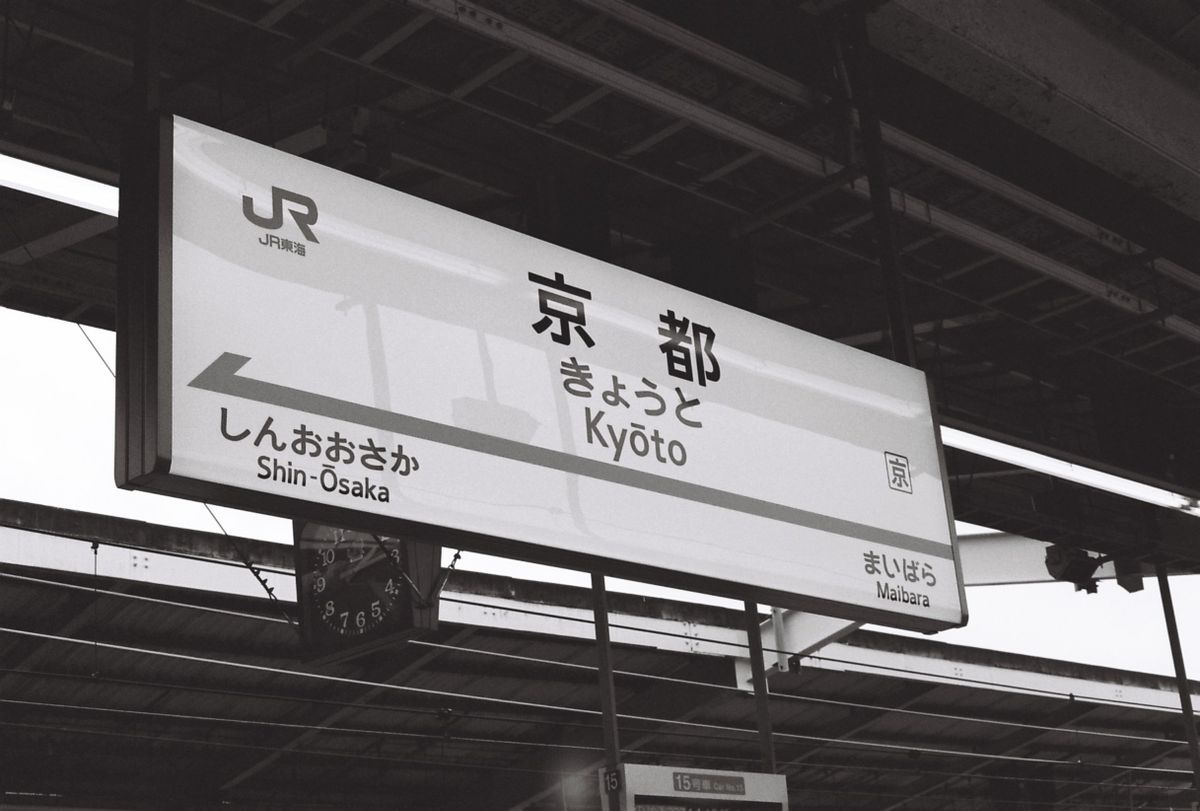
- Characters to recognize on sight
- When you can’t read it: camera translation
- Announcements & platform tips
- FAQ
Characters to recognize on sight
| Japanese | Reading | Meaning |
|---|---|---|
| 出口 | deguchi | Exit |
| 入口 | iriguchi | Entrance |
| 乗り場 | noriba | Boarding area / platform |
| 乗り換え | norikae | Transfer |
| 口 | kuchi | (gate) e.g. 東口 = east exit |
| お手洗い | otearai | Toilet |
| net;務室 | jimushitsu | Office (ask staff here) |
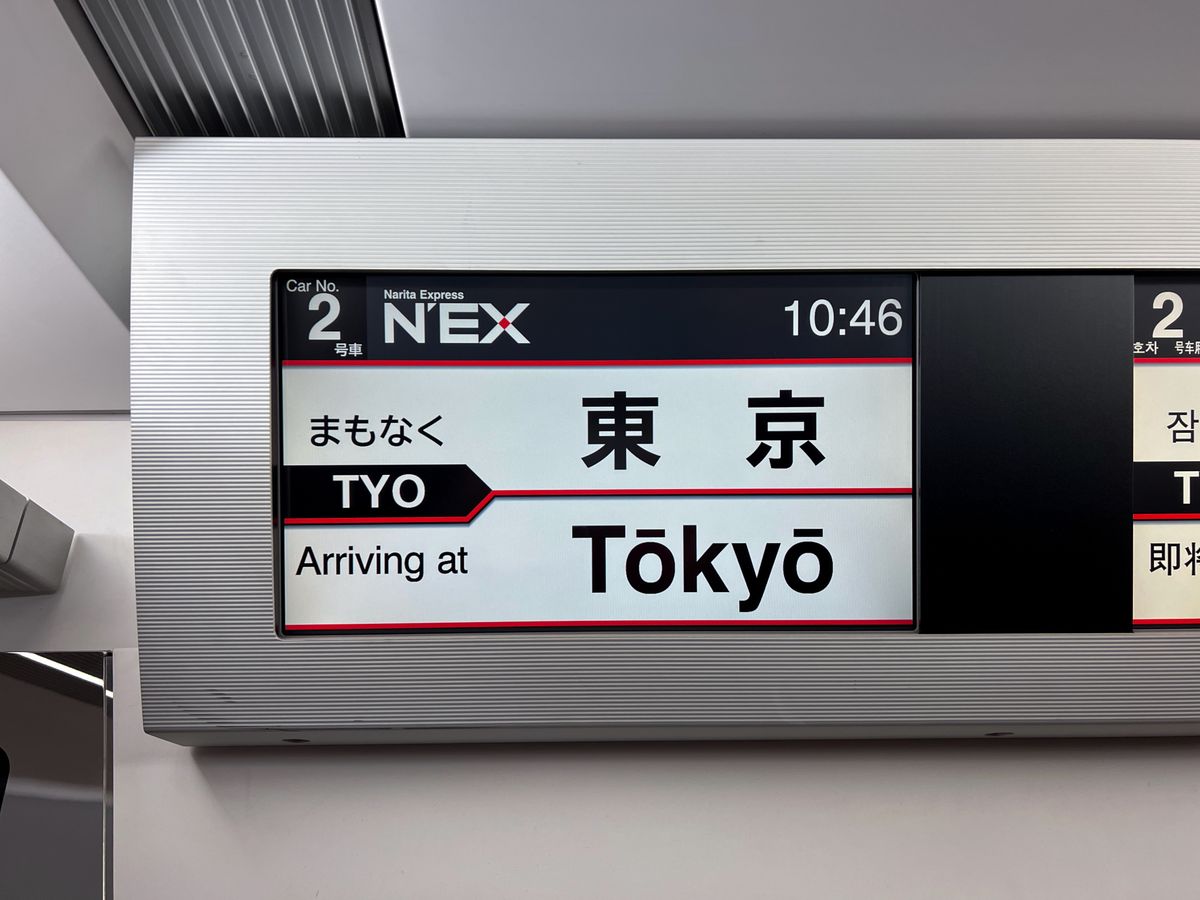
Just knowing deguchi (exit) and the compass exits (東 east, 西 west, 南 south, 北 north) solves most of the “which way out?” panic in big stations.
When you can’t read it: camera translation
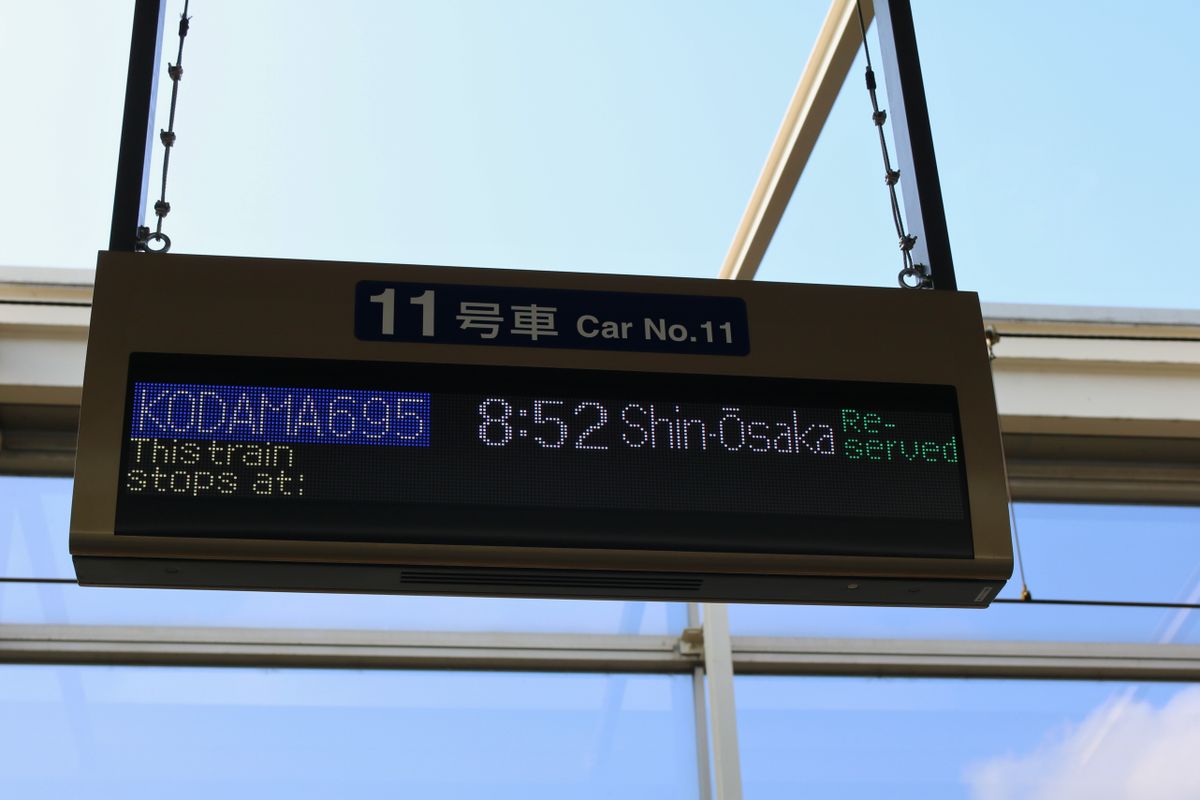
For anything handwritten or unusual — a temporary platform-change notice, a closed-counter sign, a bus timetable — open Hirameki Japanese and point the camera. It translates on the spot, works offline (vital underground), and overlays furigana/romaji so you can read place names aloud to ask staff. It’s free and needs no login, so it’s there the instant you’re stuck.
Announcements & platform tips
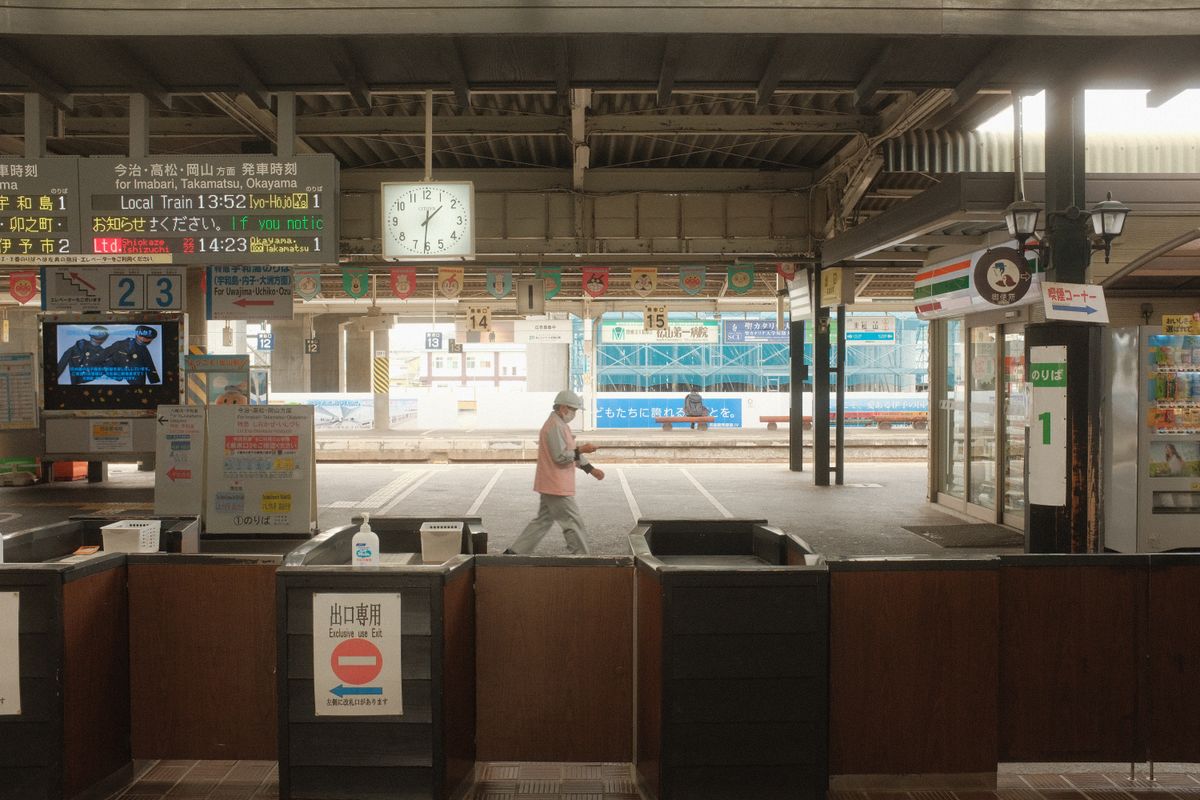
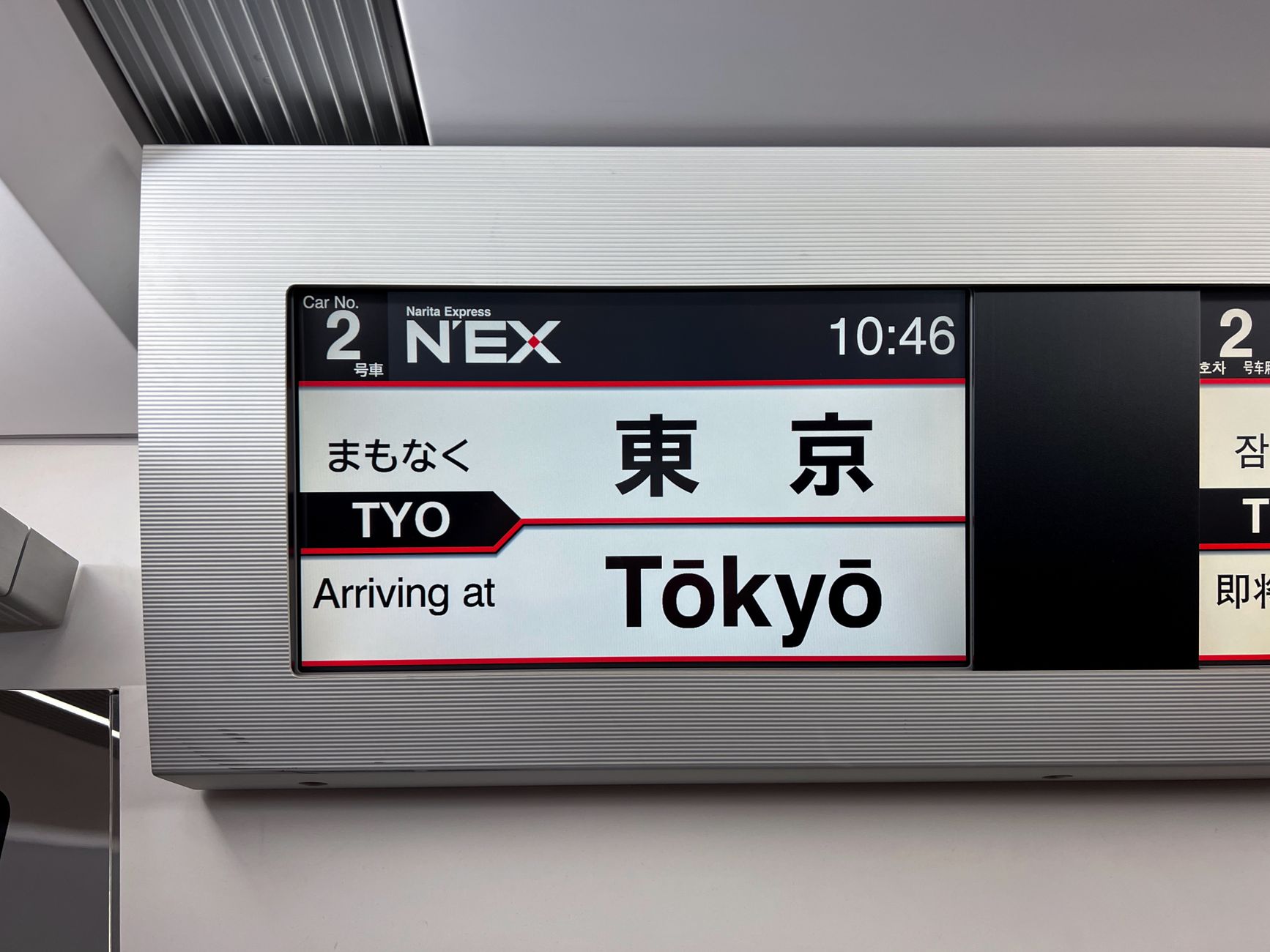
Most shinkansen and major-line announcements repeat in English. On local lines they may not — watch the scrolling display, which usually cycles through English. Stand in the marked queue spots on the platform, and let passengers off before boarding. For the bigger picture, see our IC card guide and essential phrases. Staying connected with an eSIM means maps and translation always work.
Frequently asked questions
Are Japanese train stations in English? Major ones yes; local lines and notices often aren’t — a camera-translation app covers the gaps.
Does translation work underground with no signal? Hirameki works offline, so yes.
How do I find the right exit? Learn deguchi (exit) plus the compass kanji; big stations have many exits.
What if I board the wrong train? Get off at the next stop and ask staff (point to your destination on your phone).
Going to Japan? Talk to locals with confidence.
Hirameki Japanese — instant offline translation, camera translation, furigana + romaji, and 314 free flashcards. No login. Works without internet.

Plan your Japan trip
Two things every first-timer should book
Some links are affiliate links. If you book through them we may earn a small commission at no extra cost to you.