Golden Week is Japan’s most significant holiday period — a cluster of four national holidays spread across the final days of April and the first week of May that most Japanese workers take as a single extended break. For travellers, Golden Week is simultaneously the best and worst time to visit Japan: the weather is superb, the country is in festive spirits, and seasonal events are everywhere — but so are the crowds and the inflated prices. This guide explains what Golden Week is, how it affects your trip, and how to make the most of it if you are travelling to Japan during this period.
What is Golden Week?
Golden Week (ゴールデンウィーク, Goruden Wiiku) is a collection of four Japanese national holidays that fall within a one-week span:
Showa Day (昭和の日) — April 29. Originally the birthday of Emperor Showa (Hirohito), now observed as a day to reflect on Japan’s turbulent Showa era (1926–1989).
Constitution Memorial Day (憲法記念日) — May 3. Commemorates the promulgation of Japan’s post-war constitution in 1947.
Greenery Day (みどりの日) — May 4. A day to appreciate nature and the natural world.
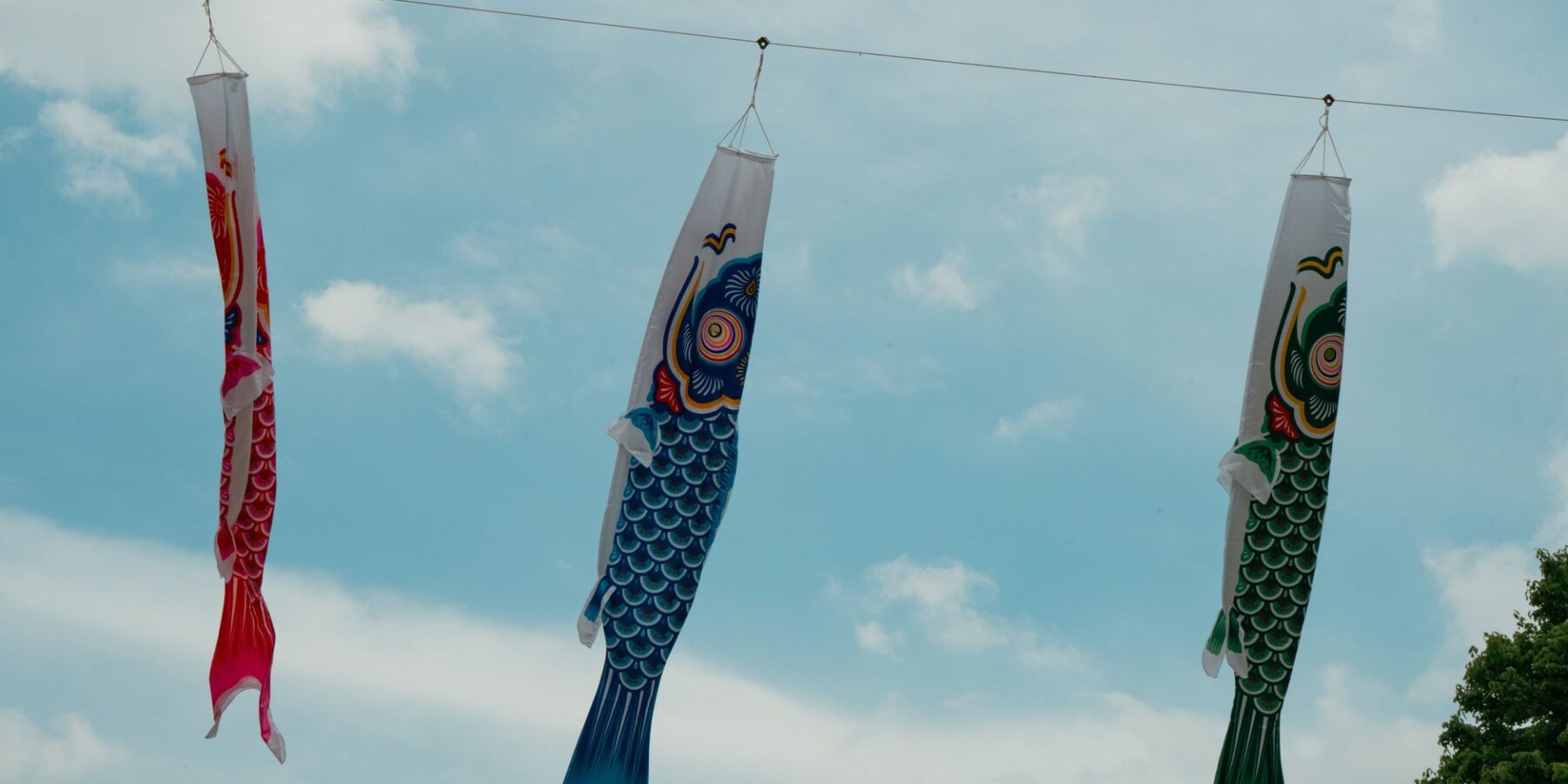
Children’s Day (こどもの日) — May 5. A celebration of children’s happiness and the role of mothers. Famous for the colourful carp-shaped streamers (koinobori) flown outside homes and displayed throughout Japan.
When April 29 falls on a Tuesday, the intervening days (April 30 onwards) are often taken as additional annual leave by Japanese workers, creating a continuous break of 10–12 days. The period from approximately April 27 to May 6 is referred to as “Golden Week.”
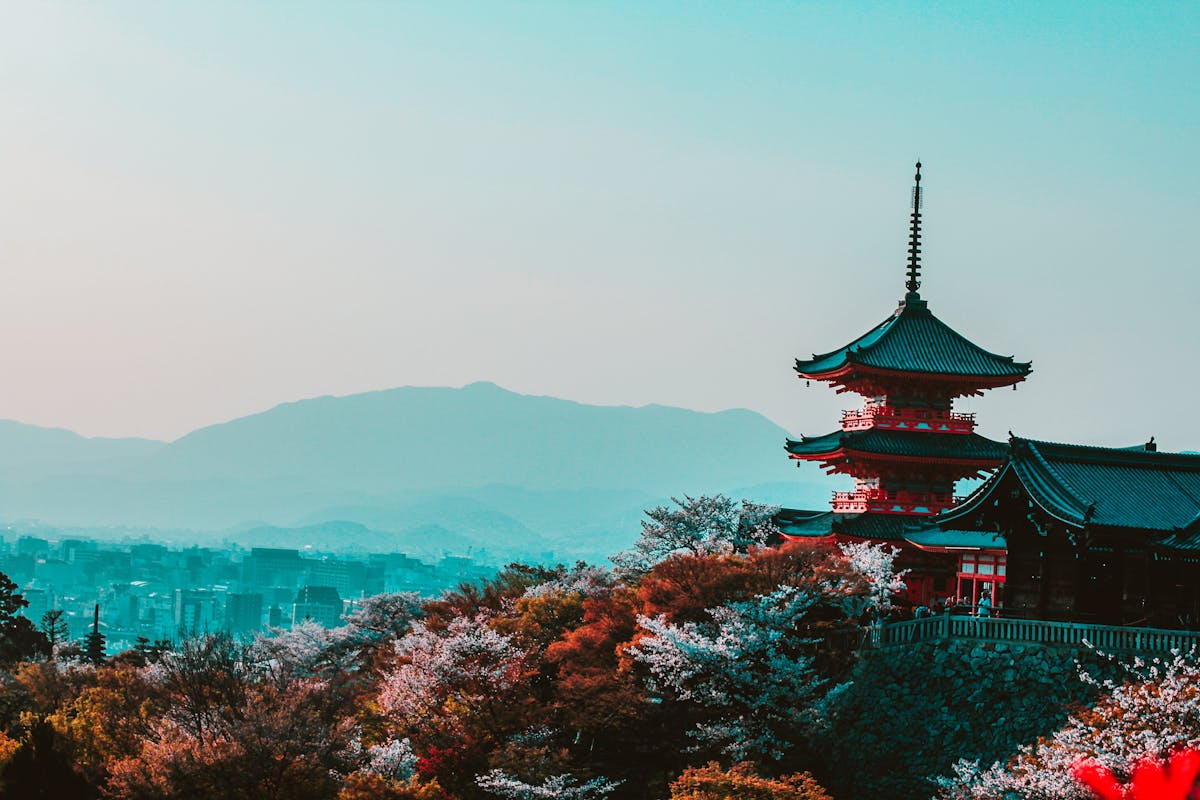
What to Expect During Golden Week
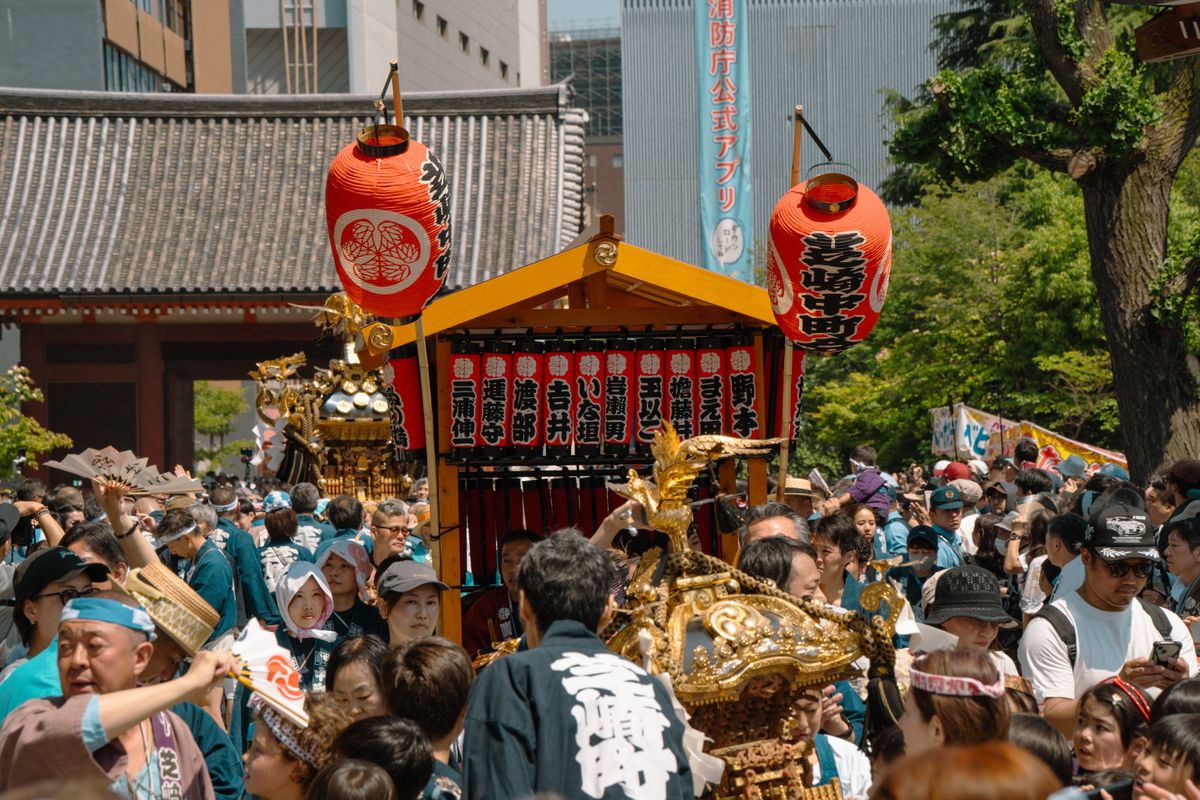
Crowds
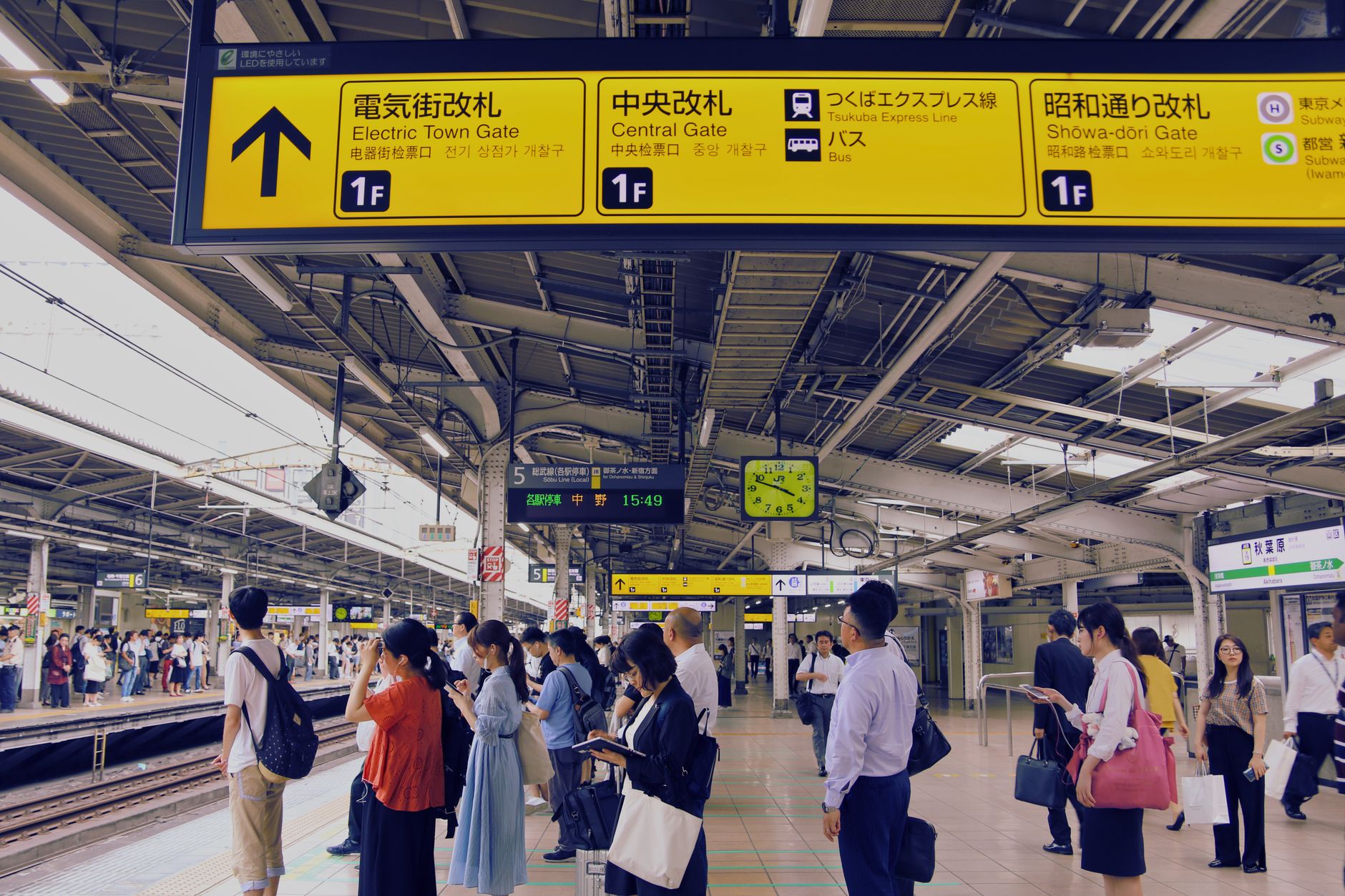
Golden Week is when a large share of Japan’s roughly 123 million people are on holiday at the same time. Domestic travel surges to extraordinary levels. Japan’s most popular destinations — Kyoto, Tokyo Disneyland, Mount Fuji, Hakone, Nara — can be legitimately overwhelmed. Shinkansen seats sell out weeks in advance. Popular ryokan and hotels are booked out months ahead. Queue times at major temples can reach two hours.
This is not an exaggeration. The Fushimi Inari approach in Kyoto, which normally has pleasant early-morning walks among the torii gates, can have solid lines of people moving at a shuffle pace during peak Golden Week days (May 3–5). The approach roads to Fuji Five Lakes are frequently gridlocked.
Prices
Accommodation prices during Golden Week can be 50–150% higher than the same properties in early April or late May. Bullet train tickets at full fare can become expensive at peak times (though the JR Pass covers unlimited Shinkansen journeys regardless of demand; only the Nozomi and Mizuho need an extra NOZOMI MIZUHO Ticket). Domestic flights book out fast. Tourist activities, while not dramatically more expensive, often require advance booking that is simply unavailable if you leave it too late.
Atmosphere
Despite the crowds, the atmosphere during Golden Week is genuinely festive and joyful. Japanese families are out in force — picnicking in parks, flying kites, visiting festivals, and enjoying the spring sunshine. The koinobori streamers flying from homes and shopping centres are cheerful and photogenic. Festivals, markets, and outdoor events cluster throughout the period. The energy is positive rather than stressful, provided you are prepared.
Golden Week Dates 2027–2028
The core holidays are fixed (April 29, May 3, 4, 5 every year), but the surrounding days vary:
2027: April 29 (Thursday) through May 5 (Wednesday). Core holiday cluster May 3–5.
2028: April 29 (Saturday) through May 5 (Friday). With May 1 and 2 (Monday and Tuesday) as regular working days, and no substitute holiday for the Saturday Showa Day, this is a slightly shorter Golden Week unless workers take annual leave.
Best Places to Visit During Golden Week
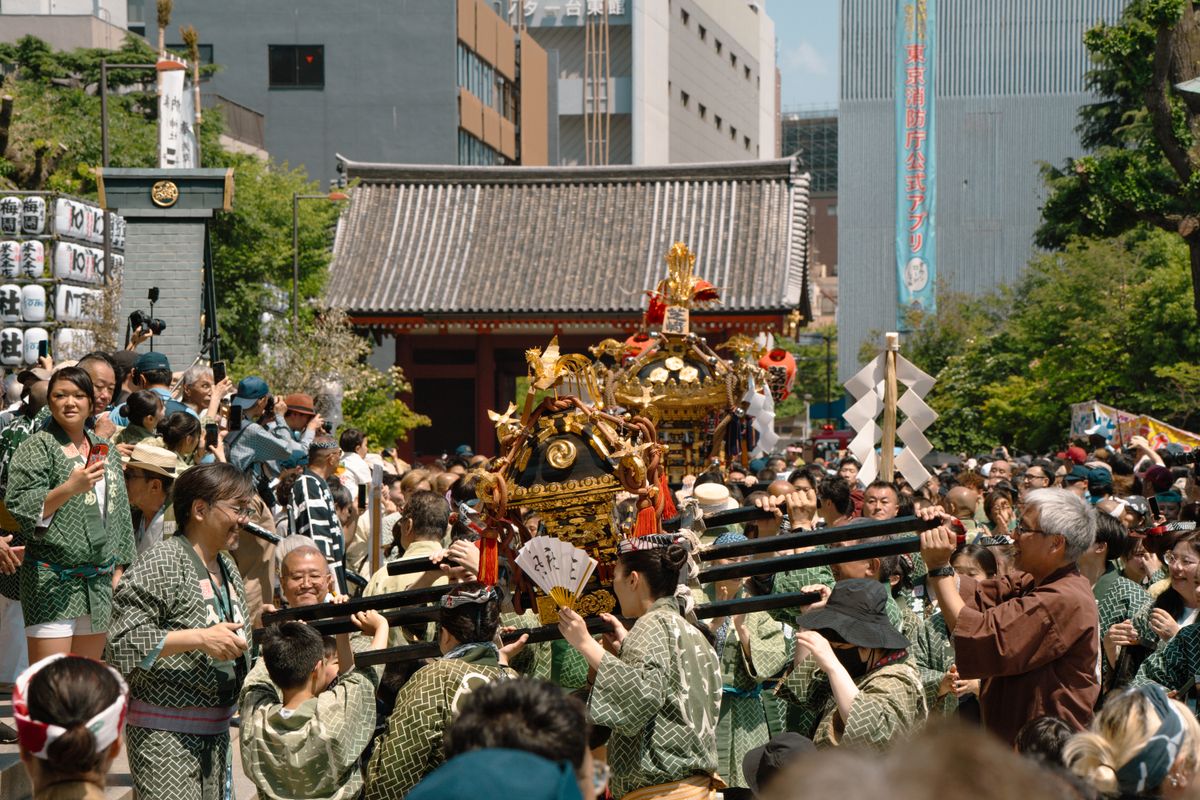
Destinations That Work Well During Golden Week
Local festivals: Golden Week is prime festival season across Japan. Look for matsuri (traditional festivals) in smaller towns and cities — these are genuinely joyful, photogenic, and far less crowded than Kyoto or Tokyo’s major tourist sites. Research festivals in whichever region you are visiting.
Less-visited national parks: Shikoku (particularly the Iya Valley and Kochi coastline), the San’in coast (Tottori, Shimane), and northern Tohoku (Aomori, Iwate) are significantly less crowded during Golden Week than the tourist corridor between Tokyo and Kyoto. The weather in late April/early May is excellent throughout Japan.
Hokkaido: While Sapporo and Niseko have their share of visitors during Golden Week, Hokkaido’s vast countryside and less-trafficked national parks (Daisetsuzan, Shiretoko) remain calm. The spring wildflowers in Hokkaido are exceptional in early May.
Urban exploration of less-famous districts: In Tokyo and Osaka, exploring the quieter residential and artisan districts — Yanaka in Tokyo, Kitahorie in Osaka — provides a very different experience from the tourist hotspots. Many local craftspeople and small shops have special Golden Week events.
Destinations to Approach Carefully
Kyoto: The most crowded Japanese destination during Golden Week. If you must visit Kyoto during this period, plan to be at major sights (Fushimi Inari, Kinkakuji, Arashiyama) by 6:00–7:00 AM, well before tour buses arrive. Evening visits to Gion and the Philosopher’s Path are worth attempting.
Mount Fuji: Access roads and the Fuji Five Lakes area gridlock during Golden Week. Consider visiting Fuji in the morning before 9:00 AM and leaving before 11:00 AM. The climbing season does not open until July (July 1 on the Yoshida Trail in 2026; the 2027 dates have not been announced yet), so summit attempts are not possible.
Tokyo Disneyland and DisneySea: Both parks sell out their daily ticket allocation weeks in advance during Golden Week. Book tickets the moment they become available (exactly two months ahead, at 14:00 Japan time). If you find the parks sold out, do not pay inflated resale prices — consider visiting a different day or choosing an alternative Tokyo activity.
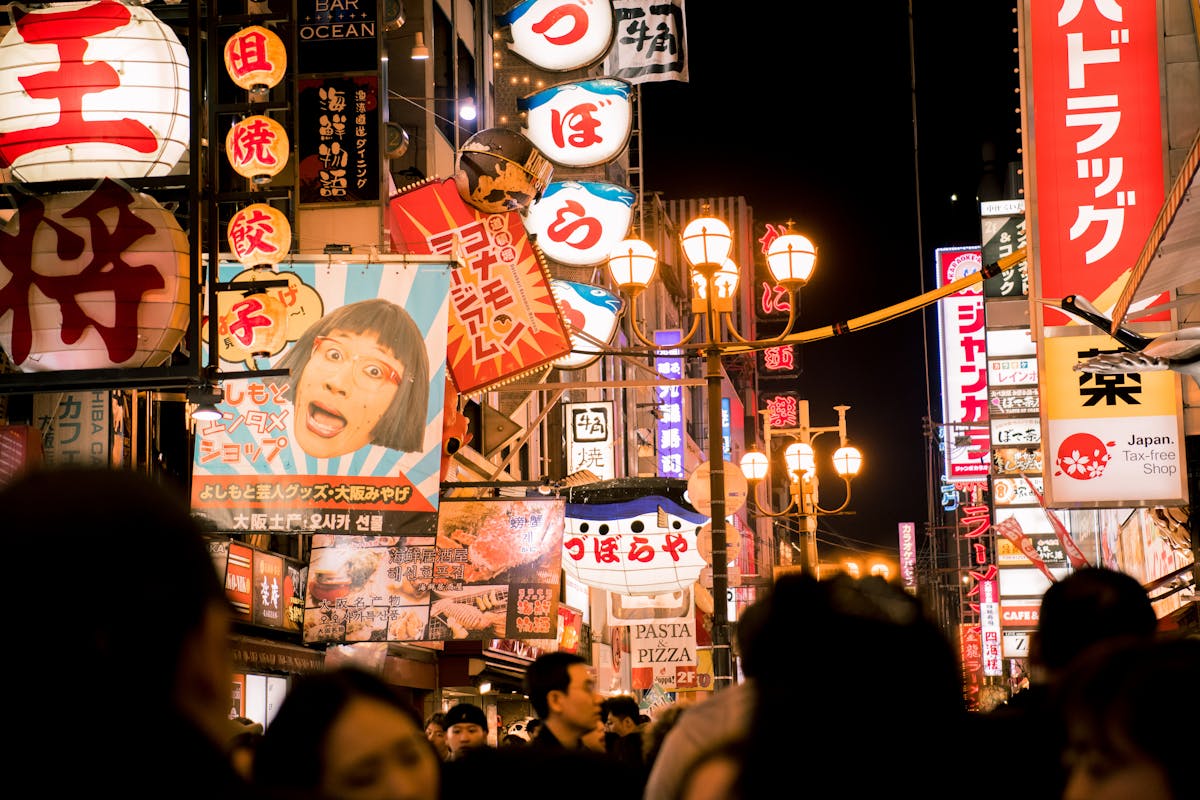
Golden Week Events and Festivals
Hakata Dontaku (Fukuoka, May 3–4): One of Japan’s largest festivals, with an estimated 2 million attendees. Colourful parades, traditional dances, and carnival atmosphere throughout Fukuoka’s streets. Worth planning a Fukuoka trip around.
Hamamatsu Festival (Shizuoka, May 3–5): One of Japan’s great kite festivals, with enormous kite battles over the sea in the morning and a spectacular nighttime float procession through the city. Hamamatsu is easily accessible from Tokyo (about 1.5 hours by Hikari Shinkansen) or Shin-Osaka (about 1.5 hours).
Naha Dragon Boat Race (Okinawa, May 4–5): A traditional boat race with vibrant atmosphere, excellent local food stalls, and great weather. Naha is a good Golden Week destination in general — while popular, the crowds are manageable compared to mainland destinations.
Yosakoi Matsuri (Kochi, August 9–12, outside Golden Week): Kochi’s famous dance festival, with hundreds of costumed teams, is in summer, but the city still makes a relaxed spring base. Kochi in Shikoku is much less crowded than Kyoto or Tokyo during Golden Week.
How to Travel Efficiently During Golden Week
Book everything 2–3 months in advance: Shinkansen reserved seats, hotel rooms, ryokan, Disney tickets, popular restaurants — all need to be booked months ahead for Golden Week. The earlier the better. By March, most popular accommodation options are already filling up.
Be flexible on dates: The peak days are typically May 3, 4, and 5. The days immediately before (April 29–30) and immediately after (May 6–7) are noticeably less crowded and sometimes cheaper. If your schedule is flexible, shifting one day in either direction can significantly improve your experience.
Consider moving in the opposite direction to crowds: Most Japanese domestic tourism during Golden Week runs from major cities out to famous tourist destinations. Counter-flow travel — heading into cities like Tokyo or Osaka while residents leave — sometimes provides a surprisingly uncrowded urban experience.
Use an IC Card and buy Shinkansen tickets early: Unreserved Shinkansen carriages (jiyuseki) are available on a walk-up basis but can be extremely crowded during Golden Week. Reserve specific seats when booking. The JR Pass does not guarantee a seat — reserve free at a ticket machine or staffed counter, or online if you bought the pass on the official site.
What to Pack for Golden Week Travel
Late April to early May in Japan offers near-perfect weather: temperatures of 18–24°C in most of Honshu, low rain, and long daylight hours. However:
Pack layers: mornings and evenings can be cool (12–15°C), while midday can be genuinely warm. A light jacket is essential. Comfortable walking shoes are critical — you will walk enormous distances, especially if crowds force you to walk between destinations rather than taking crowded buses. A small backpack for the day, sunscreen, and a compact umbrella complete the essential kit. For a full packing list, see our Japan Packing List guide.
Budget Breakdown for a Golden Week Trip
Expect to pay premium prices for accommodation during Golden Week. Prices that are normally ¥8,000–¥12,000 per night for a good business hotel may rise to ¥15,000–¥20,000. Budget for:
Accommodation: ¥15,000–¥25,000/night (significantly higher than regular season). Shinkansen: standard prices (JR Pass holders unaffected). Meals: standard prices — food prices do not typically surge during Golden Week. Activities and temples: standard prices. Emergency fund: add 20–30% to your normal daily budget for Golden Week to cover price premiums and unexpected expenses.
Frequently Asked Questions
Q: Should I avoid Japan during Golden Week?
A: Not necessarily — the atmosphere is excellent and the weather is ideal. However, if you have flexibility, visiting just before (mid-April, cherry blossom season) or just after (late May, excellent weather with significantly fewer crowds) Golden Week is often more enjoyable. If you are locked into Golden Week travel dates, go in with accurate expectations and book everything months in advance.
Q: Are shops and restaurants open during Golden Week?
A: Most tourist-oriented businesses (restaurants, souvenir shops, department stores, attractions) remain open throughout Golden Week — this is, after all, their busiest period. Government offices and some administrative services are closed on the national holidays. Some small family-run businesses close for the full week.
Q: Can I get Shinkansen tickets during Golden Week without a JR Pass?
A: Yes, but reserved seat tickets sell out well in advance. If you do not have a JR Pass, buy tickets the moment you confirm your travel plans — ideally 1–2 months ahead. Unreserved carriages always have standing room available on the day, but standing on a 2-hour Shinkansen journey is unpleasant.
Q: What is the best city base for Golden Week?
A: Osaka is slightly less intense than Kyoto during Golden Week and gives easy access to Kyoto, Nara, and Kobe. Hiroshima is excellent during Golden Week — less crowded than Kansai, and Miyajima is extraordinary in spring. For first-time visitors who must see Kyoto, book accommodation inside Kyoto (not a Kyoto day trip from Osaka) so you can walk to sights at 6:00 AM before the tour buses arrive.
Final Thoughts
Golden Week is Japan at its most alive — buzzing, festive, and fully energised by the country’s collective need for rest and celebration. The combination of perfect spring weather, koinobori streamers, outdoor festivals, and the palpable joy of millions of people on holiday simultaneously makes it a genuinely special time to travel. With good planning, realistic expectations about crowds, and a willingness to wake up early, Golden Week can be one of Japan’s most memorable travel experiences.
Related guides
- Narita & Haneda Airport to Tokyo: The Complete Access Guide
- Best eSIM for Japan (2026): Honest Comparison for Travelers
- Suica vs Pasmo: The Complete Guide to Japan’s IC Cards (2026)
🗾 Planning your trip? Get our free 7-Day Japan Itinerary (PDF)
Day-by-day Tokyo → Kyoto → Osaka plan with real prices and essential phrases — sent straight to your inbox.
Going to Japan? Speak Japanese with confidence.
Hirameki Japanese — camera translate for menus and signs, a two-way conversation mode, and furigana + romaji on every phrase. Free to download with kana charts, conversation mode and starter words; a one-time purchase unlocks everything.

Plan your Japan trip
Two things every first-timer should book
Some links are affiliate links. If you book through them we may earn a small commission at no extra cost to you.