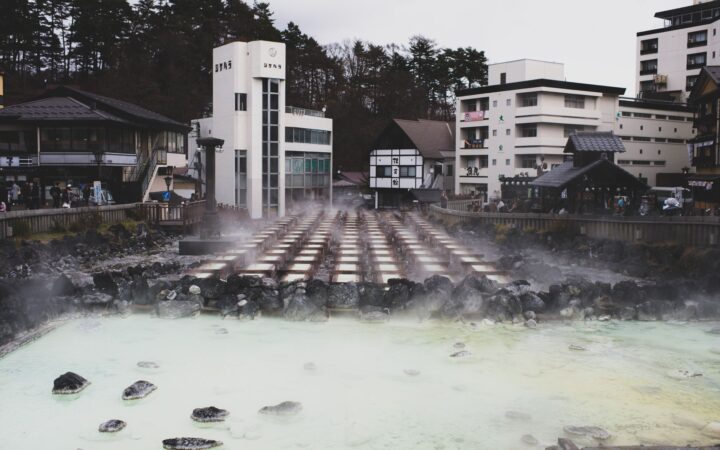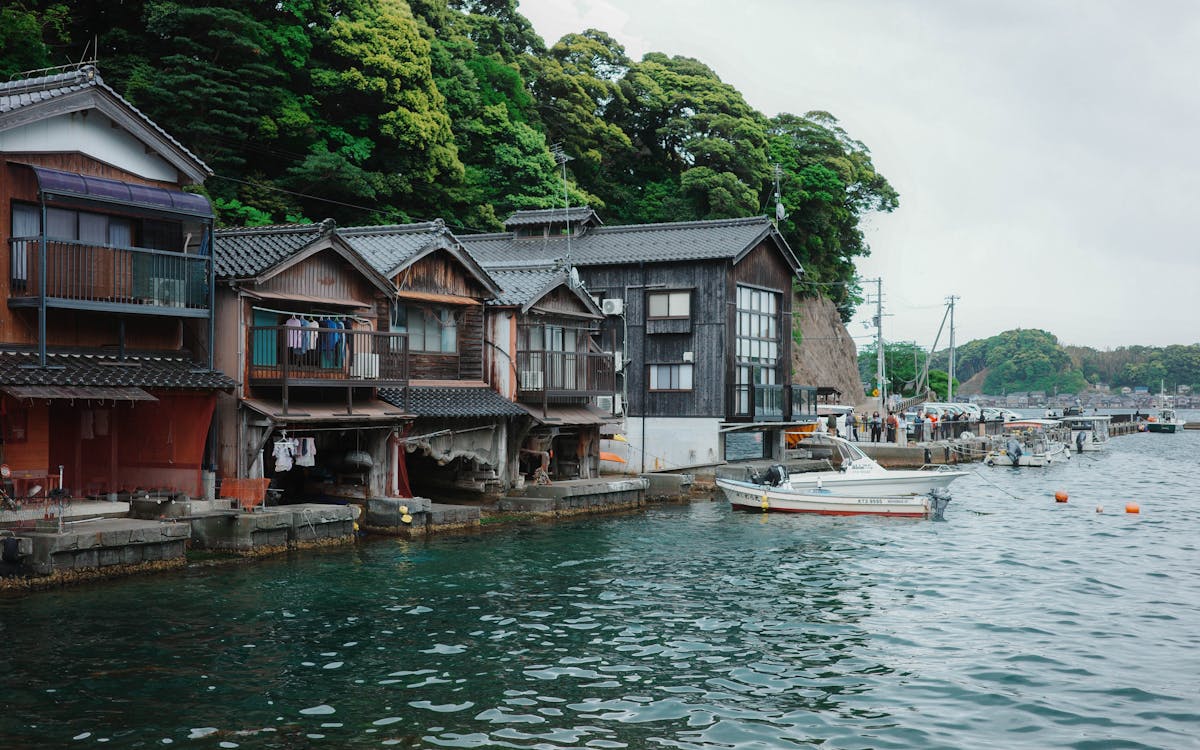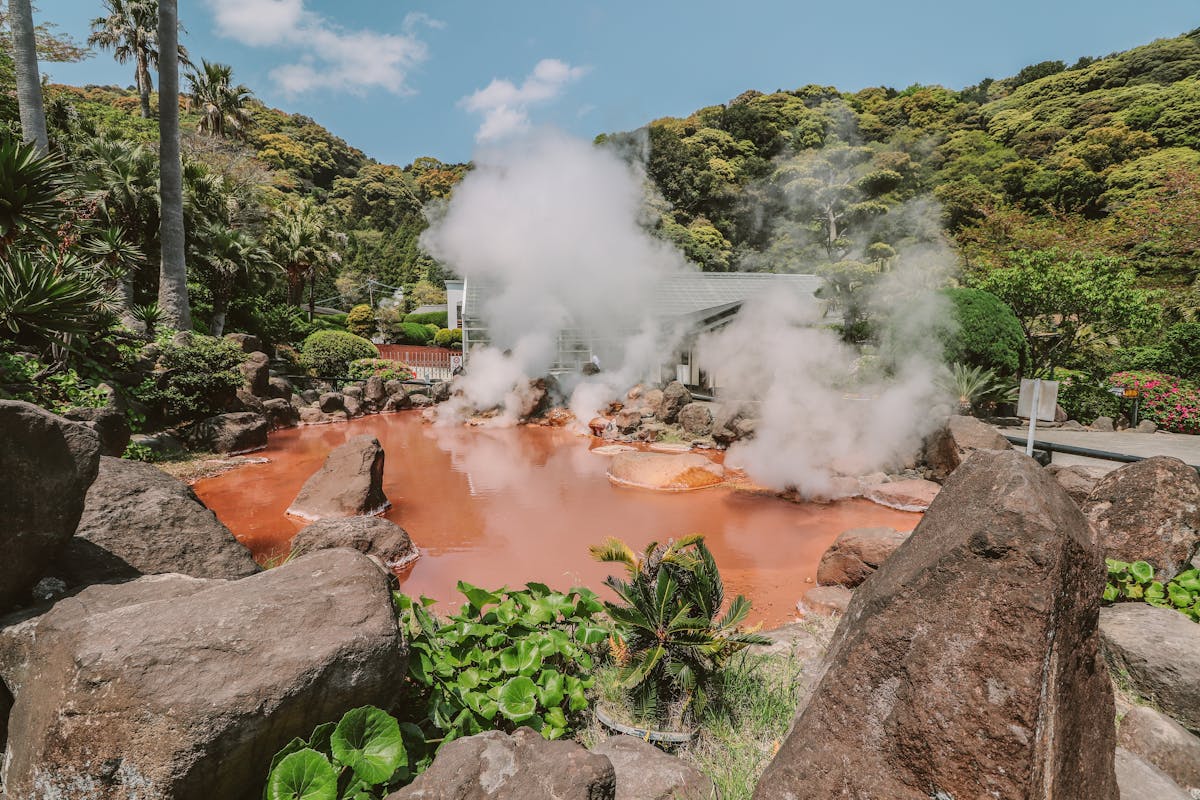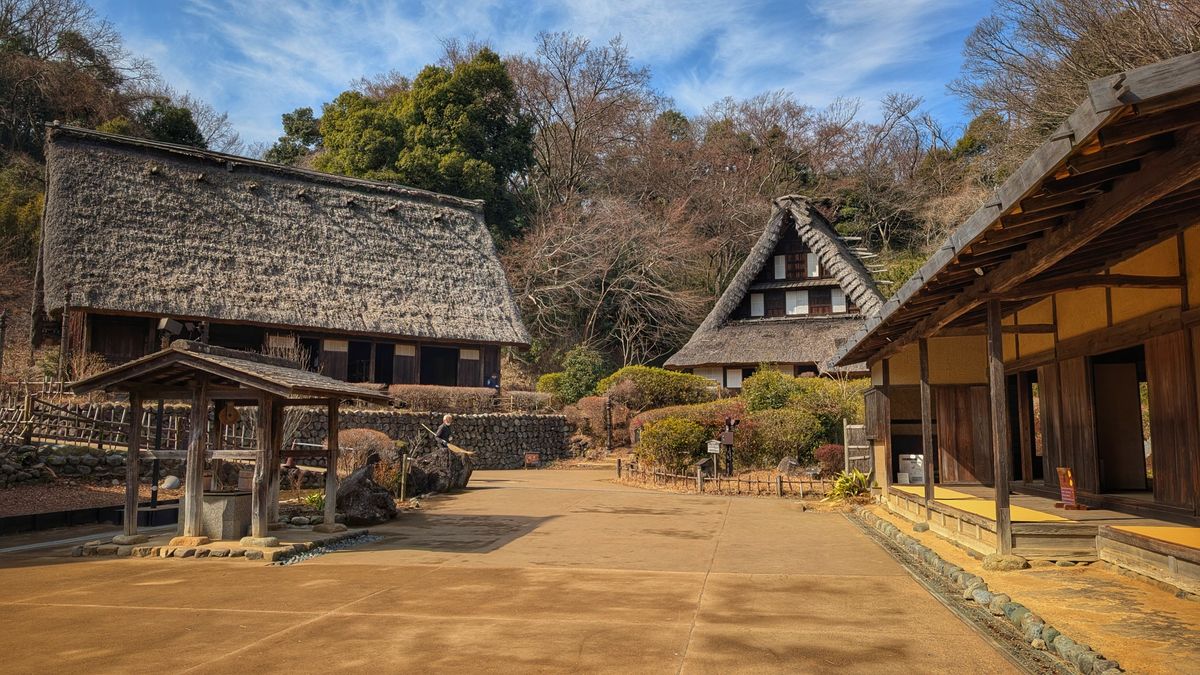
If you have already seen the neon of Tokyo and the temples of Kyoto and you are looking for a side of Japan that feels like stepping back three hundred years, Ouchijuku (大内宿) should be near the top of your list. Tucked into the mountains of Fukushima Prefecture in the Aizu region, this former post town is a single curving street lined with dozens of thatched-roof houses, where the only soundtrack is mountain water running in the open channels beside the road. It is rural, it is atmospheric, and it is still wonderfully uncrowded compared with Japan’s famous tourist hubs.
This guide is written for first-time visitors. I will walk you through how to get to Ouchijuku without a car, what it costs, when to go, where to eat the famous “green onion soba,” where to stay overnight, and how to combine it with the rest of the Aizu region so your trip into the Japanese countryside is smooth and rewarding.
What is Ouchijuku and why visit?
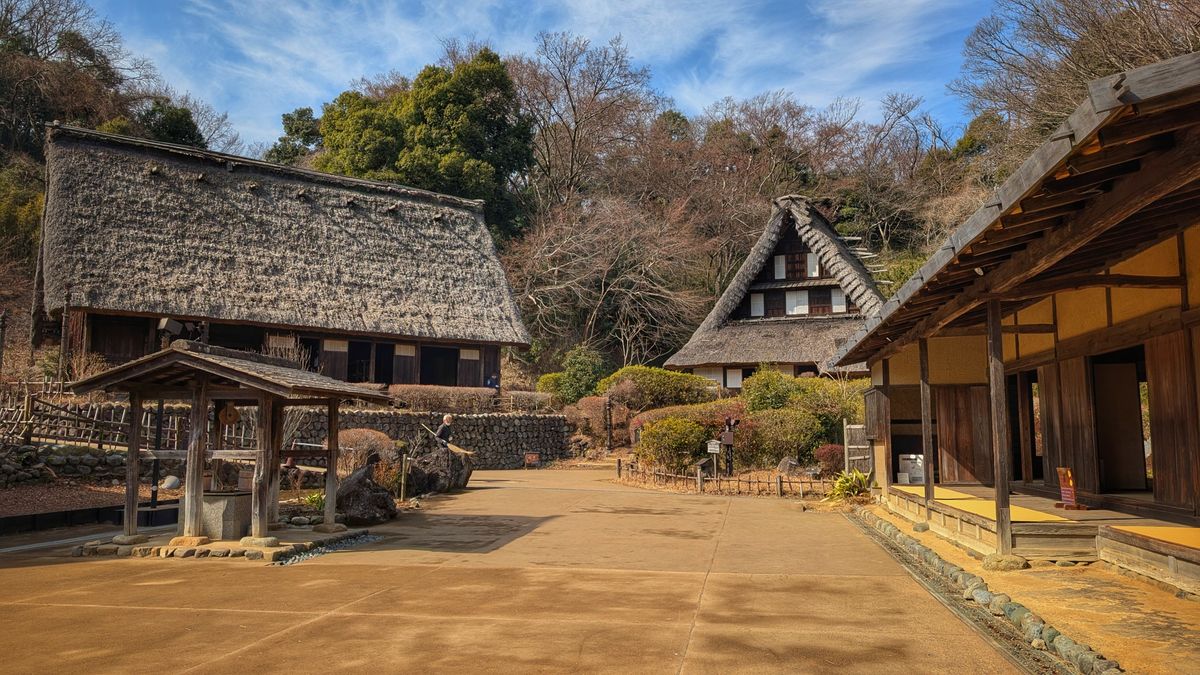
Ouchijuku was once a shukuba, a post town that gave travellers a place to rest, eat, and change horses along the Aizu-Nishi Kaido, an old highway that connected the castle town of Aizu-Wakamatsu with Nikko and the wider Kanto region. During the Edo period (1603–1868), feudal lords and merchants passed through here on foot and on horseback. When modern roads and railways were built elsewhere, Ouchijuku was bypassed and effectively left behind — which is exactly why it survived so beautifully.
In the 1980s the village made a remarkable decision: instead of modernising, the residents agreed to preserve the old streetscape. Power lines were buried, vending machines were hidden or removed from the main view, and the community committed to keeping the thatched roofs intact. Today the village is protected as an Important Preservation District for Groups of Traditional Buildings, and roughly forty thatched houses still stand along the 450-metre main street. Many are now small restaurants, craft shops, minshuku (family-run inns), and tiny museums — but people still live here, which keeps the place feeling like a real village rather than a film set.
The reason to come is the atmosphere. There is no single “big sight” here; the experience is the village. You walk the street slowly, climb the hill at the far end for the postcard view, eat a bowl of hand-cut soba, sip amazake by a fire pit, and watch the seasons paint the mountains. It rewards the kind of traveller who likes to slow down.
How to get to Ouchijuku
Ouchijuku has no train station of its own, so reaching it is part of the adventure. The good news is that you can absolutely get there using public transport, especially in the warmer months. Here is how the journey works from the main gateways.
From Tokyo
The most common route is to take the Tohoku Shinkansen from Tokyo Station to Koriyama (about 80 minutes), then transfer to the JR Banetsu West Line to Aizu-Wakamatsu (about 65 minutes). From Aizu-Wakamatsu you switch to the Aizu Railway toward Yunokami Onsen Station, the closest station to the village. The total one-way journey runs roughly three and a half to four hours and costs in the region of ¥9,000–¥11,000 (about USD 60–73) depending on your exact connections and whether you reserve seats.
A scenic alternative from Tokyo is to travel via Nikko using the Tobu Railway and the Aizu Mt. Express / Aizu Railway through the mountains. This route takes longer but the views through the Oku-Kinugawa gorges are spectacular, especially in autumn.
From Aizu-Wakamatsu (the closest hub)
Most visitors base themselves around Aizu-Wakamatsu and make Ouchijuku a half-day or day trip. From Aizu-Wakamatsu Station, take the Aizu Railway south to Yunokami Onsen Station (about 45 minutes, around ¥1,050 / USD 7 one way). Yunokami Onsen is itself worth a photo — it is the only train station in Japan with a thatched roof.
From Yunokami Onsen Station to the village, you have two options. On weekends and during peak seasons a shuttle bus called the “Sarugoya” loop runs to Ouchijuku (about 20 minutes, roughly ¥1,000 / USD 7 round trip). Outside those times, a taxi covers the distance in about 10–15 minutes for around ¥2,000–¥2,500 (USD 13–17) one way. It is smart to arrange your return taxi in advance, as they do not always wait at the village.
By rental car
If you are already road-tripping through Tohoku, driving is the most flexible option. Ouchijuku is about 40 minutes by car from central Aizu-Wakamatsu and roughly three hours from the Tokyo area via the Tohoku Expressway. There is a large paid parking area at the entrance to the village (around ¥1,000 / USD 7 per day). Note that in deep winter the mountain roads require snow tyres or chains, so first-time winter drivers may prefer the train.
Travel tip — stay connected: Rural Fukushima has good mobile coverage, but train apps, taxi calls, and maps are essential out here. Sorting out data before you arrive saves a lot of stress. A prepaid travel eSIM lets you get online the moment you land. You can compare and buy one here: JAPAN & GLOBAL eSIM.
Best time to visit Ouchijuku
Ouchijuku is a true four-season destination, and the village changes character completely depending on when you arrive. There is no bad time to come, but each season offers something different.
Spring (April–May)
The snow melts late in this mountain valley, so cherry blossoms and fresh green leaves arrive in mid to late April, a couple of weeks behind Tokyo. Spring is mild, quiet, and great for walking. Daytime temperatures sit around 12–18°C (54–64°F).
Summer (June–August)
Summer brings lush green mountains and a welcome coolness compared with the humid lowland cities. Mornings are misty and photogenic. This is the easiest season for public transport, as the shuttle bus from Yunokami Onsen runs most frequently. Expect 22–28°C (72–82°F).
Autumn (late October–mid November)
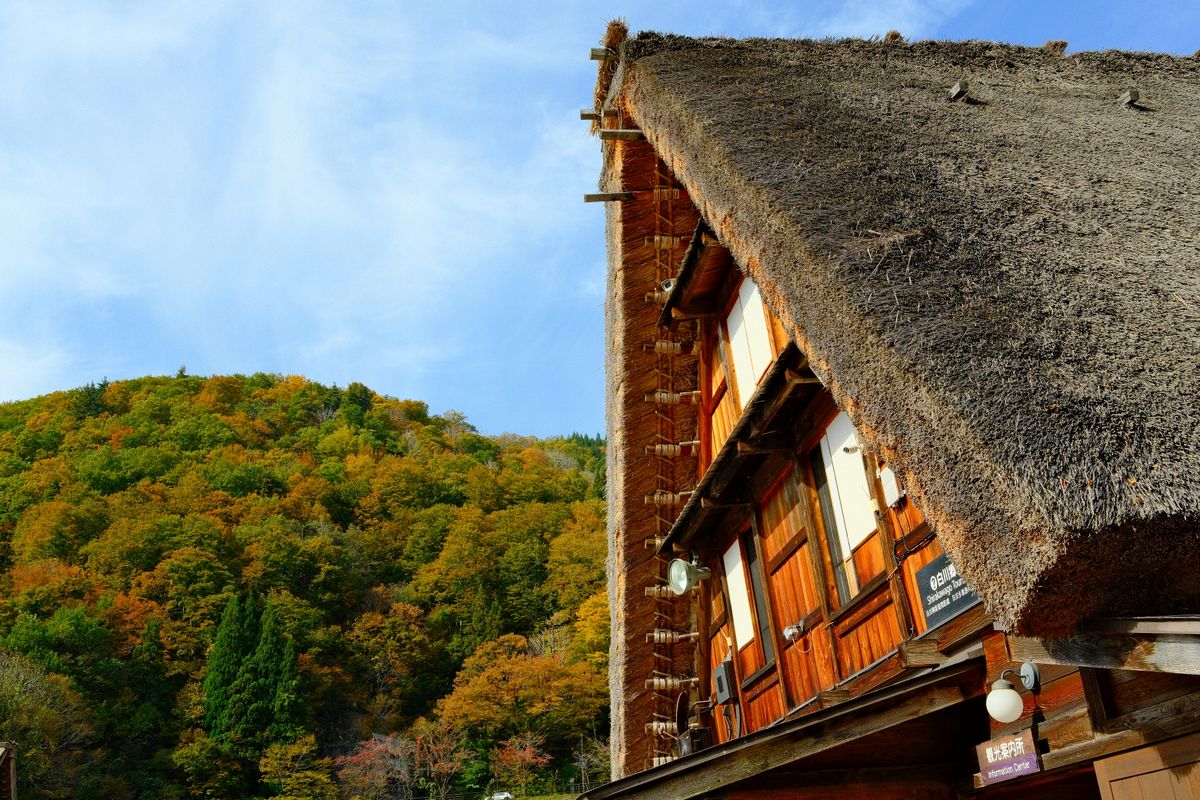
For many visitors, autumn is the highlight. The maples and larches surrounding the village turn brilliant shades of crimson, orange, and gold, framing the thatched roofs perfectly. Weekends in peak foliage can get busy, so arrive early. Temperatures cool quickly, from around 15°C (59°F) in the day to single digits at night.
Winter (December–February)
Winter is when Ouchijuku becomes truly magical. Heavy snow blankets the thatched roofs, turning the street into a living woodblock print. The famous Snow Festival, usually held on the second weekend of February, lights hundreds of small snow lanterns along the street and ends with fireworks over the white rooftops. Dress for serious cold — daytime highs hover around 0°C (32°F) and the snow can be knee-deep. Bring proper waterproof boots.
Things to do in Ouchijuku
The village is small enough to see the highlights in two to three hours, but it rewards a slower pace. Here is how to make the most of your visit.
Walk the main street
Start at the village entrance and wander slowly up the gently sloping main street. The open water channels running along both sides once supplied drinking and washing water; today you will often see bottles of local drinks and even watermelons cooling in the cold mountain stream in summer. Pop into the shops selling local crafts, pickles, sake, and wooden toys, and chat with the owners — many families have run the same house for generations.
Climb to the Ouchijuku viewpoint
At the far (upper) end of the street, a short flight of stone steps climbs the hillside to a small shrine and the famous panoramic viewpoint. From here you get the classic photograph: two neat rows of thatched roofs stretching down the valley, with mountains rising behind. It takes about five minutes to climb and is the single best view in the village. Go early or late in the day to avoid the midday crowds in your shot.
Visit the village museum (Machinami Tenjikan)
Roughly halfway up the street stands a reconstructed honjin — the official lodging once reserved for travelling lords. Now a small museum, it lets you step inside a traditional thatched building, see the irori (sunken hearth), old farming tools, and displays explaining the post town’s history. Entry is modest, usually around ¥250–¥300 (about USD 2).
Try local crafts and snacks
Look for stalls grilling shingoro mochi, skewers of mashed rice coated in a savoury-sweet sesame-miso sauce and roasted over charcoal — a regional speciality that costs around ¥300–¥400 (USD 2–3). In the colder months, warm yourself with a cup of sweet, non-alcoholic amazake. Several shops also sell handmade akabeko, the red papier-mâché cow that is the lucky mascot of the Aizu region and makes a charming, lightweight souvenir.
Eating in Ouchijuku: the famous negi soba
You cannot visit Ouchijuku without trying its signature dish: negi soba, also affectionately called “takato soba.” This is a bowl of cold buckwheat noodles served with a single long green onion (negi) instead of chopsticks. You are meant to use the onion both as a scoop and as an edible utensil, taking a crunchy, spicy bite of the raw onion between mouthfuls of noodles. It is fun, a little messy, and genuinely delicious.
The tradition is said to date back to a local wedding custom, where the unbroken onion symbolised a lasting connection. Today nearly every restaurant on the street serves it, and a bowl typically costs ¥1,300–¥1,700 (about USD 9–11). Most places also offer regular soba with chopsticks if you prefer, along with grilled char (iwana), tempura of mountain vegetables, and tochi-mochi (rice cakes made with horse-chestnut flour). Restaurants are busiest from about 11:30am to 1:30pm, so eat slightly early or late to avoid a wait. Many close by mid-afternoon, so do not save lunch for too late in the day.
Where to stay near Ouchijuku
Most travellers visit Ouchijuku as a day trip, but staying overnight — either in the village or nearby — transforms the experience. After the tour buses leave in the late afternoon, the street empties and the village becomes serene.
Minshuku in the village
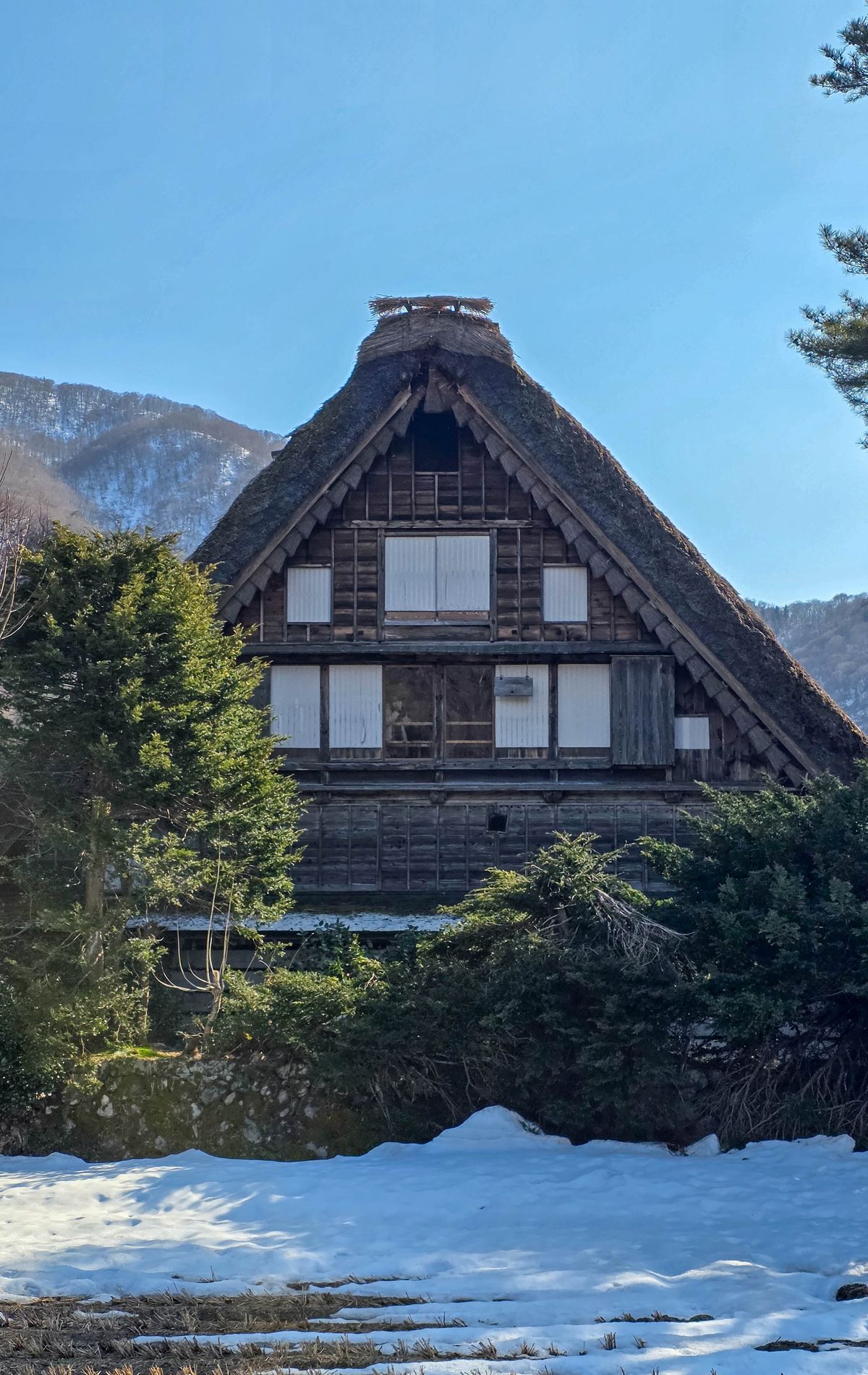
A handful of the thatched houses operate as minshuku, simple family-run inns where you sleep on futons in a tatami room and eat home-cooked Aizu meals around the irori hearth. Staying in one is the most authentic option, though rooms are limited and basic (shared bathrooms, no en-suite). Expect roughly ¥8,000–¥13,000 (USD 53–87) per person including dinner and breakfast. Because there are so few rooms, book well ahead, especially for autumn weekends and the February snow festival.
Onsen ryokan near Yunokami Onsen
For more comfort, the small hot-spring town around Yunokami Onsen Station, just down the valley, has traditional ryokan with private baths and riverside rooms. These make an excellent base, letting you soak in an onsen at night and reach Ouchijuku quickly the next morning. You can browse and compare options on Agoda, which lists many of the Aizu region’s inns and hotels.
Base yourself in Aizu-Wakamatsu
If you want restaurants, shops, and easy transport, the castle town of Aizu-Wakamatsu has the widest range of business hotels and mid-range ryokan, plus its own sights (more on that below). It is the most practical base for first-timers combining several Aizu destinations. Compare prices and deals on Yahoo! Travel to find the best rate for your dates.
Combine Ouchijuku with the rest of Aizu
Ouchijuku is wonderful, but it is compact, so it pairs perfectly with other sights in the Aizu region to fill a full day or a two-day trip.
Tsuruga Castle (Aizu-Wakamatsu)
The region’s landmark is Tsuruga Castle, a striking reconstructed keep with distinctive red-tiled roofs — the only one of its kind in Japan. The grounds are lovely in cherry-blossom season, and the museum inside tells the dramatic story of the Boshin War. Admission is around ¥410 (USD 3).
To-no-Hetsu (Tonohetsu)
Just a few stops along the Aizu Railway, this riverside gorge has unusual eroded rock formations and a small shrine reached by a slightly nerve-wracking suspension bridge. It is a quick, scenic stop on the way to or from Ouchijuku.
Yunokami Onsen Station
Do not rush past the station itself. Yunokami Onsen is the only thatched-roof railway station in Japan, complete with an irori hearth inside and a free foot bath on the platform where you can soak your feet while waiting for your train. It is a charming, only-in-Japan detail.
Practical information and costs
Ouchijuku is an open village rather than a ticketed attraction, so there is no entrance fee to walk the street — you only pay for parking, food, museums, and shopping. Here is a realistic breakdown of what a visit costs.
- Walking the village: Free
- Parking (if driving): ¥1,000 (USD 7) per day
- Yunokami Onsen Station shuttle (round trip): about ¥1,000 (USD 7)
- Taxi from station (one way): ¥2,000–¥2,500 (USD 13–17)
- Negi soba lunch: ¥1,300–¥1,700 (USD 9–11)
- Snacks (shingoro mochi, amazake): ¥300–¥500 (USD 2–3)
- Village museum: ¥250–¥300 (USD 2)
- Akabeko souvenir: from ¥500 (USD 3)
A self-guided day trip from Aizu-Wakamatsu by train and shuttle, including lunch and a few snacks, comes to roughly ¥5,000–¥7,000 (USD 33–47) per person. Add an overnight stay and your costs rise by the room rate, but the quiet evening and morning are well worth it.
Opening hours and seasons of operation
Shops and restaurants generally open around 9:00am and begin closing from 4:00–5:00pm, so Ouchijuku is firmly a daytime destination. The shuttle bus from Yunokami Onsen runs mainly from spring through autumn and on winter festival weekends; outside those periods you will need a taxi or car. Always check the current Aizu Railway and shuttle timetables before you set out, as rural schedules change seasonally and the last useful connection back can be earlier than you expect.
Suggested itineraries
Day trip from Tokyo (long but doable)
Catch an early Tohoku Shinkansen to Koriyama, transfer to Aizu-Wakamatsu, then take the Aizu Railway to Yunokami Onsen and the shuttle to the village. Aim to arrive around late morning, eat negi soba for lunch, climb to the viewpoint, browse the shops, and start your return by mid-afternoon. It is a full, tiring day — budget around 8 hours of round-trip travel — but it is possible if you start early.
Relaxed two-day Aizu loop
A far more comfortable plan is to spend a night in the region. On day one, travel from Tokyo to Aizu-Wakamatsu, visit Tsuruga Castle and the samurai-era sites, and stay overnight. On day two, head to Yunokami Onsen, soak your feet at the thatched station, explore Ouchijuku at a leisurely pace, stop at To-no-Hetsu gorge, and return in the evening. This itinerary lets you experience both the castle town and the post town without rushing.
Practical tips for visiting Ouchijuku
- Bring cash. Many small shops and minshuku do not accept cards, and there are very few ATMs. Withdraw yen in Aizu-Wakamatsu before you head into the mountains.
- Go early or stay late. Tour buses arrive mid-morning. The first hour after opening and the last hour before closing are the quietest and best for photos.
- Wear proper footwear. The street is unpaved and can be muddy in spring or icy in winter. Waterproof shoes or boots make a big difference.
- Respect that people live here. Do not enter private gardens or photograph residents without asking. This is a working village, not a theme park.
- Check return transport first. Confirm your shuttle or taxi back to the station before you settle in for lunch, especially in the off-season.
- Layer your clothing. The mountain valley is noticeably cooler than Tokyo in every season — bring an extra layer even in summer.
- Plan around lunch hours. Restaurants can sell out of soba and close early, so do not leave eating until late afternoon.
If this is your first trip to Japan, it is worth reading our broader Japan travel tips for first-timers before you go, and browsing more rural ideas on our destinations hub. To work out the most economical way to reach Tohoku by train, see our guide on whether the Japan Rail Pass is worth it.
A closer look at Ouchijuku’s thatched houses
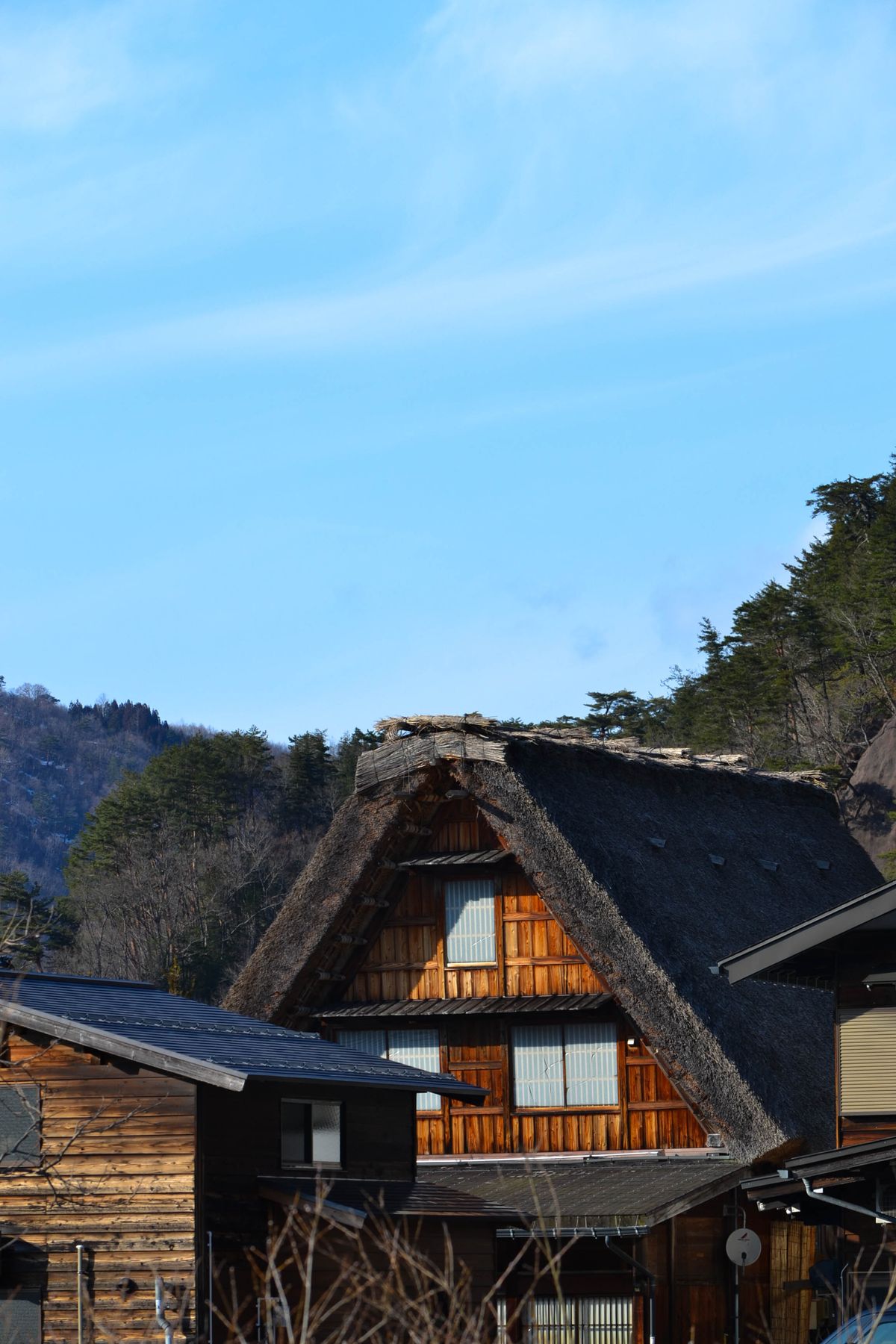
The buildings themselves are the real museum here. Most are built in a style called yosemune-zukuri, with steep hipped roofs thatched in kaya (a type of pampas grass and reed). The thick thatch insulates the houses against Aizu’s heavy snow and humid summers, keeping interiors cool in August and warm in February. A single roof can be up to half a metre thick and, when maintained well, lasts thirty to forty years before it needs re-thatching.
Re-thatching is a community event. Because the skill is rare and the materials must be harvested and dried in advance, neighbours traditionally help one another, and you may occasionally see a roof being renewed during your visit. The village also runs regular fire drills — thatch is highly flammable, and you will spot rows of water cannons discreetly placed along the street, ready to spray a protective curtain of water over the roofs in an emergency. Seeing these tested is a memorable, slightly surreal sight if your visit happens to coincide with a drill.
Inside, many houses keep the classic layout of an earthen-floored entrance (doma) leading to raised tatami rooms arranged around a central irori hearth. The hearth was the heart of family life — for cooking, heating, and gathering — and the rising smoke helped preserve the thatch and timber above. If you eat in one of the restaurants or stay in a minshuku, look up at the blackened beams: that patina is centuries of hearth smoke.
The history of Ouchijuku in depth
To really appreciate Ouchijuku, it helps to understand the road it was built to serve. The Aizu-Nishi Kaido was one of the arteries of feudal Japan, linking the powerful Aizu domain with the shogunate’s lands to the south. Under the sankin-kotai system, regional lords were required to travel regularly between their domains and the capital at Edo (modern Tokyo), maintaining grand processions of samurai, porters, and pack horses. Post towns like Ouchijuku sprang up roughly a day’s walk apart to feed, house, and resupply these processions and the merchants who followed the same roads.
At its peak, Ouchijuku bustled with inns, stables, and shops. The honjin and waki-honjin (primary and secondary official lodgings) hosted travelling officials, while ordinary travellers crowded the cheaper hatago inns. When the Meiji government modernised Japan in the late nineteenth century and routed new roads and railways through other valleys, the through-traffic vanished almost overnight. The village quietly returned to farming, and its Edo-period buildings, no longer worth replacing, simply remained.
That accident of history became the village’s salvation. By the time Japan’s post-war economic boom was bulldozing old neighbourhoods across the country, Ouchijuku still had its intact streetscape. Local leaders recognised what they had, and in 1981 the village was designated an Important Preservation District for Groups of Traditional Buildings. Residents agreed to strict rules: no visible power lines, no obtrusive modern facades, and a shared commitment to maintaining the thatch. It was an early and influential example of community-led heritage preservation in Japan, and it is the reason the village looks the way it does today.
What to expect at the Snow Festival
If you can brave the cold, the Ouchijuku Snow Festival is one of the most atmospheric winter events in Tohoku. Held over a weekend in February, it transforms the already beautiful snow-covered street into something close to magical. During the day, locals build small snow huts and lanterns along the road; as dusk falls, candles are lit inside hundreds of carved snow lanterns, casting a warm amber glow against the white roofs and dark mountains.
The festival usually includes a parade in period costume, the ceremonial lighting of a sacred fire, performances, hot local food and drink to keep you warm, and a fireworks display that bursts over the snowy rooftops as the finale. It is busy by Ouchijuku standards, but still far more intimate than the big city illuminations. Dress in your warmest layers, wear genuinely waterproof and grippy boots, and bring hand warmers — temperatures often drop well below freezing after dark. Because accommodation in and near the village is extremely limited during the festival, book your room weeks or even months in advance, or plan to stay in Aizu-Wakamatsu and arrange transport carefully, as services are stretched.
Enjoying the Aizu Railway journey
Half the pleasure of reaching Ouchijuku is the train ride to get there. The Aizu Railway and connecting lines wind through river valleys, rice terraces, and forested hills that are gorgeous in every season. Some services use special sightseeing carriages with large windows, tatami seating areas, and even a small stove in winter, designed specifically to let passengers soak up the scenery. The stretch through the Oku-Aizu countryside is particularly lovely in autumn, when the maples blaze on both sides of the track.
If you are an railway enthusiast or travelling with children, check whether one of the themed tourist trains is running on your date — they sometimes require a small additional reservation but turn the journey itself into a highlight. Either way, grab a window seat, pick up a local ekiben (station lunch box) if one is available, and let the slow rhythm of rural rail travel set the tone for your day in the mountains.
Responsible travel in a living village
Ouchijuku’s charm depends entirely on the people who still live and work there, so a little care goes a long way. Stick to the public street and marked paths, and do not wander into private yards or open the doors of homes that are not shops. Always ask before photographing residents or shopkeepers, and avoid blocking narrow doorways while you frame the perfect shot. Carry your rubbish out with you, as bins are limited. Supporting the local economy — buying lunch, a craft, or a night’s stay from village families rather than only passing through — is the single best way to help ensure these thatched roofs are still standing for the next generation of travellers.
Souvenirs and local crafts
Ouchijuku is a great place to pick up regional crafts that you will not find in city department stores. The most iconic is the akabeko, the bobbing red cow charm that legend says wards off illness and bad luck. They range from tiny keyring versions to large hand-painted figures. You will also find Aizu lacquerware (Aizu-nuri), handmade wooden toys, locally brewed sake, mountain-vegetable pickles, and tochi-mochi rice cakes wrapped to take home. Buying directly from the makers in their own thatched shops means your money supports the families keeping the village alive.
Photography tips
Ouchijuku is one of the most photogenic villages in Japan, and a little planning goes a long way.
- The viewpoint at the top gives the classic symmetrical shot of both rows of roofs. Morning light falls more evenly on the street.
- Winter and early morning offer the cleanest scenes before footprints crisscross the fresh snow.
- The water channels make lovely foreground leading lines, especially with reflections of the thatched eaves.
- Be patient and considerate — wait for gaps in foot traffic rather than asking people to move, and never block shop entrances.
Is Ouchijuku good for families and older travellers?
Yes, with a few caveats. The main street is flat and short, so it is manageable for most ages and for strollers in dry weather, though the unpaved surface can be bumpy. The viewpoint involves a short flight of stone steps that may be difficult for those with limited mobility, but the village itself can be fully enjoyed from street level. Children usually love the open water channels, the friendly akabeko cows, and the novelty of eating soba with an onion. Just keep little ones away from the cold, fast-running channels, and dress everyone warmly in the cooler months.
Frequently asked questions
How long do I need at Ouchijuku?
Plan for two to three hours to walk the street, climb to the viewpoint, eat lunch, and browse the shops at a relaxed pace. If you are travelling from far away or want to soak up the atmosphere after the day-trippers leave, consider staying overnight in a village minshuku or a nearby onsen ryokan.
Can I visit Ouchijuku without a car?
Absolutely. Take the train to Yunokami Onsen Station via Aizu-Wakamatsu, then use the seasonal shuttle bus or a taxi for the final 10–20 minutes to the village. Public transport is easiest from spring through autumn; in deep winter, services are reduced, so check timetables and consider a taxi or guided tour.
What is the best season to visit?
All four seasons are beautiful. Autumn (late October to mid-November) brings spectacular foliage, while winter (especially the February snow festival) turns the village into a snow-globe scene. Summer is the greenest and the easiest for public transport, and spring is quiet with late cherry blossoms.
What food should I try?
The must-try dish is negi soba — cold buckwheat noodles eaten with a whole green onion as your “chopstick.” Also sample shingoro mochi (grilled rice skewers in sesame-miso sauce), grilled river fish, and warm amazake in cold weather.
Is Ouchijuku expensive?
No. There is no entry fee, and a self-guided day trip from Aizu-Wakamatsu including transport, lunch, and snacks typically costs ¥5,000–¥7,000 (USD 33–47) per person. Staying overnight in a minshuku adds roughly ¥8,000–¥13,000 (USD 53–87) per person with meals.
Can I combine Ouchijuku with other places?
Yes. It pairs naturally with Aizu-Wakamatsu (Tsuruga Castle and samurai sites), the To-no-Hetsu gorge, and the thatched Yunokami Onsen Station. Many visitors make a two-day Aizu loop from Tokyo, which is far more relaxed than a single long day trip.
Do shops accept credit cards?
Many small shops, restaurants, and inns are cash-only, and ATMs are scarce in the village. Withdraw enough Japanese yen in Aizu-Wakamatsu before heading into the mountains.
What to pack for Ouchijuku
Because the village sits in a cool mountain valley with few large shops, it pays to come prepared. In any season, bring comfortable, sturdy shoes for the unpaved street and an extra layer for the temperature drop compared with the lowland cities. In summer, add sun protection and insect repellent for the surrounding countryside. In autumn, a light jacket handles the cool evenings. In winter, you will want a heavy coat, waterproof and grippy snow boots, gloves, a hat, and hand warmers — the snow is real and the wind is sharp. Always carry enough cash, a portable battery for your phone (you will take a lot of photos), and a reusable bag for souvenirs and any rubbish.
Beyond Aizu: where to go next
Ouchijuku fits neatly into a wider Tohoku itinerary. From Aizu-Wakamatsu you can continue north toward the lakes and onsen of Bandai-Asahi National Park, or rejoin the Tohoku Shinkansen at Koriyama to reach Sendai, Yamadera, and the coast. Heading south, the Tobu line connects Aizu with Nikko, making it possible to string together the thatched post town, a famous shrine complex, and a national park in a single rail-based trip. If you have time, spreading these out over several days lets you travel at the unhurried pace that suits the region best, and our destinations hub has plenty more rural ideas to weave in.
Is one day enough for the whole Aizu region?
One day is enough for Ouchijuku itself, but the wider Aizu region — the castle town, the gorge, the onsen, and the surrounding national park — really deserves two or three days. If your schedule is tight, prioritise Ouchijuku plus Tsuruga Castle, which together give you both the rural village and the historic castle-town side of Aizu.
When does the snow arrive and melt?
Snow typically begins in December, peaks in January and February, and can linger into late March in this mountain valley. If you specifically want the snow-covered scene, plan for January or February; if you want to avoid snow entirely, visit between May and October.
A taste of wider Aizu cuisine
While negi soba steals the spotlight, the Aizu region has a deeper food culture worth exploring during your trip. Look out for kozuyu, a delicate clear soup of dried scallop stock, vegetables, and mushrooms traditionally served at celebrations; wappa-meshi, seasoned rice steamed in a round cedar box; and grilled iwana (river char) skewered and roasted over charcoal until the skin crisps. The region is also one of Japan’s notable sake-producing areas, with crisp, clean rice wines that pair beautifully with the local mountain fare — several breweries in Aizu-Wakamatsu welcome visitors for tastings. Sampling these alongside your Ouchijuku soba turns a simple sightseeing trip into a genuine culinary journey through one of Tohoku’s most distinctive food traditions, and gives you delicious reasons to linger an extra day in the area.
Final thoughts
Ouchijuku is the kind of place that stays with you precisely because it asks so little of you. There is no ticket gate, no must-see masterpiece, no rush — just a quiet mountain street where the roofs are made of grass, the water runs clear beside your feet, and a bowl of soba comes with an onion instead of chopsticks. For travellers willing to venture a little off the well-worn Tokyo–Kyoto route, it offers a genuine glimpse of old rural Japan that big-city sightseeing simply cannot match.
Pair it with a night in an Aizu onsen, time your visit for autumn colour or winter snow, and you will come away with one of the most memorable days of your whole trip. Sort out your travel data with an eSIM and your Aizu accommodation in advance, and the Japanese countryside is yours to enjoy at its own gentle pace.
🗾 Planning your trip? Get our free 7-Day Japan Itinerary (PDF)
Day-by-day Tokyo → Kyoto → Osaka plan with real prices and essential phrases — sent straight to your inbox.
Going to Japan? Talk to locals with confidence.
Hirameki Japanese — instant offline translation, camera translation, furigana + romaji, and 314 free flashcards. No login. Works without internet.

Plan your Japan trip
Two things every first-timer should book
Some links are affiliate links. If you book through them we may earn a small commission at no extra cost to you.