In this guide
- When leaves turn, region by region
- The best foliage spots
- A 10-day autumn itinerary
- Booking & packing tips
- FAQ
When leaves turn, region by region
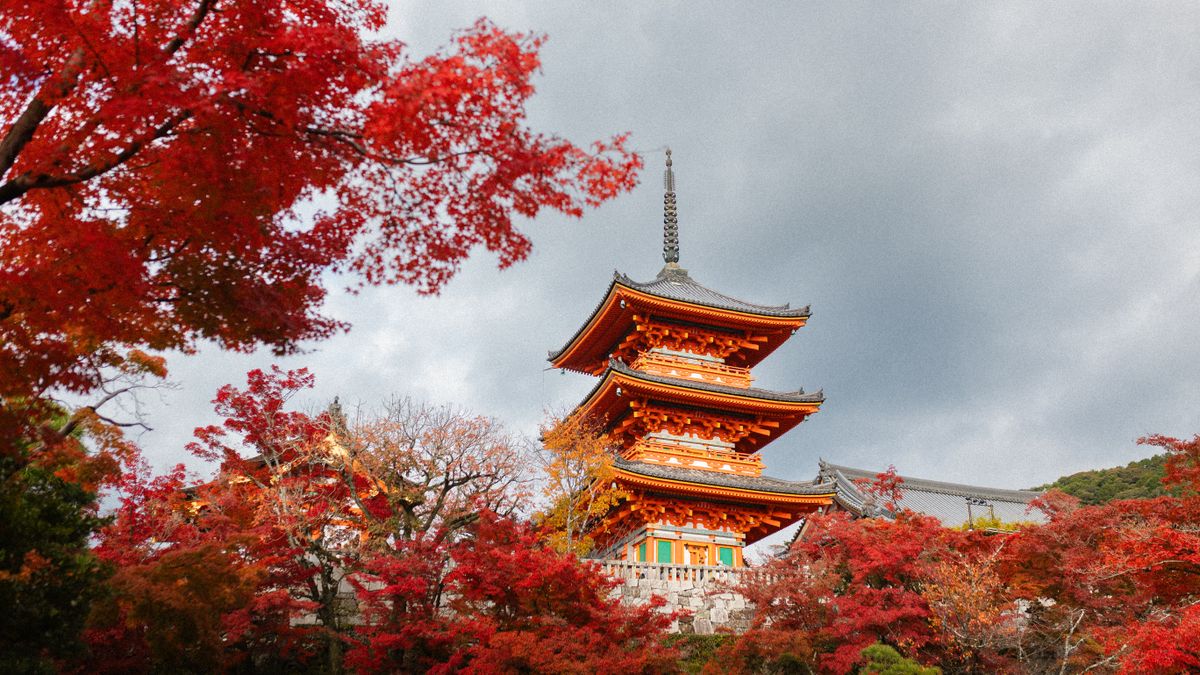
Exact peak dates shift a week or so each year with the weather, but the pattern is reliable — color sweeps down the country from the north and the mountains:
| Region | Typical peak |
|---|---|
| Hokkaido (Daisetsuzan, Sapporo) | Late September – mid October |
| Tohoku & the Japan Alps | Mid October – early November |
| Nikko, Hakone, Fuji Five Lakes | Late October – mid November |
| Tokyo | Mid November – early December |
| Kyoto & Nara | Mid – late November |
| Kyushu | Late November – early December |
Handy rule: if your dates are fixed, pick the region whose peak matches them — not the other way around. Early November trip? Prioritize Nikko and the Alps over Kyoto.
The best foliage spots
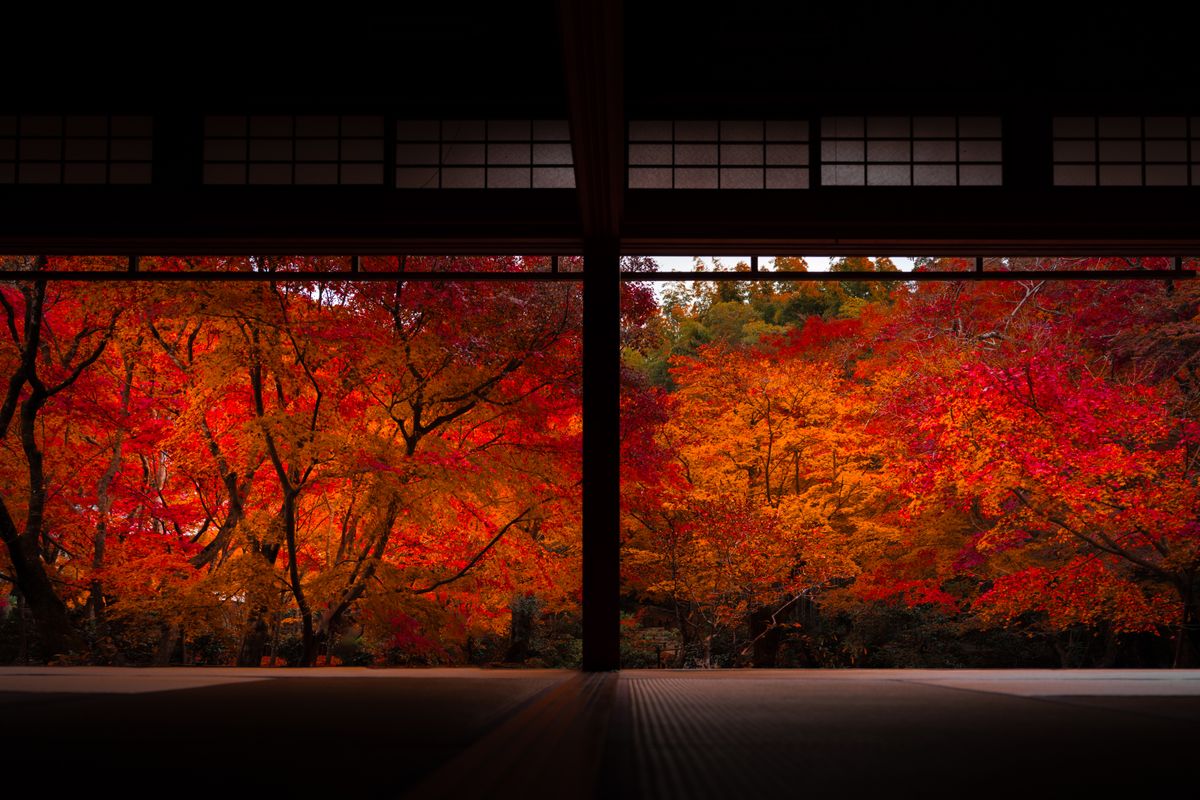
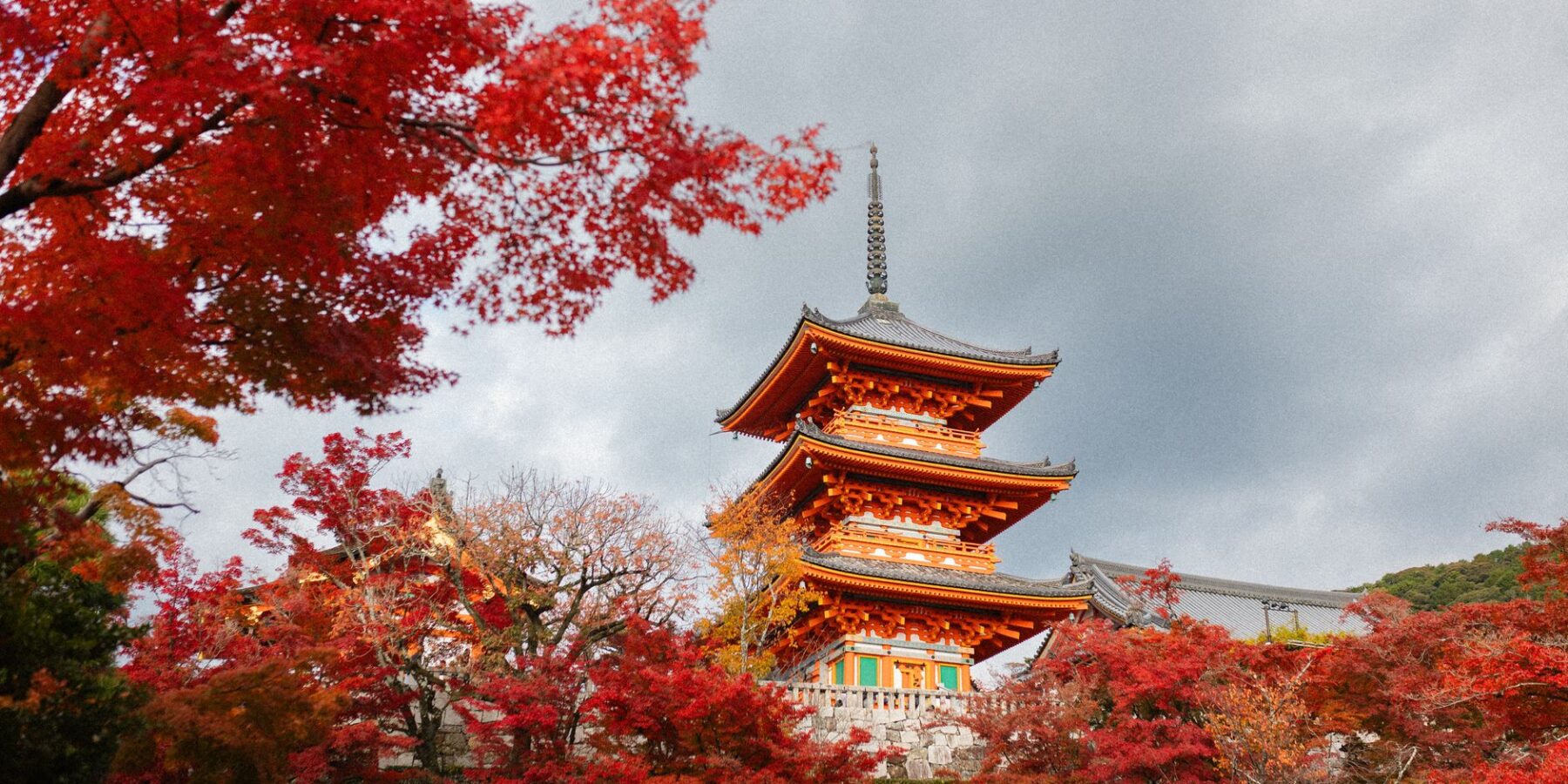
- Kyoto — the classic for a reason: Tofuku-ji’s valley of maples, Eikan-do’s night illuminations, Arashiyama. Expect crowds at the famous temples; go at opening time. Base yourself well — see where to stay in Kyoto.
- Nikko — shrines under fiery mountainsides, and the Irohazaka switchback road. An easy 2-hour trip from Tokyo.
- Hakone & Fuji Five Lakes — red maples with Mt Fuji behind them; November has the year’s clearest Fuji views.
- Miyajima (Hiroshima) — Momijidani (“maple valley”) park beside the floating torii.
- Tokyo in the city — free and superb: Meiji Jingu Gaien’s ginkgo avenue (late Nov), Rikugien’s night lights, Showa Kinen Park.
Many gardens and temples run evening illuminations in November only — day tickets and guided day trips are on Klook if you’d rather not plan logistics yourself.
A 10-day autumn itinerary
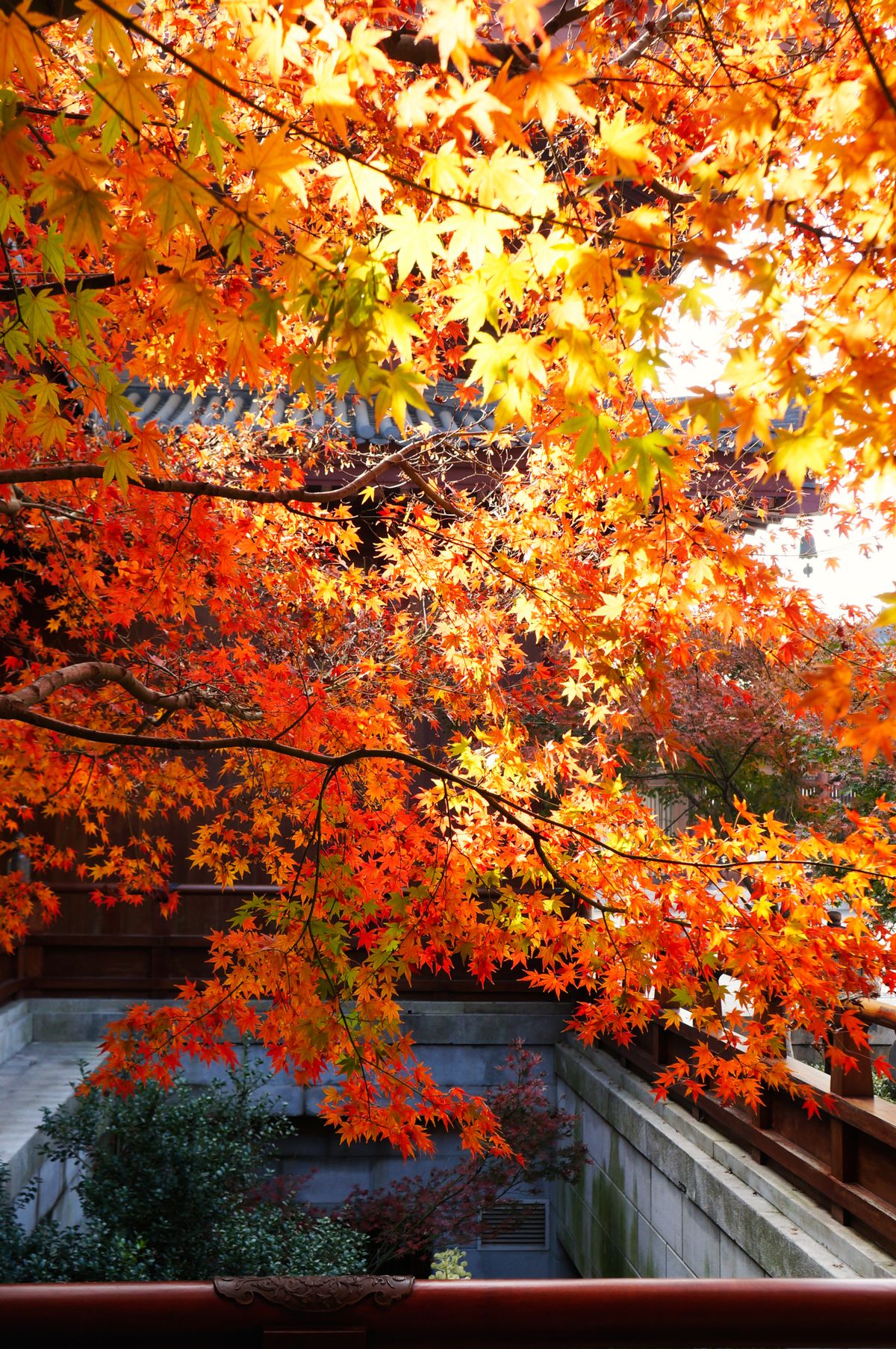
- Days 1–3: Tokyo. Gaien ginkgo avenue, Rikugien at night, day trip to Nikko for peak mountain color.
- Day 4: Hakone. Ropeway views, onsen, Fuji if you’re lucky.
- Days 5–8: Kyoto. Two temple mornings (early!), Arashiyama, one night illumination, day trip to Nara’s deer park under golden ginkgo.
- Days 9–10: Osaka. Street food finale — see our Osaka stay guide — and fly out of KIX.
This is the same golden route as our 7-day itinerary with autumn stops swapped in. Doing a longer northern loop (Tohoku or Hokkaido color in October)? A rail pass may pay off — check prices for your route with the official JR Pass site, or read our JR Pass analysis first.
Booking & packing tips
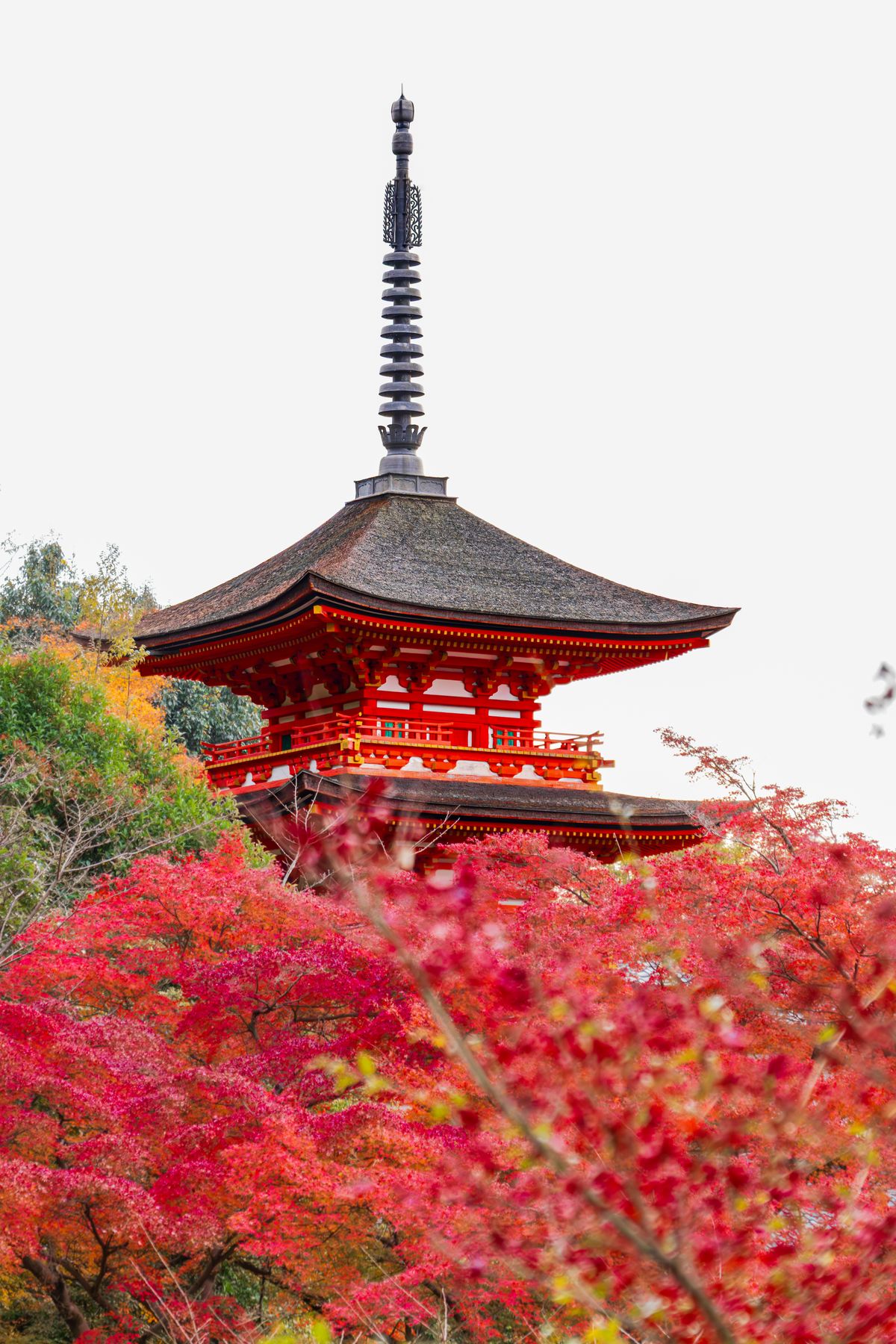
Book Kyoto first. November is Kyoto’s single busiest month; the well-located hotels and ryokan go early, and prices climb as peak approaches. Reserve a refundable room now on Agoda and refine later — that’s the whole trick. Pack layers: mornings can be 5°C while afternoons hit 18°C; a light down jacket plus t-shirts covers it (full list in our packing guide). And get your eSIM before you fly — you’ll be checking foliage forecasts daily once you land.
Frequently asked questions
When is the best time to see autumn leaves in Kyoto? Typically mid-to-late November, sometimes stretching into early December in a warm year.
Is autumn better than cherry blossom season? Foliage lasts weeks (blossoms last days), weather is more stable, and the colors are just as dramatic. Many repeat visitors prefer it.
Do I need to book far ahead for November? For Kyoto, yes — 3–6 months for the good places. Tokyo and Osaka are more forgiving.
Where can I see foliage without crowds? Go early morning, pick second-tier temples, or head north — Tohoku in October is spectacular and quiet.
Going to Japan? Talk to locals with confidence.
Hirameki Japanese — instant offline translation, camera translation, furigana + romaji, and 314 free flashcards. No login. Works without internet.

Plan your Japan trip
Two things every first-timer should book
Some links are affiliate links. If you book through them we may earn a small commission at no extra cost to you.