Osaka Castle is one of Japan’s most magnificent historical landmarks — a gleaming white and green tower rising above a vast moat and stone walls in the heart of Japan’s second city. Built in the 16th century by the warlord Toyotomi Hideyoshi, the castle played a pivotal role in Japan’s unification and remains the defining symbol of Osaka to this day. This complete visitor guide covers the castle’s history, what to see inside and out, the surrounding park, nearby attractions, ticket prices, best times to visit, and practical tips for making the most of your visit.
A note from Jack, editor of Japan Real Guide:
Osaka Castle confuses some visitors who arrive expecting an ancient original and find a concrete reconstruction with an elevator inside. The current main tower was rebuilt in 1931 (after the original was destroyed in the 17th century) and renovated in the 1990s; it functions now as a museum rather than a historic building.
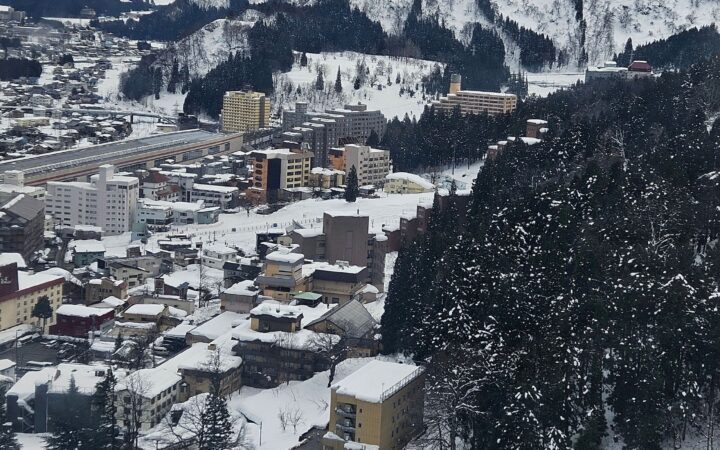
That said, the experience of the surrounding park and the outer fortifications is genuinely good. The stone walls, moats, and gates date from the Tokugawa rebuilding of the 1620s and are impressive at close range. I have visited four times — including once during heavy snow when the moat and walls were frosted white — and found the park itself consistently worth the visit regardless of how the museum rates on any given day.
The best time to visit is early morning (the park is open around the clock and the tower opens at 9 AM) before the school groups and tour buses arrive around 10 AM. The cherry blossom viewing here in late March to early April is among the best in Osaka.
The History of Osaka Castle
Osaka Castle was originally constructed between 1583 and 1585 under the orders of Toyotomi Hideyoshi, the powerful daimyo (feudal lord) who was in the process of unifying Japan after a century of civil war. The original castle was the largest in Japan at the time — an intentional display of Hideyoshi’s supreme power — and took the combined labor of an estimated 100,000 workers and involved the transportation of massive granite stones from across the country.
The castle’s history is turbulent. It was twice destroyed (1615 and 1665) and twice rebuilt (1629 and 1931). The current main tower was reconstructed in 1931 using reinforced concrete, and renovated extensively in 1997 to transform the interior into a modern museum. Despite the reconstruction, the surrounding stone walls and moat system date back to the 17th century and are genuinely historic.
Key historical events associated with Osaka Castle include:
- 1583: Construction begins under Toyotomi Hideyoshi
- 1600: Toyotomi forces defeated at Battle of Sekigahara; Tokugawa Ieyasu takes control of Japan
- 1615: The Summer Siege of Osaka — Tokugawa forces destroy the castle and end the Toyotomi clan; castle burns
- 1629: Tokugawa shogunate rebuilds the castle
- 1665: Lightning strike destroys the main tower
- 1931: Current main tower constructed
- 1997: Major interior renovation; modern museum installed
What to See Inside Osaka Castle
The Main Tower (Tenshu)
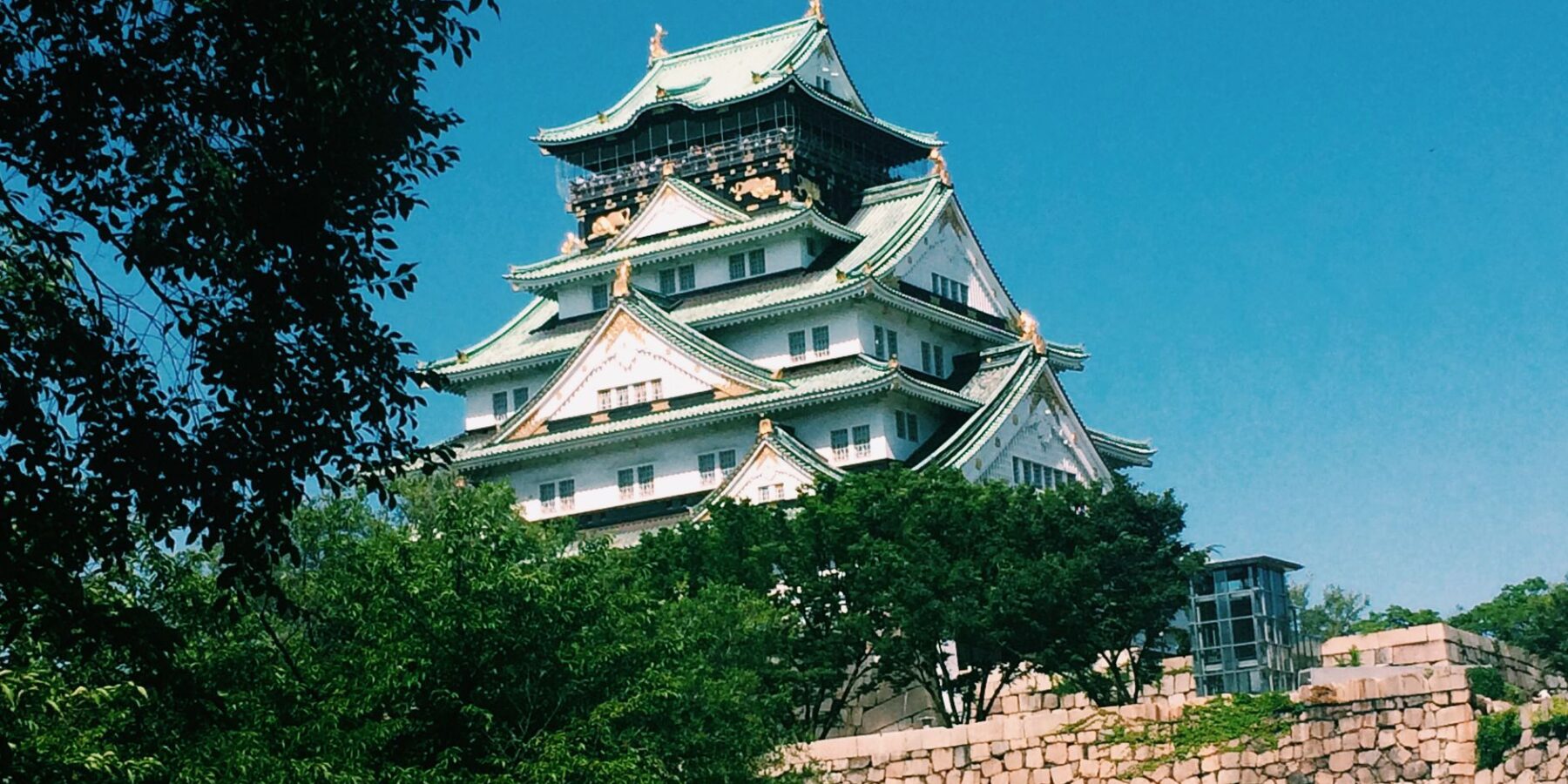
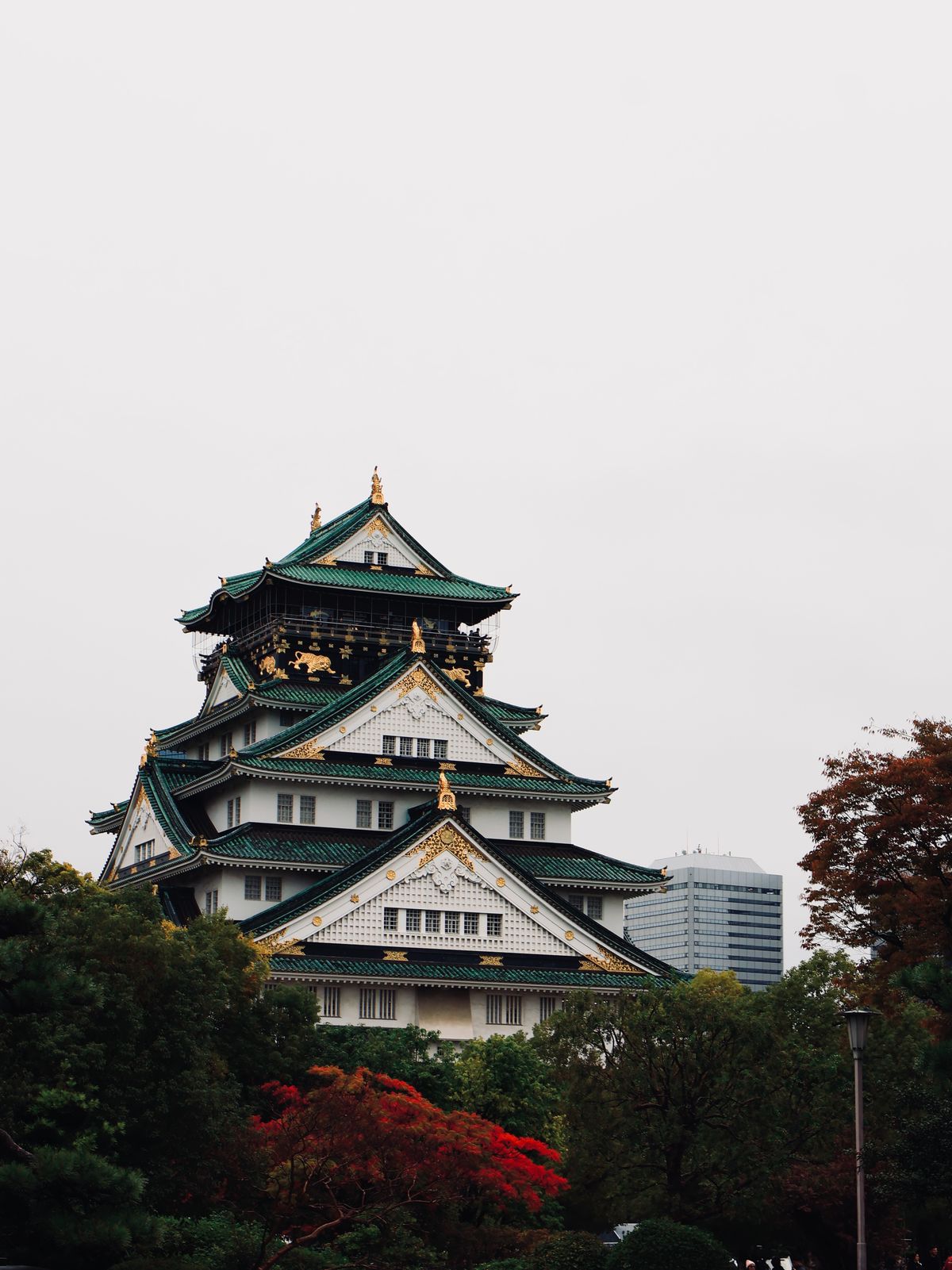
The eight-story main tower is the centerpiece of any Osaka Castle visit. The exterior presents the classic castle aesthetic — brilliant white walls with green tiles and golden ornamental fish (shachi) on the roof ridges. The interior has been converted into an excellent museum chronicling the castle’s history and the life of Toyotomi Hideyoshi. Interactive displays, replica armor, historical artifacts, and video presentations tell the story in Japanese and English.
The eighth floor observation deck offers 360-degree panoramic views over Osaka — a spectacular sight, particularly at golden hour when the city lights begin to appear. On clear days you can see as far as the Ikoma Mountains bordering Nara Prefecture.
Admission: about ¥1,200 (about $7.60 USD) adults; free for elementary school and younger
Hours: 9am–5pm (last entry 4:30pm); open year-round except December 28–January 1
Museum Highlights
- 3F: Treasures and the Golden Tea Room: Artifacts and a life-size replica of Hideyoshi’s golden tea room
- 3F: Before and After the Osaka Campaigns — Scale models of the castle complex and battle dioramas
- 5F: Castle Culture — Replica armor, weapons, and artifacts from the castle’s history
- 7F: Viewing Platform (Indoor) — Historical maps and panoramic photos
- 8F: Observation Deck — Open-air views in all directions
Osaka Castle Park: What to Do Outside the Tower
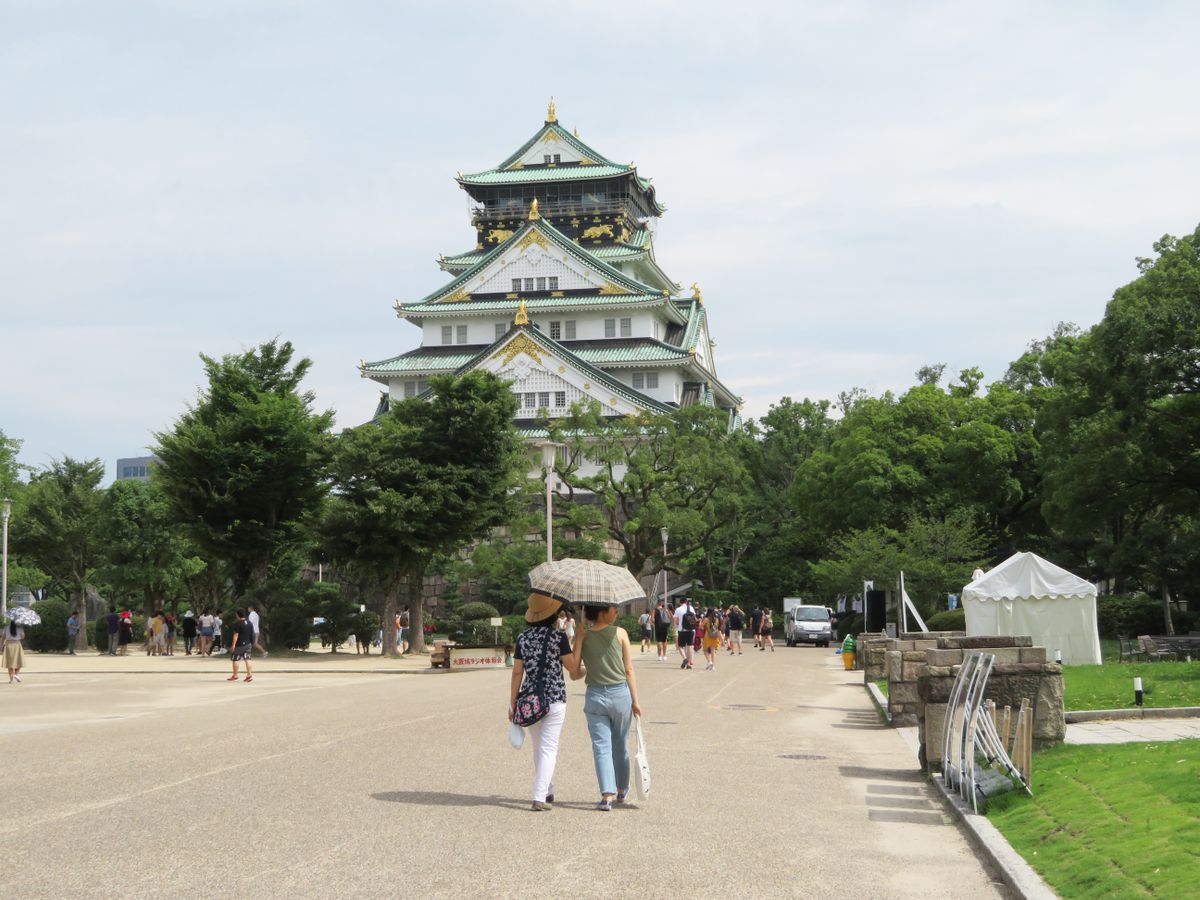
The castle tower is the centerpiece, but Osaka Castle Park — a sprawling 105-hectare public park surrounding the castle complex — is equally rewarding to explore and entirely free to enter.
The Stone Walls and Moats
The inner and outer moats and their accompanying stone walls are genuine 17th-century structures and are historically significant even without the reconstructed tower above them. The walls were built using enormous granite blocks, some weighing over 100 tons, transported by sea and river from quarries as far away as the Inland Sea islands. Takoishi Rock, just inside the Sakuramon Gate on the south side of the main bailey, is the largest stone in any Japanese castle wall, about 11.7 meters wide and 5.5 meters tall, weighing approximately 108 tons.
Cherry Blossoms at Nishinomaru Garden
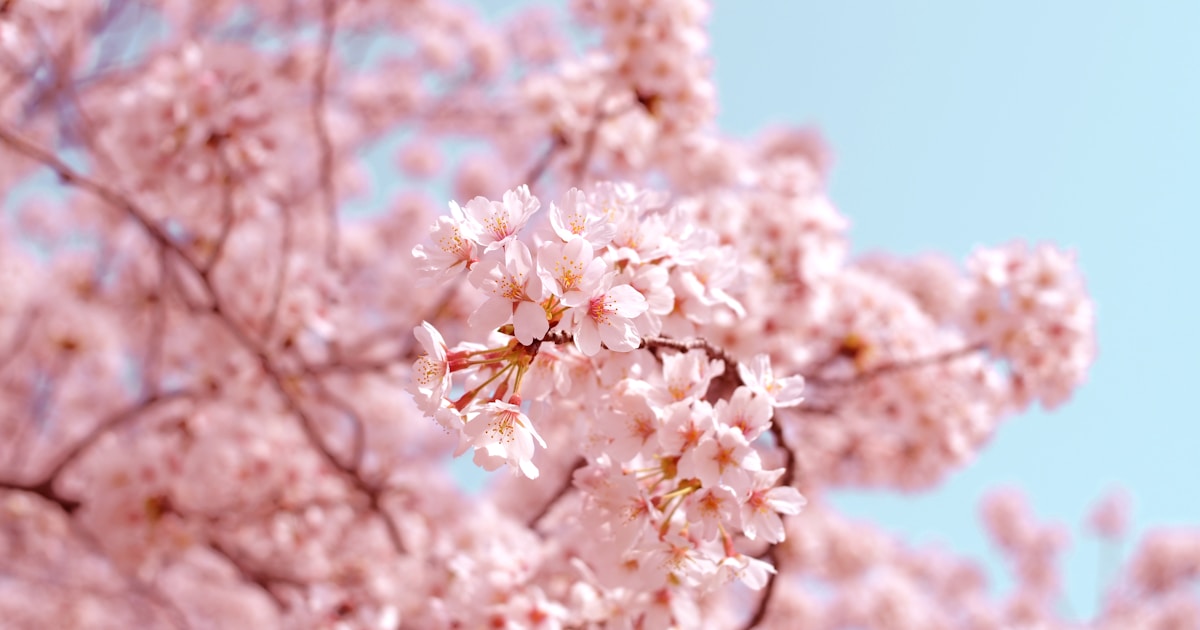
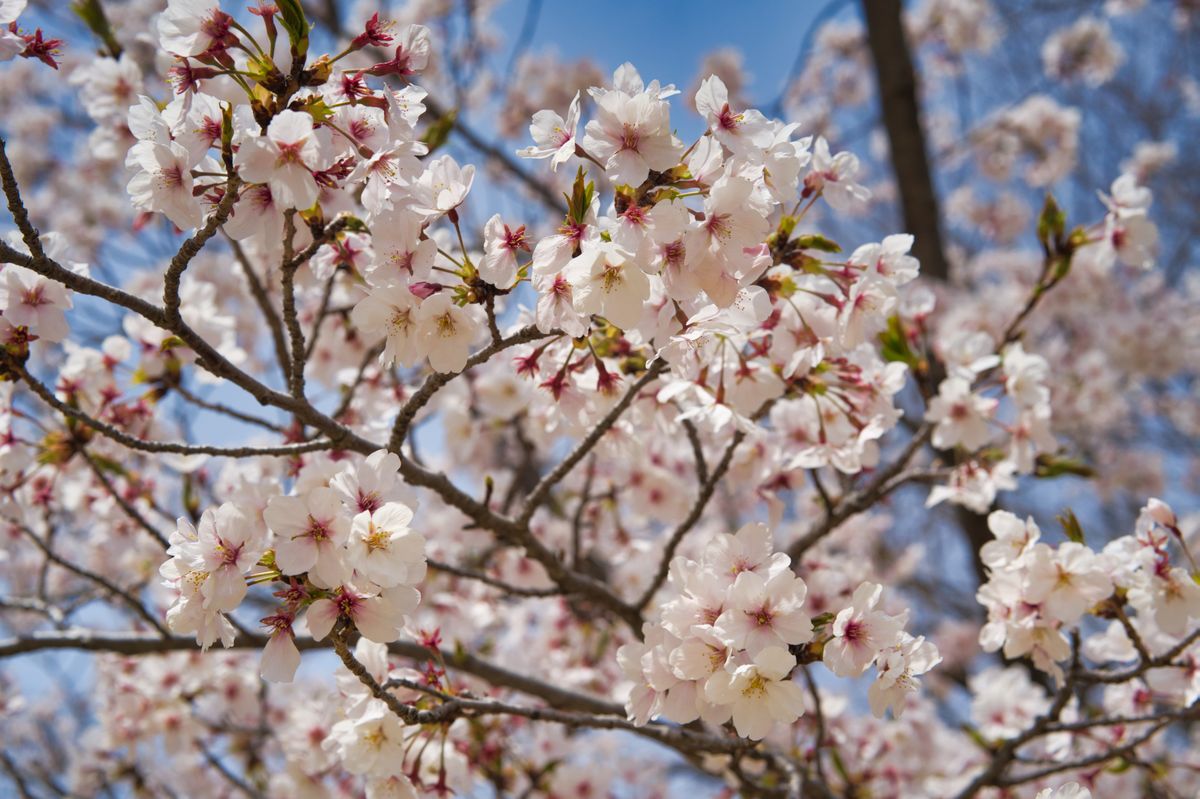
For cherry blossom season (late March to mid-April), Osaka Castle Park is one of the best hanami (flower viewing) spots in western Japan. The park contains approximately 3,000 cherry trees — many of them around the outer moat — and the Nishinomaru Garden on the west side of the castle grounds has 300 trees offering particularly beautiful views of the castle tower framed in pink blossoms.
Nishinomaru Garden admission: ¥200 ($1.30 USD); free in non-cherry blossom season. Open until sunset.
Osaka Castle Park Facilities
- Multiple cafes and restaurants inside the park, including the renovated Nishinomaru Garden Restaurant with castle views
- Souvenir shops at the base of the castle tower
- Large grassy areas for picnicking
- The Osaka Museum of History adjacent to the park (¥600/$4 USD) with excellent exhibits on Osaka’s cultural history visible from upper floors with castle views
- Miraiza Osaka-jo — a historic stone building within the castle grounds converted into shops, restaurants, and a tourist information center
How to Get to Osaka Castle
Osaka Castle is extremely well-connected by public transport:
- Subway: Tanimachi 4-chome Station (Tanimachi Line / Chuo Line) — 5-minute walk to the castle park entrance. Most convenient.
- JR Train: Osaka-jo Koen Station (JR Loop Line) — direct access to the park’s north gate; ¥170 ($1.10 USD) from Osaka Station
- Subway: Morinomiya Station (Chuo Line / Nagahori Tsurumi-ryokuchi Line) — 10-minute walk to the east gate
The castle is about 20 minutes by subway from Namba, 25 minutes from Shinsaibashi, and 10 minutes by JR from Osaka (Umeda) Station.
Nearby Attractions to Combine with Osaka Castle
Osaka Museum of History
Directly adjacent to the castle park (connected by a walkway), this modern museum chronicles Osaka’s 1,400 years of history from the ancient Naniwa Palace era to the Meiji period. The upper floors offer remarkable views of the castle. A full visit takes about 1.5 hours. ¥600 ($4 USD).
Shitennoji Temple
A 20-minute walk or short subway ride south, Shitennoji is one of Japan’s oldest Buddhist temples, founded in 593 AD by Prince Shotoku. The restored main hall, five-story pagoda, and stone torii gate — unusual for a Buddhist temple — are all worth seeing. ¥300 ($2 USD) for the inner precinct.
Tanimachi Shotengai
A covered shopping arcade running north–south through the Tanimachi neighborhood, filled with antique shops, specialist sake dealers, and excellent traditional craft stores. A great place to browse after the castle.
Nakanoshima Park
A pleasant riverside island park about 15 minutes by subway northwest, set between the Dojima and Tosabori rivers, with museum-quality art institutions, festivals throughout the year, and cafes overlooking the water.
Best Time to Visit Osaka Castle
| Season | Experience | Crowd Level |
|---|---|---|
| Late March–April (Cherry Blossom) | Pink blossoms framing the castle tower; best photo opportunities | Very high |
| May–June | Fresh green foliage; pleasant temperatures; less crowded | Moderate |
| July–August | Hot and humid; summer festival events in the park; busy weekends | High |
| October–November (Autumn) | Autumn foliage in the park; comfortable temperatures; excellent light for photography | High |
| December–February | Quietest period; crisp winter light excellent for photography; castle tower occasionally has long-range views | Low |
Book your Osaka hotel near the castle on Agoda →
Practical Tips for Visiting Osaka Castle
- Arrive early: The castle tower opens at 9am; arriving at opening beats the tour groups that arrive from 10am onward
- Best photo spot: The bridge over the inner moat on the north side (Gokurakubashi Bridge) gives the classic castle-over-water reflection view
- Elevators inside the tower: The castle has elevators to the 5th floor; the upper floors require stairs — plan for a 15–20 minute wait on busy days
- Buy tower tickets online: Pre-purchase timed entry tickets at the Osaka e-Pass or Osaka Amazing Pass website to skip the ticket queue
- Combine with Osaka Amazing Pass: The 1-day Osaka Amazing Pass (¥3,500) includes free entry to the castle tower and unlimited subway rides — excellent value if you plan to use the subway extensively
- Picnic in the park: Convenience stores are a short walk away on the park’s perimeter; eating on the grassy areas of the park is perfectly fine and a great way to enjoy the castle views for free
- The park is free: Even without paying castle tower admission, the park and moat walks are entirely free and beautiful
Frequently Asked Questions About Osaka Castle
How long does it take to visit Osaka Castle?
Visiting the castle tower alone takes 60–90 minutes including the museum floors and observation deck (plus potential queuing time). Add 1–2 hours to walk the park, moat area, and Nishinomaru Garden. A complete visit with nearby attractions like the Osaka Museum of History is a full half-day of 3–4 hours.
Is Osaka Castle the original building?
No. The main tower is a 1931 concrete reconstruction, extensively renovated in 1997. However, the stone walls and moats surrounding the castle are genuine 17th-century structures from the Tokugawa-era reconstruction. The current tower accurately reproduces the exterior appearance of the original castle based on historical records.
Can you see inside Osaka Castle for free?
The castle park and moat area are entirely free. To enter the main tower and its museum, the admission fee is about ¥1,200 (about $7.60 USD). Nishinomaru Garden charges ¥200 ($1.30 USD) during cherry blossom season; it’s free at other times.
Is Osaka Castle worth visiting?
Yes — though the interior is more museum than authentic castle atmosphere, the exterior, stone walls, and park are genuinely impressive and historically significant. The tower observation deck offers one of the best views over Osaka. For visitors with strong interest in Japanese history, the museum is informative and well-presented. Even those primarily interested in the architectural spectacle will find the exterior and park rewarding.
Can you see the castle illuminated at night?
Yes. The castle tower is illuminated nightly and makes for beautiful nighttime photography from the moat bridges. The park stays open after dark, so you can walk the moat paths and bridges for night views. Special illumination events are held during cherry blossom and autumn foliage seasons.
How do I get from Dotonbori to Osaka Castle?
From Dotonbori (Namba area), take the Osaka Metro Sennichimae Line from Namba Station to Tanimachi 9-chome, transfer to the Tanimachi Line for two stops to Tanimachi 4-chome, then walk 5 minutes to the park. Total journey approximately 15–20 minutes. Alternatively, take the Midosuji Line north to Shinsaibashi and transfer to the Nagahori Tsurumi-ryokuchi Line to Morinomiya Station.
Is Osaka Castle stroller and wheelchair accessible?
The castle park is paved and accessible. The castle tower has elevators to the 5th floor and is wheelchair accessible through the main entrance. The upper floors (6F–8F) are stair-only. Nishinomaru Garden is accessible on level paved paths. The outer moat walks involve some uneven stone paving.
Related guides
- Best Day Trips from Osaka 2026: Kyoto, Nara, Kobe, Hiroshima, and Beyond
- Dotonbori Travel Guide: A First-Timer’s Guide to Osaka’s Neon Food Paradise
- Osaka Food Guide: The Ultimate Street Food & Dining Experience
Going to Japan? Speak Japanese with confidence.
Hirameki Japanese — camera translate for menus and signs, a two-way conversation mode, and furigana + romaji on every phrase. Free to download with kana charts, conversation mode and starter words; a one-time purchase unlocks everything.

Plan your Japan trip
Two things every first-timer should book
Some links are affiliate links. If you book through them we may earn a small commission at no extra cost to you.