Discovering Gujo Hachiman: Gifu’s Most Enchanting Hidden Town
Tucked into the forested mountains of Gifu Prefecture, where the Yoshida and Nagara rivers converge beneath a commanding hilltop castle, Gujo Hachiman (郡上八幡) is one of Japan’s most beautifully preserved castle towns — and one of its least visited by international tourists. For first-time visitors to Japan who think they have already mapped out the must-sees, Gujo Hachiman represents something rare: a place of genuine, unhurried discovery.
The town is famous for three things above all. First, its extraordinary summer dance festival — the Gujo Odori — which takes place across 33 nights from mid-July to early September and is classified as one of Japan’s three greatest Bon dances. Second, its pristine river environment, with crystal-clear waters that flow beneath the town’s historic bridges and draw swimmers from across Japan during the summer months. Third, its remarkably intact Edo-era streetscape: whitewashed merchant houses, stone-lined waterways, and moss-covered stone walls that have changed remarkably little over the past three centuries.
This guide covers everything you need to visit Gujo Hachiman: how to get there, what to see, where to eat, how to experience the famous Gujo Odori, and the practical details that make your visit seamless. For a broader look at Japan’s remarkable destinations, start with our complete Japan destinations guide.
Where Is Gujo Hachiman and How to Get There
Gujo Hachiman sits in central Gifu Prefecture, approximately 50 kilometres north of Gifu City and 110 kilometres north-east of Nagoya. The Nagara River valley in which the town sits is hemmed in by the forested Ryohaku Mountains on both sides, giving the surrounding landscape a lush, enclosed character that feels a world away from Japan’s urban sprawl.
By Bus from Nagoya
The most convenient access for most international visitors is by highway bus from Nagoya’s Meitetsu Bus Center (adjacent to Nagoya Station). Buses run to Gujo Hachiman approximately every 1–2 hours and take around 75–90 minutes. The one-way fare is approximately ¥1,900 (USD 13). Return tickets are available at a slight discount. This is by far the easiest and most comfortable way to reach the town.
By Train and Bus from Nagoya
An alternative is the Nagaragawa Railway (Nagara River Railway), reached by taking the JR Line from Nagoya via Gifu to Mino-Ota, then transferring to the Nagaragawa Railway to Gujo-Hachiman Station. The total journey takes approximately 2 hours and costs around ¥2,200–¥2,600 (USD 15–17.60). The scenic riverside sections of this rail journey are genuinely beautiful, making it worth considering for the experience alone.
By Car
Gujo Hachiman is approximately 90 minutes from Nagoya by the Tokai-Hokuriku Expressway (Exit: Gujo Hachiman IC). Driving allows access to the surrounding mountains and valley villages at your own pace. Car rental from Nagoya Station starts at around ¥6,000–¥8,000 (USD 41–54) per day for a compact vehicle. Note that much of the historic town centre has very narrow streets — parking in one of the designated car parks on the outskirts and walking into town is strongly recommended.
By Highway Bus from Osaka or Kyoto
Highway buses from Osaka (Osaka City Air Terminal / OCAT) and Kyoto Station also serve Gujo Hachiman, taking approximately 2.5–3 hours and costing around ¥3,000–¥4,000 (USD 20–27). This routing is particularly useful if you are building Gujo Hachiman into a Kansai-Chubu multi-city itinerary.
Stay connected throughout your Japan journey — Get your Japan eSIM (Stay connected from day 1) → so you can navigate mountain roads, translate local menus, and access real-time bus schedules without worrying about connectivity.
The Gujo Odori: Japan’s Greatest Dance Festival
If you visit Gujo Hachiman in summer, the Gujo Odori is the unmissable centrepiece of your trip. Designated an Important Intangible Folk Cultural Property by the Japanese government, the Gujo Odori is a Bon dance festival that has been celebrated continuously for over 400 years. It takes place across 33 nights between mid-July and early September, making it one of the longest-running festival events in Japan.
What Happens During the Gujo Odori
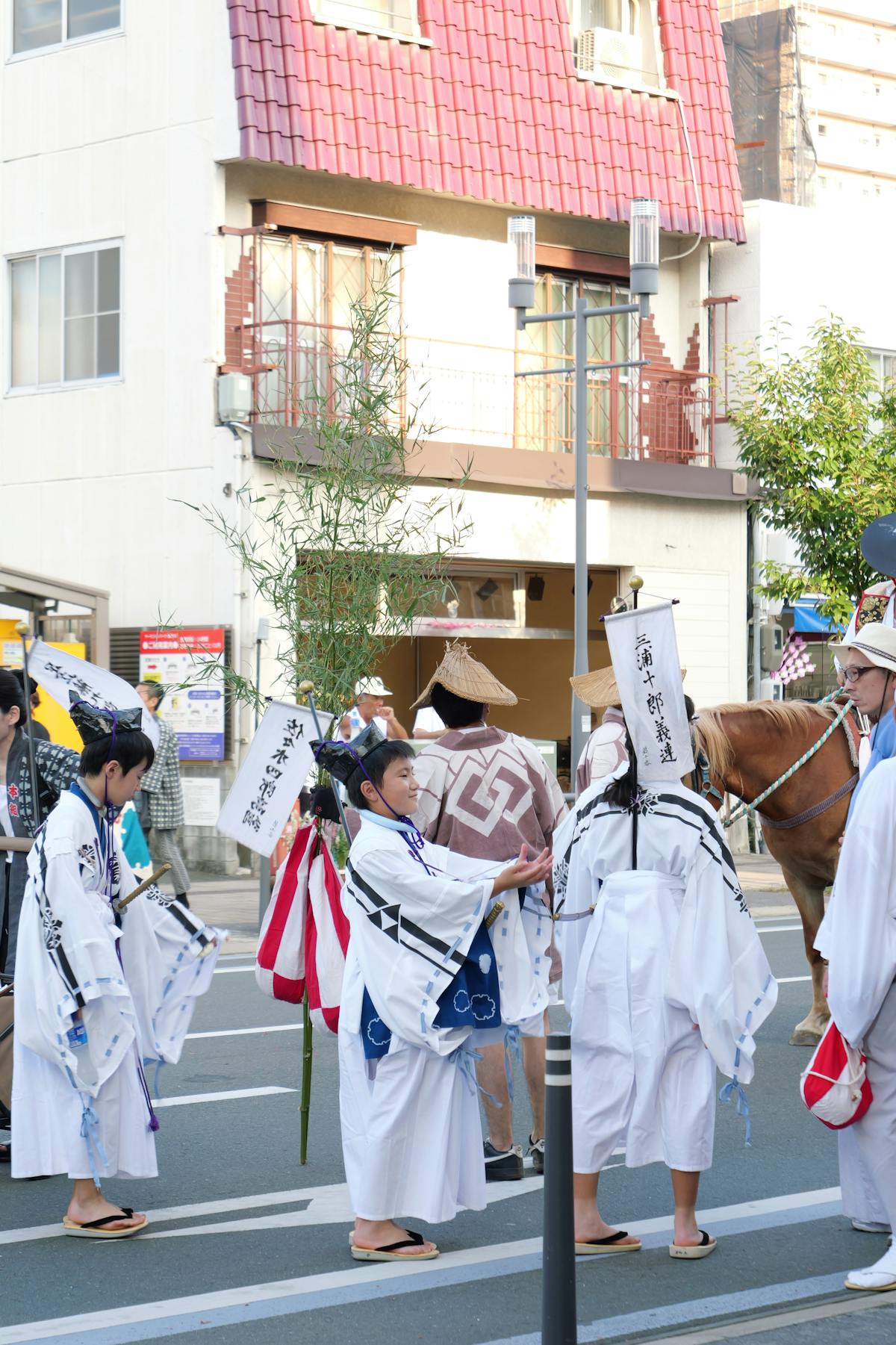
Each evening from around 8:00 PM, the streets of Gujo Hachiman transform. Musicians and singers take up position in a wooden yagura (raised platform) in the town centre, and the townspeople — along with increasing numbers of tourists — form concentric circles and dance through the night to a repertoire of ten traditional songs. The dances themselves are ancient: flowing, hypnotic movements that vary in rhythm and style across the ten pieces, each one distinct and learnable even on your first night.
What makes Gujo Odori unique among Japanese summer festivals is not just its duration but its participatory spirit. Unlike many festivals where tourists watch from the sidelines, Gujo Odori actively welcomes anyone to join the dance. Yukata (summer kimono) rental shops in town do a brisk trade in the summer months, allowing visitors to dress the part before joining the circle. The atmosphere builds as the night progresses — the dancing continues until midnight on regular evenings and through until the following morning on the four Bon Odori all-night sessions in mid-August.
When to Come for the Festival
The festival runs from mid-July to early September, but the atmosphere peaks during the Obon period (around August 13–16). The four all-night dances during Obon are the most extraordinary nights: the dance circles swell to thousands of participants, the energy in the streets is electric, and the town’s inns fill weeks in advance. If you want to experience the Gujo Odori at its most intense, book accommodation in Gujo Hachiman or nearby for the Obon period as early as possible — ideally several months ahead.
Gujo Hachiman’s Historic Townscape
Even outside festival season, Gujo Hachiman offers one of the most beautifully preserved historic town environments in central Japan. The Hachiman district of the town is a designated Important Preservation District for Groups of Traditional Buildings (重要伝統的建造物群保存地区), recognising the outstanding quality of its Edo and Meiji-era architecture.
Shinkamachi and Yanagi-machi Streets
The heart of the historic district runs along Shinkamachi and Yanagi-machi streets, where rows of whitewashed earthen-walled merchant houses face each other across narrow lanes. Water channels (水路, suiro) cut along the edge of the street — a network of clear, fast-flowing water drawn from the rivers and used historically for fire prevention, food preparation, and daily cleaning. Even today, residents use the channels to cool drinks, wash vegetables, and keep carp (koi) — a tradition that gives the streetscape a living, domestic quality rarely found in Japan’s more heavily touristed historic towns.
Gujo Hachiman Castle
Perched on a forested hill above the town, Gujo Hachiman Castle (郡上八幡城) is a striking four-story white structure with distinctive black trim. The original castle was built in 1559 and destroyed in the Meiji era; the present reconstruction dates from 1933 and is said to be the world’s oldest wooden reconstruction of a Japanese castle. The hike up through the castle grounds takes around 20 minutes from the town centre and passes through cedar and oak forest before emerging onto a promontory with panoramic views over the Nagara valley and surrounding mountains.
Inside the castle, a small but engaging museum documents the town’s history and the castle’s role in controlling the Nagara River valley trade route. Admission is ¥320 (USD 2.20) for adults. The castle is open year-round from 9:00 AM to 5:00 PM (closing at 4:00 PM from November to February), and evening illumination events are held during the festival period and in autumn foliage season.
Jion-ji Temple and the Temple District
Gujo Hachiman’s temple district clusters below the castle hill on the town’s north side. Jionzen-ji Temple, founded in the late 16th century, anchors the district and houses a remarkable collection of ancient Buddhist statuary. The temple’s beautifully maintained garden is particularly worth visiting in early November when the maples turn brilliant crimson against the grey stone of the garden walls. Several other temples and shrines dot the surrounding lanes, making a leisurely temple walk one of the most rewarding ways to spend a morning in Gujo Hachiman.
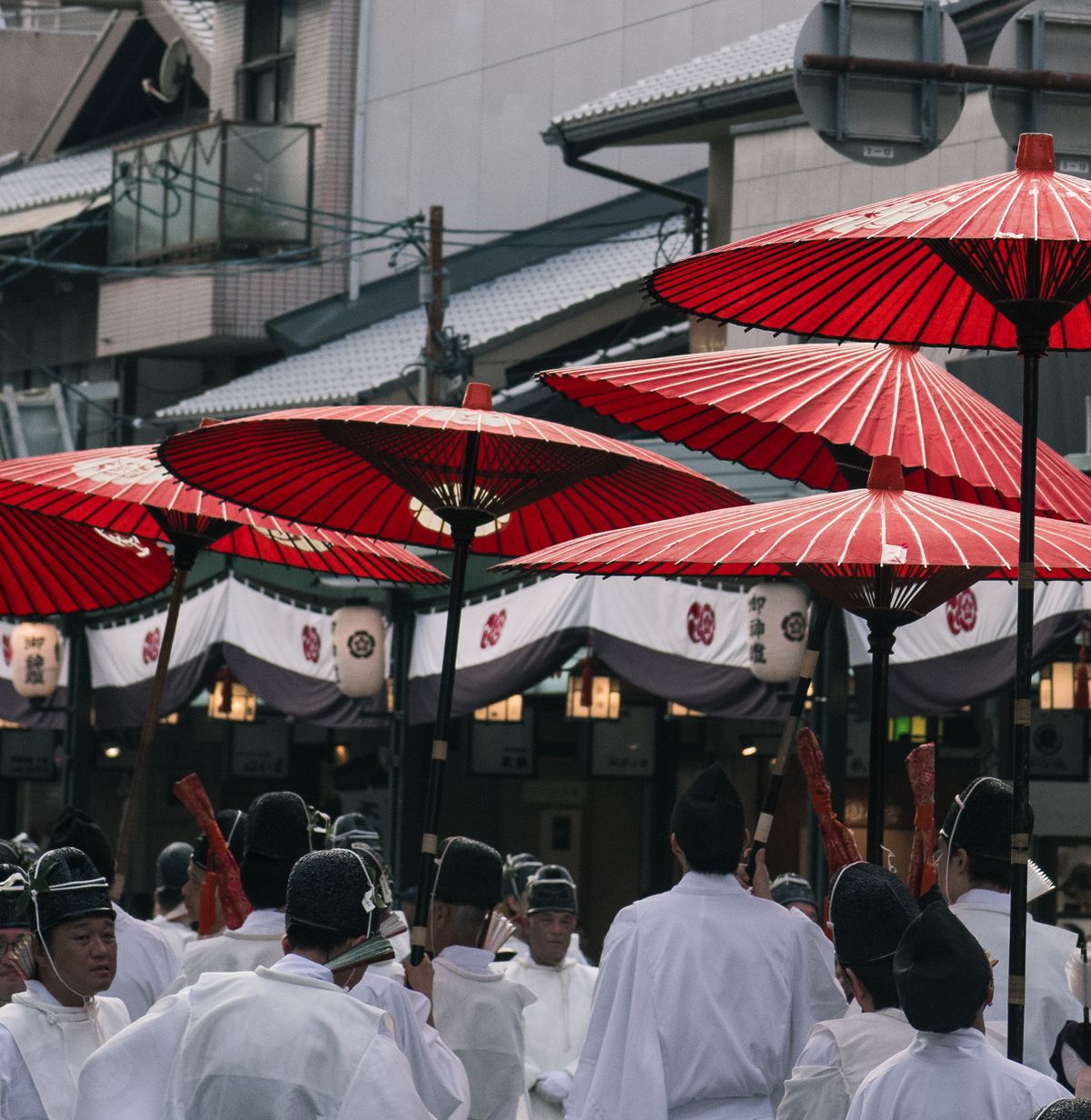
The Rivers of Gujo Hachiman
Water is the lifeblood of Gujo Hachiman. The town sits at the confluence of the Yoshida River (吉田川) and the Nagara River (長良川), two of Japan’s most pristine waterways, and the clarity of the water — almost Caribbean in its luminous blue-green shade — is startling even for a country not short of beautiful rivers.
River Swimming in Summer
From late June through August, the pools beneath Gujo Hachiman’s historic bridges become popular swimming spots for locals and visitors alike. The most famous is the jump spot beneath Shin-bashi Bridge, where local teenagers traditionally leap from the bridge railing (about 12 metres above the water) in a rite of passage that visiting onlookers gather to watch and photograph. Visitors are also welcome to swim in the designated river swimming areas — the water temperature in summer is refreshing rather than cold, and the riverbed pebbles give the water an extraordinary clarity.
A tradition unique to Gujo Hachiman is that children who successfully jump from the bridge are said to have earned their status as local — a custom that has been maintained for generations and gives the summer river scene an atmosphere of genuine community ritual rather than mere tourism spectacle.
Fishing the Nagara River
The Nagara River is one of Japan’s most celebrated ayu (sweetfish) rivers. Ayu fishing — including the ancient cormorant fishing technique known as ukai — has been practised on the Nagara and its tributaries for over 1,300 years and is designated a national Important Intangible Folk Cultural Property. Ayu season runs from mid-June to mid-October, and local restaurants serve the fish in season: simply salt-grilled (shioyaki) and presented whole on a skewer, they are one of Japan’s most delicate and distinctive flavours. A single salt-grilled ayu at a riverside restaurant costs around ¥800–¥1,200 (USD 5.50–8.20).
Where to Eat in Gujo Hachiman
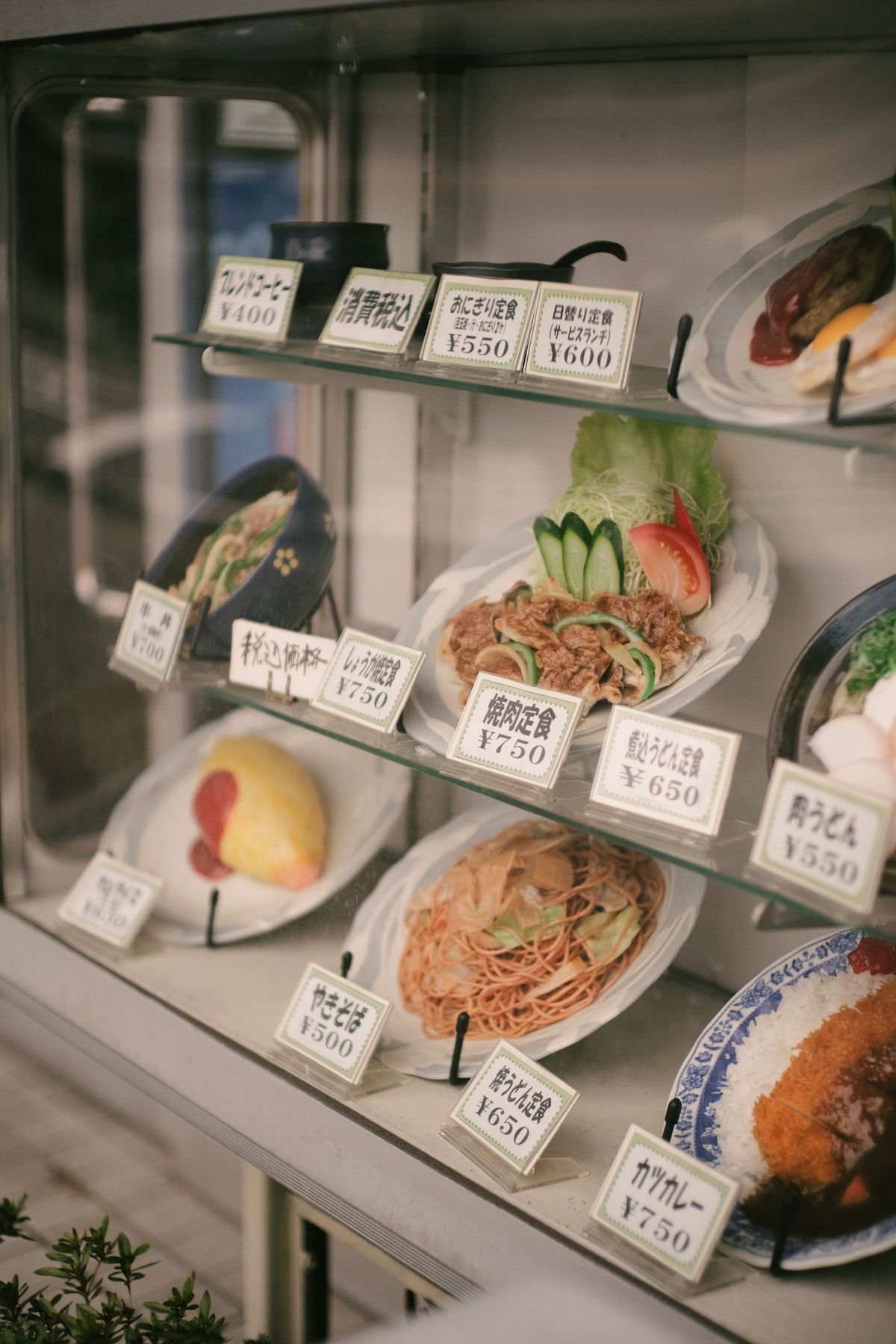
Gujo Hachiman’s food scene is modest in scale but high in quality and local character. The town’s restaurants lean heavily on the river’s bounty and the agricultural produce of the surrounding mountain valleys.
Ayu (Sweetfish)
In season, ayu is the town’s signature ingredient and appears in multiple forms: salt-grilled on skewer, simmered in sweet soy broth, served as ayu sushi (pressed rice with sliced ayu), and incorporated into the local delicacy kigo ryori (seasonal mountain cuisine). Kawara-machi Nakashima restaurant, overlooking the Yoshida River, is one of the town’s best-regarded ayu specialists, with lunch sets from around ¥1,800–¥2,500 (USD 12.20–17.00).
Keichan (Chicken Stir-Fry)
Gujo Hachiman is particularly associated with keichan — a local style of stir-fried chicken marinated in miso, soy, and garlic, then cooked with cabbage in a cast iron pan over a high flame. It is one of Gifu Prefecture’s most distinctive regional dishes, hearty and deeply savoury, and typically eaten with rice and miso soup. Several restaurants in the town centre specialise in keichan; expect to pay ¥1,200–¥1,800 (USD 8.20–12.20) for a full set meal.
Miso Katsu and Mountain Vegetables
Gujo is also within easy reach of the broader Gifu food culture, which leans heavily on hatcho miso (a dark, intensely flavoured fermented soybean paste) and mountain vegetables (sansai) foraged from the surrounding forests. Spring is the best season for sansai dishes — tender shoots of fuki (butterbur), warabi (bracken), and zenmai (royal fern) appear in tempura sets and simmered dishes from March through May.
Plastic Food Samples: A Gujo Hachiman Specialty
In a fascinating piece of culinary history, Gujo Hachiman is widely regarded as the birthplace of Japan’s iconic plastic food sample industry. The hyper-realistic fake food displays seen in restaurant windows across Japan — meticulously crafted replicas of ramen bowls, sushi plates, and tempura sets — trace their origins to Gujo-born craftsman Iwasaki Takizo, who started the business in the 1930s. Several studios in the town offer food sample making workshops (from around ¥2,000–¥3,000/USD 13.60–20.40 per person) where visitors can try their hand at crafting their own plastic tempura or lettuce leaf. The Gujo Hachiman Shotengai shopping street has a cluster of food sample shops selling finished pieces as souvenirs.
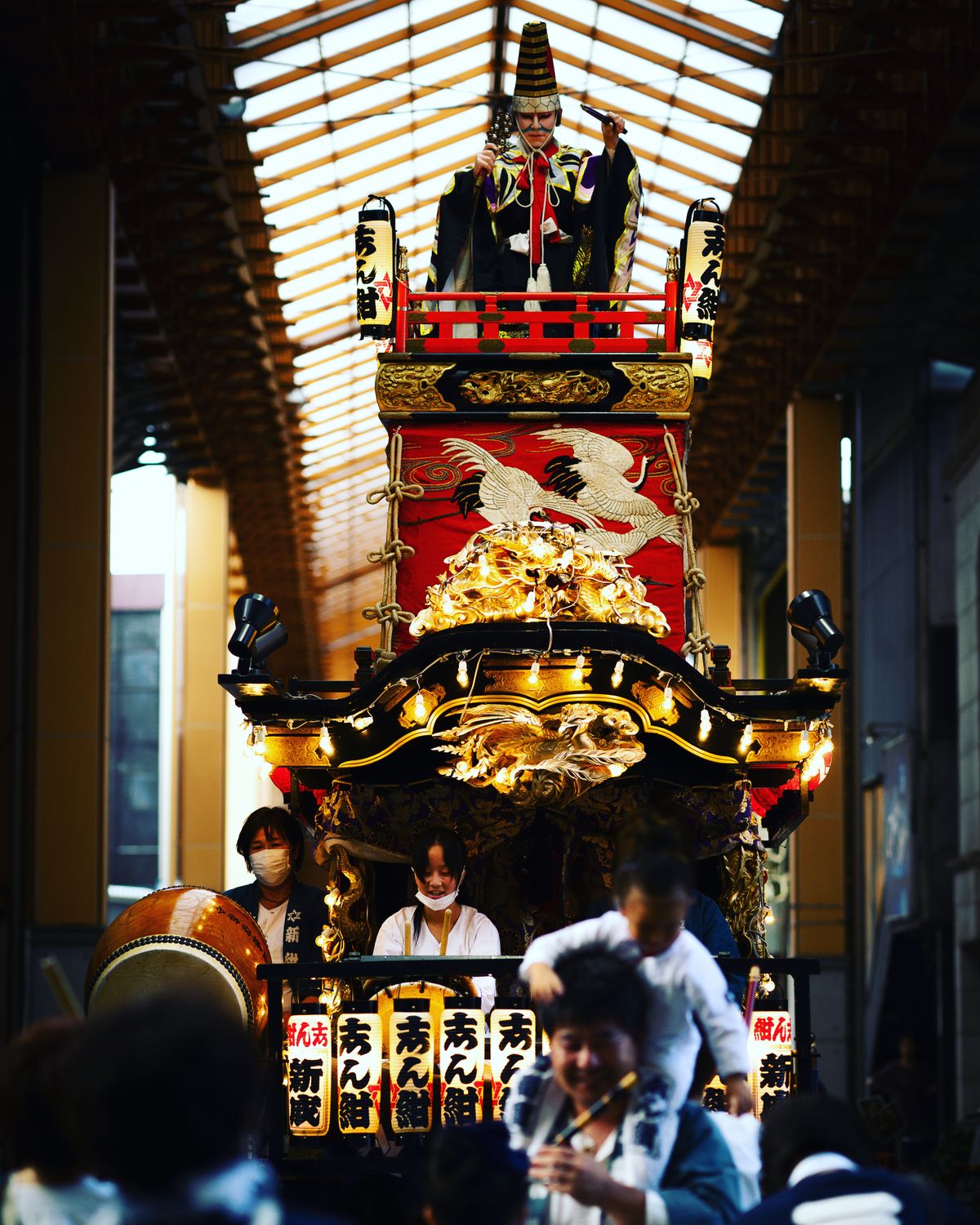
Where to Stay in Gujo Hachiman
Gujo Hachiman is small enough that accommodation options are limited, but the quality of the best ryokan in town is genuinely high. Booking well in advance is essential during the Gujo Odori festival period, particularly the Obon nights in August.
Traditional Ryokan
Several ryokan in Gujo Hachiman offer the full traditional inn experience: tatami-mat rooms, futon bedding, communal hot spring baths, and multi-course kaiseki dinners incorporating the season’s finest local ingredients. Rates at mid-range ryokan with two meals (dinner and breakfast) start from around ¥15,000–¥25,000 (USD 102–170) per person per night. The inclusion of dinner — typically featuring ayu, seasonal mountain vegetables, and local sake — makes the all-inclusive pricing excellent value.
Minshuku (Family-Run Guesthouses)
Minshuku are family-operated guesthouses that offer a more informal version of the ryokan experience. Rooms are typically Japanese-style, meals are home-cooked, and the atmosphere is warm and personal. Rates run from around ¥8,000–¥12,000 (USD 54–82) per person including meals. Many minshuku have only a handful of rooms, making them genuinely intimate stays and places where conversation with your hosts reveals local knowledge impossible to find in any guidebook.
Day-Trip or Overnight?
Gujo Hachiman can technically be visited as a day trip from Nagoya (about 75–90 minutes by highway bus), but an overnight stay transforms the experience considerably. The town comes alive after dark — especially during festival season — and the early morning, before day visitors arrive, is when the historic streets feel most timelessly tranquil. Book your hotel on Agoda (Best prices guaranteed) → and compare available accommodation options in Gujo Hachiman and nearby Gifu City.
Seasonal Highlights: When to Visit Gujo Hachiman
Gujo Hachiman has distinct charms in every season, but each offers a markedly different experience.
Spring (March–May)
Cherry blossoms arrive at Gujo Hachiman Castle in late March to early April, transforming the hilltop into a sea of pale pink against the grey stone walls. The castle grounds host a small sakura festival with food stalls and evening illumination. Mountain vegetable season begins in April, and the rivers begin to clear after winter. This is a relatively uncrowded time to visit, with comfortable temperatures and excellent photography opportunities.
Summer (June–September): Festival Season
Summer is the peak season for Gujo Hachiman, driven entirely by the Gujo Odori festival (mid-July to early September). The town’s population effectively doubles on festival nights. River swimming is at its best from late June through August. Temperatures in the mountain valley are notably cooler than Nagoya or Gifu City, making Gujo Hachiman a pleasant escape from lowland summer heat — though July and August evenings are still warm and humid. Book accommodation far in advance for this period.
Autumn (October–November)
Autumn brings the most visually spectacular foliage in the Nagara River valley, with hillside maples turning crimson and gold from mid-October through November. The castle grounds and temple gardens are particularly beautiful, and the town is far less crowded than in summer. Ayu season continues into mid-October, so the combination of fall foliage and fresh river fish makes this arguably the most all-round rewarding season to visit.
Winter (December–February)
Winter in Gujo Hachiman is quiet and cold, with occasional snowfall that dusts the historic rooftops in white. The atmosphere is hushed and somewhat melancholy — beautiful in its own way, but with fewer restaurants and attractions operating. Serious skiers should note that the nearby Gujo Kogen ski resort (approximately 20 minutes by car from town) offers good powder conditions from December through March, making a winter visit viable for those combining a town visit with a ski day.
Day Trips and Nearby Attractions
Gujo Hachiman is an excellent base for exploring the broader Gifu mountain region. Several remarkable destinations lie within an hour of the town.
Shirakawa-go (1 hour by car)
The UNESCO World Heritage village of Shirakawa-go — famous for its enormous gassho-zukuri (hands-in-prayer style) thatched farmhouses — lies approximately one hour north of Gujo Hachiman along the Tokai-Hokuriku Expressway. The farmhouses, some several hundred years old, were designed to bear the weight of the region’s heavy winter snowfall on steeply pitched roofs. A visit to Shirakawa-go pairs naturally with Gujo Hachiman as part of a two or three-day Gifu mountain itinerary. The village is particularly extraordinary in winter when the snow-covered rooftops are illuminated after dark.
Gujo Kogen Ski Resort
For winter visitors, the Gujo Kogen ski resort — about 20 minutes from town by car — offers a range of runs suitable for beginners through intermediates, with good powder conditions from December through early March. Day passes cost approximately ¥4,500–¥5,500 (USD 30.60–37.40) and equipment rental is available on site.
Gifu City and Gifu Castle
Gifu City, about 50 kilometres south, is easily reached by highway bus, or by the Nagaragawa Railway with a JR transfer at Mino-Ota and offers the spectacular Gifu Castle perched on a cliff above the city, the famous Nagara River ukai cormorant fishing demonstrations (May to mid-October), and a well-regarded local restaurant scene. A full day in Gifu City makes an excellent complement to an overnight in Gujo Hachiman.
Practical Tips for Visiting Gujo Hachiman
- Book accommodation early: Gujo Hachiman has limited accommodation and it fills completely during the Gujo Odori festival, especially the Obon all-night dance nights in August. Book 2–3 months in advance for summer visits.
- Rent a yukata: For festival nights, renting a yukata (summer kimono) from one of the town’s rental shops (around ¥2,000–¥3,000/USD 13.60–20.40 including fitting and accessories) dramatically enhances the experience. It also signals to local dancers that you are genuinely joining in rather than merely observing.
- Learn the basic Gujo Odori moves: The ten dances each follow distinct footwork patterns. The tourist information centre publishes a simple guide to the basic movements. Spending five minutes with the guide before the festival evening makes joining the circle far less intimidating.
- Cash is essential: Many of the town’s smaller shops, restaurants, and ryokan prefer or require cash. Bring sufficient yen — there is an ATM at the post office near the town centre.
- Wear comfortable shoes: The castle hike is steep and paved with irregular stone steps. Comfortable walking shoes or trainers are strongly recommended over sandals or dress shoes.
- Respect the river: Swim only in designated areas marked with flags during the summer season. The rivers are powerful and the currents deceptively strong in some sections. Follow lifeguard instructions if swimming near the bridges.
- Visit the food sample workshops early: The workshops at the food sample studios in town fill up quickly in summer. Call ahead or arrive at opening time (usually 9:00 or 10:00 AM) to secure a slot.
- Check bus timetables carefully: The last highway bus back to Nagoya departs in the early evening. On festival nights, special late buses sometimes run — check the current schedule at the Gujo Hachiman tourist information office or via the bus operator’s website before your visit.
How to Combine Gujo Hachiman with Other Destinations
Gujo Hachiman sits at the geographical heart of the Japan Alps region, making it a natural waypoint in several regional itineraries.
Nagoya → Gujo Hachiman → Shirakawa-go → Kanazawa: This classic Chubu route takes in the urban energy of Nagoya, the folk culture of Gujo Hachiman, the UNESCO farmhouse villages of Shirakawa-go and Gokayama, and the cultured seafood city of Kanazawa — all connected by a combination of highway bus and rail.
Kyoto/Osaka → Gujo Hachiman → Nagoya: For visitors doing the Kansai region, Gujo Hachiman makes an excellent one-night addition en route to Nagoya by highway bus, breaking what might otherwise be a straightforward Shinkansen connection with something genuinely memorable.
For detailed tips on planning your first Japan trip — including how to build multi-city itineraries, navigate Japan’s transport system, and budget effectively — visit our Japan travel tips for first-timers guide.
Frequently Asked Questions About Gujo Hachiman
Is Gujo Hachiman worth visiting if I won’t be there during the Gujo Odori festival?
Absolutely yes. The historic townscape, the extraordinary rivers, and the castle are rewarding at any time of year. Spring cherry blossoms, autumn foliage, and winter snow each provide their own compelling reason to visit. The Gujo Odori is genuinely spectacular if you can coincide your visit, but the town has more than enough to offer independently of the festival.
How difficult is the walk to Gujo Hachiman Castle?
The walk from the town centre to the castle takes approximately 20–25 minutes and involves a steady uphill climb on a paved path with stone steps. It is not strenuous for anyone in reasonable health, though wearing comfortable shoes is important. The views from the castle grounds on a clear day are extraordinary — the effort is fully rewarded.
Can I participate in the Gujo Odori even without dancing experience?
Yes — the Gujo Odori actively encourages participation from visitors with no dance experience. The movements are repetitive and learnable within a few minutes of watching the circle. Many participants simply follow along, gradually picking up the footwork. The atmosphere is inclusive and good-natured, and making mistakes is entirely accepted. Wearing a yukata signals your intention to participate and is warmly welcomed by local dancers.
What is the best way to get around Gujo Hachiman?
The historic town centre of Gujo Hachiman is compact and best explored entirely on foot. The main attractions — the historic streets, the riverside, the castle approach, and the temple district — are all within a 20-30 minute walk of each other. For the castle itself, a gentle uphill walk is the only option. Cycling is possible using rental bikes available from the tourist information centre (around ¥500/USD 3.40 per hour), useful for exploring slightly further afield along the riverside paths.
Are there English-speaking guides available in Gujo Hachiman?
English interpretation at the tourist information office is available, and some ryokan have English-speaking staff. The castle’s interior exhibits have English explanations on most panels. For a more in-depth guided experience, some tour operators based in Nagoya offer English-guided day trips to Gujo Hachiman, particularly during festival season. Hiring a local guide through the tourist office can be arranged with advance notice.
What souvenirs are unique to Gujo Hachiman?
The town’s most distinctive souvenirs are its plastic food samples — hand-crafted replicas of Japanese dishes that range from ¥500 (USD 3.40) keyring versions to elaborate multi-course dinner displays costing several thousand yen. Other uniquely local souvenirs include local sake (nihonshu) brewed with the town’s pure mountain water, dried ayu (sweetfish) and ayu-flavoured snacks, traditional Gujo tabi (split-toe socks) in festival patterns, and hand-dyed indigo fabrics produced by local textile workshops.
Is Gujo Hachiman accessible for visitors with mobility limitations?
The historic town streets are largely flat and navigable for those with mobility limitations, though some sections have uneven stone paving. The castle hilltop is not accessible to wheelchair users via the hiking path — the views can be partially enjoyed from the base of the approach road. Ryokan accommodation typically features Japanese-style floor seating (zabuton cushions rather than chairs), which can be challenging for those with knee or hip issues — Western-style room configurations can sometimes be requested in advance.
Can I visit Gujo Hachiman as a day trip from Nagoya?
Yes — a day trip from Nagoya is feasible, giving you approximately 5–7 hours in the town depending on bus times. This is sufficient to visit the castle, explore the historic streets, have lunch at a riverside restaurant, and perhaps join the early part of a festival evening. However, an overnight stay is strongly recommended for experiencing the full depth of the town — including the late-evening atmosphere, the morning quietude, and the opportunity to experience a ryokan dinner with local ingredients.
Final Thoughts: Why Gujo Hachiman Deserves Your Time
In a country as extraordinarily rich in travel experiences as Japan, it is easy to fill an itinerary with the famous and the expected — and still have a wonderful trip. But Gujo Hachiman offers something harder to find: a place where the texture of daily life has remained genuinely intact, where the festivals are real community events rather than performances staged for visitors, and where the landscape itself — those impossibly clear mountain rivers, the cedar-forested hills, the clouds curling low over the castle tower — has a beauty that feels earned rather than packaged.
It is precisely the kind of place that becomes the unexpected highlight of a Japan trip: the destination you did not plan around that you end up talking about most. Give it a night, join the dance, eat the ayu, and watch the children jump from the bridge. Gujo Hachiman will look after the rest.
Explore more of Japan’s hidden and off-the-beaten-path destinations in our complete Japan destinations guide. And for everything you need to know before your first visit to Japan, our Japan travel tips for first-timers covers transport, money, etiquette, and more. For your Japan tour experience,
The Cultural Significance of the Gujo Odori
To fully appreciate the Gujo Odori, it helps to understand the broader tradition of Bon Odori (Obon dance) in Japanese culture. Obon is Japan’s most important ancestral remembrance period, held in mid-August, when the spirits of the deceased are believed to return to the world of the living for a brief visit. Dance, lanterns, food offerings, and communal gathering mark the occasion across Japan — but nowhere is the tradition maintained with the depth and duration found in Gujo Hachiman.
The Gujo Odori’s origins trace to the early 17th century, when the local domain lord Endo Yoshitaka encouraged the mingling of different social classes — samurai, merchants, and farmers — through shared dance. This egalitarian spirit is baked into the festival’s DNA: there are no reserved seats, no VIP sections, no performance stages. The dance circle is the festival. Everyone joins as an equal.
The ten dances of the Gujo Odori each have distinct characters. Kawasaki is the most beloved and the one typically performed on festival opening nights, its flowing movements and lyrical melody deeply embedded in the town’s collective memory. Harukoma is bright and fast-paced, energising the circle. Sanosa is ancient and meditative, its origins possibly pre-dating the festival’s formal establishment. Learning to recognise even two or three of the dances deepens the experience of watching and joining immeasurably.
Gifu Prefecture: A Gateway to Japan’s Hidden Interior
Gujo Hachiman sits within Gifu Prefecture — one of Japan’s most geographically dramatic and culturally rich regions, yet one of its least visited by international tourists. Understanding the broader Gifu context helps position Gujo Hachiman within a richer travel framework.
Gifu Prefecture is one of only eight landlocked prefectures in Japan, bordered by Aichi, Shizuoka, Nagano, Toyama, Ishikawa, Fukui, and Mie prefectures. Its geography is dominated by the Northern Japan Alps in the north and the Nōbi Plain in the south, giving the prefecture an extraordinary range of landscapes within a relatively compact area: Alpine peaks, river gorges, terraced rice paddies, and castle towns all exist within a few hours’ drive of each other.
Beyond Gujo Hachiman, Gifu Prefecture contains several other significant destinations: Shirakawa-go (UNESCO World Heritage gassho-zukuri farmhouse village, 1 hour north by car), Takayama (one of Japan’s best-preserved Edo merchant towns, 1.5 hours north), Gifu City (with its river cormorant fishing tradition and dramatically sited castle), and Gero Onsen (one of Japan’s three great hot spring towns, 45 minutes south-west by rail). A week based in or around Gifu Prefecture rewards unhurried exploration at every turn.
Photography in Gujo Hachiman
Gujo Hachiman is one of central Japan’s most rewarding photography destinations. The combination of historic architecture, clear rivers, mountain backdrops, and — during summer — festival colour makes it genuinely exceptional. Here are the best shots and when to take them.
Dawn on the Historic Streets
The narrow lanes of Shinkamachi and Yanagi-machi are at their most atmospheric in the very early morning — from around 6:00 AM — before day visitors arrive and the streets fill with festival-goers. The low-angle light catches the white plaster walls and the flowing water channels, and the occasional elderly resident cycling to market provides the kind of human scale that brings historic streets to life. Wide-angle shots down the lanes capture the perspective of the streetscape; telephoto shots compress the repeated facades beautifully.
The Castle at Sunrise and Sunset
The hilltop position of Gujo Hachiman Castle makes it a natural dawn and dusk photography subject. From below, the castle tower catches golden light dramatically against dark cedar forest. From within the castle grounds, the panorama over the morning mist rising from the valley rivers is one of the most beautiful morning scenes in the Chubu region. The walk up in darkness — arriving before sunrise — is rewarded handsomely.
Festival Photography
The Gujo Odori is photographically extraordinary, but shooting it respectfully matters. The dancers — particularly the townspeople — are not performers for an audience but participants in a deeply personal cultural ritual. Shoot from the outside of the circle rather than pushing into the dance formation. Ask permission before photographing individuals at close range. Wide shots capturing the scale of the dance circle and the surrounding lantern light are both technically and emotionally the most powerful images.
River and Bridge Shots
The Shin-bashi Bridge from the riverbanks below is a classic shot — the white wooden bridge framed against the forested hillside and the emerald-green water below. In summer, the jump shots from the bridge require good timing and a fast shutter speed. The longer Shotengai shopping street bridge offers a wider view over the confluence of the Yoshida and Nagara rivers and is particularly beautiful in autumn foliage season.
Planning Your Budget for Gujo Hachiman
Gujo Hachiman is notably affordable compared to Japan’s main tourist destinations, particularly for food and some accommodation. Here is a realistic budget breakdown.
Day-Trip Budget (from Nagoya)
Return highway bus from Nagoya: ¥3,800 (USD 25.80). Castle admission: ¥320 (USD 2.20). Lunch at a riverside ayu restaurant: ¥2,000–¥2,500 (USD 13.60–17.00). Snacks and drinks: ¥500–¥1,000 (USD 3.40–6.80). Food sample workshop: ¥2,000–¥3,000 (USD 13.60–20.40). Total approximate day-trip budget: ¥8,620–¥10,620 (USD 58.60–72.10).
Overnight Budget
Mid-range ryokan with two meals: ¥15,000–¥25,000 (USD 102–170) per person per night. Budget minshuku: ¥8,000–¥12,000 (USD 54–82) per person including meals. Yukata rental for festival: ¥2,000–¥3,000 (USD 13.60–20.40). Evening drinks at a local bar: ¥1,500–¥3,000 (USD 10.20–20.40). Souvenirs (food samples, sake, local snacks): ¥2,000–¥5,000 (USD 13.60–34). An overnight visit with ryokan accommodation is achievable for around ¥20,000–¥35,000 (USD 136–238) per person all-in.
The Cultural Significance of the Gujo Odori
To fully appreciate the Gujo Odori, it helps to understand the broader tradition of Bon Odori (Obon dance) in Japanese culture. Obon is Japan’s most important ancestral remembrance period, held in mid-August, when the spirits of the deceased are believed to return to the world of the living for a brief visit. Dance, lanterns, food offerings, and communal gathering mark the occasion across Japan — but nowhere is the tradition maintained with the depth and duration found in Gujo Hachiman.
The Gujo Odori’s origins trace to the early 17th century, when the local domain lord Endo Yoshitaka encouraged the mingling of different social classes — samurai, merchants, and farmers — through shared dance. This egalitarian spirit is baked into the festival’s DNA: there are no reserved seats, no VIP sections, no performance stages. The dance circle is the festival. Everyone joins as an equal.
The ten dances of the Gujo Odori each have distinct characters. Kawasaki is the most beloved and the one typically performed on festival opening nights, its flowing movements and lyrical melody deeply embedded in the town’s collective memory. Harukoma is bright and fast-paced, energising the circle. Sanosa is ancient and meditative, its origins possibly pre-dating the festival’s formal establishment. Learning to recognise even two or three of the dances deepens the experience of watching and joining immeasurably.
Gifu Prefecture: A Gateway to Japan’s Hidden Interior
Gujo Hachiman sits within Gifu Prefecture — one of Japan’s most geographically dramatic and culturally rich regions, yet one of its least visited by international tourists. Understanding the broader Gifu context helps position Gujo Hachiman within a richer travel framework.
Gifu Prefecture is one of only eight landlocked prefectures in Japan, bordered by Aichi, Shizuoka, Nagano, Toyama, Ishikawa, Fukui, and Mie prefectures. Its geography is dominated by the Northern Japan Alps in the north and the Nōbi Plain in the south, giving the prefecture an extraordinary range of landscapes within a relatively compact area: Alpine peaks, river gorges, terraced rice paddies, and castle towns all exist within a few hours’ drive of each other.
Beyond Gujo Hachiman, Gifu Prefecture contains several other significant destinations: Shirakawa-go (UNESCO World Heritage gassho-zukuri farmhouse village, 1 hour north by car), Takayama (one of Japan’s best-preserved Edo merchant towns, 1.5 hours north), Gifu City (with its river cormorant fishing tradition and dramatically sited castle), and Gero Onsen (one of Japan’s three great hot spring towns, 45 minutes south-west by rail). A week based in or around Gifu Prefecture rewards unhurried exploration at every turn.
Photography in Gujo Hachiman
Gujo Hachiman is one of central Japan’s most rewarding photography destinations. The combination of historic architecture, clear rivers, mountain backdrops, and — during summer — festival colour makes it genuinely exceptional. Here are the best shots and when to take them.
Dawn on the Historic Streets
The narrow lanes of Shinkamachi and Yanagi-machi are at their most atmospheric in the very early morning — from around 6:00 AM — before day visitors arrive and the streets fill with festival-goers. The low-angle light catches the white plaster walls and the flowing water channels, and the occasional elderly resident cycling to market provides the kind of human scale that brings historic streets to life. Wide-angle shots down the lanes capture the perspective of the streetscape; telephoto shots compress the repeated facades beautifully.
The Castle at Sunrise and Sunset
The hilltop position of Gujo Hachiman Castle makes it a natural dawn and dusk photography subject. From below, the castle tower catches golden light dramatically against dark cedar forest. From within the castle grounds, the panorama over the morning mist rising from the valley rivers is one of the most beautiful morning scenes in the Chubu region. The walk up in darkness — arriving before sunrise — is rewarded handsomely.
Festival Photography
The Gujo Odori is photographically extraordinary, but shooting it respectfully matters. The dancers — particularly the townspeople — are not performers for an audience but participants in a deeply personal cultural ritual. Shoot from the outside of the circle rather than pushing into the dance formation. Ask permission before photographing individuals at close range. Wide shots capturing the scale of the dance circle and the surrounding lantern light are both technically and emotionally the most powerful images.
River and Bridge Shots
The Shin-bashi Bridge from the riverbanks below is a classic shot — the white wooden bridge framed against the forested hillside and the emerald-green water below. In summer, the jump shots from the bridge require good timing and a fast shutter speed. The longer Shotengai shopping street bridge offers a wider view over the confluence of the Yoshida and Nagara rivers and is particularly beautiful in autumn foliage season.
Planning Your Budget for Gujo Hachiman
Gujo Hachiman is notably affordable compared to Japan’s main tourist destinations, particularly for food and some accommodation. Here is a realistic budget breakdown.
Day-Trip Budget (from Nagoya)
Return highway bus from Nagoya: ¥3,800 (USD 25.80). Castle admission: ¥320 (USD 2.20). Lunch at a riverside ayu restaurant: ¥2,000–¥2,500 (USD 13.60–17.00). Snacks and drinks: ¥500–¥1,000 (USD 3.40–6.80). Food sample workshop: ¥2,000–¥3,000 (USD 13.60–20.40). Total approximate day-trip budget: ¥8,620–¥10,620 (USD 58.60–72.10).
Overnight Budget
Mid-range ryokan with two meals: ¥15,000–¥25,000 (USD 102–170) per person per night. Budget minshuku: ¥8,000–¥12,000 (USD 54–82) per person including meals. Yukata rental for festival: ¥2,000–¥3,000 (USD 13.60–20.40). Evening drinks at a local bar: ¥1,500–¥3,000 (USD 10.20–20.40). Souvenirs (food samples, sake, local snacks): ¥2,000–¥5,000 (USD 13.60–34). An overnight visit with ryokan accommodation is achievable for around ¥20,000–¥35,000 (USD 136–238) per person all-in.
Going to Japan? Speak Japanese with confidence.
Hirameki Japanese — camera translate for menus and signs, a two-way conversation mode, and furigana + romaji on every phrase. Free to download with kana charts, conversation mode and starter words; a one-time purchase unlocks everything.

Plan your Japan trip
Two things every first-timer should book
Some links are affiliate links. If you book through them we may earn a small commission at no extra cost to you.