Noboribetsu Onsen Guide: Hokkaido’s Most Famous Hot Spring Resort for First-Time Visitors
There are hot springs all over Japan. But Noboribetsu is something different. Step off the bus in this small resort town in southern Hokkaido and you are immediately confronted with evidence that you are standing on top of one of the most geologically volatile patches of ground in the entire country. Steam rises from vents in the earth. The air smells faintly of sulfur. Buildings perch over a valley that looks, at first glance, like a scene from another planet — or perhaps from ancient Japanese mythology. The locals call it Jigokudani. Hell Valley. And once you see it, you understand why.
Noboribetsu Onsen is Hokkaido’s — and arguably Japan’s — most famous hot spring resort. For first-time visitors to Japan, it offers something that urban Japan, magnificent as it is, cannot: a direct encounter with the volcanic forces that created these islands and continue to shape them. The water here emerges from the earth at temperatures reaching 130°C (266°F), carrying extraordinary concentrations of minerals that give each of Noboribetsu’s nine spring types distinct colors, textures, and reputed health properties.
This guide covers everything you need to know about Noboribetsu: the geology, the culture, the best hot spring experiences, where to stay, what to eat, how to get there, and when to visit. Whether you are approaching from Sapporo for a day trip or planning a multi-night ryokan stay in the heart of the resort, this is your complete reference.
What Makes Noboribetsu Special: Nine Types of Spring Water
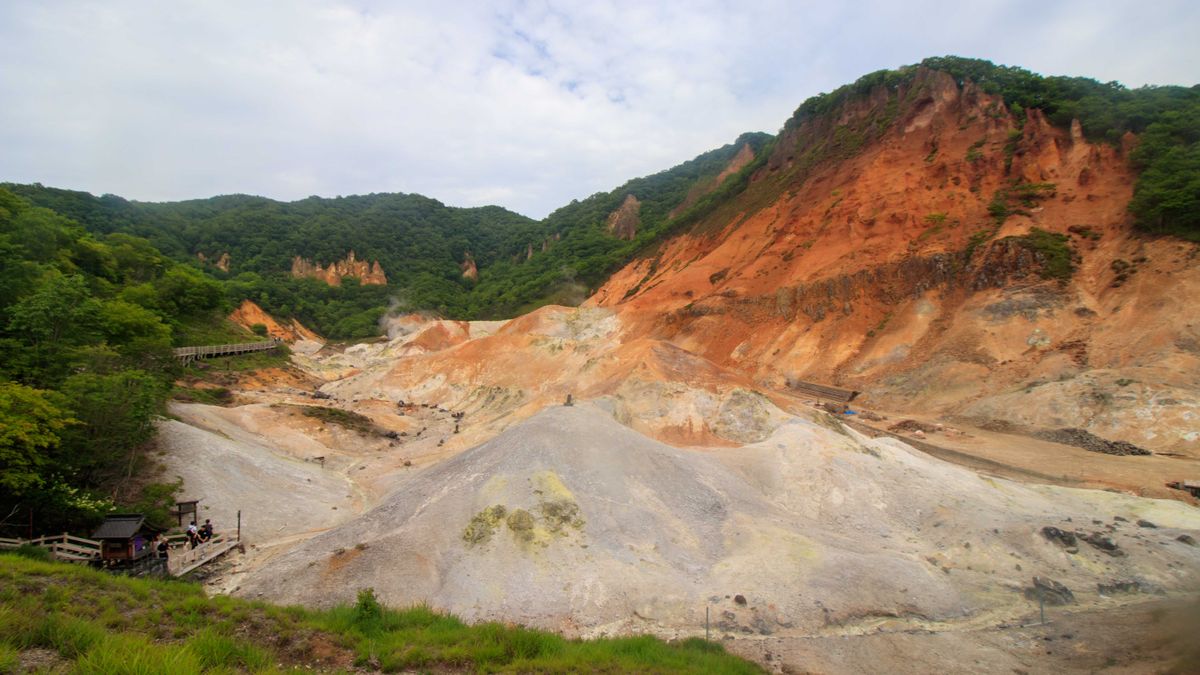
Most hot spring resorts in Japan are defined by a single type of mineral water. Noboribetsu is exceptional — and exceptionally famous — because it sits atop a geological system that produces nine distinct types of spring water simultaneously, each with different mineral composition, color, temperature, and purported health effects. This variety is almost unheard of in Japan and is the fundamental reason Noboribetsu has attracted visitors since the Meiji era.
The Nine Spring Types
1. Sulfur Spring (Ryukasuisen): The most abundant and iconic type in Noboribetsu. Milky white or pale yellow-green water with a distinctive sulfur smell. Water temperature: 45–78°C (113–172°F). Reputed benefits: skin conditions, chronic bronchitis, circulatory issues. The white milky color comes from suspended sulfur particles — the water looks almost like warm milk.
2. Sodium Chloride Spring (Ensosen): A clear, saltwater-type spring. The salt keeps the body warm for a long time after bathing — excellent in cold Hokkaido winters. Temperature: 38–42°C (100–108°F). Reputed benefits: joint pain, fatigue, skin conditions. Visitors often notice that their skin feels noticeably softer after bathing in this type.
3. Iron Spring (Tessen): Orange-brown or reddish water with high iron content. Upon exposure to air, iron compounds oxidize and the water changes color visibly. Temperature: 40–50°C (104–122°F). Reputed benefits: anemia, fatigue, menopausal symptoms.
4. Alum Spring (Myobansuisen): Clear to slightly cloudy water with mild astringent properties. Temperature: 40–45°C (104–113°F). Reputed benefits: skin conditions, particularly chronic eczema and acne. The alum content gives this water a very distinctive feel — slightly rough on the skin in a way that becomes pleasant once you adjust.
5. Sodium Bicarbonate Spring (Jusosen): Smooth, silky-feeling water often called “bijin no yu” (beautiful person’s water) because of its reported skin-beautifying effects. Slightly alkaline. Temperature: 38–42°C (100–108°F). Perhaps the most popular type among women visitors for its skin effects.
6. Mirabilite Spring (Boshosen): Slightly effervescent water with small bubbles visible on the skin after immersion. Temperature: 37–40°C (99–104°F). Reputed benefits: cardiovascular health, circulation. The bubbles create a distinctive tingling sensation different from anything in other spring types.
7. Acidic Spring (Sansei Suisen): Clear, strongly acidic water with potent sterilizing and whitening properties. Temperature: 45–55°C (113–131°F). Should be used for shorter periods than other types due to acidity. Reputed benefits: skin conditions, particularly fungal issues and psoriasis.
8. Radioactive Spring (Hōsha Nosen): Low-level naturally radioactive water (radon). The radiation level is extremely low and considered beneficial in the traditional balneotherapy tradition, with reputed effects on metabolism and blood pressure. Temperature: 38–42°C (100–108°F). The term sounds alarming to modern visitors, but radon spring bathing is a traditional hot spring category with a long history in Japan and Europe.
9. Green Vitriol Spring (Ryokubansen): Iron- and sulfate-rich water that turns greenish. Temperature: 38–42°C (100–108°F). The mildest type and the most suitable for elderly visitors, children, and those with sensitive skin. A good starting point for first-time onsen visitors.
Not every ryokan or bathhouse in Noboribetsu offers all nine types. The most prestigious resorts (Daiichi Takimotokan, in particular) have access to the widest variety. Smaller establishments typically focus on two or three types best suited to their specific location.
Jigokudani: Noboribetsu’s Hell Valley
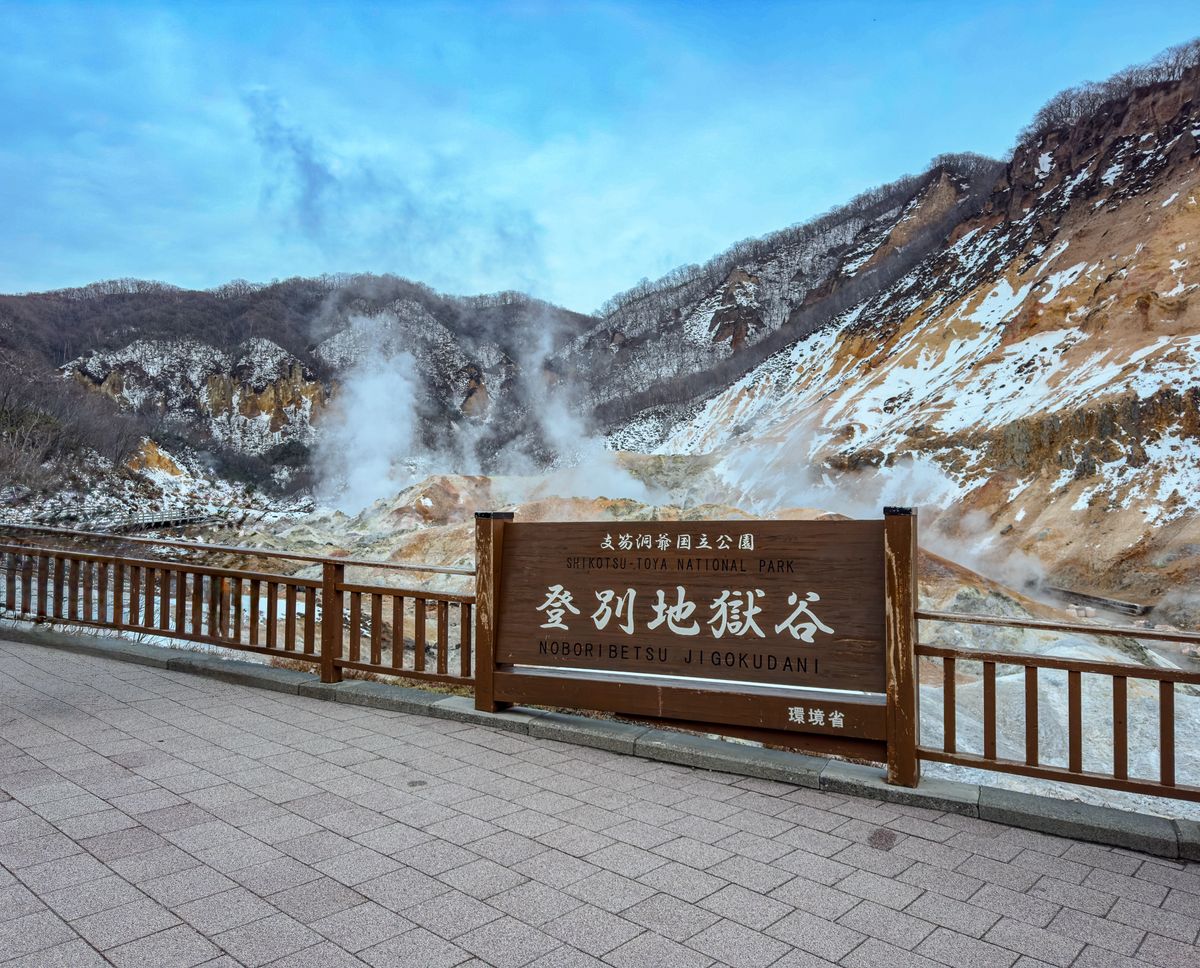
Jigokudani — Hell Valley — is the volcanic crater and geothermal area from which Noboribetsu’s spring water originates, and it is one of the most dramatically beautiful natural sites in Hokkaido. Every visitor to Noboribetsu should spend time here, regardless of whether they plan to bathe.
What to Expect
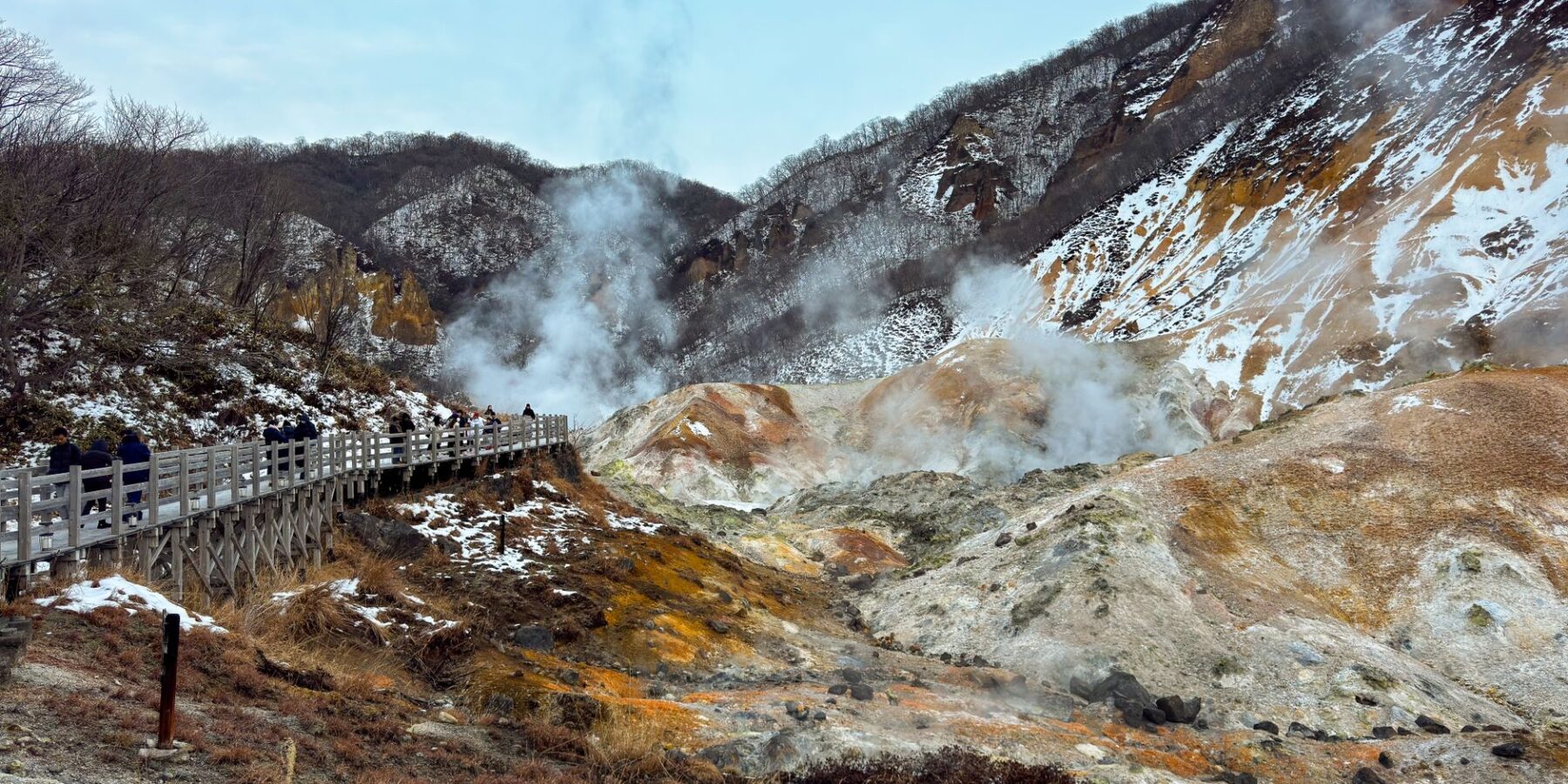
Jigokudani is a roughly 11-hectare active volcanic crater located at the northern edge of the Noboribetsu Onsen resort area, accessible via a 10-minute walk from the main ryokan district along a well-maintained path. The crater is a landscape of reddish-brown and grey volcanic rock, steaming vents, boiling pools, and sulfurous mineral deposits in yellows, oranges, and whites. The combination of color and steam creates a scene of extraordinary visual drama — simultaneously beautiful and slightly unsettling.
The entire crater produces approximately 10,000 tonnes of various spring waters daily, which flow down to the ryokan district below through underground channels and pipes. The scale of what you are seeing — this is an enormous geological machine, continuously operating — gives the landscape an almost mythological character that is perfectly captured by its name.
Walking the Crater Path
A well-maintained wooden boardwalk path loops through the main accessible portion of Jigokudani, taking approximately 20–30 minutes at a leisurely pace. The path is safe, easy, and appropriate for all fitness levels. Key highlights include Tessen-ike, a spring that erupts intermittently from the valley floor; beyond the valley, a forest trail leads to Oyunuma, a steaming sulfurous pond whose surface water is around 40–50°C (104–122°F).
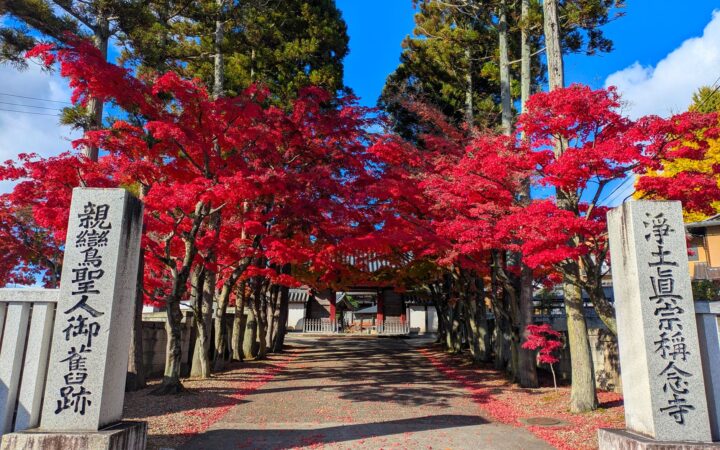
The path continues along the edge of the valley, offering changing perspectives on the steaming landscape. In winter, the combination of snow-covered edges and rising steam creates some of the most striking natural scenery in Hokkaido. In autumn, the surrounding forest turns vivid shades of red and orange, framing the volcanic landscape beautifully.
Oyunuma Pond and the River
Beyond the main Jigokudani viewing area, a short trail leads to Oyunuma River — a section of natural stream where hot spring water mixes with cold river water, creating a series of shallow, naturally hot foot baths (ashi-yu). This is a free, outdoor foot bath that anyone can use — bring a small towel, remove your shoes and socks, and soak your feet in water that flows directly from the volcanic source. The experience is genuinely remarkable: natural hot spring water, beautiful forest setting, no charge, no reservation required.
The Oyunuma River foot bath area is particularly beautiful in autumn and winter. In winter, the contrast of snow on the riverbanks and the warm steam rising from the water makes for unforgettable photography.
Jigokudani Visitor Information
Jigokudani is open year-round and free to visit. The boardwalk path is accessible from early morning (typically 7:00 AM) and is illuminated for evening visits. No admission charge. The area is approximately a 10-minute walk from the main Noboribetsu Onsen bus stop and most ryokan.
Onsen Etiquette: What First-Timers Must Know
Japanese onsen culture has its own set of customs and expectations that first-time visitors should understand before stepping into a bath. Following these conventions is not just polite — it is how the onsen experience works properly, maintaining hygiene and the tranquil atmosphere that makes Japanese bathing so distinctive.
Basic Rules
Wash first, always: Before entering any communal bath (rotenburo outdoor bath, or indoor ofuro), wash and rinse your entire body thoroughly at the washing stations provided. Each station has a shower head, soap, shampoo, and a wooden stool. Sitting down to wash is customary. This washing step is mandatory — entering the communal bath without washing is considered a serious breach of etiquette.
No swimwear: In traditional Japanese onsen, bathers enter the water completely naked. Swimwear is not permitted in most traditional establishments. Gender-segregated baths are the standard (with a few exceptions for mixed-gender baths (konyoku) and private family baths (kazoku buro)). If you are uncomfortable with nudity in a shared setting, look for establishments offering private family baths (kashikiriburo) that you can reserve as a couple or family for a supplementary fee.
Tattoos: Many traditional onsen establishments in Japan prohibit tattooed guests from using communal baths. This policy, rooted in the historical association of tattoos with organized crime, has been controversial and is gradually changing, but it remains common in Noboribetsu. If you have visible tattoos and plan to use communal baths, contact your accommodation in advance to confirm their policy. Tattoo-friendly establishments exist but should be identified before booking.
Hair out of the water: Long hair must be tied up or held above the water surface. Most facilities have hair ties available at the entrance to the bathing area.
Towels: Small towels are provided for modesty while walking between stations but should not be placed in the water. Most onsen provide this small towel; larger bath towels are used outside the water. Some facilities charge for towel rental (typically 200–500 yen / $1.40–3.50 USD) if not included in the facility fee.
Quiet atmosphere: Onsen are places of relaxation and quiet contemplation. Loud conversation, splashing, and generally disruptive behavior are inappropriate. Phones must be kept out of the bathing area — both for the privacy of other guests and because the steam and water will damage them.
Time your bathing: Most Japanese visitors spend 10–20 minutes in the bath, exit to cool down, then re-enter. Extended single sessions are not recommended — hot water raises body temperature significantly, and overheating is a real risk, particularly in high-temperature sulfur baths. Listen to your body. If you feel dizzy or uncomfortable, exit immediately.
Bathing Strategy for First-Timers
If your ryokan or bathhouse offers multiple spring types, start with the Simple Spring (Tanjunsen) or Sodium Bicarbonate Spring to acclimate. Then progress to more mineral-rich types like the Sulfur Spring. Hydrate well before and after bathing — the heat causes significant perspiration even if you do not notice it.
Most ryokan in Noboribetsu allow unlimited use of the onsen for guests staying overnight. This is one of the great luxuries of ryokan life: the freedom to bathe at 11:00 PM, wake at 5:30 AM for a dawn bath, and experience the same spring waters in entirely different atmospheric conditions.
Where to Stay: Ryokan and Hotels in Noboribetsu
Noboribetsu’s accommodations range from enormous resort hotels with dozens of different baths to small, intimate ryokan with personal service and exquisite kaiseki meals. The best experiences in Noboribetsu are invariably built around an overnight stay — arriving for a day trip is possible but misses the extraordinary value of an evening bath, a multi-course kaiseki dinner, and a dawn soak the following morning.
Top Ryokan and Hotels
Daiichi Takimotokan: The most famous and largest onsen hotel in Noboribetsu, Daiichi Takimotokan is a genuine institution. Its bathing complex contains 35 different baths drawing five types of Noboribetsu’s spring waters — the largest and most diverse onsen facility in Japan. The sheer variety of bathing options here is extraordinary: indoor baths, outdoor baths, mineral-specific pools, steam rooms, and saunas. Price: 25,000–50,000 yen per person per night ($179–357 USD), including breakfast and dinner. Day visitor access to the onsen complex: 2,500 yen ($18 USD) for adults.
Noboribetsu Grand Hotel: A classic resort hotel with an excellent onsen facility (12 types of baths, including indoor and outdoor options), beautiful traditional design in the public areas, and reliably high food quality. Price: 20,000–40,000 yen per person per night ($143–285 USD), including meals. A good mid-range option that maintains strong traditional onsen character.
Ryokan Hanayura: A smaller, more intimate ryokan prized for its personal service and beautiful private room designs. The onsen facilities here are smaller than the resort hotels but include excellent outdoor rotenburo baths with nature views. Price: 20,000–35,000 yen per person per night ($143–250 USD), including meals.
Noboribetsu Manseikaku: A mid-sized ryokan that strikes an excellent balance between traditional character and modern comfort. Popular with families. Price: 15,000–28,000 yen per person per night ($107–200 USD), including meals.
Noboribetsu Sekisuitei: For those seeking a quieter, more intimate experience away from the largest resort hotels. Small number of rooms, personal service, and excellent Hokkaido-sourced kaiseki cuisine. Price: 25,000–45,000 yen per person per night ($179–321 USD).
Book your Noboribetsu ryokan for the best rates:
Book your Noboribetsu hotel on Agoda (Best prices guaranteed) →
For traditional ryokan and luxury accommodations:
Find premium ryokan on Agoda →
Day Visitor Options
If you cannot stay overnight, several facilities offer day access to their onsen. Daiichi Takimotokan and Noboribetsu Grand Hotel both welcome day visitors for a fee (approximately 2,000–3,000 yen / $14–21 USD per adult). Day visitor hours are typically 10:00 AM to 3:00 PM or similar — check with each facility directly. Day visits are significantly less satisfying than overnight stays (you miss the evening and morning baths when the atmosphere is finest), but they remain worthwhile if time is limited.
Kaiseki Cuisine at Noboribetsu Ryokan
One of the great pleasures of a Noboribetsu ryokan stay is the food. Ryokan kaiseki dinners in Hokkaido are renowned throughout Japan for the extraordinary quality of local ingredients available: Hokkaido produces some of Japan’s finest seafood, dairy, beef, and vegetables, and ryokan chefs in Noboribetsu take full advantage of this.
What to Expect at a Ryokan Kaiseki Dinner
Kaiseki at a Noboribetsu ryokan typically involves 8–12 courses served in your room (or in a private dining room), beginning around 6:00–7:00 PM. The meal is structured around seasonal and local ingredients, presented with extraordinary attention to detail in beautiful traditional ceramics.
A typical Noboribetsu kaiseki dinner might include: a seasonal appetizer (sakizuke) showcasing fresh Hokkaido vegetables or seafood; a clear soup (osuimono); sashimi of locally caught fish and Hokkaido horsehair crab (kegani) in season; a small hot dish; a grilled fish or wagyu beef course; a rice dish with Hokkaido-grown rice; and a seasonal dessert. The entire experience takes 90 minutes to two hours and is one of the finest meals most visitors will have in Japan.
Key seasonal highlights for Noboribetsu kaiseki:
Winter (December–March): Snow crab (zuwaigani) and horsehair crab (kegani) are at their peak. These Hokkaido specialties — served steamed, in hot pot, or in sashimi form — represent the height of Japanese seafood. The cold water of Hokkaido produces especially sweet, firm crab meat.
Spring (April–May): Hokkaido asparagus (considered the best in Japan), fresh bamboo shoots, spring vegetables, and cherry trout (sakura masu). The ryokan kitchens celebrate the end of winter with vivid green and yellow spring flavors.
Summer (June–August): Sea urchin (uni) from Hokkaido’s northern coast is world-famous. Hokkaido sea urchin, particularly from the Rishiri and Rebun islands area, is considered by many Japanese food experts to be the best uni in the world — sweet, creamy, and without any bitterness. Finding it fresh at a Noboribetsu kaiseki dinner in summer is an exceptional experience.
Autumn (September–November): Pacific salmon returning to Hokkaido’s rivers (ikura — salmon roe — at its freshest), autumn mushrooms, Hokkaido milk-fed lamb (genghis khan style or in kaiseki preparations), and the season’s last warmth before winter sets in.
Noboribetsu Beyond the Onsen: What Else to See
Noboribetsu’s hot springs are the primary draw, but the surrounding area offers several additional attractions worth incorporating into a longer visit.
Noboribetsu Bear Park (Shikotsu-Toya National Park)
Noboribetsu Bear Park, located on Mt Shihorei above the resort, is home to over 100 Hokkaido brown bears (Higuma) — the largest land predators in Japan. The facility allows visitors to observe the bears at close range in large enclosures, including a glass-fronted viewing area at ground level. For visitors unfamiliar with Hokkaido’s wildlife, seeing brown bears this closely is genuinely impressive — these are very large, powerful animals. A gondola ride to the park provides views across the resort and surrounding mountains. Admission: 2,900 yen for adults ($21 USD). Open year-round, though hours vary by season.
Karurusu Onsen
A smaller, quieter hot spring resort located about 8 kilometers from the main Noboribetsu Onsen area, Karurusu offers mild, clear spring water. The atmosphere here is more peaceful and less resort-oriented than the main Noboribetsu area — if you are seeking a less crowded, more meditative onsen experience, Karurusu is worth the short detour.
Shikotsu-Toya National Park
Noboribetsu falls within the boundaries of Shikotsu-Toya National Park, one of Hokkaido’s most beautiful national parks. Lake Toya — a caldera lake formed by a volcanic eruption — is approximately 35 kilometers west of Noboribetsu and easily combined with a Noboribetsu visit. The lake is beautiful in all seasons, surrounded by mountains and dotted with small islands. The Toya Onsen resort on the lake’s southern shore offers another excellent hot spring bathing option.
Noboribetsu Date Jidaimura (Historical Village)
Adjacent to the resort area, Noboribetsu Date Jidaimura is a historical theme park recreating a Edo-period (1603–1868) Japanese town. Actors in period costume perform shows depicting ninja, samurai, and townspeople of the era. While the experience is somewhat theatrical, it can be enjoyable, particularly for families or visitors interested in Japanese history. Admission: 2,900 yen for adults ($21 USD). The park is located a short bus ride from the main resort area.
Getting to Noboribetsu
From Sapporo
Noboribetsu is the most accessible major onsen resort from Sapporo, making it a very popular day trip or short overnight trip for Sapporo visitors. The journey takes approximately 70–90 minutes by train.
By JR Train (recommended): Take the JR Hokkaido limited express Hokuto from JR Sapporo Station to Noboribetsu Station. Travel time: approximately 70 minutes. Fare: 2,840 yen ($20 USD) for a non-reserved seat. Covered by the JR Hokkaido Rail Pass and the Japan Rail Pass. Trains run approximately every 30–60 minutes throughout the day.
From Noboribetsu Station, take a bus operated by Donan Bus to the Noboribetsu Onsen bus terminal. Journey time: approximately 13 minutes. Fare: 350 yen ($2.50 USD).
By highway bus: Direct buses run from Sapporo’s central bus terminal (Hokkaido Chuo Bus Terminal) to Noboribetsu Onsen. Journey time: approximately 95–110 minutes. Fare: approximately 1,900 yen ($14 USD) one way. This option is slightly cheaper but less frequent than the train.
From New Chitose Airport (Sapporo’s International Airport)
For visitors arriving in Hokkaido by air and heading directly to Noboribetsu, the airport provides a very convenient connection. The airport is located midway between Sapporo and Noboribetsu.
By JR train: Take the Rapid Airport train from New Chitose Airport to Minami-Chitose, then connect to the Hokuto limited express toward Hakodate, stopping at Noboribetsu. Journey time: approximately 40–50 minutes total. Fare: check the current price, as JR Hokkaido raised fares in April 2025. This is significantly faster than going via Sapporo.
By airport limousine bus: Direct limousine bus services operate between New Chitose Airport and Noboribetsu Onsen. Journey time: approximately 55–65 minutes. Fare: approximately 1,300–1,500 yen ($9–11 USD). A convenient option for those with significant luggage.
From Hakodate
Visitors combining Noboribetsu with Hakodate (southern Hokkaido’s most visited city) can travel between them by JR limited express. Journey time: approximately 2 hours 20–30 minutes. Fare: approximately 4,680 yen ($33 USD).
Best Time to Visit Noboribetsu
Noboribetsu is genuinely excellent in all seasons — which is one of its distinguishing advantages over many Japanese destinations that are best in only one or two periods.
Winter (December–March): Highly Recommended
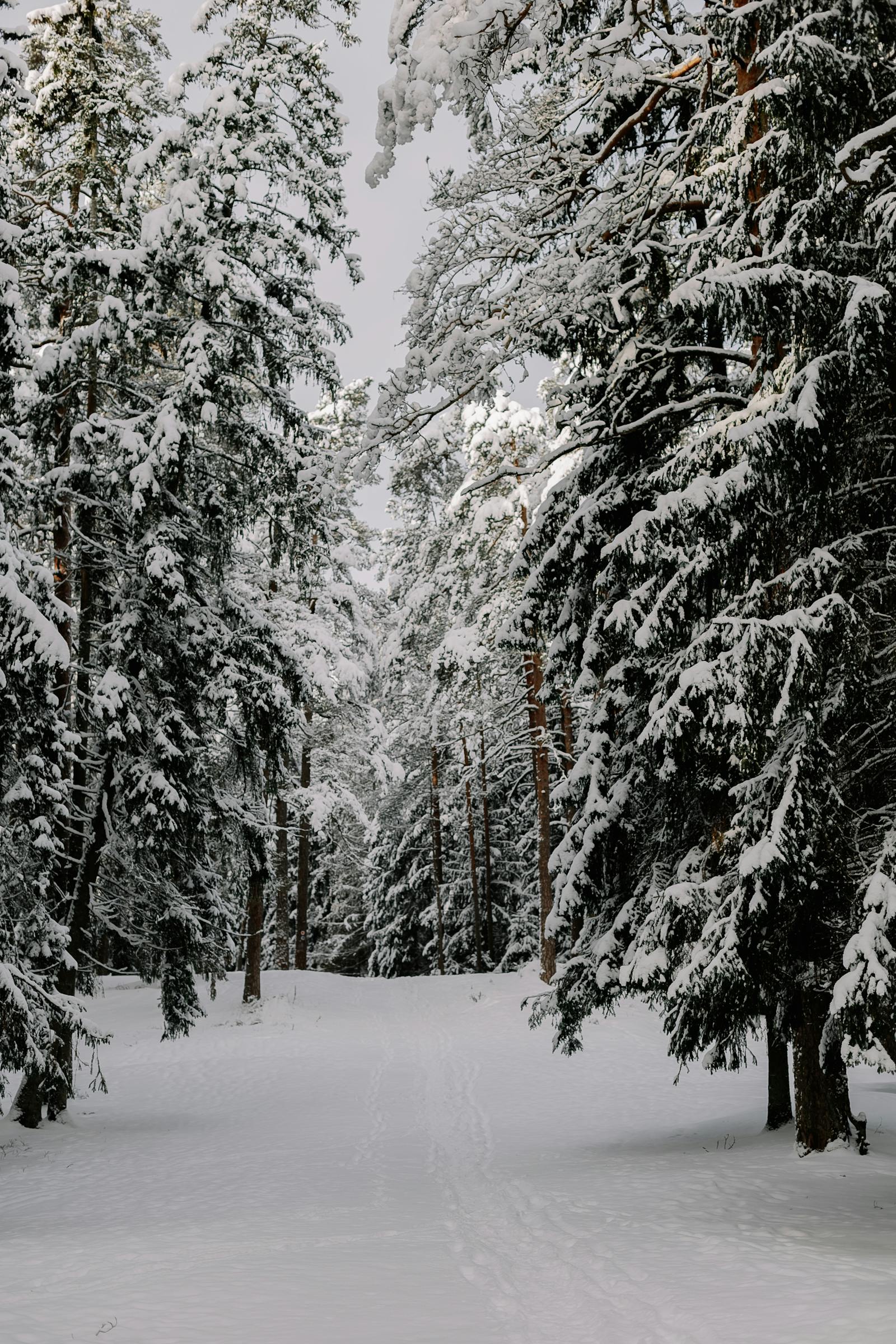
Many visitors consider winter the finest season for Noboribetsu. The contrast of snow-covered landscapes with steaming volcanic vents creates extraordinary scenery. The outdoor rotenburo baths (heated by actual volcanic spring water) in winter, with snow on the surrounding rocks and cold air above the steaming surface, deliver an experience unlike anything else in Japan.
Hokkaido receives heavy snowfall — some of the best powder snow in the world for skiing enthusiasts — and Noboribetsu in deep winter looks like a scene from a Japanese scroll painting: pristine white, punctuated by the orange glow of lanterns and the rising steam from countless hot spring vents. Winter is also peak season for snow crab (zuwaigani) — the combination of fresh crab kaiseki dinner and an outdoor bath in the snow is an experience that rewards the journey to Hokkaido entirely.
Temperatures in Noboribetsu in January and February average -5°C to -8°C (23°F to 18°F) at night. Dress very warmly for outdoor exploration. The onsen, of course, more than compensates for the cold.
Autumn (September–November): Also Excellent
Hokkaido’s autumn arrives earlier than most of Japan — typically late September to early November — and the fall foliage in the surrounding mountains and forests is spectacular. The Jigokudani area surrounded by autumn color is particularly beautiful. Autumn also brings the salmon run season, with fresh ikura (salmon roe) featuring prominently in ryokan kaiseki menus.
Spring (April–June)
Spring is quieter and the landscape emerges gradually from snow cover. Cherry blossoms arrive in Hokkaido approximately 4–6 weeks later than in Honshu — typically late April to early May — creating a beautiful second cherry blossom season for visitors who have already seen sakura further south. The resort is less crowded in spring, prices are generally lower, and the fresh spring produce is outstanding.
Summer (July–August)
Summer in Hokkaido is mild and extremely pleasant — temperatures typically peak at 25–28°C (77–82°F), far more comfortable than the oppressive humidity of summer in Honshu. Noboribetsu in summer is green and beautiful, though the onsen experience is less dramatic without the cold-weather contrast. Summer is peak season for Hokkaido sea urchin and fresh scallops.
Practical Tips for Visiting Noboribetsu Onsen
- Book well in advance: The best ryokan in Noboribetsu, particularly during winter (January–February), autumn foliage season (October–November), and Golden Week (late April–early May), fill up quickly. Book at least 4–6 weeks in advance, and 2–3 months ahead for winter peak periods.
- Luggage delivery: If arriving from Sapporo or elsewhere with heavy luggage, consider using Japan’s takkyubin (luggage delivery) service to send bags directly to your ryokan from your previous accommodation. This makes train travel significantly more comfortable. Cost: approximately 900–1,500 yen ($6.50–11 USD) per bag.
- Medications and health conditions: If you have heart conditions, high blood pressure, or skin conditions, consult your doctor before bathing in high-temperature or highly mineral springs. The volcanic springs in Noboribetsu are genuine therapeutic waters — they can be very beneficial but also require sensible management if you have relevant health considerations.
- Ryokan check-in time: Most ryokan in Noboribetsu have check-in from 3:00 PM and check-out by 11:00 AM. You can typically use the onsen facilities immediately upon arrival.
- What to bring: Most ryokan provide yukata (casual cotton kimono) for wearing within the property, as well as soap, shampoo, conditioner, and a small hand towel. You need only bring personal toiletries and a toothbrush. Larger towels for drying are also provided. Travel light.
- Temperature sensitivity: Noboribetsu’s sulfur and high-temperature springs can irritate sensitive skin with prolonged exposure. Limit initial sessions to 10–15 minutes and rinse thoroughly with fresh water after bathing in the strongest mineral springs.
- Connectivity: Mobile signal is available throughout the resort, but Japanese mobile networks use different frequencies and SIM standards than many international phones. Ensure you have a Japan-compatible data solution before arriving.
For seamless connectivity throughout Hokkaido and Japan:
Get your Japan eSIM (Stay connected from day 1) →
For a broader overview of planning your time in Japan, visit our Japan travel tips for first-timers, and explore all Hokkaido and Japan destinations at our Japan destinations guide.
Budget Planning for Noboribetsu
Noboribetsu can be visited at various budget levels, though the best experiences are concentrated in the ryokan overnight stay tier.
Day trip budget (from Sapporo):
- Train fare Sapporo to Noboribetsu return: approximately 5,680 yen ($40 USD)
- Bus from Noboribetsu Station to resort: 700 yen return ($5 USD)
- Day use onsen at major hotel: 2,500–3,000 yen ($18–21 USD)
- Lunch at resort restaurant: 1,500–3,000 yen ($11–21 USD)
- Jigokudani (free)
- Oyunuma River foot bath (free)
- Total estimated day trip cost: 12,000–15,000 yen ($86–107 USD) per person
Overnight stay budget:
- Mid-range ryokan (including two meals): 20,000–35,000 yen per person ($143–250 USD)
- Train from Sapporo return: 5,680 yen ($40 USD)
- Activities and incidentals: 3,000–5,000 yen ($21–36 USD)
- Total estimated overnight cost: 30,000–45,000 yen ($214–321 USD) per person
The overnight stay is dramatically better value on an experiential basis — the two-meal kaiseki inclusion plus unlimited onsen access represents exceptional quality for the price, particularly compared to what you would pay for equivalent food and spa experiences in other countries.
Frequently Asked Questions About Noboribetsu Onsen
Do I need to speak Japanese to stay at a Noboribetsu ryokan?
No. The major resort hotels and many of the mid-sized ryokan in Noboribetsu have English-speaking staff or English-language written communications (menus, onsen instructions, check-in processes). Smaller, traditional ryokan may be Japanese-language only, though the process is sufficiently visual and well-established that most visitors navigate it comfortably. If you are concerned, choose one of the larger establishments (Daiichi Takimotokan, Noboribetsu Grand Hotel) where English support is reliably available. Booking through an English-language platform like Agoda also gives you a documented English-language record of your reservation.
Is Noboribetsu good for families with children?
Yes, very much so. Noboribetsu Bear Park is particularly popular with children. The Noboribetsu Date Jidaimura historical village has family-friendly shows. Most ryokan offer family-friendly bath options including private family baths (kashikiriburo). Children’s kaiseki menus are typically available on request. The Jigokudani valley is genuinely impressive and educational for children of all ages — it provides a vivid illustration of Hokkaido’s volcanic geology. Note that very young children (under 3) should not be immersed in high-temperature mineral springs.
How does Noboribetsu compare to other famous onsen towns like Kusatsu or Beppu?
Noboribetsu, Kusatsu (Gunma), and Beppu (Oita) are frequently cited as Japan’s top three onsen resorts. Each has distinct character. Kusatsu is renowned for its extremely high-acid sulfur water and dramatically high flow rate of spring water, with a particularly traditional and unspoiled atmosphere. Beppu in Kyushu has eight distinct spring areas and a somewhat more commercial atmosphere, with exceptional variety including the famous Hells (jigoku) touring circuit. Noboribetsu sits between these two: more variety than Kusatsu, more traditional character than Beppu, with the added context of Hokkaido’s exceptional food. For first-time visitors to Japanese hot springs, Noboribetsu is generally considered the most accessible and well-rounded introduction to the full onsen experience.
What is the difference between a rotenburo and an indoor onsen?
A rotenburo (outdoor bath) is an onsen bath in the open air — surrounded by rocks, wooden structures, or gardens, with the sky visible above. In Japan, rotenburo are generally considered the premium bathing experience, combining the therapeutic properties of the spring water with the pleasure of natural surroundings. In Noboribetsu in winter, a rotenburo bath under snowfall or stars with steam rising around you in cold air is genuinely transcendent. Indoor baths (ofuro or sentō-style) are more private, temperature-controlled, and suitable for any weather. Premium ryokan in Noboribetsu offer both.
Can I visit Noboribetsu as a day trip from Sapporo?
Yes, and it is a popular day trip. The 70–90 minute journey from Sapporo makes a day visit entirely feasible. You can spend a morning at Jigokudani and the Bear Park, use the day onsen at one of the major hotels, have lunch at a resort restaurant, and return to Sapporo in the evening. However — and this cannot be emphasized enough — the overnight experience is substantially more rewarding. The evening bath, the kaiseki dinner, the dawn bath the following morning, and the experience of seeing the resort in the quiet hours when day visitors are absent transform Noboribetsu from an impressive attraction into an extraordinary experience.
Are there any free onsen experiences at Noboribetsu?
Yes. The Oyunuma River natural foot bath (ashi-yu) on the Jigokudani trail is completely free — bring a small towel and enjoy soaking your feet in naturally volcanic hot spring water in a beautiful forest setting. Some ryokan also allow free use of certain facilities for guests dining on the premises for lunch, though this varies by establishment. The Jigokudani valley walk itself is free and takes approximately 30–45 minutes. Budget travelers can have a genuinely memorable Noboribetsu experience centered on the free attractions, supplemented by day use onsen at one of the more affordable facilities.
What is the Noboribetsu Jigoku Matsuri (Hell Festival)?
The Noboribetsu Jigoku Matsuri (Hell Festival) is one of Hokkaido’s most distinctive events, held every August. The festival celebrates (and playfully dramatizes) the legend of the Oni demons said to inhabit Jigokudani. Participants dress as Oni (horned demons from Japanese mythology) in vivid costumes and parade through the resort streets. The festival also includes traditional food stalls, music, and a large portable shrine (mikoshi) procession. For visitors who happen to be in Noboribetsu in mid-August, the festival provides a uniquely theatrical addition to the onsen experience. The event is free to attend and runs for approximately three days in mid-August.
Final Thoughts: Why Noboribetsu Belongs on Your Japan Itinerary
Japan offers so many experiences that first-time visitors face impossible choices. The temples of Kyoto, the energy of Tokyo, the food of Osaka, the mountains of the Japan Alps — all are extraordinary and all compete for the same limited days in a finite trip. So why add Noboribetsu?
Because there is something in Noboribetsu that nowhere else in Japan can replicate: the primal experience of sitting in water that emerged from deep inside the earth minutes ago, hot and mineral-rich and carrying its own distinct character, in a landscape shaped entirely by geological forces that continue to operate beneath your feet. Japan is a volcanic archipelago — its beauty, its hot springs, its periodic catastrophes, and its extraordinary fertility all derive from this geological reality. Noboribetsu makes that reality visible, tangible, and accessible in the most comfortable way imaginable.
There is also the food, which in Hokkaido reaches heights that even experienced travelers to Japan find extraordinary. There is the kindness of ryokan hospitality, which surrounds you completely from the moment you arrive. There is the experience of a Japanese night — bath, dinner, sleep on futon, dawn bath, breakfast — that has no equivalent in any other travel context.
Noboribetsu is not for everyone. If you have only five days in Japan and have never been, you need Tokyo and Kyoto and perhaps Osaka before you plan Hokkaido. But if you have a week, if you have been to Japan before and want to go deeper, or if you are planning a winter visit when the volcanic landscape under snow is at its most dramatic — Noboribetsu deserves its place on the itinerary entirely.
Related Hokkaido Travel Guides
Discover more of Hokkaido with these related guides: Sapporo, Hokkaido’s capital, Hakodate’s night view and morning market, Shiretoko National Park, Furano and Biei’s lavender fields, and the Hokkaido food guide.
Going to Japan? Speak Japanese with confidence.
Hirameki Japanese — camera translate for menus and signs, a two-way conversation mode, and furigana + romaji on every phrase. Free to download with kana charts, conversation mode and starter words; a one-time purchase unlocks everything.

Plan your Japan trip
Two things every first-timer should book
Some links are affiliate links. If you book through them we may earn a small commission at no extra cost to you.