Oirase Gorge Complete Guide: Aomori’s Stunning Autumn Forest Stream Walk
Nestled in the mountainous heart of Aomori Prefecture, Oirase Gorge (奥入瀬渓流, Oirase Keiryū) is one of Japan’s most breathtaking natural landscapes — and one of its best-kept secrets from international travelers. Stretching for approximately 14 kilometers along the Oirase River, this magical forested ravine connects the volcanic Lake Towada to the town of Yakeyama, and every step of the way is a feast for the senses. Moss-covered boulders, ancient beech trees, cascading waterfalls, and the constant music of rushing water make Oirase Gorge an experience that stays with visitors long after they return home.
While the gorge is spectacular in every season, it reaches its most glorious peak during autumn, when the maple, beech, and oak trees explode into a symphony of red, orange, and gold. Japan’s autumn foliage season, known as koyo (紅葉), transforms Oirase into something that feels almost otherworldly — a cathedral of color reflected in the crystal-clear waters below. But whether you visit in the vivid green of summer, the silent snowscapes of winter, or the fresh awakening of spring, Oirase Gorge rewards every visitor with something extraordinary.
This complete guide will walk you through everything a first-time visitor needs to know about Oirase Gorge: how to get there, what to see, where to stay, the best hiking routes, practical tips for each season, where to eat, and much more. By the end, you’ll be fully equipped to make the most of your visit to this stunning corner of Tohoku, Japan’s underrated northern region.

What Makes Oirase Gorge So Special?
Oirase Gorge is part of the Towada-Hachimantai National Park, Japan’s first designated national park established in 1936. Unlike many famous natural spots in Japan, Oirase has retained a sense of wild, untamed beauty. The stream flows continuously from Lake Towada — one of Japan’s largest and most pristine caldera lakes — and the water never runs dry even in the height of summer.
What sets Oirase apart from other forest walks in Japan is the sheer density and variety of its waterfalls. There are more than 14 named waterfalls along the gorge trail, ranging from gentle silver threads of water trickling over mossy rock faces to dramatic cascades that roar with force. The most famous include Kumoi-no-taki (雲井の滝), Ashura-no-taki (阿修羅の流れ), and Chōshi-no-taki (銚子の滝), each with its own distinct character and photographic appeal.
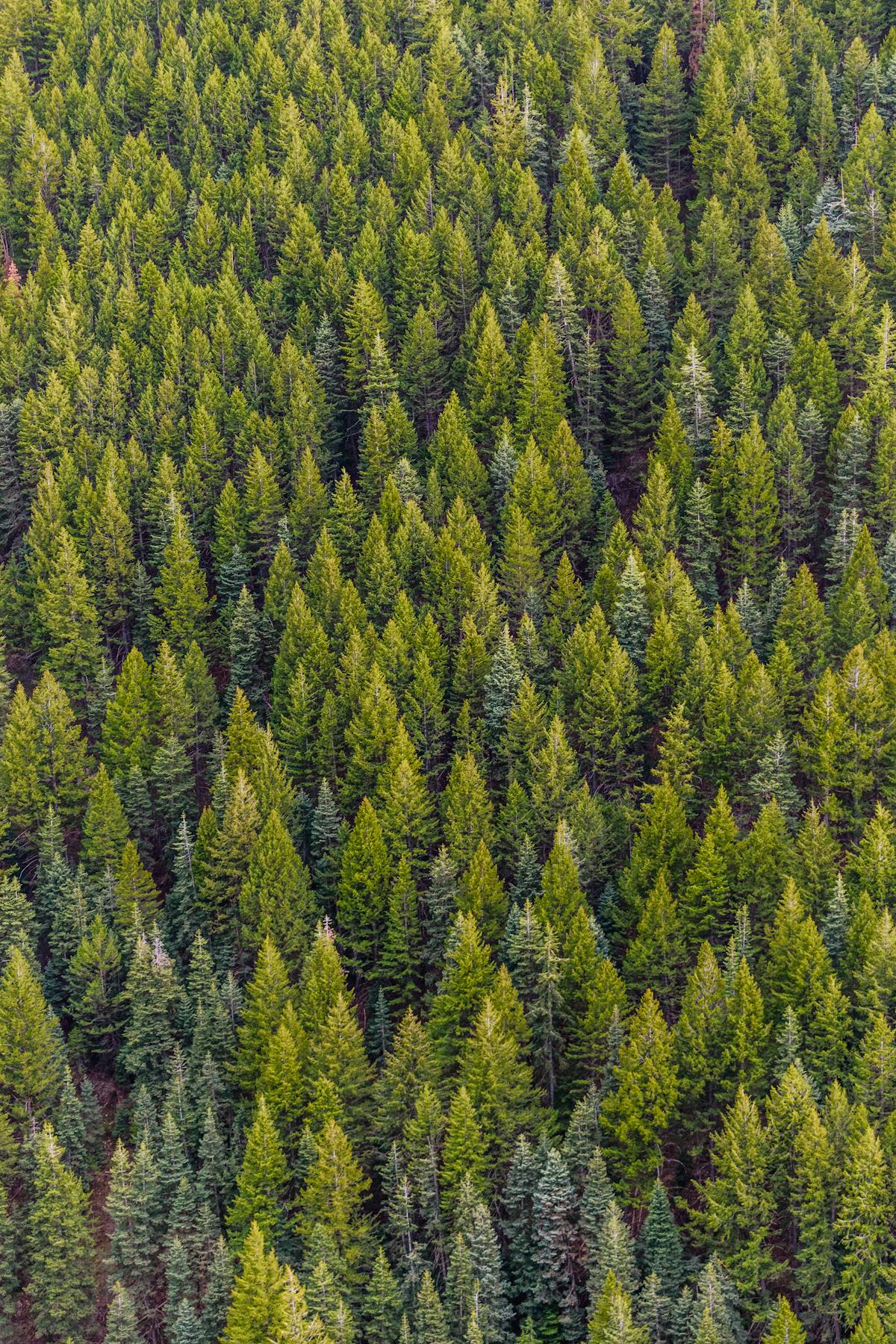
The forest itself is ancient and magnificent. Massive Japanese beech trees (buna) form a cathedral canopy overhead, their roots gripping the mossy rocks like the gnarled hands of ancient guardians. Ferns, mosses, and lichens carpet every surface, creating an impossibly lush green world even in summer. In autumn, this green transforms into fire — and in winter, snow settles on every branch and icicles hang from the frozen waterfalls, creating an ethereal ice-world that few foreign visitors ever witness.
One of the most practical things to know: the Oirase Gorge trail runs alongside a road, which means you can walk as little or as much as you like, and take a bus back to your starting point. This makes it accessible even for travelers who aren’t experienced hikers — it’s a scenic walk, not a challenging climb.
Getting to Oirase Gorge: Complete Transportation Guide
Oirase Gorge is located in Aomori Prefecture in the Tohoku region of northern Honshu. Getting there requires some planning, but the journey is entirely manageable and worth every minute.
From Tokyo
The fastest route from Tokyo is by Shinkansen (bullet train) to Hachinohe Station. Take the Tohoku Shinkansen from Tokyo Station or Ueno Station northward; the journey to Hachinohe takes approximately 3 hours and costs around ¥16,000 to ¥17,500 (approximately USD 110–120) for a reserved seat. From Hachinohe Station, take the JR Bus Tohoku service (the train line was abolished in 2012) or a bus toward Towada, then connect to local buses serving the gorge. The total journey from Tokyo to the gorge typically takes 4.5 to 5 hours.
Alternatively, fly to Misawa Airport (near Hachinohe) from Tokyo Haneda — flights take about 1 hour and can be very affordable when booked in advance. From Misawa Airport, take a taxi or local bus to reach the gorge access points.
If you’re planning to use public transportation extensively during your Japan trip, the JR Pass covers the Shinkansen to Hachinohe and can represent excellent value depending on your overall itinerary. See our full guide to the Japan Rail Pass to decide if it’s worth it for your trip.
From Aomori City
If you’re already in Aomori City (the prefectural capital), the JR Ou Main Line connects to Towada-Minami Station, from where you can access local buses to the gorge. The journey takes about 1.5 to 2 hours. Alternatively, direct buses run from Aomori Bus Terminal (Kenchomae) during the peak tourism season (late April to October), operated by Towada-ko Bus.
By Car
Renting a car is actually the most convenient way to explore Oirase Gorge, especially if you want to stop at multiple waterfalls along the route and also visit Lake Towada. From Hachinohe, the drive to the gorge takes about 1 hour via Route 45 and Route 102. Parking areas are available at Yakeyama (the lower gorge entrance) and near Nenokuchi (the upper gorge, at Lake Towada). Note that during peak autumn foliage season (mid-October to early November), the access road through the gorge is closed to private vehicles to prevent traffic jams, and a shuttle bus system operates instead.
Local Bus Services
Towada-ko Bus operates regular services along the gorge road, making it easy to hop on and off at different waterfall viewpoints. Bus stops are located at major sights including Ashura-no-taki, Kumoi-no-taki, and the trailheads. A day pass is available and recommended if you plan to use the bus multiple times. During autumn season, additional buses are added to handle the crowds.
Before you arrive in Japan, make sure you have a working SIM card or eSIM — navigating in Tohoku is much easier with mobile data and Google Maps. Get your Japan eSIM (Stay connected from day 1) →
The Oirase Gorge Trail: What to Expect
The main hiking trail along Oirase Gorge follows the stream for approximately 14 kilometers from Yakeyama (lower gorge) to Nenokuchi at Lake Towada’s shore. Most visitors walk a section of this trail rather than the full length, and the most spectacular waterfalls are concentrated in the middle section between Ashura-no-taki and Kumoi-no-taki.
Trail Sections and Highlights
Lower Gorge: Yakeyama to Ishigedo (approximately 4 km) — This section is gentle and wide, with easy walking paths on both sides of the stream. It’s ideal for families with children and less mobile visitors. The river here is broad and serene, with beautiful reflections of the surrounding forest.
Middle Gorge: Ishigedo to Kumoi-no-taki (approximately 5 km) — This is the highlight of the gorge and where you’ll find the most dramatic waterfalls. Ashura-no-taki (the “Ashura Flow”) is a wide, fast-moving cascade that roars through divided rock channels — it’s perhaps the most photographed spot in the gorge. Nearby, Yudaki (湯滝) and Chōshi-no-taki add to the drama. The trail here is well-maintained with wooden walkways over some rocky sections.
Upper Gorge: Kumoi-no-taki to Nenokuchi (approximately 5 km) — The upper section becomes progressively quieter as it approaches Lake Towada. Kumoi-no-taki is a tall, elegant waterfall that falls through a gap in the forest canopy — especially beautiful in misty weather. The trail ends at Nenokuchi, where you can take a boat across Lake Towada or catch a bus back down the gorge.
Walking Direction: Upstream or Downstream?
Most visitors choose to walk downstream — starting at Nenokuchi (at Lake Towada) and walking or busing to Yakeyama. This means you’re walking with the flow of the river and generally descending rather than climbing. Walking upstream (from Yakeyama to Nenokuchi) is equally valid and has the advantage of catching the best waterfalls later in the walk when you’re warmed up.
For a half-day visit, the recommended section is the 5-km stretch from Ishigedo to Kumoi-no-taki, which takes about 2.5 to 3 hours at a leisurely sightseeing pace. For a full day, walk the entire 14 km (4 to 5 hours of walking, plus breaks for photography and lunch).
Trail Difficulty
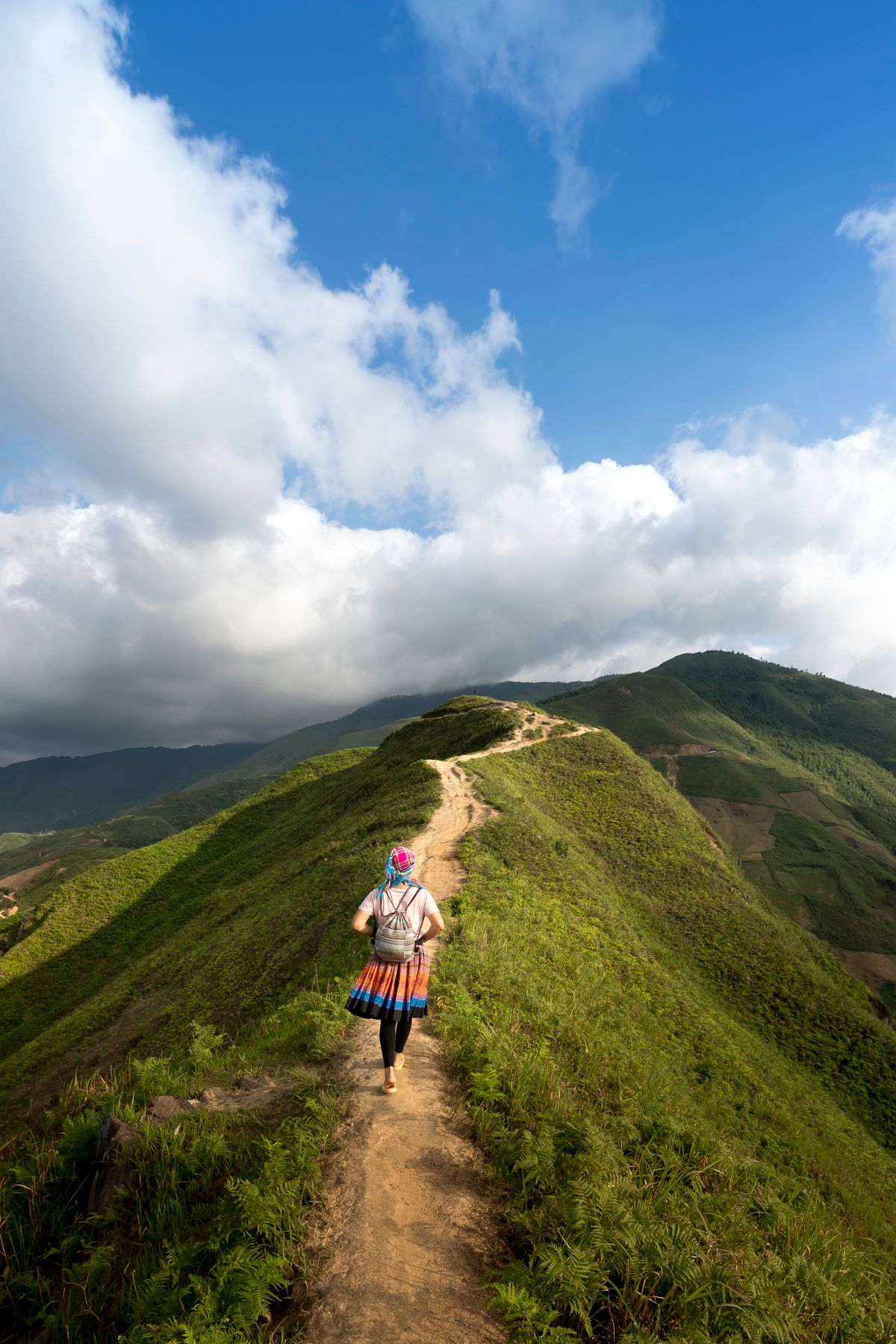
The Oirase Gorge trail is not a mountain hike. It runs alongside a road at a low elevation, and the path is clearly marked and well-maintained. The terrain is mostly flat with gentle undulations. However, some sections near the waterfalls involve stepping over rocks and roots, and the path can be slippery when wet. Wear comfortable walking shoes or light hiking shoes — not sandals or dress shoes.
Oirase Gorge in Every Season
One of the remarkable qualities of Oirase Gorge is that it offers a distinct and equally compelling experience in every season. Here’s what to expect throughout the year:
Spring (Late April – May)
As snow melts from the mountains, Oirase wakes from winter with tremendous energy. The snowmelt swells the river to its most powerful, making waterfalls roar with impressive force. Fresh green shoots and spring wildflowers carpet the forest floor. Visitor numbers are lower than autumn, making this an ideal time for peaceful photography and hiking. Cherry blossoms bloom around late April in this part of Aomori — the combination of pink blossoms and rushing white water is magical.
Summer (June – September)
Summer is the green season, and Oirase in full summer leaf is extraordinarily lush. The canopy is dense and cool, making the gorge trail a wonderful escape from the heat (temperatures here rarely exceed 25°C/77°F, much cooler than Tokyo’s oppressive summer). The clear water is refreshing and the light filtering through the leaves creates beautiful dappled patterns. This is also the most accessible season for accommodation near the gorge.
Autumn (Mid-October – Early November)
Autumn is peak season — and for good reason. The gorge transforms into a painter’s masterpiece of red, orange, and gold. The precise peak varies slightly each year depending on weather conditions, but typically falls in the third week of October for the gorge, while Lake Towada peaks slightly later. This is the most crowded time to visit, and the road is closed to private vehicles during the busiest weekends. Book accommodation well in advance — months ahead is not too early. Despite the crowds, the experience is truly special and absolutely worth the effort.
Winter (December – March)
Oirase in winter is a well-kept secret that rewards intrepid travelers. The gorge transforms into a fantasy of ice and snow: waterfalls freeze into dramatic ice sculptures, snow blankets every surface in deep silence, and the forest takes on an ethereal stillness. Tourist numbers drop dramatically, and you may have the trail almost to yourself. Some sections of the trail may be slippery or closed due to ice — check conditions before visiting and wear appropriate footwear with good grip. The Hotel Oirase Keiryū (see accommodation section) operates guided ice waterfall tours during winter, which are highly recommended.
Where to Stay Near Oirase Gorge
Staying overnight near Oirase Gorge — rather than doing it as a day trip — allows you to experience the gorge in the magical early morning light before tour groups arrive, and to visit Lake Towada at sunset. There are several excellent accommodation options ranging from luxury ryokan to budget guesthouses.
Hotel Oirase Keiryū (星野リゾート 奥入瀬渓流ホテル)
The flagship accommodation experience near the gorge is the Hotel Oirase Keiryū, operated by Hoshino Resorts — Japan’s leading luxury resort operator. This property is literally built into the gorge itself, with many rooms offering direct views of the Oirase Stream through floor-to-ceiling windows. The hotel offers an outdoor terrace right on the streamside, guided nature walks led by expert naturalists, seasonal art installations throughout the property, and one of the best onsen experiences in the Tohoku region. Rooms start at around ¥35,000 per person per night (approximately USD 235) including breakfast and dinner, which is typical for a high-quality ryokan or resort experience in Japan. During autumn foliage peak season, rates can exceed ¥60,000 per person. Book well in advance — this property sells out months ahead during October.
Towadako Prince Hotel
Located on the shores of Lake Towada at Yasumiya, the Towadako Prince Hotel is a more moderately priced option. Rooms range from standard Western-style to Japanese tatami rooms, with some offering lake views. The in-house restaurant serves fresh local seafood and Aomori regional specialties. Rates from approximately ¥12,000 per person per night (USD 80), including meals.
Local Minshuku and Guesthouses
Several small family-run minshuku (Japanese-style guesthouses) operate in the Towada area, offering an authentic and affordable taste of Tohoku hospitality. Rates typically range from ¥7,000 to ¥12,000 per person per night (USD 47–80) with meals. Check booking sites for current availability.
For the best accommodation deals near Oirase and Lake Towada, Book your hotel on Agoda (Best prices guaranteed) →
Lake Towada: The Perfect Pairing
No visit to Oirase Gorge is complete without spending time at Lake Towada (十和田湖), the magnificent caldera lake where the Oirase River originates. Lake Towada is one of Japan’s deepest and clearest lakes — formed by a massive volcanic eruption approximately 13,000 years ago — and its shores are surrounded by pristine beech forest that turns spectacular colors in autumn.
Things to Do at Lake Towada
Lake cruises are available from Yasumiya, the main tourist area on the lake’s southern shore. Boats depart regularly during the tourist season (late April to early November) and take you across the stunning blue water with views of the surrounding mountains. Cruise prices are approximately ¥1,400 to ¥1,800 (USD 9–12) for a 50-minute route.
The famous Maiden of the Lake (乙女の像) bronze statues by sculptor Kotaro Takamura stand at Nenokuchi and have become an iconic symbol of Lake Towada. They depict two standing female figures facing each other and are especially beautiful reflected in the calm lake water at dawn or dusk.
The Towada Art Center (十和田市現代美術館) in the nearby town of Towada-shi is a world-class contemporary art museum with permanent outdoor sculptures by international artists including Yayoi Kusama. Admission is ¥1,800 (USD 12) for adults. This is a wonderful complement to a day of nature walking at the gorge.
What to Eat Near Oirase Gorge
Aomori Prefecture is one of Japan’s great undiscovered food destinations, and the area around Oirase Gorge offers some excellent regional specialties.
Towada Barayaki
Towada Barayaki (十和田バラ焼き) is the signature dish of Towada City and an absolute must-try. It consists of thinly sliced beef cooked on a flat iron plate with heaps of green onions, seasoned with a sweet soy-based sauce. The dish originated in the 1960s at local restaurants near the US military base at Misawa, combining American-style grilling with Japanese flavors. You’ll find it at restaurants throughout the area, priced around ¥1,500 to ¥2,500 (USD 10–17).
Aomori Seafood
Aomori Prefecture faces both the Pacific Ocean and the Sea of Japan, making it a paradise for seafood lovers. Local specialties include Mutsu Bay scallops (ほたて), sea urchin (uni), and the deeply savory Tsugaru-nabe hot pot. The restaurant at Hotel Oirase Keiryū sources much of its produce locally, and their seasonal kaiseki menus feature the very best Aomori ingredients.
Senbei-jiru
Senbei-jiru (せんべい汁) is a traditional Aomori soup made with nambu rice crackers (similar to thick crackers) simmered in a rich chicken or seafood broth with vegetables and mushrooms. The crackers absorb the broth and become soft and chewy — a unique texture that takes first-timers by surprise but is deeply comforting. This regional specialty is found throughout Aomori and is the perfect warming meal after a cool day of gorge walking.
Apple Everything
Aomori produces more than 60% of Japan’s entire apple harvest, and the local obsession with apples is reflected in every menu: apple juice, apple cider, apple curry, apple ice cream, apple jam, apple wagashi (traditional confections), and even apple-flavored ramen. Don’t leave without trying freshly pressed Aomori apple juice, which is dramatically superior to anything you’ve tasted before.
Photography Tips for Oirase Gorge
Oirase Gorge is one of Japan’s most photogenic landscapes, and with the right approach you can capture truly stunning images even with just a smartphone.
Lighting and Timing
The gorge is narrow and heavily forested, which means direct sunlight only penetrates for limited periods. Overcast days actually produce excellent photography conditions — the even, soft light eliminates harsh shadows and allows the rich greens of the moss and the vibrant colors of autumn foliage to saturate beautifully. Early morning (before 8 AM) is magical as mist often hangs over the stream, creating an ethereal atmosphere.
Waterfalls
To capture silky-smooth waterfall motion blur, you need a slow shutter speed (1/4 second or longer). A tripod is ideal, but in a pinch you can stabilize your camera or phone against a rock or tree. The constant mist near the waterfalls can spray onto your lens — keep a microfiber cloth handy.
Autumn Foliage Reflections
The most coveted shots at Oirase combine the colorful canopy above with its reflection in the calm pools between rapids. Find a spot where the current slows into a still pool, crouch low to the water level, and use a polarizing filter (or its digital equivalent) to reduce glare and deepen the colors.

Combining Oirase Gorge with a Tohoku Itinerary
Oirase Gorge makes an excellent centerpiece for a broader Tohoku itinerary. The Tohoku region is Japan’s great underdog — visited by a fraction of the international tourists who flood Kyoto and Tokyo, yet offering landscapes, food, history, and cultural experiences that are second to none.
Suggested 4-Day Tohoku Nature Loop
Day 1: Arrive in Hachinohe by Shinkansen. Explore Hachinohe’s fresh seafood morning market (Minato Fish Market) and dine on local specialties in the evening.
Day 2: Travel to Oirase Gorge. Walk the 14-km trail in full (or focus on the highlight middle section). Spend the night at a ryokan near the gorge or at Lake Towada.
Day 3: Morning boat cruise on Lake Towada, then drive or bus to the Mount Hakkoda area for another stunning nature experience. Mount Hakkoda is famous for its ropeway views and incredible autumn colors — when the trees at the gorge are already past peak, the higher mountain slopes above are often still at their best. Descend to Aomori City for the night.
Day 4: Explore Aomori City — visit the ASPAM tourism center for panoramic views, browse the Sannai-Maruyama Jomon Period archaeological site (UNESCO World Heritage), and catch the Shinkansen back to Tokyo.
This itinerary covers some of Tohoku’s very best experiences while keeping the pace relaxed and enjoyable. For a comprehensive guide to planning your Japan trip as a first-timer, see our essential resource: Japan Travel Tips for First-Timers. And for the full range of destinations across Japan, explore our complete Japan Destinations Guide.
Practical Tips for Visiting Oirase Gorge
- Best time to visit for autumn foliage: Third week of October (approximately October 18–25), but this varies by ±1 week depending on the year. Check the Japan Meteorological Corporation’s koyo forecast closer to your travel dates.
- Book accommodation early: Ryokans and hotels near the gorge sell out 2–4 months in advance during peak autumn season. For summer visits, 1 month ahead is usually sufficient.
- Wear appropriate footwear: Comfortable walking shoes or light trail shoes. The path can be muddy or slippery after rain.
- Cash is essential: Many restaurants and smaller accommodations in rural Aomori don’t accept credit cards. Carry sufficient yen cash.
- Autumn road closure: During peak foliage weekends (usually two weekends in late October), the gorge road is closed to private vehicles. Free shuttle buses replace the road closure — check the official schedule before you go.
- Bug spray in summer: The gorge is lush and moist, meaning insects (especially mosquitoes and gnats) can be bothersome from June to September. Bring insect repellent.
- Photography permits: No permit is required for personal photography. Commercial photography may require prior arrangements with the national park authorities.
- Cycling: Bicycle rental is available at Yakeyama and Nenokuchi. Cycling the gorge road is popular among younger visitors. Note that during road closure periods, cyclists may be restricted.
- Accessibility: The main walking path is accessible for wheelchairs and prams along some sections, particularly between Yakeyama and Ishigedo. The section near the waterfalls involves some uneven terrain.
- Language: English signage is limited in this part of Aomori compared to major tourist cities. Download offline Google Maps or a translation app before you go.
Getting Around Oirase: Transport Tips
During the main tourist season (late April to late November), a dedicated sightseeing bus called the Oirase Keiryu Line operates between Hachinohe and Nenokuchi via the gorge. This bus is the most convenient option for visitors without a car. One-way fare from Hachinohe to Nenokuchi is approximately ¥2,600 (USD 17). A day pass is available for ¥3,000 (USD 20) and allows unlimited on-off boarding along the gorge route.
Outside the tourist season (December to late April), public transport is reduced significantly and a rental car becomes almost essential. Several major car rental companies operate out of Hachinohe Station including Toyota Rent a Car and Nissan Rent a Car. Book in advance during autumn peak season.
Nearby Attractions Worth Combining
Mount Hakkoda (八甲田山)
Located roughly 45 minutes drive southwest of Aomori City, Mount Hakkoda is famous for three things: its magnificent autumn foliage (which comes slightly after Oirase Gorge), its ropeway offering panoramic mountain views at 1,324 meters elevation, and the tragic historical incident of 1902 when 199 Japanese soldiers died in a blizzard during winter training exercises. In winter, the mountain’s ghostly “snow monsters” — trees encased in thick ice formations — attract visitors from across Japan. Ropeway fares are ¥1,350 one way or ¥1,900 return (USD 9/13).
Aomori City and Nebuta Festival
Aomori City hosts the Nebuta Festival every year from August 2–7, one of the Tohoku Six Festivals and one of Japan’s most spectacular summer celebrations. Enormous illuminated floats depicting warriors, mythological figures, and kabuki characters are paraded through the city streets at night, accompanied by thousands of dancers called haneto. If your visit coincides with early August, this festival is unmissable. Outside festival season, the Wa Rasse Nebuta Museum in Aomori City displays authentic floats year-round and explains the festival’s history (admission ¥600, USD 4).
Sanno-Iwa Rock Formations
Near the trailhead at Yakeyama, the Sanno-Iwa (三ノ岩) rock formations rise dramatically above the forest. These ancient volcanic columns have been weathered by millennia into striking natural sculptures that are particularly beautiful when framed by autumn foliage.
Oirase Gorge for Different Types of Travelers
For Photographers
This is one of Japan’s premier photography destinations. Plan to spend at least one full day, ideally staying overnight so you can be at the gorge at first light. The one-hour window after sunrise is pure gold for forest and waterfall photography. In autumn, bring a rain cover for your camera — the gorge is misty and occasional light rain is common.
For Families with Children
Children tend to love Oirase Gorge — the rushing stream, the dramatic waterfalls, and the fun of spotting fish and frogs in the pools capture young imaginations powerfully. The flat walking path is pram-friendly for most of its length. Take the bus back to the start so young legs don’t get overtired.
For Solo Travelers
Oirase Gorge is particularly wonderful for solo travelers. The rhythmic sound of the stream is deeply meditative, and the walk gives ample time for reflection. Early mornings and late afternoons are especially peaceful. Bring a good book and your picnic lunch to enjoy by the water at one of the quieter waterfall pools away from the main parking areas.
For Couples
An autumn evening at the gorge, followed by a stay at a luxury ryokan with private onsen, is one of Japan’s most romantic experiences. The combination of spectacular natural beauty, traditional hospitality, exquisite food, and total immersion in nature makes for an unforgettable getaway.
Frequently Asked Questions About Oirase Gorge
Q: When is the best time to visit Oirase Gorge for autumn foliage?
The peak autumn foliage season at Oirase Gorge typically falls in the third week of October — approximately October 18–25 in most years. The exact timing varies by a week or so depending on annual weather patterns. The trees at the gorge floor (mainly maple and beech) peak slightly earlier than those at Lake Towada’s shore, so if you can only visit once, mid-to-late October is the sweet spot. Check the Japan Meteorological Corporation (tenki.jp) for their annual koyo forecast, which is published from late September.
Q: How long does it take to walk the full Oirase Gorge trail?
Walking the full 14-kilometer trail from Yakeyama to Nenokuchi takes approximately 4 to 5 hours at a comfortable sightseeing pace, including stops at the major waterfalls and viewpoints. Most visitors who aren’t dedicated hikers walk a section of the trail (typically 5–7 km) and take a bus for the remainder. The highlight section from Ishigedo to Kumoi-no-taki (approximately 5 km) takes about 2.5 to 3 hours and covers the gorge’s most spectacular waterfalls.
Q: Is the Oirase Gorge trail difficult? Do I need hiking experience?
No hiking experience is required for the Oirase Gorge trail. Unlike mountain hikes, the gorge trail runs at low elevation alongside a road and is essentially a scenic flat walk. The path is well-maintained and clearly marked throughout. Some sections near waterfalls involve stepping over rocks or roots, and the surface can be slippery when wet. Comfortable walking shoes with good grip are all you need — you don’t need hiking boots unless visiting in winter, when ice crampons are advisable on some sections.
Q: Can I drive along Oirase Gorge?
Yes, there is a road running parallel to the gorge trail for most of its length, and during most of the year you can drive through while stopping at designated parking areas. However, during peak autumn foliage season — usually the two or three weeks in late October — the gorge road is closed to private vehicles on weekends to prevent severe traffic congestion. During road closure periods, free shuttle buses operate at regular intervals and allow you to hop on and off at any waterfall stop. Check the official Towada-ko Bus website for the specific closure dates, which are announced each September.
Q: Is Oirase Gorge accessible in winter?
Yes, and it’s a stunning but very different experience. In winter, the waterfalls partially or fully freeze into dramatic ice sculptures, and snow transforms the forest into a pristine white world of profound silence. The trail is accessible during winter but sections can be icy and slippery — wear appropriate boots with good grip, and consider bringing traction devices (yakutsugi/crampons). The Hotel Oirase Keiryū offers guided winter gorge walks and ice waterfall tours that are highly recommended for first-time winter visitors. Public transport is significantly reduced in winter, and a rental car with snow tires is strongly advised.
Q: How do I get from Tokyo to Oirase Gorge?
The most practical route is to take the Tohoku Shinkansen from Tokyo to Hachinohe (approximately 3 hours, around ¥16,000–17,500 one way), then connect to a sightseeing bus or taxi toward the gorge. The total journey from Tokyo Station to the gorge entrance takes approximately 4.5 to 5 hours. Alternatively, fly from Tokyo Haneda to Misawa Airport (1 hour flight) and arrange ground transport from Misawa. During the main tourist season (May to November), direct sightseeing buses operate from Hachinohe Station to the gorge at set times — check with the Hachinohe tourist information center for current schedules.
Q: What is the entrance fee for Oirase Gorge?
There is no entrance fee to walk the Oirase Gorge trail — it is a national park that is free and open to all visitors. The only costs involved are transportation to and from the gorge (bus fares or car rental), accommodation if you stay overnight, meals, and any optional activities such as lake cruises at Towada (approximately ¥1,400–1,800, USD 9–12) or ropeway access at Mount Hakkoda (¥1,350–1,900, USD 9–13).
Q: Are there restaurants or cafes along the gorge trail?
Options are limited along the trail itself. The Hotel Oirase Keiryū has a café open to non-staying guests, serving drinks and light meals with beautiful gorge views. At the Nenokuchi area (Lake Towada end of the trail), there are several simple restaurants and souvenir shops. At Yakeyama (the lower gorge entrance), there is also a small visitor facility. For the walk itself, it’s best to pack a lunch and snacks, especially during busy seasons when the limited dining spots may have long waits.
Packing List for Oirase Gorge
- Footwear: Comfortable walking shoes or light trail shoes with good grip (waterproof recommended for spring and rainy season)
- Layers: Even in summer, the gorge can be cool under the dense canopy — bring a light jacket or fleece
- Rain gear: A compact packable rain jacket; umbrella is less practical on narrow trail sections
- Camera: This is a photographer’s paradise — don’t forget a spare battery and memory card
- Picnic lunch: Pack food from convenience stores in Hachinohe or Towada-shi if you plan to be in the gorge all day
- Water bottle: Stay hydrated; the stream water, while clear, is not safe to drink untreated
- Insect repellent: Essential from June to September
- Cash: ¥10,000 or more in cash for transport, food, and any purchases in this rural area
- Offline maps: Download the area map on Google Maps before leaving your hotel
- SIM/eSIM: Mobile data is essential for navigation; Get your Japan eSIM (Stay connected from day 1) →
Final Thoughts: Why Oirase Gorge Should Be on Every Japan Itinerary
Japan’s most famous attractions — Tokyo’s neon streets, Kyoto’s ancient temples, Osaka’s vibrant food scene — are all extraordinary in their own ways. But there is another Japan, quieter and wilder and perhaps even more deeply beautiful, waiting in the Tohoku region for those willing to venture a little further north. Oirase Gorge is perhaps the finest single example of what that Japan has to offer.
The gorge asks nothing complicated of you. Walk beside the stream. Listen to the water. Watch the light change as you move deeper into the forest. Stand before a waterfall and feel its spray on your face. In autumn, tilt your head back and look up through a canopy of gold and red at the pale blue sky above. These are experiences that reconnect something essential in us — the part that knows how to simply be present in a place of wild, unadorned beauty.
Oirase Gorge is not crowded with international tourists in the way that Arashiyama or Fushimi Inari are. You will share the trail with Japanese visitors, many of them elderly couples making their own autumn pilgrimage to a place they may have first visited decades ago. But you will have space to breathe, to slow down, and to let the forest work its particular magic on you.
Add it to your Japan itinerary. You won’t regret it.
Ready to plan your Japan trip? Explore our complete guide to Japan destinations and our essential Japan travel tips for first-timers to get started.
Going to Japan? Talk to locals with confidence.
Hirameki Japanese — instant offline translation, camera translation, furigana + romaji, and 314 free flashcards. No login. Works without internet.

Plan your Japan trip
Two things every first-timer should book
Some links are affiliate links. If you book through them we may earn a small commission at no extra cost to you.