Standing in the heart of Kyushu, Mount Aso (阿蘇山, Aso-san) is one of the most extraordinary landscapes you will ever set foot on in Japan. This is not just a mountain — it is one of the largest active volcanic calderas in the entire world, a colossal bowl in the earth roughly 25 km from north to south and 18 km east to west, ringed by towering walls and filled with farmland, towns, hot spring villages, grasslands, and five smoking volcanic peaks at its center. For first-time visitors to Japan looking beyond Tokyo and Kyoto, Mount Aso offers a rare combination of raw natural power and gentle rural beauty that few destinations can match.
This complete guide walks you through everything you need to plan a trip to Mount Aso: how to get there from anywhere in Japan, the best hiking routes for visitors of every fitness level, where to soak in nearby hot springs, which towns to use as a base, what to eat, and how to time your visit around the volcano’s mood. Whether you have a single day or a relaxed three-night escape, this is the practical, on-the-ground guidance I wish every first-time visitor had before arriving in Kumamoto Prefecture.
Why Mount Aso Should Be on Your Japan Itinerary
Most first-time visitors to Japan stick to the Tokyo-Kyoto-Osaka golden route, and there is nothing wrong with that. But if you want to experience a side of Japan that almost no one in your group photo album has seen, Mount Aso is one of the country’s most underrated destinations. The scale is staggering. Standing on the rim of the Aso caldera and looking down at the towns, farms, and rice fields nestled inside an ancient volcanic crater is the kind of experience that reshapes how you think about geology and human settlement.
Beyond the visual spectacle, Mount Aso offers easy access to several different types of Japanese travel experience in one compact area: dramatic hiking on open grasslands, world-class onsen towns like Kurokawa and Yufuin within easy reach, traditional inns serving locally raised wagyu beef, scenic train rides, and rural villages where you can see a completely different rhythm of Japanese life. The crowds are thin compared to Kyoto, the prices are noticeably lower, and the locals are some of the warmest in Japan.
Who Mount Aso Is Best For
Mount Aso suits hikers, photographers, geology enthusiasts, hot spring lovers, food travelers, and anyone craving a quieter, more rural experience after a few days in Japan’s biggest cities. Families with school-age children will love the open grasslands and easy access to ranches and dairy farms. Couples will find some of Japan’s most romantic ryokan (traditional inns) within a 30 to 60 minute drive. Solo travelers benefit from the well-developed bus network, the safety of the area, and the slower pace.
Understanding the Aso Caldera: One of the World’s Largest
To really appreciate what you are seeing at Mount Aso, it helps to understand how this landscape was created. Roughly 90,000 to 270,000 years ago, four enormous eruptions shaped the Aso caldera into the form you see today. The caldera spans approximately 380 square kilometers, with a circumference of around 120 km along its outer rim. Inside this bowl live some 50,000 people in towns and villages, surrounded on every side by mountain walls hundreds of meters high.
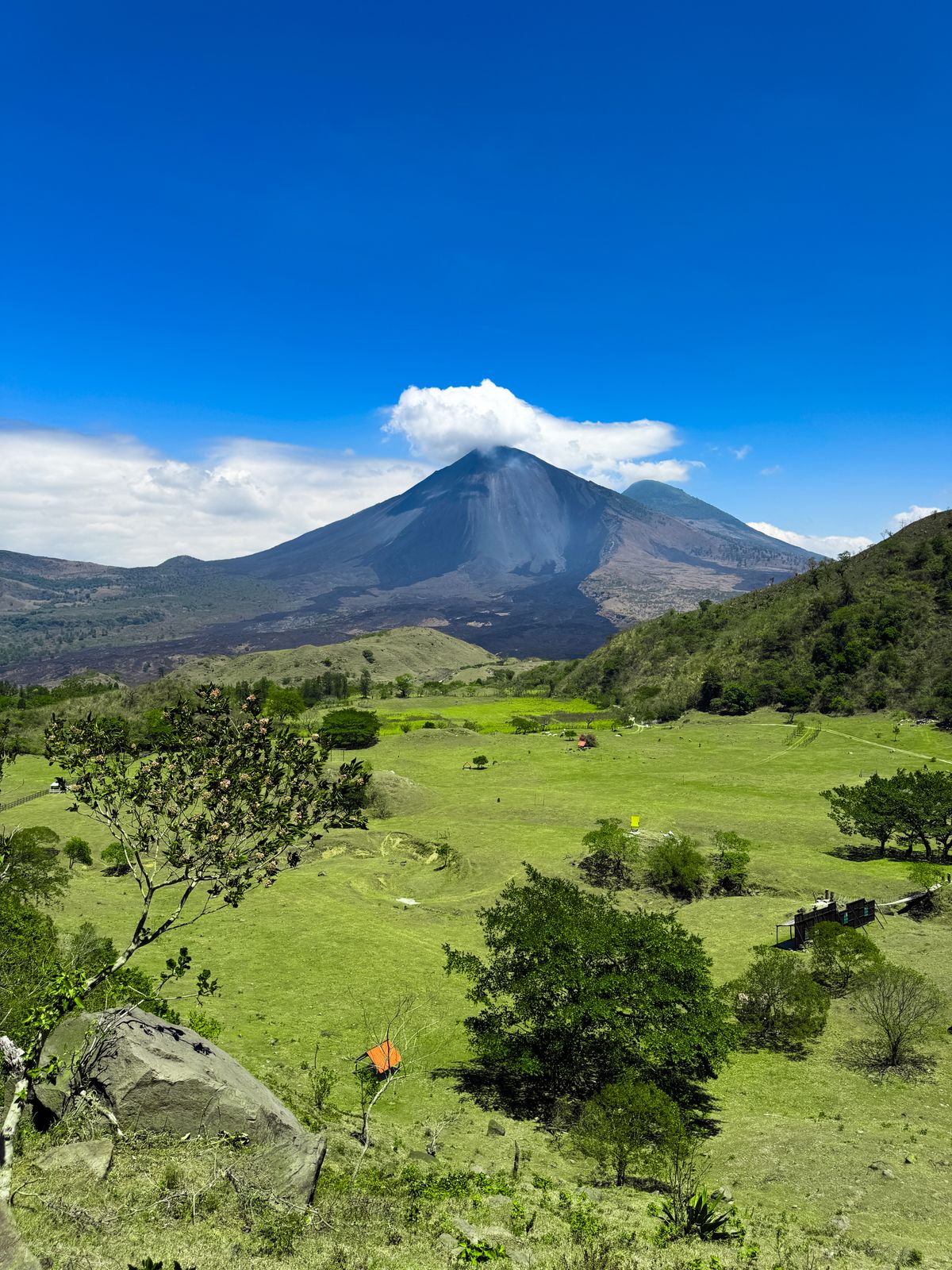
In the center of the caldera rise the Aso Five Mountains (Aso Goga-ku): Mount Naka (Nakadake), Mount Taka (Takadake), Mount Neko (Nekodake), Mount Eboshi (Eboshidake), and Mount Kishima (Kishimadake). Of these, Mount Naka is the only currently active vent, releasing steam and occasional ash from its main crater. From certain viewpoints on the caldera rim, the entire row of peaks resembles a sleeping figure, which is why locals sometimes call the Aso Five Mountains the “Sleeping Buddha” (Nehan-zo).
The Geopark Status
Mount Aso is recognized as part of the Aso UNESCO Global Geopark, an international designation that recognizes its outstanding geological value and the relationship between people and volcanic landscapes here. The volcanic soils make the surrounding area exceptionally fertile, which is why dairy farms, beef ranches, and vegetable growers thrive on the slopes. The hot springs that dot the region all draw their water from the same vast underground geothermal system.
Getting to Mount Aso: All Routes Explained
Mount Aso is reachable from anywhere in Japan, but the journey takes some planning because it sits in the rural interior of Kyushu rather than on a Shinkansen line. The good news is that the main gateways are well-connected to Tokyo, Osaka, and Fukuoka by bullet train and flights, and the final stretch to Aso is straightforward by local train, bus, or rental car.
From Tokyo to Mount Aso
The fastest way from Tokyo is to fly directly into Kumamoto Airport (KMJ) or Aso Kumamoto Airport, which is only about 30 minutes by bus from the Aso caldera area. Flights from Haneda or Narita to Kumamoto take roughly 1 hour 50 minutes and typically cost between ¥15,000 and ¥35,000 (USD $100 to $235) depending on the season and how far in advance you book. From Kumamoto Airport, regular buses connect to Aso Station and the Aso area.
If you prefer the train, take the Tokaido and Sanyo Shinkansen from Tokyo Station to Hakata Station in Fukuoka (about 5 hours), then transfer to the Kyushu Shinkansen to Kumamoto Station (about 35 minutes more). From Kumamoto, take the JR Hohi Main Line to Aso Station (about 1 hour 20 minutes). The total journey takes around 7 hours and costs roughly ¥23,000 (USD $155) one way without a rail pass.
From Osaka and Kyoto
From Shin-Osaka Station, the Sanyo and Kyushu Shinkansen will get you to Kumamoto in about 3 hours 15 minutes (roughly ¥19,000 / USD $130). Add the Hohi Line to Aso Station for another hour and twenty minutes. The total trip from Osaka to Aso typically takes 4.5 to 5 hours by train.
From Fukuoka (Hakata)
Fukuoka is the closest major hub. From Hakata Station, the Kyushu Shinkansen reaches Kumamoto in just 35 to 50 minutes (¥5,000 / USD $35). Then a local train or limited express on the Hohi Line takes you to Aso Station. Alternatively, the Kyushu Odan Bus runs scenic services from Fukuoka directly into the Aso caldera and on toward Kurokawa Onsen and Yufuin, which makes for a beautiful, hands-off journey if you do not want to deal with transfers.
By Rental Car
Renting a car is the single best decision you can make for Mount Aso. The volcano sits in a sprawling rural area, and many of the most scenic spots, viewpoints, and onsen are not well served by public transport. Rental costs start at around ¥6,000 to ¥8,000 per day (USD $40 to $55) for a compact car. Major rental offices operate at Kumamoto Airport, Kumamoto Station, and Fukuoka Airport. An international driving permit is required.
Once you arrive in the area, do not miss booking your accommodation in advance, especially during cherry blossom and autumn foliage seasons. Book your hotel on Agoda (Best prices guaranteed) → — ryokan around Aso fill up quickly during peak times.
Mount Naka and the Active Crater
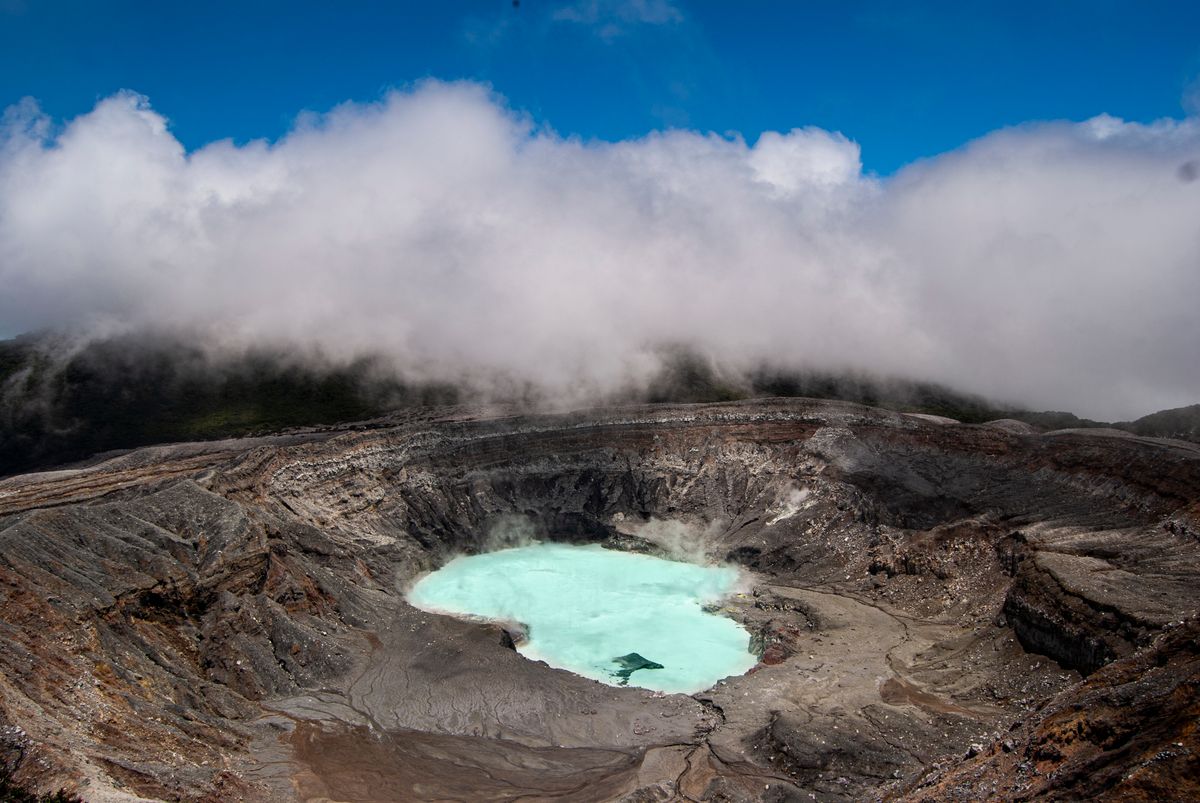
The number one experience at Mount Aso is visiting the rim of Mount Naka (Nakadake), Japan’s most easily accessible active volcano crater. When volcanic activity allows, visitors can drive or take the Aso Volcano Line bus up to the crater rim, walk along a designated viewing area, and look directly down into the steaming caldera below. The first crater is about 600 meters across and 130 meters deep, with milky turquoise water and rising columns of sulfurous steam.
Checking the Volcanic Alert Level
Mount Naka is genuinely active. The Japan Meteorological Agency (JMA) maintains a five-level volcanic alert system, and access to the crater area is restricted whenever Level 2 or higher is in effect. Before traveling to the crater, check the current alert level on the Aso Volcano Museum website or the JMA Volcano page. If access is closed, do not be discouraged — there is still an enormous amount to do in the caldera, from grassland walks to onsen, ranches, and the surrounding viewpoints.
Crater Viewing Practicalities
The Mount Naka rim is reached by the Aso Volcano Toll Road, with parking available near the crater (around ¥800 / USD $5.50 per car). From the parking area, paved paths lead to several observation points. The temperature on the crater rim is often 10°C lower than down in the caldera, and winds can be fierce, so even in summer bring a windbreaker. People with respiratory conditions, asthma, or heart conditions should be aware that sulfur dioxide gas levels can be high; signs warn when conditions are unsafe and the area closes immediately if levels rise.
Best Time of Day
Mornings tend to be clearest, with mist and rain more likely to obscure the crater in the afternoon. Aim to arrive between 9:00 and 11:00 if possible. Sunset hours are also spectacular, though access often closes earlier than you would expect — the road typically shuts at around 5:00 PM, earlier in winter.
Best Hiking Trails and Walking Routes
Mount Aso is one of the best places in Japan for accessible mountain hiking. The trails range from easy grassland strolls to multi-hour ridge walks across the volcanic peaks, and the views are out of all proportion to the effort required. Below are the routes I would recommend for first-time visitors.
Kusasenri Grasslands Loop (Easy, 1 hour)
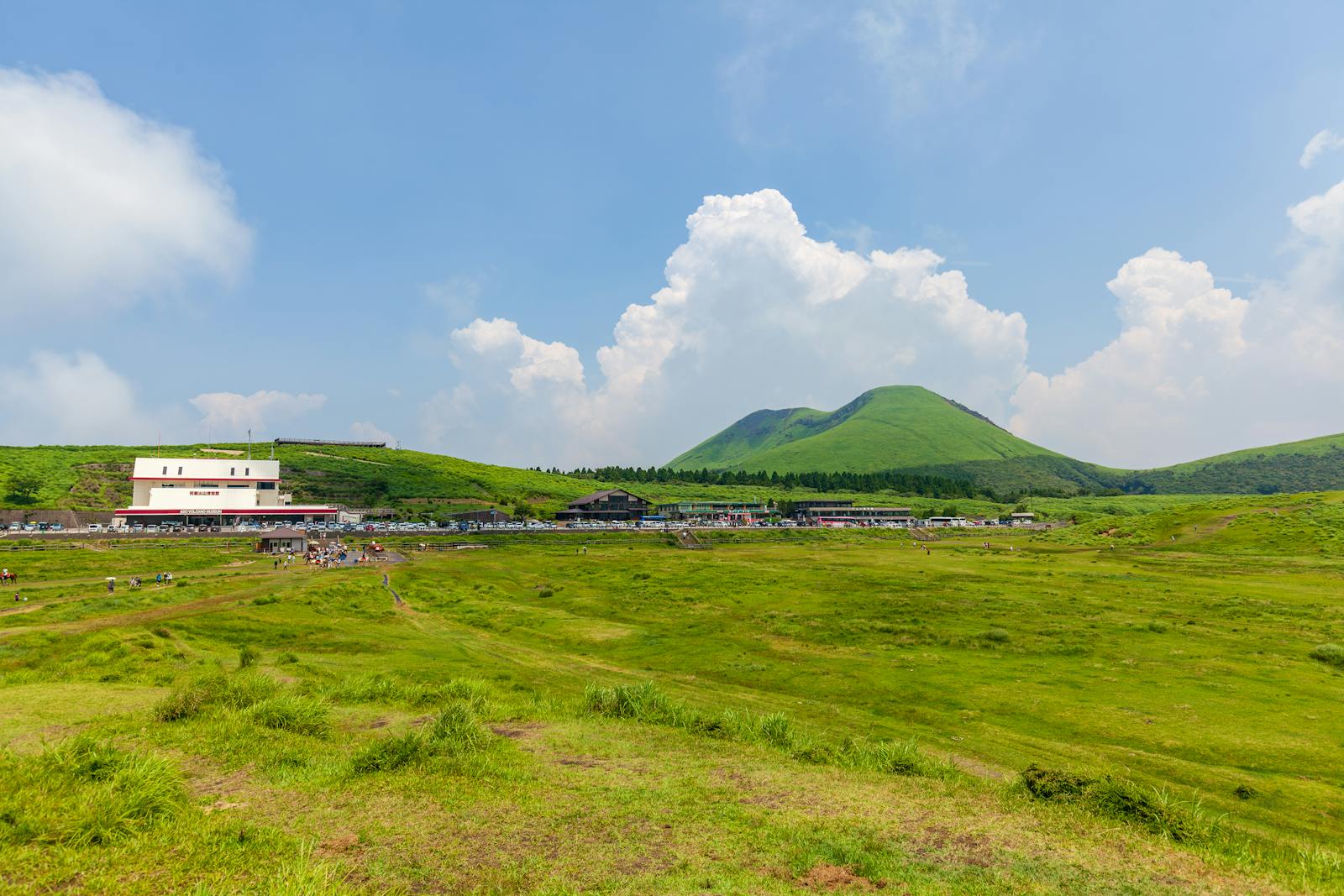
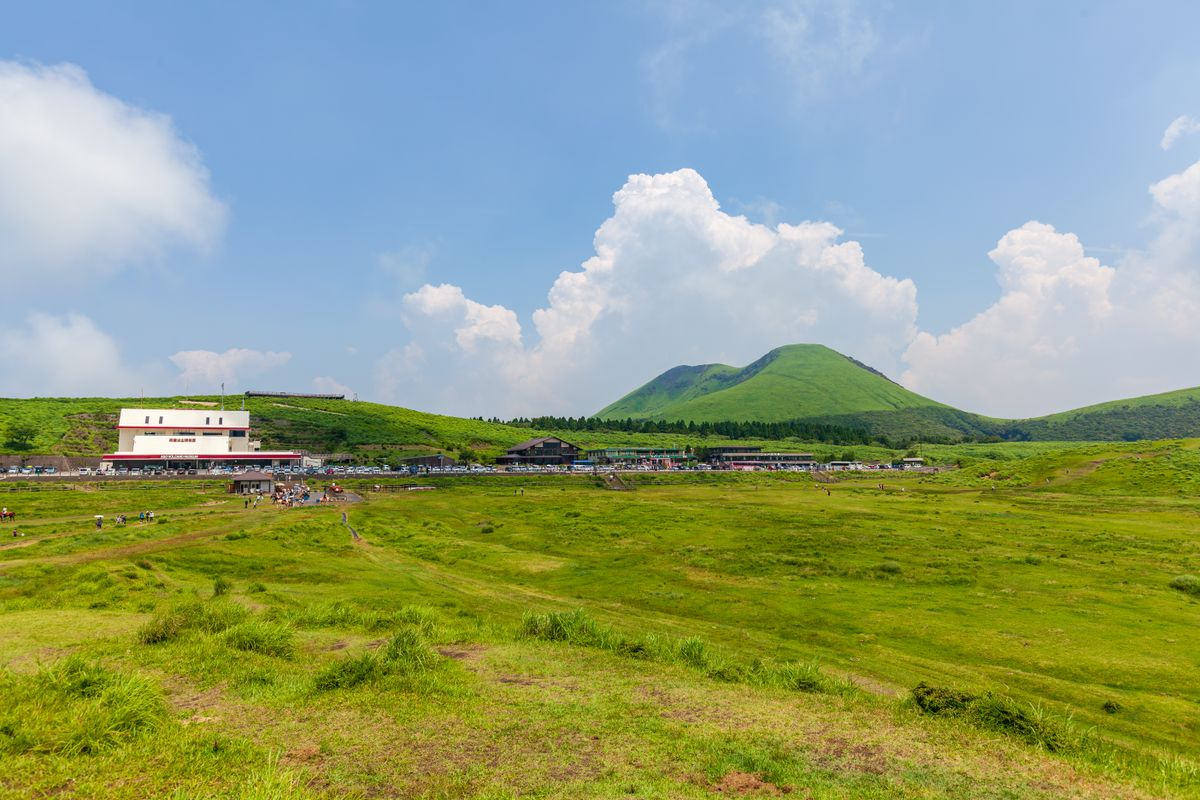
Kusasenri is a 785,000 square meter grassy plateau on the slopes of Eboshidake, set inside an extinct crater that has filled with rainwater to form two ponds. Horses and cattle graze freely, and a flat loop trail of around 2 km takes visitors around the ponds. This is the easiest and most photogenic walk in the entire Aso area, and it works perfectly for families with young children or older travelers. Allow 45 minutes to an hour, or much longer if you stop frequently for photos. Entry is free.
Mount Kishima Loop (Easy to Moderate, 1.5 to 2 hours)
For a more committed hike with bigger views, the Kishimadake loop circles the rim of an inactive crater right next to Kusasenri. The path climbs gradually to 1,321 meters, where you can see the smoking Nakadake crater on one side and the entire Kusasenri plateau on the other. Distance is about 4 km. Allow 1.5 to 2 hours including breaks. Wear sturdy shoes and bring water, as there is no shade.
Nakadake to Takadake Ridge Walk (Moderate, 3 to 4 hours)
For experienced hikers, the ridge walk from Mount Naka to Mount Taka (the highest peak in the Aso Five Mountains at 1,592 meters) is one of the best mountain experiences in Kyushu. The trail follows a narrow ridge with dramatic drops, passes the steaming Naka crater, and culminates at the summit of Takadake. The full circuit is around 8 km and takes 3 to 4 hours. This hike is only possible when volcanic alert levels permit access, and good weather is essential. Bring layers, food, and at least 2 liters of water per person.
Senomoto Plateau Walk (Easy, 30 minutes to all day)
On the northern rim of the caldera, the Senomoto Plateau (Senomoto Kogen) offers vast open grasslands with grazing cattle and panoramic views down into the caldera. Walking is easygoing on gravel and grass paths. From here, the famous Yamanami Highway begins, winding north toward Kurokawa Onsen and Yufuin.
Daikanbo and the Caldera Viewpoints
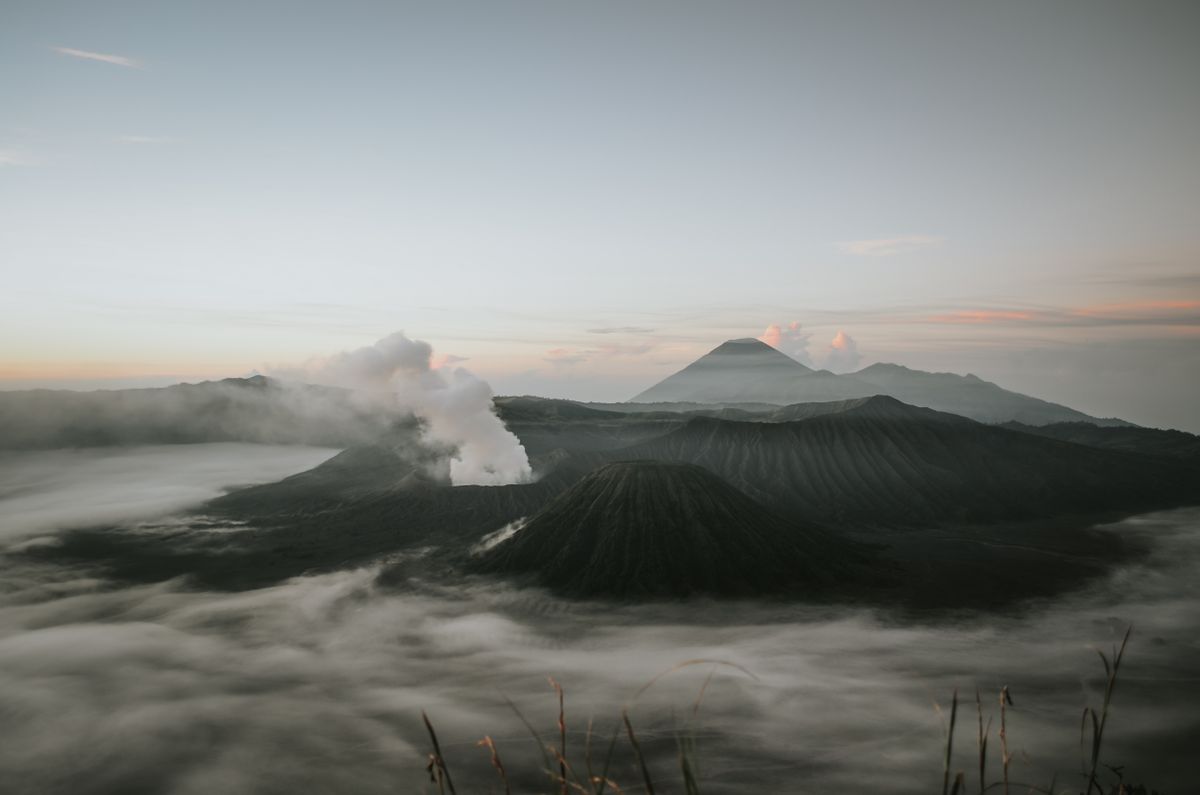
If you only have time for one viewpoint, make it Daikanbo Lookout on the northern rim of the caldera. Standing at 936 meters above sea level, Daikanbo offers a sweeping view across the entire Aso caldera, with the Five Mountains laid out before you like an island chain. On clear days, the Sleeping Buddha shape is unmistakable. There is a small visitor center with food and souvenirs, and the lookout is free to visit. Sunrise and sunset are both magical here, especially in autumn when the caldera floor is dusted with mist.
Other excellent viewpoints include Kabutoiwa Observatory on the southern rim (with great views of the central peaks), Tawaraya-yama Observatory (for sunrise photographers), and the Komezuka cinder cone — a perfectly proportioned secondary cone famous for the rice-bowl shape that gives it its name.
Surrounding Towns and Where to Base Yourself
The Aso area is large, and your choice of base will shape your trip. Below are the main options for first-time visitors.
Aso Town (Aso Onsen and JR Aso Station Area)
Most first-time visitors stay in or near Aso Town, which surrounds JR Aso Station. This is the most central base for exploring the caldera and accessing the volcanic peaks. The town has supermarkets, restaurants, rental car offices, and a tourist information center. It is also a quieter place to walk in the evening, with several lovely small ryokan and modern hotels at reasonable prices.
Uchinomaki Onsen
Just a few minutes from Aso Station, Uchinomaki Onsen is a small hot spring quarter with around 20 ryokan and bathhouses. The waters here are mineral-rich and famous for soothing sore muscles after a day hiking the caldera. Several day-use bath options welcome non-overnight guests for around ¥500 to ¥800 (USD $3 to $5.50).
Takamori (Southern Caldera)
On the southern side of the caldera, Takamori is a lovely small town known for its bamboo and cedar forests, the Takamori Yusui Tunnel Park (an underground tunnel illuminated with colored lights), and access to dengaku-style charcoal grills. The famous Minamiaso Railway connects Takamori to Tateno through some of the most scenic countryside in Kyushu.
Aso Yamanami Plateau and Senomoto
For those who want to be in nature rather than in a town, several ryokan and pension accommodations sit on the high plateau north of the caldera near Senomoto. Here you wake to grasslands and cattle, with mountain ridges on every horizon. Cars are essential from this base.
Looking for tour packages that combine Mount Aso with the surrounding hot spring villages and other Kyushu highlights? Book Japan tours and hotels on JTB → — pre-arranged itineraries handle the transport, lodging, and meals so you can focus on the views.
Onsen Around Mount Aso
The geothermal activity that powers Mount Aso also feeds dozens of hot spring villages within easy driving distance. This is one of the most onsen-dense regions in all of Japan.
Kurokawa Onsen
About 45 minutes by car from Aso, Kurokawa Onsen is one of Japan’s most beloved hot spring villages. The 24 small ryokan in the village line a wooded river gorge, with hot spring baths tucked into rocks, caves, and traditional wooden bath houses. Day visitors can buy a Nyuto Tegata pass (¥1,500 / USD $10) that allows entry into three different outdoor baths of your choice. It is exceptionally beautiful in autumn and winter.
Aso Uchinomaki Onsen
For convenience and value, the Uchinomaki Onsen quarter inside Aso Town gives you direct access to traditional bathing without a long drive. Several ryokan are family-run, with rooms costing roughly ¥8,000 to ¥15,000 per person per night including a kaiseki dinner.
Yufuin (Day Trip)
Slightly further afield (about 90 minutes by car or bus from Aso), Yufuin is one of Kyushu’s most fashionable hot spring resort towns, with stylish boutique ryokan, art museums, and cafes. A combined Aso plus Yufuin trip is highly recommended if you have three or more days in the region.
Beppu (Day Trip)
The famous “Hells of Beppu,” a series of brightly colored geothermal pools, can also be reached as a day trip from Aso. Buses and rental cars make it possible to combine all three in a single regional itinerary.
Food and Local Specialties
The Aso area is one of Kyushu’s most exciting food destinations. The volcanic soil, abundant clean water, and traditional ranching tradition give the local cuisine a distinct, rustic character.
Akaushi Beef (Aka Ushi)
Aso’s flagship dish is akaushi, a brown-haired Japanese beef breed raised on the surrounding grasslands. Compared to the more famous wagyu varieties of Kobe or Matsusaka, akaushi has a leaner, beefier profile and a deep umami flavor. Try akaushi yakiniku (table-grilled beef), akaushi don (rice bowl), or akaushi steak at restaurants in Aso Town, Uchinomaki, or near the Aso Farm Land complex. Expect to pay ¥2,000 to ¥5,000 (USD $13 to $35) for a satisfying lunch portion.
Dengaku
This is a slow-cooked, charcoal-grilled traditional dish in which tofu, mochi, fish, and vegetables are skewered, coated with miso paste, and grilled around a central charcoal hearth. The most famous dengaku restaurant in the area is Tagosaku in Takamori, where the experience of sitting on tatami around a sunken hearth is as memorable as the food itself.
Aso Milk and Dairy
Aso’s grasslands produce some of the best milk in Japan. The local dairy products — especially soft-serve ice cream, fresh milk, yogurt, and cheese — are exceptional. Aso Farm Land and the road station (michi-no-eki) at Aso are great places to sample these for as little as ¥400 (USD $2.70).
Karashi Renkon
A specialty of greater Kumamoto Prefecture, karashi renkon is lotus root stuffed with hot mustard and miso, then deep-fried. It is famously fiery and pairs beautifully with the local shochu (a clear distilled spirit similar to vodka). Most restaurants in Aso serve it as an appetizer.
Best Time to Visit Mount Aso
Each season at Mount Aso brings a completely different experience, so think about what you most want to see.
Spring (March to May)
Spring is one of the best times to visit. Cherry blossoms bloom in late March and early April, particularly at Aso Shrine. The grasslands turn brilliant green, and the temperature is pleasant for hiking. The annual Aso noyaki controlled-burn season, when the grasslands are intentionally burned to maintain the ecosystem, happens in late February and March — a striking sight if you happen to be there.
Summer (June to August)
Summer is lush and dramatic, with grasslands in their richest green. Heavy rain is possible in June (tsuyu, the rainy season), and August can be hot in the towns, though up on the caldera rim and at the crater the temperatures stay relatively cool. This is the most active season for ranches, dairies, and outdoor festivals.
Autumn (September to November)
Autumn is the favorite of many photographers. The grasslands turn golden, susuki pampas grass waves across the slopes, and the foliage on the surrounding mountains burns red and orange. October and early November bring the best weather of the year, with crisp mornings and clear, deep-blue skies.
Winter (December to February)
Winter is harder for hiking but magical in its own way. The caldera and the surrounding hot spring villages are often blanketed in snow, and ryokan with outdoor baths become especially atmospheric. Roads to the crater may close in heavy snow, so check ahead. Winter rates at many ryokan are lower than peak seasons.
Sample 2-Day Itinerary
Here is a tested itinerary that gives you the highlights at a comfortable pace.
Day 1: Caldera and Crater
Arrive in Aso Town by train or rental car in the morning. Check into your ryokan or hotel and store your luggage. Have lunch at an akaushi beef restaurant near the station. In the early afternoon, drive or take the Aso Volcano Line bus up to Kusasenri Grasslands and Mount Naka crater (when alert level permits). Walk the Kusasenri loop and visit the crater rim. Drive back down via the Aso Volcano Museum. In the evening, soak in an Uchinomaki Onsen bath and enjoy a multi-course dinner at your ryokan.
Day 2: Daikanbo Sunrise and Onsen Village
Wake before dawn to drive to Daikanbo Lookout for sunrise across the caldera. Return to your hotel for breakfast. Spend the morning visiting Aso Shrine (one of Japan’s oldest shrines, with origins dating back over 2,000 years according to local tradition) and the Aso Farm Land complex for dairy treats. After lunch, drive 45 minutes north to Kurokawa Onsen for an afternoon of bathhouse-hopping with the Nyuto Tegata pass. Return to Aso, or continue on to Yufuin or Beppu for your next night.
Where to Stay Around Mount Aso
Accommodation around Aso ranges from basic guesthouses to high-end ryokan. Here is what to expect in each price band.
Budget (¥4,000 to ¥9,000 / USD $27 to $60 per person per night)
Several guesthouses and minshuku (family-run inns) operate in Aso Town and the surrounding caldera villages. Expect basic Japanese-style rooms with shared bathrooms, communal areas, and breakfast included. Booking via Yahoo! Travel → often surfaces good off-season discounts.
Mid-range (¥10,000 to ¥20,000 / USD $67 to $135 per person per night)
Mid-range hotels in Aso Town and Uchinomaki Onsen offer comfortable Japanese-style rooms with private bathrooms, both indoor and outdoor onsen baths, and a multi-course kaiseki dinner featuring local akaushi beef and seasonal vegetables.
Luxury (¥25,000+ / USD $170+ per person per night)
For a truly memorable splurge, head to Kurokawa Onsen or Yufuin, where high-end ryokan offer private outdoor baths, exquisite kaiseki cuisine, and personal service. Expect to spend ¥30,000 to ¥60,000 per person per night for the very best.
Need to stay connected while you travel from Aso to other rural areas? Free Wi-Fi in the caldera is limited, so a portable data option is essential. Get your Japan eSIM (Stay connected from day 1) → works seamlessly across Kyushu and saves the hassle of finding a SIM card on arrival.
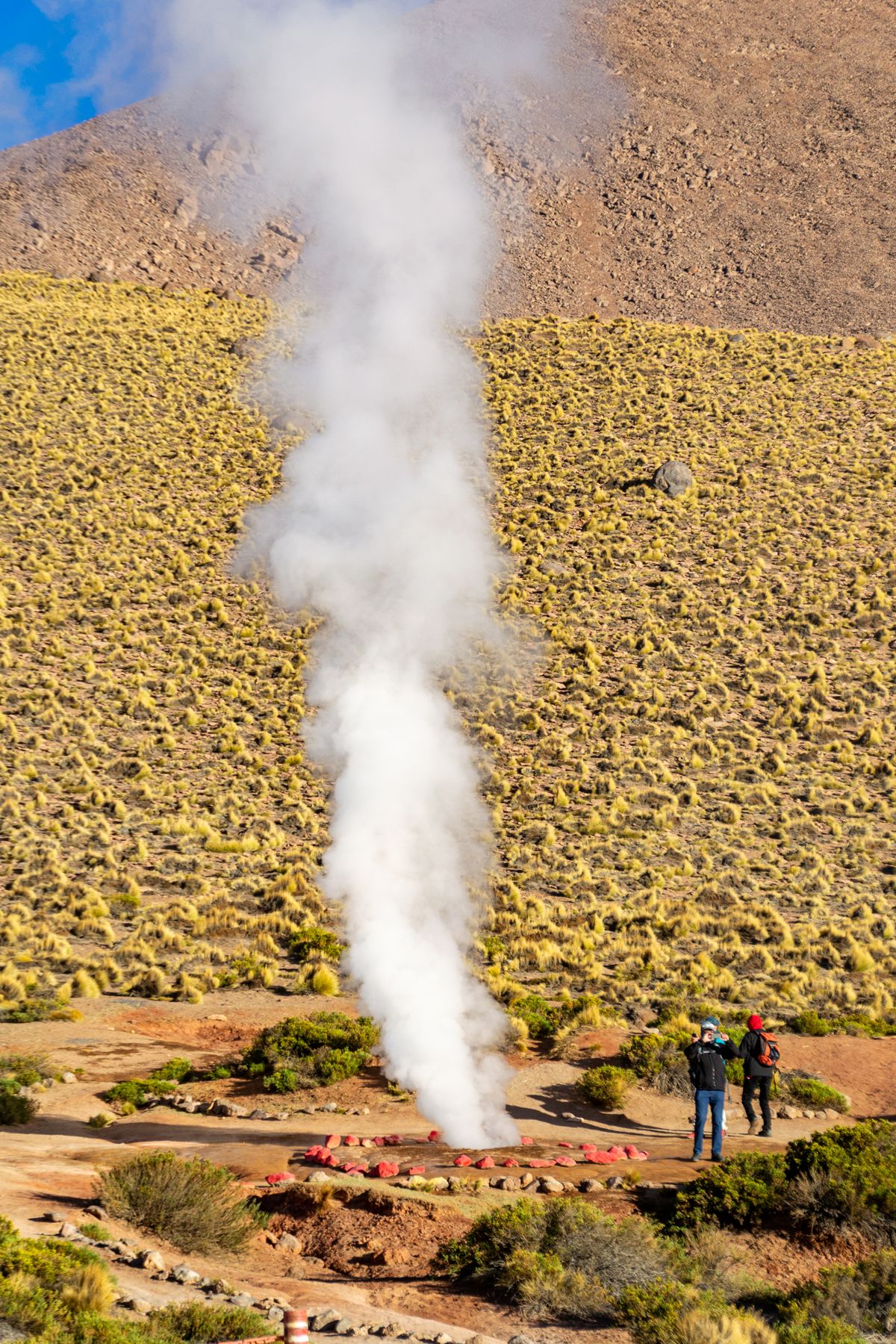
Safety Information and Volcanic Activity
Mount Naka is a live, active volcano, and visitors should respect the conditions on the day. The Japan Meteorological Agency monitors the volcano continuously and issues five alert levels:
- Level 1: Normal — access permitted to the crater rim with caution.
- Level 2: Restricted — crater rim access closed; access to peaks possible.
- Level 3: Do not approach — all mountain access prohibited.
- Level 4: Prepare to evacuate — residents in danger zones must prepare.
- Level 5: Evacuate — immediate danger; affected residents must leave.
Always check current alert levels before traveling. The Aso Volcano Museum, located near Kusasenri, displays real-time information and provides excellent context about the geology and history of the volcano. Entrance is ¥1,100 (USD $7.50) for adults.
Practical Tips for Visiting Mount Aso
- Always check the Aso Volcano alert level before traveling to the crater rim. Weather conditions and gas levels can close the rim with little notice.
- The crater rim is significantly colder than the caldera floor — carry a windbreaker even in summer.
- People with asthma or other respiratory conditions should not approach the active crater because of sulfur dioxide emissions.
- Cash is widely accepted at small ryokan and rural shops. Bring enough yen for incidentals as rural ATMs can be limited.
- Most signage in the Aso area is now bilingual (Japanese-English), but staff English may be limited outside main hotels — learn a few basic Japanese phrases like “sumimasen” (excuse me) and “arigato gozaimasu” (thank you).
- Pack good walking shoes — trails range from paved to rocky and slippery in wet weather.
- Consider booking a guided tour for the volcanic crater and the surrounding hiking trails if it is your first visit to a Japanese mountain area.
- Try the local Aso milk soft-serve ice cream — it is genuinely some of the best in Japan.
- Reserve your ryokan dinner option in advance; many small inns prepare meals to order and require notice.
- If you are visiting in winter, take care on the volcanic roads, which can ice over quickly.
Practical Connections to Other Japan Destinations
Mount Aso fits well into a wider Kyushu route. From here you can continue south to Kagoshima and Sakurajima (the other great active volcano in the south of Kyushu), east to Beppu and Yufuin’s hot spring towns, or north back to Fukuoka and the Kyushu Shinkansen for onward travel. For travelers with two weeks in Japan, an itinerary like Tokyo — Kyoto — Hiroshima — Fukuoka — Aso — Kurokawa — Beppu works beautifully and shows off many sides of the country in one trip.
For practical guidance on the Japan-wide travel logistics behind a Kyushu trip like this, our complete Japan Travel Tips for First-Timers guide covers the essentials such as transport cards, etiquette, and packing. You can also explore our other regional pages on the destinations hub.
Frequently Asked Questions
Is Mount Aso safe to visit?
Yes, when you respect the official alert levels. Mount Naka is an active volcano, but Japanese authorities monitor it continuously and close affected areas when needed. The rest of the Aso caldera — including towns, ryokan, grasslands, and onsen villages — is completely safe at all times. Always check the volcanic alert level before planning a crater visit and follow any closures.
Can I visit Mount Aso as a day trip?
You can technically visit as a day trip from Kumamoto, Fukuoka, or Beppu, but you will be rushed. To enjoy the caldera viewpoints, the crater (if open), Kusasenri, and a proper lunch, plan at least one overnight in the area. Two nights is far better and lets you also include Kurokawa Onsen.
Do I need a car to visit Mount Aso?
A rental car is by far the most flexible way to see Mount Aso, but it is not strictly required. The Aso Volcano Line bus runs from JR Aso Station up to Kusasenri and the crater area (when open), and other local buses connect Aso Town to the main viewpoints. For a relaxed first visit, a car is recommended; for a quick visit with a focus on the crater and Kusasenri, public transport works fine.
What should I wear when visiting the crater?
Dress in layers. The crater rim is often significantly colder and windier than the caldera floor below. Sturdy walking shoes are essential, and a light raincoat or windbreaker should always be in your day pack. If you are hiking the Kishimadake or Nakadake loops, wear hiking shoes, bring water, snacks, and sunscreen.
Are there English-speaking guides at Mount Aso?
The Aso Volcano Museum has English signage and brochures. Several private guides and tour companies offer English-language tours of the caldera, with prices starting at around ¥6,000 (USD $40) per person for half-day group tours. Many ryokan have at least one staff member with conversational English, but small village inns may be Japanese-only.
What is the difference between Mount Aso and other Japanese volcanoes?
Mount Aso is famous for having one of the world’s largest active calderas, big enough to contain entire towns and a populated valley. Other famous Japanese volcanoes like Mount Fuji or Sakurajima are striking single cones, while Aso is a complex of five peaks inside a vast ancient eruption crater. The accessibility of an active crater rim by paved road is also unusual — you can drive up to within a short walk of looking directly into a steaming volcano.
Can I combine Mount Aso with Kurokawa Onsen?
Absolutely — this is one of the most popular combinations in Kyushu travel. The two are about 45 minutes apart by car, and many visitors split their stay between Aso Town (for the volcano) and Kurokawa Onsen (for the bathhouses). Read our companion Kurokawa Onsen guide for a complete walk-through of the village.
Are there cherry blossoms at Mount Aso?
Yes. The grounds of Aso Shrine and the streets of Uchinomaki Onsen are particularly lovely in early April. Higher in the caldera, the blooms come slightly later than in Kumamoto City — usually mid-April.
Can children visit Mount Aso safely?
Yes, families with children love Mount Aso. The grasslands of Kusasenri, the dairy farms and ranches, and the easier walks are wonderful for kids. The active crater rim is fine for older children who can follow instructions, but children with respiratory issues should avoid the crater area when steam is strong.
Is Mount Aso worth visiting in winter?
If you enjoy snow scenery, hot springs, and quieter travel, winter is a beautiful time at Mount Aso. The volcanic peaks under a dusting of snow are spectacular, and outdoor onsen baths feel especially good. Be aware that some mountain roads close in heavy snow, so check ahead.
Aso Shrine and the Cultural Heritage of the Caldera
Beyond the volcanic peaks and grasslands, the cultural heart of the Aso area is Aso Shrine (Aso Jinja), one of the oldest Shinto shrines in Japan. Local tradition claims the shrine has existed for over 2,000 years, founded by Takeiwatatsu-no-Mikoto, the grandson of Japan’s mythological first emperor Jimmu. The shrine sits about 10 minutes by car from JR Aso Station in the town of Ichinomiya, and it is one of the few shrines in Japan to have a romon (a two-story tower gate). The 2016 Kumamoto Earthquake severely damaged the shrine, including the romon, but extensive restoration work has been ongoing, and visiting today gives you a chance to see traditional Japanese carpentry being practiced in real time. Entry is free.
While in the area, also visit the Aso Volcano Museum, which provides outstanding context for everything you will see around the caldera. The museum has live camera feeds from inside the active crater (especially useful when the crater itself is closed to visitors), exhibits on the geology of caldera formation, and interactive displays for children. Plan around 60 to 90 minutes for a visit. The museum is right next to the Kusasenri grasslands, making it a perfect first stop on a day exploring the central caldera.
Festivals at Aso
If your dates align, try to catch one of the Aso festivals. The Hifuri Shinji (Fire-Swinging Ritual) at Aso Shrine takes place in mid-March, when participants swing flaming bundles of rice straw in long arcs around their heads to celebrate the wedding of the gods of fertility. The Onda Matsuri (Rice Planting Festival) in late July is another deeply traditional event, with rituals, processions, and the symbolic planting of rice for a good harvest. These festivals offer some of the most authentic glimpses of rural Japanese spiritual life you can find anywhere in the country.
Photographers’ Guide to Mount Aso
Mount Aso is a photographer’s paradise, but the best shots require timing and a little planning. For sunrise images of the caldera filled with sea-of-clouds (unkai), aim for early autumn mornings at Daikanbo or Tawaraya-yama between mid-September and mid-November. Warm, still nights with cool dawns create the perfect conditions for the fog to settle in the caldera floor while the volcanic peaks rise above. For grassland portraits, late October to early November is ideal, when the susuki pampas grass turns silver and shimmers in the wind.
For night photography, the Aso area offers exceptionally dark skies thanks to its rural setting. The Milky Way is clearly visible on moonless nights from the open viewpoints along the Yamanami Highway. Bring a tripod and a wide-aperture lens. For wildlife and ranching shots, the dairy farms and akaushi cattle ranches are accessible by car and welcome polite visitors who stay on designated paths.
Beyond the Caldera: Day Trips from Aso
Once you have explored the central caldera, the surrounding region rewards anyone willing to spread their wings a little. Here are three of the best day trips from Mount Aso.
Takachiho Gorge
About 90 minutes south of Aso by car, Takachiho Gorge in northern Miyazaki is a narrow, dramatic canyon carved by ancient lava flows from Aso itself. Rent a rowboat to glide beneath the famous Manai Falls, and walk the canyon-rim path for spectacular views. The town of Takachiho is also a major center of Japanese mythology, with the Amano-Iwato Shrine marking the legendary cave where the sun goddess Amaterasu hid herself.
Kumamoto City and Kumamoto Castle
About 80 minutes by car or about 1 hour by train (with the JR Hohi Line back to Kumamoto Station), Kumamoto City offers castle history, river cruises, and excellent restaurants. Kumamoto Castle, one of Japan’s three most famous castles, is still undergoing post-earthquake restoration but is open for limited visits. Sakuranobaba Josaien, the castle’s themed historic shopping district, is a great place to taste Kumamoto specialties under one roof.
Sakurajima (Kagoshima)
For a true volcano-lover’s pilgrimage, head south to Kagoshima Prefecture and Sakurajima — Japan’s most active volcano, located across a bay from Kagoshima City. The total travel time is around 3.5 to 4 hours from Aso, so this works best as a multi-day extension rather than a single day trip. Combining Aso and Sakurajima makes for the ultimate Kyushu volcanic itinerary.
Sustainable and Respectful Travel at Mount Aso
The Aso caldera is a working agricultural landscape, not just a scenic destination. The 1,000-year-old tradition of seasonal controlled burning maintains the grasslands as you see them today; without this practice the area would revert to forest within decades. As a visitor, please respect the working environment: do not enter pasture fences without permission, do not feed grazing livestock, and stay on designated paths in the grasslands. Pack out all of your trash, as bins are limited in rural areas. Quiet, considerate behavior at viewpoints and onsen will be appreciated by both locals and other guests.
Supporting local farms, restaurants, and family-run ryokan is one of the best ways to give back. Buy local cheese, milk, and beef. Stay in small inns rather than only in chain hotels. Try a guided experience with a Japanese-speaking local guide via a regional tourism organization when possible. These small choices add up to a more authentic trip for you and a more sustainable future for the Aso area.
Final Thoughts on Mount Aso
Mount Aso is more than just a volcano — it is one of the most extraordinary lived-in landscapes on earth, where farms, towns, and onsen villages thrive inside a vast ancient eruption crater. For first-time visitors to Japan ready to step beyond the well-trodden Tokyo-Kyoto route, the trip to Aso is a window into a wilder, more rural, more elemental side of the country. Add a couple of nights in Kurokawa or Yufuin, and you have one of the best regional itineraries in all of Japan.
For further reading and route planning across Japan, see our Japan Shinkansen Guide for the bullet train logistics that will get you to Kumamoto. From there, the volcano is within reach — and the rest, as they say, is one of the most memorable journeys you will ever take.
Going to Japan? Talk to locals with confidence.
Hirameki Japanese — instant offline translation, camera translation, furigana + romaji, and 314 free flashcards. No login. Works without internet.

Plan your Japan trip
Two things every first-timer should book
Some links are affiliate links. If you book through them we may earn a small commission at no extra cost to you.