Japan’s cherry blossom season (sakura, 桜) is one of the world’s great natural spectacles — a fleeting explosion of pale pink and white that transforms the entire country for two to three weeks each spring. Planning a Japan trip around cherry blossom season is a dream for millions of travelers, but timing it correctly requires understanding a phenomenon governed by weather, latitude, and a thousand-year-old Japanese cultural obsession with impermanence. This guide covers everything you need to plan the perfect sakura trip.
A note from Jack, editor of Japan Real Guide:
I have been in Japan during cherry blossom season four times. Two were timed well; two were complete misses — one too early (the trees were still bare), one too late (the petals were on the ground before I arrived). The sakura forecast industry in Japan is surprisingly sophisticated, but even with good data, the timing can shift by a week based on winter temperatures.
My most memorable blossom experience was not in Tokyo or Kyoto but in the riverside park at Hirosaki in Aomori — a relatively long journey north but spectacularly worth it. The castle reflected in the moat with full-bloom sakura overhead is one of the most beautiful things I have seen in Japan. I went on a Monday to avoid the weekend crowds, arrived at 7:30 AM, and had the park nearly to myself for the first hour.
Cherry blossom season is also the busiest, most expensive travel period in Japan. Everything — flights, accommodation, trains — costs significantly more and books out months in advance. This guide includes timing strategy and alternatives for travellers who cannot make the peak window work.
Understanding Cherry Blossom Season
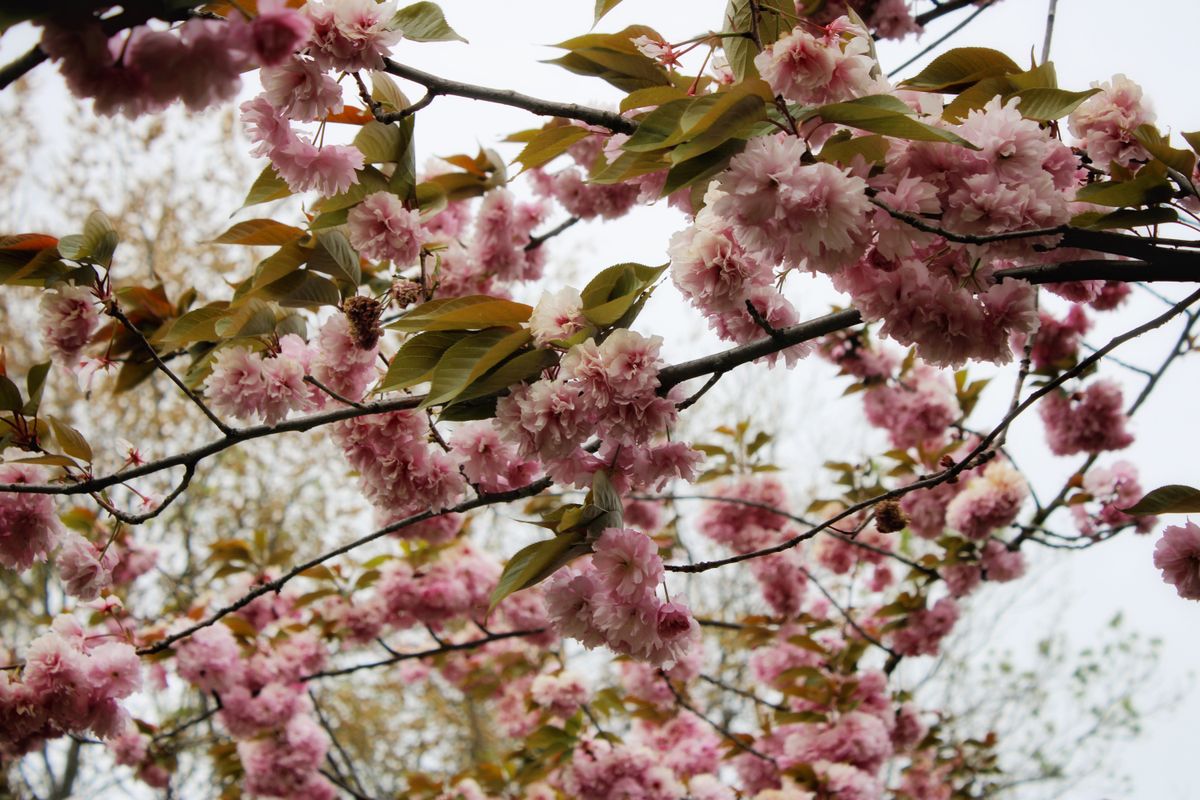
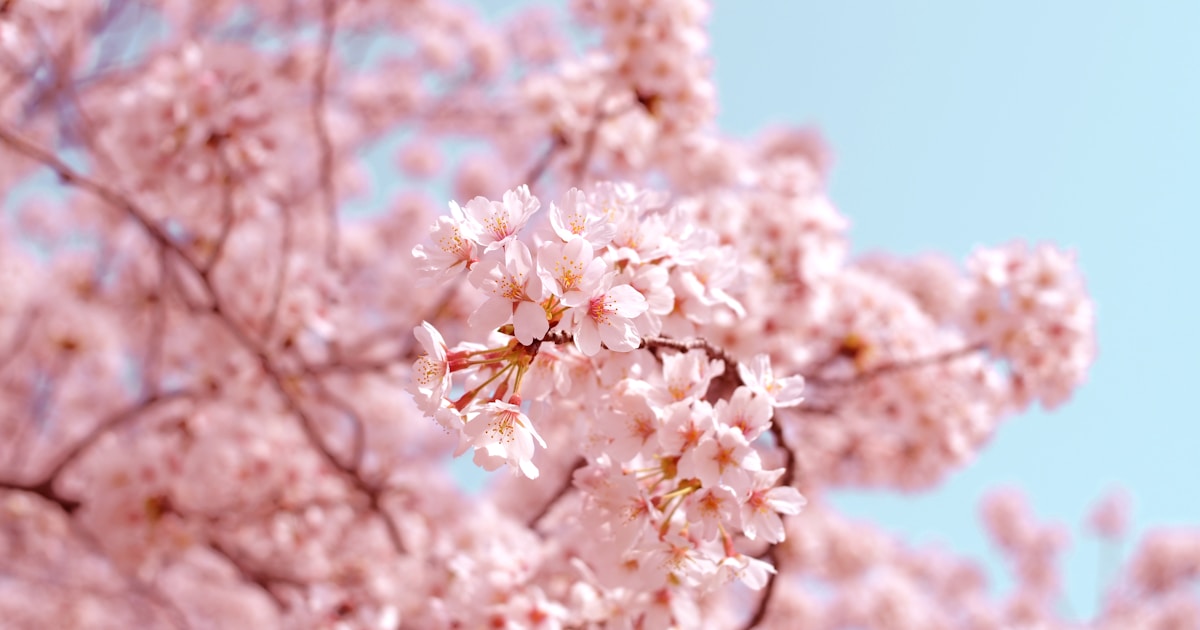
Japan has approximately 200 species of cherry tree, but the dominant variety for spring blooming is the Somei Yoshino (染井吉野) — the classic cloud of pale pink-white blossoms. The Somei Yoshino blooms for only 1–2 weeks at any given location, with peak bloom (mankai, 満開) lasting approximately one week before petals begin to fall.
The cherry blossom “front” (sakura zensen, 桜前線) progresses northward from Kyushu to Hokkaido between late March and early May, tracking warming temperatures. This progression means that a skilled traveler can follow the bloom northward and experience peak cherry blossom conditions for up to a month by planning their itinerary carefully.
The Japan Meteorological Corporation releases annual cherry blossom forecasts in January/February, predicting bloom dates for major cities across Japan. These forecasts are widely followed and remarkably accurate in most years (within 3–5 days). Check their website or the popular Sakura forecast apps (Japan Cherry Blossom Forecast, Hyperdia) starting in February each year.
Cherry Blossom Timeline by Region
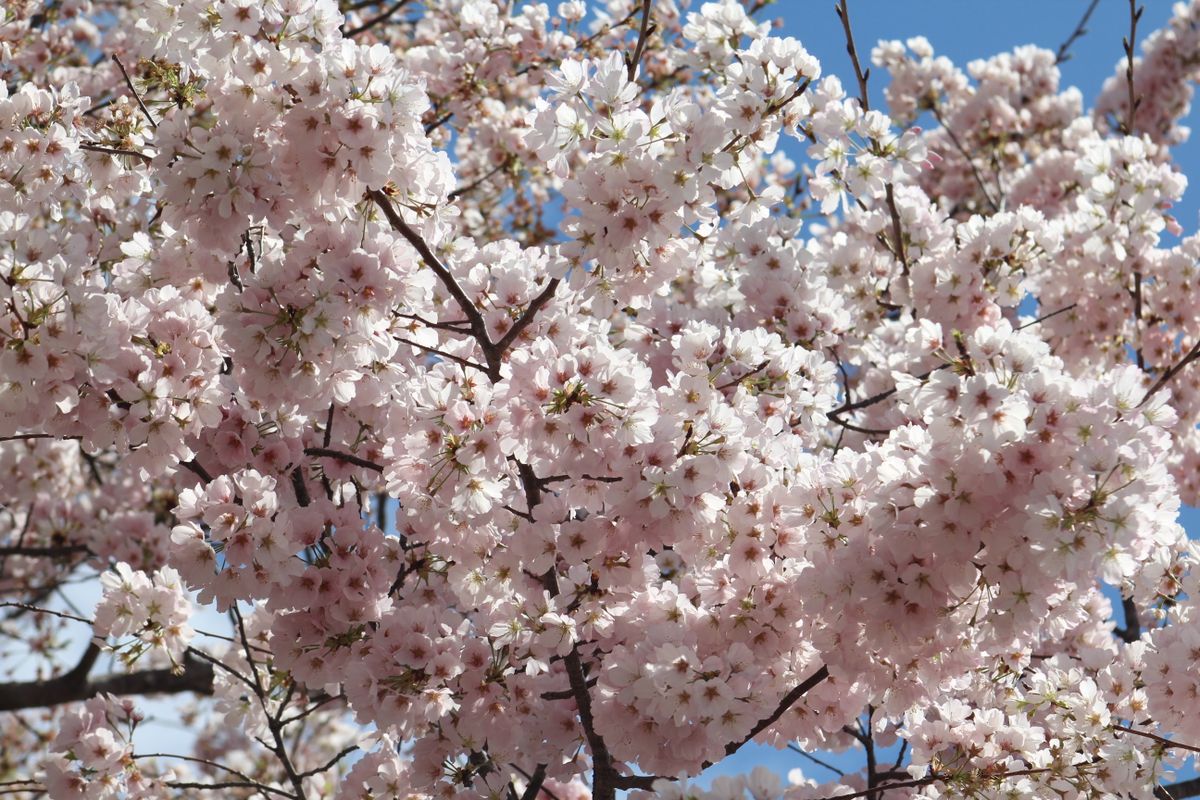
The following dates are averages — actual bloom dates vary by 1–2 weeks depending on the winter’s temperature patterns. A warm winter means earlier blooms; a cold winter delays them.
Kyushu (Fukuoka, Nagasaki, Kumamoto): Late March (March 20–30 on average)
Hiroshima, Osaka, Kobe: Late March to early April (March 25–April 5)
Kyoto: Late March to early April (March 27–April 7) — one of the world’s most anticipated bloom dates
Tokyo: Late March to early April (March 25–April 5) — highly variable year to year
Nikko, Hakone: Early to mid-April (April 5–15)
Sendai (Tohoku region): Mid to late April (April 10–20)
Aomori (Hirosaki Castle): Late April to early May (April 20–May 5)
Hokkaido (Sapporo, Hakodate): Late April to early May (April 27–May 7)
Best Cherry Blossom Spots in Tokyo

Ueno Park — Tokyo’s most famous and chaotic hanami (flower-viewing party) location. Approximately 800 cherry trees line the park’s main avenue; during peak bloom, thousands of people gather for picnics, parties, and food stalls under the trees. The atmosphere is festive and crowded — if you prefer serenity, go early morning. If you want the full rowdy Tokyo hanami experience, go in the afternoon.
Best time to visit: First thing in the morning (6–8am) for peaceful viewing; afternoon for the social atmosphere
Chidorigafuchi Moat — A canal along the northwest edge of the Imperial Palace grounds, lined with double-sided cherry trees whose branches arch over the water. Rowboats can be rented (approximately ¥800 for 30 minutes during blossom season) to paddle beneath the overhanging branches — one of the most romantic sakura experiences in Japan. The walking path along the moat is equally beautiful and free.
Best time: Midweek mornings; avoid weekends at peak bloom
Shinjuku Gyoen National Garden — Tokyo’s most refined blossom-viewing location. The ¥500 admission fee (no outside food or alcohol — yes, enforced) keeps the atmosphere calm and the grounds immaculate. The garden contains 65 species of cherry trees, meaning the bloom extends over a longer period than most Tokyo locations. Weeping cherry trees (shidare zakura) and the late-blooming double-flowered Ichiyo variety are particular highlights.
Best for: Families, those who prefer a calmer environment, photography enthusiasts
Meguro River — A 3.8-kilometer canal walk in the Nakameguro area, lined by hundreds of cherry trees whose branches meet overhead, creating a tunnel of blossoms above the water. In the evening, paper lanterns illuminate the scene — one of Tokyo’s most romantic night hanami experiences. Food stalls and pop-up bars line the riverbanks during blossom season.
Best time: Evening when lanterns are lit; weeknights to avoid extreme weekend crowds
Yanaka Cemetery — Tokyo’s hidden sakura gem. The cemetery in northeastern Tokyo (near Nippori Station) has a principal avenue lined with cherry trees and few tourists — mostly local families and older residents enjoying the blossoms in quiet contemplation. The contrast between the pale blossoms and the weathered gravestones is hauntingly beautiful and very different from the festival atmosphere of Ueno.
Best for: Those who prefer quiet, non-touristy sakura viewing
Best Cherry Blossom Spots in Kyoto
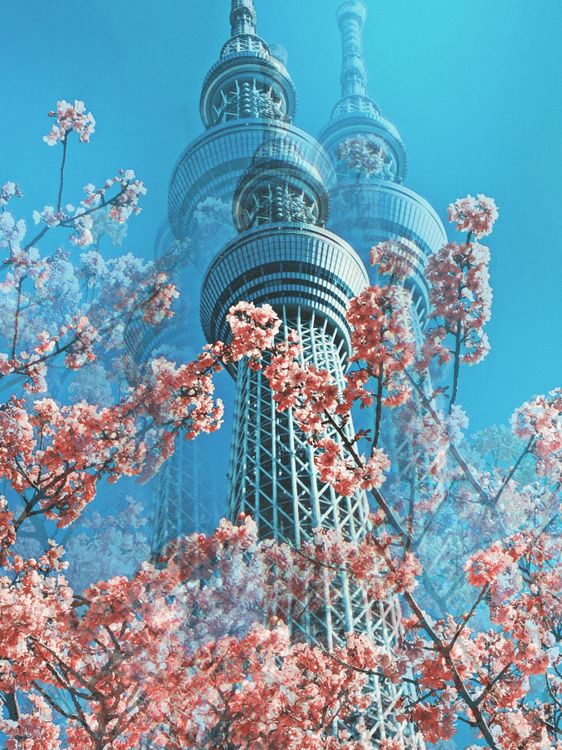
Maruyama Park — Kyoto’s central blossom destination, home to the city’s most famous single tree: a magnificent weeping cherry (shidare zakura) that is illuminated nightly during blossom season. The sight of this ancient, cascade-shaped tree glowing against the night sky with crowds gathered below is quintessential Kyoto spring. The surrounding park is filled with food stalls and picnickers.
Best time: Evening for illuminations (free)
Philosopher’s Path (Tetsugaku no Michi) — A 2-kilometer stone path alongside a canal in northeastern Kyoto, lined by approximately 500 cherry trees. The path is named after philosopher Nishida Kitaro, who is said to have meditated while walking it daily. In blossom season, the tunnel of pink creates the definitive Kyoto spring walk. Connect with Nanzenji Temple at one end and Ginkakuji (Silver Pavilion) at the other for a comprehensive half-day itinerary.
Best time: Early morning (before 8am) to catch the path in quiet
Kiyomizudera Temple — The great wooden stage of Kiyomizudera overlooks a hillside of cherry trees in multiple pink varieties, with views across Kyoto’s temples and mountains beyond. One of Japan’s most photographed blossom compositions. The temple illuminates its grounds in the evenings during blossom season (ticket required for evening visits).
Best time: Early morning for fewer crowds; evening for illuminations
Heian Shrine Garden — The garden of Heian Shrine (admission ¥600) contains double-flowering weeping cherry trees of extraordinary size and beauty. The combination of the shrine’s vermillion architecture and the elaborate blossom-laden trees creates images unlike anywhere else in Japan. Less known than Maruyama Park; the experience is correspondingly more refined.
Best time: Mid-morning on a weekday
Best Cherry Blossom Spots Beyond the Major Cities
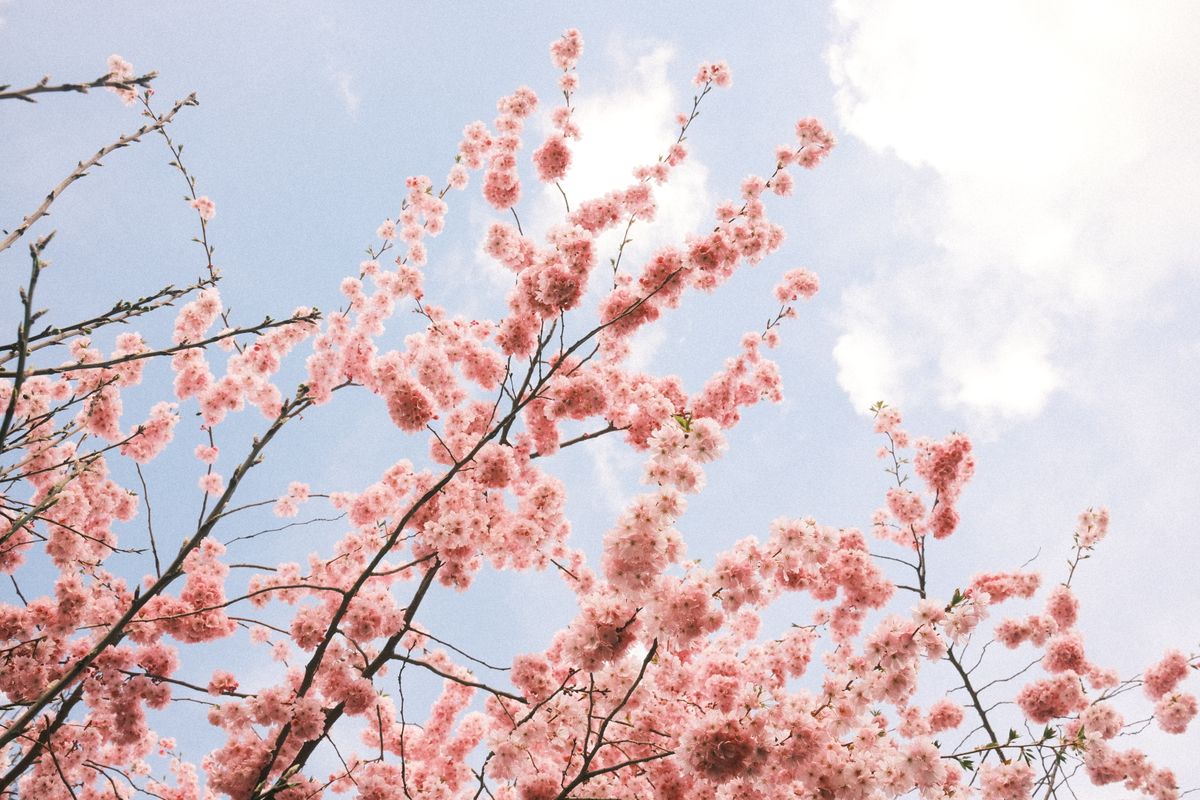
Hirosaki Castle, Aomori — Arguably Japan’s single greatest cherry blossom spectacle. Approximately 2,600 trees surround Hirosaki Castle’s moat, creating an unbroken circuit of pink reflected in the water. The bloom peaks in late April to early May — later than anywhere further south — meaning this spot is perfect for extending your sakura season. The castle district’s hanami period lasts nearly 3 weeks due to the mix of early and late-blooming varieties.
Access: From Tokyo by Shinkansen to Shin-Aomori (2.5 hours), then JR limited express (1 hour). JR Pass covers both.
Yoshino, Nara Prefecture — Mount Yoshino (Yoshinoyama) has been Japan’s most revered cherry blossom destination for over 1,000 years. The mountain is covered with approximately 30,000 cherry trees planted by Buddhist monks over centuries — cherry trees were considered sacred to the mountain deity. Viewing areas are divided into four sections (lower, middle, upper, and innermost) that bloom sequentially. The journey up the mountain through overlapping bloom zones is extraordinary.
Access: From Osaka or Nara by Kintetsu Yoshino Line. Not covered by JR Pass but worth the ticket.
Takato, Nagano Prefecture — “Best cherry blossoms in Japan” is a claim made by many places, but Takato has genuine credentials. The Kohigan cherry (a pale pink, single-flowered variety found mainly in this area) blooms in mid-April, and the 1,500 trees surrounding Takato Castle Ruins are spectacular. The castle ruins setting is perfect for traditional hanami photography.
Access: From Nagano by bus (1.5 hours)
Hanami: The Cherry Blossom Picnic Tradition
Hanami (花見, “flower viewing”) is one of Japan’s oldest and most beloved cultural practices. Historically a formal court ceremony, it evolved into a populist tradition during the Edo period when public parks were opened for everyone to gather under the blossoming trees. Today, hanami means spreading a tarp or picnic mat under the sakura, eating and drinking with friends and family, and appreciating the impermanence of the blossoms — a concept connected to the Buddhist philosophy of mono no aware (the bittersweet beauty of fleeting things).
Joining a hanami picnic (even spontaneously, as a solo traveler, under a tree with konbini snacks) is one of the most authentically Japanese experiences available. Food stalls set up throughout popular hanami locations selling takoyaki, yakitori, and sakura-flavored seasonal foods. Convenience stores stock cherry blossom-themed special edition snacks, drinks, and sweets throughout the season — pink Kit-Kats, sakura lattes, and sakura mochi are seasonal treats to seek out.
Practical Planning for Cherry Blossom Season
Book accommodation 3–6 months in advance. Cherry blossom season is Japan’s single busiest tourism period. Hotels in Kyoto, Tokyo, and other major destinations sell out — genuinely sell out — months ahead of peak dates. Once the annual forecast is released in late January or February, booking windows close rapidly. If you’re planning a sakura trip, start looking at accommodation as soon as you have your dates.
Flexible dates give a significant advantage. Bloom dates vary by up to 2 weeks between years depending on winter temperatures. If you can travel within a 2–3 week window (e.g., “sometime between March 25 and April 15”), you can adjust your timing once the annual forecast is published and hit peak bloom rather than arriving a week early or late.
Rain extends the season; strong wind ends it. Petals fall much faster in wind and rain. A stormy day can strip half the blossoms overnight. Conversely, a calm period after peak bloom can hold petals on trees for an extra 3–5 days. Check weather forecasts during your trip and prioritize blossom viewing on calm days.
The “5–7 day rule” for individual trees. A single tree at peak bloom holds its petals for approximately 5–7 days under normal conditions. Trees at different elevations and aspects in the same location may bloom 3–5 days apart, extending the overall viewing window to 1.5–2 weeks for a specific park or garden.
Evening illuminations are free and spectacular. Many parks and temples illuminate their cherry trees in the evenings during blossom season. Ueno Park, Meguro River, Maruyama Park in Kyoto, and dozens of castles across Japan offer this experience free of charge (temple inner grounds may charge separately). Evening blossom viewing has a magical quality completely different from daytime.
Cherry blossom season is Japan at its most emotionally pure — a country that has built an entire cultural philosophy around the beauty of brief things, briefly beautiful. You will not experience it the same way twice; the bloom changes daily, your emotions change with it, and the memory of those pale petals floating in the morning light stays long after the blossoms themselves are gone. Plan carefully, book early, and let it surprise you anyway.
Plan Your Japan Trip
🌸 Book a Cherry Blossom Tour
Experience Japan’s iconic sakura season with a guided hanami tour — visit the best viewing spots and learn about the cultural significance of cherry blossoms.
🏨 Book Your Hotel Early for Cherry Blossom Season
Sakura season (late March–early April) is Japan’s most popular travel period. Hotels sell out months in advance — book now to avoid disappointment.
Japan Cherry Blossom Forecast: How to Read the Predictions
Every year from late January, Japanese meteorological agencies and private forecasters publish cherry blossom (sakura) blooming forecasts for cities across Japan. Understanding these forecasts is essential for timing your trip correctly.
The Japan Meteorological Corporation (a private company) and the Japanese Meteorological Agency both publish forecasts. The forecasts track two key events: kaika (開花) — the first bloom, when 5–6 flowers open on a single tree — and mankai (満開) — full bloom, when approximately 80% of flowers are open on a tree.
The window between kaika and mankai is typically 7–10 days. Full bloom is the peak time for hanami (flower viewing) and lasts about one week. A week after mankai, petals begin to fall — a beautiful phenomenon called hanafubuki (花吹雪), or “flower blizzard.” Many visitors consider this the most romantic stage of the cherry blossom season.
Typical Cherry Blossom Season Timeline by Region
| Region | Typical Full Bloom | Key Locations |
|---|---|---|
| Kyushu (south) | Late March | Fukuoka Maizuru Park, Kumamoto Castle |
| Osaka / Kyoto | Early to mid-April | Maruyama Park, Philosopher’s Path, Osaka Castle |
| Tokyo | Late March to early April | Ueno Park, Shinjuku Gyoen, Chidorigafuchi |
| Tohoku (north Honshu) | Mid to late April | Hirosaki Castle, Kakunodate Samurai District |
| Hokkaido | Late April to early May | Matsumae Park, Sapporo Maruyama Park |
Top Cherry Blossom Spots Beyond the Tourist Trail
While Ueno Park and Maruyama Park in Kyoto attract massive crowds, Japan has dozens of equally spectacular cherry blossom spots that remain under the radar for international visitors.
Hirosaki Castle, Aomori Prefecture
Consistently ranked by Japanese travelers as the finest cherry blossom spot in Japan, Hirosaki Castle is surrounded by more than 2,600 cherry trees of various species. The moat turns pink with fallen petals — a scene that genuinely surpasses anything you’ll see in Tokyo or Kyoto. The bloom typically occurs in late April to early May, making it ideal for travelers who miss the earlier Tokyo season. The festival runs for two weeks and includes illuminated nighttime viewing.
Kakunodate Samurai District, Akita Prefecture
The samurai estates of Kakunodate are lined with weeping cherry trees (shidarezakura) — a variety with long, cascading branches that creates a curtain-like effect completely unlike the standard Somei Yoshino cherry. These trees are over 300 years old, transplanted from Kyoto by the ruling clan. The combination of cherry blossoms and preserved samurai architecture makes this one of Japan’s most photographically rewarding destinations.
Chidorigafuchi, Tokyo
While Ueno Park is famous, the moat-side promenade at Chidorigafuchi in central Tokyo offers a different experience: rowing boats beneath a canopy of overhanging cherry branches. Arrive early morning (before 8am) for the best light and minimal crowds. The path runs along the western moat of the Imperial Palace — a 700-meter walk that’s spectacular on a clear spring morning.
Yoshino Mountain, Nara Prefecture
Yoshino has been Japan’s most famous cherry blossom site for over 1,000 years. The mountain is covered with approximately 30,000 trees of more than 200 varieties — different species bloom at different elevations, creating a season that extends across the entire hillside. The view from the top looking down over waves of pink blossoms is genuinely otherworldly. This is a significant hike, best reserved for those with good walking ability.
Cherry Blossom Viewing Etiquette (Hanami)
Hanami — literally “flower viewing” — is one of Japan’s most beloved traditions, practiced since the 8th century. Understanding the unwritten rules ensures you participate respectfully.
- Reserving spots: It’s completely normal and accepted to lay out a picnic sheet early in the morning to reserve a spot for evening hanami. Many park-goers do this at 6–7am for an evening event.
- Bring food and drinks: Hanami is fundamentally a picnic. Convenience store onigiri, sandwiches, and drinks are fine; ordering elaborate food is less common than just spreading a blue tarp and eating from plastic containers.
- Alcohol is generally accepted: Beer and sake under the cherry trees is part of the tradition in public parks. Drink responsibly, clean up your space completely, and deposit rubbish in designated bins or take it home.
- No climbing trees: Obvious in retrospect, but cherry trees are damaged each year by over-enthusiastic visitors trying to get the perfect photo. Stay on the ground.
- Leave the area clean: Japanese park-goers remove all their rubbish after hanami. Public bins are often absent (or small). Bring a bag for your waste.
Cherry Blossom Photography: Tips for the Best Shots
Cherry blossoms are notoriously difficult to photograph well — they tend to look flat and overexposed in full sun. Here are the conditions and techniques that actually work:
- Overcast days are better than sunny days for even light without harsh shadows. The soft diffuse light brings out the subtle pink tones better than direct sun.
- Backlight creates magic: Position yourself with the sun behind the blossoms. This makes the petals glow from within and creates a translucent effect.
- Include context: Isolated sakura branches look beautiful but tell no story. Include temples, castle walls, rivers, or people in hanami groups for photos that capture Japan specifically.
- Look down, not just up: Fallen petals on water, stone paths, and moss create intimate compositions that stand apart from the typical upward-angle shots.
- Blue hour and golden hour: The 30 minutes after sunset, when the sky is deep blue and trees are illuminated, produces extraordinary results. Many parks have nighttime illumination specifically for this.
Frequently Asked Questions: Japan Cherry Blossoms
What is the best city in Japan to see cherry blossoms?
Kyoto is widely considered the most beautiful setting — the combination of historic temples, gardens, and cherry trees is unmatched. Tokyo offers the most convenience and variety of viewing spots. Hirosaki in Aomori is the Japanese traveler’s choice for sheer spectacle. Visit based on your broader itinerary; cherry blossoms are spectacular everywhere in Japan.
How long does cherry blossom season last in Japan?
Full bloom at any single location typically lasts 5–7 days. However, because Japan stretches from the subtropical south to the subarctic north, and because different cherry varieties bloom at different times, the national cherry blossom season runs from mid-January (in Okinawa) to late May (in Hokkaido). A traveler who follows the blooming front from south to north can experience cherry blossoms for several weeks.
What happens if it rains during cherry blossom season?
Rain during peak bloom accelerates petal fall, shortening the bloom period. Light rain is manageable and actually creates beautiful moat reflections and misty atmospheric photos. Heavy rain is the enemy — it strips petals within hours. Check forecasts daily during your trip and plan viewing for days before predicted heavy rain.
Can I see cherry blossoms in Japan in May?
Yes — in the northern regions of Tohoku and Hokkaido, cherry blossoms peak in late April to mid-May. The famous Hirosaki Castle bloom is typically in late April to early May. Hokkaido’s blossoms peak in early May. For travelers who can’t visit in late March or April, Tohoku and Hokkaido offer a later alternative.
Is cherry blossom season too crowded in Japan?
Popular parks like Ueno (Tokyo) and Maruyama (Kyoto) become extremely crowded on weekends during peak bloom. However, visiting on weekdays, arriving before 8am, or choosing less-famous spots dramatically reduces crowds. Japan has hundreds of excellent cherry blossom spots — you don’t need to fight the crowds at the famous ones.
Related guides
- The Perfect 7-Day Japan Itinerary for First-Timers
- Where to Stay in Kyoto: Best Areas & Ryokan for First-Timers
- Narita & Haneda Airport to Tokyo: The Complete Access Guide
Going to Japan? Talk to locals with confidence.
Hirameki Japanese — instant offline translation, camera translation, furigana + romaji, and 314 free flashcards. No login. Works without internet.
⬇ Download Free on the App Store
Plan your Japan trip
Two things every first-timer should book
Some links are affiliate links. If you book through them we may earn a small commission at no extra cost to you.