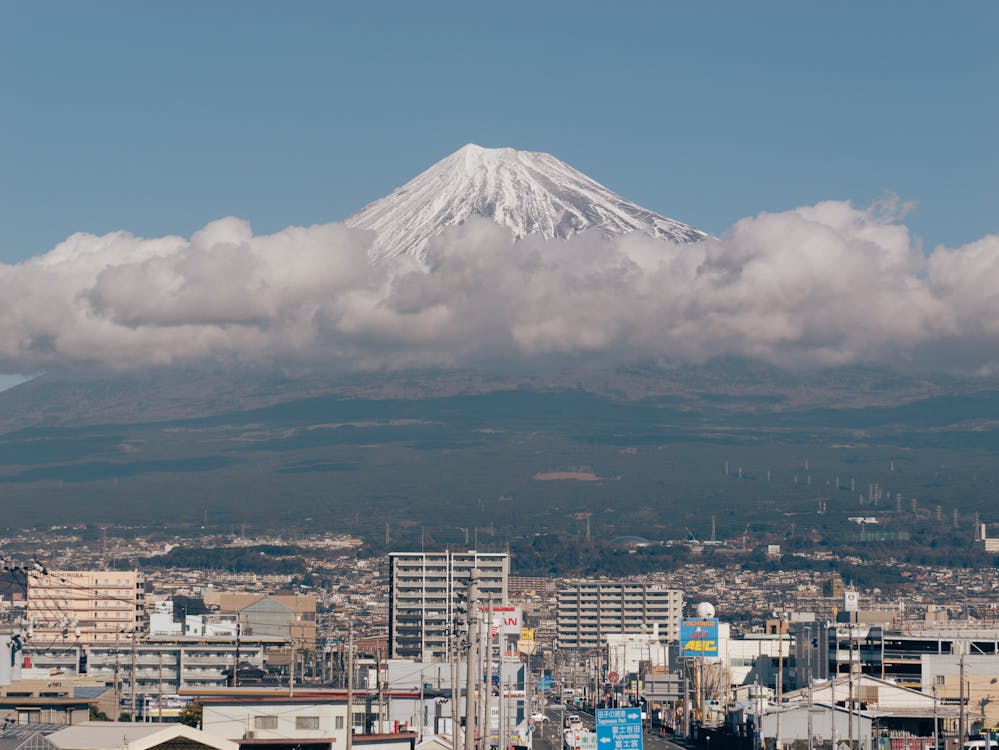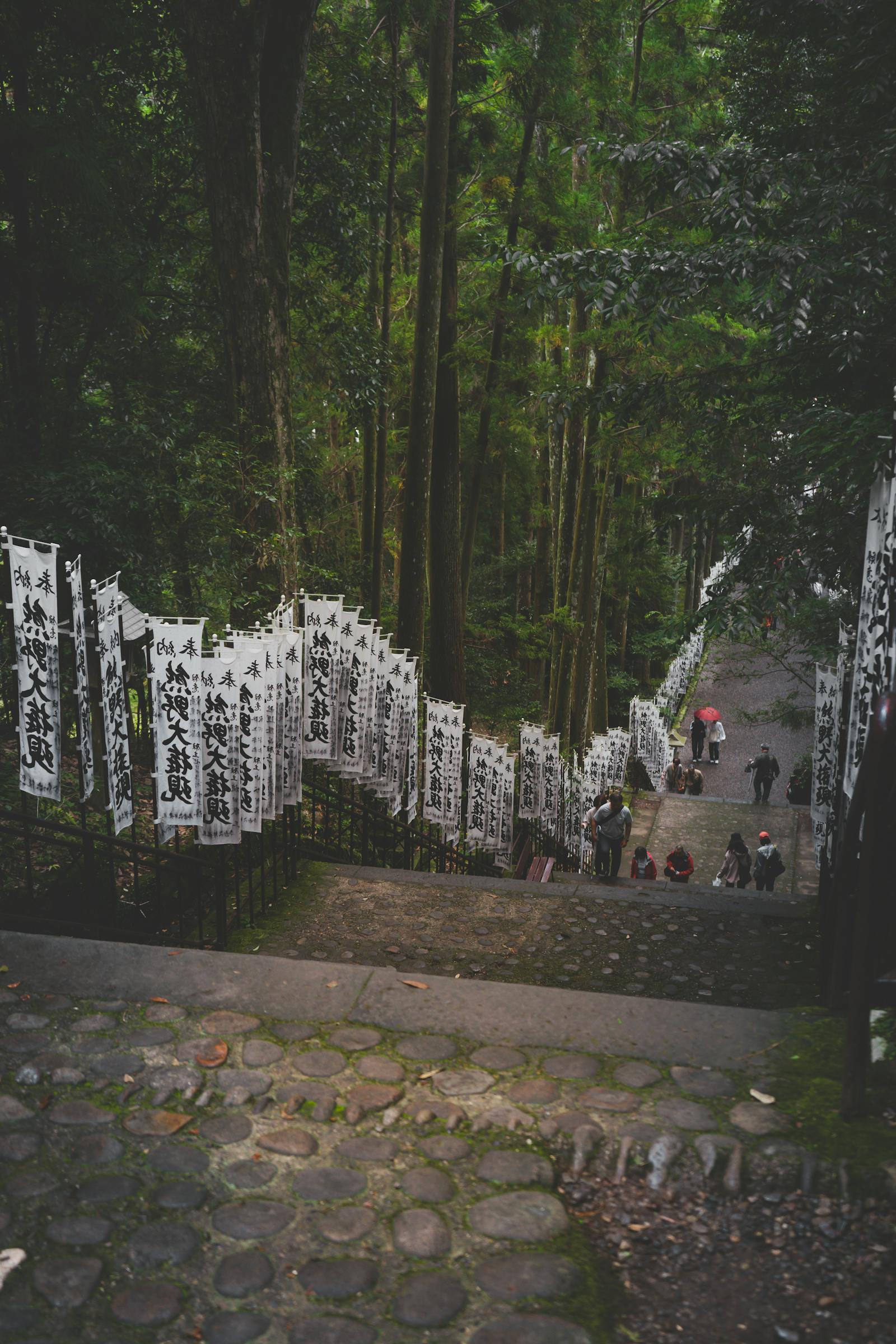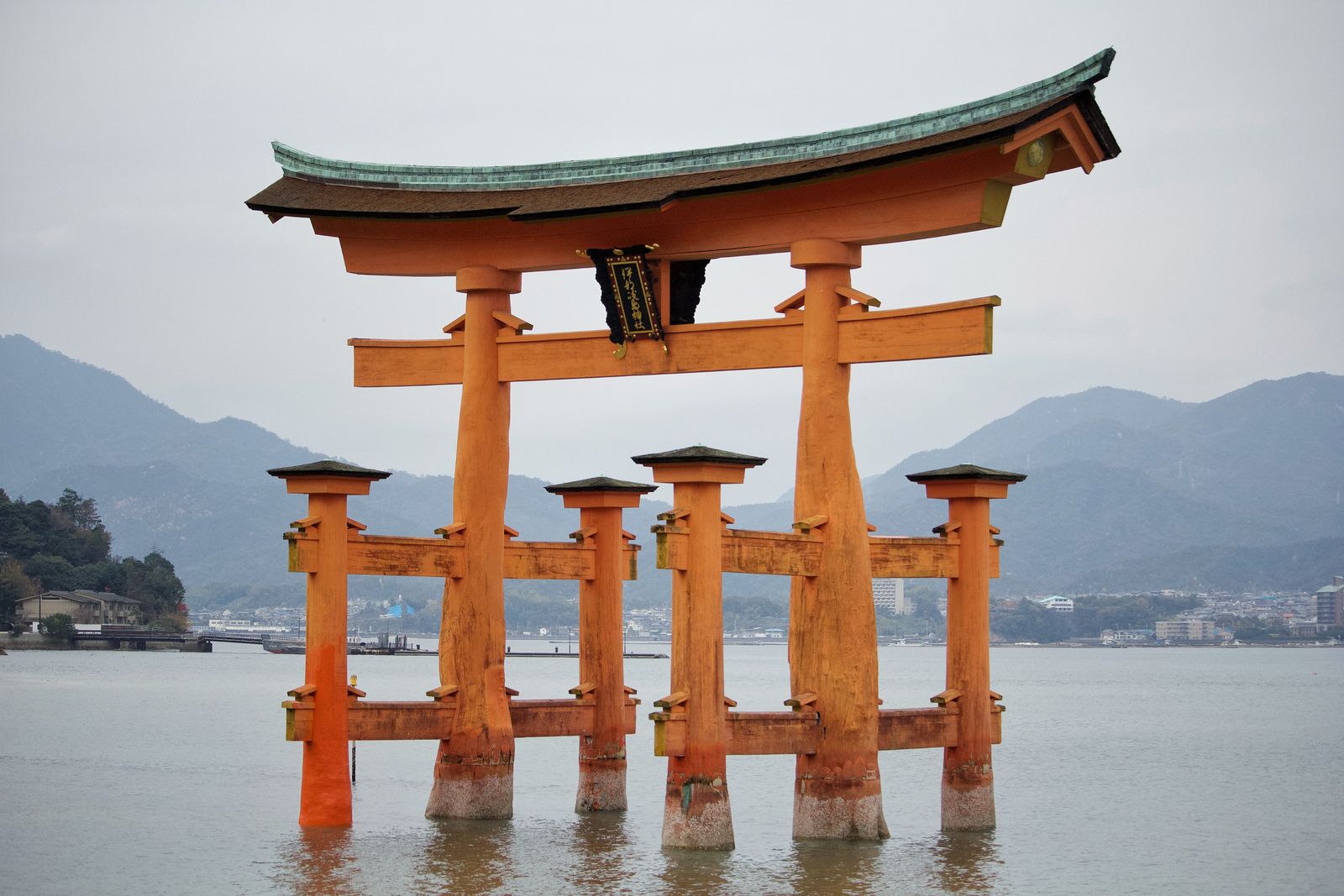
Few images capture Japan as instantly as the great vermilion torii gate of Miyajima, seeming to float on the sea with forested mountains rising behind it. Officially named Itsukushima, the small island in Hiroshima Bay has been considered sacred for well over a thousand years, so holy that for much of its history ordinary people were not permitted to set foot on it. Today it is one of the most beloved and photographed places in the entire country, a UNESCO World Heritage Site where wild deer wander the lanes, ancient shrines glow at high tide, and the smell of grilling oysters drifts through the streets.
For first-time visitors, Miyajima delivers an enormous amount in a tiny, walkable package: a world-famous shrine, a sacred mountain you can climb or ride a ropeway up, atmospheric temples, excellent local food, and some of the friendliest deer in Japan. And because it sits just a short train and ferry ride from Hiroshima, it slots neatly into almost any western Japan itinerary without complicated planning. This complete guide covers everything you need, including how to get there, what to see, when to come, where to stay, how much it costs, and how to combine the island with Hiroshima city. Prices are given in Japanese yen with rough US dollar equivalents (at around ¥150 to the dollar), and everything is written with a first-time traveller in mind.
Why Visit Miyajima?
Miyajima is the kind of place that lives up to, and often exceeds, the photographs. The headline attraction is the floating torii gate of Itsukushima Shrine, which at high tide appears to hover on the water and at low tide can be approached on foot across the sand. But the island is far more than a single view. It is a layered, atmospheric place where Shinto and Buddhist traditions sit side by side, where a 500-metre sacred mountain offers staggering views over the Seto Inland Sea, and where centuries-old temples hide up quiet stone staircases.
What makes the island so easy to love is its scale. The main sights cluster within a gentle walk of the ferry pier, and tame sika deer, considered messengers of the gods, roam freely among the visitors. The food is a genuine highlight too, from plump grilled oysters to maple-leaf-shaped cakes baked fresh in front of you. And while day-trippers pour in from Hiroshima, most leave by late afternoon, so anyone who stays overnight is rewarded with a quiet, almost mystical island after dark, the torii gate lit against the night and the deer settling down in the empty streets.
For travellers building a route through western Japan, Miyajima pairs naturally with Hiroshima's moving Peace Memorial Park, making the two a classic and meaningful two-day combination.
A Brief History of the Sacred Island
Itsukushima has been worshipped as a sacred island since at least the sixth century. In the local belief, the entire island was a deity, which is why the shrine and its torii gate were eventually built over the water rather than on the land itself, so that pilgrims arriving by boat would pass through the gate and approach the shrine without setting impure feet on holy ground.
The shrine reached its present, magnificent form in the twelfth century under the powerful warlord Taira no Kiyomori, who lavished resources on it and rebuilt it in the elegant shinden-zukuri palace style of the imperial court. The result is a sweeping complex of vermilion halls and corridors built on pillars above a tidal flat, designed so that at high tide the whole structure seems to float. So strictly was the island's purity guarded that for centuries births and deaths were not allowed on it; to this day there are no cemeteries on Miyajima, and there is even a special ritual approach to maintaining its sanctity.
Itsukushima Shrine and its surrounding forest were inscribed as a UNESCO World Heritage Site, recognising both the architectural masterpiece and the rare survival of a religious landscape that fuses human craftsmanship with the sacred natural setting of mountain and sea.
How to Get to Miyajima
Reaching Miyajima is part of the fun, because it finishes with a short ferry across the bay. The gateway is Hiroshima, which is itself easy to reach: the Sanyo Shinkansen connects Hiroshima to Osaka in about 90 minutes, to Kyoto in around two hours, and to Tokyo in roughly four hours. If you are planning a longer rail journey, our full shinkansen guide explains reservations, passes, and how to navigate the system.
From central Hiroshima, you have two main options to reach the ferry terminal at Miyajimaguchi. The JR Sanyo Line train takes about 25 to 30 minutes from Hiroshima Station and is covered by the Japan Rail Pass. Alternatively, the Hiroden tram is slower (around 70 minutes) but cheap and scenic, trundling through the city and out to the coast. From Miyajimaguchi, two ferry companies make the 10-minute crossing to the island: the JR ferry (covered by the JR Pass) and the Matsudai ferry. The JR ferry is particularly nice because, on certain departures, it detours close to the floating torii gate for a perfect photo.
The ferry costs around ¥200 (about $1.30) each way for adults. Note that there is also a separate Miyajima visitor tax of ¥100 per person, introduced to help maintain the island, usually collected with your ferry ticket. A faster but pricier option is the high-speed boat that runs directly from the Peace Memorial Park area in Hiroshima to Miyajima along the river and bay, which is scenic and saves a transfer. To keep maps, ferry times, and translation working smoothly throughout, set up a Japan travel eSIM before you arrive so you are online the moment you land.
The Floating Torii Gate
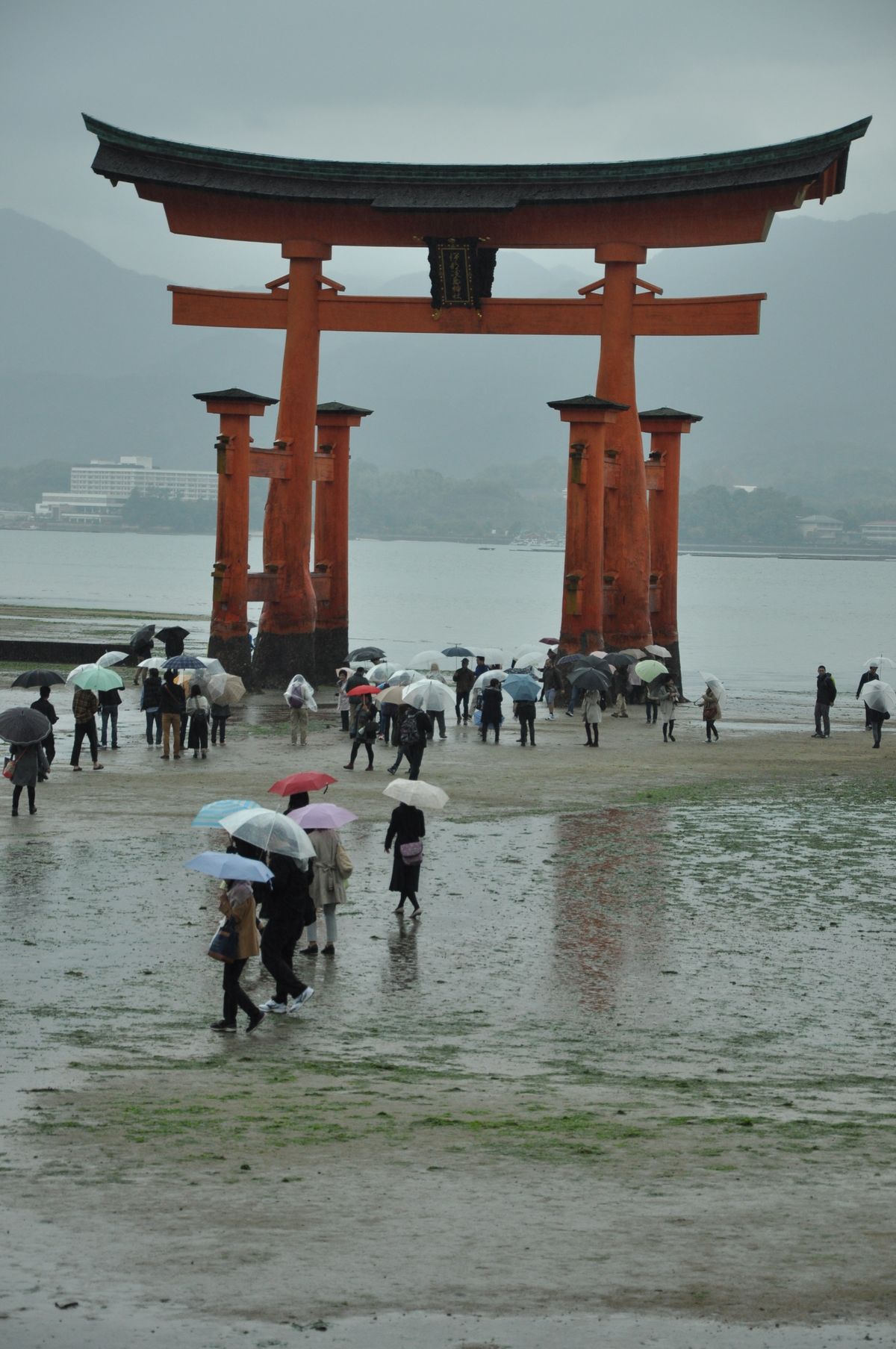
The great torii gate is the reason most people come, and it does not disappoint. Standing about 16 metres tall and painted in vivid vermilion, it has marked the approach to Itsukushima Shrine for centuries. Remarkably, the gate is not buried or cemented into the seabed; it stays upright through its own immense weight, with the heavy crossbeam packed with stones, a piece of engineering as clever as it is beautiful.
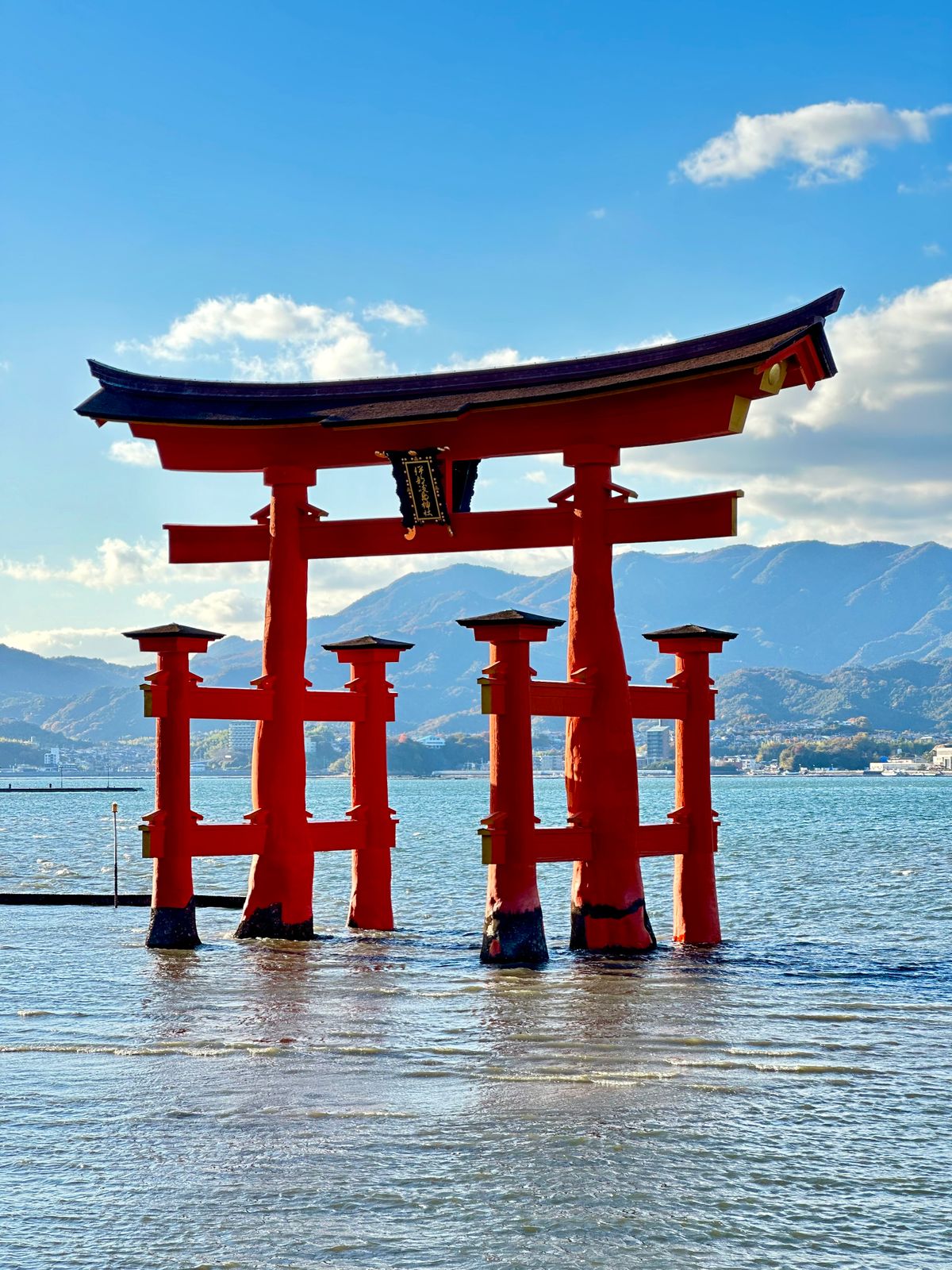
The experience changes completely with the tides, so it is worth timing your visit around them. At high tide, the gate and the shrine appear to float on the water, the classic postcard scene, and you can take boat rides that pass beneath the gate. At low tide, the sea retreats and you can walk across the wet sand right up to the base of the towering structure, looking up at the barnacle-crusted pillars and, by tradition, tucking a coin into a crack for good luck. Both are wonderful in different ways. Tide tables are posted at the ferry terminal and online, and ideally you want to catch both a high and a low tide, which is one more reason to consider staying overnight.
For photography, sunset behind the gate is sublime, and after dark the torii and shrine are illuminated, glowing against the black water and mountains in a scene that day-trippers almost never see.
Itsukushima Shrine
Set just behind the torii, Itsukushima Shrine is an architectural marvel. Its vermilion halls and open-sided corridors are built on stilts over a tidal flat, connected by wooden walkways that, at high tide, leave the whole complex seemingly afloat. As you walk the corridors, you pass the main hall, a Noh stage built over the water (one of the few in Japan), and countless hanging lanterns, all framed by views of the gate beyond.
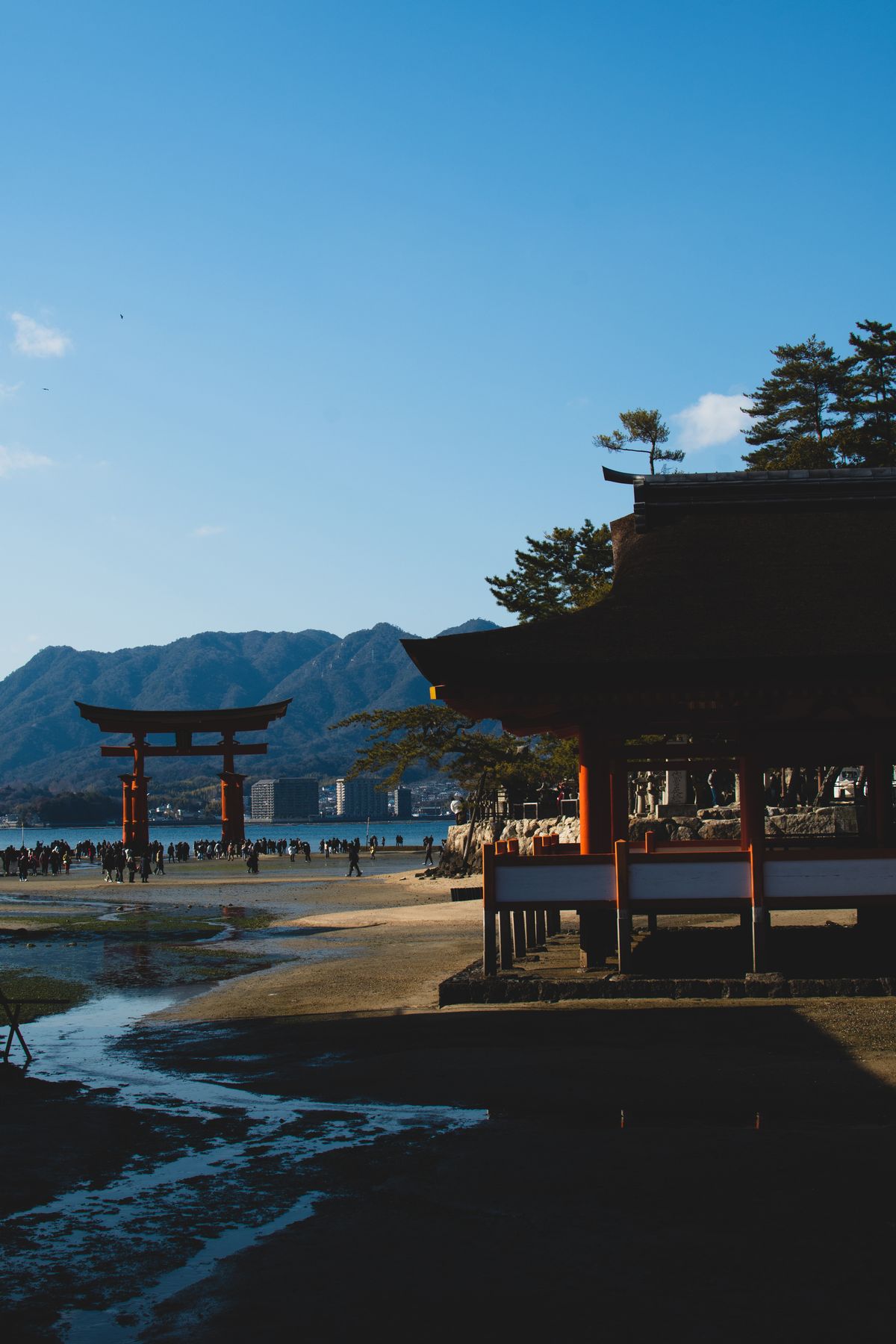
Admission is ¥300 for adults (about $2) and ¥100 for children, with a combined ticket available that also covers the shrine's Treasure Hall. The shrine opens early, around 6:30, and closes in the late afternoon or early evening depending on the season. Visiting at opening time gives you the corridors in soft morning light with very few people, a magical contrast to the midday crowds. Take a moment at the over-water Noh stage and look back toward the gate; the framing of red pillars, sea, and distant torii is one of the great views in Japan. Just beside the shrine stands the striking five-storey pagoda and the vast Senjokaku (“hall of a thousand mats”), an enormous unfinished wooden hall whose airy, open interior is a wonderful, breezy place to sit and look out over the rooftops.
The Deer of Miyajima
Wild sika deer roam freely across Miyajima, and they are one of the island's great delights. Considered sacred messengers in the Shinto tradition, they wander the ferry pier, the shopping streets, and the shrine approaches, utterly unbothered by the crowds. Many are remarkably tame and will happily pose beside the torii gate for photographs.
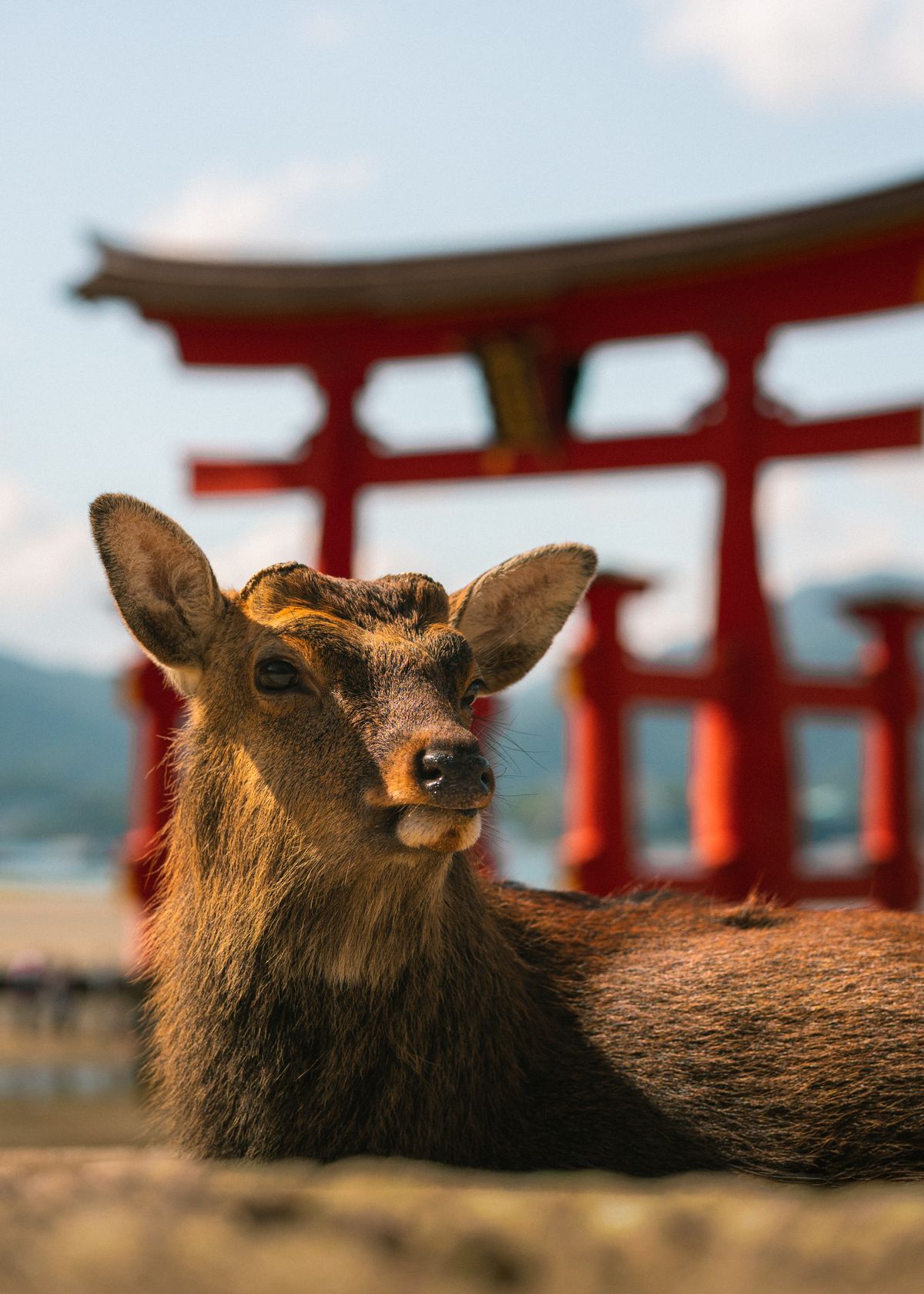
A word of caution that first-timers should take seriously: unlike in Nara, you are not meant to feed the deer here, and there are no deer crackers for sale. Feeding them disrupts their health and behaviour, and the island actively discourages it. The deer are also notorious for nibbling anything papery, so keep maps, tickets, and snacks tucked safely in your bag rather than your hand or back pocket. Treated with respect and given their space, they are gentle, photogenic companions for the day, and watching them doze in the empty streets after the day-trippers leave is one of the quiet joys of an overnight stay.
Mount Misen: The Sacred Summit
Rising 535 metres above the island, Mount Misen is the spiritual and scenic heart of Miyajima, and reaching the top is the island's best half-day adventure. On a clear day, the summit rewards you with sweeping panoramas over the islands of the Seto Inland Sea, a view that has been admired for centuries.
The easiest way up is the Miyajima Ropeway, a two-stage cable car that climbs from Momijidani Park to near the summit. A round-trip ticket costs about ¥2,000 (about $13). From the upper ropeway station, it is still a rewarding 30-minute walk over rocky paths to the actual summit, passing the Reikado Hall, where a sacred flame is said to have burned continuously for more than 1,200 years and from which the eternal flame in Hiroshima's Peace Park was lit. Energetic visitors can also hike all the way up one of several trails (the Momijidani and Daisho-in courses each take roughly 1.5 to 2 hours), walking through quiet forest and past waterfalls and shrines. Wear proper shoes, carry water, and check the ropeway's last descent time so you are not caught out after dark.
Daisho-in Temple
Often overlooked by rushed day-trippers, Daisho-in is one of the most rewarding spots on the whole island and one of the most important temples of Shingon Buddhism. Set on the lower slopes of Mount Misen, a short uphill walk from the shrine, its grounds are a delight to wander, full of small surprises: a staircase lined with spinning metal prayer wheels you can turn as you climb, rows of small stone statues in knitted caps, a cave glowing with hundreds of lanterns, and beautifully carved halls.
Best of all, Daisho-in is free to enter, and because many visitors never make the short climb, it is far quieter than the main shrine. Spend half an hour or more here soaking up the atmosphere; in autumn the surrounding maples make it especially gorgeous. It is the perfect antidote to the bustle down by the waterfront.
Food on Miyajima: Oysters, Eel and Maple Cakes
Miyajima is a wonderful place to eat, and its specialties are distinctive. Hiroshima Bay is famous for oysters (kaki), and on the island you can buy them grilled fresh at street stalls, two plump oysters for around ¥500 to ¥800 (about $3 to $5), or enjoy them fried, in rice, or in hot pot at restaurants. Winter is peak oyster season, when they are at their largest and creamiest.
The island's other savoury star is anago-meshi, a bowl or box of rice topped with grilled saltwater eel (conger), a richer, lighter cousin of the freshwater unagi. It is the classic Miyajima lunch and worth seeking out at one of the specialist restaurants. For something sweet, do not miss momiji manju, maple-leaf-shaped cakes filled with sweet red bean paste, custard, chocolate, or cheese. You can watch them baked fresh on the shopping street, and the warm, just-cooked ones are a treat. A newer variation, age-momiji, deep-fries the cakes on a stick for a crisp, indulgent snack. For more arrival and trip-planning advice, see our Japan travel tips for first-timers.
Omotesando Shopping Street and Momijidani Park
The covered Omotesando shopping street runs from near the ferry pier toward the shrine and is the island's lively commercial heart. It is lined with shops selling momiji manju, grilled oysters, local sake, rice scoops (Miyajima is the birthplace of the wooden rice paddle, and you will see a giant one on display), and crafts. It is a fun, atmospheric stroll, especially when the smell of grilling oysters and baking cakes fills the air.
A little further inland, Momijidani Park (“maple valley park”) is a green, stream-threaded park at the foot of Mount Misen and the lower station of the ropeway. In autumn it becomes one of the most beautiful maple-viewing spots in western Japan, ablaze with red and gold, while in other seasons it offers a cool, shaded place to rest among the deer. It is also the trailhead for several Mount Misen hikes.
Festivals and Special Events on Miyajima
If your dates line up with one of the island's festivals, you are in for something special. The most spectacular is the Kangensai, a summer music festival held according to the old lunar calendar, in which boats decked with lanterns carry court musicians across the bay, playing ancient gagaku music as they pass beneath the torii gate at dusk. It is one of the most atmospheric traditional events in the country.
Other highlights include the fire-walking ceremony held by the monks of Daisho-in, the lively oyster festival in winter when Hiroshima Bay's famous oysters are celebrated and sold cheaply, and seasonal illuminations around the New Year. Even outside festival days, the island marks the rhythm of the seasons beautifully, cherry blossoms in spring, deep maple reds in autumn, and serene snow dustings in the depths of winter. Because dates often follow the lunar calendar and shift each year, it is worth checking the current schedule when you plan your trip; having a reliable data connection makes it easy to confirm timings on the day.
Where to Stay on Miyajima
Staying overnight on Miyajima transforms the experience. Once the last day-trip ferries depart in the late afternoon, the island grows quiet and atmospheric, the torii gate glows under floodlights, and you can enjoy the shrine and streets in near solitude, then again at dawn before the crowds return. It is, for many travellers, the single best decision they make in western Japan.
The island has a small selection of traditional ryokan and hotels, several with hot-spring baths and kaiseki dinners featuring local oysters. These are atmospheric but limited in number and can book out well ahead, so reserve early, especially in autumn and around the New Year. Expect to pay from around ¥15,000 to ¥40,000 or more per person for a ryokan with meals; simpler guesthouses are cheaper. To compare island accommodation and rates, check Miyajima hotel and ryokan availability on Agoda. If island lodging is full or over budget, many visitors stay in Hiroshima or near Miyajimaguchi and make an early start instead.
Combining Miyajima with Hiroshima
Miyajima and Hiroshima city form one of Japan's most rewarding pairings, balancing natural and spiritual beauty with sobering, essential history. Most travellers split them across two days. A common plan is to spend the morning and early afternoon at Hiroshima's Peace Memorial Park and Museum and the A-Bomb Dome, a moving experience that everyone should make time for, then take the boat or train out to Miyajima for the evening and an overnight stay, enjoying the illuminated torii and a quiet morning before the crowds.
If you only have one day, it is possible to do a condensed version, a few hours at the Peace Park in the morning and Miyajima in the afternoon, but you will feel rushed and miss the island's magical evening hush. For travellers short on time who want everything handled, guided day tours that bundle Hiroshima, the Peace Park, and Miyajima with transport and a knowledgeable guide can be excellent value; you can browse Hiroshima and Miyajima tours and experiences on NEWT to compare options.
Miyajima on a Budget: What It Costs
Miyajima can be surprisingly affordable, because so many of its joys, the torii gate, the deer, Daisho-in Temple, the shopping street, and the views, are free or nearly so. Here is a rough guide to a comfortable day for one person, not counting the shinkansen to Hiroshima:
- Ferry (round trip): about ¥400 (about $3), plus the ¥100 island visitor tax.
- Itsukushima Shrine entry: ¥300 (about $2), or a little more for the combined Treasure Hall ticket.
- Mount Misen ropeway (round trip): about ¥2,000 (about $13), or free if you hike.
- Food: ¥2,000 to ¥4,000 (about $13 to $27) for grilled oysters, an anago-meshi lunch, and a few momiji manju.
- Daisho-in Temple and the deer: free.
A day-trip visitor can enjoy the island comfortably for well under ¥6,000 (about $40) excluding accommodation, while those who stay overnight in a ryokan with an oyster kaiseki dinner should budget considerably more for the experience. Skipping the ropeway in favour of the hike, and eating from the street stalls rather than sit-down restaurants, keeps costs especially low.
Shrine Etiquette and Respecting the Island
Miyajima is a living sacred site, and a little courtesy makes your visit more meaningful and respectful. At Itsukushima Shrine and the temples, keep your voice low, do not climb on the railings or structures, and follow the marked routes. When making an offering, the customary practice at a Shinto shrine is to bow twice, clap twice, make a brief silent wish, and bow once more. At Buddhist Daisho-in, a single quiet bow is appropriate, and you may turn the prayer wheels gently as you climb.
With the deer, the rule is simple: admire, photograph, but do not feed or chase them, and supervise children closely. Carry your rubbish with you, as bins are scarce and the island works hard to stay clean. Because the whole island is considered hallowed ground, there are small customs you may notice locals observing, and visitors are simply asked to be calm, tidy, and considerate. Treated with that spirit, Miyajima rewards you with one of the most serene atmospheres in Japan.
Souvenirs: Rice Scoops, Sake and Maple Cakes
Miyajima has some lovely, distinctive souvenirs. The island is the birthplace of the wooden rice scoop (shamoji), traditionally a symbol of good fortune said to “scoop up” happiness and victory, and you will find them in every size from practical kitchen tools to decorative giant paddles. Boxes of momiji manju make the classic edible gift and travel well, with assorted fillings to suit everyone. Look too for local Hiroshima sake, oyster-flavoured snacks and preserves, and handsome lacquerware and woodcraft, another island specialty.
The Omotesando street and the shops near the pier carry the widest selection, and many offer samples of the maple cakes so you can choose your favourite filling before buying a box. If you are continuing your journey, most items are light and sturdy enough to pack easily.
Best Time to Visit Miyajima
Spring (late March to April): Cherry blossoms frame the shrine and torii, and the weather is mild and pleasant. A beautiful but busy season.
Early summer (May to June): Lush greenery and fewer crowds, though the rainy season arrives in mid-June.
Autumn (November): The maples of Momijidani Park and Daisho-in turn brilliant red and gold, arguably the most spectacular time to visit. Book accommodation well ahead.
Winter (December to February): Quiet, crisp, and the peak of oyster season, when Hiroshima Bay's famous oysters are at their best. The island feels especially serene, and an illuminated torii on a cold, clear night is unforgettable.
Suggested Miyajima Itineraries
Half day: Take the ferry over, walk the Omotesando street, see Itsukushima Shrine and the torii gate (ideally at high tide), grab grilled oysters and a momiji manju, and meet the deer. A rushed but doable taster of three to four hours.
Full day: Add Mount Misen via the ropeway for the summit views, explore Daisho-in Temple, and time your day to catch both a low and a high tide if you can. Have an anago-meshi lunch and linger over the shrine in the late-afternoon light.
Overnight: The ideal. Spend the afternoon and evening enjoying the illuminated torii and quiet streets after the day-trippers leave, stay in an island ryokan with an oyster kaiseki dinner, and rise early for the shrine corridors in peaceful morning light. Combine with a full day at Hiroshima's Peace Memorial Park for a perfect two-day western Japan itinerary.
Practical Tips for First-Timers
- Check the tide tables before you go and try to see both high tide (floating torii) and low tide (walk to the gate).
- Visit Itsukushima Shrine right at opening (around 6:30) to enjoy the corridors with almost no crowds.
- Do not feed the deer; keep maps, tickets, and snacks safely in your bag, as deer love to nibble paper.
- Wear comfortable shoes if you plan to climb Mount Misen, and check the ropeway's last descent time.
- Do not skip Daisho-in Temple; it is free, beautiful, and far quieter than the main shrine.
- Try the grilled oysters and freshly baked momiji manju on Omotesando street.
- Carry some cash, as a few small stalls and older shops may not accept cards.
- Stay overnight if you possibly can, for the illuminated torii and the peaceful early morning.
- Pair the island with Hiroshima's Peace Memorial Park for a meaningful two-day trip.
- Set up mobile data before arriving so ferry times, tide tables, and maps are always to hand.
Getting Around Miyajima and Accessibility
Once you step off the ferry, Miyajima is overwhelmingly explored on foot, and that is part of its charm. The main route from the pier along the waterfront to Itsukushima Shrine, the Omotesando shopping street, and Momijidani Park is flat, paved, and easy to walk, taking only about 10 to 15 minutes end to end. There are no trains on the island and very little traffic, so the pace is gentle and unhurried.
For visitors with limited mobility, the waterfront promenade, the shrine approach, and the main shopping street are largely accessible, and the shrine itself has step-free sections, though some corridors and the climb to Daisho-in Temple and Mount Misen involve stairs and slopes. A free shuttle bus connects the town area with the lower ropeway station for those heading up the mountain, saving the uphill walk through the park. If you are arriving with heavy luggage, consider using a luggage-forwarding service or coin lockers at Hiroshima or Miyajimaguchi rather than hauling bags onto the ferry and around the island. Strollers are workable on the main routes but awkward on the temple staircases.
What to Pack for a Day on Miyajima
A little preparation makes the island far more comfortable. Comfortable walking shoes are essential, especially if you plan to climb Mount Misen or explore Daisho-in's staircases. Bring a refillable water bottle, particularly in summer, as the hike and the heat can be draining. A light rain jacket or compact umbrella is wise in any season, since coastal weather changes quickly and the rainy season hits in June.
Carry some cash for the smaller stalls, a small bag that closes securely (remember the paper-loving deer), and sun protection in the warmer months. If you are visiting in winter, a warm layer and gloves make the illuminated-torii evening much more pleasant. A portable battery keeps your phone alive for a day full of photos, and a charged phone with a working data connection means tide tables, ferry times, and maps are always within reach. Finally, take a small bag for your rubbish, since bins are deliberately scarce to keep the sacred island clean.
A Few Words of Japanese for Your Visit
English signage is good at the major sights, but a handful of polite phrases goes a long way and is always warmly received. Try “konnichiwa” (hello), “arigato gozaimasu” (thank you), “sumimasen” (excuse me or sorry), “oishii” (delicious, perfect after those oysters), and “ikura desu ka” (how much is it?). At the shrine, you do not need to say anything; a quiet, respectful manner is enough. Staff at restaurants and shops are used to international visitors and will happily help with gestures and a translation app if needed, so do not be shy about trying a word or two. A small notebook or your phone's translation app can bridge almost any gap, and locals genuinely appreciate visitors who make even a small effort to engage politely with the island and its traditions.
Frequently Asked Questions
How do you get to Miyajima from Hiroshima?
Take the JR Sanyo Line train from Hiroshima Station to Miyajimaguchi (about 25 to 30 minutes, covered by the Japan Rail Pass), then the ferry across to the island (about 10 minutes, around ¥200 each way). A scenic high-speed boat also runs directly from the Peace Memorial Park area in central Hiroshima to the island.
How long do you need on Miyajima?
A half day is enough to see the torii gate, Itsukushima Shrine, and the main street, but a full day lets you add Mount Misen and Daisho-in Temple. To truly appreciate the island, stay overnight: the illuminated torii and the quiet early morning after the day-trippers leave are the most magical moments of all.
When can you walk up to the torii gate?
You can walk out to the base of the torii gate at low tide, when the sea retreats and exposes the sand. At high tide, the gate appears to float and is best admired from the shore or by boat. Check the daily tide tables, posted at the ferry terminal and online, to plan your timing.
Can you feed the deer on Miyajima?
No. Unlike Nara, feeding the deer is discouraged on Miyajima and no deer crackers are sold. Feeding harms their health and behaviour. Enjoy and photograph them, but keep your distance, do not feed them, and guard any paper items like maps and tickets, which they like to nibble.
Is Miyajima worth visiting?
Absolutely. It is one of Japan's most beautiful and atmospheric places, combining the world-famous floating torii gate, a UNESCO World Heritage shrine, a sacred mountain, quiet temples, friendly deer, and excellent local food, all on a compact, walkable island. It is a highlight of any trip to western Japan.
What food is Miyajima famous for?
Miyajima is best known for fresh grilled oysters from Hiroshima Bay, anago-meshi (grilled saltwater eel over rice), and momiji manju, maple-leaf-shaped cakes filled with red bean paste, custard, or chocolate and often baked fresh in front of you. The deep-fried age-momiji on a stick is a popular newer treat.
Should you visit Miyajima or Hiroshima first?
A popular plan is to visit Hiroshima's Peace Memorial Park in the morning, when you are fresh for its sobering exhibits, then travel to Miyajima for the afternoon, evening, and an overnight stay. This lets you enjoy the island's illuminated torii and peaceful morning, but either order works depending on your schedule.
Is Mount Misen hard to climb?
The hiking trails to the summit take about 1.5 to 2 hours each way and involve a steady uphill climb on rocky paths, so they suit reasonably fit walkers in proper shoes. If you prefer to skip the effort, the two-stage ropeway carries you most of the way up, leaving only a 30-minute walk to the top.
Do you need to pay a tourist tax on Miyajima?
Yes, a small visitor tax of ¥100 per person is charged to help maintain the island and is usually collected together with your ferry ticket. It is a minor cost and helps preserve the shrine, forest, and facilities that make the island so special.
Is Miyajima good for families with children?
Very much so. The free-roaming deer, the boat rides, the maple-cake stalls, and the ropeway up Mount Misen all appeal to children, and the compact, walkable layout keeps things manageable. Just supervise kids around the deer and the water, and remind them not to feed the animals.
Can you visit Miyajima in the evening?
Yes, and it is one of the island's best-kept secrets. After the day-trip crowds leave, the torii gate and shrine are floodlit and glow beautifully against the dark water and mountains. Only overnight guests and those on the last ferries get to enjoy this serene, almost otherworldly atmosphere, which is the single strongest reason to stay the night rather than visiting as a day trip.
Final Thoughts
Miyajima distils so much of what makes Japan special into a single small island: the meeting of sea and mountain, of Shinto and Buddhism, of nature and human artistry. Stand before the floating torii at high tide, climb to a mountaintop flame that has burned for over a thousand years, share the streets with gentle deer, and end the day with grilled oysters as the lanterns come on, and you will understand why this place has drawn pilgrims and travellers for centuries. Give it more than a rushed afternoon, stay the night if you can, and pair it with Hiroshima for a journey you will not forget. For more places to build into your route, explore our full Japan destinations guide.
🗾 Planning your trip? Get our free 7-Day Japan Itinerary (PDF)
Day-by-day Tokyo → Kyoto → Osaka plan with real prices and essential phrases — sent straight to your inbox.
Going to Japan? Talk to locals with confidence.
Hirameki Japanese — instant offline translation, camera translation, furigana + romaji, and 314 free flashcards. No login. Works without internet.

Plan your Japan trip
Two things every first-timer should book
Some links are affiliate links. If you book through them we may earn a small commission at no extra cost to you.