In this guide
- The good news: shopping is beginner-friendly
- The five phrases you actually need
- Reading prices & the 10% tax trap
- The real barrier: labels — and how to beat it
- Tax-free shopping for tourists
- FAQ
The good news: shopping in Japan is beginner-friendly
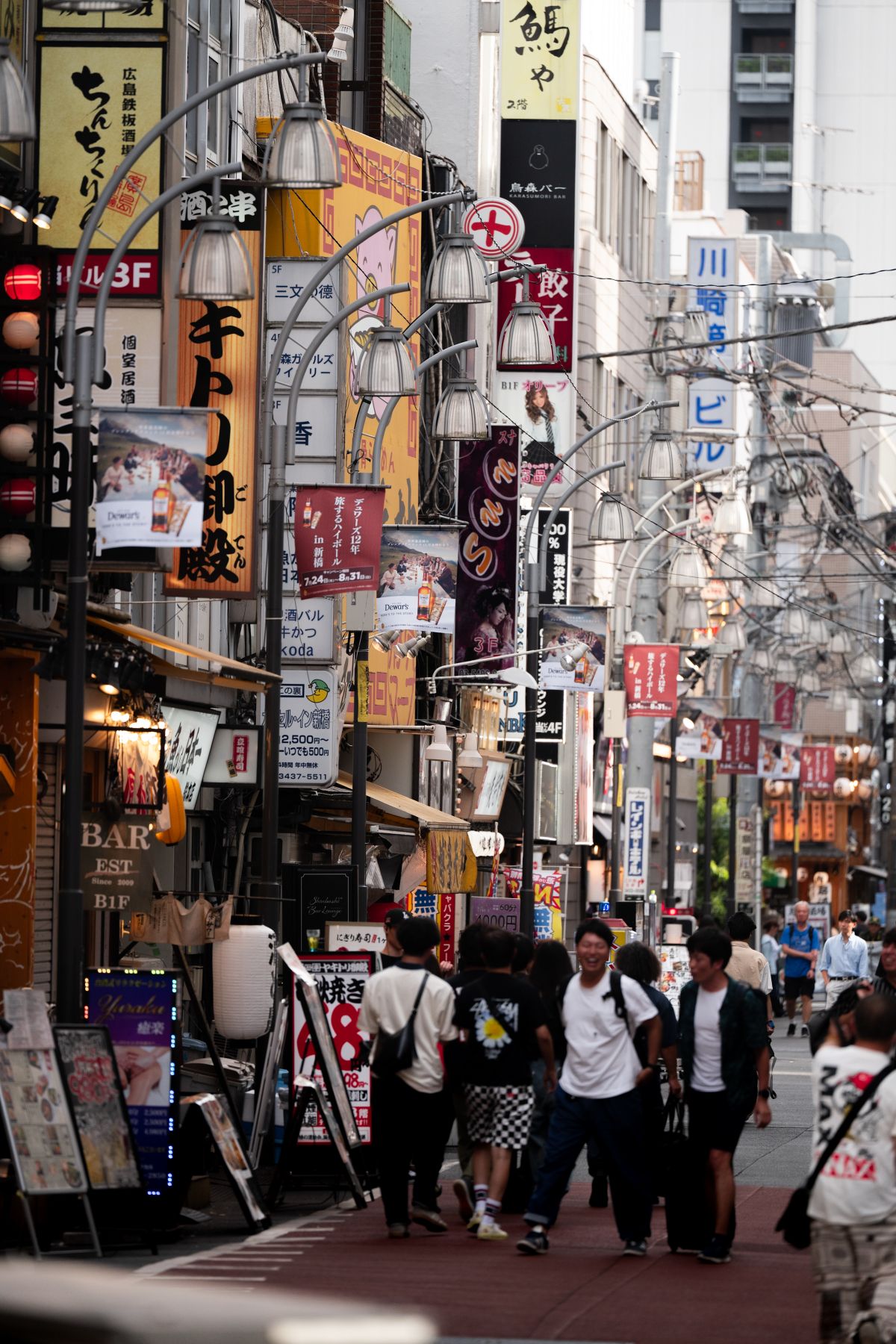
Japanese retail is built around not bothering the customer. Staff will rarely approach you, every item has a clearly displayed price, and at the register the total appears on a customer-facing screen — you never have to understand a spoken number. Watch what locals do: put your money in the small tray rather than handing it over, and take your receipt with two hands. That is genuinely 80% of the etiquette.
The five phrases you actually need
| English | Japanese | Sounds like |
|---|---|---|
| Excuse me | すみません | su-mi-ma-sen |
| How much is this? | これはいくらですか? | kore wa ikura des ka? |
| I’ll take this | これをください | kore o kudasai |
| No bag, thank you | 袋はいらないです | fukuro wa iranai des |
| Can I pay by card? | カードでいいですか? | kaado de ii des ka? |
Bags now cost a few yen by law, so staff will always ask — that mystery question at the konbini register is almost always “do you want a bag?” For more everyday phrases, see our essential Japanese phrases guide.
Reading prices & the 10% tax trap
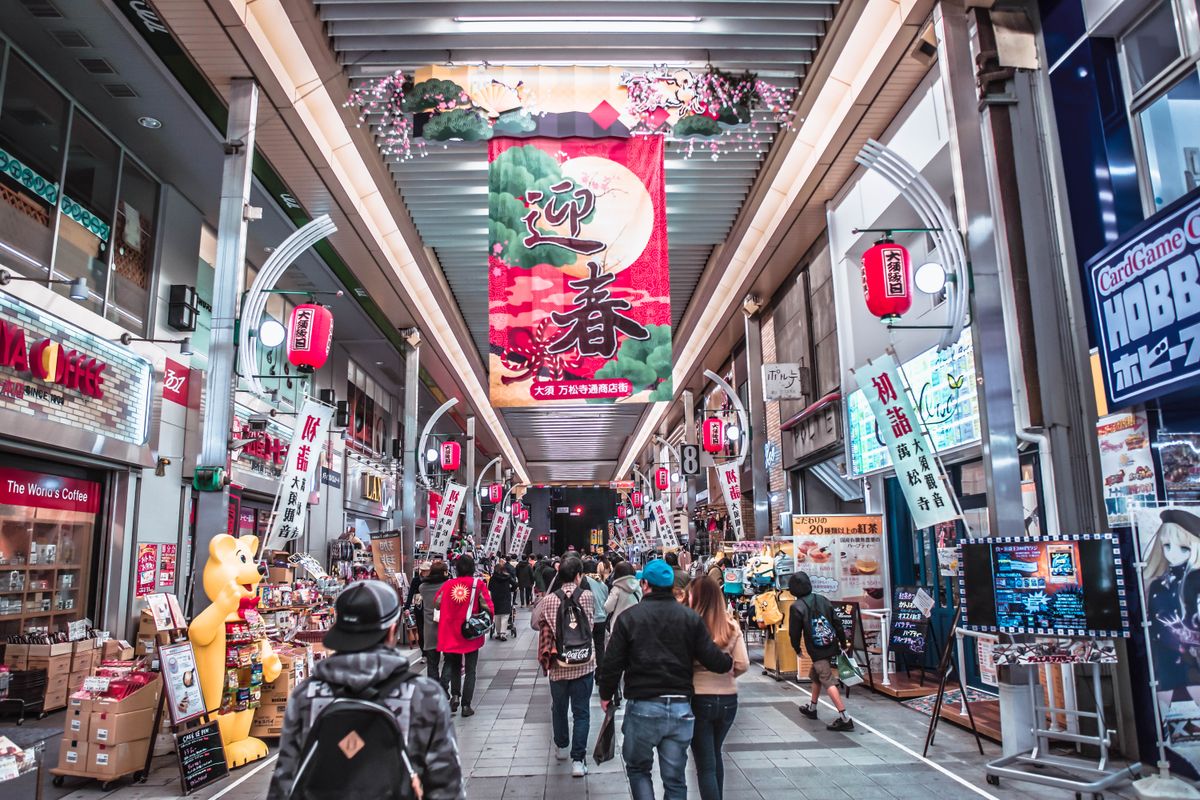
Prices are in Arabic numerals everywhere, so reading them is easy. The catch: many stores display the pre-tax price in big numbers with the tax-included price in small print (look for 税込 “tax included” vs 税抜 “tax excluded”). Consumption tax is 10% (8% on food and drinks to take away). If the big number seems suspiciously cheap, the register total is the small number. Budgeting your whole trip? Try our Japan trip cost calculator.
The real barrier: labels — and how to beat it
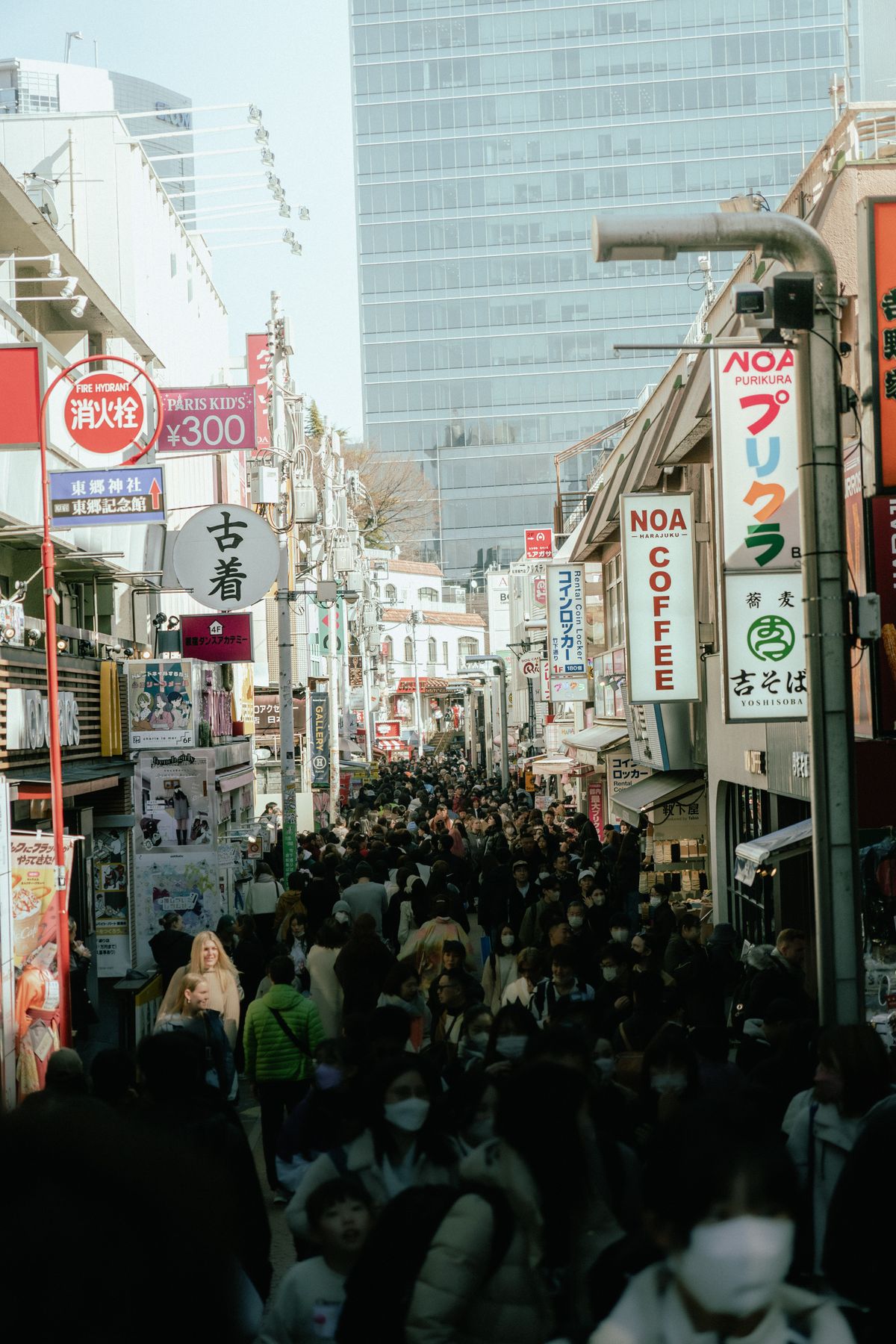
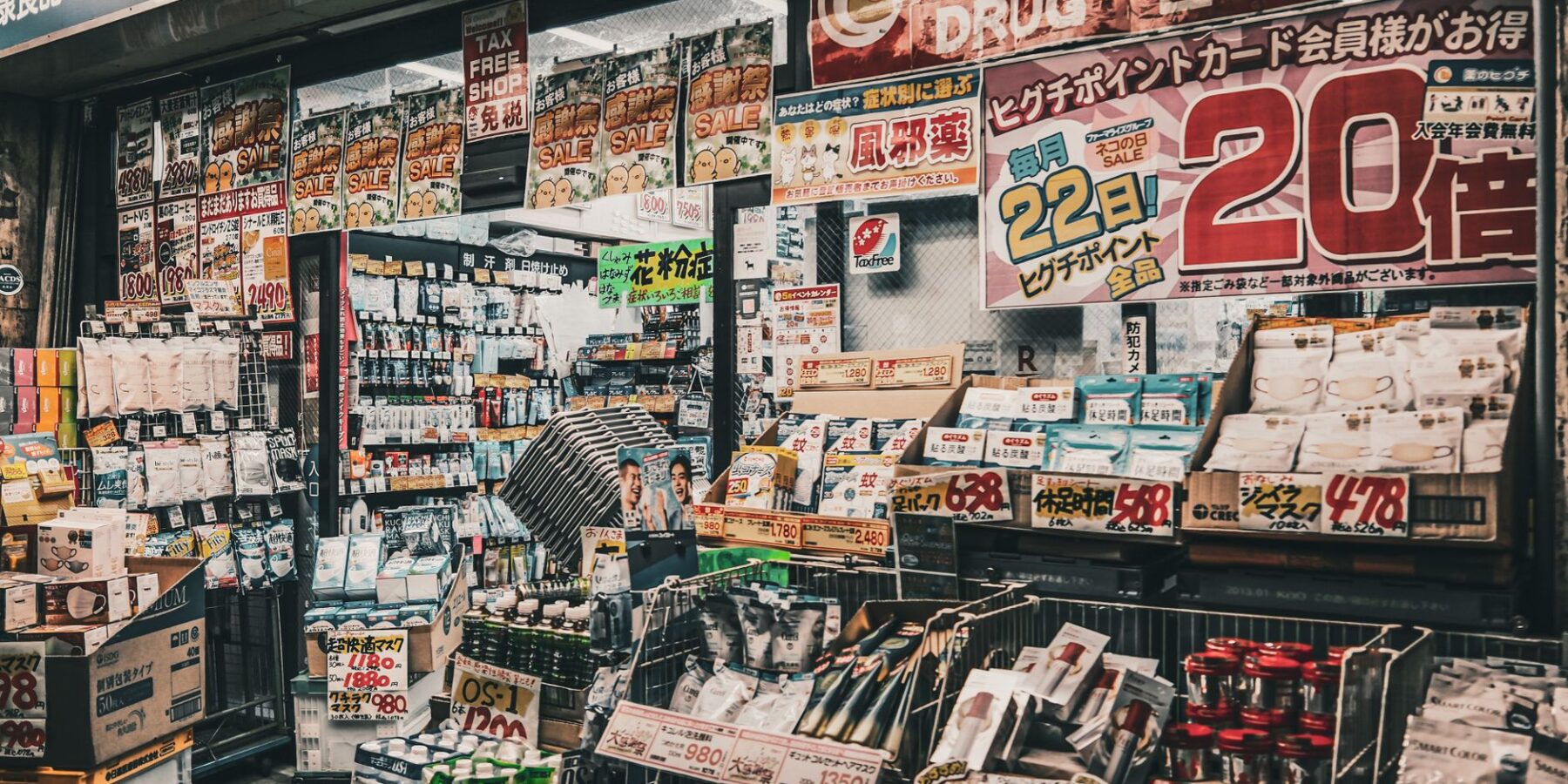
The place travelers actually get stuck is not the register — it is the shelf. Is this shampoo or conditioner? Does this snack contain peanuts? Is this “medicine” for a cold or for hay fever? Package design won’t save you, and store staff often can’t explain in English.
This is exactly what Hirameki Japanese is for: point the camera at the label and read it in English on the spot. It works fully offline, so it keeps working in basement food halls and rural drugstores with no signal, and the furigana + romaji overlays let you read product names aloud to staff. It is free, with no login — install it before you fly. (If you also want data everywhere for maps and price-checking, pair it with an Airalo Japan eSIM.)
Tax-free shopping for tourists
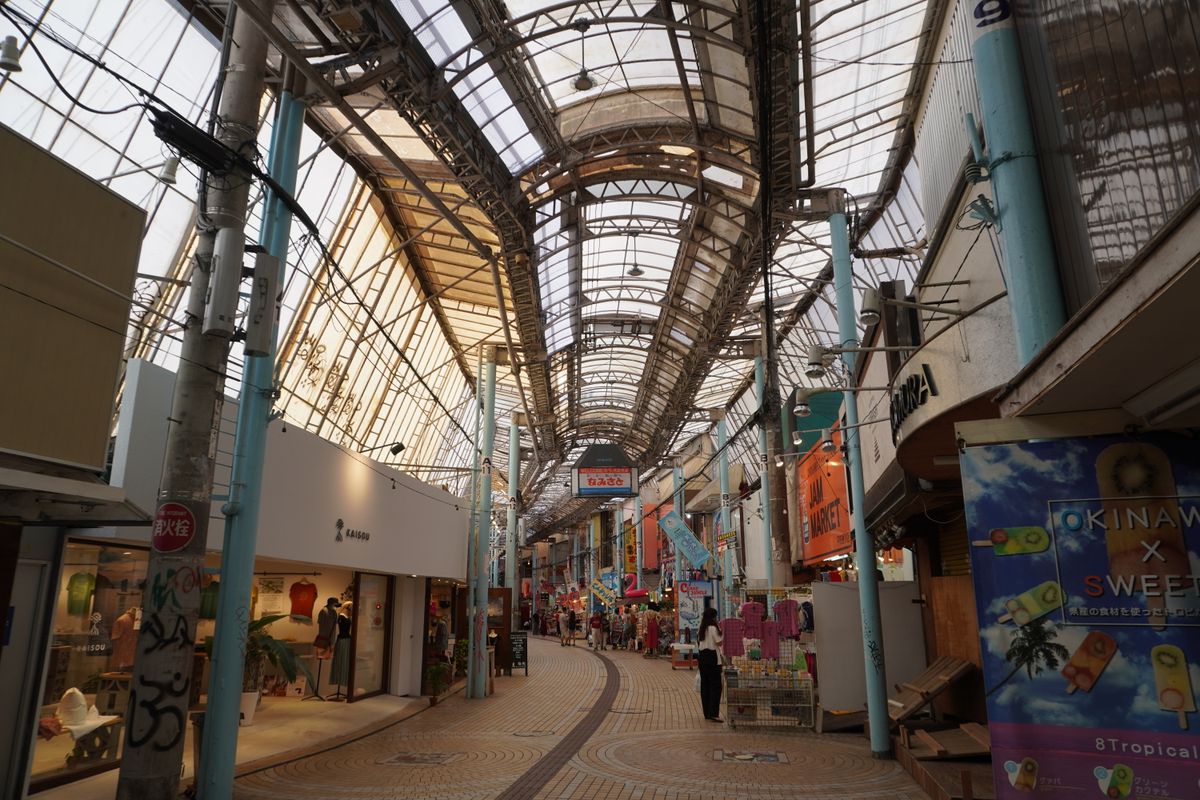
Spend ¥5,000+ (pre-tax) in one store in one day and many shops can deduct the 10% consumption tax on the spot — look for the “Japan. Tax-Free Shop” logo, bring your physical passport (a photo is not accepted), and note that consumables get sealed in a bag you must not open in Japan. Department stores handle it at a dedicated counter, usually with English-speaking staff.
Planning where to spend it? See our Ginza shopping guide and konbini guide.
Frequently asked questions
Can I shop in Japan without speaking Japanese? Yes — prices are displayed, register totals are shown on screen, and camera translation covers labels and packaging.
Do stores in Japan take credit cards? Most city stores yes, plus IC cards (Suica/Pasmo) for small purchases — but carry some cash for small shops and markets. See our IC card guide.
Why was the register total higher than the shelf price? The shelf showed the pre-tax price; 10% consumption tax (8% for takeaway food) is added at the register.
How do I know what a product is if I can’t read the label? Use Hirameki’s camera translation — point at the label and read it in English instantly, even offline.
How does tax-free shopping work? Spend ¥5,000+ pre-tax in one store, show your physical passport at the tax-free counter, and don’t open sealed consumables while in Japan.
🗾 Planning your trip? Get our free 7-Day Japan Itinerary (PDF)
Day-by-day Tokyo → Kyoto → Osaka plan with real prices and essential phrases — sent straight to your inbox.
Going to Japan? Talk to locals with confidence.
Hirameki Japanese — instant offline translation, camera translation, furigana + romaji, and 314 free flashcards. No login. Works without internet.

Plan your Japan trip
Two things every first-timer should book
Some links are affiliate links. If you book through them we may earn a small commission at no extra cost to you.