Imagine stepping off a train into a green river valley, lacing up your shoes, and walking an ancient stone-and-earth path between two perfectly preserved Edo-era post towns, past waterfalls, cedar forests, and wooden inns where samurai and merchants once rested. That is the Kiso Valley, and the gentle walk between the post towns of Magome and Tsumago along the old Nakasendo highway is one of the most rewarding and beginner-friendly experiences in all of rural Japan.
This guide is written for first-time visitors who want a taste of historic, small-town Japan without a difficult hike or complicated logistics. We will explain what the Nakasendo and the Kiso Valley actually are, walk you through the famous Magome-to-Tsumago trail, cover the other post towns worth seeing, and give you the practical details: how to get there, where to stay, what it costs in yen and US dollars, when to go, and the clever luggage service that makes the whole day effortless.
What Is the Nakasendo and the Kiso Valley?
During the Edo period (1603 to 1868), Japan was connected by five great highways radiating from the capital. The Nakasendo, meaning “the road through the central mountains,” was the inland route linking Edo (modern Tokyo) with Kyoto, an alternative to the coastal Tokaido. Travelers, merchants, pilgrims, and feudal lords with their processions walked this road, and to serve them, a chain of shukuba, or post towns, grew up roughly a day’s walk apart. Each offered lodging, food, and rest before the next stretch.
The Kiso Valley is a mountainous, forested section of the Nakasendo in the Kiso district of Nagano Prefecture, famous for its towering Kiso cypress trees and its exceptionally well-preserved post towns. While most of old Japan was modernized, paved over, or rebuilt, several towns here were lovingly protected, their wooden buildings, water channels, and stone paths kept much as they were two centuries ago. Walking even a short section of the Nakasendo here is the closest most travelers will come to stepping physically into Japan’s pre-modern past. For a sense of how this fits into a broader trip, our Japan destinations guide can help you slot it into your route.
Why the Magome-to-Tsumago Walk Is Perfect for First-Timers
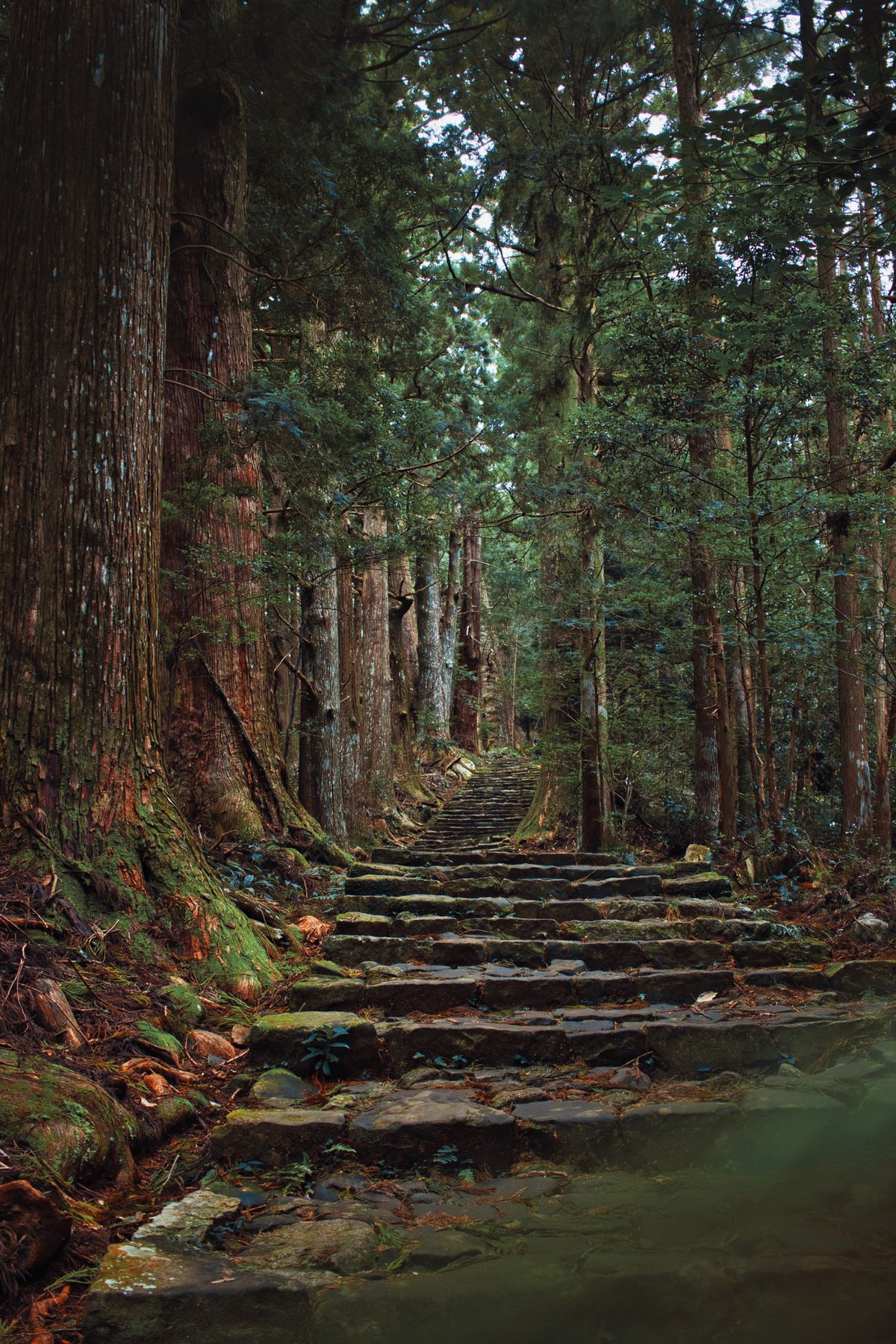
Of all the surviving stretches of the Nakasendo, the roughly 8-kilometer (5-mile) walk between Magome and Tsumago is by far the most popular, and for good reason. It is short enough to finish comfortably in two and a half to three hours, the route is clearly signposted in English, and it passes through gorgeous, varied scenery without demanding any mountaineering skill. There are a couple of modest uphill stretches, but no technical climbing, no exposure, and frequent rest stops.
What makes it special for a first-time visitor is the payoff at each end. You begin or finish in a beautifully preserved post town, walk through forest, terraced rice fields, and tiny hamlets in between, and pass waterfalls, old teahouses, and stone markers along the way. You do not need a guide, you do not need special gear beyond comfortable shoes, and you can send your luggage ahead so you walk with just a daypack. It is, in short, a low-stress way to experience rural Japan on foot. New to navigating Japan in general? Our first-timer travel tips cover the basics that make days like this run smoothly.
The Post Towns of the Kiso Valley
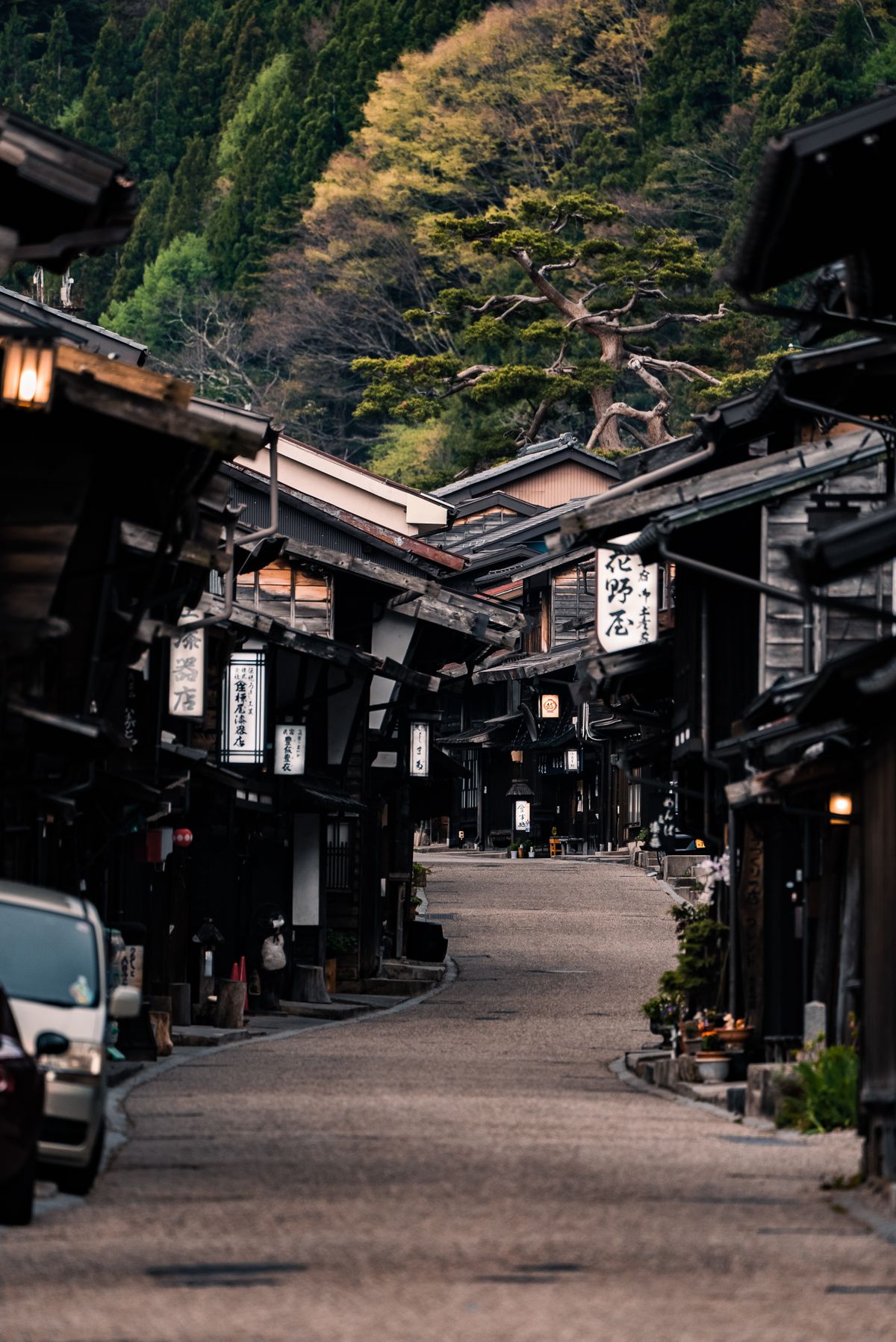
While Magome and Tsumago are the headliners, the Kiso Valley has several post towns, each with its own character. Visiting two or three gives you a fuller picture of life along the old highway.
Magome-juku
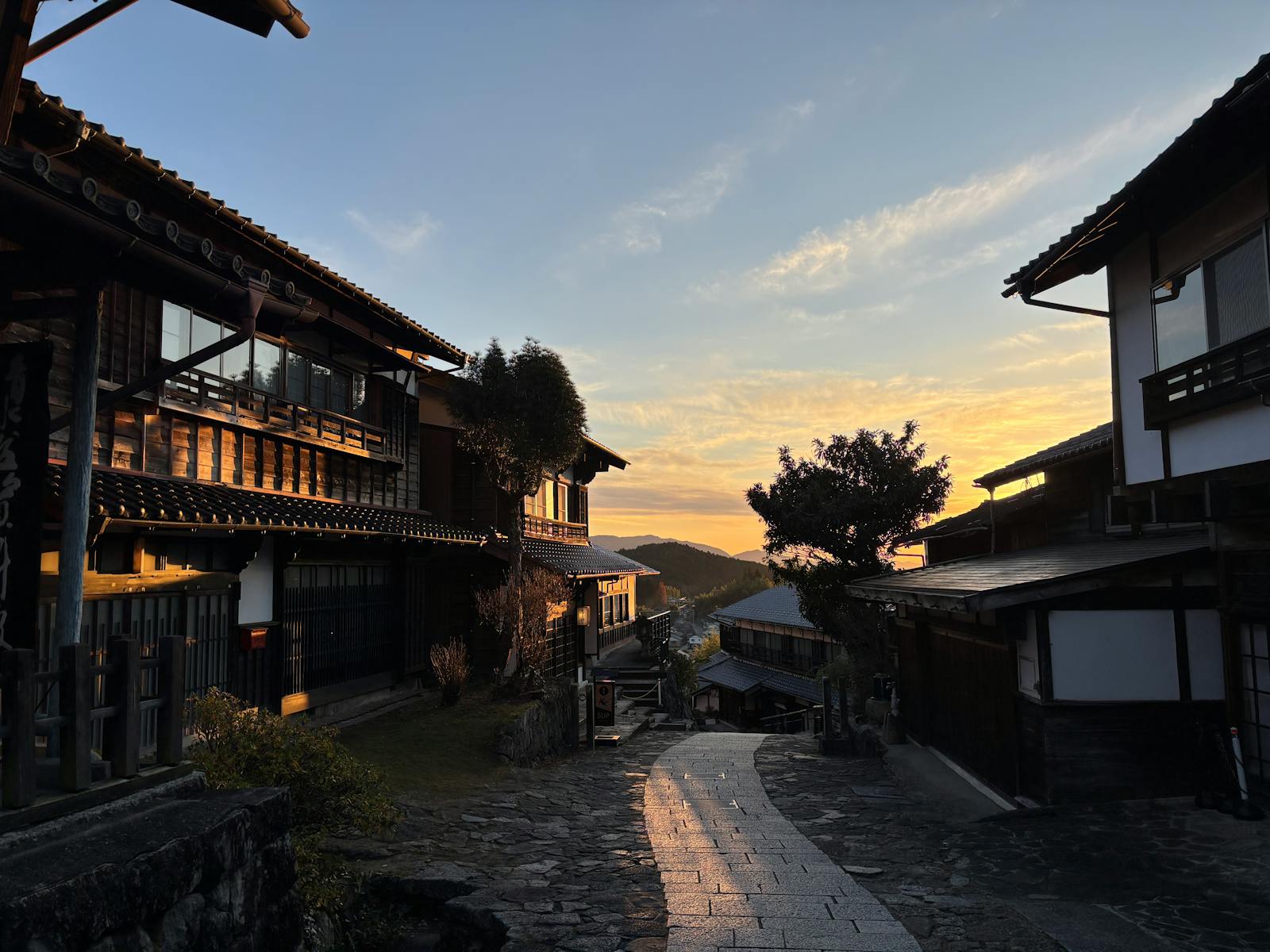
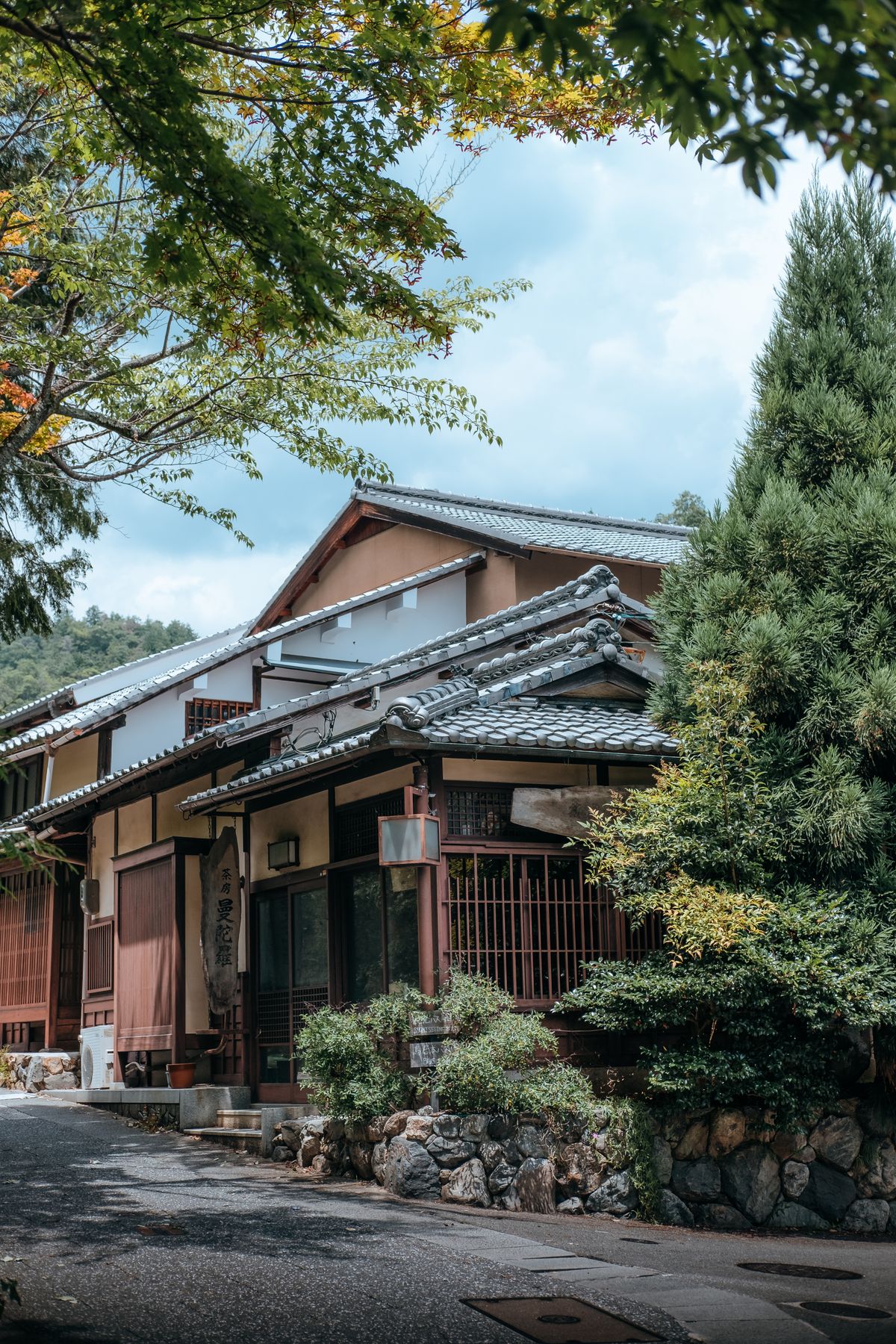
Built on a steep slope, Magome is a sloping stone-paved street lined with wooden shops, water wheels, and inns, climbing the hillside with views out toward the mountains on clear days. Because it sits on a hill, it has wonderful viewpoints, and its many cafes and souvenir shops make it a lively, welcoming starting point.
Tsumago-juku
Tsumago is often called the most perfectly preserved post town in Japan. Cars are hidden, power lines are buried, and vending machines are disguised, so the main street looks astonishingly close to how it did in the Edo period. The effect is quietly magical, especially in the early morning or evening when the day-trippers have gone.
Narai-juku
Farther north, Narai was once the wealthiest post town, known as “Narai of a Thousand Houses.” Its long, atmospheric main street is lined with beautifully maintained wooden buildings, lacquerware shops, and old wells. It is less visited than Magome and Tsumago, making it a rewarding addition if you have extra time.
Kiso-Fukushima and Others
Kiso-Fukushima was a major checkpoint town and is a useful base with rail connections and onsen. Smaller towns like Yabuhara and Nojiri round out the valley for those who want to walk longer, quieter sections of the Nakasendo away from the crowds.
Walking the Magome-to-Tsumago Trail, Step by Step
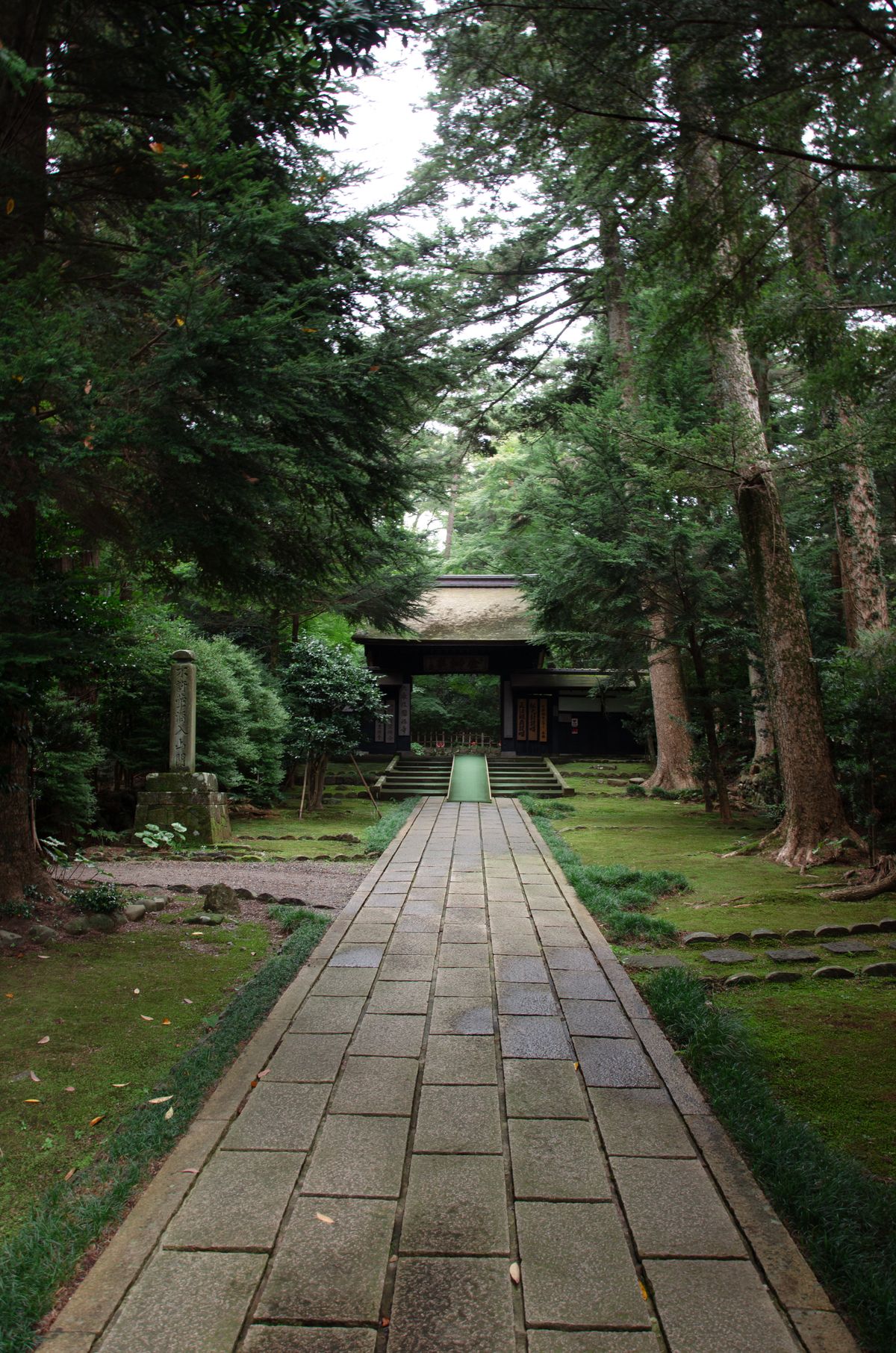
Most walkers start in Magome and finish in Tsumago, because this direction involves slightly less total climbing: you ascend to the Magome Pass relatively early, then enjoy a long, gentle descent into Tsumago. Here is how the day typically unfolds.
From Magome to the pass. Leaving the top of Magome’s sloping street, you follow signs out of town. The first 45 minutes or so are the main climb, a steady but manageable ascent along a mix of quiet paved lanes and forest path up to the Magome Pass (Magome-toge), at around 800 meters. Along the way you pass viewpoints, small shrines, and stone markers.
Over the pass and into the forest. After the pass, the route turns into classic Nakasendo walking: shaded cedar forest, mossy stone sections, and the sound of running water. You will pass a free rest house and the famous Otaki and Metaki waterfalls, a pair of cascades just off the trail. Throughout this stretch you will see bells mounted along the path; these are bear bells, and you are encouraged to ring them as you pass to alert any wildlife to your presence.
Through hamlets to Tsumago. The trail emerges into open countryside, passing tiny farming hamlets, terraced fields, and a beautifully preserved old teahouse where, in season, a volunteer may serve you free tea by an open hearth. From here it is a gentle downhill walk into Tsumago, where the modern world falls away and you arrive on a street that looks two centuries old.
The full walk covers about 8 kilometers and takes most people two and a half to three hours at a relaxed pace with photo stops. It is well worth lingering, since the journey, not the destination, is the point.
What to See and Do Along the Way
Beyond the walk itself, the Kiso Valley rewards curiosity. In Magome, visit the small museum dedicated to the writer Shimazaki Toson, whose novel Before the Dawn immortalized the area, and pause at the hilltop viewpoints. In Tsumago, step inside the Waki-honjin and Honjin, the restored lodgings that once housed traveling lords, to see how Edo-period inns were arranged.
Where to Stay: Minshuku and Ryokan in the Kiso Valley
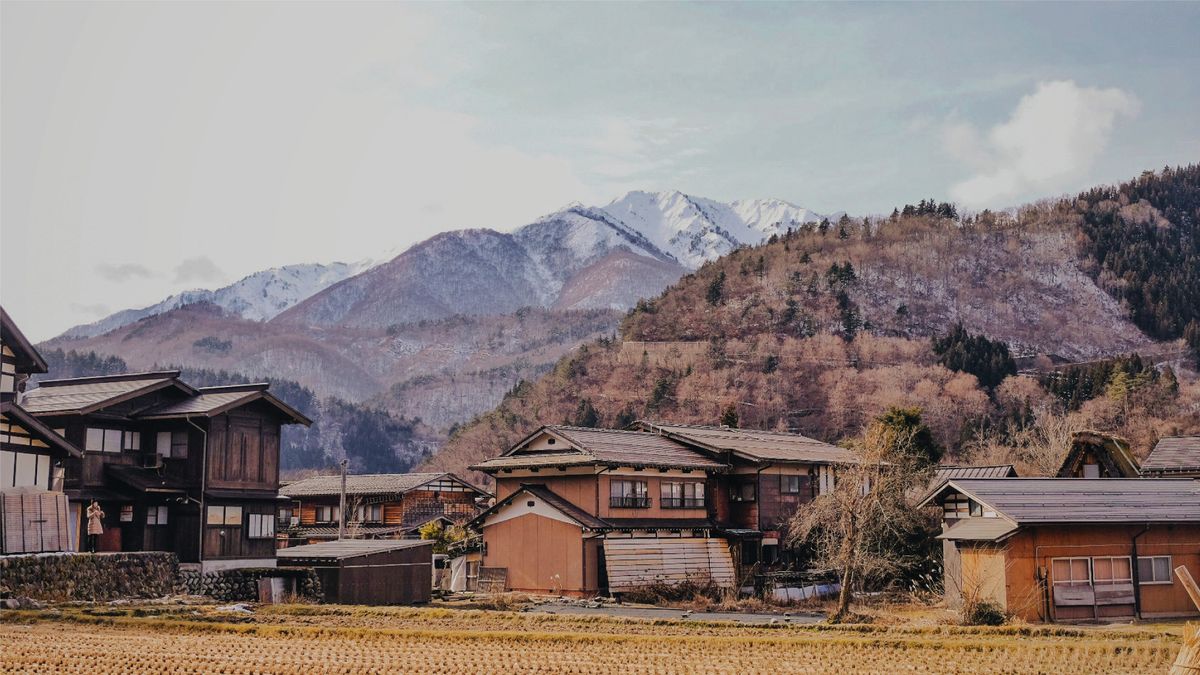
While many people walk the trail as a day trip, the magic of the Kiso Valley deepens if you stay the night, because the post towns transform once the tour buses depart. The classic choice is a minshuku, a small family-run guesthouse, or a traditional ryokan, both offering tatami rooms, futon bedding, and home-cooked meals featuring local mountain specialties.
Tsumago and Magome both have a handful of these inns, and there are more in Kiso-Fukushima and Narai. A night in a minshuku with dinner and breakfast typically costs ¥9,000–¥15,000 (about $58–$97) per person, while a nicer ryokan runs higher. Rooms are limited and book up well in advance, especially in autumn foliage season, so reserve early. You can compare available inns and nearby hotels in towns like Nakatsugawa and Kiso-Fukushima on Agoda, which is handy if the small in-town guesthouses are full.
Staying overnight also lets you start your walk early, before the crowds, and enjoy a quiet evening stroll through streets lit by lanterns rather than camera flashes. For many travelers, that peaceful evening in Tsumago is the highlight of the whole experience.
What to Eat in the Kiso Valley
Mountain food is the soul of Kiso cuisine, shaped by a region with little flat farmland and long, cold winters. The signature dish is gohei-mochi, pounded rice shaped onto a skewer, coated in a sweet-savory walnut or sesame miso sauce, and grilled over charcoal; you will smell it before you see it, sold at stalls in both Magome and Tsumago for around ¥300–¥500 (about $2–$3) each.
Other local specialties include soba (buckwheat noodles), which thrive in the cool highland climate, sansai (wild mountain vegetables) served in tempura or simmered dishes, freshwater fish like ayu grilled on skewers, and oyaki, grilled or steamed dumplings filled with vegetables. In autumn, look for kuri (chestnut) sweets, a regional point of pride. Pair any of it with local sake from one of the valley’s small breweries. Most of these treats are inexpensive, making the Kiso Valley a delight for budget-conscious food lovers.
How to Get to the Kiso Valley
The trailheads are easiest to reach via the towns of Nakatsugawa (closest to Magome) and Nagiso (closest to Tsumago), both on the JR Chuo Line.
From Nagoya: Take the JR Limited Express Shinano toward Nakatsugawa (about 50 minutes, around ¥2,600 / $17), then a short local bus to Magome (about 30 minutes, around ¥580 / $4).
From Tokyo: Take the Tokaido Shinkansen to Nagoya (about 1 hour 40 minutes), then the Shinano limited express as above, for roughly 3 to 3.5 hours total. Alternatively, approach from Matsumoto in the north.
From Kyoto or Osaka: Travel to Nagoya by shinkansen, then continue as above. A Japan Rail Pass or regional pass can cover much of this. To weigh up whether a rail pass makes sense for your trip, see our shinkansen and rail travel guide. At the end of your walk, a bus connects Tsumago with Nagiso Station for your onward train.
The Luggage Forwarding Service That Makes the Day Easy
One of the best-kept secrets of the Magome-to-Tsumago walk is the seasonal luggage forwarding service between the two post towns. During the main walking season, you can drop your bag at the tourist information office in Magome in the morning and collect it in Tsumago that afternoon, for a modest fee of around ¥1,000 (about $7) per bag. This means you can carry only a light daypack with water, snacks, and a camera while you walk, and reunite with your luggage at the other end.
It is a small thing, but it transforms the experience, especially if you are traveling with a suitcase between cities. Check the current dates and hours at the tourist office, as the service typically runs from late March through November. If you are staying overnight, your inn can often advise on luggage logistics too.
Best Time to Walk and What It Costs
The Kiso Valley is beautiful year-round, but each season offers something different. Autumn (October to mid-November) is the showstopper, when the maples and larches blaze red and gold; it is also the busiest, so book lodging early. Spring (April to May) brings fresh green, cherry and plum blossoms, and comfortable walking temperatures. Summer is lush and cooler than the cities thanks to the elevation, though it can be humid and sees occasional afternoon showers.
Winter is quiet and atmospheric, with snow dusting the wooden rooftops, but parts of the trail can be icy, so proper footwear is essential and some services pause. For most first-timers, late spring and autumn are the sweet spots.
Costs are refreshingly reasonable. As a rough day-trip budget from Nagoya, including round-trip train and bus fares, lunch, snacks, and the luggage service, you might spend ¥6,000–¥9,000 (about $39–$58) per person. Add an overnight minshuku stay with two meals and the total for a memorable one-night trip still lands in very good value territory compared with Japan’s big cities. Before you set off, arranging a Japan eSIM ensures your maps and translation apps work even in the valley, where signs are bilingual but mobile data still helps with timetables.
A Suggested Kiso Valley Itinerary
Option A (day trip): Take an early train to Nakatsugawa and a bus to Magome. Explore Magome’s sloping street, then walk the trail to Tsumago over the late morning and early afternoon, stopping at the waterfalls and the free teahouse. Wander Tsumago, visit the honjin lodgings, then catch a bus to Nagiso for your onward train.
Option B (overnight): Arrive in the afternoon and explore Magome at a relaxed pace, staying the night in a local minshuku. Set off early the next morning to walk to Tsumago before the crowds, with your luggage forwarded ahead. Spend the afternoon enjoying a near-empty Tsumago before continuing your journey, or add a third day to visit Narai and the cypress forests to the north.
Practical Tips for Walking the Nakasendo
- Walk Magome to Tsumago for less climbing; this direction tackles the pass early and descends gently into Tsumago.
- Wear comfortable shoes with grip. Trail runners or light hiking shoes are ideal; the stone sections can be slick after rain.
- Use the luggage forwarding service (late March to November) so you can walk with just a daypack.
- Carry water and cash. There are few shops on the trail itself, and small inns and stalls may not take cards.
- Ring the bear bells along the path; they are there to alert wildlife, and using them is normal and encouraged.
- Start early if you want quiet trails and crowd-free photos in the post towns.
- Check bus and train times in advance, as rural services are infrequent; missing one can mean a long wait.
- Stay overnight if you can, to experience Tsumago and Magome after the day-trippers leave.
- Pack a light rain layer, since mountain weather changes quickly, especially in summer.
- Be respectful in the post towns, which are living communities; keep noise down and do not enter private areas.
A Brief History of Life on the Nakasendo
To walk the Kiso Valley with real appreciation, it helps to picture the road in its heyday. In the Edo period, the Nakasendo was one of the busiest arteries in the country. Feudal lords were required to travel periodically to the capital in grand processions under a system known as sankin-kotai, and these retinues, sometimes hundreds strong, needed food and lodging at regular intervals. The post towns existed to serve them, and a strict hierarchy of accommodation grew up: the honjin for lords and officials, the waki-honjin as a secondary high-status inn, and ordinary hatago for merchants, pilgrims, and porters.
The Kiso section was particularly challenging, squeezed between steep mountains, which is why so many closely spaced post towns developed here. Checkpoints like the one at Kiso-Fukushima controlled the flow of people and goods, and guards inspected travel documents carefully. When the railways and modern roads arrived in the late 19th and 20th centuries, the old highway lost its purpose, and many post towns faded. The Kiso Valley’s good fortune was that several towns, especially Tsumago and Narai, were recognized early as treasures worth preserving, and dedicated local efforts protected them from demolition and modernization. Walking here today, you are quite literally retracing the footsteps of lords, monks, and merchants from four centuries ago.
The Kiso Cypress and the Forests of the Valley
The Kiso Valley is inseparable from its trees. The region is renowned for the Kiso hinoki, a prized Japanese cypress so valuable that during the Edo period its logging was strictly controlled; cutting certain trees without permission could carry severe penalties, giving rise to the saying that one tree was worth one head. This precious timber was used to build temples, shrines, and even portions of the great sanctuaries at Ise, which are rebuilt periodically using Kiso wood.
As you walk the Nakasendo, you pass through stands of towering cedar and cypress whose straight trunks rise like columns, the forest floor soft with moss and fallen needles. The air is cool, fragrant, and noticeably fresher than in the cities. If you have an extra day, the Akasawa Natural Recreation Forest near Agematsu is one of the most beautiful cypress woodlands in Japan and is considered a birthplace of forest bathing, the practice of slowing down and absorbing the calm of the woods. Even on the main trail, simply pausing to breathe among these ancient trees is part of what makes the walk so restorative.
Festivals and Seasonal Events
The Kiso Valley keeps its traditions alive through the year, and timing your visit to a local event adds another dimension. In late November, Tsumago and Magome hold autumn processions and harvest-themed events. One of the most evocative is the Bunka Bunsei Fuzoku Emaki procession in Tsumago, when locals dress in Edo-period costume and parade through the old street, briefly turning the town into a living history scene.
Spring brings cherry and plum blossoms and the quiet bustle of rice planting in the terraced fields around the hamlets. Summer sees small shrine festivals and the green intensity of the surrounding forest. Autumn, with its fiery foliage, is the peak for both scenery and visitor numbers. Even outside festival days, the seasonal rhythm, blossoms, green paddies, golden leaves, snow, gives the same trail a completely different character each time you walk it.
Walking Longer Sections of the Nakasendo
If the Magome-to-Tsumago walk leaves you wanting more, the Kiso Valley offers plenty of additional trail for keener walkers. North of Tsumago, you can continue toward Nojiri and beyond, and the stretch between Narai and Yabuhara over the Torii Pass is a rewarding, less-crowded section through deep forest. Some travelers string together several days of walking, staying in a different post town each night and sending luggage ahead, to experience the road the way Edo-period travelers did.
For most first-timers, the classic Magome-to-Tsumago section is the perfect introduction, but it is good to know the wider network exists. Multi-day Nakasendo itineraries are increasingly popular with international visitors precisely because they combine gentle walking, cultural immersion, comfortable inns, and excellent food, without the difficulty of high-mountain hiking. You can walk as little or as much as you like and still feel you have touched something authentic.
Respecting the Living Post Towns
It is easy to forget, amid the photogenic streets, that Tsumago, Magome, and Narai are real communities where people live and work. The exceptional preservation you enjoy is the result of decades of local commitment, and visitors are asked to tread lightly. Keep your voice down, especially in the early morning and evening, do not enter private gardens or homes, and ask before photographing residents. Carry your trash with you, since bins are scarce, and support the towns by buying from local shops and staying in local inns.
These small courtesies matter. The reason the Kiso Valley still feels genuine, rather than like a theme park, is that the balance between tourism and everyday life has been carefully maintained. Travelers who arrive with respect help keep it that way for the next generation of walkers on the old road.
What to Pack for the Kiso Valley
The beauty of this walk is how little you need. The essentials are comfortable, broken-in walking shoes with good grip, a small daypack, water, a few snacks, and a layer for changing weather. In spring and autumn, mornings can be cool while afternoons warm up, so dress in layers you can add or remove. A light, packable rain jacket is wise in any season, as mountain showers arrive quickly. Sun protection and a hat help on the open stretches between forests.
If you are staying overnight, your minshuku or ryokan will usually provide yukata, towels, and basic toiletries, so you can travel light and forward your main luggage between towns. A portable charger keeps your phone alive for navigation and the inevitable hundreds of photos, and a small cloth or handkerchief is handy in the Japanese style for drying your hands. Trekking poles are unnecessary for the gentle Magome-to-Tsumago route, though some walkers like them for the descent. Above all, pack light, since the entire experience is designed around walking unencumbered.
Combining the Kiso Valley with Nearby Destinations
The Kiso Valley pairs naturally with several other highlights, making it easy to fold into a wider itinerary rather than treating it as an isolated detour. To the north lies Matsumoto, home to one of Japan’s finest original castles, with its striking black keep, less than two hours away and an excellent base or next stop. From Matsumoto you can also reach the alpine scenery of Kamikochi in season.
To the south, Nagoya is the regional hub and the gateway by shinkansen, with its own castle, gardens, and famous food culture. Travelers heading west can continue toward Kyoto and the rest of Kansai, while those heading east can return to Tokyo in a few hours. Within the valley itself, combining the Magome-to-Tsumago walk with a visit to the preserved street of Narai and the cypress forest at Akasawa makes for a deeply satisfying two-to-three-day rural escape. Because the Kiso Valley sits roughly between Tokyo, Nagoya, and the Japan Alps, it slots neatly into many classic routes without backtracking, which is part of its appeal for first-time visitors trying to see a range of landscapes efficiently.
Money, Connectivity, and Language on the Trail
The Kiso Valley is rural, so a little preparation goes a long way. Carry enough cash for the day, as many small inns, stalls, and the luggage service prefer it, and ATMs are limited once you leave the larger towns; the post offices and convenience stores in Nakatsugawa and Kiso-Fukushima are your most reliable options for withdrawals. Credit cards are accepted at some shops and hotels but should not be relied on for everything.
Mobile coverage along the main trail is generally good, but having a working data connection genuinely helps for checking the sparse bus and train timetables, translating menus, and following the route. Setting up an eSIM before you arrive saves you from hunting for connectivity in the valley. As for language, the popularity of the Magome-to-Tsumago section means signage, trail markers, and many menus are bilingual, and people working in tourism are used to international visitors. A few polite Japanese phrases are always appreciated, but you can comfortably walk this route with no Japanese at all, which is exactly why it suits first-timers so well.
Photography Tips for the Post Towns
Few places in Japan are as rewarding to photograph as Tsumago and Magome, and a little timing makes a big difference. The golden hours, just after sunrise and before sunset, bathe the wooden facades in warm light and, crucially, come before and after the busiest crowds, so you can capture the streets nearly empty. Staying overnight is the single best way to get those magical, people-free shots of Tsumago’s main street.
Look for the details as well as the wide views: the water wheels and troughs, the lattice windows, the hanging shop signs, the stone paving slick after rain, and the lanterns at dusk. On the trail, the waterfalls and the moss-covered stone sections photograph beautifully in soft, overcast light. Be mindful and respectful when residents or their homes are in frame, and avoid blocking the narrow streets for your shot. With a phone or a simple camera and a bit of patience for the light, you will come away with images that look like they belong in another century.
Walking with Children, Families, and Older Travelers
One of the reasons the Magome-to-Tsumago trail is so widely recommended is that it works for a broad range of fitness levels and ages. Families with school-age children manage it comfortably, and the waterfalls, bear bells, and free teahouse keep younger walkers engaged. For older travelers, the absence of steep drop-offs and technical terrain makes it far gentler than a typical mountain hike, though the cobbled and stone sections do require steady footing, so a relaxed pace and good shoes matter.
If a full walk feels like too much, you do not have to do it all. You can explore Magome and Tsumago individually by bus without walking between them, or walk just the easier downhill portion. Some visitors walk only the first scenic stretch out of one town and then double back. There is no obligation to complete the entire route to feel you have experienced the Kiso Valley, and tailoring the day to your group’s comfort is part of the charm. Buses connecting the two towns and their stations give you flexible bail-out points throughout the day.
A Final Word on Slow Travel
In a country famous for its bullet trains and dazzling cities, the Kiso Valley invites you to do the opposite: to slow down, walk at the speed of footsteps, and notice the small things, the scent of cypress, the rush of a stream, the creak of an old wooden inn. For first-time visitors, this contrast is precisely what makes the experience so memorable. After the intensity of Tokyo or Kyoto, a day on the Nakasendo feels like exhaling. It reminds you that some of Japan’s deepest pleasures are quiet, rural, and unhurried, and that the journey itself, one step at a time along a centuries-old road, can be the most rewarding destination of all.
Frequently Asked Questions
How long is the Magome-to-Tsumago walk and how hard is it?
The trail is about 8 kilometers (5 miles) and takes most people two and a half to three hours at a relaxed pace. It is considered easy to moderate: there is one main uphill stretch to the Magome Pass near the start, then a long gentle descent. No special equipment or experience is needed beyond comfortable walking shoes, making it ideal for first-timers and families.
Do I need a guide to walk the Nakasendo?
No. The Magome-to-Tsumago route is clearly signposted in English and Japanese, and it is easy to follow on your own. Many people walk it independently. A guide can add historical depth if you want it, but it is entirely optional for this section.
Should I do the Kiso Valley as a day trip or stay overnight?
Both work. A day trip from Nagoya is very doable and lets you walk the trail and see both post towns. However, staying overnight in a minshuku in Tsumago or Magome is special, because the towns become quiet and atmospheric once the day-trippers leave, and you can start walking early before the crowds arrive.
Can I send my luggage so I do not have to carry it?
Yes. During the main season (roughly late March to November), a luggage forwarding service runs between the Magome and Tsumago tourist offices for about ¥1,000 (around $7) per bag. Drop your bag in the morning and pick it up at the other end in the afternoon, so you walk with just a daypack.
When is the best time to visit the Kiso Valley?
Autumn (October to mid-November) is the most spectacular for foliage but also the busiest. Late spring (April to May) offers fresh greenery and pleasant temperatures. Summer is lush and cooler than the cities, while winter is quiet and scenic but can be icy on the trail. For most visitors, spring and autumn are the best choices.
How do I get to Magome and Tsumago by public transport?
Magome is reached via Nakatsugawa Station plus a short bus; Tsumago is reached via Nagiso Station plus a bus. Both stations are on the JR Chuo Line, easily accessed from Nagoya by the Shinano limited express in under an hour, and from Tokyo, Kyoto, or Osaka by shinkansen to Nagoya first.
Are there bears on the trail, and is it safe?
Black bears do live in the forested mountains of the Kiso region, which is why you will see bells mounted along the path. Encounters with walkers are very rare, and the trail is considered safe. Simply ring the bells as you pass, make a little noise, and walk during daylight hours. Many regular walkers also carry a personal bell. These simple precautions are standard practice in rural Japan and are nothing to be anxious about; thousands of visitors walk the route safely every year.
Can I walk the trail if it has been raining?
Yes, though the stone and cobbled sections become slippery, so wear shoes with good grip and take the descents slowly. Light rain can actually make the cedar forest especially atmospheric and the moss vivid green. In heavy rain or after storms, check trail conditions at the tourist office, as sections can occasionally be affected.
Final Thoughts
The Kiso Valley offers something increasingly rare: a chance to walk, at your own pace, through a landscape and a townscape that have survived almost unchanged from another age. The Magome-to-Tsumago trail packs forest, waterfalls, mountain hamlets, and two of Japan’s most beautiful post towns into a single gentle morning, and the practical touches, the bilingual signs, the luggage service, the easy train access, make it wonderfully approachable for a first visit. Lace up your shoes, send your bag ahead, and step onto the old Nakasendo; few experiences connect you so directly to the rhythm of old Japan. For more ideas on building this into a longer journey, explore our wider Japan destination guides.
Going to Japan? Talk to locals with confidence.
Hirameki Japanese — instant offline translation, camera translation, furigana + romaji, and 314 free flashcards. No login. Works without internet.

Plan your Japan trip
Two things every first-timer should book
Some links are affiliate links. If you book through them we may earn a small commission at no extra cost to you.