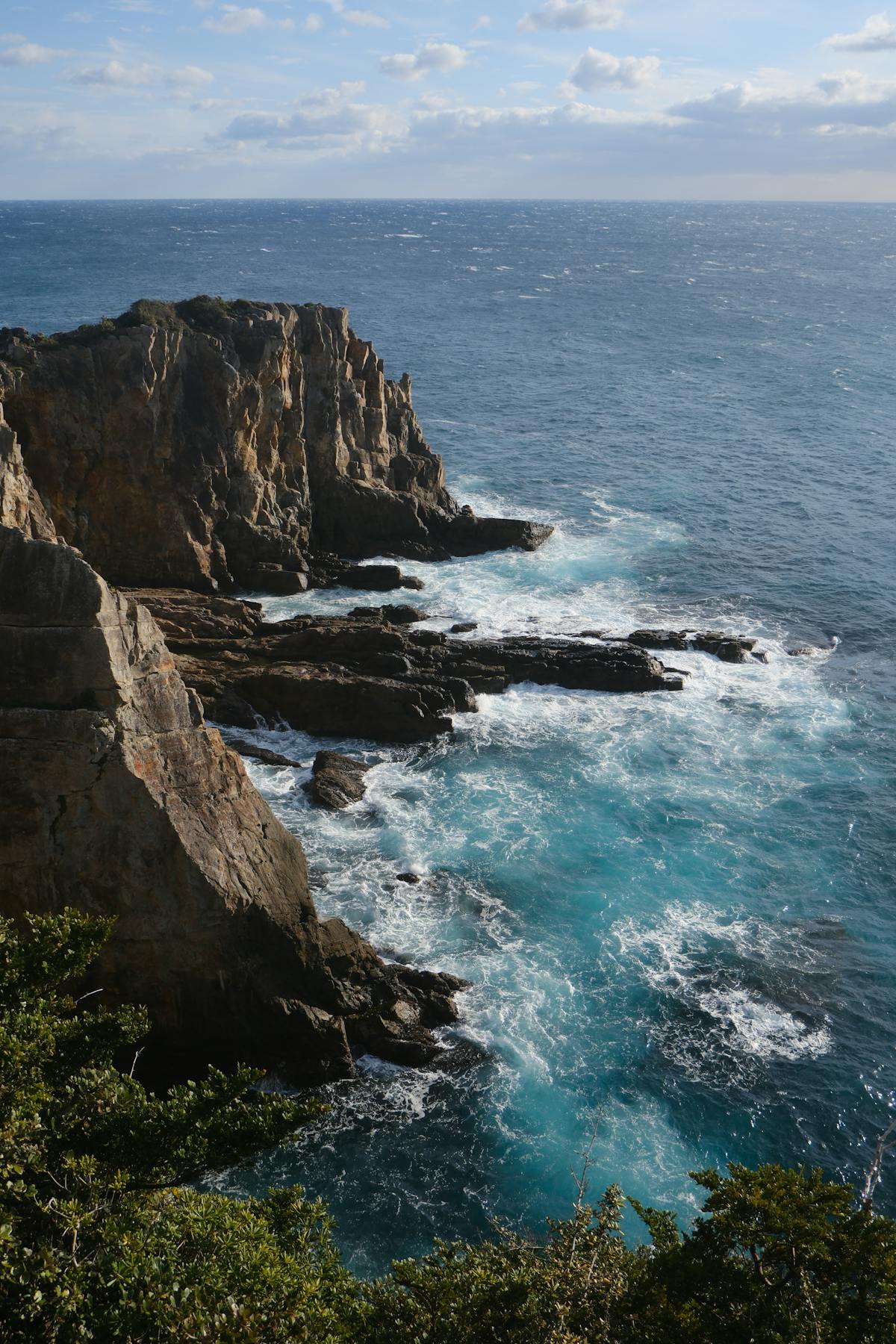
For most first-time visitors, a trip to Japan is mapped out along a familiar line: Tokyo, Kyoto, maybe Osaka, with a bullet train stitching them together. But some of the country’s most unforgettable experiences sit far from that golden route. On the island of Shikoku, the smallest of Japan’s four main islands, the prefecture of Tokushima holds two of them. One is human and joyful: Awa Odori, the largest traditional dance festival in all of Japan. The other is wild and elemental: the Naruto whirlpools, giant ocean vortexes that churn in the strait between Shikoku and Awaji Island.
This guide is written for travelers who have never set foot in Japan and want to understand exactly what Tokushima offers, when to go, how to get there, what it costs, and how to make the most of a visit. We will cover the festival and the whirlpools in detail, then everything practical you need: transport from the major airports, where to stay, daily budgets in both yen and US dollars, and the etiquette that helps you blend in rather than stand out. If you are still shaping your overall plans, our Japan destinations overview is a good companion piece, and absolute beginners should start with our Japan travel tips for first-timers.
Why Tokushima Belongs on Your Japan Itinerary
Tokushima sits in the northeast corner of Shikoku, directly across the water from the Kansai region. That location matters more than it sounds: thanks to the Onaruto and Akashi Kaikyo bridges, Tokushima City is only about two hours by highway bus from Osaka and Kobe, making it one of the easiest “off the beaten path” prefectures to reach from a standard Japan itinerary. You do not need to commit a full week to Shikoku to taste what makes it special. A focused two- or three-day visit is enough to catch the festival or the whirlpools and still leave time for the mountains.
What you get in return is a side of Japan that mass tourism has barely touched. English signage is thinner here, crowds outside festival season are light, and prices for food and lodging run noticeably lower than in Tokyo or Kyoto. Tokushima is also the gateway to the Iya Valley, a dramatic gorge of vine bridges and mountain hamlets, and the starting point of the 88-temple Shikoku pilgrimage that loops around the entire island. Temple Number One, Ryozenji, is in Tokushima Prefecture, so pilgrims in white robes are a common and moving sight.
The prefecture’s identity is built around water and rhythm. The Yoshino River, one of Japan’s three “wild rivers,” cuts across the region and feeds a culture of indigo dyeing (aizome) that once made local merchants wealthy. That merchant prosperity is exactly what funded the extravagance of Awa Odori centuries ago. Today the festival and the natural drama of the Naruto Strait are the two reasons most travelers come, so let us start with the dance.
Awa Odori: Japan’s Most Famous Dance Festival
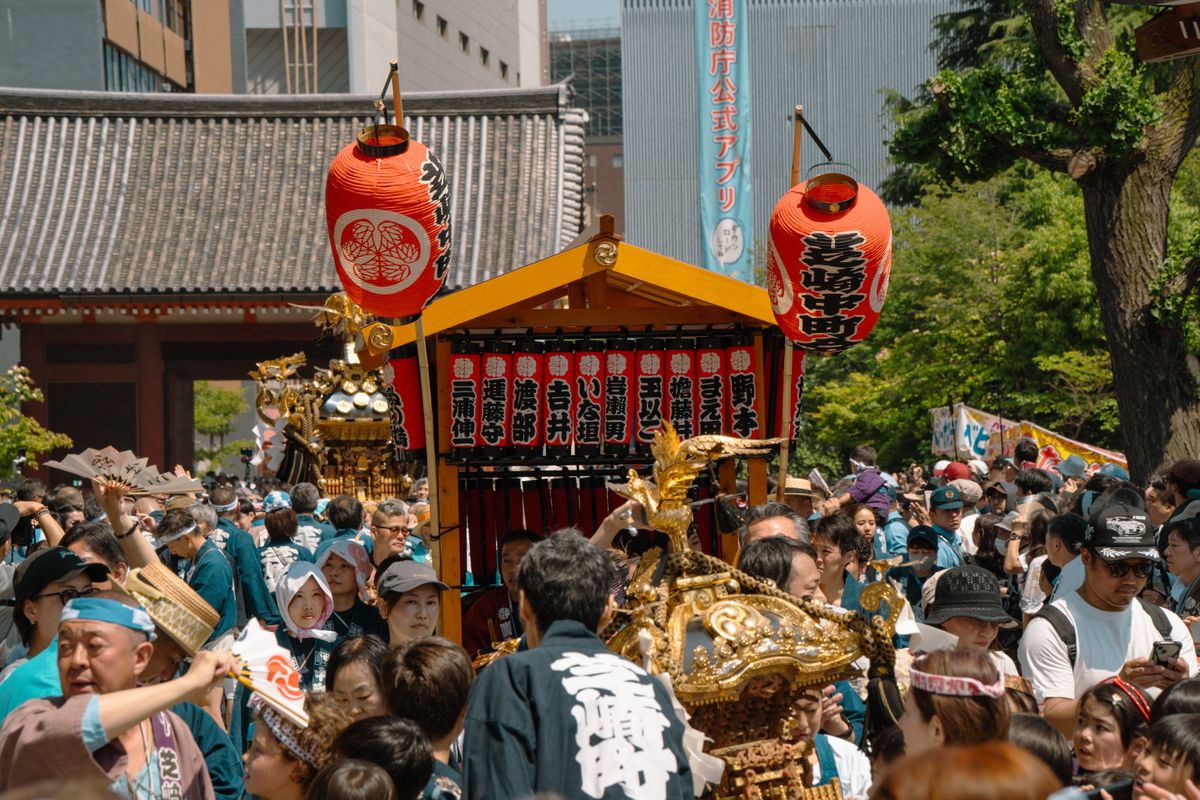
Awa Odori (the “Awa Dance,” Awa being the old name for Tokushima Province) is held every year from August 12 to 15, overlapping with the Obon holiday when Japanese families honor their ancestors. Over those four days, Tokushima City of roughly 250,000 residents swells with more than 1.2 million visitors. It is the centerpiece of the country’s festival calendar and, for many Japanese people, a bucket-list event in its own right.
The dance has roots stretching back more than 400 years. The most-repeated origin story ties it to 1586, when the feudal lord Hachisuka Iemasa completed Tokushima Castle and, according to legend, let the townspeople celebrate freely with sake and dancing. Whatever the precise history, by the Edo period the dance had become an annual outpouring of energy that local authorities periodically tried, and failed, to restrain.
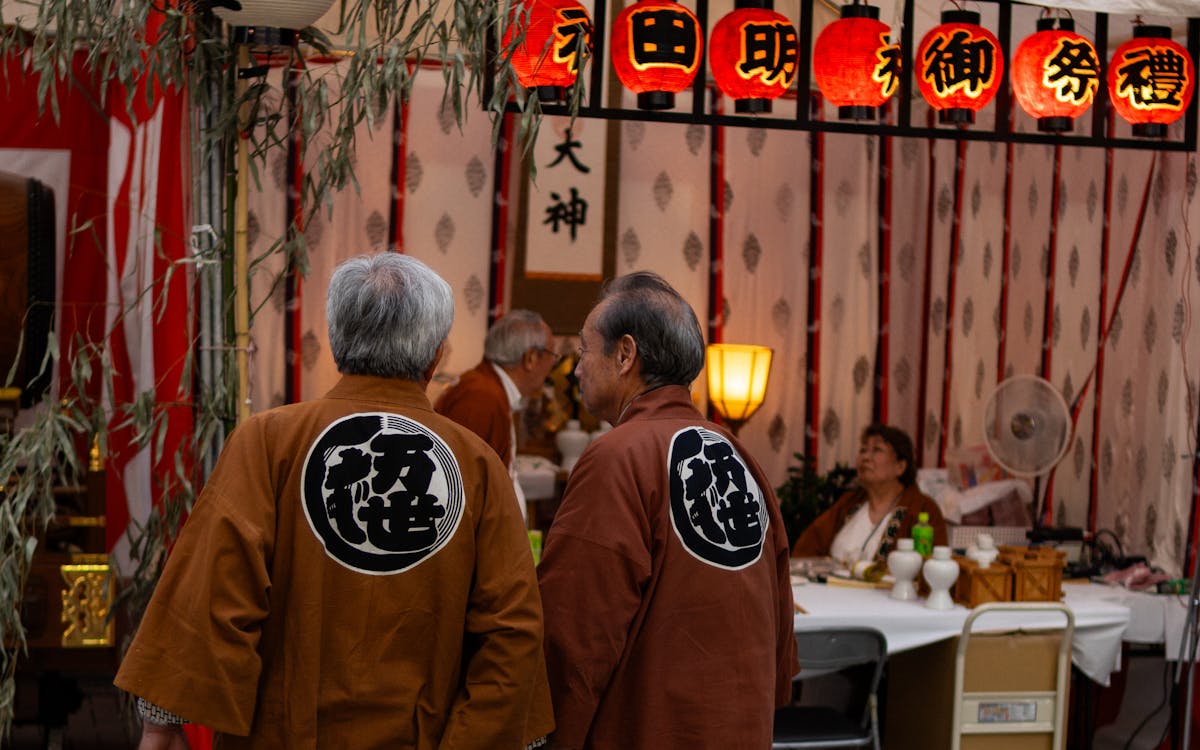
The format is wonderfully simple. Dancers perform in organized troupes called ren, each with its own costume, musicians, and choreography. They move in long processions down the streets and through ticketed stadium-style stages, accompanied by a driving two-beat rhythm from shamisen (a three-stringed lute), taiko drums, flutes, and the clack of the kane bell. Men dance low and athletic in dark happi coats; women dance upright and elegant in straw amigasa hats and geta sandals, fingers pointed skyward. The chant that carries the whole thing is the unofficial anthem of the festival, and its gist, “the dancers are fools and the watchers are fools, so you might as well dance,” captures the spirit perfectly: everyone is invited to join.
That invitation is real. Alongside the polished troupes are niwaka-ren, impromptu groups that anyone, including tourists, can join on the spot in designated areas. You do not need a costume, skill, or Japanese language to take part, only a willingness to look slightly ridiculous in the best possible way.
How to Experience Awa Odori as a Visitor
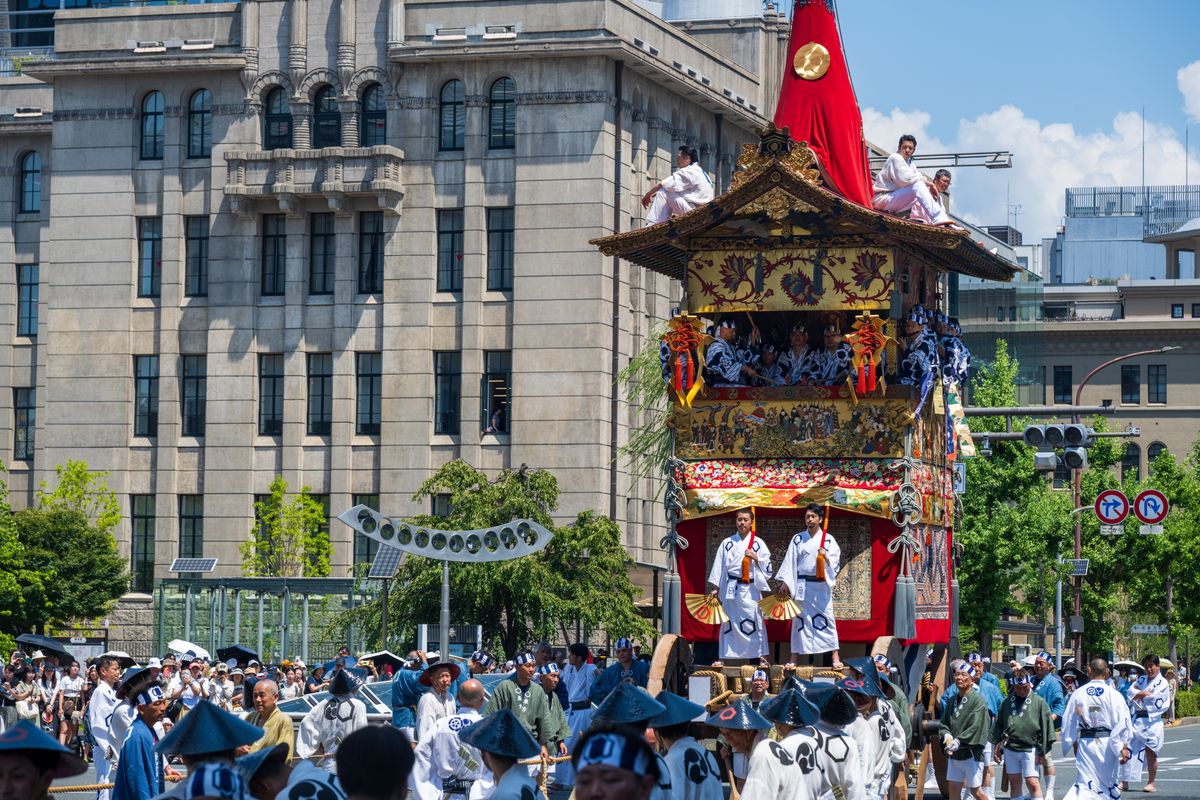
The performances split into two types: free street dancing in the open avenues, and paid stadium performances on raised viewing stands (enbujo). The four main paid venues are set up around the city center near Tokushima Station, and reserved seats typically cost between ¥2,000 and ¥5,800 (about $13 to $38) depending on the venue and how close you sit. Tickets go on sale in advance through the festival’s official channels and convenience-store kiosks, and the best seats for the final two nights sell out early, so book as soon as dates are confirmed if you want a guaranteed spot.
If you would rather not pay, the free zones are genuinely excellent. The dancing spills through the streets from roughly 6:00 p.m. until around 10:30 p.m. each evening, and you can wander between locations, grab festival food from the stalls, and watch troupe after troupe pass within arm’s reach. Arrive by late afternoon to claim a good standing spot along the main routes, bring water, and be prepared for heat and humidity; mid-August in Tokushima is hot and sticky, often above 32°C (90°F) even after dark.
One practical warning that cannot be overstated: accommodation in Tokushima City sells out months in advance for the festival, and prices roughly double. If you are determined to attend, lock in a room as early as you can; six months ahead is not too soon. Comparing rates across platforms saves real money here, and you can book your hotel on Agoda (best prices guaranteed) → or look slightly further afield in Naruto City or even Osaka and commute in by bus. A year-round tip for any Japan festival: arriving with a working data connection makes navigating crowds, train delays, and last-minute plans infinitely easier, so consider sorting out an eSIM that keeps you connected from day one → before you land.
Cannot make it in August? Tokushima planned for exactly that. The Awa Odori Kaikan, at the base of Mount Bizan in the city center, stages live demonstrations several times a day all year round. Professional troupes perform, explain the moves, and pull audience members up to try. Admission to the daytime shows runs about ¥800 ($5), and the same building has a ropeway up Mount Bizan for views over the city and the Yoshino River delta. It is the single best way to understand the festival outside of August.
The Naruto Whirlpools: Nature’s Spinning Spectacle
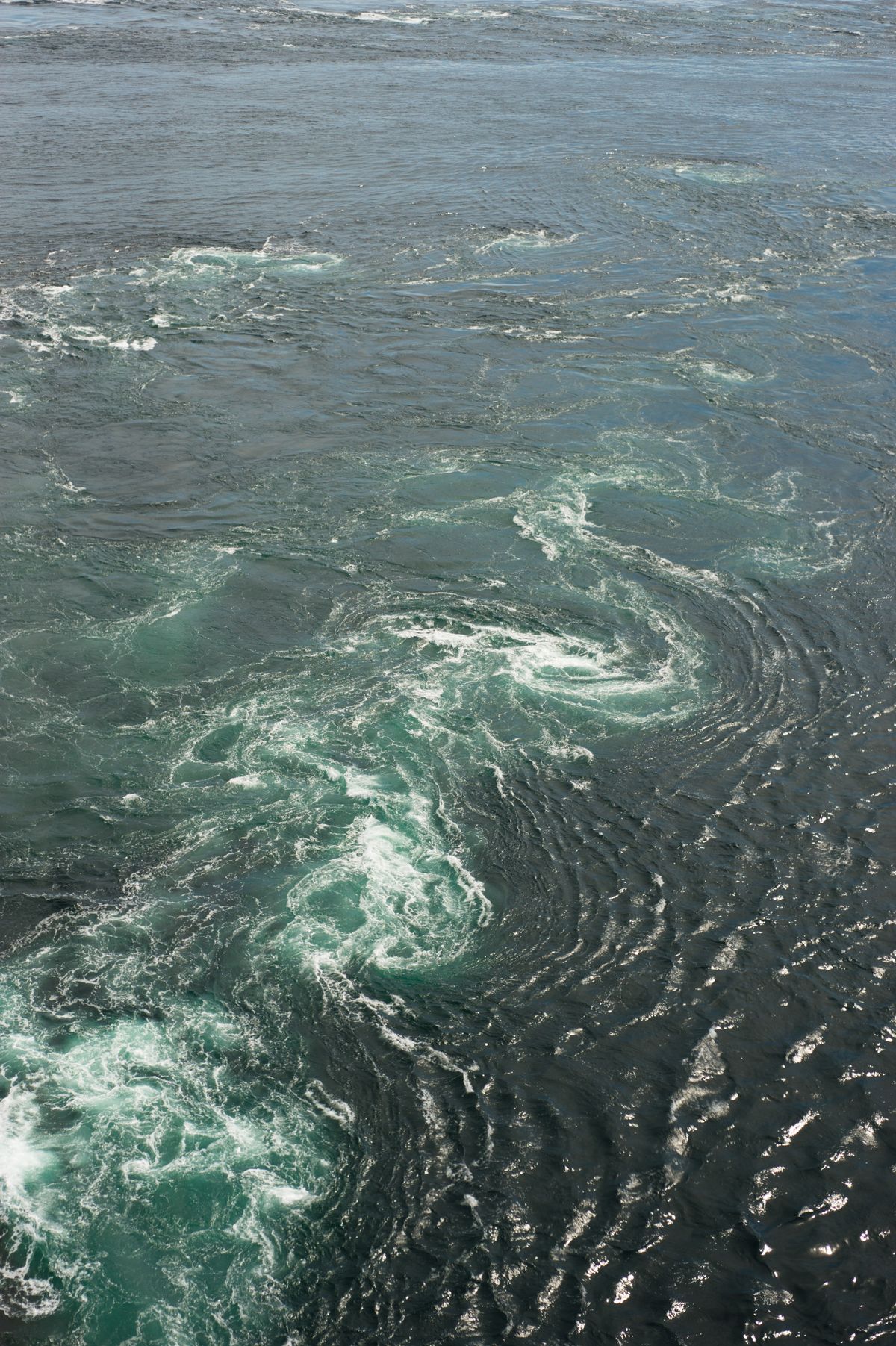
At the northern tip of Tokushima Prefecture, the Naruto Strait squeezes the Pacific Ocean and the Seto Inland Sea into a narrow gap less than 1.5 kilometers wide. Twice a day, as the tide turns, enormous volumes of water rush through this bottleneck. The two bodies of water sit at noticeably different heights during peak tides, and the rush of water from high to low, combined with the uneven seabed, spins up whirlpools that can reach up to 20 meters (about 65 feet) in diameter on the biggest days. They are among the largest tidal whirlpools on Earth, rivaled only by a handful of sites worldwide.
This is not a gentle, picturesque swirl. On a strong tide the water boils, roars, and folds in on itself with genuine force, the current racing at speeds that can exceed 13 to 15 kilometers per hour. The spectacle has fascinated people for centuries; the Edo-period artist Utagawa Hiroshige depicted the Naruto whirlpools in his famous woodblock prints, and they remain one of the most recognizable natural icons in western Japan.
The crucial thing to understand before you visit is that the whirlpools follow the tides, not the clock of your convenience. They are at their most dramatic during spring tides (around the new moon and full moon), and on any given day there are two windows, roughly 90 minutes each, when they peak, separated by quieter periods. The largest whirlpools of the entire year typically occur in spring (March to May), when the tidal range is greatest. Before you commit to a date and time, check the published whirlpool forecast (the tourist boats and the local tourism association post daily peak times), and plan your visit around it. Showing up at slack tide means calm water and disappointment.
How to See the Whirlpools Up Close
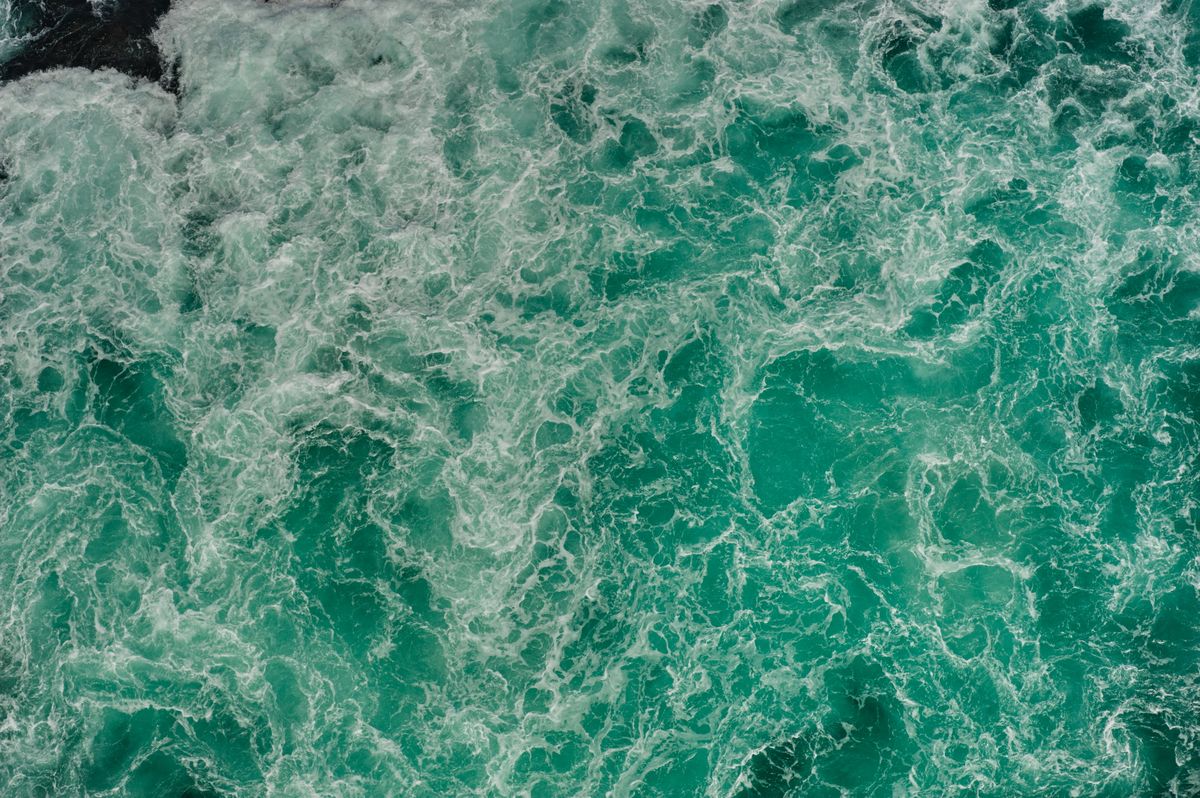
There are two main ways to experience the whirlpools, and many visitors do both.
By boat. Sightseeing cruises depart from the harbor near Naruto Park and take you right alongside the vortexes. There are two general options: large sightseeing vessels with stable upper decks, and smaller, faster boats with underwater observation windows that get closer to the action and let you peer beneath the surface. Fares for the large boats run around ¥1,800 to ¥2,400 (roughly $12 to $16) for adults, while the small high-speed boats cost a bit more, around ¥2,400 to ¥3,000 ($16 to $20). Each cruise lasts about 20 to 30 minutes and is timed to coincide with peak tide. Reserve ahead during spring and on weekends.
From above. The Onaruto Bridge, the great suspension bridge linking Shikoku to Awaji Island, passes directly over the strait. Built into the underside of the bridge is the Uzu no Michi, a 450-meter glass-floored walkway that lets you stand 45 meters above the churning water and look straight down at the whirlpools through panels in the floor. Admission is about ¥510 ($3.50), it is sheltered from the weather, and it offers a completely different, vertigo-inducing perspective. The nearby Eskahill Naruto escalator and the Senjojiki observation deck round out the land-based viewpoints.
For the best of both worlds, aim to walk the Uzu no Michi and take a boat within the same peak-tide window. Allow half a day for the Naruto area in total, including travel from the city. Because public transport to Naruto Park is limited (a bus from Naruto Station, itself a short train ride from Tokushima), some travelers find a private transfer or rental car far more efficient, especially if they are short on time or traveling as a family. If you are arriving from Kansai International Airport or want a stress-free door-to-door ride, you can book an airport transfer with NearMe →.
Beyond the Highlights: More to See in Tokushima
If you build in an extra day, Tokushima rewards you. Here are the experiences worth your time once you have ticked off the festival or the whirlpools.
Mount Bizan and Tokushima City
The city’s gentle landmark mountain, Mount Bizan, rises right behind the center and is reached by a short ropeway from beside the Awa Odori Kaikan. The summit offers a sweeping panorama over the city, the river delta, and on clear days all the way to Awaji Island and the Kii Channel. It is especially lovely at dusk. Down at ground level, the area around Tokushima Station has a relaxed castle-town feel, with the ruins and gardens of Tokushima Castle, the surrounding Central Park, and a covered shopping arcade where you can sample local food without festival crowds.
The Iya Valley and Oboke Gorge
Deep in the mountainous west of the prefecture lies one of Japan’s most spectacular hidden landscapes. The Iya Valley is a remote gorge famous for its kazurabashi, bridges woven from mountain vines that sway over the river far below. Nearby, the Oboke and Koboke gorges along the Yoshino River offer sightseeing boat rides and some of Japan’s best white-water rafting. This area feels like another country compared with the coast, and a single overnight in a mountain inn here is one of Shikoku’s great experiences.
Naruto’s Other Attractions
Naruto City is more than its whirlpools. The Otsuka Museum of Art is a genuinely unusual attraction: a vast gallery displaying full-size ceramic reproductions of more than 1,000 Western masterpieces, from the Sistine Chapel ceiling to works by Van Gogh and da Vinci, all recreated on ceramic boards that will outlast the originals. It is one of the largest exhibition spaces in Japan and a brilliant rainy-day or hot-afternoon option. Ryozenji, Temple Number One of the Shikoku pilgrimage, is also in Naruto, and watching pilgrims begin their 1,200-kilometer journey is quietly stirring even for non-religious visitors.
Indigo Dyeing (Aizome)
Tokushima built its fortune on ai, the natural indigo dye that colored everything from samurai garments to work clothes across Japan. Several workshops in and around the city let you try indigo dyeing yourself, producing a scarf or handkerchief in the deep, complex blue the Japanese call “Japan Blue.” It is a hands-on souvenir that carries real local meaning and makes a thoughtful gift.
Getting to and Around Tokushima
Tokushima is more accessible than its off-the-beaten-path reputation suggests. Here are your realistic options.
From Osaka and Kobe (the easiest route)
The fastest and most economical way in is the highway bus. Buses run frequently from Osaka (Namba and Umeda) and from Kobe across the great bridges to Tokushima Station in around 2 to 2.5 hours, costing roughly ¥3,500 to ¥4,300 ($23 to $28) one way. This crosses the Akashi Kaikyo Bridge, once the longest suspension bridge in the world, so the journey itself is scenic.
By air
Tokushima Awaodori Airport (TKS) has several daily flights from Tokyo (Haneda) taking about 75 minutes, plus limited connections from Fukuoka and Sapporo. From the airport, a bus reaches Tokushima Station in around 30 minutes. For international visitors, the most common approach is to fly into Kansai International Airport (KIX) near Osaka and continue by bus or limousine service.
By train
Rail to Tokushima is slower and less direct than the bus because there is no Shinkansen line to Shikoku. The typical route runs by Shinkansen to Okayama, then a limited express across the Seto Ohashi Bridge to Takamatsu, and another limited express to Tokushima, taking the better part of a day from Tokyo. If you already hold a Japan Rail Pass, the trains are covered, but most travelers find the direct bus from Kansai far simpler. To weigh up whether rail makes sense for your wider trip, see our guide on whether the Japan Rail Pass is worth it.
Getting around once you arrive
Tokushima City itself is walkable, and local trains and buses connect to Naruto. However, public transport to specific sights like Naruto Park and the Iya Valley can be infrequent. If you plan to explore beyond the city, renting a car is the most flexible option, and driving in rural Tokushima is far less stressful than in any major Japanese city. An international driving permit, obtained in your home country before departure, is required to rent and drive.
Where to Stay in Tokushima
Tokushima offers everything from business hotels to traditional inns, and outside of festival week, prices are reasonable by Japanese standards.
City-center business hotels near Tokushima Station are the practical choice for most visitors: clean, compact rooms typically run ¥7,000 to ¥12,000 ($46 to $79) per night for a double, and you are within walking distance of restaurants, the station, and the ropeway. Ryokan and onsen inns in the surrounding hills and the Iya Valley offer tatami rooms, multi-course local dinners, and hot-spring baths, generally from ¥15,000 to ¥35,000 ($99 to $230) per person including two meals. For the Naruto whirlpools, a handful of resort hotels overlook the strait and let you watch the tides from your window.
Wherever you base yourself, book early for August and for the spring whirlpool peak. Comparing several booking sites is the simplest way to find value; you can check Tokushima hotel availability on Agoda → and decide whether to stay in the city or out by the coast.
What to Eat in Tokushima
Local food is a highlight and a bargain. Tokushima ramen is the signature dish: a rich, dark pork-bone-and-soy broth topped with sweet-savory braised pork belly and, distinctively, a raw egg cracked over the top. Sudachi, a small green citrus grown almost exclusively in Tokushima, appears squeezed over noodles, fish, and drinks across the prefecture. In the mountains, try iya soba, a rustic buckwheat noodle, and dekomawashi, skewers of grilled tofu, potato, and konnyaku coated in miso. Seafood from the Naruto Strait, especially sea bream (tai) and wakame seaweed, is prized nationwide thanks to the strong currents that keep the fish lean and firm.
Understanding the Dance: Troupes, Music, and Etiquette
Part of what makes Awa Odori so absorbing is that the more you understand it, the more you see. The processions that look like joyful chaos are in fact tightly organized, and knowing the structure turns you from a spectator into an informed observer.
The anatomy of a ren
Each dancing troupe, or ren, is a self-contained unit that can number anywhere from a dozen to over a hundred performers. At the front come the otoko odori, the men’s dance, performed in a low, dynamic crouch with sweeping arm movements, and the onna odori, the women’s dance, performed on the tips of geta sandals with arms raised in elegant, synchronized lines. Behind the dancers march the musicians, the narimono, whose instruments set the relentless two-beat tempo: the shamisen carries the melody, the odaiko and shimedaiko drums drive the rhythm, the shinobue flute floats above it, and the brass kane bell keeps everyone locked in time. Famous troupes have names recognized across Japan and perform with a precision built over decades.
Watching with respect
Festival etiquette in Japan is mostly common sense, but a few points matter. Keep the dancing lanes clear; when troupes are processing, do not step into their path for a photo. Flash photography directly at performers is discouraged. If you join a niwaka-ren, follow the lead dancers, keep your movements within the group, and do not push to the front. Dispose of food-stall waste in the bins provided or carry it out, as public trash cans are scarce. And because Awa Odori coincides with Obon, a time of honoring ancestors, the festival carries a gentle undercurrent of remembrance beneath the revelry; approaching it with curiosity rather than treating it purely as a party is appreciated by locals.
A Sample Two- to Three-Day Tokushima Itinerary
Here is a realistic plan that balances the two headline attractions with a taste of the wider prefecture. Adjust the order to match the tide forecast and, if you are visiting in August, the festival schedule.
Day 1: Arrival and Tokushima City
Arrive by midday via the highway bus from Osaka or a flight into Tokushima Awaodori Airport. Drop your bags at a city-center hotel, then walk to the Awa Odori Kaikan for a live dance demonstration and ride the ropeway up Mount Bizan for an afternoon panorama. In the evening, explore the shopping arcade and sample Tokushima ramen with its signature raw egg, finishing with a sudachi-flavored dessert or drink. If you are here in August, this is when you head out for an evening of street dancing.
Day 2: The Naruto Whirlpools
Build the whole day around the tide. Travel to Naruto in the morning, walk the Uzu no Michi glass-floored sea walkway, and take a sightseeing boat timed to peak tide so you see the vortexes at full strength. With your remaining time, visit the vast Otsuka Museum of Art or pay respects at Ryozenji, Temple Number One of the Shikoku pilgrimage. Return to the city for dinner, or stay overnight at a strait-view hotel in Naruto.
Day 3 (optional): The Iya Valley
Devote a full day to the mountainous interior. Drive or take the limited express toward Oboke Gorge, ride a sightseeing boat or go white-water rafting on the Yoshino River, then cross the swaying Iya vine bridge and soak in a remote hot spring. Overnight in a mountain ryokan to experience rural Shikoku at its most atmospheric before continuing your wider Japan journey.
What a Tokushima Trip Costs
Tokushima is gentle on the budget compared with Japan’s big cities. Here is a rough per-person guide for a mid-range traveler, in yen and US dollars, excluding the cost of reaching Shikoku.
Daily budget breakdown
Accommodation: A comfortable city business hotel runs ¥7,000 to ¥12,000 ($46 to $79) for a double room, so roughly ¥4,000 to ¥6,000 ($26 to $40) per person sharing. A ryokan with two meals is ¥15,000 to ¥35,000 ($99 to $230) per person and effectively covers dinner and breakfast too.
Food: A bowl of Tokushima ramen costs around ¥750 to ¥1,000 ($5 to $7); a casual lunch set ¥900 to ¥1,500 ($6 to $10); a sit-down dinner with a drink ¥2,000 to ¥4,000 ($13 to $26). Budget around ¥4,000 to ¥6,000 ($26 to $40) a day for three meals if you mix casual and sit-down spots.
Attractions and transport: The whirlpool boat (¥1,800 to ¥3,000) plus the Uzu no Michi walkway (¥510), the Mount Bizan ropeway (around ¥1,030 round trip), and local buses and trains add up to roughly ¥4,000 to ¥6,000 ($26 to $40) on a busy sightseeing day. A rental car is about ¥6,000 to ¥9,000 ($40 to $60) per day including basic insurance, often worthwhile when split between travelers.
All in, a mid-range visitor should plan on roughly ¥12,000 to ¥18,000 ($80 to $120) per person per day excluding long-distance transport, with festival week pushing accommodation costs significantly higher. Budget travelers staying in guesthouses and eating at casual spots can manage comfortably for less; for broader money-saving strategies across Japan, see our budget travel guide.
Day Trips and Onward Travel from Tokushima
Tokushima’s position at the northeast corner of Shikoku makes it a natural launchpad for the rest of the island and the Seto Inland Sea. Many travelers fold the prefecture into a wider Shikoku loop or use it as a bridge between Kansai and the inland sea’s famous art islands.
Takamatsu and Kagawa are about an hour west by limited express train, putting the gardens of Ritsurin Koen and Japan’s celebrated Sanuki udon within easy day-trip range. Naoshima, the renowned contemporary art island, is reachable via Takamatsu’s ferry port and pairs beautifully with a Tokushima base. Heading south, the Pacific coast leads toward Kochi and the wild capes of southern Shikoku, while the pilgrimage trail threads temples all the way around. Because there is no Shinkansen on Shikoku, plan inter-city hops by limited express train, highway bus, or car, and allow generous connection times in rural areas where services are less frequent than on the mainland.
Festival Food and Souvenirs to Bring Home
No Japanese festival is complete without its food stalls, and Awa Odori delivers. Expect rows of yatai selling takoyaki (octopus balls), yakisoba (fried noodles), grilled squid on a stick, kakigori (shaved ice) in summer colors, and chocolate-dipped bananas for the kids. Pair them with a cold local beer or a sudachi sour and you have the full festival-evening experience.
For souvenirs that actually mean something, skip the generic keychains and look for Tokushima’s genuine specialties. Indigo-dyed textiles, from handkerchiefs to scarves in that deep “Japan Blue,” are the prefecture’s signature craft and travel flat in a suitcase. Sudachi products, including ponzu sauce, juice, and citrus salt, capture a flavor you simply cannot buy at home. Awa washi, the region’s traditional handmade paper, makes elegant stationery and gift wrapping. And Naruto wakame seaweed, prized for its texture thanks to the strait’s fierce currents, is a favorite edible gift among Japanese visitors. Most of these are sold at the Awa Odori Kaikan shop, station kiosks, and roadside stations (michi no eki) around the prefecture.
Practical Tips for Visiting Tokushima
- Match the whirlpools to the tide. Always check the daily whirlpool forecast before choosing your visit time. Spring tides near the new and full moon, especially March to May, produce the biggest vortexes.
- Book festival accommodation months ahead. Rooms in Tokushima City sell out and double in price for Awa Odori (August 12 to 15). Reserve early or stay in Naruto, Kobe, or Osaka and commute.
- Carry cash. Rural Shikoku still leans on cash. Withdraw yen at post office or convenience-store ATMs, which reliably accept foreign cards, before heading into the countryside.
- Dress for August heat. The festival is hot and humid. Bring water, a hand fan, breathable clothing, and sun protection, and pace yourself through the evening.
- Consider a rental car for rural sights. Buses to Naruto Park and the Iya Valley are sparse. A car (with an international driving permit) hugely expands what you can see in a day.
- Get connected before you arrive. Data coverage makes timing tides, catching buses, and translating menus painless. Sort out a SIM or eSIM at the airport or in advance.
- Learn three phrases. “Konnichiwa” (hello), “arigatou gozaimasu” (thank you), and “sumimasen” (excuse me) go a long way in a region where English is limited.
- Time your trip for spring or autumn if you can. April brings cherry blossoms and big tides; November adds mild weather and mountain foliage in the Iya Valley.
Frequently Asked Questions
When is the best time to visit Tokushima?
It depends on your priority. For the Awa Odori festival, you must come on August 12 to 15. For the largest Naruto whirlpools, aim for spring tides between March and May, when the tidal range peaks and the vortexes are biggest. For comfortable weather and fewer crowds overall, spring (April, with cherry blossoms) and autumn (late October to November, with foliage in the Iya Valley) are ideal. Summer outside festival week is hot and humid, and winter is mild on the coast but cold in the mountains.
Can tourists join the Awa Odori dance?
Yes. While the polished troupes (ren) train all year, the festival sets aside niwaka-ren zones where anyone, including visitors, can join the dancing on the spot with no costume or experience required. The basic women’s and men’s steps are simple, the crowd is welcoming, and joining in is considered part of the fun, not an intrusion.
Are the Naruto whirlpools always visible?
No, and this is the single most important thing to plan around. The whirlpools depend entirely on the tide, peaking for roughly 90 minutes around each tidal change, twice a day. At slack tide the water is calm and there is little to see. Check the published whirlpool forecast, posted daily by the boat operators and tourism association, and schedule your boat trip or glass walkway visit to coincide with the peak.
How many days do I need in Tokushima?
Two days is enough to combine Tokushima City with a half-day at the Naruto whirlpools. Three days lets you add the Iya Valley or the Otsuka Museum of Art at a relaxed pace. If you are timing your visit for Awa Odori, plan two to three nights so you can enjoy multiple evenings of dancing without rushing.
Is Tokushima suitable for first-time visitors to Japan who don’t speak Japanese?
Yes, with a little preparation. English signage is less common than in Tokyo or Kyoto, and some bus timetables are Japanese-only, so a translation app and a working data connection are genuinely useful. That said, locals are friendly and patient, the main attractions have some English support, and the highway bus from Osaka makes the prefecture easy to reach. Pairing Tokushima with a first stop in a more international city eases the transition.
How do I get from Tokushima City to the Naruto whirlpools?
Take a train or bus from Tokushima Station to Naruto Station (about 40 minutes by local train), then a local bus toward Naruto Park, where the boat piers and the Uzu no Michi glass walkway are located. Allow extra time because the final bus connection is infrequent. Many visitors find that a rental car or a private transfer saves significant time and lets them arrive precisely at peak tide.
Is it easy to combine Tokushima with a Kansai trip?
Very. The highway bus from Osaka or Kobe reaches Tokushima City in about two to two and a half hours across the Akashi Kaikyo Bridge, so Tokushima slots neatly onto the end of a Kyoto, Osaka, or Nara itinerary. Many visitors spend two or three nights in Tokushima before returning to Kansai International Airport to fly home, using the prefecture as a quieter, more local-feeling finale after the big-city sights.
Do I need to book whirlpool boats and festival seats in advance?
For the whirlpool boats, advance booking is wise during spring tides and on weekends but often unnecessary on quieter weekdays, when you can usually buy a ticket at the pier for the next peak-tide departure. For Awa Odori, the paid stadium seats for the final two nights (August 14 and 15) are the hardest to get and frequently sell out, so reserve those as early as possible; the free street dancing, by contrast, requires no ticket at all.
Final Thoughts
Tokushima is proof that some of Japan’s most powerful experiences lie just off the well-worn path. In the space of a single trip you can lose yourself in the roar and rhythm of the country’s greatest dance festival, then stand above a churning ocean vortex that has awed travelers for centuries. Add the vine bridges of the Iya Valley, the white-robed pilgrims of Temple Number One, and the deep blue of indigo dyeing, and you have a corner of Japan that feels both timeless and refreshingly uncrowded. Plan your visit around the festival dates or the spring tides, book your room early, get yourself connected, and let Shikoku show you a side of Japan most visitors never see. For more inspiration on where to go next, browse our full Japan destinations guide.
Going to Japan? Talk to locals with confidence.
Hirameki Japanese — instant offline translation, camera translation, furigana + romaji, and 314 free flashcards. No login. Works without internet.

Plan your Japan trip
Two things every first-timer should book
Some links are affiliate links. If you book through them we may earn a small commission at no extra cost to you.