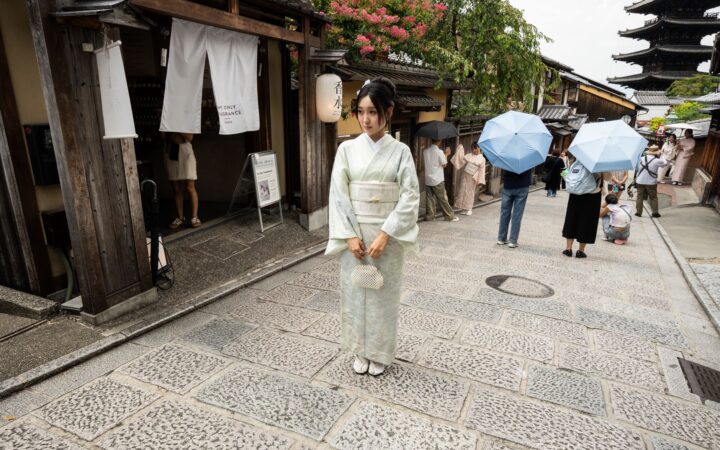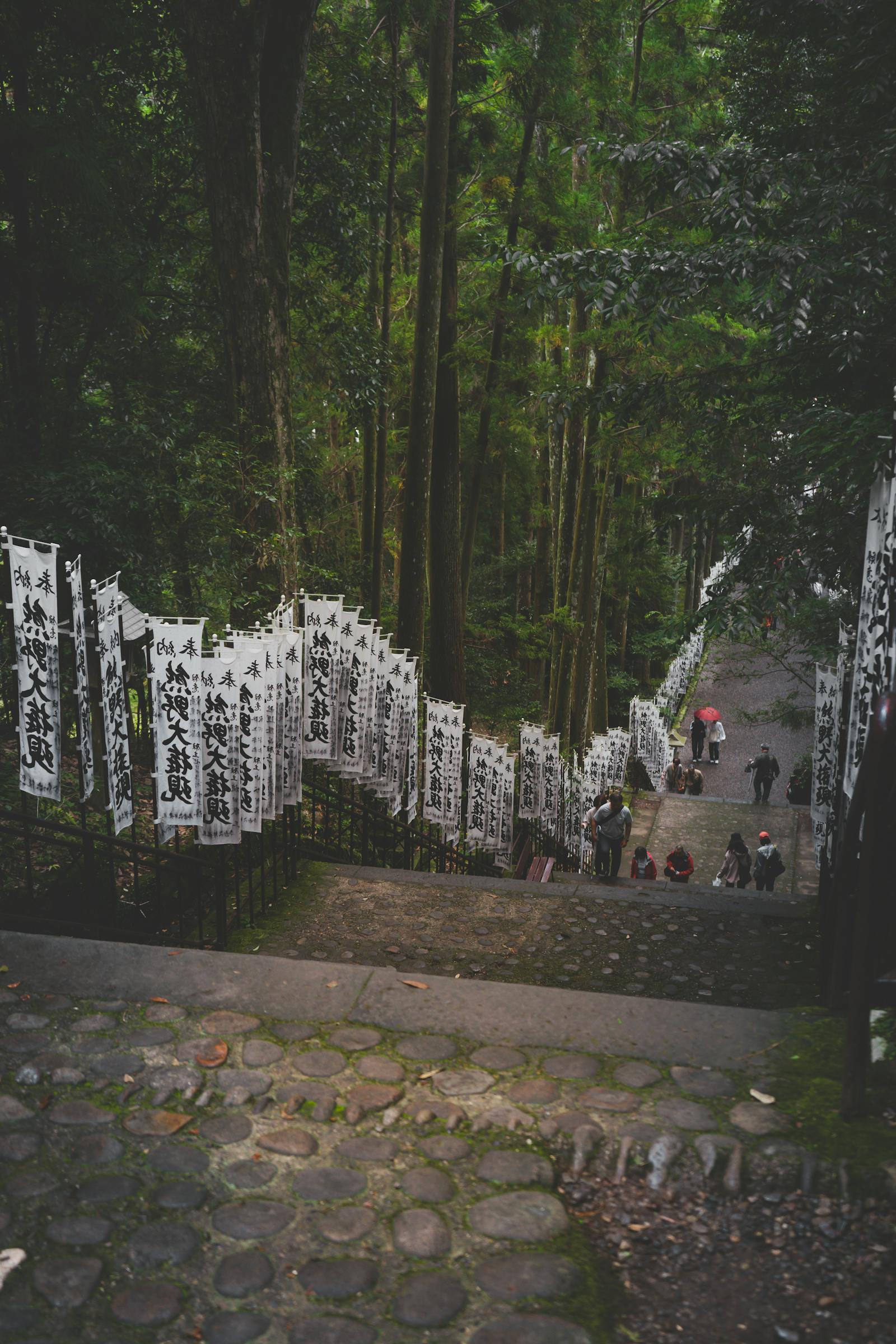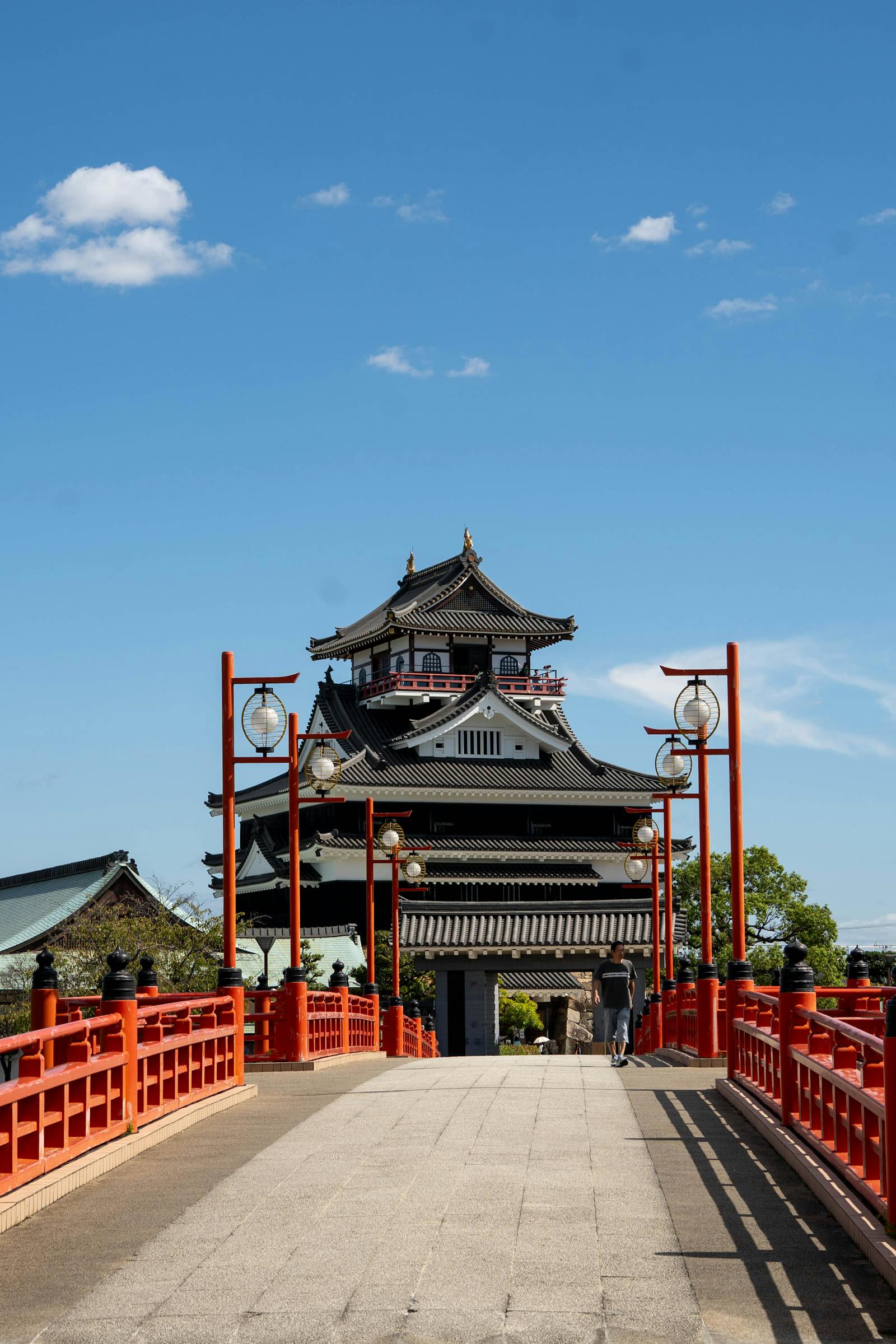
If you have ever wished you could step backward into Japan a hundred and sixty years, before the bullet trains, before the neon and the convenience stores, into a quiet provincial castle town where samurai families still walked the white-walled lanes between mud-plaster storehouses and orange-tile roofs, then put Hagi on your list. Few places in Japan have changed so little since the nineteenth century. Even fewer have packed so much history into such a walkable, low-key, photogenic seaside grid. Tucked away on the wild Sea of Japan coast of Yamaguchi Prefecture, Hagi is a town of about 45,000 people, three rivers, two volcanic mountains, one ruined castle, and a story that helped end the age of the shogun and launch modern Japan.
This is the kind of place foreign visitors usually miss because it is genuinely out of the way. There is no shinkansen station in Hagi itself, and the city does not show up on the standard Tokyo–Kyoto–Hiroshima first-timer route. That distance is exactly why Hagi feels different. Walk the Horiuchi samurai district at sunset and you will share the streets with cats, a few cycling locals, and very little else. Visit the Kikuya residence on a weekday morning and you may have a 400-year-old merchant mansion entirely to yourself. The town is also a delight for travelers who care about craft: Hagi-yaki pottery, born here in 1604, is considered one of the three finest tea ceramics in the country, and you can shop directly from the kilns that fired it.
This complete Hagi travel guide is written for first-time visitors who want to know exactly what to expect, how to get here from Tokyo or Kyoto, what to see, where to sleep, what to eat, what to bring home, and how to fold Hagi into a wider Yamaguchi or Chugoku itinerary. By the time you finish reading you will know why this UNESCO-listed castle town is worth the detour, and why some of us return again and again.
Why Hagi Deserves a Spot on Your Japan Itinerary
Most travelers spend their first trip to Japan inside the “Golden Route” triangle of Tokyo, Kyoto and Osaka. That is a great introduction, but it can also leave you with the impression that Japan’s historical heart is mostly temples and gardens crowded by international visitors. Hagi turns that idea upside down. It is one of the very few places where an entire Edo-period castle town — the streets, the houses, the canals, the moats — still survives in something close to its original form. Other surviving samurai districts like Kakunodate in Akita or Tsuwano in Shimane are charming but small. Hagi is a whole city.
The town earned its UNESCO World Heritage inscription in 2015 as part of the “Sites of Japan’s Meiji Industrial Revolution.” That is not a trivial credit. Hagi is the birthplace of many of the young samurai-intellectuals who toppled the Tokugawa shogunate in 1868 and launched Japan’s rapid modernization. Five of Japan’s post-1868 prime ministers were born here. The pioneering reformer and educator Yoshida Shoin taught his world-changing students in a tiny one-room school in Hagi that you can still walk through today. If Kyoto teaches you about Japan from the year 800 to 1600, and Tokyo teaches you about Japan from 1950 onward, Hagi is the missing piece that explains how the country pivoted from feudal seclusion to industrial powerhouse.
For practical travelers the appeal is simpler. Hagi is flat, compact and easy to bike. The food is excellent and seasonal, with the local catch — mejina, kisu, fugu in winter, and the famous summer uni — arriving directly from the Sea of Japan. The light is gorgeous. The pottery is a tactile, affordable souvenir you will actually use. And because the town sees relatively few foreign visitors, the welcome from local shopkeepers and ryokan owners tends to be unhurried and personal in a way that more famous destinations rarely manage anymore. If you are debating whether the trip is worth one extra night away from the main route, the short answer is yes.
A Brief History: From the Mori Domain to the Meiji Restoration
To understand Hagi you need a five-minute history lesson, because almost everything you will see is connected to a single big story. After the decisive battle of Sekigahara in 1600, the Mori clan, who had picked the losing side, were stripped of most of their domain by the new Tokugawa shogun and exiled to the remote western tip of Honshu. They built their new castle at Hagi in 1604, on a defensible spit of land where the Hashimoto River splits into three arms before reaching the sea. The castle was strategic but the location was deliberate punishment: Hagi was as far from Edo (Tokyo) as a major lord could be sent.
For 260 years the Mori swallowed that humiliation and got to work. They invested heavily in education, exploration of foreign science, and a long, patient buildup of military and industrial capacity. By the 1850s, when American warships forced Japan open at gunpoint, the Choshu domain — the official name of the Mori-ruled territory centered on Hagi — was one of the few places in the country with the manpower, technology and motivation to challenge the shogun. The Choshu samurai allied with their old rivals from Satsuma in Kyushu, marched on Kyoto, and in 1868 completed the Meiji Restoration that ended seven centuries of warrior rule.
The people who did this came from Hagi’s narrow streets and modest samurai houses. Walking the Horiuchi district today, you will pass the boyhood homes of Ito Hirobumi, who became Japan’s first prime minister; Kido Takayoshi, one of the three architects of the new Meiji government; Yamagata Aritomo, who built the modern army; and Takasugi Shinsaku, who organized the rebel forces. You can also visit the tiny Shokason Juku, where their teacher Yoshida Shoin held his clandestine seminars before being executed by the shogun in 1859. Hagi is not a place where these people are commemorated in a museum — Hagi is the place where they actually lived.
How to Get to Hagi
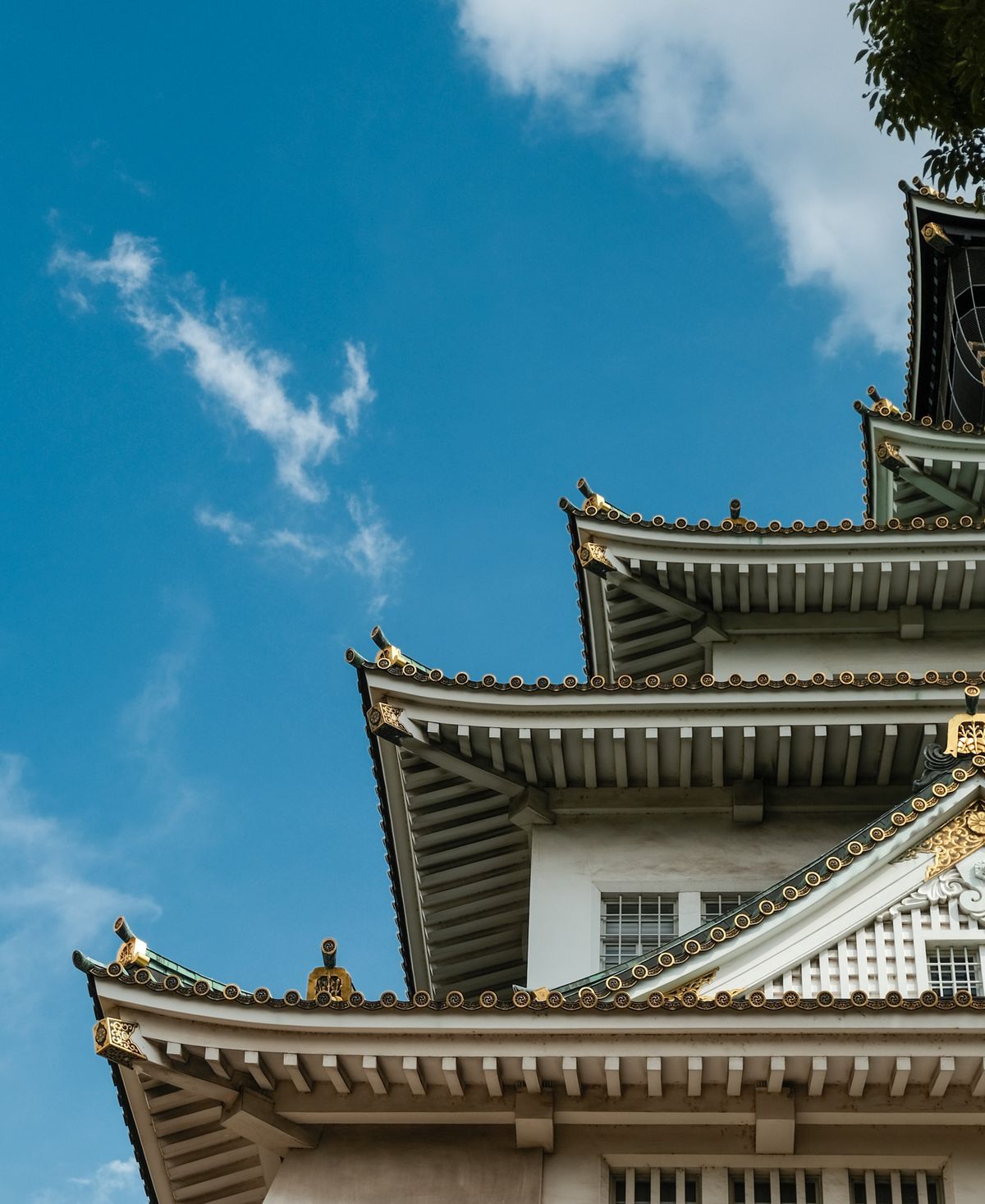
Hagi’s relative inaccessibility is the reason it still feels like Edo Japan, but it does mean a little planning. Hagi is not on the shinkansen line. The two practical jumping-off points are Shin-Yamaguchi Station (on the Sanyo Shinkansen between Hiroshima and Hakata) and Shin-Shimonoseki, also on the same line. From either you transfer to a bus or a local train. If this is your first time using Japan’s long-distance trains, our complete Japan shinkansen guide walks through reservations, IC card use, and luggage rules.
From Tokyo
Take the Tokaido-Sanyo Shinkansen from Tokyo Station to Shin-Yamaguchi. Direct Nozomi trains take about 4 hours 25 minutes and cost roughly ¥21,500 ($138) one way in non-reserved ordinary class. Hikari trains are slightly cheaper and slightly slower. From Shin-Yamaguchi the Bocho Bus highway service to Hagi Bus Center takes about 70 minutes and costs ¥2,030 ($13). Buses depart roughly once an hour through the day. Total travel time from Tokyo: about 6 hours.
From Kyoto and Osaka
From Kyoto, the same shinkansen route reaches Shin-Yamaguchi in about 3 hours 20 minutes (around ¥17,500 / $112). From Shin-Osaka allow about 3 hours (¥16,500 / $105). The bus connection from Shin-Yamaguchi to Hagi is identical to the route described above.
From Hiroshima
Hiroshima is the most popular starting point because it splits the journey nicely. Take the Sanyo Shinkansen from Hiroshima to Shin-Yamaguchi (about 35 minutes, ¥5,500 / $35), then the bus to Hagi. Total travel time is around two hours and twenty minutes. If you are already in Hiroshima and Miyajima, Hagi is a logical next stop heading west.
By rental car
Renting a car at Hiroshima, Fukuoka or Shin-Yamaguchi gives you the most flexibility, especially if you want to combine Hagi with Tsuwano, the Akiyoshido limestone cave, or the dramatic Senjojiki cliffs north of town. The drive from Hiroshima to Hagi via the Chugoku Expressway takes about 2 hours 30 minutes. Tolls run roughly ¥4,000 ($26) each way. International driving permits are required for foreign drivers.
From Fukuoka
If you are arriving via Kyushu, take the shinkansen from Hakata to Shin-Yamaguchi (about 35 minutes, ¥5,800 / $37), then the bus. Total time is roughly 2 hours. Many travelers connect Hagi with Fukuoka and a quick stop in Dazaifu Tenmangu Shrine.
Whichever route you take, make sure you have a working data connection before you arrive. Mobile signal in Hagi itself is solid, but the surrounding mountain roads have dead spots and Google Maps walking directions are essential because the town’s small lanes do not always have English signage. Get your Japan eSIM (Stay connected from day 1) → — it activates as soon as you land and you do not need to swap physical SIM cards.
Best Things to See and Do in Hagi
Hagi is small enough that two full days will let you cover almost everything below at a comfortable pace, with time to stop for coffee and pottery shopping. A single full day is workable if you are disciplined and start early. The town has rental bicycles available at the main hubs for ¥200 ($1.30) per hour or ¥1,000 ($6.40) per day, which is the fastest and most enjoyable way to see the historic districts.
Hagi Castle Ruins (Shizuki Park)
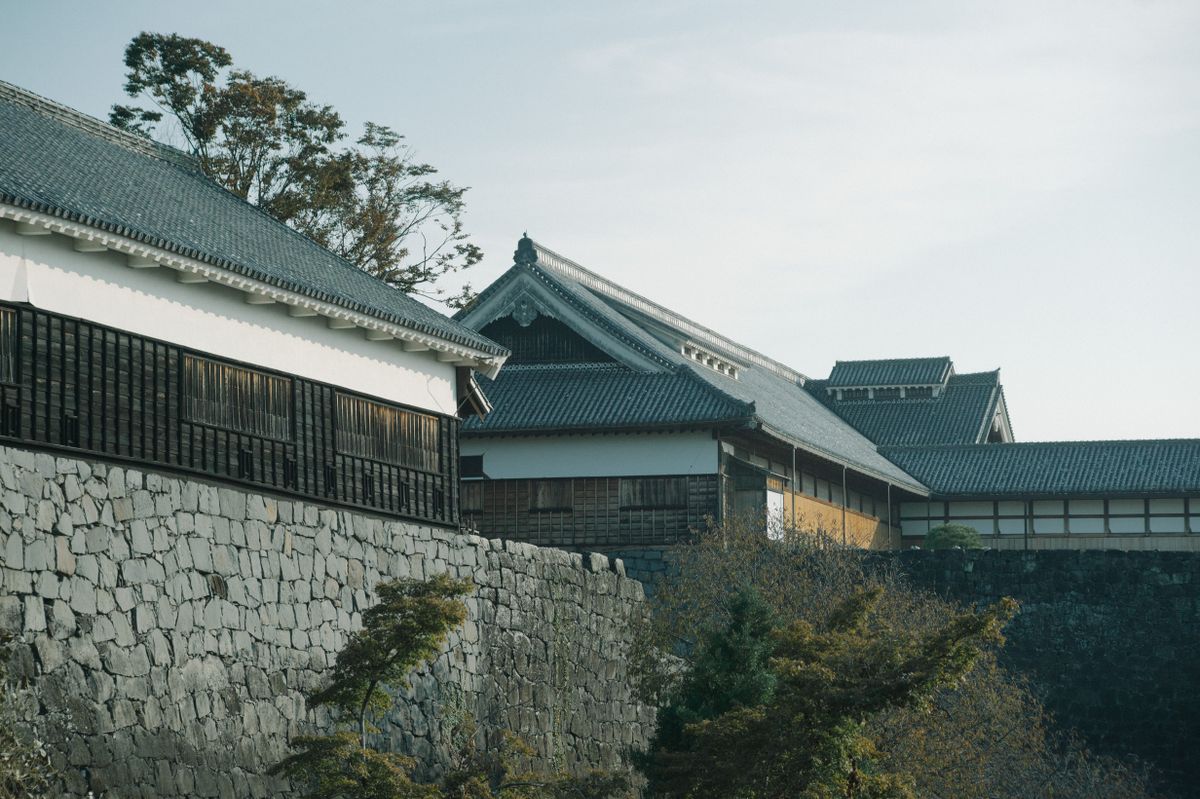
Begin at the western tip of town in Shizuki Park, where the Mori castle once stood. The wooden donjon was dismantled in 1874 as the new Meiji government ordered castles around the country torn down. What remains is dramatic: massive stone walls, a deep moat lined with cherry trees, the stone foundations of the keep, and the original main gate. Climb the path up Mount Shizuki behind the ruins for sweeping views over the town, the river, and the Sea of Japan. The castle grounds host one of western Japan’s best cherry blossom displays in late March and early April, with more than 600 trees in bloom around the old moat. Admission is ¥220 ($1.40). Allow 90 minutes to 2 hours.
Hagi Castle Town (Jokamachi)
Just east of the castle ruins lies the Jokamachi, the old castle town. The grid layout dates to 1604 and is essentially unchanged. Three streets stand out: Edoya Yokocho, Iseya Yokocho and Kikuya Yokocho. Walk slowly. The signature view of Hagi — whitewashed namako walls patterned with black tiles, set against orange-roofed mud-plaster storehouses — is everywhere here. Many homes still belong to descendants of the original samurai families and a few have opened as small museums for a token fee. Look for the Ito Hirobumi birthplace, the Kido Takayoshi residence, and the Takasugi Shinsaku house. Most charge ¥100 to ¥300 ($0.60 to $2) and reward a quick visit with English information sheets.
Horiuchi Samurai District
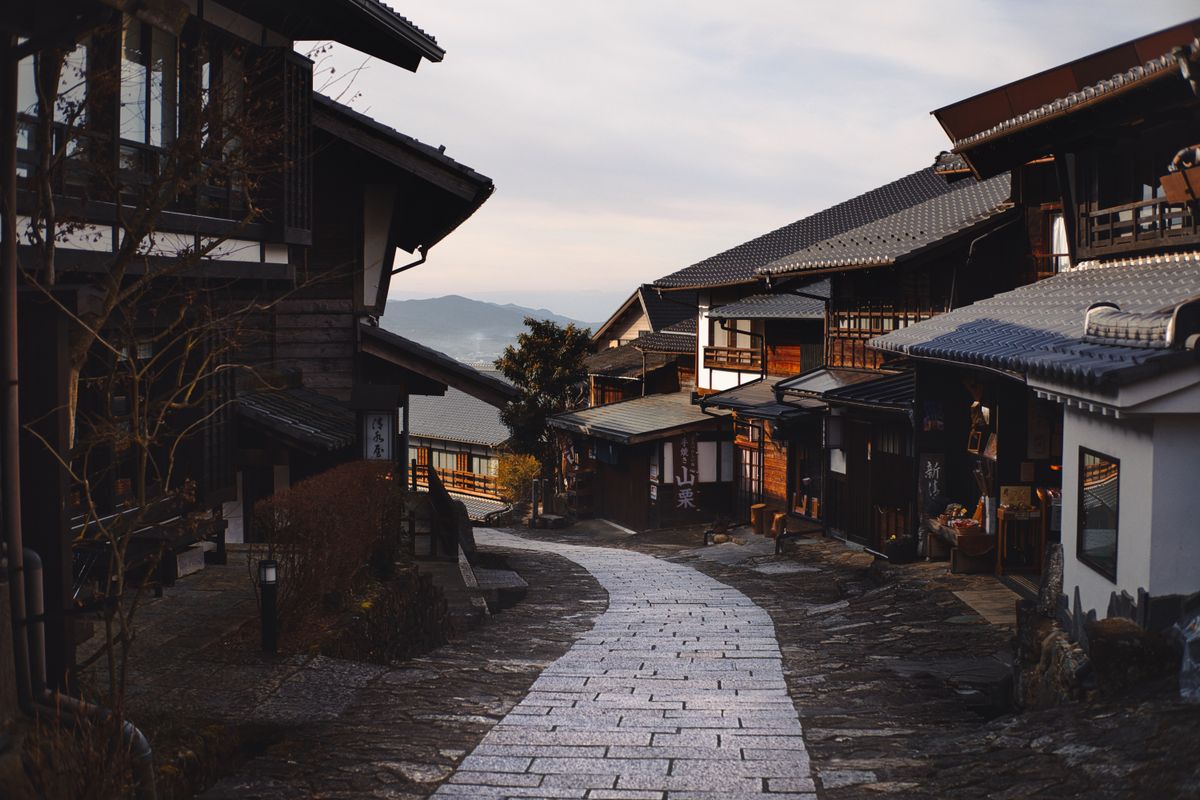
The Horiuchi district sits just inside the inner moat, where higher-ranking samurai built larger compounds. The walls here are taller and the gates more imposing than in Jokamachi. The Sufu family residence and the splendid Mori family auxiliary residence give a strong sense of how the elite lived. Pause at the moat to look for the karasu-zansho — the “black pepper plant” with bright red berries in autumn — that has become a Hagi photographic motif. Free to wander; specific houses charge small entry fees.
Shoin Shrine and Shokason Juku
A short bus ride or 25-minute bicycle ride east of the city center takes you to Shoin Shrine, dedicated to the teacher Yoshida Shoin. The shrine itself is modest, but the real attraction is the tiny eight-tatami-mat Shokason Juku school inside the precinct. Built by Yoshida’s uncle and later run by Yoshida himself from 1857 to 1858, this single room produced an extraordinary roster of students who went on to remake Japan. Standing on the wooden veranda you can almost feel the heat of those late-night seminars. Admission to the shrine grounds is free; the adjacent Yoshida Shoin History Museum is ¥500 ($3.20).
Kikuya Family Residence
In the Jokamachi sits the magnificent Kikuya family residence, the home of merchants who served the Mori as official suppliers. The complex, built in 1604 and expanded over generations, is one of the largest and best-preserved merchant houses in Japan. The main building, storehouses, gardens, and tea-ceremony pavilion are all open to visitors. The interior wood gleams from four centuries of polishing. Allow at least an hour. Admission: ¥620 ($4).
Kumaya Art Museum
Near the Kikuya residence, the Kumaya art museum displays the private collection of another wealthy merchant family. The pieces range from screen paintings by Sesshu and Ogata Korin to lacquerware, swords, and Mori-clan calligraphy. Three preserved storehouses on the property hold rotating exhibits. The building itself is worth the ¥700 ($4.50) admission.
Tokoji Temple
On the southeast side of town, Tokoji Temple is the family temple of the odd-numbered Mori lords (the third, fifth, seventh, ninth and eleventh generations). Walk the path behind the main hall to a forest clearing filled with more than 500 stone lanterns donated by the lords’ retainers in the 17th and 18th centuries. The mossy lanterns in their forest setting are eerily beautiful. The temple charges ¥300 ($2). Visit late in the afternoon when the light slants through the cedars.
Daishoin Temple
On the opposite side of town, Daishoin holds the graves of the even-numbered Mori lords. Like Tokoji, the approach is lined with hundreds of stone lanterns. Free to enter. The two temples make a nice pair, and visiting both gives you a sense of the scale of the Mori dynasty.
Meirinkan and the Meirinkan Schoolhouse
The official Choshu domain school operated in Hagi until 1872. Today the restored Meirinkan, a long wooden schoolhouse with creaking floors and tatami-mat classrooms, is open to visitors as a free museum. The educational philosophy taught here — an unusual blend of Confucian classics and Western sciences — explains a great deal about why this small town produced so many revolutionaries. Admission is free.
Hagi Pottery (Hagi-yaki): A 400-Year Tradition
If you bring home one souvenir from Hagi, make it a piece of Hagi-yaki. The tradition began in 1604 when the Mori brought Korean potters to their new domain, and the lineage has continued unbroken. Hagi-yaki is distinguished by its soft, milky glaze, its slightly porous body that absorbs tea over years to develop a personal patina (a process called nanabake or “seven transformations”), and its restrained, often deliberately imperfect shapes. Tea-ceremony aficionados rank Hagi-yaki second only to Raku among Japanese tea wares.
You can shop directly from kilns in two main areas. The first is along the Matsumotogawa River south of the Jokamachi, where a cluster of working studios open their showrooms to walk-in visitors. The second is in the Tobei district near the eastern edge of town. Prices range from a few hundred yen for a small saucer to several hundred thousand yen for a tea bowl by a designated Living National Treasure. A useful entry point is the Hagi Pottery Center near the bus terminal, which carries pieces from dozens of kilns under one roof.
Where to Eat in Hagi
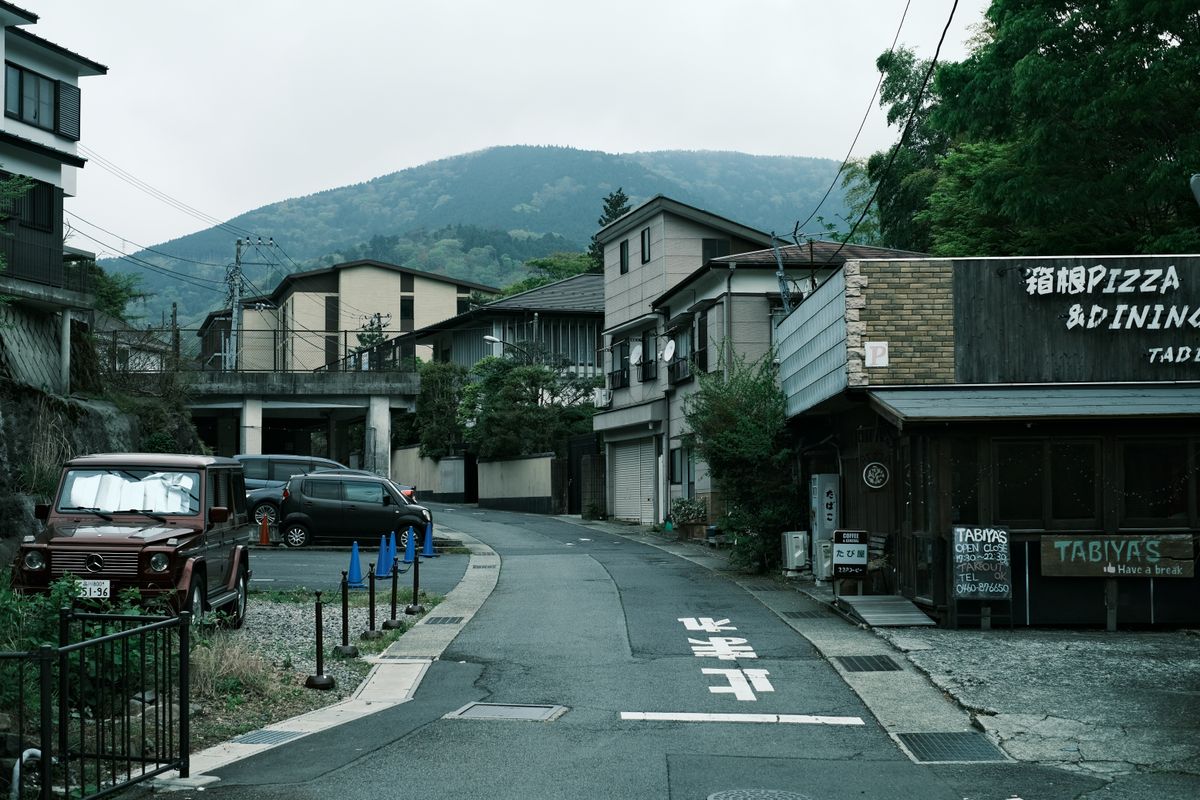
Hagi’s food culture leans heavily on the Sea of Japan catch and on the surrounding farmland of inner Yamaguchi. Three local specialties to look for:
Mikan and natsumikan citrus dishes. Hagi is famous for its summer oranges. Look for natsumikan-flavored dressings on sashimi, citrus-cured fish, and the bright marmalade-style sauces that local chefs pair with grilled mejina. The natsumikan tree was first commercially cultivated in Hagi in the 1850s by an unemployed samurai trying to feed his family during the post-Restoration economic crash; the descendants of his trees still grow in the Horiuchi district.
Mejina (rudderfish) and other coastal sashimi. The Sea of Japan delivers a different set of fish than Tokyo Bay, and Hagi’s sashimi platters tend to feature mejina, kisu, isaki and seasonal squid. Several restaurants on the harbor near Hamasaki specialize in cuts pulled out of the water that morning. Expect to pay ¥2,500 to ¥4,500 ($16 to $29) for a generous platter at lunch.
Hagi-style fugu (pufferfish). The neighboring city of Shimonoseki is the national capital of fugu, but Hagi prepares the fish in a slightly different style, often with citrus and chopped scallion. Winter (October through March) is the season. A full fugu course at a specialist runs ¥10,000 to ¥20,000 ($64 to $128); a more accessible fugu set lunch can be found from ¥3,500 ($22).
For casual meals, the Hamasaki district near the harbor has a row of friendly izakaya serving local sake from breweries like Choshu and Toyo Bijin. The Jokamachi has several cafes housed in restored merchant homes — the natsumikan parfaits at Hagi Glass Workshop’s cafe are a town favorite. If you are exploring Japan’s drinking culture more broadly, our Japan food experiences guide covers izakaya etiquette and what to order.
Where to Stay in Hagi
Accommodation in Hagi is split between traditional ryokan in the older districts, modern hotels around the bus terminal and Higashi-Hagi Station, and a small but growing crop of design-led machiya (townhouse) rentals. Because Hagi receives relatively few overnight visitors, prices are noticeably lower than in better-known destinations.
Traditional ryokan
For a first-time ryokan experience, Hagi is an excellent choice: rooms are spacious, kaiseki dinners showcase the coastal catch, and prices are reasonable. Tomoe Ryokan, Hagi Honjin, and Hokumon Yashiki all sit in or near the historic districts and offer in-house hot springs sourced from the local Hagi Onsen. Rates typically run ¥18,000 to ¥35,000 ($115 to $225) per person per night including dinner and breakfast. Book your hotel on Agoda (Best prices guaranteed) → consistently lists discounted rates for all three.
Modern hotels
If you want the convenience of Western-style rooms and twin beds, Hotel Orange and the Comfort Hotel Hagi are both within ten minutes’ walk of the bus terminal and Higashi-Hagi Station. Rates start around ¥7,500 ($48) for a single room. Both include free breakfast.
Machiya and guesthouses
A handful of restored merchant townhouses now operate as whole-house rentals, sleeping four to six guests with full kitchens. These are particularly good value for families and small groups. Look on Search hotel deals on Yahoo! Travel → for current listings. The most atmospheric machiya are in the Jokamachi grid and let you wake up surrounded by 400-year-old walls.
Luxury option
For travelers who want a serious splurge, Hagi Honjin offers a handful of suites with private open-air onsen baths, with packages including private kaiseki and afternoon tea. Reservations book up months in advance for autumn and cherry blossom weekends. Find luxury hotels on Ikyu.com → usually has the best curated selection of high-end ryokan in western Japan.
Day Trips and Nearby Highlights
Hagi rewards an overnight stay, but it also makes an excellent base for exploring the rest of Yamaguchi and the southern edge of Shimane. If you have an extra day or two, consider one or two of the following.
Tsuwano
About 75 minutes east by car or bus, Tsuwano is sometimes called “Little Kyoto of Sanin.” The town is built along a single river street lined with white-walled houses, and the canals beside the road are full of giant koi carp — reportedly stocked in the 19th century as a famine reserve. The hilltop Taikodani Inari Shrine, reached by a tunnel of 1,000 vermilion torii gates, is the dramatic photographic centerpiece. A morning of walking covers the town; allow a full day if you want to ride the SL Yamaguchi steam train (operates seasonally).
Akiyoshido Cave and Akiyoshidai Plateau
Roughly 90 minutes south of Hagi, Akiyoshido is one of Japan’s largest limestone caves, with a beautifully lit one-kilometer walking route through chambers and pools. Above ground, the Akiyoshidai karst plateau is an otherworldly landscape of grassland punctured by white limestone pinnacles. A combined day trip from Hagi works well with your own car or by joining a bus tour.
Senjojiki and the Hagi Coastline
Drive 30 minutes north of central Hagi to reach Senjojiki, a wind-scoured plateau of grass on top of dark basalt cliffs above the Sea of Japan. On clear days you can see Mishima Island offshore. The Kasayama scoria cone, a perfectly conical small volcano just outside town, is a 15-minute drive and has a walkable crater rim. Bring layers — the wind is constant.
Motonosumi Inari Shrine
About an hour west toward Nagato, the photogenic Motonosumi Inari Shrine features 123 red torii gates marching down a cliffside to the sea. The shrine sits in a particularly windswept stretch of coast. The journey there is gorgeous, especially when combined with a stop at the dramatic Tojinbo-style basalt columns at Higashi-Ushirobata.
Best Time to Visit Hagi
Hagi has four distinct seasons, each with its own appeal. Briefly:
Spring (late March to early May) is the standout season. Cherry blossoms peak in the castle ruins and along the city’s rivers around April 1 to 10. The weather is mild and the natsumikan trees in the Horiuchi district are heavy with fruit. Spring weekends can fill ryokan; book at least a month ahead. For details on timing your trip to Japan’s sakura, see our Japan cherry blossom guide.
Summer (June to August) is hot and humid but the coastal location keeps Hagi several degrees cooler than the inland cities. The local uni (sea urchin) season peaks in July. Festival season includes the Hagi-yaki Festival in early May and the Sumiyoshi summer festival.
Autumn (October to early December) brings the natsumikan harvest, the second cherry of the year (Hagi has a few late-blooming jugatsu-zakura trees that flower in October), and brilliant maple foliage at Tokoji and Daishoin temples. Late November is one of the best times of year to visit.
Winter (December to February) sees occasional dustings of snow on the castle ruins, which is gorgeous if you catch it. Fugu season is in full swing. Crowds essentially disappear after New Year, and ryokan prices drop. Pack a warm jacket; the wind off the Sea of Japan is bracing.
Practical Tips for Visiting Hagi
A few specific tips that make the experience smoother and more enjoyable for first-time visitors:
- Cash still matters. Many small museums, samurai houses and kiln showrooms accept only cash. ATMs at the post office and 7-Eleven on the eastern side of town accept foreign cards. Bring at least ¥15,000 ($96) in cash per day.
- Rent a bicycle. The town is flat and small enough that one rental covers most sights in a day. The standard rate is ¥1,000 ($6.40) per day with no time pressure. Several shops near the bus terminal and Higashi-Hagi Station rent to walk-ins.
- Use the Maru bus loop. Hagi’s ¥100 ($0.65) one-ride community bus runs two looping routes that cover all the main districts. A ¥500 ($3.20) day pass is excellent value if you do not want to bike.
- Bring sun and rain protection. The coastal wind keeps weather changeable. A folding umbrella and sunscreen both earn their place in your day bag.
- Lockers are limited. The Hagi Bus Center has a small bank of lockers. Higashi-Hagi Station also has a few. If you are arriving on a day trip with full luggage, ask your evening hotel about luggage forwarding (takkyubin).
- English is hit and miss. Major museums and ryokan have English signage and at least one staff member with conversational English. Smaller shops and the bus drivers usually do not. A translation app on your phone covers almost everything.
- Take cash at the post office for the best exchange rates. Hagi Post Office on the main road has a Japan Post Bank ATM with English menus and accepts most foreign cards.
- Pack walking shoes. The lanes are paved but uneven. The temple paths at Tokoji and Daishoin are gravel and stone.
- Respect private property. Many samurai houses are still lived in. The famous photogenic walls and gates often belong to local families; admire from the street and skip photographing through windows.
- Connectivity matters more than you think. If you plan to take side trips to Tsuwano, Akiyoshido or the coast, mobile data is your lifeline for buses, schedules and maps. Sort this out before you leave home; the easiest option is an eSIM. Get a Japan eSIM on Airalo → is straightforward to install on iPhones and most newer Android devices.
Suggested 2-Day Hagi Itinerary
If you arrive in Hagi by mid-afternoon and have a full second day, the following pacing works well for most travelers.
Day 1 (afternoon arrival)
14:30 – Check into your ryokan or hotel. Drop bags.
15:00 – Pick up a rental bike and ride west to the Hagi Castle Ruins (Shizuki Park). Walk the moats and climb partway up Mount Shizuki for sunset views.
17:00 – Cycle back through the Horiuchi samurai district. Slow your pace; the white walls glow at golden hour.
18:30 – Dinner. Either a kaiseki course at your ryokan or a casual harbor izakaya with sashimi and local sake.
20:30 – Optional: night walk through the Jokamachi. The streets are dimly lit by old-style lanterns and almost empty.
Day 2 (full day)
08:00 – Breakfast at your accommodation.
09:00 – Cycle to the Kikuya family residence and spend an hour with the merchant mansion.
10:30 – Walk the Jokamachi side streets, popping into the Ito Hirobumi house, the Kido residence and any small museums that catch your eye.
12:30 – Lunch. A fugu set in winter; a sashimi platter at the harbor in other seasons.
14:00 – Visit Shoin Shrine and the Shokason Juku schoolroom.
15:30 – Tokoji Temple for the stone lantern forest. Stay until the late-afternoon light.
17:00 – Pottery shopping in the Tobei kiln district or along the Matsumotogawa River.
18:30 – Dinner. If you skipped the ryokan kaiseki on Day 1, this is the night.
Optional Day 3
If you can stay one more night, dedicate Day 3 to a side trip: Tsuwano by car or bus, or Akiyoshido Cave plus the Akiyoshidai plateau. Either makes a strong contrast to the urban Edo feel of Hagi itself.
Hagi for Budget Travelers
Hagi is one of the most affordable historical destinations in Japan once you arrive. A bare-bones budget day looks like this: ¥1,000 ($6.40) for a bike rental, ¥1,500 ($9.60) for combined museum admissions across three major sites, ¥700 ($4.50) for a teishoku lunch, ¥2,500 ($16) for a hearty harbor dinner with one beer, and ¥8,000 ($51) for a single room at a midrange hotel. Total: roughly ¥13,700 ($87) per person per day excluding inter-city transport. That makes Hagi half the price of an equivalent day in Kyoto.
For travelers on tight budgets we have a full budget travel Japan guide with money-saving tips that apply equally well to Hagi. The biggest single savings come from buying a multi-day rail pass for Honshu travel and using ryokan stays only on alternating nights.
Hagi for Culture Lovers
If your interest in Japan tilts toward history, craft and slow travel, Hagi is one of the country’s richest destinations. Pair it with our hidden gems of Japan guide and our Yamaguchi travel guide for a broader picture of what the region offers. The southern Sea of Japan coast in particular is a wonderful slow-travel corridor for anyone who has already done the main route and is ready for something quieter.
Frequently Asked Questions
Is Hagi worth visiting for first-time Japan travelers?
Yes, if you have at least 10 days in Japan and you want a contrast to the major cities. Hagi shows you a side of Japan — the surviving Edo-period castle town — that you cannot really see in Tokyo, Kyoto or Osaka. If your trip is shorter than 10 days, prioritize the standard route and save Hagi for a second visit. If you are already heading to Hiroshima or Fukuoka, the detour to Hagi is short and very worthwhile.
How many days do I need in Hagi?
One full day plus an arrival evening (so two nights, or one night with an early start and late finish) is enough to cover the main castle district, the Jokamachi, the Horiuchi samurai district and Shoin Shrine. Two full days lets you add Tokoji and Daishoin temples, the pottery kilns and a coastal drive. Three days unlocks side trips to Tsuwano or Akiyoshido.
What is the closest shinkansen station to Hagi?
Shin-Yamaguchi Station, on the Sanyo Shinkansen line between Hiroshima and Hakata. The Bocho Bus from Shin-Yamaguchi to the Hagi Bus Center takes about 70 minutes and runs roughly once an hour. Shin-Shimonoseki is a slightly less convenient alternative.
Can I visit Hagi as a day trip from Hiroshima?
You can, but it is rushed. The round-trip travel time from Hiroshima is about 4 hours 30 minutes, which leaves you with roughly five hours in town. That is enough to see the Jokamachi and the castle ruins by bike, with a quick lunch, but you will miss Shoin Shrine and the temples. An overnight stay is strongly preferred.
Is there a Japan Rail Pass discount for getting to Hagi?
The national Japan Rail Pass covers the Sanyo Shinkansen as far as Shin-Yamaguchi, but the final Bocho Bus to Hagi is not included. If you are doing a Hiroshima – Hagi – Fukuoka loop the JR Sanyo-Sanin Area Pass (5 or 7 days) is often a better fit. Read our Japan Rail Pass guide to compare.
What is the best time of year to visit Hagi?
Late March to early April for cherry blossoms in the castle ruins, or mid to late November for autumn foliage at Tokoji Temple. May and October are also excellent and slightly less crowded. December and January are atmospheric for fugu season but cold and windy.
Do people in Hagi speak English?
Some staff at the major museums, the bus terminal information desk and most ryokan front desks speak basic to conversational English. Smaller shops, restaurants and bus drivers generally do not. Bring a translation app on your phone. The town’s historical information panels include English summaries.
Can I buy Hagi-yaki directly from the kilns?
Yes. Most kilns in the Matsumotogawa River area and the Tobei district have showrooms open to walk-in visitors, generally from 9:00 to 17:00. Prices are clearly marked and lower than in Tokyo or Kyoto shops. Many kilns ship internationally; a few accept credit cards but cash is safer.
Are there onsen in Hagi?
Yes. The Hagi Onsen feeds in-house baths at most of the larger ryokan and a separate public bathhouse called Hagi Onsen Kanko Hotel. The water is a mild sodium-chloride spring at around 38°C. If you want a deeper hot spring experience, the bigger onsen towns of Yuda Onsen (near Yamaguchi City) and Tawarayama Onsen are roughly 90 minutes away by car.
Is Hagi family friendly?
Very. The flat town is easy to bike with kids; the castle ruins double as a park; and the koi-filled canals of Tsuwano on a side trip are an instant hit. The pottery kilns will often let well-behaved children try a small piece of clay. There are family rooms at all the larger hotels and many ryokan accept families with younger children — check the room sleeping arrangements when you book.
How does Hagi compare to Kakunodate or Tsuwano?
Kakunodate (in Akita Prefecture, northern Honshu) preserves a single beautiful samurai street with the highest concentration of weeping cherry trees in Japan. Tsuwano preserves a single canal-side street with koi and a torii-lined shrine. Hagi preserves a whole grid of streets across multiple districts — it is the most ambitious surviving castle town in Japan. If you can only pick one, choose Hagi for breadth, Kakunodate for cherry blossom photography, and Tsuwano for compact charm.
Final Thoughts on Hagi
It is hard to overstate how rare it is, in a country that rebuilt itself almost from scratch after 1945 and again after the bubble economy of the 1980s, to find a town that has preserved its 17th-century street grid, its 19th-century houses, and its sense of slowness. Hagi is that town. The combination of UNESCO heritage, working pottery kilns, fresh coastal food, gentle prices and gentle pace makes it one of the most rewarding stops in western Japan for travelers willing to step a little off the main route. Go with two nights in your schedule and an open afternoon, rent a bike on your first day, and let the town do its quiet work on you. You will leave understanding a piece of Japan that most visitors never glimpse.
Ready to plan the rest of your Japan trip? Browse all our destination guides on our main page, and do not forget to set up your data connection before you fly. Get your Japan eSIM (Stay connected from day 1) → takes about two minutes to activate and works the moment you land.
Going to Japan? Talk to locals with confidence.
Hirameki Japanese — instant offline translation, camera translation, furigana + romaji, and 314 free flashcards. No login. Works without internet.

Plan your Japan trip
Two things every first-timer should book
Some links are affiliate links. If you book through them we may earn a small commission at no extra cost to you.