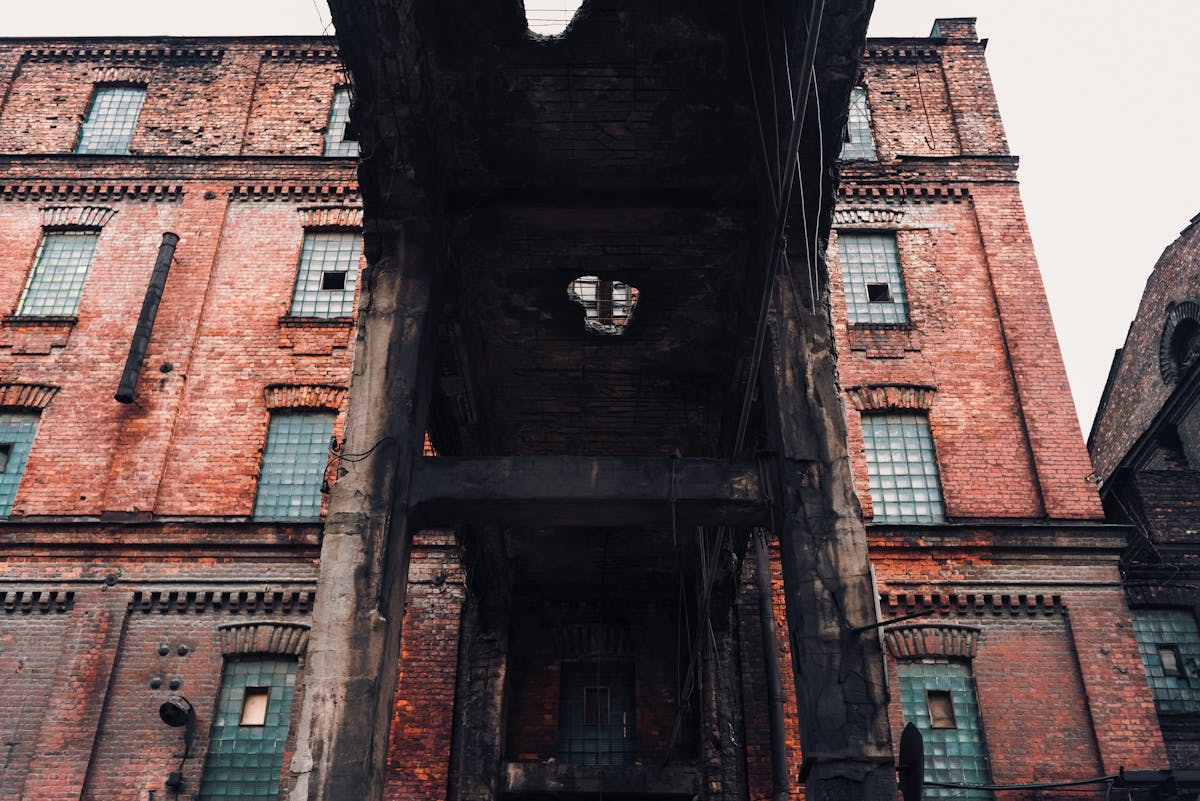
Few places in Japan feel as otherworldly as Gunkanjima — officially Hashima Island — a tiny, crumbling concrete city rising out of the sea about 19 kilometers from Nagasaki. Once the most densely populated place on Earth, today it stands silent and abandoned, its decaying apartment blocks and broken sea wall earning it the nickname “Battleship Island” because, from a distance, its jagged silhouette really does resemble a warship steaming across the water. For first-time visitors to Japan who want something far beyond temples and bullet trains, a boat tour to this UNESCO World Heritage ruin is one of the most haunting and memorable half-days you can spend in Kyushu.
This guide walks you through everything you need to know before you go: how to get to Nagasaki, which boat tour to choose, what it costs in both yen and US dollars, what you will actually see when you land, the island history, and a long list of practical tips to make the trip smooth. Gunkanjima is not your average tourist stop — landings get cancelled by the weather more often than people expect, and there are strict rules once you are on the island — so a little preparation goes a long way.
What Is Gunkanjima (Hashima Island)?
Hashima is a small artificial-looking island in the East China Sea, part of Nagasaki City in Nagasaki Prefecture on the island of Kyushu. Its formal name is Hashima (端島, “edge island”), but almost everyone calls it Gunkanjima (軍艦島), literally “Battleship Island.” The nickname dates back to the early twentieth century, when newspapers noted that the island high concrete apartment blocks and surrounding sea wall made it look uncannily like the Japanese battleship Tosa when viewed from the sea.
The island measures only about 480 meters long and 160 meters wide — you could walk its full length in a few minutes if you were allowed to roam freely, which you are not. Within that tiny footprint, at its peak in 1959, more than 5,000 people lived and worked, giving Gunkanjima a population density estimated at over 80,000 people per square kilometer, widely cited as the highest in the world at the time. To house that many people on a rock in the ocean, engineers built one of Japan very first large reinforced-concrete apartment buildings here in 1916, decades before such towers became common on the mainland.
Why was anyone living on a rock in the sea?
The answer is coal. Beneath the seabed around Hashima lay rich seams of high-quality coal, and from the 1880s the Mitsubishi company developed the island into an undersea coal-mining operation. Miners descended shafts that ran far below the ocean floor, working in hot, cramped, dangerous conditions to fuel Japan rapid industrialization. The island became a self-contained town with apartment blocks, a school, a hospital, shops, a cinema, public baths, shrines, and even a rooftop garden — all squeezed onto a space smaller than a few city blocks.
When Japan shifted from coal to petroleum in the 1960s, the mine days were numbered. Mitsubishi closed the colliery in January 1974, and within a few months every last resident had left. The island was simply abandoned, left to the typhoons and the salt air. For more than three decades it was off-limits, slowly collapsing, until it reopened to limited tourism in 2009. In 2015 it was inscribed as part of the UNESCO World Heritage listing “Sites of Japan Meiji Industrial Revolution.”
How to Get to Nagasaki First
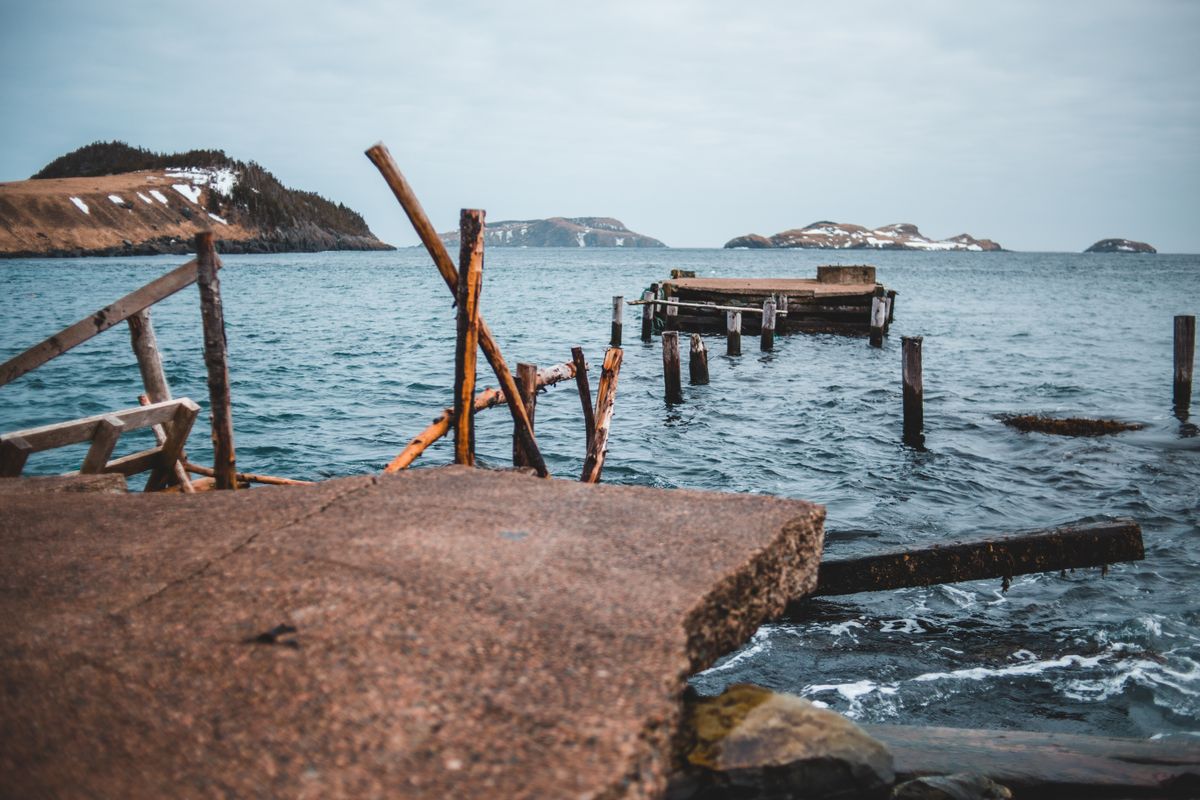
Before you can reach Gunkanjima, you need to get to Nagasaki, the gateway city. Nagasaki sits on the western edge of Kyushu and is well connected, though it is genuinely far from Tokyo, so plan your route in advance. For a broader overview of moving around the country, our complete guide to the shinkansen explains how the bullet-train network ties Japan together.
By air
The fastest option from Tokyo is to fly. Flights from Tokyo (Haneda) to Nagasaki Airport take about two hours, and one-way fares typically run from around ¥12,000 to ¥30,000 (roughly $80–$200) depending on the airline and how far ahead you book. From Nagasaki Airport, an airport limousine bus reaches central Nagasaki in about 45 minutes for around ¥1,200 ($8). If you would rather skip the bus and crowded transfers with luggage, a private airport transfer is worth considering — services like NearMe airport shuttle offer shared door-to-door rides that can be cheaper than a taxi.
By train
Since the Nishi-Kyushu Shinkansen opened, you can ride the bullet train between Takeo-Onsen and Nagasaki, connecting onward toward Hakata (Fukuoka). From Hakata, the combined limited-express-plus-shinkansen journey to Nagasaki takes roughly 1 hour 20 minutes and costs about ¥6,000 ($40) one way. If you are arriving from Osaka or Tokyo by rail, you will change trains at Hakata; the full trip from Tokyo takes the better part of a day, so most visitors fly at least one leg.
Where the tours depart
All Gunkanjima cruises leave from central Nagasaki, mainly from piers near Nagasaki Port (Tokiwa Terminal) and the Dejima Wharf area. These are easy to reach by the city charming tram network — a flat fare of ¥140 ($0.95) per ride — or a short taxi from Nagasaki Station. Aim to base yourself near the waterfront or the station so you can reach the morning departures without stress.
Gunkanjima Boat Tours: Your Options, Prices, and Booking Tips
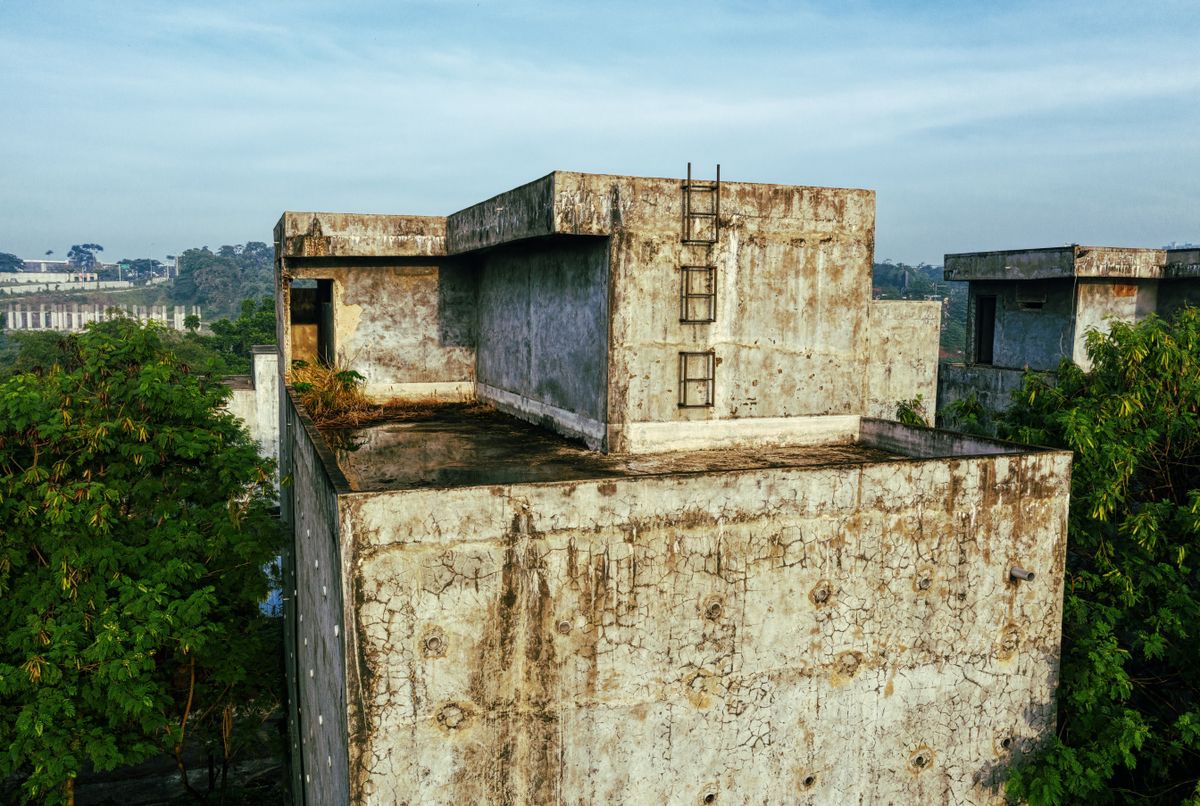
You cannot visit Gunkanjima independently — there is no public ferry and no way to land on your own. Every visit is via a licensed tour operator, and only a handful of companies are permitted to land passengers on the island. Several run from Nagasaki, with the best-known including Gunkanjima Concierge, Yamasa-Kaiun, and Gunkanjima Cruise. Tours generally last between two and three hours round trip, including the crossing, time circling the island, and the landing itself.
How much does it cost?
Expect to pay roughly ¥3,600 to ¥4,500 (about $24–$30) for the boat tour itself. On top of that, every visitor must pay a separate landing fee of ¥310 (about $2) that goes to Nagasaki City for site maintenance. Some operators bundle this into the listed price, while others collect it separately, so read the fine print. Children tickets are usually discounted. All told, budget around ¥4,000–¥5,000 ($27–$33) per adult for the experience.
Booking ahead — and why it matters
Gunkanjima tours are popular, and the most reputable operators frequently sell out in peak seasons (spring and autumn, plus Japanese holidays). Book online a few days to a week in advance whenever possible. Just as importantly, understand that landing is never guaranteed. By law, boats can only disembark passengers when wind, waves, and visibility are within strict safety limits. On rough days — which are common, especially in winter and during typhoon season — the boat will still circle the island so you can photograph it from the water, but you will not set foot on land. Operators typically refund the ¥310 landing fee if no landing occurs, but not the cruise fare.
Choosing a tour
What You Will See When You Land
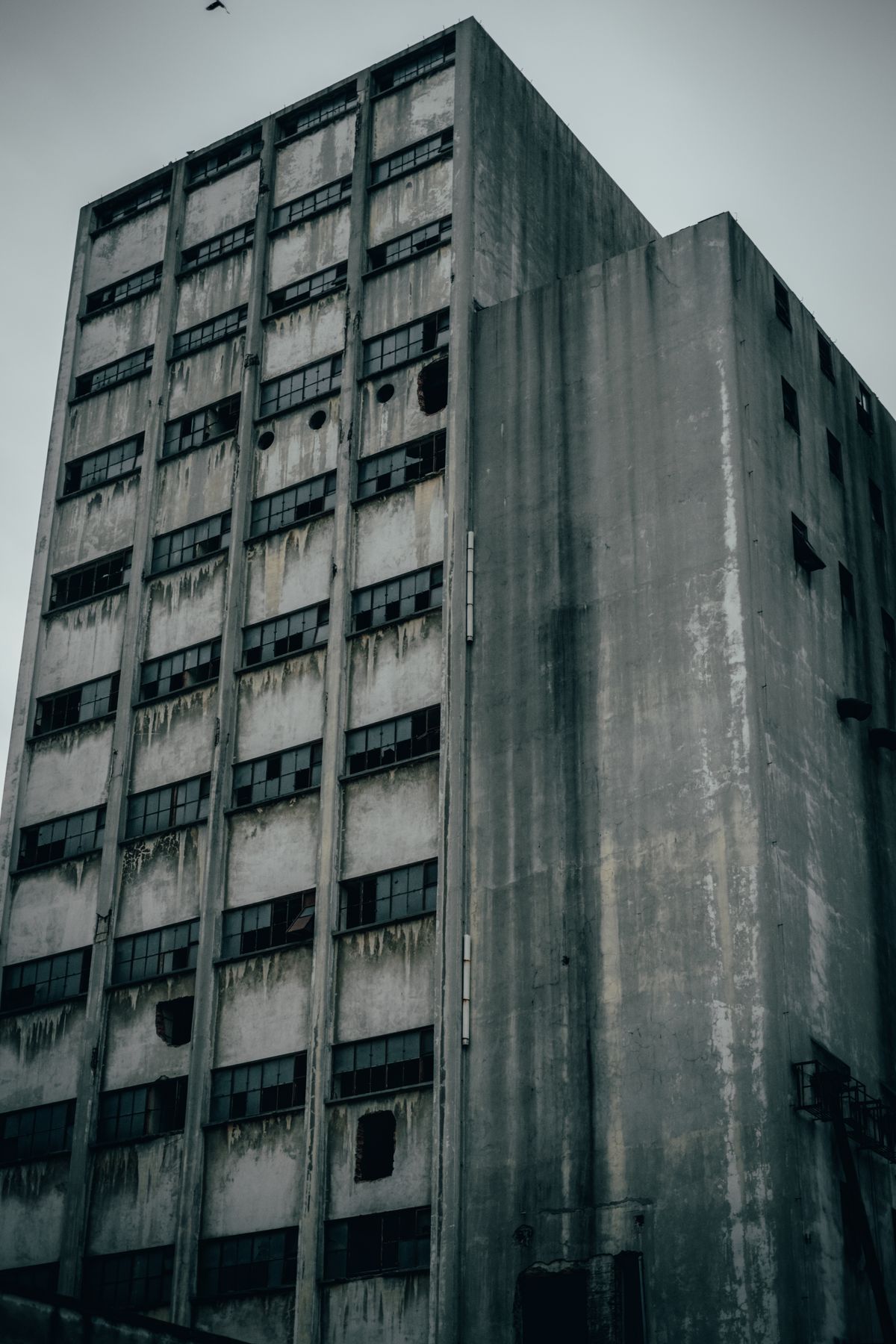
When conditions allow a landing, the boat ties up at the island small dock and visitors step onto a series of three viewing areas connected by a fixed walkway. For safety reasons — the buildings are genuinely unstable and continue to crumble — you are not allowed to wander among the ruins. Instead, guides lead you along the designated path and explain what you are seeing, pointing out landmarks across the rubble.
The highlights from the walkway
From the observation points you can see the remains of the island most important structures. Building No. 30, completed in 1916, was one of Japan first reinforced-concrete apartment blocks and still stands, scarred but upright. Nearby are the foundations of the mine main shaft, the conveyor systems that hauled coal, and the seawall that protected the community from typhoon waves. You will see the skeletal frames of apartment towers where thousands once lived stacked atop one another, laundry poles still jutting from some windows, and the empty sockets where glass used to be.
A genuine ghost town
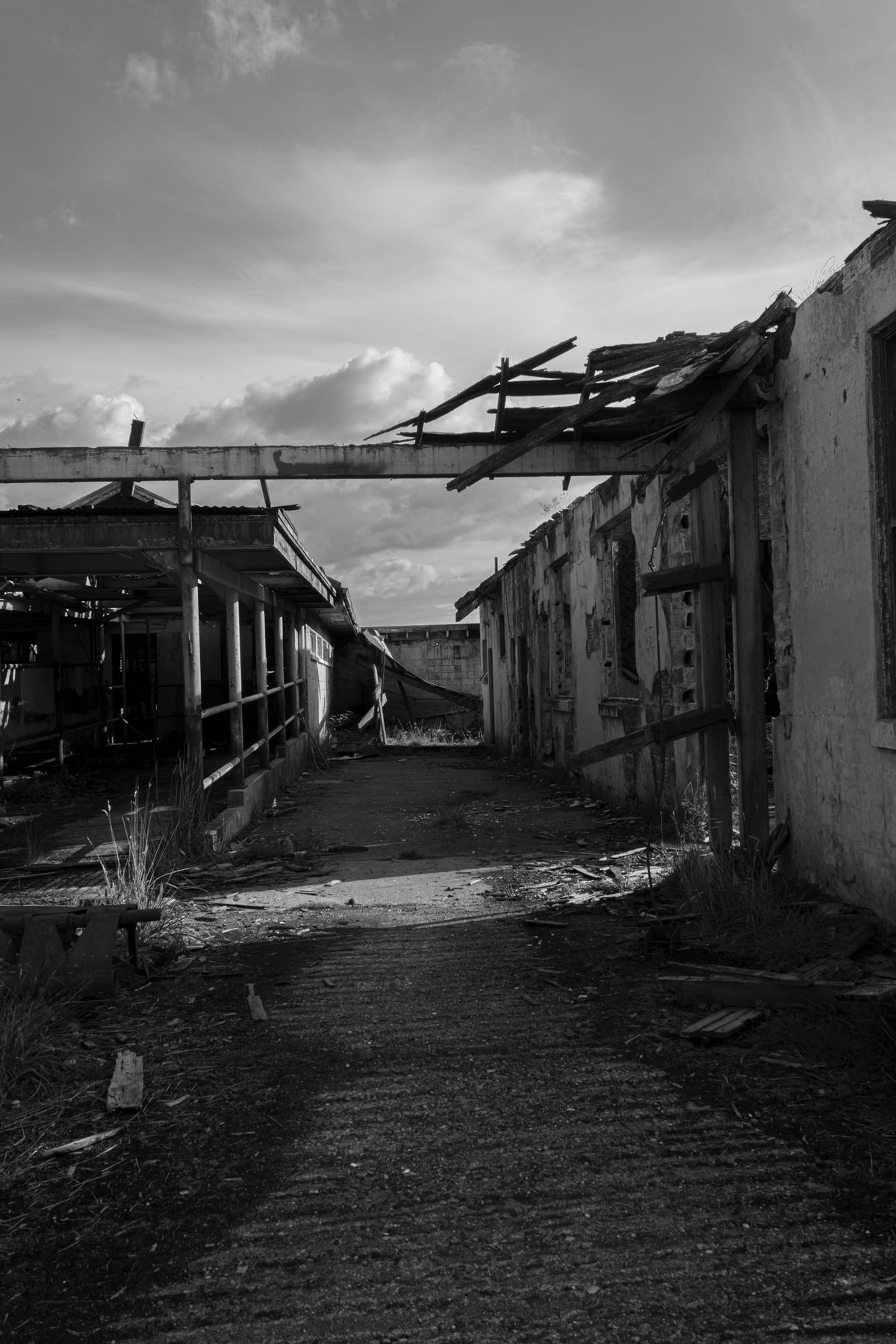
What makes Gunkanjima so affecting is not any single building but the overwhelming sense of a complete community frozen at the moment of departure. People left in 1974 expecting, in some cases, to come back — and never did. The school, the hospital, the shops, and the homes are all still there in skeletal form, being patiently dismantled by the sea. Standing on the walkway with the wind whipping off the water, it is easy to feel like the last person on Earth, which is exactly why photographers, history buffs, and lovers of the eerie find the place so unforgettable. If you appreciate offbeat, atmospheric corners of Japan, you will find more in our collection of hidden and unusual destinations.
The Human History You Should Know Before You Go
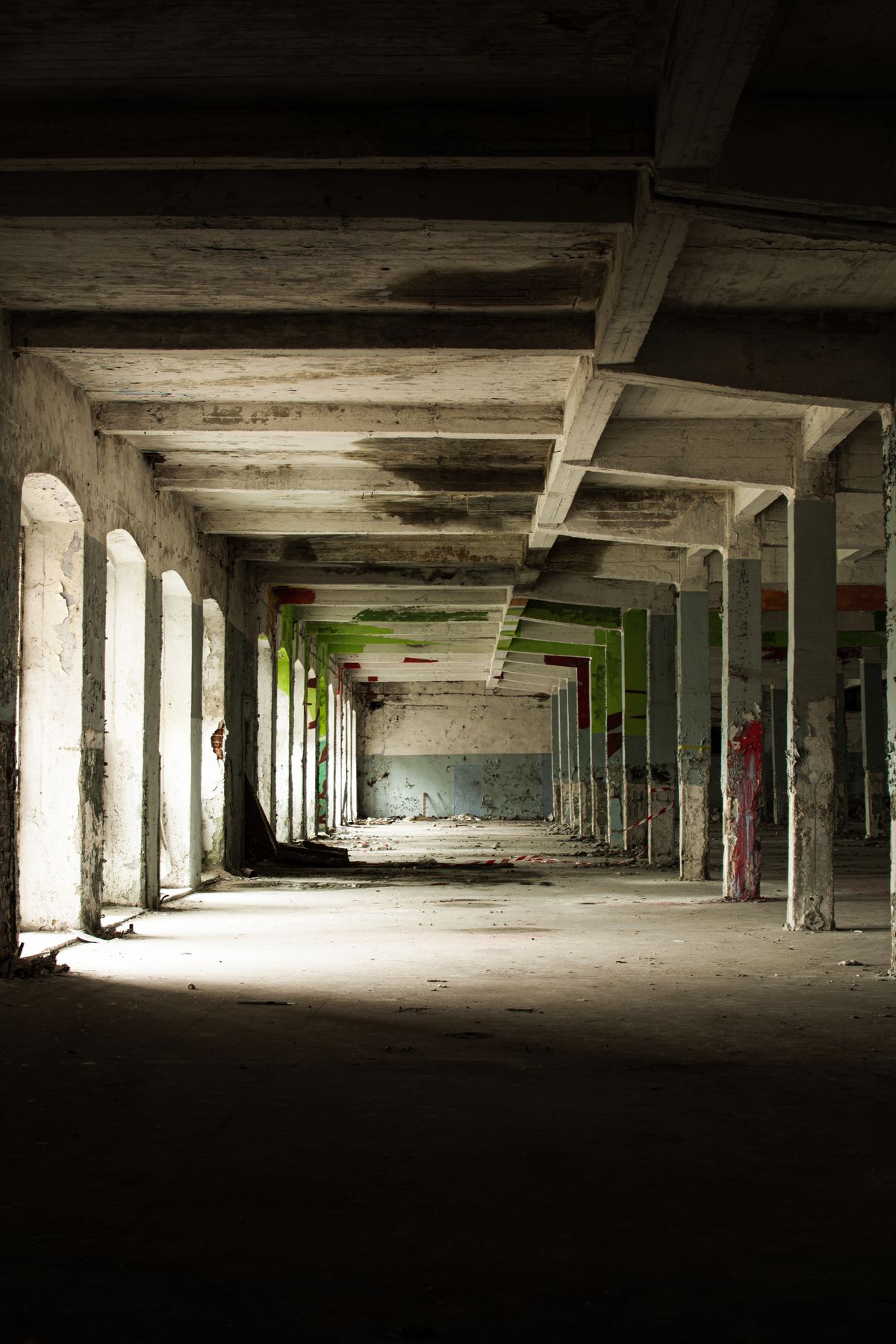
Gunkanjima is a powerful place, but it is also a complicated one, and thoughtful travelers should understand its full story. The island coal fueled Japan modernization, and its concrete towers were a genuine feat of early-twentieth-century engineering. At the same time, the wartime history of the mine is the subject of serious historical discussion. During the Second World War, Korean and Chinese laborers, as well as conscripted workers, were brought to the island and made to work in the mines under harsh conditions, and this difficult chapter is an important part of the site history that has been raised in international debate over its World Heritage status.
Most tour guides focus on the engineering and daily-life aspects of the island, and the on-site interpretation centers in Nagasaki provide additional context. Visiting with an awareness of this layered history — industrial achievement alongside human hardship — makes the experience richer and more respectful. If you have time in the city, the Nagasaki City Gunkanjima Digital Museum recreates the island interiors using projections and VR, which is especially valuable on days when rough seas prevent a landing.
Best Time to Visit and What to Expect from the Weather
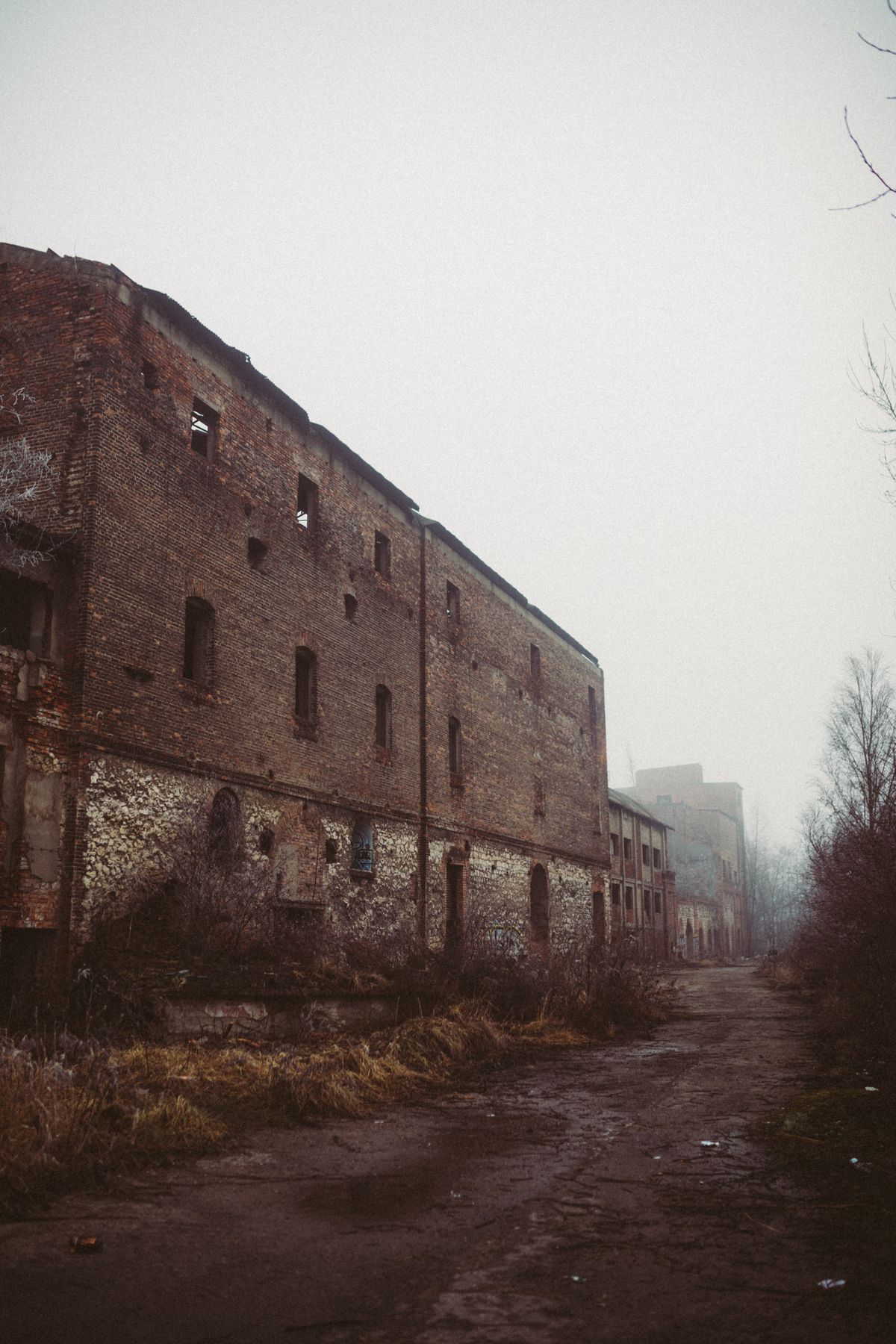
Because landings depend entirely on the sea, weather is the single biggest factor in your visit. The calmest, most reliable months are generally spring (April–June) and autumn (October–November), when seas tend to be gentler and skies clearer. Summer brings warm water and long days but also typhoon season from roughly August through September, when tours are cancelled with little notice. Winter can be cold and windy, with a higher chance that the boat circles the island without landing.
The practical takeaway: if a Gunkanjima landing is a must-do for you, build flexibility into your Nagasaki stay. Spend at least two nights in the city and book your tour for the first morning. That way, if your tour is cancelled or the landing is scrubbed, you can try again the next day. Many visitors who allow only a single rigid time slot end up disappointed by the weather.
Practical Tips for Visiting Gunkanjima
- Book two nights in Nagasaki, minimum. Weather cancellations are common, so give yourself a second chance at a landing. Compare waterfront hotels and ryokan on Agoda to stay close to the departure piers.
- Reserve your tour online in advance. Popular operators fill up days ahead in spring and autumn. Confirm whether the ¥310 landing fee is included.
- Take the morning departure. Seas are usually calmest early, giving you the best odds of actually landing.
- Dress for wind and sun. There is no shade and no shelter on the walkway. Bring a hat, sunscreen, and a windbreaker; the sea breeze is strong even on warm days.
- Wear flat, secure shoes. The dock and walkway can be slippery. Sandals and heels are a bad idea.
- Bring a real camera if you have one. The textures of the ruins reward a good lens, and you will be shooting from a fixed distance, so a little zoom helps.
- Stay on the path and follow your guide. The ruins are genuinely dangerous and strictly off-limits beyond the walkway. Rules exist for your safety and to preserve the site.
- Get connected before you arrive. Tour times, weather updates, and last-minute changes are easier to manage with mobile data. A prepaid travel eSIM such as this Japan & global eSIM lets you stay online the moment you land without hunting for a SIM shop.
- Visit the Gunkanjima Digital Museum in Nagasaki as a backup or supplement — it brings the island interiors to life and is open regardless of the weather.
- Carry cash. Some operators and the landing fee may be cash-only, and smaller Nagasaki shops still prefer yen.
Combining Gunkanjima with the Rest of Nagasaki
A Gunkanjima tour takes only half a day, so pair it with Nagasaki other sights. The city is one of Japan most distinctive, shaped by centuries of contact with Portuguese and Dutch traders and by its tragic twentieth-century history. Do not miss the Nagasaki Peace Park and Atomic Bomb Museum, the beautifully restored Dejima trading post, the colorful Chinatown, and the night view from Mount Inasa, often ranked among Japan best. Glover Garden, with its preserved Western-style mansions overlooking the harbor, pairs naturally with a Gunkanjima morning.
Food-wise, Nagasaki is famous for champon (a hearty noodle soup), sara udon (crispy noodles), castella sponge cake brought by the Portuguese, and Toruko rice, a quirky plate of pilaf, pork cutlet, and spaghetti. First-time visitors who want to get the most out of a Kyushu trip should also read our essential tips for first-time visitors to Japan, which covers money, etiquette, transport passes, and more.
A Day in the Life on Old Hashima
To really appreciate the ruins, it helps to picture the island as it once was: not a curiosity but a living, breathing town packed onto a rock in the sea. At its height in the late 1950s and early 1960s, Hashima was a complete society in miniature, and daily life there was unlike anywhere else in Japan. Apartments were tiny — often a single six-tatami room for a whole family, with shared toilets and kitchens down the hall — yet the community lacked for almost nothing it needed day to day.
Children attended a seven-story school building that combined elementary and junior high under one roof, with the upper floors reached by an elevator that was a marvel in its time. There was a hospital with a maternity ward, because babies were born on the island; there were shops selling vegetables, fish, and household goods; there were public baths where miners scrubbed off coal dust at the end of a shift; and there was a cinema, a pachinko parlor, bars, a barber, and even a rooftop kindergarten and garden where residents grew flowers in soil ferried over by boat. Televisions arrived in Hashima homes earlier than in many mainland villages, because the well-paid mining families could afford them.
Life was also hard and hemmed in. Space was so scarce that rooftops doubled as playgrounds and gardens, and typhoons regularly sent waves crashing over the seawall and into the lower apartments. The mine itself was brutally hot and humid, with shafts plunging more than 600 meters below sea level, and accidents were a constant danger. Understanding this mixture of modern convenience and genuine hardship is part of what makes a visit so moving — every empty window frame you photograph once framed someone home.
Photography Guide: Getting the Best Shots
Gunkanjima is a dream for photographers, but the fixed walkway and unpredictable light mean a little planning pays off. Because you cannot move freely, you are essentially shooting from three set vantage points, so think about composition before you arrive rather than hunting for angles on the spot.
A mid-range zoom lens (roughly 24–105mm equivalent) is the most versatile choice, letting you capture both the sweeping scale of the apartment blocks and tighter details like rusted railings and broken windows. The harsh midday sun can flatten the textures that make the ruins so striking, so the softer light of an early-morning tour is often more flattering, and it coincides with the calmer seas that improve your landing odds. Overcast days, while less pleasant, actually produce wonderfully moody, even-toned images that suit the subject. Bring a lens cloth: sea spray on the crossing will coat your front element, and a wide-open aperture will show every water spot.
From the boat, before and after the landing, you will get the classic “battleship” silhouette of the whole island — have your camera ready as you approach, because the captain usually slows down for a circuit. Keep a hand free and your strap secured; the deck can be wet and the boat rocks. Finally, respect the rules about where you can stand and shoot, and never climb over barriers for a better frame. The ruins are unstable, and the restrictions protect both you and the fragile site.
What to Pack for Your Gunkanjima Tour
Packing for a half-day at sea and on an exposed concrete island is straightforward once you know the conditions. The island has no shelter, no shade, no shops, and no vending machines, so you need to bring everything you will want for the two-to-three-hour round trip.
- Sun protection: a hat, sunglasses, and sunscreen are essential — the walkway is fully exposed and reflective concrete intensifies the glare.
- A light windbreaker or rain shell: the sea breeze is strong and spray is common even on clear days.
- Water and a small snack: there is nowhere to buy anything once you leave the pier.
- Motion-sickness tablets: if you are prone to seasickness, take them before boarding, not after the boat starts rocking.
- Cash in yen: for the landing fee and any cash-only operators.
- Your camera and a spare battery or memory card: you will take more photos than you expect.
- A charged phone with mobile data: a prepaid Japan eSIM keeps you reachable for weather alerts and rebooking, and means you can check tour updates the moment you are back in range.
Getting Around Nagasaki
Nagasaki is a compact, walkable city, and its vintage streetcars make getting around both easy and charming. The tram network covers nearly every sight a visitor wants, from the Peace Park in the north to Glover Garden and the harbor in the south, at a flat fare of ¥140 (about $0.95) per ride regardless of distance. A one-day tram pass costs around ¥600 ($4) and pays for itself in four or five rides.
From Nagasaki Station, the Gunkanjima departure piers are a short tram or taxi ride away, and most of the city other highlights cluster within a few tram stops of one another. Taxis are plentiful but, as everywhere in Japan, more expensive than public transport. If you arrive with heavy luggage or are short on time connecting from the airport, a shared shuttle can take the stress out of the transfer. Within the city, though, the trams are all you really need, and riding them past the harbor and up the hillsides is a pleasure in itself.
Where to Stay Near the Tour Piers
Because Gunkanjima tours leave early and the weather can force you to try again on a second day, where you sleep matters more here than in many cities. The most convenient bases are around Nagasaki Station and the waterfront Dejima and Tokiwa areas, all within easy reach of the departure piers by tram. Staying central also puts you close to dinner, the tram lines, and the Digital Museum if your landing is rained out.
Nagasaki offers everything from budget business hotels to harbor-view properties and traditional inns. Business hotels near the station typically run ¥7,000–¥13,000 (about $47–$87) per night for a clean, functional room, while harborfront hotels with a view cost more. Comparing options on Agoda is an easy way to find a place within walking distance of the piers and to filter by guest rating, breakfast, and cancellation policy — useful flexibility when your plans depend on the weather. Booking a refundable rate is wise in case you need to extend your stay for a second landing attempt.
Responsible and Respectful Visiting
Gunkanjima is simultaneously an engineering monument, a former community, and a site connected to difficult wartime history, so visiting thoughtfully matters. Stay on the designated walkway at all times, both for your own safety among unstable structures and to protect a fragile site that is actively eroding. Do not remove anything — not a chip of concrete, not a rusted bolt — as souvenirs; the island is protected, and its slow decay is part of what visitors come to witness.
Approach the island story with curiosity and humility. For some visitors, particularly from Korea and China, Hashima carries painful associations tied to forced wartime labor, and being aware of that context is part of being a considerate traveler. Listening to your guide, reading the interpretive materials in Nagasaki, and treating the ruins as more than a backdrop for photos will make the experience deeper and more meaningful. Like all the most rewarding places in Japan, Gunkanjima gives back more when you meet it with respect.
The Coal Mine Beneath the Waves
It is easy to focus on the apartment blocks, but the entire reason for Hashima existence lay hidden far below: a sprawling network of undersea coal shafts. The first shaft was sunk in the 1880s, and over the following decades the operation grew into one of Japan most productive collieries. At its peak the mine produced hundreds of thousands of tons of high-grade coal each year, the fuel that powered steel mills, railways, and ships during Japan headlong rush to industrialize.
Working the mine was grueling. Miners rode elevators and then trudged through long, sloping tunnels that extended well beyond the island and deep beneath the seabed, to depths exceeding 600 meters. Temperatures underground could climb past 30°C with near-total humidity, and the air was thick with coal dust and the ever-present risk of gas. Shifts ran around the clock, and the rhythm of the island — the public baths, the shops staying open late, the constant hum of machinery — all revolved around the mine three daily shift changes. When you look at the conveyor foundations and shaft openings from the walkway, you are looking at the literal engine that built and sustained the entire town above.
That dependence was also the island undoing. As Japan energy economy pivoted from coal to imported oil through the 1960s, Hashima coal became uneconomical. The closure in 1974 was sudden by the standards of a community that had existed for nearly a century, and the speed of the exodus is exactly why the island feels so frozen: there was no slow winding-down, just a town that emptied in a matter of weeks.
A Sample Two-Day Nagasaki Itinerary
To make the most of a Gunkanjima trip while protecting yourself against the weather, two full days in Nagasaki is the sweet spot. Here is one practical way to structure them.
Day one
Take a morning Gunkanjima tour — book the earliest departure for the calmest seas and best landing odds. Back on land by lunchtime, head to Nagasaki Chinatown (Shinchi) for a steaming bowl of champon or a plate of sara udon. In the afternoon, explore the southern harbor district: stroll the reconstructed Dejima trading post, wander up to Glover Garden for its preserved Western mansions and harbor views, and visit Oura Church nearby. As evening falls, ride the ropeway up Mount Inasa for a night view regularly ranked among the finest in Japan.
Day two
Reserve the morning for the Peace Park, the Atomic Bomb Museum, and the Hypocenter — sobering but essential to understanding the city. If your Gunkanjima landing was cancelled by weather on day one, this is your buffer: swap in a second tour attempt and shift the Peace Park to the afternoon. Either way, leave time for the Gunkanjima Digital Museum, which deepens what you saw (or stands in for what the weather denied you). Cap the day with Nagasaki sweet specialty, castella sponge cake, to take home. If you would rather have the logistics handled for you, guided day tours and activity bundles through can stitch these sights together without the planning legwork.
With this rhythm, a single weather cancellation never ruins the trip — it simply shuffles the order — and you return home having seen both the haunting ruins and the remarkable city that serves as their gateway.
Frequently Asked Questions
Can I visit Gunkanjima on my own without a tour?
No. There is no public ferry and independent landings are prohibited. The only legal way to set foot on the island is with one of the licensed tour operators that depart from Nagasaki. They hold the permits required to dock and guide visitors safely along the designated walkway.
How much does a Gunkanjima tour cost?
The boat tour itself usually costs about ¥3,600–¥4,500 (roughly $24–$30), plus a ¥310 (about $2) landing fee paid to Nagasaki City. Budget around ¥4,000–¥5,000 ($27–$33) per adult in total. Children receive discounted fares with most operators.
Is the landing always guaranteed?
No, and this is the most important thing to understand. Boats can only land when wind, waves, and visibility meet strict safety thresholds. On rough days the tour still circles the island for photos but does not land, and operators typically refund only the ¥310 landing fee, not the cruise fare. To improve your odds, take a morning tour and keep a spare day in your schedule.
How long does the tour take?
Most tours run two to three hours round trip, including the roughly 30–50 minute crossing each way, time circling the island, and around an hour on land when a landing is possible. The walkway portion itself lasts about 30–60 minutes depending on the operator and conditions.
Is Gunkanjima suitable for children or elderly visitors?
Generally yes, but with caveats. The boat ride can be bumpy, and the dock and walkway have steps and uneven surfaces with no wheelchair access during a landing. There is no shade or seating on the island. Visitors prone to seasickness should take precautions, and anyone with mobility limitations should ask the operator about accessibility before booking.
What should I do if my tour is cancelled by weather?
First, check the operator rebooking and refund policy when you book — most allow you to rebook for another day if space is available. As a backup, visit the Gunkanjima Digital Museum in Nagasaki, which uses projections and VR to recreate the island interiors and is open regardless of the weather. Building a flexible, multi-night Nagasaki stay is the best insurance against disappointment.
Why is it called Battleship Island?
From the sea, the island tall concrete apartment blocks and protective seawall give it a silhouette resembling a battleship — specifically, early observers compared it to the Japanese warship Tosa. The Japanese nickname Gunkanjima literally means “battleship island,” and it has stuck ever since.
What is the best time of day to take the tour?
Morning departures are generally best. The sea tends to be calmest in the early hours, which improves your chances of an actual landing, and the softer morning light is far more flattering for photographing the weathered concrete than harsh midday sun. Booking the first tour of the day also leaves the rest of your schedule free to explore Nagasaki, and gives you the option of a second attempt later if conditions change.
How far in advance should I book?
In the busy spring and autumn seasons, and around Japanese public holidays, reserve at least several days to a week ahead, as the most reputable operators sell out. In quieter periods you can sometimes book a day or two before, but never rely on walking up on the day. Booking online also lets you review the cancellation and refund terms, which matter given how often weather intervenes.
Is there anything to see if the boat cannot land?
Yes. Even when the sea is too rough to dock, the tour still sails out and circles Hashima, so you will see the full “battleship” profile and photograph the island from the water — often the most dramatic angle anyway. Pair this with the Gunkanjima Digital Museum in Nagasaki, which recreates the interiors you cannot reach, and you will still come away with a strong sense of the place even without a landing.
Do I need to speak Japanese to take a tour?
Not necessarily. Several operators provide English-language pamphlets or audio guides, and the visual experience needs no translation. That said, the live guiding is usually in Japanese, so booking an operator that explicitly offers English support, or a guided package through an international platform, will help you get the most out of the commentary.
Final Thoughts
Gunkanjima is unlike anywhere else you will visit in Japan. It is not polished or convenient, the weather may foil your plans, and you will see it from a roped walkway rather than wandering freely — and yet the experience of standing on an abandoned concrete island that once teemed with thousands of lives is genuinely unforgettable. Pair it with the rich, layered city of Nagasaki, allow flexibility in your schedule, come prepared for wind and sun, and you will come away with one of the most striking stories of your entire trip. For more offbeat corners of the country, keep exploring our destinations guide and our first-timer tips before you set off.
🗾 Planning your trip? Get our free 7-Day Japan Itinerary (PDF)
Day-by-day Tokyo → Kyoto → Osaka plan with real prices and essential phrases — sent straight to your inbox.
Going to Japan? Talk to locals with confidence.
Hirameki Japanese — instant offline translation, camera translation, furigana + romaji, and 314 free flashcards. No login. Works without internet.

Plan your Japan trip
Two things every first-timer should book
Some links are affiliate links. If you book through them we may earn a small commission at no extra cost to you.